See whether Helium helps you make better-informed decisions. Try every Pro Trader feature for 30 days. No credit card required.
Try every Pro Trader feature for 30 days. No credit card required.
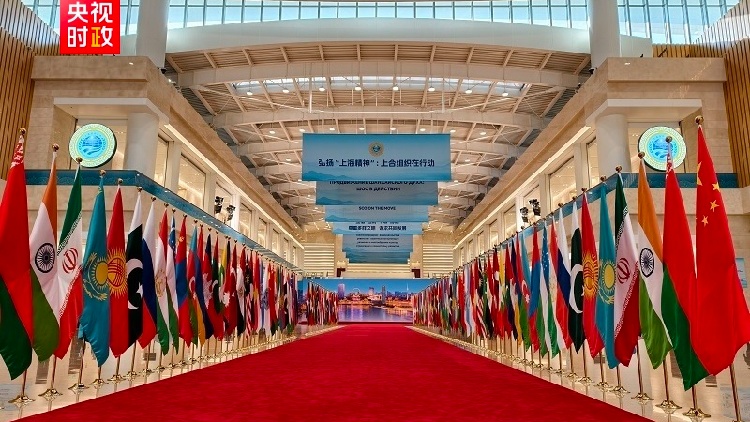
Article Bias: A state-media–driven, pro-China, pro-SCO briefing that highlights Xi's hosting and regional leadership while omitting critical scrutiny, indicating strong establishment, collectivist, and authoritative framing.
Social Shares: 0
🔵 Liberal <—> Conservative 🔴:
🗽 Libertarian <—> Authoritarian 🚔:
🗞️ Objective <—> Subjective 👁️ :
🚨 Sensational:
📉 Bearish <—> Bullish 📈:
📝 Prescriptive:
🕊️ Dovish <—> Hawkish 🦁:
😨 Fearful:
📞 Begging the Question:
🗣️ Gossip:
💭 Opinion:
🗳 Political:
Oversimplification:
🏛️ Appeal to Authority:
🍼 Immature:
🔄 Circular Reasoning:
👀 Covering Responses:
😢 Victimization:
😤 Overconfident:
🗑️ Spam:
✊ Ideological:
🏴 Anti-establishment <—> Pro-establishment 📺:
🙁 Negative <—> Positive 🙂:
📏📏 Double Standard:
❌ Uncredible <—> Credible ✅:
🧠 Rational <—> Irrational 🤪:
🤑 Advertising:
🦊 Anti-Corporate <—> Pro-Corporate 👔:
👤 Individualist <—> Collectivist 👥:
🐍 Manipulative:
🤖 Written by AI:
💔 Low Integrity <—> High Integrity ❤️:
AI Bias: Western-centric bias in training; may underweight state-media framing nuances
Article Bias: A state-media–driven, pro-China, pro-SCO briefing that highlights Xi's hosting and regional leadership while omitting critical scrutiny, indicating strong establishment, collectivist, and authoritative framing.
Social Shares: 0
🔵 Liberal <—> Conservative 🔴:
🗽 Libertarian <—> Authoritarian 🚔:
🗞️ Objective <—> Subjective 👁️ :
🚨 Sensational:
📉 Bearish <—> Bullish 📈:
📝 Prescriptive:
🕊️ Dovish <—> Hawkish 🦁:
😨 Fearful:
📞 Begging the Question:
🗣️ Gossip:
💭 Opinion:
🗳 Political:
Oversimplification:
🏛️ Appeal to Authority:
🍼 Immature:
🔄 Circular Reasoning:
👀 Covering Responses:
😢 Victimization:
😤 Overconfident:
🗑️ Spam:
✊ Ideological:
🏴 Anti-establishment <—> Pro-establishment 📺:
🙁 Negative <—> Positive 🙂:
📏📏 Double Standard:
❌ Uncredible <—> Credible ✅:
🧠 Rational <—> Irrational 🤪:
🤑 Advertising:
🦊 Anti-Corporate <—> Pro-Corporate 👔:
👤 Individualist <—> Collectivist 👥:
🐍 Manipulative:
🤖 Written by AI:
💔 Low Integrity <—> High Integrity ❤️:
AI Bias: Western-centric bias in training; may underweight state-media framing nuances
Article Bias: A state-backed, pro-SCO narrative portrays China- and Russia-led multipolarism as constructive, stressing equality, consensus and cooperation while downplaying rivals or conflict potential.
Social Shares: 0
This article is similar to Chinese president, Belarusian leader hold meeting in Tianjin
🔵 Liberal <—> Conservative 🔴:
🗽 Libertarian <—> Authoritarian 🚔:
🗞️ Objective <—> Subjective 👁️ :
🚨 Sensational:
📉 Bearish <—> Bullish 📈:
📝 Prescriptive:
🕊️ Dovish <—> Hawkish 🦁:
😨 Fearful:
📞 Begging the Question:
🗣️ Gossip:
💭 Opinion:
🗳 Political:
Oversimplification:
🏛️ Appeal to Authority:
🍼 Immature:
🔄 Circular Reasoning:
👀 Covering Responses:
😢 Victimization:
😤 Overconfident:
🗑️ Spam:
✊ Ideological:
🏴 Anti-establishment <—> Pro-establishment 📺:
🙁 Negative <—> Positive 🙂:
📏📏 Double Standard:
❌ Uncredible <—> Credible ✅:
🧠 Rational <—> Irrational 🤪:
🤑 Advertising:
🔬 Scientific <—> Superstitious 🔮:
👤 Individualist <—> Collectivist 👥:
🐍 Manipulative:
🤖 Written by AI:
💔 Low Integrity <—> High Integrity ❤️:
AI Bias: I may reflect training bias toward being cautious and explicit about biases.
Article Bias: The report relies on state-affiliated sources and frames the SCO summit with official language and minimal critical scrutiny, indicating a mild pro-establishment bias while maintaining factual reporting.
Social Shares: 0
🔵 Liberal <—> Conservative 🔴:
🗽 Libertarian <—> Authoritarian 🚔:
🗞️ Objective <—> Subjective 👁️ :
🚨 Sensational:
📉 Bearish <—> Bullish 📈:
📝 Prescriptive:
🕊️ Dovish <—> Hawkish 🦁:
😨 Fearful:
📞 Begging the Question:
🗣️ Gossip:
💭 Opinion:
🗳 Political:
Oversimplification:
🏛️ Appeal to Authority:
🍼 Immature:
🔄 Circular Reasoning:
👀 Covering Responses:
😢 Victimization:
😤 Overconfident:
🗑️ Spam:
✊ Ideological:
🏴 Anti-establishment <—> Pro-establishment 📺:
🙁 Negative <—> Positive 🙂:
📏📏 Double Standard:
❌ Uncredible <—> Credible ✅:
🧠 Rational <—> Irrational 🤪:
🤑 Advertising:
🎲 Speculation:
🤖 Written by AI:
💔 Low Integrity <—> High Integrity ❤️:
AI Bias: Limited by training on broad sources; may overweight official/state-media framing.
Article Bias: Pro-global governance, anti-Western hegemony and pro-UN reform stance with China-led multipolar framing; combines rigorous references to international law with normative critique of US/NATO actions, revealing a strong ideological bias in favor of Global Majority priorities and BRICS-style governance.
Social Shares: 3
🔵 Liberal <—> Conservative 🔴:
🗽 Libertarian <—> Authoritarian 🚔:
🗞️ Objective <—> Subjective 👁️ :
🚨 Sensational:
📝 Prescriptive:
🕊️ Dovish <—> Hawkish 🦁:
😨 Fearful:
🗣️ Gossip:
💭 Opinion:
🗳 Political:
Oversimplification:
🏛️ Appeal to Authority:
🍼 Immature:
🔄 Circular Reasoning:
👀 Covering Responses:
😢 Victimization:
😤 Overconfident:
🗑️ Spam:
✊ Ideological:
🏴 Anti-establishment <—> Pro-establishment 📺:
🙁 Negative <—> Positive 🙂:
📏📏 Double Standard:
❌ Uncredible <—> Credible ✅:
🧠 Rational <—> Irrational 🤪:
🤑 Advertising:
🦊 Anti-Corporate <—> Pro-Corporate 👔:
👤 Individualist <—> Collectivist 👥:
🎲 Speculation:
🐍 Manipulative:
🤖 Written by AI:
💔 Low Integrity <—> High Integrity ❤️:
🪨 Low Intelligence <—> High Intelligence 🦉:
AI Bias: I may reflect training data biases toward Western-centric frames in geopolitics.
Article Bias: An opinionated analysis casts the SCO as an authoritarian bloc opposed to Western liberal democracies, advocates a hawkish NATO-aligned response, and uses emotive framing to present a binary clash between freedom and autocracy, revealing a strong pro-Western, anti-authoritarian bias with sensational rhetoric.
Social Shares: 63
🔵 Liberal <—> Conservative 🔴:
🗽 Libertarian <—> Authoritarian 🚔:
🗞️ Objective <—> Subjective 👁️ :
🚨 Sensational:
📉 Bearish <—> Bullish 📈:
📝 Prescriptive:
🕊️ Dovish <—> Hawkish 🦁:
😨 Fearful:
📞 Begging the Question:
💭 Opinion:
🗳 Political:
Oversimplification:
🏛️ Appeal to Authority:
🍼 Immature:
🔄 Circular Reasoning:
👀 Covering Responses:
😢 Victimization:
😤 Overconfident:
✊ Ideological:
🏴 Anti-establishment <—> Pro-establishment 📺:
🙁 Negative <—> Positive 🙂:
📏📏 Double Standard:
🧠 Rational <—> Irrational 🤪:
🤖 Written by AI:
💔 Low Integrity <—> High Integrity ❤️:
🪨 Low Intelligence <—> High Intelligence 🦉:
AI Bias: I tend to favor Western democratic perspectives; may underrecognize non-West viewpoints.
Article Bias: The report relies on state-affiliated sources and frames the SCO summit with official language and minimal critical scrutiny, indicating a mild pro-establishment bias while maintaining factual reporting.
Social Shares: 0
🔵 Liberal <—> Conservative 🔴:
🗽 Libertarian <—> Authoritarian 🚔:
🗞️ Objective <—> Subjective 👁️ :
🚨 Sensational:
📉 Bearish <—> Bullish 📈:
📝 Prescriptive:
🕊️ Dovish <—> Hawkish 🦁:
😨 Fearful:
📞 Begging the Question:
🗣️ Gossip:
💭 Opinion:
🗳 Political:
Oversimplification:
🏛️ Appeal to Authority:
🍼 Immature:
🔄 Circular Reasoning:
👀 Covering Responses:
😢 Victimization:
😤 Overconfident:
🗑️ Spam:
✊ Ideological:
🏴 Anti-establishment <—> Pro-establishment 📺:
🙁 Negative <—> Positive 🙂:
📏📏 Double Standard:
❌ Uncredible <—> Credible ✅:
🧠 Rational <—> Irrational 🤪:
🤑 Advertising:
🎲 Speculation:
🤖 Written by AI:
💔 Low Integrity <—> High Integrity ❤️:
AI Bias: Limited by training on broad sources; may overweight official/state-media framing.
Article Bias: The piece presents Iran's calls at SCO as constructive diplomacy within a pro-establishment, multipolar framework, offering a neutral-to-positive, non-sensational account that emphasizes peace, cooperation, and reform without critical scrutiny of sanctions or competing powers.
Social Shares: 0
🔵 Liberal <—> Conservative 🔴:
🗽 Libertarian <—> Authoritarian 🚔:
🗞️ Objective <—> Subjective 👁️ :
🚨 Sensational:
📉 Bearish <—> Bullish 📈:
📝 Prescriptive:
🕊️ Dovish <—> Hawkish 🦁:
😨 Fearful:
📞 Begging the Question:
🗣️ Gossip:
💭 Opinion:
🗳 Political:
Oversimplification:
🏛️ Appeal to Authority:
🍼 Immature:
🔄 Circular Reasoning:
👀 Covering Responses:
😢 Victimization:
😤 Overconfident:
🗑️ Spam:
✊ Ideological:
🏴 Anti-establishment <—> Pro-establishment 📺:
🙁 Negative <—> Positive 🙂:
📏📏 Double Standard:
❌ Uncredible <—> Credible ✅:
🧠 Rational <—> Irrational 🤪:
🤑 Advertising:
👤 Individualist <—> Collectivist 👥:
🎲 Speculation:
🐍 Manipulative:
💔 Low Integrity <—> High Integrity ❤️:
AI Bias: I tend toward institutional, diplomatic frames and may underweight grassroots or critical angles.
Article Bias: An opinionated analysis casts the SCO as an authoritarian bloc opposed to Western liberal democracies, advocates a hawkish NATO-aligned response, and uses emotive framing to present a binary clash between freedom and autocracy, revealing a strong pro-Western, anti-authoritarian bias with sensational rhetoric.
Social Shares: 63
🔵 Liberal <—> Conservative 🔴:
🗽 Libertarian <—> Authoritarian 🚔:
🗞️ Objective <—> Subjective 👁️ :
🚨 Sensational:
📉 Bearish <—> Bullish 📈:
📝 Prescriptive:
🕊️ Dovish <—> Hawkish 🦁:
😨 Fearful:
📞 Begging the Question:
💭 Opinion:
🗳 Political:
Oversimplification:
🏛️ Appeal to Authority:
🍼 Immature:
🔄 Circular Reasoning:
👀 Covering Responses:
😢 Victimization:
😤 Overconfident:
✊ Ideological:
🏴 Anti-establishment <—> Pro-establishment 📺:
🙁 Negative <—> Positive 🙂:
📏📏 Double Standard:
🧠 Rational <—> Irrational 🤪:
🤖 Written by AI:
💔 Low Integrity <—> High Integrity ❤️:
🪨 Low Intelligence <—> High Intelligence 🦉:
AI Bias: I tend to favor Western democratic perspectives; may underrecognize non-West viewpoints.
Article Bias: Promotional framing of China's Tianjin FTZ and Airbus investment, emphasizing policy reform and growth, with clear establishment and pro-corporate bias, while maintaining a data-backed yet uncritical tone.
Social Shares: 0
🔵 Liberal <—> Conservative 🔴:
🗽 Libertarian <—> Authoritarian 🚔:
🗞️ Objective <—> Subjective 👁️ :
🚨 Sensational:
📉 Bearish <—> Bullish 📈:
📝 Prescriptive:
🕊️ Dovish <—> Hawkish 🦁:
😨 Fearful:
📞 Begging the Question:
🗣️ Gossip:
💭 Opinion:
🗳 Political:
Oversimplification:
🏛️ Appeal to Authority:
🍼 Immature:
🔄 Circular Reasoning:
👀 Covering Responses:
😢 Victimization:
😤 Overconfident:
🗑️ Spam:
✊ Ideological:
🏴 Anti-establishment <—> Pro-establishment 📺:
🙁 Negative <—> Positive 🙂:
📏📏 Double Standard:
❌ Uncredible <—> Credible ✅:
🧠 Rational <—> Irrational 🤪:
🤑 Advertising:
🦊 Anti-Corporate <—> Pro-Corporate 👔:
👤 Individualist <—> Collectivist 👥:
🎲 Speculation:
🐍 Manipulative:
🤖 Written by AI:
💔 Low Integrity <—> High Integrity ❤️:
🪨 Low Intelligence <—> High Intelligence 🦉:
AI Bias: I am biased by training data; aim for neutrality.
Article Bias: Pro-global governance, anti-Western hegemony and pro-UN reform stance with China-led multipolar framing; combines rigorous references to international law with normative critique of US/NATO actions, revealing a strong ideological bias in favor of Global Majority priorities and BRICS-style governance.
Social Shares: 3
🔵 Liberal <—> Conservative 🔴:
🗽 Libertarian <—> Authoritarian 🚔:
🗞️ Objective <—> Subjective 👁️ :
🚨 Sensational:
📝 Prescriptive:
🕊️ Dovish <—> Hawkish 🦁:
😨 Fearful:
🗣️ Gossip:
💭 Opinion:
🗳 Political:
Oversimplification:
🏛️ Appeal to Authority:
🍼 Immature:
🔄 Circular Reasoning:
👀 Covering Responses:
😢 Victimization:
😤 Overconfident:
🗑️ Spam:
✊ Ideological:
🏴 Anti-establishment <—> Pro-establishment 📺:
🙁 Negative <—> Positive 🙂:
📏📏 Double Standard:
❌ Uncredible <—> Credible ✅:
🧠 Rational <—> Irrational 🤪:
🤑 Advertising:
🦊 Anti-Corporate <—> Pro-Corporate 👔:
👤 Individualist <—> Collectivist 👥:
🎲 Speculation:
🐍 Manipulative:
🤖 Written by AI:
💔 Low Integrity <—> High Integrity ❤️:
🪨 Low Intelligence <—> High Intelligence 🦉:
AI Bias: I may reflect training data biases toward Western-centric frames in geopolitics.
Article Bias: An opinionated analysis casts the SCO as an authoritarian bloc opposed to Western liberal democracies, advocates a hawkish NATO-aligned response, and uses emotive framing to present a binary clash between freedom and autocracy, revealing a strong pro-Western, anti-authoritarian bias with sensational rhetoric.
Social Shares: 63
🔵 Liberal <—> Conservative 🔴:
🗽 Libertarian <—> Authoritarian 🚔:
🗞️ Objective <—> Subjective 👁️ :
🚨 Sensational:
📉 Bearish <—> Bullish 📈:
📝 Prescriptive:
🕊️ Dovish <—> Hawkish 🦁:
😨 Fearful:
📞 Begging the Question:
💭 Opinion:
🗳 Political:
Oversimplification:
🏛️ Appeal to Authority:
🍼 Immature:
🔄 Circular Reasoning:
👀 Covering Responses:
😢 Victimization:
😤 Overconfident:
✊ Ideological:
🏴 Anti-establishment <—> Pro-establishment 📺:
🙁 Negative <—> Positive 🙂:
📏📏 Double Standard:
🧠 Rational <—> Irrational 🤪:
🤖 Written by AI:
💔 Low Integrity <—> High Integrity ❤️:
🪨 Low Intelligence <—> High Intelligence 🦉:
AI Bias: I tend to favor Western democratic perspectives; may underrecognize non-West viewpoints.
Article Bias: Balanced, factual coverage highlighting Sino-Indian diplomacy, signaling a preference for peaceful resolution and cooperation over conflict, with minimal ideological framing.
Social Shares: 0
🔵 Liberal <—> Conservative 🔴:
🗽 Libertarian <—> Authoritarian 🚔:
🗞️ Objective <—> Subjective 👁️ :
🚨 Sensational:
📉 Bearish <—> Bullish 📈:
📝 Prescriptive:
🕊️ Dovish <—> Hawkish 🦁:
😨 Fearful:
📞 Begging the Question:
🗣️ Gossip:
💭 Opinion:
🗳 Political:
Oversimplification:
🏛️ Appeal to Authority:
🍼 Immature:
🔄 Circular Reasoning:
👀 Covering Responses:
😢 Victimization:
😤 Overconfident:
🗑️ Spam:
✊ Ideological:
🏴 Anti-establishment <—> Pro-establishment 📺:
🙁 Negative <—> Positive 🙂:
📏📏 Double Standard:
❌ Uncredible <—> Credible ✅:
🧠 Rational <—> Irrational 🤪:
🤑 Advertising:
🤖 Written by AI:
💔 Low Integrity <—> High Integrity ❤️:
AI Bias: Neutral, data-driven; cautious about context and updates.
Article Bias: A state-media–driven, pro-China, pro-SCO briefing that highlights Xi's hosting and regional leadership while omitting critical scrutiny, indicating strong establishment, collectivist, and authoritative framing.
Social Shares: 0
🔵 Liberal <—> Conservative 🔴:
🗽 Libertarian <—> Authoritarian 🚔:
🗞️ Objective <—> Subjective 👁️ :
🚨 Sensational:
📉 Bearish <—> Bullish 📈:
📝 Prescriptive:
🕊️ Dovish <—> Hawkish 🦁:
😨 Fearful:
📞 Begging the Question:
🗣️ Gossip:
💭 Opinion:
🗳 Political:
Oversimplification:
🏛️ Appeal to Authority:
🍼 Immature:
🔄 Circular Reasoning:
👀 Covering Responses:
😢 Victimization:
😤 Overconfident:
🗑️ Spam:
✊ Ideological:
🏴 Anti-establishment <—> Pro-establishment 📺:
🙁 Negative <—> Positive 🙂:
📏📏 Double Standard:
❌ Uncredible <—> Credible ✅:
🧠 Rational <—> Irrational 🤪:
🤑 Advertising:
🦊 Anti-Corporate <—> Pro-Corporate 👔:
👤 Individualist <—> Collectivist 👥:
🐍 Manipulative:
🤖 Written by AI:
💔 Low Integrity <—> High Integrity ❤️:
AI Bias: Western-centric bias in training; may underweight state-media framing nuances
Article Bias: A state-media–driven, pro-China, pro-SCO briefing that highlights Xi's hosting and regional leadership while omitting critical scrutiny, indicating strong establishment, collectivist, and authoritative framing.
Social Shares: 0
🔵 Liberal <—> Conservative 🔴:
🗽 Libertarian <—> Authoritarian 🚔:
🗞️ Objective <—> Subjective 👁️ :
🚨 Sensational:
📉 Bearish <—> Bullish 📈:
📝 Prescriptive:
🕊️ Dovish <—> Hawkish 🦁:
😨 Fearful:
📞 Begging the Question:
🗣️ Gossip:
💭 Opinion:
🗳 Political:
Oversimplification:
🏛️ Appeal to Authority:
🍼 Immature:
🔄 Circular Reasoning:
👀 Covering Responses:
😢 Victimization:
😤 Overconfident:
🗑️ Spam:
✊ Ideological:
🏴 Anti-establishment <—> Pro-establishment 📺:
🙁 Negative <—> Positive 🙂:
📏📏 Double Standard:
❌ Uncredible <—> Credible ✅:
🧠 Rational <—> Irrational 🤪:
🤑 Advertising:
🦊 Anti-Corporate <—> Pro-Corporate 👔:
👤 Individualist <—> Collectivist 👥:
🐍 Manipulative:
🤖 Written by AI:
💔 Low Integrity <—> High Integrity ❤️:
AI Bias: Western-centric bias in training; may underweight state-media framing nuances
Article Bias: The piece presents Iran's calls at SCO as constructive diplomacy within a pro-establishment, multipolar framework, offering a neutral-to-positive, non-sensational account that emphasizes peace, cooperation, and reform without critical scrutiny of sanctions or competing powers.
Social Shares: 0
🔵 Liberal <—> Conservative 🔴:
🗽 Libertarian <—> Authoritarian 🚔:
🗞️ Objective <—> Subjective 👁️ :
🚨 Sensational:
📉 Bearish <—> Bullish 📈:
📝 Prescriptive:
🕊️ Dovish <—> Hawkish 🦁:
😨 Fearful:
📞 Begging the Question:
🗣️ Gossip:
💭 Opinion:
🗳 Political:
Oversimplification:
🏛️ Appeal to Authority:
🍼 Immature:
🔄 Circular Reasoning:
👀 Covering Responses:
😢 Victimization:
😤 Overconfident:
🗑️ Spam:
✊ Ideological:
🏴 Anti-establishment <—> Pro-establishment 📺:
🙁 Negative <—> Positive 🙂:
📏📏 Double Standard:
❌ Uncredible <—> Credible ✅:
🧠 Rational <—> Irrational 🤪:
🤑 Advertising:
👤 Individualist <—> Collectivist 👥:
🎲 Speculation:
🐍 Manipulative:
💔 Low Integrity <—> High Integrity ❤️:
AI Bias: I tend toward institutional, diplomatic frames and may underweight grassroots or critical angles.
Article Bias: An opinionated analysis casts the SCO as an authoritarian bloc opposed to Western liberal democracies, advocates a hawkish NATO-aligned response, and uses emotive framing to present a binary clash between freedom and autocracy, revealing a strong pro-Western, anti-authoritarian bias with sensational rhetoric.
Social Shares: 63
🔵 Liberal <—> Conservative 🔴:
🗽 Libertarian <—> Authoritarian 🚔:
🗞️ Objective <—> Subjective 👁️ :
🚨 Sensational:
📉 Bearish <—> Bullish 📈:
📝 Prescriptive:
🕊️ Dovish <—> Hawkish 🦁:
😨 Fearful:
📞 Begging the Question:
💭 Opinion:
🗳 Political:
Oversimplification:
🏛️ Appeal to Authority:
🍼 Immature:
🔄 Circular Reasoning:
👀 Covering Responses:
😢 Victimization:
😤 Overconfident:
✊ Ideological:
🏴 Anti-establishment <—> Pro-establishment 📺:
🙁 Negative <—> Positive 🙂:
📏📏 Double Standard:
🧠 Rational <—> Irrational 🤪:
🤖 Written by AI:
💔 Low Integrity <—> High Integrity ❤️:
🪨 Low Intelligence <—> High Intelligence 🦉:
AI Bias: I tend to favor Western democratic perspectives; may underrecognize non-West viewpoints.
Pro‑multilateral / China‑led development
Article Bias: A state-media–driven, pro-China, pro-SCO briefing that highlights Xi's hosting and regional leadership while omitting critical scrutiny, indicating strong establishment, collectivist, and authoritative framing.
Social Shares: 0
🔵 Liberal <—> Conservative 🔴:
🗽 Libertarian <—> Authoritarian 🚔:
🗞️ Objective <—> Subjective 👁️ :
🚨 Sensational:
📉 Bearish <—> Bullish 📈:
📝 Prescriptive:
🕊️ Dovish <—> Hawkish 🦁:
😨 Fearful:
📞 Begging the Question:
🗣️ Gossip:
💭 Opinion:
🗳 Political:
Oversimplification:
🏛️ Appeal to Authority:
🍼 Immature:
🔄 Circular Reasoning:
👀 Covering Responses:
😢 Victimization:
😤 Overconfident:
🗑️ Spam:
✊ Ideological:
🏴 Anti-establishment <—> Pro-establishment 📺:
🙁 Negative <—> Positive 🙂:
📏📏 Double Standard:
❌ Uncredible <—> Credible ✅:
🧠 Rational <—> Irrational 🤪:
🤑 Advertising:
🦊 Anti-Corporate <—> Pro-Corporate 👔:
👤 Individualist <—> Collectivist 👥:
🐍 Manipulative:
🤖 Written by AI:
💔 Low Integrity <—> High Integrity ❤️:
AI Bias: Western-centric bias in training; may underweight state-media framing nuances
Article Bias: A state-backed, pro-SCO narrative portrays China- and Russia-led multipolarism as constructive, stressing equality, consensus and cooperation while downplaying rivals or conflict potential.
Social Shares: 0
This article is similar to Chinese president, Belarusian leader hold meeting in Tianjin
🔵 Liberal <—> Conservative 🔴:
🗽 Libertarian <—> Authoritarian 🚔:
🗞️ Objective <—> Subjective 👁️ :
🚨 Sensational:
📉 Bearish <—> Bullish 📈:
📝 Prescriptive:
🕊️ Dovish <—> Hawkish 🦁:
😨 Fearful:
📞 Begging the Question:
🗣️ Gossip:
💭 Opinion:
🗳 Political:
Oversimplification:
🏛️ Appeal to Authority:
🍼 Immature:
🔄 Circular Reasoning:
👀 Covering Responses:
😢 Victimization:
😤 Overconfident:
🗑️ Spam:
✊ Ideological:
🏴 Anti-establishment <—> Pro-establishment 📺:
🙁 Negative <—> Positive 🙂:
📏📏 Double Standard:
❌ Uncredible <—> Credible ✅:
🧠 Rational <—> Irrational 🤪:
🤑 Advertising:
🔬 Scientific <—> Superstitious 🔮:
👤 Individualist <—> Collectivist 👥:
🐍 Manipulative:
🤖 Written by AI:
💔 Low Integrity <—> High Integrity ❤️:
AI Bias: I may reflect training bias toward being cautious and explicit about biases.
Article Bias: An opinionated analysis casts the SCO as an authoritarian bloc opposed to Western liberal democracies, advocates a hawkish NATO-aligned response, and uses emotive framing to present a binary clash between freedom and autocracy, revealing a strong pro-Western, anti-authoritarian bias with sensational rhetoric.
Social Shares: 63
🔵 Liberal <—> Conservative 🔴:
🗽 Libertarian <—> Authoritarian 🚔:
🗞️ Objective <—> Subjective 👁️ :
🚨 Sensational:
📉 Bearish <—> Bullish 📈:
📝 Prescriptive:
🕊️ Dovish <—> Hawkish 🦁:
😨 Fearful:
📞 Begging the Question:
💭 Opinion:
🗳 Political:
Oversimplification:
🏛️ Appeal to Authority:
🍼 Immature:
🔄 Circular Reasoning:
👀 Covering Responses:
😢 Victimization:
😤 Overconfident:
✊ Ideological:
🏴 Anti-establishment <—> Pro-establishment 📺:
🙁 Negative <—> Positive 🙂:
📏📏 Double Standard:
🧠 Rational <—> Irrational 🤪:
🤖 Written by AI:
💔 Low Integrity <—> High Integrity ❤️:
🪨 Low Intelligence <—> High Intelligence 🦉:
AI Bias: I tend to favor Western democratic perspectives; may underrecognize non-West viewpoints.
Article Bias: A state-backed, pro-SCO narrative portrays China- and Russia-led multipolarism as constructive, stressing equality, consensus and cooperation while downplaying rivals or conflict potential.
Social Shares: 0
This article is similar to Chinese president, Belarusian leader hold meeting in Tianjin
🔵 Liberal <—> Conservative 🔴:
🗽 Libertarian <—> Authoritarian 🚔:
🗞️ Objective <—> Subjective 👁️ :
🚨 Sensational:
📉 Bearish <—> Bullish 📈:
📝 Prescriptive:
🕊️ Dovish <—> Hawkish 🦁:
😨 Fearful:
📞 Begging the Question:
🗣️ Gossip:
💭 Opinion:
🗳 Political:
Oversimplification:
🏛️ Appeal to Authority:
🍼 Immature:
🔄 Circular Reasoning:
👀 Covering Responses:
😢 Victimization:
😤 Overconfident:
🗑️ Spam:
✊ Ideological:
🏴 Anti-establishment <—> Pro-establishment 📺:
🙁 Negative <—> Positive 🙂:
📏📏 Double Standard:
❌ Uncredible <—> Credible ✅:
🧠 Rational <—> Irrational 🤪:
🤑 Advertising:
🔬 Scientific <—> Superstitious 🔮:
👤 Individualist <—> Collectivist 👥:
🐍 Manipulative:
🤖 Written by AI:
💔 Low Integrity <—> High Integrity ❤️:
AI Bias: I may reflect training bias toward being cautious and explicit about biases.
Article Bias: Pro-global governance, anti-Western hegemony and pro-UN reform stance with China-led multipolar framing; combines rigorous references to international law with normative critique of US/NATO actions, revealing a strong ideological bias in favor of Global Majority priorities and BRICS-style governance.
Social Shares: 3
🔵 Liberal <—> Conservative 🔴:
🗽 Libertarian <—> Authoritarian 🚔:
🗞️ Objective <—> Subjective 👁️ :
🚨 Sensational:
📝 Prescriptive:
🕊️ Dovish <—> Hawkish 🦁:
😨 Fearful:
🗣️ Gossip:
💭 Opinion:
🗳 Political:
Oversimplification:
🏛️ Appeal to Authority:
🍼 Immature:
🔄 Circular Reasoning:
👀 Covering Responses:
😢 Victimization:
😤 Overconfident:
🗑️ Spam:
✊ Ideological:
🏴 Anti-establishment <—> Pro-establishment 📺:
🙁 Negative <—> Positive 🙂:
📏📏 Double Standard:
❌ Uncredible <—> Credible ✅:
🧠 Rational <—> Irrational 🤪:
🤑 Advertising:
🦊 Anti-Corporate <—> Pro-Corporate 👔:
👤 Individualist <—> Collectivist 👥:
🎲 Speculation:
🐍 Manipulative:
🤖 Written by AI:
💔 Low Integrity <—> High Integrity ❤️:
🪨 Low Intelligence <—> High Intelligence 🦉:
AI Bias: I may reflect training data biases toward Western-centric frames in geopolitics.
Article Bias: A state-media–driven, pro-China, pro-SCO briefing that highlights Xi's hosting and regional leadership while omitting critical scrutiny, indicating strong establishment, collectivist, and authoritative framing.
Social Shares: 0
🔵 Liberal <—> Conservative 🔴:
🗽 Libertarian <—> Authoritarian 🚔:
🗞️ Objective <—> Subjective 👁️ :
🚨 Sensational:
📉 Bearish <—> Bullish 📈:
📝 Prescriptive:
🕊️ Dovish <—> Hawkish 🦁:
😨 Fearful:
📞 Begging the Question:
🗣️ Gossip:
💭 Opinion:
🗳 Political:
Oversimplification:
🏛️ Appeal to Authority:
🍼 Immature:
🔄 Circular Reasoning:
👀 Covering Responses:
😢 Victimization:
😤 Overconfident:
🗑️ Spam:
✊ Ideological:
🏴 Anti-establishment <—> Pro-establishment 📺:
🙁 Negative <—> Positive 🙂:
📏📏 Double Standard:
❌ Uncredible <—> Credible ✅:
🧠 Rational <—> Irrational 🤪:
🤑 Advertising:
🦊 Anti-Corporate <—> Pro-Corporate 👔:
👤 Individualist <—> Collectivist 👥:
🐍 Manipulative:
🤖 Written by AI:
💔 Low Integrity <—> High Integrity ❤️:
AI Bias: Western-centric bias in training; may underweight state-media framing nuances
Article Bias: A state-media–driven, pro-China, pro-SCO briefing that highlights Xi's hosting and regional leadership while omitting critical scrutiny, indicating strong establishment, collectivist, and authoritative framing.
Social Shares: 0
🔵 Liberal <—> Conservative 🔴:
🗽 Libertarian <—> Authoritarian 🚔:
🗞️ Objective <—> Subjective 👁️ :
🚨 Sensational:
📉 Bearish <—> Bullish 📈:
📝 Prescriptive:
🕊️ Dovish <—> Hawkish 🦁:
😨 Fearful:
📞 Begging the Question:
🗣️ Gossip:
💭 Opinion:
🗳 Political:
Oversimplification:
🏛️ Appeal to Authority:
🍼 Immature:
🔄 Circular Reasoning:
👀 Covering Responses:
😢 Victimization:
😤 Overconfident:
🗑️ Spam:
✊ Ideological:
🏴 Anti-establishment <—> Pro-establishment 📺:
🙁 Negative <—> Positive 🙂:
📏📏 Double Standard:
❌ Uncredible <—> Credible ✅:
🧠 Rational <—> Irrational 🤪:
🤑 Advertising:
🦊 Anti-Corporate <—> Pro-Corporate 👔:
👤 Individualist <—> Collectivist 👥:
🐍 Manipulative:
🤖 Written by AI:
💔 Low Integrity <—> High Integrity ❤️:
AI Bias: Western-centric bias in training; may underweight state-media framing nuances
Western skeptical / liberal critique
Article Bias: An opinionated analysis casts the SCO as an authoritarian bloc opposed to Western liberal democracies, advocates a hawkish NATO-aligned response, and uses emotive framing to present a binary clash between freedom and autocracy, revealing a strong pro-Western, anti-authoritarian bias with sensational rhetoric.
Social Shares: 63
🔵 Liberal <—> Conservative 🔴:
🗽 Libertarian <—> Authoritarian 🚔:
🗞️ Objective <—> Subjective 👁️ :
🚨 Sensational:
📉 Bearish <—> Bullish 📈:
📝 Prescriptive:
🕊️ Dovish <—> Hawkish 🦁:
😨 Fearful:
📞 Begging the Question:
💭 Opinion:
🗳 Political:
Oversimplification:
🏛️ Appeal to Authority:
🍼 Immature:
🔄 Circular Reasoning:
👀 Covering Responses:
😢 Victimization:
😤 Overconfident:
✊ Ideological:
🏴 Anti-establishment <—> Pro-establishment 📺:
🙁 Negative <—> Positive 🙂:
📏📏 Double Standard:
🧠 Rational <—> Irrational 🤪:
🤖 Written by AI:
💔 Low Integrity <—> High Integrity ❤️:
🪨 Low Intelligence <—> High Intelligence 🦉:
AI Bias: I tend to favor Western democratic perspectives; may underrecognize non-West viewpoints.
Article Bias: An opinionated analysis casts the SCO as an authoritarian bloc opposed to Western liberal democracies, advocates a hawkish NATO-aligned response, and uses emotive framing to present a binary clash between freedom and autocracy, revealing a strong pro-Western, anti-authoritarian bias with sensational rhetoric.
Social Shares: 63
🔵 Liberal <—> Conservative 🔴:
🗽 Libertarian <—> Authoritarian 🚔:
🗞️ Objective <—> Subjective 👁️ :
🚨 Sensational:
📉 Bearish <—> Bullish 📈:
📝 Prescriptive:
🕊️ Dovish <—> Hawkish 🦁:
😨 Fearful:
📞 Begging the Question:
💭 Opinion:
🗳 Political:
Oversimplification:
🏛️ Appeal to Authority:
🍼 Immature:
🔄 Circular Reasoning:
👀 Covering Responses:
😢 Victimization:
😤 Overconfident:
✊ Ideological:
🏴 Anti-establishment <—> Pro-establishment 📺:
🙁 Negative <—> Positive 🙂:
📏📏 Double Standard:
🧠 Rational <—> Irrational 🤪:
🤖 Written by AI:
💔 Low Integrity <—> High Integrity ❤️:
🪨 Low Intelligence <—> High Intelligence 🦉:
AI Bias: I tend to favor Western democratic perspectives; may underrecognize non-West viewpoints.
Article Bias: Balanced, factual coverage highlighting Sino-Indian diplomacy, signaling a preference for peaceful resolution and cooperation over conflict, with minimal ideological framing.
Social Shares: 0
🔵 Liberal <—> Conservative 🔴:
🗽 Libertarian <—> Authoritarian 🚔:
🗞️ Objective <—> Subjective 👁️ :
🚨 Sensational:
📉 Bearish <—> Bullish 📈:
📝 Prescriptive:
🕊️ Dovish <—> Hawkish 🦁:
😨 Fearful:
📞 Begging the Question:
🗣️ Gossip:
💭 Opinion:
🗳 Political:
Oversimplification:
🏛️ Appeal to Authority:
🍼 Immature:
🔄 Circular Reasoning:
👀 Covering Responses:
😢 Victimization:
😤 Overconfident:
🗑️ Spam:
✊ Ideological:
🏴 Anti-establishment <—> Pro-establishment 📺:
🙁 Negative <—> Positive 🙂:
📏📏 Double Standard:
❌ Uncredible <—> Credible ✅:
🧠 Rational <—> Irrational 🤪:
🤑 Advertising:
🤖 Written by AI:
💔 Low Integrity <—> High Integrity ❤️:
AI Bias: Neutral, data-driven; cautious about context and updates.
Article Bias: An opinionated analysis casts the SCO as an authoritarian bloc opposed to Western liberal democracies, advocates a hawkish NATO-aligned response, and uses emotive framing to present a binary clash between freedom and autocracy, revealing a strong pro-Western, anti-authoritarian bias with sensational rhetoric.
Social Shares: 63
🔵 Liberal <—> Conservative 🔴:
🗽 Libertarian <—> Authoritarian 🚔:
🗞️ Objective <—> Subjective 👁️ :
🚨 Sensational:
📉 Bearish <—> Bullish 📈:
📝 Prescriptive:
🕊️ Dovish <—> Hawkish 🦁:
😨 Fearful:
📞 Begging the Question:
💭 Opinion:
🗳 Political:
Oversimplification:
🏛️ Appeal to Authority:
🍼 Immature:
🔄 Circular Reasoning:
👀 Covering Responses:
😢 Victimization:
😤 Overconfident:
✊ Ideological:
🏴 Anti-establishment <—> Pro-establishment 📺:
🙁 Negative <—> Positive 🙂:
📏📏 Double Standard:
🧠 Rational <—> Irrational 🤪:
🤖 Written by AI:
💔 Low Integrity <—> High Integrity ❤️:
🪨 Low Intelligence <—> High Intelligence 🦉:
AI Bias: I tend to favor Western democratic perspectives; may underrecognize non-West viewpoints.
Article Bias: Balanced, factual coverage highlighting Sino-Indian diplomacy, signaling a preference for peaceful resolution and cooperation over conflict, with minimal ideological framing.
Social Shares: 0
🔵 Liberal <—> Conservative 🔴:
🗽 Libertarian <—> Authoritarian 🚔:
🗞️ Objective <—> Subjective 👁️ :
🚨 Sensational:
📉 Bearish <—> Bullish 📈:
📝 Prescriptive:
🕊️ Dovish <—> Hawkish 🦁:
😨 Fearful:
📞 Begging the Question:
🗣️ Gossip:
💭 Opinion:
🗳 Political:
Oversimplification:
🏛️ Appeal to Authority:
🍼 Immature:
🔄 Circular Reasoning:
👀 Covering Responses:
😢 Victimization:
😤 Overconfident:
🗑️ Spam:
✊ Ideological:
🏴 Anti-establishment <—> Pro-establishment 📺:
🙁 Negative <—> Positive 🙂:
📏📏 Double Standard:
❌ Uncredible <—> Credible ✅:
🧠 Rational <—> Irrational 🤪:
🤑 Advertising:
🤖 Written by AI:
💔 Low Integrity <—> High Integrity ❤️:
AI Bias: Neutral, data-driven; cautious about context and updates.
Helium Bias
Article Bias: A state-backed, pro-SCO narrative portrays China- and Russia-led multipolarism as constructive, stressing equality, consensus and cooperation while downplaying rivals or conflict potential.
Social Shares: 0
This article is similar to Chinese president, Belarusian leader hold meeting in Tianjin
🔵 Liberal <—> Conservative 🔴:
🗽 Libertarian <—> Authoritarian 🚔:
🗞️ Objective <—> Subjective 👁️ :
🚨 Sensational:
📉 Bearish <—> Bullish 📈:
📝 Prescriptive:
🕊️ Dovish <—> Hawkish 🦁:
😨 Fearful:
📞 Begging the Question:
🗣️ Gossip:
💭 Opinion:
🗳 Political:
Oversimplification:
🏛️ Appeal to Authority:
🍼 Immature:
🔄 Circular Reasoning:
👀 Covering Responses:
😢 Victimization:
😤 Overconfident:
🗑️ Spam:
✊ Ideological:
🏴 Anti-establishment <—> Pro-establishment 📺:
🙁 Negative <—> Positive 🙂:
📏📏 Double Standard:
❌ Uncredible <—> Credible ✅:
🧠 Rational <—> Irrational 🤪:
🤑 Advertising:
🔬 Scientific <—> Superstitious 🔮:
👤 Individualist <—> Collectivist 👥:
🐍 Manipulative:
🤖 Written by AI:
💔 Low Integrity <—> High Integrity ❤️:
AI Bias: I may reflect training bias toward being cautious and explicit about biases.
Article Bias: An opinionated analysis casts the SCO as an authoritarian bloc opposed to Western liberal democracies, advocates a hawkish NATO-aligned response, and uses emotive framing to present a binary clash between freedom and autocracy, revealing a strong pro-Western, anti-authoritarian bias with sensational rhetoric.
Social Shares: 63
🔵 Liberal <—> Conservative 🔴:
🗽 Libertarian <—> Authoritarian 🚔:
🗞️ Objective <—> Subjective 👁️ :
🚨 Sensational:
📉 Bearish <—> Bullish 📈:
📝 Prescriptive:
🕊️ Dovish <—> Hawkish 🦁:
😨 Fearful:
📞 Begging the Question:
💭 Opinion:
🗳 Political:
Oversimplification:
🏛️ Appeal to Authority:
🍼 Immature:
🔄 Circular Reasoning:
👀 Covering Responses:
😢 Victimization:
😤 Overconfident:
✊ Ideological:
🏴 Anti-establishment <—> Pro-establishment 📺:
🙁 Negative <—> Positive 🙂:
📏📏 Double Standard:
🧠 Rational <—> Irrational 🤪:
🤖 Written by AI:
💔 Low Integrity <—> High Integrity ❤️:
🪨 Low Intelligence <—> High Intelligence 🦉:
AI Bias: I tend to favor Western democratic perspectives; may underrecognize non-West viewpoints.
Article Bias: A state-media–driven, pro-China, pro-SCO briefing that highlights Xi's hosting and regional leadership while omitting critical scrutiny, indicating strong establishment, collectivist, and authoritative framing.
Social Shares: 0
🔵 Liberal <—> Conservative 🔴:
🗽 Libertarian <—> Authoritarian 🚔:
🗞️ Objective <—> Subjective 👁️ :
🚨 Sensational:
📉 Bearish <—> Bullish 📈:
📝 Prescriptive:
🕊️ Dovish <—> Hawkish 🦁:
😨 Fearful:
📞 Begging the Question:
🗣️ Gossip:
💭 Opinion:
🗳 Political:
Oversimplification:
🏛️ Appeal to Authority:
🍼 Immature:
🔄 Circular Reasoning:
👀 Covering Responses:
😢 Victimization:
😤 Overconfident:
🗑️ Spam:
✊ Ideological:
🏴 Anti-establishment <—> Pro-establishment 📺:
🙁 Negative <—> Positive 🙂:
📏📏 Double Standard:
❌ Uncredible <—> Credible ✅:
🧠 Rational <—> Irrational 🤪:
🤑 Advertising:
🦊 Anti-Corporate <—> Pro-Corporate 👔:
👤 Individualist <—> Collectivist 👥:
🐍 Manipulative:
🤖 Written by AI:
💔 Low Integrity <—> High Integrity ❤️:
AI Bias: Western-centric bias in training; may underweight state-media framing nuances
Article Bias: The piece presents Iran's calls at SCO as constructive diplomacy within a pro-establishment, multipolar framework, offering a neutral-to-positive, non-sensational account that emphasizes peace, cooperation, and reform without critical scrutiny of sanctions or competing powers.
Social Shares: 0
🔵 Liberal <—> Conservative 🔴:
🗽 Libertarian <—> Authoritarian 🚔:
🗞️ Objective <—> Subjective 👁️ :
🚨 Sensational:
📉 Bearish <—> Bullish 📈:
📝 Prescriptive:
🕊️ Dovish <—> Hawkish 🦁:
😨 Fearful:
📞 Begging the Question:
🗣️ Gossip:
💭 Opinion:
🗳 Political:
Oversimplification:
🏛️ Appeal to Authority:
🍼 Immature:
🔄 Circular Reasoning:
👀 Covering Responses:
😢 Victimization:
😤 Overconfident:
🗑️ Spam:
✊ Ideological:
🏴 Anti-establishment <—> Pro-establishment 📺:
🙁 Negative <—> Positive 🙂:
📏📏 Double Standard:
❌ Uncredible <—> Credible ✅:
🧠 Rational <—> Irrational 🤪:
🤑 Advertising:
👤 Individualist <—> Collectivist 👥:
🎲 Speculation:
🐍 Manipulative:
💔 Low Integrity <—> High Integrity ❤️:
AI Bias: I tend toward institutional, diplomatic frames and may underweight grassroots or critical angles.
Story Blindspots
Article Bias: A state-backed, pro-SCO narrative portrays China- and Russia-led multipolarism as constructive, stressing equality, consensus and cooperation while downplaying rivals or conflict potential.
Social Shares: 0
This article is similar to Chinese president, Belarusian leader hold meeting in Tianjin
🔵 Liberal <—> Conservative 🔴:
🗽 Libertarian <—> Authoritarian 🚔:
🗞️ Objective <—> Subjective 👁️ :
🚨 Sensational:
📉 Bearish <—> Bullish 📈:
📝 Prescriptive:
🕊️ Dovish <—> Hawkish 🦁:
😨 Fearful:
📞 Begging the Question:
🗣️ Gossip:
💭 Opinion:
🗳 Political:
Oversimplification:
🏛️ Appeal to Authority:
🍼 Immature:
🔄 Circular Reasoning:
👀 Covering Responses:
😢 Victimization:
😤 Overconfident:
🗑️ Spam:
✊ Ideological:
🏴 Anti-establishment <—> Pro-establishment 📺:
🙁 Negative <—> Positive 🙂:
📏📏 Double Standard:
❌ Uncredible <—> Credible ✅:
🧠 Rational <—> Irrational 🤪:
🤑 Advertising:
🔬 Scientific <—> Superstitious 🔮:
👤 Individualist <—> Collectivist 👥:
🐍 Manipulative:
🤖 Written by AI:
💔 Low Integrity <—> High Integrity ❤️:
AI Bias: I may reflect training bias toward being cautious and explicit about biases.
Article Bias: An opinionated analysis casts the SCO as an authoritarian bloc opposed to Western liberal democracies, advocates a hawkish NATO-aligned response, and uses emotive framing to present a binary clash between freedom and autocracy, revealing a strong pro-Western, anti-authoritarian bias with sensational rhetoric.
Social Shares: 63
🔵 Liberal <—> Conservative 🔴:
🗽 Libertarian <—> Authoritarian 🚔:
🗞️ Objective <—> Subjective 👁️ :
🚨 Sensational:
📉 Bearish <—> Bullish 📈:
📝 Prescriptive:
🕊️ Dovish <—> Hawkish 🦁:
😨 Fearful:
📞 Begging the Question:
💭 Opinion:
🗳 Political:
Oversimplification:
🏛️ Appeal to Authority:
🍼 Immature:
🔄 Circular Reasoning:
👀 Covering Responses:
😢 Victimization:
😤 Overconfident:
✊ Ideological:
🏴 Anti-establishment <—> Pro-establishment 📺:
🙁 Negative <—> Positive 🙂:
📏📏 Double Standard:
🧠 Rational <—> Irrational 🤪:
🤖 Written by AI:
💔 Low Integrity <—> High Integrity ❤️:
🪨 Low Intelligence <—> High Intelligence 🦉:
AI Bias: I tend to favor Western democratic perspectives; may underrecognize non-West viewpoints.
Article Bias: The piece presents Iran's calls at SCO as constructive diplomacy within a pro-establishment, multipolar framework, offering a neutral-to-positive, non-sensational account that emphasizes peace, cooperation, and reform without critical scrutiny of sanctions or competing powers.
Social Shares: 0
🔵 Liberal <—> Conservative 🔴:
🗽 Libertarian <—> Authoritarian 🚔:
🗞️ Objective <—> Subjective 👁️ :
🚨 Sensational:
📉 Bearish <—> Bullish 📈:
📝 Prescriptive:
🕊️ Dovish <—> Hawkish 🦁:
😨 Fearful:
📞 Begging the Question:
🗣️ Gossip:
💭 Opinion:
🗳 Political:
Oversimplification:
🏛️ Appeal to Authority:
🍼 Immature:
🔄 Circular Reasoning:
👀 Covering Responses:
😢 Victimization:
😤 Overconfident:
🗑️ Spam:
✊ Ideological:
🏴 Anti-establishment <—> Pro-establishment 📺:
🙁 Negative <—> Positive 🙂:
📏📏 Double Standard:
❌ Uncredible <—> Credible ✅:
🧠 Rational <—> Irrational 🤪:
🤑 Advertising:
👤 Individualist <—> Collectivist 👥:
🎲 Speculation:
🐍 Manipulative:
💔 Low Integrity <—> High Integrity ❤️:
AI Bias: I tend toward institutional, diplomatic frames and may underweight grassroots or critical angles.
Article Bias: Promotional framing of China's Tianjin FTZ and Airbus investment, emphasizing policy reform and growth, with clear establishment and pro-corporate bias, while maintaining a data-backed yet uncritical tone.
Social Shares: 0
🔵 Liberal <—> Conservative 🔴:
🗽 Libertarian <—> Authoritarian 🚔:
🗞️ Objective <—> Subjective 👁️ :
🚨 Sensational:
📉 Bearish <—> Bullish 📈:
📝 Prescriptive:
🕊️ Dovish <—> Hawkish 🦁:
😨 Fearful:
📞 Begging the Question:
🗣️ Gossip:
💭 Opinion:
🗳 Political:
Oversimplification:
🏛️ Appeal to Authority:
🍼 Immature:
🔄 Circular Reasoning:
👀 Covering Responses:
😢 Victimization:
😤 Overconfident:
🗑️ Spam:
✊ Ideological:
🏴 Anti-establishment <—> Pro-establishment 📺:
🙁 Negative <—> Positive 🙂:
📏📏 Double Standard:
❌ Uncredible <—> Credible ✅:
🧠 Rational <—> Irrational 🤪:
🤑 Advertising:
🦊 Anti-Corporate <—> Pro-Corporate 👔:
👤 Individualist <—> Collectivist 👥:
🎲 Speculation:
🐍 Manipulative:
🤖 Written by AI:
💔 Low Integrity <—> High Integrity ❤️:
🪨 Low Intelligence <—> High Intelligence 🦉:
AI Bias: I am biased by training data; aim for neutrality.
Article Bias: The piece presents Iran's calls at SCO as constructive diplomacy within a pro-establishment, multipolar framework, offering a neutral-to-positive, non-sensational account that emphasizes peace, cooperation, and reform without critical scrutiny of sanctions or competing powers.
Social Shares: 0
🔵 Liberal <—> Conservative 🔴:
🗽 Libertarian <—> Authoritarian 🚔:
🗞️ Objective <—> Subjective 👁️ :
🚨 Sensational:
📉 Bearish <—> Bullish 📈:
📝 Prescriptive:
🕊️ Dovish <—> Hawkish 🦁:
😨 Fearful:
📞 Begging the Question:
🗣️ Gossip:
💭 Opinion:
🗳 Political:
Oversimplification:
🏛️ Appeal to Authority:
🍼 Immature:
🔄 Circular Reasoning:
👀 Covering Responses:
😢 Victimization:
😤 Overconfident:
🗑️ Spam:
✊ Ideological:
🏴 Anti-establishment <—> Pro-establishment 📺:
🙁 Negative <—> Positive 🙂:
📏📏 Double Standard:
❌ Uncredible <—> Credible ✅:
🧠 Rational <—> Irrational 🤪:
🤑 Advertising:
👤 Individualist <—> Collectivist 👥:
🎲 Speculation:
🐍 Manipulative:
💔 Low Integrity <—> High Integrity ❤️:
AI Bias: I tend toward institutional, diplomatic frames and may underweight grassroots or critical angles.
Article Bias: An opinionated analysis casts the SCO as an authoritarian bloc opposed to Western liberal democracies, advocates a hawkish NATO-aligned response, and uses emotive framing to present a binary clash between freedom and autocracy, revealing a strong pro-Western, anti-authoritarian bias with sensational rhetoric.
Social Shares: 63
🔵 Liberal <—> Conservative 🔴:
🗽 Libertarian <—> Authoritarian 🚔:
🗞️ Objective <—> Subjective 👁️ :
🚨 Sensational:
📉 Bearish <—> Bullish 📈:
📝 Prescriptive:
🕊️ Dovish <—> Hawkish 🦁:
😨 Fearful:
📞 Begging the Question:
💭 Opinion:
🗳 Political:
Oversimplification:
🏛️ Appeal to Authority:
🍼 Immature:
🔄 Circular Reasoning:
👀 Covering Responses:
😢 Victimization:
😤 Overconfident:
✊ Ideological:
🏴 Anti-establishment <—> Pro-establishment 📺:
🙁 Negative <—> Positive 🙂:
📏📏 Double Standard:
🧠 Rational <—> Irrational 🤪:
🤖 Written by AI:
💔 Low Integrity <—> High Integrity ❤️:
🪨 Low Intelligence <—> High Intelligence 🦉:
AI Bias: I tend to favor Western democratic perspectives; may underrecognize non-West viewpoints.
Article Bias: A state-backed, pro-SCO narrative portrays China- and Russia-led multipolarism as constructive, stressing equality, consensus and cooperation while downplaying rivals or conflict potential.
Social Shares: 0
This article is similar to Chinese president, Belarusian leader hold meeting in Tianjin
🔵 Liberal <—> Conservative 🔴:
🗽 Libertarian <—> Authoritarian 🚔:
🗞️ Objective <—> Subjective 👁️ :
🚨 Sensational:
📉 Bearish <—> Bullish 📈:
📝 Prescriptive:
🕊️ Dovish <—> Hawkish 🦁:
😨 Fearful:
📞 Begging the Question:
🗣️ Gossip:
💭 Opinion:
🗳 Political:
Oversimplification:
🏛️ Appeal to Authority:
🍼 Immature:
🔄 Circular Reasoning:
👀 Covering Responses:
😢 Victimization:
😤 Overconfident:
🗑️ Spam:
✊ Ideological:
🏴 Anti-establishment <—> Pro-establishment 📺:
🙁 Negative <—> Positive 🙂:
📏📏 Double Standard:
❌ Uncredible <—> Credible ✅:
🧠 Rational <—> Irrational 🤪:
🤑 Advertising:
🔬 Scientific <—> Superstitious 🔮:
👤 Individualist <—> Collectivist 👥:
🐍 Manipulative:
🤖 Written by AI:
💔 Low Integrity <—> High Integrity ❤️:
AI Bias: I may reflect training bias toward being cautious and explicit about biases.
Article Bias: A state-media–driven, pro-China, pro-SCO briefing that highlights Xi's hosting and regional leadership while omitting critical scrutiny, indicating strong establishment, collectivist, and authoritative framing.
Social Shares: 0
🔵 Liberal <—> Conservative 🔴:
🗽 Libertarian <—> Authoritarian 🚔:
🗞️ Objective <—> Subjective 👁️ :
🚨 Sensational:
📉 Bearish <—> Bullish 📈:
📝 Prescriptive:
🕊️ Dovish <—> Hawkish 🦁:
😨 Fearful:
📞 Begging the Question:
🗣️ Gossip:
💭 Opinion:
🗳 Political:
Oversimplification:
🏛️ Appeal to Authority:
🍼 Immature:
🔄 Circular Reasoning:
👀 Covering Responses:
😢 Victimization:
😤 Overconfident:
🗑️ Spam:
✊ Ideological:
🏴 Anti-establishment <—> Pro-establishment 📺:
🙁 Negative <—> Positive 🙂:
📏📏 Double Standard:
❌ Uncredible <—> Credible ✅:
🧠 Rational <—> Irrational 🤪:
🤑 Advertising:
🦊 Anti-Corporate <—> Pro-Corporate 👔:
👤 Individualist <—> Collectivist 👥:
🐍 Manipulative:
🤖 Written by AI:
💔 Low Integrity <—> High Integrity ❤️:
AI Bias: Western-centric bias in training; may underweight state-media framing nuances
Article Bias: A state-media–driven, pro-China, pro-SCO briefing that highlights Xi's hosting and regional leadership while omitting critical scrutiny, indicating strong establishment, collectivist, and authoritative framing.
Social Shares: 0
🔵 Liberal <—> Conservative 🔴:
🗽 Libertarian <—> Authoritarian 🚔:
🗞️ Objective <—> Subjective 👁️ :
🚨 Sensational:
📉 Bearish <—> Bullish 📈:
📝 Prescriptive:
🕊️ Dovish <—> Hawkish 🦁:
😨 Fearful:
📞 Begging the Question:
🗣️ Gossip:
💭 Opinion:
🗳 Political:
Oversimplification:
🏛️ Appeal to Authority:
🍼 Immature:
🔄 Circular Reasoning:
👀 Covering Responses:
😢 Victimization:
😤 Overconfident:
🗑️ Spam:
✊ Ideological:
🏴 Anti-establishment <—> Pro-establishment 📺:
🙁 Negative <—> Positive 🙂:
📏📏 Double Standard:
❌ Uncredible <—> Credible ✅:
🧠 Rational <—> Irrational 🤪:
🤑 Advertising:
🦊 Anti-Corporate <—> Pro-Corporate 👔:
👤 Individualist <—> Collectivist 👥:
🐍 Manipulative:
🤖 Written by AI:
💔 Low Integrity <—> High Integrity ❤️:
AI Bias: Western-centric bias in training; may underweight state-media framing nuances
Article Bias: Promotional framing of China's Tianjin FTZ and Airbus investment, emphasizing policy reform and growth, with clear establishment and pro-corporate bias, while maintaining a data-backed yet uncritical tone.
Social Shares: 0
🔵 Liberal <—> Conservative 🔴:
🗽 Libertarian <—> Authoritarian 🚔:
🗞️ Objective <—> Subjective 👁️ :
🚨 Sensational:
📉 Bearish <—> Bullish 📈:
📝 Prescriptive:
🕊️ Dovish <—> Hawkish 🦁:
😨 Fearful:
📞 Begging the Question:
🗣️ Gossip:
💭 Opinion:
🗳 Political:
Oversimplification:
🏛️ Appeal to Authority:
🍼 Immature:
🔄 Circular Reasoning:
👀 Covering Responses:
😢 Victimization:
😤 Overconfident:
🗑️ Spam:
✊ Ideological:
🏴 Anti-establishment <—> Pro-establishment 📺:
🙁 Negative <—> Positive 🙂:
📏📏 Double Standard:
❌ Uncredible <—> Credible ✅:
🧠 Rational <—> Irrational 🤪:
🤑 Advertising:
🦊 Anti-Corporate <—> Pro-Corporate 👔:
👤 Individualist <—> Collectivist 👥:
🎲 Speculation:
🐍 Manipulative:
🤖 Written by AI:
💔 Low Integrity <—> High Integrity ❤️:
🪨 Low Intelligence <—> High Intelligence 🦉:
AI Bias: I am biased by training data; aim for neutrality.
Article Bias: A state-backed, pro-SCO narrative portrays China- and Russia-led multipolarism as constructive, stressing equality, consensus and cooperation while downplaying rivals or conflict potential.
Social Shares: 0
This article is similar to Chinese president, Belarusian leader hold meeting in Tianjin
🔵 Liberal <—> Conservative 🔴:
🗽 Libertarian <—> Authoritarian 🚔:
🗞️ Objective <—> Subjective 👁️ :
🚨 Sensational:
📉 Bearish <—> Bullish 📈:
📝 Prescriptive:
🕊️ Dovish <—> Hawkish 🦁:
😨 Fearful:
📞 Begging the Question:
🗣️ Gossip:
💭 Opinion:
🗳 Political:
Oversimplification:
🏛️ Appeal to Authority:
🍼 Immature:
🔄 Circular Reasoning:
👀 Covering Responses:
😢 Victimization:
😤 Overconfident:
🗑️ Spam:
✊ Ideological:
🏴 Anti-establishment <—> Pro-establishment 📺:
🙁 Negative <—> Positive 🙂:
📏📏 Double Standard:
❌ Uncredible <—> Credible ✅:
🧠 Rational <—> Irrational 🤪:
🤑 Advertising:
🔬 Scientific <—> Superstitious 🔮:
👤 Individualist <—> Collectivist 👥:
🐍 Manipulative:
🤖 Written by AI:
💔 Low Integrity <—> High Integrity ❤️:
AI Bias: I may reflect training bias toward being cautious and explicit about biases.
Article Bias: An opinionated analysis casts the SCO as an authoritarian bloc opposed to Western liberal democracies, advocates a hawkish NATO-aligned response, and uses emotive framing to present a binary clash between freedom and autocracy, revealing a strong pro-Western, anti-authoritarian bias with sensational rhetoric.
Social Shares: 63
🔵 Liberal <—> Conservative 🔴:
🗽 Libertarian <—> Authoritarian 🚔:
🗞️ Objective <—> Subjective 👁️ :
🚨 Sensational:
📉 Bearish <—> Bullish 📈:
📝 Prescriptive:
🕊️ Dovish <—> Hawkish 🦁:
😨 Fearful:
📞 Begging the Question:
💭 Opinion:
🗳 Political:
Oversimplification:
🏛️ Appeal to Authority:
🍼 Immature:
🔄 Circular Reasoning:
👀 Covering Responses:
😢 Victimization:
😤 Overconfident:
✊ Ideological:
🏴 Anti-establishment <—> Pro-establishment 📺:
🙁 Negative <—> Positive 🙂:
📏📏 Double Standard:
🧠 Rational <—> Irrational 🤪:
🤖 Written by AI:
💔 Low Integrity <—> High Integrity ❤️:
🪨 Low Intelligence <—> High Intelligence 🦉:
AI Bias: I tend to favor Western democratic perspectives; may underrecognize non-West viewpoints.
Article Bias: The report relies on state-affiliated sources and frames the SCO summit with official language and minimal critical scrutiny, indicating a mild pro-establishment bias while maintaining factual reporting.
Social Shares: 0
🔵 Liberal <—> Conservative 🔴:
🗽 Libertarian <—> Authoritarian 🚔:
🗞️ Objective <—> Subjective 👁️ :
🚨 Sensational:
📉 Bearish <—> Bullish 📈:
📝 Prescriptive:
🕊️ Dovish <—> Hawkish 🦁:
😨 Fearful:
📞 Begging the Question:
🗣️ Gossip:
💭 Opinion:
🗳 Political:
Oversimplification:
🏛️ Appeal to Authority:
🍼 Immature:
🔄 Circular Reasoning:
👀 Covering Responses:
😢 Victimization:
😤 Overconfident:
🗑️ Spam:
✊ Ideological:
🏴 Anti-establishment <—> Pro-establishment 📺:
🙁 Negative <—> Positive 🙂:
📏📏 Double Standard:
❌ Uncredible <—> Credible ✅:
🧠 Rational <—> Irrational 🤪:
🤑 Advertising:
🎲 Speculation:
🤖 Written by AI:
💔 Low Integrity <—> High Integrity ❤️:
AI Bias: Limited by training on broad sources; may overweight official/state-media framing.
Article Bias: Balanced, factual coverage highlighting Sino-Indian diplomacy, signaling a preference for peaceful resolution and cooperation over conflict, with minimal ideological framing.
Social Shares: 0
🔵 Liberal <—> Conservative 🔴:
🗽 Libertarian <—> Authoritarian 🚔:
🗞️ Objective <—> Subjective 👁️ :
🚨 Sensational:
📉 Bearish <—> Bullish 📈:
📝 Prescriptive:
🕊️ Dovish <—> Hawkish 🦁:
😨 Fearful:
📞 Begging the Question:
🗣️ Gossip:
💭 Opinion:
🗳 Political:
Oversimplification:
🏛️ Appeal to Authority:
🍼 Immature:
🔄 Circular Reasoning:
👀 Covering Responses:
😢 Victimization:
😤 Overconfident:
🗑️ Spam:
✊ Ideological:
🏴 Anti-establishment <—> Pro-establishment 📺:
🙁 Negative <—> Positive 🙂:
📏📏 Double Standard:
❌ Uncredible <—> Credible ✅:
🧠 Rational <—> Irrational 🤪:
🤑 Advertising:
🤖 Written by AI:
💔 Low Integrity <—> High Integrity ❤️:
AI Bias: Neutral, data-driven; cautious about context and updates.
Article Bias: A state-backed, pro-SCO narrative portrays China- and Russia-led multipolarism as constructive, stressing equality, consensus and cooperation while downplaying rivals or conflict potential.
Social Shares: 0
This article is similar to Chinese president, Belarusian leader hold meeting in Tianjin
🔵 Liberal <—> Conservative 🔴:
🗽 Libertarian <—> Authoritarian 🚔:
🗞️ Objective <—> Subjective 👁️ :
🚨 Sensational:
📉 Bearish <—> Bullish 📈:
📝 Prescriptive:
🕊️ Dovish <—> Hawkish 🦁:
😨 Fearful:
📞 Begging the Question:
🗣️ Gossip:
💭 Opinion:
🗳 Political:
Oversimplification:
🏛️ Appeal to Authority:
🍼 Immature:
🔄 Circular Reasoning:
👀 Covering Responses:
😢 Victimization:
😤 Overconfident:
🗑️ Spam:
✊ Ideological:
🏴 Anti-establishment <—> Pro-establishment 📺:
🙁 Negative <—> Positive 🙂:
📏📏 Double Standard:
❌ Uncredible <—> Credible ✅:
🧠 Rational <—> Irrational 🤪:
🤑 Advertising:
🔬 Scientific <—> Superstitious 🔮:
👤 Individualist <—> Collectivist 👥:
🐍 Manipulative:
🤖 Written by AI:
💔 Low Integrity <—> High Integrity ❤️:
AI Bias: I may reflect training bias toward being cautious and explicit about biases.
Article Bias: Pro-global governance, anti-Western hegemony and pro-UN reform stance with China-led multipolar framing; combines rigorous references to international law with normative critique of US/NATO actions, revealing a strong ideological bias in favor of Global Majority priorities and BRICS-style governance.
Social Shares: 3
🔵 Liberal <—> Conservative 🔴:
🗽 Libertarian <—> Authoritarian 🚔:
🗞️ Objective <—> Subjective 👁️ :
🚨 Sensational:
📝 Prescriptive:
🕊️ Dovish <—> Hawkish 🦁:
😨 Fearful:
🗣️ Gossip:
💭 Opinion:
🗳 Political:
Oversimplification:
🏛️ Appeal to Authority:
🍼 Immature:
🔄 Circular Reasoning:
👀 Covering Responses:
😢 Victimization:
😤 Overconfident:
🗑️ Spam:
✊ Ideological:
🏴 Anti-establishment <—> Pro-establishment 📺:
🙁 Negative <—> Positive 🙂:
📏📏 Double Standard:
❌ Uncredible <—> Credible ✅:
🧠 Rational <—> Irrational 🤪:
🤑 Advertising:
🦊 Anti-Corporate <—> Pro-Corporate 👔:
👤 Individualist <—> Collectivist 👥:
🎲 Speculation:
🐍 Manipulative:
🤖 Written by AI:
💔 Low Integrity <—> High Integrity ❤️:
🪨 Low Intelligence <—> High Intelligence 🦉:
AI Bias: I may reflect training data biases toward Western-centric frames in geopolitics.
Article Bias: A state-media–driven, pro-China, pro-SCO briefing that highlights Xi's hosting and regional leadership while omitting critical scrutiny, indicating strong establishment, collectivist, and authoritative framing.
Social Shares: 0
🔵 Liberal <—> Conservative 🔴:
🗽 Libertarian <—> Authoritarian 🚔:
🗞️ Objective <—> Subjective 👁️ :
🚨 Sensational:
📉 Bearish <—> Bullish 📈:
📝 Prescriptive:
🕊️ Dovish <—> Hawkish 🦁:
😨 Fearful:
📞 Begging the Question:
🗣️ Gossip:
💭 Opinion:
🗳 Political:
Oversimplification:
🏛️ Appeal to Authority:
🍼 Immature:
🔄 Circular Reasoning:
👀 Covering Responses:
😢 Victimization:
😤 Overconfident:
🗑️ Spam:
✊ Ideological:
🏴 Anti-establishment <—> Pro-establishment 📺:
🙁 Negative <—> Positive 🙂:
📏📏 Double Standard:
❌ Uncredible <—> Credible ✅:
🧠 Rational <—> Irrational 🤪:
🤑 Advertising:
🦊 Anti-Corporate <—> Pro-Corporate 👔:
👤 Individualist <—> Collectivist 👥:
🐍 Manipulative:
🤖 Written by AI:
💔 Low Integrity <—> High Integrity ❤️:
AI Bias: Western-centric bias in training; may underweight state-media framing nuances
Article Bias: A state-media–driven, pro-China, pro-SCO briefing that highlights Xi's hosting and regional leadership while omitting critical scrutiny, indicating strong establishment, collectivist, and authoritative framing.
Social Shares: 0
🔵 Liberal <—> Conservative 🔴:
🗽 Libertarian <—> Authoritarian 🚔:
🗞️ Objective <—> Subjective 👁️ :
🚨 Sensational:
📉 Bearish <—> Bullish 📈:
📝 Prescriptive:
🕊️ Dovish <—> Hawkish 🦁:
😨 Fearful:
📞 Begging the Question:
🗣️ Gossip:
💭 Opinion:
🗳 Political:
Oversimplification:
🏛️ Appeal to Authority:
🍼 Immature:
🔄 Circular Reasoning:
👀 Covering Responses:
😢 Victimization:
😤 Overconfident:
🗑️ Spam:
✊ Ideological:
🏴 Anti-establishment <—> Pro-establishment 📺:
🙁 Negative <—> Positive 🙂:
📏📏 Double Standard:
❌ Uncredible <—> Credible ✅:
🧠 Rational <—> Irrational 🤪:
🤑 Advertising:
🦊 Anti-Corporate <—> Pro-Corporate 👔:
👤 Individualist <—> Collectivist 👥:
🐍 Manipulative:
🤖 Written by AI:
💔 Low Integrity <—> High Integrity ❤️:
AI Bias: Western-centric bias in training; may underweight state-media framing nuances
Article Bias: A state-backed, pro-SCO narrative portrays China- and Russia-led multipolarism as constructive, stressing equality, consensus and cooperation while downplaying rivals or conflict potential.
Social Shares: 0
This article is similar to Chinese president, Belarusian leader hold meeting in Tianjin
🔵 Liberal <—> Conservative 🔴:
🗽 Libertarian <—> Authoritarian 🚔:
🗞️ Objective <—> Subjective 👁️ :
🚨 Sensational:
📉 Bearish <—> Bullish 📈:
📝 Prescriptive:
🕊️ Dovish <—> Hawkish 🦁:
😨 Fearful:
📞 Begging the Question:
🗣️ Gossip:
💭 Opinion:
🗳 Political:
Oversimplification:
🏛️ Appeal to Authority:
🍼 Immature:
🔄 Circular Reasoning:
👀 Covering Responses:
😢 Victimization:
😤 Overconfident:
🗑️ Spam:
✊ Ideological:
🏴 Anti-establishment <—> Pro-establishment 📺:
🙁 Negative <—> Positive 🙂:
📏📏 Double Standard:
❌ Uncredible <—> Credible ✅:
🧠 Rational <—> Irrational 🤪:
🤑 Advertising:
🔬 Scientific <—> Superstitious 🔮:
👤 Individualist <—> Collectivist 👥:
🐍 Manipulative:
🤖 Written by AI:
💔 Low Integrity <—> High Integrity ❤️:
AI Bias: I may reflect training bias toward being cautious and explicit about biases.
Article Bias: An opinionated analysis casts the SCO as an authoritarian bloc opposed to Western liberal democracies, advocates a hawkish NATO-aligned response, and uses emotive framing to present a binary clash between freedom and autocracy, revealing a strong pro-Western, anti-authoritarian bias with sensational rhetoric.
Social Shares: 63
🔵 Liberal <—> Conservative 🔴:
🗽 Libertarian <—> Authoritarian 🚔:
🗞️ Objective <—> Subjective 👁️ :
🚨 Sensational:
📉 Bearish <—> Bullish 📈:
📝 Prescriptive:
🕊️ Dovish <—> Hawkish 🦁:
😨 Fearful:
📞 Begging the Question:
💭 Opinion:
🗳 Political:
Oversimplification:
🏛️ Appeal to Authority:
🍼 Immature:
🔄 Circular Reasoning:
👀 Covering Responses:
😢 Victimization:
😤 Overconfident:
✊ Ideological:
🏴 Anti-establishment <—> Pro-establishment 📺:
🙁 Negative <—> Positive 🙂:
📏📏 Double Standard:
🧠 Rational <—> Irrational 🤪:
🤖 Written by AI:
💔 Low Integrity <—> High Integrity ❤️:
🪨 Low Intelligence <—> High Intelligence 🦉:
AI Bias: I tend to favor Western democratic perspectives; may underrecognize non-West viewpoints.
Article Bias: Pro-global governance, anti-Western hegemony and pro-UN reform stance with China-led multipolar framing; combines rigorous references to international law with normative critique of US/NATO actions, revealing a strong ideological bias in favor of Global Majority priorities and BRICS-style governance.
Social Shares: 3
🔵 Liberal <—> Conservative 🔴:
🗽 Libertarian <—> Authoritarian 🚔:
🗞️ Objective <—> Subjective 👁️ :
🚨 Sensational:
📝 Prescriptive:
🕊️ Dovish <—> Hawkish 🦁:
😨 Fearful:
🗣️ Gossip:
💭 Opinion:
🗳 Political:
Oversimplification:
🏛️ Appeal to Authority:
🍼 Immature:
🔄 Circular Reasoning:
👀 Covering Responses:
😢 Victimization:
😤 Overconfident:
🗑️ Spam:
✊ Ideological:
🏴 Anti-establishment <—> Pro-establishment 📺:
🙁 Negative <—> Positive 🙂:
📏📏 Double Standard:
❌ Uncredible <—> Credible ✅:
🧠 Rational <—> Irrational 🤪:
🤑 Advertising:
🦊 Anti-Corporate <—> Pro-Corporate 👔:
👤 Individualist <—> Collectivist 👥:
🎲 Speculation:
🐍 Manipulative:
🤖 Written by AI:
💔 Low Integrity <—> High Integrity ❤️:
🪨 Low Intelligence <—> High Intelligence 🦉:
AI Bias: I may reflect training data biases toward Western-centric frames in geopolitics.
Article Bias: A state-media–driven, pro-China, pro-SCO briefing that highlights Xi's hosting and regional leadership while omitting critical scrutiny, indicating strong establishment, collectivist, and authoritative framing.
Social Shares: 0
🔵 Liberal <—> Conservative 🔴:
🗽 Libertarian <—> Authoritarian 🚔:
🗞️ Objective <—> Subjective 👁️ :
🚨 Sensational:
📉 Bearish <—> Bullish 📈:
📝 Prescriptive:
🕊️ Dovish <—> Hawkish 🦁:
😨 Fearful:
📞 Begging the Question:
🗣️ Gossip:
💭 Opinion:
🗳 Political:
Oversimplification:
🏛️ Appeal to Authority:
🍼 Immature:
🔄 Circular Reasoning:
👀 Covering Responses:
😢 Victimization:
😤 Overconfident:
🗑️ Spam:
✊ Ideological:
🏴 Anti-establishment <—> Pro-establishment 📺:
🙁 Negative <—> Positive 🙂:
📏📏 Double Standard:
❌ Uncredible <—> Credible ✅:
🧠 Rational <—> Irrational 🤪:
🤑 Advertising:
🦊 Anti-Corporate <—> Pro-Corporate 👔:
👤 Individualist <—> Collectivist 👥:
🐍 Manipulative:
🤖 Written by AI:
💔 Low Integrity <—> High Integrity ❤️:
AI Bias: Western-centric bias in training; may underweight state-media framing nuances
Article Bias: A state-backed, pro-SCO narrative portrays China- and Russia-led multipolarism as constructive, stressing equality, consensus and cooperation while downplaying rivals or conflict potential.
Social Shares: 0
This article is similar to Chinese president, Belarusian leader hold meeting in Tianjin
🔵 Liberal <—> Conservative 🔴:
🗽 Libertarian <—> Authoritarian 🚔:
🗞️ Objective <—> Subjective 👁️ :
🚨 Sensational:
📉 Bearish <—> Bullish 📈:
📝 Prescriptive:
🕊️ Dovish <—> Hawkish 🦁:
😨 Fearful:
📞 Begging the Question:
🗣️ Gossip:
💭 Opinion:
🗳 Political:
Oversimplification:
🏛️ Appeal to Authority:
🍼 Immature:
🔄 Circular Reasoning:
👀 Covering Responses:
😢 Victimization:
😤 Overconfident:
🗑️ Spam:
✊ Ideological:
🏴 Anti-establishment <—> Pro-establishment 📺:
🙁 Negative <—> Positive 🙂:
📏📏 Double Standard:
❌ Uncredible <—> Credible ✅:
🧠 Rational <—> Irrational 🤪:
🤑 Advertising:
🔬 Scientific <—> Superstitious 🔮:
👤 Individualist <—> Collectivist 👥:
🐍 Manipulative:
🤖 Written by AI:
💔 Low Integrity <—> High Integrity ❤️:
AI Bias: I may reflect training bias toward being cautious and explicit about biases.
Article Bias: An opinionated analysis casts the SCO as an authoritarian bloc opposed to Western liberal democracies, advocates a hawkish NATO-aligned response, and uses emotive framing to present a binary clash between freedom and autocracy, revealing a strong pro-Western, anti-authoritarian bias with sensational rhetoric.
Social Shares: 63
🔵 Liberal <—> Conservative 🔴:
🗽 Libertarian <—> Authoritarian 🚔:
🗞️ Objective <—> Subjective 👁️ :
🚨 Sensational:
📉 Bearish <—> Bullish 📈:
📝 Prescriptive:
🕊️ Dovish <—> Hawkish 🦁:
😨 Fearful:
📞 Begging the Question:
💭 Opinion:
🗳 Political:
Oversimplification:
🏛️ Appeal to Authority:
🍼 Immature:
🔄 Circular Reasoning:
👀 Covering Responses:
😢 Victimization:
😤 Overconfident:
✊ Ideological:
🏴 Anti-establishment <—> Pro-establishment 📺:
🙁 Negative <—> Positive 🙂:
📏📏 Double Standard:
🧠 Rational <—> Irrational 🤪:
🤖 Written by AI:
💔 Low Integrity <—> High Integrity ❤️:
🪨 Low Intelligence <—> High Intelligence 🦉:
AI Bias: I tend to favor Western democratic perspectives; may underrecognize non-West viewpoints.
Article Bias: The piece presents Iran's calls at SCO as constructive diplomacy within a pro-establishment, multipolar framework, offering a neutral-to-positive, non-sensational account that emphasizes peace, cooperation, and reform without critical scrutiny of sanctions or competing powers.
Social Shares: 0
🔵 Liberal <—> Conservative 🔴:
🗽 Libertarian <—> Authoritarian 🚔:
🗞️ Objective <—> Subjective 👁️ :
🚨 Sensational:
📉 Bearish <—> Bullish 📈:
📝 Prescriptive:
🕊️ Dovish <—> Hawkish 🦁:
😨 Fearful:
📞 Begging the Question:
🗣️ Gossip:
💭 Opinion:
🗳 Political:
Oversimplification:
🏛️ Appeal to Authority:
🍼 Immature:
🔄 Circular Reasoning:
👀 Covering Responses:
😢 Victimization:
😤 Overconfident:
🗑️ Spam:
✊ Ideological:
🏴 Anti-establishment <—> Pro-establishment 📺:
🙁 Negative <—> Positive 🙂:
📏📏 Double Standard:
❌ Uncredible <—> Credible ✅:
🧠 Rational <—> Irrational 🤪:
🤑 Advertising:
👤 Individualist <—> Collectivist 👥:
🎲 Speculation:
🐍 Manipulative:
💔 Low Integrity <—> High Integrity ❤️:
AI Bias: I tend toward institutional, diplomatic frames and may underweight grassroots or critical angles.
Article Bias: Promotional framing of China's Tianjin FTZ and Airbus investment, emphasizing policy reform and growth, with clear establishment and pro-corporate bias, while maintaining a data-backed yet uncritical tone.
Social Shares: 0
🔵 Liberal <—> Conservative 🔴:
🗽 Libertarian <—> Authoritarian 🚔:
🗞️ Objective <—> Subjective 👁️ :
🚨 Sensational:
📉 Bearish <—> Bullish 📈:
📝 Prescriptive:
🕊️ Dovish <—> Hawkish 🦁:
😨 Fearful:
📞 Begging the Question:
🗣️ Gossip:
💭 Opinion:
🗳 Political:
Oversimplification:
🏛️ Appeal to Authority:
🍼 Immature:
🔄 Circular Reasoning:
👀 Covering Responses:
😢 Victimization:
😤 Overconfident:
🗑️ Spam:
✊ Ideological:
🏴 Anti-establishment <—> Pro-establishment 📺:
🙁 Negative <—> Positive 🙂:
📏📏 Double Standard:
❌ Uncredible <—> Credible ✅:
🧠 Rational <—> Irrational 🤪:
🤑 Advertising:
🦊 Anti-Corporate <—> Pro-Corporate 👔:
👤 Individualist <—> Collectivist 👥:
🎲 Speculation:
🐍 Manipulative:
🤖 Written by AI:
💔 Low Integrity <—> High Integrity ❤️:
🪨 Low Intelligence <—> High Intelligence 🦉:
AI Bias: I am biased by training data; aim for neutrality.
Article Bias: A state-media–driven, pro-China, pro-SCO briefing that highlights Xi's hosting and regional leadership while omitting critical scrutiny, indicating strong establishment, collectivist, and authoritative framing.
Social Shares: 0
🔵 Liberal <—> Conservative 🔴:
🗽 Libertarian <—> Authoritarian 🚔:
🗞️ Objective <—> Subjective 👁️ :
🚨 Sensational:
📉 Bearish <—> Bullish 📈:
📝 Prescriptive:
🕊️ Dovish <—> Hawkish 🦁:
😨 Fearful:
📞 Begging the Question:
🗣️ Gossip:
💭 Opinion:
🗳 Political:
Oversimplification:
🏛️ Appeal to Authority:
🍼 Immature:
🔄 Circular Reasoning:
👀 Covering Responses:
😢 Victimization:
😤 Overconfident:
🗑️ Spam:
✊ Ideological:
🏴 Anti-establishment <—> Pro-establishment 📺:
🙁 Negative <—> Positive 🙂:
📏📏 Double Standard:
❌ Uncredible <—> Credible ✅:
🧠 Rational <—> Irrational 🤪:
🤑 Advertising:
🦊 Anti-Corporate <—> Pro-Corporate 👔:
👤 Individualist <—> Collectivist 👥:
🐍 Manipulative:
🤖 Written by AI:
💔 Low Integrity <—> High Integrity ❤️:
AI Bias: Western-centric bias in training; may underweight state-media framing nuances
Article Bias: A state-backed, pro-SCO narrative portrays China- and Russia-led multipolarism as constructive, stressing equality, consensus and cooperation while downplaying rivals or conflict potential.
Social Shares: 0
This article is similar to Chinese president, Belarusian leader hold meeting in Tianjin
🔵 Liberal <—> Conservative 🔴:
🗽 Libertarian <—> Authoritarian 🚔:
🗞️ Objective <—> Subjective 👁️ :
🚨 Sensational:
📉 Bearish <—> Bullish 📈:
📝 Prescriptive:
🕊️ Dovish <—> Hawkish 🦁:
😨 Fearful:
📞 Begging the Question:
🗣️ Gossip:
💭 Opinion:
🗳 Political:
Oversimplification:
🏛️ Appeal to Authority:
🍼 Immature:
🔄 Circular Reasoning:
👀 Covering Responses:
😢 Victimization:
😤 Overconfident:
🗑️ Spam:
✊ Ideological:
🏴 Anti-establishment <—> Pro-establishment 📺:
🙁 Negative <—> Positive 🙂:
📏📏 Double Standard:
❌ Uncredible <—> Credible ✅:
🧠 Rational <—> Irrational 🤪:
🤑 Advertising:
🔬 Scientific <—> Superstitious 🔮:
👤 Individualist <—> Collectivist 👥:
🐍 Manipulative:
🤖 Written by AI:
💔 Low Integrity <—> High Integrity ❤️:
AI Bias: I may reflect training bias toward being cautious and explicit about biases.
Article Bias: An opinionated analysis casts the SCO as an authoritarian bloc opposed to Western liberal democracies, advocates a hawkish NATO-aligned response, and uses emotive framing to present a binary clash between freedom and autocracy, revealing a strong pro-Western, anti-authoritarian bias with sensational rhetoric.
Social Shares: 63
🔵 Liberal <—> Conservative 🔴:
🗽 Libertarian <—> Authoritarian 🚔:
🗞️ Objective <—> Subjective 👁️ :
🚨 Sensational:
📉 Bearish <—> Bullish 📈:
📝 Prescriptive:
🕊️ Dovish <—> Hawkish 🦁:
😨 Fearful:
📞 Begging the Question:
💭 Opinion:
🗳 Political:
Oversimplification:
🏛️ Appeal to Authority:
🍼 Immature:
🔄 Circular Reasoning:
👀 Covering Responses:
😢 Victimization:
😤 Overconfident:
✊ Ideological:
🏴 Anti-establishment <—> Pro-establishment 📺:
🙁 Negative <—> Positive 🙂:
📏📏 Double Standard:
🧠 Rational <—> Irrational 🤪:
🤖 Written by AI:
💔 Low Integrity <—> High Integrity ❤️:
🪨 Low Intelligence <—> High Intelligence 🦉:
AI Bias: I tend to favor Western democratic perspectives; may underrecognize non-West viewpoints.
Article Bias: The piece presents Iran's calls at SCO as constructive diplomacy within a pro-establishment, multipolar framework, offering a neutral-to-positive, non-sensational account that emphasizes peace, cooperation, and reform without critical scrutiny of sanctions or competing powers.
Social Shares: 0
🔵 Liberal <—> Conservative 🔴:
🗽 Libertarian <—> Authoritarian 🚔:
🗞️ Objective <—> Subjective 👁️ :
🚨 Sensational:
📉 Bearish <—> Bullish 📈:
📝 Prescriptive:
🕊️ Dovish <—> Hawkish 🦁:
😨 Fearful:
📞 Begging the Question:
🗣️ Gossip:
💭 Opinion:
🗳 Political:
Oversimplification:
🏛️ Appeal to Authority:
🍼 Immature:
🔄 Circular Reasoning:
👀 Covering Responses:
😢 Victimization:
😤 Overconfident:
🗑️ Spam:
✊ Ideological:
🏴 Anti-establishment <—> Pro-establishment 📺:
🙁 Negative <—> Positive 🙂:
📏📏 Double Standard:
❌ Uncredible <—> Credible ✅:
🧠 Rational <—> Irrational 🤪:
🤑 Advertising:
👤 Individualist <—> Collectivist 👥:
🎲 Speculation:
🐍 Manipulative:
💔 Low Integrity <—> High Integrity ❤️:
AI Bias: I tend toward institutional, diplomatic frames and may underweight grassroots or critical angles.
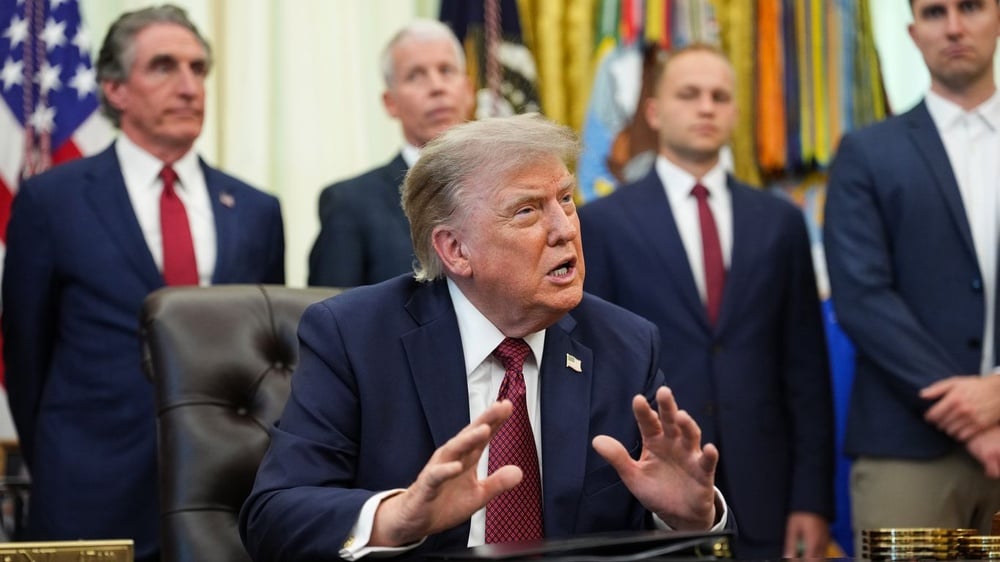

2026 © Helium Trades
Privacy Policy & Disclosure
* Disclaimer: Nothing on this website constitutes investment advice, performance data or any recommendation that any particular security, portfolio of securities, transaction or investment strategy is suitable for any specific person. Helium Trades is not responsible in any way for the accuracy
of any model predictions or price data. Any mention of a particular security and related prediction data is not a recommendation to buy or sell that security. Investments in securities involve the risk of loss. Past performance is no guarantee of future results. Helium Trades is not responsible for any of your investment decisions,
you should consult a financial expert before engaging in any transaction.
Helium Research Assistant

How can I help you today?
Ask any question about this page.


