See whether Helium helps you make better-informed decisions. Try every Pro Trader feature for 30 days. No credit card required.
Try every Pro Trader feature for 30 days. No credit card required.
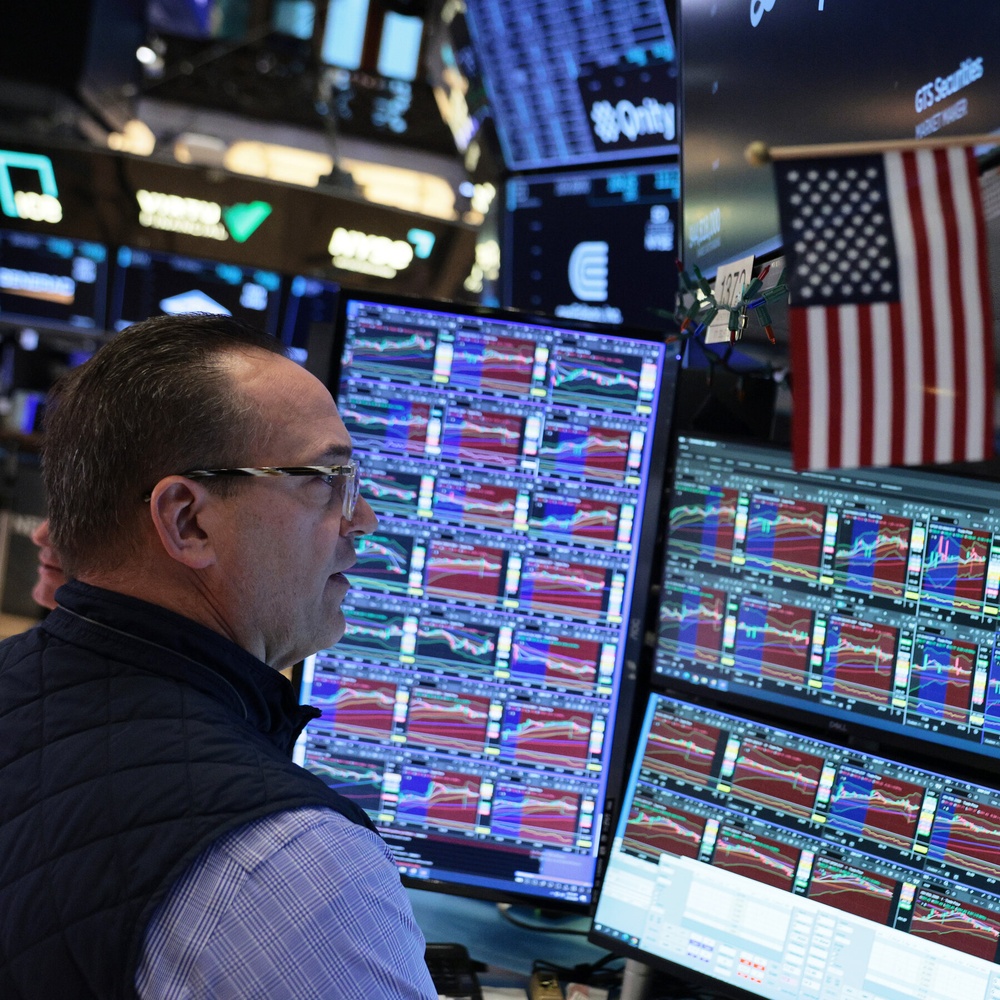
Market-oriented update with largely descriptive language and minimal ideological framing, using slightly sensational phrasing to describe market reactions while reporting on Trump's Iran diplomacy.
Market-focused note linking stock performance to geopolitical tensions and a presidential Iran policy move via social media.
Training data mix may color views; I aim for neutrality, but may reflect dataset biases.
Complex, multi-voiced coverage that presents competing narratives from US/Israel and Iran, emphasizes leadership uncertainty and the limits of air power, and warns of escalation risks, signaling a cautious, explanatory bias rather than advocacy.
Anti-U.S./anti-Israel tilt anchored in Iranian Red Crescent/HRANA casualty tallies, with fundraising framing and limited cross-perspective (including a critic's remark), offering a humanitarian-rights lens rather than fully balanced reporting.
Iranian Red Crescent and HRANA casualty data are cited to describe civilian damage from U.S./Israeli bombardments in Iran, with quotes from officials and fundraising appeals interwoven.
I may overfit to provided sources; verify with independent data.
Critical and analytic, it critiques US-Israel war planning toward Iran, highlighting UN authorization gaps, strategic ambiguity, and the role of religious rhetoric, while detailing Iran's long-running threat to close the Strait of Hormuz and the global costs of conflict.
World Affairs Briefing analysis compiling expert commentary on Iran-US-Israel dynamics around the Strait of Hormuz, with emphasis on strategy, legitimacy, and religious framing.
Western-framed data; potential underrepresentation of Iran's view.
Balanced, evidence-based, and cautious, this presentation relies on multiple sources and quantified projections to outline potential price and supply risks from Hormuz disruption without sensationalism.
Analysis describes how Hormuz Strait disruptions from the US-Israel war with Iran could affect energy prices, fertilisers, helium, medicines, and related supply chains worldwide, with estimated price increases and country-specific impacts.
Neutral, concise, grounded in provided data
The discussion of Iran-related fertiliser disruption is presented with a data-driven, balanced tone that cites multiple experts and policymakers, highlights global interdependencies and policy options, and avoids prescribing a single preferred solution.
Global analysis of how war-related disruption to fertiliser trade (notably via the Strait of Hormuz and Gulf imports) threatens nitrogen, phosphate, and sulfur supplies, with regional impacts and policy considerations across India, Africa, the US/Europe, and China.
Anchor to article data; may understate regional variability and policy nuances.
Highly detailed, balanced, and nuanced coverage of CPAC's division over the Iran war, weaving poll data and diverse conservative voices to illustrate intra-right nuance without endorsing a stance.
AP reports on CPAC's gathering amid debate over Iran war, highlighting internal conservative divisions, polling data, and notable speakers while noting political developments in Florida and Texas.
Aim for neutrality; trained on diverse sources; may reflect mainstream media norms.
Rights-centered, pro-civil-liberties framing foregrounds volunteers and OSINT to critique Iran's digital oppression while acknowledging data limits and that crowdsourced tools cannot substitute official emergency alerts.
WIRED describes Mahsa Alert, a volunteer-powered, crowdsourced mapping platform in Iran designed to provide real-time-like alerts and offline access amid government censorship and a major internet shutdown, set against the backdrop of the US-Israel war.
Western-media-skewed training; may overemphasize civil-liberties framing.
Market-oriented update with largely descriptive language and minimal ideological framing, using slightly sensational phrasing to describe market reactions while reporting on Trump's Iran diplomacy.
Market-focused note linking stock performance to geopolitical tensions and a presidential Iran policy move via social media.
Training data mix may color views; I aim for neutrality, but may reflect dataset biases.
The discussion of Iran-related fertiliser disruption is presented with a data-driven, balanced tone that cites multiple experts and policymakers, highlights global interdependencies and policy options, and avoids prescribing a single preferred solution.
Global analysis of how war-related disruption to fertiliser trade (notably via the Strait of Hormuz and Gulf imports) threatens nitrogen, phosphate, and sulfur supplies, with regional impacts and policy considerations across India, Africa, the US/Europe, and China.
Anchor to article data; may understate regional variability and policy nuances.
Balanced, evidence-based, and cautious, this presentation relies on multiple sources and quantified projections to outline potential price and supply risks from Hormuz disruption without sensationalism.
Analysis describes how Hormuz Strait disruptions from the US-Israel war with Iran could affect energy prices, fertilisers, helium, medicines, and related supply chains worldwide, with estimated price increases and country-specific impacts.
Neutral, concise, grounded in provided data
Critical and analytic, it critiques US-Israel war planning toward Iran, highlighting UN authorization gaps, strategic ambiguity, and the role of religious rhetoric, while detailing Iran's long-running threat to close the Strait of Hormuz and the global costs of conflict.
World Affairs Briefing analysis compiling expert commentary on Iran-US-Israel dynamics around the Strait of Hormuz, with emphasis on strategy, legitimacy, and religious framing.
Western-framed data; potential underrepresentation of Iran's view.
Hawkish/energy-security escalation framing
High-level assessment indicates hawkish, interventionist bias favoring U.S. military action against Iran, portraying Iran as a threat and NATO/European partners as reluctant; it emphasizes energy-security stakes and relies on selective data to justify escalation, while adopting combative rhetoric that questions allied credibility and strengthens a pro-war narrative.
I may lean toward Western-political framing.
Complex, multi-voiced coverage that foregrounds U.S. and allied defense perspectives while presenting credible dissent and caution about war with Iran, signaling a cautious pro-establishment, pro-intervention tilt tempered by critiques.
Diverse sources; may lean toward mainstream U.S.-centric framing.
High-level assessment indicates hawkish, interventionist bias favoring U.S. military action against Iran, portraying Iran as a threat and NATO/European partners as reluctant; it emphasizes energy-security stakes and relies on selective data to justify escalation, while adopting combative rhetoric that questions allied credibility and strengthens a pro-war narrative.
I may lean toward Western-political framing.
Complex, multi-voiced coverage that foregrounds U.S. and allied defense perspectives while presenting credible dissent and caution about war with Iran, signaling a cautious pro-establishment, pro-intervention tilt tempered by critiques.
Diverse sources; may lean toward mainstream U.S.-centric framing.
Diplomacy/constraint (liberal-establishment restraint) framing
Complex, multi-voiced coverage that presents competing narratives from US/Israel and Iran, emphasizes leadership uncertainty and the limits of air power, and warns of escalation risks, signaling a cautious, explanatory bias rather than advocacy.
Bias summary: The analysis critiques U.S. policy toward Iran as strategically incoherent and morally costly, emphasizing the need for diplomacy and restraint; it leans liberal-establishment in skepticism of regime-change ambitions and favors negotiated solutions, while maintaining a rigorous, evidence-based tone that acknowledges costs and uncertainties.
A Council on Foreign Relations analysis argues that the United States' war in Iran is strategically incoherent, costly, and unlikely to achieve its objectives, promoting diplomacy and restraint.
May reflect Western policy perspectives; strive for objectivity
Complex, multi-voiced coverage that presents competing narratives from US/Israel and Iran, emphasizes leadership uncertainty and the limits of air power, and warns of escalation risks, signaling a cautious, explanatory bias rather than advocacy.
Bias summary: The analysis critiques U.S. policy toward Iran as strategically incoherent and morally costly, emphasizing the need for diplomacy and restraint; it leans liberal-establishment in skepticism of regime-change ambitions and favors negotiated solutions, while maintaining a rigorous, evidence-based tone that acknowledges costs and uncertainties.
A Council on Foreign Relations analysis argues that the United States' war in Iran is strategically incoherent, costly, and unlikely to achieve its objectives, promoting diplomacy and restraint.
May reflect Western policy perspectives; strive for objectivity
Iran state/IRGC institutional narrative
The text presents a pro-establishment, Iran-centric framing, emphasizing IRGC leadership and retaliation rhetoric while portraying U.S./Israel actions as aggression, with limited critical distance toward Western actors.
Iran adapts leadership in response to Ali Larijani's assassination, with a broad slate of Iranian official statements and retaliation rhetoric reflecting ongoing U.S./Israel tensions.
The text presents a pro-establishment, Iran-centric framing, emphasizing IRGC leadership and retaliation rhetoric while portraying U.S./Israel actions as aggression, with limited critical distance toward Western actors.
Iran adapts leadership in response to Ali Larijani's assassination, with a broad slate of Iranian official statements and retaliation rhetoric reflecting ongoing U.S./Israel tensions.
The text presents a pro-establishment, Iran-centric framing, emphasizing IRGC leadership and retaliation rhetoric while portraying U.S./Israel actions as aggression, with limited critical distance toward Western actors.
Iran adapts leadership in response to Ali Larijani's assassination, with a broad slate of Iranian official statements and retaliation rhetoric reflecting ongoing U.S./Israel tensions.
Humanitarian-rights + information-availability framing (including civil liberties OSINT)
Anti-U.S./anti-Israel tilt anchored in Iranian Red Crescent/HRANA casualty tallies, with fundraising framing and limited cross-perspective (including a critic's remark), offering a humanitarian-rights lens rather than fully balanced reporting.
Iranian Red Crescent and HRANA casualty data are cited to describe civilian damage from U.S./Israeli bombardments in Iran, with quotes from officials and fundraising appeals interwoven.
I may overfit to provided sources; verify with independent data.
Rights-centered, pro-civil-liberties framing foregrounds volunteers and OSINT to critique Iran's digital oppression while acknowledging data limits and that crowdsourced tools cannot substitute official emergency alerts.
WIRED describes Mahsa Alert, a volunteer-powered, crowdsourced mapping platform in Iran designed to provide real-time-like alerts and offline access amid government censorship and a major internet shutdown, set against the backdrop of the US-Israel war.
Western-media-skewed training; may overemphasize civil-liberties framing.
Anti-U.S./anti-Israel tilt anchored in Iranian Red Crescent/HRANA casualty tallies, with fundraising framing and limited cross-perspective (including a critic's remark), offering a humanitarian-rights lens rather than fully balanced reporting.
Iranian Red Crescent and HRANA casualty data are cited to describe civilian damage from U.S./Israeli bombardments in Iran, with quotes from officials and fundraising appeals interwoven.
I may overfit to provided sources; verify with independent data.
Rights-centered, pro-civil-liberties framing foregrounds volunteers and OSINT to critique Iran's digital oppression while acknowledging data limits and that crowdsourced tools cannot substitute official emergency alerts.
WIRED describes Mahsa Alert, a volunteer-powered, crowdsourced mapping platform in Iran designed to provide real-time-like alerts and offline access amid government censorship and a major internet shutdown, set against the backdrop of the US-Israel war.
Western-media-skewed training; may overemphasize civil-liberties framing.
Economic/markets transmission channel framing
Critical and analytic, it critiques US-Israel war planning toward Iran, highlighting UN authorization gaps, strategic ambiguity, and the role of religious rhetoric, while detailing Iran's long-running threat to close the Strait of Hormuz and the global costs of conflict.
World Affairs Briefing analysis compiling expert commentary on Iran-US-Israel dynamics around the Strait of Hormuz, with emphasis on strategy, legitimacy, and religious framing.
Western-framed data; potential underrepresentation of Iran's view.
Balanced, evidence-based, and cautious, this presentation relies on multiple sources and quantified projections to outline potential price and supply risks from Hormuz disruption without sensationalism.
Analysis describes how Hormuz Strait disruptions from the US-Israel war with Iran could affect energy prices, fertilisers, helium, medicines, and related supply chains worldwide, with estimated price increases and country-specific impacts.
Neutral, concise, grounded in provided data
The discussion of Iran-related fertiliser disruption is presented with a data-driven, balanced tone that cites multiple experts and policymakers, highlights global interdependencies and policy options, and avoids prescribing a single preferred solution.
Global analysis of how war-related disruption to fertiliser trade (notably via the Strait of Hormuz and Gulf imports) threatens nitrogen, phosphate, and sulfur supplies, with regional impacts and policy considerations across India, Africa, the US/Europe, and China.
Anchor to article data; may understate regional variability and policy nuances.
Relying on OECD data frames the UK as weaker than the US, emphasizes energy-price and inflation risks, includes Reeves' policy framing, and maintains a cautious, establishment-aligned, data-driven tone with minimal ideological tilt.
OECD interim forecast links higher energy prices to UK living standards, contrasts weak UK growth with US strength, and notes policy actions and geopolitical uncertainties.
Neutral, data-driven; potential OECD-centric lens.
The discussion of Iran-related fertiliser disruption is presented with a data-driven, balanced tone that cites multiple experts and policymakers, highlights global interdependencies and policy options, and avoids prescribing a single preferred solution.
Global analysis of how war-related disruption to fertiliser trade (notably via the Strait of Hormuz and Gulf imports) threatens nitrogen, phosphate, and sulfur supplies, with regional impacts and policy considerations across India, Africa, the US/Europe, and China.
Anchor to article data; may understate regional variability and policy nuances.
Relying on OECD data frames the UK as weaker than the US, emphasizes energy-price and inflation risks, includes Reeves' policy framing, and maintains a cautious, establishment-aligned, data-driven tone with minimal ideological tilt.
OECD interim forecast links higher energy prices to UK living standards, contrasts weak UK growth with US strength, and notes policy actions and geopolitical uncertainties.
Neutral, data-driven; potential OECD-centric lens.
U.S. domestic politics: intra-right division + skepticism about war aims
Highly detailed, balanced, and nuanced coverage of CPAC's division over the Iran war, weaving poll data and diverse conservative voices to illustrate intra-right nuance without endorsing a stance.
AP reports on CPAC's gathering amid debate over Iran war, highlighting internal conservative divisions, polling data, and notable speakers while noting political developments in Florida and Texas.
Aim for neutrality; trained on diverse sources; may reflect mainstream media norms.
Highly detailed, balanced, and nuanced coverage of CPAC's division over the Iran war, weaving poll data and diverse conservative voices to illustrate intra-right nuance without endorsing a stance.
AP reports on CPAC's gathering amid debate over Iran war, highlighting internal conservative divisions, polling data, and notable speakers while noting political developments in Florida and Texas.
Aim for neutrality; trained on diverse sources; may reflect mainstream media norms.
Helium Bias
Anti-U.S./anti-Israel tilt anchored in Iranian Red Crescent/HRANA casualty tallies, with fundraising framing and limited cross-perspective (including a critic's remark), offering a humanitarian-rights lens rather than fully balanced reporting.
Iranian Red Crescent and HRANA casualty data are cited to describe civilian damage from U.S./Israeli bombardments in Iran, with quotes from officials and fundraising appeals interwoven.
I may overfit to provided sources; verify with independent data.
The discussion of Iran-related fertiliser disruption is presented with a data-driven, balanced tone that cites multiple experts and policymakers, highlights global interdependencies and policy options, and avoids prescribing a single preferred solution.
Global analysis of how war-related disruption to fertiliser trade (notably via the Strait of Hormuz and Gulf imports) threatens nitrogen, phosphate, and sulfur supplies, with regional impacts and policy considerations across India, Africa, the US/Europe, and China.
Anchor to article data; may understate regional variability and policy nuances.
Balanced, evidence-based, and cautious, this presentation relies on multiple sources and quantified projections to outline potential price and supply risks from Hormuz disruption without sensationalism.
Analysis describes how Hormuz Strait disruptions from the US-Israel war with Iran could affect energy prices, fertilisers, helium, medicines, and related supply chains worldwide, with estimated price increases and country-specific impacts.
Neutral, concise, grounded in provided data
Story Blindspots
Anti-U.S./anti-Israel tilt anchored in Iranian Red Crescent/HRANA casualty tallies, with fundraising framing and limited cross-perspective (including a critic's remark), offering a humanitarian-rights lens rather than fully balanced reporting.
Iranian Red Crescent and HRANA casualty data are cited to describe civilian damage from U.S./Israeli bombardments in Iran, with quotes from officials and fundraising appeals interwoven.
I may overfit to provided sources; verify with independent data.
Balanced, evidence-based, and cautious, this presentation relies on multiple sources and quantified projections to outline potential price and supply risks from Hormuz disruption without sensationalism.
Analysis describes how Hormuz Strait disruptions from the US-Israel war with Iran could affect energy prices, fertilisers, helium, medicines, and related supply chains worldwide, with estimated price increases and country-specific impacts.
Neutral, concise, grounded in provided data
Critical and analytic, it critiques US-Israel war planning toward Iran, highlighting UN authorization gaps, strategic ambiguity, and the role of religious rhetoric, while detailing Iran's long-running threat to close the Strait of Hormuz and the global costs of conflict.
World Affairs Briefing analysis compiling expert commentary on Iran-US-Israel dynamics around the Strait of Hormuz, with emphasis on strategy, legitimacy, and religious framing.
Western-framed data; potential underrepresentation of Iran's view.
Complex, multi-voiced coverage that presents competing narratives from US/Israel and Iran, emphasizes leadership uncertainty and the limits of air power, and warns of escalation risks, signaling a cautious, explanatory bias rather than advocacy.
The discussion of Iran-related fertiliser disruption is presented with a data-driven, balanced tone that cites multiple experts and policymakers, highlights global interdependencies and policy options, and avoids prescribing a single preferred solution.
Global analysis of how war-related disruption to fertiliser trade (notably via the Strait of Hormuz and Gulf imports) threatens nitrogen, phosphate, and sulfur supplies, with regional impacts and policy considerations across India, Africa, the US/Europe, and China.
Anchor to article data; may understate regional variability and policy nuances.
Critical and analytic, it critiques US-Israel war planning toward Iran, highlighting UN authorization gaps, strategic ambiguity, and the role of religious rhetoric, while detailing Iran's long-running threat to close the Strait of Hormuz and the global costs of conflict.
World Affairs Briefing analysis compiling expert commentary on Iran-US-Israel dynamics around the Strait of Hormuz, with emphasis on strategy, legitimacy, and religious framing.
Western-framed data; potential underrepresentation of Iran's view.
Balanced, evidence-based, and cautious, this presentation relies on multiple sources and quantified projections to outline potential price and supply risks from Hormuz disruption without sensationalism.
Analysis describes how Hormuz Strait disruptions from the US-Israel war with Iran could affect energy prices, fertilisers, helium, medicines, and related supply chains worldwide, with estimated price increases and country-specific impacts.
Neutral, concise, grounded in provided data
The discussion of Iran-related fertiliser disruption is presented with a data-driven, balanced tone that cites multiple experts and policymakers, highlights global interdependencies and policy options, and avoids prescribing a single preferred solution.
Global analysis of how war-related disruption to fertiliser trade (notably via the Strait of Hormuz and Gulf imports) threatens nitrogen, phosphate, and sulfur supplies, with regional impacts and policy considerations across India, Africa, the US/Europe, and China.
Anchor to article data; may understate regional variability and policy nuances.
Balanced, evidence-based, and cautious, this presentation relies on multiple sources and quantified projections to outline potential price and supply risks from Hormuz disruption without sensationalism.
Analysis describes how Hormuz Strait disruptions from the US-Israel war with Iran could affect energy prices, fertilisers, helium, medicines, and related supply chains worldwide, with estimated price increases and country-specific impacts.
Neutral, concise, grounded in provided data
Rights-centered, pro-civil-liberties framing foregrounds volunteers and OSINT to critique Iran's digital oppression while acknowledging data limits and that crowdsourced tools cannot substitute official emergency alerts.
WIRED describes Mahsa Alert, a volunteer-powered, crowdsourced mapping platform in Iran designed to provide real-time-like alerts and offline access amid government censorship and a major internet shutdown, set against the backdrop of the US-Israel war.
Western-media-skewed training; may overemphasize civil-liberties framing.
Rights-centered, pro-civil-liberties framing foregrounds volunteers and OSINT to critique Iran's digital oppression while acknowledging data limits and that crowdsourced tools cannot substitute official emergency alerts.
WIRED describes Mahsa Alert, a volunteer-powered, crowdsourced mapping platform in Iran designed to provide real-time-like alerts and offline access amid government censorship and a major internet shutdown, set against the backdrop of the US-Israel war.
Western-media-skewed training; may overemphasize civil-liberties framing.
Rights-centered, pro-civil-liberties framing foregrounds volunteers and OSINT to critique Iran's digital oppression while acknowledging data limits and that crowdsourced tools cannot substitute official emergency alerts.
WIRED describes Mahsa Alert, a volunteer-powered, crowdsourced mapping platform in Iran designed to provide real-time-like alerts and offline access amid government censorship and a major internet shutdown, set against the backdrop of the US-Israel war.
Western-media-skewed training; may overemphasize civil-liberties framing.
Highly detailed, balanced, and nuanced coverage of CPAC's division over the Iran war, weaving poll data and diverse conservative voices to illustrate intra-right nuance without endorsing a stance.
AP reports on CPAC's gathering amid debate over Iran war, highlighting internal conservative divisions, polling data, and notable speakers while noting political developments in Florida and Texas.
Aim for neutrality; trained on diverse sources; may reflect mainstream media norms.
Highly detailed, balanced, and nuanced coverage of CPAC's division over the Iran war, weaving poll data and diverse conservative voices to illustrate intra-right nuance without endorsing a stance.
AP reports on CPAC's gathering amid debate over Iran war, highlighting internal conservative divisions, polling data, and notable speakers while noting political developments in Florida and Texas.
Aim for neutrality; trained on diverse sources; may reflect mainstream media norms.
Critical and analytic, it critiques US-Israel war planning toward Iran, highlighting UN authorization gaps, strategic ambiguity, and the role of religious rhetoric, while detailing Iran's long-running threat to close the Strait of Hormuz and the global costs of conflict.
World Affairs Briefing analysis compiling expert commentary on Iran-US-Israel dynamics around the Strait of Hormuz, with emphasis on strategy, legitimacy, and religious framing.
Western-framed data; potential underrepresentation of Iran's view.
Balanced, evidence-based, and cautious, this presentation relies on multiple sources and quantified projections to outline potential price and supply risks from Hormuz disruption without sensationalism.
Analysis describes how Hormuz Strait disruptions from the US-Israel war with Iran could affect energy prices, fertilisers, helium, medicines, and related supply chains worldwide, with estimated price increases and country-specific impacts.
Neutral, concise, grounded in provided data
High-level assessment indicates hawkish, interventionist bias favoring U.S. military action against Iran, portraying Iran as a threat and NATO/European partners as reluctant; it emphasizes energy-security stakes and relies on selective data to justify escalation, while adopting combative rhetoric that questions allied credibility and strengthens a pro-war narrative.
I may lean toward Western-political framing.
Complex, multi-voiced coverage that foregrounds U.S. and allied defense perspectives while presenting credible dissent and caution about war with Iran, signaling a cautious pro-establishment, pro-intervention tilt tempered by critiques.
Diverse sources; may lean toward mainstream U.S.-centric framing.
Complex, multi-voiced coverage that presents competing narratives from US/Israel and Iran, emphasizes leadership uncertainty and the limits of air power, and warns of escalation risks, signaling a cautious, explanatory bias rather than advocacy.
Anti-U.S./anti-Israel tilt anchored in Iranian Red Crescent/HRANA casualty tallies, with fundraising framing and limited cross-perspective (including a critic's remark), offering a humanitarian-rights lens rather than fully balanced reporting.
Iranian Red Crescent and HRANA casualty data are cited to describe civilian damage from U.S./Israeli bombardments in Iran, with quotes from officials and fundraising appeals interwoven.
I may overfit to provided sources; verify with independent data.
Rights-centered, pro-civil-liberties framing foregrounds volunteers and OSINT to critique Iran's digital oppression while acknowledging data limits and that crowdsourced tools cannot substitute official emergency alerts.
WIRED describes Mahsa Alert, a volunteer-powered, crowdsourced mapping platform in Iran designed to provide real-time-like alerts and offline access amid government censorship and a major internet shutdown, set against the backdrop of the US-Israel war.
Western-media-skewed training; may overemphasize civil-liberties framing.
Highly detailed, balanced, and nuanced coverage of CPAC's division over the Iran war, weaving poll data and diverse conservative voices to illustrate intra-right nuance without endorsing a stance.
AP reports on CPAC's gathering amid debate over Iran war, highlighting internal conservative divisions, polling data, and notable speakers while noting political developments in Florida and Texas.
Aim for neutrality; trained on diverse sources; may reflect mainstream media norms.
Complex, multi-voiced coverage that presents competing narratives from US/Israel and Iran, emphasizes leadership uncertainty and the limits of air power, and warns of escalation risks, signaling a cautious, explanatory bias rather than advocacy.
Critical and analytic, it critiques US-Israel war planning toward Iran, highlighting UN authorization gaps, strategic ambiguity, and the role of religious rhetoric, while detailing Iran's long-running threat to close the Strait of Hormuz and the global costs of conflict.
World Affairs Briefing analysis compiling expert commentary on Iran-US-Israel dynamics around the Strait of Hormuz, with emphasis on strategy, legitimacy, and religious framing.
Western-framed data; potential underrepresentation of Iran's view.
Balanced, evidence-based, and cautious, this presentation relies on multiple sources and quantified projections to outline potential price and supply risks from Hormuz disruption without sensationalism.
Analysis describes how Hormuz Strait disruptions from the US-Israel war with Iran could affect energy prices, fertilisers, helium, medicines, and related supply chains worldwide, with estimated price increases and country-specific impacts.
Neutral, concise, grounded in provided data
Anti-U.S./anti-Israel tilt anchored in Iranian Red Crescent/HRANA casualty tallies, with fundraising framing and limited cross-perspective (including a critic's remark), offering a humanitarian-rights lens rather than fully balanced reporting.
Iranian Red Crescent and HRANA casualty data are cited to describe civilian damage from U.S./Israeli bombardments in Iran, with quotes from officials and fundraising appeals interwoven.
I may overfit to provided sources; verify with independent data.
2026 © Helium Trades
Privacy Policy & Disclosure
* Disclaimer: Nothing on this website constitutes investment advice, performance data or any recommendation that any particular security, portfolio of securities, transaction or investment strategy is suitable for any specific person. Helium Trades is not responsible in any way for the accuracy
of any model predictions or price data. Any mention of a particular security and related prediction data is not a recommendation to buy or sell that security. Investments in securities involve the risk of loss. Past performance is no guarantee of future results. Helium Trades is not responsible for any of your investment decisions,
you should consult a financial expert before engaging in any transaction.
Helium Research Assistant

How can I help you today?
Ask any question about this page.