See whether Helium helps you make better-informed decisions. Try every Pro Trader feature for 30 days. No credit card required.
Try every Pro Trader feature for 30 days. No credit card required.
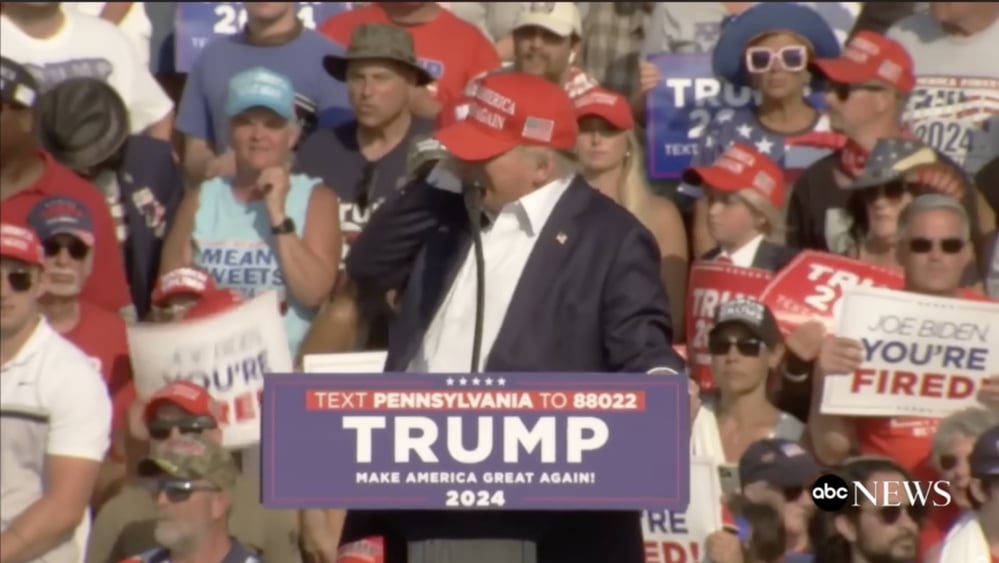
Coverage centers on left-wing extremism as a genuine threat and frames mainstream media and woke culture in a critical, anti-establishment light, while interleaving promotional messaging from an independent outlet.
Profile of Bessent alleging a left-wing assassination plot against him, with details on English’s guilty plea and related investigations, alongside publisher-promotional content and related headlines.
Automated analysis; not human reviewed.
Limitations: Case-specific; relies on quotes and promotional content; lack of cross-sourcing within excerpt.
·
14 of 52 available dimensions scored; omitted dimensions are not treated as neutral.
·
Verified supporting quotes for 0 of 14 scored dimensions.
Limited text; potential overinterpretation; no independent corroboration.
July 16, 2026 · 0 shares
Mostly fact-based reporting relying on official DOJ/court records and the subject's framing, with limited editorializing beyond quoting a loaded descriptor of the attacker.
Report on a political terrorism–related incident at the Capitol, including the suspect's actions, weapon recovery, and subsequent legal proceedings with references to official records.
Automated analysis; not human reviewed.
Limitations: Case-specific; relies on the provided text and official records; may not capture broader editorial practices or alternative viewpoints.
·
47 of 52 available dimensions scored; omitted dimensions are not treated as neutral.
·
Verified supporting quotes for 0 of 47 scored dimensions.
Claim: Neutral positioning with limited editorializing, relying on official sources and quotes.
“"According to a U.S. Department of Justice press release and court documents"” · not found in supplied text
“"This includes reviewing tax-exempt organizations potentially involved in foreign influence or political violence, using tools such as the Office of Foreign Assets Control and the Financial Crimes Enforcement Network."” · not found in supplied text
Counterevidence:
“"I’m going to remind everyone in this room — and all the media — that I was the subject of an assassination attempt by an addled left-wing activist two hours after being sworn into my job."” · not found in supplied text
Why: Official sourcing supports neutrality; a single loaded descriptor appears in a quoted statement.
Claim: High credibility due to explicit use of DOJ/court records and direct quotes from official sources.
“"According to a U.S. Department of Justice press release and court documents"” · not found in supplied text
“"On March 26, 2026, English pleaded guilty before U.S. District Court Judge Rudolph Contreras to both counts."” · not found in supplied text
“"Court records indicate he changed his primary target to Bessent after stopping at a library in Chevy Chase, Maryland"” · not found in supplied text
Counterevidence:
“No explicit external verification beyond DOJ/court records is presented.” · not found in supplied text
Why: Multiple official citations underpin credibility.
Ambiguity: relies on DOJ/court docs; limited external corroboration; potential subject-quoted framing.
July 16, 2026 · 0 shares
Mostly fact-based reporting relying on official DOJ/court records and the subject's framing, with limited editorializing beyond quoting a loaded descriptor of the attacker.
Report on a political terrorism–related incident at the Capitol, including the suspect's actions, weapon recovery, and subsequent legal proceedings with references to official records.
Automated analysis; not human reviewed.
Limitations: Case-specific; relies on the provided text and official records; may not capture broader editorial practices or alternative viewpoints.
·
47 of 52 available dimensions scored; omitted dimensions are not treated as neutral.
·
Verified supporting quotes for 0 of 47 scored dimensions.
Claim: Neutral positioning with limited editorializing, relying on official sources and quotes.
“"According to a U.S. Department of Justice press release and court documents"” · not found in supplied text
“"This includes reviewing tax-exempt organizations potentially involved in foreign influence or political violence, using tools such as the Office of Foreign Assets Control and the Financial Crimes Enforcement Network."” · not found in supplied text
Counterevidence:
“"I’m going to remind everyone in this room — and all the media — that I was the subject of an assassination attempt by an addled left-wing activist two hours after being sworn into my job."” · not found in supplied text
Why: Official sourcing supports neutrality; a single loaded descriptor appears in a quoted statement.
Claim: High credibility due to explicit use of DOJ/court records and direct quotes from official sources.
“"According to a U.S. Department of Justice press release and court documents"” · not found in supplied text
“"On March 26, 2026, English pleaded guilty before U.S. District Court Judge Rudolph Contreras to both counts."” · not found in supplied text
“"Court records indicate he changed his primary target to Bessent after stopping at a library in Chevy Chase, Maryland"” · not found in supplied text
Counterevidence:
“No explicit external verification beyond DOJ/court records is presented.” · not found in supplied text
Why: Multiple official citations underpin credibility.
Ambiguity: relies on DOJ/court docs; limited external corroboration; potential subject-quoted framing.
Neutral, attribution-heavy reporting that presents investigators' claims, potential geopolitical implications, and speculative theories without endorsing any side, using quotes and official sources to frame the Monaco assassination plot as an evolving, multi-sourced story.
Account of a Monaco assassination plot involving a Ukrainian national; two suspects tied to Ukrainian intelligence; the investigation spans Monaco, Ukraine, and Germany with attributions to multiple agencies and some speculative theories.
Automated analysis; not human reviewed.
Limitations: Concise, case-specific limitations and plausible alternative interpretations.
·
1 of 52 available dimensions scored; omitted dimensions are not treated as neutral.
·
Verified supporting quotes for 0 of 1 scored dimensions.
Claim: Neutral, attribution-heavy tone with explicit quotes from investigators and official sources; not editorializing.
“"Prosecutors in Monaco believe Berezovska attempted to kill Yermolaiev, his partner and their 13-year-old son. All three were injured when an explosive device detonated on the evening of June 29."” · exact text match
“"DW found that Yermolaiev had never been invited to give such a speech at the European Parliament."” · not found in supplied text
“"This article was originally published in Ukrainian."” · exact text match
Counterevidence:
“"But who, if anyone, ordered it?"” · not found in supplied text
“"According to sources cited by the newspaper Ukrainska Pravda, investigators suspect the two men arrested in Berezovska's killing may also have organized the attack in Monaco."” · not found in supplied text
Why: Attribution-heavy language and explicit references to investigators support a neutral framing; speculative lines appear but are clearly framed as questions or as alleged.
Ambiguities: reliance on unnamed sources; potential alternative framings not explored.
Overall, a neutral, multi-topic Chicago news digest anchored by a Secret Service security feature, with isolated sensational phrasing in some headlines but no evident systemic editorial bias.
Fox Chicago local-news page with a main feature about Secret Service changes after the Trump assassination attempt, followed by a broad mix of Chicago-area headlines across politics, crime, sports, and community subjects.
Self-bias: cautious; confidence ~0.
6.
Official claims about Iranian operatives plotting to assassinate Trump are presented with sensational framing and reliance on high-level government sources, indicating an establishment-aligned, hawkish, fear-inducing bias with limited independent verification.
A report detailing claims by Trump administration officials that Iranian operatives in the United States are plotting to assassinate President Trump, with attributions to Waltz, Whitaker, and a Trump post.
Limited excerpt; bias estimate ~0.6 confidence.
Strong conservative framing with alarmist language, portraying left-wing violence as an existential threat and alleging a left-wing assassination campaign, indicating high subjectivity and sensationalism.
Two-year post-Butler political piece asserting left-wing violence remains existential threat and alleging a left-wing assassination campaign.
Text-driven; confidence ~0.
6.
Strong conservative framing with alarmist language, portraying left-wing violence as an existential threat and alleging a left-wing assassination campaign, indicating high subjectivity and sensationalism.
Two-year post-Butler political piece asserting left-wing violence remains existential threat and alleging a left-wing assassination campaign.
Text-driven; confidence ~0.
6.
Conservative-leaning analysis attributes threats against SCOTUS to Democrats and left-wing groups, defends Todd Blanche, and uses loaded rhetoric such as radical Marxist LGBT extremists to advance a GOP-aligned narrative.
Conservative-leaning narrative citing Marshals Service and CBS News data to argue Democrats are primarily responsible for threats against Supreme Court justices, while denouncing left-wing actors and endorsing a Republican attorney general nominee.
Automated analysis; not human reviewed.
·
1 of 52 available dimensions scored; omitted dimensions are not treated as neutral.
·
Supporting quotes supplied for 0 of 1 scored dimensions; exact matching was not run.
My bias: potential conservative framing due to training data; accuracy ~0.6
July 16, 2026 · 0 shares
Mostly fact-based reporting relying on official DOJ/court records and the subject's framing, with limited editorializing beyond quoting a loaded descriptor of the attacker.
Report on a political terrorism–related incident at the Capitol, including the suspect's actions, weapon recovery, and subsequent legal proceedings with references to official records.
Automated analysis; not human reviewed. Limitations: Case-specific; relies on the provided text and official records; may not capture broader editorial practices or alternative viewpoints. · 47 of 52 available dimensions scored; omitted dimensions are not treated as neutral. · Verified supporting quotes for 0 of 47 scored dimensions.
Claim: Neutral positioning with limited editorializing, relying on official sources and quotes.
“"According to a U.S. Department of Justice press release and court documents"” · not found in supplied text
“"This includes reviewing tax-exempt organizations potentially involved in foreign influence or political violence, using tools such as the Office of Foreign Assets Control and the Financial Crimes Enforcement Network."” · not found in supplied text
Counterevidence:
“"I’m going to remind everyone in this room — and all the media — that I was the subject of an assassination attempt by an addled left-wing activist two hours after being sworn into my job."” · not found in supplied text
Why: Official sourcing supports neutrality; a single loaded descriptor appears in a quoted statement.
Claim: High credibility due to explicit use of DOJ/court records and direct quotes from official sources.
“"According to a U.S. Department of Justice press release and court documents"” · not found in supplied text
“"On March 26, 2026, English pleaded guilty before U.S. District Court Judge Rudolph Contreras to both counts."” · not found in supplied text
“"Court records indicate he changed his primary target to Bessent after stopping at a library in Chevy Chase, Maryland"” · not found in supplied text
Counterevidence:
“No explicit external verification beyond DOJ/court records is presented.” · not found in supplied text
Why: Multiple official citations underpin credibility.
Ambiguity: relies on DOJ/court docs; limited external corroboration; potential subject-quoted framing.
Neutral, attribution-heavy reporting that presents investigators' claims, potential geopolitical implications, and speculative theories without endorsing any side, using quotes and official sources to frame the Monaco assassination plot as an evolving, multi-sourced story.
Account of a Monaco assassination plot involving a Ukrainian national; two suspects tied to Ukrainian intelligence; the investigation spans Monaco, Ukraine, and Germany with attributions to multiple agencies and some speculative theories.
Automated analysis; not human reviewed. Limitations: Concise, case-specific limitations and plausible alternative interpretations. · 1 of 52 available dimensions scored; omitted dimensions are not treated as neutral. · Verified supporting quotes for 0 of 1 scored dimensions.
Claim: Neutral, attribution-heavy tone with explicit quotes from investigators and official sources; not editorializing.
“"Prosecutors in Monaco believe Berezovska attempted to kill Yermolaiev, his partner and their 13-year-old son. All three were injured when an explosive device detonated on the evening of June 29."” · exact text match
“"DW found that Yermolaiev had never been invited to give such a speech at the European Parliament."” · not found in supplied text
“"This article was originally published in Ukrainian."” · exact text match
Counterevidence:
“"But who, if anyone, ordered it?"” · not found in supplied text
“"According to sources cited by the newspaper Ukrainska Pravda, investigators suspect the two men arrested in Berezovska's killing may also have organized the attack in Monaco."” · not found in supplied text
Why: Attribution-heavy language and explicit references to investigators support a neutral framing; speculative lines appear but are clearly framed as questions or as alleged.
Ambiguities: reliance on unnamed sources; potential alternative framings not explored.
Overall, a neutral, multi-topic Chicago news digest anchored by a Secret Service security feature, with isolated sensational phrasing in some headlines but no evident systemic editorial bias.
Fox Chicago local-news page with a main feature about Secret Service changes after the Trump assassination attempt, followed by a broad mix of Chicago-area headlines across politics, crime, sports, and community subjects.
Self-bias: cautious; confidence ~0.6.
Court-record/DOJ-focused validation
July 16, 2026 · 0 shares
Mostly fact-based reporting relying on official DOJ/court records and the subject's framing, with limited editorializing beyond quoting a loaded descriptor of the attacker.
Report on a political terrorism–related incident at the Capitol, including the suspect's actions, weapon recovery, and subsequent legal proceedings with references to official records.
Automated analysis; not human reviewed. Limitations: Case-specific; relies on the provided text and official records; may not capture broader editorial practices or alternative viewpoints. · 47 of 52 available dimensions scored; omitted dimensions are not treated as neutral. · Verified supporting quotes for 0 of 47 scored dimensions.
Claim: Neutral positioning with limited editorializing, relying on official sources and quotes.
“"According to a U.S. Department of Justice press release and court documents"” · not found in supplied text
“"This includes reviewing tax-exempt organizations potentially involved in foreign influence or political violence, using tools such as the Office of Foreign Assets Control and the Financial Crimes Enforcement Network."” · not found in supplied text
Counterevidence:
“"I’m going to remind everyone in this room — and all the media — that I was the subject of an assassination attempt by an addled left-wing activist two hours after being sworn into my job."” · not found in supplied text
Why: Official sourcing supports neutrality; a single loaded descriptor appears in a quoted statement.
Claim: High credibility due to explicit use of DOJ/court records and direct quotes from official sources.
“"According to a U.S. Department of Justice press release and court documents"” · not found in supplied text
“"On March 26, 2026, English pleaded guilty before U.S. District Court Judge Rudolph Contreras to both counts."” · not found in supplied text
“"Court records indicate he changed his primary target to Bessent after stopping at a library in Chevy Chase, Maryland"” · not found in supplied text
Counterevidence:
“No explicit external verification beyond DOJ/court records is presented.” · not found in supplied text
Why: Multiple official citations underpin credibility.
Ambiguity: relies on DOJ/court docs; limited external corroboration; potential subject-quoted framing.
July 16, 2026 · 0 shares
Mostly fact-based reporting relying on official DOJ/court records and the subject's framing, with limited editorializing beyond quoting a loaded descriptor of the attacker.
Report on a political terrorism–related incident at the Capitol, including the suspect's actions, weapon recovery, and subsequent legal proceedings with references to official records.
Automated analysis; not human reviewed. Limitations: Case-specific; relies on the provided text and official records; may not capture broader editorial practices or alternative viewpoints. · 47 of 52 available dimensions scored; omitted dimensions are not treated as neutral. · Verified supporting quotes for 0 of 47 scored dimensions.
Claim: Neutral positioning with limited editorializing, relying on official sources and quotes.
“"According to a U.S. Department of Justice press release and court documents"” · not found in supplied text
“"This includes reviewing tax-exempt organizations potentially involved in foreign influence or political violence, using tools such as the Office of Foreign Assets Control and the Financial Crimes Enforcement Network."” · not found in supplied text
Counterevidence:
“"I’m going to remind everyone in this room — and all the media — that I was the subject of an assassination attempt by an addled left-wing activist two hours after being sworn into my job."” · not found in supplied text
Why: Official sourcing supports neutrality; a single loaded descriptor appears in a quoted statement.
Claim: High credibility due to explicit use of DOJ/court records and direct quotes from official sources.
“"According to a U.S. Department of Justice press release and court documents"” · not found in supplied text
“"On March 26, 2026, English pleaded guilty before U.S. District Court Judge Rudolph Contreras to both counts."” · not found in supplied text
“"Court records indicate he changed his primary target to Bessent after stopping at a library in Chevy Chase, Maryland"” · not found in supplied text
Counterevidence:
“No explicit external verification beyond DOJ/court records is presented.” · not found in supplied text
Why: Multiple official citations underpin credibility.
Ambiguity: relies on DOJ/court docs; limited external corroboration; potential subject-quoted framing.
July 16, 2026 · 0 shares
Mostly fact-based reporting relying on official DOJ/court records and the subject's framing, with limited editorializing beyond quoting a loaded descriptor of the attacker.
Report on a political terrorism–related incident at the Capitol, including the suspect's actions, weapon recovery, and subsequent legal proceedings with references to official records.
Automated analysis; not human reviewed. Limitations: Case-specific; relies on the provided text and official records; may not capture broader editorial practices or alternative viewpoints. · 47 of 52 available dimensions scored; omitted dimensions are not treated as neutral. · Verified supporting quotes for 0 of 47 scored dimensions.
Claim: Neutral positioning with limited editorializing, relying on official sources and quotes.
“"According to a U.S. Department of Justice press release and court documents"” · not found in supplied text
“"This includes reviewing tax-exempt organizations potentially involved in foreign influence or political violence, using tools such as the Office of Foreign Assets Control and the Financial Crimes Enforcement Network."” · not found in supplied text
Counterevidence:
“"I’m going to remind everyone in this room — and all the media — that I was the subject of an assassination attempt by an addled left-wing activist two hours after being sworn into my job."” · not found in supplied text
Why: Official sourcing supports neutrality; a single loaded descriptor appears in a quoted statement.
Claim: High credibility due to explicit use of DOJ/court records and direct quotes from official sources.
“"According to a U.S. Department of Justice press release and court documents"” · not found in supplied text
“"On March 26, 2026, English pleaded guilty before U.S. District Court Judge Rudolph Contreras to both counts."” · not found in supplied text
“"Court records indicate he changed his primary target to Bessent after stopping at a library in Chevy Chase, Maryland"” · not found in supplied text
Counterevidence:
“No explicit external verification beyond DOJ/court records is presented.” · not found in supplied text
Why: Multiple official citations underpin credibility.
Ambiguity: relies on DOJ/court docs; limited external corroboration; potential subject-quoted framing.
Mainstream threat-assessment lens
Neutral, attribution-heavy reporting that presents investigators' claims, potential geopolitical implications, and speculative theories without endorsing any side, using quotes and official sources to frame the Monaco assassination plot as an evolving, multi-sourced story.
Account of a Monaco assassination plot involving a Ukrainian national; two suspects tied to Ukrainian intelligence; the investigation spans Monaco, Ukraine, and Germany with attributions to multiple agencies and some speculative theories.
Automated analysis; not human reviewed. Limitations: Concise, case-specific limitations and plausible alternative interpretations. · 1 of 52 available dimensions scored; omitted dimensions are not treated as neutral. · Verified supporting quotes for 0 of 1 scored dimensions.
Claim: Neutral, attribution-heavy tone with explicit quotes from investigators and official sources; not editorializing.
“"Prosecutors in Monaco believe Berezovska attempted to kill Yermolaiev, his partner and their 13-year-old son. All three were injured when an explosive device detonated on the evening of June 29."” · exact text match
“"DW found that Yermolaiev had never been invited to give such a speech at the European Parliament."” · not found in supplied text
“"This article was originally published in Ukrainian."” · exact text match
Counterevidence:
“"But who, if anyone, ordered it?"” · not found in supplied text
“"According to sources cited by the newspaper Ukrainska Pravda, investigators suspect the two men arrested in Berezovska's killing may also have organized the attack in Monaco."” · not found in supplied text
Why: Attribution-heavy language and explicit references to investigators support a neutral framing; speculative lines appear but are clearly framed as questions or as alleged.
Ambiguities: reliance on unnamed sources; potential alternative framings not explored.
Overall, a neutral, multi-topic Chicago news digest anchored by a Secret Service security feature, with isolated sensational phrasing in some headlines but no evident systemic editorial bias.
Fox Chicago local-news page with a main feature about Secret Service changes after the Trump assassination attempt, followed by a broad mix of Chicago-area headlines across politics, crime, sports, and community subjects.
Self-bias: cautious; confidence ~0.6.
Neutral, attribution-heavy reporting that presents investigators' claims, potential geopolitical implications, and speculative theories without endorsing any side, using quotes and official sources to frame the Monaco assassination plot as an evolving, multi-sourced story.
Account of a Monaco assassination plot involving a Ukrainian national; two suspects tied to Ukrainian intelligence; the investigation spans Monaco, Ukraine, and Germany with attributions to multiple agencies and some speculative theories.
Automated analysis; not human reviewed. Limitations: Concise, case-specific limitations and plausible alternative interpretations. · 1 of 52 available dimensions scored; omitted dimensions are not treated as neutral. · Verified supporting quotes for 0 of 1 scored dimensions.
Claim: Neutral, attribution-heavy tone with explicit quotes from investigators and official sources; not editorializing.
“"Prosecutors in Monaco believe Berezovska attempted to kill Yermolaiev, his partner and their 13-year-old son. All three were injured when an explosive device detonated on the evening of June 29."” · exact text match
“"DW found that Yermolaiev had never been invited to give such a speech at the European Parliament."” · not found in supplied text
“"This article was originally published in Ukrainian."” · exact text match
Counterevidence:
“"But who, if anyone, ordered it?"” · not found in supplied text
“"According to sources cited by the newspaper Ukrainska Pravda, investigators suspect the two men arrested in Berezovska's killing may also have organized the attack in Monaco."” · not found in supplied text
Why: Attribution-heavy language and explicit references to investigators support a neutral framing; speculative lines appear but are clearly framed as questions or as alleged.
Ambiguities: reliance on unnamed sources; potential alternative framings not explored.
Overall, a neutral, multi-topic Chicago news digest anchored by a Secret Service security feature, with isolated sensational phrasing in some headlines but no evident systemic editorial bias.
Fox Chicago local-news page with a main feature about Secret Service changes after the Trump assassination attempt, followed by a broad mix of Chicago-area headlines across politics, crime, sports, and community subjects.
Self-bias: cautious; confidence ~0.6.
Foreign-threat framing (Iran-related claims)
Official claims about Iranian operatives plotting to assassinate Trump are presented with sensational framing and reliance on high-level government sources, indicating an establishment-aligned, hawkish, fear-inducing bias with limited independent verification.
A report detailing claims by Trump administration officials that Iranian operatives in the United States are plotting to assassinate President Trump, with attributions to Waltz, Whitaker, and a Trump post.
Limited excerpt; bias estimate ~0.6 confidence.
Official claims about Iranian operatives plotting to assassinate Trump are presented with sensational framing and reliance on high-level government sources, indicating an establishment-aligned, hawkish, fear-inducing bias with limited independent verification.
A report detailing claims by Trump administration officials that Iranian operatives in the United States are plotting to assassinate President Trump, with attributions to Waltz, Whitaker, and a Trump post.
Limited excerpt; bias estimate ~0.6 confidence.
Official claims about Iranian operatives plotting to assassinate Trump are presented with sensational framing and reliance on high-level government sources, indicating an establishment-aligned, hawkish, fear-inducing bias with limited independent verification.
A report detailing claims by Trump administration officials that Iranian operatives in the United States are plotting to assassinate President Trump, with attributions to Waltz, Whitaker, and a Trump post.
Limited excerpt; bias estimate ~0.6 confidence.
Conservative domestic-violence narrative
Strong conservative framing with alarmist language, portraying left-wing violence as an existential threat and alleging a left-wing assassination campaign, indicating high subjectivity and sensationalism.
Two-year post-Butler political piece asserting left-wing violence remains existential threat and alleging a left-wing assassination campaign.
Text-driven; confidence ~0.6.
Strong conservative framing with alarmist language, portraying left-wing violence as an existential threat and alleging a left-wing assassination campaign, indicating high subjectivity and sensationalism.
Two-year post-Butler political piece asserting left-wing violence remains existential threat and alleging a left-wing assassination campaign.
Text-driven; confidence ~0.6.
Coverage centers on left-wing extremism as a genuine threat and frames mainstream media and woke culture in a critical, anti-establishment light, while interleaving promotional messaging from an independent outlet.
Profile of Bessent alleging a left-wing assassination plot against him, with details on English’s guilty plea and related investigations, alongside publisher-promotional content and related headlines.
Automated analysis; not human reviewed. Limitations: Case-specific; relies on quotes and promotional content; lack of cross-sourcing within excerpt. · 14 of 52 available dimensions scored; omitted dimensions are not treated as neutral. · Verified supporting quotes for 0 of 14 scored dimensions.
Limited text; potential overinterpretation; no independent corroboration.
Strong conservative framing with alarmist language, portraying left-wing violence as an existential threat and alleging a left-wing assassination campaign, indicating high subjectivity and sensationalism.
Two-year post-Butler political piece asserting left-wing violence remains existential threat and alleging a left-wing assassination campaign.
Text-driven; confidence ~0.6.
Strong conservative framing with alarmist language, portraying left-wing violence as an existential threat and alleging a left-wing assassination campaign, indicating high subjectivity and sensationalism.
Two-year post-Butler political piece asserting left-wing violence remains existential threat and alleging a left-wing assassination campaign.
Text-driven; confidence ~0.6.
Coverage centers on left-wing extremism as a genuine threat and frames mainstream media and woke culture in a critical, anti-establishment light, while interleaving promotional messaging from an independent outlet.
Profile of Bessent alleging a left-wing assassination plot against him, with details on English’s guilty plea and related investigations, alongside publisher-promotional content and related headlines.
Automated analysis; not human reviewed. Limitations: Case-specific; relies on quotes and promotional content; lack of cross-sourcing within excerpt. · 14 of 52 available dimensions scored; omitted dimensions are not treated as neutral. · Verified supporting quotes for 0 of 14 scored dimensions.
Limited text; potential overinterpretation; no independent corroboration.
Judicial/political-responsibility attribution dispute
Conservative-leaning analysis attributes threats against SCOTUS to Democrats and left-wing groups, defends Todd Blanche, and uses loaded rhetoric such as radical Marxist LGBT extremists to advance a GOP-aligned narrative.
Conservative-leaning narrative citing Marshals Service and CBS News data to argue Democrats are primarily responsible for threats against Supreme Court justices, while denouncing left-wing actors and endorsing a Republican attorney general nominee.
Automated analysis; not human reviewed. · 1 of 52 available dimensions scored; omitted dimensions are not treated as neutral. · Supporting quotes supplied for 0 of 1 scored dimensions; exact matching was not run.
My bias: potential conservative framing due to training data; accuracy ~0.6
July 16, 2026 · 0 shares
Mostly fact-based reporting relying on official DOJ/court records and the subject's framing, with limited editorializing beyond quoting a loaded descriptor of the attacker.
Report on a political terrorism–related incident at the Capitol, including the suspect's actions, weapon recovery, and subsequent legal proceedings with references to official records.
Automated analysis; not human reviewed. Limitations: Case-specific; relies on the provided text and official records; may not capture broader editorial practices or alternative viewpoints. · 47 of 52 available dimensions scored; omitted dimensions are not treated as neutral. · Verified supporting quotes for 0 of 47 scored dimensions.
Claim: Neutral positioning with limited editorializing, relying on official sources and quotes.
“"According to a U.S. Department of Justice press release and court documents"” · not found in supplied text
“"This includes reviewing tax-exempt organizations potentially involved in foreign influence or political violence, using tools such as the Office of Foreign Assets Control and the Financial Crimes Enforcement Network."” · not found in supplied text
Counterevidence:
“"I’m going to remind everyone in this room — and all the media — that I was the subject of an assassination attempt by an addled left-wing activist two hours after being sworn into my job."” · not found in supplied text
Why: Official sourcing supports neutrality; a single loaded descriptor appears in a quoted statement.
Claim: High credibility due to explicit use of DOJ/court records and direct quotes from official sources.
“"According to a U.S. Department of Justice press release and court documents"” · not found in supplied text
“"On March 26, 2026, English pleaded guilty before U.S. District Court Judge Rudolph Contreras to both counts."” · not found in supplied text
“"Court records indicate he changed his primary target to Bessent after stopping at a library in Chevy Chase, Maryland"” · not found in supplied text
Counterevidence:
“No explicit external verification beyond DOJ/court records is presented.” · not found in supplied text
Why: Multiple official citations underpin credibility.
Ambiguity: relies on DOJ/court docs; limited external corroboration; potential subject-quoted framing.
Conservative-leaning analysis attributes threats against SCOTUS to Democrats and left-wing groups, defends Todd Blanche, and uses loaded rhetoric such as radical Marxist LGBT extremists to advance a GOP-aligned narrative.
Conservative-leaning narrative citing Marshals Service and CBS News data to argue Democrats are primarily responsible for threats against Supreme Court justices, while denouncing left-wing actors and endorsing a Republican attorney general nominee.
Automated analysis; not human reviewed. · 1 of 52 available dimensions scored; omitted dimensions are not treated as neutral. · Supporting quotes supplied for 0 of 1 scored dimensions; exact matching was not run.
My bias: potential conservative framing due to training data; accuracy ~0.6
Conservative-leaning analysis attributes threats against SCOTUS to Democrats and left-wing groups, defends Todd Blanche, and uses loaded rhetoric such as radical Marxist LGBT extremists to advance a GOP-aligned narrative.
Conservative-leaning narrative citing Marshals Service and CBS News data to argue Democrats are primarily responsible for threats against Supreme Court justices, while denouncing left-wing actors and endorsing a Republican attorney general nominee.
Automated analysis; not human reviewed. · 1 of 52 available dimensions scored; omitted dimensions are not treated as neutral. · Supporting quotes supplied for 0 of 1 scored dimensions; exact matching was not run.
My bias: potential conservative framing due to training data; accuracy ~0.6
Helium Bias
July 16, 2026 · 0 shares
Mostly fact-based reporting relying on official DOJ/court records and the subject's framing, with limited editorializing beyond quoting a loaded descriptor of the attacker.
Report on a political terrorism–related incident at the Capitol, including the suspect's actions, weapon recovery, and subsequent legal proceedings with references to official records.
Automated analysis; not human reviewed. Limitations: Case-specific; relies on the provided text and official records; may not capture broader editorial practices or alternative viewpoints. · 47 of 52 available dimensions scored; omitted dimensions are not treated as neutral. · Verified supporting quotes for 0 of 47 scored dimensions.
Claim: Neutral positioning with limited editorializing, relying on official sources and quotes.
“"According to a U.S. Department of Justice press release and court documents"” · not found in supplied text
“"This includes reviewing tax-exempt organizations potentially involved in foreign influence or political violence, using tools such as the Office of Foreign Assets Control and the Financial Crimes Enforcement Network."” · not found in supplied text
Counterevidence:
“"I’m going to remind everyone in this room — and all the media — that I was the subject of an assassination attempt by an addled left-wing activist two hours after being sworn into my job."” · not found in supplied text
Why: Official sourcing supports neutrality; a single loaded descriptor appears in a quoted statement.
Claim: High credibility due to explicit use of DOJ/court records and direct quotes from official sources.
“"According to a U.S. Department of Justice press release and court documents"” · not found in supplied text
“"On March 26, 2026, English pleaded guilty before U.S. District Court Judge Rudolph Contreras to both counts."” · not found in supplied text
“"Court records indicate he changed his primary target to Bessent after stopping at a library in Chevy Chase, Maryland"” · not found in supplied text
Counterevidence:
“No explicit external verification beyond DOJ/court records is presented.” · not found in supplied text
Why: Multiple official citations underpin credibility.
Ambiguity: relies on DOJ/court docs; limited external corroboration; potential subject-quoted framing.
Strong conservative framing with alarmist language, portraying left-wing violence as an existential threat and alleging a left-wing assassination campaign, indicating high subjectivity and sensationalism.
Two-year post-Butler political piece asserting left-wing violence remains existential threat and alleging a left-wing assassination campaign.
Text-driven; confidence ~0.6.
Strong conservative framing with alarmist language, portraying left-wing violence as an existential threat and alleging a left-wing assassination campaign, indicating high subjectivity and sensationalism.
Two-year post-Butler political piece asserting left-wing violence remains existential threat and alleging a left-wing assassination campaign.
Text-driven; confidence ~0.6.
Coverage centers on left-wing extremism as a genuine threat and frames mainstream media and woke culture in a critical, anti-establishment light, while interleaving promotional messaging from an independent outlet.
Profile of Bessent alleging a left-wing assassination plot against him, with details on English’s guilty plea and related investigations, alongside publisher-promotional content and related headlines.
Automated analysis; not human reviewed. Limitations: Case-specific; relies on quotes and promotional content; lack of cross-sourcing within excerpt. · 14 of 52 available dimensions scored; omitted dimensions are not treated as neutral. · Verified supporting quotes for 0 of 14 scored dimensions.
Limited text; potential overinterpretation; no independent corroboration.
Story Blindspots
July 16, 2026 · 0 shares
Mostly fact-based reporting relying on official DOJ/court records and the subject's framing, with limited editorializing beyond quoting a loaded descriptor of the attacker.
Report on a political terrorism–related incident at the Capitol, including the suspect's actions, weapon recovery, and subsequent legal proceedings with references to official records.
Automated analysis; not human reviewed. Limitations: Case-specific; relies on the provided text and official records; may not capture broader editorial practices or alternative viewpoints. · 47 of 52 available dimensions scored; omitted dimensions are not treated as neutral. · Verified supporting quotes for 0 of 47 scored dimensions.
Claim: Neutral positioning with limited editorializing, relying on official sources and quotes.
“"According to a U.S. Department of Justice press release and court documents"” · not found in supplied text
“"This includes reviewing tax-exempt organizations potentially involved in foreign influence or political violence, using tools such as the Office of Foreign Assets Control and the Financial Crimes Enforcement Network."” · not found in supplied text
Counterevidence:
“"I’m going to remind everyone in this room — and all the media — that I was the subject of an assassination attempt by an addled left-wing activist two hours after being sworn into my job."” · not found in supplied text
Why: Official sourcing supports neutrality; a single loaded descriptor appears in a quoted statement.
Claim: High credibility due to explicit use of DOJ/court records and direct quotes from official sources.
“"According to a U.S. Department of Justice press release and court documents"” · not found in supplied text
“"On March 26, 2026, English pleaded guilty before U.S. District Court Judge Rudolph Contreras to both counts."” · not found in supplied text
“"Court records indicate he changed his primary target to Bessent after stopping at a library in Chevy Chase, Maryland"” · not found in supplied text
Counterevidence:
“No explicit external verification beyond DOJ/court records is presented.” · not found in supplied text
Why: Multiple official citations underpin credibility.
Ambiguity: relies on DOJ/court docs; limited external corroboration; potential subject-quoted framing.
Official claims about Iranian operatives plotting to assassinate Trump are presented with sensational framing and reliance on high-level government sources, indicating an establishment-aligned, hawkish, fear-inducing bias with limited independent verification.
A report detailing claims by Trump administration officials that Iranian operatives in the United States are plotting to assassinate President Trump, with attributions to Waltz, Whitaker, and a Trump post.
Limited excerpt; bias estimate ~0.6 confidence.
Neutral, attribution-heavy reporting that presents investigators' claims, potential geopolitical implications, and speculative theories without endorsing any side, using quotes and official sources to frame the Monaco assassination plot as an evolving, multi-sourced story.
Account of a Monaco assassination plot involving a Ukrainian national; two suspects tied to Ukrainian intelligence; the investigation spans Monaco, Ukraine, and Germany with attributions to multiple agencies and some speculative theories.
Automated analysis; not human reviewed. Limitations: Concise, case-specific limitations and plausible alternative interpretations. · 1 of 52 available dimensions scored; omitted dimensions are not treated as neutral. · Verified supporting quotes for 0 of 1 scored dimensions.
Claim: Neutral, attribution-heavy tone with explicit quotes from investigators and official sources; not editorializing.
“"Prosecutors in Monaco believe Berezovska attempted to kill Yermolaiev, his partner and their 13-year-old son. All three were injured when an explosive device detonated on the evening of June 29."” · exact text match
“"DW found that Yermolaiev had never been invited to give such a speech at the European Parliament."” · not found in supplied text
“"This article was originally published in Ukrainian."” · exact text match
Counterevidence:
“"But who, if anyone, ordered it?"” · not found in supplied text
“"According to sources cited by the newspaper Ukrainska Pravda, investigators suspect the two men arrested in Berezovska's killing may also have organized the attack in Monaco."” · not found in supplied text
Why: Attribution-heavy language and explicit references to investigators support a neutral framing; speculative lines appear but are clearly framed as questions or as alleged.
Ambiguities: reliance on unnamed sources; potential alternative framings not explored.
July 16, 2026 · 0 shares
Mostly fact-based reporting relying on official DOJ/court records and the subject's framing, with limited editorializing beyond quoting a loaded descriptor of the attacker.
Report on a political terrorism–related incident at the Capitol, including the suspect's actions, weapon recovery, and subsequent legal proceedings with references to official records.
Automated analysis; not human reviewed. Limitations: Case-specific; relies on the provided text and official records; may not capture broader editorial practices or alternative viewpoints. · 47 of 52 available dimensions scored; omitted dimensions are not treated as neutral. · Verified supporting quotes for 0 of 47 scored dimensions.
Claim: Neutral positioning with limited editorializing, relying on official sources and quotes.
“"According to a U.S. Department of Justice press release and court documents"” · not found in supplied text
“"This includes reviewing tax-exempt organizations potentially involved in foreign influence or political violence, using tools such as the Office of Foreign Assets Control and the Financial Crimes Enforcement Network."” · not found in supplied text
Counterevidence:
“"I’m going to remind everyone in this room — and all the media — that I was the subject of an assassination attempt by an addled left-wing activist two hours after being sworn into my job."” · not found in supplied text
Why: Official sourcing supports neutrality; a single loaded descriptor appears in a quoted statement.
Claim: High credibility due to explicit use of DOJ/court records and direct quotes from official sources.
“"According to a U.S. Department of Justice press release and court documents"” · not found in supplied text
“"On March 26, 2026, English pleaded guilty before U.S. District Court Judge Rudolph Contreras to both counts."” · not found in supplied text
“"Court records indicate he changed his primary target to Bessent after stopping at a library in Chevy Chase, Maryland"” · not found in supplied text
Counterevidence:
“No explicit external verification beyond DOJ/court records is presented.” · not found in supplied text
Why: Multiple official citations underpin credibility.
Ambiguity: relies on DOJ/court docs; limited external corroboration; potential subject-quoted framing.
July 16, 2026 · 0 shares
Mostly fact-based reporting relying on official DOJ/court records and the subject's framing, with limited editorializing beyond quoting a loaded descriptor of the attacker.
Report on a political terrorism–related incident at the Capitol, including the suspect's actions, weapon recovery, and subsequent legal proceedings with references to official records.
Automated analysis; not human reviewed. Limitations: Case-specific; relies on the provided text and official records; may not capture broader editorial practices or alternative viewpoints. · 47 of 52 available dimensions scored; omitted dimensions are not treated as neutral. · Verified supporting quotes for 0 of 47 scored dimensions.
Claim: Neutral positioning with limited editorializing, relying on official sources and quotes.
“"According to a U.S. Department of Justice press release and court documents"” · not found in supplied text
“"This includes reviewing tax-exempt organizations potentially involved in foreign influence or political violence, using tools such as the Office of Foreign Assets Control and the Financial Crimes Enforcement Network."” · not found in supplied text
Counterevidence:
“"I’m going to remind everyone in this room — and all the media — that I was the subject of an assassination attempt by an addled left-wing activist two hours after being sworn into my job."” · not found in supplied text
Why: Official sourcing supports neutrality; a single loaded descriptor appears in a quoted statement.
Claim: High credibility due to explicit use of DOJ/court records and direct quotes from official sources.
“"According to a U.S. Department of Justice press release and court documents"” · not found in supplied text
“"On March 26, 2026, English pleaded guilty before U.S. District Court Judge Rudolph Contreras to both counts."” · not found in supplied text
“"Court records indicate he changed his primary target to Bessent after stopping at a library in Chevy Chase, Maryland"” · not found in supplied text
Counterevidence:
“No explicit external verification beyond DOJ/court records is presented.” · not found in supplied text
Why: Multiple official citations underpin credibility.
Ambiguity: relies on DOJ/court docs; limited external corroboration; potential subject-quoted framing.
Neutral, attribution-heavy reporting that presents investigators' claims, potential geopolitical implications, and speculative theories without endorsing any side, using quotes and official sources to frame the Monaco assassination plot as an evolving, multi-sourced story.
Account of a Monaco assassination plot involving a Ukrainian national; two suspects tied to Ukrainian intelligence; the investigation spans Monaco, Ukraine, and Germany with attributions to multiple agencies and some speculative theories.
Automated analysis; not human reviewed. Limitations: Concise, case-specific limitations and plausible alternative interpretations. · 1 of 52 available dimensions scored; omitted dimensions are not treated as neutral. · Verified supporting quotes for 0 of 1 scored dimensions.
Claim: Neutral, attribution-heavy tone with explicit quotes from investigators and official sources; not editorializing.
“"Prosecutors in Monaco believe Berezovska attempted to kill Yermolaiev, his partner and their 13-year-old son. All three were injured when an explosive device detonated on the evening of June 29."” · exact text match
“"DW found that Yermolaiev had never been invited to give such a speech at the European Parliament."” · not found in supplied text
“"This article was originally published in Ukrainian."” · exact text match
Counterevidence:
“"But who, if anyone, ordered it?"” · not found in supplied text
“"According to sources cited by the newspaper Ukrainska Pravda, investigators suspect the two men arrested in Berezovska's killing may also have organized the attack in Monaco."” · not found in supplied text
Why: Attribution-heavy language and explicit references to investigators support a neutral framing; speculative lines appear but are clearly framed as questions or as alleged.
Ambiguities: reliance on unnamed sources; potential alternative framings not explored.
Overall, a neutral, multi-topic Chicago news digest anchored by a Secret Service security feature, with isolated sensational phrasing in some headlines but no evident systemic editorial bias.
Fox Chicago local-news page with a main feature about Secret Service changes after the Trump assassination attempt, followed by a broad mix of Chicago-area headlines across politics, crime, sports, and community subjects.
Self-bias: cautious; confidence ~0.6.
Neutral, attribution-heavy reporting that presents investigators' claims, potential geopolitical implications, and speculative theories without endorsing any side, using quotes and official sources to frame the Monaco assassination plot as an evolving, multi-sourced story.
Account of a Monaco assassination plot involving a Ukrainian national; two suspects tied to Ukrainian intelligence; the investigation spans Monaco, Ukraine, and Germany with attributions to multiple agencies and some speculative theories.
Automated analysis; not human reviewed. Limitations: Concise, case-specific limitations and plausible alternative interpretations. · 1 of 52 available dimensions scored; omitted dimensions are not treated as neutral. · Verified supporting quotes for 0 of 1 scored dimensions.
Claim: Neutral, attribution-heavy tone with explicit quotes from investigators and official sources; not editorializing.
“"Prosecutors in Monaco believe Berezovska attempted to kill Yermolaiev, his partner and their 13-year-old son. All three were injured when an explosive device detonated on the evening of June 29."” · exact text match
“"DW found that Yermolaiev had never been invited to give such a speech at the European Parliament."” · not found in supplied text
“"This article was originally published in Ukrainian."” · exact text match
Counterevidence:
“"But who, if anyone, ordered it?"” · not found in supplied text
“"According to sources cited by the newspaper Ukrainska Pravda, investigators suspect the two men arrested in Berezovska's killing may also have organized the attack in Monaco."” · not found in supplied text
Why: Attribution-heavy language and explicit references to investigators support a neutral framing; speculative lines appear but are clearly framed as questions or as alleged.
Ambiguities: reliance on unnamed sources; potential alternative framings not explored.
Overall, a neutral, multi-topic Chicago news digest anchored by a Secret Service security feature, with isolated sensational phrasing in some headlines but no evident systemic editorial bias.
Fox Chicago local-news page with a main feature about Secret Service changes after the Trump assassination attempt, followed by a broad mix of Chicago-area headlines across politics, crime, sports, and community subjects.
Self-bias: cautious; confidence ~0.6.
Official claims about Iranian operatives plotting to assassinate Trump are presented with sensational framing and reliance on high-level government sources, indicating an establishment-aligned, hawkish, fear-inducing bias with limited independent verification.
A report detailing claims by Trump administration officials that Iranian operatives in the United States are plotting to assassinate President Trump, with attributions to Waltz, Whitaker, and a Trump post.
Limited excerpt; bias estimate ~0.6 confidence.
Official claims about Iranian operatives plotting to assassinate Trump are presented with sensational framing and reliance on high-level government sources, indicating an establishment-aligned, hawkish, fear-inducing bias with limited independent verification.
A report detailing claims by Trump administration officials that Iranian operatives in the United States are plotting to assassinate President Trump, with attributions to Waltz, Whitaker, and a Trump post.
Limited excerpt; bias estimate ~0.6 confidence.
July 16, 2026 · 0 shares
Mostly fact-based reporting relying on official DOJ/court records and the subject's framing, with limited editorializing beyond quoting a loaded descriptor of the attacker.
Report on a political terrorism–related incident at the Capitol, including the suspect's actions, weapon recovery, and subsequent legal proceedings with references to official records.
Automated analysis; not human reviewed.
Limitations: Case-specific; relies on the provided text and official records; may not capture broader editorial practices or alternative viewpoints.
·
47 of 52 available dimensions scored; omitted dimensions are not treated as neutral.
·
Verified supporting quotes for 0 of 47 scored dimensions.
Claim: Neutral positioning with limited editorializing, relying on official sources and quotes.
“"According to a U.S. Department of Justice press release and court documents"” · not found in supplied text
“"This includes reviewing tax-exempt organizations potentially involved in foreign influence or political violence, using tools such as the Office of Foreign Assets Control and the Financial Crimes Enforcement Network."” · not found in supplied text
Counterevidence:
“"I’m going to remind everyone in this room — and all the media — that I was the subject of an assassination attempt by an addled left-wing activist two hours after being sworn into my job."” · not found in supplied text
Why: Official sourcing supports neutrality; a single loaded descriptor appears in a quoted statement.
Claim: High credibility due to explicit use of DOJ/court records and direct quotes from official sources.
“"According to a U.S. Department of Justice press release and court documents"” · not found in supplied text
“"On March 26, 2026, English pleaded guilty before U.S. District Court Judge Rudolph Contreras to both counts."” · not found in supplied text
“"Court records indicate he changed his primary target to Bessent after stopping at a library in Chevy Chase, Maryland"” · not found in supplied text
Counterevidence:
“No explicit external verification beyond DOJ/court records is presented.” · not found in supplied text
Why: Multiple official citations underpin credibility.
Ambiguity: relies on DOJ/court docs; limited external corroboration; potential subject-quoted framing.
Coverage centers on left-wing extremism as a genuine threat and frames mainstream media and woke culture in a critical, anti-establishment light, while interleaving promotional messaging from an independent outlet.
Profile of Bessent alleging a left-wing assassination plot against him, with details on English’s guilty plea and related investigations, alongside publisher-promotional content and related headlines.
Automated analysis; not human reviewed.
Limitations: Case-specific; relies on quotes and promotional content; lack of cross-sourcing within excerpt.
·
14 of 52 available dimensions scored; omitted dimensions are not treated as neutral.
·
Verified supporting quotes for 0 of 14 scored dimensions.
Limited text; potential overinterpretation; no independent corroboration.
Official claims about Iranian operatives plotting to assassinate Trump are presented with sensational framing and reliance on high-level government sources, indicating an establishment-aligned, hawkish, fear-inducing bias with limited independent verification.
A report detailing claims by Trump administration officials that Iranian operatives in the United States are plotting to assassinate President Trump, with attributions to Waltz, Whitaker, and a Trump post.
Limited excerpt; bias estimate ~0.6 confidence.
July 16, 2026 · 0 shares
Mostly fact-based reporting relying on official DOJ/court records and the subject's framing, with limited editorializing beyond quoting a loaded descriptor of the attacker.
Report on a political terrorism–related incident at the Capitol, including the suspect's actions, weapon recovery, and subsequent legal proceedings with references to official records.
Automated analysis; not human reviewed.
Limitations: Case-specific; relies on the provided text and official records; may not capture broader editorial practices or alternative viewpoints.
·
47 of 52 available dimensions scored; omitted dimensions are not treated as neutral.
·
Verified supporting quotes for 0 of 47 scored dimensions.
Claim: Neutral positioning with limited editorializing, relying on official sources and quotes.
“"According to a U.S. Department of Justice press release and court documents"” · not found in supplied text
“"This includes reviewing tax-exempt organizations potentially involved in foreign influence or political violence, using tools such as the Office of Foreign Assets Control and the Financial Crimes Enforcement Network."” · not found in supplied text
Counterevidence:
“"I’m going to remind everyone in this room — and all the media — that I was the subject of an assassination attempt by an addled left-wing activist two hours after being sworn into my job."” · not found in supplied text
Why: Official sourcing supports neutrality; a single loaded descriptor appears in a quoted statement.
Claim: High credibility due to explicit use of DOJ/court records and direct quotes from official sources.
“"According to a U.S. Department of Justice press release and court documents"” · not found in supplied text
“"On March 26, 2026, English pleaded guilty before U.S. District Court Judge Rudolph Contreras to both counts."” · not found in supplied text
“"Court records indicate he changed his primary target to Bessent after stopping at a library in Chevy Chase, Maryland"” · not found in supplied text
Counterevidence:
“No explicit external verification beyond DOJ/court records is presented.” · not found in supplied text
Why: Multiple official citations underpin credibility.
Ambiguity: relies on DOJ/court docs; limited external corroboration; potential subject-quoted framing.
Neutral, attribution-heavy reporting that presents investigators' claims, potential geopolitical implications, and speculative theories without endorsing any side, using quotes and official sources to frame the Monaco assassination plot as an evolving, multi-sourced story.
Account of a Monaco assassination plot involving a Ukrainian national; two suspects tied to Ukrainian intelligence; the investigation spans Monaco, Ukraine, and Germany with attributions to multiple agencies and some speculative theories.
Automated analysis; not human reviewed.
Limitations: Concise, case-specific limitations and plausible alternative interpretations.
·
1 of 52 available dimensions scored; omitted dimensions are not treated as neutral.
·
Verified supporting quotes for 0 of 1 scored dimensions.
Claim: Neutral, attribution-heavy tone with explicit quotes from investigators and official sources; not editorializing.
“"Prosecutors in Monaco believe Berezovska attempted to kill Yermolaiev, his partner and their 13-year-old son. All three were injured when an explosive device detonated on the evening of June 29."” · exact text match
“"DW found that Yermolaiev had never been invited to give such a speech at the European Parliament."” · not found in supplied text
“"This article was originally published in Ukrainian."” · exact text match
Counterevidence:
“"But who, if anyone, ordered it?"” · not found in supplied text
“"According to sources cited by the newspaper Ukrainska Pravda, investigators suspect the two men arrested in Berezovska's killing may also have organized the attack in Monaco."” · not found in supplied text
Why: Attribution-heavy language and explicit references to investigators support a neutral framing; speculative lines appear but are clearly framed as questions or as alleged.
Ambiguities: reliance on unnamed sources; potential alternative framings not explored.
Official claims about Iranian operatives plotting to assassinate Trump are presented with sensational framing and reliance on high-level government sources, indicating an establishment-aligned, hawkish, fear-inducing bias with limited independent verification.
A report detailing claims by Trump administration officials that Iranian operatives in the United States are plotting to assassinate President Trump, with attributions to Waltz, Whitaker, and a Trump post.
Limited excerpt; bias estimate ~0.6 confidence.
Strong conservative framing with alarmist language, portraying left-wing violence as an existential threat and alleging a left-wing assassination campaign, indicating high subjectivity and sensationalism.
Two-year post-Butler political piece asserting left-wing violence remains existential threat and alleging a left-wing assassination campaign.
Text-driven; confidence ~0.
6.
Strong conservative framing with alarmist language, portraying left-wing violence as an existential threat and alleging a left-wing assassination campaign, indicating high subjectivity and sensationalism.
Two-year post-Butler political piece asserting left-wing violence remains existential threat and alleging a left-wing assassination campaign.
Text-driven; confidence ~0.
6.
Conservative-leaning analysis attributes threats against SCOTUS to Democrats and left-wing groups, defends Todd Blanche, and uses loaded rhetoric such as radical Marxist LGBT extremists to advance a GOP-aligned narrative.
Conservative-leaning narrative citing Marshals Service and CBS News data to argue Democrats are primarily responsible for threats against Supreme Court justices, while denouncing left-wing actors and endorsing a Republican attorney general nominee.
Automated analysis; not human reviewed.
·
1 of 52 available dimensions scored; omitted dimensions are not treated as neutral.
·
Supporting quotes supplied for 0 of 1 scored dimensions; exact matching was not run.
My bias: potential conservative framing due to training data; accuracy ~0.6
Strong conservative framing with alarmist language, portraying left-wing violence as an existential threat and alleging a left-wing assassination campaign, indicating high subjectivity and sensationalism.
Two-year post-Butler political piece asserting left-wing violence remains existential threat and alleging a left-wing assassination campaign.
Text-driven; confidence ~0.
6.
Strong conservative framing with alarmist language, portraying left-wing violence as an existential threat and alleging a left-wing assassination campaign, indicating high subjectivity and sensationalism.
Two-year post-Butler political piece asserting left-wing violence remains existential threat and alleging a left-wing assassination campaign.
Text-driven; confidence ~0.
6.
July 16, 2026 · 0 shares
Mostly fact-based reporting relying on official DOJ/court records and the subject's framing, with limited editorializing beyond quoting a loaded descriptor of the attacker.
Report on a political terrorism–related incident at the Capitol, including the suspect's actions, weapon recovery, and subsequent legal proceedings with references to official records.
Automated analysis; not human reviewed.
Limitations: Case-specific; relies on the provided text and official records; may not capture broader editorial practices or alternative viewpoints.
·
47 of 52 available dimensions scored; omitted dimensions are not treated as neutral.
·
Verified supporting quotes for 0 of 47 scored dimensions.
Claim: Neutral positioning with limited editorializing, relying on official sources and quotes.
“"According to a U.S. Department of Justice press release and court documents"” · not found in supplied text
“"This includes reviewing tax-exempt organizations potentially involved in foreign influence or political violence, using tools such as the Office of Foreign Assets Control and the Financial Crimes Enforcement Network."” · not found in supplied text
Counterevidence:
“"I’m going to remind everyone in this room — and all the media — that I was the subject of an assassination attempt by an addled left-wing activist two hours after being sworn into my job."” · not found in supplied text
Why: Official sourcing supports neutrality; a single loaded descriptor appears in a quoted statement.
Claim: High credibility due to explicit use of DOJ/court records and direct quotes from official sources.
“"According to a U.S. Department of Justice press release and court documents"” · not found in supplied text
“"On March 26, 2026, English pleaded guilty before U.S. District Court Judge Rudolph Contreras to both counts."” · not found in supplied text
“"Court records indicate he changed his primary target to Bessent after stopping at a library in Chevy Chase, Maryland"” · not found in supplied text
Counterevidence:
“No explicit external verification beyond DOJ/court records is presented.” · not found in supplied text
Why: Multiple official citations underpin credibility.
Ambiguity: relies on DOJ/court docs; limited external corroboration; potential subject-quoted framing.
Official claims about Iranian operatives plotting to assassinate Trump are presented with sensational framing and reliance on high-level government sources, indicating an establishment-aligned, hawkish, fear-inducing bias with limited independent verification.
A report detailing claims by Trump administration officials that Iranian operatives in the United States are plotting to assassinate President Trump, with attributions to Waltz, Whitaker, and a Trump post.
Limited excerpt; bias estimate ~0.6 confidence.
Neutral, attribution-heavy reporting that presents investigators' claims, potential geopolitical implications, and speculative theories without endorsing any side, using quotes and official sources to frame the Monaco assassination plot as an evolving, multi-sourced story.
Account of a Monaco assassination plot involving a Ukrainian national; two suspects tied to Ukrainian intelligence; the investigation spans Monaco, Ukraine, and Germany with attributions to multiple agencies and some speculative theories.
Automated analysis; not human reviewed.
Limitations: Concise, case-specific limitations and plausible alternative interpretations.
·
1 of 52 available dimensions scored; omitted dimensions are not treated as neutral.
·
Verified supporting quotes for 0 of 1 scored dimensions.
Claim: Neutral, attribution-heavy tone with explicit quotes from investigators and official sources; not editorializing.
“"Prosecutors in Monaco believe Berezovska attempted to kill Yermolaiev, his partner and their 13-year-old son. All three were injured when an explosive device detonated on the evening of June 29."” · exact text match
“"DW found that Yermolaiev had never been invited to give such a speech at the European Parliament."” · not found in supplied text
“"This article was originally published in Ukrainian."” · exact text match
Counterevidence:
“"But who, if anyone, ordered it?"” · not found in supplied text
“"According to sources cited by the newspaper Ukrainska Pravda, investigators suspect the two men arrested in Berezovska's killing may also have organized the attack in Monaco."” · not found in supplied text
Why: Attribution-heavy language and explicit references to investigators support a neutral framing; speculative lines appear but are clearly framed as questions or as alleged.
Ambiguities: reliance on unnamed sources; potential alternative framings not explored.
July 16, 2026 · 0 shares
Mostly fact-based reporting relying on official DOJ/court records and the subject's framing, with limited editorializing beyond quoting a loaded descriptor of the attacker.
Report on a political terrorism–related incident at the Capitol, including the suspect's actions, weapon recovery, and subsequent legal proceedings with references to official records.
Automated analysis; not human reviewed. Limitations: Case-specific; relies on the provided text and official records; may not capture broader editorial practices or alternative viewpoints. · 47 of 52 available dimensions scored; omitted dimensions are not treated as neutral. · Verified supporting quotes for 0 of 47 scored dimensions.
Claim: Neutral positioning with limited editorializing, relying on official sources and quotes.
“"According to a U.S. Department of Justice press release and court documents"” · not found in supplied text
“"This includes reviewing tax-exempt organizations potentially involved in foreign influence or political violence, using tools such as the Office of Foreign Assets Control and the Financial Crimes Enforcement Network."” · not found in supplied text
Counterevidence:
“"I’m going to remind everyone in this room — and all the media — that I was the subject of an assassination attempt by an addled left-wing activist two hours after being sworn into my job."” · not found in supplied text
Why: Official sourcing supports neutrality; a single loaded descriptor appears in a quoted statement.
Claim: High credibility due to explicit use of DOJ/court records and direct quotes from official sources.
“"According to a U.S. Department of Justice press release and court documents"” · not found in supplied text
“"On March 26, 2026, English pleaded guilty before U.S. District Court Judge Rudolph Contreras to both counts."” · not found in supplied text
“"Court records indicate he changed his primary target to Bessent after stopping at a library in Chevy Chase, Maryland"” · not found in supplied text
Counterevidence:
“No explicit external verification beyond DOJ/court records is presented.” · not found in supplied text
Why: Multiple official citations underpin credibility.
Ambiguity: relies on DOJ/court docs; limited external corroboration; potential subject-quoted framing.
Neutral, attribution-heavy reporting that presents investigators' claims, potential geopolitical implications, and speculative theories without endorsing any side, using quotes and official sources to frame the Monaco assassination plot as an evolving, multi-sourced story.
Account of a Monaco assassination plot involving a Ukrainian national; two suspects tied to Ukrainian intelligence; the investigation spans Monaco, Ukraine, and Germany with attributions to multiple agencies and some speculative theories.
Automated analysis; not human reviewed. Limitations: Concise, case-specific limitations and plausible alternative interpretations. · 1 of 52 available dimensions scored; omitted dimensions are not treated as neutral. · Verified supporting quotes for 0 of 1 scored dimensions.
Claim: Neutral, attribution-heavy tone with explicit quotes from investigators and official sources; not editorializing.
“"Prosecutors in Monaco believe Berezovska attempted to kill Yermolaiev, his partner and their 13-year-old son. All three were injured when an explosive device detonated on the evening of June 29."” · exact text match
“"DW found that Yermolaiev had never been invited to give such a speech at the European Parliament."” · not found in supplied text
“"This article was originally published in Ukrainian."” · exact text match
Counterevidence:
“"But who, if anyone, ordered it?"” · not found in supplied text
“"According to sources cited by the newspaper Ukrainska Pravda, investigators suspect the two men arrested in Berezovska's killing may also have organized the attack in Monaco."” · not found in supplied text
Why: Attribution-heavy language and explicit references to investigators support a neutral framing; speculative lines appear but are clearly framed as questions or as alleged.
Ambiguities: reliance on unnamed sources; potential alternative framings not explored.
Official claims about Iranian operatives plotting to assassinate Trump are presented with sensational framing and reliance on high-level government sources, indicating an establishment-aligned, hawkish, fear-inducing bias with limited independent verification.
A report detailing claims by Trump administration officials that Iranian operatives in the United States are plotting to assassinate President Trump, with attributions to Waltz, Whitaker, and a Trump post.
Limited excerpt; bias estimate ~0.6 confidence.
Strong conservative framing with alarmist language, portraying left-wing violence as an existential threat and alleging a left-wing assassination campaign, indicating high subjectivity and sensationalism.
Two-year post-Butler political piece asserting left-wing violence remains existential threat and alleging a left-wing assassination campaign.
Text-driven; confidence ~0.6.
Strong conservative framing with alarmist language, portraying left-wing violence as an existential threat and alleging a left-wing assassination campaign, indicating high subjectivity and sensationalism.
Two-year post-Butler political piece asserting left-wing violence remains existential threat and alleging a left-wing assassination campaign.
Text-driven; confidence ~0.6.
July 16, 2026 · 0 shares
Mostly fact-based reporting relying on official DOJ/court records and the subject's framing, with limited editorializing beyond quoting a loaded descriptor of the attacker.
Report on a political terrorism–related incident at the Capitol, including the suspect's actions, weapon recovery, and subsequent legal proceedings with references to official records.
Automated analysis; not human reviewed. Limitations: Case-specific; relies on the provided text and official records; may not capture broader editorial practices or alternative viewpoints. · 47 of 52 available dimensions scored; omitted dimensions are not treated as neutral. · Verified supporting quotes for 0 of 47 scored dimensions.
Claim: Neutral positioning with limited editorializing, relying on official sources and quotes.
“"According to a U.S. Department of Justice press release and court documents"” · not found in supplied text
“"This includes reviewing tax-exempt organizations potentially involved in foreign influence or political violence, using tools such as the Office of Foreign Assets Control and the Financial Crimes Enforcement Network."” · not found in supplied text
Counterevidence:
“"I’m going to remind everyone in this room — and all the media — that I was the subject of an assassination attempt by an addled left-wing activist two hours after being sworn into my job."” · not found in supplied text
Why: Official sourcing supports neutrality; a single loaded descriptor appears in a quoted statement.
Claim: High credibility due to explicit use of DOJ/court records and direct quotes from official sources.
“"According to a U.S. Department of Justice press release and court documents"” · not found in supplied text
“"On March 26, 2026, English pleaded guilty before U.S. District Court Judge Rudolph Contreras to both counts."” · not found in supplied text
“"Court records indicate he changed his primary target to Bessent after stopping at a library in Chevy Chase, Maryland"” · not found in supplied text
Counterevidence:
“No explicit external verification beyond DOJ/court records is presented.” · not found in supplied text
Why: Multiple official citations underpin credibility.
Ambiguity: relies on DOJ/court docs; limited external corroboration; potential subject-quoted framing.
Official claims about Iranian operatives plotting to assassinate Trump are presented with sensational framing and reliance on high-level government sources, indicating an establishment-aligned, hawkish, fear-inducing bias with limited independent verification.
A report detailing claims by Trump administration officials that Iranian operatives in the United States are plotting to assassinate President Trump, with attributions to Waltz, Whitaker, and a Trump post.
Limited excerpt; bias estimate ~0.6 confidence.
Strong conservative framing with alarmist language, portraying left-wing violence as an existential threat and alleging a left-wing assassination campaign, indicating high subjectivity and sensationalism.
Two-year post-Butler political piece asserting left-wing violence remains existential threat and alleging a left-wing assassination campaign.
Text-driven; confidence ~0.6.
Strong conservative framing with alarmist language, portraying left-wing violence as an existential threat and alleging a left-wing assassination campaign, indicating high subjectivity and sensationalism.
Two-year post-Butler political piece asserting left-wing violence remains existential threat and alleging a left-wing assassination campaign.
Text-driven; confidence ~0.6.

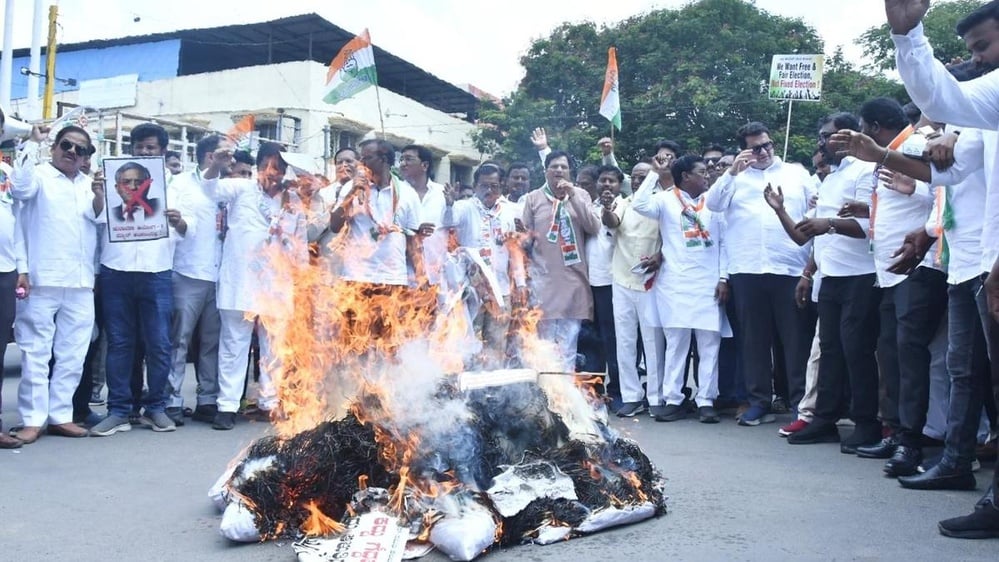
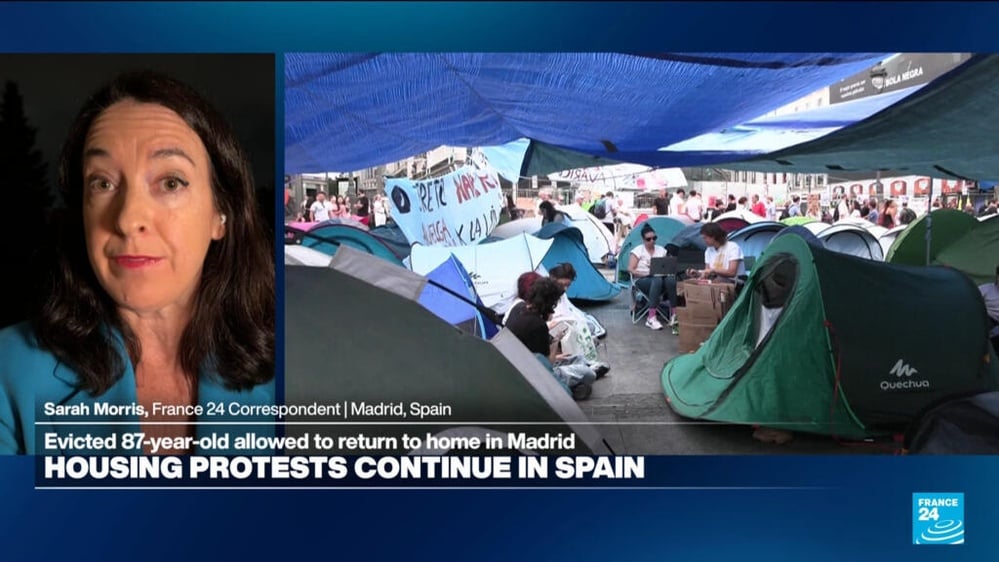
2026 © Helium Trades
Privacy Policy & Disclosure
* Disclaimer: Nothing on this website constitutes investment advice, performance data or any recommendation that any particular security, portfolio of securities, transaction or investment strategy is suitable for any specific person. Helium Trades is not responsible in any way for the accuracy
of any model predictions or price data. Any mention of a particular security and related prediction data is not a recommendation to buy or sell that security. Investments in securities involve the risk of loss. Past performance is no guarantee of future results. Helium Trades is not responsible for any of your investment decisions,
you should consult a financial expert before engaging in any transaction.
Helium Research Assistant

How can I help you today?
Ask any question about this page.


