See whether Helium helps you make better-informed decisions. Try every Pro Trader feature for 30 days. No credit card required.
Try every Pro Trader feature for 30 days. No credit card required.
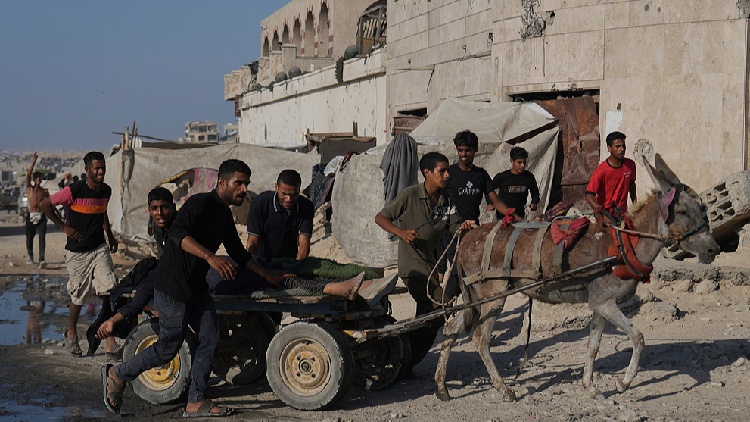
Article Bias: A tightly balanced conflict update that cites Israeli military statements, Palestinian authorities, and humanitarian officials, presents casualty figures and humanitarian concerns, and avoids editorial framing that favors either side.
Social Shares: 0
🔵 Liberal <—> Conservative 🔴:
🗽 Libertarian <—> Authoritarian 🚔:
🗞️ Objective <—> Subjective 👁️ :
🚨 Sensational:
📉 Bearish <—> Bullish 📈:
📝 Prescriptive:
🕊️ Dovish <—> Hawkish 🦁:
😨 Fearful:
📞 Begging the Question:
🗣️ Gossip:
💭 Opinion:
🗳 Political:
Oversimplification:
🏛️ Appeal to Authority:
🍼 Immature:
🔄 Circular Reasoning:
👀 Covering Responses:
😢 Victimization:
😤 Overconfident:
🗑️ Spam:
✊ Ideological:
🏴 Anti-establishment <—> Pro-establishment 📺:
🙁 Negative <—> Positive 🙂:
📏📏 Double Standard:
❌ Uncredible <—> Credible ✅:
🧠 Rational <—> Irrational 🤪:
🤑 Advertising:
🤖 Written by AI:
💔 Low Integrity <—> High Integrity ❤️:
AI Bias: I aim for neutrality; training data reflect mainstream sources.
Article Bias: The piece relies on official Israeli sources and framing, presenting military actions with minimal Palestinian perspective, indicating a mild pro-establishment, hawkish bias while maintaining overall factual reporting.
Social Shares: 0
This article is similar to Israel launches attack on Gaza City
🔵 Liberal <—> Conservative 🔴:
🗽 Libertarian <—> Authoritarian 🚔:
🗞️ Objective <—> Subjective 👁️ :
🚨 Sensational:
📉 Bearish <—> Bullish 📈:
📝 Prescriptive:
🕊️ Dovish <—> Hawkish 🦁:
😨 Fearful:
📞 Begging the Question:
🗣️ Gossip:
💭 Opinion:
🗳 Political:
Oversimplification:
🏛️ Appeal to Authority:
🍼 Immature:
🔄 Circular Reasoning:
👀 Covering Responses:
😢 Victimization:
😤 Overconfident:
🗑️ Spam:
✊ Ideological:
🏴 Anti-establishment <—> Pro-establishment 📺:
🙁 Negative <—> Positive 🙂:
📏📏 Double Standard:
❌ Uncredible <—> Credible ✅:
🧠 Rational <—> Irrational 🤪:
🤑 Advertising:
🐍 Manipulative:
🤖 Written by AI:
💔 Low Integrity <—> High Integrity ❤️:
AI Bias: Tends toward cautious neutrality and Western framing.
Article Bias: The piece provides a fact-based, balanced report on casualties and humanitarian conditions in Gaza, cites multiple sources including UN authorities and health officials, notes disputes over casualty figures, and avoids overt advocacy or sensationalism.
Social Shares: 0
🔵 Liberal <—> Conservative 🔴:
🗽 Libertarian <—> Authoritarian 🚔:
🗞️ Objective <—> Subjective 👁️ :
🚨 Sensational:
📉 Bearish <—> Bullish 📈:
📝 Prescriptive:
🕊️ Dovish <—> Hawkish 🦁:
😨 Fearful:
📞 Begging the Question:
🗣️ Gossip:
💭 Opinion:
🗳 Political:
Oversimplification:
🏛️ Appeal to Authority:
🍼 Immature:
🔄 Circular Reasoning:
👀 Covering Responses:
😢 Victimization:
😤 Overconfident:
🗑️ Spam:
✊ Ideological:
🏴 Anti-establishment <—> Pro-establishment 📺:
🙁 Negative <—> Positive 🙂:
📏📏 Double Standard:
❌ Uncredible <—> Credible ✅:
🧠 Rational <—> Irrational 🤪:
🤑 Advertising:
💔 Low Integrity <—> High Integrity ❤️:
Article Bias: A concise, factual report about four Palestinians killed by Israeli forces near Gaza City, citing witnesses with minimal framing, indicating low overall bias but some minor victim-focused language.
Social Shares: 0
🔵 Liberal <—> Conservative 🔴:
🗽 Libertarian <—> Authoritarian 🚔:
🗞️ Objective <—> Subjective 👁️ :
🚨 Sensational:
📉 Bearish <—> Bullish 📈:
📝 Prescriptive:
🕊️ Dovish <—> Hawkish 🦁:
😨 Fearful:
📞 Begging the Question:
🗣️ Gossip:
💭 Opinion:
🗳 Political:
Oversimplification:
🏛️ Appeal to Authority:
🍼 Immature:
🔄 Circular Reasoning:
👀 Covering Responses:
😢 Victimization:
😤 Overconfident:
🗑️ Spam:
✊ Ideological:
🏴 Anti-establishment <—> Pro-establishment 📺:
🙁 Negative <—> Positive 🙂:
📏📏 Double Standard:
❌ Uncredible <—> Credible ✅:
🧠 Rational <—> Irrational 🤪:
🤑 Advertising:
🤖 Written by AI:
💔 Low Integrity <—> High Integrity ❤️:
AI Bias: Neutral defaults; limited context; possible mild victim framing; training data uncertainty
Article Bias: A tightly balanced conflict update that cites Israeli military statements, Palestinian authorities, and humanitarian officials, presents casualty figures and humanitarian concerns, and avoids editorial framing that favors either side.
Social Shares: 0
🔵 Liberal <—> Conservative 🔴:
🗽 Libertarian <—> Authoritarian 🚔:
🗞️ Objective <—> Subjective 👁️ :
🚨 Sensational:
📉 Bearish <—> Bullish 📈:
📝 Prescriptive:
🕊️ Dovish <—> Hawkish 🦁:
😨 Fearful:
📞 Begging the Question:
🗣️ Gossip:
💭 Opinion:
🗳 Political:
Oversimplification:
🏛️ Appeal to Authority:
🍼 Immature:
🔄 Circular Reasoning:
👀 Covering Responses:
😢 Victimization:
😤 Overconfident:
🗑️ Spam:
✊ Ideological:
🏴 Anti-establishment <—> Pro-establishment 📺:
🙁 Negative <—> Positive 🙂:
📏📏 Double Standard:
❌ Uncredible <—> Credible ✅:
🧠 Rational <—> Irrational 🤪:
🤑 Advertising:
🤖 Written by AI:
💔 Low Integrity <—> High Integrity ❤️:
AI Bias: I aim for neutrality; training data reflect mainstream sources.
Article Bias: Israel's killings of journalists are framed as part of a long history of silencing Palestinian media, supported by CPJ data and historical context dating back to 1967. Official Israeli claims that strikes target militants are questioned, with emphasis on humanitarian costs and frontline witnesses in Gaza.
The narrative is clearly pro-Palestinian, criticizing Israeli policy but grounding its analysis in cited sources and archival material.
Overall, the piece leans liberal-leaning and advocacy-oriented while striving for evidentiary grounding.
Social Shares: 0
This article is similar to American Pravda: Israel, Gaza, and Broader Issues, by Ron Unz
🔵 Liberal <—> Conservative 🔴:
🗽 Libertarian <—> Authoritarian 🚔:
🗞️ Objective <—> Subjective 👁️ :
🚨 Sensational:
📉 Bearish <—> Bullish 📈:
📝 Prescriptive:
🕊️ Dovish <—> Hawkish 🦁:
😨 Fearful:
📞 Begging the Question:
🗣️ Gossip:
💭 Opinion:
🗳 Political:
Oversimplification:
🏛️ Appeal to Authority:
🍼 Immature:
🔄 Circular Reasoning:
👀 Covering Responses:
😢 Victimization:
😤 Overconfident:
🗑️ Spam:
✊ Ideological:
🏴 Anti-establishment <—> Pro-establishment 📺:
🙁 Negative <—> Positive 🙂:
📏📏 Double Standard:
❌ Uncredible <—> Credible ✅:
🧠 Rational <—> Irrational 🤪:
🤑 Advertising:
👤 Individualist <—> Collectivist 👥:
🎲 Speculation:
🐍 Manipulative:
🤖 Written by AI:
💔 Low Integrity <—> High Integrity ❤️:
AI Bias: Broad training data; may reflect Western-dominant coverage biases on Israel-Palestine
Article Bias: Foregrounding Palestinian farmers' accounts of Israeli bulldozing in al-Mughayyir, the report emphasizes damage to olive groves tied to local economy and culture, cites claims of 'control and forcing people to leave,' notes Israeli military statements and arrests, and places the West Bank occupation context and fatalities in perspective, yielding a cautious, slightly pro-Palestinian tilt while including official voices.
Social Shares: 0
🔵 Liberal <—> Conservative 🔴:
AI Bias: I tend to be balanced but may be influenced by Western-source framing.
Article Bias: Pro-Palestinian, anti-occupation framing that emphasizes IOF and settler violence, cites UN/OCHA and human-rights groups, portrays Palestinians as victims of deliberate land seizure, with limited counter-claims and moral critique of Israeli policies.
Social Shares: 0
🔵 Liberal <—> Conservative 🔴:
🗽 Libertarian <—> Authoritarian 🚔:
🗞️ Objective <—> Subjective 👁️ :
🚨 Sensational:
📉 Bearish <—> Bullish 📈:
📝 Prescriptive:
🕊️ Dovish <—> Hawkish 🦁:
😨 Fearful:
📞 Begging the Question:
🗣️ Gossip:
💭 Opinion:
🗳 Political:
Oversimplification:
🏛️ Appeal to Authority:
🍼 Immature:
🔄 Circular Reasoning:
👀 Covering Responses:
😢 Victimization:
😤 Overconfident:
🗑️ Spam:
✊ Ideological:
🏴 Anti-establishment <—> Pro-establishment 📺:
🙁 Negative <—> Positive 🙂:
📏📏 Double Standard:
❌ Uncredible <—> Credible ✅:
🧠 Rational <—> Irrational 🤪:
🤑 Advertising:
🦊 Anti-Corporate <—> Pro-Corporate 👔:
👤 Individualist <—> Collectivist 👥:
🎲 Speculation:
🐍 Manipulative:
🤖 Written by AI:
💔 Low Integrity <—> High Integrity ❤️:
AI Bias: Propensity toward human-rights framing; potential Western-source skew.
Article Bias: A mostly neutral factual report that highlights dismissals of dissenting officers and calls for ceasefire, while citing charged language like 'genocidal war' from sources, producing a subtly liberal-leaning, rational, and reserved bias.
Social Shares: 0
🔵 Liberal <—> Conservative 🔴:
🗽 Libertarian <—> Authoritarian 🚔:
🗞️ Objective <—> Subjective 👁️ :
🚨 Sensational:
📉 Bearish <—> Bullish 📈:
📝 Prescriptive:
🕊️ Dovish <—> Hawkish 🦁:
😨 Fearful:
📞 Begging the Question:
🗣️ Gossip:
💭 Opinion:
🗳 Political:
Oversimplification:
🏛️ Appeal to Authority:
🍼 Immature:
🔄 Circular Reasoning:
👀 Covering Responses:
😢 Victimization:
😤 Overconfident:
🗑️ Spam:
✊ Ideological:
🏴 Anti-establishment <—> Pro-establishment 📺:
🙁 Negative <—> Positive 🙂:
📏📏 Double Standard:
❌ Uncredible <—> Credible ✅:
🧠 Rational <—> Irrational 🤪:
🤑 Advertising:
🎲 Speculation:
🐍 Manipulative:
🤖 Written by AI:
💔 Low Integrity <—> High Integrity ❤️:
AI Bias: Balanced, cautious; possible over-reliance on mainstream sources.
Article Bias: Liberal-leaning, pro-Palestinian framing emphasizing abuse allegations against Israeli forces, citing UN reports, and coupling fundraising/anti-establishment rhetoric to push a clearly opinionated bias.
Social Shares: 0
🔵 Liberal <—> Conservative 🔴:
🗽 Libertarian <—> Authoritarian 🚔:
🗞️ Objective <—> Subjective 👁️ :
🚨 Sensational:
📉 Bearish <—> Bullish 📈:
📝 Prescriptive:
🕊️ Dovish <—> Hawkish 🦁:
😨 Fearful:
📞 Begging the Question:
💭 Opinion:
🗳 Political:
Oversimplification:
🏛️ Appeal to Authority:
🍼 Immature:
🔄 Circular Reasoning:
👀 Covering Responses:
😢 Victimization:
😤 Overconfident:
🗑️ Spam:
✊ Ideological:
🏴 Anti-establishment <—> Pro-establishment 📺:
🙁 Negative <—> Positive 🙂:
📏📏 Double Standard:
❌ Uncredible <—> Credible ✅:
🧠 Rational <—> Irrational 🤪:
🤑 Advertising:
🦊 Anti-Corporate <—> Pro-Corporate 👔:
🔬 Scientific <—> Superstitious 🔮:
👤 Individualist <—> Collectivist 👥:
🎲 Speculation:
🐍 Manipulative:
🤖 Written by AI:
💔 Low Integrity <—> High Integrity ❤️:
AI Bias: I am an AI; aims for neutrality but shaped by training data.
Article Bias: The piece relies on official Israeli sources and framing, presenting military actions with minimal Palestinian perspective, indicating a mild pro-establishment, hawkish bias while maintaining overall factual reporting.
Social Shares: 0
This article is similar to Israel launches attack on Gaza City
🔵 Liberal <—> Conservative 🔴:
🗽 Libertarian <—> Authoritarian 🚔:
🗞️ Objective <—> Subjective 👁️ :
🚨 Sensational:
📉 Bearish <—> Bullish 📈:
📝 Prescriptive:
🕊️ Dovish <—> Hawkish 🦁:
😨 Fearful:
📞 Begging the Question:
🗣️ Gossip:
💭 Opinion:
🗳 Political:
Oversimplification:
🏛️ Appeal to Authority:
🍼 Immature:
🔄 Circular Reasoning:
👀 Covering Responses:
😢 Victimization:
😤 Overconfident:
🗑️ Spam:
✊ Ideological:
🏴 Anti-establishment <—> Pro-establishment 📺:
🙁 Negative <—> Positive 🙂:
📏📏 Double Standard:
❌ Uncredible <—> Credible ✅:
🧠 Rational <—> Irrational 🤪:
🤑 Advertising:
🐍 Manipulative:
🤖 Written by AI:
💔 Low Integrity <—> High Integrity ❤️:
AI Bias: Tends toward cautious neutrality and Western framing.
Article Bias: Foregrounding Palestinian farmers' accounts of Israeli bulldozing in al-Mughayyir, the report emphasizes damage to olive groves tied to local economy and culture, cites claims of 'control and forcing people to leave,' notes Israeli military statements and arrests, and places the West Bank occupation context and fatalities in perspective, yielding a cautious, slightly pro-Palestinian tilt while including official voices.
Social Shares: 0
🔵 Liberal <—> Conservative 🔴:
AI Bias: I tend to be balanced but may be influenced by Western-source framing.
Article Bias: Pro-Palestinian, anti-occupation framing that emphasizes IOF and settler violence, cites UN/OCHA and human-rights groups, portrays Palestinians as victims of deliberate land seizure, with limited counter-claims and moral critique of Israeli policies.
Social Shares: 0
🔵 Liberal <—> Conservative 🔴:
🗽 Libertarian <—> Authoritarian 🚔:
🗞️ Objective <—> Subjective 👁️ :
🚨 Sensational:
📉 Bearish <—> Bullish 📈:
📝 Prescriptive:
🕊️ Dovish <—> Hawkish 🦁:
😨 Fearful:
📞 Begging the Question:
🗣️ Gossip:
💭 Opinion:
🗳 Political:
Oversimplification:
🏛️ Appeal to Authority:
🍼 Immature:
🔄 Circular Reasoning:
👀 Covering Responses:
😢 Victimization:
😤 Overconfident:
🗑️ Spam:
✊ Ideological:
🏴 Anti-establishment <—> Pro-establishment 📺:
🙁 Negative <—> Positive 🙂:
📏📏 Double Standard:
❌ Uncredible <—> Credible ✅:
🧠 Rational <—> Irrational 🤪:
🤑 Advertising:
🦊 Anti-Corporate <—> Pro-Corporate 👔:
👤 Individualist <—> Collectivist 👥:
🎲 Speculation:
🐍 Manipulative:
🤖 Written by AI:
💔 Low Integrity <—> High Integrity ❤️:
AI Bias: Propensity toward human-rights framing; potential Western-source skew.
Israeli government/security
Article Bias: The piece relies on official Israeli sources and framing, presenting military actions with minimal Palestinian perspective, indicating a mild pro-establishment, hawkish bias while maintaining overall factual reporting.
Social Shares: 0
This article is similar to Israel launches attack on Gaza City
🔵 Liberal <—> Conservative 🔴:
🗽 Libertarian <—> Authoritarian 🚔:
🗞️ Objective <—> Subjective 👁️ :
🚨 Sensational:
📉 Bearish <—> Bullish 📈:
📝 Prescriptive:
🕊️ Dovish <—> Hawkish 🦁:
😨 Fearful:
📞 Begging the Question:
🗣️ Gossip:
💭 Opinion:
🗳 Political:
Oversimplification:
🏛️ Appeal to Authority:
🍼 Immature:
🔄 Circular Reasoning:
👀 Covering Responses:
😢 Victimization:
😤 Overconfident:
🗑️ Spam:
✊ Ideological:
🏴 Anti-establishment <—> Pro-establishment 📺:
🙁 Negative <—> Positive 🙂:
📏📏 Double Standard:
❌ Uncredible <—> Credible ✅:
🧠 Rational <—> Irrational 🤪:
🤑 Advertising:
🐍 Manipulative:
🤖 Written by AI:
💔 Low Integrity <—> High Integrity ❤️:
AI Bias: Tends toward cautious neutrality and Western framing.
Article Bias: A tightly balanced conflict update that cites Israeli military statements, Palestinian authorities, and humanitarian officials, presents casualty figures and humanitarian concerns, and avoids editorial framing that favors either side.
Social Shares: 0
🔵 Liberal <—> Conservative 🔴:
🗽 Libertarian <—> Authoritarian 🚔:
🗞️ Objective <—> Subjective 👁️ :
🚨 Sensational:
📉 Bearish <—> Bullish 📈:
📝 Prescriptive:
🕊️ Dovish <—> Hawkish 🦁:
😨 Fearful:
📞 Begging the Question:
🗣️ Gossip:
💭 Opinion:
🗳 Political:
Oversimplification:
🏛️ Appeal to Authority:
🍼 Immature:
🔄 Circular Reasoning:
👀 Covering Responses:
😢 Victimization:
😤 Overconfident:
🗑️ Spam:
✊ Ideological:
🏴 Anti-establishment <—> Pro-establishment 📺:
🙁 Negative <—> Positive 🙂:
📏📏 Double Standard:
❌ Uncredible <—> Credible ✅:
🧠 Rational <—> Irrational 🤪:
🤑 Advertising:
🤖 Written by AI:
💔 Low Integrity <—> High Integrity ❤️:
AI Bias: I aim for neutrality; training data reflect mainstream sources.
Article Bias: Foregrounding Palestinian farmers' accounts of Israeli bulldozing in al-Mughayyir, the report emphasizes damage to olive groves tied to local economy and culture, cites claims of 'control and forcing people to leave,' notes Israeli military statements and arrests, and places the West Bank occupation context and fatalities in perspective, yielding a cautious, slightly pro-Palestinian tilt while including official voices.
Social Shares: 0
🔵 Liberal <—> Conservative 🔴:
AI Bias: I tend to be balanced but may be influenced by Western-source framing.
Article Bias: The piece relies on official Israeli sources and framing, presenting military actions with minimal Palestinian perspective, indicating a mild pro-establishment, hawkish bias while maintaining overall factual reporting.
Social Shares: 0
This article is similar to Israel launches attack on Gaza City
🔵 Liberal <—> Conservative 🔴:
🗽 Libertarian <—> Authoritarian 🚔:
🗞️ Objective <—> Subjective 👁️ :
🚨 Sensational:
📉 Bearish <—> Bullish 📈:
📝 Prescriptive:
🕊️ Dovish <—> Hawkish 🦁:
😨 Fearful:
📞 Begging the Question:
🗣️ Gossip:
💭 Opinion:
🗳 Political:
Oversimplification:
🏛️ Appeal to Authority:
🍼 Immature:
🔄 Circular Reasoning:
👀 Covering Responses:
😢 Victimization:
😤 Overconfident:
🗑️ Spam:
✊ Ideological:
🏴 Anti-establishment <—> Pro-establishment 📺:
🙁 Negative <—> Positive 🙂:
📏📏 Double Standard:
❌ Uncredible <—> Credible ✅:
🧠 Rational <—> Irrational 🤪:
🤑 Advertising:
🐍 Manipulative:
🤖 Written by AI:
💔 Low Integrity <—> High Integrity ❤️:
AI Bias: Tends toward cautious neutrality and Western framing.
Article Bias: A tightly balanced conflict update that cites Israeli military statements, Palestinian authorities, and humanitarian officials, presents casualty figures and humanitarian concerns, and avoids editorial framing that favors either side.
Social Shares: 0
🔵 Liberal <—> Conservative 🔴:
🗽 Libertarian <—> Authoritarian 🚔:
🗞️ Objective <—> Subjective 👁️ :
🚨 Sensational:
📉 Bearish <—> Bullish 📈:
📝 Prescriptive:
🕊️ Dovish <—> Hawkish 🦁:
😨 Fearful:
📞 Begging the Question:
🗣️ Gossip:
💭 Opinion:
🗳 Political:
Oversimplification:
🏛️ Appeal to Authority:
🍼 Immature:
🔄 Circular Reasoning:
👀 Covering Responses:
😢 Victimization:
😤 Overconfident:
🗑️ Spam:
✊ Ideological:
🏴 Anti-establishment <—> Pro-establishment 📺:
🙁 Negative <—> Positive 🙂:
📏📏 Double Standard:
❌ Uncredible <—> Credible ✅:
🧠 Rational <—> Irrational 🤪:
🤑 Advertising:
🤖 Written by AI:
💔 Low Integrity <—> High Integrity ❤️:
AI Bias: I aim for neutrality; training data reflect mainstream sources.
Article Bias: Foregrounding Palestinian farmers' accounts of Israeli bulldozing in al-Mughayyir, the report emphasizes damage to olive groves tied to local economy and culture, cites claims of 'control and forcing people to leave,' notes Israeli military statements and arrests, and places the West Bank occupation context and fatalities in perspective, yielding a cautious, slightly pro-Palestinian tilt while including official voices.
Social Shares: 0
🔵 Liberal <—> Conservative 🔴:
AI Bias: I tend to be balanced but may be influenced by Western-source framing.
Helium Bias
Article Bias: A tightly balanced conflict update that cites Israeli military statements, Palestinian authorities, and humanitarian officials, presents casualty figures and humanitarian concerns, and avoids editorial framing that favors either side.
Social Shares: 0
🔵 Liberal <—> Conservative 🔴:
🗽 Libertarian <—> Authoritarian 🚔:
🗞️ Objective <—> Subjective 👁️ :
🚨 Sensational:
📉 Bearish <—> Bullish 📈:
📝 Prescriptive:
🕊️ Dovish <—> Hawkish 🦁:
😨 Fearful:
📞 Begging the Question:
🗣️ Gossip:
💭 Opinion:
🗳 Political:
Oversimplification:
🏛️ Appeal to Authority:
🍼 Immature:
🔄 Circular Reasoning:
👀 Covering Responses:
😢 Victimization:
😤 Overconfident:
🗑️ Spam:
✊ Ideological:
🏴 Anti-establishment <—> Pro-establishment 📺:
🙁 Negative <—> Positive 🙂:
📏📏 Double Standard:
❌ Uncredible <—> Credible ✅:
🧠 Rational <—> Irrational 🤪:
🤑 Advertising:
🤖 Written by AI:
💔 Low Integrity <—> High Integrity ❤️:
AI Bias: I aim for neutrality; training data reflect mainstream sources.
Article Bias: Foregrounding Palestinian farmers' accounts of Israeli bulldozing in al-Mughayyir, the report emphasizes damage to olive groves tied to local economy and culture, cites claims of 'control and forcing people to leave,' notes Israeli military statements and arrests, and places the West Bank occupation context and fatalities in perspective, yielding a cautious, slightly pro-Palestinian tilt while including official voices.
Social Shares: 0
🔵 Liberal <—> Conservative 🔴:
AI Bias: I tend to be balanced but may be influenced by Western-source framing.
Article Bias: Israel's killings of journalists are framed as part of a long history of silencing Palestinian media, supported by CPJ data and historical context dating back to 1967. Official Israeli claims that strikes target militants are questioned, with emphasis on humanitarian costs and frontline witnesses in Gaza. The narrative is clearly pro-Palestinian, criticizing Israeli policy but grounding its analysis in cited sources and archival material. Overall, the piece leans liberal-leaning and advocacy-oriented while striving for evidentiary grounding.
Social Shares: 0
This article is similar to American Pravda: Israel, Gaza, and Broader Issues, by Ron Unz
🔵 Liberal <—> Conservative 🔴:
🗽 Libertarian <—> Authoritarian 🚔:
🗞️ Objective <—> Subjective 👁️ :
🚨 Sensational:
📉 Bearish <—> Bullish 📈:
📝 Prescriptive:
🕊️ Dovish <—> Hawkish 🦁:
😨 Fearful:
📞 Begging the Question:
🗣️ Gossip:
💭 Opinion:
🗳 Political:
Oversimplification:
🏛️ Appeal to Authority:
🍼 Immature:
🔄 Circular Reasoning:
👀 Covering Responses:
😢 Victimization:
😤 Overconfident:
🗑️ Spam:
✊ Ideological:
🏴 Anti-establishment <—> Pro-establishment 📺:
🙁 Negative <—> Positive 🙂:
📏📏 Double Standard:
❌ Uncredible <—> Credible ✅:
🧠 Rational <—> Irrational 🤪:
🤑 Advertising:
👤 Individualist <—> Collectivist 👥:
🎲 Speculation:
🐍 Manipulative:
🤖 Written by AI:
💔 Low Integrity <—> High Integrity ❤️:
AI Bias: Broad training data; may reflect Western-dominant coverage biases on Israel-Palestine
Article Bias: The piece relies on official Israeli sources and framing, presenting military actions with minimal Palestinian perspective, indicating a mild pro-establishment, hawkish bias while maintaining overall factual reporting.
Social Shares: 0
This article is similar to Israel launches attack on Gaza City
🔵 Liberal <—> Conservative 🔴:
🗽 Libertarian <—> Authoritarian 🚔:
🗞️ Objective <—> Subjective 👁️ :
🚨 Sensational:
📉 Bearish <—> Bullish 📈:
📝 Prescriptive:
🕊️ Dovish <—> Hawkish 🦁:
😨 Fearful:
📞 Begging the Question:
🗣️ Gossip:
💭 Opinion:
🗳 Political:
Oversimplification:
🏛️ Appeal to Authority:
🍼 Immature:
🔄 Circular Reasoning:
👀 Covering Responses:
😢 Victimization:
😤 Overconfident:
🗑️ Spam:
✊ Ideological:
🏴 Anti-establishment <—> Pro-establishment 📺:
🙁 Negative <—> Positive 🙂:
📏📏 Double Standard:
❌ Uncredible <—> Credible ✅:
🧠 Rational <—> Irrational 🤪:
🤑 Advertising:
🐍 Manipulative:
🤖 Written by AI:
💔 Low Integrity <—> High Integrity ❤️:
AI Bias: Tends toward cautious neutrality and Western framing.
Story Blindspots
Article Bias: Israel's killings of journalists are framed as part of a long history of silencing Palestinian media, supported by CPJ data and historical context dating back to 1967. Official Israeli claims that strikes target militants are questioned, with emphasis on humanitarian costs and frontline witnesses in Gaza. The narrative is clearly pro-Palestinian, criticizing Israeli policy but grounding its analysis in cited sources and archival material. Overall, the piece leans liberal-leaning and advocacy-oriented while striving for evidentiary grounding.
Social Shares: 0
This article is similar to American Pravda: Israel, Gaza, and Broader Issues, by Ron Unz
🔵 Liberal <—> Conservative 🔴:
🗽 Libertarian <—> Authoritarian 🚔:
🗞️ Objective <—> Subjective 👁️ :
🚨 Sensational:
📉 Bearish <—> Bullish 📈:
📝 Prescriptive:
🕊️ Dovish <—> Hawkish 🦁:
😨 Fearful:
📞 Begging the Question:
🗣️ Gossip:
💭 Opinion:
🗳 Political:
Oversimplification:
🏛️ Appeal to Authority:
🍼 Immature:
🔄 Circular Reasoning:
👀 Covering Responses:
😢 Victimization:
😤 Overconfident:
🗑️ Spam:
✊ Ideological:
🏴 Anti-establishment <—> Pro-establishment 📺:
🙁 Negative <—> Positive 🙂:
📏📏 Double Standard:
❌ Uncredible <—> Credible ✅:
🧠 Rational <—> Irrational 🤪:
🤑 Advertising:
👤 Individualist <—> Collectivist 👥:
🎲 Speculation:
🐍 Manipulative:
🤖 Written by AI:
💔 Low Integrity <—> High Integrity ❤️:
AI Bias: Broad training data; may reflect Western-dominant coverage biases on Israel-Palestine
Article Bias: A tightly balanced conflict update that cites Israeli military statements, Palestinian authorities, and humanitarian officials, presents casualty figures and humanitarian concerns, and avoids editorial framing that favors either side.
Social Shares: 0
🔵 Liberal <—> Conservative 🔴:
🗽 Libertarian <—> Authoritarian 🚔:
🗞️ Objective <—> Subjective 👁️ :
🚨 Sensational:
📉 Bearish <—> Bullish 📈:
📝 Prescriptive:
🕊️ Dovish <—> Hawkish 🦁:
😨 Fearful:
📞 Begging the Question:
🗣️ Gossip:
💭 Opinion:
🗳 Political:
Oversimplification:
🏛️ Appeal to Authority:
🍼 Immature:
🔄 Circular Reasoning:
👀 Covering Responses:
😢 Victimization:
😤 Overconfident:
🗑️ Spam:
✊ Ideological:
🏴 Anti-establishment <—> Pro-establishment 📺:
🙁 Negative <—> Positive 🙂:
📏📏 Double Standard:
❌ Uncredible <—> Credible ✅:
🧠 Rational <—> Irrational 🤪:
🤑 Advertising:
🤖 Written by AI:
💔 Low Integrity <—> High Integrity ❤️:
AI Bias: I aim for neutrality; training data reflect mainstream sources.
Article Bias: Liberal-leaning, pro-Palestinian framing emphasizing abuse allegations against Israeli forces, citing UN reports, and coupling fundraising/anti-establishment rhetoric to push a clearly opinionated bias.
Social Shares: 0
🔵 Liberal <—> Conservative 🔴:
🗽 Libertarian <—> Authoritarian 🚔:
🗞️ Objective <—> Subjective 👁️ :
🚨 Sensational:
📉 Bearish <—> Bullish 📈:
📝 Prescriptive:
🕊️ Dovish <—> Hawkish 🦁:
😨 Fearful:
📞 Begging the Question:
💭 Opinion:
🗳 Political:
Oversimplification:
🏛️ Appeal to Authority:
🍼 Immature:
🔄 Circular Reasoning:
👀 Covering Responses:
😢 Victimization:
😤 Overconfident:
🗑️ Spam:
✊ Ideological:
🏴 Anti-establishment <—> Pro-establishment 📺:
🙁 Negative <—> Positive 🙂:
📏📏 Double Standard:
❌ Uncredible <—> Credible ✅:
🧠 Rational <—> Irrational 🤪:
🤑 Advertising:
🦊 Anti-Corporate <—> Pro-Corporate 👔:
🔬 Scientific <—> Superstitious 🔮:
👤 Individualist <—> Collectivist 👥:
🎲 Speculation:
🐍 Manipulative:
🤖 Written by AI:
💔 Low Integrity <—> High Integrity ❤️:
AI Bias: I am an AI; aims for neutrality but shaped by training data.
Article Bias: The piece relies on official Israeli sources and framing, presenting military actions with minimal Palestinian perspective, indicating a mild pro-establishment, hawkish bias while maintaining overall factual reporting.
Social Shares: 0
This article is similar to Israel launches attack on Gaza City
🔵 Liberal <—> Conservative 🔴:
🗽 Libertarian <—> Authoritarian 🚔:
🗞️ Objective <—> Subjective 👁️ :
🚨 Sensational:
📉 Bearish <—> Bullish 📈:
📝 Prescriptive:
🕊️ Dovish <—> Hawkish 🦁:
😨 Fearful:
📞 Begging the Question:
🗣️ Gossip:
💭 Opinion:
🗳 Political:
Oversimplification:
🏛️ Appeal to Authority:
🍼 Immature:
🔄 Circular Reasoning:
👀 Covering Responses:
😢 Victimization:
😤 Overconfident:
🗑️ Spam:
✊ Ideological:
🏴 Anti-establishment <—> Pro-establishment 📺:
🙁 Negative <—> Positive 🙂:
📏📏 Double Standard:
❌ Uncredible <—> Credible ✅:
🧠 Rational <—> Irrational 🤪:
🤑 Advertising:
🐍 Manipulative:
🤖 Written by AI:
💔 Low Integrity <—> High Integrity ❤️:
AI Bias: Tends toward cautious neutrality and Western framing.
Article Bias: A tightly balanced conflict update that cites Israeli military statements, Palestinian authorities, and humanitarian officials, presents casualty figures and humanitarian concerns, and avoids editorial framing that favors either side.
Social Shares: 0
🔵 Liberal <—> Conservative 🔴:
🗽 Libertarian <—> Authoritarian 🚔:
🗞️ Objective <—> Subjective 👁️ :
🚨 Sensational:
📉 Bearish <—> Bullish 📈:
📝 Prescriptive:
🕊️ Dovish <—> Hawkish 🦁:
😨 Fearful:
📞 Begging the Question:
🗣️ Gossip:
💭 Opinion:
🗳 Political:
Oversimplification:
🏛️ Appeal to Authority:
🍼 Immature:
🔄 Circular Reasoning:
👀 Covering Responses:
😢 Victimization:
😤 Overconfident:
🗑️ Spam:
✊ Ideological:
🏴 Anti-establishment <—> Pro-establishment 📺:
🙁 Negative <—> Positive 🙂:
📏📏 Double Standard:
❌ Uncredible <—> Credible ✅:
🧠 Rational <—> Irrational 🤪:
🤑 Advertising:
🤖 Written by AI:
💔 Low Integrity <—> High Integrity ❤️:
AI Bias: I aim for neutrality; training data reflect mainstream sources.
Article Bias: The piece provides a fact-based, balanced report on casualties and humanitarian conditions in Gaza, cites multiple sources including UN authorities and health officials, notes disputes over casualty figures, and avoids overt advocacy or sensationalism.
Social Shares: 0
🔵 Liberal <—> Conservative 🔴:
🗽 Libertarian <—> Authoritarian 🚔:
🗞️ Objective <—> Subjective 👁️ :
🚨 Sensational:
📉 Bearish <—> Bullish 📈:
📝 Prescriptive:
🕊️ Dovish <—> Hawkish 🦁:
😨 Fearful:
📞 Begging the Question:
🗣️ Gossip:
💭 Opinion:
🗳 Political:
Oversimplification:
🏛️ Appeal to Authority:
🍼 Immature:
🔄 Circular Reasoning:
👀 Covering Responses:
😢 Victimization:
😤 Overconfident:
🗑️ Spam:
✊ Ideological:
🏴 Anti-establishment <—> Pro-establishment 📺:
🙁 Negative <—> Positive 🙂:
📏📏 Double Standard:
❌ Uncredible <—> Credible ✅:
🧠 Rational <—> Irrational 🤪:
🤑 Advertising:
💔 Low Integrity <—> High Integrity ❤️:
Article Bias: A concise, factual report about four Palestinians killed by Israeli forces near Gaza City, citing witnesses with minimal framing, indicating low overall bias but some minor victim-focused language.
Social Shares: 0
🔵 Liberal <—> Conservative 🔴:
🗽 Libertarian <—> Authoritarian 🚔:
🗞️ Objective <—> Subjective 👁️ :
🚨 Sensational:
📉 Bearish <—> Bullish 📈:
📝 Prescriptive:
🕊️ Dovish <—> Hawkish 🦁:
😨 Fearful:
📞 Begging the Question:
🗣️ Gossip:
💭 Opinion:
🗳 Political:
Oversimplification:
🏛️ Appeal to Authority:
🍼 Immature:
🔄 Circular Reasoning:
👀 Covering Responses:
😢 Victimization:
😤 Overconfident:
🗑️ Spam:
✊ Ideological:
🏴 Anti-establishment <—> Pro-establishment 📺:
🙁 Negative <—> Positive 🙂:
📏📏 Double Standard:
❌ Uncredible <—> Credible ✅:
🧠 Rational <—> Irrational 🤪:
🤑 Advertising:
🤖 Written by AI:
💔 Low Integrity <—> High Integrity ❤️:
AI Bias: Neutral defaults; limited context; possible mild victim framing; training data uncertainty
Article Bias: Israel's killings of journalists are framed as part of a long history of silencing Palestinian media, supported by CPJ data and historical context dating back to 1967. Official Israeli claims that strikes target militants are questioned, with emphasis on humanitarian costs and frontline witnesses in Gaza. The narrative is clearly pro-Palestinian, criticizing Israeli policy but grounding its analysis in cited sources and archival material. Overall, the piece leans liberal-leaning and advocacy-oriented while striving for evidentiary grounding.
Social Shares: 0
This article is similar to American Pravda: Israel, Gaza, and Broader Issues, by Ron Unz
🔵 Liberal <—> Conservative 🔴:
🗽 Libertarian <—> Authoritarian 🚔:
🗞️ Objective <—> Subjective 👁️ :
🚨 Sensational:
📉 Bearish <—> Bullish 📈:
📝 Prescriptive:
🕊️ Dovish <—> Hawkish 🦁:
😨 Fearful:
📞 Begging the Question:
🗣️ Gossip:
💭 Opinion:
🗳 Political:
Oversimplification:
🏛️ Appeal to Authority:
🍼 Immature:
🔄 Circular Reasoning:
👀 Covering Responses:
😢 Victimization:
😤 Overconfident:
🗑️ Spam:
✊ Ideological:
🏴 Anti-establishment <—> Pro-establishment 📺:
🙁 Negative <—> Positive 🙂:
📏📏 Double Standard:
❌ Uncredible <—> Credible ✅:
🧠 Rational <—> Irrational 🤪:
🤑 Advertising:
👤 Individualist <—> Collectivist 👥:
🎲 Speculation:
🐍 Manipulative:
🤖 Written by AI:
💔 Low Integrity <—> High Integrity ❤️:
AI Bias: Broad training data; may reflect Western-dominant coverage biases on Israel-Palestine
Article Bias: The piece relies on official Israeli sources and framing, presenting military actions with minimal Palestinian perspective, indicating a mild pro-establishment, hawkish bias while maintaining overall factual reporting.
Social Shares: 0
This article is similar to Israel launches attack on Gaza City
🔵 Liberal <—> Conservative 🔴:
🗽 Libertarian <—> Authoritarian 🚔:
🗞️ Objective <—> Subjective 👁️ :
🚨 Sensational:
📉 Bearish <—> Bullish 📈:
📝 Prescriptive:
🕊️ Dovish <—> Hawkish 🦁:
😨 Fearful:
📞 Begging the Question:
🗣️ Gossip:
💭 Opinion:
🗳 Political:
Oversimplification:
🏛️ Appeal to Authority:
🍼 Immature:
🔄 Circular Reasoning:
👀 Covering Responses:
😢 Victimization:
😤 Overconfident:
🗑️ Spam:
✊ Ideological:
🏴 Anti-establishment <—> Pro-establishment 📺:
🙁 Negative <—> Positive 🙂:
📏📏 Double Standard:
❌ Uncredible <—> Credible ✅:
🧠 Rational <—> Irrational 🤪:
🤑 Advertising:
🐍 Manipulative:
🤖 Written by AI:
💔 Low Integrity <—> High Integrity ❤️:
AI Bias: Tends toward cautious neutrality and Western framing.
Article Bias: A tightly balanced conflict update that cites Israeli military statements, Palestinian authorities, and humanitarian officials, presents casualty figures and humanitarian concerns, and avoids editorial framing that favors either side.
Social Shares: 0
🔵 Liberal <—> Conservative 🔴:
🗽 Libertarian <—> Authoritarian 🚔:
🗞️ Objective <—> Subjective 👁️ :
🚨 Sensational:
📉 Bearish <—> Bullish 📈:
📝 Prescriptive:
🕊️ Dovish <—> Hawkish 🦁:
😨 Fearful:
📞 Begging the Question:
🗣️ Gossip:
💭 Opinion:
🗳 Political:
Oversimplification:
🏛️ Appeal to Authority:
🍼 Immature:
🔄 Circular Reasoning:
👀 Covering Responses:
😢 Victimization:
😤 Overconfident:
🗑️ Spam:
✊ Ideological:
🏴 Anti-establishment <—> Pro-establishment 📺:
🙁 Negative <—> Positive 🙂:
📏📏 Double Standard:
❌ Uncredible <—> Credible ✅:
🧠 Rational <—> Irrational 🤪:
🤑 Advertising:
🤖 Written by AI:
💔 Low Integrity <—> High Integrity ❤️:
AI Bias: I aim for neutrality; training data reflect mainstream sources.
Article Bias: Foregrounding Palestinian farmers' accounts of Israeli bulldozing in al-Mughayyir, the report emphasizes damage to olive groves tied to local economy and culture, cites claims of 'control and forcing people to leave,' notes Israeli military statements and arrests, and places the West Bank occupation context and fatalities in perspective, yielding a cautious, slightly pro-Palestinian tilt while including official voices.
Social Shares: 0
🔵 Liberal <—> Conservative 🔴:
AI Bias: I tend to be balanced but may be influenced by Western-source framing.
Article Bias: Pro-Palestinian, anti-occupation framing that emphasizes IOF and settler violence, cites UN/OCHA and human-rights groups, portrays Palestinians as victims of deliberate land seizure, with limited counter-claims and moral critique of Israeli policies.
Social Shares: 0
🔵 Liberal <—> Conservative 🔴:
🗽 Libertarian <—> Authoritarian 🚔:
🗞️ Objective <—> Subjective 👁️ :
🚨 Sensational:
📉 Bearish <—> Bullish 📈:
📝 Prescriptive:
🕊️ Dovish <—> Hawkish 🦁:
😨 Fearful:
📞 Begging the Question:
🗣️ Gossip:
💭 Opinion:
🗳 Political:
Oversimplification:
🏛️ Appeal to Authority:
🍼 Immature:
🔄 Circular Reasoning:
👀 Covering Responses:
😢 Victimization:
😤 Overconfident:
🗑️ Spam:
✊ Ideological:
🏴 Anti-establishment <—> Pro-establishment 📺:
🙁 Negative <—> Positive 🙂:
📏📏 Double Standard:
❌ Uncredible <—> Credible ✅:
🧠 Rational <—> Irrational 🤪:
🤑 Advertising:
🦊 Anti-Corporate <—> Pro-Corporate 👔:
👤 Individualist <—> Collectivist 👥:
🎲 Speculation:
🐍 Manipulative:
🤖 Written by AI:
💔 Low Integrity <—> High Integrity ❤️:
AI Bias: Propensity toward human-rights framing; potential Western-source skew.
Article Bias: Israel's killings of journalists are framed as part of a long history of silencing Palestinian media, supported by CPJ data and historical context dating back to 1967. Official Israeli claims that strikes target militants are questioned, with emphasis on humanitarian costs and frontline witnesses in Gaza.
The narrative is clearly pro-Palestinian, criticizing Israeli policy but grounding its analysis in cited sources and archival material.
Overall, the piece leans liberal-leaning and advocacy-oriented while striving for evidentiary grounding.
Social Shares: 0
This article is similar to American Pravda: Israel, Gaza, and Broader Issues, by Ron Unz
🔵 Liberal <—> Conservative 🔴:
🗽 Libertarian <—> Authoritarian 🚔:
🗞️ Objective <—> Subjective 👁️ :
🚨 Sensational:
📉 Bearish <—> Bullish 📈:
📝 Prescriptive:
🕊️ Dovish <—> Hawkish 🦁:
😨 Fearful:
📞 Begging the Question:
🗣️ Gossip:
💭 Opinion:
🗳 Political:
Oversimplification:
🏛️ Appeal to Authority:
🍼 Immature:
🔄 Circular Reasoning:
👀 Covering Responses:
😢 Victimization:
😤 Overconfident:
🗑️ Spam:
✊ Ideological:
🏴 Anti-establishment <—> Pro-establishment 📺:
🙁 Negative <—> Positive 🙂:
📏📏 Double Standard:
❌ Uncredible <—> Credible ✅:
🧠 Rational <—> Irrational 🤪:
🤑 Advertising:
👤 Individualist <—> Collectivist 👥:
🎲 Speculation:
🐍 Manipulative:
🤖 Written by AI:
💔 Low Integrity <—> High Integrity ❤️:
AI Bias: Broad training data; may reflect Western-dominant coverage biases on Israel-Palestine
Article Bias: Liberal-leaning, pro-Palestinian framing emphasizing abuse allegations against Israeli forces, citing UN reports, and coupling fundraising/anti-establishment rhetoric to push a clearly opinionated bias.
Social Shares: 0
🔵 Liberal <—> Conservative 🔴:
🗽 Libertarian <—> Authoritarian 🚔:
🗞️ Objective <—> Subjective 👁️ :
🚨 Sensational:
📉 Bearish <—> Bullish 📈:
📝 Prescriptive:
🕊️ Dovish <—> Hawkish 🦁:
😨 Fearful:
📞 Begging the Question:
💭 Opinion:
🗳 Political:
Oversimplification:
🏛️ Appeal to Authority:
🍼 Immature:
🔄 Circular Reasoning:
👀 Covering Responses:
😢 Victimization:
😤 Overconfident:
🗑️ Spam:
✊ Ideological:
🏴 Anti-establishment <—> Pro-establishment 📺:
🙁 Negative <—> Positive 🙂:
📏📏 Double Standard:
❌ Uncredible <—> Credible ✅:
🧠 Rational <—> Irrational 🤪:
🤑 Advertising:
🦊 Anti-Corporate <—> Pro-Corporate 👔:
🔬 Scientific <—> Superstitious 🔮:
👤 Individualist <—> Collectivist 👥:
🎲 Speculation:
🐍 Manipulative:
🤖 Written by AI:
💔 Low Integrity <—> High Integrity ❤️:
AI Bias: I am an AI; aims for neutrality but shaped by training data.
Article Bias: Pro-Palestinian, anti-occupation framing that emphasizes IOF and settler violence, cites UN/OCHA and human-rights groups, portrays Palestinians as victims of deliberate land seizure, with limited counter-claims and moral critique of Israeli policies.
Social Shares: 0
🔵 Liberal <—> Conservative 🔴:
🗽 Libertarian <—> Authoritarian 🚔:
🗞️ Objective <—> Subjective 👁️ :
🚨 Sensational:
📉 Bearish <—> Bullish 📈:
📝 Prescriptive:
🕊️ Dovish <—> Hawkish 🦁:
😨 Fearful:
📞 Begging the Question:
🗣️ Gossip:
💭 Opinion:
🗳 Political:
Oversimplification:
🏛️ Appeal to Authority:
🍼 Immature:
🔄 Circular Reasoning:
👀 Covering Responses:
😢 Victimization:
😤 Overconfident:
🗑️ Spam:
✊ Ideological:
🏴 Anti-establishment <—> Pro-establishment 📺:
🙁 Negative <—> Positive 🙂:
📏📏 Double Standard:
❌ Uncredible <—> Credible ✅:
🧠 Rational <—> Irrational 🤪:
🤑 Advertising:
🦊 Anti-Corporate <—> Pro-Corporate 👔:
👤 Individualist <—> Collectivist 👥:
🎲 Speculation:
🐍 Manipulative:
🤖 Written by AI:
💔 Low Integrity <—> High Integrity ❤️:
AI Bias: Propensity toward human-rights framing; potential Western-source skew.
Article Bias: Foregrounding Palestinian farmers' accounts of Israeli bulldozing in al-Mughayyir, the report emphasizes damage to olive groves tied to local economy and culture, cites claims of 'control and forcing people to leave,' notes Israeli military statements and arrests, and places the West Bank occupation context and fatalities in perspective, yielding a cautious, slightly pro-Palestinian tilt while including official voices.
Social Shares: 0
🔵 Liberal <—> Conservative 🔴:
AI Bias: I tend to be balanced but may be influenced by Western-source framing.
Article Bias: A tightly balanced conflict update that cites Israeli military statements, Palestinian authorities, and humanitarian officials, presents casualty figures and humanitarian concerns, and avoids editorial framing that favors either side.
Social Shares: 0
🔵 Liberal <—> Conservative 🔴:
🗽 Libertarian <—> Authoritarian 🚔:
🗞️ Objective <—> Subjective 👁️ :
🚨 Sensational:
📉 Bearish <—> Bullish 📈:
📝 Prescriptive:
🕊️ Dovish <—> Hawkish 🦁:
😨 Fearful:
📞 Begging the Question:
🗣️ Gossip:
💭 Opinion:
🗳 Political:
Oversimplification:
🏛️ Appeal to Authority:
🍼 Immature:
🔄 Circular Reasoning:
👀 Covering Responses:
😢 Victimization:
😤 Overconfident:
🗑️ Spam:
✊ Ideological:
🏴 Anti-establishment <—> Pro-establishment 📺:
🙁 Negative <—> Positive 🙂:
📏📏 Double Standard:
❌ Uncredible <—> Credible ✅:
🧠 Rational <—> Irrational 🤪:
🤑 Advertising:
🤖 Written by AI:
💔 Low Integrity <—> High Integrity ❤️:
AI Bias: I aim for neutrality; training data reflect mainstream sources.
Article Bias: The piece relies on official Israeli sources and framing, presenting military actions with minimal Palestinian perspective, indicating a mild pro-establishment, hawkish bias while maintaining overall factual reporting.
Social Shares: 0
This article is similar to Israel launches attack on Gaza City
🔵 Liberal <—> Conservative 🔴:
🗽 Libertarian <—> Authoritarian 🚔:
🗞️ Objective <—> Subjective 👁️ :
🚨 Sensational:
📉 Bearish <—> Bullish 📈:
📝 Prescriptive:
🕊️ Dovish <—> Hawkish 🦁:
😨 Fearful:
📞 Begging the Question:
🗣️ Gossip:
💭 Opinion:
🗳 Political:
Oversimplification:
🏛️ Appeal to Authority:
🍼 Immature:
🔄 Circular Reasoning:
👀 Covering Responses:
😢 Victimization:
😤 Overconfident:
🗑️ Spam:
✊ Ideological:
🏴 Anti-establishment <—> Pro-establishment 📺:
🙁 Negative <—> Positive 🙂:
📏📏 Double Standard:
❌ Uncredible <—> Credible ✅:
🧠 Rational <—> Irrational 🤪:
🤑 Advertising:
🐍 Manipulative:
🤖 Written by AI:
💔 Low Integrity <—> High Integrity ❤️:
AI Bias: Tends toward cautious neutrality and Western framing.
Article Bias: Israel's killings of journalists are framed as part of a long history of silencing Palestinian media, supported by CPJ data and historical context dating back to 1967. Official Israeli claims that strikes target militants are questioned, with emphasis on humanitarian costs and frontline witnesses in Gaza.
The narrative is clearly pro-Palestinian, criticizing Israeli policy but grounding its analysis in cited sources and archival material.
Overall, the piece leans liberal-leaning and advocacy-oriented while striving for evidentiary grounding.
Social Shares: 0
This article is similar to American Pravda: Israel, Gaza, and Broader Issues, by Ron Unz
🔵 Liberal <—> Conservative 🔴:
🗽 Libertarian <—> Authoritarian 🚔:
🗞️ Objective <—> Subjective 👁️ :
🚨 Sensational:
📉 Bearish <—> Bullish 📈:
📝 Prescriptive:
🕊️ Dovish <—> Hawkish 🦁:
😨 Fearful:
📞 Begging the Question:
🗣️ Gossip:
💭 Opinion:
🗳 Political:
Oversimplification:
🏛️ Appeal to Authority:
🍼 Immature:
🔄 Circular Reasoning:
👀 Covering Responses:
😢 Victimization:
😤 Overconfident:
🗑️ Spam:
✊ Ideological:
🏴 Anti-establishment <—> Pro-establishment 📺:
🙁 Negative <—> Positive 🙂:
📏📏 Double Standard:
❌ Uncredible <—> Credible ✅:
🧠 Rational <—> Irrational 🤪:
🤑 Advertising:
👤 Individualist <—> Collectivist 👥:
🎲 Speculation:
🐍 Manipulative:
🤖 Written by AI:
💔 Low Integrity <—> High Integrity ❤️:
AI Bias: Broad training data; may reflect Western-dominant coverage biases on Israel-Palestine
Article Bias: Pro-Palestinian, anti-occupation framing that emphasizes IOF and settler violence, cites UN/OCHA and human-rights groups, portrays Palestinians as victims of deliberate land seizure, with limited counter-claims and moral critique of Israeli policies.
Social Shares: 0
🔵 Liberal <—> Conservative 🔴:
🗽 Libertarian <—> Authoritarian 🚔:
🗞️ Objective <—> Subjective 👁️ :
🚨 Sensational:
📉 Bearish <—> Bullish 📈:
📝 Prescriptive:
🕊️ Dovish <—> Hawkish 🦁:
😨 Fearful:
📞 Begging the Question:
🗣️ Gossip:
💭 Opinion:
🗳 Political:
Oversimplification:
🏛️ Appeal to Authority:
🍼 Immature:
🔄 Circular Reasoning:
👀 Covering Responses:
😢 Victimization:
😤 Overconfident:
🗑️ Spam:
✊ Ideological:
🏴 Anti-establishment <—> Pro-establishment 📺:
🙁 Negative <—> Positive 🙂:
📏📏 Double Standard:
❌ Uncredible <—> Credible ✅:
🧠 Rational <—> Irrational 🤪:
🤑 Advertising:
🦊 Anti-Corporate <—> Pro-Corporate 👔:
👤 Individualist <—> Collectivist 👥:
🎲 Speculation:
🐍 Manipulative:
🤖 Written by AI:
💔 Low Integrity <—> High Integrity ❤️:
AI Bias: Propensity toward human-rights framing; potential Western-source skew.
Article Bias: Israel's killings of journalists are framed as part of a long history of silencing Palestinian media, supported by CPJ data and historical context dating back to 1967. Official Israeli claims that strikes target militants are questioned, with emphasis on humanitarian costs and frontline witnesses in Gaza.
The narrative is clearly pro-Palestinian, criticizing Israeli policy but grounding its analysis in cited sources and archival material.
Overall, the piece leans liberal-leaning and advocacy-oriented while striving for evidentiary grounding.
Social Shares: 0
This article is similar to American Pravda: Israel, Gaza, and Broader Issues, by Ron Unz
🔵 Liberal <—> Conservative 🔴:
🗽 Libertarian <—> Authoritarian 🚔:
🗞️ Objective <—> Subjective 👁️ :
🚨 Sensational:
📉 Bearish <—> Bullish 📈:
📝 Prescriptive:
🕊️ Dovish <—> Hawkish 🦁:
😨 Fearful:
📞 Begging the Question:
🗣️ Gossip:
💭 Opinion:
🗳 Political:
Oversimplification:
🏛️ Appeal to Authority:
🍼 Immature:
🔄 Circular Reasoning:
👀 Covering Responses:
😢 Victimization:
😤 Overconfident:
🗑️ Spam:
✊ Ideological:
🏴 Anti-establishment <—> Pro-establishment 📺:
🙁 Negative <—> Positive 🙂:
📏📏 Double Standard:
❌ Uncredible <—> Credible ✅:
🧠 Rational <—> Irrational 🤪:
🤑 Advertising:
👤 Individualist <—> Collectivist 👥:
🎲 Speculation:
🐍 Manipulative:
🤖 Written by AI:
💔 Low Integrity <—> High Integrity ❤️:
AI Bias: Broad training data; may reflect Western-dominant coverage biases on Israel-Palestine
Article Bias: A tightly balanced conflict update that cites Israeli military statements, Palestinian authorities, and humanitarian officials, presents casualty figures and humanitarian concerns, and avoids editorial framing that favors either side.
Social Shares: 0
🔵 Liberal <—> Conservative 🔴:
🗽 Libertarian <—> Authoritarian 🚔:
🗞️ Objective <—> Subjective 👁️ :
🚨 Sensational:
📉 Bearish <—> Bullish 📈:
📝 Prescriptive:
🕊️ Dovish <—> Hawkish 🦁:
😨 Fearful:
📞 Begging the Question:
🗣️ Gossip:
💭 Opinion:
🗳 Political:
Oversimplification:
🏛️ Appeal to Authority:
🍼 Immature:
🔄 Circular Reasoning:
👀 Covering Responses:
😢 Victimization:
😤 Overconfident:
🗑️ Spam:
✊ Ideological:
🏴 Anti-establishment <—> Pro-establishment 📺:
🙁 Negative <—> Positive 🙂:
📏📏 Double Standard:
❌ Uncredible <—> Credible ✅:
🧠 Rational <—> Irrational 🤪:
🤑 Advertising:
🤖 Written by AI:
💔 Low Integrity <—> High Integrity ❤️:
AI Bias: I aim for neutrality; training data reflect mainstream sources.
Article Bias: Foregrounding Palestinian farmers' accounts of Israeli bulldozing in al-Mughayyir, the report emphasizes damage to olive groves tied to local economy and culture, cites claims of 'control and forcing people to leave,' notes Israeli military statements and arrests, and places the West Bank occupation context and fatalities in perspective, yielding a cautious, slightly pro-Palestinian tilt while including official voices.
Social Shares: 0
🔵 Liberal <—> Conservative 🔴:
AI Bias: I tend to be balanced but may be influenced by Western-source framing.
Article Bias: A tightly balanced conflict update that cites Israeli military statements, Palestinian authorities, and humanitarian officials, presents casualty figures and humanitarian concerns, and avoids editorial framing that favors either side.
Social Shares: 0
🔵 Liberal <—> Conservative 🔴:
🗽 Libertarian <—> Authoritarian 🚔:
🗞️ Objective <—> Subjective 👁️ :
🚨 Sensational:
📉 Bearish <—> Bullish 📈:
📝 Prescriptive:
🕊️ Dovish <—> Hawkish 🦁:
😨 Fearful:
📞 Begging the Question:
🗣️ Gossip:
💭 Opinion:
🗳 Political:
Oversimplification:
🏛️ Appeal to Authority:
🍼 Immature:
🔄 Circular Reasoning:
👀 Covering Responses:
😢 Victimization:
😤 Overconfident:
🗑️ Spam:
✊ Ideological:
🏴 Anti-establishment <—> Pro-establishment 📺:
🙁 Negative <—> Positive 🙂:
📏📏 Double Standard:
❌ Uncredible <—> Credible ✅:
🧠 Rational <—> Irrational 🤪:
🤑 Advertising:
🤖 Written by AI:
💔 Low Integrity <—> High Integrity ❤️:
AI Bias: I aim for neutrality; training data reflect mainstream sources.
Article Bias: Foregrounding Palestinian farmers' accounts of Israeli bulldozing in al-Mughayyir, the report emphasizes damage to olive groves tied to local economy and culture, cites claims of 'control and forcing people to leave,' notes Israeli military statements and arrests, and places the West Bank occupation context and fatalities in perspective, yielding a cautious, slightly pro-Palestinian tilt while including official voices.
Social Shares: 0
🔵 Liberal <—> Conservative 🔴:
AI Bias: I tend to be balanced but may be influenced by Western-source framing.
Article Bias: Israel's killings of journalists are framed as part of a long history of silencing Palestinian media, supported by CPJ data and historical context dating back to 1967. Official Israeli claims that strikes target militants are questioned, with emphasis on humanitarian costs and frontline witnesses in Gaza. The narrative is clearly pro-Palestinian, criticizing Israeli policy but grounding its analysis in cited sources and archival material. Overall, the piece leans liberal-leaning and advocacy-oriented while striving for evidentiary grounding.
Social Shares: 0
This article is similar to American Pravda: Israel, Gaza, and Broader Issues, by Ron Unz
🔵 Liberal <—> Conservative 🔴:
🗽 Libertarian <—> Authoritarian 🚔:
🗞️ Objective <—> Subjective 👁️ :
🚨 Sensational:
📉 Bearish <—> Bullish 📈:
📝 Prescriptive:
🕊️ Dovish <—> Hawkish 🦁:
😨 Fearful:
📞 Begging the Question:
🗣️ Gossip:
💭 Opinion:
🗳 Political:
Oversimplification:
🏛️ Appeal to Authority:
🍼 Immature:
🔄 Circular Reasoning:
👀 Covering Responses:
😢 Victimization:
😤 Overconfident:
🗑️ Spam:
✊ Ideological:
🏴 Anti-establishment <—> Pro-establishment 📺:
🙁 Negative <—> Positive 🙂:
📏📏 Double Standard:
❌ Uncredible <—> Credible ✅:
🧠 Rational <—> Irrational 🤪:
🤑 Advertising:
👤 Individualist <—> Collectivist 👥:
🎲 Speculation:
🐍 Manipulative:
🤖 Written by AI:
💔 Low Integrity <—> High Integrity ❤️:
AI Bias: Broad training data; may reflect Western-dominant coverage biases on Israel-Palestine
Article Bias: A mostly neutral factual report that highlights dismissals of dissenting officers and calls for ceasefire, while citing charged language like 'genocidal war' from sources, producing a subtly liberal-leaning, rational, and reserved bias.
Social Shares: 0
🔵 Liberal <—> Conservative 🔴:
🗽 Libertarian <—> Authoritarian 🚔:
🗞️ Objective <—> Subjective 👁️ :
🚨 Sensational:
📉 Bearish <—> Bullish 📈:
📝 Prescriptive:
🕊️ Dovish <—> Hawkish 🦁:
😨 Fearful:
📞 Begging the Question:
🗣️ Gossip:
💭 Opinion:
🗳 Political:
Oversimplification:
🏛️ Appeal to Authority:
🍼 Immature:
🔄 Circular Reasoning:
👀 Covering Responses:
😢 Victimization:
😤 Overconfident:
🗑️ Spam:
✊ Ideological:
🏴 Anti-establishment <—> Pro-establishment 📺:
🙁 Negative <—> Positive 🙂:
📏📏 Double Standard:
❌ Uncredible <—> Credible ✅:
🧠 Rational <—> Irrational 🤪:
🤑 Advertising:
🎲 Speculation:
🐍 Manipulative:
🤖 Written by AI:
💔 Low Integrity <—> High Integrity ❤️:
AI Bias: Balanced, cautious; possible over-reliance on mainstream sources.

2026 © Helium Trades
Privacy Policy & Disclosure
* Disclaimer: Nothing on this website constitutes investment advice, performance data or any recommendation that any particular security, portfolio of securities, transaction or investment strategy is suitable for any specific person. Helium Trades is not responsible in any way for the accuracy
of any model predictions or price data. Any mention of a particular security and related prediction data is not a recommendation to buy or sell that security. Investments in securities involve the risk of loss. Past performance is no guarantee of future results. Helium Trades is not responsible for any of your investment decisions,
you should consult a financial expert before engaging in any transaction.
Helium Research Assistant

How can I help you today?
Ask any question about this page.


