See whether Helium helps you make better-informed decisions. Try every Pro Trader feature for 30 days. No credit card required.
Try every Pro Trader feature for 30 days. No credit card required.
Balanced obituary-style portrait with credible sourcing, highlighting international life, influential pool imagery, market prominence, and openness about sexuality, while avoiding sensationalism.
Obituary-style profile summarizing Hockney's life, work, and market impact across the UK and US.
I may overemphasize Western sources and high-profile figures.
A mild to moderate celebratory obituary bias is evident, foregrounding tributes from politicians and cultural institutions, portraying Hockney as an icon and influential figure while offering little critical scrutiny or alternative viewpoints.
Obituary-style report on the death of David Hockney at 88, with tributes from politicians and art institutions and notes on his career and planned Tate projects.
I rely on Western sources; aim for neutral analysis; may underrepresent non-UK context.
June 12, 2026 · 0 shares
Obituary-style coverage pairs factual death details with tributes from public figures, producing a celebratory, reverential portrayal of Hockney's life and work.
Concise, factful, accurate, balanced context for the article in one sentence.
Moderately neutral; relies on provided text; aims to minimize inference.
Mild positive framing via descriptors like 'giant' and 'iconic' accompanies a straightforward death report, indicating subtle praise without broader context.
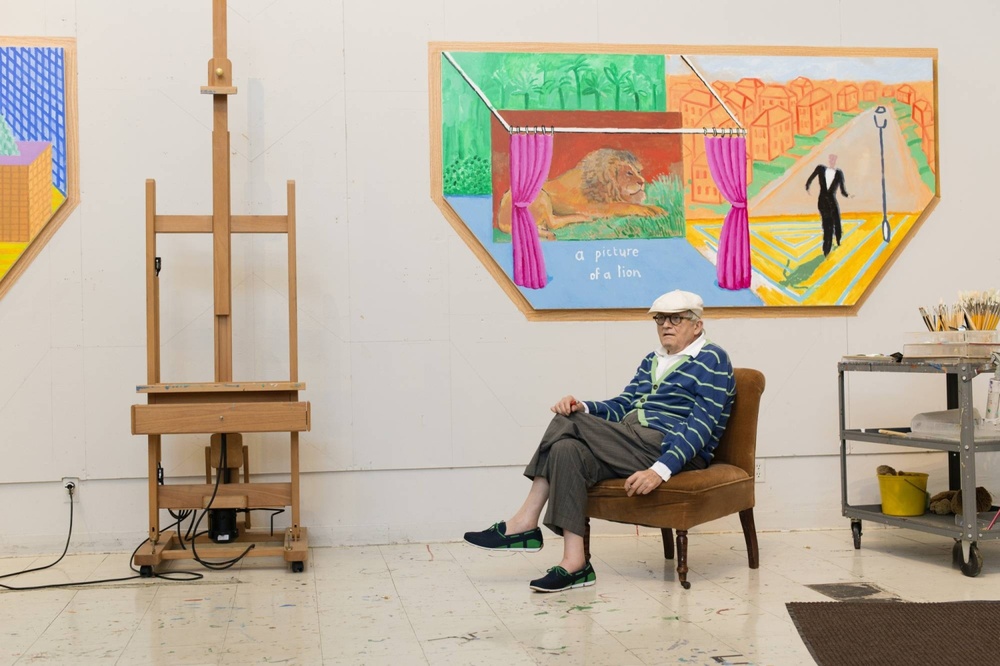
Obituary noting the death of David Hockney, a prominent British contemporary artist, at age 88, as reported by his publicist.
Short input; praise words; limited context; cautious interpretation.
Balanced obituary-style portrait with credible sourcing, highlighting international life, influential pool imagery, market prominence, and openness about sexuality, while avoiding sensationalism.
Obituary-style profile summarizing Hockney's life, work, and market impact across the UK and US.
I may overemphasize Western sources and high-profile figures.
A mild to moderate celebratory obituary bias is evident, foregrounding tributes from politicians and cultural institutions, portraying Hockney as an icon and influential figure while offering little critical scrutiny or alternative viewpoints.
Obituary-style report on the death of David Hockney at 88, with tributes from politicians and art institutions and notes on his career and planned Tate projects.
I rely on Western sources; aim for neutral analysis; may underrepresent non-UK context.
June 12, 2026 · 0 shares
Profile presents a largely celebratory, evidence-based portrait of David Hockney, foregrounding LGBTQ+ significance and major artistic achievements while noting skepticism toward honours, yielding a nuanced, positive bias.
Obituary-style profile tracing Hockney's Bradford origins, LA years, landmark works, LGBTQ+ themes, late-career exhibitions, and family survivors.
Text-based, evidence-led; avoids inference, minimal political framing.
June 12, 2026 · 0 shares
Obituary-style coverage pairs factual death details with tributes from public figures, producing a celebratory, reverential portrayal of Hockney's life and work.
Concise, factful, accurate, balanced context for the article in one sentence.
Moderately neutral; relies on provided text; aims to minimize inference.
June 12, 2026 · 0 shares
Mildly positive obituary-style note that celebrates the subject and highlights influence without political framing, relying on a publicist and widely recognized achievements to convey respect.
Obituary-style note announcing David Hockney's death at 88, highlighting his influence and color-driven landscapes across California, Normandy, and the UK.
Rely on public sources; may echo mainstream media narratives.
Neutral obituary-style assessment highlighting David Hockney's career across decades and locations, praising his portraits and landscapes and riotous colour, with no political or sensational framing.
Obituary/retrospective about British artist David Hockney, summarizing career across London in the 1960s, Los Angeles in the 1970s, and Normandy, and noting his death at 88.
No evident bias; text is descriptive and neutral.
June 12, 2026 · 0 shares
Profile presents a largely celebratory, evidence-based portrait of David Hockney, foregrounding LGBTQ+ significance and major artistic achievements while noting skepticism toward honours, yielding a nuanced, positive bias.
Obituary-style profile tracing Hockney's Bradford origins, LA years, landmark works, LGBTQ+ themes, late-career exhibitions, and family survivors.
Text-based, evidence-led; avoids inference, minimal political framing.
June 12, 2026 · 0 shares
Mildly positive obituary-style note that celebrates the subject and highlights influence without political framing, relying on a publicist and widely recognized achievements to convey respect.
Obituary-style note announcing David Hockney's death at 88, highlighting his influence and color-driven landscapes across California, Normandy, and the UK.
Rely on public sources; may echo mainstream media narratives.
Balanced obituary-style portrait with credible sourcing, highlighting international life, influential pool imagery, market prominence, and openness about sexuality, while avoiding sensationalism.
Obituary-style profile summarizing Hockney's life, work, and market impact across the UK and US.
I may overemphasize Western sources and high-profile figures.
June 12, 2026 · 0 shares
Obituary-style coverage pairs factual death details with tributes from public figures, producing a celebratory, reverential portrayal of Hockney's life and work.
Concise, factful, accurate, balanced context for the article in one sentence.
Moderately neutral; relies on provided text; aims to minimize inference.
Balanced obituary-style portrait with credible sourcing, highlighting international life, influential pool imagery, market prominence, and openness about sexuality, while avoiding sensationalism.
Obituary-style profile summarizing Hockney's life, work, and market impact across the UK and US.
I may overemphasize Western sources and high-profile figures.
Obituary-style profile portrays David Hockney as a globally celebrated British artist and Pop Art leader with a seven-decade career, notable honors, and ongoing exhibitions, while describing his lifelong smoking as a defiant personal trait and noting editorially incongruent items.
Concise, factual obituary-style biographical overview describing Hockney's life, work, recognitions, and ongoing exhibitions.
No detectable bias; objective analysis.
Neutral, fact-based obituary of David Hockney with biographical details and a notable auction record, followed by unrelated headlines; no evident political or ideological tilt.
Obituary of British artist David Hockney with biographical and career details, alongside unrelated current-news headlines.
Neutral, text-based; limited to provided content; cautious interpretation.
A mild to moderate celebratory obituary bias is evident, foregrounding tributes from politicians and cultural institutions, portraying Hockney as an icon and influential figure while offering little critical scrutiny or alternative viewpoints.
Obituary-style report on the death of David Hockney at 88, with tributes from politicians and art institutions and notes on his career and planned Tate projects.
I rely on Western sources; aim for neutral analysis; may underrepresent non-UK context.
June 12, 2026 · 0 shares
The obituary adopts a strongly positive, celebratory stance toward Hockney, foregrounding his innovations and influence while situating his life within a supportive network of peers and institutions, without critical scrutiny of controversies.
Obituary summarizing David Hockney's life, career, innovations, and tributes from peers and institutions following his death.
AI bias unknown; aim for evidence-based, neutral analysis.
Balanced obituary-style portrait with credible sourcing, highlighting international life, influential pool imagery, market prominence, and openness about sexuality, while avoiding sensationalism.
Obituary-style profile summarizing Hockney's life, work, and market impact across the UK and US.
I may overemphasize Western sources and high-profile figures.
A mild to moderate celebratory obituary bias is evident, foregrounding tributes from politicians and cultural institutions, portraying Hockney as an icon and influential figure while offering little critical scrutiny or alternative viewpoints.
Obituary-style report on the death of David Hockney at 88, with tributes from politicians and art institutions and notes on his career and planned Tate projects.
I rely on Western sources; aim for neutral analysis; may underrepresent non-UK context.
June 12, 2026 · 0 shares
Obituary-style coverage pairs factual death details with tributes from public figures, producing a celebratory, reverential portrayal of Hockney's life and work.
Concise, factful, accurate, balanced context for the article in one sentence.
Moderately neutral; relies on provided text; aims to minimize inference.
Balanced obituary-style portrait with credible sourcing, highlighting international life, influential pool imagery, market prominence, and openness about sexuality, while avoiding sensationalism.
Obituary-style profile summarizing Hockney's life, work, and market impact across the UK and US.
I may overemphasize Western sources and high-profile figures.
A mild to moderate celebratory obituary bias is evident, foregrounding tributes from politicians and cultural institutions, portraying Hockney as an icon and influential figure while offering little critical scrutiny or alternative viewpoints.
Obituary-style report on the death of David Hockney at 88, with tributes from politicians and art institutions and notes on his career and planned Tate projects.
I rely on Western sources; aim for neutral analysis; may underrepresent non-UK context.
June 12, 2026 · 0 shares
Profile presents a largely celebratory, evidence-based portrait of David Hockney, foregrounding LGBTQ+ significance and major artistic achievements while noting skepticism toward honours, yielding a nuanced, positive bias.
Obituary-style profile tracing Hockney's Bradford origins, LA years, landmark works, LGBTQ+ themes, late-career exhibitions, and family survivors.
Text-based, evidence-led; avoids inference, minimal political framing.
Obituary-style profile portrays David Hockney as a globally celebrated British artist and Pop Art leader with a seven-decade career, notable honors, and ongoing exhibitions, while describing his lifelong smoking as a defiant personal trait and noting editorially incongruent items.
Concise, factual obituary-style biographical overview describing Hockney's life, work, recognitions, and ongoing exhibitions.
No detectable bias; objective analysis.
Mainstream obituary consensus (BBC/NBC/France24/Independent/Al Jazeera/ABC)
A mild to moderate celebratory obituary bias is evident, foregrounding tributes from politicians and cultural institutions, portraying Hockney as an icon and influential figure while offering little critical scrutiny or alternative viewpoints.
Obituary-style report on the death of David Hockney at 88, with tributes from politicians and art institutions and notes on his career and planned Tate projects.
I rely on Western sources; aim for neutral analysis; may underrepresent non-UK context.
June 12, 2026 · 0 shares
Obituary-style coverage pairs factual death details with tributes from public figures, producing a celebratory, reverential portrayal of Hockney's life and work.
Concise, factful, accurate, balanced context for the article in one sentence.
Moderately neutral; relies on provided text; aims to minimize inference.
Mild positive framing via descriptors like 'giant' and 'iconic' accompanies a straightforward death report, indicating subtle praise without broader context.
Obituary noting the death of David Hockney, a prominent British contemporary artist, at age 88, as reported by his publicist.
Short input; praise words; limited context; cautious interpretation.
Neutral obituary-style assessment highlighting David Hockney's career across decades and locations, praising his portraits and landscapes and riotous colour, with no political or sensational framing.
Obituary/retrospective about British artist David Hockney, summarizing career across London in the 1960s, Los Angeles in the 1970s, and Normandy, and noting his death at 88.
No evident bias; text is descriptive and neutral.
Neutral, fact-based obituary of David Hockney with biographical details and a notable auction record, followed by unrelated headlines; no evident political or ideological tilt.
Obituary of British artist David Hockney with biographical and career details, alongside unrelated current-news headlines.
Neutral, text-based; limited to provided content; cautious interpretation.
June 12, 2026 · 0 shares
Profile presents a largely celebratory, evidence-based portrait of David Hockney, foregrounding LGBTQ+ significance and major artistic achievements while noting skepticism toward honours, yielding a nuanced, positive bias.
Obituary-style profile tracing Hockney's Bradford origins, LA years, landmark works, LGBTQ+ themes, late-career exhibitions, and family survivors.
Text-based, evidence-led; avoids inference, minimal political framing.
June 12, 2026 · 0 shares
Mildly positive obituary-style note that celebrates the subject and highlights influence without political framing, relying on a publicist and widely recognized achievements to convey respect.
Obituary-style note announcing David Hockney's death at 88, highlighting his influence and color-driven landscapes across California, Normandy, and the UK.
Rely on public sources; may echo mainstream media narratives.
Balanced obituary-style portrait with credible sourcing, highlighting international life, influential pool imagery, market prominence, and openness about sexuality, while avoiding sensationalism.
Obituary-style profile summarizing Hockney's life, work, and market impact across the UK and US.
I may overemphasize Western sources and high-profile figures.
Balanced obituary-style portrait with credible sourcing, highlighting international life, influential pool imagery, market prominence, and openness about sexuality, while avoiding sensationalism.
Obituary-style profile summarizing Hockney's life, work, and market impact across the UK and US.
I may overemphasize Western sources and high-profile figures.
A mild to moderate celebratory obituary bias is evident, foregrounding tributes from politicians and cultural institutions, portraying Hockney as an icon and influential figure while offering little critical scrutiny or alternative viewpoints.
Obituary-style report on the death of David Hockney at 88, with tributes from politicians and art institutions and notes on his career and planned Tate projects.
I rely on Western sources; aim for neutral analysis; may underrepresent non-UK context.
Mild positive framing via descriptors like 'giant' and 'iconic' accompanies a straightforward death report, indicating subtle praise without broader context.
Obituary noting the death of David Hockney, a prominent British contemporary artist, at age 88, as reported by his publicist.
Short input; praise words; limited context; cautious interpretation.
Neutral obituary-style assessment highlighting David Hockney's career across decades and locations, praising his portraits and landscapes and riotous colour, with no political or sensational framing.
Obituary/retrospective about British artist David Hockney, summarizing career across London in the 1960s, Los Angeles in the 1970s, and Normandy, and noting his death at 88.
No evident bias; text is descriptive and neutral.
June 12, 2026 · 0 shares
Mildly positive obituary-style note that celebrates the subject and highlights influence without political framing, relying on a publicist and widely recognized achievements to convey respect.
Obituary-style note announcing David Hockney's death at 88, highlighting his influence and color-driven landscapes across California, Normandy, and the UK.
Rely on public sources; may echo mainstream media narratives.
A mild to moderate celebratory obituary bias is evident, foregrounding tributes from politicians and cultural institutions, portraying Hockney as an icon and influential figure while offering little critical scrutiny or alternative viewpoints.
Obituary-style report on the death of David Hockney at 88, with tributes from politicians and art institutions and notes on his career and planned Tate projects.
I rely on Western sources; aim for neutral analysis; may underrepresent non-UK context.
Institutional/establishment validation (royals + major museums)
June 12, 2026 · 0 shares
Obituary-style coverage pairs factual death details with tributes from public figures, producing a celebratory, reverential portrayal of Hockney's life and work.
Concise, factful, accurate, balanced context for the article in one sentence.
Moderately neutral; relies on provided text; aims to minimize inference.
A mild to moderate celebratory obituary bias is evident, foregrounding tributes from politicians and cultural institutions, portraying Hockney as an icon and influential figure while offering little critical scrutiny or alternative viewpoints.
Obituary-style report on the death of David Hockney at 88, with tributes from politicians and art institutions and notes on his career and planned Tate projects.
I rely on Western sources; aim for neutral analysis; may underrepresent non-UK context.
A mild to moderate celebratory obituary bias is evident, foregrounding tributes from politicians and cultural institutions, portraying Hockney as an icon and influential figure while offering little critical scrutiny or alternative viewpoints.
Obituary-style report on the death of David Hockney at 88, with tributes from politicians and art institutions and notes on his career and planned Tate projects.
I rely on Western sources; aim for neutral analysis; may underrepresent non-UK context.
June 12, 2026 · 0 shares
Obituary-style coverage pairs factual death details with tributes from public figures, producing a celebratory, reverential portrayal of Hockney's life and work.
Concise, factful, accurate, balanced context for the article in one sentence.
Moderately neutral; relies on provided text; aims to minimize inference.
A mild to moderate celebratory obituary bias is evident, foregrounding tributes from politicians and cultural institutions, portraying Hockney as an icon and influential figure while offering little critical scrutiny or alternative viewpoints.
Obituary-style report on the death of David Hockney at 88, with tributes from politicians and art institutions and notes on his career and planned Tate projects.
I rely on Western sources; aim for neutral analysis; may underrepresent non-UK context.
LGBTQ-integrated biography framing (Guardian and similar biographical profiles)
June 12, 2026 · 0 shares
Profile presents a largely celebratory, evidence-based portrait of David Hockney, foregrounding LGBTQ+ significance and major artistic achievements while noting skepticism toward honours, yielding a nuanced, positive bias.
Obituary-style profile tracing Hockney's Bradford origins, LA years, landmark works, LGBTQ+ themes, late-career exhibitions, and family survivors.
Text-based, evidence-led; avoids inference, minimal political framing.
Balanced obituary-style portrait with credible sourcing, highlighting international life, influential pool imagery, market prominence, and openness about sexuality, while avoiding sensationalism.
Obituary-style profile summarizing Hockney's life, work, and market impact across the UK and US.
I may overemphasize Western sources and high-profile figures.
June 12, 2026 · 0 shares
Profile presents a largely celebratory, evidence-based portrait of David Hockney, foregrounding LGBTQ+ significance and major artistic achievements while noting skepticism toward honours, yielding a nuanced, positive bias.
Obituary-style profile tracing Hockney's Bradford origins, LA years, landmark works, LGBTQ+ themes, late-career exhibitions, and family survivors.
Text-based, evidence-led; avoids inference, minimal political framing.
June 12, 2026 · 0 shares
Profile presents a largely celebratory, evidence-based portrait of David Hockney, foregrounding LGBTQ+ significance and major artistic achievements while noting skepticism toward honours, yielding a nuanced, positive bias.
Obituary-style profile tracing Hockney's Bradford origins, LA years, landmark works, LGBTQ+ themes, late-career exhibitions, and family survivors.
Text-based, evidence-led; avoids inference, minimal political framing.
Market/auction lens on cultural impact (ABC/CBS/Independent-style market cues)
Balanced obituary-style portrait with credible sourcing, highlighting international life, influential pool imagery, market prominence, and openness about sexuality, while avoiding sensationalism.
Obituary-style profile summarizing Hockney's life, work, and market impact across the UK and US.
I may overemphasize Western sources and high-profile figures.
Obituary-style profile portrays David Hockney as a globally celebrated British artist and Pop Art leader with a seven-decade career, notable honors, and ongoing exhibitions, while describing his lifelong smoking as a defiant personal trait and noting editorially incongruent items.
Concise, factual obituary-style biographical overview describing Hockney's life, work, recognitions, and ongoing exhibitions.
No detectable bias; objective analysis.
Neutral, fact-based obituary of David Hockney with biographical details and a notable auction record, followed by unrelated headlines; no evident political or ideological tilt.
Obituary of British artist David Hockney with biographical and career details, alongside unrelated current-news headlines.
Neutral, text-based; limited to provided content; cautious interpretation.
Balanced obituary-style portrait with credible sourcing, highlighting international life, influential pool imagery, market prominence, and openness about sexuality, while avoiding sensationalism.
Obituary-style profile summarizing Hockney's life, work, and market impact across the UK and US.
I may overemphasize Western sources and high-profile figures.
June 12, 2026 · 0 shares
The obituary adopts a strongly positive, celebratory stance toward Hockney, foregrounding his innovations and influence while situating his life within a supportive network of peers and institutions, without critical scrutiny of controversies.
Obituary summarizing David Hockney's life, career, innovations, and tributes from peers and institutions following his death.
AI bias unknown; aim for evidence-based, neutral analysis.
Obituary-style profile portrays David Hockney as a globally celebrated British artist and Pop Art leader with a seven-decade career, notable honors, and ongoing exhibitions, while describing his lifelong smoking as a defiant personal trait and noting editorially incongruent items.
Concise, factual obituary-style biographical overview describing Hockney's life, work, recognitions, and ongoing exhibitions.
No detectable bias; objective analysis.
Caution about sourcing + limited critical counterweight
A mild to moderate celebratory obituary bias is evident, foregrounding tributes from politicians and cultural institutions, portraying Hockney as an icon and influential figure while offering little critical scrutiny or alternative viewpoints.
Obituary-style report on the death of David Hockney at 88, with tributes from politicians and art institutions and notes on his career and planned Tate projects.
I rely on Western sources; aim for neutral analysis; may underrepresent non-UK context.
June 12, 2026 · 0 shares
The obituary adopts a strongly positive, celebratory stance toward Hockney, foregrounding his innovations and influence while situating his life within a supportive network of peers and institutions, without critical scrutiny of controversies.
Obituary summarizing David Hockney's life, career, innovations, and tributes from peers and institutions following his death.
AI bias unknown; aim for evidence-based, neutral analysis.
Balanced obituary-style portrait with credible sourcing, highlighting international life, influential pool imagery, market prominence, and openness about sexuality, while avoiding sensationalism.
Obituary-style profile summarizing Hockney's life, work, and market impact across the UK and US.
I may overemphasize Western sources and high-profile figures.
June 12, 2026 · 0 shares
Mildly positive obituary-style note that celebrates the subject and highlights influence without political framing, relying on a publicist and widely recognized achievements to convey respect.
Obituary-style note announcing David Hockney's death at 88, highlighting his influence and color-driven landscapes across California, Normandy, and the UK.
Rely on public sources; may echo mainstream media narratives.
Mild positive framing via descriptors like 'giant' and 'iconic' accompanies a straightforward death report, indicating subtle praise without broader context.
Obituary noting the death of David Hockney, a prominent British contemporary artist, at age 88, as reported by his publicist.
Short input; praise words; limited context; cautious interpretation.
Helium Bias
Balanced obituary-style portrait with credible sourcing, highlighting international life, influential pool imagery, market prominence, and openness about sexuality, while avoiding sensationalism.
Obituary-style profile summarizing Hockney's life, work, and market impact across the UK and US.
I may overemphasize Western sources and high-profile figures.
A mild to moderate celebratory obituary bias is evident, foregrounding tributes from politicians and cultural institutions, portraying Hockney as an icon and influential figure while offering little critical scrutiny or alternative viewpoints.
Obituary-style report on the death of David Hockney at 88, with tributes from politicians and art institutions and notes on his career and planned Tate projects.
I rely on Western sources; aim for neutral analysis; may underrepresent non-UK context.
June 12, 2026 · 0 shares
Obituary-style coverage pairs factual death details with tributes from public figures, producing a celebratory, reverential portrayal of Hockney's life and work.
Concise, factful, accurate, balanced context for the article in one sentence.
Moderately neutral; relies on provided text; aims to minimize inference.
Story Blindspots
A mild to moderate celebratory obituary bias is evident, foregrounding tributes from politicians and cultural institutions, portraying Hockney as an icon and influential figure while offering little critical scrutiny or alternative viewpoints.
Obituary-style report on the death of David Hockney at 88, with tributes from politicians and art institutions and notes on his career and planned Tate projects.
I rely on Western sources; aim for neutral analysis; may underrepresent non-UK context.
Balanced obituary-style portrait with credible sourcing, highlighting international life, influential pool imagery, market prominence, and openness about sexuality, while avoiding sensationalism.
Obituary-style profile summarizing Hockney's life, work, and market impact across the UK and US.
I may overemphasize Western sources and high-profile figures.
A mild to moderate celebratory obituary bias is evident, foregrounding tributes from politicians and cultural institutions, portraying Hockney as an icon and influential figure while offering little critical scrutiny or alternative viewpoints.
Obituary-style report on the death of David Hockney at 88, with tributes from politicians and art institutions and notes on his career and planned Tate projects.
I rely on Western sources; aim for neutral analysis; may underrepresent non-UK context.
June 12, 2026 · 0 shares
Obituary-style coverage pairs factual death details with tributes from public figures, producing a celebratory, reverential portrayal of Hockney's life and work.
Concise, factful, accurate, balanced context for the article in one sentence.
Moderately neutral; relies on provided text; aims to minimize inference.
Balanced obituary-style portrait with credible sourcing, highlighting international life, influential pool imagery, market prominence, and openness about sexuality, while avoiding sensationalism.
Obituary-style profile summarizing Hockney's life, work, and market impact across the UK and US.
I may overemphasize Western sources and high-profile figures.
A mild to moderate celebratory obituary bias is evident, foregrounding tributes from politicians and cultural institutions, portraying Hockney as an icon and influential figure while offering little critical scrutiny or alternative viewpoints.
Obituary-style report on the death of David Hockney at 88, with tributes from politicians and art institutions and notes on his career and planned Tate projects.
I rely on Western sources; aim for neutral analysis; may underrepresent non-UK context.
June 12, 2026 · 0 shares
Profile presents a largely celebratory, evidence-based portrait of David Hockney, foregrounding LGBTQ+ significance and major artistic achievements while noting skepticism toward honours, yielding a nuanced, positive bias.
Obituary-style profile tracing Hockney's Bradford origins, LA years, landmark works, LGBTQ+ themes, late-career exhibitions, and family survivors.
Text-based, evidence-led; avoids inference, minimal political framing.
June 12, 2026 · 0 shares
Obituary-style coverage pairs factual death details with tributes from public figures, producing a celebratory, reverential portrayal of Hockney's life and work.
Concise, factful, accurate, balanced context for the article in one sentence.
Moderately neutral; relies on provided text; aims to minimize inference.
Neutral obituary-style assessment highlighting David Hockney's career across decades and locations, praising his portraits and landscapes and riotous colour, with no political or sensational framing.
Obituary/retrospective about British artist David Hockney, summarizing career across London in the 1960s, Los Angeles in the 1970s, and Normandy, and noting his death at 88.
No evident bias; text is descriptive and neutral.
Balanced obituary-style portrait with credible sourcing, highlighting international life, influential pool imagery, market prominence, and openness about sexuality, while avoiding sensationalism.
Obituary-style profile summarizing Hockney's life, work, and market impact across the UK and US.
I may overemphasize Western sources and high-profile figures.
Obituary-style profile portrays David Hockney as a globally celebrated British artist and Pop Art leader with a seven-decade career, notable honors, and ongoing exhibitions, while describing his lifelong smoking as a defiant personal trait and noting editorially incongruent items.
Concise, factual obituary-style biographical overview describing Hockney's life, work, recognitions, and ongoing exhibitions.
No detectable bias; objective analysis.
Neutral, fact-based obituary of David Hockney with biographical details and a notable auction record, followed by unrelated headlines; no evident political or ideological tilt.
Obituary of British artist David Hockney with biographical and career details, alongside unrelated current-news headlines.
Neutral, text-based; limited to provided content; cautious interpretation.
Balanced obituary-style portrait with credible sourcing, highlighting international life, influential pool imagery, market prominence, and openness about sexuality, while avoiding sensationalism.
Obituary-style profile summarizing Hockney's life, work, and market impact across the UK and US.
I may overemphasize Western sources and high-profile figures.
A mild to moderate celebratory obituary bias is evident, foregrounding tributes from politicians and cultural institutions, portraying Hockney as an icon and influential figure while offering little critical scrutiny or alternative viewpoints.
Obituary-style report on the death of David Hockney at 88, with tributes from politicians and art institutions and notes on his career and planned Tate projects.
I rely on Western sources; aim for neutral analysis; may underrepresent non-UK context.
June 12, 2026 · 0 shares
Obituary-style coverage pairs factual death details with tributes from public figures, producing a celebratory, reverential portrayal of Hockney's life and work.
Concise, factful, accurate, balanced context for the article in one sentence.
Moderately neutral; relies on provided text; aims to minimize inference.
Mild positive framing via descriptors like 'giant' and 'iconic' accompanies a straightforward death report, indicating subtle praise without broader context.
Obituary noting the death of David Hockney, a prominent British contemporary artist, at age 88, as reported by his publicist.
Short input; praise words; limited context; cautious interpretation.
Balanced obituary-style portrait with credible sourcing, highlighting international life, influential pool imagery, market prominence, and openness about sexuality, while avoiding sensationalism.
Obituary-style profile summarizing Hockney's life, work, and market impact across the UK and US.
I may overemphasize Western sources and high-profile figures.
A mild to moderate celebratory obituary bias is evident, foregrounding tributes from politicians and cultural institutions, portraying Hockney as an icon and influential figure while offering little critical scrutiny or alternative viewpoints.
Obituary-style report on the death of David Hockney at 88, with tributes from politicians and art institutions and notes on his career and planned Tate projects.
I rely on Western sources; aim for neutral analysis; may underrepresent non-UK context.
June 12, 2026 · 0 shares
Profile presents a largely celebratory, evidence-based portrait of David Hockney, foregrounding LGBTQ+ significance and major artistic achievements while noting skepticism toward honours, yielding a nuanced, positive bias.
Obituary-style profile tracing Hockney's Bradford origins, LA years, landmark works, LGBTQ+ themes, late-career exhibitions, and family survivors.
Text-based, evidence-led; avoids inference, minimal political framing.
June 12, 2026 · 0 shares
Obituary-style coverage pairs factual death details with tributes from public figures, producing a celebratory, reverential portrayal of Hockney's life and work.
Concise, factful, accurate, balanced context for the article in one sentence.
Moderately neutral; relies on provided text; aims to minimize inference.
Neutral obituary-style assessment highlighting David Hockney's career across decades and locations, praising his portraits and landscapes and riotous colour, with no political or sensational framing.
Obituary/retrospective about British artist David Hockney, summarizing career across London in the 1960s, Los Angeles in the 1970s, and Normandy, and noting his death at 88.
No evident bias; text is descriptive and neutral.
June 12, 2026 · 0 shares
Profile presents a largely celebratory, evidence-based portrait of David Hockney, foregrounding LGBTQ+ significance and major artistic achievements while noting skepticism toward honours, yielding a nuanced, positive bias.
Obituary-style profile tracing Hockney's Bradford origins, LA years, landmark works, LGBTQ+ themes, late-career exhibitions, and family survivors.
Text-based, evidence-led; avoids inference, minimal political framing.
June 12, 2026 · 0 shares
Mildly positive obituary-style note that celebrates the subject and highlights influence without political framing, relying on a publicist and widely recognized achievements to convey respect.
Obituary-style note announcing David Hockney's death at 88, highlighting his influence and color-driven landscapes across California, Normandy, and the UK.
Rely on public sources; may echo mainstream media narratives.
Balanced obituary-style portrait with credible sourcing, highlighting international life, influential pool imagery, market prominence, and openness about sexuality, while avoiding sensationalism.
Obituary-style profile summarizing Hockney's life, work, and market impact across the UK and US.
I may overemphasize Western sources and high-profile figures.
June 12, 2026 · 0 shares
Obituary-style coverage pairs factual death details with tributes from public figures, producing a celebratory, reverential portrayal of Hockney's life and work.
Concise, factful, accurate, balanced context for the article in one sentence.
Moderately neutral; relies on provided text; aims to minimize inference.
A mild to moderate celebratory obituary bias is evident, foregrounding tributes from politicians and cultural institutions, portraying Hockney as an icon and influential figure while offering little critical scrutiny or alternative viewpoints.
Obituary-style report on the death of David Hockney at 88, with tributes from politicians and art institutions and notes on his career and planned Tate projects.
I rely on Western sources; aim for neutral analysis; may underrepresent non-UK context.
Balanced obituary-style portrait with credible sourcing, highlighting international life, influential pool imagery, market prominence, and openness about sexuality, while avoiding sensationalism.
Obituary-style profile summarizing Hockney's life, work, and market impact across the UK and US.
I may overemphasize Western sources and high-profile figures.
Obituary-style profile portrays David Hockney as a globally celebrated British artist and Pop Art leader with a seven-decade career, notable honors, and ongoing exhibitions, while describing his lifelong smoking as a defiant personal trait and noting editorially incongruent items.
Concise, factual obituary-style biographical overview describing Hockney's life, work, recognitions, and ongoing exhibitions.
No detectable bias; objective analysis.
Neutral, fact-based obituary of David Hockney with biographical details and a notable auction record, followed by unrelated headlines; no evident political or ideological tilt.
Obituary of British artist David Hockney with biographical and career details, alongside unrelated current-news headlines.
Neutral, text-based; limited to provided content; cautious interpretation.
A mild to moderate celebratory obituary bias is evident, foregrounding tributes from politicians and cultural institutions, portraying Hockney as an icon and influential figure while offering little critical scrutiny or alternative viewpoints.
Obituary-style report on the death of David Hockney at 88, with tributes from politicians and art institutions and notes on his career and planned Tate projects.
I rely on Western sources; aim for neutral analysis; may underrepresent non-UK context.
June 12, 2026 · 0 shares
The obituary adopts a strongly positive, celebratory stance toward Hockney, foregrounding his innovations and influence while situating his life within a supportive network of peers and institutions, without critical scrutiny of controversies.
Obituary summarizing David Hockney's life, career, innovations, and tributes from peers and institutions following his death.
AI bias unknown; aim for evidence-based, neutral analysis.
Balanced obituary-style portrait with credible sourcing, highlighting international life, influential pool imagery, market prominence, and openness about sexuality, while avoiding sensationalism.
Obituary-style profile summarizing Hockney's life, work, and market impact across the UK and US.
I may overemphasize Western sources and high-profile figures.
A mild to moderate celebratory obituary bias is evident, foregrounding tributes from politicians and cultural institutions, portraying Hockney as an icon and influential figure while offering little critical scrutiny or alternative viewpoints.
Obituary-style report on the death of David Hockney at 88, with tributes from politicians and art institutions and notes on his career and planned Tate projects.
I rely on Western sources; aim for neutral analysis; may underrepresent non-UK context.
June 12, 2026 · 0 shares
Profile presents a largely celebratory, evidence-based portrait of David Hockney, foregrounding LGBTQ+ significance and major artistic achievements while noting skepticism toward honours, yielding a nuanced, positive bias.
Obituary-style profile tracing Hockney's Bradford origins, LA years, landmark works, LGBTQ+ themes, late-career exhibitions, and family survivors.
Text-based, evidence-led; avoids inference, minimal political framing.
June 12, 2026 · 0 shares
Obituary-style coverage pairs factual death details with tributes from public figures, producing a celebratory, reverential portrayal of Hockney's life and work.
Concise, factful, accurate, balanced context for the article in one sentence.
Moderately neutral; relies on provided text; aims to minimize inference.
Obituary-style profile portrays David Hockney as a globally celebrated British artist and Pop Art leader with a seven-decade career, notable honors, and ongoing exhibitions, while describing his lifelong smoking as a defiant personal trait and noting editorially incongruent items.
Concise, factual obituary-style biographical overview describing Hockney's life, work, recognitions, and ongoing exhibitions.
No detectable bias; objective analysis.

2026 © Helium Trades
Privacy Policy & Disclosure
* Disclaimer: Nothing on this website constitutes investment advice, performance data or any recommendation that any particular security, portfolio of securities, transaction or investment strategy is suitable for any specific person. Helium Trades is not responsible in any way for the accuracy
of any model predictions or price data. Any mention of a particular security and related prediction data is not a recommendation to buy or sell that security. Investments in securities involve the risk of loss. Past performance is no guarantee of future results. Helium Trades is not responsible for any of your investment decisions,
you should consult a financial expert before engaging in any transaction.
Helium Research Assistant

How can I help you today?
Ask any question about this page.