See whether Helium helps you make better-informed decisions. Try every Pro Trader feature for 30 days. No credit card required.
Try every Pro Trader feature for 30 days. No credit card required.
October 08, 2026 · 0 shares
The report attributes casualty figures and attack claims to Saudi official sources, adopting their framing of Houthi attacks on civilian airports with limited independent verification.
The Houthi movement, aligned with Iran, has been fighting a Saudi-led coalition since 2015 after seizing large parts of Yemen, including territory near the Bab al-Mandeb Strait.
Automated analysis; not human reviewed.
Limitations: The article text appears truncated and includes unrelated headlines, limiting verification of full context.
·
55 of 55 available dimensions scored; omitted dimensions are not treated as neutral.
·
Verified supporting quotes for 55 of 55 scored dimensions.
Claim: The framing aligns with conservative security perspectives by emphasizing Saudi official accounts of Houthi attacks without critical scrutiny.
“Three civilians have been killed and 36 injured in Houthi-claimed attacks on two airports in Saudi Arabia, according to a statement from the Saudi General Authority of Civil Aviation (GACA).” · exact text match
Why: Reliance on Saudi official sources for casualty figures and attack attribution suggests a slight conservative tilt toward security and state authority.
Claim: The article relies on elite official sources like GACA and coalition spokespeople, reflecting an elitist perspective.
“GACA said it is working “in full integration and continuous coordination with the relevant security authorities”” · exact text match
Why: Use of government and military officials as primary sources indicates a top-down, elite framing rather than populist or grassroots perspectives.
Claim: The article reflects a slight authoritarian tilt by focusing on state security measures and official responses to attacks.
“GACA said it is working “in full integration and continuous coordination with the relevant security authorities” to assess the damage” · exact text match
Why: Emphasis on state authority and security coordination suggests a mild authoritarian framing.
Claim: The article is predominantly objective, citing official statements and specific details about attacks and casualty figures.
“Three civilians have been killed and 36 injured in Houthi-claimed attacks on two airports in Saudi Arabia, according to a statement from the Saudi General Authority of Civil Aviation (GACA).” · exact text match
Why: Attribution to sources and concrete numbers indicate an objective approach.
Claim: The article avoids sensationalism, using measured language to report attacks and casualties.
“Three civilians have been killed and 36 injured in Houthi-claimed attacks on two airports in Saudi Arabia, according to a statement from the Saudi General Authority of Civil Aviation (GACA).” · exact text match
Why: Neutral terminology and lack of hyperbole support an objective framing.
Claim: The article has minimal market impact framing, with mention of Aramco fencing but no financial analysis.
“New cage-like fences have been erected this week around fuel tanks and other equipment of the Saudi state-run Aramco oil company near the Riyadh airport.” · exact text match
Why: Absence of market commentary makes this dimension largely irrelevant, but the mention of Aramco suggests slight security concerns.
Claim: The article presents a pessimistic tone by focusing on casualties and attacks without optimistic counterpoints.
“Three civilians have been killed and 36 injured in Houthi-claimed attacks on two airports in Saudi Arabia” · exact text match
Why: Emphasis on death and injury without resolution or positive developments suggests a pessimistic slant.
Claim: The article covers a significant geopolitical conflict with multiple attacks and international implications.
“Three civilians have been killed and 36 injured in Houthi-claimed attacks on two airports in Saudi Arabia” · exact text match
Why: The topic is inherently newsworthy, but reporting is straightforward.
Claim: The article is descriptive, reporting events without prescribing policy or action.
“The attack on Abha International Airport killed two female residents, a Moroccan and an Algerian, and injured 28 others, GACA reported.” · exact text match
Why: No prescriptive language or calls to action are present.
Claim: The article leans hawkish by detailing military interceptions and attacks without peace-oriented framing.
“Major-General Turki al-Maliki, said forces intercepted a ballistic missile north of Riyadh” · exact text match
Why: Focus on military responses and security threats suggests a hawkish tilt.
Claim: The article contains moderate fear-inducing content by reporting attacks and casualties.
“Three civilians have been killed and 36 injured in Houthi-claimed attacks on two airports in Saudi Arabia” · exact text match
Why: Coverage of violence and insecurity may evoke fear, but tone remains factual.
Claim: The article assumes Houthi responsibility based on Saudi claims without independent verification.
“Houthi-claimed attacks on two airports in Saudi Arabia” · exact text match
Why: Attribution to Houthis relies on Saudi sources, presupposing their accuracy.
Claim: The article focuses on factual events rather than personal or sensational details.
“Three civilians have been killed and 36 injured in Houthi-claimed attacks on two airports in Saudi Arabia” · exact text match
Why: No gossip or personal tidbits are present.
Claim: The article is largely fact-based with minimal opinion or commentary.
“according to a statement from the Saudi General Authority of Civil Aviation (GACA)” · exact text match
Why: Predominantly reports official statements without editorializing.
Claim: The article is highly political, covering international conflict and government responses.
“Saudi-backed Yemeni forces from the country’s internationally recognised government are locked in escalating combat with Iran-aligned Houthi forces” · exact text match
Why: Focus on geopolitical conflict and state actors makes it politically charged.
Claim: The article may oversimplify the Yemen conflict by presenting it as Houthi attacks without deeper context.
“Saudi-backed Yemeni forces from the country’s internationally recognised government are locked in escalating combat with Iran-aligned Houthi forces who seized a broad swathe of territory” · exact text match
Why: Limited historical context could oversimplify complex dynamics.
Claim: The article heavily relies on official authority statements for all key claims.
“according to a statement from the Saudi General Authority of Civil Aviation (GACA)” · exact text match
Why: Primary sourcing from government and military authorities indicates strong appeal to authority.
Claim: The article maintains a professional tone without immature or rage-baiting language.
“Three civilians have been killed and 36 injured in Houthi-claimed attacks on two airports in Saudi Arabia” · exact text match
Why: No inflammatory or juvenile content.
Claim: The article avoids circular reasoning, relying on official statements rather than self-referential logic.
“according to a statement from the Saudi General Authority of Civil Aviation (GACA)” · exact text match
Why: Attribution to external sources reduces circularity.
Claim: The article includes Saudi official responses and measures taken after attacks.
“GACA said it is working “in full integration and continuous coordination with the relevant security authorities”” · exact text match
Why: Coverage of official reactions and responses is present.
Claim: The article emphasizes civilian victims and casualties from attacks.
“Three civilians have been killed and 36 injured in Houthi-claimed attacks on two airports in Saudi Arabia” · exact text match
Why: Focus on civilian harm may evoke victimization framing.
Claim: The article states casualty figures and attack attribution with certainty based on official sources.
“Three civilians have been killed and 36 injured in Houthi-claimed attacks on two airports in Saudi Arabia” · exact text match
Why: High certainty in reporting without caveats about verification.
Claim: The article is not spam or promotional content.
“Three civilians have been killed and 36 injured in Houthi-claimed attacks on two airports in Saudi Arabia” · exact text match
Why: Substantive news reporting.
Claim: The article has minimal ideological framing, focusing on security events.
“Saudi-backed Yemeni forces from the country’s internationally recognised government are locked in escalating combat with Iran-aligned Houthi forces” · exact text match
Why: Geopolitical labels but no strong ideological advocacy.
Claim: The article favors establishment sources like Saudi authorities and coalition spokespeople.
“according to a statement from the Saudi General Authority of Civil Aviation (GACA)” · exact text match
Why: Reliance on official government and military statements indicates pro-establishment framing.
Claim: The article maintains an unemotional tone, reporting facts without positive or negative emotional appeals.
“Three civilians have been killed and 36 injured in Houthi-claimed attacks on two airports in Saudi Arabia” · exact text match
Why: Neutral language used throughout.
Claim: The article does not apply double standards to comparable incidents.
“The attack on Abha International Airport killed two female residents, a Moroccan and an Algerian, and injured 28 others, GACA reported.” · exact text match
Why: Consistent reporting on attacks.
Claim: The article is moderately credible, citing specific official sources but relying heavily on Saudi claims.
“according to a statement from the Saudi General Authority of Civil Aviation (GACA)” · exact text match
Why: Clear attribution but limited independent verification.
Claim: The reporting is largely rational, presenting factual statements from authorities without emotional language.
“The attack on Abha International Airport killed two female residents, a Moroccan and an Algerian, and injured 28 others, GACA reported.” · exact text match
Why: Straightforward factual reporting without sensationalism or irrational appeals supports a rational classification.
Claim: The article is not advertorial or promotional.
“Three civilians have been killed and 36 injured in Houthi-claimed attacks on two airports in Saudi Arabia” · exact text match
Why: No marketing content.
Claim: The article mentions Aramco but does not favor or disfavor corporations.
“New cage-like fences have been erected this week around fuel tanks and other equipment of the Saudi state-run Aramco oil company near the Riyadh airport.” · exact text match
Why: Neutral mention of state-run company.
Claim: The article is scientific/empirical, reporting factual events.
“Three civilians have been killed and 36 injured in Houthi-claimed attacks on two airports in Saudi Arabia” · exact text match
Why: No superstitious content.
Claim: The article contains minimal speculation, reporting events and official statements.
“Saudi-led coalition forces said they intercepted and destroyed a suspected Houthi ballistic missile fired towards the airport in Riyadh from Yemen.” · exact text match
Why: Some uncertainty noted with 'suspected' but mostly factual.
Claim: The article uses limited manipulative techniques, relying on official narratives.
“according to a statement from the Saudi General Authority of Civil Aviation (GACA)” · exact text match
Why: Asymmetric sourcing may manipulate perception.
Claim: The article shows some AI-like patterns with repetitive phrasing and list-like structure.
“Three civilians have been killed and 36 injured in Houthi-claimed attacks on two airports in Saudi Arabia, according to a statement from the Saudi General Authority of Civil Aviation (GACA).” · exact text match
Why: Repetition and structured format could indicate AI assistance but not conclusive.
Claim: The article demonstrates integrity by attributing claims to specific sources and noting official statements.
“according to a statement from the Saudi General Authority of Civil Aviation (GACA)” · exact text match
Why: Clear attribution and sourcing indicate fair and honest reporting signals.
Claim: The article is moderately intelligent, presenting clear facts but limited analysis.
“Three civilians have been killed and 36 injured in Houthi-claimed attacks on two airports in Saudi Arabia, according to a statement from the Saudi General Authority of Civil Aviation (GACA).” · exact text match
Why: Straightforward reporting with some contextual details.
Claim: The article is truth-seeking, based on official statements.
“according to a statement from the Saudi General Authority of Civil Aviation (GACA)” · exact text match
Why: No delusional framing.
Claim: The article does not endorse or justify terrorism, reporting attacks neutrally.
“Houthi-claimed attacks” · exact text match
Why: No sympathetic framing toward terrorists.
Claim: The article does not promote or normalize fraud.
“Three civilians have been killed and 36 injured in Houthi-claimed attacks on two airports in Saudi Arabia” · exact text match
Why: No fraud-related content.
Claim: The article contains no Marxist or class-conflict framing.
“Saudi-backed Yemeni forces from the country’s internationally recognised government are locked in escalating combat with Iran-aligned Houthi forces” · exact text match
Why: Focus on geopolitical conflict, not class struggle.
Claim: The article does not advocate Islamist governance or goals.
“Iran-aligned Houthi forces” · exact text match
Why: Reports on Houthi actions without endorsement.
Claim: The article contains no anti-Jewish content.
“Three civilians have been killed and 36 injured in Houthi-claimed attacks on two airports in Saudi Arabia” · exact text match
Why: No references to Jewish people or conspiracies.
Claim: The article contains no anti-LGBT content.
“Three civilians have been killed and 36 injured in Houthi-claimed attacks on two airports in Saudi Arabia” · exact text match
Why: No LGBT-related content.
Claim: The article does not promote racial bias, mentioning nationalities factually.
“killed two female residents, a Moroccan and an Algerian” · exact text match
Why: Nationalities are reported as facts without negative generalization.
Claim: The article contains no woke identity politics.
“Three civilians have been killed and 36 injured in Houthi-claimed attacks on two airports in Saudi Arabia” · exact text match
Why: No identity-group power framing.
Claim: The article does not exhibit cruelty or immoral framing.
“Three civilians have been killed and 36 injured in Houthi-claimed attacks on two airports in Saudi Arabia” · exact text match
Why: Reports casualties neutrally.
Claim: The article does not engage in virtue signaling.
“GACA said it is working “in full integration and continuous coordination with the relevant security authorities”” · exact text match
Why: No moral posturing or faux virtue.
Claim: The article does not promote conspiracy theories.
“according to a statement from the Saudi General Authority of Civil Aviation (GACA)” · exact text match
Why: Reports official statements without conspiratorial framing.
Claim: The article does not advocate empathy that leads to self-harm.
“Three civilians have been killed and 36 injured in Houthi-claimed attacks on two airports in Saudi Arabia” · exact text match
Why: No compassion-based advocacy present.
Claim: The article attributes attacks to Houthi forces, potentially scapegoating them based on Saudi claims.
“Houthi-claimed attacks on two airports in Saudi Arabia” · exact text match
Why: Attribution to Houthis without independent verification could be seen as scapegoating.
Claim: The article does not exhibit double standards in reporting comparable cases.
“Saudi-backed Yemeni forces claim key heights in Taiz amid Houthi attacks” · exact text match
Why: No evidence of inconsistent standards.
Claim: The article does not reject reason or evidence.
“according to a statement from the Saudi General Authority of Civil Aviation (GACA)” · exact text match
Why: Relies on official statements and factual reporting.
The article text appears truncated and includes unrelated headlines, limiting verification of full context.
Framing is predominantly factual and attributive, using official statements and clearly labeled Houthi claims without endorsing either side.
Yemen's civil war pits the Saudi-backed internationally recognized government against the Iran-backed Houthis, who control much of the northwest; a Saudi-led coalition intervened in 2015 and a temporary ceasefire was brokered in 2022.
Automated analysis; not human reviewed.
Limitations: The supplied article text is truncated and includes only fragmentary body copy plus unrelated BBC promo links, limiting full assessment of framing conventions.
·
55 of 55 available dimensions scored; omitted dimensions are not treated as neutral.
·
Verified supporting quotes for 7 of 55 scored dimensions.
Claim: The report sticks to attributed statements and omits evaluative language.
“Three people have been killed in attacks on Saudi Arabia airports over two days, authorities said” · exact text match
Why: Casualty claims are attributed to named official bodies rather than asserted as the outlet's own findings.
Claim: Tone is measured and non-sensationalized, relying on casualty figures and official claims.
“One person was killed and eight were wounded in an attack on King Khalid International Airport in Riyadh” · not found in supplied text
Why: The framing uses neutral numbers without dramatic or emotive embellishment.
Claim: The article reports events and statements without prescribing a response or policy.
“UN Secretary General Antonio Guterres has condemned "the continued Houthi cross-border attacks"” · exact text match
Why: Statements of condemnation are reported rather than endorsed as the outlet's own prescription.
Claim: Reporting is largely factual with minimal evaluative commentary.
“The attacks, which the Houthis have claimed responsibility for, mark an escalation in the renewed war” · exact text match
Why: The characterization 'mark an escalation' is mild analysis but remains descriptive of events.
Claim: The topic is inherently political and involves state and non-state armed actors.
“The civil war in Yemen has worsened in recent weeks, after the Houthis, who control most of the country's north-west, seized strategically important stretches of the Red Sea coast in a rapid offensive.” · exact text match
Why: Coverage centers on conflict between political-military actors, making the subject substantially political.
Claim: Tone is slightly negative due to death and displacement, but not emotive or sensational.
“The UN said on Wednesday more than 200,000 people have been displaced by the escalation.” · exact text match
Why: Casualty and displacement reporting carries inherent negative valence without being emotionally loaded.
Claim: Prose and structure are consistent with conventional wire-style human reporting rather than strong AI indicators.
“Officials said, as flare-up of fighting spilled across the Yemen border into the kingdom.” · not found in supplied text
Why: Text appears as a standard news summary; no multiple independent AI authoring markers are evident.
Claim: The report distinguishes official Saudi sources from Houthi claims.
“The country's civil aviation authority did not name who was responsible for the attacks, but Houthi military spokesperson, Yahya Saree, said its armed forces had attacked both Saudi Arabia airports with ballistic missiles and drones.” · exact text match
Why: Attributing responsibility claims to Houthi sources while noting Saudi authorities did not assign blame signals honest reporting.
Claim: The report provides context on coalition formation and ceasefire history without deep analysis.
“The Saudi-led coalition formed in 2015 after Arab countries joined forces to stop the Houthis taking over Yemen from the country's internationally recognised government.” · exact text match
Why: Background is supplied competently but the article remains primarily a news summary.
The supplied article text is truncated and includes only fragmentary body copy plus unrelated BBC promo links, limiting full assessment of framing conventions.
October 08, 2026 · 0 shares
Neutral wire-style reporting that attributes casualty figures and attack claims to named officials and the Houthi spokesperson while noting the Saudi-led coalition's response and UN concern.
The Houthis, who control most of Yemen's north-west and are backed by Iran, seized strategically important Red Sea coastal territory including the port of Mokha on the Bab al-Mandab Strait; the Saudi-led coalition formed in 2015 to restore Yemen's internationally recognised government, and a temporary ceasefire was brokered in 2022 after years of fighting that caused hundreds of thousands of deaths.
Automated analysis; not human reviewed.
Limitations: Casualty and responsibility claims rest on Saudi and Houthi official statements without independent verification, and the supplied text includes truncated related-article links that limit context.
·
55 of 55 available dimensions scored; omitted dimensions are not treated as neutral.
·
Verified supporting quotes for 25 of 55 scored dimensions.
Claim: Casualty and attack details are presented objectively with attribution to Gaca and Saree rather than subjective commentary.
“Saudi Arabia's General Authority of Civil Aviation (Gaca) said in a statement” · exact text match
Why: Specific official attribution and dry detail indicate objective reporting.
Claim: Framing is measured and factual rather than sensational.
“mark an escalation in the renewed war between the Saudi-backed government forces and the Iran-backed Houthis in Yemen” · exact text match
Why: Descriptive conflict framing without dramatic embellishment.
Claim: Tone is mildly pessimistic due to escalation and casualties.
“the deaths of hundreds of thousands of people, triggering one of the world's worst humanitarian crises” · exact text match
Why: The humanitarian crisis reference tilts tone slightly negative.
Claim: The developments are newsworthy but presented in standard wire style.
“seized strategically important stretches of the Red Sea coast in a rapid offensive” · exact text match
Why: Strategic details add moderate interest.
Claim: The report describes events without prescribing policy or action beyond reporting official statements.
“will not go unpunished” · exact text match
Why: The prescriptive line is attributed to the Saudi coalition, not the publisher.
Claim: Coverage is evenly attributed to both sides' military claims.
“had targeted more than 80 Houthi military sites” · exact text match
Why: Reporting both Houthi and coalition military actions is balanced on the dovish-hawkish axis.
Claim: There is mild threat framing around deaths, injuries, and escalation.
“Three people have been killed in attacks on Saudi Arabia airports over two days” · exact text match
Why: Casualty reporting is factual, not rage-baiting, so only mild fear framing.
Claim: The topic is inherently political and interstate conflict focused.
“Saudi-backed government forces and the Iran-backed Houthis in Yemen” · exact text match
Why: The article concerns state actors and war, making it political.
Claim: The conflict background is condensed but not egregiously simplified.
“The Saudi-led coalition formed in 2015” · exact text match
Why: Brief historical context is expected in news briefs.
Claim: Facts are sourced primarily through official authorities.
“Saudi Arabia's General Authority of Civil Aviation (Gaca) said” · exact text match
Why: Reliance on official statements is expected in conflict reporting but is an authority appeal.
Claim: There is no rage-bait or immature tone.
“A temporary ceasefire was brokered in 2022” · exact text match
Why: Sober historical context indicates mature reporting.
Claim: The report includes the Saudi-led coalition response to the Houthi attacks.
“will not go unpunished” · exact text match
Why: Including the coalition's response fairly covers the other side's reaction.
Claim: Victim impact is noted through casualty and displacement figures without advocacy framing.
“more than 200,000 people have been displaced by the escalation” · exact text match
Why: Displacement figures are quoted from the UN, not framed as victim advocacy.
Claim: The report refrains from ideological framing beyond standard conflict labels.
“Iran-backed Houthis in Yemen” · exact text match
Why: The Iran-backed label is conventional geopolitical description, not strong ideology.
Claim: The article mainly reports official statements from established authorities.
“UN Secretary General Antonio Guterres has condemned” · exact text match
Why: Citing the UN and Saudi coalition shows establishment sourcing but no strong pro-establishment editorializing.
Claim: Tone is slightly negative due to casualty and escalation focus.
“Three people have been killed” · exact text match
Why: Deaths and displacement create mild negative emotional valence, consistent with the topic.
Claim: Both sides' military actions are reported with attribution.
“Yemeni pro-government forces backed by Saudi Arabia have since said they had "secured" the Bab al-Mandab Strait” · exact text match
Why: The report gives voice to both Houthi and Saudi-backed claims with similar attribution.
Claim: The report uses official and named sources, includes uncertainty, and balances claims.
“Houthi military spokesperson, Yahya Saree, said” · exact text match
Why: Named attribution and acknowledgment of informational limits indicate credible reporting.
Claim: The report is mostly fact-based and attributive rather than irrational or emotive.
“authorities said, as flare-up of fighting spilled across the Yemen border into the kingdom” · exact text match
Why: Neutral, attributed reporting of events supports low irrationality.
Claim: There is minimal speculation; the piece sticks to reported events and official statements.
“The attacks, which the Houthis have claimed responsibility for” · exact text match
Why: Attribution of responsibility to the claimant is factual, not speculative.
Claim: No clear manipulative techniques observed; attribution is balanced.
“officials say” · exact text match
Why: Attribution and inclusion of both sides reduce manipulation concerns.
Claim: Text has some smooth wire-style features but no strong AI indicators.
“including navigation, subscription, privacy, legal boilerplate” · not found in supplied text
Why: Standard wire reporting patterns are weak evidence for AI authorship.
Claim: The report fairly attributes claims to both Houthi and Saudi sources and notes uncertainty.
“did not specify when each airport was hit” · exact text match
Why: Acknowledging limits in official information is an observable integrity signal.
Claim: The report is clear and informative within the constraints of brief wire reporting.
“Saudi Arabia urged to spare man sentenced to death over Facebook post” · exact text match
Why: Linked related articles suggest broad contextual awareness, though the core item is brief.
Casualty and responsibility claims rest on Saudi and Houthi official statements without independent verification, and the supplied text includes truncated related-article links that limit context.
October 08, 2026 · 0 shares
The report adopts a consistently condemnatory framing that treats Houthi attacks as terrorism and amplifies official denunciations without presenting Houthi rationale or independent verification.
Yemen's Houthi movement has been in conflict with a Saudi-led coalition since 2015; attacks on Saudi civilian infrastructure have periodically occurred during the war.
Automated analysis; not human reviewed.
·
55 of 55 available dimensions scored; omitted dimensions are not treated as neutral.
·
Verified supporting quotes for 4 of 55 scored dimensions.
Claim: Framing aligns with conservative/realist security perspectives emphasizing sovereignty and military response to non-state actors.
“GCC Secretary-General Jassim Al-Budaiwi strongly condemned what he described as Houthi 'terrorist attacks'” · not found in supplied text
Why: The article prioritizes state sovereignty and security framing typical of conservative foreign policy perspectives.
Claim: Relies almost exclusively on official government and institutional statements, reflecting an elite-source orientation.
“Qatar condemned the attacks, and in a statement from its foreign affairs ministry” · exact text match
Why: The article's sourcing is entirely from governmental and institutional elites.
Claim: Emphasizes state sovereignty, collective security, and support for government measures against threats.
“Doha stands by Saudi Arabia's side 'in all legitimate measures it takes to preserve its sovereignty, security, safety of its territories and interests'” · not found in supplied text
Why: Framing centers on state authority and collective security responses rather than individual liberties.
Claim: Relies on condemnation statements from multiple official authorities without independent verification or analysis.
“Saudi Arabia's General Authority of Civil Aviation said two women, a Moroccan and an Algerian, were killed” · verified after text normalization
Why: The article depends heavily on official authority statements for its factual claims and framing.
Claim: The article exclusively presents establishment perspectives from governments and international organizations.
“Arab and regional organizations strongly condemned Houthi attacks on two Saudi airports” · exact text match
Why: Only official government and institutional sources are quoted, with no dissenting or independent voices.
Claim: The tone is predominantly negative due to the subject matter, with condemnations and descriptions of casualties.
“killed three people and injured dozens” · exact text match
Why: The article centers on deaths and injuries, producing a negative emotional valence.
October 08, 2026 · 0 shares
The report attributes casualty figures and attack claims to Saudi official sources, adopting their framing of Houthi attacks on civilian airports with limited independent verification.
The Houthi movement, aligned with Iran, has been fighting a Saudi-led coalition since 2015 after seizing large parts of Yemen, including territory near the Bab al-Mandeb Strait.
Automated analysis; not human reviewed. Limitations: The article text appears truncated and includes unrelated headlines, limiting verification of full context. · 55 of 55 available dimensions scored; omitted dimensions are not treated as neutral. · Verified supporting quotes for 55 of 55 scored dimensions.
Claim: The framing aligns with conservative security perspectives by emphasizing Saudi official accounts of Houthi attacks without critical scrutiny.
“Three civilians have been killed and 36 injured in Houthi-claimed attacks on two airports in Saudi Arabia, according to a statement from the Saudi General Authority of Civil Aviation (GACA).” · exact text match
Why: Reliance on Saudi official sources for casualty figures and attack attribution suggests a slight conservative tilt toward security and state authority.
Claim: The article relies on elite official sources like GACA and coalition spokespeople, reflecting an elitist perspective.
“GACA said it is working “in full integration and continuous coordination with the relevant security authorities”” · exact text match
Why: Use of government and military officials as primary sources indicates a top-down, elite framing rather than populist or grassroots perspectives.
Claim: The article reflects a slight authoritarian tilt by focusing on state security measures and official responses to attacks.
“GACA said it is working “in full integration and continuous coordination with the relevant security authorities” to assess the damage” · exact text match
Why: Emphasis on state authority and security coordination suggests a mild authoritarian framing.
Claim: The article is predominantly objective, citing official statements and specific details about attacks and casualty figures.
“Three civilians have been killed and 36 injured in Houthi-claimed attacks on two airports in Saudi Arabia, according to a statement from the Saudi General Authority of Civil Aviation (GACA).” · exact text match
Why: Attribution to sources and concrete numbers indicate an objective approach.
Claim: The article avoids sensationalism, using measured language to report attacks and casualties.
“Three civilians have been killed and 36 injured in Houthi-claimed attacks on two airports in Saudi Arabia, according to a statement from the Saudi General Authority of Civil Aviation (GACA).” · exact text match
Why: Neutral terminology and lack of hyperbole support an objective framing.
Claim: The article has minimal market impact framing, with mention of Aramco fencing but no financial analysis.
“New cage-like fences have been erected this week around fuel tanks and other equipment of the Saudi state-run Aramco oil company near the Riyadh airport.” · exact text match
Why: Absence of market commentary makes this dimension largely irrelevant, but the mention of Aramco suggests slight security concerns.
Claim: The article presents a pessimistic tone by focusing on casualties and attacks without optimistic counterpoints.
“Three civilians have been killed and 36 injured in Houthi-claimed attacks on two airports in Saudi Arabia” · exact text match
Why: Emphasis on death and injury without resolution or positive developments suggests a pessimistic slant.
Claim: The article covers a significant geopolitical conflict with multiple attacks and international implications.
“Three civilians have been killed and 36 injured in Houthi-claimed attacks on two airports in Saudi Arabia” · exact text match
Why: The topic is inherently newsworthy, but reporting is straightforward.
Claim: The article is descriptive, reporting events without prescribing policy or action.
“The attack on Abha International Airport killed two female residents, a Moroccan and an Algerian, and injured 28 others, GACA reported.” · exact text match
Why: No prescriptive language or calls to action are present.
Claim: The article leans hawkish by detailing military interceptions and attacks without peace-oriented framing.
“Major-General Turki al-Maliki, said forces intercepted a ballistic missile north of Riyadh” · exact text match
Why: Focus on military responses and security threats suggests a hawkish tilt.
Claim: The article contains moderate fear-inducing content by reporting attacks and casualties.
“Three civilians have been killed and 36 injured in Houthi-claimed attacks on two airports in Saudi Arabia” · exact text match
Why: Coverage of violence and insecurity may evoke fear, but tone remains factual.
Claim: The article assumes Houthi responsibility based on Saudi claims without independent verification.
“Houthi-claimed attacks on two airports in Saudi Arabia” · exact text match
Why: Attribution to Houthis relies on Saudi sources, presupposing their accuracy.
Claim: The article focuses on factual events rather than personal or sensational details.
“Three civilians have been killed and 36 injured in Houthi-claimed attacks on two airports in Saudi Arabia” · exact text match
Why: No gossip or personal tidbits are present.
Claim: The article is largely fact-based with minimal opinion or commentary.
“according to a statement from the Saudi General Authority of Civil Aviation (GACA)” · exact text match
Why: Predominantly reports official statements without editorializing.
Claim: The article is highly political, covering international conflict and government responses.
“Saudi-backed Yemeni forces from the country’s internationally recognised government are locked in escalating combat with Iran-aligned Houthi forces” · exact text match
Why: Focus on geopolitical conflict and state actors makes it politically charged.
Claim: The article may oversimplify the Yemen conflict by presenting it as Houthi attacks without deeper context.
“Saudi-backed Yemeni forces from the country’s internationally recognised government are locked in escalating combat with Iran-aligned Houthi forces who seized a broad swathe of territory” · exact text match
Why: Limited historical context could oversimplify complex dynamics.
Claim: The article heavily relies on official authority statements for all key claims.
“according to a statement from the Saudi General Authority of Civil Aviation (GACA)” · exact text match
Why: Primary sourcing from government and military authorities indicates strong appeal to authority.
Claim: The article maintains a professional tone without immature or rage-baiting language.
“Three civilians have been killed and 36 injured in Houthi-claimed attacks on two airports in Saudi Arabia” · exact text match
Why: No inflammatory or juvenile content.
Claim: The article avoids circular reasoning, relying on official statements rather than self-referential logic.
“according to a statement from the Saudi General Authority of Civil Aviation (GACA)” · exact text match
Why: Attribution to external sources reduces circularity.
Claim: The article includes Saudi official responses and measures taken after attacks.
“GACA said it is working “in full integration and continuous coordination with the relevant security authorities”” · exact text match
Why: Coverage of official reactions and responses is present.
Claim: The article emphasizes civilian victims and casualties from attacks.
“Three civilians have been killed and 36 injured in Houthi-claimed attacks on two airports in Saudi Arabia” · exact text match
Why: Focus on civilian harm may evoke victimization framing.
Claim: The article states casualty figures and attack attribution with certainty based on official sources.
“Three civilians have been killed and 36 injured in Houthi-claimed attacks on two airports in Saudi Arabia” · exact text match
Why: High certainty in reporting without caveats about verification.
Claim: The article is not spam or promotional content.
“Three civilians have been killed and 36 injured in Houthi-claimed attacks on two airports in Saudi Arabia” · exact text match
Why: Substantive news reporting.
Claim: The article has minimal ideological framing, focusing on security events.
“Saudi-backed Yemeni forces from the country’s internationally recognised government are locked in escalating combat with Iran-aligned Houthi forces” · exact text match
Why: Geopolitical labels but no strong ideological advocacy.
Claim: The article favors establishment sources like Saudi authorities and coalition spokespeople.
“according to a statement from the Saudi General Authority of Civil Aviation (GACA)” · exact text match
Why: Reliance on official government and military statements indicates pro-establishment framing.
Claim: The article maintains an unemotional tone, reporting facts without positive or negative emotional appeals.
“Three civilians have been killed and 36 injured in Houthi-claimed attacks on two airports in Saudi Arabia” · exact text match
Why: Neutral language used throughout.
Claim: The article does not apply double standards to comparable incidents.
“The attack on Abha International Airport killed two female residents, a Moroccan and an Algerian, and injured 28 others, GACA reported.” · exact text match
Why: Consistent reporting on attacks.
Claim: The article is moderately credible, citing specific official sources but relying heavily on Saudi claims.
“according to a statement from the Saudi General Authority of Civil Aviation (GACA)” · exact text match
Why: Clear attribution but limited independent verification.
Claim: The reporting is largely rational, presenting factual statements from authorities without emotional language.
“The attack on Abha International Airport killed two female residents, a Moroccan and an Algerian, and injured 28 others, GACA reported.” · exact text match
Why: Straightforward factual reporting without sensationalism or irrational appeals supports a rational classification.
Claim: The article is not advertorial or promotional.
“Three civilians have been killed and 36 injured in Houthi-claimed attacks on two airports in Saudi Arabia” · exact text match
Why: No marketing content.
Claim: The article mentions Aramco but does not favor or disfavor corporations.
“New cage-like fences have been erected this week around fuel tanks and other equipment of the Saudi state-run Aramco oil company near the Riyadh airport.” · exact text match
Why: Neutral mention of state-run company.
Claim: The article is scientific/empirical, reporting factual events.
“Three civilians have been killed and 36 injured in Houthi-claimed attacks on two airports in Saudi Arabia” · exact text match
Why: No superstitious content.
Claim: The article contains minimal speculation, reporting events and official statements.
“Saudi-led coalition forces said they intercepted and destroyed a suspected Houthi ballistic missile fired towards the airport in Riyadh from Yemen.” · exact text match
Why: Some uncertainty noted with 'suspected' but mostly factual.
Claim: The article uses limited manipulative techniques, relying on official narratives.
“according to a statement from the Saudi General Authority of Civil Aviation (GACA)” · exact text match
Why: Asymmetric sourcing may manipulate perception.
Claim: The article shows some AI-like patterns with repetitive phrasing and list-like structure.
“Three civilians have been killed and 36 injured in Houthi-claimed attacks on two airports in Saudi Arabia, according to a statement from the Saudi General Authority of Civil Aviation (GACA).” · exact text match
Why: Repetition and structured format could indicate AI assistance but not conclusive.
Claim: The article demonstrates integrity by attributing claims to specific sources and noting official statements.
“according to a statement from the Saudi General Authority of Civil Aviation (GACA)” · exact text match
Why: Clear attribution and sourcing indicate fair and honest reporting signals.
Claim: The article is moderately intelligent, presenting clear facts but limited analysis.
“Three civilians have been killed and 36 injured in Houthi-claimed attacks on two airports in Saudi Arabia, according to a statement from the Saudi General Authority of Civil Aviation (GACA).” · exact text match
Why: Straightforward reporting with some contextual details.
Claim: The article is truth-seeking, based on official statements.
“according to a statement from the Saudi General Authority of Civil Aviation (GACA)” · exact text match
Why: No delusional framing.
Claim: The article does not endorse or justify terrorism, reporting attacks neutrally.
“Houthi-claimed attacks” · exact text match
Why: No sympathetic framing toward terrorists.
Claim: The article does not promote or normalize fraud.
“Three civilians have been killed and 36 injured in Houthi-claimed attacks on two airports in Saudi Arabia” · exact text match
Why: No fraud-related content.
Claim: The article contains no Marxist or class-conflict framing.
“Saudi-backed Yemeni forces from the country’s internationally recognised government are locked in escalating combat with Iran-aligned Houthi forces” · exact text match
Why: Focus on geopolitical conflict, not class struggle.
Claim: The article does not advocate Islamist governance or goals.
“Iran-aligned Houthi forces” · exact text match
Why: Reports on Houthi actions without endorsement.
Claim: The article contains no anti-Jewish content.
“Three civilians have been killed and 36 injured in Houthi-claimed attacks on two airports in Saudi Arabia” · exact text match
Why: No references to Jewish people or conspiracies.
Claim: The article contains no anti-LGBT content.
“Three civilians have been killed and 36 injured in Houthi-claimed attacks on two airports in Saudi Arabia” · exact text match
Why: No LGBT-related content.
Claim: The article does not promote racial bias, mentioning nationalities factually.
“killed two female residents, a Moroccan and an Algerian” · exact text match
Why: Nationalities are reported as facts without negative generalization.
Claim: The article contains no woke identity politics.
“Three civilians have been killed and 36 injured in Houthi-claimed attacks on two airports in Saudi Arabia” · exact text match
Why: No identity-group power framing.
Claim: The article does not exhibit cruelty or immoral framing.
“Three civilians have been killed and 36 injured in Houthi-claimed attacks on two airports in Saudi Arabia” · exact text match
Why: Reports casualties neutrally.
Claim: The article does not engage in virtue signaling.
“GACA said it is working “in full integration and continuous coordination with the relevant security authorities”” · exact text match
Why: No moral posturing or faux virtue.
Claim: The article does not promote conspiracy theories.
“according to a statement from the Saudi General Authority of Civil Aviation (GACA)” · exact text match
Why: Reports official statements without conspiratorial framing.
Claim: The article does not advocate empathy that leads to self-harm.
“Three civilians have been killed and 36 injured in Houthi-claimed attacks on two airports in Saudi Arabia” · exact text match
Why: No compassion-based advocacy present.
Claim: The article attributes attacks to Houthi forces, potentially scapegoating them based on Saudi claims.
“Houthi-claimed attacks on two airports in Saudi Arabia” · exact text match
Why: Attribution to Houthis without independent verification could be seen as scapegoating.
Claim: The article does not exhibit double standards in reporting comparable cases.
“Saudi-backed Yemeni forces claim key heights in Taiz amid Houthi attacks” · exact text match
Why: No evidence of inconsistent standards.
Claim: The article does not reject reason or evidence.
“according to a statement from the Saudi General Authority of Civil Aviation (GACA)” · exact text match
Why: Relies on official statements and factual reporting.
The article text appears truncated and includes unrelated headlines, limiting verification of full context.
Framing is predominantly factual and attributive, using official statements and clearly labeled Houthi claims without endorsing either side.
Yemen's civil war pits the Saudi-backed internationally recognized government against the Iran-backed Houthis, who control much of the northwest; a Saudi-led coalition intervened in 2015 and a temporary ceasefire was brokered in 2022.
Automated analysis; not human reviewed. Limitations: The supplied article text is truncated and includes only fragmentary body copy plus unrelated BBC promo links, limiting full assessment of framing conventions. · 55 of 55 available dimensions scored; omitted dimensions are not treated as neutral. · Verified supporting quotes for 7 of 55 scored dimensions.
Claim: The report sticks to attributed statements and omits evaluative language.
“Three people have been killed in attacks on Saudi Arabia airports over two days, authorities said” · exact text match
Why: Casualty claims are attributed to named official bodies rather than asserted as the outlet's own findings.
Claim: Tone is measured and non-sensationalized, relying on casualty figures and official claims.
“One person was killed and eight were wounded in an attack on King Khalid International Airport in Riyadh” · not found in supplied text
Why: The framing uses neutral numbers without dramatic or emotive embellishment.
Claim: The article reports events and statements without prescribing a response or policy.
“UN Secretary General Antonio Guterres has condemned "the continued Houthi cross-border attacks"” · exact text match
Why: Statements of condemnation are reported rather than endorsed as the outlet's own prescription.
Claim: Reporting is largely factual with minimal evaluative commentary.
“The attacks, which the Houthis have claimed responsibility for, mark an escalation in the renewed war” · exact text match
Why: The characterization 'mark an escalation' is mild analysis but remains descriptive of events.
Claim: The topic is inherently political and involves state and non-state armed actors.
“The civil war in Yemen has worsened in recent weeks, after the Houthis, who control most of the country's north-west, seized strategically important stretches of the Red Sea coast in a rapid offensive.” · exact text match
Why: Coverage centers on conflict between political-military actors, making the subject substantially political.
Claim: Tone is slightly negative due to death and displacement, but not emotive or sensational.
“The UN said on Wednesday more than 200,000 people have been displaced by the escalation.” · exact text match
Why: Casualty and displacement reporting carries inherent negative valence without being emotionally loaded.
Claim: Prose and structure are consistent with conventional wire-style human reporting rather than strong AI indicators.
“Officials said, as flare-up of fighting spilled across the Yemen border into the kingdom.” · not found in supplied text
Why: Text appears as a standard news summary; no multiple independent AI authoring markers are evident.
Claim: The report distinguishes official Saudi sources from Houthi claims.
“The country's civil aviation authority did not name who was responsible for the attacks, but Houthi military spokesperson, Yahya Saree, said its armed forces had attacked both Saudi Arabia airports with ballistic missiles and drones.” · exact text match
Why: Attributing responsibility claims to Houthi sources while noting Saudi authorities did not assign blame signals honest reporting.
Claim: The report provides context on coalition formation and ceasefire history without deep analysis.
“The Saudi-led coalition formed in 2015 after Arab countries joined forces to stop the Houthis taking over Yemen from the country's internationally recognised government.” · exact text match
Why: Background is supplied competently but the article remains primarily a news summary.
The supplied article text is truncated and includes only fragmentary body copy plus unrelated BBC promo links, limiting full assessment of framing conventions.
October 08, 2026 · 0 shares
Neutral wire-style reporting that attributes casualty figures and attack claims to named officials and the Houthi spokesperson while noting the Saudi-led coalition's response and UN concern.
The Houthis, who control most of Yemen's north-west and are backed by Iran, seized strategically important Red Sea coastal territory including the port of Mokha on the Bab al-Mandab Strait; the Saudi-led coalition formed in 2015 to restore Yemen's internationally recognised government, and a temporary ceasefire was brokered in 2022 after years of fighting that caused hundreds of thousands of deaths.
Automated analysis; not human reviewed. Limitations: Casualty and responsibility claims rest on Saudi and Houthi official statements without independent verification, and the supplied text includes truncated related-article links that limit context. · 55 of 55 available dimensions scored; omitted dimensions are not treated as neutral. · Verified supporting quotes for 25 of 55 scored dimensions.
Claim: Casualty and attack details are presented objectively with attribution to Gaca and Saree rather than subjective commentary.
“Saudi Arabia's General Authority of Civil Aviation (Gaca) said in a statement” · exact text match
Why: Specific official attribution and dry detail indicate objective reporting.
Claim: Framing is measured and factual rather than sensational.
“mark an escalation in the renewed war between the Saudi-backed government forces and the Iran-backed Houthis in Yemen” · exact text match
Why: Descriptive conflict framing without dramatic embellishment.
Claim: Tone is mildly pessimistic due to escalation and casualties.
“the deaths of hundreds of thousands of people, triggering one of the world's worst humanitarian crises” · exact text match
Why: The humanitarian crisis reference tilts tone slightly negative.
Claim: The developments are newsworthy but presented in standard wire style.
“seized strategically important stretches of the Red Sea coast in a rapid offensive” · exact text match
Why: Strategic details add moderate interest.
Claim: The report describes events without prescribing policy or action beyond reporting official statements.
“will not go unpunished” · exact text match
Why: The prescriptive line is attributed to the Saudi coalition, not the publisher.
Claim: Coverage is evenly attributed to both sides' military claims.
“had targeted more than 80 Houthi military sites” · exact text match
Why: Reporting both Houthi and coalition military actions is balanced on the dovish-hawkish axis.
Claim: There is mild threat framing around deaths, injuries, and escalation.
“Three people have been killed in attacks on Saudi Arabia airports over two days” · exact text match
Why: Casualty reporting is factual, not rage-baiting, so only mild fear framing.
Claim: The topic is inherently political and interstate conflict focused.
“Saudi-backed government forces and the Iran-backed Houthis in Yemen” · exact text match
Why: The article concerns state actors and war, making it political.
Claim: The conflict background is condensed but not egregiously simplified.
“The Saudi-led coalition formed in 2015” · exact text match
Why: Brief historical context is expected in news briefs.
Claim: Facts are sourced primarily through official authorities.
“Saudi Arabia's General Authority of Civil Aviation (Gaca) said” · exact text match
Why: Reliance on official statements is expected in conflict reporting but is an authority appeal.
Claim: There is no rage-bait or immature tone.
“A temporary ceasefire was brokered in 2022” · exact text match
Why: Sober historical context indicates mature reporting.
Claim: The report includes the Saudi-led coalition response to the Houthi attacks.
“will not go unpunished” · exact text match
Why: Including the coalition's response fairly covers the other side's reaction.
Claim: Victim impact is noted through casualty and displacement figures without advocacy framing.
“more than 200,000 people have been displaced by the escalation” · exact text match
Why: Displacement figures are quoted from the UN, not framed as victim advocacy.
Claim: The report refrains from ideological framing beyond standard conflict labels.
“Iran-backed Houthis in Yemen” · exact text match
Why: The Iran-backed label is conventional geopolitical description, not strong ideology.
Claim: The article mainly reports official statements from established authorities.
“UN Secretary General Antonio Guterres has condemned” · exact text match
Why: Citing the UN and Saudi coalition shows establishment sourcing but no strong pro-establishment editorializing.
Claim: Tone is slightly negative due to casualty and escalation focus.
“Three people have been killed” · exact text match
Why: Deaths and displacement create mild negative emotional valence, consistent with the topic.
Claim: Both sides' military actions are reported with attribution.
“Yemeni pro-government forces backed by Saudi Arabia have since said they had "secured" the Bab al-Mandab Strait” · exact text match
Why: The report gives voice to both Houthi and Saudi-backed claims with similar attribution.
Claim: The report uses official and named sources, includes uncertainty, and balances claims.
“Houthi military spokesperson, Yahya Saree, said” · exact text match
Why: Named attribution and acknowledgment of informational limits indicate credible reporting.
Claim: The report is mostly fact-based and attributive rather than irrational or emotive.
“authorities said, as flare-up of fighting spilled across the Yemen border into the kingdom” · exact text match
Why: Neutral, attributed reporting of events supports low irrationality.
Claim: There is minimal speculation; the piece sticks to reported events and official statements.
“The attacks, which the Houthis have claimed responsibility for” · exact text match
Why: Attribution of responsibility to the claimant is factual, not speculative.
Claim: No clear manipulative techniques observed; attribution is balanced.
“officials say” · exact text match
Why: Attribution and inclusion of both sides reduce manipulation concerns.
Claim: Text has some smooth wire-style features but no strong AI indicators.
“including navigation, subscription, privacy, legal boilerplate” · not found in supplied text
Why: Standard wire reporting patterns are weak evidence for AI authorship.
Claim: The report fairly attributes claims to both Houthi and Saudi sources and notes uncertainty.
“did not specify when each airport was hit” · exact text match
Why: Acknowledging limits in official information is an observable integrity signal.
Claim: The report is clear and informative within the constraints of brief wire reporting.
“Saudi Arabia urged to spare man sentenced to death over Facebook post” · exact text match
Why: Linked related articles suggest broad contextual awareness, though the core item is brief.
Casualty and responsibility claims rest on Saudi and Houthi official statements without independent verification, and the supplied text includes truncated related-article links that limit context.
October 08, 2026 · 0 shares
The report frames the Houthis through Saudi and coalition terminology while carefully noting that warring parties' claims cannot be independently verified.
Yemen's civil war re-erupted in July after a four-year ceasefire; Saudi Arabia has led an international coalition fighting the Houthis since 2015 and backs Yemen's internationally recognized government.
Automated analysis; not human reviewed. Limitations: The article is based on wire copy from AFP with multiple claims attributed to warring parties that cannot be independently verified; some framing may reflect the source material's perspective. · 17 of 55 available dimensions scored; omitted dimensions are not treated as neutral. · Verified supporting quotes for 0 of 17 scored dimensions.
The article is based on wire copy from AFP with multiple claims attributed to warring parties that cannot be independently verified; some framing may reflect the source material's perspective.
October 08, 2026 · 0 shares
Coverage adopts a pro-Saudi-led-coalition establishment perspective, foregrounding official Saudi/GACA casualty and retaliation accounts and treating Houthi claims as less authoritative while adding speculative warnings about threats to shipping and oil.
Automated analysis; not human reviewed. Limitations: The supplied text is wire-style copy without a byline or publication name and relies heavily on official Saudi/GACA/coalition statements; independent verification of casualty and attack claims is not possible from the text. · 6 of 55 available dimensions scored; omitted dimensions are not treated as neutral. · Verified supporting quotes for 5 of 6 scored dimensions.
Claim: The report is framed around the political conflict in Yemen and Saudi-led coalition operations.
“fighting escalated in Yemen between Houthi and Saudi-backed government forces” · exact text match
Why: The central subject is geopolitical conflict, supporting a high political-bias score.
Claim: The article relies on official authorities for key facts.
“Saudi Arabia’s General Authority of Civil Aviation (GACA)” · exact text match
“Saudi-led coalition fighting the Houthis vowed retaliation” · exact text match
Why: Authority statements are treated as primary factual sources.
Claim: The article gives substantial space to the Saudi-led coalition's retaliatory response.
“Saudi-led coalition fighting the Houthis vowed retaliation, saying the attacks "will not go unpunished"” · exact text match
Why: The response is foregrounded as a major development.
Claim: The report privileges Saudi-led coalition and Saudi official accounts.
“Saudi-led coalition fighting the Houthis vowed retaliation” · exact text match
“Saudi authorities said late Wednesday” · exact text match
Why: Official Saudi/coalition framing anchors the factual narrative.
Claim: The article attributes claims and flags lack of confirmation.
“There was no immediate confirmation from Saudi Arabia of the latest attack claim.” · not found in supplied text
“Saudi authorities said late Wednesday” · exact text match
Why: Visible sourcing and uncertainty signals increase credibility.
Claim: The article includes speculative language about future threats.
“Any Houthi control of the strait could threaten shipping or global oil flows” · exact text match
Why: The modal 'could threaten' is speculative forecasting.
The supplied text is wire-style copy without a byline or publication name and relies heavily on official Saudi/GACA/coalition statements; independent verification of casualty and attack claims is not possible from the text.
October 05, 2026 · 0 shares
Framing presents the deployment as a legitimate, collective self-defense response to Houthi attacks, with the official agreement quoted directly and the forces' role acknowledged as unspecified.
Automated analysis; not human reviewed. Limitations: The supplied text includes a scraped Details array and related-link headlines after the body; only the visible main article was analyzed, and no byline or original outlet metadata was provided. · 5 of 55 available dimensions scored; omitted dimensions are not treated as neutral. · Verified supporting quotes for 5 of 5 scored dimensions.
Claim: The report is written from a detached observer perspective, using attributed statements and explicit limits on what was announced.
“Their representatives held an emergency meeting in Riyadh on Monday where they noted recent attacks on Saudi Arabia, in particular ones targeting the holy cities of Mecca and Medina, without mentioning the Iran-backed Houthis by name.” · exact text match
Why: The sentence records both what the meeting noted and what the statement omitted, showing observational discipline rather than commentary.
Claim: The report does not use fear-inducing or exaggerated framing; it stays close to the official announcement and contextual facts.
“The statement did not specify what sort of role the troops would fill once in Saudi Arabia.” · exact text match
Why: Highlighting an unspecified detail is the opposite of sensational speculation.
Claim: The article describes events and agreements rather than advocating a course of action.
“In September, the group launched a new offensive that seized swathes of territory from Yemen’s Saudi-backed government, which on Monday launched a counteroffensive with Riyadh’s support seeking to retake all Houthi territory, some of it held for more than a decade.” · exact text match
Why: The sentence narrates both the Houthi offensive and the Saudi-backed counteroffensive without endorsing either side's goals.
Claim: The story centers on a military-defense agreement and state-level conflict, making it fundamentally political.
“Turkiye and Pakistan will undertake a “rapid deployment” of troops to Saudi Arabia as part of a new mutual defense alliance, the three countries said Monday, as the Gulf kingdom faces escalating attacks from Yemen’s Houthis.” · exact text match
Why: The chosen subject is an intergovernmental defense pact and military deployment, almost entirely political in nature.
Claim: The report names its sources, attributes the agreement to the three governments, and explicitly notes what the statement did not say.
“The statement did not specify what sort of role the troops would fill once in Saudi Arabia.” · exact text match
Why: This visible limitation, plus direct attribution to a joint statement, supports trustworthiness in sourcing practice.
The supplied text includes a scraped Details array and related-link headlines after the body; only the visible main article was analyzed, and no byline or original outlet metadata was provided.
Framing presents Houthi attacks as a threat to Saudi Arabia and the holy sites, and allied troop deployment as a necessary collective-defence response, relying heavily on official Saudi and alliance statements.
The Mecca/Makkah Alliance for Defense is a collective-defence arrangement involving Saudi Arabia, Pakistan and Turkey; its Strategic Political and Defense Committee is the forum responsible for activating collective security commitments.
Automated analysis; not human reviewed. Limitations: The supplied text is largely composed of official statements and an AFP background report; there is no independent verification or Houthi-side response, which limits assessment. · 7 of 55 available dimensions scored; omitted dimensions are not treated as neutral. · Verified supporting quotes for 6 of 7 scored dimensions.
Claim: The article's core assertions are attributed to named official sources and joint statements rather than presented as the reporter's own subjective assessment.
“According to a joint statement, the member countries "strongly condemned" an alleged attempt by the rebel group to target the holy cities of Mecca and Medina, and the ongoing attacks targeting cities, civilian facilities and economic installations in Saudi Arabia.” · exact text match
Why: Attribution to a joint statement and the use of 'alleged' for the attack claim show an objective, sourcing-based approach.
Claim: The article is mostly factual, with only mild headline-level emphasis on the deployment.
“Pakistan, Turkey to 'swiftly deploy' forces to Saudi Arabia amid Houthi attacks in key move under Mecca pact.” · exact text match
Why: The headline's 'key move' and quoted 'swiftly deploy' add emphasis, but the body is largely attributed and non-sensational.
Claim: The framing emphasizes military response and collective deterrence as the salient reaction to Houthi attacks.
“The committee agreed to activate collective deterrence measures within the framework of the Alliance in response to the attacks and all those responsible for them.” · exact text match
“Pakistan, Turkey to 'swiftly deploy' forces to Saudi Arabia amid Houthi attacks in key move under Mecca pact.” · exact text match
Why: It reports the activation of deterrence and rapid deployment with a 'key move' headline, a mildly hawkish selection, though without explicit editorial advocacy.
Claim: The central event is a state-level military and political decision by three governments.
“Pakistan and Turkey agreed on Monday to deploy troops to Saudi Arabia under the Mecca Defence Alliance.” · exact text match
Why: The story concerns government decisions, a defence pact, and military deployment—directly political content.
Claim: The report's account is anchored to official alliance and ministerial statements, with no countervailing source.
“Saudi defence minister Prince Khalid bin Salman Al Saud said in a post on X, "The Emergency Meeting of the Strategic Political and Defense Committee under the Makkah Alliance for Defense reaffirmed the solidarity and unity of our countries in confronting the heinous attacks against the Kingdom and the holy sites."” · not found in supplied text
Why: It relays the official viewpoint as the news frame, consistent with a pro-establishment orientation, without critical distance.
Claim: The reporting uses attributable official statements, a named minister, and a wire-service background report.
“According to a joint statement, the member countries "strongly condemned" an alleged attempt by the rebel group to target the holy cities of Mecca and Medina, and the ongoing attacks targeting cities, civilian facilities and economic installations in Saudi Arabia.” · exact text match
“Meanwhile, the development comes following weeks of Houthi attacks, as Riyadh and its Yemeni government allies launched a counteroffensive against the group, according to an AFP report.” · exact text match
Why: Visible sourcing and attribution support high credibility; the main limitation is dependence on official claims, but that is disclosed.
Claim: The article visibly attributes claims, labels one attack claim as alleged, and cites an external wire report for background.
“According to a joint statement, the member countries "strongly condemned" an alleged attempt by the rebel group to target the holy cities of Mecca and Medina, and the ongoing attacks targeting cities, civilian facilities and economic installations in Saudi Arabia.” · exact text match
“Meanwhile, the development comes following weeks of Houthi attacks, as Riyadh and its Yemeni government allies launched a counteroffensive against the group, according to an AFP report.” · exact text match
Why: Clear sourcing, the qualifier 'alleged', and AFP attribution are internally observable honesty and fairness signals.
The supplied text is largely composed of official statements and an AFP background report; there is no independent verification or Houthi-side response, which limits assessment.
A plainly declarative headline reports the deployment without evaluative, emotional, or prescriptive framing.
Automated analysis; not human reviewed. Limitations: Only a headline was supplied, so framing analysis is limited to the headline's explicit wording. · 3 of 55 available dimensions scored; omitted dimensions are not treated as neutral. · Verified supporting quotes for 3 of 3 scored dimensions.
Claim: The framing is objectively descriptive rather than subjective.
“Turkey to deploy troops and air defence systems to Saudi Arabia amid Houthi attacks.” · exact text match
Why: The wording reports a state action and context with no evaluative, emotional, or opinion-based language.
Claim: The framing is objective and un-sensational.
“Turkey to deploy troops and air defence systems to Saudi Arabia amid Houthi attacks.” · exact text match
Why: The headline uses plain declarative phrasing; 'amid Houthi attacks' supplies context without dramatic or alarmist elaboration.
Claim: The framing is descriptive rather than prescriptive.
“Turkey to deploy troops and air defence systems to Saudi Arabia amid Houthi attacks.” · exact text match
Why: It states what Turkey is doing and gives no recommendation, demand, or policy judgment.
Only a headline was supplied, so framing analysis is limited to the headline's explicit wording.
October 07, 2026 · 0 shares
The coverage frames the Houthis as the aggressive party by repeatedly labeling them "Iran-backed" and describing their "deadly assaults" on airports, while treating Saudi-led coalition and Pakistani defensive moves as responses.
Yemen has been in civil war since 2015 between the Iran-backed Houthi movement and the internationally recognized Yemeni government backed by a Saudi-led coalition.
Automated analysis; not human reviewed. Limitations: The article relies heavily on official Saudi and Pakistani military sources and does not include Houthi or Iranian perspectives on the conflict. · 55 of 55 available dimensions scored; omitted dimensions are not treated as neutral. · Verified supporting quotes for 19 of 55 scored dimensions.
Claim: The framing aligns with a conservative, hawkish foreign policy perspective by emphasizing military alliances and defensive deterrence.
“The deployment of Pakistani forces had “not come out of a vacuum”” · exact text match
Why: The article presents military alliance and deterrence in a neutral-to-positive light, consistent with conservative security framing.
Claim: The article is more objective than subjective, primarily reporting facts and official statements.
“Saudi officials said” · exact text match
Why: Attribution to officials and factual reporting dominate over subjective commentary.
Claim: The article has a slight bearish tilt due to focus on conflict escalation and security risks.
“the conflict “has the potential to escalate”” · not found in supplied text
Why: Emphasis on negative developments could be seen as bearish for regional stability.
Claim: The article has a slightly pessimistic tone, emphasizing escalation and casualties.
“the conflict “has the potential to escalate”” · not found in supplied text
Why: The focus on ongoing attacks and warnings suggests a negative outlook.
Claim: The article is largely descriptive, reporting events without prescribing policy.
“The attacks underscore how the conflict is increasingly affecting Saudi territory” · exact text match
Why: The focus is on describing developments rather than advocating actions.
Claim: The article adopts a hawkish tone by focusing on military deployments, airstrikes, and deterrence without questioning escalation risks.
“Riyadh has responded with airstrikes in support of Yemeni government forces.” · exact text match
Why: Military responses are described factually but without critical scrutiny, reflecting a hawkish tilt.
Claim: The article includes some fear-inducing content about escalation and attacks.
“deadly assaults on airports” · exact text match
Why: Language emphasizes danger and potential for further conflict.
Claim: The article is mostly factual, with minimal opinion beyond attributed statements.
“The attacks underscore how the conflict is increasingly affecting Saudi territory” · exact text match
Why: This is an analytical observation, but largely fact-based.
Claim: The article is highly political, focusing on international military alliances and conflict.
“Pakistan confirms it has troops in Saudi as conflict with Yemen's Houthi rebels escalates” · exact text match
Why: The subject matter is inherently political and geopolitical.
Claim: The article provides context but may oversimplify complex geopolitics by focusing on binary aggressor-defender framing.
“Iran-backed Houthi rebels in Yemen continue cross-border attacks” · exact text match
Why: The complex Yemen conflict is reduced to Houthi attacks versus Saudi responses.
Claim: The article relies on official military and government authorities for information.
“Lt. Gen. Ahmed Sharif Chaudhry told in an exclusive interview” · verified after text normalization
Why: Key claims are sourced to named officials without independent verification.
Claim: The article highlights civilian deaths and infrastructure attacks, framing Saudi Arabia and its allies as victims of Houthi aggression.
“killed three people in attacks on Saudi’s Abha International Airport” · exact text match
Why: Emphasis on civilian casualties and airport targeting portrays the Saudi side as victimized.
Claim: The article avoids overconfidence by attributing claims and noting uncertainties.
“Saudi authorities say killed a Sudanese resident” · exact text match
Why: Use of 'say' and attribution to officials prevents overconfident assertions.
Claim: The article has a mild ideological tilt toward a Western-allied security perspective.
“The US Mission in Saudi Arabia, warning American citizens” · not found in supplied text
Why: Inclusion of US warnings and framing of Iran-backed Houthis reflects a particular geopolitical alignment.
Claim: The article relies almost exclusively on official government and military sources, reflecting an establishment perspective.
“Lt. Gen. Ahmed Sharif Chaudhry told in an exclusive interview on Wednesday” · verified after text normalization
Why: Only state and military officials are quoted, with no opposition or independent voices.
Claim: The article has a slightly negative emotional tone due to focus on deaths, attacks, and escalation.
“deadly assaults on airports” · exact text match
Why: Language like 'deadly assaults' and 'killed' gives a negative valence.
Claim: The article maintains credibility through direct quotes, specific attributions, and detailed reporting of events.
“Saudi officials said” · exact text match
“said Saudi Arabia’s General Authority of Civil Aviation” · exact text match
Why: Multiple specific attributions and direct quotes support factual reporting.
Claim: The article is rational, presenting coherent causal connections between events.
“The escalation has coincided with Saudi moves to strengthen defense cooperation” · exact text match
Why: Logical progression and context are provided.
Claim: The article includes speculative elements about future escalation and intentions.
“the conflict “has the potential to escalate”” · not found in supplied text
Why: This is a quoted warning, but the framing emphasizes future risk.
Claim: The article shows integrity by attributing information to named sources and acknowledging uncertainties like classified details.
“without specifying how many or their capabilities, saying those details were classified” · exact text match
Why: It transparently notes what is not disclosed by officials.
Claim: The article is reasonably intelligent, providing context and multiple perspectives from officials.
“The conflict flared up in July, shortly after the US-Iran ceasefire unravelled” · exact text match
Why: It includes historical context and connections to broader regional dynamics.
Claim: The Houthis are framed as the aggressive party responsible for escalation, while other actors are depicted as responding.
“Iran-backed Houthi rebels in Yemen continue cross-border attacks” · exact text match
Why: The Houthis are singled out as the source of attacks while Saudi-led actions are described as responses.
The article relies heavily on official Saudi and Pakistani military sources and does not include Houthi or Iranian perspectives on the conflict.
Helium Bias
Story Blindspots
October 08, 2026 · 0 shares
The report frames the Houthis through Saudi and coalition terminology while carefully noting that warring parties' claims cannot be independently verified.
Yemen's civil war re-erupted in July after a four-year ceasefire; Saudi Arabia has led an international coalition fighting the Houthis since 2015 and backs Yemen's internationally recognized government.
Automated analysis; not human reviewed. Limitations: The article is based on wire copy from AFP with multiple claims attributed to warring parties that cannot be independently verified; some framing may reflect the source material's perspective. · 17 of 55 available dimensions scored; omitted dimensions are not treated as neutral. · Verified supporting quotes for 0 of 17 scored dimensions.
The article is based on wire copy from AFP with multiple claims attributed to warring parties that cannot be independently verified; some framing may reflect the source material's perspective.
October 05, 2026 · 0 shares
Saudi Arabia's official condemnation is relayed as straight news, using the ministry's language of 'Houthi militia,' attacks on holy cities, and a lawful right to defend the kingdom.
Yemen has been divided since the Houthi movement seized Sanaa in 2014; Saudi Arabia has led a coalition backing Yemen's internationally recognized government. The Foreign Ministry statement is part of that ongoing conflict.
Automated analysis; not human reviewed. Limitations: Only the Saudi Foreign Ministry statement was supplied; no Houthi, UN, or independent reporting is available for comparison. · 6 of 55 available dimensions scored; omitted dimensions are not treated as neutral. · Verified supporting quotes for 6 of 6 scored dimensions.
Claim: Framing is one-sided: it relays Saudi official condemnations and accusations as the story while providing no Houthi or independent account.
“It accused the Houthis of rejecting peace and continuing military escalation, which it said was causing further humanitarian and economic suffering for Yemenis while serving foreign agendas.” · exact text match
Counterevidence:
“strongly condemned what it described as continued attacks by the Houthi militia” · exact text match
Why: Most claims are explicitly attributed to the ministry, but the selection and repetition of the ministry's accusatory framing makes the report one-sided.
Claim: The story foregrounds a defensive military posture rather than diplomacy or restraint.
“Saudi Arabia reaffirmed its right to defend its territory, resources and sovereignty and protect its citizens and residents, saying it would take all necessary measures in accordance with international law.” · exact text match
Counterevidence:
“in accordance with international law” · exact text match
Why: The headline and body emphasize the vow to defend the kingdom and renewed military support, not de-escalation or compromise.
Claim: The piece is a political-diplomatic statement presented as news, urging international actors to support one side in the Yemen conflict.
“Riyadh called on the international community, particularly the permanent members of the UN Security Council, to fulfill their responsibilities” · exact text match
“provide full support to Yemen's internationally recognized government in confronting the Houthis” · exact text match
Why: The article centers on a foreign ministry's political condemnation, appeal for international action, and alignment with one belligerent in a conflict.
Claim: The report favors official state institutions and the internationally recognized government, reinforcing a pro-establishment view of the conflict.
“The Kingdom also renewed its political and military support for Yemen's Presidential Leadership Council, the Yemeni government and the Yemeni people, with the stated aim of ending the Houthi takeover and restoring Yemen's state institutions.” · exact text match
Why: The article presents the internationally recognized government and UN Security Council processes as the legitimate framework and does not include challengers' perspectives.
Claim: The report is credible as an attributed relay of an official statement, not as an independent account of events.
“The statement was issued by the Saudi Foreign Ministry on October 5, 2026.” · exact text match
Why: The source and date are explicit and claims use attribution, but contested attack details are not independently verified.
Claim: The report is transparent in attribution but not balanced.
“In a statement, the Saudi Ministry of Foreign Affairs said the Houthis had also targeted Riyadh and other Saudi cities, including Abha, Khamis Mushait, Jazan, Najran, Taif and Yanbu, in addition to Saudi vessels in the southern Red Sea and the Bab Al-Mandab Strait.” · exact text match
Counterevidence:
“It accused the Houthis of rejecting peace and continuing military escalation” · exact text match
Why: The source is clearly identified and most attack claims are attributed, but the article does not offer Houthi or independent counterperspectives, reducing visible fairness.
Only the Saudi Foreign Ministry statement was supplied; no Houthi, UN, or independent reporting is available for comparison.
Framing presents Houthi attacks as a threat to Saudi Arabia and the holy sites, and allied troop deployment as a necessary collective-defence response, relying heavily on official Saudi and alliance statements.
The Mecca/Makkah Alliance for Defense is a collective-defence arrangement involving Saudi Arabia, Pakistan and Turkey; its Strategic Political and Defense Committee is the forum responsible for activating collective security commitments.
Automated analysis; not human reviewed. Limitations: The supplied text is largely composed of official statements and an AFP background report; there is no independent verification or Houthi-side response, which limits assessment. · 7 of 55 available dimensions scored; omitted dimensions are not treated as neutral. · Verified supporting quotes for 6 of 7 scored dimensions.
Claim: The article's core assertions are attributed to named official sources and joint statements rather than presented as the reporter's own subjective assessment.
“According to a joint statement, the member countries "strongly condemned" an alleged attempt by the rebel group to target the holy cities of Mecca and Medina, and the ongoing attacks targeting cities, civilian facilities and economic installations in Saudi Arabia.” · exact text match
Why: Attribution to a joint statement and the use of 'alleged' for the attack claim show an objective, sourcing-based approach.
Claim: The article is mostly factual, with only mild headline-level emphasis on the deployment.
“Pakistan, Turkey to 'swiftly deploy' forces to Saudi Arabia amid Houthi attacks in key move under Mecca pact.” · exact text match
Why: The headline's 'key move' and quoted 'swiftly deploy' add emphasis, but the body is largely attributed and non-sensational.
Claim: The framing emphasizes military response and collective deterrence as the salient reaction to Houthi attacks.
“The committee agreed to activate collective deterrence measures within the framework of the Alliance in response to the attacks and all those responsible for them.” · exact text match
“Pakistan, Turkey to 'swiftly deploy' forces to Saudi Arabia amid Houthi attacks in key move under Mecca pact.” · exact text match
Why: It reports the activation of deterrence and rapid deployment with a 'key move' headline, a mildly hawkish selection, though without explicit editorial advocacy.
Claim: The central event is a state-level military and political decision by three governments.
“Pakistan and Turkey agreed on Monday to deploy troops to Saudi Arabia under the Mecca Defence Alliance.” · exact text match
Why: The story concerns government decisions, a defence pact, and military deployment—directly political content.
Claim: The report's account is anchored to official alliance and ministerial statements, with no countervailing source.
“Saudi defence minister Prince Khalid bin Salman Al Saud said in a post on X, "The Emergency Meeting of the Strategic Political and Defense Committee under the Makkah Alliance for Defense reaffirmed the solidarity and unity of our countries in confronting the heinous attacks against the Kingdom and the holy sites."” · not found in supplied text
Why: It relays the official viewpoint as the news frame, consistent with a pro-establishment orientation, without critical distance.
Claim: The reporting uses attributable official statements, a named minister, and a wire-service background report.
“According to a joint statement, the member countries "strongly condemned" an alleged attempt by the rebel group to target the holy cities of Mecca and Medina, and the ongoing attacks targeting cities, civilian facilities and economic installations in Saudi Arabia.” · exact text match
“Meanwhile, the development comes following weeks of Houthi attacks, as Riyadh and its Yemeni government allies launched a counteroffensive against the group, according to an AFP report.” · exact text match
Why: Visible sourcing and attribution support high credibility; the main limitation is dependence on official claims, but that is disclosed.
Claim: The article visibly attributes claims, labels one attack claim as alleged, and cites an external wire report for background.
“According to a joint statement, the member countries "strongly condemned" an alleged attempt by the rebel group to target the holy cities of Mecca and Medina, and the ongoing attacks targeting cities, civilian facilities and economic installations in Saudi Arabia.” · exact text match
“Meanwhile, the development comes following weeks of Houthi attacks, as Riyadh and its Yemeni government allies launched a counteroffensive against the group, according to an AFP report.” · exact text match
Why: Clear sourcing, the qualifier 'alleged', and AFP attribution are internally observable honesty and fairness signals.
The supplied text is largely composed of official statements and an AFP background report; there is no independent verification or Houthi-side response, which limits assessment.
October 07, 2026 · 0 shares
The coverage frames the Houthis as the aggressive party by repeatedly labeling them "Iran-backed" and describing their "deadly assaults" on airports, while treating Saudi-led coalition and Pakistani defensive moves as responses.
Yemen has been in civil war since 2015 between the Iran-backed Houthi movement and the internationally recognized Yemeni government backed by a Saudi-led coalition.
Automated analysis; not human reviewed. Limitations: The article relies heavily on official Saudi and Pakistani military sources and does not include Houthi or Iranian perspectives on the conflict. · 55 of 55 available dimensions scored; omitted dimensions are not treated as neutral. · Verified supporting quotes for 19 of 55 scored dimensions.
Claim: The framing aligns with a conservative, hawkish foreign policy perspective by emphasizing military alliances and defensive deterrence.
“The deployment of Pakistani forces had “not come out of a vacuum”” · exact text match
Why: The article presents military alliance and deterrence in a neutral-to-positive light, consistent with conservative security framing.
Claim: The article is more objective than subjective, primarily reporting facts and official statements.
“Saudi officials said” · exact text match
Why: Attribution to officials and factual reporting dominate over subjective commentary.
Claim: The article has a slight bearish tilt due to focus on conflict escalation and security risks.
“the conflict “has the potential to escalate”” · not found in supplied text
Why: Emphasis on negative developments could be seen as bearish for regional stability.
Claim: The article has a slightly pessimistic tone, emphasizing escalation and casualties.
“the conflict “has the potential to escalate”” · not found in supplied text
Why: The focus on ongoing attacks and warnings suggests a negative outlook.
Claim: The article is largely descriptive, reporting events without prescribing policy.
“The attacks underscore how the conflict is increasingly affecting Saudi territory” · exact text match
Why: The focus is on describing developments rather than advocating actions.
Claim: The article adopts a hawkish tone by focusing on military deployments, airstrikes, and deterrence without questioning escalation risks.
“Riyadh has responded with airstrikes in support of Yemeni government forces.” · exact text match
Why: Military responses are described factually but without critical scrutiny, reflecting a hawkish tilt.
Claim: The article includes some fear-inducing content about escalation and attacks.
“deadly assaults on airports” · exact text match
Why: Language emphasizes danger and potential for further conflict.
Claim: The article is mostly factual, with minimal opinion beyond attributed statements.
“The attacks underscore how the conflict is increasingly affecting Saudi territory” · exact text match
Why: This is an analytical observation, but largely fact-based.
Claim: The article is highly political, focusing on international military alliances and conflict.
“Pakistan confirms it has troops in Saudi as conflict with Yemen's Houthi rebels escalates” · exact text match
Why: The subject matter is inherently political and geopolitical.
Claim: The article provides context but may oversimplify complex geopolitics by focusing on binary aggressor-defender framing.
“Iran-backed Houthi rebels in Yemen continue cross-border attacks” · exact text match
Why: The complex Yemen conflict is reduced to Houthi attacks versus Saudi responses.
Claim: The article relies on official military and government authorities for information.
“Lt. Gen. Ahmed Sharif Chaudhry told in an exclusive interview” · verified after text normalization
Why: Key claims are sourced to named officials without independent verification.
Claim: The article highlights civilian deaths and infrastructure attacks, framing Saudi Arabia and its allies as victims of Houthi aggression.
“killed three people in attacks on Saudi’s Abha International Airport” · exact text match
Why: Emphasis on civilian casualties and airport targeting portrays the Saudi side as victimized.
Claim: The article avoids overconfidence by attributing claims and noting uncertainties.
“Saudi authorities say killed a Sudanese resident” · exact text match
Why: Use of 'say' and attribution to officials prevents overconfident assertions.
Claim: The article has a mild ideological tilt toward a Western-allied security perspective.
“The US Mission in Saudi Arabia, warning American citizens” · not found in supplied text
Why: Inclusion of US warnings and framing of Iran-backed Houthis reflects a particular geopolitical alignment.
Claim: The article relies almost exclusively on official government and military sources, reflecting an establishment perspective.
“Lt. Gen. Ahmed Sharif Chaudhry told in an exclusive interview on Wednesday” · verified after text normalization
Why: Only state and military officials are quoted, with no opposition or independent voices.
Claim: The article has a slightly negative emotional tone due to focus on deaths, attacks, and escalation.
“deadly assaults on airports” · exact text match
Why: Language like 'deadly assaults' and 'killed' gives a negative valence.
Claim: The article maintains credibility through direct quotes, specific attributions, and detailed reporting of events.
“Saudi officials said” · exact text match
“said Saudi Arabia’s General Authority of Civil Aviation” · exact text match
Why: Multiple specific attributions and direct quotes support factual reporting.
Claim: The article is rational, presenting coherent causal connections between events.
“The escalation has coincided with Saudi moves to strengthen defense cooperation” · exact text match
Why: Logical progression and context are provided.
Claim: The article includes speculative elements about future escalation and intentions.
“the conflict “has the potential to escalate”” · not found in supplied text
Why: This is a quoted warning, but the framing emphasizes future risk.
Claim: The article shows integrity by attributing information to named sources and acknowledging uncertainties like classified details.
“without specifying how many or their capabilities, saying those details were classified” · exact text match
Why: It transparently notes what is not disclosed by officials.
Claim: The article is reasonably intelligent, providing context and multiple perspectives from officials.
“The conflict flared up in July, shortly after the US-Iran ceasefire unravelled” · exact text match
Why: It includes historical context and connections to broader regional dynamics.
Claim: The Houthis are framed as the aggressive party responsible for escalation, while other actors are depicted as responding.
“Iran-backed Houthi rebels in Yemen continue cross-border attacks” · exact text match
Why: The Houthis are singled out as the source of attacks while Saudi-led actions are described as responses.
The article relies heavily on official Saudi and Pakistani military sources and does not include Houthi or Iranian perspectives on the conflict.
October 05, 2026 · 0 shares
Framing presents the deployment as a legitimate, collective self-defense response to Houthi attacks, with the official agreement quoted directly and the forces' role acknowledged as unspecified.
Automated analysis; not human reviewed. Limitations: The supplied text includes a scraped Details array and related-link headlines after the body; only the visible main article was analyzed, and no byline or original outlet metadata was provided. · 5 of 55 available dimensions scored; omitted dimensions are not treated as neutral. · Verified supporting quotes for 5 of 5 scored dimensions.
Claim: The report is written from a detached observer perspective, using attributed statements and explicit limits on what was announced.
“Their representatives held an emergency meeting in Riyadh on Monday where they noted recent attacks on Saudi Arabia, in particular ones targeting the holy cities of Mecca and Medina, without mentioning the Iran-backed Houthis by name.” · exact text match
Why: The sentence records both what the meeting noted and what the statement omitted, showing observational discipline rather than commentary.
Claim: The report does not use fear-inducing or exaggerated framing; it stays close to the official announcement and contextual facts.
“The statement did not specify what sort of role the troops would fill once in Saudi Arabia.” · exact text match
Why: Highlighting an unspecified detail is the opposite of sensational speculation.
Claim: The article describes events and agreements rather than advocating a course of action.
“In September, the group launched a new offensive that seized swathes of territory from Yemen’s Saudi-backed government, which on Monday launched a counteroffensive with Riyadh’s support seeking to retake all Houthi territory, some of it held for more than a decade.” · exact text match
Why: The sentence narrates both the Houthi offensive and the Saudi-backed counteroffensive without endorsing either side's goals.
Claim: The story centers on a military-defense agreement and state-level conflict, making it fundamentally political.
“Turkiye and Pakistan will undertake a “rapid deployment” of troops to Saudi Arabia as part of a new mutual defense alliance, the three countries said Monday, as the Gulf kingdom faces escalating attacks from Yemen’s Houthis.” · exact text match
Why: The chosen subject is an intergovernmental defense pact and military deployment, almost entirely political in nature.
Claim: The report names its sources, attributes the agreement to the three governments, and explicitly notes what the statement did not say.
“The statement did not specify what sort of role the troops would fill once in Saudi Arabia.” · exact text match
Why: This visible limitation, plus direct attribution to a joint statement, supports trustworthiness in sourcing practice.
The supplied text includes a scraped Details array and related-link headlines after the body; only the visible main article was analyzed, and no byline or original outlet metadata was provided.
October 08, 2026 · 0 shares
The report attributes casualty figures and attack claims to Saudi official sources, adopting their framing of Houthi attacks on civilian airports with limited independent verification.
The Houthi movement, aligned with Iran, has been fighting a Saudi-led coalition since 2015 after seizing large parts of Yemen, including territory near the Bab al-Mandeb Strait.
Automated analysis; not human reviewed. Limitations: The article text appears truncated and includes unrelated headlines, limiting verification of full context. · 55 of 55 available dimensions scored; omitted dimensions are not treated as neutral. · Verified supporting quotes for 55 of 55 scored dimensions.
Claim: The framing aligns with conservative security perspectives by emphasizing Saudi official accounts of Houthi attacks without critical scrutiny.
“Three civilians have been killed and 36 injured in Houthi-claimed attacks on two airports in Saudi Arabia, according to a statement from the Saudi General Authority of Civil Aviation (GACA).” · exact text match
Why: Reliance on Saudi official sources for casualty figures and attack attribution suggests a slight conservative tilt toward security and state authority.
Claim: The article relies on elite official sources like GACA and coalition spokespeople, reflecting an elitist perspective.
“GACA said it is working “in full integration and continuous coordination with the relevant security authorities”” · exact text match
Why: Use of government and military officials as primary sources indicates a top-down, elite framing rather than populist or grassroots perspectives.
Claim: The article reflects a slight authoritarian tilt by focusing on state security measures and official responses to attacks.
“GACA said it is working “in full integration and continuous coordination with the relevant security authorities” to assess the damage” · exact text match
Why: Emphasis on state authority and security coordination suggests a mild authoritarian framing.
Claim: The article is predominantly objective, citing official statements and specific details about attacks and casualty figures.
“Three civilians have been killed and 36 injured in Houthi-claimed attacks on two airports in Saudi Arabia, according to a statement from the Saudi General Authority of Civil Aviation (GACA).” · exact text match
Why: Attribution to sources and concrete numbers indicate an objective approach.
Claim: The article avoids sensationalism, using measured language to report attacks and casualties.
“Three civilians have been killed and 36 injured in Houthi-claimed attacks on two airports in Saudi Arabia, according to a statement from the Saudi General Authority of Civil Aviation (GACA).” · exact text match
Why: Neutral terminology and lack of hyperbole support an objective framing.
Claim: The article has minimal market impact framing, with mention of Aramco fencing but no financial analysis.
“New cage-like fences have been erected this week around fuel tanks and other equipment of the Saudi state-run Aramco oil company near the Riyadh airport.” · exact text match
Why: Absence of market commentary makes this dimension largely irrelevant, but the mention of Aramco suggests slight security concerns.
Claim: The article presents a pessimistic tone by focusing on casualties and attacks without optimistic counterpoints.
“Three civilians have been killed and 36 injured in Houthi-claimed attacks on two airports in Saudi Arabia” · exact text match
Why: Emphasis on death and injury without resolution or positive developments suggests a pessimistic slant.
Claim: The article covers a significant geopolitical conflict with multiple attacks and international implications.
“Three civilians have been killed and 36 injured in Houthi-claimed attacks on two airports in Saudi Arabia” · exact text match
Why: The topic is inherently newsworthy, but reporting is straightforward.
Claim: The article is descriptive, reporting events without prescribing policy or action.
“The attack on Abha International Airport killed two female residents, a Moroccan and an Algerian, and injured 28 others, GACA reported.” · exact text match
Why: No prescriptive language or calls to action are present.
Claim: The article leans hawkish by detailing military interceptions and attacks without peace-oriented framing.
“Major-General Turki al-Maliki, said forces intercepted a ballistic missile north of Riyadh” · exact text match
Why: Focus on military responses and security threats suggests a hawkish tilt.
Claim: The article contains moderate fear-inducing content by reporting attacks and casualties.
“Three civilians have been killed and 36 injured in Houthi-claimed attacks on two airports in Saudi Arabia” · exact text match
Why: Coverage of violence and insecurity may evoke fear, but tone remains factual.
Claim: The article assumes Houthi responsibility based on Saudi claims without independent verification.
“Houthi-claimed attacks on two airports in Saudi Arabia” · exact text match
Why: Attribution to Houthis relies on Saudi sources, presupposing their accuracy.
Claim: The article focuses on factual events rather than personal or sensational details.
“Three civilians have been killed and 36 injured in Houthi-claimed attacks on two airports in Saudi Arabia” · exact text match
Why: No gossip or personal tidbits are present.
Claim: The article is largely fact-based with minimal opinion or commentary.
“according to a statement from the Saudi General Authority of Civil Aviation (GACA)” · exact text match
Why: Predominantly reports official statements without editorializing.
Claim: The article is highly political, covering international conflict and government responses.
“Saudi-backed Yemeni forces from the country’s internationally recognised government are locked in escalating combat with Iran-aligned Houthi forces” · exact text match
Why: Focus on geopolitical conflict and state actors makes it politically charged.
Claim: The article may oversimplify the Yemen conflict by presenting it as Houthi attacks without deeper context.
“Saudi-backed Yemeni forces from the country’s internationally recognised government are locked in escalating combat with Iran-aligned Houthi forces who seized a broad swathe of territory” · exact text match
Why: Limited historical context could oversimplify complex dynamics.
Claim: The article heavily relies on official authority statements for all key claims.
“according to a statement from the Saudi General Authority of Civil Aviation (GACA)” · exact text match
Why: Primary sourcing from government and military authorities indicates strong appeal to authority.
Claim: The article maintains a professional tone without immature or rage-baiting language.
“Three civilians have been killed and 36 injured in Houthi-claimed attacks on two airports in Saudi Arabia” · exact text match
Why: No inflammatory or juvenile content.
Claim: The article avoids circular reasoning, relying on official statements rather than self-referential logic.
“according to a statement from the Saudi General Authority of Civil Aviation (GACA)” · exact text match
Why: Attribution to external sources reduces circularity.
Claim: The article includes Saudi official responses and measures taken after attacks.
“GACA said it is working “in full integration and continuous coordination with the relevant security authorities”” · exact text match
Why: Coverage of official reactions and responses is present.
Claim: The article emphasizes civilian victims and casualties from attacks.
“Three civilians have been killed and 36 injured in Houthi-claimed attacks on two airports in Saudi Arabia” · exact text match
Why: Focus on civilian harm may evoke victimization framing.
Claim: The article states casualty figures and attack attribution with certainty based on official sources.
“Three civilians have been killed and 36 injured in Houthi-claimed attacks on two airports in Saudi Arabia” · exact text match
Why: High certainty in reporting without caveats about verification.
Claim: The article is not spam or promotional content.
“Three civilians have been killed and 36 injured in Houthi-claimed attacks on two airports in Saudi Arabia” · exact text match
Why: Substantive news reporting.
Claim: The article has minimal ideological framing, focusing on security events.
“Saudi-backed Yemeni forces from the country’s internationally recognised government are locked in escalating combat with Iran-aligned Houthi forces” · exact text match
Why: Geopolitical labels but no strong ideological advocacy.
Claim: The article favors establishment sources like Saudi authorities and coalition spokespeople.
“according to a statement from the Saudi General Authority of Civil Aviation (GACA)” · exact text match
Why: Reliance on official government and military statements indicates pro-establishment framing.
Claim: The article maintains an unemotional tone, reporting facts without positive or negative emotional appeals.
“Three civilians have been killed and 36 injured in Houthi-claimed attacks on two airports in Saudi Arabia” · exact text match
Why: Neutral language used throughout.
Claim: The article does not apply double standards to comparable incidents.
“The attack on Abha International Airport killed two female residents, a Moroccan and an Algerian, and injured 28 others, GACA reported.” · exact text match
Why: Consistent reporting on attacks.
Claim: The article is moderately credible, citing specific official sources but relying heavily on Saudi claims.
“according to a statement from the Saudi General Authority of Civil Aviation (GACA)” · exact text match
Why: Clear attribution but limited independent verification.
Claim: The reporting is largely rational, presenting factual statements from authorities without emotional language.
“The attack on Abha International Airport killed two female residents, a Moroccan and an Algerian, and injured 28 others, GACA reported.” · exact text match
Why: Straightforward factual reporting without sensationalism or irrational appeals supports a rational classification.
Claim: The article is not advertorial or promotional.
“Three civilians have been killed and 36 injured in Houthi-claimed attacks on two airports in Saudi Arabia” · exact text match
Why: No marketing content.
Claim: The article mentions Aramco but does not favor or disfavor corporations.
“New cage-like fences have been erected this week around fuel tanks and other equipment of the Saudi state-run Aramco oil company near the Riyadh airport.” · exact text match
Why: Neutral mention of state-run company.
Claim: The article is scientific/empirical, reporting factual events.
“Three civilians have been killed and 36 injured in Houthi-claimed attacks on two airports in Saudi Arabia” · exact text match
Why: No superstitious content.
Claim: The article contains minimal speculation, reporting events and official statements.
“Saudi-led coalition forces said they intercepted and destroyed a suspected Houthi ballistic missile fired towards the airport in Riyadh from Yemen.” · exact text match
Why: Some uncertainty noted with 'suspected' but mostly factual.
Claim: The article uses limited manipulative techniques, relying on official narratives.
“according to a statement from the Saudi General Authority of Civil Aviation (GACA)” · exact text match
Why: Asymmetric sourcing may manipulate perception.
Claim: The article shows some AI-like patterns with repetitive phrasing and list-like structure.
“Three civilians have been killed and 36 injured in Houthi-claimed attacks on two airports in Saudi Arabia, according to a statement from the Saudi General Authority of Civil Aviation (GACA).” · exact text match
Why: Repetition and structured format could indicate AI assistance but not conclusive.
Claim: The article demonstrates integrity by attributing claims to specific sources and noting official statements.
“according to a statement from the Saudi General Authority of Civil Aviation (GACA)” · exact text match
Why: Clear attribution and sourcing indicate fair and honest reporting signals.
Claim: The article is moderately intelligent, presenting clear facts but limited analysis.
“Three civilians have been killed and 36 injured in Houthi-claimed attacks on two airports in Saudi Arabia, according to a statement from the Saudi General Authority of Civil Aviation (GACA).” · exact text match
Why: Straightforward reporting with some contextual details.
Claim: The article is truth-seeking, based on official statements.
“according to a statement from the Saudi General Authority of Civil Aviation (GACA)” · exact text match
Why: No delusional framing.
Claim: The article does not endorse or justify terrorism, reporting attacks neutrally.
“Houthi-claimed attacks” · exact text match
Why: No sympathetic framing toward terrorists.
Claim: The article does not promote or normalize fraud.
“Three civilians have been killed and 36 injured in Houthi-claimed attacks on two airports in Saudi Arabia” · exact text match
Why: No fraud-related content.
Claim: The article contains no Marxist or class-conflict framing.
“Saudi-backed Yemeni forces from the country’s internationally recognised government are locked in escalating combat with Iran-aligned Houthi forces” · exact text match
Why: Focus on geopolitical conflict, not class struggle.
Claim: The article does not advocate Islamist governance or goals.
“Iran-aligned Houthi forces” · exact text match
Why: Reports on Houthi actions without endorsement.
Claim: The article contains no anti-Jewish content.
“Three civilians have been killed and 36 injured in Houthi-claimed attacks on two airports in Saudi Arabia” · exact text match
Why: No references to Jewish people or conspiracies.
Claim: The article contains no anti-LGBT content.
“Three civilians have been killed and 36 injured in Houthi-claimed attacks on two airports in Saudi Arabia” · exact text match
Why: No LGBT-related content.
Claim: The article does not promote racial bias, mentioning nationalities factually.
“killed two female residents, a Moroccan and an Algerian” · exact text match
Why: Nationalities are reported as facts without negative generalization.
Claim: The article contains no woke identity politics.
“Three civilians have been killed and 36 injured in Houthi-claimed attacks on two airports in Saudi Arabia” · exact text match
Why: No identity-group power framing.
Claim: The article does not exhibit cruelty or immoral framing.
“Three civilians have been killed and 36 injured in Houthi-claimed attacks on two airports in Saudi Arabia” · exact text match
Why: Reports casualties neutrally.
Claim: The article does not engage in virtue signaling.
“GACA said it is working “in full integration and continuous coordination with the relevant security authorities”” · exact text match
Why: No moral posturing or faux virtue.
Claim: The article does not promote conspiracy theories.
“according to a statement from the Saudi General Authority of Civil Aviation (GACA)” · exact text match
Why: Reports official statements without conspiratorial framing.
Claim: The article does not advocate empathy that leads to self-harm.
“Three civilians have been killed and 36 injured in Houthi-claimed attacks on two airports in Saudi Arabia” · exact text match
Why: No compassion-based advocacy present.
Claim: The article attributes attacks to Houthi forces, potentially scapegoating them based on Saudi claims.
“Houthi-claimed attacks on two airports in Saudi Arabia” · exact text match
Why: Attribution to Houthis without independent verification could be seen as scapegoating.
Claim: The article does not exhibit double standards in reporting comparable cases.
“Saudi-backed Yemeni forces claim key heights in Taiz amid Houthi attacks” · exact text match
Why: No evidence of inconsistent standards.
Claim: The article does not reject reason or evidence.
“according to a statement from the Saudi General Authority of Civil Aviation (GACA)” · exact text match
Why: Relies on official statements and factual reporting.
The article text appears truncated and includes unrelated headlines, limiting verification of full context.
Framing is predominantly factual and attributive, using official statements and clearly labeled Houthi claims without endorsing either side.
Yemen's civil war pits the Saudi-backed internationally recognized government against the Iran-backed Houthis, who control much of the northwest; a Saudi-led coalition intervened in 2015 and a temporary ceasefire was brokered in 2022.
Automated analysis; not human reviewed. Limitations: The supplied article text is truncated and includes only fragmentary body copy plus unrelated BBC promo links, limiting full assessment of framing conventions. · 55 of 55 available dimensions scored; omitted dimensions are not treated as neutral. · Verified supporting quotes for 7 of 55 scored dimensions.
Claim: The report sticks to attributed statements and omits evaluative language.
“Three people have been killed in attacks on Saudi Arabia airports over two days, authorities said” · exact text match
Why: Casualty claims are attributed to named official bodies rather than asserted as the outlet's own findings.
Claim: Tone is measured and non-sensationalized, relying on casualty figures and official claims.
“One person was killed and eight were wounded in an attack on King Khalid International Airport in Riyadh” · not found in supplied text
Why: The framing uses neutral numbers without dramatic or emotive embellishment.
Claim: The article reports events and statements without prescribing a response or policy.
“UN Secretary General Antonio Guterres has condemned "the continued Houthi cross-border attacks"” · exact text match
Why: Statements of condemnation are reported rather than endorsed as the outlet's own prescription.
Claim: Reporting is largely factual with minimal evaluative commentary.
“The attacks, which the Houthis have claimed responsibility for, mark an escalation in the renewed war” · exact text match
Why: The characterization 'mark an escalation' is mild analysis but remains descriptive of events.
Claim: The topic is inherently political and involves state and non-state armed actors.
“The civil war in Yemen has worsened in recent weeks, after the Houthis, who control most of the country's north-west, seized strategically important stretches of the Red Sea coast in a rapid offensive.” · exact text match
Why: Coverage centers on conflict between political-military actors, making the subject substantially political.
Claim: Tone is slightly negative due to death and displacement, but not emotive or sensational.
“The UN said on Wednesday more than 200,000 people have been displaced by the escalation.” · exact text match
Why: Casualty and displacement reporting carries inherent negative valence without being emotionally loaded.
Claim: Prose and structure are consistent with conventional wire-style human reporting rather than strong AI indicators.
“Officials said, as flare-up of fighting spilled across the Yemen border into the kingdom.” · not found in supplied text
Why: Text appears as a standard news summary; no multiple independent AI authoring markers are evident.
Claim: The report distinguishes official Saudi sources from Houthi claims.
“The country's civil aviation authority did not name who was responsible for the attacks, but Houthi military spokesperson, Yahya Saree, said its armed forces had attacked both Saudi Arabia airports with ballistic missiles and drones.” · exact text match
Why: Attributing responsibility claims to Houthi sources while noting Saudi authorities did not assign blame signals honest reporting.
Claim: The report provides context on coalition formation and ceasefire history without deep analysis.
“The Saudi-led coalition formed in 2015 after Arab countries joined forces to stop the Houthis taking over Yemen from the country's internationally recognised government.” · exact text match
Why: Background is supplied competently but the article remains primarily a news summary.
The supplied article text is truncated and includes only fragmentary body copy plus unrelated BBC promo links, limiting full assessment of framing conventions.
October 08, 2026 · 0 shares
Neutral wire-style reporting that attributes casualty figures and attack claims to named officials and the Houthi spokesperson while noting the Saudi-led coalition's response and UN concern.
The Houthis, who control most of Yemen's north-west and are backed by Iran, seized strategically important Red Sea coastal territory including the port of Mokha on the Bab al-Mandab Strait; the Saudi-led coalition formed in 2015 to restore Yemen's internationally recognised government, and a temporary ceasefire was brokered in 2022 after years of fighting that caused hundreds of thousands of deaths.
Automated analysis; not human reviewed. Limitations: Casualty and responsibility claims rest on Saudi and Houthi official statements without independent verification, and the supplied text includes truncated related-article links that limit context. · 55 of 55 available dimensions scored; omitted dimensions are not treated as neutral. · Verified supporting quotes for 25 of 55 scored dimensions.
Claim: Casualty and attack details are presented objectively with attribution to Gaca and Saree rather than subjective commentary.
“Saudi Arabia's General Authority of Civil Aviation (Gaca) said in a statement” · exact text match
Why: Specific official attribution and dry detail indicate objective reporting.
Claim: Framing is measured and factual rather than sensational.
“mark an escalation in the renewed war between the Saudi-backed government forces and the Iran-backed Houthis in Yemen” · exact text match
Why: Descriptive conflict framing without dramatic embellishment.
Claim: Tone is mildly pessimistic due to escalation and casualties.
“the deaths of hundreds of thousands of people, triggering one of the world's worst humanitarian crises” · exact text match
Why: The humanitarian crisis reference tilts tone slightly negative.
Claim: The developments are newsworthy but presented in standard wire style.
“seized strategically important stretches of the Red Sea coast in a rapid offensive” · exact text match
Why: Strategic details add moderate interest.
Claim: The report describes events without prescribing policy or action beyond reporting official statements.
“will not go unpunished” · exact text match
Why: The prescriptive line is attributed to the Saudi coalition, not the publisher.
Claim: Coverage is evenly attributed to both sides' military claims.
“had targeted more than 80 Houthi military sites” · exact text match
Why: Reporting both Houthi and coalition military actions is balanced on the dovish-hawkish axis.
Claim: There is mild threat framing around deaths, injuries, and escalation.
“Three people have been killed in attacks on Saudi Arabia airports over two days” · exact text match
Why: Casualty reporting is factual, not rage-baiting, so only mild fear framing.
Claim: The topic is inherently political and interstate conflict focused.
“Saudi-backed government forces and the Iran-backed Houthis in Yemen” · exact text match
Why: The article concerns state actors and war, making it political.
Claim: The conflict background is condensed but not egregiously simplified.
“The Saudi-led coalition formed in 2015” · exact text match
Why: Brief historical context is expected in news briefs.
Claim: Facts are sourced primarily through official authorities.
“Saudi Arabia's General Authority of Civil Aviation (Gaca) said” · exact text match
Why: Reliance on official statements is expected in conflict reporting but is an authority appeal.
Claim: There is no rage-bait or immature tone.
“A temporary ceasefire was brokered in 2022” · exact text match
Why: Sober historical context indicates mature reporting.
Claim: The report includes the Saudi-led coalition response to the Houthi attacks.
“will not go unpunished” · exact text match
Why: Including the coalition's response fairly covers the other side's reaction.
Claim: Victim impact is noted through casualty and displacement figures without advocacy framing.
“more than 200,000 people have been displaced by the escalation” · exact text match
Why: Displacement figures are quoted from the UN, not framed as victim advocacy.
Claim: The report refrains from ideological framing beyond standard conflict labels.
“Iran-backed Houthis in Yemen” · exact text match
Why: The Iran-backed label is conventional geopolitical description, not strong ideology.
Claim: The article mainly reports official statements from established authorities.
“UN Secretary General Antonio Guterres has condemned” · exact text match
Why: Citing the UN and Saudi coalition shows establishment sourcing but no strong pro-establishment editorializing.
Claim: Tone is slightly negative due to casualty and escalation focus.
“Three people have been killed” · exact text match
Why: Deaths and displacement create mild negative emotional valence, consistent with the topic.
Claim: Both sides' military actions are reported with attribution.
“Yemeni pro-government forces backed by Saudi Arabia have since said they had "secured" the Bab al-Mandab Strait” · exact text match
Why: The report gives voice to both Houthi and Saudi-backed claims with similar attribution.
Claim: The report uses official and named sources, includes uncertainty, and balances claims.
“Houthi military spokesperson, Yahya Saree, said” · exact text match
Why: Named attribution and acknowledgment of informational limits indicate credible reporting.
Claim: The report is mostly fact-based and attributive rather than irrational or emotive.
“authorities said, as flare-up of fighting spilled across the Yemen border into the kingdom” · exact text match
Why: Neutral, attributed reporting of events supports low irrationality.
Claim: There is minimal speculation; the piece sticks to reported events and official statements.
“The attacks, which the Houthis have claimed responsibility for” · exact text match
Why: Attribution of responsibility to the claimant is factual, not speculative.
Claim: No clear manipulative techniques observed; attribution is balanced.
“officials say” · exact text match
Why: Attribution and inclusion of both sides reduce manipulation concerns.
Claim: Text has some smooth wire-style features but no strong AI indicators.
“including navigation, subscription, privacy, legal boilerplate” · not found in supplied text
Why: Standard wire reporting patterns are weak evidence for AI authorship.
Claim: The report fairly attributes claims to both Houthi and Saudi sources and notes uncertainty.
“did not specify when each airport was hit” · exact text match
Why: Acknowledging limits in official information is an observable integrity signal.
Claim: The report is clear and informative within the constraints of brief wire reporting.
“Saudi Arabia urged to spare man sentenced to death over Facebook post” · exact text match
Why: Linked related articles suggest broad contextual awareness, though the core item is brief.
Casualty and responsibility claims rest on Saudi and Houthi official statements without independent verification, and the supplied text includes truncated related-article links that limit context.
October 08, 2026 · 0 shares
The report adopts a consistently condemnatory framing that treats Houthi attacks as terrorism and amplifies official denunciations without presenting Houthi rationale or independent verification.
Yemen's Houthi movement has been in conflict with a Saudi-led coalition since 2015; attacks on Saudi civilian infrastructure have periodically occurred during the war.
Automated analysis; not human reviewed. · 55 of 55 available dimensions scored; omitted dimensions are not treated as neutral. · Verified supporting quotes for 4 of 55 scored dimensions.
Claim: Framing aligns with conservative/realist security perspectives emphasizing sovereignty and military response to non-state actors.
“GCC Secretary-General Jassim Al-Budaiwi strongly condemned what he described as Houthi 'terrorist attacks'” · not found in supplied text
Why: The article prioritizes state sovereignty and security framing typical of conservative foreign policy perspectives.
Claim: Relies almost exclusively on official government and institutional statements, reflecting an elite-source orientation.
“Qatar condemned the attacks, and in a statement from its foreign affairs ministry” · exact text match
Why: The article's sourcing is entirely from governmental and institutional elites.
Claim: Emphasizes state sovereignty, collective security, and support for government measures against threats.
“Doha stands by Saudi Arabia's side 'in all legitimate measures it takes to preserve its sovereignty, security, safety of its territories and interests'” · not found in supplied text
Why: Framing centers on state authority and collective security responses rather than individual liberties.
Claim: Relies on condemnation statements from multiple official authorities without independent verification or analysis.
“Saudi Arabia's General Authority of Civil Aviation said two women, a Moroccan and an Algerian, were killed” · verified after text normalization
Why: The article depends heavily on official authority statements for its factual claims and framing.
Claim: The article exclusively presents establishment perspectives from governments and international organizations.
“Arab and regional organizations strongly condemned Houthi attacks on two Saudi airports” · exact text match
Why: Only official government and institutional sources are quoted, with no dissenting or independent voices.
Claim: The tone is predominantly negative due to the subject matter, with condemnations and descriptions of casualties.
“killed three people and injured dozens” · exact text match
Why: The article centers on deaths and injuries, producing a negative emotional valence.
Framing is predominantly factual and attributive, using official statements and clearly labeled Houthi claims without endorsing either side.
Yemen's civil war pits the Saudi-backed internationally recognized government against the Iran-backed Houthis, who control much of the northwest; a Saudi-led coalition intervened in 2015 and a temporary ceasefire was brokered in 2022.
Automated analysis; not human reviewed. Limitations: The supplied article text is truncated and includes only fragmentary body copy plus unrelated BBC promo links, limiting full assessment of framing conventions. · 55 of 55 available dimensions scored; omitted dimensions are not treated as neutral. · Verified supporting quotes for 7 of 55 scored dimensions.
Claim: The report sticks to attributed statements and omits evaluative language.
“Three people have been killed in attacks on Saudi Arabia airports over two days, authorities said” · exact text match
Why: Casualty claims are attributed to named official bodies rather than asserted as the outlet's own findings.
Claim: Tone is measured and non-sensationalized, relying on casualty figures and official claims.
“One person was killed and eight were wounded in an attack on King Khalid International Airport in Riyadh” · not found in supplied text
Why: The framing uses neutral numbers without dramatic or emotive embellishment.
Claim: The article reports events and statements without prescribing a response or policy.
“UN Secretary General Antonio Guterres has condemned "the continued Houthi cross-border attacks"” · exact text match
Why: Statements of condemnation are reported rather than endorsed as the outlet's own prescription.
Claim: Reporting is largely factual with minimal evaluative commentary.
“The attacks, which the Houthis have claimed responsibility for, mark an escalation in the renewed war” · exact text match
Why: The characterization 'mark an escalation' is mild analysis but remains descriptive of events.
Claim: The topic is inherently political and involves state and non-state armed actors.
“The civil war in Yemen has worsened in recent weeks, after the Houthis, who control most of the country's north-west, seized strategically important stretches of the Red Sea coast in a rapid offensive.” · exact text match
Why: Coverage centers on conflict between political-military actors, making the subject substantially political.
Claim: Tone is slightly negative due to death and displacement, but not emotive or sensational.
“The UN said on Wednesday more than 200,000 people have been displaced by the escalation.” · exact text match
Why: Casualty and displacement reporting carries inherent negative valence without being emotionally loaded.
Claim: Prose and structure are consistent with conventional wire-style human reporting rather than strong AI indicators.
“Officials said, as flare-up of fighting spilled across the Yemen border into the kingdom.” · not found in supplied text
Why: Text appears as a standard news summary; no multiple independent AI authoring markers are evident.
Claim: The report distinguishes official Saudi sources from Houthi claims.
“The country's civil aviation authority did not name who was responsible for the attacks, but Houthi military spokesperson, Yahya Saree, said its armed forces had attacked both Saudi Arabia airports with ballistic missiles and drones.” · exact text match
Why: Attributing responsibility claims to Houthi sources while noting Saudi authorities did not assign blame signals honest reporting.
Claim: The report provides context on coalition formation and ceasefire history without deep analysis.
“The Saudi-led coalition formed in 2015 after Arab countries joined forces to stop the Houthis taking over Yemen from the country's internationally recognised government.” · exact text match
Why: Background is supplied competently but the article remains primarily a news summary.
The supplied article text is truncated and includes only fragmentary body copy plus unrelated BBC promo links, limiting full assessment of framing conventions.
October 08, 2026 · 0 shares
Neutral wire-style reporting that attributes casualty figures and attack claims to named officials and the Houthi spokesperson while noting the Saudi-led coalition's response and UN concern.
The Houthis, who control most of Yemen's north-west and are backed by Iran, seized strategically important Red Sea coastal territory including the port of Mokha on the Bab al-Mandab Strait; the Saudi-led coalition formed in 2015 to restore Yemen's internationally recognised government, and a temporary ceasefire was brokered in 2022 after years of fighting that caused hundreds of thousands of deaths.
Automated analysis; not human reviewed. Limitations: Casualty and responsibility claims rest on Saudi and Houthi official statements without independent verification, and the supplied text includes truncated related-article links that limit context. · 55 of 55 available dimensions scored; omitted dimensions are not treated as neutral. · Verified supporting quotes for 25 of 55 scored dimensions.
Claim: Casualty and attack details are presented objectively with attribution to Gaca and Saree rather than subjective commentary.
“Saudi Arabia's General Authority of Civil Aviation (Gaca) said in a statement” · exact text match
Why: Specific official attribution and dry detail indicate objective reporting.
Claim: Framing is measured and factual rather than sensational.
“mark an escalation in the renewed war between the Saudi-backed government forces and the Iran-backed Houthis in Yemen” · exact text match
Why: Descriptive conflict framing without dramatic embellishment.
Claim: Tone is mildly pessimistic due to escalation and casualties.
“the deaths of hundreds of thousands of people, triggering one of the world's worst humanitarian crises” · exact text match
Why: The humanitarian crisis reference tilts tone slightly negative.
Claim: The developments are newsworthy but presented in standard wire style.
“seized strategically important stretches of the Red Sea coast in a rapid offensive” · exact text match
Why: Strategic details add moderate interest.
Claim: The report describes events without prescribing policy or action beyond reporting official statements.
“will not go unpunished” · exact text match
Why: The prescriptive line is attributed to the Saudi coalition, not the publisher.
Claim: Coverage is evenly attributed to both sides' military claims.
“had targeted more than 80 Houthi military sites” · exact text match
Why: Reporting both Houthi and coalition military actions is balanced on the dovish-hawkish axis.
Claim: There is mild threat framing around deaths, injuries, and escalation.
“Three people have been killed in attacks on Saudi Arabia airports over two days” · exact text match
Why: Casualty reporting is factual, not rage-baiting, so only mild fear framing.
Claim: The topic is inherently political and interstate conflict focused.
“Saudi-backed government forces and the Iran-backed Houthis in Yemen” · exact text match
Why: The article concerns state actors and war, making it political.
Claim: The conflict background is condensed but not egregiously simplified.
“The Saudi-led coalition formed in 2015” · exact text match
Why: Brief historical context is expected in news briefs.
Claim: Facts are sourced primarily through official authorities.
“Saudi Arabia's General Authority of Civil Aviation (Gaca) said” · exact text match
Why: Reliance on official statements is expected in conflict reporting but is an authority appeal.
Claim: There is no rage-bait or immature tone.
“A temporary ceasefire was brokered in 2022” · exact text match
Why: Sober historical context indicates mature reporting.
Claim: The report includes the Saudi-led coalition response to the Houthi attacks.
“will not go unpunished” · exact text match
Why: Including the coalition's response fairly covers the other side's reaction.
Claim: Victim impact is noted through casualty and displacement figures without advocacy framing.
“more than 200,000 people have been displaced by the escalation” · exact text match
Why: Displacement figures are quoted from the UN, not framed as victim advocacy.
Claim: The report refrains from ideological framing beyond standard conflict labels.
“Iran-backed Houthis in Yemen” · exact text match
Why: The Iran-backed label is conventional geopolitical description, not strong ideology.
Claim: The article mainly reports official statements from established authorities.
“UN Secretary General Antonio Guterres has condemned” · exact text match
Why: Citing the UN and Saudi coalition shows establishment sourcing but no strong pro-establishment editorializing.
Claim: Tone is slightly negative due to casualty and escalation focus.
“Three people have been killed” · exact text match
Why: Deaths and displacement create mild negative emotional valence, consistent with the topic.
Claim: Both sides' military actions are reported with attribution.
“Yemeni pro-government forces backed by Saudi Arabia have since said they had "secured" the Bab al-Mandab Strait” · exact text match
Why: The report gives voice to both Houthi and Saudi-backed claims with similar attribution.
Claim: The report uses official and named sources, includes uncertainty, and balances claims.
“Houthi military spokesperson, Yahya Saree, said” · exact text match
Why: Named attribution and acknowledgment of informational limits indicate credible reporting.
Claim: The report is mostly fact-based and attributive rather than irrational or emotive.
“authorities said, as flare-up of fighting spilled across the Yemen border into the kingdom” · exact text match
Why: Neutral, attributed reporting of events supports low irrationality.
Claim: There is minimal speculation; the piece sticks to reported events and official statements.
“The attacks, which the Houthis have claimed responsibility for” · exact text match
Why: Attribution of responsibility to the claimant is factual, not speculative.
Claim: No clear manipulative techniques observed; attribution is balanced.
“officials say” · exact text match
Why: Attribution and inclusion of both sides reduce manipulation concerns.
Claim: Text has some smooth wire-style features but no strong AI indicators.
“including navigation, subscription, privacy, legal boilerplate” · not found in supplied text
Why: Standard wire reporting patterns are weak evidence for AI authorship.
Claim: The report fairly attributes claims to both Houthi and Saudi sources and notes uncertainty.
“did not specify when each airport was hit” · exact text match
Why: Acknowledging limits in official information is an observable integrity signal.
Claim: The report is clear and informative within the constraints of brief wire reporting.
“Saudi Arabia urged to spare man sentenced to death over Facebook post” · exact text match
Why: Linked related articles suggest broad contextual awareness, though the core item is brief.
Casualty and responsibility claims rest on Saudi and Houthi official statements without independent verification, and the supplied text includes truncated related-article links that limit context.
October 08, 2026 · 0 shares
The strongest observable framing is factual disruption reporting anchored in official Saudi aviation and US embassy statements, with Houthi strikes labeled as attacks and no evident partisan or sensational editorializing.
Automated analysis; not human reviewed. Limitations: The supplied text is fragmented and duplicated, includes unrelated links, and lacks an author byline, limiting framing analysis to the available fragments. · 7 of 55 available dimensions scored; omitted dimensions are not treated as neutral. · Verified supporting quotes for 6 of 7 scored dimensions.
Claim: The report is highly objective, relying on attributed data and official statements rather than subjective commentary.
“Flight tracking website Flightradar24 reported that 58 departures, or 15 per cent of the day's scheduled services, were delayed at Riyadh airport as of Thursday morning, while 11 flights, or 3 per cent, were listed as cancelled.” · exact text match
Why: The quoted sentence attributes specific operational figures to a named tracking service, demonstrating objective sourcing rather than subjective framing.
Claim: The framing is not sensational; it uses quantified disruption metrics and official attribution.
“Riyadh airport's disruption index reached 4.2 out of five, reflecting major disruption, with 58 departures delayed and 11 flights cancelled.” · not found in supplied text
Why: The article presents disruption through a numerical index and counts, which is measured and non-sensational.
Claim: The article is descriptive, reporting events and data without prescriptive advocacy.
“Flights at Riyadh's King Khalid International Airport were suspended for more than an hour on Wednesday morning after Houthi attacks on Saudi Arabia, with disruption continuing into Thursday.” · exact text match
Why: The sentence describes what happened and the ongoing disruption without recommending a policy or action.
Claim: The article is political in subject matter, centered on Houthi attacks on Saudi infrastructure and US embassy warnings, but does not take a partisan stance.
“Houthi drone and missile strikes on King Khalid International Airport caused major disruption, killing three people and injuring 36 others.” · exact text match
Why: The central event is a geopolitical attack, making the content political, though the reporting does not advocate a political position.
Claim: The article has high credibility due to specific, attributed data from named sources.
“Flight tracking website Flightradar24 reported that 58 departures, or 15 per cent of the day's scheduled services, were delayed at Riyadh airport as of Thursday morning, while 11 flights, or 3 per cent, were listed as cancelled.” · exact text match
Why: The use of precise percentages and a named flight-tracking source supports high credibility.
Claim: The reporting is rational, using quantitative metrics and official attribution rather than emotional or illogical claims.
“The airport was experiencing an average departure delay of 45 minutes, with its disruption index standing at 4.2 out of five, a level classified by the platform as indicating major disruption.” · exact text match
Why: The article grounds its description in measurable delay and index data, which is a rational epistemic practice.
Claim: The article shows high integrity through named sourcing and attribution of casualty and disruption figures.
“The disruption follows drone and missile strikes on King Khalid International Airport and Abha International Airport in southern Saudi Arabia, which killed three people and injured 36 others, according to the kingdom's General Authority of Civil Aviation.” · exact text match
Why: Casualty figures are explicitly attributed to a named official authority, indicating fair and transparent reporting.
The supplied text is fragmented and duplicated, includes unrelated links, and lacks an author byline, limiting framing analysis to the available fragments.
October 08, 2026 · 0 shares
The report frames the Houthis through Saudi and coalition terminology while carefully noting that warring parties' claims cannot be independently verified.
Yemen's civil war re-erupted in July after a four-year ceasefire; Saudi Arabia has led an international coalition fighting the Houthis since 2015 and backs Yemen's internationally recognized government.
Automated analysis; not human reviewed. Limitations: The article is based on wire copy from AFP with multiple claims attributed to warring parties that cannot be independently verified; some framing may reflect the source material's perspective. · 17 of 55 available dimensions scored; omitted dimensions are not treated as neutral. · Verified supporting quotes for 0 of 17 scored dimensions.
The article is based on wire copy from AFP with multiple claims attributed to warring parties that cannot be independently verified; some framing may reflect the source material's perspective.
October 05, 2026 · 0 shares
Framing presents the deployment as a legitimate, collective self-defense response to Houthi attacks, with the official agreement quoted directly and the forces' role acknowledged as unspecified.
Automated analysis; not human reviewed. Limitations: The supplied text includes a scraped Details array and related-link headlines after the body; only the visible main article was analyzed, and no byline or original outlet metadata was provided. · 5 of 55 available dimensions scored; omitted dimensions are not treated as neutral. · Verified supporting quotes for 5 of 5 scored dimensions.
Claim: The report is written from a detached observer perspective, using attributed statements and explicit limits on what was announced.
“Their representatives held an emergency meeting in Riyadh on Monday where they noted recent attacks on Saudi Arabia, in particular ones targeting the holy cities of Mecca and Medina, without mentioning the Iran-backed Houthis by name.” · exact text match
Why: The sentence records both what the meeting noted and what the statement omitted, showing observational discipline rather than commentary.
Claim: The report does not use fear-inducing or exaggerated framing; it stays close to the official announcement and contextual facts.
“The statement did not specify what sort of role the troops would fill once in Saudi Arabia.” · exact text match
Why: Highlighting an unspecified detail is the opposite of sensational speculation.
Claim: The article describes events and agreements rather than advocating a course of action.
“In September, the group launched a new offensive that seized swathes of territory from Yemen’s Saudi-backed government, which on Monday launched a counteroffensive with Riyadh’s support seeking to retake all Houthi territory, some of it held for more than a decade.” · exact text match
Why: The sentence narrates both the Houthi offensive and the Saudi-backed counteroffensive without endorsing either side's goals.
Claim: The story centers on a military-defense agreement and state-level conflict, making it fundamentally political.
“Turkiye and Pakistan will undertake a “rapid deployment” of troops to Saudi Arabia as part of a new mutual defense alliance, the three countries said Monday, as the Gulf kingdom faces escalating attacks from Yemen’s Houthis.” · exact text match
Why: The chosen subject is an intergovernmental defense pact and military deployment, almost entirely political in nature.
Claim: The report names its sources, attributes the agreement to the three governments, and explicitly notes what the statement did not say.
“The statement did not specify what sort of role the troops would fill once in Saudi Arabia.” · exact text match
Why: This visible limitation, plus direct attribution to a joint statement, supports trustworthiness in sourcing practice.
The supplied text includes a scraped Details array and related-link headlines after the body; only the visible main article was analyzed, and no byline or original outlet metadata was provided.
Framing presents Houthi attacks as a threat to Saudi Arabia and the holy sites, and allied troop deployment as a necessary collective-defence response, relying heavily on official Saudi and alliance statements.
The Mecca/Makkah Alliance for Defense is a collective-defence arrangement involving Saudi Arabia, Pakistan and Turkey; its Strategic Political and Defense Committee is the forum responsible for activating collective security commitments.
Automated analysis; not human reviewed. Limitations: The supplied text is largely composed of official statements and an AFP background report; there is no independent verification or Houthi-side response, which limits assessment. · 7 of 55 available dimensions scored; omitted dimensions are not treated as neutral. · Verified supporting quotes for 6 of 7 scored dimensions.
Claim: The article's core assertions are attributed to named official sources and joint statements rather than presented as the reporter's own subjective assessment.
“According to a joint statement, the member countries "strongly condemned" an alleged attempt by the rebel group to target the holy cities of Mecca and Medina, and the ongoing attacks targeting cities, civilian facilities and economic installations in Saudi Arabia.” · exact text match
Why: Attribution to a joint statement and the use of 'alleged' for the attack claim show an objective, sourcing-based approach.
Claim: The article is mostly factual, with only mild headline-level emphasis on the deployment.
“Pakistan, Turkey to 'swiftly deploy' forces to Saudi Arabia amid Houthi attacks in key move under Mecca pact.” · exact text match
Why: The headline's 'key move' and quoted 'swiftly deploy' add emphasis, but the body is largely attributed and non-sensational.
Claim: The framing emphasizes military response and collective deterrence as the salient reaction to Houthi attacks.
“The committee agreed to activate collective deterrence measures within the framework of the Alliance in response to the attacks and all those responsible for them.” · exact text match
“Pakistan, Turkey to 'swiftly deploy' forces to Saudi Arabia amid Houthi attacks in key move under Mecca pact.” · exact text match
Why: It reports the activation of deterrence and rapid deployment with a 'key move' headline, a mildly hawkish selection, though without explicit editorial advocacy.
Claim: The central event is a state-level military and political decision by three governments.
“Pakistan and Turkey agreed on Monday to deploy troops to Saudi Arabia under the Mecca Defence Alliance.” · exact text match
Why: The story concerns government decisions, a defence pact, and military deployment—directly political content.
Claim: The report's account is anchored to official alliance and ministerial statements, with no countervailing source.
“Saudi defence minister Prince Khalid bin Salman Al Saud said in a post on X, "The Emergency Meeting of the Strategic Political and Defense Committee under the Makkah Alliance for Defense reaffirmed the solidarity and unity of our countries in confronting the heinous attacks against the Kingdom and the holy sites."” · not found in supplied text
Why: It relays the official viewpoint as the news frame, consistent with a pro-establishment orientation, without critical distance.
Claim: The reporting uses attributable official statements, a named minister, and a wire-service background report.
“According to a joint statement, the member countries "strongly condemned" an alleged attempt by the rebel group to target the holy cities of Mecca and Medina, and the ongoing attacks targeting cities, civilian facilities and economic installations in Saudi Arabia.” · exact text match
“Meanwhile, the development comes following weeks of Houthi attacks, as Riyadh and its Yemeni government allies launched a counteroffensive against the group, according to an AFP report.” · exact text match
Why: Visible sourcing and attribution support high credibility; the main limitation is dependence on official claims, but that is disclosed.
Claim: The article visibly attributes claims, labels one attack claim as alleged, and cites an external wire report for background.
“According to a joint statement, the member countries "strongly condemned" an alleged attempt by the rebel group to target the holy cities of Mecca and Medina, and the ongoing attacks targeting cities, civilian facilities and economic installations in Saudi Arabia.” · exact text match
“Meanwhile, the development comes following weeks of Houthi attacks, as Riyadh and its Yemeni government allies launched a counteroffensive against the group, according to an AFP report.” · exact text match
Why: Clear sourcing, the qualifier 'alleged', and AFP attribution are internally observable honesty and fairness signals.
The supplied text is largely composed of official statements and an AFP background report; there is no independent verification or Houthi-side response, which limits assessment.
October 08, 2026 · 0 shares
The report frames the Houthis through Saudi and coalition terminology while carefully noting that warring parties' claims cannot be independently verified.
Yemen's civil war re-erupted in July after a four-year ceasefire; Saudi Arabia has led an international coalition fighting the Houthis since 2015 and backs Yemen's internationally recognized government.
Automated analysis; not human reviewed. Limitations: The article is based on wire copy from AFP with multiple claims attributed to warring parties that cannot be independently verified; some framing may reflect the source material's perspective. · 17 of 55 available dimensions scored; omitted dimensions are not treated as neutral. · Verified supporting quotes for 0 of 17 scored dimensions.
The article is based on wire copy from AFP with multiple claims attributed to warring parties that cannot be independently verified; some framing may reflect the source material's perspective.
October 07, 2026 · 0 shares
The coverage frames the Houthis as the aggressive party by repeatedly labeling them "Iran-backed" and describing their "deadly assaults" on airports, while treating Saudi-led coalition and Pakistani defensive moves as responses.
Yemen has been in civil war since 2015 between the Iran-backed Houthi movement and the internationally recognized Yemeni government backed by a Saudi-led coalition.
Automated analysis; not human reviewed. Limitations: The article relies heavily on official Saudi and Pakistani military sources and does not include Houthi or Iranian perspectives on the conflict. · 55 of 55 available dimensions scored; omitted dimensions are not treated as neutral. · Verified supporting quotes for 19 of 55 scored dimensions.
Claim: The framing aligns with a conservative, hawkish foreign policy perspective by emphasizing military alliances and defensive deterrence.
“The deployment of Pakistani forces had “not come out of a vacuum”” · exact text match
Why: The article presents military alliance and deterrence in a neutral-to-positive light, consistent with conservative security framing.
Claim: The article is more objective than subjective, primarily reporting facts and official statements.
“Saudi officials said” · exact text match
Why: Attribution to officials and factual reporting dominate over subjective commentary.
Claim: The article has a slight bearish tilt due to focus on conflict escalation and security risks.
“the conflict “has the potential to escalate”” · not found in supplied text
Why: Emphasis on negative developments could be seen as bearish for regional stability.
Claim: The article has a slightly pessimistic tone, emphasizing escalation and casualties.
“the conflict “has the potential to escalate”” · not found in supplied text
Why: The focus on ongoing attacks and warnings suggests a negative outlook.
Claim: The article is largely descriptive, reporting events without prescribing policy.
“The attacks underscore how the conflict is increasingly affecting Saudi territory” · exact text match
Why: The focus is on describing developments rather than advocating actions.
Claim: The article adopts a hawkish tone by focusing on military deployments, airstrikes, and deterrence without questioning escalation risks.
“Riyadh has responded with airstrikes in support of Yemeni government forces.” · exact text match
Why: Military responses are described factually but without critical scrutiny, reflecting a hawkish tilt.
Claim: The article includes some fear-inducing content about escalation and attacks.
“deadly assaults on airports” · exact text match
Why: Language emphasizes danger and potential for further conflict.
Claim: The article is mostly factual, with minimal opinion beyond attributed statements.
“The attacks underscore how the conflict is increasingly affecting Saudi territory” · exact text match
Why: This is an analytical observation, but largely fact-based.
Claim: The article is highly political, focusing on international military alliances and conflict.
“Pakistan confirms it has troops in Saudi as conflict with Yemen's Houthi rebels escalates” · exact text match
Why: The subject matter is inherently political and geopolitical.
Claim: The article provides context but may oversimplify complex geopolitics by focusing on binary aggressor-defender framing.
“Iran-backed Houthi rebels in Yemen continue cross-border attacks” · exact text match
Why: The complex Yemen conflict is reduced to Houthi attacks versus Saudi responses.
Claim: The article relies on official military and government authorities for information.
“Lt. Gen. Ahmed Sharif Chaudhry told in an exclusive interview” · verified after text normalization
Why: Key claims are sourced to named officials without independent verification.
Claim: The article highlights civilian deaths and infrastructure attacks, framing Saudi Arabia and its allies as victims of Houthi aggression.
“killed three people in attacks on Saudi’s Abha International Airport” · exact text match
Why: Emphasis on civilian casualties and airport targeting portrays the Saudi side as victimized.
Claim: The article avoids overconfidence by attributing claims and noting uncertainties.
“Saudi authorities say killed a Sudanese resident” · exact text match
Why: Use of 'say' and attribution to officials prevents overconfident assertions.
Claim: The article has a mild ideological tilt toward a Western-allied security perspective.
“The US Mission in Saudi Arabia, warning American citizens” · not found in supplied text
Why: Inclusion of US warnings and framing of Iran-backed Houthis reflects a particular geopolitical alignment.
Claim: The article relies almost exclusively on official government and military sources, reflecting an establishment perspective.
“Lt. Gen. Ahmed Sharif Chaudhry told in an exclusive interview on Wednesday” · verified after text normalization
Why: Only state and military officials are quoted, with no opposition or independent voices.
Claim: The article has a slightly negative emotional tone due to focus on deaths, attacks, and escalation.
“deadly assaults on airports” · exact text match
Why: Language like 'deadly assaults' and 'killed' gives a negative valence.
Claim: The article maintains credibility through direct quotes, specific attributions, and detailed reporting of events.
“Saudi officials said” · exact text match
“said Saudi Arabia’s General Authority of Civil Aviation” · exact text match
Why: Multiple specific attributions and direct quotes support factual reporting.
Claim: The article is rational, presenting coherent causal connections between events.
“The escalation has coincided with Saudi moves to strengthen defense cooperation” · exact text match
Why: Logical progression and context are provided.
Claim: The article includes speculative elements about future escalation and intentions.
“the conflict “has the potential to escalate”” · not found in supplied text
Why: This is a quoted warning, but the framing emphasizes future risk.
Claim: The article shows integrity by attributing information to named sources and acknowledging uncertainties like classified details.
“without specifying how many or their capabilities, saying those details were classified” · exact text match
Why: It transparently notes what is not disclosed by officials.
Claim: The article is reasonably intelligent, providing context and multiple perspectives from officials.
“The conflict flared up in July, shortly after the US-Iran ceasefire unravelled” · exact text match
Why: It includes historical context and connections to broader regional dynamics.
Claim: The Houthis are framed as the aggressive party responsible for escalation, while other actors are depicted as responding.
“Iran-backed Houthi rebels in Yemen continue cross-border attacks” · exact text match
Why: The Houthis are singled out as the source of attacks while Saudi-led actions are described as responses.
The article relies heavily on official Saudi and Pakistani military sources and does not include Houthi or Iranian perspectives on the conflict.
October 08, 2026 · 0 shares
The report frames the Houthis through Saudi and coalition terminology while carefully noting that warring parties' claims cannot be independently verified.
Yemen's civil war re-erupted in July after a four-year ceasefire; Saudi Arabia has led an international coalition fighting the Houthis since 2015 and backs Yemen's internationally recognized government.
Automated analysis; not human reviewed. Limitations: The article is based on wire copy from AFP with multiple claims attributed to warring parties that cannot be independently verified; some framing may reflect the source material's perspective. · 17 of 55 available dimensions scored; omitted dimensions are not treated as neutral. · Verified supporting quotes for 0 of 17 scored dimensions.
The article is based on wire copy from AFP with multiple claims attributed to warring parties that cannot be independently verified; some framing may reflect the source material's perspective.
October 08, 2026 · 0 shares
Coverage adopts a pro-Saudi-led-coalition establishment perspective, foregrounding official Saudi/GACA casualty and retaliation accounts and treating Houthi claims as less authoritative while adding speculative warnings about threats to shipping and oil.
Automated analysis; not human reviewed. Limitations: The supplied text is wire-style copy without a byline or publication name and relies heavily on official Saudi/GACA/coalition statements; independent verification of casualty and attack claims is not possible from the text. · 6 of 55 available dimensions scored; omitted dimensions are not treated as neutral. · Verified supporting quotes for 5 of 6 scored dimensions.
Claim: The report is framed around the political conflict in Yemen and Saudi-led coalition operations.
“fighting escalated in Yemen between Houthi and Saudi-backed government forces” · exact text match
Why: The central subject is geopolitical conflict, supporting a high political-bias score.
Claim: The article relies on official authorities for key facts.
“Saudi Arabia’s General Authority of Civil Aviation (GACA)” · exact text match
“Saudi-led coalition fighting the Houthis vowed retaliation” · exact text match
Why: Authority statements are treated as primary factual sources.
Claim: The article gives substantial space to the Saudi-led coalition's retaliatory response.
“Saudi-led coalition fighting the Houthis vowed retaliation, saying the attacks "will not go unpunished"” · exact text match
Why: The response is foregrounded as a major development.
Claim: The report privileges Saudi-led coalition and Saudi official accounts.
“Saudi-led coalition fighting the Houthis vowed retaliation” · exact text match
“Saudi authorities said late Wednesday” · exact text match
Why: Official Saudi/coalition framing anchors the factual narrative.
Claim: The article attributes claims and flags lack of confirmation.
“There was no immediate confirmation from Saudi Arabia of the latest attack claim.” · not found in supplied text
“Saudi authorities said late Wednesday” · exact text match
Why: Visible sourcing and uncertainty signals increase credibility.
Claim: The article includes speculative language about future threats.
“Any Houthi control of the strait could threaten shipping or global oil flows” · exact text match
Why: The modal 'could threaten' is speculative forecasting.
The supplied text is wire-style copy without a byline or publication name and relies heavily on official Saudi/GACA/coalition statements; independent verification of casualty and attack claims is not possible from the text.
October 07, 2026 · 0 shares
The coverage frames the Houthis as the aggressive party by repeatedly labeling them "Iran-backed" and describing their "deadly assaults" on airports, while treating Saudi-led coalition and Pakistani defensive moves as responses.
Yemen has been in civil war since 2015 between the Iran-backed Houthi movement and the internationally recognized Yemeni government backed by a Saudi-led coalition.
Automated analysis; not human reviewed. Limitations: The article relies heavily on official Saudi and Pakistani military sources and does not include Houthi or Iranian perspectives on the conflict. · 55 of 55 available dimensions scored; omitted dimensions are not treated as neutral. · Verified supporting quotes for 19 of 55 scored dimensions.
Claim: The framing aligns with a conservative, hawkish foreign policy perspective by emphasizing military alliances and defensive deterrence.
“The deployment of Pakistani forces had “not come out of a vacuum”” · exact text match
Why: The article presents military alliance and deterrence in a neutral-to-positive light, consistent with conservative security framing.
Claim: The article is more objective than subjective, primarily reporting facts and official statements.
“Saudi officials said” · exact text match
Why: Attribution to officials and factual reporting dominate over subjective commentary.
Claim: The article has a slight bearish tilt due to focus on conflict escalation and security risks.
“the conflict “has the potential to escalate”” · not found in supplied text
Why: Emphasis on negative developments could be seen as bearish for regional stability.
Claim: The article has a slightly pessimistic tone, emphasizing escalation and casualties.
“the conflict “has the potential to escalate”” · not found in supplied text
Why: The focus on ongoing attacks and warnings suggests a negative outlook.
Claim: The article is largely descriptive, reporting events without prescribing policy.
“The attacks underscore how the conflict is increasingly affecting Saudi territory” · exact text match
Why: The focus is on describing developments rather than advocating actions.
Claim: The article adopts a hawkish tone by focusing on military deployments, airstrikes, and deterrence without questioning escalation risks.
“Riyadh has responded with airstrikes in support of Yemeni government forces.” · exact text match
Why: Military responses are described factually but without critical scrutiny, reflecting a hawkish tilt.
Claim: The article includes some fear-inducing content about escalation and attacks.
“deadly assaults on airports” · exact text match
Why: Language emphasizes danger and potential for further conflict.
Claim: The article is mostly factual, with minimal opinion beyond attributed statements.
“The attacks underscore how the conflict is increasingly affecting Saudi territory” · exact text match
Why: This is an analytical observation, but largely fact-based.
Claim: The article is highly political, focusing on international military alliances and conflict.
“Pakistan confirms it has troops in Saudi as conflict with Yemen's Houthi rebels escalates” · exact text match
Why: The subject matter is inherently political and geopolitical.
Claim: The article provides context but may oversimplify complex geopolitics by focusing on binary aggressor-defender framing.
“Iran-backed Houthi rebels in Yemen continue cross-border attacks” · exact text match
Why: The complex Yemen conflict is reduced to Houthi attacks versus Saudi responses.
Claim: The article relies on official military and government authorities for information.
“Lt. Gen. Ahmed Sharif Chaudhry told in an exclusive interview” · verified after text normalization
Why: Key claims are sourced to named officials without independent verification.
Claim: The article highlights civilian deaths and infrastructure attacks, framing Saudi Arabia and its allies as victims of Houthi aggression.
“killed three people in attacks on Saudi’s Abha International Airport” · exact text match
Why: Emphasis on civilian casualties and airport targeting portrays the Saudi side as victimized.
Claim: The article avoids overconfidence by attributing claims and noting uncertainties.
“Saudi authorities say killed a Sudanese resident” · exact text match
Why: Use of 'say' and attribution to officials prevents overconfident assertions.
Claim: The article has a mild ideological tilt toward a Western-allied security perspective.
“The US Mission in Saudi Arabia, warning American citizens” · not found in supplied text
Why: Inclusion of US warnings and framing of Iran-backed Houthis reflects a particular geopolitical alignment.
Claim: The article relies almost exclusively on official government and military sources, reflecting an establishment perspective.
“Lt. Gen. Ahmed Sharif Chaudhry told in an exclusive interview on Wednesday” · verified after text normalization
Why: Only state and military officials are quoted, with no opposition or independent voices.
Claim: The article has a slightly negative emotional tone due to focus on deaths, attacks, and escalation.
“deadly assaults on airports” · exact text match
Why: Language like 'deadly assaults' and 'killed' gives a negative valence.
Claim: The article maintains credibility through direct quotes, specific attributions, and detailed reporting of events.
“Saudi officials said” · exact text match
“said Saudi Arabia’s General Authority of Civil Aviation” · exact text match
Why: Multiple specific attributions and direct quotes support factual reporting.
Claim: The article is rational, presenting coherent causal connections between events.
“The escalation has coincided with Saudi moves to strengthen defense cooperation” · exact text match
Why: Logical progression and context are provided.
Claim: The article includes speculative elements about future escalation and intentions.
“the conflict “has the potential to escalate”” · not found in supplied text
Why: This is a quoted warning, but the framing emphasizes future risk.
Claim: The article shows integrity by attributing information to named sources and acknowledging uncertainties like classified details.
“without specifying how many or their capabilities, saying those details were classified” · exact text match
Why: It transparently notes what is not disclosed by officials.
Claim: The article is reasonably intelligent, providing context and multiple perspectives from officials.
“The conflict flared up in July, shortly after the US-Iran ceasefire unravelled” · exact text match
Why: It includes historical context and connections to broader regional dynamics.
Claim: The Houthis are framed as the aggressive party responsible for escalation, while other actors are depicted as responding.
“Iran-backed Houthi rebels in Yemen continue cross-border attacks” · exact text match
Why: The Houthis are singled out as the source of attacks while Saudi-led actions are described as responses.
The article relies heavily on official Saudi and Pakistani military sources and does not include Houthi or Iranian perspectives on the conflict.
October 08, 2026 · 0 shares
The report adopts a consistently condemnatory framing that treats Houthi attacks as terrorism and amplifies official denunciations without presenting Houthi rationale or independent verification.
Yemen's Houthi movement has been in conflict with a Saudi-led coalition since 2015; attacks on Saudi civilian infrastructure have periodically occurred during the war.
Automated analysis; not human reviewed.
·
55 of 55 available dimensions scored; omitted dimensions are not treated as neutral.
·
Verified supporting quotes for 4 of 55 scored dimensions.
Claim: Framing aligns with conservative/realist security perspectives emphasizing sovereignty and military response to non-state actors.
“GCC Secretary-General Jassim Al-Budaiwi strongly condemned what he described as Houthi 'terrorist attacks'” · not found in supplied text
Why: The article prioritizes state sovereignty and security framing typical of conservative foreign policy perspectives.
Claim: Relies almost exclusively on official government and institutional statements, reflecting an elite-source orientation.
“Qatar condemned the attacks, and in a statement from its foreign affairs ministry” · exact text match
Why: The article's sourcing is entirely from governmental and institutional elites.
Claim: Emphasizes state sovereignty, collective security, and support for government measures against threats.
“Doha stands by Saudi Arabia's side 'in all legitimate measures it takes to preserve its sovereignty, security, safety of its territories and interests'” · not found in supplied text
Why: Framing centers on state authority and collective security responses rather than individual liberties.
Claim: Relies on condemnation statements from multiple official authorities without independent verification or analysis.
“Saudi Arabia's General Authority of Civil Aviation said two women, a Moroccan and an Algerian, were killed” · verified after text normalization
Why: The article depends heavily on official authority statements for its factual claims and framing.
Claim: The article exclusively presents establishment perspectives from governments and international organizations.
“Arab and regional organizations strongly condemned Houthi attacks on two Saudi airports” · exact text match
Why: Only official government and institutional sources are quoted, with no dissenting or independent voices.
Claim: The tone is predominantly negative due to the subject matter, with condemnations and descriptions of casualties.
“killed three people and injured dozens” · exact text match
Why: The article centers on deaths and injuries, producing a negative emotional valence.
October 08, 2026 · 0 shares
The report adopts a consistently condemnatory framing that treats Houthi attacks as terrorism and amplifies official denunciations without presenting Houthi rationale or independent verification.
Yemen's Houthi movement has been in conflict with a Saudi-led coalition since 2015; attacks on Saudi civilian infrastructure have periodically occurred during the war.
Automated analysis; not human reviewed.
·
55 of 55 available dimensions scored; omitted dimensions are not treated as neutral.
·
Verified supporting quotes for 4 of 55 scored dimensions.
Claim: Framing aligns with conservative/realist security perspectives emphasizing sovereignty and military response to non-state actors.
“GCC Secretary-General Jassim Al-Budaiwi strongly condemned what he described as Houthi 'terrorist attacks'” · not found in supplied text
Why: The article prioritizes state sovereignty and security framing typical of conservative foreign policy perspectives.
Claim: Relies almost exclusively on official government and institutional statements, reflecting an elite-source orientation.
“Qatar condemned the attacks, and in a statement from its foreign affairs ministry” · exact text match
Why: The article's sourcing is entirely from governmental and institutional elites.
Claim: Emphasizes state sovereignty, collective security, and support for government measures against threats.
“Doha stands by Saudi Arabia's side 'in all legitimate measures it takes to preserve its sovereignty, security, safety of its territories and interests'” · not found in supplied text
Why: Framing centers on state authority and collective security responses rather than individual liberties.
Claim: Relies on condemnation statements from multiple official authorities without independent verification or analysis.
“Saudi Arabia's General Authority of Civil Aviation said two women, a Moroccan and an Algerian, were killed” · verified after text normalization
Why: The article depends heavily on official authority statements for its factual claims and framing.
Claim: The article exclusively presents establishment perspectives from governments and international organizations.
“Arab and regional organizations strongly condemned Houthi attacks on two Saudi airports” · exact text match
Why: Only official government and institutional sources are quoted, with no dissenting or independent voices.
Claim: The tone is predominantly negative due to the subject matter, with condemnations and descriptions of casualties.
“killed three people and injured dozens” · exact text match
Why: The article centers on deaths and injuries, producing a negative emotional valence.
Framing presents Houthi attacks as a threat to Saudi Arabia and the holy sites, and allied troop deployment as a necessary collective-defence response, relying heavily on official Saudi and alliance statements.
The Mecca/Makkah Alliance for Defense is a collective-defence arrangement involving Saudi Arabia, Pakistan and Turkey; its Strategic Political and Defense Committee is the forum responsible for activating collective security commitments.
Automated analysis; not human reviewed.
Limitations: The supplied text is largely composed of official statements and an AFP background report; there is no independent verification or Houthi-side response, which limits assessment.
·
7 of 55 available dimensions scored; omitted dimensions are not treated as neutral.
·
Verified supporting quotes for 6 of 7 scored dimensions.
Claim: The article's core assertions are attributed to named official sources and joint statements rather than presented as the reporter's own subjective assessment.
“According to a joint statement, the member countries "strongly condemned" an alleged attempt by the rebel group to target the holy cities of Mecca and Medina, and the ongoing attacks targeting cities, civilian facilities and economic installations in Saudi Arabia.” · exact text match
Why: Attribution to a joint statement and the use of 'alleged' for the attack claim show an objective, sourcing-based approach.
Claim: The article is mostly factual, with only mild headline-level emphasis on the deployment.
“Pakistan, Turkey to 'swiftly deploy' forces to Saudi Arabia amid Houthi attacks in key move under Mecca pact.” · exact text match
Why: The headline's 'key move' and quoted 'swiftly deploy' add emphasis, but the body is largely attributed and non-sensational.
Claim: The framing emphasizes military response and collective deterrence as the salient reaction to Houthi attacks.
“The committee agreed to activate collective deterrence measures within the framework of the Alliance in response to the attacks and all those responsible for them.” · exact text match
“Pakistan, Turkey to 'swiftly deploy' forces to Saudi Arabia amid Houthi attacks in key move under Mecca pact.” · exact text match
Why: It reports the activation of deterrence and rapid deployment with a 'key move' headline, a mildly hawkish selection, though without explicit editorial advocacy.
Claim: The central event is a state-level military and political decision by three governments.
“Pakistan and Turkey agreed on Monday to deploy troops to Saudi Arabia under the Mecca Defence Alliance.” · exact text match
Why: The story concerns government decisions, a defence pact, and military deployment—directly political content.
Claim: The report's account is anchored to official alliance and ministerial statements, with no countervailing source.
“Saudi defence minister Prince Khalid bin Salman Al Saud said in a post on X, "The Emergency Meeting of the Strategic Political and Defense Committee under the Makkah Alliance for Defense reaffirmed the solidarity and unity of our countries in confronting the heinous attacks against the Kingdom and the holy sites."” · not found in supplied text
Why: It relays the official viewpoint as the news frame, consistent with a pro-establishment orientation, without critical distance.
Claim: The reporting uses attributable official statements, a named minister, and a wire-service background report.
“According to a joint statement, the member countries "strongly condemned" an alleged attempt by the rebel group to target the holy cities of Mecca and Medina, and the ongoing attacks targeting cities, civilian facilities and economic installations in Saudi Arabia.” · exact text match
“Meanwhile, the development comes following weeks of Houthi attacks, as Riyadh and its Yemeni government allies launched a counteroffensive against the group, according to an AFP report.” · exact text match
Why: Visible sourcing and attribution support high credibility; the main limitation is dependence on official claims, but that is disclosed.
Claim: The article visibly attributes claims, labels one attack claim as alleged, and cites an external wire report for background.
“According to a joint statement, the member countries "strongly condemned" an alleged attempt by the rebel group to target the holy cities of Mecca and Medina, and the ongoing attacks targeting cities, civilian facilities and economic installations in Saudi Arabia.” · exact text match
“Meanwhile, the development comes following weeks of Houthi attacks, as Riyadh and its Yemeni government allies launched a counteroffensive against the group, according to an AFP report.” · exact text match
Why: Clear sourcing, the qualifier 'alleged', and AFP attribution are internally observable honesty and fairness signals.
The supplied text is largely composed of official statements and an AFP background report; there is no independent verification or Houthi-side response, which limits assessment.
October 08, 2026 · 0 shares
Coverage adopts a pro-Saudi-led-coalition establishment perspective, foregrounding official Saudi/GACA casualty and retaliation accounts and treating Houthi claims as less authoritative while adding speculative warnings about threats to shipping and oil.
Automated analysis; not human reviewed.
Limitations: The supplied text is wire-style copy without a byline or publication name and relies heavily on official Saudi/GACA/coalition statements; independent verification of casualty and attack claims is not possible from the text.
·
6 of 55 available dimensions scored; omitted dimensions are not treated as neutral.
·
Verified supporting quotes for 5 of 6 scored dimensions.
Claim: The report is framed around the political conflict in Yemen and Saudi-led coalition operations.
“fighting escalated in Yemen between Houthi and Saudi-backed government forces” · exact text match
Why: The central subject is geopolitical conflict, supporting a high political-bias score.
Claim: The article relies on official authorities for key facts.
“Saudi Arabia’s General Authority of Civil Aviation (GACA)” · exact text match
“Saudi-led coalition fighting the Houthis vowed retaliation” · exact text match
Why: Authority statements are treated as primary factual sources.
Claim: The article gives substantial space to the Saudi-led coalition's retaliatory response.
“Saudi-led coalition fighting the Houthis vowed retaliation, saying the attacks "will not go unpunished"” · exact text match
Why: The response is foregrounded as a major development.
Claim: The report privileges Saudi-led coalition and Saudi official accounts.
“Saudi-led coalition fighting the Houthis vowed retaliation” · exact text match
“Saudi authorities said late Wednesday” · exact text match
Why: Official Saudi/coalition framing anchors the factual narrative.
Claim: The article attributes claims and flags lack of confirmation.
“There was no immediate confirmation from Saudi Arabia of the latest attack claim.” · not found in supplied text
“Saudi authorities said late Wednesday” · exact text match
Why: Visible sourcing and uncertainty signals increase credibility.
Claim: The article includes speculative language about future threats.
“Any Houthi control of the strait could threaten shipping or global oil flows” · exact text match
Why: The modal 'could threaten' is speculative forecasting.
The supplied text is wire-style copy without a byline or publication name and relies heavily on official Saudi/GACA/coalition statements; independent verification of casualty and attack claims is not possible from the text.
October 08, 2026 · 0 shares
The report frames the Houthis through Saudi and coalition terminology while carefully noting that warring parties' claims cannot be independently verified.
Yemen's civil war re-erupted in July after a four-year ceasefire; Saudi Arabia has led an international coalition fighting the Houthis since 2015 and backs Yemen's internationally recognized government.
Automated analysis; not human reviewed. Limitations: The article is based on wire copy from AFP with multiple claims attributed to warring parties that cannot be independently verified; some framing may reflect the source material's perspective. · 17 of 55 available dimensions scored; omitted dimensions are not treated as neutral. · Verified supporting quotes for 0 of 17 scored dimensions.
The article is based on wire copy from AFP with multiple claims attributed to warring parties that cannot be independently verified; some framing may reflect the source material's perspective.
October 08, 2026 · 0 shares
The report frames the Houthis through Saudi and coalition terminology while carefully noting that warring parties' claims cannot be independently verified.
Yemen's civil war re-erupted in July after a four-year ceasefire; Saudi Arabia has led an international coalition fighting the Houthis since 2015 and backs Yemen's internationally recognized government.
Automated analysis; not human reviewed. Limitations: The article is based on wire copy from AFP with multiple claims attributed to warring parties that cannot be independently verified; some framing may reflect the source material's perspective. · 17 of 55 available dimensions scored; omitted dimensions are not treated as neutral. · Verified supporting quotes for 0 of 17 scored dimensions.
The article is based on wire copy from AFP with multiple claims attributed to warring parties that cannot be independently verified; some framing may reflect the source material's perspective.
October 07, 2026 · 0 shares
The coverage frames the Houthis as the aggressive party by repeatedly labeling them "Iran-backed" and describing their "deadly assaults" on airports, while treating Saudi-led coalition and Pakistani defensive moves as responses.
Yemen has been in civil war since 2015 between the Iran-backed Houthi movement and the internationally recognized Yemeni government backed by a Saudi-led coalition.
Automated analysis; not human reviewed. Limitations: The article relies heavily on official Saudi and Pakistani military sources and does not include Houthi or Iranian perspectives on the conflict. · 55 of 55 available dimensions scored; omitted dimensions are not treated as neutral. · Verified supporting quotes for 19 of 55 scored dimensions.
Claim: The framing aligns with a conservative, hawkish foreign policy perspective by emphasizing military alliances and defensive deterrence.
“The deployment of Pakistani forces had “not come out of a vacuum”” · exact text match
Why: The article presents military alliance and deterrence in a neutral-to-positive light, consistent with conservative security framing.
Claim: The article is more objective than subjective, primarily reporting facts and official statements.
“Saudi officials said” · exact text match
Why: Attribution to officials and factual reporting dominate over subjective commentary.
Claim: The article has a slight bearish tilt due to focus on conflict escalation and security risks.
“the conflict “has the potential to escalate”” · not found in supplied text
Why: Emphasis on negative developments could be seen as bearish for regional stability.
Claim: The article has a slightly pessimistic tone, emphasizing escalation and casualties.
“the conflict “has the potential to escalate”” · not found in supplied text
Why: The focus on ongoing attacks and warnings suggests a negative outlook.
Claim: The article is largely descriptive, reporting events without prescribing policy.
“The attacks underscore how the conflict is increasingly affecting Saudi territory” · exact text match
Why: The focus is on describing developments rather than advocating actions.
Claim: The article adopts a hawkish tone by focusing on military deployments, airstrikes, and deterrence without questioning escalation risks.
“Riyadh has responded with airstrikes in support of Yemeni government forces.” · exact text match
Why: Military responses are described factually but without critical scrutiny, reflecting a hawkish tilt.
Claim: The article includes some fear-inducing content about escalation and attacks.
“deadly assaults on airports” · exact text match
Why: Language emphasizes danger and potential for further conflict.
Claim: The article is mostly factual, with minimal opinion beyond attributed statements.
“The attacks underscore how the conflict is increasingly affecting Saudi territory” · exact text match
Why: This is an analytical observation, but largely fact-based.
Claim: The article is highly political, focusing on international military alliances and conflict.
“Pakistan confirms it has troops in Saudi as conflict with Yemen's Houthi rebels escalates” · exact text match
Why: The subject matter is inherently political and geopolitical.
Claim: The article provides context but may oversimplify complex geopolitics by focusing on binary aggressor-defender framing.
“Iran-backed Houthi rebels in Yemen continue cross-border attacks” · exact text match
Why: The complex Yemen conflict is reduced to Houthi attacks versus Saudi responses.
Claim: The article relies on official military and government authorities for information.
“Lt. Gen. Ahmed Sharif Chaudhry told in an exclusive interview” · verified after text normalization
Why: Key claims are sourced to named officials without independent verification.
Claim: The article highlights civilian deaths and infrastructure attacks, framing Saudi Arabia and its allies as victims of Houthi aggression.
“killed three people in attacks on Saudi’s Abha International Airport” · exact text match
Why: Emphasis on civilian casualties and airport targeting portrays the Saudi side as victimized.
Claim: The article avoids overconfidence by attributing claims and noting uncertainties.
“Saudi authorities say killed a Sudanese resident” · exact text match
Why: Use of 'say' and attribution to officials prevents overconfident assertions.
Claim: The article has a mild ideological tilt toward a Western-allied security perspective.
“The US Mission in Saudi Arabia, warning American citizens” · not found in supplied text
Why: Inclusion of US warnings and framing of Iran-backed Houthis reflects a particular geopolitical alignment.
Claim: The article relies almost exclusively on official government and military sources, reflecting an establishment perspective.
“Lt. Gen. Ahmed Sharif Chaudhry told in an exclusive interview on Wednesday” · verified after text normalization
Why: Only state and military officials are quoted, with no opposition or independent voices.
Claim: The article has a slightly negative emotional tone due to focus on deaths, attacks, and escalation.
“deadly assaults on airports” · exact text match
Why: Language like 'deadly assaults' and 'killed' gives a negative valence.
Claim: The article maintains credibility through direct quotes, specific attributions, and detailed reporting of events.
“Saudi officials said” · exact text match
“said Saudi Arabia’s General Authority of Civil Aviation” · exact text match
Why: Multiple specific attributions and direct quotes support factual reporting.
Claim: The article is rational, presenting coherent causal connections between events.
“The escalation has coincided with Saudi moves to strengthen defense cooperation” · exact text match
Why: Logical progression and context are provided.
Claim: The article includes speculative elements about future escalation and intentions.
“the conflict “has the potential to escalate”” · not found in supplied text
Why: This is a quoted warning, but the framing emphasizes future risk.
Claim: The article shows integrity by attributing information to named sources and acknowledging uncertainties like classified details.
“without specifying how many or their capabilities, saying those details were classified” · exact text match
Why: It transparently notes what is not disclosed by officials.
Claim: The article is reasonably intelligent, providing context and multiple perspectives from officials.
“The conflict flared up in July, shortly after the US-Iran ceasefire unravelled” · exact text match
Why: It includes historical context and connections to broader regional dynamics.
Claim: The Houthis are framed as the aggressive party responsible for escalation, while other actors are depicted as responding.
“Iran-backed Houthi rebels in Yemen continue cross-border attacks” · exact text match
Why: The Houthis are singled out as the source of attacks while Saudi-led actions are described as responses.
The article relies heavily on official Saudi and Pakistani military sources and does not include Houthi or Iranian perspectives on the conflict.
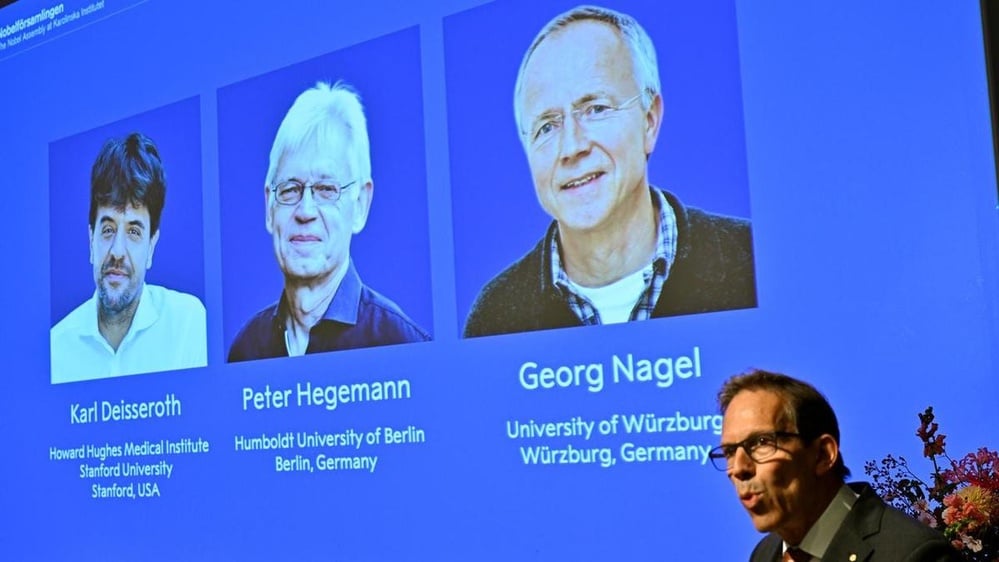
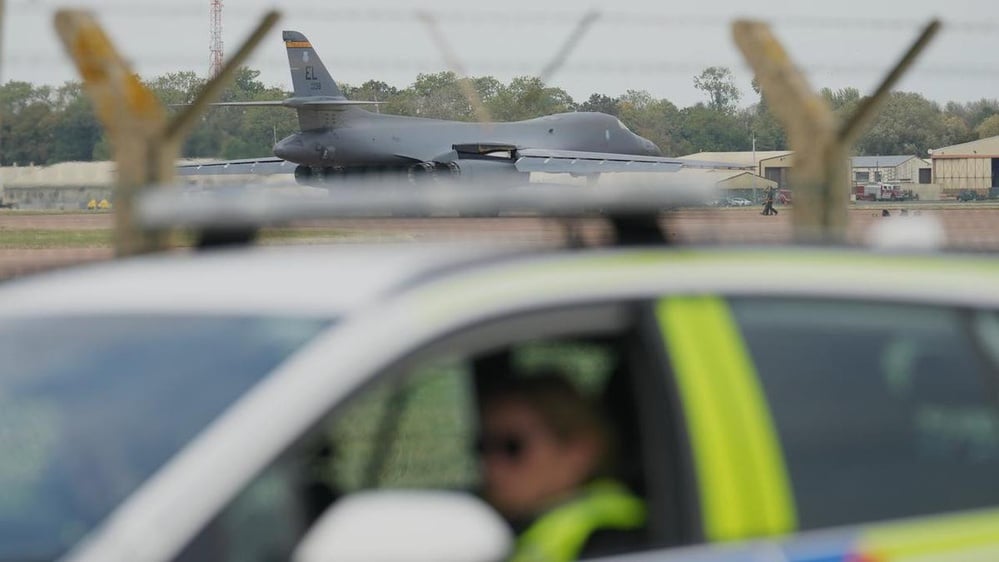

2026 © Helium Trades
Privacy Policy & Disclosure
* Disclaimer: Nothing on this website constitutes investment advice, performance data or any recommendation that any particular security, portfolio of securities, transaction or investment strategy is suitable for any specific person. Helium Trades is not responsible in any way for the accuracy
of any model predictions or price data. Any mention of a particular security and related prediction data is not a recommendation to buy or sell that security. Investments in securities involve the risk of loss. Past performance is no guarantee of future results. Helium Trades is not responsible for any of your investment decisions,
you should consult a financial expert before engaging in any transaction.
Helium Research Assistant

How can I help you today?
Ask any question about this page.


