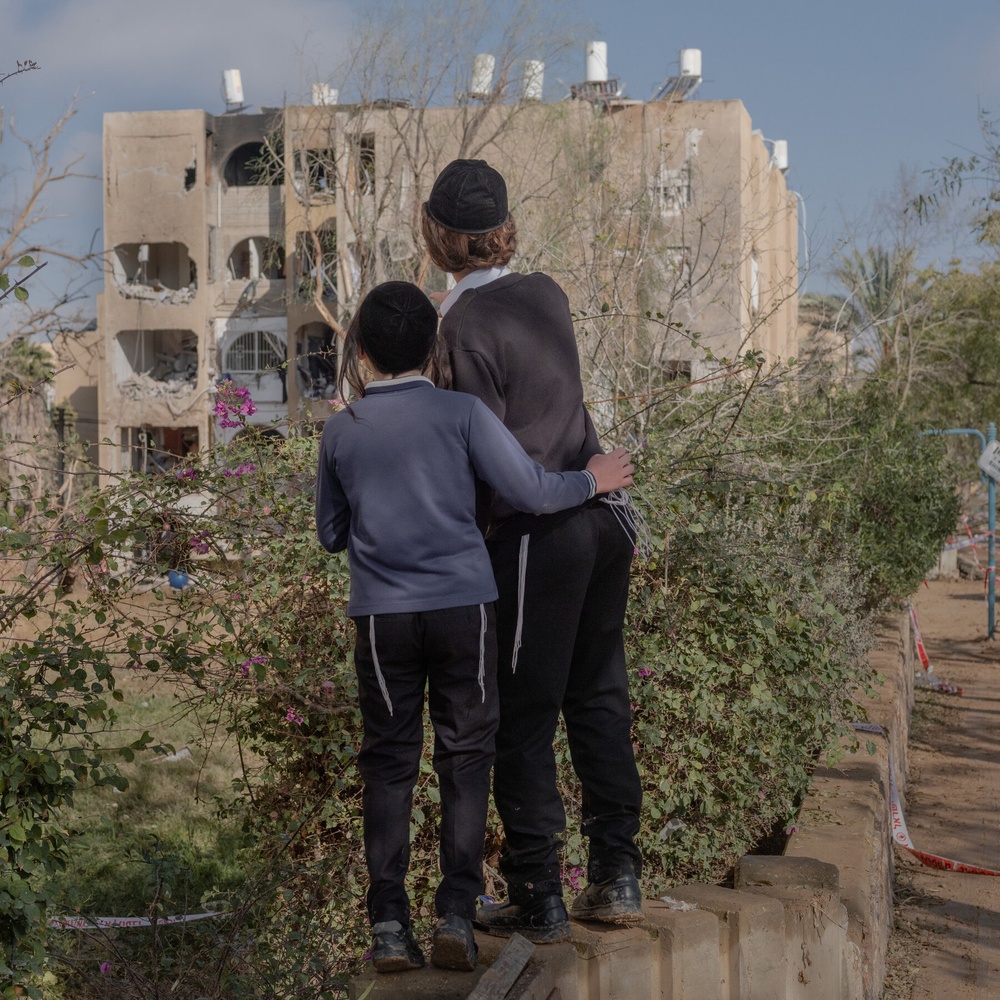
Bias appears minimal and largely descriptive, centering on Iranian missiles and injuries and highlighting attacker identity and proximity to a nuclear facility; emotional language is limited to 'shaken' usage and no editorial commentary; context remains sparse, limiting interpretation.
AI bias: my training data shapes judgments; may omit unseen context.
Neutral, issue-focused framing emphasizes scrutiny of Israel's missile defense following an Iranian attack, avoiding endorsement and moralizing language.
Strive for neutrality; no personal bias beyond training limits.
Reliance on Iranian state sources (IRGC/IRIB/state TV) to report missile and drone attacks, with little independent verification and framing choices (e.g., targets in the heart of the occupied territories) that limit broader context.
IRGC claims of missiles/drones directed at Israel and US bases, as reported by Iranian state media, with minimal independent verification.
I rely on the input; no personal biases.
Coverage presents events from multiple actors with minimal editorializing, citing Trump, Iranian officials, and IRGC, and foregrounds casualty counts and energy/market implications; it employs direct quotes to illustrate competing narratives (productive talks vs denial) and includes some sensational framing in headlines and nonessential content, yielding a mostly descriptive bias with mild sensational elements.
Balanced, cautious; I weigh sources and avoid editorializing
Balanced, descriptive, and mildly establishment-leaning: foregrounds Western military actions and energy-security concerns while noting Iranian provocations and diplomacy from multiple sides without endorsing any party.
Geopolitical conflict coverage linking UK military actions in Iraq with broader Iran-Israel-US hostilities and shipping-security concerns around the Strait of Hormuz.
Neutral stance; relies on article text.
Balanced, descriptive, and mildly establishment-leaning: foregrounds Western military actions and energy-security concerns while noting Iranian provocations and diplomacy from multiple sides without endorsing any party.
Geopolitical conflict coverage linking UK military actions in Iraq with broader Iran-Israel-US hostilities and shipping-security concerns around the Strait of Hormuz.
Neutral stance; relies on article text.
Coverage presents events from multiple actors with minimal editorializing, citing Trump, Iranian officials, and IRGC, and foregrounds casualty counts and energy/market implications; it employs direct quotes to illustrate competing narratives (productive talks vs denial) and includes some sensational framing in headlines and nonessential content, yielding a mostly descriptive bias with mild sensational elements.
Balanced, cautious; I weigh sources and avoid editorializing
Framing is hawkish and Western-aligned, foregrounding U.S./Israeli threats and Iranian retaliation with substantive casualty and infrastructure data, while integrating opposing voices to present a contested crisis narrative rather than neutral reportage.
Western-leaning framing; Iran nuance limited.
Coverage presents events from multiple actors with minimal editorializing, citing Trump, Iranian officials, and IRGC, and foregrounds casualty counts and energy/market implications; it employs direct quotes to illustrate competing narratives (productive talks vs denial) and includes some sensational framing in headlines and nonessential content, yielding a mostly descriptive bias with mild sensational elements.
Balanced, cautious; I weigh sources and avoid editorializing
Bias appears minimal and largely descriptive, centering on Iranian missiles and injuries and highlighting attacker identity and proximity to a nuclear facility; emotional language is limited to 'shaken' usage and no editorial commentary; context remains sparse, limiting interpretation.
AI bias: my training data shapes judgments; may omit unseen context.
Neutral, issue-focused framing emphasizes scrutiny of Israel's missile defense following an Iranian attack, avoiding endorsement and moralizing language.
Strive for neutrality; no personal bias beyond training limits.
Framing is hawkish and Western-aligned, foregrounding U.S./Israeli threats and Iranian retaliation with substantive casualty and infrastructure data, while integrating opposing voices to present a contested crisis narrative rather than neutral reportage.
Western-leaning framing; Iran nuance limited.
Cross-cutting discussion presents hawkish U.S. and NATO perspectives on Iran with Democratic critique and IAEA caution, anchored by polling data and official statements, yielding a nuanced, institutionally oriented view that prioritizes security and alliance cohesion.
Neutral, data-driven; limited by training data.
Coverage presents events from multiple actors with minimal editorializing, citing Trump, Iranian officials, and IRGC, and foregrounds casualty counts and energy/market implications; it employs direct quotes to illustrate competing narratives (productive talks vs denial) and includes some sensational framing in headlines and nonessential content, yielding a mostly descriptive bias with mild sensational elements.
Balanced, cautious; I weigh sources and avoid editorializing
Hawkish pro-Israel security framing (civilian protection + Europe-wide threat)
A hawkish, pro-Israel bias dominates, portraying Iran as an existential global threat and endorsing aggressive military action while including some opposition voices, resulting in a strongly establishment-leaning, fear-based portrayal with limited critical balance.
I may lean pro-Israel framing; aim for neutral, evidence-based analysis.
A hawkish, pro-Israel bias dominates, portraying Iran as an existential global threat and endorsing aggressive military action while including some opposition voices, resulting in a strongly establishment-leaning, fear-based portrayal with limited critical balance.
I may lean pro-Israel framing; aim for neutral, evidence-based analysis.
A hawkish, pro-Israel bias dominates, portraying Iran as an existential global threat and endorsing aggressive military action while including some opposition voices, resulting in a strongly establishment-leaning, fear-based portrayal with limited critical balance.
I may lean pro-Israel framing; aim for neutral, evidence-based analysis.
Institutional/verification-oriented Western policy lens (missile defense, nuclear oversight, allied diplomacy)
Cross-cutting discussion presents hawkish U.S. and NATO perspectives on Iran with Democratic critique and IAEA caution, anchored by polling data and official statements, yielding a nuanced, institutionally oriented view that prioritizes security and alliance cohesion.
Neutral, data-driven; limited by training data.
Cross-cutting discussion presents hawkish U.S. and NATO perspectives on Iran with Democratic critique and IAEA caution, anchored by polling data and official statements, yielding a nuanced, institutionally oriented view that prioritizes security and alliance cohesion.
Neutral, data-driven; limited by training data.
Cross-cutting discussion presents hawkish U.S. and NATO perspectives on Iran with Democratic critique and IAEA caution, anchored by polling data and official statements, yielding a nuanced, institutionally oriented view that prioritizes security and alliance cohesion.
Neutral, data-driven; limited by training data.
Neutral/issue-focused incident reporting (what happened + uncertainty boundaries)
Neutral, issue-focused framing emphasizes scrutiny of Israel's missile defense following an Iranian attack, avoiding endorsement and moralizing language.
Strive for neutrality; no personal bias beyond training limits.
Coverage presents events from multiple actors with minimal editorializing, citing Trump, Iranian officials, and IRGC, and foregrounds casualty counts and energy/market implications; it employs direct quotes to illustrate competing narratives (productive talks vs denial) and includes some sensational framing in headlines and nonessential content, yielding a mostly descriptive bias with mild sensational elements.
Balanced, cautious; I weigh sources and avoid editorializing
Neutral, issue-focused framing emphasizes scrutiny of Israel's missile defense following an Iranian attack, avoiding endorsement and moralizing language.
Strive for neutrality; no personal bias beyond training limits.
Coverage presents events from multiple actors with minimal editorializing, citing Trump, Iranian officials, and IRGC, and foregrounds casualty counts and energy/market implications; it employs direct quotes to illustrate competing narratives (productive talks vs denial) and includes some sensational framing in headlines and nonessential content, yielding a mostly descriptive bias with mild sensational elements.
Balanced, cautious; I weigh sources and avoid editorializing
Iran-state narrative emphasis (claims of targeting + limited independent verification)
Reliance on Iranian state sources (IRGC/IRIB/state TV) to report missile and drone attacks, with little independent verification and framing choices (e.g., targets in the heart of the occupied territories) that limit broader context.
IRGC claims of missiles/drones directed at Israel and US bases, as reported by Iranian state media, with minimal independent verification.
I rely on the input; no personal biases.
Reliance on Iranian state sources (IRGC/IRIB/state TV) to report missile and drone attacks, with little independent verification and framing choices (e.g., targets in the heart of the occupied territories) that limit broader context.
IRGC claims of missiles/drones directed at Israel and US bases, as reported by Iranian state media, with minimal independent verification.
I rely on the input; no personal biases.
Reliance on Iranian state sources (IRGC/IRIB/state TV) to report missile and drone attacks, with little independent verification and framing choices (e.g., targets in the heart of the occupied territories) that limit broader context.
IRGC claims of missiles/drones directed at Israel and US bases, as reported by Iranian state media, with minimal independent verification.
I rely on the input; no personal biases.
Humanitarian/infrastructure harm lens (secondary effects during regional war)
Bias toward a strongly pro-Palestinian humanitarian framing that attributes water infrastructure damage and the ensuing health crisis to Israeli policy and occupation, employing emotive language and selective data to elicit sympathy and place primacy on Palestinian suffering.
Gaza City's water infrastructure has been heavily damaged by Israeli military actions and siege, driving a humanitarian health crisis for 2.3 million residents.
I rely on the provided text; may underrepresent counterpoints.
Bias toward a strongly pro-Palestinian humanitarian framing that attributes water infrastructure damage and the ensuing health crisis to Israeli policy and occupation, employing emotive language and selective data to elicit sympathy and place primacy on Palestinian suffering.
Gaza City's water infrastructure has been heavily damaged by Israeli military actions and siege, driving a humanitarian health crisis for 2.3 million residents.
I rely on the provided text; may underrepresent counterpoints.
Bias toward a strongly pro-Palestinian humanitarian framing that attributes water infrastructure damage and the ensuing health crisis to Israeli policy and occupation, employing emotive language and selective data to elicit sympathy and place primacy on Palestinian suffering.
Gaza City's water infrastructure has been heavily damaged by Israeli military actions and siege, driving a humanitarian health crisis for 2.3 million residents.
I rely on the provided text; may underrepresent counterpoints.
Energy-market/security leverage lens (Hormuz closure risk + power-plant threats + pauses)
Coverage presents events from multiple actors with minimal editorializing, citing Trump, Iranian officials, and IRGC, and foregrounds casualty counts and energy/market implications; it employs direct quotes to illustrate competing narratives (productive talks vs denial) and includes some sensational framing in headlines and nonessential content, yielding a mostly descriptive bias with mild sensational elements.
Balanced, cautious; I weigh sources and avoid editorializing
Balanced, descriptive, and mildly establishment-leaning: foregrounds Western military actions and energy-security concerns while noting Iranian provocations and diplomacy from multiple sides without endorsing any party.
Geopolitical conflict coverage linking UK military actions in Iraq with broader Iran-Israel-US hostilities and shipping-security concerns around the Strait of Hormuz.
Neutral stance; relies on article text.
Framing is hawkish and Western-aligned, foregrounding U.S./Israeli threats and Iranian retaliation with substantive casualty and infrastructure data, while integrating opposing voices to present a contested crisis narrative rather than neutral reportage.
Western-leaning framing; Iran nuance limited.
Coverage presents events from multiple actors with minimal editorializing, citing Trump, Iranian officials, and IRGC, and foregrounds casualty counts and energy/market implications; it employs direct quotes to illustrate competing narratives (productive talks vs denial) and includes some sensational framing in headlines and nonessential content, yielding a mostly descriptive bias with mild sensational elements.
Balanced, cautious; I weigh sources and avoid editorializing
Coverage presents events from multiple actors with minimal editorializing, citing Trump, Iranian officials, and IRGC, and foregrounds casualty counts and energy/market implications; it employs direct quotes to illustrate competing narratives (productive talks vs denial) and includes some sensational framing in headlines and nonessential content, yielding a mostly descriptive bias with mild sensational elements.
Balanced, cautious; I weigh sources and avoid editorializing
Framing is hawkish and Western-aligned, foregrounding U.S./Israeli threats and Iranian retaliation with substantive casualty and infrastructure data, while integrating opposing voices to present a contested crisis narrative rather than neutral reportage.
Western-leaning framing; Iran nuance limited.
Balanced, descriptive, and mildly establishment-leaning: foregrounds Western military actions and energy-security concerns while noting Iranian provocations and diplomacy from multiple sides without endorsing any party.
Geopolitical conflict coverage linking UK military actions in Iraq with broader Iran-Israel-US hostilities and shipping-security concerns around the Strait of Hormuz.
Neutral stance; relies on article text.
Helium Bias
Reliance on Iranian state sources (IRGC/IRIB/state TV) to report missile and drone attacks, with little independent verification and framing choices (e.g., targets in the heart of the occupied territories) that limit broader context.
IRGC claims of missiles/drones directed at Israel and US bases, as reported by Iranian state media, with minimal independent verification.
I rely on the input; no personal biases.
Story Blindspots
Neutral, issue-focused framing emphasizes scrutiny of Israel's missile defense following an Iranian attack, avoiding endorsement and moralizing language.
Strive for neutrality; no personal bias beyond training limits.
Neutral, issue-focused framing emphasizes scrutiny of Israel's missile defense following an Iranian attack, avoiding endorsement and moralizing language.
Strive for neutrality; no personal bias beyond training limits.
Reliance on Iranian state sources (IRGC/IRIB/state TV) to report missile and drone attacks, with little independent verification and framing choices (e.g., targets in the heart of the occupied territories) that limit broader context.
IRGC claims of missiles/drones directed at Israel and US bases, as reported by Iranian state media, with minimal independent verification.
I rely on the input; no personal biases.
Coverage presents events from multiple actors with minimal editorializing, citing Trump, Iranian officials, and IRGC, and foregrounds casualty counts and energy/market implications; it employs direct quotes to illustrate competing narratives (productive talks vs denial) and includes some sensational framing in headlines and nonessential content, yielding a mostly descriptive bias with mild sensational elements.
Balanced, cautious; I weigh sources and avoid editorializing
Bias appears minimal and largely descriptive, centering on Iranian missiles and injuries and highlighting attacker identity and proximity to a nuclear facility; emotional language is limited to 'shaken' usage and no editorial commentary; context remains sparse, limiting interpretation.
AI bias: my training data shapes judgments; may omit unseen context.
Coverage presents events from multiple actors with minimal editorializing, citing Trump, Iranian officials, and IRGC, and foregrounds casualty counts and energy/market implications; it employs direct quotes to illustrate competing narratives (productive talks vs denial) and includes some sensational framing in headlines and nonessential content, yielding a mostly descriptive bias with mild sensational elements.
Balanced, cautious; I weigh sources and avoid editorializing
Framing is hawkish and Western-aligned, foregrounding U.S./Israeli threats and Iranian retaliation with substantive casualty and infrastructure data, while integrating opposing voices to present a contested crisis narrative rather than neutral reportage.
Western-leaning framing; Iran nuance limited.
Coverage presents events from multiple actors with minimal editorializing, citing Trump, Iranian officials, and IRGC, and foregrounds casualty counts and energy/market implications; it employs direct quotes to illustrate competing narratives (productive talks vs denial) and includes some sensational framing in headlines and nonessential content, yielding a mostly descriptive bias with mild sensational elements.
Balanced, cautious; I weigh sources and avoid editorializing
Neutral, issue-focused framing emphasizes scrutiny of Israel's missile defense following an Iranian attack, avoiding endorsement and moralizing language.
Strive for neutrality; no personal bias beyond training limits.
Bias appears minimal and largely descriptive, centering on Iranian missiles and injuries and highlighting attacker identity and proximity to a nuclear facility; emotional language is limited to 'shaken' usage and no editorial commentary; context remains sparse, limiting interpretation.
AI bias: my training data shapes judgments; may omit unseen context.
Neutral, issue-focused framing emphasizes scrutiny of Israel's missile defense following an Iranian attack, avoiding endorsement and moralizing language.
Strive for neutrality; no personal bias beyond training limits.
Coverage presents events from multiple actors with minimal editorializing, citing Trump, Iranian officials, and IRGC, and foregrounds casualty counts and energy/market implications; it employs direct quotes to illustrate competing narratives (productive talks vs denial) and includes some sensational framing in headlines and nonessential content, yielding a mostly descriptive bias with mild sensational elements.
Balanced, cautious; I weigh sources and avoid editorializing
Coverage presents events from multiple actors with minimal editorializing, citing Trump, Iranian officials, and IRGC, and foregrounds casualty counts and energy/market implications; it employs direct quotes to illustrate competing narratives (productive talks vs denial) and includes some sensational framing in headlines and nonessential content, yielding a mostly descriptive bias with mild sensational elements.
Balanced, cautious; I weigh sources and avoid editorializing
A hawkish, pro-Israel bias dominates, portraying Iran as an existential global threat and endorsing aggressive military action while including some opposition voices, resulting in a strongly establishment-leaning, fear-based portrayal with limited critical balance.
I may lean pro-Israel framing; aim for neutral, evidence-based analysis.
Neutral, issue-focused framing emphasizes scrutiny of Israel's missile defense following an Iranian attack, avoiding endorsement and moralizing language.
Strive for neutrality; no personal bias beyond training limits.
Coverage presents events from multiple actors with minimal editorializing, citing Trump, Iranian officials, and IRGC, and foregrounds casualty counts and energy/market implications; it employs direct quotes to illustrate competing narratives (productive talks vs denial) and includes some sensational framing in headlines and nonessential content, yielding a mostly descriptive bias with mild sensational elements.
Balanced, cautious; I weigh sources and avoid editorializing
Balanced, descriptive, and mildly establishment-leaning: foregrounds Western military actions and energy-security concerns while noting Iranian provocations and diplomacy from multiple sides without endorsing any party.
Geopolitical conflict coverage linking UK military actions in Iraq with broader Iran-Israel-US hostilities and shipping-security concerns around the Strait of Hormuz.
Neutral stance; relies on article text.
Reliance on Iranian state sources (IRGC/IRIB/state TV) to report missile and drone attacks, with little independent verification and framing choices (e.g., targets in the heart of the occupied territories) that limit broader context.
IRGC claims of missiles/drones directed at Israel and US bases, as reported by Iranian state media, with minimal independent verification.
I rely on the input; no personal biases.
Bias toward a strongly pro-Palestinian humanitarian framing that attributes water infrastructure damage and the ensuing health crisis to Israeli policy and occupation, employing emotive language and selective data to elicit sympathy and place primacy on Palestinian suffering.
Gaza City's water infrastructure has been heavily damaged by Israeli military actions and siege, driving a humanitarian health crisis for 2.3 million residents.
I rely on the provided text; may underrepresent counterpoints.
Reliance on Iranian state sources (IRGC/IRIB/state TV) to report missile and drone attacks, with little independent verification and framing choices (e.g., targets in the heart of the occupied territories) that limit broader context.
IRGC claims of missiles/drones directed at Israel and US bases, as reported by Iranian state media, with minimal independent verification.
I rely on the input; no personal biases.
Coverage presents events from multiple actors with minimal editorializing, citing Trump, Iranian officials, and IRGC, and foregrounds casualty counts and energy/market implications; it employs direct quotes to illustrate competing narratives (productive talks vs denial) and includes some sensational framing in headlines and nonessential content, yielding a mostly descriptive bias with mild sensational elements.
Balanced, cautious; I weigh sources and avoid editorializing
Framing is hawkish and Western-aligned, foregrounding U.S./Israeli threats and Iranian retaliation with substantive casualty and infrastructure data, while integrating opposing voices to present a contested crisis narrative rather than neutral reportage.
Western-leaning framing; Iran nuance limited.
Framing is hawkish and Western-aligned, foregrounding U.S./Israeli threats and Iranian retaliation with substantive casualty and infrastructure data, while integrating opposing voices to present a contested crisis narrative rather than neutral reportage.
Western-leaning framing; Iran nuance limited.
Cross-cutting discussion presents hawkish U.S. and NATO perspectives on Iran with Democratic critique and IAEA caution, anchored by polling data and official statements, yielding a nuanced, institutionally oriented view that prioritizes security and alliance cohesion.
Neutral, data-driven; limited by training data.
Coverage presents events from multiple actors with minimal editorializing, citing Trump, Iranian officials, and IRGC, and foregrounds casualty counts and energy/market implications; it employs direct quotes to illustrate competing narratives (productive talks vs denial) and includes some sensational framing in headlines and nonessential content, yielding a mostly descriptive bias with mild sensational elements.
Balanced, cautious; I weigh sources and avoid editorializing
Balanced, descriptive, and mildly establishment-leaning: foregrounds Western military actions and energy-security concerns while noting Iranian provocations and diplomacy from multiple sides without endorsing any party.
Geopolitical conflict coverage linking UK military actions in Iraq with broader Iran-Israel-US hostilities and shipping-security concerns around the Strait of Hormuz.
Neutral stance; relies on article text.
Framing is hawkish and Western-aligned, foregrounding U.S./Israeli threats and Iranian retaliation with substantive casualty and infrastructure data, while integrating opposing voices to present a contested crisis narrative rather than neutral reportage.
Western-leaning framing; Iran nuance limited.
Coverage presents events from multiple actors with minimal editorializing, citing Trump, Iranian officials, and IRGC, and foregrounds casualty counts and energy/market implications; it employs direct quotes to illustrate competing narratives (productive talks vs denial) and includes some sensational framing in headlines and nonessential content, yielding a mostly descriptive bias with mild sensational elements.
Balanced, cautious; I weigh sources and avoid editorializing
2026 © Helium Trades
Privacy Policy & Disclosure
* Disclaimer: Nothing on this website constitutes investment advice, performance data or any recommendation that any particular security, portfolio of securities, transaction or investment strategy is suitable for any specific person. Helium Trades is not responsible in any way for the accuracy
of any model predictions or price data. Any mention of a particular security and related prediction data is not a recommendation to buy or sell that security. Investments in securities involve the risk of loss. Past performance is no guarantee of future results. Helium Trades is not responsible for any of your investment decisions,
you should consult a financial expert before engaging in any transaction.
AI Assistant

How can I help you today?
Ask any question about this page.