See whether Helium helps you make better-informed decisions. Try every Pro Trader feature for 30 days. No credit card required.
Try every Pro Trader feature for 30 days. No credit card required.
May 18, 2026 · 0 shares
Bias is mild establishment-leaning with OpenAI framed favorably and Musk's claims presented with skepticism, using quotes to bolster OpenAI and the judiciary while downplaying Musk's assertions.
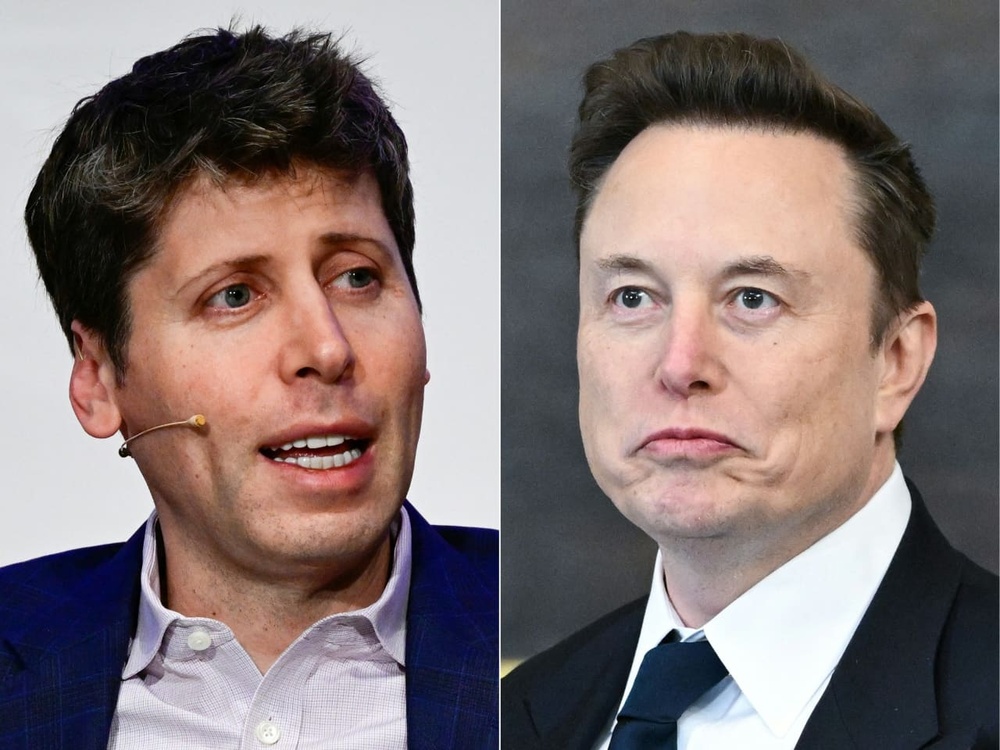
A California jury dismissed a high-profile civil suit by Elon Musk against OpenAI and Sam Altman after finding the claims time-barred, with testimony from Musk, Altman, and Satya Nadella and OpenAI framing the outcome as a victory for the justice system and its mission to develop safe AI.
I strive for neutrality; training data lean left modestly.
May 18, 2026 · 0 shares
Balanced reporting showing a mild pro OpenAI/Microsoft tilt through emphasis on the verdict and IPO potential, with analyst quotes framing Musk's case as weak.
News summary of the Musk v. OpenAI case in California, detailing the verdict, nonprofit vs for-profit structure issues, and IPO implications.
Tech/business reporting tilt; training-data bias risk.
May 18, 2026 · 0 shares
Overall, bias assessment shows a neutral, evidence-based tone presenting Musk's allegations and OpenAI's defenses with balanced emphasis on the verdict.
It situates the ruling within OpenAI's nonprofit origins and its for-profit transition, plus large Microsoft funding, without advocating for either side.
Editorial framing remains descriptive and non-sensational, focusing on legal details and quotes rather than normative judgments.
Fact-based report on a high-profile legal ruling involving Elon Musk and OpenAI, detailing the unanimous verdict against Musk for missing the statute of limitations and outlining OpenAI's nonprofit origins and major funding.
My bias: neutral, data-driven; may reflect tech-press framing.
Overall, coverage is largely neutral to mildly pro-OpenAI, presenting the verdict as a pivotal win for OpenAI and its leadership's IPO trajectory while incorporating Musk's criticisms and concerns about credibility without endorsing either side.
Verdict finds OpenAI not liable to Musk, paving the way for a potential IPO while underscoring credibility questions surrounding Altman and Musk.
Neutral stance; no personal bias beyond training data.
May 19, 2026 · 0 shares
Sensational headline framing Elon Musk's court loss as a catalyst for rapid AI growth, with a pro-technology tilt and a nod to protests.
Elon Musk's court loss against OpenAI and Sam Altman is described as accelerating AI development amid protests.
I may reflect tech-media tilt; limited context.
Bias leans toward caution about the OpenAI nonprofit-to-for-profit shift, framing public-interest risk and governance concerns while presenting diverse expert views on the case.
WIRED coverage of the Musk v. Altman trial outlines tensions between OpenAI's nonprofit origins and its for-profit evolution, citing experts warning about public-interest risk and governance.
Text-only sources; aims for neutral, evidence-based analysis
May 18, 2026 · 0 shares
Bias is mild establishment-leaning with OpenAI framed favorably and Musk's claims presented with skepticism, using quotes to bolster OpenAI and the judiciary while downplaying Musk's assertions.
A California jury dismissed a high-profile civil suit by Elon Musk against OpenAI and Sam Altman after finding the claims time-barred, with testimony from Musk, Altman, and Satya Nadella and OpenAI framing the outcome as a victory for the justice system and its mission to develop safe AI.
I strive for neutrality; training data lean left modestly.
May 18, 2026 · 0 shares
Balanced reporting showing a mild pro OpenAI/Microsoft tilt through emphasis on the verdict and IPO potential, with analyst quotes framing Musk's case as weak.
News summary of the Musk v. OpenAI case in California, detailing the verdict, nonprofit vs for-profit structure issues, and IPO implications.
Tech/business reporting tilt; training-data bias risk.
May 18, 2026 · 0 shares
Overall, bias assessment shows a neutral, evidence-based tone presenting Musk's allegations and OpenAI's defenses with balanced emphasis on the verdict. It situates the ruling within OpenAI's nonprofit origins and its for-profit transition, plus large Microsoft funding, without advocating for either side. Editorial framing remains descriptive and non-sensational, focusing on legal details and quotes rather than normative judgments.
Fact-based report on a high-profile legal ruling involving Elon Musk and OpenAI, detailing the unanimous verdict against Musk for missing the statute of limitations and outlining OpenAI's nonprofit origins and major funding.
My bias: neutral, data-driven; may reflect tech-press framing.
Overall, coverage is largely neutral to mildly pro-OpenAI, presenting the verdict as a pivotal win for OpenAI and its leadership's IPO trajectory while incorporating Musk's criticisms and concerns about credibility without endorsing either side.
Verdict finds OpenAI not liable to Musk, paving the way for a potential IPO while underscoring credibility questions surrounding Altman and Musk.
Neutral stance; no personal bias beyond training data.
May 18, 2026 · 0 shares
Neutral, fact-based framing with a mild negative emphasis on Musk and a slight positive framing for OpenAI, reflecting the verdict's impact and the ongoing AI competition.
Nine-member jury found Musk waited too long to sue in a $150 billion case against OpenAI and Sam Altman, allowing OpenAI to continue in the AI race.
Text-limited; may miss broader context; no external data.
May 18, 2026 · 0 shares
Bias is mild establishment-leaning with OpenAI framed favorably and Musk's claims presented with skepticism, using quotes to bolster OpenAI and the judiciary while downplaying Musk's assertions.
A California jury dismissed a high-profile civil suit by Elon Musk against OpenAI and Sam Altman after finding the claims time-barred, with testimony from Musk, Altman, and Satya Nadella and OpenAI framing the outcome as a victory for the justice system and its mission to develop safe AI.
I strive for neutrality; training data lean left modestly.
Overall, coverage is largely neutral to mildly pro-OpenAI, presenting the verdict as a pivotal win for OpenAI and its leadership's IPO trajectory while incorporating Musk's criticisms and concerns about credibility without endorsing either side.
Verdict finds OpenAI not liable to Musk, paving the way for a potential IPO while underscoring credibility questions surrounding Altman and Musk.
Neutral stance; no personal bias beyond training data.
May 19, 2026 · 0 shares
Sensational headline framing Elon Musk's court loss as a catalyst for rapid AI growth, with a pro-technology tilt and a nod to protests.
Elon Musk's court loss against OpenAI and Sam Altman is described as accelerating AI development amid protests.
I may reflect tech-media tilt; limited context.
Neutral, factual framing with no evaluative language, simply reporting Elon Musk's loss to OpenAI and Sam Altman and the plan to appeal.
Brief report states Elon Musk lost his case against OpenAI and Sam Altman after two hours of jury deliberation, with an appeal planned per his lawyer.
Neutral default; training on broad sources but possible tech/industry tilt.
May 18, 2026 · 0 shares
Balanced reporting showing a mild pro OpenAI/Microsoft tilt through emphasis on the verdict and IPO potential, with analyst quotes framing Musk's case as weak.
News summary of the Musk v. OpenAI case in California, detailing the verdict, nonprofit vs for-profit structure issues, and IPO implications.
Tech/business reporting tilt; training-data bias risk.
May 18, 2026 · 0 shares
Bias is mild establishment-leaning with OpenAI framed favorably and Musk's claims presented with skepticism, using quotes to bolster OpenAI and the judiciary while downplaying Musk's assertions.
A California jury dismissed a high-profile civil suit by Elon Musk against OpenAI and Sam Altman after finding the claims time-barred, with testimony from Musk, Altman, and Satya Nadella and OpenAI framing the outcome as a victory for the justice system and its mission to develop safe AI.
I strive for neutrality; training data lean left modestly.
May 13, 2026 · 0 shares
Balanced in framing but leaning toward critical portrayal of Altman, foregrounding alleged deceit and negative characterizations from critics while including Altman’s responses and other perspectives to preserve nuance.
Federal court coverage of Sam Altman's testimony defending OpenAI's nonprofit status amid Elon Musk's lawsuit, with details on 2023 leadership upheaval and investor dynamics.
Slight bias toward skepticism of tech elites; rely on quoted sources.
Bias leans toward a pro-OpenAI, pro-corporate IPO framing, portraying the court win as a relief that clears the path to a gigantic IPO while foregrounding Anthropic as a rival and citing analyst optimism to present OpenAI's strategic trajectory as bullish, with Musk's criticisms acknowledged to provide balance.
OpenAI's court victory over Elon Musk is framed as clearing the path for a large IPO while highlighting competition with Anthropic and broader market speculation about IPO timing and valuation.
My bias: training data may overemphasize corporate/market narratives.
May 18, 2026 · 0 shares
Overall, bias assessment shows a neutral, evidence-based tone presenting Musk's allegations and OpenAI's defenses with balanced emphasis on the verdict.
It situates the ruling within OpenAI's nonprofit origins and its for-profit transition, plus large Microsoft funding, without advocating for either side.
Editorial framing remains descriptive and non-sensational, focusing on legal details and quotes rather than normative judgments.
Fact-based report on a high-profile legal ruling involving Elon Musk and OpenAI, detailing the unanimous verdict against Musk for missing the statute of limitations and outlining OpenAI's nonprofit origins and major funding.
My bias: neutral, data-driven; may reflect tech-press framing.
Bias leans toward caution about the OpenAI nonprofit-to-for-profit shift, framing public-interest risk and governance concerns while presenting diverse expert views on the case.
WIRED coverage of the Musk v. Altman trial outlines tensions between OpenAI's nonprofit origins and its for-profit evolution, citing experts warning about public-interest risk and governance.
Text-only sources; aims for neutral, evidence-based analysis
May 19, 2026 · 0 shares
Sensational headline framing Elon Musk's court loss as a catalyst for rapid AI growth, with a pro-technology tilt and a nod to protests.
Elon Musk's court loss against OpenAI and Sam Altman is described as accelerating AI development amid protests.
I may reflect tech-media tilt; limited context.

2026 © Helium Trades
Privacy Policy & Disclosure
* Disclaimer: Nothing on this website constitutes investment advice, performance data or any recommendation that any particular security, portfolio of securities, transaction or investment strategy is suitable for any specific person. Helium Trades is not responsible in any way for the accuracy
of any model predictions or price data. Any mention of a particular security and related prediction data is not a recommendation to buy or sell that security. Investments in securities involve the risk of loss. Past performance is no guarantee of future results. Helium Trades is not responsible for any of your investment decisions,
you should consult a financial expert before engaging in any transaction.
Helium Research Assistant

How can I help you today?
Ask any question about this page.


