* Nothing on this website constitutes investment advice, performance data or any recommendation that any particular security, portfolio of securities, transaction or investment strategy is suitable for any specific person. Helium Trades is not responsible in any way for the accuracy of any model predictions or price data. Any mention of a particular security and related prediction data is not a recommendation to buy or sell that security. Investments in securities involve the risk of loss. Past performance is no guarantee of future results. Helium Trades is not responsible for any of your investment decisions, you should consult a financial expert before engaging in any transaction.
Balanced, evidence-based coverage presents Dan Cogdell's endorsement of Democrat James Talarico, detailing Cogdell's Paxton defense work, past charges and restitution, his donations to both campaigns, campaign reactions, and polling context, without editorial judgment.
Context
Cross-partisan endorsement in a Texas Senate race, with background on Paxton's impeachment and campaign dynamics and polling context.
🔵 Liberal <—> Conservative 🔴
🗽 Libertarian <—> Authoritarian 🚔
🗞️ Objective <—> Subjective 👁️
🚨 Sensational
📉 Bearish <—> Bullish 📈
📝 Prescriptive
🕊️ Dovish <—> Hawkish 🦁
😨 Fearful
📞 Begging the Question
🗣️ Gossip
💭 Opinion
🗳 Political
Oversimplification
🏛️ Appeal to Authority
🍼 Immature
🔄 Circular Reasoning
👀 Covering Responses
😢 Victimization
🗑️ Spam
🔒 Ideological
🏴 Anti-establishment <—> Pro-establishment 📺
🙁 Negative <—> Positive 🙂
📏📏 Double Standard
❌ Uncredible <—> Credible ✅
🧠 Rational <—> Irrational 🤪
🤑 Advertising
🤖 Written by AI
💔 Low Integrity <—> High Integrity ❤️
🪨 Low Intelligence <—> High Intelligence 🦉
💣 Terrorism
✊ Woke
🔪 Cruel
🎭 Virtue Signaling
🔺 Conspiracy
❤️🔥 Suicidal Empathy
🐐 Scapegoating
🤡 Hypocrisy
⛓️ Anti-enlightenment
AI Bias Analysis
I strive for neutrality; may reflect training data's political tilt.
Paxton’s former impeachment and securities-fraud defense lawyer Dan Cogdell endorsed Talarico and said Paxton has “lost sight of his mission,” framing the choice as a “unity over division” argument that could unite Democrats, independents, and some Republicans.
Neutral framing describes Ken Paxton's impeachment-trial attorney endorsing Democrat James Talarico for the U.S. Senate without evaluative language or inference about motives.
Context
Endorsement by Ken Paxton's attorney in his impeachment trial for a U.S. Senate candidate, James Talarico.
🔵 Liberal <—> Conservative 🔴
🗽 Libertarian <—> Authoritarian 🚔
🗞️ Objective <—> Subjective 👁️
🚨 Sensational
📉 Bearish <—> Bullish 📈
📝 Prescriptive
🕊️ Dovish <—> Hawkish 🦁
😨 Fearful
📞 Begging the Question
🗣️ Gossip
💭 Opinion
🗳 Political
Oversimplification
🏛️ Appeal to Authority
🍼 Immature
🔄 Circular Reasoning
👀 Covering Responses
😢 Victimization
🗑️ Spam
🔒 Ideological
🏴 Anti-establishment <—> Pro-establishment 📺
🙁 Negative <—> Positive 🙂
📏📏 Double Standard
❌ Uncredible <—> Credible ✅
🧠 Rational <—> Irrational 🤪
🤑 Advertising
🤖 Written by AI
💔 Low Integrity <—> High Integrity ❤️
🪨 Low Intelligence <—> High Intelligence 🦉
💣 Terrorism
✊ Woke
🔪 Cruel
🎭 Virtue Signaling
🔺 Conspiracy
❤️🔥 Suicidal Empathy
🐐 Scapegoating
🤡 Hypocrisy
⛓️ Anti-enlightenment
AI Bias Analysis
I strive for neutrality, basing judgments on evidence.
Endorsement of James Talarico by Dan Cogdell and a direct quote labeling Ken Paxton as having 'lost sight of his mission' yield a mild pro-Talarico/anti-Paxton tilt within a straightforward, fact-based report.
Context
Brief report describing Dan Cogdell's endorsement of James Talarico and his critique of Ken Paxton.
Coverage presents a high-profile defection endorsement as a critique of Paxton and Trump alignment and highlights policy concerns, producing a mild liberal-leaning, issue-focused framing through the defection narrative.
Context
Chron report documents a high-profile endorsement by Ken Paxton's former attorney, Dan Cogdell, of James Talarico in the Texas Senate race, including criticisms of Paxton, Trump alignment, and policy focus on education and healthcare.
Balanced, evidence-based coverage of a cross-partisan endorsement with attention to Paxton's impeachment history and polling data, presenting multiple perspectives and data without overt advocacy or sensational framing.
Context
Texas Senate race coverage focused on a cross-partisan endorsement, Paxton's impeachment history, and polling data.
🔵 Liberal <—> Conservative 🔴
🗽 Libertarian <—> Authoritarian 🚔
🗞️ Objective <—> Subjective 👁️
🚨 Sensational
📉 Bearish <—> Bullish 📈
📝 Prescriptive
🕊️ Dovish <—> Hawkish 🦁
😨 Fearful
📞 Begging the Question
🗣️ Gossip
💭 Opinion
🗳 Political
Oversimplification
🏛️ Appeal to Authority
🍼 Immature
🔄 Circular Reasoning
👀 Covering Responses
😢 Victimization
🗑️ Spam
🔒 Ideological
🏴 Anti-establishment <—> Pro-establishment 📺
🙁 Negative <—> Positive 🙂
📏📏 Double Standard
❌ Uncredible <—> Credible ✅
🧠 Rational <—> Irrational 🤪
🤑 Advertising
👤 Individualist <—> Collectivist 👥
🤖 Written by AI
💔 Low Integrity <—> High Integrity ❤️
🪨 Low Intelligence <—> High Intelligence 🦉
💣 Terrorism
✊ Woke
🔪 Cruel
🎭 Virtue Signaling
🔺 Conspiracy
❤️🔥 Suicidal Empathy
🐐 Scapegoating
🤡 Hypocrisy
⛓️ Anti-enlightenment
AI Bias Analysis
Training data may over-index on U.S. politics; may miss niche viewpoints.
Reporting also notes Cogdell’s donations to both campaigns, Paxton’s campaign dismissal of the endorsement as predictable, and an NRSC attack portraying Cogdell as a “liberal Trump-hating trial lawyer.”
Balanced, evidence-based coverage presents Dan Cogdell's endorsement of Democrat James Talarico, detailing Cogdell's Paxton defense work, past charges and restitution, his donations to both campaigns, campaign reactions, and polling context, without editorial judgment.
Context
Cross-partisan endorsement in a Texas Senate race, with background on Paxton's impeachment and campaign dynamics and polling context.
🔵 Liberal <—> Conservative 🔴
🗽 Libertarian <—> Authoritarian 🚔
🗞️ Objective <—> Subjective 👁️
🚨 Sensational
📉 Bearish <—> Bullish 📈
📝 Prescriptive
🕊️ Dovish <—> Hawkish 🦁
😨 Fearful
📞 Begging the Question
🗣️ Gossip
💭 Opinion
🗳 Political
Oversimplification
🏛️ Appeal to Authority
🍼 Immature
🔄 Circular Reasoning
👀 Covering Responses
😢 Victimization
🗑️ Spam
🔒 Ideological
🏴 Anti-establishment <—> Pro-establishment 📺
🙁 Negative <—> Positive 🙂
📏📏 Double Standard
❌ Uncredible <—> Credible ✅
🧠 Rational <—> Irrational 🤪
🤑 Advertising
🤖 Written by AI
💔 Low Integrity <—> High Integrity ❤️
🪨 Low Intelligence <—> High Intelligence 🦉
💣 Terrorism
✊ Woke
🔪 Cruel
🎭 Virtue Signaling
🔺 Conspiracy
❤️🔥 Suicidal Empathy
🐐 Scapegoating
🤡 Hypocrisy
⛓️ Anti-enlightenment
AI Bias Analysis
I strive for neutrality; may reflect training data's political tilt.
Balanced-to-slightly negative coverage of Paxton, framed through cross-party endorsement by his impeachment defense lawyer and intra-GOP divisions, using donor data and quotes to illustrate shifting loyalties rather than advocating for a candidate.
Context
Texas Senate race coverage focusing on cross-party endorsements and intra-GOP dynamics surrounding Ken Paxton's impeachment history.
🔵 Liberal <—> Conservative 🔴
🗽 Libertarian <—> Authoritarian 🚔
🗞️ Objective <—> Subjective 👁️
🚨 Sensational
📉 Bearish <—> Bullish 📈
📝 Prescriptive
🕊️ Dovish <—> Hawkish 🦁
😨 Fearful
📞 Begging the Question
🗣️ Gossip
💭 Opinion
🗳 Political
Oversimplification
🏛️ Appeal to Authority
🍼 Immature
🔄 Circular Reasoning
👀 Covering Responses
😢 Victimization
🗑️ Spam
🔒 Ideological
🏴 Anti-establishment <—> Pro-establishment 📺
🙁 Negative <—> Positive 🙂
📏📏 Double Standard
❌ Uncredible <—> Credible ✅
🧠 Rational <—> Irrational 🤪
🤑 Advertising
🤖 Written by AI
💔 Low Integrity <—> High Integrity ❤️
🪨 Low Intelligence <—> High Intelligence 🦉
💣 Terrorism
✊ Woke
🔪 Cruel
🎭 Virtue Signaling
🔺 Conspiracy
🐐 Scapegoating
🤡 Hypocrisy
⛓️ Anti-enlightenment
AI Bias Analysis
I may reflect mainstream sources; aim for neutrality.
Separately, Talarico pursued Latino outreach with a Spanish-language World Cup television ad, which the Texas Tribune described as the first general-election ad buy by either candidate, scheduled on Telemundo across U.S./Mexico group-stage games.
Neutral reporting highlights a Democratic Senate candidate's Spanish-language World Cup ad, its funding and Telemundo broadcast plan, and polling context with balanced sourcing and disclosures, indicating minimal overt editorial bias.
Context
Texas Tribune reports on Democratic U.S. Senate candidate James Talarico's $800k Spanish-language World Cup ad aimed at winning Latino voters in Texas, with Telemundo airings during group-stage matches, accompanying statements, and related polling data.
🔵 Liberal <—> Conservative 🔴
🗽 Libertarian <—> Authoritarian 🚔
🗞️ Objective <—> Subjective 👁️
🚨 Sensational
📉 Bearish <—> Bullish 📈
📝 Prescriptive
🕊️ Dovish <—> Hawkish 🦁
😨 Fearful
📞 Begging the Question
🗣️ Gossip
💭 Opinion
🗳 Political
Oversimplification
🏛️ Appeal to Authority
🍼 Immature
🔄 Circular Reasoning
👀 Covering Responses
😢 Victimization
🗑️ Spam
🔒 Ideological
🏴 Anti-establishment <—> Pro-establishment 📺
🙁 Negative <—> Positive 🙂
📏📏 Double Standard
❌ Uncredible <—> Credible ✅
🧠 Rational <—> Irrational 🤪
🤑 Advertising
🦊 Anti-Corporate <—> Pro-Corporate 👔
👤 Individualist <—> Collectivist 👥
🤖 Written by AI
💔 Low Integrity <—> High Integrity ❤️
🪨 Low Intelligence <—> High Intelligence 🦉
💣 Terrorism
✊ Woke
🔪 Cruel
🎭 Virtue Signaling
🔺 Conspiracy
❤️🔥 Suicidal Empathy
🐐 Scapegoating
🤡 Hypocrisy
⛓️ Anti-enlightenment
AI Bias Analysis
Neutral stance, trained on diverse sources; no hidden motives.
The ad emphasized education and social programs and referenced raising taxes on billionaires; a June 1–4 poll cited by the Tribune reported Talarico ahead among Latino voters.
Neutral reporting highlights a Democratic Senate candidate's Spanish-language World Cup ad, its funding and Telemundo broadcast plan, and polling context with balanced sourcing and disclosures, indicating minimal overt editorial bias.
Context
Texas Tribune reports on Democratic U.S. Senate candidate James Talarico's $800k Spanish-language World Cup ad aimed at winning Latino voters in Texas, with Telemundo airings during group-stage matches, accompanying statements, and related polling data.
🔵 Liberal <—> Conservative 🔴
🗽 Libertarian <—> Authoritarian 🚔
🗞️ Objective <—> Subjective 👁️
🚨 Sensational
📉 Bearish <—> Bullish 📈
📝 Prescriptive
🕊️ Dovish <—> Hawkish 🦁
😨 Fearful
📞 Begging the Question
🗣️ Gossip
💭 Opinion
🗳 Political
Oversimplification
🏛️ Appeal to Authority
🍼 Immature
🔄 Circular Reasoning
👀 Covering Responses
😢 Victimization
🗑️ Spam
🔒 Ideological
🏴 Anti-establishment <—> Pro-establishment 📺
🙁 Negative <—> Positive 🙂
📏📏 Double Standard
❌ Uncredible <—> Credible ✅
🧠 Rational <—> Irrational 🤪
🤑 Advertising
🦊 Anti-Corporate <—> Pro-Corporate 👔
👤 Individualist <—> Collectivist 👥
🤖 Written by AI
💔 Low Integrity <—> High Integrity ❤️
🪨 Low Intelligence <—> High Intelligence 🦉
💣 Terrorism
✊ Woke
🔪 Cruel
🎭 Virtue Signaling
🔺 Conspiracy
❤️🔥 Suicidal Empathy
🐐 Scapegoating
🤡 Hypocrisy
⛓️ Anti-enlightenment
AI Bias Analysis
Neutral stance, trained on diverse sources; no hidden motives.
Across coverage, right-leaning outlets tied Talarico’s faith to criticism (including allegations), while other accounts treated his faith-based politics as a contested issue rather than a settled fact.
Balanced coverage presenting how James Talarico's Christian faith informs his politics while noting conservative criticisms and church involvement, without endorsing either side.
Context
Profile of James Talarico's faith driven politics and Texas Senate campaign highlighting Presbyterian church background and seminary studies.
🔵 Liberal <—> Conservative 🔴
🗽 Libertarian <—> Authoritarian 🚔
🗞️ Objective <—> Subjective 👁️
🚨 Sensational
📉 Bearish <—> Bullish 📈
📝 Prescriptive
🕊️ Dovish <—> Hawkish 🦁
😨 Fearful
📞 Begging the Question
🗣️ Gossip
💭 Opinion
🗳 Political
Oversimplification
🏛️ Appeal to Authority
🍼 Immature
🔄 Circular Reasoning
👀 Covering Responses
😢 Victimization
🗑️ Spam
🔒 Ideological
🏴 Anti-establishment <—> Pro-establishment 📺
🙁 Negative <—> Positive 🙂
📏📏 Double Standard
❌ Uncredible <—> Credible ✅
🧠 Rational <—> Irrational 🤪
🤑 Advertising
👤 Individualist <—> Collectivist 👥
🤖 Written by AI
💔 Low Integrity <—> High Integrity ❤️
🪨 Low Intelligence <—> High Intelligence 🦉
💣 Terrorism
✊ Woke
🔪 Cruel
🎭 Virtue Signaling
🔺 Conspiracy
❤️🔥 Suicidal Empathy
🐐 Scapegoating
🤡 Hypocrisy
⛓️ Anti-enlightenment
AI Bias Analysis
I strive for neutrality; training data may influence framing
Conservative BlazeTV framing portrays Democratic candidate James Talarico as morally deficient by citing church ties, alleged personal scandals, and abortion/gender policy positions to bolster support for Republican Ken Paxton.
Context
A BlazeTV segment alleging moral failings of James Talarico, citing church ties, LGBTQ materials, OnlyFans allegations, and abortion/gender policy criticisms.
🔵 Liberal <—> Conservative 🔴
🗽 Libertarian <—> Authoritarian 🚔
🗞️ Objective <—> Subjective 👁️
🚨 Sensational
📉 Bearish <—> Bullish 📈
📝 Prescriptive
🕊️ Dovish <—> Hawkish 🦁
😨 Fearful
📞 Begging the Question
🗣️ Gossip
💭 Opinion
🗳 Political
Oversimplification
🏛️ Appeal to Authority
🍼 Immature
🔄 Circular Reasoning
👀 Covering Responses
😢 Victimization
🗑️ Spam
🔒 Ideological
🏴 Anti-establishment <—> Pro-establishment 📺
🙁 Negative <—> Positive 🙂
📏📏 Double Standard
❌ Uncredible <—> Credible ✅
🧠 Rational <—> Irrational 🤪
🤑 Advertising
🦊 Anti-Corporate <—> Pro-Corporate 👔
🔬 Scientific <—> Superstitious 🔮
👤 Individualist <—> Collectivist 👥
🎲 Speculation
🐍 Manipulative
🤖 Written by AI
💔 Low Integrity <—> High Integrity ❤️
🪨 Low Intelligence <—> High Intelligence 🦉
🔍 Truth-seeking <—> Delusion 🌀
💣 Terrorism
✊ Woke
🔪 Cruel
🎭 Virtue Signaling
🔺 Conspiracy
❤️🔥 Suicidal Empathy
🐐 Scapegoating
🤡 Hypocrisy
⛓️ Anti-enlightenment
AI Bias Analysis
No explicit personal bias; aims for evidence-based, contextual analysis.
Conservative-leaning framing through a pastor's critique targets a Texas Democratic Senate candidate by labeling his biblical assertions as growing absurdities, signaling a negative bias toward the candidate.
Context
Two-line headline presents a pastor's critique of James Talarico, a Texas Democratic Senate candidate, framing his alleged list of biblical absurdities as growing.
Headline asserts GOP hypocrisy and their focus on James Talarico's faith, framing religion as a political tool and urging self-reflection on the party's relationship to religion and Christianity, signaling liberal-leaning, prescriptive, opinionated bias through loaded language.
Context
Texas Senate race framing: Republicans criticized for focusing on faith and perceived hypocrisy regarding religion.
🔵 Liberal <—> Conservative 🔴
🗽 Libertarian <—> Authoritarian 🚔
🗞️ Objective <—> Subjective 👁️
🚨 Sensational
📉 Bearish <—> Bullish 📈
📝 Prescriptive
🕊️ Dovish <—> Hawkish 🦁
😨 Fearful
📞 Begging the Question
🗣️ Gossip
💭 Opinion
🗳 Political
Oversimplification
🏛️ Appeal to Authority
🍼 Immature
🔄 Circular Reasoning
👀 Covering Responses
😢 Victimization
🔒 Ideological
🏴 Anti-establishment <—> Pro-establishment 📺
🙁 Negative <—> Positive 🙂
📏📏 Double Standard
🧠 Rational <—> Irrational 🤪
💔 Low Integrity <—> High Integrity ❤️
🪨 Low Intelligence <—> High Intelligence 🦉
💣 Terrorism
✊ Woke
🔪 Cruel
🎭 Virtue Signaling
🔺 Conspiracy
🤡 Hypocrisy
⛓️ Anti-enlightenment
AI Bias Analysis
I may lean liberal on politics; strive for neutral, evidence-based analysis.
Neutral framing describes Ken Paxton's impeachment-trial attorney endorsing Democrat James Talarico for the U.S. Senate without evaluative language or inference about motives.
Context
Endorsement by Ken Paxton's attorney in his impeachment trial for a U.S. Senate candidate, James Talarico.
🔵 Liberal <—> Conservative 🔴
🗽 Libertarian <—> Authoritarian 🚔
🗞️ Objective <—> Subjective 👁️
🚨 Sensational
📉 Bearish <—> Bullish 📈
📝 Prescriptive
🕊️ Dovish <—> Hawkish 🦁
😨 Fearful
📞 Begging the Question
🗣️ Gossip
💭 Opinion
🗳 Political
Oversimplification
🏛️ Appeal to Authority
🍼 Immature
🔄 Circular Reasoning
👀 Covering Responses
😢 Victimization
🗑️ Spam
🔒 Ideological
🏴 Anti-establishment <—> Pro-establishment 📺
🙁 Negative <—> Positive 🙂
📏📏 Double Standard
❌ Uncredible <—> Credible ✅
🧠 Rational <—> Irrational 🤪
🤑 Advertising
🤖 Written by AI
💔 Low Integrity <—> High Integrity ❤️
🪨 Low Intelligence <—> High Intelligence 🦉
💣 Terrorism
✊ Woke
🔪 Cruel
🎭 Virtue Signaling
🔺 Conspiracy
❤️🔥 Suicidal Empathy
🐐 Scapegoating
🤡 Hypocrisy
⛓️ Anti-enlightenment
AI Bias Analysis
I strive for neutrality, basing judgments on evidence.
June 13, 2026
Evidence
Cogdell’s endorsement and rationale (“lost sight of his mission,” “unity over division”) plus Paxton/NRSC backlash are documented across PBS and Texas Tribune coverage.
Neutral framing describes Ken Paxton's impeachment-trial attorney endorsing Democrat James Talarico for the U.S. Senate without evaluative language or inference about motives.
Context
Endorsement by Ken Paxton's attorney in his impeachment trial for a U.S. Senate candidate, James Talarico.
🔵 Liberal <—> Conservative 🔴
🗽 Libertarian <—> Authoritarian 🚔
🗞️ Objective <—> Subjective 👁️
🚨 Sensational
📉 Bearish <—> Bullish 📈
📝 Prescriptive
🕊️ Dovish <—> Hawkish 🦁
😨 Fearful
📞 Begging the Question
🗣️ Gossip
💭 Opinion
🗳 Political
Oversimplification
🏛️ Appeal to Authority
🍼 Immature
🔄 Circular Reasoning
👀 Covering Responses
😢 Victimization
🗑️ Spam
🔒 Ideological
🏴 Anti-establishment <—> Pro-establishment 📺
🙁 Negative <—> Positive 🙂
📏📏 Double Standard
❌ Uncredible <—> Credible ✅
🧠 Rational <—> Irrational 🤪
🤑 Advertising
🤖 Written by AI
💔 Low Integrity <—> High Integrity ❤️
🪨 Low Intelligence <—> High Intelligence 🦉
💣 Terrorism
✊ Woke
🔪 Cruel
🎭 Virtue Signaling
🔺 Conspiracy
❤️🔥 Suicidal Empathy
🐐 Scapegoating
🤡 Hypocrisy
⛓️ Anti-enlightenment
AI Bias Analysis
I strive for neutrality, basing judgments on evidence.
Balanced, evidence-based coverage presents Dan Cogdell's endorsement of Democrat James Talarico, detailing Cogdell's Paxton defense work, past charges and restitution, his donations to both campaigns, campaign reactions, and polling context, without editorial judgment.
Context
Cross-partisan endorsement in a Texas Senate race, with background on Paxton's impeachment and campaign dynamics and polling context.
🔵 Liberal <—> Conservative 🔴
🗽 Libertarian <—> Authoritarian 🚔
🗞️ Objective <—> Subjective 👁️
🚨 Sensational
📉 Bearish <—> Bullish 📈
📝 Prescriptive
🕊️ Dovish <—> Hawkish 🦁
😨 Fearful
📞 Begging the Question
🗣️ Gossip
💭 Opinion
🗳 Political
Oversimplification
🏛️ Appeal to Authority
🍼 Immature
🔄 Circular Reasoning
👀 Covering Responses
😢 Victimization
🗑️ Spam
🔒 Ideological
🏴 Anti-establishment <—> Pro-establishment 📺
🙁 Negative <—> Positive 🙂
📏📏 Double Standard
❌ Uncredible <—> Credible ✅
🧠 Rational <—> Irrational 🤪
🤑 Advertising
🤖 Written by AI
💔 Low Integrity <—> High Integrity ❤️
🪨 Low Intelligence <—> High Intelligence 🦉
💣 Terrorism
✊ Woke
🔪 Cruel
🎭 Virtue Signaling
🔺 Conspiracy
❤️🔥 Suicidal Empathy
🐐 Scapegoating
🤡 Hypocrisy
⛓️ Anti-enlightenment
AI Bias Analysis
I strive for neutrality; may reflect training data's political tilt.
Balanced-to-slightly negative coverage of Paxton, framed through cross-party endorsement by his impeachment defense lawyer and intra-GOP divisions, using donor data and quotes to illustrate shifting loyalties rather than advocating for a candidate.
Context
Texas Senate race coverage focusing on cross-party endorsements and intra-GOP dynamics surrounding Ken Paxton's impeachment history.
🔵 Liberal <—> Conservative 🔴
🗽 Libertarian <—> Authoritarian 🚔
🗞️ Objective <—> Subjective 👁️
🚨 Sensational
📉 Bearish <—> Bullish 📈
📝 Prescriptive
🕊️ Dovish <—> Hawkish 🦁
😨 Fearful
📞 Begging the Question
🗣️ Gossip
💭 Opinion
🗳 Political
Oversimplification
🏛️ Appeal to Authority
🍼 Immature
🔄 Circular Reasoning
👀 Covering Responses
😢 Victimization
🗑️ Spam
🔒 Ideological
🏴 Anti-establishment <—> Pro-establishment 📺
🙁 Negative <—> Positive 🙂
📏📏 Double Standard
❌ Uncredible <—> Credible ✅
🧠 Rational <—> Irrational 🤪
🤑 Advertising
🤖 Written by AI
💔 Low Integrity <—> High Integrity ❤️
🪨 Low Intelligence <—> High Intelligence 🦉
💣 Terrorism
✊ Woke
🔪 Cruel
🎭 Virtue Signaling
🔺 Conspiracy
🐐 Scapegoating
🤡 Hypocrisy
⛓️ Anti-enlightenment
AI Bias Analysis
I may reflect mainstream sources; aim for neutrality.
Talarico’s Spanish-language World Cup ad details (Telemundo schedule; ad buy amount) and the June 1–4 Latino polling advantage are reported in Texas Tribune.
Neutral reporting highlights a Democratic Senate candidate's Spanish-language World Cup ad, its funding and Telemundo broadcast plan, and polling context with balanced sourcing and disclosures, indicating minimal overt editorial bias.
Context
Texas Tribune reports on Democratic U.S. Senate candidate James Talarico's $800k Spanish-language World Cup ad aimed at winning Latino voters in Texas, with Telemundo airings during group-stage matches, accompanying statements, and related polling data.
🔵 Liberal <—> Conservative 🔴
🗽 Libertarian <—> Authoritarian 🚔
🗞️ Objective <—> Subjective 👁️
🚨 Sensational
📉 Bearish <—> Bullish 📈
📝 Prescriptive
🕊️ Dovish <—> Hawkish 🦁
😨 Fearful
📞 Begging the Question
🗣️ Gossip
💭 Opinion
🗳 Political
Oversimplification
🏛️ Appeal to Authority
🍼 Immature
🔄 Circular Reasoning
👀 Covering Responses
😢 Victimization
🗑️ Spam
🔒 Ideological
🏴 Anti-establishment <—> Pro-establishment 📺
🙁 Negative <—> Positive 🙂
📏📏 Double Standard
❌ Uncredible <—> Credible ✅
🧠 Rational <—> Irrational 🤪
🤑 Advertising
🦊 Anti-Corporate <—> Pro-Corporate 👔
👤 Individualist <—> Collectivist 👥
🤖 Written by AI
💔 Low Integrity <—> High Integrity ❤️
🪨 Low Intelligence <—> High Intelligence 🦉
💣 Terrorism
✊ Woke
🔪 Cruel
🎭 Virtue Signaling
🔺 Conspiracy
❤️🔥 Suicidal Empathy
🐐 Scapegoating
🤡 Hypocrisy
⛓️ Anti-enlightenment
AI Bias Analysis
Neutral stance, trained on diverse sources; no hidden motives.
Perspectives
Story Blindspots
The dataset excerpt includes allegations (including personal-conduct and church/bookstore-related claims) that may not be adjudicated or independently verified within the provided material, so treating them as “meaningfully established” would be an overreach.
Conservative BlazeTV framing portrays Democratic candidate James Talarico as morally deficient by citing church ties, alleged personal scandals, and abortion/gender policy positions to bolster support for Republican Ken Paxton.
Context
A BlazeTV segment alleging moral failings of James Talarico, citing church ties, LGBTQ materials, OnlyFans allegations, and abortion/gender policy criticisms.
🔵 Liberal <—> Conservative 🔴
🗽 Libertarian <—> Authoritarian 🚔
🗞️ Objective <—> Subjective 👁️
🚨 Sensational
📉 Bearish <—> Bullish 📈
📝 Prescriptive
🕊️ Dovish <—> Hawkish 🦁
😨 Fearful
📞 Begging the Question
🗣️ Gossip
💭 Opinion
🗳 Political
Oversimplification
🏛️ Appeal to Authority
🍼 Immature
🔄 Circular Reasoning
👀 Covering Responses
😢 Victimization
🗑️ Spam
🔒 Ideological
🏴 Anti-establishment <—> Pro-establishment 📺
🙁 Negative <—> Positive 🙂
📏📏 Double Standard
❌ Uncredible <—> Credible ✅
🧠 Rational <—> Irrational 🤪
🤑 Advertising
🦊 Anti-Corporate <—> Pro-Corporate 👔
🔬 Scientific <—> Superstitious 🔮
👤 Individualist <—> Collectivist 👥
🎲 Speculation
🐍 Manipulative
🤖 Written by AI
💔 Low Integrity <—> High Integrity ❤️
🪨 Low Intelligence <—> High Intelligence 🦉
🔍 Truth-seeking <—> Delusion 🌀
💣 Terrorism
✊ Woke
🔪 Cruel
🎭 Virtue Signaling
🔺 Conspiracy
❤️🔥 Suicidal Empathy
🐐 Scapegoating
🤡 Hypocrisy
⛓️ Anti-enlightenment
AI Bias Analysis
No explicit personal bias; aims for evidence-based, contextual analysis.
Election dynamics beyond these items (overall statewide fundraising, turnout models, credentialed fact-checks on controversial claims, and complete candidate platforms) are not shown here, which limits inference about causality.
Neutral reporting highlights a Democratic Senate candidate's Spanish-language World Cup ad, its funding and Telemundo broadcast plan, and polling context with balanced sourcing and disclosures, indicating minimal overt editorial bias.
Context
Texas Tribune reports on Democratic U.S. Senate candidate James Talarico's $800k Spanish-language World Cup ad aimed at winning Latino voters in Texas, with Telemundo airings during group-stage matches, accompanying statements, and related polling data.
🔵 Liberal <—> Conservative 🔴
🗽 Libertarian <—> Authoritarian 🚔
🗞️ Objective <—> Subjective 👁️
🚨 Sensational
📉 Bearish <—> Bullish 📈
📝 Prescriptive
🕊️ Dovish <—> Hawkish 🦁
😨 Fearful
📞 Begging the Question
🗣️ Gossip
💭 Opinion
🗳 Political
Oversimplification
🏛️ Appeal to Authority
🍼 Immature
🔄 Circular Reasoning
👀 Covering Responses
😢 Victimization
🗑️ Spam
🔒 Ideological
🏴 Anti-establishment <—> Pro-establishment 📺
🙁 Negative <—> Positive 🙂
📏📏 Double Standard
❌ Uncredible <—> Credible ✅
🧠 Rational <—> Irrational 🤪
🤑 Advertising
🦊 Anti-Corporate <—> Pro-Corporate 👔
👤 Individualist <—> Collectivist 👥
🤖 Written by AI
💔 Low Integrity <—> High Integrity ❤️
🪨 Low Intelligence <—> High Intelligence 🦉
💣 Terrorism
✊ Woke
🔪 Cruel
🎭 Virtue Signaling
🔺 Conspiracy
❤️🔥 Suicidal Empathy
🐐 Scapegoating
🤡 Hypocrisy
⛓️ Anti-enlightenment
AI Bias Analysis
Neutral stance, trained on diverse sources; no hidden motives.
Balanced, evidence-based coverage presents Dan Cogdell's endorsement of Democrat James Talarico, detailing Cogdell's Paxton defense work, past charges and restitution, his donations to both campaigns, campaign reactions, and polling context, without editorial judgment.
Context
Cross-partisan endorsement in a Texas Senate race, with background on Paxton's impeachment and campaign dynamics and polling context.
🔵 Liberal <—> Conservative 🔴
🗽 Libertarian <—> Authoritarian 🚔
🗞️ Objective <—> Subjective 👁️
🚨 Sensational
📉 Bearish <—> Bullish 📈
📝 Prescriptive
🕊️ Dovish <—> Hawkish 🦁
😨 Fearful
📞 Begging the Question
🗣️ Gossip
💭 Opinion
🗳 Political
Oversimplification
🏛️ Appeal to Authority
🍼 Immature
🔄 Circular Reasoning
👀 Covering Responses
😢 Victimization
🗑️ Spam
🔒 Ideological
🏴 Anti-establishment <—> Pro-establishment 📺
🙁 Negative <—> Positive 🙂
📏📏 Double Standard
❌ Uncredible <—> Credible ✅
🧠 Rational <—> Irrational 🤪
🤑 Advertising
🤖 Written by AI
💔 Low Integrity <—> High Integrity ❤️
🪨 Low Intelligence <—> High Intelligence 🦉
💣 Terrorism
✊ Woke
🔪 Cruel
🎭 Virtue Signaling
🔺 Conspiracy
❤️🔥 Suicidal Empathy
🐐 Scapegoating
🤡 Hypocrisy
⛓️ Anti-enlightenment
AI Bias Analysis
I strive for neutrality; may reflect training data's political tilt.
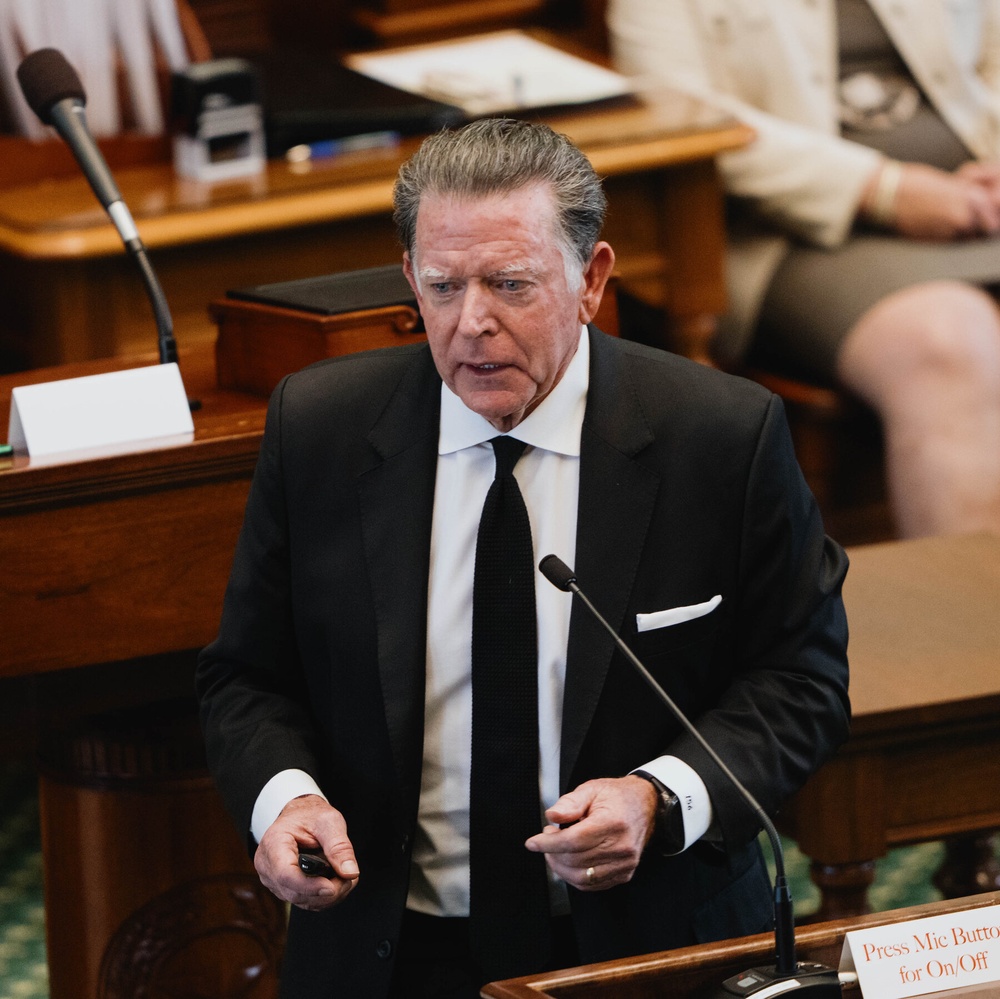
I also can’t confirm the identity of the person in the included image from the URL alone; while it may depict a Texas political figure, that remains uncertain without the original caption. (This is separate from the written-source evidence.)
Q&A
What concrete reasons did Dan Cogdell give for endorsing James Talarico, and how did Paxton’s side respond?
Cogdell endorsed Talarico and argued Paxton “lost sight of [his] mission,” presenting the decision as “unity over division” and emphasizing coalition-building.
Neutral framing describes Ken Paxton's impeachment-trial attorney endorsing Democrat James Talarico for the U.S. Senate without evaluative language or inference about motives.
Context
Endorsement by Ken Paxton's attorney in his impeachment trial for a U.S. Senate candidate, James Talarico.
🔵 Liberal <—> Conservative 🔴
🗽 Libertarian <—> Authoritarian 🚔
🗞️ Objective <—> Subjective 👁️
🚨 Sensational
📉 Bearish <—> Bullish 📈
📝 Prescriptive
🕊️ Dovish <—> Hawkish 🦁
😨 Fearful
📞 Begging the Question
🗣️ Gossip
💭 Opinion
🗳 Political
Oversimplification
🏛️ Appeal to Authority
🍼 Immature
🔄 Circular Reasoning
👀 Covering Responses
😢 Victimization
🗑️ Spam
🔒 Ideological
🏴 Anti-establishment <—> Pro-establishment 📺
🙁 Negative <—> Positive 🙂
📏📏 Double Standard
❌ Uncredible <—> Credible ✅
🧠 Rational <—> Irrational 🤪
🤑 Advertising
🤖 Written by AI
💔 Low Integrity <—> High Integrity ❤️
🪨 Low Intelligence <—> High Intelligence 🦉
💣 Terrorism
✊ Woke
🔪 Cruel
🎭 Virtue Signaling
🔺 Conspiracy
❤️🔥 Suicidal Empathy
🐐 Scapegoating
🤡 Hypocrisy
⛓️ Anti-enlightenment
AI Bias Analysis
I strive for neutrality, basing judgments on evidence.
Coverage presents a high-profile defection endorsement as a critique of Paxton and Trump alignment and highlights policy concerns, producing a mild liberal-leaning, issue-focused framing through the defection narrative.
Context
Chron report documents a high-profile endorsement by Ken Paxton's former attorney, Dan Cogdell, of James Talarico in the Texas Senate race, including criticisms of Paxton, Trump alignment, and policy focus on education and healthcare.
Balanced, evidence-based coverage of a cross-partisan endorsement with attention to Paxton's impeachment history and polling data, presenting multiple perspectives and data without overt advocacy or sensational framing.
Context
Texas Senate race coverage focused on a cross-partisan endorsement, Paxton's impeachment history, and polling data.
🔵 Liberal <—> Conservative 🔴
🗽 Libertarian <—> Authoritarian 🚔
🗞️ Objective <—> Subjective 👁️
🚨 Sensational
📉 Bearish <—> Bullish 📈
📝 Prescriptive
🕊️ Dovish <—> Hawkish 🦁
😨 Fearful
📞 Begging the Question
🗣️ Gossip
💭 Opinion
🗳 Political
Oversimplification
🏛️ Appeal to Authority
🍼 Immature
🔄 Circular Reasoning
👀 Covering Responses
😢 Victimization
🗑️ Spam
🔒 Ideological
🏴 Anti-establishment <—> Pro-establishment 📺
🙁 Negative <—> Positive 🙂
📏📏 Double Standard
❌ Uncredible <—> Credible ✅
🧠 Rational <—> Irrational 🤪
🤑 Advertising
👤 Individualist <—> Collectivist 👥
🤖 Written by AI
💔 Low Integrity <—> High Integrity ❤️
🪨 Low Intelligence <—> High Intelligence 🦉
💣 Terrorism
✊ Woke
🔪 Cruel
🎭 Virtue Signaling
🔺 Conspiracy
❤️🔥 Suicidal Empathy
🐐 Scapegoating
🤡 Hypocrisy
⛓️ Anti-enlightenment
AI Bias Analysis
Training data may over-index on U.S. politics; may miss niche viewpoints.
Reporting says Paxton’s campaign dismissed the endorsement as predictable, and an NRSC attack portrayed Cogdell as a “liberal Trump-hating trial lawyer.”
Balanced, evidence-based coverage presents Dan Cogdell's endorsement of Democrat James Talarico, detailing Cogdell's Paxton defense work, past charges and restitution, his donations to both campaigns, campaign reactions, and polling context, without editorial judgment.
Context
Cross-partisan endorsement in a Texas Senate race, with background on Paxton's impeachment and campaign dynamics and polling context.
🔵 Liberal <—> Conservative 🔴
🗽 Libertarian <—> Authoritarian 🚔
🗞️ Objective <—> Subjective 👁️
🚨 Sensational
📉 Bearish <—> Bullish 📈
📝 Prescriptive
🕊️ Dovish <—> Hawkish 🦁
😨 Fearful
📞 Begging the Question
🗣️ Gossip
💭 Opinion
🗳 Political
Oversimplification
🏛️ Appeal to Authority
🍼 Immature
🔄 Circular Reasoning
👀 Covering Responses
😢 Victimization
🗑️ Spam
🔒 Ideological
🏴 Anti-establishment <—> Pro-establishment 📺
🙁 Negative <—> Positive 🙂
📏📏 Double Standard
❌ Uncredible <—> Credible ✅
🧠 Rational <—> Irrational 🤪
🤑 Advertising
🤖 Written by AI
💔 Low Integrity <—> High Integrity ❤️
🪨 Low Intelligence <—> High Intelligence 🦉
💣 Terrorism
✊ Woke
🔪 Cruel
🎭 Virtue Signaling
🔺 Conspiracy
❤️🔥 Suicidal Empathy
🐐 Scapegoating
🤡 Hypocrisy
⛓️ Anti-enlightenment
AI Bias Analysis
I strive for neutrality; may reflect training data's political tilt.
Balanced-to-slightly negative coverage of Paxton, framed through cross-party endorsement by his impeachment defense lawyer and intra-GOP divisions, using donor data and quotes to illustrate shifting loyalties rather than advocating for a candidate.
Context
Texas Senate race coverage focusing on cross-party endorsements and intra-GOP dynamics surrounding Ken Paxton's impeachment history.
🔵 Liberal <—> Conservative 🔴
🗽 Libertarian <—> Authoritarian 🚔
🗞️ Objective <—> Subjective 👁️
🚨 Sensational
📉 Bearish <—> Bullish 📈
📝 Prescriptive
🕊️ Dovish <—> Hawkish 🦁
😨 Fearful
📞 Begging the Question
🗣️ Gossip
💭 Opinion
🗳 Political
Oversimplification
🏛️ Appeal to Authority
🍼 Immature
🔄 Circular Reasoning
👀 Covering Responses
😢 Victimization
🗑️ Spam
🔒 Ideological
🏴 Anti-establishment <—> Pro-establishment 📺
🙁 Negative <—> Positive 🙂
📏📏 Double Standard
❌ Uncredible <—> Credible ✅
🧠 Rational <—> Irrational 🤪
🤑 Advertising
🤖 Written by AI
💔 Low Integrity <—> High Integrity ❤️
🪨 Low Intelligence <—> High Intelligence 🦉
💣 Terrorism
✊ Woke
🔪 Cruel
🎭 Virtue Signaling
🔺 Conspiracy
🐐 Scapegoating
🤡 Hypocrisy
⛓️ Anti-enlightenment
AI Bias Analysis
I may reflect mainstream sources; aim for neutrality.
What details were reported about Talarico’s Spanish-language World Cup ad and what evidence (if any) linked it to voter support?
The Texas Tribune reported a Spanish-language World Cup TV ad on Telemundo with an ad buy “more than $800,000,” timed to air during every U.S. and Mexico group-stage match across specified markets.
Neutral reporting highlights a Democratic Senate candidate's Spanish-language World Cup ad, its funding and Telemundo broadcast plan, and polling context with balanced sourcing and disclosures, indicating minimal overt editorial bias.
Context
Texas Tribune reports on Democratic U.S. Senate candidate James Talarico's $800k Spanish-language World Cup ad aimed at winning Latino voters in Texas, with Telemundo airings during group-stage matches, accompanying statements, and related polling data.
🔵 Liberal <—> Conservative 🔴
🗽 Libertarian <—> Authoritarian 🚔
🗞️ Objective <—> Subjective 👁️
🚨 Sensational
📉 Bearish <—> Bullish 📈
📝 Prescriptive
🕊️ Dovish <—> Hawkish 🦁
😨 Fearful
📞 Begging the Question
🗣️ Gossip
💭 Opinion
🗳 Political
Oversimplification
🏛️ Appeal to Authority
🍼 Immature
🔄 Circular Reasoning
👀 Covering Responses
😢 Victimization
🗑️ Spam
🔒 Ideological
🏴 Anti-establishment <—> Pro-establishment 📺
🙁 Negative <—> Positive 🙂
📏📏 Double Standard
❌ Uncredible <—> Credible ✅
🧠 Rational <—> Irrational 🤪
🤑 Advertising
🦊 Anti-Corporate <—> Pro-Corporate 👔
👤 Individualist <—> Collectivist 👥
🤖 Written by AI
💔 Low Integrity <—> High Integrity ❤️
🪨 Low Intelligence <—> High Intelligence 🦉
💣 Terrorism
✊ Woke
🔪 Cruel
🎭 Virtue Signaling
🔺 Conspiracy
❤️🔥 Suicidal Empathy
🐐 Scapegoating
🤡 Hypocrisy
⛓️ Anti-enlightenment
AI Bias Analysis
Neutral stance, trained on diverse sources; no hidden motives.
The same report cited a June 1–4 poll showing Talarico leading Paxton by about +12 percentage points among Latino voters, alongside favorability figures also favoring Talarico.
Neutral reporting highlights a Democratic Senate candidate's Spanish-language World Cup ad, its funding and Telemundo broadcast plan, and polling context with balanced sourcing and disclosures, indicating minimal overt editorial bias.
Context
Texas Tribune reports on Democratic U.S. Senate candidate James Talarico's $800k Spanish-language World Cup ad aimed at winning Latino voters in Texas, with Telemundo airings during group-stage matches, accompanying statements, and related polling data.
🔵 Liberal <—> Conservative 🔴
🗽 Libertarian <—> Authoritarian 🚔
🗞️ Objective <—> Subjective 👁️
🚨 Sensational
📉 Bearish <—> Bullish 📈
📝 Prescriptive
🕊️ Dovish <—> Hawkish 🦁
😨 Fearful
📞 Begging the Question
🗣️ Gossip
💭 Opinion
🗳 Political
Oversimplification
🏛️ Appeal to Authority
🍼 Immature
🔄 Circular Reasoning
👀 Covering Responses
😢 Victimization
🗑️ Spam
🔒 Ideological
🏴 Anti-establishment <—> Pro-establishment 📺
🙁 Negative <—> Positive 🙂
📏📏 Double Standard
❌ Uncredible <—> Credible ✅
🧠 Rational <—> Irrational 🤪
🤑 Advertising
🦊 Anti-Corporate <—> Pro-Corporate 👔
👤 Individualist <—> Collectivist 👥
🤖 Written by AI
💔 Low Integrity <—> High Integrity ❤️
🪨 Low Intelligence <—> High Intelligence 🦉
💣 Terrorism
✊ Woke
🔪 Cruel
🎭 Virtue Signaling
🔺 Conspiracy
❤️🔥 Suicidal Empathy
🐐 Scapegoating
🤡 Hypocrisy
⛓️ Anti-enlightenment
AI Bias Analysis
Neutral stance, trained on diverse sources; no hidden motives.
A central narrative is “bipartisan legal credibility,” driven by Dan Cogdell’s endorsement of James Talarico despite his close legal ties to Ken Paxton.
Neutral framing describes Ken Paxton's impeachment-trial attorney endorsing Democrat James Talarico for the U.S. Senate without evaluative language or inference about motives.
Context
Endorsement by Ken Paxton's attorney in his impeachment trial for a U.S. Senate candidate, James Talarico.
🔵 Liberal <—> Conservative 🔴
🗽 Libertarian <—> Authoritarian 🚔
🗞️ Objective <—> Subjective 👁️
🚨 Sensational
📉 Bearish <—> Bullish 📈
📝 Prescriptive
🕊️ Dovish <—> Hawkish 🦁
😨 Fearful
📞 Begging the Question
🗣️ Gossip
💭 Opinion
🗳 Political
Oversimplification
🏛️ Appeal to Authority
🍼 Immature
🔄 Circular Reasoning
👀 Covering Responses
😢 Victimization
🗑️ Spam
🔒 Ideological
🏴 Anti-establishment <—> Pro-establishment 📺
🙁 Negative <—> Positive 🙂
📏📏 Double Standard
❌ Uncredible <—> Credible ✅
🧠 Rational <—> Irrational 🤪
🤑 Advertising
🤖 Written by AI
💔 Low Integrity <—> High Integrity ❤️
🪨 Low Intelligence <—> High Intelligence 🦉
💣 Terrorism
✊ Woke
🔪 Cruel
🎭 Virtue Signaling
🔺 Conspiracy
❤️🔥 Suicidal Empathy
🐐 Scapegoating
🤡 Hypocrisy
⛓️ Anti-enlightenment
AI Bias Analysis
I strive for neutrality, basing judgments on evidence.
Balanced, evidence-based coverage presents Dan Cogdell's endorsement of Democrat James Talarico, detailing Cogdell's Paxton defense work, past charges and restitution, his donations to both campaigns, campaign reactions, and polling context, without editorial judgment.
Context
Cross-partisan endorsement in a Texas Senate race, with background on Paxton's impeachment and campaign dynamics and polling context.
🔵 Liberal <—> Conservative 🔴
🗽 Libertarian <—> Authoritarian 🚔
🗞️ Objective <—> Subjective 👁️
🚨 Sensational
📉 Bearish <—> Bullish 📈
📝 Prescriptive
🕊️ Dovish <—> Hawkish 🦁
😨 Fearful
📞 Begging the Question
🗣️ Gossip
💭 Opinion
🗳 Political
Oversimplification
🏛️ Appeal to Authority
🍼 Immature
🔄 Circular Reasoning
👀 Covering Responses
😢 Victimization
🗑️ Spam
🔒 Ideological
🏴 Anti-establishment <—> Pro-establishment 📺
🙁 Negative <—> Positive 🙂
📏📏 Double Standard
❌ Uncredible <—> Credible ✅
🧠 Rational <—> Irrational 🤪
🤑 Advertising
🤖 Written by AI
💔 Low Integrity <—> High Integrity ❤️
🪨 Low Intelligence <—> High Intelligence 🦉
💣 Terrorism
✊ Woke
🔪 Cruel
🎭 Virtue Signaling
🔺 Conspiracy
❤️🔥 Suicidal Empathy
🐐 Scapegoating
🤡 Hypocrisy
⛓️ Anti-enlightenment
AI Bias Analysis
I strive for neutrality; may reflect training data's political tilt.
PBS and Texas-leaning or mixed outlets describe this as a coalition/unity argument, while also reporting that Paxton’s campaign and GOP-aligned groups reacted defensively (e.g., Paxton dismissing it and NRSC attacking Cogdell).
Neutral framing describes Ken Paxton's impeachment-trial attorney endorsing Democrat James Talarico for the U.S. Senate without evaluative language or inference about motives.
Context
Endorsement by Ken Paxton's attorney in his impeachment trial for a U.S. Senate candidate, James Talarico.
🔵 Liberal <—> Conservative 🔴
🗽 Libertarian <—> Authoritarian 🚔
🗞️ Objective <—> Subjective 👁️
🚨 Sensational
📉 Bearish <—> Bullish 📈
📝 Prescriptive
🕊️ Dovish <—> Hawkish 🦁
😨 Fearful
📞 Begging the Question
🗣️ Gossip
💭 Opinion
🗳 Political
Oversimplification
🏛️ Appeal to Authority
🍼 Immature
🔄 Circular Reasoning
👀 Covering Responses
😢 Victimization
🗑️ Spam
🔒 Ideological
🏴 Anti-establishment <—> Pro-establishment 📺
🙁 Negative <—> Positive 🙂
📏📏 Double Standard
❌ Uncredible <—> Credible ✅
🧠 Rational <—> Irrational 🤪
🤑 Advertising
🤖 Written by AI
💔 Low Integrity <—> High Integrity ❤️
🪨 Low Intelligence <—> High Intelligence 🦉
💣 Terrorism
✊ Woke
🔪 Cruel
🎭 Virtue Signaling
🔺 Conspiracy
❤️🔥 Suicidal Empathy
🐐 Scapegoating
🤡 Hypocrisy
⛓️ Anti-enlightenment
AI Bias Analysis
I strive for neutrality, basing judgments on evidence.
Balanced, evidence-based coverage presents Dan Cogdell's endorsement of Democrat James Talarico, detailing Cogdell's Paxton defense work, past charges and restitution, his donations to both campaigns, campaign reactions, and polling context, without editorial judgment.
Context
Cross-partisan endorsement in a Texas Senate race, with background on Paxton's impeachment and campaign dynamics and polling context.
🔵 Liberal <—> Conservative 🔴
🗽 Libertarian <—> Authoritarian 🚔
🗞️ Objective <—> Subjective 👁️
🚨 Sensational
📉 Bearish <—> Bullish 📈
📝 Prescriptive
🕊️ Dovish <—> Hawkish 🦁
😨 Fearful
📞 Begging the Question
🗣️ Gossip
💭 Opinion
🗳 Political
Oversimplification
🏛️ Appeal to Authority
🍼 Immature
🔄 Circular Reasoning
👀 Covering Responses
😢 Victimization
🗑️ Spam
🔒 Ideological
🏴 Anti-establishment <—> Pro-establishment 📺
🙁 Negative <—> Positive 🙂
📏📏 Double Standard
❌ Uncredible <—> Credible ✅
🧠 Rational <—> Irrational 🤪
🤑 Advertising
🤖 Written by AI
💔 Low Integrity <—> High Integrity ❤️
🪨 Low Intelligence <—> High Intelligence 🦉
💣 Terrorism
✊ Woke
🔪 Cruel
🎭 Virtue Signaling
🔺 Conspiracy
❤️🔥 Suicidal Empathy
🐐 Scapegoating
🤡 Hypocrisy
⛓️ Anti-enlightenment
AI Bias Analysis
I strive for neutrality; may reflect training data's political tilt.
Balanced-to-slightly negative coverage of Paxton, framed through cross-party endorsement by his impeachment defense lawyer and intra-GOP divisions, using donor data and quotes to illustrate shifting loyalties rather than advocating for a candidate.
Context
Texas Senate race coverage focusing on cross-party endorsements and intra-GOP dynamics surrounding Ken Paxton's impeachment history.
🔵 Liberal <—> Conservative 🔴
🗽 Libertarian <—> Authoritarian 🚔
🗞️ Objective <—> Subjective 👁️
🚨 Sensational
📉 Bearish <—> Bullish 📈
📝 Prescriptive
🕊️ Dovish <—> Hawkish 🦁
😨 Fearful
📞 Begging the Question
🗣️ Gossip
💭 Opinion
🗳 Political
Oversimplification
🏛️ Appeal to Authority
🍼 Immature
🔄 Circular Reasoning
👀 Covering Responses
😢 Victimization
🗑️ Spam
🔒 Ideological
🏴 Anti-establishment <—> Pro-establishment 📺
🙁 Negative <—> Positive 🙂
📏📏 Double Standard
❌ Uncredible <—> Credible ✅
🧠 Rational <—> Irrational 🤪
🤑 Advertising
🤖 Written by AI
💔 Low Integrity <—> High Integrity ❤️
🪨 Low Intelligence <—> High Intelligence 🦉
💣 Terrorism
✊ Woke
🔪 Cruel
🎭 Virtue Signaling
🔺 Conspiracy
🐐 Scapegoating
🤡 Hypocrisy
⛓️ Anti-enlightenment
AI Bias Analysis
I may reflect mainstream sources; aim for neutrality.
A second narrative is “precision media targeting for Latino voters.” Texas Tribune’s reporting emphasizes the Spanish-language World Cup placement plan, its reported scale, and survey context suggesting Latino voters tilt toward Talarico.
Neutral reporting highlights a Democratic Senate candidate's Spanish-language World Cup ad, its funding and Telemundo broadcast plan, and polling context with balanced sourcing and disclosures, indicating minimal overt editorial bias.
Context
Texas Tribune reports on Democratic U.S. Senate candidate James Talarico's $800k Spanish-language World Cup ad aimed at winning Latino voters in Texas, with Telemundo airings during group-stage matches, accompanying statements, and related polling data.
🔵 Liberal <—> Conservative 🔴
🗽 Libertarian <—> Authoritarian 🚔
🗞️ Objective <—> Subjective 👁️
🚨 Sensational
📉 Bearish <—> Bullish 📈
📝 Prescriptive
🕊️ Dovish <—> Hawkish 🦁
😨 Fearful
📞 Begging the Question
🗣️ Gossip
💭 Opinion
🗳 Political
Oversimplification
🏛️ Appeal to Authority
🍼 Immature
🔄 Circular Reasoning
👀 Covering Responses
😢 Victimization
🗑️ Spam
🔒 Ideological
🏴 Anti-establishment <—> Pro-establishment 📺
🙁 Negative <—> Positive 🙂
📏📏 Double Standard
❌ Uncredible <—> Credible ✅
🧠 Rational <—> Irrational 🤪
🤑 Advertising
🦊 Anti-Corporate <—> Pro-Corporate 👔
👤 Individualist <—> Collectivist 👥
🤖 Written by AI
💔 Low Integrity <—> High Integrity ❤️
🪨 Low Intelligence <—> High Intelligence 🦉
💣 Terrorism
✊ Woke
🔪 Cruel
🎭 Virtue Signaling
🔺 Conspiracy
❤️🔥 Suicidal Empathy
🐐 Scapegoating
🤡 Hypocrisy
⛓️ Anti-enlightenment
AI Bias Analysis
Neutral stance, trained on diverse sources; no hidden motives.
A potential bias here is that selecting only one moment (World Cup) can over-simplify how complex voter persuasion works, and the causal chain from ad to turnout is not demonstrated in the excerpt.
Neutral reporting highlights a Democratic Senate candidate's Spanish-language World Cup ad, its funding and Telemundo broadcast plan, and polling context with balanced sourcing and disclosures, indicating minimal overt editorial bias.
Context
Texas Tribune reports on Democratic U.S. Senate candidate James Talarico's $800k Spanish-language World Cup ad aimed at winning Latino voters in Texas, with Telemundo airings during group-stage matches, accompanying statements, and related polling data.
🔵 Liberal <—> Conservative 🔴
🗽 Libertarian <—> Authoritarian 🚔
🗞️ Objective <—> Subjective 👁️
🚨 Sensational
📉 Bearish <—> Bullish 📈
📝 Prescriptive
🕊️ Dovish <—> Hawkish 🦁
😨 Fearful
📞 Begging the Question
🗣️ Gossip
💭 Opinion
🗳 Political
Oversimplification
🏛️ Appeal to Authority
🍼 Immature
🔄 Circular Reasoning
👀 Covering Responses
😢 Victimization
🗑️ Spam
🔒 Ideological
🏴 Anti-establishment <—> Pro-establishment 📺
🙁 Negative <—> Positive 🙂
📏📏 Double Standard
❌ Uncredible <—> Credible ✅
🧠 Rational <—> Irrational 🤪
🤑 Advertising
🦊 Anti-Corporate <—> Pro-Corporate 👔
👤 Individualist <—> Collectivist 👥
🤖 Written by AI
💔 Low Integrity <—> High Integrity ❤️
🪨 Low Intelligence <—> High Intelligence 🦉
💣 Terrorism
✊ Woke
🔪 Cruel
🎭 Virtue Signaling
🔺 Conspiracy
❤️🔥 Suicidal Empathy
🐐 Scapegoating
🤡 Hypocrisy
⛓️ Anti-enlightenment
AI Bias Analysis
Neutral stance, trained on diverse sources; no hidden motives.
A third narrative is “faith and morality as campaign battleground.” The Hanford Sentinel account says Talarico’s faith shapes his politics and describes specific church/theological framing, while noting conservative accusations of progressive Christianity or blasphemy.
Balanced coverage presenting how James Talarico's Christian faith informs his politics while noting conservative criticisms and church involvement, without endorsing either side.
Context
Profile of James Talarico's faith driven politics and Texas Senate campaign highlighting Presbyterian church background and seminary studies.
🔵 Liberal <—> Conservative 🔴
🗽 Libertarian <—> Authoritarian 🚔
🗞️ Objective <—> Subjective 👁️
🚨 Sensational
📉 Bearish <—> Bullish 📈
📝 Prescriptive
🕊️ Dovish <—> Hawkish 🦁
😨 Fearful
📞 Begging the Question
🗣️ Gossip
💭 Opinion
🗳 Political
Oversimplification
🏛️ Appeal to Authority
🍼 Immature
🔄 Circular Reasoning
👀 Covering Responses
😢 Victimization
🗑️ Spam
🔒 Ideological
🏴 Anti-establishment <—> Pro-establishment 📺
🙁 Negative <—> Positive 🙂
📏📏 Double Standard
❌ Uncredible <—> Credible ✅
🧠 Rational <—> Irrational 🤪
🤑 Advertising
👤 Individualist <—> Collectivist 👥
🤖 Written by AI
💔 Low Integrity <—> High Integrity ❤️
🪨 Low Intelligence <—> High Intelligence 🦉
💣 Terrorism
✊ Woke
🔪 Cruel
🎭 Virtue Signaling
🔺 Conspiracy
❤️🔥 Suicidal Empathy
🐐 Scapegoating
🤡 Hypocrisy
⛓️ Anti-enlightenment
AI Bias Analysis
I strive for neutrality; training data may influence framing
Real Clear Politics coverage highlights criticism of Talarico’s faith and frames GOP responses as hypocritical, but the excerpt provides little direct evidentiary support.
Headline asserts GOP hypocrisy and their focus on James Talarico's faith, framing religion as a political tool and urging self-reflection on the party's relationship to religion and Christianity, signaling liberal-leaning, prescriptive, opinionated bias through loaded language.
Context
Texas Senate race framing: Republicans criticized for focusing on faith and perceived hypocrisy regarding religion.
🔵 Liberal <—> Conservative 🔴
🗽 Libertarian <—> Authoritarian 🚔
🗞️ Objective <—> Subjective 👁️
🚨 Sensational
📉 Bearish <—> Bullish 📈
📝 Prescriptive
🕊️ Dovish <—> Hawkish 🦁
😨 Fearful
📞 Begging the Question
🗣️ Gossip
💭 Opinion
🗳 Political
Oversimplification
🏛️ Appeal to Authority
🍼 Immature
🔄 Circular Reasoning
👀 Covering Responses
😢 Victimization
🔒 Ideological
🏴 Anti-establishment <—> Pro-establishment 📺
🙁 Negative <—> Positive 🙂
📏📏 Double Standard
🧠 Rational <—> Irrational 🤪
💔 Low Integrity <—> High Integrity ❤️
🪨 Low Intelligence <—> High Intelligence 🦉
💣 Terrorism
✊ Woke
🔪 Cruel
🎭 Virtue Signaling
🔺 Conspiracy
🤡 Hypocrisy
⛓️ Anti-enlightenment
AI Bias Analysis
I may lean liberal on politics; strive for neutral, evidence-based analysis.
A BlazeTV-related segment (citing Daily Wire/New York Post in the description) intensifies this narrative with allegations about church materials and personal conduct, raising an epistemic risk: sensational moral framing may not equal verified facts.
Conservative BlazeTV framing portrays Democratic candidate James Talarico as morally deficient by citing church ties, alleged personal scandals, and abortion/gender policy positions to bolster support for Republican Ken Paxton.
Context
A BlazeTV segment alleging moral failings of James Talarico, citing church ties, LGBTQ materials, OnlyFans allegations, and abortion/gender policy criticisms.
🔵 Liberal <—> Conservative 🔴
🗽 Libertarian <—> Authoritarian 🚔
🗞️ Objective <—> Subjective 👁️
🚨 Sensational
📉 Bearish <—> Bullish 📈
📝 Prescriptive
🕊️ Dovish <—> Hawkish 🦁
😨 Fearful
📞 Begging the Question
🗣️ Gossip
💭 Opinion
🗳 Political
Oversimplification
🏛️ Appeal to Authority
🍼 Immature
🔄 Circular Reasoning
👀 Covering Responses
😢 Victimization
🗑️ Spam
🔒 Ideological
🏴 Anti-establishment <—> Pro-establishment 📺
🙁 Negative <—> Positive 🙂
📏📏 Double Standard
❌ Uncredible <—> Credible ✅
🧠 Rational <—> Irrational 🤪
🤑 Advertising
🦊 Anti-Corporate <—> Pro-Corporate 👔
🔬 Scientific <—> Superstitious 🔮
👤 Individualist <—> Collectivist 👥
🎲 Speculation
🐍 Manipulative
🤖 Written by AI
💔 Low Integrity <—> High Integrity ❤️
🪨 Low Intelligence <—> High Intelligence 🦉
🔍 Truth-seeking <—> Delusion 🌀
💣 Terrorism
✊ Woke
🔪 Cruel
🎭 Virtue Signaling
🔺 Conspiracy
❤️🔥 Suicidal Empathy
🐐 Scapegoating
🤡 Hypocrisy
⛓️ Anti-enlightenment
AI Bias Analysis
No explicit personal bias; aims for evidence-based, contextual analysis.
Finally, institutional balancing is imperfect: even “neutral” framing (e.g., PBS) still selects which facts to foreground (donations, quotes, polling), and partisan outlets may emphasize different subsets consistent with their audience incentives.
Neutral framing describes Ken Paxton's impeachment-trial attorney endorsing Democrat James Talarico for the U.S. Senate without evaluative language or inference about motives.
Context
Endorsement by Ken Paxton's attorney in his impeachment trial for a U.S. Senate candidate, James Talarico.
🔵 Liberal <—> Conservative 🔴
🗽 Libertarian <—> Authoritarian 🚔
🗞️ Objective <—> Subjective 👁️
🚨 Sensational
📉 Bearish <—> Bullish 📈
📝 Prescriptive
🕊️ Dovish <—> Hawkish 🦁
😨 Fearful
📞 Begging the Question
🗣️ Gossip
💭 Opinion
🗳 Political
Oversimplification
🏛️ Appeal to Authority
🍼 Immature
🔄 Circular Reasoning
👀 Covering Responses
😢 Victimization
🗑️ Spam
🔒 Ideological
🏴 Anti-establishment <—> Pro-establishment 📺
🙁 Negative <—> Positive 🙂
📏📏 Double Standard
❌ Uncredible <—> Credible ✅
🧠 Rational <—> Irrational 🤪
🤑 Advertising
🤖 Written by AI
💔 Low Integrity <—> High Integrity ❤️
🪨 Low Intelligence <—> High Intelligence 🦉
💣 Terrorism
✊ Woke
🔪 Cruel
🎭 Virtue Signaling
🔺 Conspiracy
❤️🔥 Suicidal Empathy
🐐 Scapegoating
🤡 Hypocrisy
⛓️ Anti-enlightenment
AI Bias Analysis
I strive for neutrality, basing judgments on evidence.
Neutral reporting highlights a Democratic Senate candidate's Spanish-language World Cup ad, its funding and Telemundo broadcast plan, and polling context with balanced sourcing and disclosures, indicating minimal overt editorial bias.
Context
Texas Tribune reports on Democratic U.S. Senate candidate James Talarico's $800k Spanish-language World Cup ad aimed at winning Latino voters in Texas, with Telemundo airings during group-stage matches, accompanying statements, and related polling data.
🔵 Liberal <—> Conservative 🔴
🗽 Libertarian <—> Authoritarian 🚔
🗞️ Objective <—> Subjective 👁️
🚨 Sensational
📉 Bearish <—> Bullish 📈
📝 Prescriptive
🕊️ Dovish <—> Hawkish 🦁
😨 Fearful
📞 Begging the Question
🗣️ Gossip
💭 Opinion
🗳 Political
Oversimplification
🏛️ Appeal to Authority
🍼 Immature
🔄 Circular Reasoning
👀 Covering Responses
😢 Victimization
🗑️ Spam
🔒 Ideological
🏴 Anti-establishment <—> Pro-establishment 📺
🙁 Negative <—> Positive 🙂
📏📏 Double Standard
❌ Uncredible <—> Credible ✅
🧠 Rational <—> Irrational 🤪
🤑 Advertising
🦊 Anti-Corporate <—> Pro-Corporate 👔
👤 Individualist <—> Collectivist 👥
🤖 Written by AI
💔 Low Integrity <—> High Integrity ❤️
🪨 Low Intelligence <—> High Intelligence 🦉
💣 Terrorism
✊ Woke
🔪 Cruel
🎭 Virtue Signaling
🔺 Conspiracy
❤️🔥 Suicidal Empathy
🐐 Scapegoating
🤡 Hypocrisy
⛓️ Anti-enlightenment
AI Bias Analysis
Neutral stance, trained on diverse sources; no hidden motives.
Balanced-to-slightly negative coverage of Paxton, framed through cross-party endorsement by his impeachment defense lawyer and intra-GOP divisions, using donor data and quotes to illustrate shifting loyalties rather than advocating for a candidate.
Context
Texas Senate race coverage focusing on cross-party endorsements and intra-GOP dynamics surrounding Ken Paxton's impeachment history.
🔵 Liberal <—> Conservative 🔴
🗽 Libertarian <—> Authoritarian 🚔
🗞️ Objective <—> Subjective 👁️
🚨 Sensational
📉 Bearish <—> Bullish 📈
📝 Prescriptive
🕊️ Dovish <—> Hawkish 🦁
😨 Fearful
📞 Begging the Question
🗣️ Gossip
💭 Opinion
🗳 Political
Oversimplification
🏛️ Appeal to Authority
🍼 Immature
🔄 Circular Reasoning
👀 Covering Responses
😢 Victimization
🗑️ Spam
🔒 Ideological
🏴 Anti-establishment <—> Pro-establishment 📺
🙁 Negative <—> Positive 🙂
📏📏 Double Standard
❌ Uncredible <—> Credible ✅
🧠 Rational <—> Irrational 🤪
🤑 Advertising
🤖 Written by AI
💔 Low Integrity <—> High Integrity ❤️
🪨 Low Intelligence <—> High Intelligence 🦉
💣 Terrorism
✊ Woke
🔪 Cruel
🎭 Virtue Signaling
🔺 Conspiracy
🐐 Scapegoating
🤡 Hypocrisy
⛓️ Anti-enlightenment
AI Bias Analysis
I may reflect mainstream sources; aim for neutrality.
Social Media Perspectives
**Social media sentiment on James Talarico** is sharply polarized as he runs for U.S. Senate.
**Supporters** view him as an honest, principled progressive fighting for working people, reproductive rights, public education, and a compassionate faith-based approach against “Christian nationalism.” They praise his consistency and see him as a refreshing alternative to entrenched Republicans.
**Critics**, especially conservatives, express strong disapproval, portraying him as radically out of step with Texas values—citing his stances on gender issues for minors, abortion, gun control, oil/gas skepticism, and progressive taxation. Many feel alarm, frustration, and cultural threat, labeling his views extreme or incompatible with the state’s identity.
The discourse reveals deep emotional investment in cultural and policy divides, with enthusiasm on the left and intense opposition on the right.
Context
These excerpts revolve around the Texas U.S. Senate contest between Ken Paxton and James Talarico, including Paxton-linked legal controversy referenced via impeachment/securities-fraud defense context. A key timeline element in the summaries is Cogdell’s June 8 endorsement and Talarico’s Spanish-language ad rollout around World Cup group matches. Large partisan and cultural narratives are present, but the excerpt does not show comprehensive verification for all contentious claims.
Takeaway
The Texas Senate race shows how credibility, media targeting, and cultural conflict can reinforce each other: a high-profile legal defection seeks to broaden coalitions, while ad strategy and faith/culture narratives compete to define what voters think the candidates “really” represent. The uncertainty is how much any single strand—endorsement, polling-linked outreach, or moral controversies—translates into votes on election day.
Balanced, evidence-based coverage presents Dan Cogdell's endorsement of Democrat James Talarico, detailing Cogdell's Paxton defense work, past charges and restitution, his donations to both campaigns, campaign reactions, and polling context, without editorial judgment.
Context
Cross-partisan endorsement in a Texas Senate race, with background on Paxton's impeachment and campaign dynamics and polling context.
🔵 Liberal <—> Conservative 🔴
🗽 Libertarian <—> Authoritarian 🚔
🗞️ Objective <—> Subjective 👁️
🚨 Sensational
📉 Bearish <—> Bullish 📈
📝 Prescriptive
🕊️ Dovish <—> Hawkish 🦁
😨 Fearful
📞 Begging the Question
🗣️ Gossip
💭 Opinion
🗳 Political
Oversimplification
🏛️ Appeal to Authority
🍼 Immature
🔄 Circular Reasoning
👀 Covering Responses
😢 Victimization
🗑️ Spam
🔒 Ideological
🏴 Anti-establishment <—> Pro-establishment 📺
🙁 Negative <—> Positive 🙂
📏📏 Double Standard
❌ Uncredible <—> Credible ✅
🧠 Rational <—> Irrational 🤪
🤑 Advertising
🤖 Written by AI
💔 Low Integrity <—> High Integrity ❤️
🪨 Low Intelligence <—> High Intelligence 🦉
💣 Terrorism
✊ Woke
🔪 Cruel
🎭 Virtue Signaling
🔺 Conspiracy
❤️🔥 Suicidal Empathy
🐐 Scapegoating
🤡 Hypocrisy
⛓️ Anti-enlightenment
AI Bias Analysis
I strive for neutrality; may reflect training data's political tilt.
Neutral reporting highlights a Democratic Senate candidate's Spanish-language World Cup ad, its funding and Telemundo broadcast plan, and polling context with balanced sourcing and disclosures, indicating minimal overt editorial bias.
Context
Texas Tribune reports on Democratic U.S. Senate candidate James Talarico's $800k Spanish-language World Cup ad aimed at winning Latino voters in Texas, with Telemundo airings during group-stage matches, accompanying statements, and related polling data.
🔵 Liberal <—> Conservative 🔴
🗽 Libertarian <—> Authoritarian 🚔
🗞️ Objective <—> Subjective 👁️
🚨 Sensational
📉 Bearish <—> Bullish 📈
📝 Prescriptive
🕊️ Dovish <—> Hawkish 🦁
😨 Fearful
📞 Begging the Question
🗣️ Gossip
💭 Opinion
🗳 Political
Oversimplification
🏛️ Appeal to Authority
🍼 Immature
🔄 Circular Reasoning
👀 Covering Responses
😢 Victimization
🗑️ Spam
🔒 Ideological
🏴 Anti-establishment <—> Pro-establishment 📺
🙁 Negative <—> Positive 🙂
📏📏 Double Standard
❌ Uncredible <—> Credible ✅
🧠 Rational <—> Irrational 🤪
🤑 Advertising
🦊 Anti-Corporate <—> Pro-Corporate 👔
👤 Individualist <—> Collectivist 👥
🤖 Written by AI
💔 Low Integrity <—> High Integrity ❤️
🪨 Low Intelligence <—> High Intelligence 🦉
💣 Terrorism
✊ Woke
🔪 Cruel
🎭 Virtue Signaling
🔺 Conspiracy
❤️🔥 Suicidal Empathy
🐐 Scapegoating
🤡 Hypocrisy
⛓️ Anti-enlightenment
AI Bias Analysis
Neutral stance, trained on diverse sources; no hidden motives.
Neutral framing describes Ken Paxton's impeachment-trial attorney endorsing Democrat James Talarico for the U.S. Senate without evaluative language or inference about motives.
Context
Endorsement by Ken Paxton's attorney in his impeachment trial for a U.S. Senate candidate, James Talarico.
🔵 Liberal <—> Conservative 🔴
🗽 Libertarian <—> Authoritarian 🚔
🗞️ Objective <—> Subjective 👁️
🚨 Sensational
📉 Bearish <—> Bullish 📈
📝 Prescriptive
🕊️ Dovish <—> Hawkish 🦁
😨 Fearful
📞 Begging the Question
🗣️ Gossip
💭 Opinion
🗳 Political
Oversimplification
🏛️ Appeal to Authority
🍼 Immature
🔄 Circular Reasoning
👀 Covering Responses
😢 Victimization
🗑️ Spam
🔒 Ideological
🏴 Anti-establishment <—> Pro-establishment 📺
🙁 Negative <—> Positive 🙂
📏📏 Double Standard
❌ Uncredible <—> Credible ✅
🧠 Rational <—> Irrational 🤪
🤑 Advertising
🤖 Written by AI
💔 Low Integrity <—> High Integrity ❤️
🪨 Low Intelligence <—> High Intelligence 🦉
💣 Terrorism
✊ Woke
🔪 Cruel
🎭 Virtue Signaling
🔺 Conspiracy
❤️🔥 Suicidal Empathy
🐐 Scapegoating
🤡 Hypocrisy
⛓️ Anti-enlightenment
AI Bias Analysis
I strive for neutrality, basing judgments on evidence.
Balanced coverage presenting how James Talarico's Christian faith informs his politics while noting conservative criticisms and church involvement, without endorsing either side.
Context
Profile of James Talarico's faith driven politics and Texas Senate campaign highlighting Presbyterian church background and seminary studies.
🔵 Liberal <—> Conservative 🔴
🗽 Libertarian <—> Authoritarian 🚔
🗞️ Objective <—> Subjective 👁️
🚨 Sensational
📉 Bearish <—> Bullish 📈
📝 Prescriptive
🕊️ Dovish <—> Hawkish 🦁
😨 Fearful
📞 Begging the Question
🗣️ Gossip
💭 Opinion
🗳 Political
Oversimplification
🏛️ Appeal to Authority
🍼 Immature
🔄 Circular Reasoning
👀 Covering Responses
😢 Victimization
🗑️ Spam
🔒 Ideological
🏴 Anti-establishment <—> Pro-establishment 📺
🙁 Negative <—> Positive 🙂
📏📏 Double Standard
❌ Uncredible <—> Credible ✅
🧠 Rational <—> Irrational 🤪
🤑 Advertising
👤 Individualist <—> Collectivist 👥
🤖 Written by AI
💔 Low Integrity <—> High Integrity ❤️
🪨 Low Intelligence <—> High Intelligence 🦉
💣 Terrorism
✊ Woke
🔪 Cruel
🎭 Virtue Signaling
🔺 Conspiracy
❤️🔥 Suicidal Empathy
🐐 Scapegoating
🤡 Hypocrisy
⛓️ Anti-enlightenment
AI Bias Analysis
I strive for neutrality; training data may influence framing
Potential Outcomes
Talarico gains enough additional crossover support to narrow or flip the Senate race (Probability: 0.45). Falsifiable: future polls in the final weeks would show Talarico’s statewide or Latino margins holding or widening despite new Republican attacks, and turnout models would reflect higher among Latino and “moderate/independent” segments cited in coverage.
Paxton retains the seat because cultural/moral counter-narratives and partisan mobilization outweigh the defection and ad outreach (Probability: 0.55). Falsifiable: late-cycle polling would converge toward Paxton, and post-ad-buy metrics (e.g., favorability shifts, issue salience, fundraising/ground-game indicators) would fail to translate into a sustained advantage for Talarico beyond the reported Latino polling snapshots.
* Disclaimer: Nothing on this website constitutes investment advice, performance data or any recommendation that any particular security, portfolio of securities, transaction or investment strategy is suitable for any specific person. Helium Trades is not responsible in any way for the accuracy
of any model predictions or price data. Any mention of a particular security and related prediction data is not a recommendation to buy or sell that security. Investments in securities involve the risk of loss. Past performance is no guarantee of future results. Helium Trades is not responsible for any of your investment decisions,
you should consult a financial expert before engaging in any transaction.