See whether Helium helps you make better-informed decisions. Try every Pro Trader feature for 30 days. No credit card required.
Try every Pro Trader feature for 30 days. No credit card required.

November 13, 2026 · 0 shares
The framing is a brief, promotional event announcement that presents future dates and participant confirmations as settled facts without sourcing.
Helium Analysis
Limitations: The item is a very short social-media news post with no byline or named sourcing, limiting assessment of framing and credibility.
·
10 of 55 available dimensions scored; omitted dimensions are not treated as neutral.
·
Verified supporting quotes for 10 of 10 scored dimensions.
Claim: The item is framed as a nonpolitical entertainment announcement.
“Bangkok will host the inaugural Eurovision Song Contest Asia on 14 November 2026” · exact text match
Why: The text discusses an entertainment event without left-right political framing.
Claim: The item has no populist or elitist framing.
“with countries going head-to-head in a competition inspired by the European original” · exact text match
Why: It announces an international contest without invoking elites, ordinary people, or populist themes.
Claim: The report is overwhelmingly factual rather than subjective commentary.
“Bangkok will host the inaugural Eurovision Song Contest Asia on 14 November 2026” · exact text match
“The 11 confirmed participating countries are:” · exact text match
Why: The framing consists of event logistics and a participant list with no evaluative commentary.
Claim: The report is largely objective and not sensationalized.
“Bangkok will host the inaugural Eurovision Song Contest Asia on 14 November 2026” · exact text match
Counterevidence:
“Eurovision is heading to Asia for the very first time!” · exact text match
Why: The exclamation adds mild promotional tone, but the substance remains a factual announcement.
Claim: Event confirmation is stated with certainty without naming a source.
“The 11 confirmed participating countries are:” · exact text match
“Bangkok will host the inaugural Eurovision Song Contest Asia on 14 November 2026” · exact text match
Why: Future plans and participant confirmations are presented as settled facts with no organizer or broadcaster attribution.
Claim: The item does not take a discernible pro- or anti-establishment stance.
“Bangkok will host the inaugural Eurovision Song Contest Asia on 14 November 2026” · exact text match
Why: It reports a cultural event announcement without framing institutions or authorities as allies or adversaries.
Claim: The tone is mildly positive and promotional rather than negative or neutral.
“Eurovision is heading to Asia for the very first time!” · exact text match
Why: The phrase conveys positive excitement about the new edition without strong emotional language.
Claim: Credibility is limited by the absence of visible sourcing for the confirmations.
“The 11 confirmed participating countries are:” · exact text match
Why: The text asserts confirmed participation but does not identify an official source for that confirmation.
Claim: The presentation is mostly factual and free of evident reasoning fallacies.
“The 11 confirmed participating countries are:” · exact text match
Why: The article states event details and a participant list plainly rather than making an argument.
Claim: The item functions partly as promotional copy for the announced event.
“Eurovision is heading to Asia for the very first time!” · exact text match
“Bangkok will host the inaugural Eurovision Song Contest Asia on 14 November 2026” · exact text match
Why: The enthusiastic announcement language promotes the event, though it does not directly sell a product.
The item is a very short social-media news post with no byline or named sourcing, limiting assessment of framing and credibility.
November 13, 2026 · 0 shares
A largely balanced, attributed entertainment feature with mild promotional framing of the Eurovision brand and occasional subjective, human-interest color.
Helium Analysis
Limitations: No byline or publication date is supplied; the event timing is only described as 'Saturday' at 20:30 ICT, limiting temporal verification.
·
12 of 55 available dimensions scored; omitted dimensions are not treated as neutral.
·
Verified supporting quotes for 12 of 12 scored dimensions.
Claim: The feature mixes factual reporting with subjective descriptors and judgments.
“infectious reggaeton song” · exact text match
“bubbling confidence and strong stage presence” · exact text match
Why: These are evaluative descriptors applied to performers and songs.
Claim: The headline uses mild dramatic anticipation but the body avoids sustained sensationalism.
“Eurovision is finally coming to Asia.” · exact text match
Why: The word 'finally' adds anticipation, while the article otherwise reports details and criticisms.
Claim: Human-interest and contest details are foregrounded to hold reader attention.
“For Bhutan, with a population of less than a million, this is a rare chance to shine on a global stage” · exact text match
Why: The Bhutan contestant angle is selected as a compelling human-interest hook.
Claim: Some evaluative judgments are presented as the outlet's own.
“is a strong contender to win the contest” · exact text match
Why: The phrase offers an assessment of a contestant's chances beyond neutral reporting.
Claim: Political context is noted briefly but not made a central axis.
“political differences, for example between Thailand and Cambodia after their border war last year, could influence how their audiences vote” · exact text match
Why: The article mentions political and legal factors affecting the contest without ideological advocacy.
Claim: Emotionally charged quotes are selected to add warmth to the feature.
“If I really make it through all of this, it would mean the entire freaking world to us.” · exact text match
Why: The quote is positive and emotionally expressive, though it is attributed to a contestant.
Claim: The report is mostly attributed and includes critical organizational details.
“says Sarun 'Note' Kungbunpot, a Eurovision enthusiast and Thai singer” · exact text match
“A sudden million-dollar (£760,000) budget cut just three weeks before the final” · exact text match
Why: Named sources and disclosed problems support visible sourcing and balanced presentation.
Claim: The article explains contest rules and context in a generally reasoned, factual manner.
“Eurovision Asia will determine the winner through a 50/50 mix of public voting and national juries” · exact text match
Why: It lays out the voting mechanism as a logical explanatory detail rather than emotional assertion.
Claim: The feature has mildly promotional framing toward the Eurovision brand expansion.
“organisers are hoping this could be the start of an expansion of the hugely successful Eurovision brand” · exact text match
Why: The brand expansion is framed positively, though the article also reports organizational problems.
Claim: The article includes limited forecasts about future expansion and likely audience behavior.
“organisers are hoping this could be the start of an expansion of the hugely successful Eurovision brand” · exact text match
“are expected to be enthusiastic participants” · exact text match
Why: These are forward-looking expectations, though they are attributed or framed as hopes.
Claim: The article discloses contrary organizational information rather than presenting only promotional material.
“A sudden million-dollar (£760,000) budget cut just three weeks before the final” · exact text match
“criticising audio and lighting in rehearsal videos” · exact text match
Why: Including budget problems and fan criticism indicates internal fairness and transparency.
Claim: The feature supplies historical context, format rules, and multiple perspectives.
“It began in 1956 as a project to encourage greater cultural exchanges in a Europe which was trying to forge a common future after two world wars.” · exact text match
Why: Historical and procedural context raises the article's informational sophistication.
No byline or publication date is supplied; the event timing is only described as 'Saturday' at 20:30 ICT, limiting temporal verification.
Mildly celebratory entertainment reporting blends specific contest results with subjective praise and heavy emphasis on Vietnamese national pride.
Helium Analysis
Limitations: The report lacks a byline and detailed sourcing for vote totals; viewer reactions are anecdotal social-media comments, and many ideological dimensions are not applicable to this entertainment story.
·
6 of 55 available dimensions scored; omitted dimensions are not treated as neutral.
·
Verified supporting quotes for 6 of 6 scored dimensions.
Claim: The report mixes factual results with the publisher’s own evaluative aesthetic judgments.
“Her winning entry, Sobra-Sobra, is an upbeat dance-pop track featuring an infectious melody and an energetic performance that captivated both judges and audiences.” · exact text match
Counterevidence:
“Carmelle, representing the Philippines, scored 211 points, comprising 93 points from the jury and 118 from the public vote, leading both voting categories.” · exact text match
Why: The sentence presents subjective praise as description, though the article also includes concrete scores.
Claim: The coverage is descriptive, recounting results and reactions without prescribing actions or norms.
“The inaugural Eurovision Song Contest Asia concluded in Bangkok, Thailand on Saturday evening, with the Philippines taking the crown and Vietnam securing the third place.” · exact text match
Why: The statement reports an event outcome rather than advocating a position or action.
Claim: The publisher includes evaluative language and viewer opinions, though factual reporting remains dominant.
“Her winning entry, Sobra-Sobra, is an upbeat dance-pop track featuring an infectious melody and an energetic performance that captivated both judges and audiences.” · exact text match
Counterevidence:
“Vietnam’s representative, Toc Tien, finished third with 164 points.” · exact text match
Why: Words such as 'infectious' and 'captivated' present taste judgments, while the surrounding text supplies factual results.
Claim: The framing is mildly positive and celebratory rather than neutral or negative.
“Her winning entry, Sobra-Sobra, is an upbeat dance-pop track featuring an infectious melody and an energetic performance that captivated both judges and audiences.” · exact text match
Why: The evaluative praise and celebratory contest language lean positive, but the report is not overwhelmingly emotional.
Claim: The report provides specific results and attributed comments, supporting moderate-to-high credibility.
“Carmelle, representing the Philippines, scored 211 points, comprising 93 points from the jury and 118 from the public vote, leading both voting categories.” · exact text match
““The Philippine representative deserved to win. The song was catchy, the choreography was good, and the vocal performance was incredible,” one viewer commented.” · exact text match
Why: Precise totals and direct attribution of viewer comments are visible credibility signals, though sourcing for the totals is not detailed.
Claim: The report shows fair, non-deceptive presentation by giving precise vote totals and acknowledging mixed reactions.
“Carmelle, representing the Philippines, scored 211 points, comprising 93 points from the jury and 118 from the public vote, leading both voting categories.” · exact text match
“The final results prompted mixed reactions among Vietnamese viewers, with many taking to social media to discuss the rankings and performances.” · exact text match
Why: Specific figures and inclusion of mixed reactions are observable fairness signals.
The report lacks a byline and detailed sourcing for vote totals; viewer reactions are anecdotal social-media comments, and many ideological dimensions are not applicable to this entertainment story.
November 15, 2026 · 0 shares
Presents the contest result in celebratory but largely factual terms, highlighting the Philippines' first-ever win without sourcing or broader context.
Helium Analysis
Limitations: The supplied text is only a headline and one-sentence report, with no author, sourcing, or broader event context, limiting confidence in framing assessments.
·
3 of 55 available dimensions scored; omitted dimensions are not treated as neutral.
·
Verified supporting quotes for 3 of 3 scored dimensions.
Claim: The report presents the contest result as a largely factual outcome rather than a subjective interpretation.
“The Philippines made history by winning the inaugural Eurovision Asia Song Contest in Bangkok, beating Thailand's MANG x DAOU to claim the competition's first-ever title on Saturday evening.” · exact text match
Why: The sentence states winner, venue, runner-up, and first-title status; evaluative language is limited to the 'made history' phrasing tied to the inaugural event.
Claim: The report avoids sensational or hyperbolic language in describing the contest result.
“beating Thailand's MANG x DAOU to claim the competition's first-ever title” · exact text match
Why: It uses neutral verbs and factual event details without spectacular imagery or emotional intensifiers.
Claim: The report describes an event outcome without prescribing actions or values.
“The Philippines made history by winning the inaugural Eurovision Asia Song Contest” · exact text match
Why: It reports what happened rather than advocating what should happen or what readers should value.
The supplied text is only a headline and one-sentence report, with no author, sourcing, or broader event context, limiting confidence in framing assessments.
November 14, 2026 · 0 shares
Framing is promotional and performer-centered, relaying the singer's own hopes and preparation details in flat, uncritical celebration supported by supplied imagery rather than independent scrutiny.
Eurovision Song Contest Asia 2026 is being held in Bangkok, Thailand, with each participating country represented by one act chosen through a national selection.
Helium Analysis
Limitations: The supplied text contains duplicated sentences and page artifacts (repeated publication notices, an embedded 'READ NOW' link), which limits assessment of the outlet's original editorial voice.
·
11 of 55 available dimensions scored; omitted dimensions are not treated as neutral.
·
Verified supporting quotes for 10 of 11 scored dimensions.
Claim: Coverage centers on the performer's feelings, hopes and relaxation rather than verifiable outcomes.
“The singer said she remained relaxed ahead of the performance despite the workload involved in the preparations.” · exact text match
Why: Subjective inner states of the subject are the primary content rather than externally checkable events.
Claim: Headline and body are flat and informational rather than hyped.
“Vietnamese singer Toc Tien to open Eurovision Song Contest Asia 2026 final.” · exact text match
Why: The headline states the news event declaratively without superlatives or dramatic framing.
Claim: Content leans on light celebrity detail about mood and preparation.
“Toc Tien said the basic choreography had been completed before the final.” · exact text match
Why: Rehearsal and mood minutiae are the substance of the item, typical of celebrity coverage.
Claim: Assertions about quality and significance come from the subject rather than the outlet's own analysis.
“She said each contestant should focus on delivering their best performance.” · exact text match
Why: Normative statements appear only as attributed quotes, keeping the outlet's own voice largely factual.
Claim: Tone is warmly positive toward the performer and her ambitions.
“If the performance is impressive enough for people to remember that image, that is what Tien hopes for most” · exact text match
Why: The quoted aspiration is presented affirmatively, framing the subject sympathetically and optimistically.
Claim: Specific, attributable details are supplied for the event schedule, broadcast and song credits.
“The final is scheduled to begin at 8:30 pm today, November 14, with a live broadcast on VTV3 and the official Eurovision Song Contest YouTube channel.” · exact text match
Why: Named creators, dates and broadcasters are given, though sourcing is single-outlet and partly promotional; credibility is moderate, not high.
Claim: The item functions partly as promotion of the artist, with supplied images and a self-referential read-now link.
“Toc Tien and her team developed a new version of the performance for the international competition rather than simply reproducing the national selection version.
Photo: Supplied”
· exact text match
“Vietnamese singer Toc Tien to compete at Eurovision Song Contest Asia 2026READ NOW” · exact text match
Why: Promotional phrasing, supplied imagery and an internal read-now promo advance the artist's campaign rather than scrutinize it.
Claim: Forward-looking hopes about audience reaction stand in for known outcomes.
“She hopes international audiences will remember the song's melody and recognize it as a Vietnamese-language entry performed by Vietnam's representative.” · exact text match
Why: Unverifiable anticipations about how the performance will be received are central to the framing.
Claim: Repetitive near-duplicate sentences indicate aggregated or machine-assisted composition.
“Toc Tien said she was focusing on delivering her best performance rather than putting pressure on herself over the competition's results.” · exact text match
“She said she was prioritizing her performance over the competition's results.” · exact text match
Why: Restating the same point in near-identical paraphrase, plus fragmentary structure, is a common aggregation/AI drafting pattern, but evidence is not conclusive.
Claim: Reporting is accurate but largely a restatement of the performer's remarks and basic event logistics.
“Her team has coordinated with the organizers in Thailand on technical requirements, props and stage effects to adapt the production to the venue.” · exact text match
Why: Straightforward factual aggregation without analysis, context or critical questioning.
The supplied text contains duplicated sentences and page artifacts (repeated publication notices, an embedded 'READ NOW' link), which limits assessment of the outlet's original editorial voice.
November 13, 2026 · 0 shares
A largely balanced, attributed entertainment feature with mild promotional framing of the Eurovision brand and occasional subjective, human-interest color.
Helium Analysis
Limitations: No byline or publication date is supplied; the event timing is only described as 'Saturday' at 20:30 ICT, limiting temporal verification.
·
12 of 55 available dimensions scored; omitted dimensions are not treated as neutral.
·
Verified supporting quotes for 12 of 12 scored dimensions.
Claim: The feature mixes factual reporting with subjective descriptors and judgments.
“infectious reggaeton song” · exact text match
“bubbling confidence and strong stage presence” · exact text match
Why: These are evaluative descriptors applied to performers and songs.
Claim: The headline uses mild dramatic anticipation but the body avoids sustained sensationalism.
“Eurovision is finally coming to Asia.” · exact text match
Why: The word 'finally' adds anticipation, while the article otherwise reports details and criticisms.
Claim: Human-interest and contest details are foregrounded to hold reader attention.
“For Bhutan, with a population of less than a million, this is a rare chance to shine on a global stage” · exact text match
Why: The Bhutan contestant angle is selected as a compelling human-interest hook.
Claim: Some evaluative judgments are presented as the outlet's own.
“is a strong contender to win the contest” · exact text match
Why: The phrase offers an assessment of a contestant's chances beyond neutral reporting.
Claim: Political context is noted briefly but not made a central axis.
“political differences, for example between Thailand and Cambodia after their border war last year, could influence how their audiences vote” · exact text match
Why: The article mentions political and legal factors affecting the contest without ideological advocacy.
Claim: Emotionally charged quotes are selected to add warmth to the feature.
“If I really make it through all of this, it would mean the entire freaking world to us.” · exact text match
Why: The quote is positive and emotionally expressive, though it is attributed to a contestant.
Claim: The report is mostly attributed and includes critical organizational details.
“says Sarun 'Note' Kungbunpot, a Eurovision enthusiast and Thai singer” · exact text match
“A sudden million-dollar (£760,000) budget cut just three weeks before the final” · exact text match
Why: Named sources and disclosed problems support visible sourcing and balanced presentation.
Claim: The article explains contest rules and context in a generally reasoned, factual manner.
“Eurovision Asia will determine the winner through a 50/50 mix of public voting and national juries” · exact text match
Why: It lays out the voting mechanism as a logical explanatory detail rather than emotional assertion.
Claim: The feature has mildly promotional framing toward the Eurovision brand expansion.
“organisers are hoping this could be the start of an expansion of the hugely successful Eurovision brand” · exact text match
Why: The brand expansion is framed positively, though the article also reports organizational problems.
Claim: The article includes limited forecasts about future expansion and likely audience behavior.
“organisers are hoping this could be the start of an expansion of the hugely successful Eurovision brand” · exact text match
“are expected to be enthusiastic participants” · exact text match
Why: These are forward-looking expectations, though they are attributed or framed as hopes.
Claim: The article discloses contrary organizational information rather than presenting only promotional material.
“A sudden million-dollar (£760,000) budget cut just three weeks before the final” · exact text match
“criticising audio and lighting in rehearsal videos” · exact text match
Why: Including budget problems and fan criticism indicates internal fairness and transparency.
Claim: The feature supplies historical context, format rules, and multiple perspectives.
“It began in 1956 as a project to encourage greater cultural exchanges in a Europe which was trying to forge a common future after two world wars.” · exact text match
Why: Historical and procedural context raises the article's informational sophistication.
No byline or publication date is supplied; the event timing is only described as 'Saturday' at 20:30 ICT, limiting temporal verification.
November 13, 2026 · 0 shares
Publisher framing is predominantly neutral, descriptive entertainment coverage that foregrounds spectacle, ambition, and cultural representation while briefly noting Eurovision's political history without advocacy.
Helium Analysis
Limitations: The supplied text appends unrelated entertainment snippets after the main Eurovision report; analysis was limited to the substantive Eurovision article.
·
6 of 55 available dimensions scored; omitted dimensions are not treated as neutral.
·
Verified supporting quotes for 5 of 6 scored dimensions.
Claim: The report is predominantly factual but uses occasional colorful, evaluative descriptors.
“Resplendent in an orange and gold traditional outfit” · exact text match
“immaculately choreographed pop-dance track” · exact text match
Why: These adjectives add subjective color, but they are limited and embedded in otherwise descriptive reporting.
Claim: Headline and contestant quotes give the event an aspirational, upbeat framing.
“Asia hopefuls seek Eurovision glory” · exact text match
“It's super exciting.” · not found in supplied text
Why: Words like 'hopefuls,' 'glory,' and 'super exciting' convey mild optimism.
Claim: The report describes the event and contestants without recommending actions or policies.
“Singers from 11 nations will compete Saturday in the first Asia edition of Eurovision” · exact text match
Why: The text is event reporting and does not prescribe policy or action.
Claim: Political context is included through Eurovision's LGBTQ and Israel-boycott history, but the Asia contestants are described as avoiding politics.
“It has been a platform for social change, particularly LGBTQ rights, and reflects current geopolitical tensions, most recently with boycotts over Israel's participation.” · exact text match
Counterevidence:
“But few in the Asia show appear to want to talk politics.” · exact text match
Why: Political material is present but brief and subordinated to entertainment coverage.
Claim: The report uses named contestants, direct quotes, AFP attribution, and specific event details.
“Mongolian singer Beck told AFP” · exact text match
“Singers from 11 nations will compete Saturday in the first Asia edition of Eurovision” · exact text match
Why: These visible sourcing and detail signals support high credibility within the supplied text.
Claim: The report offers comparative context and multiple contestant perspectives.
“Unlike the long-running Eurovision show, which is organised by national public broadcasters, the inaugural Asia contest is being run by commercial TV stations” · exact text match
Why: Comparative context and varied interviews indicate above-average reporting intelligence.
The supplied text appends unrelated entertainment snippets after the main Eurovision report; analysis was limited to the substantive Eurovision article.
November 13, 2026 · 0 shares
A largely balanced, attributed entertainment feature with mild promotional framing of the Eurovision brand and occasional subjective, human-interest color.
Helium Analysis
Limitations: No byline or publication date is supplied; the event timing is only described as 'Saturday' at 20:30 ICT, limiting temporal verification.
·
12 of 55 available dimensions scored; omitted dimensions are not treated as neutral.
·
Verified supporting quotes for 12 of 12 scored dimensions.
Claim: The feature mixes factual reporting with subjective descriptors and judgments.
“infectious reggaeton song” · exact text match
“bubbling confidence and strong stage presence” · exact text match
Why: These are evaluative descriptors applied to performers and songs.
Claim: The headline uses mild dramatic anticipation but the body avoids sustained sensationalism.
“Eurovision is finally coming to Asia.” · exact text match
Why: The word 'finally' adds anticipation, while the article otherwise reports details and criticisms.
Claim: Human-interest and contest details are foregrounded to hold reader attention.
“For Bhutan, with a population of less than a million, this is a rare chance to shine on a global stage” · exact text match
Why: The Bhutan contestant angle is selected as a compelling human-interest hook.
Claim: Some evaluative judgments are presented as the outlet's own.
“is a strong contender to win the contest” · exact text match
Why: The phrase offers an assessment of a contestant's chances beyond neutral reporting.
Claim: Political context is noted briefly but not made a central axis.
“political differences, for example between Thailand and Cambodia after their border war last year, could influence how their audiences vote” · exact text match
Why: The article mentions political and legal factors affecting the contest without ideological advocacy.
Claim: Emotionally charged quotes are selected to add warmth to the feature.
“If I really make it through all of this, it would mean the entire freaking world to us.” · exact text match
Why: The quote is positive and emotionally expressive, though it is attributed to a contestant.
Claim: The report is mostly attributed and includes critical organizational details.
“says Sarun 'Note' Kungbunpot, a Eurovision enthusiast and Thai singer” · exact text match
“A sudden million-dollar (£760,000) budget cut just three weeks before the final” · exact text match
Why: Named sources and disclosed problems support visible sourcing and balanced presentation.
Claim: The article explains contest rules and context in a generally reasoned, factual manner.
“Eurovision Asia will determine the winner through a 50/50 mix of public voting and national juries” · exact text match
Why: It lays out the voting mechanism as a logical explanatory detail rather than emotional assertion.
Claim: The feature has mildly promotional framing toward the Eurovision brand expansion.
“organisers are hoping this could be the start of an expansion of the hugely successful Eurovision brand” · exact text match
Why: The brand expansion is framed positively, though the article also reports organizational problems.
Claim: The article includes limited forecasts about future expansion and likely audience behavior.
“organisers are hoping this could be the start of an expansion of the hugely successful Eurovision brand” · exact text match
“are expected to be enthusiastic participants” · exact text match
Why: These are forward-looking expectations, though they are attributed or framed as hopes.
Claim: The article discloses contrary organizational information rather than presenting only promotional material.
“A sudden million-dollar (£760,000) budget cut just three weeks before the final” · exact text match
“criticising audio and lighting in rehearsal videos” · exact text match
Why: Including budget problems and fan criticism indicates internal fairness and transparency.
Claim: The feature supplies historical context, format rules, and multiple perspectives.
“It began in 1956 as a project to encourage greater cultural exchanges in a Europe which was trying to forge a common future after two world wars.” · exact text match
Why: Historical and procedural context raises the article's informational sophistication.
No byline or publication date is supplied; the event timing is only described as 'Saturday' at 20:30 ICT, limiting temporal verification.
November 13, 2026 · 0 shares
A largely balanced, attributed entertainment feature with mild promotional framing of the Eurovision brand and occasional subjective, human-interest color.
Helium Analysis
Limitations: No byline or publication date is supplied; the event timing is only described as 'Saturday' at 20:30 ICT, limiting temporal verification.
·
12 of 55 available dimensions scored; omitted dimensions are not treated as neutral.
·
Verified supporting quotes for 12 of 12 scored dimensions.
Claim: The feature mixes factual reporting with subjective descriptors and judgments.
“infectious reggaeton song” · exact text match
“bubbling confidence and strong stage presence” · exact text match
Why: These are evaluative descriptors applied to performers and songs.
Claim: The headline uses mild dramatic anticipation but the body avoids sustained sensationalism.
“Eurovision is finally coming to Asia.” · exact text match
Why: The word 'finally' adds anticipation, while the article otherwise reports details and criticisms.
Claim: Human-interest and contest details are foregrounded to hold reader attention.
“For Bhutan, with a population of less than a million, this is a rare chance to shine on a global stage” · exact text match
Why: The Bhutan contestant angle is selected as a compelling human-interest hook.
Claim: Some evaluative judgments are presented as the outlet's own.
“is a strong contender to win the contest” · exact text match
Why: The phrase offers an assessment of a contestant's chances beyond neutral reporting.
Claim: Political context is noted briefly but not made a central axis.
“political differences, for example between Thailand and Cambodia after their border war last year, could influence how their audiences vote” · exact text match
Why: The article mentions political and legal factors affecting the contest without ideological advocacy.
Claim: Emotionally charged quotes are selected to add warmth to the feature.
“If I really make it through all of this, it would mean the entire freaking world to us.” · exact text match
Why: The quote is positive and emotionally expressive, though it is attributed to a contestant.
Claim: The report is mostly attributed and includes critical organizational details.
“says Sarun 'Note' Kungbunpot, a Eurovision enthusiast and Thai singer” · exact text match
“A sudden million-dollar (£760,000) budget cut just three weeks before the final” · exact text match
Why: Named sources and disclosed problems support visible sourcing and balanced presentation.
Claim: The article explains contest rules and context in a generally reasoned, factual manner.
“Eurovision Asia will determine the winner through a 50/50 mix of public voting and national juries” · exact text match
Why: It lays out the voting mechanism as a logical explanatory detail rather than emotional assertion.
Claim: The feature has mildly promotional framing toward the Eurovision brand expansion.
“organisers are hoping this could be the start of an expansion of the hugely successful Eurovision brand” · exact text match
Why: The brand expansion is framed positively, though the article also reports organizational problems.
Claim: The article includes limited forecasts about future expansion and likely audience behavior.
“organisers are hoping this could be the start of an expansion of the hugely successful Eurovision brand” · exact text match
“are expected to be enthusiastic participants” · exact text match
Why: These are forward-looking expectations, though they are attributed or framed as hopes.
Claim: The article discloses contrary organizational information rather than presenting only promotional material.
“A sudden million-dollar (£760,000) budget cut just three weeks before the final” · exact text match
“criticising audio and lighting in rehearsal videos” · exact text match
Why: Including budget problems and fan criticism indicates internal fairness and transparency.
Claim: The feature supplies historical context, format rules, and multiple perspectives.
“It began in 1956 as a project to encourage greater cultural exchanges in a Europe which was trying to forge a common future after two world wars.” · exact text match
Why: Historical and procedural context raises the article's informational sophistication.
No byline or publication date is supplied; the event timing is only described as 'Saturday' at 20:30 ICT, limiting temporal verification.
A terse, headline-only report that states Taiwan's absence and possible 2027 participation as bare fact with no explanation of the reason for the exclusion.
The Eurovision Song Contest Asia is a regional offshoot of the Eurovision Song Contest; its inaugural edition was held in Bangkok with 11 participating broadcasters.
Helium Analysis
Limitations: The supplied text is only a headline-level snippet with no sourcing, attribution, or explanation for Taiwan's absence, limiting how much framing can be assessed.
·
3 of 55 available dimensions scored; omitted dimensions are not treated as neutral.
·
Verified supporting quotes for 3 of 3 scored dimensions.
Claim: The report is delivered in flat, unemotive headline language without dramatic or emotive wording.
“Taiwan absent from 1st Eurovision Song Contest Asia but may take part in 2027” · exact text match
Why: Plain declarative phrasing and absence of loaded or sensational vocabulary indicate factual, low-sensational presentation.
Claim: The item's newsworthiness rests on the politically sensitive status of Taiwan's participation, though no political framing is supplied.
“Taiwan absent from 1st Eurovision Song Contest Asia” · exact text match
Why: Singling out Taiwan's non-participation foregrounds a geopolitically contested entity, giving the item a political dimension even in brief form.
Claim: Future participation is presented as an unverified possibility rather than a confirmed plan.
“may take part in 2027” · exact text match
Why: The hedged modal 'may' marks the 2027 participation as speculative forecasting.
The supplied text is only a headline-level snippet with no sourcing, attribution, or explanation for Taiwan's absence, limiting how much framing can be assessed.
November 13, 2026 · 0 shares
A largely balanced, attributed entertainment feature with mild promotional framing of the Eurovision brand and occasional subjective, human-interest color.
Helium Analysis
Limitations: No byline or publication date is supplied; the event timing is only described as 'Saturday' at 20:30 ICT, limiting temporal verification.
·
12 of 55 available dimensions scored; omitted dimensions are not treated as neutral.
·
Verified supporting quotes for 12 of 12 scored dimensions.
Claim: The feature mixes factual reporting with subjective descriptors and judgments.
“infectious reggaeton song” · exact text match
“bubbling confidence and strong stage presence” · exact text match
Why: These are evaluative descriptors applied to performers and songs.
Claim: The headline uses mild dramatic anticipation but the body avoids sustained sensationalism.
“Eurovision is finally coming to Asia.” · exact text match
Why: The word 'finally' adds anticipation, while the article otherwise reports details and criticisms.
Claim: Human-interest and contest details are foregrounded to hold reader attention.
“For Bhutan, with a population of less than a million, this is a rare chance to shine on a global stage” · exact text match
Why: The Bhutan contestant angle is selected as a compelling human-interest hook.
Claim: Some evaluative judgments are presented as the outlet's own.
“is a strong contender to win the contest” · exact text match
Why: The phrase offers an assessment of a contestant's chances beyond neutral reporting.
Claim: Political context is noted briefly but not made a central axis.
“political differences, for example between Thailand and Cambodia after their border war last year, could influence how their audiences vote” · exact text match
Why: The article mentions political and legal factors affecting the contest without ideological advocacy.
Claim: Emotionally charged quotes are selected to add warmth to the feature.
“If I really make it through all of this, it would mean the entire freaking world to us.” · exact text match
Why: The quote is positive and emotionally expressive, though it is attributed to a contestant.
Claim: The report is mostly attributed and includes critical organizational details.
“says Sarun 'Note' Kungbunpot, a Eurovision enthusiast and Thai singer” · exact text match
“A sudden million-dollar (£760,000) budget cut just three weeks before the final” · exact text match
Why: Named sources and disclosed problems support visible sourcing and balanced presentation.
Claim: The article explains contest rules and context in a generally reasoned, factual manner.
“Eurovision Asia will determine the winner through a 50/50 mix of public voting and national juries” · exact text match
Why: It lays out the voting mechanism as a logical explanatory detail rather than emotional assertion.
Claim: The feature has mildly promotional framing toward the Eurovision brand expansion.
“organisers are hoping this could be the start of an expansion of the hugely successful Eurovision brand” · exact text match
Why: The brand expansion is framed positively, though the article also reports organizational problems.
Claim: The article includes limited forecasts about future expansion and likely audience behavior.
“organisers are hoping this could be the start of an expansion of the hugely successful Eurovision brand” · exact text match
“are expected to be enthusiastic participants” · exact text match
Why: These are forward-looking expectations, though they are attributed or framed as hopes.
Claim: The article discloses contrary organizational information rather than presenting only promotional material.
“A sudden million-dollar (£760,000) budget cut just three weeks before the final” · exact text match
“criticising audio and lighting in rehearsal videos” · exact text match
Why: Including budget problems and fan criticism indicates internal fairness and transparency.
Claim: The feature supplies historical context, format rules, and multiple perspectives.
“It began in 1956 as a project to encourage greater cultural exchanges in a Europe which was trying to forge a common future after two world wars.” · exact text match
Why: Historical and procedural context raises the article's informational sophistication.
No byline or publication date is supplied; the event timing is only described as 'Saturday' at 20:30 ICT, limiting temporal verification.
November 13, 2026 · 0 shares
Publisher framing is predominantly neutral, descriptive entertainment coverage that foregrounds spectacle, ambition, and cultural representation while briefly noting Eurovision's political history without advocacy.
Helium Analysis
Limitations: The supplied text appends unrelated entertainment snippets after the main Eurovision report; analysis was limited to the substantive Eurovision article.
·
6 of 55 available dimensions scored; omitted dimensions are not treated as neutral.
·
Verified supporting quotes for 5 of 6 scored dimensions.
Claim: The report is predominantly factual but uses occasional colorful, evaluative descriptors.
“Resplendent in an orange and gold traditional outfit” · exact text match
“immaculately choreographed pop-dance track” · exact text match
Why: These adjectives add subjective color, but they are limited and embedded in otherwise descriptive reporting.
Claim: Headline and contestant quotes give the event an aspirational, upbeat framing.
“Asia hopefuls seek Eurovision glory” · exact text match
“It's super exciting.” · not found in supplied text
Why: Words like 'hopefuls,' 'glory,' and 'super exciting' convey mild optimism.
Claim: The report describes the event and contestants without recommending actions or policies.
“Singers from 11 nations will compete Saturday in the first Asia edition of Eurovision” · exact text match
Why: The text is event reporting and does not prescribe policy or action.
Claim: Political context is included through Eurovision's LGBTQ and Israel-boycott history, but the Asia contestants are described as avoiding politics.
“It has been a platform for social change, particularly LGBTQ rights, and reflects current geopolitical tensions, most recently with boycotts over Israel's participation.” · exact text match
Counterevidence:
“But few in the Asia show appear to want to talk politics.” · exact text match
Why: Political material is present but brief and subordinated to entertainment coverage.
Claim: The report uses named contestants, direct quotes, AFP attribution, and specific event details.
“Mongolian singer Beck told AFP” · exact text match
“Singers from 11 nations will compete Saturday in the first Asia edition of Eurovision” · exact text match
Why: These visible sourcing and detail signals support high credibility within the supplied text.
Claim: The report offers comparative context and multiple contestant perspectives.
“Unlike the long-running Eurovision show, which is organised by national public broadcasters, the inaugural Asia contest is being run by commercial TV stations” · exact text match
Why: Comparative context and varied interviews indicate above-average reporting intelligence.
The supplied text appends unrelated entertainment snippets after the main Eurovision report; analysis was limited to the substantive Eurovision article.
November 13, 2026 · 0 shares
A largely balanced, attributed entertainment feature with mild promotional framing of the Eurovision brand and occasional subjective, human-interest color.
Helium Analysis
Limitations: No byline or publication date is supplied; the event timing is only described as 'Saturday' at 20:30 ICT, limiting temporal verification.
·
12 of 55 available dimensions scored; omitted dimensions are not treated as neutral.
·
Verified supporting quotes for 12 of 12 scored dimensions.
Claim: The feature mixes factual reporting with subjective descriptors and judgments.
“infectious reggaeton song” · exact text match
“bubbling confidence and strong stage presence” · exact text match
Why: These are evaluative descriptors applied to performers and songs.
Claim: The headline uses mild dramatic anticipation but the body avoids sustained sensationalism.
“Eurovision is finally coming to Asia.” · exact text match
Why: The word 'finally' adds anticipation, while the article otherwise reports details and criticisms.
Claim: Human-interest and contest details are foregrounded to hold reader attention.
“For Bhutan, with a population of less than a million, this is a rare chance to shine on a global stage” · exact text match
Why: The Bhutan contestant angle is selected as a compelling human-interest hook.
Claim: Some evaluative judgments are presented as the outlet's own.
“is a strong contender to win the contest” · exact text match
Why: The phrase offers an assessment of a contestant's chances beyond neutral reporting.
Claim: Political context is noted briefly but not made a central axis.
“political differences, for example between Thailand and Cambodia after their border war last year, could influence how their audiences vote” · exact text match
Why: The article mentions political and legal factors affecting the contest without ideological advocacy.
Claim: Emotionally charged quotes are selected to add warmth to the feature.
“If I really make it through all of this, it would mean the entire freaking world to us.” · exact text match
Why: The quote is positive and emotionally expressive, though it is attributed to a contestant.
Claim: The report is mostly attributed and includes critical organizational details.
“says Sarun 'Note' Kungbunpot, a Eurovision enthusiast and Thai singer” · exact text match
“A sudden million-dollar (£760,000) budget cut just three weeks before the final” · exact text match
Why: Named sources and disclosed problems support visible sourcing and balanced presentation.
Claim: The article explains contest rules and context in a generally reasoned, factual manner.
“Eurovision Asia will determine the winner through a 50/50 mix of public voting and national juries” · exact text match
Why: It lays out the voting mechanism as a logical explanatory detail rather than emotional assertion.
Claim: The feature has mildly promotional framing toward the Eurovision brand expansion.
“organisers are hoping this could be the start of an expansion of the hugely successful Eurovision brand” · exact text match
Why: The brand expansion is framed positively, though the article also reports organizational problems.
Claim: The article includes limited forecasts about future expansion and likely audience behavior.
“organisers are hoping this could be the start of an expansion of the hugely successful Eurovision brand” · exact text match
“are expected to be enthusiastic participants” · exact text match
Why: These are forward-looking expectations, though they are attributed or framed as hopes.
Claim: The article discloses contrary organizational information rather than presenting only promotional material.
“A sudden million-dollar (£760,000) budget cut just three weeks before the final” · exact text match
“criticising audio and lighting in rehearsal videos” · exact text match
Why: Including budget problems and fan criticism indicates internal fairness and transparency.
Claim: The feature supplies historical context, format rules, and multiple perspectives.
“It began in 1956 as a project to encourage greater cultural exchanges in a Europe which was trying to forge a common future after two world wars.” · exact text match
Why: Historical and procedural context raises the article's informational sophistication.
No byline or publication date is supplied; the event timing is only described as 'Saturday' at 20:30 ICT, limiting temporal verification.
Mildly celebratory entertainment reporting blends specific contest results with subjective praise and heavy emphasis on Vietnamese national pride.
Helium Analysis Limitations: The report lacks a byline and detailed sourcing for vote totals; viewer reactions are anecdotal social-media comments, and many ideological dimensions are not applicable to this entertainment story. · 6 of 55 available dimensions scored; omitted dimensions are not treated as neutral. · Verified supporting quotes for 6 of 6 scored dimensions.
Claim: The report mixes factual results with the publisher’s own evaluative aesthetic judgments.
“Her winning entry, Sobra-Sobra, is an upbeat dance-pop track featuring an infectious melody and an energetic performance that captivated both judges and audiences.” · exact text match
Counterevidence:
“Carmelle, representing the Philippines, scored 211 points, comprising 93 points from the jury and 118 from the public vote, leading both voting categories.” · exact text match
Why: The sentence presents subjective praise as description, though the article also includes concrete scores.
Claim: The coverage is descriptive, recounting results and reactions without prescribing actions or norms.
“The inaugural Eurovision Song Contest Asia concluded in Bangkok, Thailand on Saturday evening, with the Philippines taking the crown and Vietnam securing the third place.” · exact text match
Why: The statement reports an event outcome rather than advocating a position or action.
Claim: The publisher includes evaluative language and viewer opinions, though factual reporting remains dominant.
“Her winning entry, Sobra-Sobra, is an upbeat dance-pop track featuring an infectious melody and an energetic performance that captivated both judges and audiences.” · exact text match
Counterevidence:
“Vietnam’s representative, Toc Tien, finished third with 164 points.” · exact text match
Why: Words such as 'infectious' and 'captivated' present taste judgments, while the surrounding text supplies factual results.
Claim: The framing is mildly positive and celebratory rather than neutral or negative.
“Her winning entry, Sobra-Sobra, is an upbeat dance-pop track featuring an infectious melody and an energetic performance that captivated both judges and audiences.” · exact text match
Why: The evaluative praise and celebratory contest language lean positive, but the report is not overwhelmingly emotional.
Claim: The report provides specific results and attributed comments, supporting moderate-to-high credibility.
“Carmelle, representing the Philippines, scored 211 points, comprising 93 points from the jury and 118 from the public vote, leading both voting categories.” · exact text match
““The Philippine representative deserved to win. The song was catchy, the choreography was good, and the vocal performance was incredible,” one viewer commented.” · exact text match
Why: Precise totals and direct attribution of viewer comments are visible credibility signals, though sourcing for the totals is not detailed.
Claim: The report shows fair, non-deceptive presentation by giving precise vote totals and acknowledging mixed reactions.
“Carmelle, representing the Philippines, scored 211 points, comprising 93 points from the jury and 118 from the public vote, leading both voting categories.” · exact text match
“The final results prompted mixed reactions among Vietnamese viewers, with many taking to social media to discuss the rankings and performances.” · exact text match
Why: Specific figures and inclusion of mixed reactions are observable fairness signals.
The report lacks a byline and detailed sourcing for vote totals; viewer reactions are anecdotal social-media comments, and many ideological dimensions are not applicable to this entertainment story.
November 15, 2026 · 0 shares
Presents the contest result in celebratory but largely factual terms, highlighting the Philippines' first-ever win without sourcing or broader context.
Helium Analysis Limitations: The supplied text is only a headline and one-sentence report, with no author, sourcing, or broader event context, limiting confidence in framing assessments. · 3 of 55 available dimensions scored; omitted dimensions are not treated as neutral. · Verified supporting quotes for 3 of 3 scored dimensions.
Claim: The report presents the contest result as a largely factual outcome rather than a subjective interpretation.
“The Philippines made history by winning the inaugural Eurovision Asia Song Contest in Bangkok, beating Thailand's MANG x DAOU to claim the competition's first-ever title on Saturday evening.” · exact text match
Why: The sentence states winner, venue, runner-up, and first-title status; evaluative language is limited to the 'made history' phrasing tied to the inaugural event.
Claim: The report avoids sensational or hyperbolic language in describing the contest result.
“beating Thailand's MANG x DAOU to claim the competition's first-ever title” · exact text match
Why: It uses neutral verbs and factual event details without spectacular imagery or emotional intensifiers.
Claim: The report describes an event outcome without prescribing actions or values.
“The Philippines made history by winning the inaugural Eurovision Asia Song Contest” · exact text match
Why: It reports what happened rather than advocating what should happen or what readers should value.
The supplied text is only a headline and one-sentence report, with no author, sourcing, or broader event context, limiting confidence in framing assessments.
November 13, 2026 · 0 shares
Celebratory, list-style event preview mixes neutral contest logistics with mild promotional language about the performers.
Helium Analysis Limitations: The supplied text includes an explicit AI-generation notice and some non-article fragments, creating minor uncertainty about authorship and boilerplate. · 9 of 55 available dimensions scored; omitted dimensions are not treated as neutral. · Verified supporting quotes for 9 of 9 scored dimensions.
Claim: The report is predominantly factual and procedural, with mild evaluative language about the song and performers.
“The winner will be determined by jury votes and audience votes, each accounting for 50% of the final score.” · exact text match
Counterevidence:
“a bold anthem of women’s empowerment celebrating confidence, fearless self-expression, and owning who you are.” · exact text match
Why: Procedural details are stated plainly, while the song description adds mild subjectivity, so the text is more objective than subjective.
Claim: The report uses a straightforward event-preview register rather than sensational or alarmist language.
“Eurovision, the widely popular song competition first launched in Europe in 1956, holds its inaugural Asian edition on Saturday, November 14, in Bangkok, Thailand, bringing together 11 countries — each represented by an artist and an original song.” · exact text match
Why: The factual event details and measured performer profiles lack sensational claims or dramatic emphasis.
Claim: The report frames the contest and participants in upbeat, celebratory terms.
“aims to make the country proud with the song “Sobra-Sobra.”” · exact text match
“a bold anthem of women’s empowerment celebrating confidence, fearless self-expression, and owning who you are.” · exact text match
Why: Positive achievements and empowerment language give the preview a generally optimistic tone.
Claim: The report describes the announced lineup and contest rules without prescribing actions or policies.
“Eurovision, the widely popular song competition first launched in Europe in 1956, holds its inaugural Asian edition on Saturday, November 14, in Bangkok, Thailand, bringing together 11 countries — each represented by an artist and an original song.” · exact text match
Why: The content is informational and lacks explicit calls to action or prescriptions.
Claim: The report is mostly factual but includes mild evaluative descriptions of the song and artists.
“a bold anthem of women’s empowerment celebrating confidence, fearless self-expression, and owning who you are.” · exact text match
Why: The evaluative description is limited and does not dominate the largely factual artist profiles.
Claim: The report's tone is mildly positive and celebratory rather than emotionally neutral or negative.
“The pride of Camarines Sur is no stranger to winning music competitions.” · exact text match
Why: Pride and achievement framing create a positive emotional tilt, though the article remains largely informative.
Claim: The report includes specific event details and a direct quote, but the AI-generation notice and uncited biographical claims limit credibility.
“The winner will be determined by jury votes and audience votes, each accounting for 50% of the final score.” · exact text match
““I’m looking forward to more opportunities, not just for myself but for OPM — to help more people discover Filipino music, relate to it, and understand it wherever they are in the world,” Carmelle said.” · exact text match
Why: Procedural specificity and attributed quotes support credibility, while the AI notice and lack of sourcing for bios reduce confidence.
Claim: The report reads as a mild event preview that promotes the contest and its performers without being a direct advertisement.
“One of Europe’s biggest music competitions heads to Asia” · exact text match
“widely popular song competition” · exact text match
Why: Promotional phrasing and artist profiles create a low-level advertorial tone, but the report remains largely informational.
Claim: The text explicitly labels itself as AI-generated.
“This is AI-generated. Read the article for full context. Report any errors.” · exact text match
Why: The explicit notice is direct evidence of AI involvement, though smooth prose alone would be weaker.
The supplied text includes an explicit AI-generation notice and some non-article fragments, creating minor uncertainty about authorship and boilerplate.
November 13, 2026 · 0 shares
A largely balanced, attributed entertainment feature with mild promotional framing of the Eurovision brand and occasional subjective, human-interest color.
Helium Analysis Limitations: No byline or publication date is supplied; the event timing is only described as 'Saturday' at 20:30 ICT, limiting temporal verification. · 12 of 55 available dimensions scored; omitted dimensions are not treated as neutral. · Verified supporting quotes for 12 of 12 scored dimensions.
Claim: The feature mixes factual reporting with subjective descriptors and judgments.
“infectious reggaeton song” · exact text match
“bubbling confidence and strong stage presence” · exact text match
Why: These are evaluative descriptors applied to performers and songs.
Claim: The headline uses mild dramatic anticipation but the body avoids sustained sensationalism.
“Eurovision is finally coming to Asia.” · exact text match
Why: The word 'finally' adds anticipation, while the article otherwise reports details and criticisms.
Claim: Human-interest and contest details are foregrounded to hold reader attention.
“For Bhutan, with a population of less than a million, this is a rare chance to shine on a global stage” · exact text match
Why: The Bhutan contestant angle is selected as a compelling human-interest hook.
Claim: Some evaluative judgments are presented as the outlet's own.
“is a strong contender to win the contest” · exact text match
Why: The phrase offers an assessment of a contestant's chances beyond neutral reporting.
Claim: Political context is noted briefly but not made a central axis.
“political differences, for example between Thailand and Cambodia after their border war last year, could influence how their audiences vote” · exact text match
Why: The article mentions political and legal factors affecting the contest without ideological advocacy.
Claim: Emotionally charged quotes are selected to add warmth to the feature.
“If I really make it through all of this, it would mean the entire freaking world to us.” · exact text match
Why: The quote is positive and emotionally expressive, though it is attributed to a contestant.
Claim: The report is mostly attributed and includes critical organizational details.
“says Sarun 'Note' Kungbunpot, a Eurovision enthusiast and Thai singer” · exact text match
“A sudden million-dollar (£760,000) budget cut just three weeks before the final” · exact text match
Why: Named sources and disclosed problems support visible sourcing and balanced presentation.
Claim: The article explains contest rules and context in a generally reasoned, factual manner.
“Eurovision Asia will determine the winner through a 50/50 mix of public voting and national juries” · exact text match
Why: It lays out the voting mechanism as a logical explanatory detail rather than emotional assertion.
Claim: The feature has mildly promotional framing toward the Eurovision brand expansion.
“organisers are hoping this could be the start of an expansion of the hugely successful Eurovision brand” · exact text match
Why: The brand expansion is framed positively, though the article also reports organizational problems.
Claim: The article includes limited forecasts about future expansion and likely audience behavior.
“organisers are hoping this could be the start of an expansion of the hugely successful Eurovision brand” · exact text match
“are expected to be enthusiastic participants” · exact text match
Why: These are forward-looking expectations, though they are attributed or framed as hopes.
Claim: The article discloses contrary organizational information rather than presenting only promotional material.
“A sudden million-dollar (£760,000) budget cut just three weeks before the final” · exact text match
“criticising audio and lighting in rehearsal videos” · exact text match
Why: Including budget problems and fan criticism indicates internal fairness and transparency.
Claim: The feature supplies historical context, format rules, and multiple perspectives.
“It began in 1956 as a project to encourage greater cultural exchanges in a Europe which was trying to forge a common future after two world wars.” · exact text match
Why: Historical and procedural context raises the article's informational sophistication.
No byline or publication date is supplied; the event timing is only described as 'Saturday' at 20:30 ICT, limiting temporal verification.
A terse, headline-only report that states Taiwan's absence and possible 2027 participation as bare fact with no explanation of the reason for the exclusion.
The Eurovision Song Contest Asia is a regional offshoot of the Eurovision Song Contest; its inaugural edition was held in Bangkok with 11 participating broadcasters.
Helium Analysis Limitations: The supplied text is only a headline-level snippet with no sourcing, attribution, or explanation for Taiwan's absence, limiting how much framing can be assessed. · 3 of 55 available dimensions scored; omitted dimensions are not treated as neutral. · Verified supporting quotes for 3 of 3 scored dimensions.
Claim: The report is delivered in flat, unemotive headline language without dramatic or emotive wording.
“Taiwan absent from 1st Eurovision Song Contest Asia but may take part in 2027” · exact text match
Why: Plain declarative phrasing and absence of loaded or sensational vocabulary indicate factual, low-sensational presentation.
Claim: The item's newsworthiness rests on the politically sensitive status of Taiwan's participation, though no political framing is supplied.
“Taiwan absent from 1st Eurovision Song Contest Asia” · exact text match
Why: Singling out Taiwan's non-participation foregrounds a geopolitically contested entity, giving the item a political dimension even in brief form.
Claim: Future participation is presented as an unverified possibility rather than a confirmed plan.
“may take part in 2027” · exact text match
Why: The hedged modal 'may' marks the 2027 participation as speculative forecasting.
The supplied text is only a headline-level snippet with no sourcing, attribution, or explanation for Taiwan's absence, limiting how much framing can be assessed.
Story Blindspots
November 13, 2026 · 0 shares
Publisher framing is predominantly neutral, descriptive entertainment coverage that foregrounds spectacle, ambition, and cultural representation while briefly noting Eurovision's political history without advocacy.
Helium Analysis Limitations: The supplied text appends unrelated entertainment snippets after the main Eurovision report; analysis was limited to the substantive Eurovision article. · 6 of 55 available dimensions scored; omitted dimensions are not treated as neutral. · Verified supporting quotes for 5 of 6 scored dimensions.
Claim: The report is predominantly factual but uses occasional colorful, evaluative descriptors.
“Resplendent in an orange and gold traditional outfit” · exact text match
“immaculately choreographed pop-dance track” · exact text match
Why: These adjectives add subjective color, but they are limited and embedded in otherwise descriptive reporting.
Claim: Headline and contestant quotes give the event an aspirational, upbeat framing.
“Asia hopefuls seek Eurovision glory” · exact text match
“It's super exciting.” · not found in supplied text
Why: Words like 'hopefuls,' 'glory,' and 'super exciting' convey mild optimism.
Claim: The report describes the event and contestants without recommending actions or policies.
“Singers from 11 nations will compete Saturday in the first Asia edition of Eurovision” · exact text match
Why: The text is event reporting and does not prescribe policy or action.
Claim: Political context is included through Eurovision's LGBTQ and Israel-boycott history, but the Asia contestants are described as avoiding politics.
“It has been a platform for social change, particularly LGBTQ rights, and reflects current geopolitical tensions, most recently with boycotts over Israel's participation.” · exact text match
Counterevidence:
“But few in the Asia show appear to want to talk politics.” · exact text match
Why: Political material is present but brief and subordinated to entertainment coverage.
Claim: The report uses named contestants, direct quotes, AFP attribution, and specific event details.
“Mongolian singer Beck told AFP” · exact text match
“Singers from 11 nations will compete Saturday in the first Asia edition of Eurovision” · exact text match
Why: These visible sourcing and detail signals support high credibility within the supplied text.
Claim: The report offers comparative context and multiple contestant perspectives.
“Unlike the long-running Eurovision show, which is organised by national public broadcasters, the inaugural Asia contest is being run by commercial TV stations” · exact text match
Why: Comparative context and varied interviews indicate above-average reporting intelligence.
The supplied text appends unrelated entertainment snippets after the main Eurovision report; analysis was limited to the substantive Eurovision article.
November 13, 2026 · 0 shares
A largely balanced, attributed entertainment feature with mild promotional framing of the Eurovision brand and occasional subjective, human-interest color.
Helium Analysis Limitations: No byline or publication date is supplied; the event timing is only described as 'Saturday' at 20:30 ICT, limiting temporal verification. · 12 of 55 available dimensions scored; omitted dimensions are not treated as neutral. · Verified supporting quotes for 12 of 12 scored dimensions.
Claim: The feature mixes factual reporting with subjective descriptors and judgments.
“infectious reggaeton song” · exact text match
“bubbling confidence and strong stage presence” · exact text match
Why: These are evaluative descriptors applied to performers and songs.
Claim: The headline uses mild dramatic anticipation but the body avoids sustained sensationalism.
“Eurovision is finally coming to Asia.” · exact text match
Why: The word 'finally' adds anticipation, while the article otherwise reports details and criticisms.
Claim: Human-interest and contest details are foregrounded to hold reader attention.
“For Bhutan, with a population of less than a million, this is a rare chance to shine on a global stage” · exact text match
Why: The Bhutan contestant angle is selected as a compelling human-interest hook.
Claim: Some evaluative judgments are presented as the outlet's own.
“is a strong contender to win the contest” · exact text match
Why: The phrase offers an assessment of a contestant's chances beyond neutral reporting.
Claim: Political context is noted briefly but not made a central axis.
“political differences, for example between Thailand and Cambodia after their border war last year, could influence how their audiences vote” · exact text match
Why: The article mentions political and legal factors affecting the contest without ideological advocacy.
Claim: Emotionally charged quotes are selected to add warmth to the feature.
“If I really make it through all of this, it would mean the entire freaking world to us.” · exact text match
Why: The quote is positive and emotionally expressive, though it is attributed to a contestant.
Claim: The report is mostly attributed and includes critical organizational details.
“says Sarun 'Note' Kungbunpot, a Eurovision enthusiast and Thai singer” · exact text match
“A sudden million-dollar (£760,000) budget cut just three weeks before the final” · exact text match
Why: Named sources and disclosed problems support visible sourcing and balanced presentation.
Claim: The article explains contest rules and context in a generally reasoned, factual manner.
“Eurovision Asia will determine the winner through a 50/50 mix of public voting and national juries” · exact text match
Why: It lays out the voting mechanism as a logical explanatory detail rather than emotional assertion.
Claim: The feature has mildly promotional framing toward the Eurovision brand expansion.
“organisers are hoping this could be the start of an expansion of the hugely successful Eurovision brand” · exact text match
Why: The brand expansion is framed positively, though the article also reports organizational problems.
Claim: The article includes limited forecasts about future expansion and likely audience behavior.
“organisers are hoping this could be the start of an expansion of the hugely successful Eurovision brand” · exact text match
“are expected to be enthusiastic participants” · exact text match
Why: These are forward-looking expectations, though they are attributed or framed as hopes.
Claim: The article discloses contrary organizational information rather than presenting only promotional material.
“A sudden million-dollar (£760,000) budget cut just three weeks before the final” · exact text match
“criticising audio and lighting in rehearsal videos” · exact text match
Why: Including budget problems and fan criticism indicates internal fairness and transparency.
Claim: The feature supplies historical context, format rules, and multiple perspectives.
“It began in 1956 as a project to encourage greater cultural exchanges in a Europe which was trying to forge a common future after two world wars.” · exact text match
Why: Historical and procedural context raises the article's informational sophistication.
No byline or publication date is supplied; the event timing is only described as 'Saturday' at 20:30 ICT, limiting temporal verification.
Mildly celebratory entertainment reporting blends specific contest results with subjective praise and heavy emphasis on Vietnamese national pride.
Helium Analysis Limitations: The report lacks a byline and detailed sourcing for vote totals; viewer reactions are anecdotal social-media comments, and many ideological dimensions are not applicable to this entertainment story. · 6 of 55 available dimensions scored; omitted dimensions are not treated as neutral. · Verified supporting quotes for 6 of 6 scored dimensions.
Claim: The report mixes factual results with the publisher’s own evaluative aesthetic judgments.
“Her winning entry, Sobra-Sobra, is an upbeat dance-pop track featuring an infectious melody and an energetic performance that captivated both judges and audiences.” · exact text match
Counterevidence:
“Carmelle, representing the Philippines, scored 211 points, comprising 93 points from the jury and 118 from the public vote, leading both voting categories.” · exact text match
Why: The sentence presents subjective praise as description, though the article also includes concrete scores.
Claim: The coverage is descriptive, recounting results and reactions without prescribing actions or norms.
“The inaugural Eurovision Song Contest Asia concluded in Bangkok, Thailand on Saturday evening, with the Philippines taking the crown and Vietnam securing the third place.” · exact text match
Why: The statement reports an event outcome rather than advocating a position or action.
Claim: The publisher includes evaluative language and viewer opinions, though factual reporting remains dominant.
“Her winning entry, Sobra-Sobra, is an upbeat dance-pop track featuring an infectious melody and an energetic performance that captivated both judges and audiences.” · exact text match
Counterevidence:
“Vietnam’s representative, Toc Tien, finished third with 164 points.” · exact text match
Why: Words such as 'infectious' and 'captivated' present taste judgments, while the surrounding text supplies factual results.
Claim: The framing is mildly positive and celebratory rather than neutral or negative.
“Her winning entry, Sobra-Sobra, is an upbeat dance-pop track featuring an infectious melody and an energetic performance that captivated both judges and audiences.” · exact text match
Why: The evaluative praise and celebratory contest language lean positive, but the report is not overwhelmingly emotional.
Claim: The report provides specific results and attributed comments, supporting moderate-to-high credibility.
“Carmelle, representing the Philippines, scored 211 points, comprising 93 points from the jury and 118 from the public vote, leading both voting categories.” · exact text match
““The Philippine representative deserved to win. The song was catchy, the choreography was good, and the vocal performance was incredible,” one viewer commented.” · exact text match
Why: Precise totals and direct attribution of viewer comments are visible credibility signals, though sourcing for the totals is not detailed.
Claim: The report shows fair, non-deceptive presentation by giving precise vote totals and acknowledging mixed reactions.
“Carmelle, representing the Philippines, scored 211 points, comprising 93 points from the jury and 118 from the public vote, leading both voting categories.” · exact text match
“The final results prompted mixed reactions among Vietnamese viewers, with many taking to social media to discuss the rankings and performances.” · exact text match
Why: Specific figures and inclusion of mixed reactions are observable fairness signals.
The report lacks a byline and detailed sourcing for vote totals; viewer reactions are anecdotal social-media comments, and many ideological dimensions are not applicable to this entertainment story.
November 15, 2026 · 0 shares
Presents the contest result in celebratory but largely factual terms, highlighting the Philippines' first-ever win without sourcing or broader context.
Helium Analysis Limitations: The supplied text is only a headline and one-sentence report, with no author, sourcing, or broader event context, limiting confidence in framing assessments. · 3 of 55 available dimensions scored; omitted dimensions are not treated as neutral. · Verified supporting quotes for 3 of 3 scored dimensions.
Claim: The report presents the contest result as a largely factual outcome rather than a subjective interpretation.
“The Philippines made history by winning the inaugural Eurovision Asia Song Contest in Bangkok, beating Thailand's MANG x DAOU to claim the competition's first-ever title on Saturday evening.” · exact text match
Why: The sentence states winner, venue, runner-up, and first-title status; evaluative language is limited to the 'made history' phrasing tied to the inaugural event.
Claim: The report avoids sensational or hyperbolic language in describing the contest result.
“beating Thailand's MANG x DAOU to claim the competition's first-ever title” · exact text match
Why: It uses neutral verbs and factual event details without spectacular imagery or emotional intensifiers.
Claim: The report describes an event outcome without prescribing actions or values.
“The Philippines made history by winning the inaugural Eurovision Asia Song Contest” · exact text match
Why: It reports what happened rather than advocating what should happen or what readers should value.
The supplied text is only a headline and one-sentence report, with no author, sourcing, or broader event context, limiting confidence in framing assessments.
November 13, 2026 · 0 shares
Celebratory, list-style event preview mixes neutral contest logistics with mild promotional language about the performers.
Helium Analysis Limitations: The supplied text includes an explicit AI-generation notice and some non-article fragments, creating minor uncertainty about authorship and boilerplate. · 9 of 55 available dimensions scored; omitted dimensions are not treated as neutral. · Verified supporting quotes for 9 of 9 scored dimensions.
Claim: The report is predominantly factual and procedural, with mild evaluative language about the song and performers.
“The winner will be determined by jury votes and audience votes, each accounting for 50% of the final score.” · exact text match
Counterevidence:
“a bold anthem of women’s empowerment celebrating confidence, fearless self-expression, and owning who you are.” · exact text match
Why: Procedural details are stated plainly, while the song description adds mild subjectivity, so the text is more objective than subjective.
Claim: The report uses a straightforward event-preview register rather than sensational or alarmist language.
“Eurovision, the widely popular song competition first launched in Europe in 1956, holds its inaugural Asian edition on Saturday, November 14, in Bangkok, Thailand, bringing together 11 countries — each represented by an artist and an original song.” · exact text match
Why: The factual event details and measured performer profiles lack sensational claims or dramatic emphasis.
Claim: The report frames the contest and participants in upbeat, celebratory terms.
“aims to make the country proud with the song “Sobra-Sobra.”” · exact text match
“a bold anthem of women’s empowerment celebrating confidence, fearless self-expression, and owning who you are.” · exact text match
Why: Positive achievements and empowerment language give the preview a generally optimistic tone.
Claim: The report describes the announced lineup and contest rules without prescribing actions or policies.
“Eurovision, the widely popular song competition first launched in Europe in 1956, holds its inaugural Asian edition on Saturday, November 14, in Bangkok, Thailand, bringing together 11 countries — each represented by an artist and an original song.” · exact text match
Why: The content is informational and lacks explicit calls to action or prescriptions.
Claim: The report is mostly factual but includes mild evaluative descriptions of the song and artists.
“a bold anthem of women’s empowerment celebrating confidence, fearless self-expression, and owning who you are.” · exact text match
Why: The evaluative description is limited and does not dominate the largely factual artist profiles.
Claim: The report's tone is mildly positive and celebratory rather than emotionally neutral or negative.
“The pride of Camarines Sur is no stranger to winning music competitions.” · exact text match
Why: Pride and achievement framing create a positive emotional tilt, though the article remains largely informative.
Claim: The report includes specific event details and a direct quote, but the AI-generation notice and uncited biographical claims limit credibility.
“The winner will be determined by jury votes and audience votes, each accounting for 50% of the final score.” · exact text match
““I’m looking forward to more opportunities, not just for myself but for OPM — to help more people discover Filipino music, relate to it, and understand it wherever they are in the world,” Carmelle said.” · exact text match
Why: Procedural specificity and attributed quotes support credibility, while the AI notice and lack of sourcing for bios reduce confidence.
Claim: The report reads as a mild event preview that promotes the contest and its performers without being a direct advertisement.
“One of Europe’s biggest music competitions heads to Asia” · exact text match
“widely popular song competition” · exact text match
Why: Promotional phrasing and artist profiles create a low-level advertorial tone, but the report remains largely informational.
Claim: The text explicitly labels itself as AI-generated.
“This is AI-generated. Read the article for full context. Report any errors.” · exact text match
Why: The explicit notice is direct evidence of AI involvement, though smooth prose alone would be weaker.
The supplied text includes an explicit AI-generation notice and some non-article fragments, creating minor uncertainty about authorship and boilerplate.
November 13, 2026 · 0 shares
A largely balanced, attributed entertainment feature with mild promotional framing of the Eurovision brand and occasional subjective, human-interest color.
Helium Analysis Limitations: No byline or publication date is supplied; the event timing is only described as 'Saturday' at 20:30 ICT, limiting temporal verification. · 12 of 55 available dimensions scored; omitted dimensions are not treated as neutral. · Verified supporting quotes for 12 of 12 scored dimensions.
Claim: The feature mixes factual reporting with subjective descriptors and judgments.
“infectious reggaeton song” · exact text match
“bubbling confidence and strong stage presence” · exact text match
Why: These are evaluative descriptors applied to performers and songs.
Claim: The headline uses mild dramatic anticipation but the body avoids sustained sensationalism.
“Eurovision is finally coming to Asia.” · exact text match
Why: The word 'finally' adds anticipation, while the article otherwise reports details and criticisms.
Claim: Human-interest and contest details are foregrounded to hold reader attention.
“For Bhutan, with a population of less than a million, this is a rare chance to shine on a global stage” · exact text match
Why: The Bhutan contestant angle is selected as a compelling human-interest hook.
Claim: Some evaluative judgments are presented as the outlet's own.
“is a strong contender to win the contest” · exact text match
Why: The phrase offers an assessment of a contestant's chances beyond neutral reporting.
Claim: Political context is noted briefly but not made a central axis.
“political differences, for example between Thailand and Cambodia after their border war last year, could influence how their audiences vote” · exact text match
Why: The article mentions political and legal factors affecting the contest without ideological advocacy.
Claim: Emotionally charged quotes are selected to add warmth to the feature.
“If I really make it through all of this, it would mean the entire freaking world to us.” · exact text match
Why: The quote is positive and emotionally expressive, though it is attributed to a contestant.
Claim: The report is mostly attributed and includes critical organizational details.
“says Sarun 'Note' Kungbunpot, a Eurovision enthusiast and Thai singer” · exact text match
“A sudden million-dollar (£760,000) budget cut just three weeks before the final” · exact text match
Why: Named sources and disclosed problems support visible sourcing and balanced presentation.
Claim: The article explains contest rules and context in a generally reasoned, factual manner.
“Eurovision Asia will determine the winner through a 50/50 mix of public voting and national juries” · exact text match
Why: It lays out the voting mechanism as a logical explanatory detail rather than emotional assertion.
Claim: The feature has mildly promotional framing toward the Eurovision brand expansion.
“organisers are hoping this could be the start of an expansion of the hugely successful Eurovision brand” · exact text match
Why: The brand expansion is framed positively, though the article also reports organizational problems.
Claim: The article includes limited forecasts about future expansion and likely audience behavior.
“organisers are hoping this could be the start of an expansion of the hugely successful Eurovision brand” · exact text match
“are expected to be enthusiastic participants” · exact text match
Why: These are forward-looking expectations, though they are attributed or framed as hopes.
Claim: The article discloses contrary organizational information rather than presenting only promotional material.
“A sudden million-dollar (£760,000) budget cut just three weeks before the final” · exact text match
“criticising audio and lighting in rehearsal videos” · exact text match
Why: Including budget problems and fan criticism indicates internal fairness and transparency.
Claim: The feature supplies historical context, format rules, and multiple perspectives.
“It began in 1956 as a project to encourage greater cultural exchanges in a Europe which was trying to forge a common future after two world wars.” · exact text match
Why: Historical and procedural context raises the article's informational sophistication.
No byline or publication date is supplied; the event timing is only described as 'Saturday' at 20:30 ICT, limiting temporal verification.
A terse, headline-only report that states Taiwan's absence and possible 2027 participation as bare fact with no explanation of the reason for the exclusion.
The Eurovision Song Contest Asia is a regional offshoot of the Eurovision Song Contest; its inaugural edition was held in Bangkok with 11 participating broadcasters.
Helium Analysis Limitations: The supplied text is only a headline-level snippet with no sourcing, attribution, or explanation for Taiwan's absence, limiting how much framing can be assessed. · 3 of 55 available dimensions scored; omitted dimensions are not treated as neutral. · Verified supporting quotes for 3 of 3 scored dimensions.
Claim: The report is delivered in flat, unemotive headline language without dramatic or emotive wording.
“Taiwan absent from 1st Eurovision Song Contest Asia but may take part in 2027” · exact text match
Why: Plain declarative phrasing and absence of loaded or sensational vocabulary indicate factual, low-sensational presentation.
Claim: The item's newsworthiness rests on the politically sensitive status of Taiwan's participation, though no political framing is supplied.
“Taiwan absent from 1st Eurovision Song Contest Asia” · exact text match
Why: Singling out Taiwan's non-participation foregrounds a geopolitically contested entity, giving the item a political dimension even in brief form.
Claim: Future participation is presented as an unverified possibility rather than a confirmed plan.
“may take part in 2027” · exact text match
Why: The hedged modal 'may' marks the 2027 participation as speculative forecasting.
The supplied text is only a headline-level snippet with no sourcing, attribution, or explanation for Taiwan's absence, limiting how much framing can be assessed.
November 13, 2026 · 0 shares
A largely balanced, attributed entertainment feature with mild promotional framing of the Eurovision brand and occasional subjective, human-interest color.
Helium Analysis Limitations: No byline or publication date is supplied; the event timing is only described as 'Saturday' at 20:30 ICT, limiting temporal verification. · 12 of 55 available dimensions scored; omitted dimensions are not treated as neutral. · Verified supporting quotes for 12 of 12 scored dimensions.
Claim: The feature mixes factual reporting with subjective descriptors and judgments.
“infectious reggaeton song” · exact text match
“bubbling confidence and strong stage presence” · exact text match
Why: These are evaluative descriptors applied to performers and songs.
Claim: The headline uses mild dramatic anticipation but the body avoids sustained sensationalism.
“Eurovision is finally coming to Asia.” · exact text match
Why: The word 'finally' adds anticipation, while the article otherwise reports details and criticisms.
Claim: Human-interest and contest details are foregrounded to hold reader attention.
“For Bhutan, with a population of less than a million, this is a rare chance to shine on a global stage” · exact text match
Why: The Bhutan contestant angle is selected as a compelling human-interest hook.
Claim: Some evaluative judgments are presented as the outlet's own.
“is a strong contender to win the contest” · exact text match
Why: The phrase offers an assessment of a contestant's chances beyond neutral reporting.
Claim: Political context is noted briefly but not made a central axis.
“political differences, for example between Thailand and Cambodia after their border war last year, could influence how their audiences vote” · exact text match
Why: The article mentions political and legal factors affecting the contest without ideological advocacy.
Claim: Emotionally charged quotes are selected to add warmth to the feature.
“If I really make it through all of this, it would mean the entire freaking world to us.” · exact text match
Why: The quote is positive and emotionally expressive, though it is attributed to a contestant.
Claim: The report is mostly attributed and includes critical organizational details.
“says Sarun 'Note' Kungbunpot, a Eurovision enthusiast and Thai singer” · exact text match
“A sudden million-dollar (£760,000) budget cut just three weeks before the final” · exact text match
Why: Named sources and disclosed problems support visible sourcing and balanced presentation.
Claim: The article explains contest rules and context in a generally reasoned, factual manner.
“Eurovision Asia will determine the winner through a 50/50 mix of public voting and national juries” · exact text match
Why: It lays out the voting mechanism as a logical explanatory detail rather than emotional assertion.
Claim: The feature has mildly promotional framing toward the Eurovision brand expansion.
“organisers are hoping this could be the start of an expansion of the hugely successful Eurovision brand” · exact text match
Why: The brand expansion is framed positively, though the article also reports organizational problems.
Claim: The article includes limited forecasts about future expansion and likely audience behavior.
“organisers are hoping this could be the start of an expansion of the hugely successful Eurovision brand” · exact text match
“are expected to be enthusiastic participants” · exact text match
Why: These are forward-looking expectations, though they are attributed or framed as hopes.
Claim: The article discloses contrary organizational information rather than presenting only promotional material.
“A sudden million-dollar (£760,000) budget cut just three weeks before the final” · exact text match
“criticising audio and lighting in rehearsal videos” · exact text match
Why: Including budget problems and fan criticism indicates internal fairness and transparency.
Claim: The feature supplies historical context, format rules, and multiple perspectives.
“It began in 1956 as a project to encourage greater cultural exchanges in a Europe which was trying to forge a common future after two world wars.” · exact text match
Why: Historical and procedural context raises the article's informational sophistication.
No byline or publication date is supplied; the event timing is only described as 'Saturday' at 20:30 ICT, limiting temporal verification.
November 13, 2026 · 0 shares
Celebratory, list-style event preview mixes neutral contest logistics with mild promotional language about the performers.
Helium Analysis
Limitations: The supplied text includes an explicit AI-generation notice and some non-article fragments, creating minor uncertainty about authorship and boilerplate.
·
9 of 55 available dimensions scored; omitted dimensions are not treated as neutral.
·
Verified supporting quotes for 9 of 9 scored dimensions.
Claim: The report is predominantly factual and procedural, with mild evaluative language about the song and performers.
“The winner will be determined by jury votes and audience votes, each accounting for 50% of the final score.” · exact text match
Counterevidence:
“a bold anthem of women’s empowerment celebrating confidence, fearless self-expression, and owning who you are.” · exact text match
Why: Procedural details are stated plainly, while the song description adds mild subjectivity, so the text is more objective than subjective.
Claim: The report uses a straightforward event-preview register rather than sensational or alarmist language.
“Eurovision, the widely popular song competition first launched in Europe in 1956, holds its inaugural Asian edition on Saturday, November 14, in Bangkok, Thailand, bringing together 11 countries — each represented by an artist and an original song.” · exact text match
Why: The factual event details and measured performer profiles lack sensational claims or dramatic emphasis.
Claim: The report frames the contest and participants in upbeat, celebratory terms.
“aims to make the country proud with the song “Sobra-Sobra.”” · exact text match
“a bold anthem of women’s empowerment celebrating confidence, fearless self-expression, and owning who you are.” · exact text match
Why: Positive achievements and empowerment language give the preview a generally optimistic tone.
Claim: The report describes the announced lineup and contest rules without prescribing actions or policies.
“Eurovision, the widely popular song competition first launched in Europe in 1956, holds its inaugural Asian edition on Saturday, November 14, in Bangkok, Thailand, bringing together 11 countries — each represented by an artist and an original song.” · exact text match
Why: The content is informational and lacks explicit calls to action or prescriptions.
Claim: The report is mostly factual but includes mild evaluative descriptions of the song and artists.
“a bold anthem of women’s empowerment celebrating confidence, fearless self-expression, and owning who you are.” · exact text match
Why: The evaluative description is limited and does not dominate the largely factual artist profiles.
Claim: The report's tone is mildly positive and celebratory rather than emotionally neutral or negative.
“The pride of Camarines Sur is no stranger to winning music competitions.” · exact text match
Why: Pride and achievement framing create a positive emotional tilt, though the article remains largely informative.
Claim: The report includes specific event details and a direct quote, but the AI-generation notice and uncited biographical claims limit credibility.
“The winner will be determined by jury votes and audience votes, each accounting for 50% of the final score.” · exact text match
““I’m looking forward to more opportunities, not just for myself but for OPM — to help more people discover Filipino music, relate to it, and understand it wherever they are in the world,” Carmelle said.” · exact text match
Why: Procedural specificity and attributed quotes support credibility, while the AI notice and lack of sourcing for bios reduce confidence.
Claim: The report reads as a mild event preview that promotes the contest and its performers without being a direct advertisement.
“One of Europe’s biggest music competitions heads to Asia” · exact text match
“widely popular song competition” · exact text match
Why: Promotional phrasing and artist profiles create a low-level advertorial tone, but the report remains largely informational.
Claim: The text explicitly labels itself as AI-generated.
“This is AI-generated.
Read the article for full context.
Report any errors.”
· exact text match
Why: The explicit notice is direct evidence of AI involvement, though smooth prose alone would be weaker.
The supplied text includes an explicit AI-generation notice and some non-article fragments, creating minor uncertainty about authorship and boilerplate.
November 15, 2026 · 0 shares
Substantive content was unavailable beyond a headline and site boilerplate, so publisher framing cannot be assessed.
Helium Analysis Limitations: Only a headline and publisher boilerplate are present; no article body was supplied for analysis.
Only a headline and publisher boilerplate are present; no article body was supplied for analysis.
November 14, 2026 · 0 shares
Framing is promotional and performer-centered, relaying the singer's own hopes and preparation details in flat, uncritical celebration supported by supplied imagery rather than independent scrutiny.
Eurovision Song Contest Asia 2026 is being held in Bangkok, Thailand, with each participating country represented by one act chosen through a national selection.
Helium Analysis
Limitations: The supplied text contains duplicated sentences and page artifacts (repeated publication notices, an embedded 'READ NOW' link), which limits assessment of the outlet's original editorial voice.
·
11 of 55 available dimensions scored; omitted dimensions are not treated as neutral.
·
Verified supporting quotes for 10 of 11 scored dimensions.
Claim: Coverage centers on the performer's feelings, hopes and relaxation rather than verifiable outcomes.
“The singer said she remained relaxed ahead of the performance despite the workload involved in the preparations.” · exact text match
Why: Subjective inner states of the subject are the primary content rather than externally checkable events.
Claim: Headline and body are flat and informational rather than hyped.
“Vietnamese singer Toc Tien to open Eurovision Song Contest Asia 2026 final.” · exact text match
Why: The headline states the news event declaratively without superlatives or dramatic framing.
Claim: Content leans on light celebrity detail about mood and preparation.
“Toc Tien said the basic choreography had been completed before the final.” · exact text match
Why: Rehearsal and mood minutiae are the substance of the item, typical of celebrity coverage.
Claim: Assertions about quality and significance come from the subject rather than the outlet's own analysis.
“She said each contestant should focus on delivering their best performance.” · exact text match
Why: Normative statements appear only as attributed quotes, keeping the outlet's own voice largely factual.
Claim: Tone is warmly positive toward the performer and her ambitions.
“If the performance is impressive enough for people to remember that image, that is what Tien hopes for most” · exact text match
Why: The quoted aspiration is presented affirmatively, framing the subject sympathetically and optimistically.
Claim: Specific, attributable details are supplied for the event schedule, broadcast and song credits.
“The final is scheduled to begin at 8:30 pm today, November 14, with a live broadcast on VTV3 and the official Eurovision Song Contest YouTube channel.” · exact text match
Why: Named creators, dates and broadcasters are given, though sourcing is single-outlet and partly promotional; credibility is moderate, not high.
Claim: The item functions partly as promotion of the artist, with supplied images and a self-referential read-now link.
“Toc Tien and her team developed a new version of the performance for the international competition rather than simply reproducing the national selection version.
Photo: Supplied”
· exact text match
“Vietnamese singer Toc Tien to compete at Eurovision Song Contest Asia 2026READ NOW” · exact text match
Why: Promotional phrasing, supplied imagery and an internal read-now promo advance the artist's campaign rather than scrutinize it.
Claim: Forward-looking hopes about audience reaction stand in for known outcomes.
“She hopes international audiences will remember the song's melody and recognize it as a Vietnamese-language entry performed by Vietnam's representative.” · exact text match
Why: Unverifiable anticipations about how the performance will be received are central to the framing.
Claim: Repetitive near-duplicate sentences indicate aggregated or machine-assisted composition.
“Toc Tien said she was focusing on delivering her best performance rather than putting pressure on herself over the competition's results.” · exact text match
“She said she was prioritizing her performance over the competition's results.” · exact text match
Why: Restating the same point in near-identical paraphrase, plus fragmentary structure, is a common aggregation/AI drafting pattern, but evidence is not conclusive.
Claim: Reporting is accurate but largely a restatement of the performer's remarks and basic event logistics.
“Her team has coordinated with the organizers in Thailand on technical requirements, props and stage effects to adapt the production to the venue.” · exact text match
Why: Straightforward factual aggregation without analysis, context or critical questioning.
The supplied text contains duplicated sentences and page artifacts (repeated publication notices, an embedded 'READ NOW' link), which limits assessment of the outlet's original editorial voice.
Mildly celebratory entertainment reporting blends specific contest results with subjective praise and heavy emphasis on Vietnamese national pride.
Helium Analysis
Limitations: The report lacks a byline and detailed sourcing for vote totals; viewer reactions are anecdotal social-media comments, and many ideological dimensions are not applicable to this entertainment story.
·
6 of 55 available dimensions scored; omitted dimensions are not treated as neutral.
·
Verified supporting quotes for 6 of 6 scored dimensions.
Claim: The report mixes factual results with the publisher’s own evaluative aesthetic judgments.
“Her winning entry, Sobra-Sobra, is an upbeat dance-pop track featuring an infectious melody and an energetic performance that captivated both judges and audiences.” · exact text match
Counterevidence:
“Carmelle, representing the Philippines, scored 211 points, comprising 93 points from the jury and 118 from the public vote, leading both voting categories.” · exact text match
Why: The sentence presents subjective praise as description, though the article also includes concrete scores.
Claim: The coverage is descriptive, recounting results and reactions without prescribing actions or norms.
“The inaugural Eurovision Song Contest Asia concluded in Bangkok, Thailand on Saturday evening, with the Philippines taking the crown and Vietnam securing the third place.” · exact text match
Why: The statement reports an event outcome rather than advocating a position or action.
Claim: The publisher includes evaluative language and viewer opinions, though factual reporting remains dominant.
“Her winning entry, Sobra-Sobra, is an upbeat dance-pop track featuring an infectious melody and an energetic performance that captivated both judges and audiences.” · exact text match
Counterevidence:
“Vietnam’s representative, Toc Tien, finished third with 164 points.” · exact text match
Why: Words such as 'infectious' and 'captivated' present taste judgments, while the surrounding text supplies factual results.
Claim: The framing is mildly positive and celebratory rather than neutral or negative.
“Her winning entry, Sobra-Sobra, is an upbeat dance-pop track featuring an infectious melody and an energetic performance that captivated both judges and audiences.” · exact text match
Why: The evaluative praise and celebratory contest language lean positive, but the report is not overwhelmingly emotional.
Claim: The report provides specific results and attributed comments, supporting moderate-to-high credibility.
“Carmelle, representing the Philippines, scored 211 points, comprising 93 points from the jury and 118 from the public vote, leading both voting categories.” · exact text match
““The Philippine representative deserved to win. The song was catchy, the choreography was good, and the vocal performance was incredible,” one viewer commented.” · exact text match
Why: Precise totals and direct attribution of viewer comments are visible credibility signals, though sourcing for the totals is not detailed.
Claim: The report shows fair, non-deceptive presentation by giving precise vote totals and acknowledging mixed reactions.
“Carmelle, representing the Philippines, scored 211 points, comprising 93 points from the jury and 118 from the public vote, leading both voting categories.” · exact text match
“The final results prompted mixed reactions among Vietnamese viewers, with many taking to social media to discuss the rankings and performances.” · exact text match
Why: Specific figures and inclusion of mixed reactions are observable fairness signals.
The report lacks a byline and detailed sourcing for vote totals; viewer reactions are anecdotal social-media comments, and many ideological dimensions are not applicable to this entertainment story.
November 13, 2026 · 0 shares
A largely balanced, attributed entertainment feature with mild promotional framing of the Eurovision brand and occasional subjective, human-interest color.
Helium Analysis
Limitations: No byline or publication date is supplied; the event timing is only described as 'Saturday' at 20:30 ICT, limiting temporal verification.
·
12 of 55 available dimensions scored; omitted dimensions are not treated as neutral.
·
Verified supporting quotes for 12 of 12 scored dimensions.
Claim: The feature mixes factual reporting with subjective descriptors and judgments.
“infectious reggaeton song” · exact text match
“bubbling confidence and strong stage presence” · exact text match
Why: These are evaluative descriptors applied to performers and songs.
Claim: The headline uses mild dramatic anticipation but the body avoids sustained sensationalism.
“Eurovision is finally coming to Asia.” · exact text match
Why: The word 'finally' adds anticipation, while the article otherwise reports details and criticisms.
Claim: Human-interest and contest details are foregrounded to hold reader attention.
“For Bhutan, with a population of less than a million, this is a rare chance to shine on a global stage” · exact text match
Why: The Bhutan contestant angle is selected as a compelling human-interest hook.
Claim: Some evaluative judgments are presented as the outlet's own.
“is a strong contender to win the contest” · exact text match
Why: The phrase offers an assessment of a contestant's chances beyond neutral reporting.
Claim: Political context is noted briefly but not made a central axis.
“political differences, for example between Thailand and Cambodia after their border war last year, could influence how their audiences vote” · exact text match
Why: The article mentions political and legal factors affecting the contest without ideological advocacy.
Claim: Emotionally charged quotes are selected to add warmth to the feature.
“If I really make it through all of this, it would mean the entire freaking world to us.” · exact text match
Why: The quote is positive and emotionally expressive, though it is attributed to a contestant.
Claim: The report is mostly attributed and includes critical organizational details.
“says Sarun 'Note' Kungbunpot, a Eurovision enthusiast and Thai singer” · exact text match
“A sudden million-dollar (£760,000) budget cut just three weeks before the final” · exact text match
Why: Named sources and disclosed problems support visible sourcing and balanced presentation.
Claim: The article explains contest rules and context in a generally reasoned, factual manner.
“Eurovision Asia will determine the winner through a 50/50 mix of public voting and national juries” · exact text match
Why: It lays out the voting mechanism as a logical explanatory detail rather than emotional assertion.
Claim: The feature has mildly promotional framing toward the Eurovision brand expansion.
“organisers are hoping this could be the start of an expansion of the hugely successful Eurovision brand” · exact text match
Why: The brand expansion is framed positively, though the article also reports organizational problems.
Claim: The article includes limited forecasts about future expansion and likely audience behavior.
“organisers are hoping this could be the start of an expansion of the hugely successful Eurovision brand” · exact text match
“are expected to be enthusiastic participants” · exact text match
Why: These are forward-looking expectations, though they are attributed or framed as hopes.
Claim: The article discloses contrary organizational information rather than presenting only promotional material.
“A sudden million-dollar (£760,000) budget cut just three weeks before the final” · exact text match
“criticising audio and lighting in rehearsal videos” · exact text match
Why: Including budget problems and fan criticism indicates internal fairness and transparency.
Claim: The feature supplies historical context, format rules, and multiple perspectives.
“It began in 1956 as a project to encourage greater cultural exchanges in a Europe which was trying to forge a common future after two world wars.” · exact text match
Why: Historical and procedural context raises the article's informational sophistication.
No byline or publication date is supplied; the event timing is only described as 'Saturday' at 20:30 ICT, limiting temporal verification.
November 13, 2026 · 0 shares
Publisher framing is predominantly neutral, descriptive entertainment coverage that foregrounds spectacle, ambition, and cultural representation while briefly noting Eurovision's political history without advocacy.
Helium Analysis
Limitations: The supplied text appends unrelated entertainment snippets after the main Eurovision report; analysis was limited to the substantive Eurovision article.
·
6 of 55 available dimensions scored; omitted dimensions are not treated as neutral.
·
Verified supporting quotes for 5 of 6 scored dimensions.
Claim: The report is predominantly factual but uses occasional colorful, evaluative descriptors.
“Resplendent in an orange and gold traditional outfit” · exact text match
“immaculately choreographed pop-dance track” · exact text match
Why: These adjectives add subjective color, but they are limited and embedded in otherwise descriptive reporting.
Claim: Headline and contestant quotes give the event an aspirational, upbeat framing.
“Asia hopefuls seek Eurovision glory” · exact text match
“It's super exciting.” · not found in supplied text
Why: Words like 'hopefuls,' 'glory,' and 'super exciting' convey mild optimism.
Claim: The report describes the event and contestants without recommending actions or policies.
“Singers from 11 nations will compete Saturday in the first Asia edition of Eurovision” · exact text match
Why: The text is event reporting and does not prescribe policy or action.
Claim: Political context is included through Eurovision's LGBTQ and Israel-boycott history, but the Asia contestants are described as avoiding politics.
“It has been a platform for social change, particularly LGBTQ rights, and reflects current geopolitical tensions, most recently with boycotts over Israel's participation.” · exact text match
Counterevidence:
“But few in the Asia show appear to want to talk politics.” · exact text match
Why: Political material is present but brief and subordinated to entertainment coverage.
Claim: The report uses named contestants, direct quotes, AFP attribution, and specific event details.
“Mongolian singer Beck told AFP” · exact text match
“Singers from 11 nations will compete Saturday in the first Asia edition of Eurovision” · exact text match
Why: These visible sourcing and detail signals support high credibility within the supplied text.
Claim: The report offers comparative context and multiple contestant perspectives.
“Unlike the long-running Eurovision show, which is organised by national public broadcasters, the inaugural Asia contest is being run by commercial TV stations” · exact text match
Why: Comparative context and varied interviews indicate above-average reporting intelligence.
The supplied text appends unrelated entertainment snippets after the main Eurovision report; analysis was limited to the substantive Eurovision article.
November 15, 2026 · 0 shares
Presents the contest result in celebratory but largely factual terms, highlighting the Philippines' first-ever win without sourcing or broader context.
Helium Analysis
Limitations: The supplied text is only a headline and one-sentence report, with no author, sourcing, or broader event context, limiting confidence in framing assessments.
·
3 of 55 available dimensions scored; omitted dimensions are not treated as neutral.
·
Verified supporting quotes for 3 of 3 scored dimensions.
Claim: The report presents the contest result as a largely factual outcome rather than a subjective interpretation.
“The Philippines made history by winning the inaugural Eurovision Asia Song Contest in Bangkok, beating Thailand's MANG x DAOU to claim the competition's first-ever title on Saturday evening.” · exact text match
Why: The sentence states winner, venue, runner-up, and first-title status; evaluative language is limited to the 'made history' phrasing tied to the inaugural event.
Claim: The report avoids sensational or hyperbolic language in describing the contest result.
“beating Thailand's MANG x DAOU to claim the competition's first-ever title” · exact text match
Why: It uses neutral verbs and factual event details without spectacular imagery or emotional intensifiers.
Claim: The report describes an event outcome without prescribing actions or values.
“The Philippines made history by winning the inaugural Eurovision Asia Song Contest” · exact text match
Why: It reports what happened rather than advocating what should happen or what readers should value.
The supplied text is only a headline and one-sentence report, with no author, sourcing, or broader event context, limiting confidence in framing assessments.
A terse, headline-only report that states Taiwan's absence and possible 2027 participation as bare fact with no explanation of the reason for the exclusion.
The Eurovision Song Contest Asia is a regional offshoot of the Eurovision Song Contest; its inaugural edition was held in Bangkok with 11 participating broadcasters.
Helium Analysis
Limitations: The supplied text is only a headline-level snippet with no sourcing, attribution, or explanation for Taiwan's absence, limiting how much framing can be assessed.
·
3 of 55 available dimensions scored; omitted dimensions are not treated as neutral.
·
Verified supporting quotes for 3 of 3 scored dimensions.
Claim: The report is delivered in flat, unemotive headline language without dramatic or emotive wording.
“Taiwan absent from 1st Eurovision Song Contest Asia but may take part in 2027” · exact text match
Why: Plain declarative phrasing and absence of loaded or sensational vocabulary indicate factual, low-sensational presentation.
Claim: The item's newsworthiness rests on the politically sensitive status of Taiwan's participation, though no political framing is supplied.
“Taiwan absent from 1st Eurovision Song Contest Asia” · exact text match
Why: Singling out Taiwan's non-participation foregrounds a geopolitically contested entity, giving the item a political dimension even in brief form.
Claim: Future participation is presented as an unverified possibility rather than a confirmed plan.
“may take part in 2027” · exact text match
Why: The hedged modal 'may' marks the 2027 participation as speculative forecasting.
The supplied text is only a headline-level snippet with no sourcing, attribution, or explanation for Taiwan's absence, limiting how much framing can be assessed.
November 12, 2026 · 0 shares
The report is a straightforward entertainment announcement with mild positive framing of the jury as 'seasoned figures' and no evident ideological angle.
Helium Analysis
Limitations: Analysis is limited by the very short two-sentence brief; no author, sourcing, or broader context is supplied.
·
2 of 55 available dimensions scored; omitted dimensions are not treated as neutral.
·
Verified supporting quotes for 2 of 2 scored dimensions.
Claim: The report is predominantly objective, with only mild evaluative framing in the phrase 'seasoned figures'.
“Five seasoned figures from Malaysia's creative industry will represent the country on the jury for the Eurovision Song Contest Asia 2026 this Saturday.” · exact text match
Why: The core content is a factual announcement rather than opinion or analysis, though 'seasoned' adds a slight positive descriptor.
Claim: The brief uses plain, non-sensational wording to announce a scheduled entertainment event.
“Five seasoned figures from Malaysia's creative industry will represent the country on the jury for the Eurovision Song Contest Asia 2026 this Saturday.” · exact text match
Why: The sentence states participants and timing without alarmist or hyperbolic terms.
Analysis is limited by the very short two-sentence brief; no author, sourcing, or broader context is supplied.
Promotional, upbeat framing celebrates Bhutan’s Eurovision entrant with subjective metaphors and little critical distance.
Helium Analysis Limitations: Short promotional feature with limited sourcing; scores reflect observable framing, not external fact-checking. · 8 of 55 available dimensions scored; omitted dimensions are not treated as neutral. · Verified supporting quotes for 8 of 8 scored dimensions.
Claim: The report uses subjective, celebratory language rather than neutral description.
“Bhutan's Eurovision dream arrives in Bangkok.” · exact text match
Why: The metaphor “dream arrives” frames the event subjectively.
Claim: The report heightens the event with dramatic promotional phrasing.
“Bangkok is about to see Bhutan’s musical moment.” · exact text match
Why: The phrasing builds anticipation beyond a plain factual report.
Claim: The report presents a strongly positive, confident outlook.
“the confidence is growing” · exact text match
“Nyendra is ready.” · exact text match
Why: Growing confidence and readiness convey optimism about the performance.
Claim: The report includes evaluative judgments about the event’s importance.
“already an important moment for Bhutanese music and talent” · exact text match
Why: Calling the appearance “already an important moment” is an evaluative opinion.
Claim: The report asserts readiness with certainty beyond the supplied evidence.
“Nyendra is ready.” · exact text match
Why: The flat assertion of readiness is not supported by detailed evidence in the text.
Claim: The report uses positive emotional and national-pride framing.
“Bhutan's Eurovision dream arrives in Bangkok.” · exact text match
“Bhutan is behind him.” · exact text match
Why: “Dream” and national backing create a positive emotional tone.
Claim: The report promotes the entrant and contest as a national opportunity.
“For a small Himalayan nation, an international stage is an opportunity to make a big impression.” · exact text match
Why: The framing markets the performance as a chance to impress internationally.
Claim: The report forecasts the impact of the upcoming performance.
“Bangkok is about to see Bhutan’s musical moment.” · exact text match
Why: The statement anticipates a future moment rather than reporting a completed fact.
Short promotional feature with limited sourcing; scores reflect observable framing, not external fact-checking.
November 13, 2026 · 0 shares
A largely balanced, attributed entertainment feature with mild promotional framing of the Eurovision brand and occasional subjective, human-interest color.
Helium Analysis Limitations: No byline or publication date is supplied; the event timing is only described as 'Saturday' at 20:30 ICT, limiting temporal verification. · 12 of 55 available dimensions scored; omitted dimensions are not treated as neutral. · Verified supporting quotes for 12 of 12 scored dimensions.
Claim: The feature mixes factual reporting with subjective descriptors and judgments.
“infectious reggaeton song” · exact text match
“bubbling confidence and strong stage presence” · exact text match
Why: These are evaluative descriptors applied to performers and songs.
Claim: The headline uses mild dramatic anticipation but the body avoids sustained sensationalism.
“Eurovision is finally coming to Asia.” · exact text match
Why: The word 'finally' adds anticipation, while the article otherwise reports details and criticisms.
Claim: Human-interest and contest details are foregrounded to hold reader attention.
“For Bhutan, with a population of less than a million, this is a rare chance to shine on a global stage” · exact text match
Why: The Bhutan contestant angle is selected as a compelling human-interest hook.
Claim: Some evaluative judgments are presented as the outlet's own.
“is a strong contender to win the contest” · exact text match
Why: The phrase offers an assessment of a contestant's chances beyond neutral reporting.
Claim: Political context is noted briefly but not made a central axis.
“political differences, for example between Thailand and Cambodia after their border war last year, could influence how their audiences vote” · exact text match
Why: The article mentions political and legal factors affecting the contest without ideological advocacy.
Claim: Emotionally charged quotes are selected to add warmth to the feature.
“If I really make it through all of this, it would mean the entire freaking world to us.” · exact text match
Why: The quote is positive and emotionally expressive, though it is attributed to a contestant.
Claim: The report is mostly attributed and includes critical organizational details.
“says Sarun 'Note' Kungbunpot, a Eurovision enthusiast and Thai singer” · exact text match
“A sudden million-dollar (£760,000) budget cut just three weeks before the final” · exact text match
Why: Named sources and disclosed problems support visible sourcing and balanced presentation.
Claim: The article explains contest rules and context in a generally reasoned, factual manner.
“Eurovision Asia will determine the winner through a 50/50 mix of public voting and national juries” · exact text match
Why: It lays out the voting mechanism as a logical explanatory detail rather than emotional assertion.
Claim: The feature has mildly promotional framing toward the Eurovision brand expansion.
“organisers are hoping this could be the start of an expansion of the hugely successful Eurovision brand” · exact text match
Why: The brand expansion is framed positively, though the article also reports organizational problems.
Claim: The article includes limited forecasts about future expansion and likely audience behavior.
“organisers are hoping this could be the start of an expansion of the hugely successful Eurovision brand” · exact text match
“are expected to be enthusiastic participants” · exact text match
Why: These are forward-looking expectations, though they are attributed or framed as hopes.
Claim: The article discloses contrary organizational information rather than presenting only promotional material.
“A sudden million-dollar (£760,000) budget cut just three weeks before the final” · exact text match
“criticising audio and lighting in rehearsal videos” · exact text match
Why: Including budget problems and fan criticism indicates internal fairness and transparency.
Claim: The feature supplies historical context, format rules, and multiple perspectives.
“It began in 1956 as a project to encourage greater cultural exchanges in a Europe which was trying to forge a common future after two world wars.” · exact text match
Why: Historical and procedural context raises the article's informational sophistication.
No byline or publication date is supplied; the event timing is only described as 'Saturday' at 20:30 ICT, limiting temporal verification.
A terse, headline-only report that states Taiwan's absence and possible 2027 participation as bare fact with no explanation of the reason for the exclusion.
The Eurovision Song Contest Asia is a regional offshoot of the Eurovision Song Contest; its inaugural edition was held in Bangkok with 11 participating broadcasters.
Helium Analysis Limitations: The supplied text is only a headline-level snippet with no sourcing, attribution, or explanation for Taiwan's absence, limiting how much framing can be assessed. · 3 of 55 available dimensions scored; omitted dimensions are not treated as neutral. · Verified supporting quotes for 3 of 3 scored dimensions.
Claim: The report is delivered in flat, unemotive headline language without dramatic or emotive wording.
“Taiwan absent from 1st Eurovision Song Contest Asia but may take part in 2027” · exact text match
Why: Plain declarative phrasing and absence of loaded or sensational vocabulary indicate factual, low-sensational presentation.
Claim: The item's newsworthiness rests on the politically sensitive status of Taiwan's participation, though no political framing is supplied.
“Taiwan absent from 1st Eurovision Song Contest Asia” · exact text match
Why: Singling out Taiwan's non-participation foregrounds a geopolitically contested entity, giving the item a political dimension even in brief form.
Claim: Future participation is presented as an unverified possibility rather than a confirmed plan.
“may take part in 2027” · exact text match
Why: The hedged modal 'may' marks the 2027 participation as speculative forecasting.
The supplied text is only a headline-level snippet with no sourcing, attribution, or explanation for Taiwan's absence, limiting how much framing can be assessed.

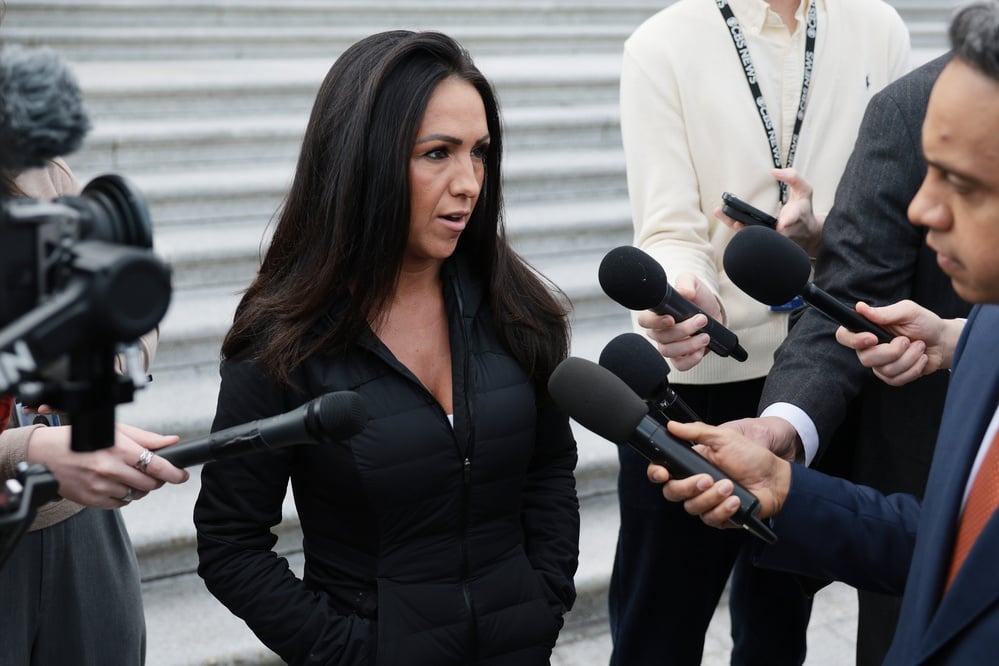
2026 © Helium Trades
Privacy Policy & Disclosure
* Disclaimer: Nothing on this website constitutes investment advice, performance data or any recommendation that any particular security, portfolio of securities, transaction or investment strategy is suitable for any specific person. Helium Trades is not responsible in any way for the accuracy
of any model predictions or price data. Any mention of a particular security and related prediction data is not a recommendation to buy or sell that security. Investments in securities involve the risk of loss. Past performance is no guarantee of future results. Helium Trades is not responsible for any of your investment decisions,
you should consult a financial expert before engaging in any transaction.
Helium Research Assistant

How can I help you today?
Ask any question about this page.


