See whether Helium helps you make better-informed decisions. Try every Pro Trader feature for 30 days. No credit card required.
Try every Pro Trader feature for 30 days. No credit card required.
September 16, 2026 · 0 shares
Frames the Senate vote chiefly as a setback for the cryptocurrency industry while otherwise sticking to neutral, attributed statements of the vote outcome and presidential support.
Automated analysis; not human reviewed.
Limitations: The supplied text is truncated after the lead sentence; only the headline and one sentence were available for analysis.
·
1 of 54 available dimensions scored; omitted dimensions are not treated as neutral.
·
Verified supporting quotes for 1 of 1 scored dimensions.
Claim: The text characterizes the bill's defeat as an industry setback, an evaluative choice in an otherwise factual report.
“in blow for industry” · exact text match
Why: The headline's only interpretive phrase is 'in blow for industry,' which adopts the cryptocurrency industry's perspective as the affected party; the rest of the text reports the vote and presidential support factually.
The supplied text is truncated after the lead sentence; only the headline and one sentence were available for analysis.
Framing treats Trump's agreement to ethics rules as a strategic concession that may still fail to get the crypto bill passed.
Automated analysis; not human reviewed.
Limitations: Limited to a two-sentence excerpt; no external verification or full article context is available.
·
2 of 54 available dimensions scored; omitted dimensions are not treated as neutral.
·
Verified supporting quotes for 2 of 2 scored dimensions.
Claim: The text includes an un-sourced evaluative judgment about the sufficiency of Trump's agreement.
“But that might not be enough.” · exact text match
Why: The clause expresses the publisher's own assessment of the bill's prospects rather than reporting a fact or attributed view.
Claim: The text forecasts that agreeing to the ethics rules may not be sufficient to pass the crypto bill.
“But that might not be enough.” · exact text match
Why: The sentence projects a possible legislative shortfall without presenting evidence or conditions, making it a speculative assessment.
Limited to a two-sentence excerpt; no external verification or full article context is available.
September 14, 2026 · 0 shares
Framing emphasizes a bipartisan compromise and relies on attributed sourcing, with the lead claim resting on three Republican sponsors and a revised text described by an unnamed staffer.
Automated analysis; not human reviewed.
Limitations: The supplied text contains truncation ellipses and non-substantive wrapper strings, so some sentences are incomplete and classification is based only on the available fragments.
·
3 of 54 available dimensions scored; omitted dimensions are not treated as neutral.
·
Verified supporting quotes for 0 of 3 scored dimensions.
Claim: The report presents the compromise as bipartisan and does not take sides between Republican sponsors and Democratic supporters.
“President Donald Trump has agreed to a significant portion of a stringent ethics proposal that is part of broader cryptocurrency legislation, according to three key Republican sponsors.” · not found in supplied text
“Ruben Gallego, D-Ariz., along with multiple Democratic senators, called for specific statutory language authorizing state attorneys general to enforce the legislation alongside the federal Justice Department.” · exact text match
Why: The lead is attributed to Republican sponsors while a separate paragraph reports Democratic advocacy, giving observable balance rather than endorsing either party.
Claim: The account is written in an attributed, news-reporting style rather than subjective commentary.
“President Donald Trump has agreed to a significant portion of a stringent ethics proposal that is part of broader cryptocurrency legislation, according to three key Republican sponsors.” · not found in supplied text
“Spokespersons for Gallego and Tillis did not immediately reply to inquiries on Sunday night.” · exact text match
Why: The central claim is attributed and the lack of comment is disclosed, both indicators of objective reporting.
Claim: Visible sourcing and disclosure practices support credibility.
“The staffer noted that a revised text expected later Sunday will include a mandate requiring officials to divest from, or place into a blind trust, any "significant" financial stake in entities that launch digital currencies.” · not found in supplied text
“Spokespersons for Gallego and Tillis did not immediately reply to inquiries on Sunday night.” · exact text match
Why: The article names multiple senators, attributes a staffer's expectation, and records that spokespeople did not respond, making its sourcing visible.
The supplied text contains truncation ellipses and non-substantive wrapper strings, so some sentences are incomplete and classification is based only on the available fragments.
Frames eleventh-hour ethics concessions as fragile and possibly insufficient while depicting the crypto industry as a moneyed force poised to escalate midterm campaign spending.
Automated analysis; not human reviewed.
Limitations: The supplied article text is truncated mid-sentence with an unfinished quote, so the analysis is confined to the available excerpt and may not capture the full editorial framing.
·
8 of 54 available dimensions scored; omitted dimensions are not treated as neutral.
·
Verified supporting quotes for 8 of 8 scored dimensions.
Claim: The framing underscores skepticism about Trump's ethics concessions and calls attention to industry campaign cash as a political threat.
“Trump agreed to new ethics rules to push the legislation through, but it might not be enough.” · exact text match
“a frustrated, deep-pocketed industry could unleash even more campaign cash in the midterm elections.” · exact text match
Why: The unsupported 'might not be enough' caveat and the emphasis on deep-pocketed political spending create a critical, rather than neutral, posture.
Claim: Factual reporting is mixed with conditional, evaluative language.
“but it might not be enough” · exact text match
“That vote could determine whether Washington cements crypto legitimacy into law or whether a frustrated, deep-pocketed industry could unleash even more campaign cash in the midterm elections.” · exact text match
Why: The forecast of consequences and the sufficiency judgment go beyond strictly objective description.
Claim: The report opens with a pessimistic assessment of the ethics rules' likely effect.
“but it might not be enough” · exact text match
Why: The caveat predicts the rules will likely fail to achieve their purpose, tilting the frame toward pessimism.
Claim: The story's premise, a president personally bound by ethics rules on meme-coin issuance, is intrinsically unusual.
“he would have to agree to ethics provisions that apply to him, too” · exact text match
“a measure that would bar him and his wife from issuing the types of meme coins that they swiftly launched” · exact text match
Why: The novelty of personal presidential ethics restrictions and presidential meme coins elevates the story's interest.
Claim: The article inserts an evaluative judgment about the sufficiency of the concessions.
“but it might not be enough” · exact text match
Why: No source is cited for that assessment, so it reflects the publisher's analytical opinion.
Claim: The report is built around legislative strategy, presidential concessions, and midterm election spending.
“Republicans said Trump consented to a tougher ethics proposal that several key senators had demanded.” · exact text match
“whether a frustrated, deep-pocketed industry could unleash even more campaign cash in the midterm elections.” · exact text match
Why: The dominant frame is the political fight over the bill's passage, with electoral implications, not the bill's substance.
Claim: The report attributes a key development to Republicans and provides specific timing.
“Republicans said Trump consented to a tougher ethics proposal that several key senators had demanded.” · exact text match
“late Sunday” · exact text match
Why: Attribution to a named group and a specific time reference indicate sourcing, although early claims are stated without hedging.
Claim: The concluding stakes statement projects possible future outcomes on the basis of conditional reasoning.
“That vote could determine whether Washington cements crypto legitimacy into law or whether a frustrated, deep-pocketed industry could unleash even more campaign cash in the midterm elections.” · exact text match
Why: The phrases 'could determine' and 'could unleash' are explicit conditional forecasts rather than observed outcomes.
The supplied article text is truncated mid-sentence with an unfinished quote, so the analysis is confined to the available excerpt and may not capture the full editorial framing.
September 15, 2026 · 0 shares
Framing treats the revised cryptocurrency bill as a fragile, politically motivated compromise: it foregrounds the Democratic ‘fig leaf’ taunt, casts the GOP changes as ‘appease[ment],’ and ends on possible filibuster failure.
In the U.S. Senate, ending a filibuster typically requires a supermajority (usually 60 votes) rather than a simple majority.
Automated analysis; not human reviewed.
Limitations: Only a two-sentence headline/lede was available; full-article sourcing, details, and caveats were absent, limiting the precision of bias classifications.
·
5 of 54 available dimensions scored; omitted dimensions are not treated as neutral.
·
Verified supporting quotes for 5 of 5 scored dimensions.
Claim: Uses loaded, interpretive language (‘slam,’ ‘appease’) and a quoted metaphor (‘fig leaf’) rather than neutral description.
“Democrats slam ‘fig leaf’ ethics changes” · verified after text normalization
“to appease Democrats’ concerns” · verified after text normalization
Why: ‘Slam’ is an evaluative verb and ‘appease’ attributes a cynical motive, making the framing partly subjective.
Claim: Dramatizes conflict with an aggressive verb, a vivid visual metaphor, and a suspenseful caveat.
“slam ‘fig leaf’ ethics changes” · verified after text normalization
“may not be enough to overcome a filibuster” · exact text match
Why: Headline verbs and imagery are selected for conflict and suspense, pushing the text toward sensational rather than plain reporting.
Claim: The frame is partisan conflict and floor-procedural strategy rather than substantive policy details.
“Democrats slam ‘fig leaf’ ethics changes to cryptocurrency bill ahead of test vote” · verified after text normalization
“overcome a filibuster” · exact text match
Why: The lead is built from party labels, an attack verb, and filibuster mechanics; no regulatory substance is described.
Claim: The emotional register is negative: hostility in ‘slam,’ disdain in the quoted ‘fig leaf,’ and failure risk in ‘may not be enough.’
“Democrats slam” · exact text match
“may not be enough to overcome a filibuster” · exact text match
Why: Conflict and possible-failure language produce a negative emotional tone rather than neutral or positive affect.
Claim: Makes a forward-looking claim about the bill’s ability to pass a filibuster test.
“it may not be enough to overcome a filibuster” · exact text match
Why: Presents an unsupported prediction about the vote outcome, albeit hedged with ‘may.’
Only a two-sentence headline/lede was available; full-article sourcing, details, and caveats were absent, limiting the precision of bias classifications.
September 14, 2026 · 0 shares
Attribution-forward opening that relays a lawmaker's warning about revised cryptocurrency-bill language that keeps a civil shield while dropping explicit criminal-case protection for developers, with the outlet's own judgment left unstated.
Automated analysis; not human reviewed.
Limitations: The supplied excerpt is truncated at the paywall mid-quote, so the full article's lede, balance, and any opposing quotations are unobservable; scores rest on the opening passage alone.
·
5 of 54 available dimensions scored; omitted dimensions are not treated as neutral.
·
Verified supporting quotes for 3 of 5 scored dimensions.
Claim: The visible excerpt exhibits no partisan leaning; it neutrally describes bill text and attributes the critical reaction to a named lawmaker.
“The new text creates a shield from civil litigation, but does not explicitly lay out protections in criminal cases.” · exact text match
“Emmer, cochair of the Congressional Crypto Caucus, said he was particularly wary of new language that changes how blockchain developers would be protected from prosecution.” · exact text match
Why: The publisher's own sentences stick to statutory description, while the only stance-taking language appears inside quotation marks or in attributed paraphrase, so neither liberal nor conservative framing is observable in the excerpt.
Claim: The reporting voice uses third-person attribution and neutral statutory language rather than expressing the reporter's stance.
“The new text creates a shield from civil litigation, but does not explicitly lay out protections in criminal cases.” · exact text match
“Emmer, cochair of the Congressional Crypto Caucus, said he was particularly wary of new language that changes how blockchain developers would be protected from prosecution.” · exact text match
Why: The passage presents a declarative description of the bill text and binds evaluative wording like 'wary' to the named lawmaker rather than adopting it as the outlet's own.
Claim: The publisher's sentences describe what the bill text does and what the lawmaker said, without instructing readers how to act or vote.
“The new text creates a shield from civil litigation, but does not explicitly lay out protections in criminal cases.” · exact text match
Why: No recommendation appears in the outlet's voice; the only preference-bearing words belong to the quoted legislator.
Claim: The excerpt discloses its source by naming the speaker, his role, and the setting, while presenting the direct quote as a direct quote.
“Representative Tom Emmer, cochair of the Congressional Crypto Caucus, said he was particularly wary of new language that changes how blockchain developers would be protected from prosecution.” · not found in supplied text
““I don’t like the fact that you are giving up that safe harbor on the criminal side,” Emmer said during an event hosted by […]” · not found in supplied text
Why: Who, what, and where are attributed in the visible portion even though the event host name is clipped, and the publisher does not present the lawmaker's evaluative wording as its own factual assertion.
Claim: The excerpt keeps factual assertions about the bill separate from the lawmaker's evaluative reaction, which is quoted and attributed.
“Emmer, cochair of the Congressional Crypto Caucus, said he was particularly wary of new language that changes how blockchain developers would be protected from prosecution.” · exact text match
““I don’t like the fact that you are giving up that safe harbor on the criminal side,” Emmer said during an event hosted by […]” · not found in supplied text
Why: The visible text uses attribution for the reaction, quotation marks for the exact words, and a bare descriptive sentence for the statutory language, which are standard signal-separation markers.
The supplied excerpt is truncated at the paywall mid-quote, so the full article's lede, balance, and any opposing quotations are unobservable; scores rest on the opening passage alone.
September 18, 2026 · 0 shares
The report frames Iranian cryptocurrency flows through U.S. enforcement actions, keeps the underlying allegations attributed, and adds a compliance-focused caveat about missing wallet addresses.
Automated analysis; not human reviewed.
Limitations: The supplied text's central allegations are sourced to U.S. government statements and could not be independently verified.
·
6 of 55 available dimensions scored; omitted dimensions are not treated as neutral.
·
Verified supporting quotes for 1 of 6 scored dimensions.
Claim: The report is predominantly objective, attributing central assertions to U.S. officials and legal sources rather than asserting them as the publisher's own.
“"The OFAC alleged BitBank moved hundreds of millions of dollars in bitcoin to the Islamic Revolutionary Guard Corps"” · not found in supplied text
“"Shipping lawyers have called the arrangement a violation of transit rights under the Law of the Sea, the OFAC said."” · not found in supplied text
Why: The report repeatedly uses 'alleged,' 'U.S. Treasury said,' and legal attribution, and it avoids editorializing about the underlying sanctions.
Claim: The article explains what the OFAC designation does rather than prescribing a course of action.
“"A designation means BitBank's property in U.S. jurisdiction is frozen and Americans are barred from dealing with it."” · not found in supplied text
Why: The language is explanatory and legal-descriptive, without recommendations or normative commands.
Claim: The article is substantially political because it centers on U.S. sanctions against Iranian state-linked entities.
“"the Islamic Revolutionary Guard Corps, the branch of Iran's armed forces that controls much of the country's economy and is designated as a terrorist organization by the U.S."” · not found in supplied text
Why: The subject matter is geopolitical financial statecraft, although the tone is nonpartisan.
Claim: The article is credible in its visible sourcing and attribution practices, with concrete institutional and legal detail.
“"Shipping lawyers have called the arrangement a violation of transit rights under the Law of the Sea, the OFAC said."” · not found in supplied text
“"U.S. Treasury said that since June, part of that money has moved through a cryptocurrency exchange in Tehran."” · not found in supplied text
Why: Named agencies, attributed claims, and precise legal-consequence language support the article's credibility within the scope of the supplied text.
Claim: The article shows internal honesty by noting a limitation of the enforcement action and by keeping the core allegation attributed.
“"Wednesday's action did not include a single wallet address, however."” · not found in supplied text
“"The OFAC alleged BitBank moved hundreds of millions of dollars in bitcoin to the Islamic Revolutionary Guard Corps"” · not found in supplied text
Why: It does not overstate the reach of the action and flags a practical gap that could matter to compliance teams.
Claim: The article adds analytical value by connecting the sanctions action to practical compliance screening.
“"Wednesday's action did not include a single wallet address, however.
OFAC has published bitcoin and tron addresses in past crypto designations, including seven tron wallets when it named Zedcex in January, and those strings are what compliance teams actually load into screening software."”
· exact text match
Why: It explains why the absence of wallet addresses matters, showing understanding of how sanctions are operationalized.
The supplied text's central allegations are sourced to U.S. government statements and could not be independently verified.
September 17, 2026 · 0 shares
Fact-led, attributable reporting relays US Treasury's sanctions announcement and accusations against Babak Zanjani's BitBank without evaluative commentary.
Automated analysis; not human reviewed.
Limitations: The supplied article text is truncated mid-sentence, so the analysis covers only the available excerpt.
·
6 of 55 available dimensions scored; omitted dimensions are not treated as neutral.
·
Verified supporting quotes for 1 of 6 scored dimensions.
Claim: Reporting shows no partisan or ideological lean, relaying official actions and accusations with attributed language.
“The United States announced sanctions on an Iranian cryptocurrency exchange controlled by sanctioned Iranian financier Babak Zanjani on Thursday, accusing it of processing payments for ships to transit safely through the Strait of Hormuz.” · exact text match
“according to the statement.” · not found in supplied text
Why: The text presents US actions and Iranian conduct through Treasury attributions rather than endorsing or opposing them, with no ideological judgment.
Claim: The report is objective, using source attribution and neutral descriptors rather than personal or evaluative commentary.
“Treasury said BitBank had routed hundreds of millions of dollars to the Islamic Revolutionary Guard Corps and described the exchange as a key component in Iran’s digital assets-based sanctions-evasion infrastructure.” · not found in supplied text
“according to the statement.” · not found in supplied text
Why: Substantive characterizations are explicitly attributed to Treasury, and the article avoids first-person or value-laden phrasing.
Claim: No sensational or dramatic framing; language is factual and bureaucratic.
“The designation is part of Treasury’s “Operation Economic Outcast” intended to isolate Iran economically and disrupt Iran’s global financial, commercial and logistical networks, according to the statement.” · not found in supplied text
Why: The article uses official program names and policy descriptions rather than emotive or alarmist wording.
Claim: The piece describes actions and allegations without prescribing what should be done.
“The United States announced sanctions on an Iranian cryptocurrency exchange controlled by sanctioned Iranian financier Babak Zanjani on Thursday, accusing it of processing payments for ships to transit safely through the Strait of Hormuz.” · exact text match
Why: Sentences report events and accusations rather than recommending policy or moral judgments.
Claim: The report is factful and neutral, not opinionated.
“according to the statement.” · not found in supplied text
Why: Claims carrying interpretation are consistently attributed to official sources, and no explicit opinion markers appear.
Claim: Visible sourcing and attribution support moderate-to-high credibility for the supplied text.
“Treasury said BitBank had routed hundreds of millions of dollars to the Islamic Revolutionary Guard Corps” · exact text match
“according to the statement.” · not found in supplied text
Why: The article identifies the Treasury as the source of key claims and includes a direct quotation, though it does not independently verify the designations.
The supplied article text is truncated mid-sentence, so the analysis covers only the available excerpt.
September 16, 2026 · 0 shares
Frames the Senate vote chiefly as a setback for the cryptocurrency industry while otherwise sticking to neutral, attributed statements of the vote outcome and presidential support.
Automated analysis; not human reviewed. Limitations: The supplied text is truncated after the lead sentence; only the headline and one sentence were available for analysis. · 1 of 54 available dimensions scored; omitted dimensions are not treated as neutral. · Verified supporting quotes for 1 of 1 scored dimensions.
Claim: The text characterizes the bill's defeat as an industry setback, an evaluative choice in an otherwise factual report.
“in blow for industry” · exact text match
Why: The headline's only interpretive phrase is 'in blow for industry,' which adopts the cryptocurrency industry's perspective as the affected party; the rest of the text reports the vote and presidential support factually.
The supplied text is truncated after the lead sentence; only the headline and one sentence were available for analysis.
September 14, 2026 · 0 shares
Framing emphasizes a bipartisan compromise and relies on attributed sourcing, with the lead claim resting on three Republican sponsors and a revised text described by an unnamed staffer.
Automated analysis; not human reviewed. Limitations: The supplied text contains truncation ellipses and non-substantive wrapper strings, so some sentences are incomplete and classification is based only on the available fragments. · 3 of 54 available dimensions scored; omitted dimensions are not treated as neutral. · Verified supporting quotes for 0 of 3 scored dimensions.
Claim: The report presents the compromise as bipartisan and does not take sides between Republican sponsors and Democratic supporters.
“President Donald Trump has agreed to a significant portion of a stringent ethics proposal that is part of broader cryptocurrency legislation, according to three key Republican sponsors.” · not found in supplied text
“Ruben Gallego, D-Ariz., along with multiple Democratic senators, called for specific statutory language authorizing state attorneys general to enforce the legislation alongside the federal Justice Department.” · exact text match
Why: The lead is attributed to Republican sponsors while a separate paragraph reports Democratic advocacy, giving observable balance rather than endorsing either party.
Claim: The account is written in an attributed, news-reporting style rather than subjective commentary.
“President Donald Trump has agreed to a significant portion of a stringent ethics proposal that is part of broader cryptocurrency legislation, according to three key Republican sponsors.” · not found in supplied text
“Spokespersons for Gallego and Tillis did not immediately reply to inquiries on Sunday night.” · exact text match
Why: The central claim is attributed and the lack of comment is disclosed, both indicators of objective reporting.
Claim: Visible sourcing and disclosure practices support credibility.
“The staffer noted that a revised text expected later Sunday will include a mandate requiring officials to divest from, or place into a blind trust, any "significant" financial stake in entities that launch digital currencies.” · not found in supplied text
“Spokespersons for Gallego and Tillis did not immediately reply to inquiries on Sunday night.” · exact text match
Why: The article names multiple senators, attributes a staffer's expectation, and records that spokespeople did not respond, making its sourcing visible.
The supplied text contains truncation ellipses and non-substantive wrapper strings, so some sentences are incomplete and classification is based only on the available fragments.
Frames eleventh-hour ethics concessions as fragile and possibly insufficient while depicting the crypto industry as a moneyed force poised to escalate midterm campaign spending.
Automated analysis; not human reviewed. Limitations: The supplied article text is truncated mid-sentence with an unfinished quote, so the analysis is confined to the available excerpt and may not capture the full editorial framing. · 8 of 54 available dimensions scored; omitted dimensions are not treated as neutral. · Verified supporting quotes for 8 of 8 scored dimensions.
Claim: The framing underscores skepticism about Trump's ethics concessions and calls attention to industry campaign cash as a political threat.
“Trump agreed to new ethics rules to push the legislation through, but it might not be enough.” · exact text match
“a frustrated, deep-pocketed industry could unleash even more campaign cash in the midterm elections.” · exact text match
Why: The unsupported 'might not be enough' caveat and the emphasis on deep-pocketed political spending create a critical, rather than neutral, posture.
Claim: Factual reporting is mixed with conditional, evaluative language.
“but it might not be enough” · exact text match
“That vote could determine whether Washington cements crypto legitimacy into law or whether a frustrated, deep-pocketed industry could unleash even more campaign cash in the midterm elections.” · exact text match
Why: The forecast of consequences and the sufficiency judgment go beyond strictly objective description.
Claim: The report opens with a pessimistic assessment of the ethics rules' likely effect.
“but it might not be enough” · exact text match
Why: The caveat predicts the rules will likely fail to achieve their purpose, tilting the frame toward pessimism.
Claim: The story's premise, a president personally bound by ethics rules on meme-coin issuance, is intrinsically unusual.
“he would have to agree to ethics provisions that apply to him, too” · exact text match
“a measure that would bar him and his wife from issuing the types of meme coins that they swiftly launched” · exact text match
Why: The novelty of personal presidential ethics restrictions and presidential meme coins elevates the story's interest.
Claim: The article inserts an evaluative judgment about the sufficiency of the concessions.
“but it might not be enough” · exact text match
Why: No source is cited for that assessment, so it reflects the publisher's analytical opinion.
Claim: The report is built around legislative strategy, presidential concessions, and midterm election spending.
“Republicans said Trump consented to a tougher ethics proposal that several key senators had demanded.” · exact text match
“whether a frustrated, deep-pocketed industry could unleash even more campaign cash in the midterm elections.” · exact text match
Why: The dominant frame is the political fight over the bill's passage, with electoral implications, not the bill's substance.
Claim: The report attributes a key development to Republicans and provides specific timing.
“Republicans said Trump consented to a tougher ethics proposal that several key senators had demanded.” · exact text match
“late Sunday” · exact text match
Why: Attribution to a named group and a specific time reference indicate sourcing, although early claims are stated without hedging.
Claim: The concluding stakes statement projects possible future outcomes on the basis of conditional reasoning.
“That vote could determine whether Washington cements crypto legitimacy into law or whether a frustrated, deep-pocketed industry could unleash even more campaign cash in the midterm elections.” · exact text match
Why: The phrases 'could determine' and 'could unleash' are explicit conditional forecasts rather than observed outcomes.
The supplied article text is truncated mid-sentence with an unfinished quote, so the analysis is confined to the available excerpt and may not capture the full editorial framing.
September 15, 2026 · 0 shares
Framing treats the revised cryptocurrency bill as a fragile, politically motivated compromise: it foregrounds the Democratic ‘fig leaf’ taunt, casts the GOP changes as ‘appease[ment],’ and ends on possible filibuster failure.
In the U.S. Senate, ending a filibuster typically requires a supermajority (usually 60 votes) rather than a simple majority.
Automated analysis; not human reviewed. Limitations: Only a two-sentence headline/lede was available; full-article sourcing, details, and caveats were absent, limiting the precision of bias classifications. · 5 of 54 available dimensions scored; omitted dimensions are not treated as neutral. · Verified supporting quotes for 5 of 5 scored dimensions.
Claim: Uses loaded, interpretive language (‘slam,’ ‘appease’) and a quoted metaphor (‘fig leaf’) rather than neutral description.
“Democrats slam ‘fig leaf’ ethics changes” · verified after text normalization
“to appease Democrats’ concerns” · verified after text normalization
Why: ‘Slam’ is an evaluative verb and ‘appease’ attributes a cynical motive, making the framing partly subjective.
Claim: Dramatizes conflict with an aggressive verb, a vivid visual metaphor, and a suspenseful caveat.
“slam ‘fig leaf’ ethics changes” · verified after text normalization
“may not be enough to overcome a filibuster” · exact text match
Why: Headline verbs and imagery are selected for conflict and suspense, pushing the text toward sensational rather than plain reporting.
Claim: The frame is partisan conflict and floor-procedural strategy rather than substantive policy details.
“Democrats slam ‘fig leaf’ ethics changes to cryptocurrency bill ahead of test vote” · verified after text normalization
“overcome a filibuster” · exact text match
Why: The lead is built from party labels, an attack verb, and filibuster mechanics; no regulatory substance is described.
Claim: The emotional register is negative: hostility in ‘slam,’ disdain in the quoted ‘fig leaf,’ and failure risk in ‘may not be enough.’
“Democrats slam” · exact text match
“may not be enough to overcome a filibuster” · exact text match
Why: Conflict and possible-failure language produce a negative emotional tone rather than neutral or positive affect.
Claim: Makes a forward-looking claim about the bill’s ability to pass a filibuster test.
“it may not be enough to overcome a filibuster” · exact text match
Why: Presents an unsupported prediction about the vote outcome, albeit hedged with ‘may.’
Only a two-sentence headline/lede was available; full-article sourcing, details, and caveats were absent, limiting the precision of bias classifications.
September 14, 2026 · 0 shares
Attribution-forward opening that relays a lawmaker's warning about revised cryptocurrency-bill language that keeps a civil shield while dropping explicit criminal-case protection for developers, with the outlet's own judgment left unstated.
Automated analysis; not human reviewed. Limitations: The supplied excerpt is truncated at the paywall mid-quote, so the full article's lede, balance, and any opposing quotations are unobservable; scores rest on the opening passage alone. · 5 of 54 available dimensions scored; omitted dimensions are not treated as neutral. · Verified supporting quotes for 3 of 5 scored dimensions.
Claim: The visible excerpt exhibits no partisan leaning; it neutrally describes bill text and attributes the critical reaction to a named lawmaker.
“The new text creates a shield from civil litigation, but does not explicitly lay out protections in criminal cases.” · exact text match
“Emmer, cochair of the Congressional Crypto Caucus, said he was particularly wary of new language that changes how blockchain developers would be protected from prosecution.” · exact text match
Why: The publisher's own sentences stick to statutory description, while the only stance-taking language appears inside quotation marks or in attributed paraphrase, so neither liberal nor conservative framing is observable in the excerpt.
Claim: The reporting voice uses third-person attribution and neutral statutory language rather than expressing the reporter's stance.
“The new text creates a shield from civil litigation, but does not explicitly lay out protections in criminal cases.” · exact text match
“Emmer, cochair of the Congressional Crypto Caucus, said he was particularly wary of new language that changes how blockchain developers would be protected from prosecution.” · exact text match
Why: The passage presents a declarative description of the bill text and binds evaluative wording like 'wary' to the named lawmaker rather than adopting it as the outlet's own.
Claim: The publisher's sentences describe what the bill text does and what the lawmaker said, without instructing readers how to act or vote.
“The new text creates a shield from civil litigation, but does not explicitly lay out protections in criminal cases.” · exact text match
Why: No recommendation appears in the outlet's voice; the only preference-bearing words belong to the quoted legislator.
Claim: The excerpt discloses its source by naming the speaker, his role, and the setting, while presenting the direct quote as a direct quote.
“Representative Tom Emmer, cochair of the Congressional Crypto Caucus, said he was particularly wary of new language that changes how blockchain developers would be protected from prosecution.” · not found in supplied text
““I don’t like the fact that you are giving up that safe harbor on the criminal side,” Emmer said during an event hosted by […]” · not found in supplied text
Why: Who, what, and where are attributed in the visible portion even though the event host name is clipped, and the publisher does not present the lawmaker's evaluative wording as its own factual assertion.
Claim: The excerpt keeps factual assertions about the bill separate from the lawmaker's evaluative reaction, which is quoted and attributed.
“Emmer, cochair of the Congressional Crypto Caucus, said he was particularly wary of new language that changes how blockchain developers would be protected from prosecution.” · exact text match
““I don’t like the fact that you are giving up that safe harbor on the criminal side,” Emmer said during an event hosted by […]” · not found in supplied text
Why: The visible text uses attribution for the reaction, quotation marks for the exact words, and a bare descriptive sentence for the statutory language, which are standard signal-separation markers.
The supplied excerpt is truncated at the paywall mid-quote, so the full article's lede, balance, and any opposing quotations are unobservable; scores rest on the opening passage alone.
Pro-industry / Republican leadership
Frames eleventh-hour ethics concessions as fragile and possibly insufficient while depicting the crypto industry as a moneyed force poised to escalate midterm campaign spending.
Automated analysis; not human reviewed. Limitations: The supplied article text is truncated mid-sentence with an unfinished quote, so the analysis is confined to the available excerpt and may not capture the full editorial framing. · 8 of 54 available dimensions scored; omitted dimensions are not treated as neutral. · Verified supporting quotes for 8 of 8 scored dimensions.
Claim: The framing underscores skepticism about Trump's ethics concessions and calls attention to industry campaign cash as a political threat.
“Trump agreed to new ethics rules to push the legislation through, but it might not be enough.” · exact text match
“a frustrated, deep-pocketed industry could unleash even more campaign cash in the midterm elections.” · exact text match
Why: The unsupported 'might not be enough' caveat and the emphasis on deep-pocketed political spending create a critical, rather than neutral, posture.
Claim: Factual reporting is mixed with conditional, evaluative language.
“but it might not be enough” · exact text match
“That vote could determine whether Washington cements crypto legitimacy into law or whether a frustrated, deep-pocketed industry could unleash even more campaign cash in the midterm elections.” · exact text match
Why: The forecast of consequences and the sufficiency judgment go beyond strictly objective description.
Claim: The report opens with a pessimistic assessment of the ethics rules' likely effect.
“but it might not be enough” · exact text match
Why: The caveat predicts the rules will likely fail to achieve their purpose, tilting the frame toward pessimism.
Claim: The story's premise, a president personally bound by ethics rules on meme-coin issuance, is intrinsically unusual.
“he would have to agree to ethics provisions that apply to him, too” · exact text match
“a measure that would bar him and his wife from issuing the types of meme coins that they swiftly launched” · exact text match
Why: The novelty of personal presidential ethics restrictions and presidential meme coins elevates the story's interest.
Claim: The article inserts an evaluative judgment about the sufficiency of the concessions.
“but it might not be enough” · exact text match
Why: No source is cited for that assessment, so it reflects the publisher's analytical opinion.
Claim: The report is built around legislative strategy, presidential concessions, and midterm election spending.
“Republicans said Trump consented to a tougher ethics proposal that several key senators had demanded.” · exact text match
“whether a frustrated, deep-pocketed industry could unleash even more campaign cash in the midterm elections.” · exact text match
Why: The dominant frame is the political fight over the bill's passage, with electoral implications, not the bill's substance.
Claim: The report attributes a key development to Republicans and provides specific timing.
“Republicans said Trump consented to a tougher ethics proposal that several key senators had demanded.” · exact text match
“late Sunday” · exact text match
Why: Attribution to a named group and a specific time reference indicate sourcing, although early claims are stated without hedging.
Claim: The concluding stakes statement projects possible future outcomes on the basis of conditional reasoning.
“That vote could determine whether Washington cements crypto legitimacy into law or whether a frustrated, deep-pocketed industry could unleash even more campaign cash in the midterm elections.” · exact text match
Why: The phrases 'could determine' and 'could unleash' are explicit conditional forecasts rather than observed outcomes.
The supplied article text is truncated mid-sentence with an unfinished quote, so the analysis is confined to the available excerpt and may not capture the full editorial framing.
September 14, 2026 · 0 shares
Framing emphasizes a bipartisan compromise and relies on attributed sourcing, with the lead claim resting on three Republican sponsors and a revised text described by an unnamed staffer.
Automated analysis; not human reviewed. Limitations: The supplied text contains truncation ellipses and non-substantive wrapper strings, so some sentences are incomplete and classification is based only on the available fragments. · 3 of 54 available dimensions scored; omitted dimensions are not treated as neutral. · Verified supporting quotes for 0 of 3 scored dimensions.
Claim: The report presents the compromise as bipartisan and does not take sides between Republican sponsors and Democratic supporters.
“President Donald Trump has agreed to a significant portion of a stringent ethics proposal that is part of broader cryptocurrency legislation, according to three key Republican sponsors.” · not found in supplied text
“Ruben Gallego, D-Ariz., along with multiple Democratic senators, called for specific statutory language authorizing state attorneys general to enforce the legislation alongside the federal Justice Department.” · exact text match
Why: The lead is attributed to Republican sponsors while a separate paragraph reports Democratic advocacy, giving observable balance rather than endorsing either party.
Claim: The account is written in an attributed, news-reporting style rather than subjective commentary.
“President Donald Trump has agreed to a significant portion of a stringent ethics proposal that is part of broader cryptocurrency legislation, according to three key Republican sponsors.” · not found in supplied text
“Spokespersons for Gallego and Tillis did not immediately reply to inquiries on Sunday night.” · exact text match
Why: The central claim is attributed and the lack of comment is disclosed, both indicators of objective reporting.
Claim: Visible sourcing and disclosure practices support credibility.
“The staffer noted that a revised text expected later Sunday will include a mandate requiring officials to divest from, or place into a blind trust, any "significant" financial stake in entities that launch digital currencies.” · not found in supplied text
“Spokespersons for Gallego and Tillis did not immediately reply to inquiries on Sunday night.” · exact text match
Why: The article names multiple senators, attributes a staffer's expectation, and records that spokespeople did not respond, making its sourcing visible.
The supplied text contains truncation ellipses and non-substantive wrapper strings, so some sentences are incomplete and classification is based only on the available fragments.
September 14, 2026 · 0 shares
Attribution-forward opening that relays a lawmaker's warning about revised cryptocurrency-bill language that keeps a civil shield while dropping explicit criminal-case protection for developers, with the outlet's own judgment left unstated.
Automated analysis; not human reviewed. Limitations: The supplied excerpt is truncated at the paywall mid-quote, so the full article's lede, balance, and any opposing quotations are unobservable; scores rest on the opening passage alone. · 5 of 54 available dimensions scored; omitted dimensions are not treated as neutral. · Verified supporting quotes for 3 of 5 scored dimensions.
Claim: The visible excerpt exhibits no partisan leaning; it neutrally describes bill text and attributes the critical reaction to a named lawmaker.
“The new text creates a shield from civil litigation, but does not explicitly lay out protections in criminal cases.” · exact text match
“Emmer, cochair of the Congressional Crypto Caucus, said he was particularly wary of new language that changes how blockchain developers would be protected from prosecution.” · exact text match
Why: The publisher's own sentences stick to statutory description, while the only stance-taking language appears inside quotation marks or in attributed paraphrase, so neither liberal nor conservative framing is observable in the excerpt.
Claim: The reporting voice uses third-person attribution and neutral statutory language rather than expressing the reporter's stance.
“The new text creates a shield from civil litigation, but does not explicitly lay out protections in criminal cases.” · exact text match
“Emmer, cochair of the Congressional Crypto Caucus, said he was particularly wary of new language that changes how blockchain developers would be protected from prosecution.” · exact text match
Why: The passage presents a declarative description of the bill text and binds evaluative wording like 'wary' to the named lawmaker rather than adopting it as the outlet's own.
Claim: The publisher's sentences describe what the bill text does and what the lawmaker said, without instructing readers how to act or vote.
“The new text creates a shield from civil litigation, but does not explicitly lay out protections in criminal cases.” · exact text match
Why: No recommendation appears in the outlet's voice; the only preference-bearing words belong to the quoted legislator.
Claim: The excerpt discloses its source by naming the speaker, his role, and the setting, while presenting the direct quote as a direct quote.
“Representative Tom Emmer, cochair of the Congressional Crypto Caucus, said he was particularly wary of new language that changes how blockchain developers would be protected from prosecution.” · not found in supplied text
““I don’t like the fact that you are giving up that safe harbor on the criminal side,” Emmer said during an event hosted by […]” · not found in supplied text
Why: Who, what, and where are attributed in the visible portion even though the event host name is clipped, and the publisher does not present the lawmaker's evaluative wording as its own factual assertion.
Claim: The excerpt keeps factual assertions about the bill separate from the lawmaker's evaluative reaction, which is quoted and attributed.
“Emmer, cochair of the Congressional Crypto Caucus, said he was particularly wary of new language that changes how blockchain developers would be protected from prosecution.” · exact text match
““I don’t like the fact that you are giving up that safe harbor on the criminal side,” Emmer said during an event hosted by […]” · not found in supplied text
Why: The visible text uses attribution for the reaction, quotation marks for the exact words, and a bare descriptive sentence for the statutory language, which are standard signal-separation markers.
The supplied excerpt is truncated at the paywall mid-quote, so the full article's lede, balance, and any opposing quotations are unobservable; scores rest on the opening passage alone.
Democratic skeptics
September 15, 2026 · 0 shares
Framing treats the revised cryptocurrency bill as a fragile, politically motivated compromise: it foregrounds the Democratic ‘fig leaf’ taunt, casts the GOP changes as ‘appease[ment],’ and ends on possible filibuster failure.
In the U.S. Senate, ending a filibuster typically requires a supermajority (usually 60 votes) rather than a simple majority.
Automated analysis; not human reviewed. Limitations: Only a two-sentence headline/lede was available; full-article sourcing, details, and caveats were absent, limiting the precision of bias classifications. · 5 of 54 available dimensions scored; omitted dimensions are not treated as neutral. · Verified supporting quotes for 5 of 5 scored dimensions.
Claim: Uses loaded, interpretive language (‘slam,’ ‘appease’) and a quoted metaphor (‘fig leaf’) rather than neutral description.
“Democrats slam ‘fig leaf’ ethics changes” · verified after text normalization
“to appease Democrats’ concerns” · verified after text normalization
Why: ‘Slam’ is an evaluative verb and ‘appease’ attributes a cynical motive, making the framing partly subjective.
Claim: Dramatizes conflict with an aggressive verb, a vivid visual metaphor, and a suspenseful caveat.
“slam ‘fig leaf’ ethics changes” · verified after text normalization
“may not be enough to overcome a filibuster” · exact text match
Why: Headline verbs and imagery are selected for conflict and suspense, pushing the text toward sensational rather than plain reporting.
Claim: The frame is partisan conflict and floor-procedural strategy rather than substantive policy details.
“Democrats slam ‘fig leaf’ ethics changes to cryptocurrency bill ahead of test vote” · verified after text normalization
“overcome a filibuster” · exact text match
Why: The lead is built from party labels, an attack verb, and filibuster mechanics; no regulatory substance is described.
Claim: The emotional register is negative: hostility in ‘slam,’ disdain in the quoted ‘fig leaf,’ and failure risk in ‘may not be enough.’
“Democrats slam” · exact text match
“may not be enough to overcome a filibuster” · exact text match
Why: Conflict and possible-failure language produce a negative emotional tone rather than neutral or positive affect.
Claim: Makes a forward-looking claim about the bill’s ability to pass a filibuster test.
“it may not be enough to overcome a filibuster” · exact text match
Why: Presents an unsupported prediction about the vote outcome, albeit hedged with ‘may.’
Only a two-sentence headline/lede was available; full-article sourcing, details, and caveats were absent, limiting the precision of bias classifications.
September 16, 2026 · 0 shares
Frames the Senate vote chiefly as a setback for the cryptocurrency industry while otherwise sticking to neutral, attributed statements of the vote outcome and presidential support.
Automated analysis; not human reviewed. Limitations: The supplied text is truncated after the lead sentence; only the headline and one sentence were available for analysis. · 1 of 54 available dimensions scored; omitted dimensions are not treated as neutral. · Verified supporting quotes for 1 of 1 scored dimensions.
Claim: The text characterizes the bill's defeat as an industry setback, an evaluative choice in an otherwise factual report.
“in blow for industry” · exact text match
Why: The headline's only interpretive phrase is 'in blow for industry,' which adopts the cryptocurrency industry's perspective as the affected party; the rest of the text reports the vote and presidential support factually.
The supplied text is truncated after the lead sentence; only the headline and one sentence were available for analysis.
House GOP guardrails view
September 14, 2026 · 0 shares
Attribution-forward opening that relays a lawmaker's warning about revised cryptocurrency-bill language that keeps a civil shield while dropping explicit criminal-case protection for developers, with the outlet's own judgment left unstated.
Automated analysis; not human reviewed. Limitations: The supplied excerpt is truncated at the paywall mid-quote, so the full article's lede, balance, and any opposing quotations are unobservable; scores rest on the opening passage alone. · 5 of 54 available dimensions scored; omitted dimensions are not treated as neutral. · Verified supporting quotes for 3 of 5 scored dimensions.
Claim: The visible excerpt exhibits no partisan leaning; it neutrally describes bill text and attributes the critical reaction to a named lawmaker.
“The new text creates a shield from civil litigation, but does not explicitly lay out protections in criminal cases.” · exact text match
“Emmer, cochair of the Congressional Crypto Caucus, said he was particularly wary of new language that changes how blockchain developers would be protected from prosecution.” · exact text match
Why: The publisher's own sentences stick to statutory description, while the only stance-taking language appears inside quotation marks or in attributed paraphrase, so neither liberal nor conservative framing is observable in the excerpt.
Claim: The reporting voice uses third-person attribution and neutral statutory language rather than expressing the reporter's stance.
“The new text creates a shield from civil litigation, but does not explicitly lay out protections in criminal cases.” · exact text match
“Emmer, cochair of the Congressional Crypto Caucus, said he was particularly wary of new language that changes how blockchain developers would be protected from prosecution.” · exact text match
Why: The passage presents a declarative description of the bill text and binds evaluative wording like 'wary' to the named lawmaker rather than adopting it as the outlet's own.
Claim: The publisher's sentences describe what the bill text does and what the lawmaker said, without instructing readers how to act or vote.
“The new text creates a shield from civil litigation, but does not explicitly lay out protections in criminal cases.” · exact text match
Why: No recommendation appears in the outlet's voice; the only preference-bearing words belong to the quoted legislator.
Claim: The excerpt discloses its source by naming the speaker, his role, and the setting, while presenting the direct quote as a direct quote.
“Representative Tom Emmer, cochair of the Congressional Crypto Caucus, said he was particularly wary of new language that changes how blockchain developers would be protected from prosecution.” · not found in supplied text
““I don’t like the fact that you are giving up that safe harbor on the criminal side,” Emmer said during an event hosted by […]” · not found in supplied text
Why: Who, what, and where are attributed in the visible portion even though the event host name is clipped, and the publisher does not present the lawmaker's evaluative wording as its own factual assertion.
Claim: The excerpt keeps factual assertions about the bill separate from the lawmaker's evaluative reaction, which is quoted and attributed.
“Emmer, cochair of the Congressional Crypto Caucus, said he was particularly wary of new language that changes how blockchain developers would be protected from prosecution.” · exact text match
““I don’t like the fact that you are giving up that safe harbor on the criminal side,” Emmer said during an event hosted by […]” · not found in supplied text
Why: The visible text uses attribution for the reaction, quotation marks for the exact words, and a bare descriptive sentence for the statutory language, which are standard signal-separation markers.
The supplied excerpt is truncated at the paywall mid-quote, so the full article's lede, balance, and any opposing quotations are unobservable; scores rest on the opening passage alone.
National-security hawks
September 18, 2026 · 0 shares
The report frames Iranian cryptocurrency flows through U.S. enforcement actions, keeps the underlying allegations attributed, and adds a compliance-focused caveat about missing wallet addresses.
Automated analysis; not human reviewed. Limitations: The supplied text's central allegations are sourced to U.S. government statements and could not be independently verified. · 6 of 55 available dimensions scored; omitted dimensions are not treated as neutral. · Verified supporting quotes for 1 of 6 scored dimensions.
Claim: The report is predominantly objective, attributing central assertions to U.S. officials and legal sources rather than asserting them as the publisher's own.
“"The OFAC alleged BitBank moved hundreds of millions of dollars in bitcoin to the Islamic Revolutionary Guard Corps"” · not found in supplied text
“"Shipping lawyers have called the arrangement a violation of transit rights under the Law of the Sea, the OFAC said."” · not found in supplied text
Why: The report repeatedly uses 'alleged,' 'U.S. Treasury said,' and legal attribution, and it avoids editorializing about the underlying sanctions.
Claim: The article explains what the OFAC designation does rather than prescribing a course of action.
“"A designation means BitBank's property in U.S. jurisdiction is frozen and Americans are barred from dealing with it."” · not found in supplied text
Why: The language is explanatory and legal-descriptive, without recommendations or normative commands.
Claim: The article is substantially political because it centers on U.S. sanctions against Iranian state-linked entities.
“"the Islamic Revolutionary Guard Corps, the branch of Iran's armed forces that controls much of the country's economy and is designated as a terrorist organization by the U.S."” · not found in supplied text
Why: The subject matter is geopolitical financial statecraft, although the tone is nonpartisan.
Claim: The article is credible in its visible sourcing and attribution practices, with concrete institutional and legal detail.
“"Shipping lawyers have called the arrangement a violation of transit rights under the Law of the Sea, the OFAC said."” · not found in supplied text
“"U.S. Treasury said that since June, part of that money has moved through a cryptocurrency exchange in Tehran."” · not found in supplied text
Why: Named agencies, attributed claims, and precise legal-consequence language support the article's credibility within the scope of the supplied text.
Claim: The article shows internal honesty by noting a limitation of the enforcement action and by keeping the core allegation attributed.
“"Wednesday's action did not include a single wallet address, however."” · not found in supplied text
“"The OFAC alleged BitBank moved hundreds of millions of dollars in bitcoin to the Islamic Revolutionary Guard Corps"” · not found in supplied text
Why: It does not overstate the reach of the action and flags a practical gap that could matter to compliance teams.
Claim: The article adds analytical value by connecting the sanctions action to practical compliance screening.
“"Wednesday's action did not include a single wallet address, however. OFAC has published bitcoin and tron addresses in past crypto designations, including seven tron wallets when it named Zedcex in January, and those strings are what compliance teams actually load into screening software."” · exact text match
Why: It explains why the absence of wallet addresses matters, showing understanding of how sanctions are operationalized.
The supplied text's central allegations are sourced to U.S. government statements and could not be independently verified.
September 17, 2026 · 0 shares
Fact-led, attributable reporting relays US Treasury's sanctions announcement and accusations against Babak Zanjani's BitBank without evaluative commentary.
Automated analysis; not human reviewed. Limitations: The supplied article text is truncated mid-sentence, so the analysis covers only the available excerpt. · 6 of 55 available dimensions scored; omitted dimensions are not treated as neutral. · Verified supporting quotes for 1 of 6 scored dimensions.
Claim: Reporting shows no partisan or ideological lean, relaying official actions and accusations with attributed language.
“The United States announced sanctions on an Iranian cryptocurrency exchange controlled by sanctioned Iranian financier Babak Zanjani on Thursday, accusing it of processing payments for ships to transit safely through the Strait of Hormuz.” · exact text match
“according to the statement.” · not found in supplied text
Why: The text presents US actions and Iranian conduct through Treasury attributions rather than endorsing or opposing them, with no ideological judgment.
Claim: The report is objective, using source attribution and neutral descriptors rather than personal or evaluative commentary.
“Treasury said BitBank had routed hundreds of millions of dollars to the Islamic Revolutionary Guard Corps and described the exchange as a key component in Iran’s digital assets-based sanctions-evasion infrastructure.” · not found in supplied text
“according to the statement.” · not found in supplied text
Why: Substantive characterizations are explicitly attributed to Treasury, and the article avoids first-person or value-laden phrasing.
Claim: No sensational or dramatic framing; language is factual and bureaucratic.
“The designation is part of Treasury’s “Operation Economic Outcast” intended to isolate Iran economically and disrupt Iran’s global financial, commercial and logistical networks, according to the statement.” · not found in supplied text
Why: The article uses official program names and policy descriptions rather than emotive or alarmist wording.
Claim: The piece describes actions and allegations without prescribing what should be done.
“The United States announced sanctions on an Iranian cryptocurrency exchange controlled by sanctioned Iranian financier Babak Zanjani on Thursday, accusing it of processing payments for ships to transit safely through the Strait of Hormuz.” · exact text match
Why: Sentences report events and accusations rather than recommending policy or moral judgments.
Claim: The report is factful and neutral, not opinionated.
“according to the statement.” · not found in supplied text
Why: Claims carrying interpretation are consistently attributed to official sources, and no explicit opinion markers appear.
Claim: Visible sourcing and attribution support moderate-to-high credibility for the supplied text.
“Treasury said BitBank had routed hundreds of millions of dollars to the Islamic Revolutionary Guard Corps” · exact text match
“according to the statement.” · not found in supplied text
Why: The article identifies the Treasury as the source of key claims and includes a direct quotation, though it does not independently verify the designations.
The supplied article text is truncated mid-sentence, so the analysis covers only the available excerpt.
Trump critics / Applebaum view
September 14, 2026 · 0 shares
Framing presents Trump's administration as a far-right, self-enriching movement that is replacing traditional democratic diplomacy with a revolutionary project.
Automated analysis; not human reviewed. Limitations: The supplied text is visibly truncated and contains ellipses plus apparent related headlines, so classification relies on the clearest framing passages and may miss context from omitted sections. · 13 of 54 available dimensions scored; omitted dimensions are not treated as neutral. · Verified supporting quotes for 10 of 13 scored dimensions.
Claim: The report characterizes the administration as a 'far right' project and uses negative language of self-enrichment.
“President Donald Trump and his high-ranking officials are engaged in a simultaneous project of spreading far right ideologies worldwide — and raking in billions while doing so.” · exact text match
“Unlike their predecessors, these people do not talk about spreading democracy, and don’t want to build long-term relationships.” · exact text match
Why: Applying 'far right ideologies' to the administration and contrasting it with spreading democracy positions the report on the left of the U.S. political spectrum.
Claim: The report treats professional diplomats and state channels as the proper norm and Trump's movement as an improper departure.
“American power is no longer deployed solely by trained diplomats and reliable officials, working through state channels.” · exact text match
Why: The phrasing frames the trained diplomatic establishment as the standard that has been lost.
Claim: An interpretive opinion is stated as a factual condition.
“President Donald Trump and his high-ranking officials are engaged in a simultaneous project of spreading far right ideologies worldwide — and raking in billions while doing so.” · exact text match
Why: The opening sentence presents Applebaum's analysis as established fact rather than as argued opinion.
Claim: The report uses dramatic, loaded language to amplify conflict.
“raking in billions while doing so.” · exact text match
“To maintain their power and defeat these enemies, the predators, like their Bolshevik counterparts, cannot rely on traditional diplomacy, because they don’t trust its practitioners.” · exact text match
Why: Words like 'raking' and 'predators' add sensational intensity.
Claim: The selected quotes emphasize a dark global transformation rather than any positive outcome.
“They believe they represent something much greater: the vanguard of a movement that will alter not just America, but the world.” · exact text match
“To do so, they need to expand their global influence, manipulate elections in former partner nations, and alter the flows of money and power, especially inside other democracies.” · exact text match
Why: The report foregrounds Applebaum's warning of manipulated elections and altered power flows.
Claim: The article's leading claims are evaluative opinions rather than neutral news.
“President Donald Trump and his high-ranking officials are engaged in a simultaneous project of spreading far right ideologies worldwide — and raking in billions while doing so.” · exact text match
“In an article by The Atlantic's Anne Applebaum on Monday, Americans learned the full extent of Trump's mixing of […]” · not found in supplied text
Why: The lead judges the administration and presents an opinion piece's conclusions as something Americans 'learned.'
Claim: The report centers on partisan and ideological conflict with labels like 'far right' and 'Bolshevik.'
“President Donald Trump and his high-ranking officials are engaged in a simultaneous project of spreading far right ideologies worldwide — and raking in billions while doing so.” · exact text match
“To maintain their power and defeat these enemies, the predators, like their Bolshevik counterparts, cannot rely on traditional diplomacy, because they don’t trust its practitioners.” · exact text match
Why: The choice of 'far right' and the Bolshevik comparison frames the story as a political confrontation.
Claim: A complex set of policies and actors is condensed into one coordinated project.
“President Donald Trump and his high-ranking officials are engaged in a simultaneous project of spreading far right ideologies worldwide — and raking in billions while doing so.” · exact text match
Why: Diverse actions by 'high-ranking officials' are reduced to a single simultaneous ideological-enrichment project.
Claim: The report relies on Applebaum's Atlantic article as the authoritative basis for its claims.
“In an article by The Atlantic's Anne Applebaum on Monday, Americans learned the full extent of Trump's mixing of […]” · not found in supplied text
Why: The authoritative institutional and authorial placement is used to establish what 'Americans learned.'
Claim: The report states contested interpretive claims with unqualified certainty.
“President Donald Trump and his high-ranking officials are engaged in a simultaneous project of spreading far right ideologies worldwide — and raking in billions while doing so.” · exact text match
“In an article by The Atlantic's Anne Applebaum on Monday, Americans learned the full extent of Trump's mixing of […]” · not found in supplied text
Why: Even though the underlying source is an opinion essay, the report uses 'are engaged' and 'learned the full extent' without hedging.
Claim: The report presents traditional democratic state leaders and shared political and economic values favorably.
“Nor do they trust many of the leaders of the democratic states that have long shared the same political and economic values as America.” · exact text match
Why: The quote is selected to show Trump allies as dangerously adversarial toward the established international order.
Claim: The language has a negative emotional charge.
“raking in billions while doing so.” · exact text match
“To maintain their power and defeat these enemies, the predators, like their Bolshevik counterparts, cannot rely on traditional diplomacy, because they don’t trust its practitioners.” · exact text match
Why: Loaded terms such as 'raking' and 'predators' convey moral outrage.
Claim: The report employs loaded framing and one-sided selection of alarming quotes.
“President Donald Trump and his high-ranking officials are engaged in a simultaneous project of spreading far right ideologies worldwide — and raking in billions while doing so.” · exact text match
Why: The conclusory lead frames the subject as an established threat without countervailing context.
The supplied text is visibly truncated and contains ellipses plus apparent related headlines, so classification relies on the clearest framing passages and may miss context from omitted sections.
Helium Bias
Story Blindspots
September 16, 2026 · 0 shares
Frames the Senate vote chiefly as a setback for the cryptocurrency industry while otherwise sticking to neutral, attributed statements of the vote outcome and presidential support.
Automated analysis; not human reviewed. Limitations: The supplied text is truncated after the lead sentence; only the headline and one sentence were available for analysis. · 1 of 54 available dimensions scored; omitted dimensions are not treated as neutral. · Verified supporting quotes for 1 of 1 scored dimensions.
Claim: The text characterizes the bill's defeat as an industry setback, an evaluative choice in an otherwise factual report.
“in blow for industry” · exact text match
Why: The headline's only interpretive phrase is 'in blow for industry,' which adopts the cryptocurrency industry's perspective as the affected party; the rest of the text reports the vote and presidential support factually.
The supplied text is truncated after the lead sentence; only the headline and one sentence were available for analysis.
September 14, 2026 · 0 shares
Framing presents Trump's administration as a far-right, self-enriching movement that is replacing traditional democratic diplomacy with a revolutionary project.
Automated analysis; not human reviewed. Limitations: The supplied text is visibly truncated and contains ellipses plus apparent related headlines, so classification relies on the clearest framing passages and may miss context from omitted sections. · 13 of 54 available dimensions scored; omitted dimensions are not treated as neutral. · Verified supporting quotes for 10 of 13 scored dimensions.
Claim: The report characterizes the administration as a 'far right' project and uses negative language of self-enrichment.
“President Donald Trump and his high-ranking officials are engaged in a simultaneous project of spreading far right ideologies worldwide — and raking in billions while doing so.” · exact text match
“Unlike their predecessors, these people do not talk about spreading democracy, and don’t want to build long-term relationships.” · exact text match
Why: Applying 'far right ideologies' to the administration and contrasting it with spreading democracy positions the report on the left of the U.S. political spectrum.
Claim: The report treats professional diplomats and state channels as the proper norm and Trump's movement as an improper departure.
“American power is no longer deployed solely by trained diplomats and reliable officials, working through state channels.” · exact text match
Why: The phrasing frames the trained diplomatic establishment as the standard that has been lost.
Claim: An interpretive opinion is stated as a factual condition.
“President Donald Trump and his high-ranking officials are engaged in a simultaneous project of spreading far right ideologies worldwide — and raking in billions while doing so.” · exact text match
Why: The opening sentence presents Applebaum's analysis as established fact rather than as argued opinion.
Claim: The report uses dramatic, loaded language to amplify conflict.
“raking in billions while doing so.” · exact text match
“To maintain their power and defeat these enemies, the predators, like their Bolshevik counterparts, cannot rely on traditional diplomacy, because they don’t trust its practitioners.” · exact text match
Why: Words like 'raking' and 'predators' add sensational intensity.
Claim: The selected quotes emphasize a dark global transformation rather than any positive outcome.
“They believe they represent something much greater: the vanguard of a movement that will alter not just America, but the world.” · exact text match
“To do so, they need to expand their global influence, manipulate elections in former partner nations, and alter the flows of money and power, especially inside other democracies.” · exact text match
Why: The report foregrounds Applebaum's warning of manipulated elections and altered power flows.
Claim: The article's leading claims are evaluative opinions rather than neutral news.
“President Donald Trump and his high-ranking officials are engaged in a simultaneous project of spreading far right ideologies worldwide — and raking in billions while doing so.” · exact text match
“In an article by The Atlantic's Anne Applebaum on Monday, Americans learned the full extent of Trump's mixing of […]” · not found in supplied text
Why: The lead judges the administration and presents an opinion piece's conclusions as something Americans 'learned.'
Claim: The report centers on partisan and ideological conflict with labels like 'far right' and 'Bolshevik.'
“President Donald Trump and his high-ranking officials are engaged in a simultaneous project of spreading far right ideologies worldwide — and raking in billions while doing so.” · exact text match
“To maintain their power and defeat these enemies, the predators, like their Bolshevik counterparts, cannot rely on traditional diplomacy, because they don’t trust its practitioners.” · exact text match
Why: The choice of 'far right' and the Bolshevik comparison frames the story as a political confrontation.
Claim: A complex set of policies and actors is condensed into one coordinated project.
“President Donald Trump and his high-ranking officials are engaged in a simultaneous project of spreading far right ideologies worldwide — and raking in billions while doing so.” · exact text match
Why: Diverse actions by 'high-ranking officials' are reduced to a single simultaneous ideological-enrichment project.
Claim: The report relies on Applebaum's Atlantic article as the authoritative basis for its claims.
“In an article by The Atlantic's Anne Applebaum on Monday, Americans learned the full extent of Trump's mixing of […]” · not found in supplied text
Why: The authoritative institutional and authorial placement is used to establish what 'Americans learned.'
Claim: The report states contested interpretive claims with unqualified certainty.
“President Donald Trump and his high-ranking officials are engaged in a simultaneous project of spreading far right ideologies worldwide — and raking in billions while doing so.” · exact text match
“In an article by The Atlantic's Anne Applebaum on Monday, Americans learned the full extent of Trump's mixing of […]” · not found in supplied text
Why: Even though the underlying source is an opinion essay, the report uses 'are engaged' and 'learned the full extent' without hedging.
Claim: The report presents traditional democratic state leaders and shared political and economic values favorably.
“Nor do they trust many of the leaders of the democratic states that have long shared the same political and economic values as America.” · exact text match
Why: The quote is selected to show Trump allies as dangerously adversarial toward the established international order.
Claim: The language has a negative emotional charge.
“raking in billions while doing so.” · exact text match
“To maintain their power and defeat these enemies, the predators, like their Bolshevik counterparts, cannot rely on traditional diplomacy, because they don’t trust its practitioners.” · exact text match
Why: Loaded terms such as 'raking' and 'predators' convey moral outrage.
Claim: The report employs loaded framing and one-sided selection of alarming quotes.
“President Donald Trump and his high-ranking officials are engaged in a simultaneous project of spreading far right ideologies worldwide — and raking in billions while doing so.” · exact text match
Why: The conclusory lead frames the subject as an established threat without countervailing context.
The supplied text is visibly truncated and contains ellipses plus apparent related headlines, so classification relies on the clearest framing passages and may miss context from omitted sections.
September 16, 2026 · 0 shares
Frames the Senate vote chiefly as a setback for the cryptocurrency industry while otherwise sticking to neutral, attributed statements of the vote outcome and presidential support.
Automated analysis; not human reviewed. Limitations: The supplied text is truncated after the lead sentence; only the headline and one sentence were available for analysis. · 1 of 54 available dimensions scored; omitted dimensions are not treated as neutral. · Verified supporting quotes for 1 of 1 scored dimensions.
Claim: The text characterizes the bill's defeat as an industry setback, an evaluative choice in an otherwise factual report.
“in blow for industry” · exact text match
Why: The headline's only interpretive phrase is 'in blow for industry,' which adopts the cryptocurrency industry's perspective as the affected party; the rest of the text reports the vote and presidential support factually.
The supplied text is truncated after the lead sentence; only the headline and one sentence were available for analysis.
September 15, 2026 · 0 shares
Framing treats the revised cryptocurrency bill as a fragile, politically motivated compromise: it foregrounds the Democratic ‘fig leaf’ taunt, casts the GOP changes as ‘appease[ment],’ and ends on possible filibuster failure.
In the U.S. Senate, ending a filibuster typically requires a supermajority (usually 60 votes) rather than a simple majority.
Automated analysis; not human reviewed. Limitations: Only a two-sentence headline/lede was available; full-article sourcing, details, and caveats were absent, limiting the precision of bias classifications. · 5 of 54 available dimensions scored; omitted dimensions are not treated as neutral. · Verified supporting quotes for 5 of 5 scored dimensions.
Claim: Uses loaded, interpretive language (‘slam,’ ‘appease’) and a quoted metaphor (‘fig leaf’) rather than neutral description.
“Democrats slam ‘fig leaf’ ethics changes” · verified after text normalization
“to appease Democrats’ concerns” · verified after text normalization
Why: ‘Slam’ is an evaluative verb and ‘appease’ attributes a cynical motive, making the framing partly subjective.
Claim: Dramatizes conflict with an aggressive verb, a vivid visual metaphor, and a suspenseful caveat.
“slam ‘fig leaf’ ethics changes” · verified after text normalization
“may not be enough to overcome a filibuster” · exact text match
Why: Headline verbs and imagery are selected for conflict and suspense, pushing the text toward sensational rather than plain reporting.
Claim: The frame is partisan conflict and floor-procedural strategy rather than substantive policy details.
“Democrats slam ‘fig leaf’ ethics changes to cryptocurrency bill ahead of test vote” · verified after text normalization
“overcome a filibuster” · exact text match
Why: The lead is built from party labels, an attack verb, and filibuster mechanics; no regulatory substance is described.
Claim: The emotional register is negative: hostility in ‘slam,’ disdain in the quoted ‘fig leaf,’ and failure risk in ‘may not be enough.’
“Democrats slam” · exact text match
“may not be enough to overcome a filibuster” · exact text match
Why: Conflict and possible-failure language produce a negative emotional tone rather than neutral or positive affect.
Claim: Makes a forward-looking claim about the bill’s ability to pass a filibuster test.
“it may not be enough to overcome a filibuster” · exact text match
Why: Presents an unsupported prediction about the vote outcome, albeit hedged with ‘may.’
Only a two-sentence headline/lede was available; full-article sourcing, details, and caveats were absent, limiting the precision of bias classifications.
September 14, 2026 · 0 shares
Framing emphasizes a bipartisan compromise and relies on attributed sourcing, with the lead claim resting on three Republican sponsors and a revised text described by an unnamed staffer.
Automated analysis; not human reviewed. Limitations: The supplied text contains truncation ellipses and non-substantive wrapper strings, so some sentences are incomplete and classification is based only on the available fragments. · 3 of 54 available dimensions scored; omitted dimensions are not treated as neutral. · Verified supporting quotes for 0 of 3 scored dimensions.
Claim: The report presents the compromise as bipartisan and does not take sides between Republican sponsors and Democratic supporters.
“President Donald Trump has agreed to a significant portion of a stringent ethics proposal that is part of broader cryptocurrency legislation, according to three key Republican sponsors.” · not found in supplied text
“Ruben Gallego, D-Ariz., along with multiple Democratic senators, called for specific statutory language authorizing state attorneys general to enforce the legislation alongside the federal Justice Department.” · exact text match
Why: The lead is attributed to Republican sponsors while a separate paragraph reports Democratic advocacy, giving observable balance rather than endorsing either party.
Claim: The account is written in an attributed, news-reporting style rather than subjective commentary.
“President Donald Trump has agreed to a significant portion of a stringent ethics proposal that is part of broader cryptocurrency legislation, according to three key Republican sponsors.” · not found in supplied text
“Spokespersons for Gallego and Tillis did not immediately reply to inquiries on Sunday night.” · exact text match
Why: The central claim is attributed and the lack of comment is disclosed, both indicators of objective reporting.
Claim: Visible sourcing and disclosure practices support credibility.
“The staffer noted that a revised text expected later Sunday will include a mandate requiring officials to divest from, or place into a blind trust, any "significant" financial stake in entities that launch digital currencies.” · not found in supplied text
“Spokespersons for Gallego and Tillis did not immediately reply to inquiries on Sunday night.” · exact text match
Why: The article names multiple senators, attributes a staffer's expectation, and records that spokespeople did not respond, making its sourcing visible.
The supplied text contains truncation ellipses and non-substantive wrapper strings, so some sentences are incomplete and classification is based only on the available fragments.
Frames eleventh-hour ethics concessions as fragile and possibly insufficient while depicting the crypto industry as a moneyed force poised to escalate midterm campaign spending.
Automated analysis; not human reviewed. Limitations: The supplied article text is truncated mid-sentence with an unfinished quote, so the analysis is confined to the available excerpt and may not capture the full editorial framing. · 8 of 54 available dimensions scored; omitted dimensions are not treated as neutral. · Verified supporting quotes for 8 of 8 scored dimensions.
Claim: The framing underscores skepticism about Trump's ethics concessions and calls attention to industry campaign cash as a political threat.
“Trump agreed to new ethics rules to push the legislation through, but it might not be enough.” · exact text match
“a frustrated, deep-pocketed industry could unleash even more campaign cash in the midterm elections.” · exact text match
Why: The unsupported 'might not be enough' caveat and the emphasis on deep-pocketed political spending create a critical, rather than neutral, posture.
Claim: Factual reporting is mixed with conditional, evaluative language.
“but it might not be enough” · exact text match
“That vote could determine whether Washington cements crypto legitimacy into law or whether a frustrated, deep-pocketed industry could unleash even more campaign cash in the midterm elections.” · exact text match
Why: The forecast of consequences and the sufficiency judgment go beyond strictly objective description.
Claim: The report opens with a pessimistic assessment of the ethics rules' likely effect.
“but it might not be enough” · exact text match
Why: The caveat predicts the rules will likely fail to achieve their purpose, tilting the frame toward pessimism.
Claim: The story's premise, a president personally bound by ethics rules on meme-coin issuance, is intrinsically unusual.
“he would have to agree to ethics provisions that apply to him, too” · exact text match
“a measure that would bar him and his wife from issuing the types of meme coins that they swiftly launched” · exact text match
Why: The novelty of personal presidential ethics restrictions and presidential meme coins elevates the story's interest.
Claim: The article inserts an evaluative judgment about the sufficiency of the concessions.
“but it might not be enough” · exact text match
Why: No source is cited for that assessment, so it reflects the publisher's analytical opinion.
Claim: The report is built around legislative strategy, presidential concessions, and midterm election spending.
“Republicans said Trump consented to a tougher ethics proposal that several key senators had demanded.” · exact text match
“whether a frustrated, deep-pocketed industry could unleash even more campaign cash in the midterm elections.” · exact text match
Why: The dominant frame is the political fight over the bill's passage, with electoral implications, not the bill's substance.
Claim: The report attributes a key development to Republicans and provides specific timing.
“Republicans said Trump consented to a tougher ethics proposal that several key senators had demanded.” · exact text match
“late Sunday” · exact text match
Why: Attribution to a named group and a specific time reference indicate sourcing, although early claims are stated without hedging.
Claim: The concluding stakes statement projects possible future outcomes on the basis of conditional reasoning.
“That vote could determine whether Washington cements crypto legitimacy into law or whether a frustrated, deep-pocketed industry could unleash even more campaign cash in the midterm elections.” · exact text match
Why: The phrases 'could determine' and 'could unleash' are explicit conditional forecasts rather than observed outcomes.
The supplied article text is truncated mid-sentence with an unfinished quote, so the analysis is confined to the available excerpt and may not capture the full editorial framing.
Framing treats Trump's agreement to ethics rules as a strategic concession that may still fail to get the crypto bill passed.
Automated analysis; not human reviewed. Limitations: Limited to a two-sentence excerpt; no external verification or full article context is available. · 2 of 54 available dimensions scored; omitted dimensions are not treated as neutral. · Verified supporting quotes for 2 of 2 scored dimensions.
Claim: The text includes an un-sourced evaluative judgment about the sufficiency of Trump's agreement.
“But that might not be enough.” · exact text match
Why: The clause expresses the publisher's own assessment of the bill's prospects rather than reporting a fact or attributed view.
Claim: The text forecasts that agreeing to the ethics rules may not be sufficient to pass the crypto bill.
“But that might not be enough.” · exact text match
Why: The sentence projects a possible legislative shortfall without presenting evidence or conditions, making it a speculative assessment.
Limited to a two-sentence excerpt; no external verification or full article context is available.
September 14, 2026 · 0 shares
Attribution-forward opening that relays a lawmaker's warning about revised cryptocurrency-bill language that keeps a civil shield while dropping explicit criminal-case protection for developers, with the outlet's own judgment left unstated.
Automated analysis; not human reviewed. Limitations: The supplied excerpt is truncated at the paywall mid-quote, so the full article's lede, balance, and any opposing quotations are unobservable; scores rest on the opening passage alone. · 5 of 54 available dimensions scored; omitted dimensions are not treated as neutral. · Verified supporting quotes for 3 of 5 scored dimensions.
Claim: The visible excerpt exhibits no partisan leaning; it neutrally describes bill text and attributes the critical reaction to a named lawmaker.
“The new text creates a shield from civil litigation, but does not explicitly lay out protections in criminal cases.” · exact text match
“Emmer, cochair of the Congressional Crypto Caucus, said he was particularly wary of new language that changes how blockchain developers would be protected from prosecution.” · exact text match
Why: The publisher's own sentences stick to statutory description, while the only stance-taking language appears inside quotation marks or in attributed paraphrase, so neither liberal nor conservative framing is observable in the excerpt.
Claim: The reporting voice uses third-person attribution and neutral statutory language rather than expressing the reporter's stance.
“The new text creates a shield from civil litigation, but does not explicitly lay out protections in criminal cases.” · exact text match
“Emmer, cochair of the Congressional Crypto Caucus, said he was particularly wary of new language that changes how blockchain developers would be protected from prosecution.” · exact text match
Why: The passage presents a declarative description of the bill text and binds evaluative wording like 'wary' to the named lawmaker rather than adopting it as the outlet's own.
Claim: The publisher's sentences describe what the bill text does and what the lawmaker said, without instructing readers how to act or vote.
“The new text creates a shield from civil litigation, but does not explicitly lay out protections in criminal cases.” · exact text match
Why: No recommendation appears in the outlet's voice; the only preference-bearing words belong to the quoted legislator.
Claim: The excerpt discloses its source by naming the speaker, his role, and the setting, while presenting the direct quote as a direct quote.
“Representative Tom Emmer, cochair of the Congressional Crypto Caucus, said he was particularly wary of new language that changes how blockchain developers would be protected from prosecution.” · not found in supplied text
““I don’t like the fact that you are giving up that safe harbor on the criminal side,” Emmer said during an event hosted by […]” · not found in supplied text
Why: Who, what, and where are attributed in the visible portion even though the event host name is clipped, and the publisher does not present the lawmaker's evaluative wording as its own factual assertion.
Claim: The excerpt keeps factual assertions about the bill separate from the lawmaker's evaluative reaction, which is quoted and attributed.
“Emmer, cochair of the Congressional Crypto Caucus, said he was particularly wary of new language that changes how blockchain developers would be protected from prosecution.” · exact text match
““I don’t like the fact that you are giving up that safe harbor on the criminal side,” Emmer said during an event hosted by […]” · not found in supplied text
Why: The visible text uses attribution for the reaction, quotation marks for the exact words, and a bare descriptive sentence for the statutory language, which are standard signal-separation markers.
The supplied excerpt is truncated at the paywall mid-quote, so the full article's lede, balance, and any opposing quotations are unobservable; scores rest on the opening passage alone.
September 16, 2026 · 0 shares
Frames the Senate vote chiefly as a setback for the cryptocurrency industry while otherwise sticking to neutral, attributed statements of the vote outcome and presidential support.
Automated analysis; not human reviewed.
Limitations: The supplied text is truncated after the lead sentence; only the headline and one sentence were available for analysis.
·
1 of 54 available dimensions scored; omitted dimensions are not treated as neutral.
·
Verified supporting quotes for 1 of 1 scored dimensions.
Claim: The text characterizes the bill's defeat as an industry setback, an evaluative choice in an otherwise factual report.
“in blow for industry” · exact text match
Why: The headline's only interpretive phrase is 'in blow for industry,' which adopts the cryptocurrency industry's perspective as the affected party; the rest of the text reports the vote and presidential support factually.
The supplied text is truncated after the lead sentence; only the headline and one sentence were available for analysis.
Frames eleventh-hour ethics concessions as fragile and possibly insufficient while depicting the crypto industry as a moneyed force poised to escalate midterm campaign spending.
Automated analysis; not human reviewed.
Limitations: The supplied article text is truncated mid-sentence with an unfinished quote, so the analysis is confined to the available excerpt and may not capture the full editorial framing.
·
8 of 54 available dimensions scored; omitted dimensions are not treated as neutral.
·
Verified supporting quotes for 8 of 8 scored dimensions.
Claim: The framing underscores skepticism about Trump's ethics concessions and calls attention to industry campaign cash as a political threat.
“Trump agreed to new ethics rules to push the legislation through, but it might not be enough.” · exact text match
“a frustrated, deep-pocketed industry could unleash even more campaign cash in the midterm elections.” · exact text match
Why: The unsupported 'might not be enough' caveat and the emphasis on deep-pocketed political spending create a critical, rather than neutral, posture.
Claim: Factual reporting is mixed with conditional, evaluative language.
“but it might not be enough” · exact text match
“That vote could determine whether Washington cements crypto legitimacy into law or whether a frustrated, deep-pocketed industry could unleash even more campaign cash in the midterm elections.” · exact text match
Why: The forecast of consequences and the sufficiency judgment go beyond strictly objective description.
Claim: The report opens with a pessimistic assessment of the ethics rules' likely effect.
“but it might not be enough” · exact text match
Why: The caveat predicts the rules will likely fail to achieve their purpose, tilting the frame toward pessimism.
Claim: The story's premise, a president personally bound by ethics rules on meme-coin issuance, is intrinsically unusual.
“he would have to agree to ethics provisions that apply to him, too” · exact text match
“a measure that would bar him and his wife from issuing the types of meme coins that they swiftly launched” · exact text match
Why: The novelty of personal presidential ethics restrictions and presidential meme coins elevates the story's interest.
Claim: The article inserts an evaluative judgment about the sufficiency of the concessions.
“but it might not be enough” · exact text match
Why: No source is cited for that assessment, so it reflects the publisher's analytical opinion.
Claim: The report is built around legislative strategy, presidential concessions, and midterm election spending.
“Republicans said Trump consented to a tougher ethics proposal that several key senators had demanded.” · exact text match
“whether a frustrated, deep-pocketed industry could unleash even more campaign cash in the midterm elections.” · exact text match
Why: The dominant frame is the political fight over the bill's passage, with electoral implications, not the bill's substance.
Claim: The report attributes a key development to Republicans and provides specific timing.
“Republicans said Trump consented to a tougher ethics proposal that several key senators had demanded.” · exact text match
“late Sunday” · exact text match
Why: Attribution to a named group and a specific time reference indicate sourcing, although early claims are stated without hedging.
Claim: The concluding stakes statement projects possible future outcomes on the basis of conditional reasoning.
“That vote could determine whether Washington cements crypto legitimacy into law or whether a frustrated, deep-pocketed industry could unleash even more campaign cash in the midterm elections.” · exact text match
Why: The phrases 'could determine' and 'could unleash' are explicit conditional forecasts rather than observed outcomes.
The supplied article text is truncated mid-sentence with an unfinished quote, so the analysis is confined to the available excerpt and may not capture the full editorial framing.
September 14, 2026 · 0 shares
Framing emphasizes a bipartisan compromise and relies on attributed sourcing, with the lead claim resting on three Republican sponsors and a revised text described by an unnamed staffer.
Automated analysis; not human reviewed.
Limitations: The supplied text contains truncation ellipses and non-substantive wrapper strings, so some sentences are incomplete and classification is based only on the available fragments.
·
3 of 54 available dimensions scored; omitted dimensions are not treated as neutral.
·
Verified supporting quotes for 0 of 3 scored dimensions.
Claim: The report presents the compromise as bipartisan and does not take sides between Republican sponsors and Democratic supporters.
“President Donald Trump has agreed to a significant portion of a stringent ethics proposal that is part of broader cryptocurrency legislation, according to three key Republican sponsors.” · not found in supplied text
“Ruben Gallego, D-Ariz., along with multiple Democratic senators, called for specific statutory language authorizing state attorneys general to enforce the legislation alongside the federal Justice Department.” · exact text match
Why: The lead is attributed to Republican sponsors while a separate paragraph reports Democratic advocacy, giving observable balance rather than endorsing either party.
Claim: The account is written in an attributed, news-reporting style rather than subjective commentary.
“President Donald Trump has agreed to a significant portion of a stringent ethics proposal that is part of broader cryptocurrency legislation, according to three key Republican sponsors.” · not found in supplied text
“Spokespersons for Gallego and Tillis did not immediately reply to inquiries on Sunday night.” · exact text match
Why: The central claim is attributed and the lack of comment is disclosed, both indicators of objective reporting.
Claim: Visible sourcing and disclosure practices support credibility.
“The staffer noted that a revised text expected later Sunday will include a mandate requiring officials to divest from, or place into a blind trust, any "significant" financial stake in entities that launch digital currencies.” · not found in supplied text
“Spokespersons for Gallego and Tillis did not immediately reply to inquiries on Sunday night.” · exact text match
Why: The article names multiple senators, attributes a staffer's expectation, and records that spokespeople did not respond, making its sourcing visible.
The supplied text contains truncation ellipses and non-substantive wrapper strings, so some sentences are incomplete and classification is based only on the available fragments.
September 15, 2026 · 0 shares
Framing treats the revised cryptocurrency bill as a fragile, politically motivated compromise: it foregrounds the Democratic ‘fig leaf’ taunt, casts the GOP changes as ‘appease[ment],’ and ends on possible filibuster failure.
In the U.S. Senate, ending a filibuster typically requires a supermajority (usually 60 votes) rather than a simple majority.
Automated analysis; not human reviewed.
Limitations: Only a two-sentence headline/lede was available; full-article sourcing, details, and caveats were absent, limiting the precision of bias classifications.
·
5 of 54 available dimensions scored; omitted dimensions are not treated as neutral.
·
Verified supporting quotes for 5 of 5 scored dimensions.
Claim: Uses loaded, interpretive language (‘slam,’ ‘appease’) and a quoted metaphor (‘fig leaf’) rather than neutral description.
“Democrats slam ‘fig leaf’ ethics changes” · verified after text normalization
“to appease Democrats’ concerns” · verified after text normalization
Why: ‘Slam’ is an evaluative verb and ‘appease’ attributes a cynical motive, making the framing partly subjective.
Claim: Dramatizes conflict with an aggressive verb, a vivid visual metaphor, and a suspenseful caveat.
“slam ‘fig leaf’ ethics changes” · verified after text normalization
“may not be enough to overcome a filibuster” · exact text match
Why: Headline verbs and imagery are selected for conflict and suspense, pushing the text toward sensational rather than plain reporting.
Claim: The frame is partisan conflict and floor-procedural strategy rather than substantive policy details.
“Democrats slam ‘fig leaf’ ethics changes to cryptocurrency bill ahead of test vote” · verified after text normalization
“overcome a filibuster” · exact text match
Why: The lead is built from party labels, an attack verb, and filibuster mechanics; no regulatory substance is described.
Claim: The emotional register is negative: hostility in ‘slam,’ disdain in the quoted ‘fig leaf,’ and failure risk in ‘may not be enough.’
“Democrats slam” · exact text match
“may not be enough to overcome a filibuster” · exact text match
Why: Conflict and possible-failure language produce a negative emotional tone rather than neutral or positive affect.
Claim: Makes a forward-looking claim about the bill’s ability to pass a filibuster test.
“it may not be enough to overcome a filibuster” · exact text match
Why: Presents an unsupported prediction about the vote outcome, albeit hedged with ‘may.’
Only a two-sentence headline/lede was available; full-article sourcing, details, and caveats were absent, limiting the precision of bias classifications.
September 14, 2026 · 0 shares
Attribution-forward opening that relays a lawmaker's warning about revised cryptocurrency-bill language that keeps a civil shield while dropping explicit criminal-case protection for developers, with the outlet's own judgment left unstated.
Automated analysis; not human reviewed.
Limitations: The supplied excerpt is truncated at the paywall mid-quote, so the full article's lede, balance, and any opposing quotations are unobservable; scores rest on the opening passage alone.
·
5 of 54 available dimensions scored; omitted dimensions are not treated as neutral.
·
Verified supporting quotes for 3 of 5 scored dimensions.
Claim: The visible excerpt exhibits no partisan leaning; it neutrally describes bill text and attributes the critical reaction to a named lawmaker.
“The new text creates a shield from civil litigation, but does not explicitly lay out protections in criminal cases.” · exact text match
“Emmer, cochair of the Congressional Crypto Caucus, said he was particularly wary of new language that changes how blockchain developers would be protected from prosecution.” · exact text match
Why: The publisher's own sentences stick to statutory description, while the only stance-taking language appears inside quotation marks or in attributed paraphrase, so neither liberal nor conservative framing is observable in the excerpt.
Claim: The reporting voice uses third-person attribution and neutral statutory language rather than expressing the reporter's stance.
“The new text creates a shield from civil litigation, but does not explicitly lay out protections in criminal cases.” · exact text match
“Emmer, cochair of the Congressional Crypto Caucus, said he was particularly wary of new language that changes how blockchain developers would be protected from prosecution.” · exact text match
Why: The passage presents a declarative description of the bill text and binds evaluative wording like 'wary' to the named lawmaker rather than adopting it as the outlet's own.
Claim: The publisher's sentences describe what the bill text does and what the lawmaker said, without instructing readers how to act or vote.
“The new text creates a shield from civil litigation, but does not explicitly lay out protections in criminal cases.” · exact text match
Why: No recommendation appears in the outlet's voice; the only preference-bearing words belong to the quoted legislator.
Claim: The excerpt discloses its source by naming the speaker, his role, and the setting, while presenting the direct quote as a direct quote.
“Representative Tom Emmer, cochair of the Congressional Crypto Caucus, said he was particularly wary of new language that changes how blockchain developers would be protected from prosecution.” · not found in supplied text
““I don’t like the fact that you are giving up that safe harbor on the criminal side,” Emmer said during an event hosted by […]” · not found in supplied text
Why: Who, what, and where are attributed in the visible portion even though the event host name is clipped, and the publisher does not present the lawmaker's evaluative wording as its own factual assertion.
Claim: The excerpt keeps factual assertions about the bill separate from the lawmaker's evaluative reaction, which is quoted and attributed.
“Emmer, cochair of the Congressional Crypto Caucus, said he was particularly wary of new language that changes how blockchain developers would be protected from prosecution.” · exact text match
““I don’t like the fact that you are giving up that safe harbor on the criminal side,” Emmer said during an event hosted by […]” · not found in supplied text
Why: The visible text uses attribution for the reaction, quotation marks for the exact words, and a bare descriptive sentence for the statutory language, which are standard signal-separation markers.
The supplied excerpt is truncated at the paywall mid-quote, so the full article's lede, balance, and any opposing quotations are unobservable; scores rest on the opening passage alone.
September 18, 2026 · 0 shares
The report frames Iranian cryptocurrency flows through U.S. enforcement actions, keeps the underlying allegations attributed, and adds a compliance-focused caveat about missing wallet addresses.
Automated analysis; not human reviewed.
Limitations: The supplied text's central allegations are sourced to U.S. government statements and could not be independently verified.
·
6 of 55 available dimensions scored; omitted dimensions are not treated as neutral.
·
Verified supporting quotes for 1 of 6 scored dimensions.
Claim: The report is predominantly objective, attributing central assertions to U.S. officials and legal sources rather than asserting them as the publisher's own.
“"The OFAC alleged BitBank moved hundreds of millions of dollars in bitcoin to the Islamic Revolutionary Guard Corps"” · not found in supplied text
“"Shipping lawyers have called the arrangement a violation of transit rights under the Law of the Sea, the OFAC said."” · not found in supplied text
Why: The report repeatedly uses 'alleged,' 'U.S. Treasury said,' and legal attribution, and it avoids editorializing about the underlying sanctions.
Claim: The article explains what the OFAC designation does rather than prescribing a course of action.
“"A designation means BitBank's property in U.S. jurisdiction is frozen and Americans are barred from dealing with it."” · not found in supplied text
Why: The language is explanatory and legal-descriptive, without recommendations or normative commands.
Claim: The article is substantially political because it centers on U.S. sanctions against Iranian state-linked entities.
“"the Islamic Revolutionary Guard Corps, the branch of Iran's armed forces that controls much of the country's economy and is designated as a terrorist organization by the U.S."” · not found in supplied text
Why: The subject matter is geopolitical financial statecraft, although the tone is nonpartisan.
Claim: The article is credible in its visible sourcing and attribution practices, with concrete institutional and legal detail.
“"Shipping lawyers have called the arrangement a violation of transit rights under the Law of the Sea, the OFAC said."” · not found in supplied text
“"U.S. Treasury said that since June, part of that money has moved through a cryptocurrency exchange in Tehran."” · not found in supplied text
Why: Named agencies, attributed claims, and precise legal-consequence language support the article's credibility within the scope of the supplied text.
Claim: The article shows internal honesty by noting a limitation of the enforcement action and by keeping the core allegation attributed.
“"Wednesday's action did not include a single wallet address, however."” · not found in supplied text
“"The OFAC alleged BitBank moved hundreds of millions of dollars in bitcoin to the Islamic Revolutionary Guard Corps"” · not found in supplied text
Why: It does not overstate the reach of the action and flags a practical gap that could matter to compliance teams.
Claim: The article adds analytical value by connecting the sanctions action to practical compliance screening.
“"Wednesday's action did not include a single wallet address, however.
OFAC has published bitcoin and tron addresses in past crypto designations, including seven tron wallets when it named Zedcex in January, and those strings are what compliance teams actually load into screening software."”
· exact text match
Why: It explains why the absence of wallet addresses matters, showing understanding of how sanctions are operationalized.
The supplied text's central allegations are sourced to U.S. government statements and could not be independently verified.
September 17, 2026 · 0 shares
Fact-led, attributable reporting relays US Treasury's sanctions announcement and accusations against Babak Zanjani's BitBank without evaluative commentary.
Automated analysis; not human reviewed.
Limitations: The supplied article text is truncated mid-sentence, so the analysis covers only the available excerpt.
·
6 of 55 available dimensions scored; omitted dimensions are not treated as neutral.
·
Verified supporting quotes for 1 of 6 scored dimensions.
Claim: Reporting shows no partisan or ideological lean, relaying official actions and accusations with attributed language.
“The United States announced sanctions on an Iranian cryptocurrency exchange controlled by sanctioned Iranian financier Babak Zanjani on Thursday, accusing it of processing payments for ships to transit safely through the Strait of Hormuz.” · exact text match
“according to the statement.” · not found in supplied text
Why: The text presents US actions and Iranian conduct through Treasury attributions rather than endorsing or opposing them, with no ideological judgment.
Claim: The report is objective, using source attribution and neutral descriptors rather than personal or evaluative commentary.
“Treasury said BitBank had routed hundreds of millions of dollars to the Islamic Revolutionary Guard Corps and described the exchange as a key component in Iran’s digital assets-based sanctions-evasion infrastructure.” · not found in supplied text
“according to the statement.” · not found in supplied text
Why: Substantive characterizations are explicitly attributed to Treasury, and the article avoids first-person or value-laden phrasing.
Claim: No sensational or dramatic framing; language is factual and bureaucratic.
“The designation is part of Treasury’s “Operation Economic Outcast” intended to isolate Iran economically and disrupt Iran’s global financial, commercial and logistical networks, according to the statement.” · not found in supplied text
Why: The article uses official program names and policy descriptions rather than emotive or alarmist wording.
Claim: The piece describes actions and allegations without prescribing what should be done.
“The United States announced sanctions on an Iranian cryptocurrency exchange controlled by sanctioned Iranian financier Babak Zanjani on Thursday, accusing it of processing payments for ships to transit safely through the Strait of Hormuz.” · exact text match
Why: Sentences report events and accusations rather than recommending policy or moral judgments.
Claim: The report is factful and neutral, not opinionated.
“according to the statement.” · not found in supplied text
Why: Claims carrying interpretation are consistently attributed to official sources, and no explicit opinion markers appear.
Claim: Visible sourcing and attribution support moderate-to-high credibility for the supplied text.
“Treasury said BitBank had routed hundreds of millions of dollars to the Islamic Revolutionary Guard Corps” · exact text match
“according to the statement.” · not found in supplied text
Why: The article identifies the Treasury as the source of key claims and includes a direct quotation, though it does not independently verify the designations.
The supplied article text is truncated mid-sentence, so the analysis covers only the available excerpt.
September 14, 2026 · 0 shares
Framing presents Trump's administration as a far-right, self-enriching movement that is replacing traditional democratic diplomacy with a revolutionary project.
Automated analysis; not human reviewed.
Limitations: The supplied text is visibly truncated and contains ellipses plus apparent related headlines, so classification relies on the clearest framing passages and may miss context from omitted sections.
·
13 of 54 available dimensions scored; omitted dimensions are not treated as neutral.
·
Verified supporting quotes for 10 of 13 scored dimensions.
Claim: The report characterizes the administration as a 'far right' project and uses negative language of self-enrichment.
“President Donald Trump and his high-ranking officials are engaged in a simultaneous project of spreading far right ideologies worldwide — and raking in billions while doing so.” · exact text match
“Unlike their predecessors, these people do not talk about spreading democracy, and don’t want to build long-term relationships.” · exact text match
Why: Applying 'far right ideologies' to the administration and contrasting it with spreading democracy positions the report on the left of the U.S. political spectrum.
Claim: The report treats professional diplomats and state channels as the proper norm and Trump's movement as an improper departure.
“American power is no longer deployed solely by trained diplomats and reliable officials, working through state channels.” · exact text match
Why: The phrasing frames the trained diplomatic establishment as the standard that has been lost.
Claim: An interpretive opinion is stated as a factual condition.
“President Donald Trump and his high-ranking officials are engaged in a simultaneous project of spreading far right ideologies worldwide — and raking in billions while doing so.” · exact text match
Why: The opening sentence presents Applebaum's analysis as established fact rather than as argued opinion.
Claim: The report uses dramatic, loaded language to amplify conflict.
“raking in billions while doing so.” · exact text match
“To maintain their power and defeat these enemies, the predators, like their Bolshevik counterparts, cannot rely on traditional diplomacy, because they don’t trust its practitioners.” · exact text match
Why: Words like 'raking' and 'predators' add sensational intensity.
Claim: The selected quotes emphasize a dark global transformation rather than any positive outcome.
“They believe they represent something much greater: the vanguard of a movement that will alter not just America, but the world.” · exact text match
“To do so, they need to expand their global influence, manipulate elections in former partner nations, and alter the flows of money and power, especially inside other democracies.” · exact text match
Why: The report foregrounds Applebaum's warning of manipulated elections and altered power flows.
Claim: The article's leading claims are evaluative opinions rather than neutral news.
“President Donald Trump and his high-ranking officials are engaged in a simultaneous project of spreading far right ideologies worldwide — and raking in billions while doing so.” · exact text match
“In an article by The Atlantic's Anne Applebaum on Monday, Americans learned the full extent of Trump's mixing of […]” · not found in supplied text
Why: The lead judges the administration and presents an opinion piece's conclusions as something Americans 'learned.'
Claim: The report centers on partisan and ideological conflict with labels like 'far right' and 'Bolshevik.'
“President Donald Trump and his high-ranking officials are engaged in a simultaneous project of spreading far right ideologies worldwide — and raking in billions while doing so.” · exact text match
“To maintain their power and defeat these enemies, the predators, like their Bolshevik counterparts, cannot rely on traditional diplomacy, because they don’t trust its practitioners.” · exact text match
Why: The choice of 'far right' and the Bolshevik comparison frames the story as a political confrontation.
Claim: A complex set of policies and actors is condensed into one coordinated project.
“President Donald Trump and his high-ranking officials are engaged in a simultaneous project of spreading far right ideologies worldwide — and raking in billions while doing so.” · exact text match
Why: Diverse actions by 'high-ranking officials' are reduced to a single simultaneous ideological-enrichment project.
Claim: The report relies on Applebaum's Atlantic article as the authoritative basis for its claims.
“In an article by The Atlantic's Anne Applebaum on Monday, Americans learned the full extent of Trump's mixing of […]” · not found in supplied text
Why: The authoritative institutional and authorial placement is used to establish what 'Americans learned.'
Claim: The report states contested interpretive claims with unqualified certainty.
“President Donald Trump and his high-ranking officials are engaged in a simultaneous project of spreading far right ideologies worldwide — and raking in billions while doing so.” · exact text match
“In an article by The Atlantic's Anne Applebaum on Monday, Americans learned the full extent of Trump's mixing of […]” · not found in supplied text
Why: Even though the underlying source is an opinion essay, the report uses 'are engaged' and 'learned the full extent' without hedging.
Claim: The report presents traditional democratic state leaders and shared political and economic values favorably.
“Nor do they trust many of the leaders of the democratic states that have long shared the same political and economic values as America.” · exact text match
Why: The quote is selected to show Trump allies as dangerously adversarial toward the established international order.
Claim: The language has a negative emotional charge.
“raking in billions while doing so.” · exact text match
“To maintain their power and defeat these enemies, the predators, like their Bolshevik counterparts, cannot rely on traditional diplomacy, because they don’t trust its practitioners.” · exact text match
Why: Loaded terms such as 'raking' and 'predators' convey moral outrage.
Claim: The report employs loaded framing and one-sided selection of alarming quotes.
“President Donald Trump and his high-ranking officials are engaged in a simultaneous project of spreading far right ideologies worldwide — and raking in billions while doing so.” · exact text match
Why: The conclusory lead frames the subject as an established threat without countervailing context.
The supplied text is visibly truncated and contains ellipses plus apparent related headlines, so classification relies on the clearest framing passages and may miss context from omitted sections.
September 16, 2026 · 0 shares
Frames the Senate vote chiefly as a setback for the cryptocurrency industry while otherwise sticking to neutral, attributed statements of the vote outcome and presidential support.
Automated analysis; not human reviewed.
Limitations: The supplied text is truncated after the lead sentence; only the headline and one sentence were available for analysis.
·
1 of 54 available dimensions scored; omitted dimensions are not treated as neutral.
·
Verified supporting quotes for 1 of 1 scored dimensions.
Claim: The text characterizes the bill's defeat as an industry setback, an evaluative choice in an otherwise factual report.
“in blow for industry” · exact text match
Why: The headline's only interpretive phrase is 'in blow for industry,' which adopts the cryptocurrency industry's perspective as the affected party; the rest of the text reports the vote and presidential support factually.
The supplied text is truncated after the lead sentence; only the headline and one sentence were available for analysis.
September 14, 2026 · 0 shares
Framing emphasizes a bipartisan compromise and relies on attributed sourcing, with the lead claim resting on three Republican sponsors and a revised text described by an unnamed staffer.
Automated analysis; not human reviewed. Limitations: The supplied text contains truncation ellipses and non-substantive wrapper strings, so some sentences are incomplete and classification is based only on the available fragments. · 3 of 54 available dimensions scored; omitted dimensions are not treated as neutral. · Verified supporting quotes for 0 of 3 scored dimensions.
Claim: The report presents the compromise as bipartisan and does not take sides between Republican sponsors and Democratic supporters.
“President Donald Trump has agreed to a significant portion of a stringent ethics proposal that is part of broader cryptocurrency legislation, according to three key Republican sponsors.” · not found in supplied text
“Ruben Gallego, D-Ariz., along with multiple Democratic senators, called for specific statutory language authorizing state attorneys general to enforce the legislation alongside the federal Justice Department.” · exact text match
Why: The lead is attributed to Republican sponsors while a separate paragraph reports Democratic advocacy, giving observable balance rather than endorsing either party.
Claim: The account is written in an attributed, news-reporting style rather than subjective commentary.
“President Donald Trump has agreed to a significant portion of a stringent ethics proposal that is part of broader cryptocurrency legislation, according to three key Republican sponsors.” · not found in supplied text
“Spokespersons for Gallego and Tillis did not immediately reply to inquiries on Sunday night.” · exact text match
Why: The central claim is attributed and the lack of comment is disclosed, both indicators of objective reporting.
Claim: Visible sourcing and disclosure practices support credibility.
“The staffer noted that a revised text expected later Sunday will include a mandate requiring officials to divest from, or place into a blind trust, any "significant" financial stake in entities that launch digital currencies.” · not found in supplied text
“Spokespersons for Gallego and Tillis did not immediately reply to inquiries on Sunday night.” · exact text match
Why: The article names multiple senators, attributes a staffer's expectation, and records that spokespeople did not respond, making its sourcing visible.
The supplied text contains truncation ellipses and non-substantive wrapper strings, so some sentences are incomplete and classification is based only on the available fragments.
Framing treats Trump's agreement to ethics rules as a strategic concession that may still fail to get the crypto bill passed.
Automated analysis; not human reviewed. Limitations: Limited to a two-sentence excerpt; no external verification or full article context is available. · 2 of 54 available dimensions scored; omitted dimensions are not treated as neutral. · Verified supporting quotes for 2 of 2 scored dimensions.
Claim: The text includes an un-sourced evaluative judgment about the sufficiency of Trump's agreement.
“But that might not be enough.” · exact text match
Why: The clause expresses the publisher's own assessment of the bill's prospects rather than reporting a fact or attributed view.
Claim: The text forecasts that agreeing to the ethics rules may not be sufficient to pass the crypto bill.
“But that might not be enough.” · exact text match
Why: The sentence projects a possible legislative shortfall without presenting evidence or conditions, making it a speculative assessment.
Limited to a two-sentence excerpt; no external verification or full article context is available.
September 15, 2026 · 0 shares
Framing treats the revised cryptocurrency bill as a fragile, politically motivated compromise: it foregrounds the Democratic ‘fig leaf’ taunt, casts the GOP changes as ‘appease[ment],’ and ends on possible filibuster failure.
In the U.S. Senate, ending a filibuster typically requires a supermajority (usually 60 votes) rather than a simple majority.
Automated analysis; not human reviewed. Limitations: Only a two-sentence headline/lede was available; full-article sourcing, details, and caveats were absent, limiting the precision of bias classifications. · 5 of 54 available dimensions scored; omitted dimensions are not treated as neutral. · Verified supporting quotes for 5 of 5 scored dimensions.
Claim: Uses loaded, interpretive language (‘slam,’ ‘appease’) and a quoted metaphor (‘fig leaf’) rather than neutral description.
“Democrats slam ‘fig leaf’ ethics changes” · verified after text normalization
“to appease Democrats’ concerns” · verified after text normalization
Why: ‘Slam’ is an evaluative verb and ‘appease’ attributes a cynical motive, making the framing partly subjective.
Claim: Dramatizes conflict with an aggressive verb, a vivid visual metaphor, and a suspenseful caveat.
“slam ‘fig leaf’ ethics changes” · verified after text normalization
“may not be enough to overcome a filibuster” · exact text match
Why: Headline verbs and imagery are selected for conflict and suspense, pushing the text toward sensational rather than plain reporting.
Claim: The frame is partisan conflict and floor-procedural strategy rather than substantive policy details.
“Democrats slam ‘fig leaf’ ethics changes to cryptocurrency bill ahead of test vote” · verified after text normalization
“overcome a filibuster” · exact text match
Why: The lead is built from party labels, an attack verb, and filibuster mechanics; no regulatory substance is described.
Claim: The emotional register is negative: hostility in ‘slam,’ disdain in the quoted ‘fig leaf,’ and failure risk in ‘may not be enough.’
“Democrats slam” · exact text match
“may not be enough to overcome a filibuster” · exact text match
Why: Conflict and possible-failure language produce a negative emotional tone rather than neutral or positive affect.
Claim: Makes a forward-looking claim about the bill’s ability to pass a filibuster test.
“it may not be enough to overcome a filibuster” · exact text match
Why: Presents an unsupported prediction about the vote outcome, albeit hedged with ‘may.’
Only a two-sentence headline/lede was available; full-article sourcing, details, and caveats were absent, limiting the precision of bias classifications.
September 14, 2026 · 0 shares
Attribution-forward opening that relays a lawmaker's warning about revised cryptocurrency-bill language that keeps a civil shield while dropping explicit criminal-case protection for developers, with the outlet's own judgment left unstated.
Automated analysis; not human reviewed. Limitations: The supplied excerpt is truncated at the paywall mid-quote, so the full article's lede, balance, and any opposing quotations are unobservable; scores rest on the opening passage alone. · 5 of 54 available dimensions scored; omitted dimensions are not treated as neutral. · Verified supporting quotes for 3 of 5 scored dimensions.
Claim: The visible excerpt exhibits no partisan leaning; it neutrally describes bill text and attributes the critical reaction to a named lawmaker.
“The new text creates a shield from civil litigation, but does not explicitly lay out protections in criminal cases.” · exact text match
“Emmer, cochair of the Congressional Crypto Caucus, said he was particularly wary of new language that changes how blockchain developers would be protected from prosecution.” · exact text match
Why: The publisher's own sentences stick to statutory description, while the only stance-taking language appears inside quotation marks or in attributed paraphrase, so neither liberal nor conservative framing is observable in the excerpt.
Claim: The reporting voice uses third-person attribution and neutral statutory language rather than expressing the reporter's stance.
“The new text creates a shield from civil litigation, but does not explicitly lay out protections in criminal cases.” · exact text match
“Emmer, cochair of the Congressional Crypto Caucus, said he was particularly wary of new language that changes how blockchain developers would be protected from prosecution.” · exact text match
Why: The passage presents a declarative description of the bill text and binds evaluative wording like 'wary' to the named lawmaker rather than adopting it as the outlet's own.
Claim: The publisher's sentences describe what the bill text does and what the lawmaker said, without instructing readers how to act or vote.
“The new text creates a shield from civil litigation, but does not explicitly lay out protections in criminal cases.” · exact text match
Why: No recommendation appears in the outlet's voice; the only preference-bearing words belong to the quoted legislator.
Claim: The excerpt discloses its source by naming the speaker, his role, and the setting, while presenting the direct quote as a direct quote.
“Representative Tom Emmer, cochair of the Congressional Crypto Caucus, said he was particularly wary of new language that changes how blockchain developers would be protected from prosecution.” · not found in supplied text
““I don’t like the fact that you are giving up that safe harbor on the criminal side,” Emmer said during an event hosted by […]” · not found in supplied text
Why: Who, what, and where are attributed in the visible portion even though the event host name is clipped, and the publisher does not present the lawmaker's evaluative wording as its own factual assertion.
Claim: The excerpt keeps factual assertions about the bill separate from the lawmaker's evaluative reaction, which is quoted and attributed.
“Emmer, cochair of the Congressional Crypto Caucus, said he was particularly wary of new language that changes how blockchain developers would be protected from prosecution.” · exact text match
““I don’t like the fact that you are giving up that safe harbor on the criminal side,” Emmer said during an event hosted by […]” · not found in supplied text
Why: The visible text uses attribution for the reaction, quotation marks for the exact words, and a bare descriptive sentence for the statutory language, which are standard signal-separation markers.
The supplied excerpt is truncated at the paywall mid-quote, so the full article's lede, balance, and any opposing quotations are unobservable; scores rest on the opening passage alone.

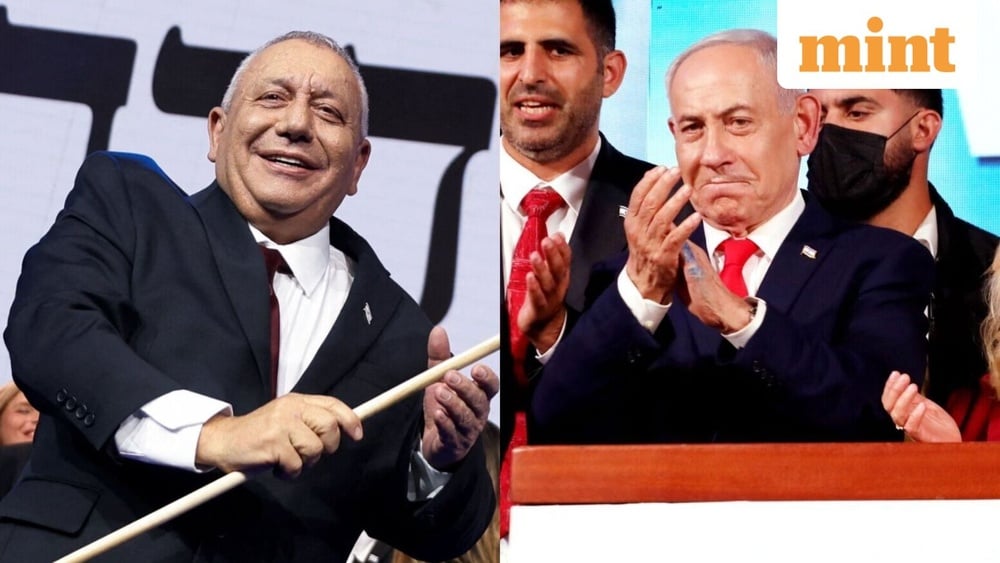

2026 © Helium Trades
Privacy Policy & Disclosure
* Disclaimer: Nothing on this website constitutes investment advice, performance data or any recommendation that any particular security, portfolio of securities, transaction or investment strategy is suitable for any specific person. Helium Trades is not responsible in any way for the accuracy
of any model predictions or price data. Any mention of a particular security and related prediction data is not a recommendation to buy or sell that security. Investments in securities involve the risk of loss. Past performance is no guarantee of future results. Helium Trades is not responsible for any of your investment decisions,
you should consult a financial expert before engaging in any transaction.
Helium Research Assistant

How can I help you today?
Ask any question about this page.