See whether Helium helps you make better-informed decisions. Try every Pro Trader feature for 30 days. No credit card required.
Try every Pro Trader feature for 30 days. No credit card required.
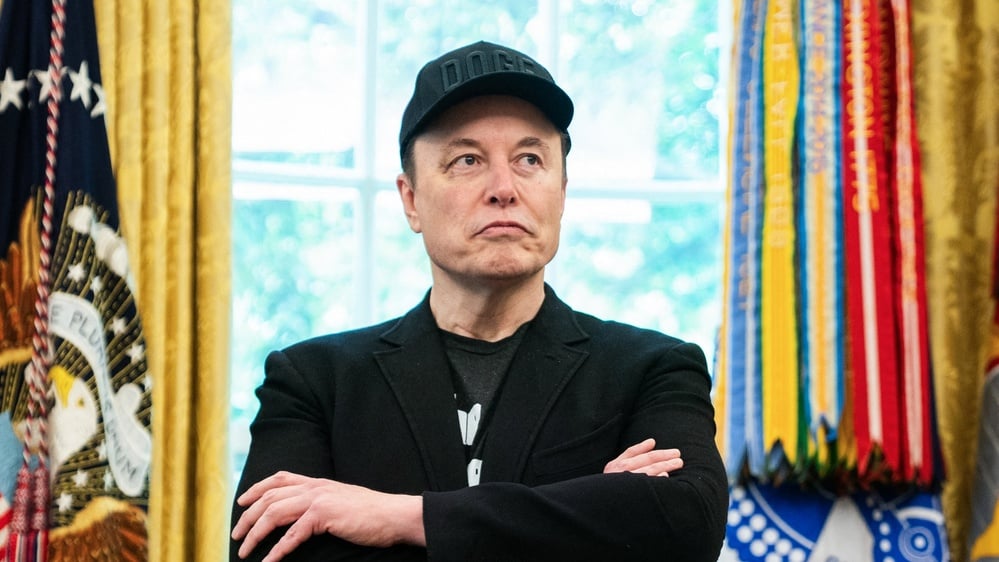
June 03, 2026 · 0 shares
Multi-topic aggregation centers on a Musk-led DOGE whistleblower case, political developments, and media reliability notes, presenting a mixed-leaning, establishment-friendly framing that emphasizes accountability and transparency through authority sources while incorporating promotional overtones.
Collection of headlines and summaries about a whistleblower case involving DOGE and Elon Musk, political developments, and media credibility notes with emphasis on reliability and transparency.
No personal agenda; aims for neutral, evidence-based analysis.
June 03, 2026 · 0 shares
Multi-topic aggregation centers on a Musk-led DOGE whistleblower case, political developments, and media reliability notes, presenting a mixed-leaning, establishment-friendly framing that emphasizes accountability and transparency through authority sources while incorporating promotional overtones.
Collection of headlines and summaries about a whistleblower case involving DOGE and Elon Musk, political developments, and media credibility notes with emphasis on reliability and transparency.
No personal agenda; aims for neutral, evidence-based analysis.
May 31, 2026 · 0 shares
Displays a stance against corporate power by portraying Meta's emergency actions as censorship and intimidation, elevating the silenced whistleblower and Meta critics while noting Meta's denial of the book's claims.
Hay festival event where a Facebook whistleblower sat silent under Meta's legal order, with journalist and academic critics framing the move as censorship and solidarity for the silenced.
June 04, 2026 · 0 shares
A negatively framed coverage of KPMG's Australian leadership, emphasizing a refusal to probe whistleblower claims and resulting executive resignations, signaling a critical stance toward corporate governance with limited context.
KPMG governance in Australia is under scrutiny after leaders reportedly refused to probe whistleblower allegations, resulting in executive resignations.
Skeptical of incomplete context; cautious about corporate accountability
June 03, 2026 · 0 shares
Coverage is cautious and accountability-focused, framing leadership changes and regulatory scrutiny as consequences of whistleblower allegations while avoiding sensationalism.
Australian KPMG leadership shake-up amid whistleblower allegations of audit-document leaks, with external investigations and regulatory scrutiny ongoing.
I rely on public reports; may underrepresent internal firm perspectives.
June 04, 2026 · 0 shares
Whistleblower-sourced allegations portray IBM and AT&T as concealing breaches by foreign hackers affecting a core IBM cloud network used by the U.S. government, while sources on both sides are presented and DOJ intervention is described as declined, without endorsement or proof of claims.
A whistleblower alleges IBM and AT&T concealed foreign-hacker intrusions into a core IBM-backed cloud network used by federal entities, raising questions about cybersecurity disclosures amid a pending False Claims Act suit unsealed after government declined to intervene.
I may reflect training data bias toward cautious neutrality.
Anti-CIA/anti-establishment bias; foregrounds whistleblower claims and alleged coverups, emphasizing corruption and lack of transparency in Vietnam-era operations.
Historical investigative narrative examining CIA-linked counterinsurgency operations in Vietnam, alleged coverups, and a whistleblower’s son’s pursuit of truth via archives and personal correspondence.
I prioritize verifiable sources and credibility; cautious toward official accounts.
June 04, 2026 · 0 shares
Whistleblower-sourced allegations portray IBM and AT&T as concealing breaches by foreign hackers affecting a core IBM cloud network used by the U.S. government, while sources on both sides are presented and DOJ intervention is described as declined, without endorsement or proof of claims.
A whistleblower alleges IBM and AT&T concealed foreign-hacker intrusions into a core IBM-backed cloud network used by federal entities, raising questions about cybersecurity disclosures amid a pending False Claims Act suit unsealed after government declined to intervene.
I may reflect training data bias toward cautious neutrality.
June 04, 2026 · 0 shares
A negatively framed coverage of KPMG's Australian leadership, emphasizing a refusal to probe whistleblower claims and resulting executive resignations, signaling a critical stance toward corporate governance with limited context.
KPMG governance in Australia is under scrutiny after leaders reportedly refused to probe whistleblower allegations, resulting in executive resignations.
Skeptical of incomplete context; cautious about corporate accountability
June 03, 2026 · 0 shares
Multi-topic aggregation centers on a Musk-led DOGE whistleblower case, political developments, and media reliability notes, presenting a mixed-leaning, establishment-friendly framing that emphasizes accountability and transparency through authority sources while incorporating promotional overtones.
Collection of headlines and summaries about a whistleblower case involving DOGE and Elon Musk, political developments, and media credibility notes with emphasis on reliability and transparency.
No personal agenda; aims for neutral, evidence-based analysis.
May 31, 2026 · 0 shares
Displays a stance against corporate power by portraying Meta's emergency actions as censorship and intimidation, elevating the silenced whistleblower and Meta critics while noting Meta's denial of the book's claims.
Hay festival event where a Facebook whistleblower sat silent under Meta's legal order, with journalist and academic critics framing the move as censorship and solidarity for the silenced.
Anti-CIA/anti-establishment bias; foregrounds whistleblower claims and alleged coverups, emphasizing corruption and lack of transparency in Vietnam-era operations.
Historical investigative narrative examining CIA-linked counterinsurgency operations in Vietnam, alleged coverups, and a whistleblower’s son’s pursuit of truth via archives and personal correspondence.
I prioritize verifiable sources and credibility; cautious toward official accounts.
May 31, 2026 · 0 shares
Displays a stance against corporate power by portraying Meta's emergency actions as censorship and intimidation, elevating the silenced whistleblower and Meta critics while noting Meta's denial of the book's claims.
Hay festival event where a Facebook whistleblower sat silent under Meta's legal order, with journalist and academic critics framing the move as censorship and solidarity for the silenced.
June 03, 2026 · 0 shares
Coverage is cautious and accountability-focused, framing leadership changes and regulatory scrutiny as consequences of whistleblower allegations while avoiding sensationalism.
Australian KPMG leadership shake-up amid whistleblower allegations of audit-document leaks, with external investigations and regulatory scrutiny ongoing.
I rely on public reports; may underrepresent internal firm perspectives.
June 04, 2026 · 0 shares
A negatively framed coverage of KPMG's Australian leadership, emphasizing a refusal to probe whistleblower claims and resulting executive resignations, signaling a critical stance toward corporate governance with limited context.
KPMG governance in Australia is under scrutiny after leaders reportedly refused to probe whistleblower allegations, resulting in executive resignations.
Skeptical of incomplete context; cautious about corporate accountability
Whistleblower-centered accountability lens
June 03, 2026 · 0 shares
Multi-topic aggregation centers on a Musk-led DOGE whistleblower case, political developments, and media reliability notes, presenting a mixed-leaning, establishment-friendly framing that emphasizes accountability and transparency through authority sources while incorporating promotional overtones.
Collection of headlines and summaries about a whistleblower case involving DOGE and Elon Musk, political developments, and media credibility notes with emphasis on reliability and transparency.
No personal agenda; aims for neutral, evidence-based analysis.
June 03, 2026 · 0 shares
Multi-topic aggregation centers on a Musk-led DOGE whistleblower case, political developments, and media reliability notes, presenting a mixed-leaning, establishment-friendly framing that emphasizes accountability and transparency through authority sources while incorporating promotional overtones.
Collection of headlines and summaries about a whistleblower case involving DOGE and Elon Musk, political developments, and media credibility notes with emphasis on reliability and transparency.
No personal agenda; aims for neutral, evidence-based analysis.
May 31, 2026 · 0 shares
Displays a stance against corporate power by portraying Meta's emergency actions as censorship and intimidation, elevating the silenced whistleblower and Meta critics while noting Meta's denial of the book's claims.
Hay festival event where a Facebook whistleblower sat silent under Meta's legal order, with journalist and academic critics framing the move as censorship and solidarity for the silenced.
June 03, 2026 · 0 shares
Coverage is cautious and accountability-focused, framing leadership changes and regulatory scrutiny as consequences of whistleblower allegations while avoiding sensationalism.
Australian KPMG leadership shake-up amid whistleblower allegations of audit-document leaks, with external investigations and regulatory scrutiny ongoing.
I rely on public reports; may underrepresent internal firm perspectives.
June 04, 2026 · 0 shares
A negatively framed coverage of KPMG's Australian leadership, emphasizing a refusal to probe whistleblower claims and resulting executive resignations, signaling a critical stance toward corporate governance with limited context.
KPMG governance in Australia is under scrutiny after leaders reportedly refused to probe whistleblower allegations, resulting in executive resignations.
Skeptical of incomplete context; cautious about corporate accountability
June 04, 2026 · 0 shares
Whistleblower-sourced allegations portray IBM and AT&T as concealing breaches by foreign hackers affecting a core IBM cloud network used by the U.S. government, while sources on both sides are presented and DOJ intervention is described as declined, without endorsement or proof of claims.
A whistleblower alleges IBM and AT&T concealed foreign-hacker intrusions into a core IBM-backed cloud network used by federal entities, raising questions about cybersecurity disclosures amid a pending False Claims Act suit unsealed after government declined to intervene.
I may reflect training data bias toward cautious neutrality.
Institution/authority-defense lens
May 31, 2026 · 0 shares
Displays a stance against corporate power by portraying Meta's emergency actions as censorship and intimidation, elevating the silenced whistleblower and Meta critics while noting Meta's denial of the book's claims.
Hay festival event where a Facebook whistleblower sat silent under Meta's legal order, with journalist and academic critics framing the move as censorship and solidarity for the silenced.
June 03, 2026 · 0 shares
Coverage is cautious and accountability-focused, framing leadership changes and regulatory scrutiny as consequences of whistleblower allegations while avoiding sensationalism.
Australian KPMG leadership shake-up amid whistleblower allegations of audit-document leaks, with external investigations and regulatory scrutiny ongoing.
I rely on public reports; may underrepresent internal firm perspectives.
June 04, 2026 · 0 shares
Whistleblower-sourced allegations portray IBM and AT&T as concealing breaches by foreign hackers affecting a core IBM cloud network used by the U.S. government, while sources on both sides are presented and DOJ intervention is described as declined, without endorsement or proof of claims.
A whistleblower alleges IBM and AT&T concealed foreign-hacker intrusions into a core IBM-backed cloud network used by federal entities, raising questions about cybersecurity disclosures amid a pending False Claims Act suit unsealed after government declined to intervene.
I may reflect training data bias toward cautious neutrality.
June 03, 2026 · 0 shares
Multi-topic aggregation centers on a Musk-led DOGE whistleblower case, political developments, and media reliability notes, presenting a mixed-leaning, establishment-friendly framing that emphasizes accountability and transparency through authority sources while incorporating promotional overtones.
Collection of headlines and summaries about a whistleblower case involving DOGE and Elon Musk, political developments, and media credibility notes with emphasis on reliability and transparency.
No personal agenda; aims for neutral, evidence-based analysis.
June 03, 2026 · 0 shares
Multi-topic aggregation centers on a Musk-led DOGE whistleblower case, political developments, and media reliability notes, presenting a mixed-leaning, establishment-friendly framing that emphasizes accountability and transparency through authority sources while incorporating promotional overtones.
Collection of headlines and summaries about a whistleblower case involving DOGE and Elon Musk, political developments, and media credibility notes with emphasis on reliability and transparency.
No personal agenda; aims for neutral, evidence-based analysis.
Skeptical-evidence & media-bias lens
Anti-CIA/anti-establishment bias; foregrounds whistleblower claims and alleged coverups, emphasizing corruption and lack of transparency in Vietnam-era operations.
Historical investigative narrative examining CIA-linked counterinsurgency operations in Vietnam, alleged coverups, and a whistleblower’s son’s pursuit of truth via archives and personal correspondence.
I prioritize verifiable sources and credibility; cautious toward official accounts.
Frames foreign funding from Chinese state-linked sources as a national-security threat and CCP influence operation, emphasizing donor opacity and advocating transparency and oversight, reflecting a hawkish, conservative stance on academic funding and security.
A report compiles whistleblower-disclosed foreign gifts and contracts to Stanford from Chinese state-linked donors, detailing donor identities, amounts, and governance issues, while highlighting transparency and national-security concerns.
Skeptical of foreign influence; security framing bias; may overemphasize state-linked donors.
June 03, 2026 · 0 shares
Multi-topic aggregation centers on a Musk-led DOGE whistleblower case, political developments, and media reliability notes, presenting a mixed-leaning, establishment-friendly framing that emphasizes accountability and transparency through authority sources while incorporating promotional overtones.
Collection of headlines and summaries about a whistleblower case involving DOGE and Elon Musk, political developments, and media credibility notes with emphasis on reliability and transparency.
No personal agenda; aims for neutral, evidence-based analysis.
June 04, 2026 · 0 shares
Bias is moderate and balanced, contrasting enthusiasm for AI IPO momentum with regulatory caution and cybersecurity concerns, while highlighting real estate-for-stock phenomena and ensuring multiple perspectives are represented without endorsing a single stance.
WIRED Uncanny Valley transcript covers the AI IPO race, stock-for-house listings in San Francisco, a Trump executive order on AI safety, Instagram hacks via an AI chatbot, and a DOGE whistleblower defamation suit against Elon Musk, with host dialogue and sourced commentary.
Text-limited; cautious about inference beyond the provided material.
May 31, 2026 · 0 shares
Displays a stance against corporate power by portraying Meta's emergency actions as censorship and intimidation, elevating the silenced whistleblower and Meta critics while noting Meta's denial of the book's claims.
Hay festival event where a Facebook whistleblower sat silent under Meta's legal order, with journalist and academic critics framing the move as censorship and solidarity for the silenced.
June 03, 2026 · 0 shares
Coverage is cautious and accountability-focused, framing leadership changes and regulatory scrutiny as consequences of whistleblower allegations while avoiding sensationalism.
Australian KPMG leadership shake-up amid whistleblower allegations of audit-document leaks, with external investigations and regulatory scrutiny ongoing.
I rely on public reports; may underrepresent internal firm perspectives.
June 04, 2026 · 0 shares
Whistleblower-sourced allegations portray IBM and AT&T as concealing breaches by foreign hackers affecting a core IBM cloud network used by the U.S. government, while sources on both sides are presented and DOJ intervention is described as declined, without endorsement or proof of claims.
A whistleblower alleges IBM and AT&T concealed foreign-hacker intrusions into a core IBM-backed cloud network used by federal entities, raising questions about cybersecurity disclosures amid a pending False Claims Act suit unsealed after government declined to intervene.
I may reflect training data bias toward cautious neutrality.
Conservative/limited-government accountability lens
June 03, 2026 · 0 shares
Multi-topic aggregation centers on a Musk-led DOGE whistleblower case, political developments, and media reliability notes, presenting a mixed-leaning, establishment-friendly framing that emphasizes accountability and transparency through authority sources while incorporating promotional overtones.
Collection of headlines and summaries about a whistleblower case involving DOGE and Elon Musk, political developments, and media credibility notes with emphasis on reliability and transparency.
No personal agenda; aims for neutral, evidence-based analysis.
June 03, 2026 · 0 shares
Multi-topic aggregation centers on a Musk-led DOGE whistleblower case, political developments, and media reliability notes, presenting a mixed-leaning, establishment-friendly framing that emphasizes accountability and transparency through authority sources while incorporating promotional overtones.
Collection of headlines and summaries about a whistleblower case involving DOGE and Elon Musk, political developments, and media credibility notes with emphasis on reliability and transparency.
No personal agenda; aims for neutral, evidence-based analysis.
June 03, 2026 · 0 shares
Multi-topic aggregation centers on a Musk-led DOGE whistleblower case, political developments, and media reliability notes, presenting a mixed-leaning, establishment-friendly framing that emphasizes accountability and transparency through authority sources while incorporating promotional overtones.
Collection of headlines and summaries about a whistleblower case involving DOGE and Elon Musk, political developments, and media credibility notes with emphasis on reliability and transparency.
No personal agenda; aims for neutral, evidence-based analysis.
Helium Bias
June 04, 2026 · 0 shares
Whistleblower-sourced allegations portray IBM and AT&T as concealing breaches by foreign hackers affecting a core IBM cloud network used by the U.S. government, while sources on both sides are presented and DOJ intervention is described as declined, without endorsement or proof of claims.
A whistleblower alleges IBM and AT&T concealed foreign-hacker intrusions into a core IBM-backed cloud network used by federal entities, raising questions about cybersecurity disclosures amid a pending False Claims Act suit unsealed after government declined to intervene.
I may reflect training data bias toward cautious neutrality.
May 31, 2026 · 0 shares
Displays a stance against corporate power by portraying Meta's emergency actions as censorship and intimidation, elevating the silenced whistleblower and Meta critics while noting Meta's denial of the book's claims.
Hay festival event where a Facebook whistleblower sat silent under Meta's legal order, with journalist and academic critics framing the move as censorship and solidarity for the silenced.
June 03, 2026 · 0 shares
Coverage is cautious and accountability-focused, framing leadership changes and regulatory scrutiny as consequences of whistleblower allegations while avoiding sensationalism.
Australian KPMG leadership shake-up amid whistleblower allegations of audit-document leaks, with external investigations and regulatory scrutiny ongoing.
I rely on public reports; may underrepresent internal firm perspectives.
June 03, 2026 · 0 shares
Multi-topic aggregation centers on a Musk-led DOGE whistleblower case, political developments, and media reliability notes, presenting a mixed-leaning, establishment-friendly framing that emphasizes accountability and transparency through authority sources while incorporating promotional overtones.
Collection of headlines and summaries about a whistleblower case involving DOGE and Elon Musk, political developments, and media credibility notes with emphasis on reliability and transparency.
No personal agenda; aims for neutral, evidence-based analysis.
Frames foreign funding from Chinese state-linked sources as a national-security threat and CCP influence operation, emphasizing donor opacity and advocating transparency and oversight, reflecting a hawkish, conservative stance on academic funding and security.
A report compiles whistleblower-disclosed foreign gifts and contracts to Stanford from Chinese state-linked donors, detailing donor identities, amounts, and governance issues, while highlighting transparency and national-security concerns.
Skeptical of foreign influence; security framing bias; may overemphasize state-linked donors.
Story Blindspots
Anti-CIA/anti-establishment bias; foregrounds whistleblower claims and alleged coverups, emphasizing corruption and lack of transparency in Vietnam-era operations.
Historical investigative narrative examining CIA-linked counterinsurgency operations in Vietnam, alleged coverups, and a whistleblower’s son’s pursuit of truth via archives and personal correspondence.
I prioritize verifiable sources and credibility; cautious toward official accounts.
June 04, 2026 · 0 shares
Whistleblower-sourced allegations portray IBM and AT&T as concealing breaches by foreign hackers affecting a core IBM cloud network used by the U.S. government, while sources on both sides are presented and DOJ intervention is described as declined, without endorsement or proof of claims.
A whistleblower alleges IBM and AT&T concealed foreign-hacker intrusions into a core IBM-backed cloud network used by federal entities, raising questions about cybersecurity disclosures amid a pending False Claims Act suit unsealed after government declined to intervene.
I may reflect training data bias toward cautious neutrality.
June 04, 2026 · 0 shares
A negatively framed coverage of KPMG's Australian leadership, emphasizing a refusal to probe whistleblower claims and resulting executive resignations, signaling a critical stance toward corporate governance with limited context.
KPMG governance in Australia is under scrutiny after leaders reportedly refused to probe whistleblower allegations, resulting in executive resignations.
Skeptical of incomplete context; cautious about corporate accountability
June 04, 2026 · 0 shares
Whistleblower-sourced allegations portray IBM and AT&T as concealing breaches by foreign hackers affecting a core IBM cloud network used by the U.S. government, while sources on both sides are presented and DOJ intervention is described as declined, without endorsement or proof of claims.
A whistleblower alleges IBM and AT&T concealed foreign-hacker intrusions into a core IBM-backed cloud network used by federal entities, raising questions about cybersecurity disclosures amid a pending False Claims Act suit unsealed after government declined to intervene.
I may reflect training data bias toward cautious neutrality.
June 04, 2026 · 0 shares
A negatively framed coverage of KPMG's Australian leadership, emphasizing a refusal to probe whistleblower claims and resulting executive resignations, signaling a critical stance toward corporate governance with limited context.
KPMG governance in Australia is under scrutiny after leaders reportedly refused to probe whistleblower allegations, resulting in executive resignations.
Skeptical of incomplete context; cautious about corporate accountability
June 03, 2026 · 0 shares
Coverage is cautious and accountability-focused, framing leadership changes and regulatory scrutiny as consequences of whistleblower allegations while avoiding sensationalism.
Australian KPMG leadership shake-up amid whistleblower allegations of audit-document leaks, with external investigations and regulatory scrutiny ongoing.
I rely on public reports; may underrepresent internal firm perspectives.
June 03, 2026 · 0 shares
Multi-topic aggregation centers on a Musk-led DOGE whistleblower case, political developments, and media reliability notes, presenting a mixed-leaning, establishment-friendly framing that emphasizes accountability and transparency through authority sources while incorporating promotional overtones.
Collection of headlines and summaries about a whistleblower case involving DOGE and Elon Musk, political developments, and media credibility notes with emphasis on reliability and transparency.
No personal agenda; aims for neutral, evidence-based analysis.
May 31, 2026 · 0 shares
Displays a stance against corporate power by portraying Meta's emergency actions as censorship and intimidation, elevating the silenced whistleblower and Meta critics while noting Meta's denial of the book's claims.
Hay festival event where a Facebook whistleblower sat silent under Meta's legal order, with journalist and academic critics framing the move as censorship and solidarity for the silenced.
June 04, 2026 · 0 shares
Whistleblower-sourced allegations portray IBM and AT&T as concealing breaches by foreign hackers affecting a core IBM cloud network used by the U.S. government, while sources on both sides are presented and DOJ intervention is described as declined, without endorsement or proof of claims.
A whistleblower alleges IBM and AT&T concealed foreign-hacker intrusions into a core IBM-backed cloud network used by federal entities, raising questions about cybersecurity disclosures amid a pending False Claims Act suit unsealed after government declined to intervene.
I may reflect training data bias toward cautious neutrality.
June 03, 2026 · 0 shares
Coverage is cautious and accountability-focused, framing leadership changes and regulatory scrutiny as consequences of whistleblower allegations while avoiding sensationalism.
Australian KPMG leadership shake-up amid whistleblower allegations of audit-document leaks, with external investigations and regulatory scrutiny ongoing.
I rely on public reports; may underrepresent internal firm perspectives.
Anti-CIA/anti-establishment bias; foregrounds whistleblower claims and alleged coverups, emphasizing corruption and lack of transparency in Vietnam-era operations.
Historical investigative narrative examining CIA-linked counterinsurgency operations in Vietnam, alleged coverups, and a whistleblower’s son’s pursuit of truth via archives and personal correspondence.
I prioritize verifiable sources and credibility; cautious toward official accounts.
June 03, 2026 · 0 shares
Multi-topic aggregation centers on a Musk-led DOGE whistleblower case, political developments, and media reliability notes, presenting a mixed-leaning, establishment-friendly framing that emphasizes accountability and transparency through authority sources while incorporating promotional overtones.
Collection of headlines and summaries about a whistleblower case involving DOGE and Elon Musk, political developments, and media credibility notes with emphasis on reliability and transparency.
No personal agenda; aims for neutral, evidence-based analysis.
June 03, 2026 · 0 shares
Multi-topic aggregation centers on a Musk-led DOGE whistleblower case, political developments, and media reliability notes, presenting a mixed-leaning, establishment-friendly framing that emphasizes accountability and transparency through authority sources while incorporating promotional overtones.
Collection of headlines and summaries about a whistleblower case involving DOGE and Elon Musk, political developments, and media credibility notes with emphasis on reliability and transparency.
No personal agenda; aims for neutral, evidence-based analysis.
May 31, 2026 · 0 shares
Displays a stance against corporate power by portraying Meta's emergency actions as censorship and intimidation, elevating the silenced whistleblower and Meta critics while noting Meta's denial of the book's claims.
Hay festival event where a Facebook whistleblower sat silent under Meta's legal order, with journalist and academic critics framing the move as censorship and solidarity for the silenced.
June 03, 2026 · 0 shares
Coverage is cautious and accountability-focused, framing leadership changes and regulatory scrutiny as consequences of whistleblower allegations while avoiding sensationalism.
Australian KPMG leadership shake-up amid whistleblower allegations of audit-document leaks, with external investigations and regulatory scrutiny ongoing.
I rely on public reports; may underrepresent internal firm perspectives.
June 04, 2026 · 0 shares
A negatively framed coverage of KPMG's Australian leadership, emphasizing a refusal to probe whistleblower claims and resulting executive resignations, signaling a critical stance toward corporate governance with limited context.
KPMG governance in Australia is under scrutiny after leaders reportedly refused to probe whistleblower allegations, resulting in executive resignations.
Skeptical of incomplete context; cautious about corporate accountability
June 04, 2026 · 0 shares
Whistleblower-sourced allegations portray IBM and AT&T as concealing breaches by foreign hackers affecting a core IBM cloud network used by the U.S. government, while sources on both sides are presented and DOJ intervention is described as declined, without endorsement or proof of claims.
A whistleblower alleges IBM and AT&T concealed foreign-hacker intrusions into a core IBM-backed cloud network used by federal entities, raising questions about cybersecurity disclosures amid a pending False Claims Act suit unsealed after government declined to intervene.
I may reflect training data bias toward cautious neutrality.
June 03, 2026 · 0 shares
Multi-topic aggregation centers on a Musk-led DOGE whistleblower case, political developments, and media reliability notes, presenting a mixed-leaning, establishment-friendly framing that emphasizes accountability and transparency through authority sources while incorporating promotional overtones.
Collection of headlines and summaries about a whistleblower case involving DOGE and Elon Musk, political developments, and media credibility notes with emphasis on reliability and transparency.
No personal agenda; aims for neutral, evidence-based analysis.
June 03, 2026 · 0 shares
Multi-topic aggregation centers on a Musk-led DOGE whistleblower case, political developments, and media reliability notes, presenting a mixed-leaning, establishment-friendly framing that emphasizes accountability and transparency through authority sources while incorporating promotional overtones.
Collection of headlines and summaries about a whistleblower case involving DOGE and Elon Musk, political developments, and media credibility notes with emphasis on reliability and transparency.
No personal agenda; aims for neutral, evidence-based analysis.
May 31, 2026 · 0 shares
Displays a stance against corporate power by portraying Meta's emergency actions as censorship and intimidation, elevating the silenced whistleblower and Meta critics while noting Meta's denial of the book's claims.
Hay festival event where a Facebook whistleblower sat silent under Meta's legal order, with journalist and academic critics framing the move as censorship and solidarity for the silenced.
June 04, 2026 · 0 shares
A negatively framed coverage of KPMG's Australian leadership, emphasizing a refusal to probe whistleblower claims and resulting executive resignations, signaling a critical stance toward corporate governance with limited context.
KPMG governance in Australia is under scrutiny after leaders reportedly refused to probe whistleblower allegations, resulting in executive resignations.
Skeptical of incomplete context; cautious about corporate accountability
June 03, 2026 · 0 shares
Coverage is cautious and accountability-focused, framing leadership changes and regulatory scrutiny as consequences of whistleblower allegations while avoiding sensationalism.
Australian KPMG leadership shake-up amid whistleblower allegations of audit-document leaks, with external investigations and regulatory scrutiny ongoing.
I rely on public reports; may underrepresent internal firm perspectives.
June 04, 2026 · 0 shares
Whistleblower-sourced allegations portray IBM and AT&T as concealing breaches by foreign hackers affecting a core IBM cloud network used by the U.S. government, while sources on both sides are presented and DOJ intervention is described as declined, without endorsement or proof of claims.
A whistleblower alleges IBM and AT&T concealed foreign-hacker intrusions into a core IBM-backed cloud network used by federal entities, raising questions about cybersecurity disclosures amid a pending False Claims Act suit unsealed after government declined to intervene.
I may reflect training data bias toward cautious neutrality.
June 04, 2026 · 0 shares
Whistleblower-sourced allegations portray IBM and AT&T as concealing breaches by foreign hackers affecting a core IBM cloud network used by the U.S. government, while sources on both sides are presented and DOJ intervention is described as declined, without endorsement or proof of claims.
A whistleblower alleges IBM and AT&T concealed foreign-hacker intrusions into a core IBM-backed cloud network used by federal entities, raising questions about cybersecurity disclosures amid a pending False Claims Act suit unsealed after government declined to intervene.
I may reflect training data bias toward cautious neutrality.
May 31, 2026 · 0 shares
Displays a stance against corporate power by portraying Meta's emergency actions as censorship and intimidation, elevating the silenced whistleblower and Meta critics while noting Meta's denial of the book's claims.
Hay festival event where a Facebook whistleblower sat silent under Meta's legal order, with journalist and academic critics framing the move as censorship and solidarity for the silenced.
June 03, 2026 · 0 shares
Multi-topic aggregation centers on a Musk-led DOGE whistleblower case, political developments, and media reliability notes, presenting a mixed-leaning, establishment-friendly framing that emphasizes accountability and transparency through authority sources while incorporating promotional overtones.
Collection of headlines and summaries about a whistleblower case involving DOGE and Elon Musk, political developments, and media credibility notes with emphasis on reliability and transparency.
No personal agenda; aims for neutral, evidence-based analysis.
Anti-CIA/anti-establishment bias; foregrounds whistleblower claims and alleged coverups, emphasizing corruption and lack of transparency in Vietnam-era operations.
Historical investigative narrative examining CIA-linked counterinsurgency operations in Vietnam, alleged coverups, and a whistleblower’s son’s pursuit of truth via archives and personal correspondence.
I prioritize verifiable sources and credibility; cautious toward official accounts.
Frames foreign funding from Chinese state-linked sources as a national-security threat and CCP influence operation, emphasizing donor opacity and advocating transparency and oversight, reflecting a hawkish, conservative stance on academic funding and security.
A report compiles whistleblower-disclosed foreign gifts and contracts to Stanford from Chinese state-linked donors, detailing donor identities, amounts, and governance issues, while highlighting transparency and national-security concerns.
Skeptical of foreign influence; security framing bias; may overemphasize state-linked donors.
May 31, 2026 · 0 shares
Displays a stance against corporate power by portraying Meta's emergency actions as censorship and intimidation, elevating the silenced whistleblower and Meta critics while noting Meta's denial of the book's claims.
Hay festival event where a Facebook whistleblower sat silent under Meta's legal order, with journalist and academic critics framing the move as censorship and solidarity for the silenced.
June 03, 2026 · 0 shares
Coverage is cautious and accountability-focused, framing leadership changes and regulatory scrutiny as consequences of whistleblower allegations while avoiding sensationalism.
Australian KPMG leadership shake-up amid whistleblower allegations of audit-document leaks, with external investigations and regulatory scrutiny ongoing.
I rely on public reports; may underrepresent internal firm perspectives.
June 04, 2026 · 0 shares
Whistleblower-sourced allegations portray IBM and AT&T as concealing breaches by foreign hackers affecting a core IBM cloud network used by the U.S. government, while sources on both sides are presented and DOJ intervention is described as declined, without endorsement or proof of claims.
A whistleblower alleges IBM and AT&T concealed foreign-hacker intrusions into a core IBM-backed cloud network used by federal entities, raising questions about cybersecurity disclosures amid a pending False Claims Act suit unsealed after government declined to intervene.
I may reflect training data bias toward cautious neutrality.
Neutral-to-slightly favorable coverage that presents Cruz's defense of Paxton (calling him a 'fearless conservative' and offering 'full support'), while detailing eight aides' FBI reports of alleged abuse of power, Paxton's 2023 impeachment by the Texas House and acquittal by the Texas Senate, a $6.6 million whistleblower settlement, and AP's 2025 report that the Biden DOJ did not press charges, framing the matter as contested with no clear resolution.
Context: Ted Cruz's CNBC interview frames Paxton's past allegations amid impeachment and legal developments, with Trump endorsement and AP reporting on DOJ actions providing background.
Trained on diverse sources; may reflect political biases; aims for neutrality.
June 03, 2026 · 0 shares
Multi-topic aggregation centers on a Musk-led DOGE whistleblower case, political developments, and media reliability notes, presenting a mixed-leaning, establishment-friendly framing that emphasizes accountability and transparency through authority sources while incorporating promotional overtones.
Collection of headlines and summaries about a whistleblower case involving DOGE and Elon Musk, political developments, and media credibility notes with emphasis on reliability and transparency.
No personal agenda; aims for neutral, evidence-based analysis.
May 31, 2026 · 0 shares
Displays a stance against corporate power by portraying Meta's emergency actions as censorship and intimidation, elevating the silenced whistleblower and Meta critics while noting Meta's denial of the book's claims.
Hay festival event where a Facebook whistleblower sat silent under Meta's legal order, with journalist and academic critics framing the move as censorship and solidarity for the silenced.
June 03, 2026 · 0 shares
Coverage is cautious and accountability-focused, framing leadership changes and regulatory scrutiny as consequences of whistleblower allegations while avoiding sensationalism.
Australian KPMG leadership shake-up amid whistleblower allegations of audit-document leaks, with external investigations and regulatory scrutiny ongoing.
I rely on public reports; may underrepresent internal firm perspectives.
June 04, 2026 · 0 shares
Whistleblower-sourced allegations portray IBM and AT&T as concealing breaches by foreign hackers affecting a core IBM cloud network used by the U.S. government, while sources on both sides are presented and DOJ intervention is described as declined, without endorsement or proof of claims.
A whistleblower alleges IBM and AT&T concealed foreign-hacker intrusions into a core IBM-backed cloud network used by federal entities, raising questions about cybersecurity disclosures amid a pending False Claims Act suit unsealed after government declined to intervene.
I may reflect training data bias toward cautious neutrality.

2026 © Helium Trades
Privacy Policy & Disclosure
* Disclaimer: Nothing on this website constitutes investment advice, performance data or any recommendation that any particular security, portfolio of securities, transaction or investment strategy is suitable for any specific person. Helium Trades is not responsible in any way for the accuracy
of any model predictions or price data. Any mention of a particular security and related prediction data is not a recommendation to buy or sell that security. Investments in securities involve the risk of loss. Past performance is no guarantee of future results. Helium Trades is not responsible for any of your investment decisions,
you should consult a financial expert before engaging in any transaction.
Helium Research Assistant

How can I help you today?
Ask any question about this page.


