See whether Helium helps you make better-informed decisions. Try every Pro Trader feature for 30 days. No credit card required.
Try every Pro Trader feature for 30 days. No credit card required.
Publisher framing centers market dynamics and conflict escalation in a continuous 'Iran War Day' timeline, foregrounding oil-price spikes, maritime disruptions, and official threats while weaving disparate updates into a war-focused narrative.
A market-and-geopolitical timeline focusing on oil prices, shipping disruptions, and U.S.-Iran actions in the Persian Gulf.
Automated analysis; not human reviewed.
Limitations: Analysis is bounded by a single article's text and quoted material; external context and editorial practices beyond the excerpt are not observed.
·
47 of 52 available dimensions scored; omitted dimensions are not treated as neutral.
·
Verified supporting quotes for 0 of 47 scored dimensions.
Ambiguity in whether the 'War Day' framing biases readers toward urgency; limited context.
July 23, 2026 · 0 shares
Publisher framing emphasizes a high-stakes, bipartisan clash over presidential war powers in the Iran conflict, foregrounding vote tallies, cross-party defections, and forceful rhetoric to signal accountability and urgency.
Context: Ongoing U.S.–Iran hostilities since February, a ceasefire collapse earlier this month, and multiple votes on war powers measures.
Automated analysis; not human reviewed. Limitations: Concise, case-specific limitations and plausible alternative interpretations.
Limited article content; possible framing bias from selective quotes; no independent verification.
July 21, 2026 · 0 shares
Western-aligned, security-primed coverage that emphasizes Iranian aggression and U.S. responses while presenting UN diplomacy calls as counterpoints, yielding a hawkish yet diplomatically tempered framing.
International conflict coverage focusing on Iran-U.S. hostilities, regional actions, diplomatic efforts, and associated economic/security implications.
Automated analysis; not human reviewed.
Limitations: Case-specific; relies on quoted official statements; may underrepresent Iranian government or non-state actor perspectives.
·
50 of 52 available dimensions scored; omitted dimensions are not treated as neutral.
·
Verified supporting quotes for 0 of 50 scored dimensions.
Claim: Article leans toward Western hawkish framing in its reporting of Iran-U.S. conflict.
“"Iran attacks U.S. allies as 3 American soldiers killed in escalating war"” · not found in supplied text
“"And we'll be hitting that area very– probably pretty soon," the president threatened.” · not found in supplied text
“"The only reason why the U.S. is conducting strikes is against assets of Iran that are being used to attack global commercial shipping," he told reporters.” · not found in supplied text
Counterevidence:
“"Guterres reiterated there is no military solution to the conflict and calls for the immediate reopening of the Strait of Hormuz and intensified efforts toward a peaceful settlement."” · not found in supplied text
“"U.N. chief warns military escalation puts pressure on trade, transport, fuel commodities prices"” · exact text match
Why: Predominant emphasis on U.S. actions and Iranian aggression with occasional UN diplomacy notes.
Claim: Mix of calls for diplomacy and explicit military action creates a hawkish tilt with occasional restraint.
“"Guterres reiterated there is no military solution to the conflict"” · not found in supplied text
“"There is no military solution"” · not found in supplied text
Counterevidence:
“"And we'll be hitting that area very– probably pretty soon"” · not found in supplied text
“"The only reason why the U.S. is conducting strikes is against assets of Iran that are being used to attack global commercial shipping"” · not found in supplied text
Why: Diplomatic language from UN juxtaposed with explicit U.S. strike threats.
Claim: Content emphasizes threats and escalation to evoke concern about regional stability.
“"escalating war"” · not found in supplied text
“"attacks on civilian infrastructure" must stop” · not found in supplied text
“"to deteriorate regional stability"” · not found in supplied text
Counterevidence:
“"UN calls for diplomacy"” · not found in supplied text
Why: Threat-laden framing with some diplomatic cautions.
Claim: Framing favors Western-led security actions and deterrence strategies.
“"The Straits of Hormuz are an international waterway"” · not found in supplied text
“"they continue to launch against ships in that international waterway"” · not found in supplied text
“"the United States is involved not just in protecting those ships but in targeting the places that they use to launch these missiles and drones"” · not found in supplied text
Counterevidence:
“"UN calls for diplomacy"” · not found in supplied text
“"no military solution"” · not found in supplied text
Why: Narrative centers U.S.-led security concerns with limited Iranian perspective.
Claim: Article relies on official U.S. and U.N. sources and government statements.
“"CENTCOM said"” · not found in supplied text
“"The Pentagon has also released photos"” · not found in supplied text
“"The State Department said Monday"” · not found in supplied text
Counterevidence:
“"Guterres reiterated there is no military solution"” · not found in supplied text
Why: High use of official sources signals establishment alignment with some UN counterpoints.
Claim: Inclusion of emotional phrases to influence reader sentiment.
“"Godspeed, heroes"” · not found in supplied text
“"heartbreaking"” · not found in supplied text
“"unacceptable"” · not found in supplied text
Counterevidence:
“"quoted statements from officials"” · not found in supplied text
Why: Emotional language accompanies factual updates.
Claim: Reported with multiple named sources and official statements, lending credibility.
“"CENTCOM said"” · not found in supplied text
“"The Pentagon has also released photos"” · not found in supplied text
“"The State Department said Monday"” · not found in supplied text
Counterevidence:
“"Unidentified remains" found; casualty counts vary; some details not fully identified” · not found in supplied text
Why: Diverse sourcing enhances credibility, though some details are unresolved.
Claim: Emphasis on collective security actions rather than individual civil liberties.
“"pilot zones" launched in Lebanon” · not found in supplied text
“"Lebanon's army deploying"” · not found in supplied text
“"U.S. will lead a monitoring mechanism"” · not found in supplied text
Counterevidence:
“"UN diplomacy"” · not found in supplied text
Why: Focus on collective state actions over individual rights.
Claim: Temporal urgency and repeated strike narratives may prime reader perception toward conflict intensification.
“"nine straight nights of strikes"” · not found in supplied text
“"And we'll be hitting that area very– probably pretty soon"” · not found in supplied text
“"The only reason why the U.S. is conducting strikes"” · not found in supplied text
Counterevidence:
“"UN calls for diplomacy"” · not found in supplied text
Why: Temporal repetition and strong action language can influence perception.
Claim: Moral framing appears through humanitarian and empathetic language.
“"The President and the entire White House are praying for their families"” · not found in supplied text
“"Godspeed, heroes"” · not found in supplied text
Counterevidence:
“"They were decommissioning ammunition and an accident happened in that process"” · not found in supplied text
Why: Occasional humanitarian language amid casualty reporting.
Western framing; casualty counts uncertain; limited Iranian perspective.
July 23, 2026 · 0 shares
The report foregrounds congressional checks on presidential war powers over Iran, citing legal arguments and watchdog quotes to frame the conflict as an accountability struggle while also presenting hawkish counterpoints and funding debates within a broader political-oversight frame.
Context: A clash between Congress and the White House over War Powers in the Iran conflict follows renewed hostilities after a ceasefire breakdown; the piece outlines procedural nuances (concurrent vs joint resolutions) and funding implications.
July 23, 2026 · 0 shares
Publisher framing emphasizes a high-stakes, bipartisan clash over presidential war powers in the Iran conflict, foregrounding vote tallies, cross-party defections, and forceful rhetoric to signal accountability and urgency.
Context: Ongoing U.S.–Iran hostilities since February, a ceasefire collapse earlier this month, and multiple votes on war powers measures.
Automated analysis; not human reviewed. Limitations: Concise, case-specific limitations and plausible alternative interpretations.
Limited article content; possible framing bias from selective quotes; no independent verification.
July 21, 2026 · 0 shares
Reporting uses a News Analysis framing to present the Iran war funding as a contested policy issue, balancing defense officials' urgency with lawmakers' skepticism, foregrounding costs and oversight while citing both hawkish and critical voices in a cautious, establishment-oriented analysis.
Los Angeles Times report on the Pentagon's request for roughly $70B in emergency defense funding amid escalating U.S.-Iran hostilities, detailing cost estimates, congressional skepticism, and related geopolitical impacts.
Automated analysis; not human reviewed.
Limitations: Case-specific; may under-represent non-English sources, alternative framings, or longer-term historical context; quotes chosen may bias emphasis.
·
4 of 52 available dimensions scored; omitted dimensions are not treated as neutral.
·
Verified supporting quotes for 1 of 4 scored dimensions.
Claim: The piece blends analysis with quoted statements, signaling subjectivity within a balanced sourcing framework.
“News Analysis: Trump, long a critic of ‘forever wars,’ may be stumbling into one with Iran” · exact text match
“Yet the administration is facing bipartisan skepticism from lawmakers over the continuation of a war unpopular with a vast majority of Americans” · exact text match
“Democrats will not support more funding for the war.” · exact text match
Counterevidence:
“Hegseth told senators the United States is at a “moment where we cannot afford inaction,”” · exact text match
““If we left right now, it would take Iran 20 to 25 years to rebuild.
We are not finished at all,” Trump said.
“We are not leaving right now.””
· exact text match
Why: Presence of a labeled analysis and diverse viewpoints suggests some subjectivity, but the piece also relies on direct quotes and cost data.
Claim: The piece exhibits interpretive framing typical of opinion-backed analysis, signaling a tilt toward accountability and oversight.
“News Analysis: Trump, long a critic of ‘forever wars,’ may be stumbling into one with Iran” · exact text match
“bipartisan skepticism from lawmakers over the continuation of a war unpopular with a vast majority of Americans” · exact text match
“Murkowski’s remarks come just weeks after Republicans joined Democrats in both the House and Senate in voting to reassert Congress’ constitutional role over the war.” · not found in supplied text
Counterevidence:
“The article quotes both hawkish and skeptical voices, and cites cost estimates and official testimony.” · not found in supplied text
Why: Presence of analysis labeling and a focus on oversight and costs indicate some opinionated framing, though supported by data.
Claim: The reporting frames the Iran war funding as a contentious political issue with partisan dynamics (Democrats vs. Republicans) and congressional oversight debates.
“bipartisan skepticism from lawmakers over the continuation of a war” · exact text match
“Sen.
Patty Murray ... Democrats will not support more funding for the war.”
· not found in supplied text
“Murkowski’s remarks come just weeks after Republicans joined Democrats in both the House and Senate in voting to reassert Congress’ constitutional role over the war.” · not found in supplied text
Counterevidence:
“Hegseth told senators the United States is at a “moment where we cannot afford inaction,”” · exact text match
“Trump downplayed concerns over the war’s effect on the midterm elections.” · not found in supplied text
Why: Highlights partisan dynamics and oversight considerations, signaling political framing rather than a neutral stance.
Claim: The reporting foregrounds official institutions (Pentagon, Joint Chiefs, Congress) and formal processes (authorization, oversight) as central actors.
“Hegseth told senators the United States is at a “moment where we cannot afford inaction,”” · exact text match
“‘Senator, I know there’s a long-standing legal debate on this particular topic, but we certainly at the department share the position with the White House that we have all the necessary authorities at this moment,’” · not found in supplied text
“‘need some proper answers and some straight talk’ about the administration’s plans to ensure Iran does not choke traffic through the Strait of Hormuz.” · not found in supplied text
Counterevidence:
“Democrats will not support more funding for the war.” · exact text match
“This administration’s refusal to explain what it is doing... is disrespectful.” · not found in supplied text
Why: Emphasizes institutional actors and formal processes, with limited citizen-centered framing.
Ambiguity remains about the overall neutral tone; evidence relies on selected quotes and specific cost figures.
July 23, 2026 · 0 shares
Publisher framing centers on portraying GOP budget as expanding Iran-war spending and restricting voting rights, foregrounding cost-of-living harms and activist voices to critique Republicans.
Common Dreams coverage describes the House vote on a $95 billion budget framework, highlighting military spending for Iran and proposed voter-ID provisions alongside cost-of-living concerns.
Automated analysis; not human reviewed.
Limitations: Case-specific; limited to the provided text; may not reflect broader context or other publisher pieces.
·
8 of 52 available dimensions scored; omitted dimensions are not treated as neutral.
·
Verified supporting quotes for 0 of 8 scored dimensions.
Gaps in context; framing may be more negative than neutral.
Publisher framing centers market dynamics and conflict escalation in a continuous 'Iran War Day' timeline, foregrounding oil-price spikes, maritime disruptions, and official threats while weaving disparate updates into a war-focused narrative.
A market-and-geopolitical timeline focusing on oil prices, shipping disruptions, and U.S.-Iran actions in the Persian Gulf.
Automated analysis; not human reviewed.
Limitations: Analysis is bounded by a single article's text and quoted material; external context and editorial practices beyond the excerpt are not observed.
·
47 of 52 available dimensions scored; omitted dimensions are not treated as neutral.
·
Verified supporting quotes for 0 of 47 scored dimensions.
Ambiguity in whether the 'War Day' framing biases readers toward urgency; limited context.
Publisher framing centers market dynamics and conflict escalation in a continuous 'Iran War Day' timeline, foregrounding oil-price spikes, maritime disruptions, and official threats while weaving disparate updates into a war-focused narrative.
A market-and-geopolitical timeline focusing on oil prices, shipping disruptions, and U.S.-Iran actions in the Persian Gulf.
Automated analysis; not human reviewed.
Limitations: Analysis is bounded by a single article's text and quoted material; external context and editorial practices beyond the excerpt are not observed.
·
47 of 52 available dimensions scored; omitted dimensions are not treated as neutral.
·
Verified supporting quotes for 0 of 47 scored dimensions.
Ambiguity in whether the 'War Day' framing biases readers toward urgency; limited context.
July 21, 2026 · 0 shares
Reporting uses a News Analysis framing to present the Iran war funding as a contested policy issue, balancing defense officials' urgency with lawmakers' skepticism, foregrounding costs and oversight while citing both hawkish and critical voices in a cautious, establishment-oriented analysis.
Los Angeles Times report on the Pentagon's request for roughly $70B in emergency defense funding amid escalating U.S.-Iran hostilities, detailing cost estimates, congressional skepticism, and related geopolitical impacts.
Automated analysis; not human reviewed.
Limitations: Case-specific; may under-represent non-English sources, alternative framings, or longer-term historical context; quotes chosen may bias emphasis.
·
4 of 52 available dimensions scored; omitted dimensions are not treated as neutral.
·
Verified supporting quotes for 1 of 4 scored dimensions.
Claim: The piece blends analysis with quoted statements, signaling subjectivity within a balanced sourcing framework.
“News Analysis: Trump, long a critic of ‘forever wars,’ may be stumbling into one with Iran” · exact text match
“Yet the administration is facing bipartisan skepticism from lawmakers over the continuation of a war unpopular with a vast majority of Americans” · exact text match
“Democrats will not support more funding for the war.” · exact text match
Counterevidence:
“Hegseth told senators the United States is at a “moment where we cannot afford inaction,”” · exact text match
““If we left right now, it would take Iran 20 to 25 years to rebuild.
We are not finished at all,” Trump said.
“We are not leaving right now.””
· exact text match
Why: Presence of a labeled analysis and diverse viewpoints suggests some subjectivity, but the piece also relies on direct quotes and cost data.
Claim: The piece exhibits interpretive framing typical of opinion-backed analysis, signaling a tilt toward accountability and oversight.
“News Analysis: Trump, long a critic of ‘forever wars,’ may be stumbling into one with Iran” · exact text match
“bipartisan skepticism from lawmakers over the continuation of a war unpopular with a vast majority of Americans” · exact text match
“Murkowski’s remarks come just weeks after Republicans joined Democrats in both the House and Senate in voting to reassert Congress’ constitutional role over the war.” · not found in supplied text
Counterevidence:
“The article quotes both hawkish and skeptical voices, and cites cost estimates and official testimony.” · not found in supplied text
Why: Presence of analysis labeling and a focus on oversight and costs indicate some opinionated framing, though supported by data.
Claim: The reporting frames the Iran war funding as a contentious political issue with partisan dynamics (Democrats vs. Republicans) and congressional oversight debates.
“bipartisan skepticism from lawmakers over the continuation of a war” · exact text match
“Sen.
Patty Murray ... Democrats will not support more funding for the war.”
· not found in supplied text
“Murkowski’s remarks come just weeks after Republicans joined Democrats in both the House and Senate in voting to reassert Congress’ constitutional role over the war.” · not found in supplied text
Counterevidence:
“Hegseth told senators the United States is at a “moment where we cannot afford inaction,”” · exact text match
“Trump downplayed concerns over the war’s effect on the midterm elections.” · not found in supplied text
Why: Highlights partisan dynamics and oversight considerations, signaling political framing rather than a neutral stance.
Claim: The reporting foregrounds official institutions (Pentagon, Joint Chiefs, Congress) and formal processes (authorization, oversight) as central actors.
“Hegseth told senators the United States is at a “moment where we cannot afford inaction,”” · exact text match
“‘Senator, I know there’s a long-standing legal debate on this particular topic, but we certainly at the department share the position with the White House that we have all the necessary authorities at this moment,’” · not found in supplied text
“‘need some proper answers and some straight talk’ about the administration’s plans to ensure Iran does not choke traffic through the Strait of Hormuz.” · not found in supplied text
Counterevidence:
“Democrats will not support more funding for the war.” · exact text match
“This administration’s refusal to explain what it is doing... is disrespectful.” · not found in supplied text
Why: Emphasizes institutional actors and formal processes, with limited citizen-centered framing.
Ambiguity remains about the overall neutral tone; evidence relies on selected quotes and specific cost figures.
July 23, 2026 · 0 shares
Publisher framing centers on portraying GOP budget as expanding Iran-war spending and restricting voting rights, foregrounding cost-of-living harms and activist voices to critique Republicans.
Common Dreams coverage describes the House vote on a $95 billion budget framework, highlighting military spending for Iran and proposed voter-ID provisions alongside cost-of-living concerns.
Automated analysis; not human reviewed.
Limitations: Case-specific; limited to the provided text; may not reflect broader context or other publisher pieces.
·
8 of 52 available dimensions scored; omitted dimensions are not treated as neutral.
·
Verified supporting quotes for 0 of 8 scored dimensions.
Gaps in context; framing may be more negative than neutral.
July 24, 2026 · 0 shares
Publisher frames rising US-Iran tensions as a high-stakes, multi-front risk, foregrounding Trump’s aggressive rhetoric, potential Israeli involvement, and congressional dynamics while presenting cautious counterpoints from Gulf states and analysts.
Escalating US-Iran tensions and Red Sea shipping risk frame the piece, including Trump's statements and congressional actions, with analysis from think tanks and regional experts.
Automated analysis; not human reviewed.
·
1 of 52 available dimensions scored; omitted dimensions are not treated as neutral.
·
Verified supporting quotes for 0 of 1 scored dimensions.
Claim: The article framing leans hawkish by emphasizing potential large-scale strikes, escalation, and two-front risk.
“"seriously considering" launching renewed large-scale military operations against Iran, including strikes larger than Operation Epic Fury, which was launched on February 28.” · not found in supplied text
“"I am considering a massive attack.
Bigger than ever before.
I am close to making a decision.
We are all set for it," Trump said in an interview, adding that Iran had not "received enough pain yet."”
· not found in supplied text
“"major escalation" of the conflict” · not found in supplied text
Counterevidence:
“"However, countries including Qatar have opposed expanding the military campaign and called for efforts to de-escalate tensions."” · not found in supplied text
Why: Direct hawkish quotes from Trump and escalation framing contrast with limited de-escalation sentiment.
July 21, 2026 · 0 shares
Reporting uses a News Analysis framing to present the Iran war funding as a contested policy issue, balancing defense officials' urgency with lawmakers' skepticism, foregrounding costs and oversight while citing both hawkish and critical voices in a cautious, establishment-oriented analysis.
Los Angeles Times report on the Pentagon's request for roughly $70B in emergency defense funding amid escalating U.S.-Iran hostilities, detailing cost estimates, congressional skepticism, and related geopolitical impacts.
Automated analysis; not human reviewed.
Limitations: Case-specific; may under-represent non-English sources, alternative framings, or longer-term historical context; quotes chosen may bias emphasis.
·
4 of 52 available dimensions scored; omitted dimensions are not treated as neutral.
·
Verified supporting quotes for 1 of 4 scored dimensions.
Claim: The piece blends analysis with quoted statements, signaling subjectivity within a balanced sourcing framework.
“News Analysis: Trump, long a critic of ‘forever wars,’ may be stumbling into one with Iran” · exact text match
“Yet the administration is facing bipartisan skepticism from lawmakers over the continuation of a war unpopular with a vast majority of Americans” · exact text match
“Democrats will not support more funding for the war.” · exact text match
Counterevidence:
“Hegseth told senators the United States is at a “moment where we cannot afford inaction,”” · exact text match
““If we left right now, it would take Iran 20 to 25 years to rebuild.
We are not finished at all,” Trump said.
“We are not leaving right now.””
· exact text match
Why: Presence of a labeled analysis and diverse viewpoints suggests some subjectivity, but the piece also relies on direct quotes and cost data.
Claim: The piece exhibits interpretive framing typical of opinion-backed analysis, signaling a tilt toward accountability and oversight.
“News Analysis: Trump, long a critic of ‘forever wars,’ may be stumbling into one with Iran” · exact text match
“bipartisan skepticism from lawmakers over the continuation of a war unpopular with a vast majority of Americans” · exact text match
“Murkowski’s remarks come just weeks after Republicans joined Democrats in both the House and Senate in voting to reassert Congress’ constitutional role over the war.” · not found in supplied text
Counterevidence:
“The article quotes both hawkish and skeptical voices, and cites cost estimates and official testimony.” · not found in supplied text
Why: Presence of analysis labeling and a focus on oversight and costs indicate some opinionated framing, though supported by data.
Claim: The reporting frames the Iran war funding as a contentious political issue with partisan dynamics (Democrats vs. Republicans) and congressional oversight debates.
“bipartisan skepticism from lawmakers over the continuation of a war” · exact text match
“Sen.
Patty Murray ... Democrats will not support more funding for the war.”
· not found in supplied text
“Murkowski’s remarks come just weeks after Republicans joined Democrats in both the House and Senate in voting to reassert Congress’ constitutional role over the war.” · not found in supplied text
Counterevidence:
“Hegseth told senators the United States is at a “moment where we cannot afford inaction,”” · exact text match
“Trump downplayed concerns over the war’s effect on the midterm elections.” · not found in supplied text
Why: Highlights partisan dynamics and oversight considerations, signaling political framing rather than a neutral stance.
Claim: The reporting foregrounds official institutions (Pentagon, Joint Chiefs, Congress) and formal processes (authorization, oversight) as central actors.
“Hegseth told senators the United States is at a “moment where we cannot afford inaction,”” · exact text match
“‘Senator, I know there’s a long-standing legal debate on this particular topic, but we certainly at the department share the position with the White House that we have all the necessary authorities at this moment,’” · not found in supplied text
“‘need some proper answers and some straight talk’ about the administration’s plans to ensure Iran does not choke traffic through the Strait of Hormuz.” · not found in supplied text
Counterevidence:
“Democrats will not support more funding for the war.” · exact text match
“This administration’s refusal to explain what it is doing... is disrespectful.” · not found in supplied text
Why: Emphasizes institutional actors and formal processes, with limited citizen-centered framing.
Ambiguity remains about the overall neutral tone; evidence relies on selected quotes and specific cost figures.
Framing centers on presenting numerical costs and funding figures with minimal normative language, signaling a neutral, data-driven publisher approach.
The context notes a compilation of cost figures, funding proposals, and related regional headlines to illustrate a defense-oriented framing of Iran and Middle East tensions.
Automated analysis; not human reviewed.
Limitations: Case-specific limitations: fragmentary article text; inability to access full article; interpretation limited to provided lines.
·
1 of 52 available dimensions scored; omitted dimensions are not treated as neutral.
·
Verified supporting quotes for 1 of 1 scored dimensions.
Claim: The text presents cost data with minimal normative language, indicating a neutral stance on framing the Iran issue.
“nearly $110 billion” · exact text match
“another $67 billion” · exact text match
Counterevidence:
“even after declaring victory” · exact text match
Why: Explicit cost figures and minimal normative language support a data-driven framing rather than ideological advocacy.
Case-specific: neutrality; limited article text may hide framing.
July 21, 2026 · 0 shares
Reporting uses a News Analysis framing to present the Iran war funding as a contested policy issue, balancing defense officials' urgency with lawmakers' skepticism, foregrounding costs and oversight while citing both hawkish and critical voices in a cautious, establishment-oriented analysis.
Los Angeles Times report on the Pentagon's request for roughly $70B in emergency defense funding amid escalating U.S.-Iran hostilities, detailing cost estimates, congressional skepticism, and related geopolitical impacts.
Automated analysis; not human reviewed. Limitations: Case-specific; may under-represent non-English sources, alternative framings, or longer-term historical context; quotes chosen may bias emphasis. · 4 of 52 available dimensions scored; omitted dimensions are not treated as neutral. · Verified supporting quotes for 1 of 4 scored dimensions.
Claim: The piece blends analysis with quoted statements, signaling subjectivity within a balanced sourcing framework.
“News Analysis: Trump, long a critic of ‘forever wars,’ may be stumbling into one with Iran” · exact text match
“Yet the administration is facing bipartisan skepticism from lawmakers over the continuation of a war unpopular with a vast majority of Americans” · exact text match
“Democrats will not support more funding for the war.” · exact text match
Counterevidence:
“Hegseth told senators the United States is at a “moment where we cannot afford inaction,”” · exact text match
““If we left right now, it would take Iran 20 to 25 years to rebuild. We are not finished at all,” Trump said. “We are not leaving right now.”” · exact text match
Why: Presence of a labeled analysis and diverse viewpoints suggests some subjectivity, but the piece also relies on direct quotes and cost data.
Claim: The piece exhibits interpretive framing typical of opinion-backed analysis, signaling a tilt toward accountability and oversight.
“News Analysis: Trump, long a critic of ‘forever wars,’ may be stumbling into one with Iran” · exact text match
“bipartisan skepticism from lawmakers over the continuation of a war unpopular with a vast majority of Americans” · exact text match
“Murkowski’s remarks come just weeks after Republicans joined Democrats in both the House and Senate in voting to reassert Congress’ constitutional role over the war.” · not found in supplied text
Counterevidence:
“The article quotes both hawkish and skeptical voices, and cites cost estimates and official testimony.” · not found in supplied text
Why: Presence of analysis labeling and a focus on oversight and costs indicate some opinionated framing, though supported by data.
Claim: The reporting frames the Iran war funding as a contentious political issue with partisan dynamics (Democrats vs. Republicans) and congressional oversight debates.
“bipartisan skepticism from lawmakers over the continuation of a war” · exact text match
“Sen. Patty Murray ... Democrats will not support more funding for the war.” · not found in supplied text
“Murkowski’s remarks come just weeks after Republicans joined Democrats in both the House and Senate in voting to reassert Congress’ constitutional role over the war.” · not found in supplied text
Counterevidence:
“Hegseth told senators the United States is at a “moment where we cannot afford inaction,”” · exact text match
“Trump downplayed concerns over the war’s effect on the midterm elections.” · not found in supplied text
Why: Highlights partisan dynamics and oversight considerations, signaling political framing rather than a neutral stance.
Claim: The reporting foregrounds official institutions (Pentagon, Joint Chiefs, Congress) and formal processes (authorization, oversight) as central actors.
“Hegseth told senators the United States is at a “moment where we cannot afford inaction,”” · exact text match
“‘Senator, I know there’s a long-standing legal debate on this particular topic, but we certainly at the department share the position with the White House that we have all the necessary authorities at this moment,’” · not found in supplied text
“‘need some proper answers and some straight talk’ about the administration’s plans to ensure Iran does not choke traffic through the Strait of Hormuz.” · not found in supplied text
Counterevidence:
“Democrats will not support more funding for the war.” · exact text match
“This administration’s refusal to explain what it is doing... is disrespectful.” · not found in supplied text
Why: Emphasizes institutional actors and formal processes, with limited citizen-centered framing.
Ambiguity remains about the overall neutral tone; evidence relies on selected quotes and specific cost figures.
July 23, 2026 · 0 shares
Publisher framing centers on portraying GOP budget as expanding Iran-war spending and restricting voting rights, foregrounding cost-of-living harms and activist voices to critique Republicans.
Common Dreams coverage describes the House vote on a $95 billion budget framework, highlighting military spending for Iran and proposed voter-ID provisions alongside cost-of-living concerns.
Automated analysis; not human reviewed. Limitations: Case-specific; limited to the provided text; may not reflect broader context or other publisher pieces. · 8 of 52 available dimensions scored; omitted dimensions are not treated as neutral. · Verified supporting quotes for 0 of 8 scored dimensions.
Gaps in context; framing may be more negative than neutral.
Publisher framing centers market dynamics and conflict escalation in a continuous 'Iran War Day' timeline, foregrounding oil-price spikes, maritime disruptions, and official threats while weaving disparate updates into a war-focused narrative.
A market-and-geopolitical timeline focusing on oil prices, shipping disruptions, and U.S.-Iran actions in the Persian Gulf.
Automated analysis; not human reviewed. Limitations: Analysis is bounded by a single article's text and quoted material; external context and editorial practices beyond the excerpt are not observed. · 47 of 52 available dimensions scored; omitted dimensions are not treated as neutral. · Verified supporting quotes for 0 of 47 scored dimensions.
Ambiguity in whether the 'War Day' framing biases readers toward urgency; limited context.
July 21, 2026 · 0 shares
Reporting uses a News Analysis framing to present the Iran war funding as a contested policy issue, balancing defense officials' urgency with lawmakers' skepticism, foregrounding costs and oversight while citing both hawkish and critical voices in a cautious, establishment-oriented analysis.
Los Angeles Times report on the Pentagon's request for roughly $70B in emergency defense funding amid escalating U.S.-Iran hostilities, detailing cost estimates, congressional skepticism, and related geopolitical impacts.
Automated analysis; not human reviewed. Limitations: Case-specific; may under-represent non-English sources, alternative framings, or longer-term historical context; quotes chosen may bias emphasis. · 4 of 52 available dimensions scored; omitted dimensions are not treated as neutral. · Verified supporting quotes for 1 of 4 scored dimensions.
Claim: The piece blends analysis with quoted statements, signaling subjectivity within a balanced sourcing framework.
“News Analysis: Trump, long a critic of ‘forever wars,’ may be stumbling into one with Iran” · exact text match
“Yet the administration is facing bipartisan skepticism from lawmakers over the continuation of a war unpopular with a vast majority of Americans” · exact text match
“Democrats will not support more funding for the war.” · exact text match
Counterevidence:
“Hegseth told senators the United States is at a “moment where we cannot afford inaction,”” · exact text match
““If we left right now, it would take Iran 20 to 25 years to rebuild. We are not finished at all,” Trump said. “We are not leaving right now.”” · exact text match
Why: Presence of a labeled analysis and diverse viewpoints suggests some subjectivity, but the piece also relies on direct quotes and cost data.
Claim: The piece exhibits interpretive framing typical of opinion-backed analysis, signaling a tilt toward accountability and oversight.
“News Analysis: Trump, long a critic of ‘forever wars,’ may be stumbling into one with Iran” · exact text match
“bipartisan skepticism from lawmakers over the continuation of a war unpopular with a vast majority of Americans” · exact text match
“Murkowski’s remarks come just weeks after Republicans joined Democrats in both the House and Senate in voting to reassert Congress’ constitutional role over the war.” · not found in supplied text
Counterevidence:
“The article quotes both hawkish and skeptical voices, and cites cost estimates and official testimony.” · not found in supplied text
Why: Presence of analysis labeling and a focus on oversight and costs indicate some opinionated framing, though supported by data.
Claim: The reporting frames the Iran war funding as a contentious political issue with partisan dynamics (Democrats vs. Republicans) and congressional oversight debates.
“bipartisan skepticism from lawmakers over the continuation of a war” · exact text match
“Sen. Patty Murray ... Democrats will not support more funding for the war.” · not found in supplied text
“Murkowski’s remarks come just weeks after Republicans joined Democrats in both the House and Senate in voting to reassert Congress’ constitutional role over the war.” · not found in supplied text
Counterevidence:
“Hegseth told senators the United States is at a “moment where we cannot afford inaction,”” · exact text match
“Trump downplayed concerns over the war’s effect on the midterm elections.” · not found in supplied text
Why: Highlights partisan dynamics and oversight considerations, signaling political framing rather than a neutral stance.
Claim: The reporting foregrounds official institutions (Pentagon, Joint Chiefs, Congress) and formal processes (authorization, oversight) as central actors.
“Hegseth told senators the United States is at a “moment where we cannot afford inaction,”” · exact text match
“‘Senator, I know there’s a long-standing legal debate on this particular topic, but we certainly at the department share the position with the White House that we have all the necessary authorities at this moment,’” · not found in supplied text
“‘need some proper answers and some straight talk’ about the administration’s plans to ensure Iran does not choke traffic through the Strait of Hormuz.” · not found in supplied text
Counterevidence:
“Democrats will not support more funding for the war.” · exact text match
“This administration’s refusal to explain what it is doing... is disrespectful.” · not found in supplied text
Why: Emphasizes institutional actors and formal processes, with limited citizen-centered framing.
Ambiguity remains about the overall neutral tone; evidence relies on selected quotes and specific cost figures.
Framing centers on presenting numerical costs and funding figures with minimal normative language, signaling a neutral, data-driven publisher approach.
The context notes a compilation of cost figures, funding proposals, and related regional headlines to illustrate a defense-oriented framing of Iran and Middle East tensions.
Automated analysis; not human reviewed. Limitations: Case-specific limitations: fragmentary article text; inability to access full article; interpretation limited to provided lines. · 1 of 52 available dimensions scored; omitted dimensions are not treated as neutral. · Verified supporting quotes for 1 of 1 scored dimensions.
Claim: The text presents cost data with minimal normative language, indicating a neutral stance on framing the Iran issue.
“nearly $110 billion” · exact text match
“another $67 billion” · exact text match
Counterevidence:
“even after declaring victory” · exact text match
Why: Explicit cost figures and minimal normative language support a data-driven framing rather than ideological advocacy.
Case-specific: neutrality; limited article text may hide framing.
Balanced depiction of an escalating US–Iran confrontation in the Strait of Hormuz, presenting statements from US military and Iranian state sources alongside notes of dispute and casualty details without clear editorial endorsement.
News report detailing ongoing US and Iranian actions in the Strait of Hormuz, citing official sources and state media while noting casualties and disputed claims.
Automated analysis; not human reviewed. Limitations: Based on the limited excerpt; relies on official sources and state media from conflicting sides; lacks independent verification within the excerpt; potential framing via selection of incidents and quotes. · 1 of 52 available dimensions scored; omitted dimensions are not treated as neutral. · Verified supporting quotes for 0 of 1 scored dimensions.
Claim: Framing appears neutral, presenting claims from US and Iranian sources and noting disputed claims.
“The US military says it launched another round of strikes against Iran to "further degrade" its capabilities to attack ships in the Strait of Hormuz.” · not found in supplied text
“Centcom said on X that the latest strikes had hit Iranian "military command centres, maritime capabilities, missile and drone launch sites, and air defense systems".” · not found in supplied text
“Iranian state media reported that two oil tankers had exploded as the vessels tried to cross the strait.” · exact text match
Counterevidence:
“Centcom disputed the claims.” · exact text match
Why: Inclusion of statements from both sides and explicit note of dispute suggests balanced framing rather than a political tilt.
Ambiguities and evidence gaps could shift bias interpretation; see bias evidence.
Left-leaning, anti-establishment framing emphasizes civilian casualties, accountability for U.S. actions, and independent-investigator credibility while presenting Trump's AI-generated imagery claim as unsubstantiated by the evidence.
News/analysis segment reporting on Minab school attack within the broader narrative of U.S.-Iran tensions, including claims from independent investigators and reactions from the Trump administration, alongside victim testimonies and contextual historical references.
Automated analysis; not human reviewed. · 43 of 52 available dimensions scored; omitted dimensions are not treated as neutral. · Verified supporting quotes for 0 of 43 scored dimensions.
Concise case-specific limitations: limited year/date detail; some content is promotional; relies on the claims of independent investigators rather than official findings.
Helium Bias
July 21, 2026 · 0 shares
Reporting uses a News Analysis framing to present the Iran war funding as a contested policy issue, balancing defense officials' urgency with lawmakers' skepticism, foregrounding costs and oversight while citing both hawkish and critical voices in a cautious, establishment-oriented analysis.
Los Angeles Times report on the Pentagon's request for roughly $70B in emergency defense funding amid escalating U.S.-Iran hostilities, detailing cost estimates, congressional skepticism, and related geopolitical impacts.
Automated analysis; not human reviewed. Limitations: Case-specific; may under-represent non-English sources, alternative framings, or longer-term historical context; quotes chosen may bias emphasis. · 4 of 52 available dimensions scored; omitted dimensions are not treated as neutral. · Verified supporting quotes for 1 of 4 scored dimensions.
Claim: The piece blends analysis with quoted statements, signaling subjectivity within a balanced sourcing framework.
“News Analysis: Trump, long a critic of ‘forever wars,’ may be stumbling into one with Iran” · exact text match
“Yet the administration is facing bipartisan skepticism from lawmakers over the continuation of a war unpopular with a vast majority of Americans” · exact text match
“Democrats will not support more funding for the war.” · exact text match
Counterevidence:
“Hegseth told senators the United States is at a “moment where we cannot afford inaction,”” · exact text match
““If we left right now, it would take Iran 20 to 25 years to rebuild. We are not finished at all,” Trump said. “We are not leaving right now.”” · exact text match
Why: Presence of a labeled analysis and diverse viewpoints suggests some subjectivity, but the piece also relies on direct quotes and cost data.
Claim: The piece exhibits interpretive framing typical of opinion-backed analysis, signaling a tilt toward accountability and oversight.
“News Analysis: Trump, long a critic of ‘forever wars,’ may be stumbling into one with Iran” · exact text match
“bipartisan skepticism from lawmakers over the continuation of a war unpopular with a vast majority of Americans” · exact text match
“Murkowski’s remarks come just weeks after Republicans joined Democrats in both the House and Senate in voting to reassert Congress’ constitutional role over the war.” · not found in supplied text
Counterevidence:
“The article quotes both hawkish and skeptical voices, and cites cost estimates and official testimony.” · not found in supplied text
Why: Presence of analysis labeling and a focus on oversight and costs indicate some opinionated framing, though supported by data.
Claim: The reporting frames the Iran war funding as a contentious political issue with partisan dynamics (Democrats vs. Republicans) and congressional oversight debates.
“bipartisan skepticism from lawmakers over the continuation of a war” · exact text match
“Sen. Patty Murray ... Democrats will not support more funding for the war.” · not found in supplied text
“Murkowski’s remarks come just weeks after Republicans joined Democrats in both the House and Senate in voting to reassert Congress’ constitutional role over the war.” · not found in supplied text
Counterevidence:
“Hegseth told senators the United States is at a “moment where we cannot afford inaction,”” · exact text match
“Trump downplayed concerns over the war’s effect on the midterm elections.” · not found in supplied text
Why: Highlights partisan dynamics and oversight considerations, signaling political framing rather than a neutral stance.
Claim: The reporting foregrounds official institutions (Pentagon, Joint Chiefs, Congress) and formal processes (authorization, oversight) as central actors.
“Hegseth told senators the United States is at a “moment where we cannot afford inaction,”” · exact text match
“‘Senator, I know there’s a long-standing legal debate on this particular topic, but we certainly at the department share the position with the White House that we have all the necessary authorities at this moment,’” · not found in supplied text
“‘need some proper answers and some straight talk’ about the administration’s plans to ensure Iran does not choke traffic through the Strait of Hormuz.” · not found in supplied text
Counterevidence:
“Democrats will not support more funding for the war.” · exact text match
“This administration’s refusal to explain what it is doing... is disrespectful.” · not found in supplied text
Why: Emphasizes institutional actors and formal processes, with limited citizen-centered framing.
Ambiguity remains about the overall neutral tone; evidence relies on selected quotes and specific cost figures.
July 23, 2026 · 0 shares
The report foregrounds congressional checks on presidential war powers over Iran, citing legal arguments and watchdog quotes to frame the conflict as an accountability struggle while also presenting hawkish counterpoints and funding debates within a broader political-oversight frame.
Context: A clash between Congress and the White House over War Powers in the Iran conflict follows renewed hostilities after a ceasefire breakdown; the piece outlines procedural nuances (concurrent vs joint resolutions) and funding implications.
July 23, 2026 · 0 shares
Publisher framing emphasizes a high-stakes, bipartisan clash over presidential war powers in the Iran conflict, foregrounding vote tallies, cross-party defections, and forceful rhetoric to signal accountability and urgency.
Context: Ongoing U.S.–Iran hostilities since February, a ceasefire collapse earlier this month, and multiple votes on war powers measures.
Automated analysis; not human reviewed. Limitations: Concise, case-specific limitations and plausible alternative interpretations.
Limited article content; possible framing bias from selective quotes; no independent verification.
Measured, multi-source framing presents escalation and diplomacy as interdependent in the U.S.–Iran confrontation over the Strait of Hormuz, highlighting air-power limits, ceasefire fragility, and ongoing openness to diplomacy without advocating a policy path.
AP reports on renewed U.S.–Iran airstrikes around the Strait of Hormuz, the collapse of a ceasefire, and expert commentary on diplomacy versus escalation.
Automated analysis; not human reviewed. Limitations: Single-article sourcing; possible bias in source selection; no independent verification within excerpt. · 1 of 52 available dimensions scored; omitted dimensions are not treated as neutral. · Verified supporting quotes for 1 of 1 scored dimensions.
Claim: The report maintains a neutral stance with balanced sourcing and no ideological tilt.
“The United States conducted yet-another round of airstrikes targeting Iran on Tuesday.” · exact text match
“And neither is backing down, showing the limitations of President Donald Trump’s reliance on escalating airstrikes to bend Tehran to his will.” · exact text match
Counterevidence:
““The United States always remains open to a diplomatic solution, and we’ve tried multiple times with Iran, and we’ll continue to try,” he said. “If that door opens, we’ll be happy to see it open.”” · exact text match
Why: Diverse sources and explicit diplomacy language indicate balanced framing rather than ideological tilt.
Case-specific: neutral stance; limited data; possible pro-diplomacy lean.
Left-leaning, anti-establishment framing emphasizes civilian casualties, accountability for U.S. actions, and independent-investigator credibility while presenting Trump's AI-generated imagery claim as unsubstantiated by the evidence.
News/analysis segment reporting on Minab school attack within the broader narrative of U.S.-Iran tensions, including claims from independent investigators and reactions from the Trump administration, alongside victim testimonies and contextual historical references.
Automated analysis; not human reviewed. · 43 of 52 available dimensions scored; omitted dimensions are not treated as neutral. · Verified supporting quotes for 0 of 43 scored dimensions.
Concise case-specific limitations: limited year/date detail; some content is promotional; relies on the claims of independent investigators rather than official findings.
July 20, 2026 · 0 shares
State-aligned Iran commentary frames U.S. actions as aggression, highlights civilian suffering and rights, elevates diplomacy and defense as the means to protect sovereignty, and assigns moral authority to Iranian diplomats and armed forces, with little presentation of alternative viewpoints.
Iranian government framing emphasizes sovereignty, diplomacy, and defense while denouncing U.S. actions as aggression and highlighting civilian suffering.
Automated analysis; not human reviewed. Limitations: Concise, case-specific limitations and plausible alternative interpretations. · 8 of 52 available dimensions scored; omitted dimensions are not treated as neutral. · Verified supporting quotes for 8 of 8 scored dimensions.
Claim: Authoritarian tilt towards centralized state power; framing emphasizes sovereignty and government-led actions.
“Diplomacy and defense are the two wings of protecting Iran's national interests and sovereignty.” · exact text match
“Iran is determined to enforce its sovereignty in the Strait of Hormuz.” · exact text match
“The main objective of negotiation or war is to safeguard national interests.” · exact text match
Why: Emphasis on sovereignty and state action signals centralized authority framing.
Claim: High degree of subjective framing; normative moral claims without balanced sourcing.
“No political or military claim can justify attacks on civilian infrastructure.” · exact text match
“Nothing can justify the suffering of children awaiting treatment in hospitals or families cut off by the destruction of essential infrastructure.” · exact text match
“Diplomacy and defense are the two wings of protecting Iran's national interests and sovereignty.” · exact text match
Why: Statements center moral judgments rather than presenting neutral evidence.
Claim: Prescribes policy directions; normative statements about what should be done.
“Diplomacy and defense are the two wings of protecting Iran's national interests and sovereignty.” · exact text match
“The main objective of negotiation or war is to safeguard national interests.” · exact text match
“This objective may be achieved through defense, diplomacy, or both simultaneously.” · exact text match
Why: Specifies recommended policy pathways in normative terms.
Claim: Opinionated framing with normative judgments rather than neutral reporting.
“No political or military claim can justify attacks on civilian infrastructure.” · exact text match
“Nothing can justify the suffering of children awaiting treatment in hospitals or families cut off by the destruction of essential infrastructure.” · exact text match
“Diplomacy and defense are the two wings of protecting Iran's national interests and sovereignty.” · exact text match
Why: The text repeatedly asserts normative judgments about right and wrong.
Claim: Explicitly political framing; uses terms like aggressions and sovereignty; promotes policy stance.
“ongoing U.S. aggressions against Iran” · exact text match
“No political or military claim can justify attacks on civilian infrastructure.” · exact text match
“Diplomacy and defense are the two wings of protecting Iran's national interests and sovereignty.” · exact text match
Why: Language centers geopolitical conflict and policy positions.
Claim: Reduces complex geopolitics to moral condemnation and sovereignty framing.
“The main objective of negotiation or war is to safeguard national interests.” · exact text match
“This objective may be achieved through defense, diplomacy, or both simultaneously.” · exact text match
“The remarks come as the U.S. aggressions against Iran continue to fuel regional tensions.” · exact text match
Why: Presents a simplified triad of diplomacy/defense/war and a single cause for regional tensions.
Claim: Foregrounds civilian harm and victimization; moral emphasis on civilians.
“Nothing can justify the suffering of children awaiting treatment in hospitals or families cut off by the destruction of essential infrastructure.” · exact text match
“Strikes on bridges, healthcare facilities, and public service centers are not merely attacks on physical structures, but assaults on the rights to life, security, and human dignity.” · exact text match
Why: Emphasizes civilian victims and rights, shaping reader emotion.
Claim: Pro-establishment framing; the piece centers official Iranian government messaging and defends state sovereignty and diplomacy.
“Diplomacy and defense are the two wings of protecting Iran's national interests and sovereignty.” · exact text match
“Iranian diplomats deserve the same level of public support as the country's armed forces because both are fighting for a common goal.” · exact text match
“Iran is determined to enforce its sovereignty in the Strait of Hormuz.” · exact text match
Why: Text foregrounds state-centric framing and loyalty to sovereignty and the regime's diplomatic/defense apparatus.
Case-specific: official Iranian framing; lacks counter-narratives; single-source text.
July 21, 2026 · 0 shares
Neutral, fact-focused framing that reports Israel's consideration of a new operation against Iran amid escalating tensions with the US, with direct involvement and a defensive/offensive posture, without endorsement.
Israel reportedly considers a new operation against Iran amid escalating tensions with the United States, with Israel indicating direct involvement in the initial phase and readiness for both defensive and offensive actions.
Automated analysis; not human reviewed. Limitations: Concise, case-specific limitations and plausible alternative interpretations. · 3 of 52 available dimensions scored; omitted dimensions are not treated as neutral. · Verified supporting quotes for 3 of 3 scored dimensions.
Claim: Neutral, event-focused framing with no evident ideological slant.
“Israel is considering new operation against Iran, as war escalates with the US.” · exact text match
Counterevidence:
“Directly involved in the initial phase of the conflict with Iran, Israel said it is prepared to conduct 'both defensive and offensive' operations.” · exact text match
“as war escalates with the US.” · exact text match
Why: Plain reporting language lacks evaluative cues toward a political ideology.
Claim: No overt populist or elitist framing detected.
“Israel is considering new operation against Iran, as war escalates with the US.” · exact text match
Counterevidence:
“Directly involved in the initial phase of the conflict with Iran, Israel said it is prepared to conduct 'both defensive and offensive' operations.” · exact text match
Why: Frame remains descriptive without class-based generalizations.
Claim: Language remains factual with no speculation or emotional rhetoric.
“Israel is considering new operation against Iran, as war escalates with the US.” · exact text match
“Directly involved in the initial phase of the conflict with Iran, Israel said it is prepared to conduct 'both defensive and offensive' operations.” · exact text match
Counterevidence:
“as war escalates with the US.” · exact text match
Why: Factual phrasing dominates, with explicit quoting of policy posture.
Limited text; lacks sourcing; interpretations hinge on framing and missing context.
July 21, 2026 · 0 shares
Western-aligned, security-primed coverage that emphasizes Iranian aggression and U.S. responses while presenting UN diplomacy calls as counterpoints, yielding a hawkish yet diplomatically tempered framing.
International conflict coverage focusing on Iran-U.S. hostilities, regional actions, diplomatic efforts, and associated economic/security implications.
Automated analysis; not human reviewed. Limitations: Case-specific; relies on quoted official statements; may underrepresent Iranian government or non-state actor perspectives. · 50 of 52 available dimensions scored; omitted dimensions are not treated as neutral. · Verified supporting quotes for 0 of 50 scored dimensions.
Claim: Article leans toward Western hawkish framing in its reporting of Iran-U.S. conflict.
“"Iran attacks U.S. allies as 3 American soldiers killed in escalating war"” · not found in supplied text
“"And we'll be hitting that area very– probably pretty soon," the president threatened.” · not found in supplied text
“"The only reason why the U.S. is conducting strikes is against assets of Iran that are being used to attack global commercial shipping," he told reporters.” · not found in supplied text
Counterevidence:
“"Guterres reiterated there is no military solution to the conflict and calls for the immediate reopening of the Strait of Hormuz and intensified efforts toward a peaceful settlement."” · not found in supplied text
“"U.N. chief warns military escalation puts pressure on trade, transport, fuel commodities prices"” · exact text match
Why: Predominant emphasis on U.S. actions and Iranian aggression with occasional UN diplomacy notes.
Claim: Mix of calls for diplomacy and explicit military action creates a hawkish tilt with occasional restraint.
“"Guterres reiterated there is no military solution to the conflict"” · not found in supplied text
“"There is no military solution"” · not found in supplied text
Counterevidence:
“"And we'll be hitting that area very– probably pretty soon"” · not found in supplied text
“"The only reason why the U.S. is conducting strikes is against assets of Iran that are being used to attack global commercial shipping"” · not found in supplied text
Why: Diplomatic language from UN juxtaposed with explicit U.S. strike threats.
Claim: Content emphasizes threats and escalation to evoke concern about regional stability.
“"escalating war"” · not found in supplied text
“"attacks on civilian infrastructure" must stop” · not found in supplied text
“"to deteriorate regional stability"” · not found in supplied text
Counterevidence:
“"UN calls for diplomacy"” · not found in supplied text
Why: Threat-laden framing with some diplomatic cautions.
Claim: Framing favors Western-led security actions and deterrence strategies.
“"The Straits of Hormuz are an international waterway"” · not found in supplied text
“"they continue to launch against ships in that international waterway"” · not found in supplied text
“"the United States is involved not just in protecting those ships but in targeting the places that they use to launch these missiles and drones"” · not found in supplied text
Counterevidence:
“"UN calls for diplomacy"” · not found in supplied text
“"no military solution"” · not found in supplied text
Why: Narrative centers U.S.-led security concerns with limited Iranian perspective.
Claim: Article relies on official U.S. and U.N. sources and government statements.
“"CENTCOM said"” · not found in supplied text
“"The Pentagon has also released photos"” · not found in supplied text
“"The State Department said Monday"” · not found in supplied text
Counterevidence:
“"Guterres reiterated there is no military solution"” · not found in supplied text
Why: High use of official sources signals establishment alignment with some UN counterpoints.
Claim: Inclusion of emotional phrases to influence reader sentiment.
“"Godspeed, heroes"” · not found in supplied text
“"heartbreaking"” · not found in supplied text
“"unacceptable"” · not found in supplied text
Counterevidence:
“"quoted statements from officials"” · not found in supplied text
Why: Emotional language accompanies factual updates.
Claim: Reported with multiple named sources and official statements, lending credibility.
“"CENTCOM said"” · not found in supplied text
“"The Pentagon has also released photos"” · not found in supplied text
“"The State Department said Monday"” · not found in supplied text
Counterevidence:
“"Unidentified remains" found; casualty counts vary; some details not fully identified” · not found in supplied text
Why: Diverse sourcing enhances credibility, though some details are unresolved.
Claim: Emphasis on collective security actions rather than individual civil liberties.
“"pilot zones" launched in Lebanon” · not found in supplied text
“"Lebanon's army deploying"” · not found in supplied text
“"U.S. will lead a monitoring mechanism"” · not found in supplied text
Counterevidence:
“"UN diplomacy"” · not found in supplied text
Why: Focus on collective state actions over individual rights.
Claim: Temporal urgency and repeated strike narratives may prime reader perception toward conflict intensification.
“"nine straight nights of strikes"” · not found in supplied text
“"And we'll be hitting that area very– probably pretty soon"” · not found in supplied text
“"The only reason why the U.S. is conducting strikes"” · not found in supplied text
Counterevidence:
“"UN calls for diplomacy"” · not found in supplied text
Why: Temporal repetition and strong action language can influence perception.
Claim: Moral framing appears through humanitarian and empathetic language.
“"The President and the entire White House are praying for their families"” · not found in supplied text
“"Godspeed, heroes"” · not found in supplied text
Counterevidence:
“"They were decommissioning ammunition and an accident happened in that process"” · not found in supplied text
Why: Occasional humanitarian language amid casualty reporting.
Western framing; casualty counts uncertain; limited Iranian perspective.
Establishment-forward, hawkish framing that foregrounds U.S. and Israeli officials’ assessments of imminent escalation against Iran, emphasizing security actions and military options with limited critical or opposing viewpoints.
News report on U.S. and Israeli officials discussing potential escalation against Iran, ongoing CENTCOM strikes, and security consultations.
Automated analysis; not human reviewed. Limitations: Concise, case-specific limitations and plausible alternative interpretations. · 52 of 52 available dimensions scored; omitted dimensions are not treated as neutral. · Verified supporting quotes for 1 of 52 scored dimensions.
Claim: The article exhibits establishment-forward framing through reliance on official sources and government actions.
“Prime Minister Benjamin Netanyahu convened a six-hour security consultation on Monday night with several ministers and senior defense officials to assess the evolving situation.” · exact text match
“During the meeting, an Israeli official said, Netanyahu briefly left the discussion to speak with US Secretary of State Marco Rubio.” · exact text match
“US CENTCOM continues strikes on Iran after Trump says he'll hit Pickaxe Mountain” · exact text match
Counterevidence:
“However, another official cautioned that Trump has changed course "at the last minute" before, noting that his position could still shift.” · not found in supplied text
“On Tuesday during a meeting with Lebanese President Joseph Aoun, Trump said Tehran was “desperate” to hold talks, warning that it had “not seen anything yet.”” · exact text match
Why: Reliance on high-level officials and ongoing military actions signals establishment framing; counterquotes show potential for shifts or diplomacy.
Ambiguity: reliance on official sources; risks skewing hawkish.
Story Blindspots
July 21, 2026 · 0 shares
Reporting uses a News Analysis framing to present the Iran war funding as a contested policy issue, balancing defense officials' urgency with lawmakers' skepticism, foregrounding costs and oversight while citing both hawkish and critical voices in a cautious, establishment-oriented analysis.
Los Angeles Times report on the Pentagon's request for roughly $70B in emergency defense funding amid escalating U.S.-Iran hostilities, detailing cost estimates, congressional skepticism, and related geopolitical impacts.
Automated analysis; not human reviewed. Limitations: Case-specific; may under-represent non-English sources, alternative framings, or longer-term historical context; quotes chosen may bias emphasis. · 4 of 52 available dimensions scored; omitted dimensions are not treated as neutral. · Verified supporting quotes for 1 of 4 scored dimensions.
Claim: The piece blends analysis with quoted statements, signaling subjectivity within a balanced sourcing framework.
“News Analysis: Trump, long a critic of ‘forever wars,’ may be stumbling into one with Iran” · exact text match
“Yet the administration is facing bipartisan skepticism from lawmakers over the continuation of a war unpopular with a vast majority of Americans” · exact text match
“Democrats will not support more funding for the war.” · exact text match
Counterevidence:
“Hegseth told senators the United States is at a “moment where we cannot afford inaction,”” · exact text match
““If we left right now, it would take Iran 20 to 25 years to rebuild. We are not finished at all,” Trump said. “We are not leaving right now.”” · exact text match
Why: Presence of a labeled analysis and diverse viewpoints suggests some subjectivity, but the piece also relies on direct quotes and cost data.
Claim: The piece exhibits interpretive framing typical of opinion-backed analysis, signaling a tilt toward accountability and oversight.
“News Analysis: Trump, long a critic of ‘forever wars,’ may be stumbling into one with Iran” · exact text match
“bipartisan skepticism from lawmakers over the continuation of a war unpopular with a vast majority of Americans” · exact text match
“Murkowski’s remarks come just weeks after Republicans joined Democrats in both the House and Senate in voting to reassert Congress’ constitutional role over the war.” · not found in supplied text
Counterevidence:
“The article quotes both hawkish and skeptical voices, and cites cost estimates and official testimony.” · not found in supplied text
Why: Presence of analysis labeling and a focus on oversight and costs indicate some opinionated framing, though supported by data.
Claim: The reporting frames the Iran war funding as a contentious political issue with partisan dynamics (Democrats vs. Republicans) and congressional oversight debates.
“bipartisan skepticism from lawmakers over the continuation of a war” · exact text match
“Sen. Patty Murray ... Democrats will not support more funding for the war.” · not found in supplied text
“Murkowski’s remarks come just weeks after Republicans joined Democrats in both the House and Senate in voting to reassert Congress’ constitutional role over the war.” · not found in supplied text
Counterevidence:
“Hegseth told senators the United States is at a “moment where we cannot afford inaction,”” · exact text match
“Trump downplayed concerns over the war’s effect on the midterm elections.” · not found in supplied text
Why: Highlights partisan dynamics and oversight considerations, signaling political framing rather than a neutral stance.
Claim: The reporting foregrounds official institutions (Pentagon, Joint Chiefs, Congress) and formal processes (authorization, oversight) as central actors.
“Hegseth told senators the United States is at a “moment where we cannot afford inaction,”” · exact text match
“‘Senator, I know there’s a long-standing legal debate on this particular topic, but we certainly at the department share the position with the White House that we have all the necessary authorities at this moment,’” · not found in supplied text
“‘need some proper answers and some straight talk’ about the administration’s plans to ensure Iran does not choke traffic through the Strait of Hormuz.” · not found in supplied text
Counterevidence:
“Democrats will not support more funding for the war.” · exact text match
“This administration’s refusal to explain what it is doing... is disrespectful.” · not found in supplied text
Why: Emphasizes institutional actors and formal processes, with limited citizen-centered framing.
Ambiguity remains about the overall neutral tone; evidence relies on selected quotes and specific cost figures.
Framing centers on presenting numerical costs and funding figures with minimal normative language, signaling a neutral, data-driven publisher approach.
The context notes a compilation of cost figures, funding proposals, and related regional headlines to illustrate a defense-oriented framing of Iran and Middle East tensions.
Automated analysis; not human reviewed. Limitations: Case-specific limitations: fragmentary article text; inability to access full article; interpretation limited to provided lines. · 1 of 52 available dimensions scored; omitted dimensions are not treated as neutral. · Verified supporting quotes for 1 of 1 scored dimensions.
Claim: The text presents cost data with minimal normative language, indicating a neutral stance on framing the Iran issue.
“nearly $110 billion” · exact text match
“another $67 billion” · exact text match
Counterevidence:
“even after declaring victory” · exact text match
Why: Explicit cost figures and minimal normative language support a data-driven framing rather than ideological advocacy.
Case-specific: neutrality; limited article text may hide framing.
July 21, 2026 · 0 shares
Western-aligned, security-primed coverage that emphasizes Iranian aggression and U.S. responses while presenting UN diplomacy calls as counterpoints, yielding a hawkish yet diplomatically tempered framing.
International conflict coverage focusing on Iran-U.S. hostilities, regional actions, diplomatic efforts, and associated economic/security implications.
Automated analysis; not human reviewed. Limitations: Case-specific; relies on quoted official statements; may underrepresent Iranian government or non-state actor perspectives. · 50 of 52 available dimensions scored; omitted dimensions are not treated as neutral. · Verified supporting quotes for 0 of 50 scored dimensions.
Claim: Article leans toward Western hawkish framing in its reporting of Iran-U.S. conflict.
“"Iran attacks U.S. allies as 3 American soldiers killed in escalating war"” · not found in supplied text
“"And we'll be hitting that area very– probably pretty soon," the president threatened.” · not found in supplied text
“"The only reason why the U.S. is conducting strikes is against assets of Iran that are being used to attack global commercial shipping," he told reporters.” · not found in supplied text
Counterevidence:
“"Guterres reiterated there is no military solution to the conflict and calls for the immediate reopening of the Strait of Hormuz and intensified efforts toward a peaceful settlement."” · not found in supplied text
“"U.N. chief warns military escalation puts pressure on trade, transport, fuel commodities prices"” · exact text match
Why: Predominant emphasis on U.S. actions and Iranian aggression with occasional UN diplomacy notes.
Claim: Mix of calls for diplomacy and explicit military action creates a hawkish tilt with occasional restraint.
“"Guterres reiterated there is no military solution to the conflict"” · not found in supplied text
“"There is no military solution"” · not found in supplied text
Counterevidence:
“"And we'll be hitting that area very– probably pretty soon"” · not found in supplied text
“"The only reason why the U.S. is conducting strikes is against assets of Iran that are being used to attack global commercial shipping"” · not found in supplied text
Why: Diplomatic language from UN juxtaposed with explicit U.S. strike threats.
Claim: Content emphasizes threats and escalation to evoke concern about regional stability.
“"escalating war"” · not found in supplied text
“"attacks on civilian infrastructure" must stop” · not found in supplied text
“"to deteriorate regional stability"” · not found in supplied text
Counterevidence:
“"UN calls for diplomacy"” · not found in supplied text
Why: Threat-laden framing with some diplomatic cautions.
Claim: Framing favors Western-led security actions and deterrence strategies.
“"The Straits of Hormuz are an international waterway"” · not found in supplied text
“"they continue to launch against ships in that international waterway"” · not found in supplied text
“"the United States is involved not just in protecting those ships but in targeting the places that they use to launch these missiles and drones"” · not found in supplied text
Counterevidence:
“"UN calls for diplomacy"” · not found in supplied text
“"no military solution"” · not found in supplied text
Why: Narrative centers U.S.-led security concerns with limited Iranian perspective.
Claim: Article relies on official U.S. and U.N. sources and government statements.
“"CENTCOM said"” · not found in supplied text
“"The Pentagon has also released photos"” · not found in supplied text
“"The State Department said Monday"” · not found in supplied text
Counterevidence:
“"Guterres reiterated there is no military solution"” · not found in supplied text
Why: High use of official sources signals establishment alignment with some UN counterpoints.
Claim: Inclusion of emotional phrases to influence reader sentiment.
“"Godspeed, heroes"” · not found in supplied text
“"heartbreaking"” · not found in supplied text
“"unacceptable"” · not found in supplied text
Counterevidence:
“"quoted statements from officials"” · not found in supplied text
Why: Emotional language accompanies factual updates.
Claim: Reported with multiple named sources and official statements, lending credibility.
“"CENTCOM said"” · not found in supplied text
“"The Pentagon has also released photos"” · not found in supplied text
“"The State Department said Monday"” · not found in supplied text
Counterevidence:
“"Unidentified remains" found; casualty counts vary; some details not fully identified” · not found in supplied text
Why: Diverse sourcing enhances credibility, though some details are unresolved.
Claim: Emphasis on collective security actions rather than individual civil liberties.
“"pilot zones" launched in Lebanon” · not found in supplied text
“"Lebanon's army deploying"” · not found in supplied text
“"U.S. will lead a monitoring mechanism"” · not found in supplied text
Counterevidence:
“"UN diplomacy"” · not found in supplied text
Why: Focus on collective state actions over individual rights.
Claim: Temporal urgency and repeated strike narratives may prime reader perception toward conflict intensification.
“"nine straight nights of strikes"” · not found in supplied text
“"And we'll be hitting that area very– probably pretty soon"” · not found in supplied text
“"The only reason why the U.S. is conducting strikes"” · not found in supplied text
Counterevidence:
“"UN calls for diplomacy"” · not found in supplied text
Why: Temporal repetition and strong action language can influence perception.
Claim: Moral framing appears through humanitarian and empathetic language.
“"The President and the entire White House are praying for their families"” · not found in supplied text
“"Godspeed, heroes"” · not found in supplied text
Counterevidence:
“"They were decommissioning ammunition and an accident happened in that process"” · not found in supplied text
Why: Occasional humanitarian language amid casualty reporting.
Western framing; casualty counts uncertain; limited Iranian perspective.
Framing U.S. sanctions on the ICC as impunity and advocating accountability, the piece foregrounds civil-liberties concerns, NGO voices, and Nicaragua’s democratic backsliding while presenting a pro-ICC, anti-U.S. policy stance.
Interview and discussion revolving around U.S. sanctions on the ICC, the legality of those actions, and related political events in Israel/Palestine and Nicaragua.
Automated analysis; not human reviewed. Limitations: Case-specific; relies on text excerpts; may not capture full intent or context beyond the presented transcript. · 1 of 52 available dimensions scored; omitted dimensions are not treated as neutral. · Verified supporting quotes for 0 of 1 scored dimensions.
Claim: Plays up international accountability and critiques U.S. policy, signaling liberal-leaning framing.
““This is an insurance policy against accountability for crimes that the Trump administration is committing in plain sight.”” · exact text match
““Brody says that the U.S. government's rejection of the ICC’s jurisdiction is not about “American sovereignty,” as the Trump administration claims, but about “impunity,” for both U.S. allies, like Israel, and the U.S. itself.” · not found in supplied text
““the bombs that Israel used to destroy schools and hospitals and homes in Gaza were American bombs.”” · not found in supplied text
Counterevidence:
““But as we speak, the ICC and its friends are waging a war against our country, not with bullets or missiles, but with statutes, compacts and the force of so-called international law.”” · not found in supplied text
““It was a global tribunal staffed by unelected globalist bureaucrats who claim their power is almost unlimited.”” · not found in supplied text
Why: Framing emphasizes accountability and harms from alleged upholding of international law, with some opposing framing present within the same piece.
Ambiguities and evidence gaps could shift interpretation; reader should consider multiple framings.
Left-leaning, anti-establishment framing emphasizes civilian casualties, accountability for U.S. actions, and independent-investigator credibility while presenting Trump's AI-generated imagery claim as unsubstantiated by the evidence.
News/analysis segment reporting on Minab school attack within the broader narrative of U.S.-Iran tensions, including claims from independent investigators and reactions from the Trump administration, alongside victim testimonies and contextual historical references.
Automated analysis; not human reviewed. · 43 of 52 available dimensions scored; omitted dimensions are not treated as neutral. · Verified supporting quotes for 0 of 43 scored dimensions.
Concise case-specific limitations: limited year/date detail; some content is promotional; relies on the claims of independent investigators rather than official findings.
July 20, 2026 · 0 shares
State-aligned Iran commentary frames U.S. actions as aggression, highlights civilian suffering and rights, elevates diplomacy and defense as the means to protect sovereignty, and assigns moral authority to Iranian diplomats and armed forces, with little presentation of alternative viewpoints.
Iranian government framing emphasizes sovereignty, diplomacy, and defense while denouncing U.S. actions as aggression and highlighting civilian suffering.
Automated analysis; not human reviewed. Limitations: Concise, case-specific limitations and plausible alternative interpretations. · 8 of 52 available dimensions scored; omitted dimensions are not treated as neutral. · Verified supporting quotes for 8 of 8 scored dimensions.
Claim: Authoritarian tilt towards centralized state power; framing emphasizes sovereignty and government-led actions.
“Diplomacy and defense are the two wings of protecting Iran's national interests and sovereignty.” · exact text match
“Iran is determined to enforce its sovereignty in the Strait of Hormuz.” · exact text match
“The main objective of negotiation or war is to safeguard national interests.” · exact text match
Why: Emphasis on sovereignty and state action signals centralized authority framing.
Claim: High degree of subjective framing; normative moral claims without balanced sourcing.
“No political or military claim can justify attacks on civilian infrastructure.” · exact text match
“Nothing can justify the suffering of children awaiting treatment in hospitals or families cut off by the destruction of essential infrastructure.” · exact text match
“Diplomacy and defense are the two wings of protecting Iran's national interests and sovereignty.” · exact text match
Why: Statements center moral judgments rather than presenting neutral evidence.
Claim: Prescribes policy directions; normative statements about what should be done.
“Diplomacy and defense are the two wings of protecting Iran's national interests and sovereignty.” · exact text match
“The main objective of negotiation or war is to safeguard national interests.” · exact text match
“This objective may be achieved through defense, diplomacy, or both simultaneously.” · exact text match
Why: Specifies recommended policy pathways in normative terms.
Claim: Opinionated framing with normative judgments rather than neutral reporting.
“No political or military claim can justify attacks on civilian infrastructure.” · exact text match
“Nothing can justify the suffering of children awaiting treatment in hospitals or families cut off by the destruction of essential infrastructure.” · exact text match
“Diplomacy and defense are the two wings of protecting Iran's national interests and sovereignty.” · exact text match
Why: The text repeatedly asserts normative judgments about right and wrong.
Claim: Explicitly political framing; uses terms like aggressions and sovereignty; promotes policy stance.
“ongoing U.S. aggressions against Iran” · exact text match
“No political or military claim can justify attacks on civilian infrastructure.” · exact text match
“Diplomacy and defense are the two wings of protecting Iran's national interests and sovereignty.” · exact text match
Why: Language centers geopolitical conflict and policy positions.
Claim: Reduces complex geopolitics to moral condemnation and sovereignty framing.
“The main objective of negotiation or war is to safeguard national interests.” · exact text match
“This objective may be achieved through defense, diplomacy, or both simultaneously.” · exact text match
“The remarks come as the U.S. aggressions against Iran continue to fuel regional tensions.” · exact text match
Why: Presents a simplified triad of diplomacy/defense/war and a single cause for regional tensions.
Claim: Foregrounds civilian harm and victimization; moral emphasis on civilians.
“Nothing can justify the suffering of children awaiting treatment in hospitals or families cut off by the destruction of essential infrastructure.” · exact text match
“Strikes on bridges, healthcare facilities, and public service centers are not merely attacks on physical structures, but assaults on the rights to life, security, and human dignity.” · exact text match
Why: Emphasizes civilian victims and rights, shaping reader emotion.
Claim: Pro-establishment framing; the piece centers official Iranian government messaging and defends state sovereignty and diplomacy.
“Diplomacy and defense are the two wings of protecting Iran's national interests and sovereignty.” · exact text match
“Iranian diplomats deserve the same level of public support as the country's armed forces because both are fighting for a common goal.” · exact text match
“Iran is determined to enforce its sovereignty in the Strait of Hormuz.” · exact text match
Why: Text foregrounds state-centric framing and loyalty to sovereignty and the regime's diplomatic/defense apparatus.
Case-specific: official Iranian framing; lacks counter-narratives; single-source text.
July 23, 2026 · 0 shares
Balanced, issue-focused coverage that presents Johnson's push to end Iran war alongside public weariness, polling data, and White House diplomacy without endorsing any side.
News report on Johnson's push to end the Iran war amid public weariness, polling data, and ongoing White House diplomacy and political calculations for Republicans.
Automated analysis; not human reviewed. Limitations: Case-specific limitations due to excerpt; lacks full context of editorial decisions or broader reporting practices. · 1 of 52 available dimensions scored; omitted dimensions are not treated as neutral. · Verified supporting quotes for 1 of 1 scored dimensions.
Claim: Reporting centers on ending the war and pursuing negotiations, rather than escalating military action.
“'We got to wrap it up.' House Speaker Johnson pushes to end Iran war” · exact text match
“As the United States enters a possible 12th day of strikes on Iran and multiple Arab Gulf allies report attacks from Iran, the unpopular war seems to be escalating, despite the White House's ongoing efforts for negotiations and a cease-fire.” · exact text match
“The escalation could pose a political dilemma for Republicans who aim to maintain fragile majorities in the House of Representatives and the Senate in November's midterms.” · exact text match
Why: Quoted material emphasizes ending the war and pursuing diplomacy, signaling a de-escalatory framing rather than hawkish escalation.
Case-specific: balanced but limited context.
July 23, 2026 · 0 shares
Publisher framing centers on portraying GOP budget as expanding Iran-war spending and restricting voting rights, foregrounding cost-of-living harms and activist voices to critique Republicans.
Common Dreams coverage describes the House vote on a $95 billion budget framework, highlighting military spending for Iran and proposed voter-ID provisions alongside cost-of-living concerns.
Automated analysis; not human reviewed. Limitations: Case-specific; limited to the provided text; may not reflect broader context or other publisher pieces. · 8 of 52 available dimensions scored; omitted dimensions are not treated as neutral. · Verified supporting quotes for 0 of 8 scored dimensions.
Gaps in context; framing may be more negative than neutral.
July 22, 2026 · 0 shares
Framing US policy as hegemonic and counterproductive, the piece highlights Iran's resilience and regional realignments while leaning toward a pro-China, anti-US perspective that aligns with Iranian state framing.
Interview with Jianwei Han, associate professor at the Middle East Studies Institute of Shanghai International Studies University, in Tehran, published by Mehr News Agency, discussing US-Iran confrontation, Gulf neutrality, Hormuz blockade, and China-Iran cooperation under sanctions.
Automated analysis; not human reviewed. Limitations: Concise, case-specific limitations and plausible alternative interpretations. · 2 of 52 available dimensions scored; omitted dimensions are not treated as neutral. · Verified supporting quotes for 1 of 2 scored dimensions.
Claim: Reporting frames the US-Iran confrontation as a strategic political issue, emphasizing Iranian resilience and regional realignments while portraying U.S. influence as waning.
“I don't think the U.S. assessment is correct. I believe Iran has demonstrated extraordinary resilience in its war against the United States, evident in various aspects such as government operations, wartime organization and mobilization, and public opinion guidance and propaganda, etc.” · exact text match
“The war may be a significant watershed for the US influence in the Middle East, and the relationships among regional countries may undergo a remarkable reorganization and reconfiguration.” · not found in supplied text
“The United States actually intends to gradually withdraw from the Middle East and does not want to invest too many resources. However, it also wants to maintain its hegemony in the Middle East through Israel.” · verified after text normalization
Counterevidence:
“Some countries will be more inclined to be tough on Iran, while others will be more moderate.” · exact text match
“The Persian Gulf states have attempted to avoid being drawn directly into the conflict despite hosting American military facilities.” · exact text match
Why: Explicit framing around US decline and Iranian resilience, with regional variation that could temper the narrative.
Claim: The reporting uses Iranian state-aligned framing to present US influence as waning and downplays Western policy, aligning with Iranian state narratives.
“Regional Arab states unwilling to fully follow US: Chinese scholar.” · exact text match
“The (Persian) Gulf Arab countries generally hope to remain neutral in the US-Iran war.” · exact text match
“This is the biggest difference between the two sides at present.” · exact text match
Counterevidence:
“Some gulf states will be tough or moderate; neutral stance may persist.” · not found in supplied text
Why: The framing and sourcing reflect Iranian-state-aligned perspectives and regional narratives.
Single-source, state-aligned content; limited context; may underrepresent other viewpoints.
Measured, multi-source framing presents escalation and diplomacy as interdependent in the U.S.–Iran confrontation over the Strait of Hormuz, highlighting air-power limits, ceasefire fragility, and ongoing openness to diplomacy without advocating a policy path.
AP reports on renewed U.S.–Iran airstrikes around the Strait of Hormuz, the collapse of a ceasefire, and expert commentary on diplomacy versus escalation.
Automated analysis; not human reviewed. Limitations: Single-article sourcing; possible bias in source selection; no independent verification within excerpt. · 1 of 52 available dimensions scored; omitted dimensions are not treated as neutral. · Verified supporting quotes for 1 of 1 scored dimensions.
Claim: The report maintains a neutral stance with balanced sourcing and no ideological tilt.
“The United States conducted yet-another round of airstrikes targeting Iran on Tuesday.” · exact text match
“And neither is backing down, showing the limitations of President Donald Trump’s reliance on escalating airstrikes to bend Tehran to his will.” · exact text match
Counterevidence:
““The United States always remains open to a diplomatic solution, and we’ve tried multiple times with Iran, and we’ll continue to try,” he said. “If that door opens, we’ll be happy to see it open.”” · exact text match
Why: Diverse sources and explicit diplomacy language indicate balanced framing rather than ideological tilt.
Case-specific: neutral stance; limited data; possible pro-diplomacy lean.
Previous-Prediction Calibration
July 21, 2026 · 0 shares
Reporting uses a News Analysis framing to present the Iran war funding as a contested policy issue, balancing defense officials' urgency with lawmakers' skepticism, foregrounding costs and oversight while citing both hawkish and critical voices in a cautious, establishment-oriented analysis.
Los Angeles Times report on the Pentagon's request for roughly $70B in emergency defense funding amid escalating U.S.-Iran hostilities, detailing cost estimates, congressional skepticism, and related geopolitical impacts.
Automated analysis; not human reviewed. Limitations: Case-specific; may under-represent non-English sources, alternative framings, or longer-term historical context; quotes chosen may bias emphasis. · 4 of 52 available dimensions scored; omitted dimensions are not treated as neutral. · Verified supporting quotes for 1 of 4 scored dimensions.
Claim: The piece blends analysis with quoted statements, signaling subjectivity within a balanced sourcing framework.
“News Analysis: Trump, long a critic of ‘forever wars,’ may be stumbling into one with Iran” · exact text match
“Yet the administration is facing bipartisan skepticism from lawmakers over the continuation of a war unpopular with a vast majority of Americans” · exact text match
“Democrats will not support more funding for the war.” · exact text match
Counterevidence:
“Hegseth told senators the United States is at a “moment where we cannot afford inaction,”” · exact text match
““If we left right now, it would take Iran 20 to 25 years to rebuild. We are not finished at all,” Trump said. “We are not leaving right now.”” · exact text match
Why: Presence of a labeled analysis and diverse viewpoints suggests some subjectivity, but the piece also relies on direct quotes and cost data.
Claim: The piece exhibits interpretive framing typical of opinion-backed analysis, signaling a tilt toward accountability and oversight.
“News Analysis: Trump, long a critic of ‘forever wars,’ may be stumbling into one with Iran” · exact text match
“bipartisan skepticism from lawmakers over the continuation of a war unpopular with a vast majority of Americans” · exact text match
“Murkowski’s remarks come just weeks after Republicans joined Democrats in both the House and Senate in voting to reassert Congress’ constitutional role over the war.” · not found in supplied text
Counterevidence:
“The article quotes both hawkish and skeptical voices, and cites cost estimates and official testimony.” · not found in supplied text
Why: Presence of analysis labeling and a focus on oversight and costs indicate some opinionated framing, though supported by data.
Claim: The reporting frames the Iran war funding as a contentious political issue with partisan dynamics (Democrats vs. Republicans) and congressional oversight debates.
“bipartisan skepticism from lawmakers over the continuation of a war” · exact text match
“Sen. Patty Murray ... Democrats will not support more funding for the war.” · not found in supplied text
“Murkowski’s remarks come just weeks after Republicans joined Democrats in both the House and Senate in voting to reassert Congress’ constitutional role over the war.” · not found in supplied text
Counterevidence:
“Hegseth told senators the United States is at a “moment where we cannot afford inaction,”” · exact text match
“Trump downplayed concerns over the war’s effect on the midterm elections.” · not found in supplied text
Why: Highlights partisan dynamics and oversight considerations, signaling political framing rather than a neutral stance.
Claim: The reporting foregrounds official institutions (Pentagon, Joint Chiefs, Congress) and formal processes (authorization, oversight) as central actors.
“Hegseth told senators the United States is at a “moment where we cannot afford inaction,”” · exact text match
“‘Senator, I know there’s a long-standing legal debate on this particular topic, but we certainly at the department share the position with the White House that we have all the necessary authorities at this moment,’” · not found in supplied text
“‘need some proper answers and some straight talk’ about the administration’s plans to ensure Iran does not choke traffic through the Strait of Hormuz.” · not found in supplied text
Counterevidence:
“Democrats will not support more funding for the war.” · exact text match
“This administration’s refusal to explain what it is doing... is disrespectful.” · not found in supplied text
Why: Emphasizes institutional actors and formal processes, with limited citizen-centered framing.
Ambiguity remains about the overall neutral tone; evidence relies on selected quotes and specific cost figures.
July 23, 2026 · 0 shares
Publisher framing centers on portraying GOP budget as expanding Iran-war spending and restricting voting rights, foregrounding cost-of-living harms and activist voices to critique Republicans.
Common Dreams coverage describes the House vote on a $95 billion budget framework, highlighting military spending for Iran and proposed voter-ID provisions alongside cost-of-living concerns.
Automated analysis; not human reviewed. Limitations: Case-specific; limited to the provided text; may not reflect broader context or other publisher pieces. · 8 of 52 available dimensions scored; omitted dimensions are not treated as neutral. · Verified supporting quotes for 0 of 8 scored dimensions.
Gaps in context; framing may be more negative than neutral.
July 23, 2026 · 0 shares
The report foregrounds congressional checks on presidential war powers over Iran, citing legal arguments and watchdog quotes to frame the conflict as an accountability struggle while also presenting hawkish counterpoints and funding debates within a broader political-oversight frame.
Context: A clash between Congress and the White House over War Powers in the Iran conflict follows renewed hostilities after a ceasefire breakdown; the piece outlines procedural nuances (concurrent vs joint resolutions) and funding implications.
July 21, 2026 · 0 shares
Balanced, multi-perspective coverage of Republican calls for greater congressional oversight and a clearer Iran-war plan, alongside Democratic pushback and war-powers measures, with casualty, funding, and economic context included; no overt editorial tilt is evident.
News coverage about Republican moves for congressional involvement in the Iran war amid renewed attacks and U.S. strikes, with Democratic pushback and economic context.
Automated analysis; not human reviewed. Limitations: Context limited to the excerpted text; lacks broader coverage and editorial perspective; quotes from both parties show balance but cannot rule out subtle leanings. · 20 of 52 available dimensions scored; omitted dimensions are not treated as neutral. · Verified supporting quotes for 2 of 20 scored dimensions.
Claim: Neutral, multi-party framing with quotes from Republicans and Democrats, lacking overt or systematic ideological slant.
“"Republican senators are pressing the Trump administration to offer a clearer plan and more information about the Iran war after three U.S. service members were killed and dozens were wounded in renewed attacks in recent days."” · exact text match
“"Democrats plan to force another vote in the Senate this week to cut off hostilities with Iran, aiming to put added pressure on vulnerable Republicans ahead of November’s midterm elections."” · not found in supplied text
Counterevidence:
“"I think some sort of authorization of force should be part of that," Cassidy said, before stopping short of endorsing formally adopting an AUMF. "I just know Congress needs to be involved."” · verified after text normalization
Why: The piece presents Republican and Democratic positions, focusing on oversight and policy debates rather than endorsing a single political ideology.
Claim: Slight hawkish tilt due to calls for militarily resolving the situation and finishing the job.
“"It may very well mean having a plan to militarily resolve this situation," Rounds said.” · verified after text normalization
“"I just hope we go ahead and finish the job in Iran," Wicker said.” · verified after text normalization
Counterevidence:
“"No briefing from administration officials appears imminent."” · not found in supplied text
“"Anytime where we’ve got kinetic activity over there, regular updates are helpful."” · verified after text normalization
Why: Quotes show some hawkish posture but are balanced by emphasis on oversight and updates, indicating a limited tilt rather than a dominant stance.
Claim: Fear-inducing framing around escalation and casualties, and potential economic impact.
“"We’ve lost soldiers. That’s a new, very concerning, sad development," said Sen. Shelley Moore Capito (R-West Virginia). “The escalation’s concerning.”” · verified after text normalization
“"Prices per gallon eclipsed $4.50 on average in May, but that figure was on the decline until July 4th. Since then, gas prices have sharply increased to nearly $4 per gallon as Iran has again choked off the Strait of Hormuz."” · not found in supplied text
Counterevidence:
“"That’s going to be key to all these economic questions that have been raised"” · not found in supplied text
Why: References to casualties and rising energy costs introduce concern but are embedded within broader policy discussion.
Claim: Balanced political coverage highlighting both Republican oversight push and Democratic war-powers measures.
“"Republican senators are pressing the Trump administration to offer a clearer plan and more information about the Iran war after three U.S. service members were killed and dozens were wounded in renewed attacks in recent days."” · exact text match
“"Senate Democrats also blocked an effort to begin debate on the annual defense policy bill last week in protest of the Iran war."” · exact text match
Counterevidence:
“"Trump needs to stop this catastrophe and bring our troops home, and Senate Republicans can’t let him off the hook until he does," Schumer said.” · not found in supplied text
Why: Inclusion of quotes and actions from both sides supports a balanced portrayal rather than a partisan tilt.
Limited excerpt; potential bias from source; not fully representative.
July 23, 2026 · 0 shares
Publisher framing emphasizes a high-stakes, bipartisan clash over presidential war powers in the Iran conflict, foregrounding vote tallies, cross-party defections, and forceful rhetoric to signal accountability and urgency.
Context: Ongoing U.S.–Iran hostilities since February, a ceasefire collapse earlier this month, and multiple votes on war powers measures.
Automated analysis; not human reviewed. Limitations: Concise, case-specific limitations and plausible alternative interpretations.
Limited article content; possible framing bias from selective quotes; no independent verification.
Publisher framing centers market dynamics and conflict escalation in a continuous 'Iran War Day' timeline, foregrounding oil-price spikes, maritime disruptions, and official threats while weaving disparate updates into a war-focused narrative.
A market-and-geopolitical timeline focusing on oil prices, shipping disruptions, and U.S.-Iran actions in the Persian Gulf.
Automated analysis; not human reviewed. Limitations: Analysis is bounded by a single article's text and quoted material; external context and editorial practices beyond the excerpt are not observed. · 47 of 52 available dimensions scored; omitted dimensions are not treated as neutral. · Verified supporting quotes for 0 of 47 scored dimensions.
Ambiguity in whether the 'War Day' framing biases readers toward urgency; limited context.
Establishment-forward, hawkish framing that foregrounds U.S. and Israeli officials’ assessments of imminent escalation against Iran, emphasizing security actions and military options with limited critical or opposing viewpoints.
News report on U.S. and Israeli officials discussing potential escalation against Iran, ongoing CENTCOM strikes, and security consultations.
Automated analysis; not human reviewed. Limitations: Concise, case-specific limitations and plausible alternative interpretations. · 52 of 52 available dimensions scored; omitted dimensions are not treated as neutral. · Verified supporting quotes for 1 of 52 scored dimensions.
Claim: The article exhibits establishment-forward framing through reliance on official sources and government actions.
“Prime Minister Benjamin Netanyahu convened a six-hour security consultation on Monday night with several ministers and senior defense officials to assess the evolving situation.” · exact text match
“During the meeting, an Israeli official said, Netanyahu briefly left the discussion to speak with US Secretary of State Marco Rubio.” · exact text match
“US CENTCOM continues strikes on Iran after Trump says he'll hit Pickaxe Mountain” · exact text match
Counterevidence:
“However, another official cautioned that Trump has changed course "at the last minute" before, noting that his position could still shift.” · not found in supplied text
“On Tuesday during a meeting with Lebanese President Joseph Aoun, Trump said Tehran was “desperate” to hold talks, warning that it had “not seen anything yet.”” · exact text match
Why: Reliance on high-level officials and ongoing military actions signals establishment framing; counterquotes show potential for shifts or diplomacy.
Ambiguity: reliance on official sources; risks skewing hawkish.
July 24, 2026 · 0 shares
Publisher frames rising US-Iran tensions as a high-stakes, multi-front risk, foregrounding Trump’s aggressive rhetoric, potential Israeli involvement, and congressional dynamics while presenting cautious counterpoints from Gulf states and analysts.
Escalating US-Iran tensions and Red Sea shipping risk frame the piece, including Trump's statements and congressional actions, with analysis from think tanks and regional experts.
Automated analysis; not human reviewed. · 1 of 52 available dimensions scored; omitted dimensions are not treated as neutral. · Verified supporting quotes for 0 of 1 scored dimensions.
Claim: The article framing leans hawkish by emphasizing potential large-scale strikes, escalation, and two-front risk.
“"seriously considering" launching renewed large-scale military operations against Iran, including strikes larger than Operation Epic Fury, which was launched on February 28.” · not found in supplied text
“"I am considering a massive attack. Bigger than ever before. I am close to making a decision. We are all set for it," Trump said in an interview, adding that Iran had not "received enough pain yet."” · not found in supplied text
“"major escalation" of the conflict” · not found in supplied text
Counterevidence:
“"However, countries including Qatar have opposed expanding the military campaign and called for efforts to de-escalate tensions."” · not found in supplied text
Why: Direct hawkish quotes from Trump and escalation framing contrast with limited de-escalation sentiment.
July 21, 2026 · 0 shares
Reporting uses a News Analysis framing to present the Iran war funding as a contested policy issue, balancing defense officials' urgency with lawmakers' skepticism, foregrounding costs and oversight while citing both hawkish and critical voices in a cautious, establishment-oriented analysis.
Los Angeles Times report on the Pentagon's request for roughly $70B in emergency defense funding amid escalating U.S.-Iran hostilities, detailing cost estimates, congressional skepticism, and related geopolitical impacts.
Automated analysis; not human reviewed. Limitations: Case-specific; may under-represent non-English sources, alternative framings, or longer-term historical context; quotes chosen may bias emphasis. · 4 of 52 available dimensions scored; omitted dimensions are not treated as neutral. · Verified supporting quotes for 1 of 4 scored dimensions.
Claim: The piece blends analysis with quoted statements, signaling subjectivity within a balanced sourcing framework.
“News Analysis: Trump, long a critic of ‘forever wars,’ may be stumbling into one with Iran” · exact text match
“Yet the administration is facing bipartisan skepticism from lawmakers over the continuation of a war unpopular with a vast majority of Americans” · exact text match
“Democrats will not support more funding for the war.” · exact text match
Counterevidence:
“Hegseth told senators the United States is at a “moment where we cannot afford inaction,”” · exact text match
““If we left right now, it would take Iran 20 to 25 years to rebuild. We are not finished at all,” Trump said. “We are not leaving right now.”” · exact text match
Why: Presence of a labeled analysis and diverse viewpoints suggests some subjectivity, but the piece also relies on direct quotes and cost data.
Claim: The piece exhibits interpretive framing typical of opinion-backed analysis, signaling a tilt toward accountability and oversight.
“News Analysis: Trump, long a critic of ‘forever wars,’ may be stumbling into one with Iran” · exact text match
“bipartisan skepticism from lawmakers over the continuation of a war unpopular with a vast majority of Americans” · exact text match
“Murkowski’s remarks come just weeks after Republicans joined Democrats in both the House and Senate in voting to reassert Congress’ constitutional role over the war.” · not found in supplied text
Counterevidence:
“The article quotes both hawkish and skeptical voices, and cites cost estimates and official testimony.” · not found in supplied text
Why: Presence of analysis labeling and a focus on oversight and costs indicate some opinionated framing, though supported by data.
Claim: The reporting frames the Iran war funding as a contentious political issue with partisan dynamics (Democrats vs. Republicans) and congressional oversight debates.
“bipartisan skepticism from lawmakers over the continuation of a war” · exact text match
“Sen. Patty Murray ... Democrats will not support more funding for the war.” · not found in supplied text
“Murkowski’s remarks come just weeks after Republicans joined Democrats in both the House and Senate in voting to reassert Congress’ constitutional role over the war.” · not found in supplied text
Counterevidence:
“Hegseth told senators the United States is at a “moment where we cannot afford inaction,”” · exact text match
“Trump downplayed concerns over the war’s effect on the midterm elections.” · not found in supplied text
Why: Highlights partisan dynamics and oversight considerations, signaling political framing rather than a neutral stance.
Claim: The reporting foregrounds official institutions (Pentagon, Joint Chiefs, Congress) and formal processes (authorization, oversight) as central actors.
“Hegseth told senators the United States is at a “moment where we cannot afford inaction,”” · exact text match
“‘Senator, I know there’s a long-standing legal debate on this particular topic, but we certainly at the department share the position with the White House that we have all the necessary authorities at this moment,’” · not found in supplied text
“‘need some proper answers and some straight talk’ about the administration’s plans to ensure Iran does not choke traffic through the Strait of Hormuz.” · not found in supplied text
Counterevidence:
“Democrats will not support more funding for the war.” · exact text match
“This administration’s refusal to explain what it is doing... is disrespectful.” · not found in supplied text
Why: Emphasizes institutional actors and formal processes, with limited citizen-centered framing.
Ambiguity remains about the overall neutral tone; evidence relies on selected quotes and specific cost figures.
July 23, 2026 · 0 shares
Publisher framing centers on portraying GOP budget as expanding Iran-war spending and restricting voting rights, foregrounding cost-of-living harms and activist voices to critique Republicans.
Common Dreams coverage describes the House vote on a $95 billion budget framework, highlighting military spending for Iran and proposed voter-ID provisions alongside cost-of-living concerns.
Automated analysis; not human reviewed. Limitations: Case-specific; limited to the provided text; may not reflect broader context or other publisher pieces. · 8 of 52 available dimensions scored; omitted dimensions are not treated as neutral. · Verified supporting quotes for 0 of 8 scored dimensions.
Gaps in context; framing may be more negative than neutral.
July 23, 2026 · 0 shares
The report foregrounds congressional checks on presidential war powers over Iran, citing legal arguments and watchdog quotes to frame the conflict as an accountability struggle while also presenting hawkish counterpoints and funding debates within a broader political-oversight frame.
Context: A clash between Congress and the White House over War Powers in the Iran conflict follows renewed hostilities after a ceasefire breakdown; the piece outlines procedural nuances (concurrent vs joint resolutions) and funding implications.
Publisher framing centers market dynamics and conflict escalation in a continuous 'Iran War Day' timeline, foregrounding oil-price spikes, maritime disruptions, and official threats while weaving disparate updates into a war-focused narrative.
A market-and-geopolitical timeline focusing on oil prices, shipping disruptions, and U.S.-Iran actions in the Persian Gulf.
Automated analysis; not human reviewed. Limitations: Analysis is bounded by a single article's text and quoted material; external context and editorial practices beyond the excerpt are not observed. · 47 of 52 available dimensions scored; omitted dimensions are not treated as neutral. · Verified supporting quotes for 0 of 47 scored dimensions.
Ambiguity in whether the 'War Day' framing biases readers toward urgency; limited context.
Establishment-forward, hawkish framing that foregrounds U.S. and Israeli officials’ assessments of imminent escalation against Iran, emphasizing security actions and military options with limited critical or opposing viewpoints.
News report on U.S. and Israeli officials discussing potential escalation against Iran, ongoing CENTCOM strikes, and security consultations.
Automated analysis; not human reviewed. Limitations: Concise, case-specific limitations and plausible alternative interpretations. · 52 of 52 available dimensions scored; omitted dimensions are not treated as neutral. · Verified supporting quotes for 1 of 52 scored dimensions.
Claim: The article exhibits establishment-forward framing through reliance on official sources and government actions.
“Prime Minister Benjamin Netanyahu convened a six-hour security consultation on Monday night with several ministers and senior defense officials to assess the evolving situation.” · exact text match
“During the meeting, an Israeli official said, Netanyahu briefly left the discussion to speak with US Secretary of State Marco Rubio.” · exact text match
“US CENTCOM continues strikes on Iran after Trump says he'll hit Pickaxe Mountain” · exact text match
Counterevidence:
“However, another official cautioned that Trump has changed course "at the last minute" before, noting that his position could still shift.” · not found in supplied text
“On Tuesday during a meeting with Lebanese President Joseph Aoun, Trump said Tehran was “desperate” to hold talks, warning that it had “not seen anything yet.”” · exact text match
Why: Reliance on high-level officials and ongoing military actions signals establishment framing; counterquotes show potential for shifts or diplomacy.
Ambiguity: reliance on official sources; risks skewing hawkish.
July 24, 2026 · 0 shares
Publisher frames rising US-Iran tensions as a high-stakes, multi-front risk, foregrounding Trump’s aggressive rhetoric, potential Israeli involvement, and congressional dynamics while presenting cautious counterpoints from Gulf states and analysts.
Escalating US-Iran tensions and Red Sea shipping risk frame the piece, including Trump's statements and congressional actions, with analysis from think tanks and regional experts.
Automated analysis; not human reviewed. · 1 of 52 available dimensions scored; omitted dimensions are not treated as neutral. · Verified supporting quotes for 0 of 1 scored dimensions.
Claim: The article framing leans hawkish by emphasizing potential large-scale strikes, escalation, and two-front risk.
“"seriously considering" launching renewed large-scale military operations against Iran, including strikes larger than Operation Epic Fury, which was launched on February 28.” · not found in supplied text
“"I am considering a massive attack. Bigger than ever before. I am close to making a decision. We are all set for it," Trump said in an interview, adding that Iran had not "received enough pain yet."” · not found in supplied text
“"major escalation" of the conflict” · not found in supplied text
Counterevidence:
“"However, countries including Qatar have opposed expanding the military campaign and called for efforts to de-escalate tensions."” · not found in supplied text
Why: Direct hawkish quotes from Trump and escalation framing contrast with limited de-escalation sentiment.
July 23, 2026 · 0 shares
The report foregrounds congressional checks on presidential war powers over Iran, citing legal arguments and watchdog quotes to frame the conflict as an accountability struggle while also presenting hawkish counterpoints and funding debates within a broader political-oversight frame.
Context: A clash between Congress and the White House over War Powers in the Iran conflict follows renewed hostilities after a ceasefire breakdown; the piece outlines procedural nuances (concurrent vs joint resolutions) and funding implications.
July 23, 2026 · 0 shares
Publisher framing emphasizes a high-stakes, bipartisan clash over presidential war powers in the Iran conflict, foregrounding vote tallies, cross-party defections, and forceful rhetoric to signal accountability and urgency.
Context: Ongoing U.S.–Iran hostilities since February, a ceasefire collapse earlier this month, and multiple votes on war powers measures.
Automated analysis; not human reviewed. Limitations: Concise, case-specific limitations and plausible alternative interpretations.
Limited article content; possible framing bias from selective quotes; no independent verification.
July 23, 2026 · 0 shares
The report foregrounds congressional checks on presidential war powers over Iran, citing legal arguments and watchdog quotes to frame the conflict as an accountability struggle while also presenting hawkish counterpoints and funding debates within a broader political-oversight frame.
Context: A clash between Congress and the White House over War Powers in the Iran conflict follows renewed hostilities after a ceasefire breakdown; the piece outlines procedural nuances (concurrent vs joint resolutions) and funding implications.
July 23, 2026 · 0 shares
Publisher framing emphasizes a high-stakes, bipartisan clash over presidential war powers in the Iran conflict, foregrounding vote tallies, cross-party defections, and forceful rhetoric to signal accountability and urgency.
Context: Ongoing U.S.–Iran hostilities since February, a ceasefire collapse earlier this month, and multiple votes on war powers measures.
Automated analysis; not human reviewed. Limitations: Concise, case-specific limitations and plausible alternative interpretations.
Limited article content; possible framing bias from selective quotes; no independent verification.
July 23, 2026 · 0 shares
The report foregrounds congressional checks on presidential war powers over Iran, citing legal arguments and watchdog quotes to frame the conflict as an accountability struggle while also presenting hawkish counterpoints and funding debates within a broader political-oversight frame.
Context: A clash between Congress and the White House over War Powers in the Iran conflict follows renewed hostilities after a ceasefire breakdown; the piece outlines procedural nuances (concurrent vs joint resolutions) and funding implications.
July 23, 2026 · 0 shares
Publisher framing emphasizes a high-stakes, bipartisan clash over presidential war powers in the Iran conflict, foregrounding vote tallies, cross-party defections, and forceful rhetoric to signal accountability and urgency.
Context: Ongoing U.S.–Iran hostilities since February, a ceasefire collapse earlier this month, and multiple votes on war powers measures.
Automated analysis; not human reviewed. Limitations: Concise, case-specific limitations and plausible alternative interpretations.
Limited article content; possible framing bias from selective quotes; no independent verification.
Measured, multi-source framing presents escalation and diplomacy as interdependent in the U.S.–Iran confrontation over the Strait of Hormuz, highlighting air-power limits, ceasefire fragility, and ongoing openness to diplomacy without advocating a policy path.
AP reports on renewed U.S.–Iran airstrikes around the Strait of Hormuz, the collapse of a ceasefire, and expert commentary on diplomacy versus escalation.
Automated analysis; not human reviewed. Limitations: Single-article sourcing; possible bias in source selection; no independent verification within excerpt. · 1 of 52 available dimensions scored; omitted dimensions are not treated as neutral. · Verified supporting quotes for 1 of 1 scored dimensions.
Claim: The report maintains a neutral stance with balanced sourcing and no ideological tilt.
“The United States conducted yet-another round of airstrikes targeting Iran on Tuesday.” · exact text match
“And neither is backing down, showing the limitations of President Donald Trump’s reliance on escalating airstrikes to bend Tehran to his will.” · exact text match
Counterevidence:
““The United States always remains open to a diplomatic solution, and we’ve tried multiple times with Iran, and we’ll continue to try,” he said. “If that door opens, we’ll be happy to see it open.”” · exact text match
Why: Diverse sources and explicit diplomacy language indicate balanced framing rather than ideological tilt.
Case-specific: neutral stance; limited data; possible pro-diplomacy lean.
Publisher framing centers market dynamics and conflict escalation in a continuous 'Iran War Day' timeline, foregrounding oil-price spikes, maritime disruptions, and official threats while weaving disparate updates into a war-focused narrative.
A market-and-geopolitical timeline focusing on oil prices, shipping disruptions, and U.S.-Iran actions in the Persian Gulf.
Automated analysis; not human reviewed. Limitations: Analysis is bounded by a single article's text and quoted material; external context and editorial practices beyond the excerpt are not observed. · 47 of 52 available dimensions scored; omitted dimensions are not treated as neutral. · Verified supporting quotes for 0 of 47 scored dimensions.
Ambiguity in whether the 'War Day' framing biases readers toward urgency; limited context.
Publisher framing centers market dynamics and conflict escalation in a continuous 'Iran War Day' timeline, foregrounding oil-price spikes, maritime disruptions, and official threats while weaving disparate updates into a war-focused narrative.
A market-and-geopolitical timeline focusing on oil prices, shipping disruptions, and U.S.-Iran actions in the Persian Gulf.
Automated analysis; not human reviewed. Limitations: Analysis is bounded by a single article's text and quoted material; external context and editorial practices beyond the excerpt are not observed. · 47 of 52 available dimensions scored; omitted dimensions are not treated as neutral. · Verified supporting quotes for 0 of 47 scored dimensions.
Ambiguity in whether the 'War Day' framing biases readers toward urgency; limited context.
This risk-forward market-reporting blends price data, official reserve metrics, and expert forecasts to illustrate potential oil-price spikes amid renewed Middle East tensions, balancing historical diplomacy context with current supply concerns; it emphasizes downside scenarios and cascading-damage language while citing credible sources, resulting in a nuanced but precautionary framing rather than an explicit ideological stance.
Oil-market risk coverage citing price moves, reserve data, and expert commentary amid renewed Iran-US tensions and potential supply constraints.
Automated analysis; not human reviewed. Limitations: Concise, case-specific limitations and plausible alternative interpretations. · 6 of 52 available dimensions scored; omitted dimensions are not treated as neutral. · Verified supporting quotes for 0 of 6 scored dimensions.
Claim: Reporting maintains an objective, data-driven framing with diverse quotes, not overt opinion.
“Oil is surging again as market pros warn of 'cascading damage' to energy markets.” · exact text match
“"The market, the efficient part at least, has been screaming that we have a product shortage," HFI wrote in a Substack note last week.” · not found in supplied text
“"The real tail risk emerges if inventories at critical nodes like airports or power plants suddenly run dry," Sløk said.” · not found in supplied text
Counterevidence:
“"It was only a few weeks ago that markets considered the worst-case scenario for oil to be off the table. The US and Iran had reached a preliminary peace agreement. Oil prices, the key flashpoint of the Iran war, were falling rapidly. All seemed to be going well."” · exact text match
“"That's no longer the case, energy forecasters say, with crude prices surging again as fighting in the Middle East resumes and confidence has broken down in a resolution between the US and Iran. Now, energy markets are looking at the same dire outcome they saw earlier in the year: a supply shortage that could send prices spiraling higher, weighing on businesses and the economy."” · exact text match
Why: Direct data and quotes support a balanced frame; however risk-forward language introduces some sensational framing.
Claim: The piece leans toward a bullish framing on oil prices, highlighting potential spikes due to constraints and forecasts.
“Oil is surging again as market pros warn of 'cascading damage' to energy markets.” · exact text match
“HFI Research, a contrarian energy investment research firm, doubled down on its thesis that oil prices could soar as high as $150 a barrel.” · not found in supplied text
“Brent hitting $150 a barrel would imply another 68% increase in price.” · exact text match
Counterevidence:
“"It was only a few weeks ago that markets considered the worst-case scenario for oil to be off the table. The US and Iran had reached a preliminary peace agreement."” · not found in supplied text
“"That's no longer the case, energy forecasters say, with crude prices surging again as fighting in the Middle East resumes and confidence has broken down in a resolution between the US and Iran. Now, energy markets are looking at the same dire outcome they saw earlier in the year: a supply shortage that could send prices spiraling higher, weighing on businesses and the economy."” · exact text match
Why: Forecasts of extreme price rises indicate bullish tilt; prior declines provide a counterbalance.
Claim: Discussions emphasize risk of price spikes and cascading damage.
“Oil is surging again as market pros warn of 'cascading damage' to energy markets.” · exact text match
“"The real tail risk emerges if inventories at critical nodes like airports or power plants suddenly run dry," Sløk said.” · not found in supplied text
“Now energy markets are looking at the same dire outcome they saw earlier in the year: a supply shortage that could send prices spiraling higher.” · not found in supplied text
Counterevidence:
“"It was only a few weeks ago that markets considered the worst-case scenario..."” · not found in supplied text
“"The US, meanwhile, has significantly depleted its oil reserves"” · not found in supplied text
Why: Risk language and warnings indicate fear-oriented framing, tempered by data and sources.
Claim: There is mild emotional influence via risk emphasis and cautionary framing.
“Oil is surging again as market pros warn of 'cascading damage' to energy markets.” · exact text match
“"Now, energy markets are looking at the same dire outcome they saw earlier in the year: a supply shortage that could send prices spiraling higher."” · not found in supplied text
“"The real tail risk emerges if inventories at critical nodes like airports or power plants suddenly run dry," Sløk said.” · not found in supplied text
Counterevidence:
“"It was only a few weeks ago that markets considered the worst-case scenario..."” · not found in supplied text
Why: Risk language contributes to emotional framing, though anchored by data and sources.
Claim: The article relies on official data and multiple sources, supporting credibility.
“Stocks in the US's Strategic Petroleum Reserve fell to 3.1 million barrels in the last week, the lowest level recorded since 1983, according to data from the Energy Information Administration.” · exact text match
“HFI Research, a contrarian energy investment research firm, doubled down on its thesis that oil prices could soar as high as $150 a barrel, topping Brent's peak during the Great Financial Crisis.” · exact text match
“The 3-2-1 crack spread — an industry benchmark that reflects refiners' profits from refining 3 barrels of crude into 2 barrels of gasoline and 1 barrel of distillate fuel — is at a record $70 per bundle, equivalent to around $23 per barrel.” · not found in supplied text
Counterevidence:
“"The market, the efficient part at least, has been screaming that we have a product shortage," the firm said.” · not found in supplied text
Why: Official data and credible sources back credibility; some statements remain speculative.
Claim: The piece demonstrates domain knowledge and specialized terminology.
“"non-linear cascading damage" in energy markets.” · not found in supplied text
“"3-2-1 crack spread — an industry benchmark"” · not found in supplied text
“"3.1 million barrels" SPR data from EIA.” · not found in supplied text
Counterevidence:
“"Take a smarter break in your day - and see how far you get."” · exact text match
Why: Use of specialized terms and data signals expertise; ad content introduces noise.
Balanced, evidence-driven market reporting that cites multiple economists and market indicators to show how Middle East tensions and energy price volatility influence Australian rate-hike expectations, inflation, and growth, without clear ideological bias.
Market-focused Australian finance coverage linking geopolitics, energy price shocks, and central-bank expectations to macro growth prospects.
Automated analysis; not human reviewed. Limitations: Case-specific limitations include reliance on quotes from finance-sector economists and short-term price/market forecasts; alternative interpretations could emphasize slower energy-price impact or more aggressive central-bank responses. The header/navigation text included in the article could be construed as promotional rather than analytic framing. · 1 of 52 available dimensions scored; omitted dimensions are not treated as neutral. · Verified supporting quotes for 1 of 1 scored dimensions.
Claim: The article presents a credible, multi-source view with direct quotes and price data to support its analysis.
“Luke Yeaman, the CBA’s chief economist, said a total lack of trust between the warring parties made it difficult to judge the trajectory of the escalating conflict, which he said would send a fresh stagflationary pulse through the Australian economy.” · exact text match
““In the current dynamic, we believe this will drag on for at least several weeks and possibly longer,” Yeaman said.” · exact text match
““With inflation already tracking too high for comfort, traders in financial markets are upping bets that the Reserve Bank could be forced to hike rates for a fourth time.”” · verified after text normalization
Counterevidence:
““But calls for multiple … rate hikes are a little overblown.”” · exact text match
Why: Sourcing from multiple reputable economists and market data supports credibility; hedges and a dismissive line about multiple hikes provide a cautious qualifier.
July 21, 2026 · 0 shares
Reporting uses a News Analysis framing to present the Iran war funding as a contested policy issue, balancing defense officials' urgency with lawmakers' skepticism, foregrounding costs and oversight while citing both hawkish and critical voices in a cautious, establishment-oriented analysis.
Los Angeles Times report on the Pentagon's request for roughly $70B in emergency defense funding amid escalating U.S.-Iran hostilities, detailing cost estimates, congressional skepticism, and related geopolitical impacts.
Automated analysis; not human reviewed. Limitations: Case-specific; may under-represent non-English sources, alternative framings, or longer-term historical context; quotes chosen may bias emphasis. · 4 of 52 available dimensions scored; omitted dimensions are not treated as neutral. · Verified supporting quotes for 1 of 4 scored dimensions.
Claim: The piece blends analysis with quoted statements, signaling subjectivity within a balanced sourcing framework.
“News Analysis: Trump, long a critic of ‘forever wars,’ may be stumbling into one with Iran” · exact text match
“Yet the administration is facing bipartisan skepticism from lawmakers over the continuation of a war unpopular with a vast majority of Americans” · exact text match
“Democrats will not support more funding for the war.” · exact text match
Counterevidence:
“Hegseth told senators the United States is at a “moment where we cannot afford inaction,”” · exact text match
““If we left right now, it would take Iran 20 to 25 years to rebuild. We are not finished at all,” Trump said. “We are not leaving right now.”” · exact text match
Why: Presence of a labeled analysis and diverse viewpoints suggests some subjectivity, but the piece also relies on direct quotes and cost data.
Claim: The piece exhibits interpretive framing typical of opinion-backed analysis, signaling a tilt toward accountability and oversight.
“News Analysis: Trump, long a critic of ‘forever wars,’ may be stumbling into one with Iran” · exact text match
“bipartisan skepticism from lawmakers over the continuation of a war unpopular with a vast majority of Americans” · exact text match
“Murkowski’s remarks come just weeks after Republicans joined Democrats in both the House and Senate in voting to reassert Congress’ constitutional role over the war.” · not found in supplied text
Counterevidence:
“The article quotes both hawkish and skeptical voices, and cites cost estimates and official testimony.” · not found in supplied text
Why: Presence of analysis labeling and a focus on oversight and costs indicate some opinionated framing, though supported by data.
Claim: The reporting frames the Iran war funding as a contentious political issue with partisan dynamics (Democrats vs. Republicans) and congressional oversight debates.
“bipartisan skepticism from lawmakers over the continuation of a war” · exact text match
“Sen. Patty Murray ... Democrats will not support more funding for the war.” · not found in supplied text
“Murkowski’s remarks come just weeks after Republicans joined Democrats in both the House and Senate in voting to reassert Congress’ constitutional role over the war.” · not found in supplied text
Counterevidence:
“Hegseth told senators the United States is at a “moment where we cannot afford inaction,”” · exact text match
“Trump downplayed concerns over the war’s effect on the midterm elections.” · not found in supplied text
Why: Highlights partisan dynamics and oversight considerations, signaling political framing rather than a neutral stance.
Claim: The reporting foregrounds official institutions (Pentagon, Joint Chiefs, Congress) and formal processes (authorization, oversight) as central actors.
“Hegseth told senators the United States is at a “moment where we cannot afford inaction,”” · exact text match
“‘Senator, I know there’s a long-standing legal debate on this particular topic, but we certainly at the department share the position with the White House that we have all the necessary authorities at this moment,’” · not found in supplied text
“‘need some proper answers and some straight talk’ about the administration’s plans to ensure Iran does not choke traffic through the Strait of Hormuz.” · not found in supplied text
Counterevidence:
“Democrats will not support more funding for the war.” · exact text match
“This administration’s refusal to explain what it is doing... is disrespectful.” · not found in supplied text
Why: Emphasizes institutional actors and formal processes, with limited citizen-centered framing.
Ambiguity remains about the overall neutral tone; evidence relies on selected quotes and specific cost figures.
Framing centers on presenting numerical costs and funding figures with minimal normative language, signaling a neutral, data-driven publisher approach.
The context notes a compilation of cost figures, funding proposals, and related regional headlines to illustrate a defense-oriented framing of Iran and Middle East tensions.
Automated analysis; not human reviewed. Limitations: Case-specific limitations: fragmentary article text; inability to access full article; interpretation limited to provided lines. · 1 of 52 available dimensions scored; omitted dimensions are not treated as neutral. · Verified supporting quotes for 1 of 1 scored dimensions.
Claim: The text presents cost data with minimal normative language, indicating a neutral stance on framing the Iran issue.
“nearly $110 billion” · exact text match
“another $67 billion” · exact text match
Counterevidence:
“even after declaring victory” · exact text match
Why: Explicit cost figures and minimal normative language support a data-driven framing rather than ideological advocacy.
Case-specific: neutrality; limited article text may hide framing.
July 21, 2026 · 0 shares
Reporting uses a News Analysis framing to present the Iran war funding as a contested policy issue, balancing defense officials' urgency with lawmakers' skepticism, foregrounding costs and oversight while citing both hawkish and critical voices in a cautious, establishment-oriented analysis.
Los Angeles Times report on the Pentagon's request for roughly $70B in emergency defense funding amid escalating U.S.-Iran hostilities, detailing cost estimates, congressional skepticism, and related geopolitical impacts.
Automated analysis; not human reviewed. Limitations: Case-specific; may under-represent non-English sources, alternative framings, or longer-term historical context; quotes chosen may bias emphasis. · 4 of 52 available dimensions scored; omitted dimensions are not treated as neutral. · Verified supporting quotes for 1 of 4 scored dimensions.
Claim: The piece blends analysis with quoted statements, signaling subjectivity within a balanced sourcing framework.
“News Analysis: Trump, long a critic of ‘forever wars,’ may be stumbling into one with Iran” · exact text match
“Yet the administration is facing bipartisan skepticism from lawmakers over the continuation of a war unpopular with a vast majority of Americans” · exact text match
“Democrats will not support more funding for the war.” · exact text match
Counterevidence:
“Hegseth told senators the United States is at a “moment where we cannot afford inaction,”” · exact text match
““If we left right now, it would take Iran 20 to 25 years to rebuild. We are not finished at all,” Trump said. “We are not leaving right now.”” · exact text match
Why: Presence of a labeled analysis and diverse viewpoints suggests some subjectivity, but the piece also relies on direct quotes and cost data.
Claim: The piece exhibits interpretive framing typical of opinion-backed analysis, signaling a tilt toward accountability and oversight.
“News Analysis: Trump, long a critic of ‘forever wars,’ may be stumbling into one with Iran” · exact text match
“bipartisan skepticism from lawmakers over the continuation of a war unpopular with a vast majority of Americans” · exact text match
“Murkowski’s remarks come just weeks after Republicans joined Democrats in both the House and Senate in voting to reassert Congress’ constitutional role over the war.” · not found in supplied text
Counterevidence:
“The article quotes both hawkish and skeptical voices, and cites cost estimates and official testimony.” · not found in supplied text
Why: Presence of analysis labeling and a focus on oversight and costs indicate some opinionated framing, though supported by data.
Claim: The reporting frames the Iran war funding as a contentious political issue with partisan dynamics (Democrats vs. Republicans) and congressional oversight debates.
“bipartisan skepticism from lawmakers over the continuation of a war” · exact text match
“Sen. Patty Murray ... Democrats will not support more funding for the war.” · not found in supplied text
“Murkowski’s remarks come just weeks after Republicans joined Democrats in both the House and Senate in voting to reassert Congress’ constitutional role over the war.” · not found in supplied text
Counterevidence:
“Hegseth told senators the United States is at a “moment where we cannot afford inaction,”” · exact text match
“Trump downplayed concerns over the war’s effect on the midterm elections.” · not found in supplied text
Why: Highlights partisan dynamics and oversight considerations, signaling political framing rather than a neutral stance.
Claim: The reporting foregrounds official institutions (Pentagon, Joint Chiefs, Congress) and formal processes (authorization, oversight) as central actors.
“Hegseth told senators the United States is at a “moment where we cannot afford inaction,”” · exact text match
“‘Senator, I know there’s a long-standing legal debate on this particular topic, but we certainly at the department share the position with the White House that we have all the necessary authorities at this moment,’” · not found in supplied text
“‘need some proper answers and some straight talk’ about the administration’s plans to ensure Iran does not choke traffic through the Strait of Hormuz.” · not found in supplied text
Counterevidence:
“Democrats will not support more funding for the war.” · exact text match
“This administration’s refusal to explain what it is doing... is disrespectful.” · not found in supplied text
Why: Emphasizes institutional actors and formal processes, with limited citizen-centered framing.
Ambiguity remains about the overall neutral tone; evidence relies on selected quotes and specific cost figures.
Framing centers on presenting numerical costs and funding figures with minimal normative language, signaling a neutral, data-driven publisher approach.
The context notes a compilation of cost figures, funding proposals, and related regional headlines to illustrate a defense-oriented framing of Iran and Middle East tensions.
Automated analysis; not human reviewed. Limitations: Case-specific limitations: fragmentary article text; inability to access full article; interpretation limited to provided lines. · 1 of 52 available dimensions scored; omitted dimensions are not treated as neutral. · Verified supporting quotes for 1 of 1 scored dimensions.
Claim: The text presents cost data with minimal normative language, indicating a neutral stance on framing the Iran issue.
“nearly $110 billion” · exact text match
“another $67 billion” · exact text match
Counterevidence:
“even after declaring victory” · exact text match
Why: Explicit cost figures and minimal normative language support a data-driven framing rather than ideological advocacy.
Case-specific: neutrality; limited article text may hide framing.
July 23, 2026 · 0 shares
Balanced, issue-focused coverage that presents Johnson's push to end Iran war alongside public weariness, polling data, and White House diplomacy without endorsing any side.
News report on Johnson's push to end the Iran war amid public weariness, polling data, and ongoing White House diplomacy and political calculations for Republicans.
Automated analysis; not human reviewed.
Limitations: Case-specific limitations due to excerpt; lacks full context of editorial decisions or broader reporting practices.
·
1 of 52 available dimensions scored; omitted dimensions are not treated as neutral.
·
Verified supporting quotes for 1 of 1 scored dimensions.
Claim: Reporting centers on ending the war and pursuing negotiations, rather than escalating military action.
“'We got to wrap it up.' House Speaker Johnson pushes to end Iran war” · exact text match
“As the United States enters a possible 12th day of strikes on Iran and multiple Arab Gulf allies report attacks from Iran, the unpopular war seems to be escalating, despite the White House's ongoing efforts for negotiations and a cease-fire.” · exact text match
“The escalation could pose a political dilemma for Republicans who aim to maintain fragile majorities in the House of Representatives and the Senate in November's midterms.” · exact text match
Why: Quoted material emphasizes ending the war and pursuing diplomacy, signaling a de-escalatory framing rather than hawkish escalation.
Case-specific: balanced but limited context.
July 21, 2026 · 0 shares
Reporting uses a News Analysis framing to present the Iran war funding as a contested policy issue, balancing defense officials' urgency with lawmakers' skepticism, foregrounding costs and oversight while citing both hawkish and critical voices in a cautious, establishment-oriented analysis.
Los Angeles Times report on the Pentagon's request for roughly $70B in emergency defense funding amid escalating U.S.-Iran hostilities, detailing cost estimates, congressional skepticism, and related geopolitical impacts.
Automated analysis; not human reviewed.
Limitations: Case-specific; may under-represent non-English sources, alternative framings, or longer-term historical context; quotes chosen may bias emphasis.
·
4 of 52 available dimensions scored; omitted dimensions are not treated as neutral.
·
Verified supporting quotes for 1 of 4 scored dimensions.
Claim: The piece blends analysis with quoted statements, signaling subjectivity within a balanced sourcing framework.
“News Analysis: Trump, long a critic of ‘forever wars,’ may be stumbling into one with Iran” · exact text match
“Yet the administration is facing bipartisan skepticism from lawmakers over the continuation of a war unpopular with a vast majority of Americans” · exact text match
“Democrats will not support more funding for the war.” · exact text match
Counterevidence:
“Hegseth told senators the United States is at a “moment where we cannot afford inaction,”” · exact text match
““If we left right now, it would take Iran 20 to 25 years to rebuild.
We are not finished at all,” Trump said.
“We are not leaving right now.””
· exact text match
Why: Presence of a labeled analysis and diverse viewpoints suggests some subjectivity, but the piece also relies on direct quotes and cost data.
Claim: The piece exhibits interpretive framing typical of opinion-backed analysis, signaling a tilt toward accountability and oversight.
“News Analysis: Trump, long a critic of ‘forever wars,’ may be stumbling into one with Iran” · exact text match
“bipartisan skepticism from lawmakers over the continuation of a war unpopular with a vast majority of Americans” · exact text match
“Murkowski’s remarks come just weeks after Republicans joined Democrats in both the House and Senate in voting to reassert Congress’ constitutional role over the war.” · not found in supplied text
Counterevidence:
“The article quotes both hawkish and skeptical voices, and cites cost estimates and official testimony.” · not found in supplied text
Why: Presence of analysis labeling and a focus on oversight and costs indicate some opinionated framing, though supported by data.
Claim: The reporting frames the Iran war funding as a contentious political issue with partisan dynamics (Democrats vs. Republicans) and congressional oversight debates.
“bipartisan skepticism from lawmakers over the continuation of a war” · exact text match
“Sen.
Patty Murray ... Democrats will not support more funding for the war.”
· not found in supplied text
“Murkowski’s remarks come just weeks after Republicans joined Democrats in both the House and Senate in voting to reassert Congress’ constitutional role over the war.” · not found in supplied text
Counterevidence:
“Hegseth told senators the United States is at a “moment where we cannot afford inaction,”” · exact text match
“Trump downplayed concerns over the war’s effect on the midterm elections.” · not found in supplied text
Why: Highlights partisan dynamics and oversight considerations, signaling political framing rather than a neutral stance.
Claim: The reporting foregrounds official institutions (Pentagon, Joint Chiefs, Congress) and formal processes (authorization, oversight) as central actors.
“Hegseth told senators the United States is at a “moment where we cannot afford inaction,”” · exact text match
“‘Senator, I know there’s a long-standing legal debate on this particular topic, but we certainly at the department share the position with the White House that we have all the necessary authorities at this moment,’” · not found in supplied text
“‘need some proper answers and some straight talk’ about the administration’s plans to ensure Iran does not choke traffic through the Strait of Hormuz.” · not found in supplied text
Counterevidence:
“Democrats will not support more funding for the war.” · exact text match
“This administration’s refusal to explain what it is doing... is disrespectful.” · not found in supplied text
Why: Emphasizes institutional actors and formal processes, with limited citizen-centered framing.
Ambiguity remains about the overall neutral tone; evidence relies on selected quotes and specific cost figures.
July 23, 2026 · 0 shares
Publisher frames escalating Iran policy as influencing oil markets and Capitol politics, foregrounding a profile of a little-known South Carolina senator.
The piece links foreign-policy tensions with domestic political dynamics in a market-context narrative.
Automated analysis; not human reviewed. Limitations: Text is brief; lacks data; interpretation relies on framing cues in the headline and dek.
Limited depth; no numbers; relies on headline framing.
July 23, 2026 · 0 shares
The report foregrounds congressional checks on presidential war powers over Iran, citing legal arguments and watchdog quotes to frame the conflict as an accountability struggle while also presenting hawkish counterpoints and funding debates within a broader political-oversight frame.
Context: A clash between Congress and the White House over War Powers in the Iran conflict follows renewed hostilities after a ceasefire breakdown; the piece outlines procedural nuances (concurrent vs joint resolutions) and funding implications.
July 23, 2026 · 0 shares
Publisher framing emphasizes a high-stakes, bipartisan clash over presidential war powers in the Iran conflict, foregrounding vote tallies, cross-party defections, and forceful rhetoric to signal accountability and urgency.
Context: Ongoing U.S.–Iran hostilities since February, a ceasefire collapse earlier this month, and multiple votes on war powers measures.
Automated analysis; not human reviewed. Limitations: Concise, case-specific limitations and plausible alternative interpretations.
Limited article content; possible framing bias from selective quotes; no independent verification.
July 21, 2026 · 0 shares
Western-aligned, security-primed coverage that emphasizes Iranian aggression and U.S. responses while presenting UN diplomacy calls as counterpoints, yielding a hawkish yet diplomatically tempered framing.
International conflict coverage focusing on Iran-U.S. hostilities, regional actions, diplomatic efforts, and associated economic/security implications.
Automated analysis; not human reviewed.
Limitations: Case-specific; relies on quoted official statements; may underrepresent Iranian government or non-state actor perspectives.
·
50 of 52 available dimensions scored; omitted dimensions are not treated as neutral.
·
Verified supporting quotes for 0 of 50 scored dimensions.
Claim: Article leans toward Western hawkish framing in its reporting of Iran-U.S. conflict.
“"Iran attacks U.S. allies as 3 American soldiers killed in escalating war"” · not found in supplied text
“"And we'll be hitting that area very– probably pretty soon," the president threatened.” · not found in supplied text
“"The only reason why the U.S. is conducting strikes is against assets of Iran that are being used to attack global commercial shipping," he told reporters.” · not found in supplied text
Counterevidence:
“"Guterres reiterated there is no military solution to the conflict and calls for the immediate reopening of the Strait of Hormuz and intensified efforts toward a peaceful settlement."” · not found in supplied text
“"U.N. chief warns military escalation puts pressure on trade, transport, fuel commodities prices"” · exact text match
Why: Predominant emphasis on U.S. actions and Iranian aggression with occasional UN diplomacy notes.
Claim: Mix of calls for diplomacy and explicit military action creates a hawkish tilt with occasional restraint.
“"Guterres reiterated there is no military solution to the conflict"” · not found in supplied text
“"There is no military solution"” · not found in supplied text
Counterevidence:
“"And we'll be hitting that area very– probably pretty soon"” · not found in supplied text
“"The only reason why the U.S. is conducting strikes is against assets of Iran that are being used to attack global commercial shipping"” · not found in supplied text
Why: Diplomatic language from UN juxtaposed with explicit U.S. strike threats.
Claim: Content emphasizes threats and escalation to evoke concern about regional stability.
“"escalating war"” · not found in supplied text
“"attacks on civilian infrastructure" must stop” · not found in supplied text
“"to deteriorate regional stability"” · not found in supplied text
Counterevidence:
“"UN calls for diplomacy"” · not found in supplied text
Why: Threat-laden framing with some diplomatic cautions.
Claim: Framing favors Western-led security actions and deterrence strategies.
“"The Straits of Hormuz are an international waterway"” · not found in supplied text
“"they continue to launch against ships in that international waterway"” · not found in supplied text
“"the United States is involved not just in protecting those ships but in targeting the places that they use to launch these missiles and drones"” · not found in supplied text
Counterevidence:
“"UN calls for diplomacy"” · not found in supplied text
“"no military solution"” · not found in supplied text
Why: Narrative centers U.S.-led security concerns with limited Iranian perspective.
Claim: Article relies on official U.S. and U.N. sources and government statements.
“"CENTCOM said"” · not found in supplied text
“"The Pentagon has also released photos"” · not found in supplied text
“"The State Department said Monday"” · not found in supplied text
Counterevidence:
“"Guterres reiterated there is no military solution"” · not found in supplied text
Why: High use of official sources signals establishment alignment with some UN counterpoints.
Claim: Inclusion of emotional phrases to influence reader sentiment.
“"Godspeed, heroes"” · not found in supplied text
“"heartbreaking"” · not found in supplied text
“"unacceptable"” · not found in supplied text
Counterevidence:
“"quoted statements from officials"” · not found in supplied text
Why: Emotional language accompanies factual updates.
Claim: Reported with multiple named sources and official statements, lending credibility.
“"CENTCOM said"” · not found in supplied text
“"The Pentagon has also released photos"” · not found in supplied text
“"The State Department said Monday"” · not found in supplied text
Counterevidence:
“"Unidentified remains" found; casualty counts vary; some details not fully identified” · not found in supplied text
Why: Diverse sourcing enhances credibility, though some details are unresolved.
Claim: Emphasis on collective security actions rather than individual civil liberties.
“"pilot zones" launched in Lebanon” · not found in supplied text
“"Lebanon's army deploying"” · not found in supplied text
“"U.S. will lead a monitoring mechanism"” · not found in supplied text
Counterevidence:
“"UN diplomacy"” · not found in supplied text
Why: Focus on collective state actions over individual rights.
Claim: Temporal urgency and repeated strike narratives may prime reader perception toward conflict intensification.
“"nine straight nights of strikes"” · not found in supplied text
“"And we'll be hitting that area very– probably pretty soon"” · not found in supplied text
“"The only reason why the U.S. is conducting strikes"” · not found in supplied text
Counterevidence:
“"UN calls for diplomacy"” · not found in supplied text
Why: Temporal repetition and strong action language can influence perception.
Claim: Moral framing appears through humanitarian and empathetic language.
“"The President and the entire White House are praying for their families"” · not found in supplied text
“"Godspeed, heroes"” · not found in supplied text
Counterevidence:
“"They were decommissioning ammunition and an accident happened in that process"” · not found in supplied text
Why: Occasional humanitarian language amid casualty reporting.
Western framing; casualty counts uncertain; limited Iranian perspective.
Measured, multi-source framing presents escalation and diplomacy as interdependent in the U.S.–Iran confrontation over the Strait of Hormuz, highlighting air-power limits, ceasefire fragility, and ongoing openness to diplomacy without advocating a policy path.
AP reports on renewed U.S.–Iran airstrikes around the Strait of Hormuz, the collapse of a ceasefire, and expert commentary on diplomacy versus escalation.
Automated analysis; not human reviewed.
Limitations: Single-article sourcing; possible bias in source selection; no independent verification within excerpt.
·
1 of 52 available dimensions scored; omitted dimensions are not treated as neutral.
·
Verified supporting quotes for 1 of 1 scored dimensions.
Claim: The report maintains a neutral stance with balanced sourcing and no ideological tilt.
“The United States conducted yet-another round of airstrikes targeting Iran on Tuesday.” · exact text match
“And neither is backing down, showing the limitations of President Donald Trump’s reliance on escalating airstrikes to bend Tehran to his will.” · exact text match
Counterevidence:
““The United States always remains open to a diplomatic solution, and we’ve tried multiple times with Iran, and we’ll continue to try,” he said.
“If that door opens, we’ll be happy to see it open.””
· exact text match
Why: Diverse sources and explicit diplomacy language indicate balanced framing rather than ideological tilt.
Case-specific: neutral stance; limited data; possible pro-diplomacy lean.
July 21, 2026 · 0 shares
Neutral, fact-focused framing that reports Israel's consideration of a new operation against Iran amid escalating tensions with the US, with direct involvement and a defensive/offensive posture, without endorsement.
Israel reportedly considers a new operation against Iran amid escalating tensions with the United States, with Israel indicating direct involvement in the initial phase and readiness for both defensive and offensive actions.
Automated analysis; not human reviewed.
Limitations: Concise, case-specific limitations and plausible alternative interpretations.
·
3 of 52 available dimensions scored; omitted dimensions are not treated as neutral.
·
Verified supporting quotes for 3 of 3 scored dimensions.
Claim: Neutral, event-focused framing with no evident ideological slant.
“Israel is considering new operation against Iran, as war escalates with the US.” · exact text match
Counterevidence:
“Directly involved in the initial phase of the conflict with Iran, Israel said it is prepared to conduct 'both defensive and offensive' operations.” · exact text match
“as war escalates with the US.” · exact text match
Why: Plain reporting language lacks evaluative cues toward a political ideology.
Claim: No overt populist or elitist framing detected.
“Israel is considering new operation against Iran, as war escalates with the US.” · exact text match
Counterevidence:
“Directly involved in the initial phase of the conflict with Iran, Israel said it is prepared to conduct 'both defensive and offensive' operations.” · exact text match
Why: Frame remains descriptive without class-based generalizations.
Claim: Language remains factual with no speculation or emotional rhetoric.
“Israel is considering new operation against Iran, as war escalates with the US.” · exact text match
“Directly involved in the initial phase of the conflict with Iran, Israel said it is prepared to conduct 'both defensive and offensive' operations.” · exact text match
Counterevidence:
“as war escalates with the US.” · exact text match
Why: Factual phrasing dominates, with explicit quoting of policy posture.
Limited text; lacks sourcing; interpretations hinge on framing and missing context.
July 21, 2026 · 0 shares
Western-aligned, security-primed coverage that emphasizes Iranian aggression and U.S. responses while presenting UN diplomacy calls as counterpoints, yielding a hawkish yet diplomatically tempered framing.
International conflict coverage focusing on Iran-U.S. hostilities, regional actions, diplomatic efforts, and associated economic/security implications.
Automated analysis; not human reviewed.
Limitations: Case-specific; relies on quoted official statements; may underrepresent Iranian government or non-state actor perspectives.
·
50 of 52 available dimensions scored; omitted dimensions are not treated as neutral.
·
Verified supporting quotes for 0 of 50 scored dimensions.
Claim: Article leans toward Western hawkish framing in its reporting of Iran-U.S. conflict.
“"Iran attacks U.S. allies as 3 American soldiers killed in escalating war"” · not found in supplied text
“"And we'll be hitting that area very– probably pretty soon," the president threatened.” · not found in supplied text
“"The only reason why the U.S. is conducting strikes is against assets of Iran that are being used to attack global commercial shipping," he told reporters.” · not found in supplied text
Counterevidence:
“"Guterres reiterated there is no military solution to the conflict and calls for the immediate reopening of the Strait of Hormuz and intensified efforts toward a peaceful settlement."” · not found in supplied text
“"U.N. chief warns military escalation puts pressure on trade, transport, fuel commodities prices"” · exact text match
Why: Predominant emphasis on U.S. actions and Iranian aggression with occasional UN diplomacy notes.
Claim: Mix of calls for diplomacy and explicit military action creates a hawkish tilt with occasional restraint.
“"Guterres reiterated there is no military solution to the conflict"” · not found in supplied text
“"There is no military solution"” · not found in supplied text
Counterevidence:
“"And we'll be hitting that area very– probably pretty soon"” · not found in supplied text
“"The only reason why the U.S. is conducting strikes is against assets of Iran that are being used to attack global commercial shipping"” · not found in supplied text
Why: Diplomatic language from UN juxtaposed with explicit U.S. strike threats.
Claim: Content emphasizes threats and escalation to evoke concern about regional stability.
“"escalating war"” · not found in supplied text
“"attacks on civilian infrastructure" must stop” · not found in supplied text
“"to deteriorate regional stability"” · not found in supplied text
Counterevidence:
“"UN calls for diplomacy"” · not found in supplied text
Why: Threat-laden framing with some diplomatic cautions.
Claim: Framing favors Western-led security actions and deterrence strategies.
“"The Straits of Hormuz are an international waterway"” · not found in supplied text
“"they continue to launch against ships in that international waterway"” · not found in supplied text
“"the United States is involved not just in protecting those ships but in targeting the places that they use to launch these missiles and drones"” · not found in supplied text
Counterevidence:
“"UN calls for diplomacy"” · not found in supplied text
“"no military solution"” · not found in supplied text
Why: Narrative centers U.S.-led security concerns with limited Iranian perspective.
Claim: Article relies on official U.S. and U.N. sources and government statements.
“"CENTCOM said"” · not found in supplied text
“"The Pentagon has also released photos"” · not found in supplied text
“"The State Department said Monday"” · not found in supplied text
Counterevidence:
“"Guterres reiterated there is no military solution"” · not found in supplied text
Why: High use of official sources signals establishment alignment with some UN counterpoints.
Claim: Inclusion of emotional phrases to influence reader sentiment.
“"Godspeed, heroes"” · not found in supplied text
“"heartbreaking"” · not found in supplied text
“"unacceptable"” · not found in supplied text
Counterevidence:
“"quoted statements from officials"” · not found in supplied text
Why: Emotional language accompanies factual updates.
Claim: Reported with multiple named sources and official statements, lending credibility.
“"CENTCOM said"” · not found in supplied text
“"The Pentagon has also released photos"” · not found in supplied text
“"The State Department said Monday"” · not found in supplied text
Counterevidence:
“"Unidentified remains" found; casualty counts vary; some details not fully identified” · not found in supplied text
Why: Diverse sourcing enhances credibility, though some details are unresolved.
Claim: Emphasis on collective security actions rather than individual civil liberties.
“"pilot zones" launched in Lebanon” · not found in supplied text
“"Lebanon's army deploying"” · not found in supplied text
“"U.S. will lead a monitoring mechanism"” · not found in supplied text
Counterevidence:
“"UN diplomacy"” · not found in supplied text
Why: Focus on collective state actions over individual rights.
Claim: Temporal urgency and repeated strike narratives may prime reader perception toward conflict intensification.
“"nine straight nights of strikes"” · not found in supplied text
“"And we'll be hitting that area very– probably pretty soon"” · not found in supplied text
“"The only reason why the U.S. is conducting strikes"” · not found in supplied text
Counterevidence:
“"UN calls for diplomacy"” · not found in supplied text
Why: Temporal repetition and strong action language can influence perception.
Claim: Moral framing appears through humanitarian and empathetic language.
“"The President and the entire White House are praying for their families"” · not found in supplied text
“"Godspeed, heroes"” · not found in supplied text
Counterevidence:
“"They were decommissioning ammunition and an accident happened in that process"” · not found in supplied text
Why: Occasional humanitarian language amid casualty reporting.
Western framing; casualty counts uncertain; limited Iranian perspective.
Establishment-forward, hawkish framing that foregrounds U.S. and Israeli officials’ assessments of imminent escalation against Iran, emphasizing security actions and military options with limited critical or opposing viewpoints.
News report on U.S. and Israeli officials discussing potential escalation against Iran, ongoing CENTCOM strikes, and security consultations.
Automated analysis; not human reviewed.
Limitations: Concise, case-specific limitations and plausible alternative interpretations.
·
52 of 52 available dimensions scored; omitted dimensions are not treated as neutral.
·
Verified supporting quotes for 1 of 52 scored dimensions.
Claim: The article exhibits establishment-forward framing through reliance on official sources and government actions.
“Prime Minister Benjamin Netanyahu convened a six-hour security consultation on Monday night with several ministers and senior defense officials to assess the evolving situation.” · exact text match
“During the meeting, an Israeli official said, Netanyahu briefly left the discussion to speak with US Secretary of State Marco Rubio.” · exact text match
“US CENTCOM continues strikes on Iran after Trump says he'll hit Pickaxe Mountain” · exact text match
Counterevidence:
“However, another official cautioned that Trump has changed course "at the last minute" before, noting that his position could still shift.” · not found in supplied text
“On Tuesday during a meeting with Lebanese President Joseph Aoun, Trump said Tehran was “desperate” to hold talks, warning that it had “not seen anything yet.”” · exact text match
Why: Reliance on high-level officials and ongoing military actions signals establishment framing; counterquotes show potential for shifts or diplomacy.
Ambiguity: reliance on official sources; risks skewing hawkish.
Publisher frames U.S.-Iran escalation as a multi-sourced, real-time ledger of threats, strikes, and market effects, foregrounding official rhetoric and cross-source attributions over deeper diplomatic context.
A day-by-day digest of U.S.-Iran confrontation developments including threats, retaliations, and market responses.
Automated analysis; not human reviewed.
Limitations: The analysis is restricted to the provided excerpt; quotes may reflect reported statements rather than independently verified facts.
·
47 of 52 available dimensions scored; omitted dimensions are not treated as neutral.
·
Verified supporting quotes for 0 of 47 scored dimensions.
Claim: The reporting shows balanced framing with diverse sources, not a clear ideological tilt.
“CENTCOM claimed Tuesday night that its latest strikes targeted “Iranian military operations centers, maritime capabilities, aircraft hangars, drone storage facilities, and military logistics infrastructure.”” · not found in supplied text
“Iranian media reported that U.S. strikes hit parts of Iran’s electricity grid and water supply facilities.” · exact text match
“Axios reported Wednesday, citing a White House official and an Israeli source, that the U.S. and Israel are discussing a potential Oval Office meeting between Trump and Prime Minister Benjamin Netanyahu next week.” · exact text match
Counterevidence:
“Trump wrote that “any time the Islamic Republic of Iran shoots at a ship in the Strait of Hormuz,” the U.S. “will bomb and destroy ONE BRIDGE OR POWER PLANT.”” · exact text match
“Trump’s threat to bomb Iran’s Pickaxe Mountain “very heavily.”” · exact text match
Why: The mix of official and non-official sources suggests breadth, but inclusion of hawkish statements indicates escalation framing.
Claim: The report blends military, diplomatic, and economic data to illustrate escalation.
“CENTCOM strikes, Axios diplomatic talks, and oil price data” · not found in supplied text
Why: Cross-domain data adds depth and complexity to the frame.
Claim: Framing includes escalation cues and security concerns.
“The U.S. threatens to bomb bridges or power plants.” · not found in supplied text
“Iran’s warning of a powerful response to nuclear facility attacks.” · not found in supplied text
“Rolling blackouts described in Khuzestan.” · not found in supplied text
Counterevidence:
“Economic data and diplomacy items provide countervailing context.” · not found in supplied text
Why: Escalation language and blackout imagery evoke fear but are anchored in reported statements.
Claim: Some statements present definitive actions or outcomes as fact.
“Trump wrote that the U.S. will bomb and destroy ONE BRIDGE OR POWER PLANT.” · not found in supplied text
“Brent Crude above $95 per barrel; gas price at $4.06.” · not found in supplied text
Counterevidence:
“Prices are reported values, not forecasts.” · not found in supplied text
Why: Definitive phrasing tied to quotes and prices could overstate certainty.
Claim: Relies on official and mainstream channels for core claims.
“CENTCOM strikes description” · not found in supplied text
“Axios reporting on White House and Israeli sources” · not found in supplied text
Counterevidence:
“Statements from Trump via Truth Social are included as direct quotes.” · not found in supplied text
Why: Anchoring on official outlets supports establishment framing, though presidential rhetoric is also foregrounded.
Claim: Multi-source attribution underpins the report.
“CENTCOM, Iranian media, Radio Free Europe/Radio Liberty, Axios, White House official, Kpler data, AAA” · not found in supplied text
Counterevidence:
“No independent verification included in the excerpt.” · not found in supplied text
Why: Diverse sourcing strengthens credibility, but verification gaps remain.
Claim: Potential emphasis through quotes and uppercase phrasing to heighten escalation perception.
““ONE BRIDGE OR POWER PLANT”” · not found in supplied text
““very heavily”” · not found in supplied text
Counterevidence:
“Multiple sources reduce the likelihood of a single editorial manipulation.” · not found in supplied text
Why: Quotations and emphasis may influence reader perception toward escalation.
Claim: The reporting presents competing assertions with direct quotes, suggesting fair reporting.
“Trump’s Truth Social post quoting his own words.” · not found in supplied text
“Iran’s central military headquarters warning.” · not found in supplied text
“Axios reporting on potential Trump-Netanyahu talks.” · not found in supplied text
Counterevidence:
“Hawkish Trump quotes could bias readers toward escalation.” · not found in supplied text
Why: Cross-source quoting supports fairness, but hawkish content can influence interpretation.
Claim: The article demonstrates synthesis from multiple sectors to describe a complex situation.
“Kpler shipping data; Radio Free Europe/Radio Liberty; Axios; White House official; NAB” · not found in supplied text
Counterevidence:
“No independent verification presented in the excerpt.” · not found in supplied text
Why: Use of military, media, and market data indicates situational awareness, with verification limits.
Ambiguity in neutrality; cross-sourcing present but hawkish quotes may tilt framing.
Establishment-forward, hawkish framing that foregrounds U.S. and Israeli officials’ assessments of imminent escalation against Iran, emphasizing security actions and military options with limited critical or opposing viewpoints.
News report on U.S. and Israeli officials discussing potential escalation against Iran, ongoing CENTCOM strikes, and security consultations.
Automated analysis; not human reviewed.
Limitations: Concise, case-specific limitations and plausible alternative interpretations.
·
52 of 52 available dimensions scored; omitted dimensions are not treated as neutral.
·
Verified supporting quotes for 1 of 52 scored dimensions.
Claim: The article exhibits establishment-forward framing through reliance on official sources and government actions.
“Prime Minister Benjamin Netanyahu convened a six-hour security consultation on Monday night with several ministers and senior defense officials to assess the evolving situation.” · exact text match
“During the meeting, an Israeli official said, Netanyahu briefly left the discussion to speak with US Secretary of State Marco Rubio.” · exact text match
“US CENTCOM continues strikes on Iran after Trump says he'll hit Pickaxe Mountain” · exact text match
Counterevidence:
“However, another official cautioned that Trump has changed course "at the last minute" before, noting that his position could still shift.” · not found in supplied text
“On Tuesday during a meeting with Lebanese President Joseph Aoun, Trump said Tehran was “desperate” to hold talks, warning that it had “not seen anything yet.”” · exact text match
Why: Reliance on high-level officials and ongoing military actions signals establishment framing; counterquotes show potential for shifts or diplomacy.
Ambiguity: reliance on official sources; risks skewing hawkish.
Measured, multi-source framing presents escalation and diplomacy as interdependent in the U.S.–Iran confrontation over the Strait of Hormuz, highlighting air-power limits, ceasefire fragility, and ongoing openness to diplomacy without advocating a policy path.
AP reports on renewed U.S.–Iran airstrikes around the Strait of Hormuz, the collapse of a ceasefire, and expert commentary on diplomacy versus escalation.
Automated analysis; not human reviewed.
Limitations: Single-article sourcing; possible bias in source selection; no independent verification within excerpt.
·
1 of 52 available dimensions scored; omitted dimensions are not treated as neutral.
·
Verified supporting quotes for 1 of 1 scored dimensions.
Claim: The report maintains a neutral stance with balanced sourcing and no ideological tilt.
“The United States conducted yet-another round of airstrikes targeting Iran on Tuesday.” · exact text match
“And neither is backing down, showing the limitations of President Donald Trump’s reliance on escalating airstrikes to bend Tehran to his will.” · exact text match
Counterevidence:
““The United States always remains open to a diplomatic solution, and we’ve tried multiple times with Iran, and we’ll continue to try,” he said.
“If that door opens, we’ll be happy to see it open.””
· exact text match
Why: Diverse sources and explicit diplomacy language indicate balanced framing rather than ideological tilt.
Case-specific: neutral stance; limited data; possible pro-diplomacy lean.
Guardian briefing frames Trump's Iran policy as a costly miscalculation risking a broader regional crisis and economic fallout, foregrounding expert critique of regime-change aims, alleged disregard for international law, and the potential global impact on energy, while highlighting dissenting views within the U.S. and allied rhetoric.
A Guardian briefing analyzing the Iran conflict's trajectory, its effects on Hormuz Strait oil transport, and broader geopolitical and economic implications, featuring expert commentary and political context.
July 20, 2026 · 0 shares
Biased toward liberal, anti-war framing with emphasis on civilian harm, international-law critique, and expert skepticism of U.S. policy, while still presenting casualty data and policy claims.
Democracy Now! presents nine nights of U.S. strikes on Iran, casualty figures, and expert critique of international law and U.S. militarism, highlighting civilian harm and strategic consequences.
Automated analysis; not human reviewed.
Limitations: Limited to the provided article text; does not assess additional context or editorial processes beyond the transcript.
·
19 of 52 available dimensions scored; omitted dimensions are not treated as neutral.
·
Verified supporting quotes for 7 of 19 scored dimensions.
Claim: Reporting frames U.S. actions in a critical light and uses expert commentary to question policy.
“The United States has considerable violence at its disposal, but it has limited political capacity to dictate terms,” · exact text match
“inflict pain” · exact text match
“Nobody cares about international law.” · exact text match
Counterevidence:
“AMY GOODMAN: The U.S. is expanding its attacks on Iran after at least three soldiers were killed in the deadliest weekend for the United States since March.” · exact text match
“What Americans have probably not paid sufficient attention to is the massive vulnerability of all of these places and systems.
There’s a separate question of whether they’re actually necessary or not. I don’t believe that they are.”
· exact text match
Why: Quotations from a scholar and the host frame U.S. policy critically, signaling liberal-leaning framing.
Claim: Article critiques US power and questions impunity of Western states; skeptical of authority.
“they enjoy, if not absolute, pretty close to absolute impunity.” · exact text match
“dismantling the International Criminal Court, not just ignoring systems of international norms and law, but actually dismantling it” · exact text match
Counterevidence:
“international law remains a bedrock of how the global system is supposed to function” · exact text match
Why: Critiques of state power and institutions suggest anti-authoritarian framing, though some pro-institution language appears.
Claim: Text blends factual reporting with opinionated commentary.
“We’re at a remarkable moment.
I mean, we shouldn’t be surprised that the United States has escalated violence in the region.”
· exact text match
“it’s hardly surprising that in the course of war that American soldiers would come under fire and pay a price.” · exact text match
Counterevidence:
“This is a rush transcript.
Copy may not be in its final form.”
· exact text match
Why: Host commentary and evaluative language indicate subjective influence.
Claim: Some language and framing amplify sensational aspects of the conflict.
“deadliest weekend for the United States since March” · exact text match
“nine consecutive nights” · exact text match
Counterevidence:
“The transcript format and quotation-heavy structure provide context rather than purely sensationalized framing.” · not found in supplied text
Why: Dramatic wording accompanies data to heighten stakes.
Claim: Aims to evoke concern about ongoing war and its consequences.
“the Strait of Hormuz being effectively closed; global oil and gas supplies squeezed” · not found in supplied text
“the impossibility of life (described in the interview)” · not found in supplied text
Counterevidence:
“It also presents casualty data which anchors the discussion in observable harms rather than abstract fear.” · not found in supplied text
Why: Crisis framing and harm descriptions seek to provoke concern, mixed with factual reporting.
Claim: Story carries opinionated tone through host commentary and critical framing.
“What Americans have probably not paid sufficient attention... I don’t believe that they are.” · not found in supplied text
Counterevidence:
“This is a rush transcript.” · exact text match
Why: Clear presence of normative judgments within the narrative.
Claim: Emphasizes harm to civilians and noncombatants.
“targeting of civilians” · exact text match
“civilians harmed in conflict” · not found in supplied text
Counterevidence:
“Casualty figures are reported to convey severity rather than to assign blame to any one group.” · not found in supplied text
Why: Noncombatant harm foregrounded in reporting.
Claim: Presents cues that challenge establishment positions (ICC, U.S. foreign policy, Western power).
“they enjoy, if not absolute, pretty close to absolute impunity” · exact text match
“Nobody cares about international law.” · exact text match
Counterevidence:
“Time Magazine named Democracy Now! its 'Pick of the Podcasts'” · not found in supplied text
Why: Critique of power actors signals anti-establishment framing, though mainstream recognition is noted.
Claim: Text uses cautious, evidence-based critique with some normative language.
“The United States has considerable violence at its disposal, but it has limited political capacity to dictate terms.” · not found in supplied text
“it’s hard to say that it’s working.” · exact text match
Counterevidence:
“What Americans have probably not paid sufficient attention to is the massive vulnerability... I don’t believe that they are.” · not found in supplied text
Why: Shows some measured critique tempered by normative commentary.
Claim: Promotes perceived virtue signaling through fundraising and justice-focused framing.
“Support justice-driven, accurate and transparent news — make a quick donation to today!” · verified after text normalization
Counterevidence:
“Fundraising lines are common for advocacy outlets, not unique to virtue signaling.” · not found in supplied text
Why: Aid to fundraise paired with normative language about justice—could be seen as virtue signaling.
Claim: The piece highlights double standards in international law and power dynamics.
“Nobody cares about international law.” · exact text match
“the United States has begun talking about dismantling the International Criminal Court” · exact text match
Counterevidence:
“international law remains a bedrock of how the global system is supposed to function” · exact text match
Why: Calls out perceived double standards in power, signaling hypocrisy framing.
Potential overemphasis on anti-war framing; reliance on expert quotes may limit balance.
Framing U.S. sanctions on the ICC as impunity and advocating accountability, the piece foregrounds civil-liberties concerns, NGO voices, and Nicaragua’s democratic backsliding while presenting a pro-ICC, anti-U.S. policy stance.
Interview and discussion revolving around U.S. sanctions on the ICC, the legality of those actions, and related political events in Israel/Palestine and Nicaragua.
Automated analysis; not human reviewed.
Limitations: Case-specific; relies on text excerpts; may not capture full intent or context beyond the presented transcript.
·
1 of 52 available dimensions scored; omitted dimensions are not treated as neutral.
·
Verified supporting quotes for 0 of 1 scored dimensions.
Claim: Plays up international accountability and critiques U.S. policy, signaling liberal-leaning framing.
““This is an insurance policy against accountability for crimes that the Trump administration is committing in plain sight.”” · exact text match
““Brody says that the U.S. government's rejection of the ICC’s jurisdiction is not about “American sovereignty,” as the Trump administration claims, but about “impunity,” for both U.S. allies, like Israel, and the U.S. itself.” · not found in supplied text
““the bombs that Israel used to destroy schools and hospitals and homes in Gaza were American bombs.”” · not found in supplied text
Counterevidence:
““But as we speak, the ICC and its friends are waging a war against our country, not with bullets or missiles, but with statutes, compacts and the force of so-called international law.”” · not found in supplied text
““It was a global tribunal staffed by unelected globalist bureaucrats who claim their power is almost unlimited.”” · not found in supplied text
Why: Framing emphasizes accountability and harms from alleged upholding of international law, with some opposing framing present within the same piece.
Ambiguities and evidence gaps could shift interpretation; reader should consider multiple framings.
Left-leaning, anti-establishment framing emphasizes civilian casualties, accountability for U.S. actions, and independent-investigator credibility while presenting Trump's AI-generated imagery claim as unsubstantiated by the evidence.
News/analysis segment reporting on Minab school attack within the broader narrative of U.S.-Iran tensions, including claims from independent investigators and reactions from the Trump administration, alongside victim testimonies and contextual historical references.
Automated analysis; not human reviewed.
·
43 of 52 available dimensions scored; omitted dimensions are not treated as neutral.
·
Verified supporting quotes for 0 of 43 scored dimensions.
Concise case-specific limitations: limited year/date detail; some content is promotional; relies on the claims of independent investigators rather than official findings.
Analytically critical of U.S. Iran policy, attributing failures to institutional inertia and personalistic leadership rather than a single decision-maker.
It argues that escalation has not delivered stability and calls for accountability, congressional oversight, and learning from past mistakes.
It advocates diplomacy and a reinvigorated, rules-based foreign policy rather than unilateral coercion.
Opinion essay arguing that U.S. policy toward Iran is shaped by institutional inertia and personalistic decision-making, advocating accountability and diplomacy over escalation.
Automated analysis; not human reviewed.
Limitations: Concise, case-specific limitations and plausible alternative interpretations.
·
13 of 52 available dimensions scored; omitted dimensions are not treated as neutral.
·
Verified supporting quotes for 12 of 13 scored dimensions.
Claim: The reporting leans liberal by prioritizing oversight, accountability, and rejection of uncritical escalation.
“Healthy political systems learn from failure because failure creates pressure to change.” · exact text match
“Officials rarely pay a political price for strategies that fail, Congress seldom exercises meaningful oversight over military action, and familiar ideas are recycled rather than reconsidered.” · exact text match
Counterevidence:
“The piece notes bipartisan elements and historical shifts (Obama administration’s 2015 nuclear agreement) that complicate a simple liberal alignment.” · not found in supplied text
Why: Key phrases emphasize accountability and institutional reform, typical of liberal-leaning critiques of power.
Claim: Framing of the foreign policy establishment as out of touch and overly centralized power in insiders.
“Consequential foreign policy decisions have increasingly been concentrated in the hands of family members, trusted friends, and informal envoys such as Steve Witkoff and Jared Kushner, bypassing many of the institutions meant to provide expertise, deliberation, and accountability.” · exact text match
Counterevidence:
“Sina Toossi is identified with a policy center, not a mainstream corporate or political lobby.” · not found in supplied text
Why: Points to insider networks bypassing institutions, indicating anti-elitist sentiment.
Claim: Concentration of decisions in the hands of insiders is condemned; support for institutional accountability.
“Consequential foreign policy decisions have increasingly been concentrated in the hands of family members, trusted friends, and informal envoys such as Steve Witkoff and Jared Kushner, bypassing many of the institutions meant to provide expertise, deliberation, and accountability.” · exact text match
Counterevidence:
“The author also underscores the need for rational institutions and oversight.” · not found in supplied text
Why: Describes centralized power as problematic, aligning with libertarian skepticism of centralized authority.
Claim: The article frames its analysis with normative judgments rather than neutral reporting.
“Trump’s personalization of foreign policy is ultimately a symptom of a deeper institutional problem rather than its source.” · exact text match
Counterevidence:
“The presence of author credentials and references to external work could be seen as lending credibility.” · not found in supplied text
Why: Uses evaluative language and prescriptive recommendations.
Claim: Some language uses strong, sensational descriptors of policy outcomes.
“An expensive, ruinous conflict resumes for no other reason than one octogenarian narcissist’s inability to face reality.” · exact text match
Counterevidence:
“Other parts of the piece use measured, analytical framing.” · not found in supplied text
Why: Contains provocative phrasing to evoke strong reactions, beyond neutral reporting.
Claim: The piece prescribes institutional reforms and oversight measures.
“Healthy political systems learn from failure because failure creates pressure to change.” · exact text match
“Escaping this cycle requires more than a different policy toward Iran.
It requires rebuilding the institutions and habits that allow American foreign policy to learn from its mistakes: meaningful congressional oversight, genuine accountability, and a willingness to question assumptions that have repeatedly failed.”
· exact text match
Counterevidence:
“The article acknowledges political risk and constraints.” · not found in supplied text
Why: Explicitly prescribes reforms and oversight as required actions.
Claim: The policy critique favors diplomacy and opposes escalation.
“Less than a month after stepping back from military escalation in pursuit of an interim understanding with Tehran, the Trump administration has returned to the same maximalist strategy that nearly 40 days of fighting had already shown could deliver neither a favorable outcome for the United States nor regional or global stability.” · exact text match
Counterevidence:
“The piece discusses ongoing conflict and consequences.” · not found in supplied text
Why: Advocates diplomacy and critiques escalation policies.
Claim: The piece is an opinionated analysis rather than a strictly neutral report.
“Trump’s personalization of foreign policy is ultimately a symptom of a deeper institutional problem rather than its source.” · exact text match
Counterevidence:
“The author cites credentials and publications to establish authority.” · not found in supplied text
Why: Contains explicit normative judgments and calls to action.
Claim: The reporting shows a political orientation critical of current policy and advocating reforms.
“Officials rarely pay a political price for strategies that fail, Congress seldom exercises meaningful oversight over military action.” · not found in supplied text
Counterevidence:
“It acknowledges bipartisan elements within U.S. policy history.” · not found in supplied text
Why: Supports policy reform through oversight and accountability.
Claim: There is a challenge to a simplistic interpretation of sanctions as a guaranteed path to concessions.
“The underlying assumption has been simple: more sanctions create more pressure, more pressure yields more concessions, and overwhelming US military superiority will inevitably translate into the political outcomes Washington seeks.” · exact text match
Counterevidence:
“The article asserts a more complex dynamic through historical record.” · not found in supplied text
Why: References to a simple assumption vs. complex historical outcomes.
Claim: The piece scrutinizes the foreign policy establishment and calls for rebuilding institutional checks.
“the institutions meant to provide expertise, deliberation, and accountability.” · exact text match
“Escaping this cycle requires more than a different policy toward Iran.
It requires rebuilding the institutions and habits that allow American foreign policy to learn from its mistakes: meaningful congressional oversight, genuine accountability, and a willingness to question assumptions that have repeatedly failed.”
· exact text match
Counterevidence:
“The text acknowledges the legitimacy of existing institutions while criticizing performance.” · not found in supplied text
Why: Focuses on reforming and strengthening institutional oversight.
Claim: The article argues against a simplistic, coercive model of sanctions and coercion.
“The underlying assumption has been simple: more sanctions create more pressure, more pressure yields more concessions, and overwhelming US military superiority will inevitably translate into the political outcomes Washington seeks.” · exact text match
Counterevidence:
“The historical record shows a more complex dynamic where coercion reshapes societies and institutions.” · not found in supplied text
Why: Challenging a linear cause-effect view with historical nuance.
Claim: The article demonstrates synthesis of historical data and policy implications.
“The historical record, however, tells a different story.” · exact text match
“The Obama administration’s pursuit of the 2015 nuclear agreement was the clearest break from that logic.” · exact text match
Why: Shows integration of evidence and policy insight.
Case-specific: editorial framing; limited data; no direct policymakers quotes.
Framing U.S. sanctions on the ICC as impunity and advocating accountability, the piece foregrounds civil-liberties concerns, NGO voices, and Nicaragua’s democratic backsliding while presenting a pro-ICC, anti-U.S. policy stance.
Interview and discussion revolving around U.S. sanctions on the ICC, the legality of those actions, and related political events in Israel/Palestine and Nicaragua.
Automated analysis; not human reviewed.
Limitations: Case-specific; relies on text excerpts; may not capture full intent or context beyond the presented transcript.
·
1 of 52 available dimensions scored; omitted dimensions are not treated as neutral.
·
Verified supporting quotes for 0 of 1 scored dimensions.
Claim: Plays up international accountability and critiques U.S. policy, signaling liberal-leaning framing.
““This is an insurance policy against accountability for crimes that the Trump administration is committing in plain sight.”” · exact text match
““Brody says that the U.S. government's rejection of the ICC’s jurisdiction is not about “American sovereignty,” as the Trump administration claims, but about “impunity,” for both U.S. allies, like Israel, and the U.S. itself.” · not found in supplied text
““the bombs that Israel used to destroy schools and hospitals and homes in Gaza were American bombs.”” · not found in supplied text
Counterevidence:
““But as we speak, the ICC and its friends are waging a war against our country, not with bullets or missiles, but with statutes, compacts and the force of so-called international law.”” · not found in supplied text
““It was a global tribunal staffed by unelected globalist bureaucrats who claim their power is almost unlimited.”” · not found in supplied text
Why: Framing emphasizes accountability and harms from alleged upholding of international law, with some opposing framing present within the same piece.
Ambiguities and evidence gaps could shift interpretation; reader should consider multiple framings.
Left-leaning, anti-establishment framing emphasizes civilian casualties, accountability for U.S. actions, and independent-investigator credibility while presenting Trump's AI-generated imagery claim as unsubstantiated by the evidence.
News/analysis segment reporting on Minab school attack within the broader narrative of U.S.-Iran tensions, including claims from independent investigators and reactions from the Trump administration, alongside victim testimonies and contextual historical references.
Automated analysis; not human reviewed.
·
43 of 52 available dimensions scored; omitted dimensions are not treated as neutral.
·
Verified supporting quotes for 0 of 43 scored dimensions.
Concise case-specific limitations: limited year/date detail; some content is promotional; relies on the claims of independent investigators rather than official findings.
July 22, 2026 · 0 shares
Framing US policy as hegemonic and counterproductive, the piece highlights Iran's resilience and regional realignments while leaning toward a pro-China, anti-US perspective that aligns with Iranian state framing.
Interview with Jianwei Han, associate professor at the Middle East Studies Institute of Shanghai International Studies University, in Tehran, published by Mehr News Agency, discussing US-Iran confrontation, Gulf neutrality, Hormuz blockade, and China-Iran cooperation under sanctions.
Automated analysis; not human reviewed.
Limitations: Concise, case-specific limitations and plausible alternative interpretations.
·
2 of 52 available dimensions scored; omitted dimensions are not treated as neutral.
·
Verified supporting quotes for 1 of 2 scored dimensions.
Claim: Reporting frames the US-Iran confrontation as a strategic political issue, emphasizing Iranian resilience and regional realignments while portraying U.S. influence as waning.
“I don't think the U.S. assessment is correct.
I believe Iran has demonstrated extraordinary resilience in its war against the United States, evident in various aspects such as government operations, wartime organization and mobilization, and public opinion guidance and propaganda, etc.”
· exact text match
“The war may be a significant watershed for the US influence in the Middle East, and the relationships among regional countries may undergo a remarkable reorganization and reconfiguration.” · not found in supplied text
“The United States actually intends to gradually withdraw from the Middle East and does not want to invest too many resources.
However, it also wants to maintain its hegemony in the Middle East through Israel.”
· verified after text normalization
Counterevidence:
“Some countries will be more inclined to be tough on Iran, while others will be more moderate.” · exact text match
“The Persian Gulf states have attempted to avoid being drawn directly into the conflict despite hosting American military facilities.” · exact text match
Why: Explicit framing around US decline and Iranian resilience, with regional variation that could temper the narrative.
Claim: The reporting uses Iranian state-aligned framing to present US influence as waning and downplays Western policy, aligning with Iranian state narratives.
“Regional Arab states unwilling to fully follow US: Chinese scholar.” · exact text match
“The (Persian) Gulf Arab countries generally hope to remain neutral in the US-Iran war.” · exact text match
“This is the biggest difference between the two sides at present.” · exact text match
Counterevidence:
“Some gulf states will be tough or moderate; neutral stance may persist.” · not found in supplied text
Why: The framing and sourcing reflect Iranian-state-aligned perspectives and regional narratives.
Single-source, state-aligned content; limited context; may underrepresent other viewpoints.
Publisher framing casts US-Israel actions as a failed hegemonic effort, foregrounding Iranian outlets to present crisis narratives and diplomacy as a possible remedy.
The piece aggregates Iranian outlets (Resalat, Siasat-e-Rooz, Donya-e-Eqtesad, Ettelaat) and related analyses to present a narrative of US-Israel failure and diplomacy as a path forward amid regional tensions.
Automated analysis; not human reviewed. Limitations: The analysis relies on the provided text, which aggregates Iranian-state aligned outlets and may reflect official narratives rather than independent verification.
Iranian-source framing; potential overstatement of Western failures.
July 20, 2026 · 0 shares
State-aligned Iran commentary frames U.S. actions as aggression, highlights civilian suffering and rights, elevates diplomacy and defense as the means to protect sovereignty, and assigns moral authority to Iranian diplomats and armed forces, with little presentation of alternative viewpoints.
Iranian government framing emphasizes sovereignty, diplomacy, and defense while denouncing U.S. actions as aggression and highlighting civilian suffering.
Automated analysis; not human reviewed.
Limitations: Concise, case-specific limitations and plausible alternative interpretations.
·
8 of 52 available dimensions scored; omitted dimensions are not treated as neutral.
·
Verified supporting quotes for 8 of 8 scored dimensions.
Claim: Authoritarian tilt towards centralized state power; framing emphasizes sovereignty and government-led actions.
“Diplomacy and defense are the two wings of protecting Iran's national interests and sovereignty.” · exact text match
“Iran is determined to enforce its sovereignty in the Strait of Hormuz.” · exact text match
“The main objective of negotiation or war is to safeguard national interests.” · exact text match
Why: Emphasis on sovereignty and state action signals centralized authority framing.
Claim: High degree of subjective framing; normative moral claims without balanced sourcing.
“No political or military claim can justify attacks on civilian infrastructure.” · exact text match
“Nothing can justify the suffering of children awaiting treatment in hospitals or families cut off by the destruction of essential infrastructure.” · exact text match
“Diplomacy and defense are the two wings of protecting Iran's national interests and sovereignty.” · exact text match
Why: Statements center moral judgments rather than presenting neutral evidence.
Claim: Prescribes policy directions; normative statements about what should be done.
“Diplomacy and defense are the two wings of protecting Iran's national interests and sovereignty.” · exact text match
“The main objective of negotiation or war is to safeguard national interests.” · exact text match
“This objective may be achieved through defense, diplomacy, or both simultaneously.” · exact text match
Why: Specifies recommended policy pathways in normative terms.
Claim: Opinionated framing with normative judgments rather than neutral reporting.
“No political or military claim can justify attacks on civilian infrastructure.” · exact text match
“Nothing can justify the suffering of children awaiting treatment in hospitals or families cut off by the destruction of essential infrastructure.” · exact text match
“Diplomacy and defense are the two wings of protecting Iran's national interests and sovereignty.” · exact text match
Why: The text repeatedly asserts normative judgments about right and wrong.
Claim: Explicitly political framing; uses terms like aggressions and sovereignty; promotes policy stance.
“ongoing U.S. aggressions against Iran” · exact text match
“No political or military claim can justify attacks on civilian infrastructure.” · exact text match
“Diplomacy and defense are the two wings of protecting Iran's national interests and sovereignty.” · exact text match
Why: Language centers geopolitical conflict and policy positions.
Claim: Reduces complex geopolitics to moral condemnation and sovereignty framing.
“The main objective of negotiation or war is to safeguard national interests.” · exact text match
“This objective may be achieved through defense, diplomacy, or both simultaneously.” · exact text match
“The remarks come as the U.S. aggressions against Iran continue to fuel regional tensions.” · exact text match
Why: Presents a simplified triad of diplomacy/defense/war and a single cause for regional tensions.
Claim: Foregrounds civilian harm and victimization; moral emphasis on civilians.
“Nothing can justify the suffering of children awaiting treatment in hospitals or families cut off by the destruction of essential infrastructure.” · exact text match
“Strikes on bridges, healthcare facilities, and public service centers are not merely attacks on physical structures, but assaults on the rights to life, security, and human dignity.” · exact text match
Why: Emphasizes civilian victims and rights, shaping reader emotion.
Claim: Pro-establishment framing; the piece centers official Iranian government messaging and defends state sovereignty and diplomacy.
“Diplomacy and defense are the two wings of protecting Iran's national interests and sovereignty.” · exact text match
“Iranian diplomats deserve the same level of public support as the country's armed forces because both are fighting for a common goal.” · exact text match
“Iran is determined to enforce its sovereignty in the Strait of Hormuz.” · exact text match
Why: Text foregrounds state-centric framing and loyalty to sovereignty and the regime's diplomatic/defense apparatus.
Case-specific: official Iranian framing; lacks counter-narratives; single-source text.
July 20, 2026 · 0 shares
Tehran-centric framing dominates, presenting Turkey's role as decisive against a US-Israeli-backed Kurdish insurgency and citing Iranian officials, Trump-era remarks, and unnamed Israeli sources to cast the episode as part of a broader Western regime-change effort.
Iranian Foreign Minister Abbas Araghchi publicly claims Turkey thwarted a Kurdish offensive against Iran, framing the action within Tehran's narrative of a US-Israeli regime-change effort and weaving in Trump-era commentary and Israeli reporting.
Automated analysis; not human reviewed. Limitations: Case-specific framing follows Iranian official narrative with ancillary Western references; lacks independent corroboration within the excerpt.
Publisher framing relies on a strongly anti-war, anti-Trump narrative that attributes U.S. policy toward Iran to Israeli influence, condemns political elites, and uses loaded language to portray the conflict as unnecessary and mismanaged.
An opinion column arguing that the U.S.-Iran war is escalatory, driven by Israeli influence, and mismanaged by the Trump administration.
Automated analysis; not human reviewed.
Limitations: This analysis relies solely on the provided text; it may miss broader context or countervailing evidence; its conclusions depend on the text's explicit framing and language.
·
17 of 52 available dimensions scored; omitted dimensions are not treated as neutral.
·
Verified supporting quotes for 5 of 17 scored dimensions.
Claim: The framing shows liberal-leaning anti-war sentiment and pro-Israel skepticism.
“There was no good reason for this boneheaded war, and only foreign influence, unhinged hubris, and the sunk cost fallacy are keeping us in it.” · exact text match
“This war was for Israel, which begrudged Iran resisting its efforts to consume Lebanon.” · exact text match
“Marco Rubio admitted this war was launched on behalf of Israel.” · exact text match
Counterevidence:
“Even The Wall Street Journal… a proponent of the war and hardly a peacenik rag… is skeptical.” · not found in supplied text
Why: Explicit anti-war language and claims of Israel's role indicate liberal-leaning framing.
Claim: The text expresses populist anti-elitist sentiment towards political elites and groups like AIPAC.
“Vocal opponents like Thomas Massie were targeted by AIPAC and ousted from office.” · exact text match
“Our representatives are as feckless as the president is brazen.” · not found in supplied text
“From the outset, this has been the most unpopular conflict in U.S. history.” · exact text match
Counterevidence:
“The article cites mainstream outlets like The Wall Street Journal to question the war, showing some interaction with established elites.” · not found in supplied text
Why: Language portraying elites as feckless and the mass-opponent dynamic supports populist framing.
Claim: The piece adopts anti-authoritarian stance and calls out executive and congressional elites while endorsing impeachment,”
“the president’s credibility…” · not found in supplied text
“Rather than immediately issue articles of impeachment, they became complicit by their silence.” · exact text match
Counterevidence:
“The article also cites external parties (AIPAC) in ways that may reflect interest-group influence rather than state-centered framing.” · not found in supplied text
Why: Anti-authoritarian rhetoric and impeachment language reflect skepticism of centralized power.
Claim: The article is highly subjective, prioritizing moral judgments over neutral reporting.
“boneheaded war” · exact text match
“imbecilically cartoonish” · exact text match
“inescapably deadly” · not found in supplied text
Counterevidence:
“The article cites some data like casualties and missile capabilities, but overall the framing remains opinionated.” · not found in supplied text
Why: Strong value-laden language demonstrates subjectivity.
Claim: The piece uses sensational language to heighten fear and moral outrage.
“imbecilically cartoonish… and inexcusably deadly.” · exact text match
“this disaster can’t be undone, but it can be made worse.” · not found in supplied text
Counterevidence:
“Some factual statements (casualties, costs) are presented but framed with sensational phrasing.” · not found in supplied text
Why: Loaded adjectives and doom-laden phrasing amplify sensationalism.
Claim: The framing is bearish about the war and government policy.
“This war hasn’t alleviated whatever threats Iran supposedly posed.
If anything, it’s unleashed them.”
· exact text match
“This disaster can’t be undone, but it can be made worse.” · exact text match
Counterevidence:
“The article references external media with some caution, but overall the tone remains critical.” · not found in supplied text
Why: Pessimistic assessment of policy outcomes and future outcomes.
Claim: The framing contains provocative, attention-grabbing metaphors (circling becoming a spiral).
“Circling and Spiraling.
... And the spiral.”
· not found in supplied text
“the crew piloting this war keeps seeking runways that don’t exist.” · not found in supplied text
Counterevidence:
“The metaphors strengthen the rhetorical effect, not necessarily a bias signal beyond interest.” · not found in supplied text
Why: Metaphorical framing adds interest, but not necessarily objective evidence.
Claim: The piece prescribes policy actions and political outcomes.
“It’s wise to 'declare victory' by cutting losses, end the war, and come home.” · not found in supplied text
“The war must be ended; impeachment of executives is invoked.” · not found in supplied text
Counterevidence:
“No explicit acceptance of a counterfactual approach or alternative policies is provided.” · not found in supplied text
Why: Directly prescribes outcomes and political action, aligning with prescriptive bias.
Claim: The piece uses fear-inducing language about economic strain and supply chain dangers.
“Around the world, fuel supplies are dangerously low, with strategic reserves starting to expose floors of tanks.” · exact text match
“Consequences were always more likely later, and will worsen as this debacle continues.” · exact text match
Counterevidence:
“The mention of 'lower cost' or 'the war will end' doesn't include major caveats.” · not found in supplied text
Why: Forecasting shortages and costs fosters fear-based framing.
Claim: The article is clearly opinionated, with normative judgments and emotional language.
“boneheaded war” · exact text match
“imbecilically cartoonish” · exact text match
“unhinged hubris” · exact text match
Counterevidence:
“Some factual details (casualties, costs) are included, but are framed within opinion.” · not found in supplied text
Why: Strong normative language marks opinion-driven framing.
Claim: The piece shows overt political direction in its critique of Trump, Israel, and Congress.
“Aside from glorifying himself, Donald Trump has no core principles...” · not found in supplied text
“Marco Rubio admitted this war was launched on behalf of Israel.” · exact text match
“the president’s credibility… cartoonish.” · not found in supplied text
Counterevidence:
“The text includes external references to WSJ.” · not found in supplied text
Why: Explicit political criticisms and calls for impeachment indicate clear political bias.
Claim: The piece reduces complex international issues to simple causes (Israel's influence, elite incompetence).
“This war was for Israel, which begrudged Iran resisting its efforts to consume Lebanon.” · exact text match
“The real reason for this catastrophe was obvious beforehand and undeniable now.” · exact text match
Counterevidence:
“The article mentions certain complexities (MoU collapse; Iranian missiles) but not a detailed analysis.” · not found in supplied text
Why: Selectively attributing causes suggests oversimplification.
Claim: The article displays overconfidence about its conclusions.
“Everything Iran has done… is retaliatory.
This administration is the aggressor.”
· not found in supplied text
“They’ve shown they can withstand political assassination, absorb relentless air strikes, and destroy American assets in the area.” · exact text match
Counterevidence:
“The text acknowledges that Iran is able to respond with attacks and missiles.” · not found in supplied text
Why: Unfounded certainty about political outcomes signals overconfidence bias.
Claim: The piece portrays the political establishment as corrupt or incompetent.
“our representatives are as feckless as the president is brazen.” · not found in supplied text
“The administration is the aggressor.” · not found in supplied text
Counterevidence:
“Cites external media to show some nuance.” · not found in supplied text
Why: Frequent criticism of official institutions corresponds to anti-establishment framing.
Claim: The rhetoric relies on hyperbole and assertions presented as facts rather than measured analysis.
“the president’s credibility is beyond (or, rather, beneath) comic; it’s imbecilically cartoonish… and inexcusably deadly.” · not found in supplied text
“Everything this president says (‘they’re begging for a deal’, ‘we’ve decimated them’, ‘we control the strait’, ‘the strait is irrelevant’, ‘we’ve won’) is an obvious lie, or should be treated as such.” · not found in supplied text
Counterevidence:
“The article also references external reporting (e.g., The Wall Street Journal) that notes Iran's ongoing capabilities, adding some evidentiary complexity.” · not found in supplied text
Why: Loaded epithets and definitive statements indicate irrational framing rather than balanced analysis.
Claim: The publisher communicates low integrity by presenting unbalanced, polemical claims as fact.
“Everything Iran has done in this war is retaliatory.
This administration is the aggressor.”
· not found in supplied text
“The president’s credibility… is cartoonish; and inexcusably deadly.” · not found in supplied text
Counterevidence:
“The article engages with external reporting (WSJ) to substantiate some points.” · not found in supplied text
Why: Repeated attacks on credibility and selective sourcing suggest low integrity framing.
A polemical, conspiracy-laden geopolitical analysis that casts U.S. foreign policy as driven by a Deep State and neoconservatives, argues for a realist view favorable to Russia and Iran, and warns of perpetual, high-stakes wars with sensational language.
Opinionated geopolitical analysis accusing U.S. policy of hegemonic aims and perpetual conflict, citing Helmer/Doctorow and linking Israel-related influence to global power dynamics.
Automated analysis; not human reviewed.
Limitations: Concise, case-specific limitations and plausible alternative interpretations.
·
1 of 52 available dimensions scored; omitted dimensions are not treated as neutral.
·
Verified supporting quotes for 0 of 1 scored dimensions.
Claim: Subjective judgments and personal declarations permeate the piece.
“What I see forming up is two massive wars, both taxing the US, Russia, and China to the full extent.” · not found in supplied text
“As readers know, I am disappointed in US, European, British, Russian, and Iranian foreign policy analysts inside and outside of government, and most likely also the Chinese if I knew more about them.” · exact text match
Counterevidence:
“I apologize.” · exact text match
“I do not speak for Helmer and Doctorow.” · exact text match
Why: Personal stance and normative judgments appear throughout the text.
Case-specific: author shows pro-Russia/Iran slant and anti-Western framing; evidence is text-based.
Digest-style coverage of Iran-US-Gulf tensions uses quoted threats and escalation rhetoric from both sides to spotlight potential conflict and energy-market impacts, producing a hawkish framing.
Multisource geopolitical update on Iran-US-Gulf tensions and their impact on shipping and oil markets.
Automated analysis; not human reviewed.
Limitations: Single, multi-source article; quotes from multiple sides; no independent verification; potential sensational headings.
·
1 of 52 available dimensions scored; omitted dimensions are not treated as neutral.
·
Verified supporting quotes for 0 of 1 scored dimensions.
Claim: The report features a hawkish framing by foregrounding threats and escalation language from both Iran and the US.
“"If the Americans target an Iranian bridge or power plant, Iran will respond by striking infrastructure and bridges across the region, including energy facilities in which the United States has interests," the official said.” · not found in supplied text
“"Trump: US Will Destroy A Bridge Or Power Plant For Each Iranian Attack On Shipping"” · exact text match
“This comes a day after he unveiled the US military plans to conduct a large bombing of Iran's Pickaxe Mountain nuclear complex, which is heavily fortified.” · exact text match
Counterevidence:
“"These wars have created no strategic gains for America and only endanger regional and global peace and security.
I also said that Europe is expected to safeguard the United Nations Charter and international law and to condemn aggression," he added.”
· verified after text normalization
“The Pentagon has argued that things like bridges are 'dual use' as the Iranian military uses them to get supplies from one region to another, while international monitors have highlighted the potential for war crimes.” · exact text match
Why: Direct quotes illustrate escalation framing; presence of neutral/peaceful statements serves as counterbalance but does not erase hawkish emphasis.
Text lacks independent sourcing; quotes may reflect select framing.
July 22, 2026 · 0 shares
Data-driven, largely neutral market update with diverse sources and explicit metrics, focusing on Alphabet earnings, AI investment themes, and oil-price dynamics without an evident ideological slant.
A global markets update centered on megacap tech earnings, AI investment cycles, and oil-price dynamics, with multiple sources and forward-looking estimates.
Automated analysis; not human reviewed.
·
1 of 52 available dimensions scored; omitted dimensions are not treated as neutral.
·
Verified supporting quotes for 1 of 1 scored dimensions.
Claim: The article presents a data-driven, multi-source market snapshot with limited normative language.
“Looking at the day ahead, it’s a fairly quiet one.” · exact text match
“In premarket trading, Mag 7 stocks are mixed ahead of key earnings from Alphabet, Tesla and IBM due later in the afternoon.” · exact text match
“Alphabet isn’t just reporting earnings, it’s reporting on the health of the entire AI investment cycle,” said Amanda Lyons at Energy Group Capital.” · exact text match
Counterevidence:
“Make sure to read our "How To [Read/Tip Off] Zero Hedge Without Attracting The Interest Of [Human Resources/The Treasury/Black Helicopters]" Guide” · not found in supplied text
“Here's our Cookie Policy.” · exact text match
Why: Multiple quotes and data points support a data-driven frame, but promotional site content seen in the text could affect perceived neutrality.
July 21, 2026 · 0 shares
Reporting uses a News Analysis framing to present the Iran war funding as a contested policy issue, balancing defense officials' urgency with lawmakers' skepticism, foregrounding costs and oversight while citing both hawkish and critical voices in a cautious, establishment-oriented analysis.
Los Angeles Times report on the Pentagon's request for roughly $70B in emergency defense funding amid escalating U.S.-Iran hostilities, detailing cost estimates, congressional skepticism, and related geopolitical impacts.
Automated analysis; not human reviewed.
Limitations: Case-specific; may under-represent non-English sources, alternative framings, or longer-term historical context; quotes chosen may bias emphasis.
·
4 of 52 available dimensions scored; omitted dimensions are not treated as neutral.
·
Verified supporting quotes for 1 of 4 scored dimensions.
Claim: The piece blends analysis with quoted statements, signaling subjectivity within a balanced sourcing framework.
“News Analysis: Trump, long a critic of ‘forever wars,’ may be stumbling into one with Iran” · exact text match
“Yet the administration is facing bipartisan skepticism from lawmakers over the continuation of a war unpopular with a vast majority of Americans” · exact text match
“Democrats will not support more funding for the war.” · exact text match
Counterevidence:
“Hegseth told senators the United States is at a “moment where we cannot afford inaction,”” · exact text match
““If we left right now, it would take Iran 20 to 25 years to rebuild.
We are not finished at all,” Trump said.
“We are not leaving right now.””
· exact text match
Why: Presence of a labeled analysis and diverse viewpoints suggests some subjectivity, but the piece also relies on direct quotes and cost data.
Claim: The piece exhibits interpretive framing typical of opinion-backed analysis, signaling a tilt toward accountability and oversight.
“News Analysis: Trump, long a critic of ‘forever wars,’ may be stumbling into one with Iran” · exact text match
“bipartisan skepticism from lawmakers over the continuation of a war unpopular with a vast majority of Americans” · exact text match
“Murkowski’s remarks come just weeks after Republicans joined Democrats in both the House and Senate in voting to reassert Congress’ constitutional role over the war.” · not found in supplied text
Counterevidence:
“The article quotes both hawkish and skeptical voices, and cites cost estimates and official testimony.” · not found in supplied text
Why: Presence of analysis labeling and a focus on oversight and costs indicate some opinionated framing, though supported by data.
Claim: The reporting frames the Iran war funding as a contentious political issue with partisan dynamics (Democrats vs. Republicans) and congressional oversight debates.
“bipartisan skepticism from lawmakers over the continuation of a war” · exact text match
“Sen.
Patty Murray ... Democrats will not support more funding for the war.”
· not found in supplied text
“Murkowski’s remarks come just weeks after Republicans joined Democrats in both the House and Senate in voting to reassert Congress’ constitutional role over the war.” · not found in supplied text
Counterevidence:
“Hegseth told senators the United States is at a “moment where we cannot afford inaction,”” · exact text match
“Trump downplayed concerns over the war’s effect on the midterm elections.” · not found in supplied text
Why: Highlights partisan dynamics and oversight considerations, signaling political framing rather than a neutral stance.
Claim: The reporting foregrounds official institutions (Pentagon, Joint Chiefs, Congress) and formal processes (authorization, oversight) as central actors.
“Hegseth told senators the United States is at a “moment where we cannot afford inaction,”” · exact text match
“‘Senator, I know there’s a long-standing legal debate on this particular topic, but we certainly at the department share the position with the White House that we have all the necessary authorities at this moment,’” · not found in supplied text
“‘need some proper answers and some straight talk’ about the administration’s plans to ensure Iran does not choke traffic through the Strait of Hormuz.” · not found in supplied text
Counterevidence:
“Democrats will not support more funding for the war.” · exact text match
“This administration’s refusal to explain what it is doing... is disrespectful.” · not found in supplied text
Why: Emphasizes institutional actors and formal processes, with limited citizen-centered framing.
Ambiguity remains about the overall neutral tone; evidence relies on selected quotes and specific cost figures.
July 23, 2026 · 0 shares
The report foregrounds congressional checks on presidential war powers over Iran, citing legal arguments and watchdog quotes to frame the conflict as an accountability struggle while also presenting hawkish counterpoints and funding debates within a broader political-oversight frame.
Context: A clash between Congress and the White House over War Powers in the Iran conflict follows renewed hostilities after a ceasefire breakdown; the piece outlines procedural nuances (concurrent vs joint resolutions) and funding implications.
Left-leaning, anti-establishment framing emphasizes civilian casualties, accountability for U.S. actions, and independent-investigator credibility while presenting Trump's AI-generated imagery claim as unsubstantiated by the evidence.
News/analysis segment reporting on Minab school attack within the broader narrative of U.S.-Iran tensions, including claims from independent investigators and reactions from the Trump administration, alongside victim testimonies and contextual historical references.
Automated analysis; not human reviewed.
·
43 of 52 available dimensions scored; omitted dimensions are not treated as neutral.
·
Verified supporting quotes for 0 of 43 scored dimensions.
Concise case-specific limitations: limited year/date detail; some content is promotional; relies on the claims of independent investigators rather than official findings.
Measured, multi-source framing presents escalation and diplomacy as interdependent in the U.S.–Iran confrontation over the Strait of Hormuz, highlighting air-power limits, ceasefire fragility, and ongoing openness to diplomacy without advocating a policy path.
AP reports on renewed U.S.–Iran airstrikes around the Strait of Hormuz, the collapse of a ceasefire, and expert commentary on diplomacy versus escalation.
Automated analysis; not human reviewed.
Limitations: Single-article sourcing; possible bias in source selection; no independent verification within excerpt.
·
1 of 52 available dimensions scored; omitted dimensions are not treated as neutral.
·
Verified supporting quotes for 1 of 1 scored dimensions.
Claim: The report maintains a neutral stance with balanced sourcing and no ideological tilt.
“The United States conducted yet-another round of airstrikes targeting Iran on Tuesday.” · exact text match
“And neither is backing down, showing the limitations of President Donald Trump’s reliance on escalating airstrikes to bend Tehran to his will.” · exact text match
Counterevidence:
““The United States always remains open to a diplomatic solution, and we’ve tried multiple times with Iran, and we’ll continue to try,” he said.
“If that door opens, we’ll be happy to see it open.””
· exact text match
Why: Diverse sources and explicit diplomacy language indicate balanced framing rather than ideological tilt.
Case-specific: neutral stance; limited data; possible pro-diplomacy lean.
Publisher framing centers market dynamics and conflict escalation in a continuous 'Iran War Day' timeline, foregrounding oil-price spikes, maritime disruptions, and official threats while weaving disparate updates into a war-focused narrative.
A market-and-geopolitical timeline focusing on oil prices, shipping disruptions, and U.S.-Iran actions in the Persian Gulf.
Automated analysis; not human reviewed. Limitations: Analysis is bounded by a single article's text and quoted material; external context and editorial practices beyond the excerpt are not observed. · 47 of 52 available dimensions scored; omitted dimensions are not treated as neutral. · Verified supporting quotes for 0 of 47 scored dimensions.
Ambiguity in whether the 'War Day' framing biases readers toward urgency; limited context.
July 21, 2026 · 0 shares
Reporting uses a News Analysis framing to present the Iran war funding as a contested policy issue, balancing defense officials' urgency with lawmakers' skepticism, foregrounding costs and oversight while citing both hawkish and critical voices in a cautious, establishment-oriented analysis.
Los Angeles Times report on the Pentagon's request for roughly $70B in emergency defense funding amid escalating U.S.-Iran hostilities, detailing cost estimates, congressional skepticism, and related geopolitical impacts.
Automated analysis; not human reviewed. Limitations: Case-specific; may under-represent non-English sources, alternative framings, or longer-term historical context; quotes chosen may bias emphasis. · 4 of 52 available dimensions scored; omitted dimensions are not treated as neutral. · Verified supporting quotes for 1 of 4 scored dimensions.
Claim: The piece blends analysis with quoted statements, signaling subjectivity within a balanced sourcing framework.
“News Analysis: Trump, long a critic of ‘forever wars,’ may be stumbling into one with Iran” · exact text match
“Yet the administration is facing bipartisan skepticism from lawmakers over the continuation of a war unpopular with a vast majority of Americans” · exact text match
“Democrats will not support more funding for the war.” · exact text match
Counterevidence:
“Hegseth told senators the United States is at a “moment where we cannot afford inaction,”” · exact text match
““If we left right now, it would take Iran 20 to 25 years to rebuild. We are not finished at all,” Trump said. “We are not leaving right now.”” · exact text match
Why: Presence of a labeled analysis and diverse viewpoints suggests some subjectivity, but the piece also relies on direct quotes and cost data.
Claim: The piece exhibits interpretive framing typical of opinion-backed analysis, signaling a tilt toward accountability and oversight.
“News Analysis: Trump, long a critic of ‘forever wars,’ may be stumbling into one with Iran” · exact text match
“bipartisan skepticism from lawmakers over the continuation of a war unpopular with a vast majority of Americans” · exact text match
“Murkowski’s remarks come just weeks after Republicans joined Democrats in both the House and Senate in voting to reassert Congress’ constitutional role over the war.” · not found in supplied text
Counterevidence:
“The article quotes both hawkish and skeptical voices, and cites cost estimates and official testimony.” · not found in supplied text
Why: Presence of analysis labeling and a focus on oversight and costs indicate some opinionated framing, though supported by data.
Claim: The reporting frames the Iran war funding as a contentious political issue with partisan dynamics (Democrats vs. Republicans) and congressional oversight debates.
“bipartisan skepticism from lawmakers over the continuation of a war” · exact text match
“Sen. Patty Murray ... Democrats will not support more funding for the war.” · not found in supplied text
“Murkowski’s remarks come just weeks after Republicans joined Democrats in both the House and Senate in voting to reassert Congress’ constitutional role over the war.” · not found in supplied text
Counterevidence:
“Hegseth told senators the United States is at a “moment where we cannot afford inaction,”” · exact text match
“Trump downplayed concerns over the war’s effect on the midterm elections.” · not found in supplied text
Why: Highlights partisan dynamics and oversight considerations, signaling political framing rather than a neutral stance.
Claim: The reporting foregrounds official institutions (Pentagon, Joint Chiefs, Congress) and formal processes (authorization, oversight) as central actors.
“Hegseth told senators the United States is at a “moment where we cannot afford inaction,”” · exact text match
“‘Senator, I know there’s a long-standing legal debate on this particular topic, but we certainly at the department share the position with the White House that we have all the necessary authorities at this moment,’” · not found in supplied text
“‘need some proper answers and some straight talk’ about the administration’s plans to ensure Iran does not choke traffic through the Strait of Hormuz.” · not found in supplied text
Counterevidence:
“Democrats will not support more funding for the war.” · exact text match
“This administration’s refusal to explain what it is doing... is disrespectful.” · not found in supplied text
Why: Emphasizes institutional actors and formal processes, with limited citizen-centered framing.
Ambiguity remains about the overall neutral tone; evidence relies on selected quotes and specific cost figures.
July 23, 2026 · 0 shares
The report foregrounds congressional checks on presidential war powers over Iran, citing legal arguments and watchdog quotes to frame the conflict as an accountability struggle while also presenting hawkish counterpoints and funding debates within a broader political-oversight frame.
Context: A clash between Congress and the White House over War Powers in the Iran conflict follows renewed hostilities after a ceasefire breakdown; the piece outlines procedural nuances (concurrent vs joint resolutions) and funding implications.
July 23, 2026 · 0 shares
The report foregrounds congressional checks on presidential war powers over Iran, citing legal arguments and watchdog quotes to frame the conflict as an accountability struggle while also presenting hawkish counterpoints and funding debates within a broader political-oversight frame.
Context: A clash between Congress and the White House over War Powers in the Iran conflict follows renewed hostilities after a ceasefire breakdown; the piece outlines procedural nuances (concurrent vs joint resolutions) and funding implications.
July 23, 2026 · 0 shares
Publisher framing emphasizes a high-stakes, bipartisan clash over presidential war powers in the Iran conflict, foregrounding vote tallies, cross-party defections, and forceful rhetoric to signal accountability and urgency.
Context: Ongoing U.S.–Iran hostilities since February, a ceasefire collapse earlier this month, and multiple votes on war powers measures.
Automated analysis; not human reviewed. Limitations: Concise, case-specific limitations and plausible alternative interpretations.
Limited article content; possible framing bias from selective quotes; no independent verification.
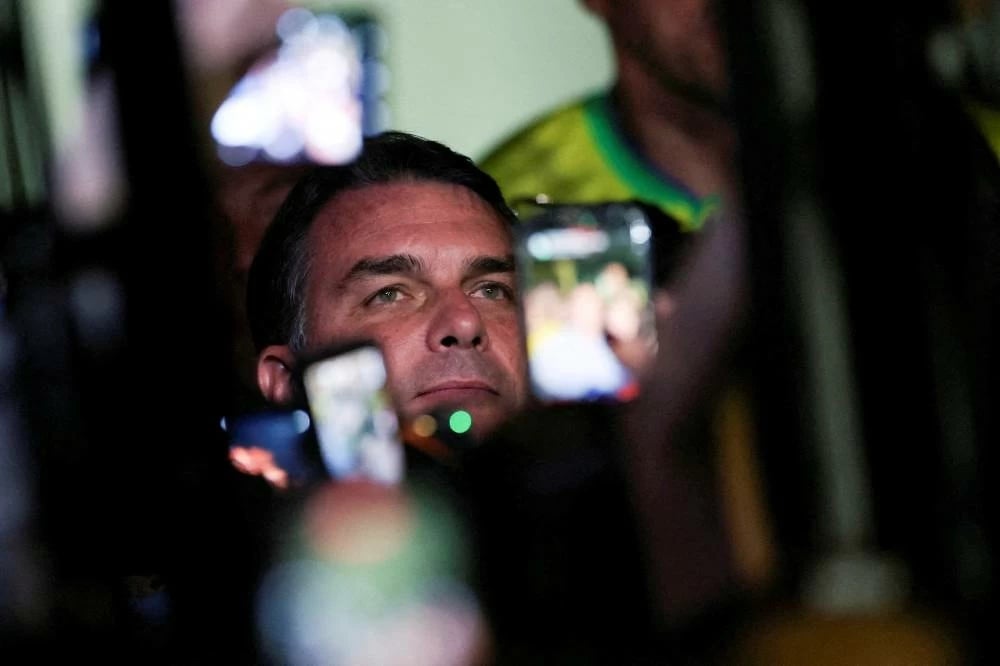

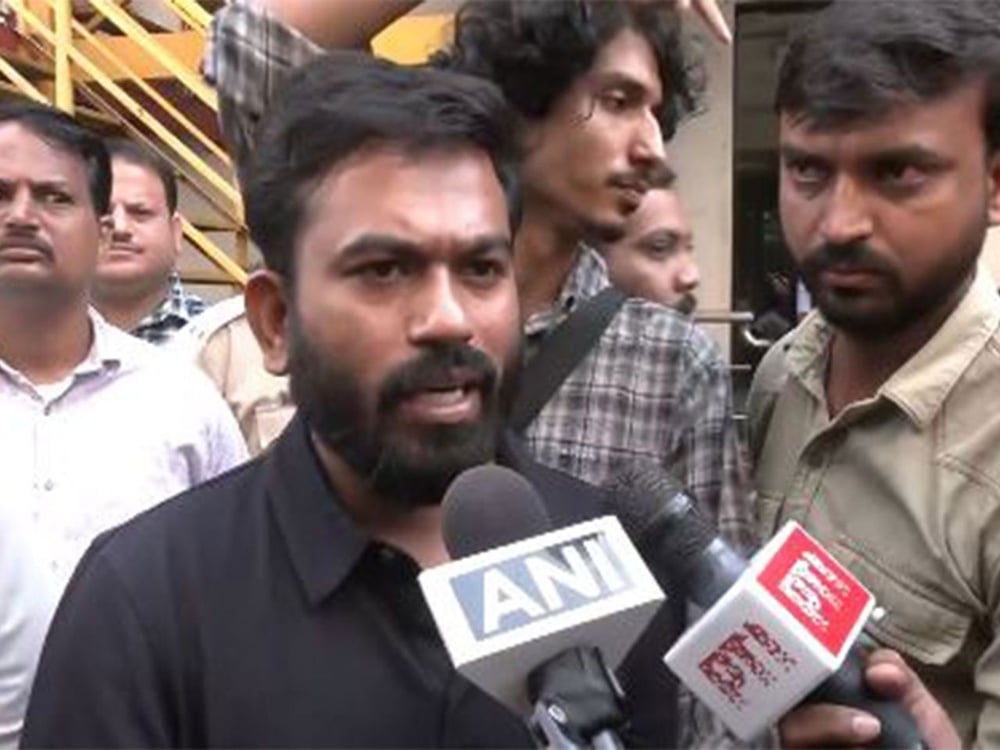
2026 © Helium Trades
Privacy Policy & Disclosure
* Disclaimer: Nothing on this website constitutes investment advice, performance data or any recommendation that any particular security, portfolio of securities, transaction or investment strategy is suitable for any specific person. Helium Trades is not responsible in any way for the accuracy
of any model predictions or price data. Any mention of a particular security and related prediction data is not a recommendation to buy or sell that security. Investments in securities involve the risk of loss. Past performance is no guarantee of future results. Helium Trades is not responsible for any of your investment decisions,
you should consult a financial expert before engaging in any transaction.
Helium Research Assistant

How can I help you today?
Ask any question about this page.


