See whether Helium helps you make better-informed decisions. Try every Pro Trader feature for 30 days. No credit card required.
Try every Pro Trader feature for 30 days. No credit card required.
Reporting uses a cautious, fact-focused frame that foregrounds a whistleblower's exposure of Wagner-linked disinformation networks in Africa while noting France's asylum denial after a presidency-supported evacuation, signaling a nuanced, accountability-centered bias rather than advocacy.
A Spotlight segment discusses a whistleblower exposing Wagner-linked disinformation networks in Africa, amid France's asylum policy decisions after a presidency-supported evacuation attempt.
Automated analysis; not human reviewed.
·
7 of 52 available dimensions scored; omitted dimensions are not treated as neutral.
·
Supporting quotes supplied for 0 of 7 scored dimensions; exact matching was not run.
modest; probability ~0.65 accuracy.
July 13, 2026 · 0 shares
Stridently anti-Trump, the piece relies on a whistleblower and NYT reporting to claim incompetence, frame a Qatar-donated Air Force One as insecure, and deploy emotive, cautionary language that leans liberal and emphasizes democracy and press-freedom concerns.
This report presents Miles Taylor's whistleblower claims about a leak probe and the security status of a Qatar-donated Air Force One, referencing NYT reporting and concerns about democracy and press freedom.
AI bias: Western-leaning sources; confidence 0.65
Coverage is skeptical of the NDA plan, highlighting risks to speech, transparency, and whistleblower protections, citing expert warnings of legal challenges and broad opposition, while noting some administration arguments.
News coverage of Trump's NDA plan for federal workers, highlighting potential legal challenges, impacts on speech and transparency, and mixed reactions from experts and unions.
Automated analysis; not human reviewed.
·
51 of 52 available dimensions scored; omitted dimensions are not treated as neutral.
·
Supporting quotes supplied for 0 of 51 scored dimensions; exact matching was not run.
Slight liberal tilt; confidence ~0.65.
July 17, 2026 · 0 shares
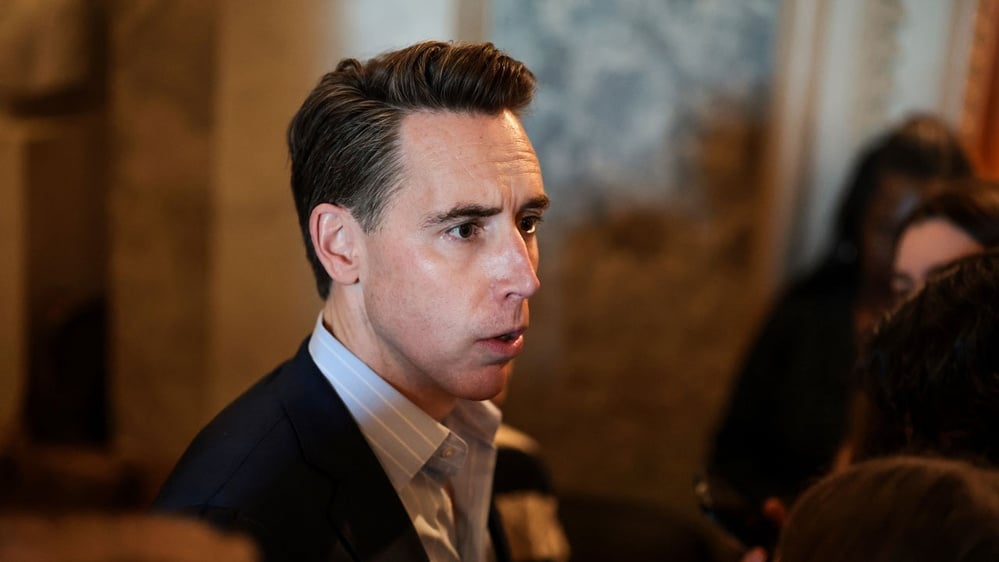
Conservative-leaning framing uses loaded language to portray Meta as nefarious and silencing a whistleblower, endorsing congressional oversight and an anti-CCP stance with populist-elites rhetoric.
Conservative Daily Signal coverage of Sen. Hawley’s push to investigate Meta over whistleblower Wynn-Williams’ allegations of CCP ties and censorship, highlighting calls for information and arbitration-related actions.
Automated analysis; not human reviewed.
Limitations: Concise, case-specific limitations and plausible alternative interpretations.
·
14 of 52 available dimensions scored; omitted dimensions are not treated as neutral.
·
Verified supporting quotes for 1 of 14 scored dimensions.
Claim: Reporting frames Meta's actions and allegations as grave concerns, aligning with Hawley's criticism and a conservative agenda.
“"FIRST ON THE DAILY SIGNAL—Sen.
Josh Hawley, R-Mo., is calling out Meta CEO Mark Zuckerberg for allegedly mistreating a whistleblower through lawfare."”
· exact text match
“"Meta’s efforts to destroy Ms. Wynn-Williams with lawfare are a matter of grave public concern,” Hawley wrote in a letter to Zuckerberg.” · verified after text normalization
“"She testified that Meta worked hand in glove with the Chinese Communist Party to construct and test custom-built censorship tools to silence and censor CCP critics,” and assisted the Chinese government in developing artificial intelligence for its military and stealing intellectual property from Americans."” · verified after text normalization
Counterevidence:
“"Meta did not respond to the ’s request for comment."” · exact text match
Why: Quotations show Hawley-led framing and loaded claims consistent with conservative oversight narratives.
Claim: The piece uses populist rhetoric by portraying 'leftist elites' as controlling government and by linking critics to elites.
“"Today, even with President Trump’s victory, leftist elites have their tentacles in every aspect of our government."” · exact text match
“"THIS IS HUGE – Former Meta Executive, Sarah Wynn-Williams blows the whistle on Mark Zuckerberg et al, exposing their nefarious and alleged treasonous business dealings with China and the CCP."” · not found in supplied text
“"The Left’s NGO apparatus pursues its woke agenda, maneuvering like an octopus by circumventing Congress and entrenching its interests in the federal government."” · not found in supplied text
Counterevidence:
“"Meta did not respond to the ’s request for comment."” · exact text match
Why: Use of 'leftist elites' and conspiratorial framing indicates populist-elitist rhetoric.
Claim: The reporting endorses government oversight and information-gathering into a private company's conduct.
“"Hawley has given Meta until Aug. 14 to collect and provide the requested information so that his subcommittee can continue its investigation."” · exact text match
“"He asked for all motions, discovery materials, and the arbitration complaint to review how the company is handling the case."” · not found in supplied text
“"Hawley requested Meta’s legal bills and attorney fees to evaluate the financial investment it has made to keep Wynn-Williams silent."” · not found in supplied text
Counterevidence:
“"Meta did not respond to the ’s request for comment."” · exact text match
Why: Promotes government inquiry into a private company's actions.
Claim: The text leans toward subjectivity through loaded language and advocacy of Hawley's position.
“"grave public concern"” · not found in supplied text
“"THIS IS HUGE"” · not found in supplied text
“"damning reports"” · not found in supplied text
Counterevidence:
“"Meta did not respond to the ’s request for comment."” · exact text match
Why: Loaded phrases indicate subjective framing.
Claim: Story uses dramatic headlines and hyperbolic language to sensationalize the issue.
“"THIS IS HUGE – Former Meta Executive, Sarah Wynn-Williams blows the whistle on Mark Zuckerberg et al, exposing their nefarious and alleged treasonous business dealings with China and the CCP."” · not found in supplied text
“"Damning Reports Show How Deep New York Is Mired in Blue State Doom Loop"” · exact text match
Counterevidence:
“"Meta did not respond to the ’s request for comment."” · exact text match
Why: Headlines and quotes push dramatic interpretation.
Claim: The piece prescribes action (investigation, information requests) rather than neutrally describing events.
“"Hawley is demanding information from Meta and Zuckerberg to further investigate the company’s alleged lawfare."” · not found in supplied text
“"Hawley has given Meta until Aug. 14 to collect and provide the requested information..."” · not found in supplied text
“"Hawley requested Meta’s legal bills and attorney fees to evaluate the financial investment it has made to keep Wynn-Williams silent."” · not found in supplied text
Counterevidence:
“"Meta did not respond to the ’s request for comment."” · exact text match
Why: Requests and deadlines suggest normative push.
Claim: Citing Hawley's leadership and calls for investigation reflects a hawkish foreign/domestic policy stance toward China and corporate accountability.
“"Hawley, chairman of the Judiciary Subcommittee on Crime and Counterterrorism..."” · not found in supplied text
“"My Senate Judiciary Subcommittee is investigating the allegations that you [Zuckerberg], Meta, and Meta executives made false or misleading statements to Congress..."” · not found in supplied text
Counterevidence:
“"Meta did not respond to the ’s request for comment."” · exact text match
Why: Profile of congressional oversight signals hawkish stance toward corporate conduct and CCP ties.
Claim: Text uses alarmist language about harms and secrecy to invoke fear.
“"grave public concern"” · not found in supplied text
“"assisting the Chinese government in developing artificial intelligence for its military and stealing intellectual property from Americans."” · not found in supplied text
Counterevidence:
“"Meta did not respond to the ’s request for comment."” · exact text match
Why: Alarmist frames bolster fear-driven interpretation.
Claim: The article relies on alarmist language and single-sourced allegations rather than neutral analysis.
“"Meta’s efforts to destroy Ms. Wynn-Williams with lawfare are a matter of grave public concern," Hawley wrote” · verified after text normalization
“"She testified that Meta worked hand in glove with the Chinese Communist Party to construct and test custom-built censorship tools to silence and censor CCP critics," and assisted the Chinese government in developing artificial intelligence for its military and stealing intellectual property from Americans."” · verified after text normalization
“"THIS IS HUGE – Former Meta Executive, Sarah Wynn-Williams blows the whistle on Mark Zuckerberg et al, exposing their nefarious and alleged treasonous business dealings with China and the CCP."” · not found in supplied text
Counterevidence:
“"Meta did not respond to the ’s request for comment."” · exact text match
Why: Loaded adjectives and sensational framing indicate less neutral analysis.
Claim: The piece exhibits low-integrity signals by pushing a single perspective and selectively presenting information.
“"Meta did not respond to the ’s request for comment."” · exact text match
“"THIS IS HUGE – Former Meta Executive"” · not found in supplied text
Counterevidence:
“"Meta did not respond to the ’s request for comment."” · exact text match
Why: Prominent reliance on one side and loaded framing detracts from balanced reporting.
Claim: The piece presents or implies conspiratorial interpretation (e.g., 'hand in glove with CCP', 'treasonous' actions).
“"hand in glove with the Chinese Communist Party to construct and test custom-built censorship tools"” · not found in supplied text
“"treasonous business dealings with China and the CCP"” · not found in supplied text
Counterevidence:
“"Meta did not respond to the ’s request for comment."” · exact text match
Why: Conspiracy-oriented language emphasizes collusion narratives.
Case-specific ambiguities: framing may overstate verification; some quotes are promotional; limited counterpoint within the piece.
Relies on attributed whistleblower claims about Moroccan state surveillance with Pegasus, presenting unverified allegations as plausible but not proven, and emphasizing the capabilities of the spyware while citing a single insider source.
A former member of Morocco's domestic intelligence service claims Pegasus spyware was used by internal security services against various targets starting in 2017, with the product's capabilities described.
Automated analysis; not human reviewed.
·
51 of 52 available dimensions scored; omitted dimensions are not treated as neutral.
·
Supporting quotes supplied for 0 of 51 scored dimensions; exact matching was not run.
My bias: cautious on unverified whistleblower claims; confidence ~0.
6.
July 16, 2026 · 0 shares
Whistleblower-reported claims about Morocco's surveillance-tool purchases are presented with loaded language ('frenzy') and a catalog of tools, without independent verification or counterpoints, implying a mild critical or sensational framing of state surveillance.
Whistleblower-revealed account of Morocco's alleged widespread procurement of surveillance tools, including keyloggers, spyware on phones, wiretapping, and hidden cameras.
Automated analysis; not human reviewed.
·
1 of 52 available dimensions scored; omitted dimensions are not treated as neutral.
·
Supporting quotes supplied for 0 of 1 scored dimensions; exact matching was not run.
July 15, 2026 · 0 shares
The coverage foregrounds government assurances about grid stability amid a heatwave while giving substantial weight to whistleblower allegations and an independent investigation, yielding a cautious, establishment-leaning framing that emphasizes official responses over unverified risk claims.
A report on government assurances about grid stability during a heatwave, juxtaposed with whistleblower allegations and an independent investigation.
Automated analysis; not human reviewed.
Limitations: Concise, case-specific limitations and plausible alternative interpretations.
·
1 of 52 available dimensions scored; omitted dimensions are not treated as neutral.
·
Verified supporting quotes for 0 of 1 scored dimensions.
Ambiguity: relies on quotes; limited data on actual grid risk.
July 18, 2026 · 0 shares
Whistleblower-focused coverage foregrounds asbestos hazards and public-safety concerns, while citing tribunal findings that protected disclosures were legitimate and that London Underground may bear responsibility for unsafe waste handling.
London Underground whistleblower case regarding asbestos exposure and hazardous waste disposal; tribunal ruled disclosures were protected and highlighted safety and disposal concerns.
Automated analysis; not human reviewed.
Limitations: Case-specific; relies on tribunal findings and quoted statements; may not reflect independent hazard data or broader industry context.
·
52 of 52 available dimensions scored; omitted dimensions are not treated as neutral.
·
Verified supporting quotes for 0 of 52 scored dimensions.
Ambiguity: relies on tribunal; no independent hazard data.
Reporting uses a cautious, fact-focused frame that foregrounds a whistleblower's exposure of Wagner-linked disinformation networks in Africa while noting France's asylum denial after a presidency-supported evacuation, signaling a nuanced, accountability-centered bias rather than advocacy.
A Spotlight segment discusses a whistleblower exposing Wagner-linked disinformation networks in Africa, amid France's asylum policy decisions after a presidency-supported evacuation attempt.
Automated analysis; not human reviewed.
·
7 of 52 available dimensions scored; omitted dimensions are not treated as neutral.
·
Supporting quotes supplied for 0 of 7 scored dimensions; exact matching was not run.
modest; probability ~0.65 accuracy.
July 13, 2026 · 0 shares
Stridently anti-Trump, the piece relies on a whistleblower and NYT reporting to claim incompetence, frame a Qatar-donated Air Force One as insecure, and deploy emotive, cautionary language that leans liberal and emphasizes democracy and press-freedom concerns.
This report presents Miles Taylor's whistleblower claims about a leak probe and the security status of a Qatar-donated Air Force One, referencing NYT reporting and concerns about democracy and press freedom.
AI bias: Western-leaning sources; confidence 0.65
Coverage is skeptical of the NDA plan, highlighting risks to speech, transparency, and whistleblower protections, citing expert warnings of legal challenges and broad opposition, while noting some administration arguments.
News coverage of Trump's NDA plan for federal workers, highlighting potential legal challenges, impacts on speech and transparency, and mixed reactions from experts and unions.
Automated analysis; not human reviewed.
·
51 of 52 available dimensions scored; omitted dimensions are not treated as neutral.
·
Supporting quotes supplied for 0 of 51 scored dimensions; exact matching was not run.
Slight liberal tilt; confidence ~0.65.
July 17, 2026 · 0 shares
Conservative-leaning framing uses loaded language to portray Meta as nefarious and silencing a whistleblower, endorsing congressional oversight and an anti-CCP stance with populist-elites rhetoric.
Conservative Daily Signal coverage of Sen. Hawley’s push to investigate Meta over whistleblower Wynn-Williams’ allegations of CCP ties and censorship, highlighting calls for information and arbitration-related actions.
Automated analysis; not human reviewed.
Limitations: Concise, case-specific limitations and plausible alternative interpretations.
·
14 of 52 available dimensions scored; omitted dimensions are not treated as neutral.
·
Verified supporting quotes for 1 of 14 scored dimensions.
Claim: Reporting frames Meta's actions and allegations as grave concerns, aligning with Hawley's criticism and a conservative agenda.
“"FIRST ON THE DAILY SIGNAL—Sen.
Josh Hawley, R-Mo., is calling out Meta CEO Mark Zuckerberg for allegedly mistreating a whistleblower through lawfare."”
· exact text match
“"Meta’s efforts to destroy Ms. Wynn-Williams with lawfare are a matter of grave public concern,” Hawley wrote in a letter to Zuckerberg.” · verified after text normalization
“"She testified that Meta worked hand in glove with the Chinese Communist Party to construct and test custom-built censorship tools to silence and censor CCP critics,” and assisted the Chinese government in developing artificial intelligence for its military and stealing intellectual property from Americans."” · verified after text normalization
Counterevidence:
“"Meta did not respond to the ’s request for comment."” · exact text match
Why: Quotations show Hawley-led framing and loaded claims consistent with conservative oversight narratives.
Claim: The piece uses populist rhetoric by portraying 'leftist elites' as controlling government and by linking critics to elites.
“"Today, even with President Trump’s victory, leftist elites have their tentacles in every aspect of our government."” · exact text match
“"THIS IS HUGE – Former Meta Executive, Sarah Wynn-Williams blows the whistle on Mark Zuckerberg et al, exposing their nefarious and alleged treasonous business dealings with China and the CCP."” · not found in supplied text
“"The Left’s NGO apparatus pursues its woke agenda, maneuvering like an octopus by circumventing Congress and entrenching its interests in the federal government."” · not found in supplied text
Counterevidence:
“"Meta did not respond to the ’s request for comment."” · exact text match
Why: Use of 'leftist elites' and conspiratorial framing indicates populist-elitist rhetoric.
Claim: The reporting endorses government oversight and information-gathering into a private company's conduct.
“"Hawley has given Meta until Aug. 14 to collect and provide the requested information so that his subcommittee can continue its investigation."” · exact text match
“"He asked for all motions, discovery materials, and the arbitration complaint to review how the company is handling the case."” · not found in supplied text
“"Hawley requested Meta’s legal bills and attorney fees to evaluate the financial investment it has made to keep Wynn-Williams silent."” · not found in supplied text
Counterevidence:
“"Meta did not respond to the ’s request for comment."” · exact text match
Why: Promotes government inquiry into a private company's actions.
Claim: The text leans toward subjectivity through loaded language and advocacy of Hawley's position.
“"grave public concern"” · not found in supplied text
“"THIS IS HUGE"” · not found in supplied text
“"damning reports"” · not found in supplied text
Counterevidence:
“"Meta did not respond to the ’s request for comment."” · exact text match
Why: Loaded phrases indicate subjective framing.
Claim: Story uses dramatic headlines and hyperbolic language to sensationalize the issue.
“"THIS IS HUGE – Former Meta Executive, Sarah Wynn-Williams blows the whistle on Mark Zuckerberg et al, exposing their nefarious and alleged treasonous business dealings with China and the CCP."” · not found in supplied text
“"Damning Reports Show How Deep New York Is Mired in Blue State Doom Loop"” · exact text match
Counterevidence:
“"Meta did not respond to the ’s request for comment."” · exact text match
Why: Headlines and quotes push dramatic interpretation.
Claim: The piece prescribes action (investigation, information requests) rather than neutrally describing events.
“"Hawley is demanding information from Meta and Zuckerberg to further investigate the company’s alleged lawfare."” · not found in supplied text
“"Hawley has given Meta until Aug. 14 to collect and provide the requested information..."” · not found in supplied text
“"Hawley requested Meta’s legal bills and attorney fees to evaluate the financial investment it has made to keep Wynn-Williams silent."” · not found in supplied text
Counterevidence:
“"Meta did not respond to the ’s request for comment."” · exact text match
Why: Requests and deadlines suggest normative push.
Claim: Citing Hawley's leadership and calls for investigation reflects a hawkish foreign/domestic policy stance toward China and corporate accountability.
“"Hawley, chairman of the Judiciary Subcommittee on Crime and Counterterrorism..."” · not found in supplied text
“"My Senate Judiciary Subcommittee is investigating the allegations that you [Zuckerberg], Meta, and Meta executives made false or misleading statements to Congress..."” · not found in supplied text
Counterevidence:
“"Meta did not respond to the ’s request for comment."” · exact text match
Why: Profile of congressional oversight signals hawkish stance toward corporate conduct and CCP ties.
Claim: Text uses alarmist language about harms and secrecy to invoke fear.
“"grave public concern"” · not found in supplied text
“"assisting the Chinese government in developing artificial intelligence for its military and stealing intellectual property from Americans."” · not found in supplied text
Counterevidence:
“"Meta did not respond to the ’s request for comment."” · exact text match
Why: Alarmist frames bolster fear-driven interpretation.
Claim: The article relies on alarmist language and single-sourced allegations rather than neutral analysis.
“"Meta’s efforts to destroy Ms. Wynn-Williams with lawfare are a matter of grave public concern," Hawley wrote” · verified after text normalization
“"She testified that Meta worked hand in glove with the Chinese Communist Party to construct and test custom-built censorship tools to silence and censor CCP critics," and assisted the Chinese government in developing artificial intelligence for its military and stealing intellectual property from Americans."” · verified after text normalization
“"THIS IS HUGE – Former Meta Executive, Sarah Wynn-Williams blows the whistle on Mark Zuckerberg et al, exposing their nefarious and alleged treasonous business dealings with China and the CCP."” · not found in supplied text
Counterevidence:
“"Meta did not respond to the ’s request for comment."” · exact text match
Why: Loaded adjectives and sensational framing indicate less neutral analysis.
Claim: The piece exhibits low-integrity signals by pushing a single perspective and selectively presenting information.
“"Meta did not respond to the ’s request for comment."” · exact text match
“"THIS IS HUGE – Former Meta Executive"” · not found in supplied text
Counterevidence:
“"Meta did not respond to the ’s request for comment."” · exact text match
Why: Prominent reliance on one side and loaded framing detracts from balanced reporting.
Claim: The piece presents or implies conspiratorial interpretation (e.g., 'hand in glove with CCP', 'treasonous' actions).
“"hand in glove with the Chinese Communist Party to construct and test custom-built censorship tools"” · not found in supplied text
“"treasonous business dealings with China and the CCP"” · not found in supplied text
Counterevidence:
“"Meta did not respond to the ’s request for comment."” · exact text match
Why: Conspiracy-oriented language emphasizes collusion narratives.
Case-specific ambiguities: framing may overstate verification; some quotes are promotional; limited counterpoint within the piece.
Relies on attributed whistleblower claims about Moroccan state surveillance with Pegasus, presenting unverified allegations as plausible but not proven, and emphasizing the capabilities of the spyware while citing a single insider source.
A former member of Morocco's domestic intelligence service claims Pegasus spyware was used by internal security services against various targets starting in 2017, with the product's capabilities described.
Automated analysis; not human reviewed.
·
51 of 52 available dimensions scored; omitted dimensions are not treated as neutral.
·
Supporting quotes supplied for 0 of 51 scored dimensions; exact matching was not run.
My bias: cautious on unverified whistleblower claims; confidence ~0.
6.
July 16, 2026 · 0 shares
Whistleblower-reported claims about Morocco's surveillance-tool purchases are presented with loaded language ('frenzy') and a catalog of tools, without independent verification or counterpoints, implying a mild critical or sensational framing of state surveillance.
Whistleblower-revealed account of Morocco's alleged widespread procurement of surveillance tools, including keyloggers, spyware on phones, wiretapping, and hidden cameras.
Automated analysis; not human reviewed.
·
1 of 52 available dimensions scored; omitted dimensions are not treated as neutral.
·
Supporting quotes supplied for 0 of 1 scored dimensions; exact matching was not run.
July 15, 2026 · 0 shares
The coverage foregrounds government assurances about grid stability amid a heatwave while giving substantial weight to whistleblower allegations and an independent investigation, yielding a cautious, establishment-leaning framing that emphasizes official responses over unverified risk claims.
A report on government assurances about grid stability during a heatwave, juxtaposed with whistleblower allegations and an independent investigation.
Automated analysis; not human reviewed.
Limitations: Concise, case-specific limitations and plausible alternative interpretations.
·
1 of 52 available dimensions scored; omitted dimensions are not treated as neutral.
·
Verified supporting quotes for 0 of 1 scored dimensions.
Ambiguity: relies on quotes; limited data on actual grid risk.
July 18, 2026 · 0 shares
Whistleblower-focused coverage foregrounds asbestos hazards and public-safety concerns, while citing tribunal findings that protected disclosures were legitimate and that London Underground may bear responsibility for unsafe waste handling.
London Underground whistleblower case regarding asbestos exposure and hazardous waste disposal; tribunal ruled disclosures were protected and highlighted safety and disposal concerns.
Automated analysis; not human reviewed.
Limitations: Case-specific; relies on tribunal findings and quoted statements; may not reflect independent hazard data or broader industry context.
·
52 of 52 available dimensions scored; omitted dimensions are not treated as neutral.
·
Verified supporting quotes for 0 of 52 scored dimensions.
Ambiguity: relies on tribunal; no independent hazard data.
Reporting uses a cautious, fact-focused frame that foregrounds a whistleblower's exposure of Wagner-linked disinformation networks in Africa while noting France's asylum denial after a presidency-supported evacuation, signaling a nuanced, accountability-centered bias rather than advocacy.
A Spotlight segment discusses a whistleblower exposing Wagner-linked disinformation networks in Africa, amid France's asylum policy decisions after a presidency-supported evacuation attempt.
Automated analysis; not human reviewed. · 7 of 52 available dimensions scored; omitted dimensions are not treated as neutral. · Supporting quotes supplied for 0 of 7 scored dimensions; exact matching was not run.
modest; probability ~0.65 accuracy.
Coverage is skeptical of the NDA plan, highlighting risks to speech, transparency, and whistleblower protections, citing expert warnings of legal challenges and broad opposition, while noting some administration arguments.
News coverage of Trump's NDA plan for federal workers, highlighting potential legal challenges, impacts on speech and transparency, and mixed reactions from experts and unions.
Automated analysis; not human reviewed. · 51 of 52 available dimensions scored; omitted dimensions are not treated as neutral. · Supporting quotes supplied for 0 of 51 scored dimensions; exact matching was not run.
Slight liberal tilt; confidence ~0.65.
Public-interest accountability (whistleblower rights) lens
Reporting uses a cautious, fact-focused frame that foregrounds a whistleblower's exposure of Wagner-linked disinformation networks in Africa while noting France's asylum denial after a presidency-supported evacuation, signaling a nuanced, accountability-centered bias rather than advocacy.
A Spotlight segment discusses a whistleblower exposing Wagner-linked disinformation networks in Africa, amid France's asylum policy decisions after a presidency-supported evacuation attempt.
Automated analysis; not human reviewed. · 7 of 52 available dimensions scored; omitted dimensions are not treated as neutral. · Supporting quotes supplied for 0 of 7 scored dimensions; exact matching was not run.
modest; probability ~0.65 accuracy.
Coverage is skeptical of the NDA plan, highlighting risks to speech, transparency, and whistleblower protections, citing expert warnings of legal challenges and broad opposition, while noting some administration arguments.
News coverage of Trump's NDA plan for federal workers, highlighting potential legal challenges, impacts on speech and transparency, and mixed reactions from experts and unions.
Automated analysis; not human reviewed. · 51 of 52 available dimensions scored; omitted dimensions are not treated as neutral. · Supporting quotes supplied for 0 of 51 scored dimensions; exact matching was not run.
Slight liberal tilt; confidence ~0.65.
July 17, 2026 · 0 shares
Conservative-leaning framing uses loaded language to portray Meta as nefarious and silencing a whistleblower, endorsing congressional oversight and an anti-CCP stance with populist-elites rhetoric.
Conservative Daily Signal coverage of Sen. Hawley’s push to investigate Meta over whistleblower Wynn-Williams’ allegations of CCP ties and censorship, highlighting calls for information and arbitration-related actions.
Automated analysis; not human reviewed. Limitations: Concise, case-specific limitations and plausible alternative interpretations. · 14 of 52 available dimensions scored; omitted dimensions are not treated as neutral. · Verified supporting quotes for 1 of 14 scored dimensions.
Claim: Reporting frames Meta's actions and allegations as grave concerns, aligning with Hawley's criticism and a conservative agenda.
“"FIRST ON THE DAILY SIGNAL—Sen. Josh Hawley, R-Mo., is calling out Meta CEO Mark Zuckerberg for allegedly mistreating a whistleblower through lawfare."” · exact text match
“"Meta’s efforts to destroy Ms. Wynn-Williams with lawfare are a matter of grave public concern,” Hawley wrote in a letter to Zuckerberg.” · verified after text normalization
“"She testified that Meta worked hand in glove with the Chinese Communist Party to construct and test custom-built censorship tools to silence and censor CCP critics,” and assisted the Chinese government in developing artificial intelligence for its military and stealing intellectual property from Americans."” · verified after text normalization
Counterevidence:
“"Meta did not respond to the ’s request for comment."” · exact text match
Why: Quotations show Hawley-led framing and loaded claims consistent with conservative oversight narratives.
Claim: The piece uses populist rhetoric by portraying 'leftist elites' as controlling government and by linking critics to elites.
“"Today, even with President Trump’s victory, leftist elites have their tentacles in every aspect of our government."” · exact text match
“"THIS IS HUGE – Former Meta Executive, Sarah Wynn-Williams blows the whistle on Mark Zuckerberg et al, exposing their nefarious and alleged treasonous business dealings with China and the CCP."” · not found in supplied text
“"The Left’s NGO apparatus pursues its woke agenda, maneuvering like an octopus by circumventing Congress and entrenching its interests in the federal government."” · not found in supplied text
Counterevidence:
“"Meta did not respond to the ’s request for comment."” · exact text match
Why: Use of 'leftist elites' and conspiratorial framing indicates populist-elitist rhetoric.
Claim: The reporting endorses government oversight and information-gathering into a private company's conduct.
“"Hawley has given Meta until Aug. 14 to collect and provide the requested information so that his subcommittee can continue its investigation."” · exact text match
“"He asked for all motions, discovery materials, and the arbitration complaint to review how the company is handling the case."” · not found in supplied text
“"Hawley requested Meta’s legal bills and attorney fees to evaluate the financial investment it has made to keep Wynn-Williams silent."” · not found in supplied text
Counterevidence:
“"Meta did not respond to the ’s request for comment."” · exact text match
Why: Promotes government inquiry into a private company's actions.
Claim: The text leans toward subjectivity through loaded language and advocacy of Hawley's position.
“"grave public concern"” · not found in supplied text
“"THIS IS HUGE"” · not found in supplied text
“"damning reports"” · not found in supplied text
Counterevidence:
“"Meta did not respond to the ’s request for comment."” · exact text match
Why: Loaded phrases indicate subjective framing.
Claim: Story uses dramatic headlines and hyperbolic language to sensationalize the issue.
“"THIS IS HUGE – Former Meta Executive, Sarah Wynn-Williams blows the whistle on Mark Zuckerberg et al, exposing their nefarious and alleged treasonous business dealings with China and the CCP."” · not found in supplied text
“"Damning Reports Show How Deep New York Is Mired in Blue State Doom Loop"” · exact text match
Counterevidence:
“"Meta did not respond to the ’s request for comment."” · exact text match
Why: Headlines and quotes push dramatic interpretation.
Claim: The piece prescribes action (investigation, information requests) rather than neutrally describing events.
“"Hawley is demanding information from Meta and Zuckerberg to further investigate the company’s alleged lawfare."” · not found in supplied text
“"Hawley has given Meta until Aug. 14 to collect and provide the requested information..."” · not found in supplied text
“"Hawley requested Meta’s legal bills and attorney fees to evaluate the financial investment it has made to keep Wynn-Williams silent."” · not found in supplied text
Counterevidence:
“"Meta did not respond to the ’s request for comment."” · exact text match
Why: Requests and deadlines suggest normative push.
Claim: Citing Hawley's leadership and calls for investigation reflects a hawkish foreign/domestic policy stance toward China and corporate accountability.
“"Hawley, chairman of the Judiciary Subcommittee on Crime and Counterterrorism..."” · not found in supplied text
“"My Senate Judiciary Subcommittee is investigating the allegations that you [Zuckerberg], Meta, and Meta executives made false or misleading statements to Congress..."” · not found in supplied text
Counterevidence:
“"Meta did not respond to the ’s request for comment."” · exact text match
Why: Profile of congressional oversight signals hawkish stance toward corporate conduct and CCP ties.
Claim: Text uses alarmist language about harms and secrecy to invoke fear.
“"grave public concern"” · not found in supplied text
“"assisting the Chinese government in developing artificial intelligence for its military and stealing intellectual property from Americans."” · not found in supplied text
Counterevidence:
“"Meta did not respond to the ’s request for comment."” · exact text match
Why: Alarmist frames bolster fear-driven interpretation.
Claim: The article relies on alarmist language and single-sourced allegations rather than neutral analysis.
“"Meta’s efforts to destroy Ms. Wynn-Williams with lawfare are a matter of grave public concern," Hawley wrote” · verified after text normalization
“"She testified that Meta worked hand in glove with the Chinese Communist Party to construct and test custom-built censorship tools to silence and censor CCP critics," and assisted the Chinese government in developing artificial intelligence for its military and stealing intellectual property from Americans."” · verified after text normalization
“"THIS IS HUGE – Former Meta Executive, Sarah Wynn-Williams blows the whistle on Mark Zuckerberg et al, exposing their nefarious and alleged treasonous business dealings with China and the CCP."” · not found in supplied text
Counterevidence:
“"Meta did not respond to the ’s request for comment."” · exact text match
Why: Loaded adjectives and sensational framing indicate less neutral analysis.
Claim: The piece exhibits low-integrity signals by pushing a single perspective and selectively presenting information.
“"Meta did not respond to the ’s request for comment."” · exact text match
“"THIS IS HUGE – Former Meta Executive"” · not found in supplied text
Counterevidence:
“"Meta did not respond to the ’s request for comment."” · exact text match
Why: Prominent reliance on one side and loaded framing detracts from balanced reporting.
Claim: The piece presents or implies conspiratorial interpretation (e.g., 'hand in glove with CCP', 'treasonous' actions).
“"hand in glove with the Chinese Communist Party to construct and test custom-built censorship tools"” · not found in supplied text
“"treasonous business dealings with China and the CCP"” · not found in supplied text
Counterevidence:
“"Meta did not respond to the ’s request for comment."” · exact text match
Why: Conspiracy-oriented language emphasizes collusion narratives.
Case-specific ambiguities: framing may overstate verification; some quotes are promotional; limited counterpoint within the piece.
July 18, 2026 · 0 shares
Whistleblower-focused coverage foregrounds asbestos hazards and public-safety concerns, while citing tribunal findings that protected disclosures were legitimate and that London Underground may bear responsibility for unsafe waste handling.
London Underground whistleblower case regarding asbestos exposure and hazardous waste disposal; tribunal ruled disclosures were protected and highlighted safety and disposal concerns.
Automated analysis; not human reviewed. Limitations: Case-specific; relies on tribunal findings and quoted statements; may not reflect independent hazard data or broader industry context. · 52 of 52 available dimensions scored; omitted dimensions are not treated as neutral. · Verified supporting quotes for 0 of 52 scored dimensions.
Ambiguity: relies on tribunal; no independent hazard data.
Relies on attributed whistleblower claims about Moroccan state surveillance with Pegasus, presenting unverified allegations as plausible but not proven, and emphasizing the capabilities of the spyware while citing a single insider source.
A former member of Morocco's domestic intelligence service claims Pegasus spyware was used by internal security services against various targets starting in 2017, with the product's capabilities described.
Automated analysis; not human reviewed. · 51 of 52 available dimensions scored; omitted dimensions are not treated as neutral. · Supporting quotes supplied for 0 of 51 scored dimensions; exact matching was not run.
My bias: cautious on unverified whistleblower claims; confidence ~0.6.
July 16, 2026 · 0 shares
Whistleblower-reported claims about Morocco's surveillance-tool purchases are presented with loaded language ('frenzy') and a catalog of tools, without independent verification or counterpoints, implying a mild critical or sensational framing of state surveillance.
Whistleblower-revealed account of Morocco's alleged widespread procurement of surveillance tools, including keyloggers, spyware on phones, wiretapping, and hidden cameras.
Automated analysis; not human reviewed. · 1 of 52 available dimensions scored; omitted dimensions are not treated as neutral. · Supporting quotes supplied for 0 of 1 scored dimensions; exact matching was not run.
Reporting uses a cautious, fact-focused frame that foregrounds a whistleblower's exposure of Wagner-linked disinformation networks in Africa while noting France's asylum denial after a presidency-supported evacuation, signaling a nuanced, accountability-centered bias rather than advocacy.
A Spotlight segment discusses a whistleblower exposing Wagner-linked disinformation networks in Africa, amid France's asylum policy decisions after a presidency-supported evacuation attempt.
Automated analysis; not human reviewed. · 7 of 52 available dimensions scored; omitted dimensions are not treated as neutral. · Supporting quotes supplied for 0 of 7 scored dimensions; exact matching was not run.
modest; probability ~0.65 accuracy.
Institutional/legal process & risk-management lens
Reporting uses a cautious, fact-focused frame that foregrounds a whistleblower's exposure of Wagner-linked disinformation networks in Africa while noting France's asylum denial after a presidency-supported evacuation, signaling a nuanced, accountability-centered bias rather than advocacy.
A Spotlight segment discusses a whistleblower exposing Wagner-linked disinformation networks in Africa, amid France's asylum policy decisions after a presidency-supported evacuation attempt.
Automated analysis; not human reviewed. · 7 of 52 available dimensions scored; omitted dimensions are not treated as neutral. · Supporting quotes supplied for 0 of 7 scored dimensions; exact matching was not run.
modest; probability ~0.65 accuracy.
Coverage is skeptical of the NDA plan, highlighting risks to speech, transparency, and whistleblower protections, citing expert warnings of legal challenges and broad opposition, while noting some administration arguments.
News coverage of Trump's NDA plan for federal workers, highlighting potential legal challenges, impacts on speech and transparency, and mixed reactions from experts and unions.
Automated analysis; not human reviewed. · 51 of 52 available dimensions scored; omitted dimensions are not treated as neutral. · Supporting quotes supplied for 0 of 51 scored dimensions; exact matching was not run.
Slight liberal tilt; confidence ~0.65.
July 17, 2026 · 0 shares
Conservative-leaning framing uses loaded language to portray Meta as nefarious and silencing a whistleblower, endorsing congressional oversight and an anti-CCP stance with populist-elites rhetoric.
Conservative Daily Signal coverage of Sen. Hawley’s push to investigate Meta over whistleblower Wynn-Williams’ allegations of CCP ties and censorship, highlighting calls for information and arbitration-related actions.
Automated analysis; not human reviewed. Limitations: Concise, case-specific limitations and plausible alternative interpretations. · 14 of 52 available dimensions scored; omitted dimensions are not treated as neutral. · Verified supporting quotes for 1 of 14 scored dimensions.
Claim: Reporting frames Meta's actions and allegations as grave concerns, aligning with Hawley's criticism and a conservative agenda.
“"FIRST ON THE DAILY SIGNAL—Sen. Josh Hawley, R-Mo., is calling out Meta CEO Mark Zuckerberg for allegedly mistreating a whistleblower through lawfare."” · exact text match
“"Meta’s efforts to destroy Ms. Wynn-Williams with lawfare are a matter of grave public concern,” Hawley wrote in a letter to Zuckerberg.” · verified after text normalization
“"She testified that Meta worked hand in glove with the Chinese Communist Party to construct and test custom-built censorship tools to silence and censor CCP critics,” and assisted the Chinese government in developing artificial intelligence for its military and stealing intellectual property from Americans."” · verified after text normalization
Counterevidence:
“"Meta did not respond to the ’s request for comment."” · exact text match
Why: Quotations show Hawley-led framing and loaded claims consistent with conservative oversight narratives.
Claim: The piece uses populist rhetoric by portraying 'leftist elites' as controlling government and by linking critics to elites.
“"Today, even with President Trump’s victory, leftist elites have their tentacles in every aspect of our government."” · exact text match
“"THIS IS HUGE – Former Meta Executive, Sarah Wynn-Williams blows the whistle on Mark Zuckerberg et al, exposing their nefarious and alleged treasonous business dealings with China and the CCP."” · not found in supplied text
“"The Left’s NGO apparatus pursues its woke agenda, maneuvering like an octopus by circumventing Congress and entrenching its interests in the federal government."” · not found in supplied text
Counterevidence:
“"Meta did not respond to the ’s request for comment."” · exact text match
Why: Use of 'leftist elites' and conspiratorial framing indicates populist-elitist rhetoric.
Claim: The reporting endorses government oversight and information-gathering into a private company's conduct.
“"Hawley has given Meta until Aug. 14 to collect and provide the requested information so that his subcommittee can continue its investigation."” · exact text match
“"He asked for all motions, discovery materials, and the arbitration complaint to review how the company is handling the case."” · not found in supplied text
“"Hawley requested Meta’s legal bills and attorney fees to evaluate the financial investment it has made to keep Wynn-Williams silent."” · not found in supplied text
Counterevidence:
“"Meta did not respond to the ’s request for comment."” · exact text match
Why: Promotes government inquiry into a private company's actions.
Claim: The text leans toward subjectivity through loaded language and advocacy of Hawley's position.
“"grave public concern"” · not found in supplied text
“"THIS IS HUGE"” · not found in supplied text
“"damning reports"” · not found in supplied text
Counterevidence:
“"Meta did not respond to the ’s request for comment."” · exact text match
Why: Loaded phrases indicate subjective framing.
Claim: Story uses dramatic headlines and hyperbolic language to sensationalize the issue.
“"THIS IS HUGE – Former Meta Executive, Sarah Wynn-Williams blows the whistle on Mark Zuckerberg et al, exposing their nefarious and alleged treasonous business dealings with China and the CCP."” · not found in supplied text
“"Damning Reports Show How Deep New York Is Mired in Blue State Doom Loop"” · exact text match
Counterevidence:
“"Meta did not respond to the ’s request for comment."” · exact text match
Why: Headlines and quotes push dramatic interpretation.
Claim: The piece prescribes action (investigation, information requests) rather than neutrally describing events.
“"Hawley is demanding information from Meta and Zuckerberg to further investigate the company’s alleged lawfare."” · not found in supplied text
“"Hawley has given Meta until Aug. 14 to collect and provide the requested information..."” · not found in supplied text
“"Hawley requested Meta’s legal bills and attorney fees to evaluate the financial investment it has made to keep Wynn-Williams silent."” · not found in supplied text
Counterevidence:
“"Meta did not respond to the ’s request for comment."” · exact text match
Why: Requests and deadlines suggest normative push.
Claim: Citing Hawley's leadership and calls for investigation reflects a hawkish foreign/domestic policy stance toward China and corporate accountability.
“"Hawley, chairman of the Judiciary Subcommittee on Crime and Counterterrorism..."” · not found in supplied text
“"My Senate Judiciary Subcommittee is investigating the allegations that you [Zuckerberg], Meta, and Meta executives made false or misleading statements to Congress..."” · not found in supplied text
Counterevidence:
“"Meta did not respond to the ’s request for comment."” · exact text match
Why: Profile of congressional oversight signals hawkish stance toward corporate conduct and CCP ties.
Claim: Text uses alarmist language about harms and secrecy to invoke fear.
“"grave public concern"” · not found in supplied text
“"assisting the Chinese government in developing artificial intelligence for its military and stealing intellectual property from Americans."” · not found in supplied text
Counterevidence:
“"Meta did not respond to the ’s request for comment."” · exact text match
Why: Alarmist frames bolster fear-driven interpretation.
Claim: The article relies on alarmist language and single-sourced allegations rather than neutral analysis.
“"Meta’s efforts to destroy Ms. Wynn-Williams with lawfare are a matter of grave public concern," Hawley wrote” · verified after text normalization
“"She testified that Meta worked hand in glove with the Chinese Communist Party to construct and test custom-built censorship tools to silence and censor CCP critics," and assisted the Chinese government in developing artificial intelligence for its military and stealing intellectual property from Americans."” · verified after text normalization
“"THIS IS HUGE – Former Meta Executive, Sarah Wynn-Williams blows the whistle on Mark Zuckerberg et al, exposing their nefarious and alleged treasonous business dealings with China and the CCP."” · not found in supplied text
Counterevidence:
“"Meta did not respond to the ’s request for comment."” · exact text match
Why: Loaded adjectives and sensational framing indicate less neutral analysis.
Claim: The piece exhibits low-integrity signals by pushing a single perspective and selectively presenting information.
“"Meta did not respond to the ’s request for comment."” · exact text match
“"THIS IS HUGE – Former Meta Executive"” · not found in supplied text
Counterevidence:
“"Meta did not respond to the ’s request for comment."” · exact text match
Why: Prominent reliance on one side and loaded framing detracts from balanced reporting.
Claim: The piece presents or implies conspiratorial interpretation (e.g., 'hand in glove with CCP', 'treasonous' actions).
“"hand in glove with the Chinese Communist Party to construct and test custom-built censorship tools"” · not found in supplied text
“"treasonous business dealings with China and the CCP"” · not found in supplied text
Counterevidence:
“"Meta did not respond to the ’s request for comment."” · exact text match
Why: Conspiracy-oriented language emphasizes collusion narratives.
Case-specific ambiguities: framing may overstate verification; some quotes are promotional; limited counterpoint within the piece.
July 15, 2026 · 0 shares
The coverage foregrounds government assurances about grid stability amid a heatwave while giving substantial weight to whistleblower allegations and an independent investigation, yielding a cautious, establishment-leaning framing that emphasizes official responses over unverified risk claims.
A report on government assurances about grid stability during a heatwave, juxtaposed with whistleblower allegations and an independent investigation.
Automated analysis; not human reviewed. Limitations: Concise, case-specific limitations and plausible alternative interpretations. · 1 of 52 available dimensions scored; omitted dimensions are not treated as neutral. · Verified supporting quotes for 0 of 1 scored dimensions.
Ambiguity: relies on quotes; limited data on actual grid risk.
Relies on attributed whistleblower claims about Moroccan state surveillance with Pegasus, presenting unverified allegations as plausible but not proven, and emphasizing the capabilities of the spyware while citing a single insider source.
A former member of Morocco's domestic intelligence service claims Pegasus spyware was used by internal security services against various targets starting in 2017, with the product's capabilities described.
Automated analysis; not human reviewed. · 51 of 52 available dimensions scored; omitted dimensions are not treated as neutral. · Supporting quotes supplied for 0 of 51 scored dimensions; exact matching was not run.
My bias: cautious on unverified whistleblower claims; confidence ~0.6.
July 16, 2026 · 0 shares
Whistleblower-reported claims about Morocco's surveillance-tool purchases are presented with loaded language ('frenzy') and a catalog of tools, without independent verification or counterpoints, implying a mild critical or sensational framing of state surveillance.
Whistleblower-revealed account of Morocco's alleged widespread procurement of surveillance tools, including keyloggers, spyware on phones, wiretapping, and hidden cameras.
Automated analysis; not human reviewed. · 1 of 52 available dimensions scored; omitted dimensions are not treated as neutral. · Supporting quotes supplied for 0 of 1 scored dimensions; exact matching was not run.
July 15, 2026 · 0 shares
The coverage foregrounds government assurances about grid stability amid a heatwave while giving substantial weight to whistleblower allegations and an independent investigation, yielding a cautious, establishment-leaning framing that emphasizes official responses over unverified risk claims.
A report on government assurances about grid stability during a heatwave, juxtaposed with whistleblower allegations and an independent investigation.
Automated analysis; not human reviewed. Limitations: Concise, case-specific limitations and plausible alternative interpretations. · 1 of 52 available dimensions scored; omitted dimensions are not treated as neutral. · Verified supporting quotes for 0 of 1 scored dimensions.
Ambiguity: relies on quotes; limited data on actual grid risk.
Conservative/anti-establishment information-control skepticism
July 17, 2026 · 0 shares
Conservative-leaning framing uses loaded language to portray Meta as nefarious and silencing a whistleblower, endorsing congressional oversight and an anti-CCP stance with populist-elites rhetoric.
Conservative Daily Signal coverage of Sen. Hawley’s push to investigate Meta over whistleblower Wynn-Williams’ allegations of CCP ties and censorship, highlighting calls for information and arbitration-related actions.
Automated analysis; not human reviewed. Limitations: Concise, case-specific limitations and plausible alternative interpretations. · 14 of 52 available dimensions scored; omitted dimensions are not treated as neutral. · Verified supporting quotes for 1 of 14 scored dimensions.
Claim: Reporting frames Meta's actions and allegations as grave concerns, aligning with Hawley's criticism and a conservative agenda.
“"FIRST ON THE DAILY SIGNAL—Sen. Josh Hawley, R-Mo., is calling out Meta CEO Mark Zuckerberg for allegedly mistreating a whistleblower through lawfare."” · exact text match
“"Meta’s efforts to destroy Ms. Wynn-Williams with lawfare are a matter of grave public concern,” Hawley wrote in a letter to Zuckerberg.” · verified after text normalization
“"She testified that Meta worked hand in glove with the Chinese Communist Party to construct and test custom-built censorship tools to silence and censor CCP critics,” and assisted the Chinese government in developing artificial intelligence for its military and stealing intellectual property from Americans."” · verified after text normalization
Counterevidence:
“"Meta did not respond to the ’s request for comment."” · exact text match
Why: Quotations show Hawley-led framing and loaded claims consistent with conservative oversight narratives.
Claim: The piece uses populist rhetoric by portraying 'leftist elites' as controlling government and by linking critics to elites.
“"Today, even with President Trump’s victory, leftist elites have their tentacles in every aspect of our government."” · exact text match
“"THIS IS HUGE – Former Meta Executive, Sarah Wynn-Williams blows the whistle on Mark Zuckerberg et al, exposing their nefarious and alleged treasonous business dealings with China and the CCP."” · not found in supplied text
“"The Left’s NGO apparatus pursues its woke agenda, maneuvering like an octopus by circumventing Congress and entrenching its interests in the federal government."” · not found in supplied text
Counterevidence:
“"Meta did not respond to the ’s request for comment."” · exact text match
Why: Use of 'leftist elites' and conspiratorial framing indicates populist-elitist rhetoric.
Claim: The reporting endorses government oversight and information-gathering into a private company's conduct.
“"Hawley has given Meta until Aug. 14 to collect and provide the requested information so that his subcommittee can continue its investigation."” · exact text match
“"He asked for all motions, discovery materials, and the arbitration complaint to review how the company is handling the case."” · not found in supplied text
“"Hawley requested Meta’s legal bills and attorney fees to evaluate the financial investment it has made to keep Wynn-Williams silent."” · not found in supplied text
Counterevidence:
“"Meta did not respond to the ’s request for comment."” · exact text match
Why: Promotes government inquiry into a private company's actions.
Claim: The text leans toward subjectivity through loaded language and advocacy of Hawley's position.
“"grave public concern"” · not found in supplied text
“"THIS IS HUGE"” · not found in supplied text
“"damning reports"” · not found in supplied text
Counterevidence:
“"Meta did not respond to the ’s request for comment."” · exact text match
Why: Loaded phrases indicate subjective framing.
Claim: Story uses dramatic headlines and hyperbolic language to sensationalize the issue.
“"THIS IS HUGE – Former Meta Executive, Sarah Wynn-Williams blows the whistle on Mark Zuckerberg et al, exposing their nefarious and alleged treasonous business dealings with China and the CCP."” · not found in supplied text
“"Damning Reports Show How Deep New York Is Mired in Blue State Doom Loop"” · exact text match
Counterevidence:
“"Meta did not respond to the ’s request for comment."” · exact text match
Why: Headlines and quotes push dramatic interpretation.
Claim: The piece prescribes action (investigation, information requests) rather than neutrally describing events.
“"Hawley is demanding information from Meta and Zuckerberg to further investigate the company’s alleged lawfare."” · not found in supplied text
“"Hawley has given Meta until Aug. 14 to collect and provide the requested information..."” · not found in supplied text
“"Hawley requested Meta’s legal bills and attorney fees to evaluate the financial investment it has made to keep Wynn-Williams silent."” · not found in supplied text
Counterevidence:
“"Meta did not respond to the ’s request for comment."” · exact text match
Why: Requests and deadlines suggest normative push.
Claim: Citing Hawley's leadership and calls for investigation reflects a hawkish foreign/domestic policy stance toward China and corporate accountability.
“"Hawley, chairman of the Judiciary Subcommittee on Crime and Counterterrorism..."” · not found in supplied text
“"My Senate Judiciary Subcommittee is investigating the allegations that you [Zuckerberg], Meta, and Meta executives made false or misleading statements to Congress..."” · not found in supplied text
Counterevidence:
“"Meta did not respond to the ’s request for comment."” · exact text match
Why: Profile of congressional oversight signals hawkish stance toward corporate conduct and CCP ties.
Claim: Text uses alarmist language about harms and secrecy to invoke fear.
“"grave public concern"” · not found in supplied text
“"assisting the Chinese government in developing artificial intelligence for its military and stealing intellectual property from Americans."” · not found in supplied text
Counterevidence:
“"Meta did not respond to the ’s request for comment."” · exact text match
Why: Alarmist frames bolster fear-driven interpretation.
Claim: The article relies on alarmist language and single-sourced allegations rather than neutral analysis.
“"Meta’s efforts to destroy Ms. Wynn-Williams with lawfare are a matter of grave public concern," Hawley wrote” · verified after text normalization
“"She testified that Meta worked hand in glove with the Chinese Communist Party to construct and test custom-built censorship tools to silence and censor CCP critics," and assisted the Chinese government in developing artificial intelligence for its military and stealing intellectual property from Americans."” · verified after text normalization
“"THIS IS HUGE – Former Meta Executive, Sarah Wynn-Williams blows the whistle on Mark Zuckerberg et al, exposing their nefarious and alleged treasonous business dealings with China and the CCP."” · not found in supplied text
Counterevidence:
“"Meta did not respond to the ’s request for comment."” · exact text match
Why: Loaded adjectives and sensational framing indicate less neutral analysis.
Claim: The piece exhibits low-integrity signals by pushing a single perspective and selectively presenting information.
“"Meta did not respond to the ’s request for comment."” · exact text match
“"THIS IS HUGE – Former Meta Executive"” · not found in supplied text
Counterevidence:
“"Meta did not respond to the ’s request for comment."” · exact text match
Why: Prominent reliance on one side and loaded framing detracts from balanced reporting.
Claim: The piece presents or implies conspiratorial interpretation (e.g., 'hand in glove with CCP', 'treasonous' actions).
“"hand in glove with the Chinese Communist Party to construct and test custom-built censorship tools"” · not found in supplied text
“"treasonous business dealings with China and the CCP"” · not found in supplied text
Counterevidence:
“"Meta did not respond to the ’s request for comment."” · exact text match
Why: Conspiracy-oriented language emphasizes collusion narratives.
Case-specific ambiguities: framing may overstate verification; some quotes are promotional; limited counterpoint within the piece.
July 13, 2026 · 0 shares
Stridently anti-Trump, the piece relies on a whistleblower and NYT reporting to claim incompetence, frame a Qatar-donated Air Force One as insecure, and deploy emotive, cautionary language that leans liberal and emphasizes democracy and press-freedom concerns.
This report presents Miles Taylor's whistleblower claims about a leak probe and the security status of a Qatar-donated Air Force One, referencing NYT reporting and concerns about democracy and press freedom.
AI bias: Western-leaning sources; confidence 0.65
Coverage is skeptical of the NDA plan, highlighting risks to speech, transparency, and whistleblower protections, citing expert warnings of legal challenges and broad opposition, while noting some administration arguments.
News coverage of Trump's NDA plan for federal workers, highlighting potential legal challenges, impacts on speech and transparency, and mixed reactions from experts and unions.
Automated analysis; not human reviewed. · 51 of 52 available dimensions scored; omitted dimensions are not treated as neutral. · Supporting quotes supplied for 0 of 51 scored dimensions; exact matching was not run.
Slight liberal tilt; confidence ~0.65.
July 17, 2026 · 0 shares
Conservative-leaning framing uses loaded language to portray Meta as nefarious and silencing a whistleblower, endorsing congressional oversight and an anti-CCP stance with populist-elites rhetoric.
Conservative Daily Signal coverage of Sen. Hawley’s push to investigate Meta over whistleblower Wynn-Williams’ allegations of CCP ties and censorship, highlighting calls for information and arbitration-related actions.
Automated analysis; not human reviewed. Limitations: Concise, case-specific limitations and plausible alternative interpretations. · 14 of 52 available dimensions scored; omitted dimensions are not treated as neutral. · Verified supporting quotes for 1 of 14 scored dimensions.
Claim: Reporting frames Meta's actions and allegations as grave concerns, aligning with Hawley's criticism and a conservative agenda.
“"FIRST ON THE DAILY SIGNAL—Sen. Josh Hawley, R-Mo., is calling out Meta CEO Mark Zuckerberg for allegedly mistreating a whistleblower through lawfare."” · exact text match
“"Meta’s efforts to destroy Ms. Wynn-Williams with lawfare are a matter of grave public concern,” Hawley wrote in a letter to Zuckerberg.” · verified after text normalization
“"She testified that Meta worked hand in glove with the Chinese Communist Party to construct and test custom-built censorship tools to silence and censor CCP critics,” and assisted the Chinese government in developing artificial intelligence for its military and stealing intellectual property from Americans."” · verified after text normalization
Counterevidence:
“"Meta did not respond to the ’s request for comment."” · exact text match
Why: Quotations show Hawley-led framing and loaded claims consistent with conservative oversight narratives.
Claim: The piece uses populist rhetoric by portraying 'leftist elites' as controlling government and by linking critics to elites.
“"Today, even with President Trump’s victory, leftist elites have their tentacles in every aspect of our government."” · exact text match
“"THIS IS HUGE – Former Meta Executive, Sarah Wynn-Williams blows the whistle on Mark Zuckerberg et al, exposing their nefarious and alleged treasonous business dealings with China and the CCP."” · not found in supplied text
“"The Left’s NGO apparatus pursues its woke agenda, maneuvering like an octopus by circumventing Congress and entrenching its interests in the federal government."” · not found in supplied text
Counterevidence:
“"Meta did not respond to the ’s request for comment."” · exact text match
Why: Use of 'leftist elites' and conspiratorial framing indicates populist-elitist rhetoric.
Claim: The reporting endorses government oversight and information-gathering into a private company's conduct.
“"Hawley has given Meta until Aug. 14 to collect and provide the requested information so that his subcommittee can continue its investigation."” · exact text match
“"He asked for all motions, discovery materials, and the arbitration complaint to review how the company is handling the case."” · not found in supplied text
“"Hawley requested Meta’s legal bills and attorney fees to evaluate the financial investment it has made to keep Wynn-Williams silent."” · not found in supplied text
Counterevidence:
“"Meta did not respond to the ’s request for comment."” · exact text match
Why: Promotes government inquiry into a private company's actions.
Claim: The text leans toward subjectivity through loaded language and advocacy of Hawley's position.
“"grave public concern"” · not found in supplied text
“"THIS IS HUGE"” · not found in supplied text
“"damning reports"” · not found in supplied text
Counterevidence:
“"Meta did not respond to the ’s request for comment."” · exact text match
Why: Loaded phrases indicate subjective framing.
Claim: Story uses dramatic headlines and hyperbolic language to sensationalize the issue.
“"THIS IS HUGE – Former Meta Executive, Sarah Wynn-Williams blows the whistle on Mark Zuckerberg et al, exposing their nefarious and alleged treasonous business dealings with China and the CCP."” · not found in supplied text
“"Damning Reports Show How Deep New York Is Mired in Blue State Doom Loop"” · exact text match
Counterevidence:
“"Meta did not respond to the ’s request for comment."” · exact text match
Why: Headlines and quotes push dramatic interpretation.
Claim: The piece prescribes action (investigation, information requests) rather than neutrally describing events.
“"Hawley is demanding information from Meta and Zuckerberg to further investigate the company’s alleged lawfare."” · not found in supplied text
“"Hawley has given Meta until Aug. 14 to collect and provide the requested information..."” · not found in supplied text
“"Hawley requested Meta’s legal bills and attorney fees to evaluate the financial investment it has made to keep Wynn-Williams silent."” · not found in supplied text
Counterevidence:
“"Meta did not respond to the ’s request for comment."” · exact text match
Why: Requests and deadlines suggest normative push.
Claim: Citing Hawley's leadership and calls for investigation reflects a hawkish foreign/domestic policy stance toward China and corporate accountability.
“"Hawley, chairman of the Judiciary Subcommittee on Crime and Counterterrorism..."” · not found in supplied text
“"My Senate Judiciary Subcommittee is investigating the allegations that you [Zuckerberg], Meta, and Meta executives made false or misleading statements to Congress..."” · not found in supplied text
Counterevidence:
“"Meta did not respond to the ’s request for comment."” · exact text match
Why: Profile of congressional oversight signals hawkish stance toward corporate conduct and CCP ties.
Claim: Text uses alarmist language about harms and secrecy to invoke fear.
“"grave public concern"” · not found in supplied text
“"assisting the Chinese government in developing artificial intelligence for its military and stealing intellectual property from Americans."” · not found in supplied text
Counterevidence:
“"Meta did not respond to the ’s request for comment."” · exact text match
Why: Alarmist frames bolster fear-driven interpretation.
Claim: The article relies on alarmist language and single-sourced allegations rather than neutral analysis.
“"Meta’s efforts to destroy Ms. Wynn-Williams with lawfare are a matter of grave public concern," Hawley wrote” · verified after text normalization
“"She testified that Meta worked hand in glove with the Chinese Communist Party to construct and test custom-built censorship tools to silence and censor CCP critics," and assisted the Chinese government in developing artificial intelligence for its military and stealing intellectual property from Americans."” · verified after text normalization
“"THIS IS HUGE – Former Meta Executive, Sarah Wynn-Williams blows the whistle on Mark Zuckerberg et al, exposing their nefarious and alleged treasonous business dealings with China and the CCP."” · not found in supplied text
Counterevidence:
“"Meta did not respond to the ’s request for comment."” · exact text match
Why: Loaded adjectives and sensational framing indicate less neutral analysis.
Claim: The piece exhibits low-integrity signals by pushing a single perspective and selectively presenting information.
“"Meta did not respond to the ’s request for comment."” · exact text match
“"THIS IS HUGE – Former Meta Executive"” · not found in supplied text
Counterevidence:
“"Meta did not respond to the ’s request for comment."” · exact text match
Why: Prominent reliance on one side and loaded framing detracts from balanced reporting.
Claim: The piece presents or implies conspiratorial interpretation (e.g., 'hand in glove with CCP', 'treasonous' actions).
“"hand in glove with the Chinese Communist Party to construct and test custom-built censorship tools"” · not found in supplied text
“"treasonous business dealings with China and the CCP"” · not found in supplied text
Counterevidence:
“"Meta did not respond to the ’s request for comment."” · exact text match
Why: Conspiracy-oriented language emphasizes collusion narratives.
Case-specific ambiguities: framing may overstate verification; some quotes are promotional; limited counterpoint within the piece.
July 13, 2026 · 0 shares
Stridently anti-Trump, the piece relies on a whistleblower and NYT reporting to claim incompetence, frame a Qatar-donated Air Force One as insecure, and deploy emotive, cautionary language that leans liberal and emphasizes democracy and press-freedom concerns.
This report presents Miles Taylor's whistleblower claims about a leak probe and the security status of a Qatar-donated Air Force One, referencing NYT reporting and concerns about democracy and press freedom.
AI bias: Western-leaning sources; confidence 0.65
Helium Bias
Story Blindspots
July 15, 2026 · 0 shares
The coverage foregrounds government assurances about grid stability amid a heatwave while giving substantial weight to whistleblower allegations and an independent investigation, yielding a cautious, establishment-leaning framing that emphasizes official responses over unverified risk claims.
A report on government assurances about grid stability during a heatwave, juxtaposed with whistleblower allegations and an independent investigation.
Automated analysis; not human reviewed. Limitations: Concise, case-specific limitations and plausible alternative interpretations. · 1 of 52 available dimensions scored; omitted dimensions are not treated as neutral. · Verified supporting quotes for 0 of 1 scored dimensions.
Ambiguity: relies on quotes; limited data on actual grid risk.
Relies on attributed whistleblower claims about Moroccan state surveillance with Pegasus, presenting unverified allegations as plausible but not proven, and emphasizing the capabilities of the spyware while citing a single insider source.
A former member of Morocco's domestic intelligence service claims Pegasus spyware was used by internal security services against various targets starting in 2017, with the product's capabilities described.
Automated analysis; not human reviewed. · 51 of 52 available dimensions scored; omitted dimensions are not treated as neutral. · Supporting quotes supplied for 0 of 51 scored dimensions; exact matching was not run.
My bias: cautious on unverified whistleblower claims; confidence ~0.6.
July 16, 2026 · 0 shares
Whistleblower-reported claims about Morocco's surveillance-tool purchases are presented with loaded language ('frenzy') and a catalog of tools, without independent verification or counterpoints, implying a mild critical or sensational framing of state surveillance.
Whistleblower-revealed account of Morocco's alleged widespread procurement of surveillance tools, including keyloggers, spyware on phones, wiretapping, and hidden cameras.
Automated analysis; not human reviewed. · 1 of 52 available dimensions scored; omitted dimensions are not treated as neutral. · Supporting quotes supplied for 0 of 1 scored dimensions; exact matching was not run.
Relies on attributed whistleblower claims about Moroccan state surveillance with Pegasus, presenting unverified allegations as plausible but not proven, and emphasizing the capabilities of the spyware while citing a single insider source.
A former member of Morocco's domestic intelligence service claims Pegasus spyware was used by internal security services against various targets starting in 2017, with the product's capabilities described.
Automated analysis; not human reviewed. · 51 of 52 available dimensions scored; omitted dimensions are not treated as neutral. · Supporting quotes supplied for 0 of 51 scored dimensions; exact matching was not run.
My bias: cautious on unverified whistleblower claims; confidence ~0.6.
July 15, 2026 · 0 shares
The coverage foregrounds government assurances about grid stability amid a heatwave while giving substantial weight to whistleblower allegations and an independent investigation, yielding a cautious, establishment-leaning framing that emphasizes official responses over unverified risk claims.
A report on government assurances about grid stability during a heatwave, juxtaposed with whistleblower allegations and an independent investigation.
Automated analysis; not human reviewed. Limitations: Concise, case-specific limitations and plausible alternative interpretations. · 1 of 52 available dimensions scored; omitted dimensions are not treated as neutral. · Verified supporting quotes for 0 of 1 scored dimensions.
Ambiguity: relies on quotes; limited data on actual grid risk.
Balanced, evidence-grounded coverage presents both sides of an NHS eviction dispute, contextualized by tenancy history, rent arrears, Palmer's health and whistleblower background, and Savile-related hospital context, without explicit advocacy, producing a nuanced but cautious depiction.
NHS eviction case involving Keith Palmer, a former Broadmoor nurse and Savile whistleblower, over an NHS-owned home near a hospital estate, with rent arrears, tenancy rights, and Savile-related context shaping the discussion.
I may be uncertain; confidence ~0.6.
Reporting uses a cautious, fact-focused frame that foregrounds a whistleblower's exposure of Wagner-linked disinformation networks in Africa while noting France's asylum denial after a presidency-supported evacuation, signaling a nuanced, accountability-centered bias rather than advocacy.
A Spotlight segment discusses a whistleblower exposing Wagner-linked disinformation networks in Africa, amid France's asylum policy decisions after a presidency-supported evacuation attempt.
Automated analysis; not human reviewed. · 7 of 52 available dimensions scored; omitted dimensions are not treated as neutral. · Supporting quotes supplied for 0 of 7 scored dimensions; exact matching was not run.
modest; probability ~0.65 accuracy.
Coverage is skeptical of the NDA plan, highlighting risks to speech, transparency, and whistleblower protections, citing expert warnings of legal challenges and broad opposition, while noting some administration arguments.
News coverage of Trump's NDA plan for federal workers, highlighting potential legal challenges, impacts on speech and transparency, and mixed reactions from experts and unions.
Automated analysis; not human reviewed. · 51 of 52 available dimensions scored; omitted dimensions are not treated as neutral. · Supporting quotes supplied for 0 of 51 scored dimensions; exact matching was not run.
Slight liberal tilt; confidence ~0.65.
July 17, 2026 · 0 shares
Conservative-leaning framing uses loaded language to portray Meta as nefarious and silencing a whistleblower, endorsing congressional oversight and an anti-CCP stance with populist-elites rhetoric.
Conservative Daily Signal coverage of Sen. Hawley’s push to investigate Meta over whistleblower Wynn-Williams’ allegations of CCP ties and censorship, highlighting calls for information and arbitration-related actions.
Automated analysis; not human reviewed. Limitations: Concise, case-specific limitations and plausible alternative interpretations. · 14 of 52 available dimensions scored; omitted dimensions are not treated as neutral. · Verified supporting quotes for 1 of 14 scored dimensions.
Claim: Reporting frames Meta's actions and allegations as grave concerns, aligning with Hawley's criticism and a conservative agenda.
“"FIRST ON THE DAILY SIGNAL—Sen. Josh Hawley, R-Mo., is calling out Meta CEO Mark Zuckerberg for allegedly mistreating a whistleblower through lawfare."” · exact text match
“"Meta’s efforts to destroy Ms. Wynn-Williams with lawfare are a matter of grave public concern,” Hawley wrote in a letter to Zuckerberg.” · verified after text normalization
“"She testified that Meta worked hand in glove with the Chinese Communist Party to construct and test custom-built censorship tools to silence and censor CCP critics,” and assisted the Chinese government in developing artificial intelligence for its military and stealing intellectual property from Americans."” · verified after text normalization
Counterevidence:
“"Meta did not respond to the ’s request for comment."” · exact text match
Why: Quotations show Hawley-led framing and loaded claims consistent with conservative oversight narratives.
Claim: The piece uses populist rhetoric by portraying 'leftist elites' as controlling government and by linking critics to elites.
“"Today, even with President Trump’s victory, leftist elites have their tentacles in every aspect of our government."” · exact text match
“"THIS IS HUGE – Former Meta Executive, Sarah Wynn-Williams blows the whistle on Mark Zuckerberg et al, exposing their nefarious and alleged treasonous business dealings with China and the CCP."” · not found in supplied text
“"The Left’s NGO apparatus pursues its woke agenda, maneuvering like an octopus by circumventing Congress and entrenching its interests in the federal government."” · not found in supplied text
Counterevidence:
“"Meta did not respond to the ’s request for comment."” · exact text match
Why: Use of 'leftist elites' and conspiratorial framing indicates populist-elitist rhetoric.
Claim: The reporting endorses government oversight and information-gathering into a private company's conduct.
“"Hawley has given Meta until Aug. 14 to collect and provide the requested information so that his subcommittee can continue its investigation."” · exact text match
“"He asked for all motions, discovery materials, and the arbitration complaint to review how the company is handling the case."” · not found in supplied text
“"Hawley requested Meta’s legal bills and attorney fees to evaluate the financial investment it has made to keep Wynn-Williams silent."” · not found in supplied text
Counterevidence:
“"Meta did not respond to the ’s request for comment."” · exact text match
Why: Promotes government inquiry into a private company's actions.
Claim: The text leans toward subjectivity through loaded language and advocacy of Hawley's position.
“"grave public concern"” · not found in supplied text
“"THIS IS HUGE"” · not found in supplied text
“"damning reports"” · not found in supplied text
Counterevidence:
“"Meta did not respond to the ’s request for comment."” · exact text match
Why: Loaded phrases indicate subjective framing.
Claim: Story uses dramatic headlines and hyperbolic language to sensationalize the issue.
“"THIS IS HUGE – Former Meta Executive, Sarah Wynn-Williams blows the whistle on Mark Zuckerberg et al, exposing their nefarious and alleged treasonous business dealings with China and the CCP."” · not found in supplied text
“"Damning Reports Show How Deep New York Is Mired in Blue State Doom Loop"” · exact text match
Counterevidence:
“"Meta did not respond to the ’s request for comment."” · exact text match
Why: Headlines and quotes push dramatic interpretation.
Claim: The piece prescribes action (investigation, information requests) rather than neutrally describing events.
“"Hawley is demanding information from Meta and Zuckerberg to further investigate the company’s alleged lawfare."” · not found in supplied text
“"Hawley has given Meta until Aug. 14 to collect and provide the requested information..."” · not found in supplied text
“"Hawley requested Meta’s legal bills and attorney fees to evaluate the financial investment it has made to keep Wynn-Williams silent."” · not found in supplied text
Counterevidence:
“"Meta did not respond to the ’s request for comment."” · exact text match
Why: Requests and deadlines suggest normative push.
Claim: Citing Hawley's leadership and calls for investigation reflects a hawkish foreign/domestic policy stance toward China and corporate accountability.
“"Hawley, chairman of the Judiciary Subcommittee on Crime and Counterterrorism..."” · not found in supplied text
“"My Senate Judiciary Subcommittee is investigating the allegations that you [Zuckerberg], Meta, and Meta executives made false or misleading statements to Congress..."” · not found in supplied text
Counterevidence:
“"Meta did not respond to the ’s request for comment."” · exact text match
Why: Profile of congressional oversight signals hawkish stance toward corporate conduct and CCP ties.
Claim: Text uses alarmist language about harms and secrecy to invoke fear.
“"grave public concern"” · not found in supplied text
“"assisting the Chinese government in developing artificial intelligence for its military and stealing intellectual property from Americans."” · not found in supplied text
Counterevidence:
“"Meta did not respond to the ’s request for comment."” · exact text match
Why: Alarmist frames bolster fear-driven interpretation.
Claim: The article relies on alarmist language and single-sourced allegations rather than neutral analysis.
“"Meta’s efforts to destroy Ms. Wynn-Williams with lawfare are a matter of grave public concern," Hawley wrote” · verified after text normalization
“"She testified that Meta worked hand in glove with the Chinese Communist Party to construct and test custom-built censorship tools to silence and censor CCP critics," and assisted the Chinese government in developing artificial intelligence for its military and stealing intellectual property from Americans."” · verified after text normalization
“"THIS IS HUGE – Former Meta Executive, Sarah Wynn-Williams blows the whistle on Mark Zuckerberg et al, exposing their nefarious and alleged treasonous business dealings with China and the CCP."” · not found in supplied text
Counterevidence:
“"Meta did not respond to the ’s request for comment."” · exact text match
Why: Loaded adjectives and sensational framing indicate less neutral analysis.
Claim: The piece exhibits low-integrity signals by pushing a single perspective and selectively presenting information.
“"Meta did not respond to the ’s request for comment."” · exact text match
“"THIS IS HUGE – Former Meta Executive"” · not found in supplied text
Counterevidence:
“"Meta did not respond to the ’s request for comment."” · exact text match
Why: Prominent reliance on one side and loaded framing detracts from balanced reporting.
Claim: The piece presents or implies conspiratorial interpretation (e.g., 'hand in glove with CCP', 'treasonous' actions).
“"hand in glove with the Chinese Communist Party to construct and test custom-built censorship tools"” · not found in supplied text
“"treasonous business dealings with China and the CCP"” · not found in supplied text
Counterevidence:
“"Meta did not respond to the ’s request for comment."” · exact text match
Why: Conspiracy-oriented language emphasizes collusion narratives.
Case-specific ambiguities: framing may overstate verification; some quotes are promotional; limited counterpoint within the piece.
July 13, 2026 · 0 shares
Stridently anti-Trump, the piece relies on a whistleblower and NYT reporting to claim incompetence, frame a Qatar-donated Air Force One as insecure, and deploy emotive, cautionary language that leans liberal and emphasizes democracy and press-freedom concerns.
This report presents Miles Taylor's whistleblower claims about a leak probe and the security status of a Qatar-donated Air Force One, referencing NYT reporting and concerns about democracy and press freedom.
AI bias: Western-leaning sources; confidence 0.65
July 17, 2026 · 0 shares
Conservative-leaning framing uses loaded language to portray Meta as nefarious and silencing a whistleblower, endorsing congressional oversight and an anti-CCP stance with populist-elites rhetoric.
Conservative Daily Signal coverage of Sen. Hawley’s push to investigate Meta over whistleblower Wynn-Williams’ allegations of CCP ties and censorship, highlighting calls for information and arbitration-related actions.
Automated analysis; not human reviewed. Limitations: Concise, case-specific limitations and plausible alternative interpretations. · 14 of 52 available dimensions scored; omitted dimensions are not treated as neutral. · Verified supporting quotes for 1 of 14 scored dimensions.
Claim: Reporting frames Meta's actions and allegations as grave concerns, aligning with Hawley's criticism and a conservative agenda.
“"FIRST ON THE DAILY SIGNAL—Sen. Josh Hawley, R-Mo., is calling out Meta CEO Mark Zuckerberg for allegedly mistreating a whistleblower through lawfare."” · exact text match
“"Meta’s efforts to destroy Ms. Wynn-Williams with lawfare are a matter of grave public concern,” Hawley wrote in a letter to Zuckerberg.” · verified after text normalization
“"She testified that Meta worked hand in glove with the Chinese Communist Party to construct and test custom-built censorship tools to silence and censor CCP critics,” and assisted the Chinese government in developing artificial intelligence for its military and stealing intellectual property from Americans."” · verified after text normalization
Counterevidence:
“"Meta did not respond to the ’s request for comment."” · exact text match
Why: Quotations show Hawley-led framing and loaded claims consistent with conservative oversight narratives.
Claim: The piece uses populist rhetoric by portraying 'leftist elites' as controlling government and by linking critics to elites.
“"Today, even with President Trump’s victory, leftist elites have their tentacles in every aspect of our government."” · exact text match
“"THIS IS HUGE – Former Meta Executive, Sarah Wynn-Williams blows the whistle on Mark Zuckerberg et al, exposing their nefarious and alleged treasonous business dealings with China and the CCP."” · not found in supplied text
“"The Left’s NGO apparatus pursues its woke agenda, maneuvering like an octopus by circumventing Congress and entrenching its interests in the federal government."” · not found in supplied text
Counterevidence:
“"Meta did not respond to the ’s request for comment."” · exact text match
Why: Use of 'leftist elites' and conspiratorial framing indicates populist-elitist rhetoric.
Claim: The reporting endorses government oversight and information-gathering into a private company's conduct.
“"Hawley has given Meta until Aug. 14 to collect and provide the requested information so that his subcommittee can continue its investigation."” · exact text match
“"He asked for all motions, discovery materials, and the arbitration complaint to review how the company is handling the case."” · not found in supplied text
“"Hawley requested Meta’s legal bills and attorney fees to evaluate the financial investment it has made to keep Wynn-Williams silent."” · not found in supplied text
Counterevidence:
“"Meta did not respond to the ’s request for comment."” · exact text match
Why: Promotes government inquiry into a private company's actions.
Claim: The text leans toward subjectivity through loaded language and advocacy of Hawley's position.
“"grave public concern"” · not found in supplied text
“"THIS IS HUGE"” · not found in supplied text
“"damning reports"” · not found in supplied text
Counterevidence:
“"Meta did not respond to the ’s request for comment."” · exact text match
Why: Loaded phrases indicate subjective framing.
Claim: Story uses dramatic headlines and hyperbolic language to sensationalize the issue.
“"THIS IS HUGE – Former Meta Executive, Sarah Wynn-Williams blows the whistle on Mark Zuckerberg et al, exposing their nefarious and alleged treasonous business dealings with China and the CCP."” · not found in supplied text
“"Damning Reports Show How Deep New York Is Mired in Blue State Doom Loop"” · exact text match
Counterevidence:
“"Meta did not respond to the ’s request for comment."” · exact text match
Why: Headlines and quotes push dramatic interpretation.
Claim: The piece prescribes action (investigation, information requests) rather than neutrally describing events.
“"Hawley is demanding information from Meta and Zuckerberg to further investigate the company’s alleged lawfare."” · not found in supplied text
“"Hawley has given Meta until Aug. 14 to collect and provide the requested information..."” · not found in supplied text
“"Hawley requested Meta’s legal bills and attorney fees to evaluate the financial investment it has made to keep Wynn-Williams silent."” · not found in supplied text
Counterevidence:
“"Meta did not respond to the ’s request for comment."” · exact text match
Why: Requests and deadlines suggest normative push.
Claim: Citing Hawley's leadership and calls for investigation reflects a hawkish foreign/domestic policy stance toward China and corporate accountability.
“"Hawley, chairman of the Judiciary Subcommittee on Crime and Counterterrorism..."” · not found in supplied text
“"My Senate Judiciary Subcommittee is investigating the allegations that you [Zuckerberg], Meta, and Meta executives made false or misleading statements to Congress..."” · not found in supplied text
Counterevidence:
“"Meta did not respond to the ’s request for comment."” · exact text match
Why: Profile of congressional oversight signals hawkish stance toward corporate conduct and CCP ties.
Claim: Text uses alarmist language about harms and secrecy to invoke fear.
“"grave public concern"” · not found in supplied text
“"assisting the Chinese government in developing artificial intelligence for its military and stealing intellectual property from Americans."” · not found in supplied text
Counterevidence:
“"Meta did not respond to the ’s request for comment."” · exact text match
Why: Alarmist frames bolster fear-driven interpretation.
Claim: The article relies on alarmist language and single-sourced allegations rather than neutral analysis.
“"Meta’s efforts to destroy Ms. Wynn-Williams with lawfare are a matter of grave public concern," Hawley wrote” · verified after text normalization
“"She testified that Meta worked hand in glove with the Chinese Communist Party to construct and test custom-built censorship tools to silence and censor CCP critics," and assisted the Chinese government in developing artificial intelligence for its military and stealing intellectual property from Americans."” · verified after text normalization
“"THIS IS HUGE – Former Meta Executive, Sarah Wynn-Williams blows the whistle on Mark Zuckerberg et al, exposing their nefarious and alleged treasonous business dealings with China and the CCP."” · not found in supplied text
Counterevidence:
“"Meta did not respond to the ’s request for comment."” · exact text match
Why: Loaded adjectives and sensational framing indicate less neutral analysis.
Claim: The piece exhibits low-integrity signals by pushing a single perspective and selectively presenting information.
“"Meta did not respond to the ’s request for comment."” · exact text match
“"THIS IS HUGE – Former Meta Executive"” · not found in supplied text
Counterevidence:
“"Meta did not respond to the ’s request for comment."” · exact text match
Why: Prominent reliance on one side and loaded framing detracts from balanced reporting.
Claim: The piece presents or implies conspiratorial interpretation (e.g., 'hand in glove with CCP', 'treasonous' actions).
“"hand in glove with the Chinese Communist Party to construct and test custom-built censorship tools"” · not found in supplied text
“"treasonous business dealings with China and the CCP"” · not found in supplied text
Counterevidence:
“"Meta did not respond to the ’s request for comment."” · exact text match
Why: Conspiracy-oriented language emphasizes collusion narratives.
Case-specific ambiguities: framing may overstate verification; some quotes are promotional; limited counterpoint within the piece.
July 13, 2026 · 0 shares
Stridently anti-Trump, the piece relies on a whistleblower and NYT reporting to claim incompetence, frame a Qatar-donated Air Force One as insecure, and deploy emotive, cautionary language that leans liberal and emphasizes democracy and press-freedom concerns.
This report presents Miles Taylor's whistleblower claims about a leak probe and the security status of a Qatar-donated Air Force One, referencing NYT reporting and concerns about democracy and press freedom.
AI bias: Western-leaning sources; confidence 0.65
Reporting uses a cautious, fact-focused frame that foregrounds a whistleblower's exposure of Wagner-linked disinformation networks in Africa while noting France's asylum denial after a presidency-supported evacuation, signaling a nuanced, accountability-centered bias rather than advocacy.
A Spotlight segment discusses a whistleblower exposing Wagner-linked disinformation networks in Africa, amid France's asylum policy decisions after a presidency-supported evacuation attempt.
Automated analysis; not human reviewed. · 7 of 52 available dimensions scored; omitted dimensions are not treated as neutral. · Supporting quotes supplied for 0 of 7 scored dimensions; exact matching was not run.
modest; probability ~0.65 accuracy.
Coverage is skeptical of the NDA plan, highlighting risks to speech, transparency, and whistleblower protections, citing expert warnings of legal challenges and broad opposition, while noting some administration arguments.
News coverage of Trump's NDA plan for federal workers, highlighting potential legal challenges, impacts on speech and transparency, and mixed reactions from experts and unions.
Automated analysis; not human reviewed. · 51 of 52 available dimensions scored; omitted dimensions are not treated as neutral. · Supporting quotes supplied for 0 of 51 scored dimensions; exact matching was not run.
Slight liberal tilt; confidence ~0.65.
July 17, 2026 · 0 shares
Conservative-leaning framing uses loaded language to portray Meta as nefarious and silencing a whistleblower, endorsing congressional oversight and an anti-CCP stance with populist-elites rhetoric.
Conservative Daily Signal coverage of Sen. Hawley’s push to investigate Meta over whistleblower Wynn-Williams’ allegations of CCP ties and censorship, highlighting calls for information and arbitration-related actions.
Automated analysis; not human reviewed. Limitations: Concise, case-specific limitations and plausible alternative interpretations. · 14 of 52 available dimensions scored; omitted dimensions are not treated as neutral. · Verified supporting quotes for 1 of 14 scored dimensions.
Claim: Reporting frames Meta's actions and allegations as grave concerns, aligning with Hawley's criticism and a conservative agenda.
“"FIRST ON THE DAILY SIGNAL—Sen. Josh Hawley, R-Mo., is calling out Meta CEO Mark Zuckerberg for allegedly mistreating a whistleblower through lawfare."” · exact text match
“"Meta’s efforts to destroy Ms. Wynn-Williams with lawfare are a matter of grave public concern,” Hawley wrote in a letter to Zuckerberg.” · verified after text normalization
“"She testified that Meta worked hand in glove with the Chinese Communist Party to construct and test custom-built censorship tools to silence and censor CCP critics,” and assisted the Chinese government in developing artificial intelligence for its military and stealing intellectual property from Americans."” · verified after text normalization
Counterevidence:
“"Meta did not respond to the ’s request for comment."” · exact text match
Why: Quotations show Hawley-led framing and loaded claims consistent with conservative oversight narratives.
Claim: The piece uses populist rhetoric by portraying 'leftist elites' as controlling government and by linking critics to elites.
“"Today, even with President Trump’s victory, leftist elites have their tentacles in every aspect of our government."” · exact text match
“"THIS IS HUGE – Former Meta Executive, Sarah Wynn-Williams blows the whistle on Mark Zuckerberg et al, exposing their nefarious and alleged treasonous business dealings with China and the CCP."” · not found in supplied text
“"The Left’s NGO apparatus pursues its woke agenda, maneuvering like an octopus by circumventing Congress and entrenching its interests in the federal government."” · not found in supplied text
Counterevidence:
“"Meta did not respond to the ’s request for comment."” · exact text match
Why: Use of 'leftist elites' and conspiratorial framing indicates populist-elitist rhetoric.
Claim: The reporting endorses government oversight and information-gathering into a private company's conduct.
“"Hawley has given Meta until Aug. 14 to collect and provide the requested information so that his subcommittee can continue its investigation."” · exact text match
“"He asked for all motions, discovery materials, and the arbitration complaint to review how the company is handling the case."” · not found in supplied text
“"Hawley requested Meta’s legal bills and attorney fees to evaluate the financial investment it has made to keep Wynn-Williams silent."” · not found in supplied text
Counterevidence:
“"Meta did not respond to the ’s request for comment."” · exact text match
Why: Promotes government inquiry into a private company's actions.
Claim: The text leans toward subjectivity through loaded language and advocacy of Hawley's position.
“"grave public concern"” · not found in supplied text
“"THIS IS HUGE"” · not found in supplied text
“"damning reports"” · not found in supplied text
Counterevidence:
“"Meta did not respond to the ’s request for comment."” · exact text match
Why: Loaded phrases indicate subjective framing.
Claim: Story uses dramatic headlines and hyperbolic language to sensationalize the issue.
“"THIS IS HUGE – Former Meta Executive, Sarah Wynn-Williams blows the whistle on Mark Zuckerberg et al, exposing their nefarious and alleged treasonous business dealings with China and the CCP."” · not found in supplied text
“"Damning Reports Show How Deep New York Is Mired in Blue State Doom Loop"” · exact text match
Counterevidence:
“"Meta did not respond to the ’s request for comment."” · exact text match
Why: Headlines and quotes push dramatic interpretation.
Claim: The piece prescribes action (investigation, information requests) rather than neutrally describing events.
“"Hawley is demanding information from Meta and Zuckerberg to further investigate the company’s alleged lawfare."” · not found in supplied text
“"Hawley has given Meta until Aug. 14 to collect and provide the requested information..."” · not found in supplied text
“"Hawley requested Meta’s legal bills and attorney fees to evaluate the financial investment it has made to keep Wynn-Williams silent."” · not found in supplied text
Counterevidence:
“"Meta did not respond to the ’s request for comment."” · exact text match
Why: Requests and deadlines suggest normative push.
Claim: Citing Hawley's leadership and calls for investigation reflects a hawkish foreign/domestic policy stance toward China and corporate accountability.
“"Hawley, chairman of the Judiciary Subcommittee on Crime and Counterterrorism..."” · not found in supplied text
“"My Senate Judiciary Subcommittee is investigating the allegations that you [Zuckerberg], Meta, and Meta executives made false or misleading statements to Congress..."” · not found in supplied text
Counterevidence:
“"Meta did not respond to the ’s request for comment."” · exact text match
Why: Profile of congressional oversight signals hawkish stance toward corporate conduct and CCP ties.
Claim: Text uses alarmist language about harms and secrecy to invoke fear.
“"grave public concern"” · not found in supplied text
“"assisting the Chinese government in developing artificial intelligence for its military and stealing intellectual property from Americans."” · not found in supplied text
Counterevidence:
“"Meta did not respond to the ’s request for comment."” · exact text match
Why: Alarmist frames bolster fear-driven interpretation.
Claim: The article relies on alarmist language and single-sourced allegations rather than neutral analysis.
“"Meta’s efforts to destroy Ms. Wynn-Williams with lawfare are a matter of grave public concern," Hawley wrote” · verified after text normalization
“"She testified that Meta worked hand in glove with the Chinese Communist Party to construct and test custom-built censorship tools to silence and censor CCP critics," and assisted the Chinese government in developing artificial intelligence for its military and stealing intellectual property from Americans."” · verified after text normalization
“"THIS IS HUGE – Former Meta Executive, Sarah Wynn-Williams blows the whistle on Mark Zuckerberg et al, exposing their nefarious and alleged treasonous business dealings with China and the CCP."” · not found in supplied text
Counterevidence:
“"Meta did not respond to the ’s request for comment."” · exact text match
Why: Loaded adjectives and sensational framing indicate less neutral analysis.
Claim: The piece exhibits low-integrity signals by pushing a single perspective and selectively presenting information.
“"Meta did not respond to the ’s request for comment."” · exact text match
“"THIS IS HUGE – Former Meta Executive"” · not found in supplied text
Counterevidence:
“"Meta did not respond to the ’s request for comment."” · exact text match
Why: Prominent reliance on one side and loaded framing detracts from balanced reporting.
Claim: The piece presents or implies conspiratorial interpretation (e.g., 'hand in glove with CCP', 'treasonous' actions).
“"hand in glove with the Chinese Communist Party to construct and test custom-built censorship tools"” · not found in supplied text
“"treasonous business dealings with China and the CCP"” · not found in supplied text
Counterevidence:
“"Meta did not respond to the ’s request for comment."” · exact text match
Why: Conspiracy-oriented language emphasizes collusion narratives.
Case-specific ambiguities: framing may overstate verification; some quotes are promotional; limited counterpoint within the piece.
Reporting uses a cautious, fact-focused frame that foregrounds a whistleblower's exposure of Wagner-linked disinformation networks in Africa while noting France's asylum denial after a presidency-supported evacuation, signaling a nuanced, accountability-centered bias rather than advocacy.
A Spotlight segment discusses a whistleblower exposing Wagner-linked disinformation networks in Africa, amid France's asylum policy decisions after a presidency-supported evacuation attempt.
Automated analysis; not human reviewed.
·
7 of 52 available dimensions scored; omitted dimensions are not treated as neutral.
·
Supporting quotes supplied for 0 of 7 scored dimensions; exact matching was not run.
modest; probability ~0.65 accuracy.
July 13, 2026 · 0 shares
Stridently anti-Trump, the piece relies on a whistleblower and NYT reporting to claim incompetence, frame a Qatar-donated Air Force One as insecure, and deploy emotive, cautionary language that leans liberal and emphasizes democracy and press-freedom concerns.
This report presents Miles Taylor's whistleblower claims about a leak probe and the security status of a Qatar-donated Air Force One, referencing NYT reporting and concerns about democracy and press freedom.
AI bias: Western-leaning sources; confidence 0.65
Coverage is skeptical of the NDA plan, highlighting risks to speech, transparency, and whistleblower protections, citing expert warnings of legal challenges and broad opposition, while noting some administration arguments.
News coverage of Trump's NDA plan for federal workers, highlighting potential legal challenges, impacts on speech and transparency, and mixed reactions from experts and unions.
Automated analysis; not human reviewed.
·
51 of 52 available dimensions scored; omitted dimensions are not treated as neutral.
·
Supporting quotes supplied for 0 of 51 scored dimensions; exact matching was not run.
Slight liberal tilt; confidence ~0.65.
July 17, 2026 · 0 shares
Conservative-leaning framing uses loaded language to portray Meta as nefarious and silencing a whistleblower, endorsing congressional oversight and an anti-CCP stance with populist-elites rhetoric.
Conservative Daily Signal coverage of Sen. Hawley’s push to investigate Meta over whistleblower Wynn-Williams’ allegations of CCP ties and censorship, highlighting calls for information and arbitration-related actions.
Automated analysis; not human reviewed.
Limitations: Concise, case-specific limitations and plausible alternative interpretations.
·
14 of 52 available dimensions scored; omitted dimensions are not treated as neutral.
·
Verified supporting quotes for 1 of 14 scored dimensions.
Claim: Reporting frames Meta's actions and allegations as grave concerns, aligning with Hawley's criticism and a conservative agenda.
“"FIRST ON THE DAILY SIGNAL—Sen.
Josh Hawley, R-Mo., is calling out Meta CEO Mark Zuckerberg for allegedly mistreating a whistleblower through lawfare."”
· exact text match
“"Meta’s efforts to destroy Ms. Wynn-Williams with lawfare are a matter of grave public concern,” Hawley wrote in a letter to Zuckerberg.” · verified after text normalization
“"She testified that Meta worked hand in glove with the Chinese Communist Party to construct and test custom-built censorship tools to silence and censor CCP critics,” and assisted the Chinese government in developing artificial intelligence for its military and stealing intellectual property from Americans."” · verified after text normalization
Counterevidence:
“"Meta did not respond to the ’s request for comment."” · exact text match
Why: Quotations show Hawley-led framing and loaded claims consistent with conservative oversight narratives.
Claim: The piece uses populist rhetoric by portraying 'leftist elites' as controlling government and by linking critics to elites.
“"Today, even with President Trump’s victory, leftist elites have their tentacles in every aspect of our government."” · exact text match
“"THIS IS HUGE – Former Meta Executive, Sarah Wynn-Williams blows the whistle on Mark Zuckerberg et al, exposing their nefarious and alleged treasonous business dealings with China and the CCP."” · not found in supplied text
“"The Left’s NGO apparatus pursues its woke agenda, maneuvering like an octopus by circumventing Congress and entrenching its interests in the federal government."” · not found in supplied text
Counterevidence:
“"Meta did not respond to the ’s request for comment."” · exact text match
Why: Use of 'leftist elites' and conspiratorial framing indicates populist-elitist rhetoric.
Claim: The reporting endorses government oversight and information-gathering into a private company's conduct.
“"Hawley has given Meta until Aug. 14 to collect and provide the requested information so that his subcommittee can continue its investigation."” · exact text match
“"He asked for all motions, discovery materials, and the arbitration complaint to review how the company is handling the case."” · not found in supplied text
“"Hawley requested Meta’s legal bills and attorney fees to evaluate the financial investment it has made to keep Wynn-Williams silent."” · not found in supplied text
Counterevidence:
“"Meta did not respond to the ’s request for comment."” · exact text match
Why: Promotes government inquiry into a private company's actions.
Claim: The text leans toward subjectivity through loaded language and advocacy of Hawley's position.
“"grave public concern"” · not found in supplied text
“"THIS IS HUGE"” · not found in supplied text
“"damning reports"” · not found in supplied text
Counterevidence:
“"Meta did not respond to the ’s request for comment."” · exact text match
Why: Loaded phrases indicate subjective framing.
Claim: Story uses dramatic headlines and hyperbolic language to sensationalize the issue.
“"THIS IS HUGE – Former Meta Executive, Sarah Wynn-Williams blows the whistle on Mark Zuckerberg et al, exposing their nefarious and alleged treasonous business dealings with China and the CCP."” · not found in supplied text
“"Damning Reports Show How Deep New York Is Mired in Blue State Doom Loop"” · exact text match
Counterevidence:
“"Meta did not respond to the ’s request for comment."” · exact text match
Why: Headlines and quotes push dramatic interpretation.
Claim: The piece prescribes action (investigation, information requests) rather than neutrally describing events.
“"Hawley is demanding information from Meta and Zuckerberg to further investigate the company’s alleged lawfare."” · not found in supplied text
“"Hawley has given Meta until Aug. 14 to collect and provide the requested information..."” · not found in supplied text
“"Hawley requested Meta’s legal bills and attorney fees to evaluate the financial investment it has made to keep Wynn-Williams silent."” · not found in supplied text
Counterevidence:
“"Meta did not respond to the ’s request for comment."” · exact text match
Why: Requests and deadlines suggest normative push.
Claim: Citing Hawley's leadership and calls for investigation reflects a hawkish foreign/domestic policy stance toward China and corporate accountability.
“"Hawley, chairman of the Judiciary Subcommittee on Crime and Counterterrorism..."” · not found in supplied text
“"My Senate Judiciary Subcommittee is investigating the allegations that you [Zuckerberg], Meta, and Meta executives made false or misleading statements to Congress..."” · not found in supplied text
Counterevidence:
“"Meta did not respond to the ’s request for comment."” · exact text match
Why: Profile of congressional oversight signals hawkish stance toward corporate conduct and CCP ties.
Claim: Text uses alarmist language about harms and secrecy to invoke fear.
“"grave public concern"” · not found in supplied text
“"assisting the Chinese government in developing artificial intelligence for its military and stealing intellectual property from Americans."” · not found in supplied text
Counterevidence:
“"Meta did not respond to the ’s request for comment."” · exact text match
Why: Alarmist frames bolster fear-driven interpretation.
Claim: The article relies on alarmist language and single-sourced allegations rather than neutral analysis.
“"Meta’s efforts to destroy Ms. Wynn-Williams with lawfare are a matter of grave public concern," Hawley wrote” · verified after text normalization
“"She testified that Meta worked hand in glove with the Chinese Communist Party to construct and test custom-built censorship tools to silence and censor CCP critics," and assisted the Chinese government in developing artificial intelligence for its military and stealing intellectual property from Americans."” · verified after text normalization
“"THIS IS HUGE – Former Meta Executive, Sarah Wynn-Williams blows the whistle on Mark Zuckerberg et al, exposing their nefarious and alleged treasonous business dealings with China and the CCP."” · not found in supplied text
Counterevidence:
“"Meta did not respond to the ’s request for comment."” · exact text match
Why: Loaded adjectives and sensational framing indicate less neutral analysis.
Claim: The piece exhibits low-integrity signals by pushing a single perspective and selectively presenting information.
“"Meta did not respond to the ’s request for comment."” · exact text match
“"THIS IS HUGE – Former Meta Executive"” · not found in supplied text
Counterevidence:
“"Meta did not respond to the ’s request for comment."” · exact text match
Why: Prominent reliance on one side and loaded framing detracts from balanced reporting.
Claim: The piece presents or implies conspiratorial interpretation (e.g., 'hand in glove with CCP', 'treasonous' actions).
“"hand in glove with the Chinese Communist Party to construct and test custom-built censorship tools"” · not found in supplied text
“"treasonous business dealings with China and the CCP"” · not found in supplied text
Counterevidence:
“"Meta did not respond to the ’s request for comment."” · exact text match
Why: Conspiracy-oriented language emphasizes collusion narratives.
Case-specific ambiguities: framing may overstate verification; some quotes are promotional; limited counterpoint within the piece.
July 15, 2026 · 0 shares
The coverage foregrounds government assurances about grid stability amid a heatwave while giving substantial weight to whistleblower allegations and an independent investigation, yielding a cautious, establishment-leaning framing that emphasizes official responses over unverified risk claims.
A report on government assurances about grid stability during a heatwave, juxtaposed with whistleblower allegations and an independent investigation.
Automated analysis; not human reviewed.
Limitations: Concise, case-specific limitations and plausible alternative interpretations.
·
1 of 52 available dimensions scored; omitted dimensions are not treated as neutral.
·
Verified supporting quotes for 0 of 1 scored dimensions.
Ambiguity: relies on quotes; limited data on actual grid risk.
Relies on attributed whistleblower claims about Moroccan state surveillance with Pegasus, presenting unverified allegations as plausible but not proven, and emphasizing the capabilities of the spyware while citing a single insider source.
A former member of Morocco's domestic intelligence service claims Pegasus spyware was used by internal security services against various targets starting in 2017, with the product's capabilities described.
Automated analysis; not human reviewed.
·
51 of 52 available dimensions scored; omitted dimensions are not treated as neutral.
·
Supporting quotes supplied for 0 of 51 scored dimensions; exact matching was not run.
My bias: cautious on unverified whistleblower claims; confidence ~0.
6.
July 16, 2026 · 0 shares
Whistleblower-reported claims about Morocco's surveillance-tool purchases are presented with loaded language ('frenzy') and a catalog of tools, without independent verification or counterpoints, implying a mild critical or sensational framing of state surveillance.
Whistleblower-revealed account of Morocco's alleged widespread procurement of surveillance tools, including keyloggers, spyware on phones, wiretapping, and hidden cameras.
Automated analysis; not human reviewed.
·
1 of 52 available dimensions scored; omitted dimensions are not treated as neutral.
·
Supporting quotes supplied for 0 of 1 scored dimensions; exact matching was not run.
Reporting uses a cautious, fact-focused frame that foregrounds a whistleblower's exposure of Wagner-linked disinformation networks in Africa while noting France's asylum denial after a presidency-supported evacuation, signaling a nuanced, accountability-centered bias rather than advocacy.
A Spotlight segment discusses a whistleblower exposing Wagner-linked disinformation networks in Africa, amid France's asylum policy decisions after a presidency-supported evacuation attempt.
Automated analysis; not human reviewed.
·
7 of 52 available dimensions scored; omitted dimensions are not treated as neutral.
·
Supporting quotes supplied for 0 of 7 scored dimensions; exact matching was not run.
modest; probability ~0.65 accuracy.
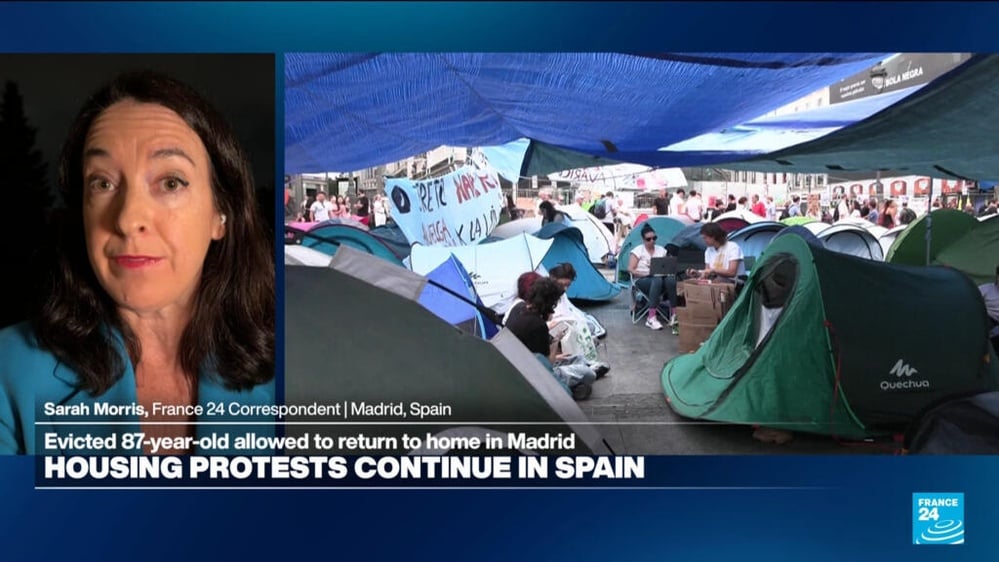

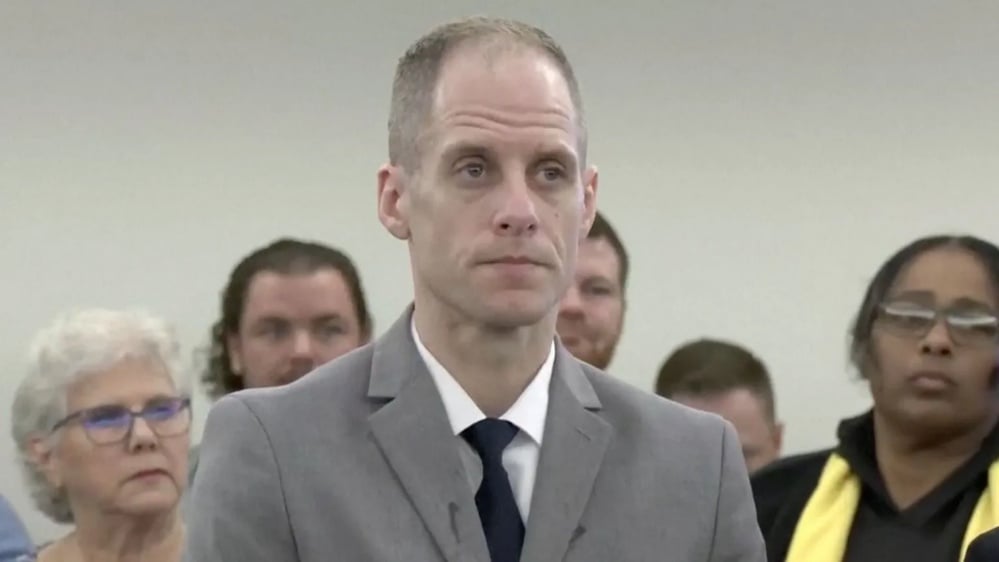
2026 © Helium Trades
Privacy Policy & Disclosure
* Disclaimer: Nothing on this website constitutes investment advice, performance data or any recommendation that any particular security, portfolio of securities, transaction or investment strategy is suitable for any specific person. Helium Trades is not responsible in any way for the accuracy
of any model predictions or price data. Any mention of a particular security and related prediction data is not a recommendation to buy or sell that security. Investments in securities involve the risk of loss. Past performance is no guarantee of future results. Helium Trades is not responsible for any of your investment decisions,
you should consult a financial expert before engaging in any transaction.
Helium Research Assistant

How can I help you today?
Ask any question about this page.