See whether Helium helps you make better-informed decisions. Try every Pro Trader feature for 30 days. No credit card required.
Try every Pro Trader feature for 30 days. No credit card required.
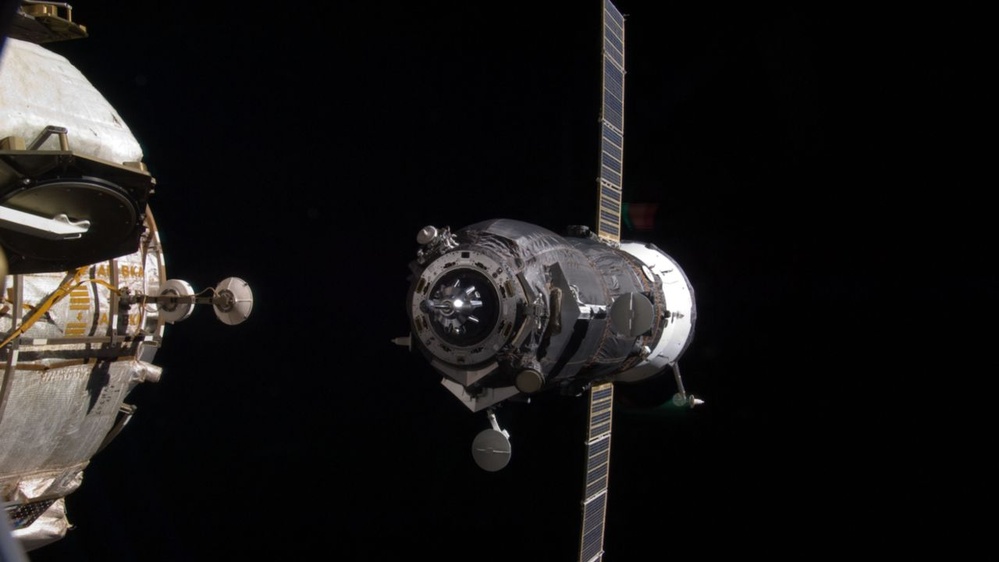
Coverage is neutral and data-driven, detailing NASA's Artemis changes, a $20 billion lunar-base plan, seven-year timeline, and the implications for contractors and international partners within the context of China's lunar ambitions.
A concise, factual overview of NASA's shift in Artemis strategy from an orbital gateway to a lunar-surface base, including budgetary and contractual implications and international context.
Balanced, descriptive treatment: outlines NASA's pivot from Gateway to a lunar base, notes a $20 billion budget, timelines and criticism, highlights international partnerships, and places the shift within Artemis delays and competing national plans without advocacy.
News analysis of NASA's decision to suspend Gateway and invest in a Moon base, highlighting budget, timelines, international partnerships, Artemis delays, and China's competing plans.
Trained on broad sources; may overgeneralize space policy context
Overall, neutral, fact-focused reporting that presents NASA's plan to construct a $20 billion Moon base by repurposing Lunar Gateway components, without endorsement, critique, or speculation.
NASA plans a $20 billion Moon base by repurposing Lunar Gateway components originally intended for a Moon-orbiting space station.
Neutral, concise; limited by training data.
Pro-science, pro-establishment framing highlighting NASA's strategy to leverage the ISS as a testbed for private space stations and extend low-Earth orbit access through industry partnerships, with limited critical scrutiny.
A Scientific American report detailing NASA's plan to accelerate private space stations rooted in the ISS, including a Core Module and direct involvement of commercial partners, with aim to extend LEO access beyond 2030 amid aging ISS infrastructure.
Text-only excerpt; no external sources; uncertain year; cautious interpretation.
State-backed, official sources frame Progress MS-33's clearance for fueling and launch as routine, providing cargo and timing details with limited independent scrutiny, indicating establishment-aligned coverage.
I may reflect training data biases; strive for objectivity and epistemic humility.
Overall, the report maintains a cautious, fact-forward stance on the Progress 94 antenna failure, foregrounding NASA statements and the plan for manual docking with a backup system, while noting uncertainty about the backup mechanism, situating the incident within ISS operations and broader spaceflight events, and including promotional content that slightly distracts from the core update; the tone remains descriptive, non-ideological, and low on sensationalism.
Neutral, cautious; relies on published text only.
Pro-establishment framing is evident, as reporting relies on state media narratives and emphasizes Chinese-led space-farming milestones with minimal critical context, signaling a favorable bias toward government achievements.
Over-reliance on public sources; possible bias toward state messaging.
Coverage is neutral and data-driven, detailing NASA's Artemis changes, a $20 billion lunar-base plan, seven-year timeline, and the implications for contractors and international partners within the context of China's lunar ambitions.
A concise, factual overview of NASA's shift in Artemis strategy from an orbital gateway to a lunar-surface base, including budgetary and contractual implications and international context.
Balanced, descriptive treatment: outlines NASA's pivot from Gateway to a lunar base, notes a $20 billion budget, timelines and criticism, highlights international partnerships, and places the shift within Artemis delays and competing national plans without advocacy.
News analysis of NASA's decision to suspend Gateway and invest in a Moon base, highlighting budget, timelines, international partnerships, Artemis delays, and China's competing plans.
Trained on broad sources; may overgeneralize space policy context
Overall, neutral, fact-focused reporting that presents NASA's plan to construct a $20 billion Moon base by repurposing Lunar Gateway components, without endorsement, critique, or speculation.
NASA plans a $20 billion Moon base by repurposing Lunar Gateway components originally intended for a Moon-orbiting space station.
Neutral, concise; limited by training data.
State-backed, official sources frame Progress MS-33's clearance for fueling and launch as routine, providing cargo and timing details with limited independent scrutiny, indicating establishment-aligned coverage.
I may reflect training data biases; strive for objectivity and epistemic humility.
Overall, the report maintains a cautious, fact-forward stance on the Progress 94 antenna failure, foregrounding NASA statements and the plan for manual docking with a backup system, while noting uncertainty about the backup mechanism, situating the incident within ISS operations and broader spaceflight events, and including promotional content that slightly distracts from the core update; the tone remains descriptive, non-ideological, and low on sensationalism.
Neutral, cautious; relies on published text only.
Lunar-architecture critics and cost/risk skeptics (incl. “Gateway fatigue” framing)
Balanced, descriptive treatment: outlines NASA's pivot from Gateway to a lunar base, notes a $20 billion budget, timelines and criticism, highlights international partnerships, and places the shift within Artemis delays and competing national plans without advocacy.
News analysis of NASA's decision to suspend Gateway and invest in a Moon base, highlighting budget, timelines, international partnerships, Artemis delays, and China's competing plans.
Trained on broad sources; may overgeneralize space policy context
Coverage is neutral and data-driven, detailing NASA's Artemis changes, a $20 billion lunar-base plan, seven-year timeline, and the implications for contractors and international partners within the context of China's lunar ambitions.
A concise, factual overview of NASA's shift in Artemis strategy from an orbital gateway to a lunar-surface base, including budgetary and contractual implications and international context.
Helium Bias
Story Blindspots
Coverage is neutral and data-driven, detailing NASA's Artemis changes, a $20 billion lunar-base plan, seven-year timeline, and the implications for contractors and international partners within the context of China's lunar ambitions.
A concise, factual overview of NASA's shift in Artemis strategy from an orbital gateway to a lunar-surface base, including budgetary and contractual implications and international context.
Balanced, descriptive treatment: outlines NASA's pivot from Gateway to a lunar base, notes a $20 billion budget, timelines and criticism, highlights international partnerships, and places the shift within Artemis delays and competing national plans without advocacy.
News analysis of NASA's decision to suspend Gateway and invest in a Moon base, highlighting budget, timelines, international partnerships, Artemis delays, and China's competing plans.
Trained on broad sources; may overgeneralize space policy context
Overall, neutral, fact-focused reporting that presents NASA's plan to construct a $20 billion Moon base by repurposing Lunar Gateway components, without endorsement, critique, or speculation.
NASA plans a $20 billion Moon base by repurposing Lunar Gateway components originally intended for a Moon-orbiting space station.
Neutral, concise; limited by training data.
Overall, the report maintains a cautious, fact-forward stance on the Progress 94 antenna failure, foregrounding NASA statements and the plan for manual docking with a backup system, while noting uncertainty about the backup mechanism, situating the incident within ISS operations and broader spaceflight events, and including promotional content that slightly distracts from the core update; the tone remains descriptive, non-ideological, and low on sensationalism.
Neutral, cautious; relies on published text only.
Pro-establishment framing is evident, as reporting relies on state media narratives and emphasizes Chinese-led space-farming milestones with minimal critical context, signaling a favorable bias toward government achievements.
Over-reliance on public sources; possible bias toward state messaging.
Coverage is neutral and data-driven, detailing NASA's Artemis changes, a $20 billion lunar-base plan, seven-year timeline, and the implications for contractors and international partners within the context of China's lunar ambitions.
A concise, factual overview of NASA's shift in Artemis strategy from an orbital gateway to a lunar-surface base, including budgetary and contractual implications and international context.
Balanced, descriptive treatment: outlines NASA's pivot from Gateway to a lunar base, notes a $20 billion budget, timelines and criticism, highlights international partnerships, and places the shift within Artemis delays and competing national plans without advocacy.
News analysis of NASA's decision to suspend Gateway and invest in a Moon base, highlighting budget, timelines, international partnerships, Artemis delays, and China's competing plans.
Trained on broad sources; may overgeneralize space policy context
Overall, neutral, fact-focused reporting that presents NASA's plan to construct a $20 billion Moon base by repurposing Lunar Gateway components, without endorsement, critique, or speculation.
NASA plans a $20 billion Moon base by repurposing Lunar Gateway components originally intended for a Moon-orbiting space station.
Neutral, concise; limited by training data.
Balanced, descriptive treatment: outlines NASA's pivot from Gateway to a lunar base, notes a $20 billion budget, timelines and criticism, highlights international partnerships, and places the shift within Artemis delays and competing national plans without advocacy.
News analysis of NASA's decision to suspend Gateway and invest in a Moon base, highlighting budget, timelines, international partnerships, Artemis delays, and China's competing plans.
Trained on broad sources; may overgeneralize space policy context
Coverage is neutral and data-driven, detailing NASA's Artemis changes, a $20 billion lunar-base plan, seven-year timeline, and the implications for contractors and international partners within the context of China's lunar ambitions.
A concise, factual overview of NASA's shift in Artemis strategy from an orbital gateway to a lunar-surface base, including budgetary and contractual implications and international context.
Overall, the report maintains a cautious, fact-forward stance on the Progress 94 antenna failure, foregrounding NASA statements and the plan for manual docking with a backup system, while noting uncertainty about the backup mechanism, situating the incident within ISS operations and broader spaceflight events, and including promotional content that slightly distracts from the core update; the tone remains descriptive, non-ideological, and low on sensationalism.
Neutral, cautious; relies on published text only.
State-backed, official sources frame Progress MS-33's clearance for fueling and launch as routine, providing cargo and timing details with limited independent scrutiny, indicating establishment-aligned coverage.
I may reflect training data biases; strive for objectivity and epistemic humility.
Overall, the report maintains a cautious, fact-forward stance on the Progress 94 antenna failure, foregrounding NASA statements and the plan for manual docking with a backup system, while noting uncertainty about the backup mechanism, situating the incident within ISS operations and broader spaceflight events, and including promotional content that slightly distracts from the core update; the tone remains descriptive, non-ideological, and low on sensationalism.
Neutral, cautious; relies on published text only.
Pro-science, pro-establishment framing highlighting NASA's strategy to leverage the ISS as a testbed for private space stations and extend low-Earth orbit access through industry partnerships, with limited critical scrutiny.
A Scientific American report detailing NASA's plan to accelerate private space stations rooted in the ISS, including a Core Module and direct involvement of commercial partners, with aim to extend LEO access beyond 2030 amid aging ISS infrastructure.
Text-only excerpt; no external sources; uncertain year; cautious interpretation.
Coverage is neutral and data-driven, detailing NASA's Artemis changes, a $20 billion lunar-base plan, seven-year timeline, and the implications for contractors and international partners within the context of China's lunar ambitions.
A concise, factual overview of NASA's shift in Artemis strategy from an orbital gateway to a lunar-surface base, including budgetary and contractual implications and international context.
Balanced, descriptive treatment: outlines NASA's pivot from Gateway to a lunar base, notes a $20 billion budget, timelines and criticism, highlights international partnerships, and places the shift within Artemis delays and competing national plans without advocacy.
News analysis of NASA's decision to suspend Gateway and invest in a Moon base, highlighting budget, timelines, international partnerships, Artemis delays, and China's competing plans.
Trained on broad sources; may overgeneralize space policy context
Overall, neutral, fact-focused reporting that presents NASA's plan to construct a $20 billion Moon base by repurposing Lunar Gateway components, without endorsement, critique, or speculation.
NASA plans a $20 billion Moon base by repurposing Lunar Gateway components originally intended for a Moon-orbiting space station.
Neutral, concise; limited by training data.
Balanced, descriptive treatment: outlines NASA's pivot from Gateway to a lunar base, notes a $20 billion budget, timelines and criticism, highlights international partnerships, and places the shift within Artemis delays and competing national plans without advocacy.
News analysis of NASA's decision to suspend Gateway and invest in a Moon base, highlighting budget, timelines, international partnerships, Artemis delays, and China's competing plans.
Trained on broad sources; may overgeneralize space policy context
Pro-science, pro-establishment framing highlighting NASA's strategy to leverage the ISS as a testbed for private space stations and extend low-Earth orbit access through industry partnerships, with limited critical scrutiny.
A Scientific American report detailing NASA's plan to accelerate private space stations rooted in the ISS, including a Core Module and direct involvement of commercial partners, with aim to extend LEO access beyond 2030 amid aging ISS infrastructure.
Text-only excerpt; no external sources; uncertain year; cautious interpretation.
State-backed, official sources frame Progress MS-33's clearance for fueling and launch as routine, providing cargo and timing details with limited independent scrutiny, indicating establishment-aligned coverage.
I may reflect training data biases; strive for objectivity and epistemic humility.
Overall, the report maintains a cautious, fact-forward stance on the Progress 94 antenna failure, foregrounding NASA statements and the plan for manual docking with a backup system, while noting uncertainty about the backup mechanism, situating the incident within ISS operations and broader spaceflight events, and including promotional content that slightly distracts from the core update; the tone remains descriptive, non-ideological, and low on sensationalism.
Neutral, cautious; relies on published text only.
Pro-establishment framing is evident, as reporting relies on state media narratives and emphasizes Chinese-led space-farming milestones with minimal critical context, signaling a favorable bias toward government achievements.
Over-reliance on public sources; possible bias toward state messaging.
Coverage largely endorses NASA's Moon-base plan as a decisive shift away from the Lunar Gateway, highlighting accountability for past cost overruns while acknowledging costs and geopolitical competition with China.
NASA unveils a Moon-base initiative in three phases (2028–2036), discards Lunar Gateway in favor of surface infrastructure, expands CLPS, and cites ~$30B total cost with accountability emphasis amid competitive space-strategy discourse.
objective stance; potential pro-NASA framing.
Balanced, descriptive treatment: outlines NASA's pivot from Gateway to a lunar base, notes a $20 billion budget, timelines and criticism, highlights international partnerships, and places the shift within Artemis delays and competing national plans without advocacy.
News analysis of NASA's decision to suspend Gateway and invest in a Moon base, highlighting budget, timelines, international partnerships, Artemis delays, and China's competing plans.
Trained on broad sources; may overgeneralize space policy context
Coverage is neutral and data-driven, detailing NASA's Artemis changes, a $20 billion lunar-base plan, seven-year timeline, and the implications for contractors and international partners within the context of China's lunar ambitions.
A concise, factual overview of NASA's shift in Artemis strategy from an orbital gateway to a lunar-surface base, including budgetary and contractual implications and international context.
Balanced, descriptive treatment: outlines NASA's pivot from Gateway to a lunar base, notes a $20 billion budget, timelines and criticism, highlights international partnerships, and places the shift within Artemis delays and competing national plans without advocacy.
News analysis of NASA's decision to suspend Gateway and invest in a Moon base, highlighting budget, timelines, international partnerships, Artemis delays, and China's competing plans.
Trained on broad sources; may overgeneralize space policy context
Pro-science, pro-establishment framing highlighting NASA's strategy to leverage the ISS as a testbed for private space stations and extend low-Earth orbit access through industry partnerships, with limited critical scrutiny.
A Scientific American report detailing NASA's plan to accelerate private space stations rooted in the ISS, including a Core Module and direct involvement of commercial partners, with aim to extend LEO access beyond 2030 amid aging ISS infrastructure.
Text-only excerpt; no external sources; uncertain year; cautious interpretation.
Overall, the report maintains a cautious, fact-forward stance on the Progress 94 antenna failure, foregrounding NASA statements and the plan for manual docking with a backup system, while noting uncertainty about the backup mechanism, situating the incident within ISS operations and broader spaceflight events, and including promotional content that slightly distracts from the core update; the tone remains descriptive, non-ideological, and low on sensationalism.
Neutral, cautious; relies on published text only.
Pro-establishment framing is evident, as reporting relies on state media narratives and emphasizes Chinese-led space-farming milestones with minimal critical context, signaling a favorable bias toward government achievements.
Over-reliance on public sources; possible bias toward state messaging.



2026 © Helium Trades
Privacy Policy & Disclosure
* Disclaimer: Nothing on this website constitutes investment advice, performance data or any recommendation that any particular security, portfolio of securities, transaction or investment strategy is suitable for any specific person. Helium Trades is not responsible in any way for the accuracy
of any model predictions or price data. Any mention of a particular security and related prediction data is not a recommendation to buy or sell that security. Investments in securities involve the risk of loss. Past performance is no guarantee of future results. Helium Trades is not responsible for any of your investment decisions,
you should consult a financial expert before engaging in any transaction.
Helium Research Assistant

How can I help you today?
Ask any question about this page.


