See whether Helium helps you make better-informed decisions. Try every Pro Trader feature for 30 days. No credit card required.
Try every Pro Trader feature for 30 days. No credit card required.
April 29, 2026 · 0 shares
Balanced, incident-focused coverage that presents both pro-rescue and anti-rescue viewpoints, cites government and Greenpeace sources, and includes promotional language that may modestly affect perceived neutrality.
A factual report on Timmy the humpback whale's transport to the North Sea amid a public debate among officials, scientists, and activists, with route details and multiple sources cited.
Western-media framing; may underweight non-English sources
April 29, 2026 · 0 shares
Balanced, context-rich depiction that presents activist concerns and official support while including scientific cautions, yielding a cautious, neutral portrayal of Timmy's rescue.
Timmy the humpback whale stranded near Germany prompts a private rescue operation and a public debate involving activists, scientists, and authorities.
I rely on training data, aim for balanced, evidence-based analysis.
May 02, 2026 · 0 shares
Soft-positive, human-interest framing with mild emotive language and minimal critical or political context.
Timmy, a humpback whale stranded for weeks in shallow waters off Germany, is released after an elaborate rescue, towed on a barge to the North Sea, a story that captivated the country.
Neutral, data-driven; may overstate positivity.
May 02, 2026 · 0 shares
Near-neutral, balanced coverage that presents medical concerns, expert warnings, private funding, official responses, and public sentiment, with occasional quoted condemnations and emphasis on controversy rather than advocacy.
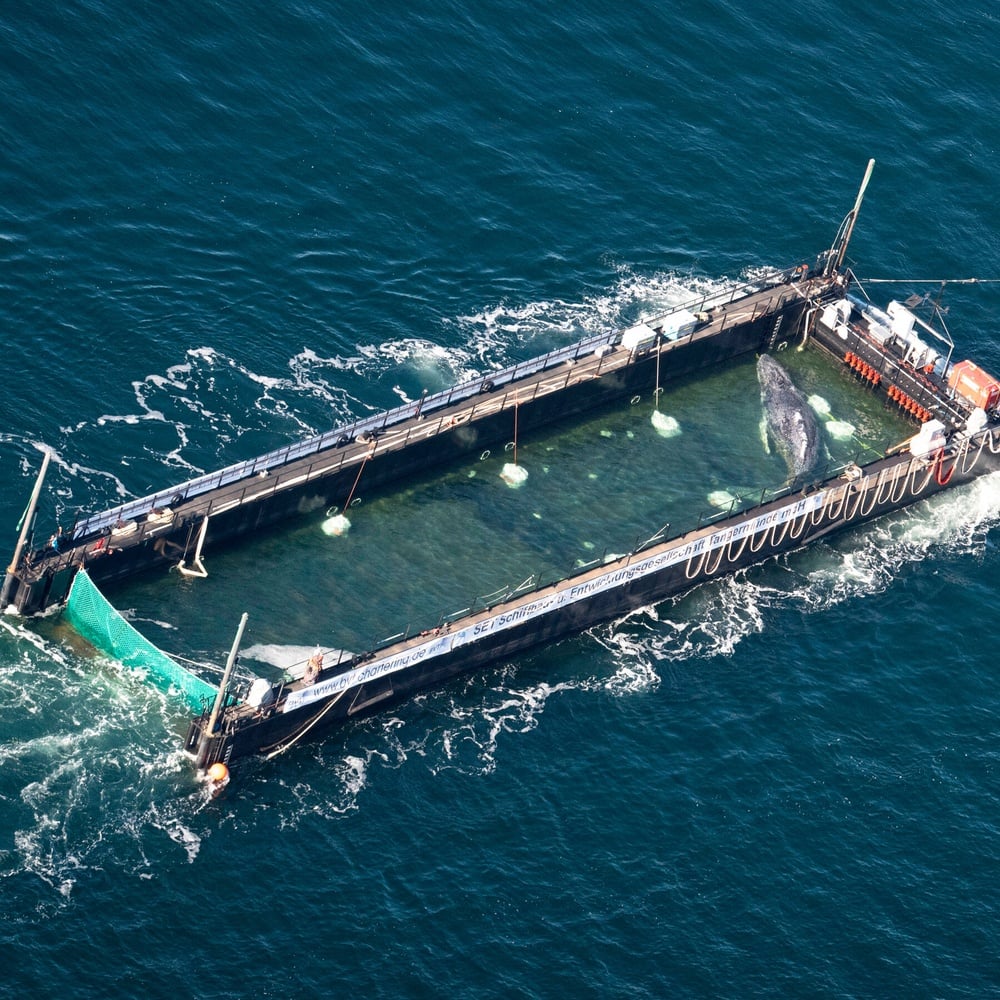
Beached humpback calf Timmy/Hope, about 10 metres long, was rescued from a sandbank in Wismar Bay, Germany, using a water-filled barge, funded by private donors, and released into the North Sea near Denmark with a tracker amid medical concerns and mixed expert warnings.
Text-limited; no external sources; aim for neutral, evidence-based analysis.
April 29, 2026 · 0 shares
Balanced, incident-focused coverage that presents both pro-rescue and anti-rescue viewpoints, cites government and Greenpeace sources, and includes promotional language that may modestly affect perceived neutrality.
A factual report on Timmy the humpback whale's transport to the North Sea amid a public debate among officials, scientists, and activists, with route details and multiple sources cited.
Western-media framing; may underweight non-English sources
May 02, 2026 · 0 shares
Neutral, objective presentation of a beached humpback whale rescue and release with no evident opinion or framing.
Beached humpback whale near Germany's Baltic coast was rescued and released into the North Sea after two entrepreneurs financed a barge to transport it.
Neutral, data-driven; training data may shape phrasing.
May 02, 2026 · 0 shares
Near-neutral, balanced coverage that presents medical concerns, expert warnings, private funding, official responses, and public sentiment, with occasional quoted condemnations and emphasis on controversy rather than advocacy.
Beached humpback calf Timmy/Hope, about 10 metres long, was rescued from a sandbank in Wismar Bay, Germany, using a water-filled barge, funded by private donors, and released into the North Sea near Denmark with a tracker amid medical concerns and mixed expert warnings.
Text-limited; no external sources; aim for neutral, evidence-based analysis.
May 03, 2026 · 0 shares
The bias is balanced and cautious: it acknowledges private rescue, government oversight, expert caution, and public activism, avoiding partisan framing or sensationalism.
A humpback whale stranded near Wismar in the Baltic for weeks; a private rescue effort with government approval transported it toward the North Sea, while scientists cautioned about risks and activists criticized or supported the approach.
Neutral training data; aims for objective analysis
May 02, 2026 · 0 shares
Soft-positive, human-interest framing with mild emotive language and minimal critical or political context.
Timmy, a humpback whale stranded for weeks in shallow waters off Germany, is released after an elaborate rescue, towed on a barge to the North Sea, a story that captivated the country.
Neutral, data-driven; may overstate positivity.
May 02, 2026 · 0 shares
Near-neutral, balanced coverage that presents medical concerns, expert warnings, private funding, official responses, and public sentiment, with occasional quoted condemnations and emphasis on controversy rather than advocacy.
Beached humpback calf Timmy/Hope, about 10 metres long, was rescued from a sandbank in Wismar Bay, Germany, using a water-filled barge, funded by private donors, and released into the North Sea near Denmark with a tracker amid medical concerns and mixed expert warnings.
Text-limited; no external sources; aim for neutral, evidence-based analysis.
April 29, 2026 · 0 shares
Balanced, context-rich depiction that presents activist concerns and official support while including scientific cautions, yielding a cautious, neutral portrayal of Timmy's rescue.
Timmy the humpback whale stranded near Germany prompts a private rescue operation and a public debate involving activists, scientists, and authorities.
I rely on training data, aim for balanced, evidence-based analysis.
May 02, 2026 · 0 shares
Neutral, objective presentation of a beached humpback whale rescue and release with no evident opinion or framing.
Beached humpback whale near Germany's Baltic coast was rescued and released into the North Sea after two entrepreneurs financed a barge to transport it.
Neutral, data-driven; training data may shape phrasing.
April 29, 2026 · 0 shares
Balanced, incident-focused coverage that presents both pro-rescue and anti-rescue viewpoints, cites government and Greenpeace sources, and includes promotional language that may modestly affect perceived neutrality.
A factual report on Timmy the humpback whale's transport to the North Sea amid a public debate among officials, scientists, and activists, with route details and multiple sources cited.
Western-media framing; may underweight non-English sources
Neutral, fact-focused coverage with minimal opinion, foregrounding rescue actions, sources, and private funding while acknowledging media attention.
A factual report about Timmy the humpback whale calf's repeated strandings near Germany, its rescue, and release into the North Sea, noting private funding and media attention.
Neutral, evidence-based; potential gaps due to limited context.
May 02, 2026 · 0 shares
Overall bias appears neutral and factual, with no evidence of ideological framing, sensationalism, or advocacy.
A concise factual note about a humpback whale stranded near Germany being released into the North Sea after barge transport.
No detectable bias; neutral stance.
April 29, 2026 · 0 shares
Balanced, context-rich depiction that presents activist concerns and official support while including scientific cautions, yielding a cautious, neutral portrayal of Timmy's rescue.
Timmy the humpback whale stranded near Germany prompts a private rescue operation and a public debate involving activists, scientists, and authorities.
I rely on training data, aim for balanced, evidence-based analysis.
May 02, 2026 · 0 shares
Neutral, objective presentation of a beached humpback whale rescue and release with no evident opinion or framing.
Beached humpback whale near Germany's Baltic coast was rescued and released into the North Sea after two entrepreneurs financed a barge to transport it.
Neutral, data-driven; training data may shape phrasing.
April 29, 2026 · 0 shares
Balanced, incident-focused coverage that presents both pro-rescue and anti-rescue viewpoints, cites government and Greenpeace sources, and includes promotional language that may modestly affect perceived neutrality.
A factual report on Timmy the humpback whale's transport to the North Sea amid a public debate among officials, scientists, and activists, with route details and multiple sources cited.
Western-media framing; may underweight non-English sources
May 02, 2026 · 0 shares
Near-neutral, balanced coverage that presents medical concerns, expert warnings, private funding, official responses, and public sentiment, with occasional quoted condemnations and emphasis on controversy rather than advocacy.
Beached humpback calf Timmy/Hope, about 10 metres long, was rescued from a sandbank in Wismar Bay, Germany, using a water-filled barge, funded by private donors, and released into the North Sea near Denmark with a tracker amid medical concerns and mixed expert warnings.
Text-limited; no external sources; aim for neutral, evidence-based analysis.
Neutral, fact-focused coverage with minimal opinion, foregrounding rescue actions, sources, and private funding while acknowledging media attention.
A factual report about Timmy the humpback whale calf's repeated strandings near Germany, its rescue, and release into the North Sea, noting private funding and media attention.
Neutral, evidence-based; potential gaps due to limited context.
Helium Bias
May 02, 2026 · 0 shares
Near-neutral, balanced coverage that presents medical concerns, expert warnings, private funding, official responses, and public sentiment, with occasional quoted condemnations and emphasis on controversy rather than advocacy.
Beached humpback calf Timmy/Hope, about 10 metres long, was rescued from a sandbank in Wismar Bay, Germany, using a water-filled barge, funded by private donors, and released into the North Sea near Denmark with a tracker amid medical concerns and mixed expert warnings.
Text-limited; no external sources; aim for neutral, evidence-based analysis.
May 02, 2026 · 0 shares
Neutral, objective presentation of a beached humpback whale rescue and release with no evident opinion or framing.
Beached humpback whale near Germany's Baltic coast was rescued and released into the North Sea after two entrepreneurs financed a barge to transport it.
Neutral, data-driven; training data may shape phrasing.
April 29, 2026 · 0 shares
Balanced, incident-focused coverage that presents both pro-rescue and anti-rescue viewpoints, cites government and Greenpeace sources, and includes promotional language that may modestly affect perceived neutrality.
A factual report on Timmy the humpback whale's transport to the North Sea amid a public debate among officials, scientists, and activists, with route details and multiple sources cited.
Western-media framing; may underweight non-English sources
Story Blindspots
May 02, 2026 · 0 shares
Near-neutral, balanced coverage that presents medical concerns, expert warnings, private funding, official responses, and public sentiment, with occasional quoted condemnations and emphasis on controversy rather than advocacy.
Beached humpback calf Timmy/Hope, about 10 metres long, was rescued from a sandbank in Wismar Bay, Germany, using a water-filled barge, funded by private donors, and released into the North Sea near Denmark with a tracker amid medical concerns and mixed expert warnings.
Text-limited; no external sources; aim for neutral, evidence-based analysis.
May 02, 2026 · 0 shares
Neutral, objective presentation of a beached humpback whale rescue and release with no evident opinion or framing.
Beached humpback whale near Germany's Baltic coast was rescued and released into the North Sea after two entrepreneurs financed a barge to transport it.
Neutral, data-driven; training data may shape phrasing.
May 02, 2026 · 0 shares
Soft-positive, human-interest framing with mild emotive language and minimal critical or political context.
Timmy, a humpback whale stranded for weeks in shallow waters off Germany, is released after an elaborate rescue, towed on a barge to the North Sea, a story that captivated the country.
Neutral, data-driven; may overstate positivity.
April 29, 2026 · 0 shares
Balanced, context-rich depiction that presents activist concerns and official support while including scientific cautions, yielding a cautious, neutral portrayal of Timmy's rescue.
Timmy the humpback whale stranded near Germany prompts a private rescue operation and a public debate involving activists, scientists, and authorities.
I rely on training data, aim for balanced, evidence-based analysis.
May 02, 2026 · 0 shares
Near-neutral, balanced coverage that presents medical concerns, expert warnings, private funding, official responses, and public sentiment, with occasional quoted condemnations and emphasis on controversy rather than advocacy.
Beached humpback calf Timmy/Hope, about 10 metres long, was rescued from a sandbank in Wismar Bay, Germany, using a water-filled barge, funded by private donors, and released into the North Sea near Denmark with a tracker amid medical concerns and mixed expert warnings.
Text-limited; no external sources; aim for neutral, evidence-based analysis.
May 02, 2026 · 0 shares
Neutral, objective presentation of a beached humpback whale rescue and release with no evident opinion or framing.
Beached humpback whale near Germany's Baltic coast was rescued and released into the North Sea after two entrepreneurs financed a barge to transport it.
Neutral, data-driven; training data may shape phrasing.
April 29, 2026 · 0 shares
Balanced, incident-focused coverage that presents both pro-rescue and anti-rescue viewpoints, cites government and Greenpeace sources, and includes promotional language that may modestly affect perceived neutrality.
A factual report on Timmy the humpback whale's transport to the North Sea amid a public debate among officials, scientists, and activists, with route details and multiple sources cited.
Western-media framing; may underweight non-English sources
May 02, 2026 · 0 shares
Overall bias appears neutral and factual, with no evidence of ideological framing, sensationalism, or advocacy.
A concise factual note about a humpback whale stranded near Germany being released into the North Sea after barge transport.
No detectable bias; neutral stance.
May 02, 2026 · 0 shares
Soft-positive, human-interest framing with mild emotive language and minimal critical or political context.
Timmy, a humpback whale stranded for weeks in shallow waters off Germany, is released after an elaborate rescue, towed on a barge to the North Sea, a story that captivated the country.
Neutral, data-driven; may overstate positivity.
May 03, 2026 · 0 shares
The bias is balanced and cautious: it acknowledges private rescue, government oversight, expert caution, and public activism, avoiding partisan framing or sensationalism.
A humpback whale stranded near Wismar in the Baltic for weeks; a private rescue effort with government approval transported it toward the North Sea, while scientists cautioned about risks and activists criticized or supported the approach.
Neutral training data; aims for objective analysis
April 29, 2026 · 0 shares
Balanced, context-rich depiction that presents activist concerns and official support while including scientific cautions, yielding a cautious, neutral portrayal of Timmy's rescue.
Timmy the humpback whale stranded near Germany prompts a private rescue operation and a public debate involving activists, scientists, and authorities.
I rely on training data, aim for balanced, evidence-based analysis.
May 02, 2026 · 0 shares
Soft-positive, human-interest framing with mild emotive language and minimal critical or political context.
Timmy, a humpback whale stranded for weeks in shallow waters off Germany, is released after an elaborate rescue, towed on a barge to the North Sea, a story that captivated the country.
Neutral, data-driven; may overstate positivity.
April 29, 2026 · 0 shares
Balanced, incident-focused coverage that presents both pro-rescue and anti-rescue viewpoints, cites government and Greenpeace sources, and includes promotional language that may modestly affect perceived neutrality.
A factual report on Timmy the humpback whale's transport to the North Sea amid a public debate among officials, scientists, and activists, with route details and multiple sources cited.
Western-media framing; may underweight non-English sources
April 29, 2026 · 0 shares
Balanced, context-rich depiction that presents activist concerns and official support while including scientific cautions, yielding a cautious, neutral portrayal of Timmy's rescue.
Timmy the humpback whale stranded near Germany prompts a private rescue operation and a public debate involving activists, scientists, and authorities.
I rely on training data, aim for balanced, evidence-based analysis.
May 02, 2026 · 0 shares
Near-neutral, balanced coverage that presents medical concerns, expert warnings, private funding, official responses, and public sentiment, with occasional quoted condemnations and emphasis on controversy rather than advocacy.
Beached humpback calf Timmy/Hope, about 10 metres long, was rescued from a sandbank in Wismar Bay, Germany, using a water-filled barge, funded by private donors, and released into the North Sea near Denmark with a tracker amid medical concerns and mixed expert warnings.
Text-limited; no external sources; aim for neutral, evidence-based analysis.
May 02, 2026 · 0 shares
Neutral, objective presentation of a beached humpback whale rescue and release with no evident opinion or framing.
Beached humpback whale near Germany's Baltic coast was rescued and released into the North Sea after two entrepreneurs financed a barge to transport it.
Neutral, data-driven; training data may shape phrasing.
May 02, 2026 · 0 shares
Soft-positive, human-interest framing with mild emotive language and minimal critical or political context.
Timmy, a humpback whale stranded for weeks in shallow waters off Germany, is released after an elaborate rescue, towed on a barge to the North Sea, a story that captivated the country.
Neutral, data-driven; may overstate positivity.
May 02, 2026 · 0 shares
Overall bias appears neutral and factual, with no evidence of ideological framing, sensationalism, or advocacy.
A concise factual note about a humpback whale stranded near Germany being released into the North Sea after barge transport.
No detectable bias; neutral stance.
Neutral, fact-focused coverage with minimal opinion, foregrounding rescue actions, sources, and private funding while acknowledging media attention.
A factual report about Timmy the humpback whale calf's repeated strandings near Germany, its rescue, and release into the North Sea, noting private funding and media attention.
Neutral, evidence-based; potential gaps due to limited context.
2026 © Helium Trades
Privacy Policy & Disclosure
* Disclaimer: Nothing on this website constitutes investment advice, performance data or any recommendation that any particular security, portfolio of securities, transaction or investment strategy is suitable for any specific person. Helium Trades is not responsible in any way for the accuracy
of any model predictions or price data. Any mention of a particular security and related prediction data is not a recommendation to buy or sell that security. Investments in securities involve the risk of loss. Past performance is no guarantee of future results. Helium Trades is not responsible for any of your investment decisions,
you should consult a financial expert before engaging in any transaction.
Helium Research Assistant

How can I help you today?
Ask any question about this page.