See whether Helium helps you make better-informed decisions. Try every Pro Trader feature for 30 days. No credit card required.
Try every Pro Trader feature for 30 days. No credit card required.

September 28, 2026 · 0 shares
Framing favors the student-led opposition and casts Vucic's government as repressive and institution-capturing, using moralized language and critical descriptors.
Automated analysis; not human reviewed.
Limitations: The supplied article text is truncated with ellipses, so some claims and context are incomplete; analysis is limited to the visible excerpts.
·
5 of 55 available dimensions scored; omitted dimensions are not treated as neutral.
·
Verified supporting quotes for 5 of 5 scored dimensions.
Claim: The text frames the ruling party's consolidation of power and police response as repressive.
“The SNS party has gradually taken control over all state institutions since coming to power in 2012” · exact text match
“Authorities have pushed hard against protesters with police violence and detentions” · exact text match
Why: Both phrasings characterize state power and the response to protests as illegitimate and coercive, supporting an anti-authoritarian stance.
Claim: The text uses value-laden, interpretive language rather than neutral description.
“Their struggle for justice and against corruption has grown into a strong movement” · exact text match
“Vucic, without offering evidence,” · exact text match
Why: Calling the protest movement a 'struggle for justice' and noting that Vucic acted 'without offering evidence' embeds the publisher's assessment in the narration.
Claim: The text blends news reporting with overt evaluative judgments.
“Their struggle for justice and against corruption” · exact text match
“denying abuse of office and repeatedly pledging to fight graft” · exact text match
Why: 'Struggle for justice' is a moral endorsement, while characterizing official statements as 'denying abuse' is evaluative.
Claim: The report is focused on an electoral power contest and state institutions.
“attempt to oust Vucic’s government after 14 years in power” · exact text match
“student-backed election list” · exact text match
Why: The narrative centers on elections, government power, and opposition, making it overtly political.
Claim: The report is framed against the long-ruling governing party and in sympathy with its opponents.
“attempt to oust Vucic’s government after 14 years in power” · exact text match
“The SNS party has gradually taken control over all state institutions” · exact text match
Why: The 'oust ... after 14 years' and 'taken control' wording presents the ruling party as entrenched and the movement as challenger, an anti-establishment framing.
The supplied article text is truncated with ellipses, so some claims and context are incomplete; analysis is limited to the visible excerpts.
September 27, 2026 · 0 shares
Framing is objective-leaning with an anti-authoritarian undertone: allegations are attributed, but government conduct is characterized with terms like 'clampdown' and 'police violence.'
Automated analysis; not human reviewed.
Limitations: Supplied text includes a related-headline teaser and footer boilerplate; analysis treated the main news report as substantive and could not independently verify unnamed analyst sourcing.
·
5 of 55 available dimensions scored; omitted dimensions are not treated as neutral.
·
Verified supporting quotes for 5 of 5 scored dimensions.
Claim: The report characterizes government conduct as repressive, indicating an anti-authoritarian stance rather than neutral description.
“a clampdown on democratic freedoms, including the critical media” · exact text match
“Authorities have pushed hard against protesters with police violence and detentions” · exact text match
Why: These phrases affirmatively characterize government action as abusive rather than merely reporting disputed allegations.
Claim: Most claims are attributed or factual, though a few phrases carry interpretive sympathy for protesters.
“Independent Bureau for Social Research, or BIRODI, has filed a complaint alleging that Vucic has abused a public institution as president to promote his party, which he has dismissed.” · exact text match
Counterevidence:
“Their struggle for justice and against corruption has grown into a strong movement that will attempt to oust Vucic's government after 14 years in power.” · exact text match
Why: Attribution and inclusion of denials signal journalistic objectivity; the counterevidence shows mild editorialization in favor of the movement.
Claim: The article is calm and explanatory rather than clickbait, with dramatic language limited to quoted or attributed labels.
“The ballot in October will be held against a backdrop of high political tensions as Vucic's populists seek to remain in office despite widespread popular discontent.” · exact text match
Why: Language is understated and explanatory; no exaggerated claims, urgency, or visual hype are present.
Claim: Credibility is adequate for routine wire-style reporting, with named institutional sources but some vague sourcing.
“Independent Bureau for Social Research, or BIRODI, has filed a complaint” · exact text match
“Analysts say that the student group and Vucic are polling close” · exact text match
Why: Citing BIRODI, RTS, and analysts lends verifiability, but 'analysts' is unnamed and several consequential claims are asserted without independent documentation.
Claim: The report shows internal fairness by attributing accusations and noting denials.
“Independent Bureau for Social Research, or BIRODI, has filed a complaint alleging that Vucic has abused a public institution as president to promote his party, which he has dismissed.” · exact text match
“Vucic and his party have been accused of rampant corruption, organized crime links and a clampdown on democratic freedoms, including the critical media.
The Serbian Progressive Party has gradually taken control over all state institutions since coming to power in 2012, while denying abuse of office and repeatedly pledging to fight graft.”
· exact text match
Why: The text distinguishes allegations from fact and includes the government's denial, which are internal honesty signals.
Supplied text includes a related-headline teaser and footer boilerplate; analysis treated the main news report as substantive and could not independently verify unnamed analyst sourcing.
Frames Vucic's resignation as a lawful, constitutionally-scripted political maneuver, emphasizing procedural timelines and official documents over political context.
Automated analysis; not human reviewed.
Limitations: The supplied article text contains truncation artifacts ('[...]') and repeated fragments, which limits full verification of the complete original article; the analysis is based only on the readable substantive content.
·
6 of 55 available dimensions scored; omitted dimensions are not treated as neutral.
·
Verified supporting quotes for 5 of 6 scored dimensions.
Claim: Reporting is confined to official statements and legal provisions with no subjective or evaluative language.
“Under Serbia's Constitution and Law on the president, the president's term ends when the written resignation is formally received by the National Assembly, without requiring approval.” · exact text match
Why: The sentence states legal mechanics factually, typical of objective wire reporting.
Claim: No sensational, dramatic, or emotive vocabulary is used to describe the resignation.
“Pursuant to Article 116, paragraph 5 of the Constitution of the Republic of Serbia, I submit my resignation from the office of President of the Republic of Serbia” · not found in supplied text
Why: The resignation is presented through direct constitutional quotation, the least sensational available framing.
Claim: The text describes what happened and what the law requires; it does not recommend any action.
“The Speaker of the National Assembly Ana Brnabic then assumes presidential duties for up to three months and must call a presidential election within that period.” · exact text match
Why: 'Then assumes' and 'must call' describe legal obligations, not preferred outcomes.
Claim: The emotional tone is neutral; no positive or negative affect is expressed.
“Under the Constitution, the presidential term is five years, with a maximum of two terms for any individual.” · exact text match
Why: The sentence is a value-free legal statement with no emotional loading.
Claim: The article attributes statements, cites constitutional articles, and names officials, which supports trustworthiness.
“The Speaker of the National Assembly Ana Brnabic then assumes presidential duties for up to three months and must call a presidential election within that period.” · exact text match
Why: Direct quotation of an official constitutional document and named institutional actors provides a verifiable evidentiary base.
Claim: The report relies on documented legal steps and named officials, not speculation or emotional appeals.
“Under Serbia's Constitution and Law on the president, the president's term ends when the written resignation is formally received by the National Assembly, without requiring approval.” · exact text match
Why: Cause-and-effect legal reasoning is presented plainly without rhetorical appeals.
The supplied article text contains truncation artifacts ('[...]') and repeated fragments, which limits full verification of the complete original article; the analysis is based only on the readable substantive content.
A neutral, attributed bulletin relays Vucic's stated resignation plan and the surrounding electoral facts without editorial commentary.
Automated analysis; not human reviewed.
Limitations: Only a short bulletin excerpt was available; broader editorial context and independent verification of the underlying event could not be assessed.
·
8 of 55 available dimensions scored; omitted dimensions are not treated as neutral.
·
Verified supporting quotes for 8 of 8 scored dimensions.
Claim: The report is strictly factual, presenting attributed statements and dates without subjective evaluation.
“Vucic is expected to submit his resignation to the speaker of the National Assembly on Sunday, stepping down as president.” · exact text match
Why: The sentence relays an expected procedural action in neutral, declarative language, with no evaluative or emotive words.
Claim: The report avoids sensational framing and sticks to plain factual language.
“Vucic has said that, after stepping down as president, he would take part in the snap parliamentary election scheduled on October 25 as an ordinary citizen.” · exact text match
Why: The resignation and election plans are presented as routine procedural facts, without dramatic emphasis, exaggeration, or emotional appeal.
Claim: The report is descriptive, narrating what Vucic said and what is expected, without recommending any action or policy.
“Vucic has said that, after stepping down as president, he would take part in the snap parliamentary election scheduled on October 25 as an ordinary citizen.” · exact text match
Why: It records a stated intention and schedule rather than urging a course of action or evaluating the decision.
Claim: The text contains no opinion markers, evaluative adjectives, or advocacy; it stays at the level of factual reporting.
“Vucic is expected to submit his resignation to the speaker of the National Assembly on Sunday, stepping down as president.” · exact text match
Why: The sentence simply states an expected action and its consequence, with no commentary or value judgment.
Claim: The report uses attributions and an 'expected' construction rather than asserting unverified facts as certain.
“Vucic is expected to submit his resignation to the speaker of the National Assembly on Sunday, stepping down as president.” · exact text match
Why: 'Is expected' signals that the submission is not independently confirmed by the publisher, and 'has said' keeps the plan attributable to Vucic.
Claim: The language is unemotional and matter-of-fact throughout the bulletin.
“Vucic was elected president in April 2017 and re-elected in April 2022. Under Serbia's Constitution, the president serves a five-year term and may be re-elected once.” · exact text match
Why: The sentence conveys only chronological and legal information and carries no emotional valence.
Claim: The report shows moderately strong credibility through direct attribution, a named broadcaster, a precise time, and dated facts.
“Serbian President Aleksandar Vucic said on Sunday that he would formally submit his resignation at around 8 p.m. (1800 GMT), during an interview with Radio Television of Serbia.” · exact text match
“Vucic is expected to submit his resignation to the speaker of the National Assembly on Sunday, stepping down as president.” · exact text match
Why: It names the source and hedges one forward-looking claim, but the excerpt provides no independent verification or additional sourcing.
Claim: The report builds a logical, evidence-anchored account using named sources, dates, and constitutional detail.
“Vucic was elected president in April 2017 and re-elected in April 2022. Under Serbia's Constitution, the president serves a five-year term and may be re-elected once.” · exact text match
Why: The inclusion of dates and a constitutional rule supplies rational context rather than emotional or conspiratorial framing.
Only a short bulletin excerpt was available; broader editorial context and independent verification of the underlying event could not be assessed.
September 27, 2026 · 0 shares
Framing is objective-leaning with an anti-authoritarian undertone: allegations are attributed, but government conduct is characterized with terms like 'clampdown' and 'police violence.'
Automated analysis; not human reviewed.
Limitations: Supplied text includes a related-headline teaser and footer boilerplate; analysis treated the main news report as substantive and could not independently verify unnamed analyst sourcing.
·
5 of 55 available dimensions scored; omitted dimensions are not treated as neutral.
·
Verified supporting quotes for 5 of 5 scored dimensions.
Claim: The report characterizes government conduct as repressive, indicating an anti-authoritarian stance rather than neutral description.
“a clampdown on democratic freedoms, including the critical media” · exact text match
“Authorities have pushed hard against protesters with police violence and detentions” · exact text match
Why: These phrases affirmatively characterize government action as abusive rather than merely reporting disputed allegations.
Claim: Most claims are attributed or factual, though a few phrases carry interpretive sympathy for protesters.
“Independent Bureau for Social Research, or BIRODI, has filed a complaint alleging that Vucic has abused a public institution as president to promote his party, which he has dismissed.” · exact text match
Counterevidence:
“Their struggle for justice and against corruption has grown into a strong movement that will attempt to oust Vucic's government after 14 years in power.” · exact text match
Why: Attribution and inclusion of denials signal journalistic objectivity; the counterevidence shows mild editorialization in favor of the movement.
Claim: The article is calm and explanatory rather than clickbait, with dramatic language limited to quoted or attributed labels.
“The ballot in October will be held against a backdrop of high political tensions as Vucic's populists seek to remain in office despite widespread popular discontent.” · exact text match
Why: Language is understated and explanatory; no exaggerated claims, urgency, or visual hype are present.
Claim: Credibility is adequate for routine wire-style reporting, with named institutional sources but some vague sourcing.
“Independent Bureau for Social Research, or BIRODI, has filed a complaint” · exact text match
“Analysts say that the student group and Vucic are polling close” · exact text match
Why: Citing BIRODI, RTS, and analysts lends verifiability, but 'analysts' is unnamed and several consequential claims are asserted without independent documentation.
Claim: The report shows internal fairness by attributing accusations and noting denials.
“Independent Bureau for Social Research, or BIRODI, has filed a complaint alleging that Vucic has abused a public institution as president to promote his party, which he has dismissed.” · exact text match
“Vucic and his party have been accused of rampant corruption, organized crime links and a clampdown on democratic freedoms, including the critical media.
The Serbian Progressive Party has gradually taken control over all state institutions since coming to power in 2012, while denying abuse of office and repeatedly pledging to fight graft.”
· exact text match
Why: The text distinguishes allegations from fact and includes the government's denial, which are internal honesty signals.
Supplied text includes a related-headline teaser and footer boilerplate; analysis treated the main news report as substantive and could not independently verify unnamed analyst sourcing.
September 28, 2026 · 0 shares
Framing favors the student-led opposition and casts Vucic's government as repressive and institution-capturing, using moralized language and critical descriptors.
Automated analysis; not human reviewed.
Limitations: The supplied article text is truncated with ellipses, so some claims and context are incomplete; analysis is limited to the visible excerpts.
·
5 of 55 available dimensions scored; omitted dimensions are not treated as neutral.
·
Verified supporting quotes for 5 of 5 scored dimensions.
Claim: The text frames the ruling party's consolidation of power and police response as repressive.
“The SNS party has gradually taken control over all state institutions since coming to power in 2012” · exact text match
“Authorities have pushed hard against protesters with police violence and detentions” · exact text match
Why: Both phrasings characterize state power and the response to protests as illegitimate and coercive, supporting an anti-authoritarian stance.
Claim: The text uses value-laden, interpretive language rather than neutral description.
“Their struggle for justice and against corruption has grown into a strong movement” · exact text match
“Vucic, without offering evidence,” · exact text match
Why: Calling the protest movement a 'struggle for justice' and noting that Vucic acted 'without offering evidence' embeds the publisher's assessment in the narration.
Claim: The text blends news reporting with overt evaluative judgments.
“Their struggle for justice and against corruption” · exact text match
“denying abuse of office and repeatedly pledging to fight graft” · exact text match
Why: 'Struggle for justice' is a moral endorsement, while characterizing official statements as 'denying abuse' is evaluative.
Claim: The report is focused on an electoral power contest and state institutions.
“attempt to oust Vucic’s government after 14 years in power” · exact text match
“student-backed election list” · exact text match
Why: The narrative centers on elections, government power, and opposition, making it overtly political.
Claim: The report is framed against the long-ruling governing party and in sympathy with its opponents.
“attempt to oust Vucic’s government after 14 years in power” · exact text match
“The SNS party has gradually taken control over all state institutions” · exact text match
Why: The 'oust ... after 14 years' and 'taken control' wording presents the ruling party as entrenched and the movement as challenger, an anti-establishment framing.
The supplied article text is truncated with ellipses, so some claims and context are incomplete; analysis is limited to the visible excerpts.
September 28, 2026 · 0 shares
Framing characterizes Vucic as 'populist' and presents his resignation as a strategic run for prime minister before his term would have ended.
Under Serbia's constitutional system, the prime minister is the head of government while the presidency is largely ceremonial, so moving from president to prime minister can allow a leader to remain in executive power.
Automated analysis; not human reviewed.
Limitations: Only a two-sentence headline/subheading was available, so analysis is limited to headline wording and cannot assess body-text sourcing or context.
·
3 of 55 available dimensions scored; omitted dimensions are not treated as neutral.
·
Verified supporting quotes for 3 of 3 scored dimensions.
Claim: The framing is mostly factual but applies the subjective label 'populist' to Vucic.
“Serbia's populist president resigns to run for prime minister at early vote” · exact text match
Counterevidence:
“Mr Vucic’s second presidential term would otherwise end in May next year” · exact text match
Why: The verb 'resigns' and term-end explanation are neutral, while 'populist' is an evaluative descriptor, yielding a mildly objective-leaning frame.
Claim: The report is purely descriptive, stating events and timing without recommending or urging any course.
“Serbia's populist president resigns to run for prime minister at early vote” · exact text match
“Mr Vucic’s second presidential term would otherwise end in May next year” · exact text match
Why: Both sentences describe a reported event and its timeline; no imperative or normative call is present.
Claim: The text is fact-led but contains a mild editorial characterization in the word 'populist'.
“populist president” · exact text match
Why: Describing Vucic as populist is an interpretive label, but the rest of the report is declarative and unopinionated.
Only a two-sentence headline/subheading was available, so analysis is limited to headline wording and cannot assess body-text sourcing or context.
September 27, 2026 · 0 shares
Framing presents Vucic's resignation as a response to protest demands while emphasizing that he remains the Serbian Progressive Party's candidate for prime minister, underscoring continuity rather than a full exit from power.
Automated analysis; not human reviewed.
Limitations: The supplied article text contains ellipses and truncation markers, so some context and the final sentence are incomplete, which limits full framing analysis.
·
5 of 55 available dimensions scored; omitted dimensions are not treated as neutral.
·
Verified supporting quotes for 3 of 5 scored dimensions.
Claim: The report is mostly neutral but uses an evaluative political label.
“He now heads the electoral list of his right-wing populist Serbian Progressive Party and is its candidate for prime minister.” · exact text match
Why: “Right-wing populist” is a value-laden classification rather than a purely neutral descriptor, but the surrounding text is otherwise attributed and factual.
Claim: The article presents developments without sensational language.
“The snap election was a key demand of a student-led movement sparked by the November 2024 collapse of a canopy at Novi Sad railway station that killed 16 people.” · not found in supplied text
Why: The death toll and protest demand are reported plainly, with no hyperbolic or fear-oriented wording.
Claim: The text is descriptive, not prescriptive.
“He now heads the electoral list of his right-wing populist Serbian Progressive Party and is its candidate for prime minister.” · exact text match
Why: It states what is happening rather than recommending any action or policy.
Claim: The report attributes statements and presents concrete facts.
“Vucic said, “I want to compete as an ordinary man, as one of the people.”” · not found in supplied text
“He now heads the electoral list of his right-wing populist Serbian Progressive Party and is its candidate for prime minister.” · exact text match
Why: Direct quotes and observable facts are used; no anonymous sourcing or unsupported emotional appeals are visible.
Claim: The report includes context that guards against a misleading impression.
“although the law did not require him to resign” · exact text match
Why: Noting the absence of a legal obligation provides relevant context for the resignation.
The supplied article text contains ellipses and truncation markers, so some context and the final sentence are incomplete, which limits full framing analysis.
A neutral, attributed bulletin relays Vucic's stated resignation plan and the surrounding electoral facts without editorial commentary.
Automated analysis; not human reviewed.
Limitations: Only a short bulletin excerpt was available; broader editorial context and independent verification of the underlying event could not be assessed.
·
8 of 55 available dimensions scored; omitted dimensions are not treated as neutral.
·
Verified supporting quotes for 8 of 8 scored dimensions.
Claim: The report is strictly factual, presenting attributed statements and dates without subjective evaluation.
“Vucic is expected to submit his resignation to the speaker of the National Assembly on Sunday, stepping down as president.” · exact text match
Why: The sentence relays an expected procedural action in neutral, declarative language, with no evaluative or emotive words.
Claim: The report avoids sensational framing and sticks to plain factual language.
“Vucic has said that, after stepping down as president, he would take part in the snap parliamentary election scheduled on October 25 as an ordinary citizen.” · exact text match
Why: The resignation and election plans are presented as routine procedural facts, without dramatic emphasis, exaggeration, or emotional appeal.
Claim: The report is descriptive, narrating what Vucic said and what is expected, without recommending any action or policy.
“Vucic has said that, after stepping down as president, he would take part in the snap parliamentary election scheduled on October 25 as an ordinary citizen.” · exact text match
Why: It records a stated intention and schedule rather than urging a course of action or evaluating the decision.
Claim: The text contains no opinion markers, evaluative adjectives, or advocacy; it stays at the level of factual reporting.
“Vucic is expected to submit his resignation to the speaker of the National Assembly on Sunday, stepping down as president.” · exact text match
Why: The sentence simply states an expected action and its consequence, with no commentary or value judgment.
Claim: The report uses attributions and an 'expected' construction rather than asserting unverified facts as certain.
“Vucic is expected to submit his resignation to the speaker of the National Assembly on Sunday, stepping down as president.” · exact text match
Why: 'Is expected' signals that the submission is not independently confirmed by the publisher, and 'has said' keeps the plan attributable to Vucic.
Claim: The language is unemotional and matter-of-fact throughout the bulletin.
“Vucic was elected president in April 2017 and re-elected in April 2022. Under Serbia's Constitution, the president serves a five-year term and may be re-elected once.” · exact text match
Why: The sentence conveys only chronological and legal information and carries no emotional valence.
Claim: The report shows moderately strong credibility through direct attribution, a named broadcaster, a precise time, and dated facts.
“Serbian President Aleksandar Vucic said on Sunday that he would formally submit his resignation at around 8 p.m. (1800 GMT), during an interview with Radio Television of Serbia.” · exact text match
“Vucic is expected to submit his resignation to the speaker of the National Assembly on Sunday, stepping down as president.” · exact text match
Why: It names the source and hedges one forward-looking claim, but the excerpt provides no independent verification or additional sourcing.
Claim: The report builds a logical, evidence-anchored account using named sources, dates, and constitutional detail.
“Vucic was elected president in April 2017 and re-elected in April 2022. Under Serbia's Constitution, the president serves a five-year term and may be re-elected once.” · exact text match
Why: The inclusion of dates and a constitutional rule supplies rational context rather than emotional or conspiratorial framing.
Only a short bulletin excerpt was available; broader editorial context and independent verification of the underlying event could not be assessed.
September 27, 2026 · 0 shares
The report frames Vucic's resignation as a tactical power move by a Russian-friendly, right-wing populist with authoritarian tendencies, using evaluative labels rather than neutral transition coverage.
Automated analysis; not human reviewed.
Limitations: The supplied text is a composite that interleaves the Vucic report with unrelated headlines and a reader-support prompt; the analysis treats the Vucic story as the article, and some dates lack explicit years.
·
4 of 55 available dimensions scored; omitted dimensions are not treated as neutral.
·
Verified supporting quotes for 4 of 4 scored dimensions.
Claim: The report uses negative liberal-democratic labels to characterize a right-wing populist leader.
“right-wing populist leader with authoritarian tendencies” · exact text match
Why: The phrase is an evaluative judgment typically associated with progressive/liberal criticism of conservative populist leaders.
Claim: Factual reporting is mixed with subjective characterization and an attributed analytical forecast.
“right-wing populist leader with authoritarian tendencies” · exact text match
“Analysts say that Vucic will de facto remain the most powerful person in Serbia if he becomes prime minister” · exact text match
Why: The first phrase is a value judgment; the second is a speculative assessment presented by anonymous analysts.
Claim: The headline and body use opinionated language to depict Vucic's foreign and domestic politics.
“Russian-friendly” · exact text match
“warm ties with Russia” · exact text match
Why: Calling a leader 'Russian-friendly' and highlighting 'warm ties with Russia' frames policy in a pejorative way rather than neutrally describing it.
Claim: The report contains dates, direct quotes, and attributed analyst commentary, but also an anonymous blame claim.
“The disaster, which killed 15 people, was blamed on government corruption” · exact text match
“Analysts say that Vucic will de facto remain the most powerful person in Serbia if he becomes prime minister” · exact text match
Why: The passive 'blamed on' does not identify a source, and the power forecast is attributed only to anonymous analysts; direct quotes and specifics still aid verifiability.
The supplied text is a composite that interleaves the Vucic report with unrelated headlines and a reader-support prompt; the analysis treats the Vucic story as the article, and some dates lack explicit years.
Frames Vucic's resignation as a lawful, constitutionally-scripted political maneuver, emphasizing procedural timelines and official documents over political context.
Automated analysis; not human reviewed.
Limitations: The supplied article text contains truncation artifacts ('[...]') and repeated fragments, which limits full verification of the complete original article; the analysis is based only on the readable substantive content.
·
6 of 55 available dimensions scored; omitted dimensions are not treated as neutral.
·
Verified supporting quotes for 5 of 6 scored dimensions.
Claim: Reporting is confined to official statements and legal provisions with no subjective or evaluative language.
“Under Serbia's Constitution and Law on the president, the president's term ends when the written resignation is formally received by the National Assembly, without requiring approval.” · exact text match
Why: The sentence states legal mechanics factually, typical of objective wire reporting.
Claim: No sensational, dramatic, or emotive vocabulary is used to describe the resignation.
“Pursuant to Article 116, paragraph 5 of the Constitution of the Republic of Serbia, I submit my resignation from the office of President of the Republic of Serbia” · not found in supplied text
Why: The resignation is presented through direct constitutional quotation, the least sensational available framing.
Claim: The text describes what happened and what the law requires; it does not recommend any action.
“The Speaker of the National Assembly Ana Brnabic then assumes presidential duties for up to three months and must call a presidential election within that period.” · exact text match
Why: 'Then assumes' and 'must call' describe legal obligations, not preferred outcomes.
Claim: The emotional tone is neutral; no positive or negative affect is expressed.
“Under the Constitution, the presidential term is five years, with a maximum of two terms for any individual.” · exact text match
Why: The sentence is a value-free legal statement with no emotional loading.
Claim: The article attributes statements, cites constitutional articles, and names officials, which supports trustworthiness.
“The Speaker of the National Assembly Ana Brnabic then assumes presidential duties for up to three months and must call a presidential election within that period.” · exact text match
Why: Direct quotation of an official constitutional document and named institutional actors provides a verifiable evidentiary base.
Claim: The report relies on documented legal steps and named officials, not speculation or emotional appeals.
“Under Serbia's Constitution and Law on the president, the president's term ends when the written resignation is formally received by the National Assembly, without requiring approval.” · exact text match
Why: Cause-and-effect legal reasoning is presented plainly without rhetorical appeals.
The supplied article text contains truncation artifacts ('[...]') and repeated fragments, which limits full verification of the complete original article; the analysis is based only on the readable substantive content.
September 27, 2026 · 0 shares
Framing is procedural and institution-focused, presenting Vucic’s resignation as an electoral step within constitutional deadlines while treating student protests only as context.
Automated analysis; not human reviewed.
Limitations: The supplied text is a short, undated summary with no named outlet or author, so original newsroom selection and sourcing decisions cannot be assessed.
·
4 of 55 available dimensions scored; omitted dimensions are not treated as neutral.
·
Verified supporting quotes for 4 of 4 scored dimensions.
Claim: The summary is politically neutral, giving no preference to the governing party, its leader, or the protesters.
“His resignation comes amid sustained pressure from student-led protests, with Serbia now preparing for both parliamentary and early presidential elections.” · exact text match
Why: The ruling-party candidate role and the protest context are both reported without endorsement or criticism.
Claim: The report uses factual and constitutional language without evaluative descriptors.
“Vucic stepped down on Sunday during his second presidential term and is constitutionally barred from seeking a third.” · exact text match
Why: The sentence reports an event and a legal restriction, not an opinion or emotional characterization.
Claim: No sensational or dramatic framing is used despite the protest context.
“His resignation comes amid sustained pressure from student-led protests, with Serbia now preparing for both parliamentary and early presidential elections.” · exact text match
Why: Protests are mentioned once as neutral context, without charged language or causal claims.
Claim: The text describes legal procedures and timelines rather than prescribing actions or policies.
“Under Serbia's constitution, the presidential election must be completed within 90 days, with the campaign lasting between 30 and 60 days.” · exact text match
Why: It cites constitutional requirements without recommending or evaluating them.
The supplied text is a short, undated summary with no named outlet or author, so original newsroom selection and sourcing decisions cannot be assessed.
September 27, 2026 · 0 shares
Framing is objective-leaning with an anti-authoritarian undertone: allegations are attributed, but government conduct is characterized with terms like 'clampdown' and 'police violence.'
Automated analysis; not human reviewed.
Limitations: Supplied text includes a related-headline teaser and footer boilerplate; analysis treated the main news report as substantive and could not independently verify unnamed analyst sourcing.
·
5 of 55 available dimensions scored; omitted dimensions are not treated as neutral.
·
Verified supporting quotes for 5 of 5 scored dimensions.
Claim: The report characterizes government conduct as repressive, indicating an anti-authoritarian stance rather than neutral description.
“a clampdown on democratic freedoms, including the critical media” · exact text match
“Authorities have pushed hard against protesters with police violence and detentions” · exact text match
Why: These phrases affirmatively characterize government action as abusive rather than merely reporting disputed allegations.
Claim: Most claims are attributed or factual, though a few phrases carry interpretive sympathy for protesters.
“Independent Bureau for Social Research, or BIRODI, has filed a complaint alleging that Vucic has abused a public institution as president to promote his party, which he has dismissed.” · exact text match
Counterevidence:
“Their struggle for justice and against corruption has grown into a strong movement that will attempt to oust Vucic's government after 14 years in power.” · exact text match
Why: Attribution and inclusion of denials signal journalistic objectivity; the counterevidence shows mild editorialization in favor of the movement.
Claim: The article is calm and explanatory rather than clickbait, with dramatic language limited to quoted or attributed labels.
“The ballot in October will be held against a backdrop of high political tensions as Vucic's populists seek to remain in office despite widespread popular discontent.” · exact text match
Why: Language is understated and explanatory; no exaggerated claims, urgency, or visual hype are present.
Claim: Credibility is adequate for routine wire-style reporting, with named institutional sources but some vague sourcing.
“Independent Bureau for Social Research, or BIRODI, has filed a complaint” · exact text match
“Analysts say that the student group and Vucic are polling close” · exact text match
Why: Citing BIRODI, RTS, and analysts lends verifiability, but 'analysts' is unnamed and several consequential claims are asserted without independent documentation.
Claim: The report shows internal fairness by attributing accusations and noting denials.
“Independent Bureau for Social Research, or BIRODI, has filed a complaint alleging that Vucic has abused a public institution as president to promote his party, which he has dismissed.” · exact text match
“Vucic and his party have been accused of rampant corruption, organized crime links and a clampdown on democratic freedoms, including the critical media.
The Serbian Progressive Party has gradually taken control over all state institutions since coming to power in 2012, while denying abuse of office and repeatedly pledging to fight graft.”
· exact text match
Why: The text distinguishes allegations from fact and includes the government's denial, which are internal honesty signals.
Supplied text includes a related-headline teaser and footer boilerplate; analysis treated the main news report as substantive and could not independently verify unnamed analyst sourcing.
September 28, 2026 · 0 shares
Frames Vucic's government as consolidating authoritarian control and repressing dissent, while presenting the student-led opposition as a just, anti-corruption movement.
Automated analysis; not human reviewed.
Limitations: The article text is truncated with several gaps, so the analysis may miss context from missing portions.
·
11 of 55 available dimensions scored; omitted dimensions are not treated as neutral.
·
Verified supporting quotes for 11 of 11 scored dimensions.
Claim: The publisher's framing is critical of the conservative nationalist government and sympathetic to the opposition movement.
“while denying abuse of office” · exact text match
“Authorities have pushed hard against protesters with police violence and detentions” · exact text match
Why: Presupposes government abuse and condemns police actions, placing the publisher against the right-leaning government.
Claim: The publisher frames the government as increasingly authoritarian, reflecting anti-authoritarian/libertarian-leaning bias.
“has gradually taken control over all state institutions since coming to power in 2012” · exact text match
“police violence and detentions” · exact text match
Why: Criticizes government power concentration and police repression, indicating opposition to authoritarianism.
Claim: The report blends factual reporting with evaluative framing.
“denying abuse of office” · exact text match
“Their struggle for justice and against corruption has grown into a strong movement” · exact text match
Why: Phrases like 'denying abuse' presuppose misconduct, and 'struggle for justice' evaluates the movement positively.
Claim: Contains opinionated language in what appears to be a news report.
“tirelessly” · exact text match
“denying abuse of office” · exact text match
Why: Adverbs like 'tirelessly' and presuppositional language signal editorializing.
Claim: The article is highly political, taking sides in an electoral contest.
“will attempt to oust Vucic's government after 14 years in power” · verified after text normalization
“denying abuse of office” · exact text match
Why: Frames the election as a moral struggle against a corrupt government, which is politically charged framing.
Claim: Frames protesters as victims of state repression.
“Authorities have pushed hard against protesters with police violence and detentions” · exact text match
Why: Depicts the state as aggressor and protesters as targets, a mild victimization frame.
Claim: Displays a pro-democracy, anti-authoritarian ideological stance.
“has gradually taken control over all state institutions” · exact text match
“strong movement that will attempt to oust” · exact text match
Why: Endorses the movement's goal of ousting the government, reflecting a liberal-democratic ideological preference.
Claim: Frames the anti-government movement positively and the ruling party negatively, indicating anti-establishment bias.
“Their struggle for justice and against corruption has grown into a strong movement” · exact text match
“has gradually taken control over all state institutions” · exact text match
Why: Sympathy for the opposition and critical portrayal of ruling party power indicate anti-establishment framing.
Claim: Word choices carry negative emotional valence toward the government.
“police violence and detentions” · exact text match
“Their struggle for justice and against corruption” · exact text match
Why: 'Violence' and 'struggle' are emotionally charged terms that elicit sympathy for protesters and outrage at the state.
Claim: The article is moderately credible, using attribution and noting evidential gaps, but with one-sided framing.
“without offering evidence” · exact text match
“after being accused of anti-state activities” · exact text match
Why: Properly attributes accusations and notes when claims lack evidence, though the overall framing is one-sided.
Claim: Shows mixed honesty signals: attributes Vucic's lack of evidence but uses loaded presuppositions.
“without offering evidence” · exact text match
Counterevidence:
“denying abuse of office” · exact text match
Why: Noting Vucic's evidential gap is fair, but presupposing 'abuse of office' without attribution reduces integrity.
The article text is truncated with several gaps, so the analysis may miss context from missing portions.
September 27, 2026 · 0 shares
Framing presents Vucic's resignation as a response to protest demands while emphasizing that he remains the Serbian Progressive Party's candidate for prime minister, underscoring continuity rather than a full exit from power.
Automated analysis; not human reviewed.
Limitations: The supplied article text contains ellipses and truncation markers, so some context and the final sentence are incomplete, which limits full framing analysis.
·
5 of 55 available dimensions scored; omitted dimensions are not treated as neutral.
·
Verified supporting quotes for 3 of 5 scored dimensions.
Claim: The report is mostly neutral but uses an evaluative political label.
“He now heads the electoral list of his right-wing populist Serbian Progressive Party and is its candidate for prime minister.” · exact text match
Why: “Right-wing populist” is a value-laden classification rather than a purely neutral descriptor, but the surrounding text is otherwise attributed and factual.
Claim: The article presents developments without sensational language.
“The snap election was a key demand of a student-led movement sparked by the November 2024 collapse of a canopy at Novi Sad railway station that killed 16 people.” · not found in supplied text
Why: The death toll and protest demand are reported plainly, with no hyperbolic or fear-oriented wording.
Claim: The text is descriptive, not prescriptive.
“He now heads the electoral list of his right-wing populist Serbian Progressive Party and is its candidate for prime minister.” · exact text match
Why: It states what is happening rather than recommending any action or policy.
Claim: The report attributes statements and presents concrete facts.
“Vucic said, “I want to compete as an ordinary man, as one of the people.”” · not found in supplied text
“He now heads the electoral list of his right-wing populist Serbian Progressive Party and is its candidate for prime minister.” · exact text match
Why: Direct quotes and observable facts are used; no anonymous sourcing or unsupported emotional appeals are visible.
Claim: The report includes context that guards against a misleading impression.
“although the law did not require him to resign” · exact text match
Why: Noting the absence of a legal obligation provides relevant context for the resignation.
The supplied article text contains ellipses and truncation markers, so some context and the final sentence are incomplete, which limits full framing analysis.
September 27, 2026 · 0 shares
Framing is objective-leaning with an anti-authoritarian undertone: allegations are attributed, but government conduct is characterized with terms like 'clampdown' and 'police violence.'
Automated analysis; not human reviewed.
Limitations: Supplied text includes a related-headline teaser and footer boilerplate; analysis treated the main news report as substantive and could not independently verify unnamed analyst sourcing.
·
5 of 55 available dimensions scored; omitted dimensions are not treated as neutral.
·
Verified supporting quotes for 5 of 5 scored dimensions.
Claim: The report characterizes government conduct as repressive, indicating an anti-authoritarian stance rather than neutral description.
“a clampdown on democratic freedoms, including the critical media” · exact text match
“Authorities have pushed hard against protesters with police violence and detentions” · exact text match
Why: These phrases affirmatively characterize government action as abusive rather than merely reporting disputed allegations.
Claim: Most claims are attributed or factual, though a few phrases carry interpretive sympathy for protesters.
“Independent Bureau for Social Research, or BIRODI, has filed a complaint alleging that Vucic has abused a public institution as president to promote his party, which he has dismissed.” · exact text match
Counterevidence:
“Their struggle for justice and against corruption has grown into a strong movement that will attempt to oust Vucic's government after 14 years in power.” · exact text match
Why: Attribution and inclusion of denials signal journalistic objectivity; the counterevidence shows mild editorialization in favor of the movement.
Claim: The article is calm and explanatory rather than clickbait, with dramatic language limited to quoted or attributed labels.
“The ballot in October will be held against a backdrop of high political tensions as Vucic's populists seek to remain in office despite widespread popular discontent.” · exact text match
Why: Language is understated and explanatory; no exaggerated claims, urgency, or visual hype are present.
Claim: Credibility is adequate for routine wire-style reporting, with named institutional sources but some vague sourcing.
“Independent Bureau for Social Research, or BIRODI, has filed a complaint” · exact text match
“Analysts say that the student group and Vucic are polling close” · exact text match
Why: Citing BIRODI, RTS, and analysts lends verifiability, but 'analysts' is unnamed and several consequential claims are asserted without independent documentation.
Claim: The report shows internal fairness by attributing accusations and noting denials.
“Independent Bureau for Social Research, or BIRODI, has filed a complaint alleging that Vucic has abused a public institution as president to promote his party, which he has dismissed.” · exact text match
“Vucic and his party have been accused of rampant corruption, organized crime links and a clampdown on democratic freedoms, including the critical media.
The Serbian Progressive Party has gradually taken control over all state institutions since coming to power in 2012, while denying abuse of office and repeatedly pledging to fight graft.”
· exact text match
Why: The text distinguishes allegations from fact and includes the government's denial, which are internal honesty signals.
Supplied text includes a related-headline teaser and footer boilerplate; analysis treated the main news report as substantive and could not independently verify unnamed analyst sourcing.
September 27, 2026 · 0 shares
The report frames Vucic's resignation as a tactical power move by a Russian-friendly, right-wing populist with authoritarian tendencies, using evaluative labels rather than neutral transition coverage.
Automated analysis; not human reviewed.
Limitations: The supplied text is a composite that interleaves the Vucic report with unrelated headlines and a reader-support prompt; the analysis treats the Vucic story as the article, and some dates lack explicit years.
·
4 of 55 available dimensions scored; omitted dimensions are not treated as neutral.
·
Verified supporting quotes for 4 of 4 scored dimensions.
Claim: The report uses negative liberal-democratic labels to characterize a right-wing populist leader.
“right-wing populist leader with authoritarian tendencies” · exact text match
Why: The phrase is an evaluative judgment typically associated with progressive/liberal criticism of conservative populist leaders.
Claim: Factual reporting is mixed with subjective characterization and an attributed analytical forecast.
“right-wing populist leader with authoritarian tendencies” · exact text match
“Analysts say that Vucic will de facto remain the most powerful person in Serbia if he becomes prime minister” · exact text match
Why: The first phrase is a value judgment; the second is a speculative assessment presented by anonymous analysts.
Claim: The headline and body use opinionated language to depict Vucic's foreign and domestic politics.
“Russian-friendly” · exact text match
“warm ties with Russia” · exact text match
Why: Calling a leader 'Russian-friendly' and highlighting 'warm ties with Russia' frames policy in a pejorative way rather than neutrally describing it.
Claim: The report contains dates, direct quotes, and attributed analyst commentary, but also an anonymous blame claim.
“The disaster, which killed 15 people, was blamed on government corruption” · exact text match
“Analysts say that Vucic will de facto remain the most powerful person in Serbia if he becomes prime minister” · exact text match
Why: The passive 'blamed on' does not identify a source, and the power forecast is attributed only to anonymous analysts; direct quotes and specifics still aid verifiability.
The supplied text is a composite that interleaves the Vucic report with unrelated headlines and a reader-support prompt; the analysis treats the Vucic story as the article, and some dates lack explicit years.
September 28, 2026 · 0 shares
Framing favors the student-led opposition and casts Vucic's government as repressive and institution-capturing, using moralized language and critical descriptors.
Automated analysis; not human reviewed. Limitations: The supplied article text is truncated with ellipses, so some claims and context are incomplete; analysis is limited to the visible excerpts. · 5 of 55 available dimensions scored; omitted dimensions are not treated as neutral. · Verified supporting quotes for 5 of 5 scored dimensions.
Claim: The text frames the ruling party's consolidation of power and police response as repressive.
“The SNS party has gradually taken control over all state institutions since coming to power in 2012” · exact text match
“Authorities have pushed hard against protesters with police violence and detentions” · exact text match
Why: Both phrasings characterize state power and the response to protests as illegitimate and coercive, supporting an anti-authoritarian stance.
Claim: The text uses value-laden, interpretive language rather than neutral description.
“Their struggle for justice and against corruption has grown into a strong movement” · exact text match
“Vucic, without offering evidence,” · exact text match
Why: Calling the protest movement a 'struggle for justice' and noting that Vucic acted 'without offering evidence' embeds the publisher's assessment in the narration.
Claim: The text blends news reporting with overt evaluative judgments.
“Their struggle for justice and against corruption” · exact text match
“denying abuse of office and repeatedly pledging to fight graft” · exact text match
Why: 'Struggle for justice' is a moral endorsement, while characterizing official statements as 'denying abuse' is evaluative.
Claim: The report is focused on an electoral power contest and state institutions.
“attempt to oust Vucic’s government after 14 years in power” · exact text match
“student-backed election list” · exact text match
Why: The narrative centers on elections, government power, and opposition, making it overtly political.
Claim: The report is framed against the long-ruling governing party and in sympathy with its opponents.
“attempt to oust Vucic’s government after 14 years in power” · exact text match
“The SNS party has gradually taken control over all state institutions” · exact text match
Why: The 'oust ... after 14 years' and 'taken control' wording presents the ruling party as entrenched and the movement as challenger, an anti-establishment framing.
The supplied article text is truncated with ellipses, so some claims and context are incomplete; analysis is limited to the visible excerpts.
September 27, 2026 · 0 shares
Framing is objective-leaning with an anti-authoritarian undertone: allegations are attributed, but government conduct is characterized with terms like 'clampdown' and 'police violence.'
Automated analysis; not human reviewed. Limitations: Supplied text includes a related-headline teaser and footer boilerplate; analysis treated the main news report as substantive and could not independently verify unnamed analyst sourcing. · 5 of 55 available dimensions scored; omitted dimensions are not treated as neutral. · Verified supporting quotes for 5 of 5 scored dimensions.
Claim: The report characterizes government conduct as repressive, indicating an anti-authoritarian stance rather than neutral description.
“a clampdown on democratic freedoms, including the critical media” · exact text match
“Authorities have pushed hard against protesters with police violence and detentions” · exact text match
Why: These phrases affirmatively characterize government action as abusive rather than merely reporting disputed allegations.
Claim: Most claims are attributed or factual, though a few phrases carry interpretive sympathy for protesters.
“Independent Bureau for Social Research, or BIRODI, has filed a complaint alleging that Vucic has abused a public institution as president to promote his party, which he has dismissed.” · exact text match
Counterevidence:
“Their struggle for justice and against corruption has grown into a strong movement that will attempt to oust Vucic's government after 14 years in power.” · exact text match
Why: Attribution and inclusion of denials signal journalistic objectivity; the counterevidence shows mild editorialization in favor of the movement.
Claim: The article is calm and explanatory rather than clickbait, with dramatic language limited to quoted or attributed labels.
“The ballot in October will be held against a backdrop of high political tensions as Vucic's populists seek to remain in office despite widespread popular discontent.” · exact text match
Why: Language is understated and explanatory; no exaggerated claims, urgency, or visual hype are present.
Claim: Credibility is adequate for routine wire-style reporting, with named institutional sources but some vague sourcing.
“Independent Bureau for Social Research, or BIRODI, has filed a complaint” · exact text match
“Analysts say that the student group and Vucic are polling close” · exact text match
Why: Citing BIRODI, RTS, and analysts lends verifiability, but 'analysts' is unnamed and several consequential claims are asserted without independent documentation.
Claim: The report shows internal fairness by attributing accusations and noting denials.
“Independent Bureau for Social Research, or BIRODI, has filed a complaint alleging that Vucic has abused a public institution as president to promote his party, which he has dismissed.” · exact text match
“Vucic and his party have been accused of rampant corruption, organized crime links and a clampdown on democratic freedoms, including the critical media. The Serbian Progressive Party has gradually taken control over all state institutions since coming to power in 2012, while denying abuse of office and repeatedly pledging to fight graft.” · exact text match
Why: The text distinguishes allegations from fact and includes the government's denial, which are internal honesty signals.
Supplied text includes a related-headline teaser and footer boilerplate; analysis treated the main news report as substantive and could not independently verify unnamed analyst sourcing.
Frames Vucic's resignation as a lawful, constitutionally-scripted political maneuver, emphasizing procedural timelines and official documents over political context.
Automated analysis; not human reviewed. Limitations: The supplied article text contains truncation artifacts ('[...]') and repeated fragments, which limits full verification of the complete original article; the analysis is based only on the readable substantive content. · 6 of 55 available dimensions scored; omitted dimensions are not treated as neutral. · Verified supporting quotes for 5 of 6 scored dimensions.
Claim: Reporting is confined to official statements and legal provisions with no subjective or evaluative language.
“Under Serbia's Constitution and Law on the president, the president's term ends when the written resignation is formally received by the National Assembly, without requiring approval.” · exact text match
Why: The sentence states legal mechanics factually, typical of objective wire reporting.
Claim: No sensational, dramatic, or emotive vocabulary is used to describe the resignation.
“Pursuant to Article 116, paragraph 5 of the Constitution of the Republic of Serbia, I submit my resignation from the office of President of the Republic of Serbia” · not found in supplied text
Why: The resignation is presented through direct constitutional quotation, the least sensational available framing.
Claim: The text describes what happened and what the law requires; it does not recommend any action.
“The Speaker of the National Assembly Ana Brnabic then assumes presidential duties for up to three months and must call a presidential election within that period.” · exact text match
Why: 'Then assumes' and 'must call' describe legal obligations, not preferred outcomes.
Claim: The emotional tone is neutral; no positive or negative affect is expressed.
“Under the Constitution, the presidential term is five years, with a maximum of two terms for any individual.” · exact text match
Why: The sentence is a value-free legal statement with no emotional loading.
Claim: The article attributes statements, cites constitutional articles, and names officials, which supports trustworthiness.
“The Speaker of the National Assembly Ana Brnabic then assumes presidential duties for up to three months and must call a presidential election within that period.” · exact text match
Why: Direct quotation of an official constitutional document and named institutional actors provides a verifiable evidentiary base.
Claim: The report relies on documented legal steps and named officials, not speculation or emotional appeals.
“Under Serbia's Constitution and Law on the president, the president's term ends when the written resignation is formally received by the National Assembly, without requiring approval.” · exact text match
Why: Cause-and-effect legal reasoning is presented plainly without rhetorical appeals.
The supplied article text contains truncation artifacts ('[...]') and repeated fragments, which limits full verification of the complete original article; the analysis is based only on the readable substantive content.
September 27, 2026 · 0 shares
Framing is procedural and institution-focused, presenting Vucic’s resignation as an electoral step within constitutional deadlines while treating student protests only as context.
Automated analysis; not human reviewed. Limitations: The supplied text is a short, undated summary with no named outlet or author, so original newsroom selection and sourcing decisions cannot be assessed. · 4 of 55 available dimensions scored; omitted dimensions are not treated as neutral. · Verified supporting quotes for 4 of 4 scored dimensions.
Claim: The summary is politically neutral, giving no preference to the governing party, its leader, or the protesters.
“His resignation comes amid sustained pressure from student-led protests, with Serbia now preparing for both parliamentary and early presidential elections.” · exact text match
Why: The ruling-party candidate role and the protest context are both reported without endorsement or criticism.
Claim: The report uses factual and constitutional language without evaluative descriptors.
“Vucic stepped down on Sunday during his second presidential term and is constitutionally barred from seeking a third.” · exact text match
Why: The sentence reports an event and a legal restriction, not an opinion or emotional characterization.
Claim: No sensational or dramatic framing is used despite the protest context.
“His resignation comes amid sustained pressure from student-led protests, with Serbia now preparing for both parliamentary and early presidential elections.” · exact text match
Why: Protests are mentioned once as neutral context, without charged language or causal claims.
Claim: The text describes legal procedures and timelines rather than prescribing actions or policies.
“Under Serbia's constitution, the presidential election must be completed within 90 days, with the campaign lasting between 30 and 60 days.” · exact text match
Why: It cites constitutional requirements without recommending or evaluating them.
The supplied text is a short, undated summary with no named outlet or author, so original newsroom selection and sourcing decisions cannot be assessed.
A neutral, attributed bulletin relays Vucic's stated resignation plan and the surrounding electoral facts without editorial commentary.
Automated analysis; not human reviewed. Limitations: Only a short bulletin excerpt was available; broader editorial context and independent verification of the underlying event could not be assessed. · 8 of 55 available dimensions scored; omitted dimensions are not treated as neutral. · Verified supporting quotes for 8 of 8 scored dimensions.
Claim: The report is strictly factual, presenting attributed statements and dates without subjective evaluation.
“Vucic is expected to submit his resignation to the speaker of the National Assembly on Sunday, stepping down as president.” · exact text match
Why: The sentence relays an expected procedural action in neutral, declarative language, with no evaluative or emotive words.
Claim: The report avoids sensational framing and sticks to plain factual language.
“Vucic has said that, after stepping down as president, he would take part in the snap parliamentary election scheduled on October 25 as an ordinary citizen.” · exact text match
Why: The resignation and election plans are presented as routine procedural facts, without dramatic emphasis, exaggeration, or emotional appeal.
Claim: The report is descriptive, narrating what Vucic said and what is expected, without recommending any action or policy.
“Vucic has said that, after stepping down as president, he would take part in the snap parliamentary election scheduled on October 25 as an ordinary citizen.” · exact text match
Why: It records a stated intention and schedule rather than urging a course of action or evaluating the decision.
Claim: The text contains no opinion markers, evaluative adjectives, or advocacy; it stays at the level of factual reporting.
“Vucic is expected to submit his resignation to the speaker of the National Assembly on Sunday, stepping down as president.” · exact text match
Why: The sentence simply states an expected action and its consequence, with no commentary or value judgment.
Claim: The report uses attributions and an 'expected' construction rather than asserting unverified facts as certain.
“Vucic is expected to submit his resignation to the speaker of the National Assembly on Sunday, stepping down as president.” · exact text match
Why: 'Is expected' signals that the submission is not independently confirmed by the publisher, and 'has said' keeps the plan attributable to Vucic.
Claim: The language is unemotional and matter-of-fact throughout the bulletin.
“Vucic was elected president in April 2017 and re-elected in April 2022. Under Serbia's Constitution, the president serves a five-year term and may be re-elected once.” · exact text match
Why: The sentence conveys only chronological and legal information and carries no emotional valence.
Claim: The report shows moderately strong credibility through direct attribution, a named broadcaster, a precise time, and dated facts.
“Serbian President Aleksandar Vucic said on Sunday that he would formally submit his resignation at around 8 p.m. (1800 GMT), during an interview with Radio Television of Serbia.” · exact text match
“Vucic is expected to submit his resignation to the speaker of the National Assembly on Sunday, stepping down as president.” · exact text match
Why: It names the source and hedges one forward-looking claim, but the excerpt provides no independent verification or additional sourcing.
Claim: The report builds a logical, evidence-anchored account using named sources, dates, and constitutional detail.
“Vucic was elected president in April 2017 and re-elected in April 2022. Under Serbia's Constitution, the president serves a five-year term and may be re-elected once.” · exact text match
Why: The inclusion of dates and a constitutional rule supplies rational context rather than emotional or conspiratorial framing.
Only a short bulletin excerpt was available; broader editorial context and independent verification of the underlying event could not be assessed.
September 27, 2026 · 0 shares
Framing is objective-leaning with an anti-authoritarian undertone: allegations are attributed, but government conduct is characterized with terms like 'clampdown' and 'police violence.'
Automated analysis; not human reviewed. Limitations: Supplied text includes a related-headline teaser and footer boilerplate; analysis treated the main news report as substantive and could not independently verify unnamed analyst sourcing. · 5 of 55 available dimensions scored; omitted dimensions are not treated as neutral. · Verified supporting quotes for 5 of 5 scored dimensions.
Claim: The report characterizes government conduct as repressive, indicating an anti-authoritarian stance rather than neutral description.
“a clampdown on democratic freedoms, including the critical media” · exact text match
“Authorities have pushed hard against protesters with police violence and detentions” · exact text match
Why: These phrases affirmatively characterize government action as abusive rather than merely reporting disputed allegations.
Claim: Most claims are attributed or factual, though a few phrases carry interpretive sympathy for protesters.
“Independent Bureau for Social Research, or BIRODI, has filed a complaint alleging that Vucic has abused a public institution as president to promote his party, which he has dismissed.” · exact text match
Counterevidence:
“Their struggle for justice and against corruption has grown into a strong movement that will attempt to oust Vucic's government after 14 years in power.” · exact text match
Why: Attribution and inclusion of denials signal journalistic objectivity; the counterevidence shows mild editorialization in favor of the movement.
Claim: The article is calm and explanatory rather than clickbait, with dramatic language limited to quoted or attributed labels.
“The ballot in October will be held against a backdrop of high political tensions as Vucic's populists seek to remain in office despite widespread popular discontent.” · exact text match
Why: Language is understated and explanatory; no exaggerated claims, urgency, or visual hype are present.
Claim: Credibility is adequate for routine wire-style reporting, with named institutional sources but some vague sourcing.
“Independent Bureau for Social Research, or BIRODI, has filed a complaint” · exact text match
“Analysts say that the student group and Vucic are polling close” · exact text match
Why: Citing BIRODI, RTS, and analysts lends verifiability, but 'analysts' is unnamed and several consequential claims are asserted without independent documentation.
Claim: The report shows internal fairness by attributing accusations and noting denials.
“Independent Bureau for Social Research, or BIRODI, has filed a complaint alleging that Vucic has abused a public institution as president to promote his party, which he has dismissed.” · exact text match
“Vucic and his party have been accused of rampant corruption, organized crime links and a clampdown on democratic freedoms, including the critical media. The Serbian Progressive Party has gradually taken control over all state institutions since coming to power in 2012, while denying abuse of office and repeatedly pledging to fight graft.” · exact text match
Why: The text distinguishes allegations from fact and includes the government's denial, which are internal honesty signals.
Supplied text includes a related-headline teaser and footer boilerplate; analysis treated the main news report as substantive and could not independently verify unnamed analyst sourcing.
September 28, 2026 · 0 shares
Frames Vucic's government as consolidating authoritarian control and repressing dissent, while presenting the student-led opposition as a just, anti-corruption movement.
Automated analysis; not human reviewed. Limitations: The article text is truncated with several gaps, so the analysis may miss context from missing portions. · 11 of 55 available dimensions scored; omitted dimensions are not treated as neutral. · Verified supporting quotes for 11 of 11 scored dimensions.
Claim: The publisher's framing is critical of the conservative nationalist government and sympathetic to the opposition movement.
“while denying abuse of office” · exact text match
“Authorities have pushed hard against protesters with police violence and detentions” · exact text match
Why: Presupposes government abuse and condemns police actions, placing the publisher against the right-leaning government.
Claim: The publisher frames the government as increasingly authoritarian, reflecting anti-authoritarian/libertarian-leaning bias.
“has gradually taken control over all state institutions since coming to power in 2012” · exact text match
“police violence and detentions” · exact text match
Why: Criticizes government power concentration and police repression, indicating opposition to authoritarianism.
Claim: The report blends factual reporting with evaluative framing.
“denying abuse of office” · exact text match
“Their struggle for justice and against corruption has grown into a strong movement” · exact text match
Why: Phrases like 'denying abuse' presuppose misconduct, and 'struggle for justice' evaluates the movement positively.
Claim: Contains opinionated language in what appears to be a news report.
“tirelessly” · exact text match
“denying abuse of office” · exact text match
Why: Adverbs like 'tirelessly' and presuppositional language signal editorializing.
Claim: The article is highly political, taking sides in an electoral contest.
“will attempt to oust Vucic's government after 14 years in power” · verified after text normalization
“denying abuse of office” · exact text match
Why: Frames the election as a moral struggle against a corrupt government, which is politically charged framing.
Claim: Frames protesters as victims of state repression.
“Authorities have pushed hard against protesters with police violence and detentions” · exact text match
Why: Depicts the state as aggressor and protesters as targets, a mild victimization frame.
Claim: Displays a pro-democracy, anti-authoritarian ideological stance.
“has gradually taken control over all state institutions” · exact text match
“strong movement that will attempt to oust” · exact text match
Why: Endorses the movement's goal of ousting the government, reflecting a liberal-democratic ideological preference.
Claim: Frames the anti-government movement positively and the ruling party negatively, indicating anti-establishment bias.
“Their struggle for justice and against corruption has grown into a strong movement” · exact text match
“has gradually taken control over all state institutions” · exact text match
Why: Sympathy for the opposition and critical portrayal of ruling party power indicate anti-establishment framing.
Claim: Word choices carry negative emotional valence toward the government.
“police violence and detentions” · exact text match
“Their struggle for justice and against corruption” · exact text match
Why: 'Violence' and 'struggle' are emotionally charged terms that elicit sympathy for protesters and outrage at the state.
Claim: The article is moderately credible, using attribution and noting evidential gaps, but with one-sided framing.
“without offering evidence” · exact text match
“after being accused of anti-state activities” · exact text match
Why: Properly attributes accusations and notes when claims lack evidence, though the overall framing is one-sided.
Claim: Shows mixed honesty signals: attributes Vucic's lack of evidence but uses loaded presuppositions.
“without offering evidence” · exact text match
Counterevidence:
“denying abuse of office” · exact text match
Why: Noting Vucic's evidential gap is fair, but presupposing 'abuse of office' without attribution reduces integrity.
The article text is truncated with several gaps, so the analysis may miss context from missing portions.
September 27, 2026 · 0 shares
The report frames Vucic's resignation as a tactical power move by a Russian-friendly, right-wing populist with authoritarian tendencies, using evaluative labels rather than neutral transition coverage.
Automated analysis; not human reviewed. Limitations: The supplied text is a composite that interleaves the Vucic report with unrelated headlines and a reader-support prompt; the analysis treats the Vucic story as the article, and some dates lack explicit years. · 4 of 55 available dimensions scored; omitted dimensions are not treated as neutral. · Verified supporting quotes for 4 of 4 scored dimensions.
Claim: The report uses negative liberal-democratic labels to characterize a right-wing populist leader.
“right-wing populist leader with authoritarian tendencies” · exact text match
Why: The phrase is an evaluative judgment typically associated with progressive/liberal criticism of conservative populist leaders.
Claim: Factual reporting is mixed with subjective characterization and an attributed analytical forecast.
“right-wing populist leader with authoritarian tendencies” · exact text match
“Analysts say that Vucic will de facto remain the most powerful person in Serbia if he becomes prime minister” · exact text match
Why: The first phrase is a value judgment; the second is a speculative assessment presented by anonymous analysts.
Claim: The headline and body use opinionated language to depict Vucic's foreign and domestic politics.
“Russian-friendly” · exact text match
“warm ties with Russia” · exact text match
Why: Calling a leader 'Russian-friendly' and highlighting 'warm ties with Russia' frames policy in a pejorative way rather than neutrally describing it.
Claim: The report contains dates, direct quotes, and attributed analyst commentary, but also an anonymous blame claim.
“The disaster, which killed 15 people, was blamed on government corruption” · exact text match
“Analysts say that Vucic will de facto remain the most powerful person in Serbia if he becomes prime minister” · exact text match
Why: The passive 'blamed on' does not identify a source, and the power forecast is attributed only to anonymous analysts; direct quotes and specifics still aid verifiability.
The supplied text is a composite that interleaves the Vucic report with unrelated headlines and a reader-support prompt; the analysis treats the Vucic story as the article, and some dates lack explicit years.
September 27, 2026 · 0 shares
Framing presents Vucic's resignation as a response to protest demands while emphasizing that he remains the Serbian Progressive Party's candidate for prime minister, underscoring continuity rather than a full exit from power.
Automated analysis; not human reviewed. Limitations: The supplied article text contains ellipses and truncation markers, so some context and the final sentence are incomplete, which limits full framing analysis. · 5 of 55 available dimensions scored; omitted dimensions are not treated as neutral. · Verified supporting quotes for 3 of 5 scored dimensions.
Claim: The report is mostly neutral but uses an evaluative political label.
“He now heads the electoral list of his right-wing populist Serbian Progressive Party and is its candidate for prime minister.” · exact text match
Why: “Right-wing populist” is a value-laden classification rather than a purely neutral descriptor, but the surrounding text is otherwise attributed and factual.
Claim: The article presents developments without sensational language.
“The snap election was a key demand of a student-led movement sparked by the November 2024 collapse of a canopy at Novi Sad railway station that killed 16 people.” · not found in supplied text
Why: The death toll and protest demand are reported plainly, with no hyperbolic or fear-oriented wording.
Claim: The text is descriptive, not prescriptive.
“He now heads the electoral list of his right-wing populist Serbian Progressive Party and is its candidate for prime minister.” · exact text match
Why: It states what is happening rather than recommending any action or policy.
Claim: The report attributes statements and presents concrete facts.
“Vucic said, “I want to compete as an ordinary man, as one of the people.”” · not found in supplied text
“He now heads the electoral list of his right-wing populist Serbian Progressive Party and is its candidate for prime minister.” · exact text match
Why: Direct quotes and observable facts are used; no anonymous sourcing or unsupported emotional appeals are visible.
Claim: The report includes context that guards against a misleading impression.
“although the law did not require him to resign” · exact text match
Why: Noting the absence of a legal obligation provides relevant context for the resignation.
The supplied article text contains ellipses and truncation markers, so some context and the final sentence are incomplete, which limits full framing analysis.
September 27, 2026 · 0 shares
Framing is objective-leaning with an anti-authoritarian undertone: allegations are attributed, but government conduct is characterized with terms like 'clampdown' and 'police violence.'
Automated analysis; not human reviewed. Limitations: Supplied text includes a related-headline teaser and footer boilerplate; analysis treated the main news report as substantive and could not independently verify unnamed analyst sourcing. · 5 of 55 available dimensions scored; omitted dimensions are not treated as neutral. · Verified supporting quotes for 5 of 5 scored dimensions.
Claim: The report characterizes government conduct as repressive, indicating an anti-authoritarian stance rather than neutral description.
“a clampdown on democratic freedoms, including the critical media” · exact text match
“Authorities have pushed hard against protesters with police violence and detentions” · exact text match
Why: These phrases affirmatively characterize government action as abusive rather than merely reporting disputed allegations.
Claim: Most claims are attributed or factual, though a few phrases carry interpretive sympathy for protesters.
“Independent Bureau for Social Research, or BIRODI, has filed a complaint alleging that Vucic has abused a public institution as president to promote his party, which he has dismissed.” · exact text match
Counterevidence:
“Their struggle for justice and against corruption has grown into a strong movement that will attempt to oust Vucic's government after 14 years in power.” · exact text match
Why: Attribution and inclusion of denials signal journalistic objectivity; the counterevidence shows mild editorialization in favor of the movement.
Claim: The article is calm and explanatory rather than clickbait, with dramatic language limited to quoted or attributed labels.
“The ballot in October will be held against a backdrop of high political tensions as Vucic's populists seek to remain in office despite widespread popular discontent.” · exact text match
Why: Language is understated and explanatory; no exaggerated claims, urgency, or visual hype are present.
Claim: Credibility is adequate for routine wire-style reporting, with named institutional sources but some vague sourcing.
“Independent Bureau for Social Research, or BIRODI, has filed a complaint” · exact text match
“Analysts say that the student group and Vucic are polling close” · exact text match
Why: Citing BIRODI, RTS, and analysts lends verifiability, but 'analysts' is unnamed and several consequential claims are asserted without independent documentation.
Claim: The report shows internal fairness by attributing accusations and noting denials.
“Independent Bureau for Social Research, or BIRODI, has filed a complaint alleging that Vucic has abused a public institution as president to promote his party, which he has dismissed.” · exact text match
“Vucic and his party have been accused of rampant corruption, organized crime links and a clampdown on democratic freedoms, including the critical media. The Serbian Progressive Party has gradually taken control over all state institutions since coming to power in 2012, while denying abuse of office and repeatedly pledging to fight graft.” · exact text match
Why: The text distinguishes allegations from fact and includes the government's denial, which are internal honesty signals.
Supplied text includes a related-headline teaser and footer boilerplate; analysis treated the main news report as substantive and could not independently verify unnamed analyst sourcing.
September 27, 2026 · 0 shares
Framing is procedural and institution-focused, presenting Vucic’s resignation as an electoral step within constitutional deadlines while treating student protests only as context.
Automated analysis; not human reviewed. Limitations: The supplied text is a short, undated summary with no named outlet or author, so original newsroom selection and sourcing decisions cannot be assessed. · 4 of 55 available dimensions scored; omitted dimensions are not treated as neutral. · Verified supporting quotes for 4 of 4 scored dimensions.
Claim: The summary is politically neutral, giving no preference to the governing party, its leader, or the protesters.
“His resignation comes amid sustained pressure from student-led protests, with Serbia now preparing for both parliamentary and early presidential elections.” · exact text match
Why: The ruling-party candidate role and the protest context are both reported without endorsement or criticism.
Claim: The report uses factual and constitutional language without evaluative descriptors.
“Vucic stepped down on Sunday during his second presidential term and is constitutionally barred from seeking a third.” · exact text match
Why: The sentence reports an event and a legal restriction, not an opinion or emotional characterization.
Claim: No sensational or dramatic framing is used despite the protest context.
“His resignation comes amid sustained pressure from student-led protests, with Serbia now preparing for both parliamentary and early presidential elections.” · exact text match
Why: Protests are mentioned once as neutral context, without charged language or causal claims.
Claim: The text describes legal procedures and timelines rather than prescribing actions or policies.
“Under Serbia's constitution, the presidential election must be completed within 90 days, with the campaign lasting between 30 and 60 days.” · exact text match
Why: It cites constitutional requirements without recommending or evaluating them.
The supplied text is a short, undated summary with no named outlet or author, so original newsroom selection and sourcing decisions cannot be assessed.
September 28, 2026 · 0 shares
Framing favors the student-led opposition and casts Vucic's government as repressive and institution-capturing, using moralized language and critical descriptors.
Automated analysis; not human reviewed. Limitations: The supplied article text is truncated with ellipses, so some claims and context are incomplete; analysis is limited to the visible excerpts. · 5 of 55 available dimensions scored; omitted dimensions are not treated as neutral. · Verified supporting quotes for 5 of 5 scored dimensions.
Claim: The text frames the ruling party's consolidation of power and police response as repressive.
“The SNS party has gradually taken control over all state institutions since coming to power in 2012” · exact text match
“Authorities have pushed hard against protesters with police violence and detentions” · exact text match
Why: Both phrasings characterize state power and the response to protests as illegitimate and coercive, supporting an anti-authoritarian stance.
Claim: The text uses value-laden, interpretive language rather than neutral description.
“Their struggle for justice and against corruption has grown into a strong movement” · exact text match
“Vucic, without offering evidence,” · exact text match
Why: Calling the protest movement a 'struggle for justice' and noting that Vucic acted 'without offering evidence' embeds the publisher's assessment in the narration.
Claim: The text blends news reporting with overt evaluative judgments.
“Their struggle for justice and against corruption” · exact text match
“denying abuse of office and repeatedly pledging to fight graft” · exact text match
Why: 'Struggle for justice' is a moral endorsement, while characterizing official statements as 'denying abuse' is evaluative.
Claim: The report is focused on an electoral power contest and state institutions.
“attempt to oust Vucic’s government after 14 years in power” · exact text match
“student-backed election list” · exact text match
Why: The narrative centers on elections, government power, and opposition, making it overtly political.
Claim: The report is framed against the long-ruling governing party and in sympathy with its opponents.
“attempt to oust Vucic’s government after 14 years in power” · exact text match
“The SNS party has gradually taken control over all state institutions” · exact text match
Why: The 'oust ... after 14 years' and 'taken control' wording presents the ruling party as entrenched and the movement as challenger, an anti-establishment framing.
The supplied article text is truncated with ellipses, so some claims and context are incomplete; analysis is limited to the visible excerpts.
September 28, 2026 · 0 shares
Framing characterizes Vucic as 'populist' and presents his resignation as a strategic run for prime minister before his term would have ended.
Under Serbia's constitutional system, the prime minister is the head of government while the presidency is largely ceremonial, so moving from president to prime minister can allow a leader to remain in executive power.
Automated analysis; not human reviewed. Limitations: Only a two-sentence headline/subheading was available, so analysis is limited to headline wording and cannot assess body-text sourcing or context. · 3 of 55 available dimensions scored; omitted dimensions are not treated as neutral. · Verified supporting quotes for 3 of 3 scored dimensions.
Claim: The framing is mostly factual but applies the subjective label 'populist' to Vucic.
“Serbia's populist president resigns to run for prime minister at early vote” · exact text match
Counterevidence:
“Mr Vucic’s second presidential term would otherwise end in May next year” · exact text match
Why: The verb 'resigns' and term-end explanation are neutral, while 'populist' is an evaluative descriptor, yielding a mildly objective-leaning frame.
Claim: The report is purely descriptive, stating events and timing without recommending or urging any course.
“Serbia's populist president resigns to run for prime minister at early vote” · exact text match
“Mr Vucic’s second presidential term would otherwise end in May next year” · exact text match
Why: Both sentences describe a reported event and its timeline; no imperative or normative call is present.
Claim: The text is fact-led but contains a mild editorial characterization in the word 'populist'.
“populist president” · exact text match
Why: Describing Vucic as populist is an interpretive label, but the rest of the report is declarative and unopinionated.
Only a two-sentence headline/subheading was available, so analysis is limited to headline wording and cannot assess body-text sourcing or context.
Vucic/SNS and Supporters
September 27, 2026 · 0 shares
Framing is objective-leaning with an anti-authoritarian undertone: allegations are attributed, but government conduct is characterized with terms like 'clampdown' and 'police violence.'
Automated analysis; not human reviewed. Limitations: Supplied text includes a related-headline teaser and footer boilerplate; analysis treated the main news report as substantive and could not independently verify unnamed analyst sourcing. · 5 of 55 available dimensions scored; omitted dimensions are not treated as neutral. · Verified supporting quotes for 5 of 5 scored dimensions.
Claim: The report characterizes government conduct as repressive, indicating an anti-authoritarian stance rather than neutral description.
“a clampdown on democratic freedoms, including the critical media” · exact text match
“Authorities have pushed hard against protesters with police violence and detentions” · exact text match
Why: These phrases affirmatively characterize government action as abusive rather than merely reporting disputed allegations.
Claim: Most claims are attributed or factual, though a few phrases carry interpretive sympathy for protesters.
“Independent Bureau for Social Research, or BIRODI, has filed a complaint alleging that Vucic has abused a public institution as president to promote his party, which he has dismissed.” · exact text match
Counterevidence:
“Their struggle for justice and against corruption has grown into a strong movement that will attempt to oust Vucic's government after 14 years in power.” · exact text match
Why: Attribution and inclusion of denials signal journalistic objectivity; the counterevidence shows mild editorialization in favor of the movement.
Claim: The article is calm and explanatory rather than clickbait, with dramatic language limited to quoted or attributed labels.
“The ballot in October will be held against a backdrop of high political tensions as Vucic's populists seek to remain in office despite widespread popular discontent.” · exact text match
Why: Language is understated and explanatory; no exaggerated claims, urgency, or visual hype are present.
Claim: Credibility is adequate for routine wire-style reporting, with named institutional sources but some vague sourcing.
“Independent Bureau for Social Research, or BIRODI, has filed a complaint” · exact text match
“Analysts say that the student group and Vucic are polling close” · exact text match
Why: Citing BIRODI, RTS, and analysts lends verifiability, but 'analysts' is unnamed and several consequential claims are asserted without independent documentation.
Claim: The report shows internal fairness by attributing accusations and noting denials.
“Independent Bureau for Social Research, or BIRODI, has filed a complaint alleging that Vucic has abused a public institution as president to promote his party, which he has dismissed.” · exact text match
“Vucic and his party have been accused of rampant corruption, organized crime links and a clampdown on democratic freedoms, including the critical media. The Serbian Progressive Party has gradually taken control over all state institutions since coming to power in 2012, while denying abuse of office and repeatedly pledging to fight graft.” · exact text match
Why: The text distinguishes allegations from fact and includes the government's denial, which are internal honesty signals.
Supplied text includes a related-headline teaser and footer boilerplate; analysis treated the main news report as substantive and could not independently verify unnamed analyst sourcing.
September 28, 2026 · 0 shares
Frames Vucic's government as consolidating authoritarian control and repressing dissent, while presenting the student-led opposition as a just, anti-corruption movement.
Automated analysis; not human reviewed. Limitations: The article text is truncated with several gaps, so the analysis may miss context from missing portions. · 11 of 55 available dimensions scored; omitted dimensions are not treated as neutral. · Verified supporting quotes for 11 of 11 scored dimensions.
Claim: The publisher's framing is critical of the conservative nationalist government and sympathetic to the opposition movement.
“while denying abuse of office” · exact text match
“Authorities have pushed hard against protesters with police violence and detentions” · exact text match
Why: Presupposes government abuse and condemns police actions, placing the publisher against the right-leaning government.
Claim: The publisher frames the government as increasingly authoritarian, reflecting anti-authoritarian/libertarian-leaning bias.
“has gradually taken control over all state institutions since coming to power in 2012” · exact text match
“police violence and detentions” · exact text match
Why: Criticizes government power concentration and police repression, indicating opposition to authoritarianism.
Claim: The report blends factual reporting with evaluative framing.
“denying abuse of office” · exact text match
“Their struggle for justice and against corruption has grown into a strong movement” · exact text match
Why: Phrases like 'denying abuse' presuppose misconduct, and 'struggle for justice' evaluates the movement positively.
Claim: Contains opinionated language in what appears to be a news report.
“tirelessly” · exact text match
“denying abuse of office” · exact text match
Why: Adverbs like 'tirelessly' and presuppositional language signal editorializing.
Claim: The article is highly political, taking sides in an electoral contest.
“will attempt to oust Vucic's government after 14 years in power” · verified after text normalization
“denying abuse of office” · exact text match
Why: Frames the election as a moral struggle against a corrupt government, which is politically charged framing.
Claim: Frames protesters as victims of state repression.
“Authorities have pushed hard against protesters with police violence and detentions” · exact text match
Why: Depicts the state as aggressor and protesters as targets, a mild victimization frame.
Claim: Displays a pro-democracy, anti-authoritarian ideological stance.
“has gradually taken control over all state institutions” · exact text match
“strong movement that will attempt to oust” · exact text match
Why: Endorses the movement's goal of ousting the government, reflecting a liberal-democratic ideological preference.
Claim: Frames the anti-government movement positively and the ruling party negatively, indicating anti-establishment bias.
“Their struggle for justice and against corruption has grown into a strong movement” · exact text match
“has gradually taken control over all state institutions” · exact text match
Why: Sympathy for the opposition and critical portrayal of ruling party power indicate anti-establishment framing.
Claim: Word choices carry negative emotional valence toward the government.
“police violence and detentions” · exact text match
“Their struggle for justice and against corruption” · exact text match
Why: 'Violence' and 'struggle' are emotionally charged terms that elicit sympathy for protesters and outrage at the state.
Claim: The article is moderately credible, using attribution and noting evidential gaps, but with one-sided framing.
“without offering evidence” · exact text match
“after being accused of anti-state activities” · exact text match
Why: Properly attributes accusations and notes when claims lack evidence, though the overall framing is one-sided.
Claim: Shows mixed honesty signals: attributes Vucic's lack of evidence but uses loaded presuppositions.
“without offering evidence” · exact text match
Counterevidence:
“denying abuse of office” · exact text match
Why: Noting Vucic's evidential gap is fair, but presupposing 'abuse of office' without attribution reduces integrity.
The article text is truncated with several gaps, so the analysis may miss context from missing portions.
September 28, 2026 · 0 shares
Frames Vucic's government as consolidating authoritarian control and repressing dissent, while presenting the student-led opposition as a just, anti-corruption movement.
Automated analysis; not human reviewed. Limitations: The article text is truncated with several gaps, so the analysis may miss context from missing portions. · 11 of 55 available dimensions scored; omitted dimensions are not treated as neutral. · Verified supporting quotes for 11 of 11 scored dimensions.
Claim: The publisher's framing is critical of the conservative nationalist government and sympathetic to the opposition movement.
“while denying abuse of office” · exact text match
“Authorities have pushed hard against protesters with police violence and detentions” · exact text match
Why: Presupposes government abuse and condemns police actions, placing the publisher against the right-leaning government.
Claim: The publisher frames the government as increasingly authoritarian, reflecting anti-authoritarian/libertarian-leaning bias.
“has gradually taken control over all state institutions since coming to power in 2012” · exact text match
“police violence and detentions” · exact text match
Why: Criticizes government power concentration and police repression, indicating opposition to authoritarianism.
Claim: The report blends factual reporting with evaluative framing.
“denying abuse of office” · exact text match
“Their struggle for justice and against corruption has grown into a strong movement” · exact text match
Why: Phrases like 'denying abuse' presuppose misconduct, and 'struggle for justice' evaluates the movement positively.
Claim: Contains opinionated language in what appears to be a news report.
“tirelessly” · exact text match
“denying abuse of office” · exact text match
Why: Adverbs like 'tirelessly' and presuppositional language signal editorializing.
Claim: The article is highly political, taking sides in an electoral contest.
“will attempt to oust Vucic's government after 14 years in power” · verified after text normalization
“denying abuse of office” · exact text match
Why: Frames the election as a moral struggle against a corrupt government, which is politically charged framing.
Claim: Frames protesters as victims of state repression.
“Authorities have pushed hard against protesters with police violence and detentions” · exact text match
Why: Depicts the state as aggressor and protesters as targets, a mild victimization frame.
Claim: Displays a pro-democracy, anti-authoritarian ideological stance.
“has gradually taken control over all state institutions” · exact text match
“strong movement that will attempt to oust” · exact text match
Why: Endorses the movement's goal of ousting the government, reflecting a liberal-democratic ideological preference.
Claim: Frames the anti-government movement positively and the ruling party negatively, indicating anti-establishment bias.
“Their struggle for justice and against corruption has grown into a strong movement” · exact text match
“has gradually taken control over all state institutions” · exact text match
Why: Sympathy for the opposition and critical portrayal of ruling party power indicate anti-establishment framing.
Claim: Word choices carry negative emotional valence toward the government.
“police violence and detentions” · exact text match
“Their struggle for justice and against corruption” · exact text match
Why: 'Violence' and 'struggle' are emotionally charged terms that elicit sympathy for protesters and outrage at the state.
Claim: The article is moderately credible, using attribution and noting evidential gaps, but with one-sided framing.
“without offering evidence” · exact text match
“after being accused of anti-state activities” · exact text match
Why: Properly attributes accusations and notes when claims lack evidence, though the overall framing is one-sided.
Claim: Shows mixed honesty signals: attributes Vucic's lack of evidence but uses loaded presuppositions.
“without offering evidence” · exact text match
Counterevidence:
“denying abuse of office” · exact text match
Why: Noting Vucic's evidential gap is fair, but presupposing 'abuse of office' without attribution reduces integrity.
The article text is truncated with several gaps, so the analysis may miss context from missing portions.
September 27, 2026 · 0 shares
Framing is objective-leaning with an anti-authoritarian undertone: allegations are attributed, but government conduct is characterized with terms like 'clampdown' and 'police violence.'
Automated analysis; not human reviewed. Limitations: Supplied text includes a related-headline teaser and footer boilerplate; analysis treated the main news report as substantive and could not independently verify unnamed analyst sourcing. · 5 of 55 available dimensions scored; omitted dimensions are not treated as neutral. · Verified supporting quotes for 5 of 5 scored dimensions.
Claim: The report characterizes government conduct as repressive, indicating an anti-authoritarian stance rather than neutral description.
“a clampdown on democratic freedoms, including the critical media” · exact text match
“Authorities have pushed hard against protesters with police violence and detentions” · exact text match
Why: These phrases affirmatively characterize government action as abusive rather than merely reporting disputed allegations.
Claim: Most claims are attributed or factual, though a few phrases carry interpretive sympathy for protesters.
“Independent Bureau for Social Research, or BIRODI, has filed a complaint alleging that Vucic has abused a public institution as president to promote his party, which he has dismissed.” · exact text match
Counterevidence:
“Their struggle for justice and against corruption has grown into a strong movement that will attempt to oust Vucic's government after 14 years in power.” · exact text match
Why: Attribution and inclusion of denials signal journalistic objectivity; the counterevidence shows mild editorialization in favor of the movement.
Claim: The article is calm and explanatory rather than clickbait, with dramatic language limited to quoted or attributed labels.
“The ballot in October will be held against a backdrop of high political tensions as Vucic's populists seek to remain in office despite widespread popular discontent.” · exact text match
Why: Language is understated and explanatory; no exaggerated claims, urgency, or visual hype are present.
Claim: Credibility is adequate for routine wire-style reporting, with named institutional sources but some vague sourcing.
“Independent Bureau for Social Research, or BIRODI, has filed a complaint” · exact text match
“Analysts say that the student group and Vucic are polling close” · exact text match
Why: Citing BIRODI, RTS, and analysts lends verifiability, but 'analysts' is unnamed and several consequential claims are asserted without independent documentation.
Claim: The report shows internal fairness by attributing accusations and noting denials.
“Independent Bureau for Social Research, or BIRODI, has filed a complaint alleging that Vucic has abused a public institution as president to promote his party, which he has dismissed.” · exact text match
“Vucic and his party have been accused of rampant corruption, organized crime links and a clampdown on democratic freedoms, including the critical media. The Serbian Progressive Party has gradually taken control over all state institutions since coming to power in 2012, while denying abuse of office and repeatedly pledging to fight graft.” · exact text match
Why: The text distinguishes allegations from fact and includes the government's denial, which are internal honesty signals.
Supplied text includes a related-headline teaser and footer boilerplate; analysis treated the main news report as substantive and could not independently verify unnamed analyst sourcing.
September 28, 2026 · 0 shares
Frames Vucic's government as consolidating authoritarian control and repressing dissent, while presenting the student-led opposition as a just, anti-corruption movement.
Automated analysis; not human reviewed. Limitations: The article text is truncated with several gaps, so the analysis may miss context from missing portions. · 11 of 55 available dimensions scored; omitted dimensions are not treated as neutral. · Verified supporting quotes for 11 of 11 scored dimensions.
Claim: The publisher's framing is critical of the conservative nationalist government and sympathetic to the opposition movement.
“while denying abuse of office” · exact text match
“Authorities have pushed hard against protesters with police violence and detentions” · exact text match
Why: Presupposes government abuse and condemns police actions, placing the publisher against the right-leaning government.
Claim: The publisher frames the government as increasingly authoritarian, reflecting anti-authoritarian/libertarian-leaning bias.
“has gradually taken control over all state institutions since coming to power in 2012” · exact text match
“police violence and detentions” · exact text match
Why: Criticizes government power concentration and police repression, indicating opposition to authoritarianism.
Claim: The report blends factual reporting with evaluative framing.
“denying abuse of office” · exact text match
“Their struggle for justice and against corruption has grown into a strong movement” · exact text match
Why: Phrases like 'denying abuse' presuppose misconduct, and 'struggle for justice' evaluates the movement positively.
Claim: Contains opinionated language in what appears to be a news report.
“tirelessly” · exact text match
“denying abuse of office” · exact text match
Why: Adverbs like 'tirelessly' and presuppositional language signal editorializing.
Claim: The article is highly political, taking sides in an electoral contest.
“will attempt to oust Vucic's government after 14 years in power” · verified after text normalization
“denying abuse of office” · exact text match
Why: Frames the election as a moral struggle against a corrupt government, which is politically charged framing.
Claim: Frames protesters as victims of state repression.
“Authorities have pushed hard against protesters with police violence and detentions” · exact text match
Why: Depicts the state as aggressor and protesters as targets, a mild victimization frame.
Claim: Displays a pro-democracy, anti-authoritarian ideological stance.
“has gradually taken control over all state institutions” · exact text match
“strong movement that will attempt to oust” · exact text match
Why: Endorses the movement's goal of ousting the government, reflecting a liberal-democratic ideological preference.
Claim: Frames the anti-government movement positively and the ruling party negatively, indicating anti-establishment bias.
“Their struggle for justice and against corruption has grown into a strong movement” · exact text match
“has gradually taken control over all state institutions” · exact text match
Why: Sympathy for the opposition and critical portrayal of ruling party power indicate anti-establishment framing.
Claim: Word choices carry negative emotional valence toward the government.
“police violence and detentions” · exact text match
“Their struggle for justice and against corruption” · exact text match
Why: 'Violence' and 'struggle' are emotionally charged terms that elicit sympathy for protesters and outrage at the state.
Claim: The article is moderately credible, using attribution and noting evidential gaps, but with one-sided framing.
“without offering evidence” · exact text match
“after being accused of anti-state activities” · exact text match
Why: Properly attributes accusations and notes when claims lack evidence, though the overall framing is one-sided.
Claim: Shows mixed honesty signals: attributes Vucic's lack of evidence but uses loaded presuppositions.
“without offering evidence” · exact text match
Counterevidence:
“denying abuse of office” · exact text match
Why: Noting Vucic's evidential gap is fair, but presupposing 'abuse of office' without attribution reduces integrity.
The article text is truncated with several gaps, so the analysis may miss context from missing portions.
A neutral, attributed bulletin relays Vucic's stated resignation plan and the surrounding electoral facts without editorial commentary.
Automated analysis; not human reviewed. Limitations: Only a short bulletin excerpt was available; broader editorial context and independent verification of the underlying event could not be assessed. · 8 of 55 available dimensions scored; omitted dimensions are not treated as neutral. · Verified supporting quotes for 8 of 8 scored dimensions.
Claim: The report is strictly factual, presenting attributed statements and dates without subjective evaluation.
“Vucic is expected to submit his resignation to the speaker of the National Assembly on Sunday, stepping down as president.” · exact text match
Why: The sentence relays an expected procedural action in neutral, declarative language, with no evaluative or emotive words.
Claim: The report avoids sensational framing and sticks to plain factual language.
“Vucic has said that, after stepping down as president, he would take part in the snap parliamentary election scheduled on October 25 as an ordinary citizen.” · exact text match
Why: The resignation and election plans are presented as routine procedural facts, without dramatic emphasis, exaggeration, or emotional appeal.
Claim: The report is descriptive, narrating what Vucic said and what is expected, without recommending any action or policy.
“Vucic has said that, after stepping down as president, he would take part in the snap parliamentary election scheduled on October 25 as an ordinary citizen.” · exact text match
Why: It records a stated intention and schedule rather than urging a course of action or evaluating the decision.
Claim: The text contains no opinion markers, evaluative adjectives, or advocacy; it stays at the level of factual reporting.
“Vucic is expected to submit his resignation to the speaker of the National Assembly on Sunday, stepping down as president.” · exact text match
Why: The sentence simply states an expected action and its consequence, with no commentary or value judgment.
Claim: The report uses attributions and an 'expected' construction rather than asserting unverified facts as certain.
“Vucic is expected to submit his resignation to the speaker of the National Assembly on Sunday, stepping down as president.” · exact text match
Why: 'Is expected' signals that the submission is not independently confirmed by the publisher, and 'has said' keeps the plan attributable to Vucic.
Claim: The language is unemotional and matter-of-fact throughout the bulletin.
“Vucic was elected president in April 2017 and re-elected in April 2022. Under Serbia's Constitution, the president serves a five-year term and may be re-elected once.” · exact text match
Why: The sentence conveys only chronological and legal information and carries no emotional valence.
Claim: The report shows moderately strong credibility through direct attribution, a named broadcaster, a precise time, and dated facts.
“Serbian President Aleksandar Vucic said on Sunday that he would formally submit his resignation at around 8 p.m. (1800 GMT), during an interview with Radio Television of Serbia.” · exact text match
“Vucic is expected to submit his resignation to the speaker of the National Assembly on Sunday, stepping down as president.” · exact text match
Why: It names the source and hedges one forward-looking claim, but the excerpt provides no independent verification or additional sourcing.
Claim: The report builds a logical, evidence-anchored account using named sources, dates, and constitutional detail.
“Vucic was elected president in April 2017 and re-elected in April 2022. Under Serbia's Constitution, the president serves a five-year term and may be re-elected once.” · exact text match
Why: The inclusion of dates and a constitutional rule supplies rational context rather than emotional or conspiratorial framing.
Only a short bulletin excerpt was available; broader editorial context and independent verification of the underlying event could not be assessed.
Student-Led Opposition
September 27, 2026 · 0 shares
Framing is objective-leaning with an anti-authoritarian undertone: allegations are attributed, but government conduct is characterized with terms like 'clampdown' and 'police violence.'
Automated analysis; not human reviewed. Limitations: Supplied text includes a related-headline teaser and footer boilerplate; analysis treated the main news report as substantive and could not independently verify unnamed analyst sourcing. · 5 of 55 available dimensions scored; omitted dimensions are not treated as neutral. · Verified supporting quotes for 5 of 5 scored dimensions.
Claim: The report characterizes government conduct as repressive, indicating an anti-authoritarian stance rather than neutral description.
“a clampdown on democratic freedoms, including the critical media” · exact text match
“Authorities have pushed hard against protesters with police violence and detentions” · exact text match
Why: These phrases affirmatively characterize government action as abusive rather than merely reporting disputed allegations.
Claim: Most claims are attributed or factual, though a few phrases carry interpretive sympathy for protesters.
“Independent Bureau for Social Research, or BIRODI, has filed a complaint alleging that Vucic has abused a public institution as president to promote his party, which he has dismissed.” · exact text match
Counterevidence:
“Their struggle for justice and against corruption has grown into a strong movement that will attempt to oust Vucic's government after 14 years in power.” · exact text match
Why: Attribution and inclusion of denials signal journalistic objectivity; the counterevidence shows mild editorialization in favor of the movement.
Claim: The article is calm and explanatory rather than clickbait, with dramatic language limited to quoted or attributed labels.
“The ballot in October will be held against a backdrop of high political tensions as Vucic's populists seek to remain in office despite widespread popular discontent.” · exact text match
Why: Language is understated and explanatory; no exaggerated claims, urgency, or visual hype are present.
Claim: Credibility is adequate for routine wire-style reporting, with named institutional sources but some vague sourcing.
“Independent Bureau for Social Research, or BIRODI, has filed a complaint” · exact text match
“Analysts say that the student group and Vucic are polling close” · exact text match
Why: Citing BIRODI, RTS, and analysts lends verifiability, but 'analysts' is unnamed and several consequential claims are asserted without independent documentation.
Claim: The report shows internal fairness by attributing accusations and noting denials.
“Independent Bureau for Social Research, or BIRODI, has filed a complaint alleging that Vucic has abused a public institution as president to promote his party, which he has dismissed.” · exact text match
“Vucic and his party have been accused of rampant corruption, organized crime links and a clampdown on democratic freedoms, including the critical media. The Serbian Progressive Party has gradually taken control over all state institutions since coming to power in 2012, while denying abuse of office and repeatedly pledging to fight graft.” · exact text match
Why: The text distinguishes allegations from fact and includes the government's denial, which are internal honesty signals.
Supplied text includes a related-headline teaser and footer boilerplate; analysis treated the main news report as substantive and could not independently verify unnamed analyst sourcing.
September 28, 2026 · 0 shares
Frames Vucic's government as consolidating authoritarian control and repressing dissent, while presenting the student-led opposition as a just, anti-corruption movement.
Automated analysis; not human reviewed. Limitations: The article text is truncated with several gaps, so the analysis may miss context from missing portions. · 11 of 55 available dimensions scored; omitted dimensions are not treated as neutral. · Verified supporting quotes for 11 of 11 scored dimensions.
Claim: The publisher's framing is critical of the conservative nationalist government and sympathetic to the opposition movement.
“while denying abuse of office” · exact text match
“Authorities have pushed hard against protesters with police violence and detentions” · exact text match
Why: Presupposes government abuse and condemns police actions, placing the publisher against the right-leaning government.
Claim: The publisher frames the government as increasingly authoritarian, reflecting anti-authoritarian/libertarian-leaning bias.
“has gradually taken control over all state institutions since coming to power in 2012” · exact text match
“police violence and detentions” · exact text match
Why: Criticizes government power concentration and police repression, indicating opposition to authoritarianism.
Claim: The report blends factual reporting with evaluative framing.
“denying abuse of office” · exact text match
“Their struggle for justice and against corruption has grown into a strong movement” · exact text match
Why: Phrases like 'denying abuse' presuppose misconduct, and 'struggle for justice' evaluates the movement positively.
Claim: Contains opinionated language in what appears to be a news report.
“tirelessly” · exact text match
“denying abuse of office” · exact text match
Why: Adverbs like 'tirelessly' and presuppositional language signal editorializing.
Claim: The article is highly political, taking sides in an electoral contest.
“will attempt to oust Vucic's government after 14 years in power” · verified after text normalization
“denying abuse of office” · exact text match
Why: Frames the election as a moral struggle against a corrupt government, which is politically charged framing.
Claim: Frames protesters as victims of state repression.
“Authorities have pushed hard against protesters with police violence and detentions” · exact text match
Why: Depicts the state as aggressor and protesters as targets, a mild victimization frame.
Claim: Displays a pro-democracy, anti-authoritarian ideological stance.
“has gradually taken control over all state institutions” · exact text match
“strong movement that will attempt to oust” · exact text match
Why: Endorses the movement's goal of ousting the government, reflecting a liberal-democratic ideological preference.
Claim: Frames the anti-government movement positively and the ruling party negatively, indicating anti-establishment bias.
“Their struggle for justice and against corruption has grown into a strong movement” · exact text match
“has gradually taken control over all state institutions” · exact text match
Why: Sympathy for the opposition and critical portrayal of ruling party power indicate anti-establishment framing.
Claim: Word choices carry negative emotional valence toward the government.
“police violence and detentions” · exact text match
“Their struggle for justice and against corruption” · exact text match
Why: 'Violence' and 'struggle' are emotionally charged terms that elicit sympathy for protesters and outrage at the state.
Claim: The article is moderately credible, using attribution and noting evidential gaps, but with one-sided framing.
“without offering evidence” · exact text match
“after being accused of anti-state activities” · exact text match
Why: Properly attributes accusations and notes when claims lack evidence, though the overall framing is one-sided.
Claim: Shows mixed honesty signals: attributes Vucic's lack of evidence but uses loaded presuppositions.
“without offering evidence” · exact text match
Counterevidence:
“denying abuse of office” · exact text match
Why: Noting Vucic's evidential gap is fair, but presupposing 'abuse of office' without attribution reduces integrity.
The article text is truncated with several gaps, so the analysis may miss context from missing portions.
September 27, 2026 · 0 shares
Framing presents Vucic's resignation as a response to protest demands while emphasizing that he remains the Serbian Progressive Party's candidate for prime minister, underscoring continuity rather than a full exit from power.
Automated analysis; not human reviewed. Limitations: The supplied article text contains ellipses and truncation markers, so some context and the final sentence are incomplete, which limits full framing analysis. · 5 of 55 available dimensions scored; omitted dimensions are not treated as neutral. · Verified supporting quotes for 3 of 5 scored dimensions.
Claim: The report is mostly neutral but uses an evaluative political label.
“He now heads the electoral list of his right-wing populist Serbian Progressive Party and is its candidate for prime minister.” · exact text match
Why: “Right-wing populist” is a value-laden classification rather than a purely neutral descriptor, but the surrounding text is otherwise attributed and factual.
Claim: The article presents developments without sensational language.
“The snap election was a key demand of a student-led movement sparked by the November 2024 collapse of a canopy at Novi Sad railway station that killed 16 people.” · not found in supplied text
Why: The death toll and protest demand are reported plainly, with no hyperbolic or fear-oriented wording.
Claim: The text is descriptive, not prescriptive.
“He now heads the electoral list of his right-wing populist Serbian Progressive Party and is its candidate for prime minister.” · exact text match
Why: It states what is happening rather than recommending any action or policy.
Claim: The report attributes statements and presents concrete facts.
“Vucic said, “I want to compete as an ordinary man, as one of the people.”” · not found in supplied text
“He now heads the electoral list of his right-wing populist Serbian Progressive Party and is its candidate for prime minister.” · exact text match
Why: Direct quotes and observable facts are used; no anonymous sourcing or unsupported emotional appeals are visible.
Claim: The report includes context that guards against a misleading impression.
“although the law did not require him to resign” · exact text match
Why: Noting the absence of a legal obligation provides relevant context for the resignation.
The supplied article text contains ellipses and truncation markers, so some context and the final sentence are incomplete, which limits full framing analysis.
September 27, 2026 · 0 shares
Framing is objective-leaning with an anti-authoritarian undertone: allegations are attributed, but government conduct is characterized with terms like 'clampdown' and 'police violence.'
Automated analysis; not human reviewed. Limitations: Supplied text includes a related-headline teaser and footer boilerplate; analysis treated the main news report as substantive and could not independently verify unnamed analyst sourcing. · 5 of 55 available dimensions scored; omitted dimensions are not treated as neutral. · Verified supporting quotes for 5 of 5 scored dimensions.
Claim: The report characterizes government conduct as repressive, indicating an anti-authoritarian stance rather than neutral description.
“a clampdown on democratic freedoms, including the critical media” · exact text match
“Authorities have pushed hard against protesters with police violence and detentions” · exact text match
Why: These phrases affirmatively characterize government action as abusive rather than merely reporting disputed allegations.
Claim: Most claims are attributed or factual, though a few phrases carry interpretive sympathy for protesters.
“Independent Bureau for Social Research, or BIRODI, has filed a complaint alleging that Vucic has abused a public institution as president to promote his party, which he has dismissed.” · exact text match
Counterevidence:
“Their struggle for justice and against corruption has grown into a strong movement that will attempt to oust Vucic's government after 14 years in power.” · exact text match
Why: Attribution and inclusion of denials signal journalistic objectivity; the counterevidence shows mild editorialization in favor of the movement.
Claim: The article is calm and explanatory rather than clickbait, with dramatic language limited to quoted or attributed labels.
“The ballot in October will be held against a backdrop of high political tensions as Vucic's populists seek to remain in office despite widespread popular discontent.” · exact text match
Why: Language is understated and explanatory; no exaggerated claims, urgency, or visual hype are present.
Claim: Credibility is adequate for routine wire-style reporting, with named institutional sources but some vague sourcing.
“Independent Bureau for Social Research, or BIRODI, has filed a complaint” · exact text match
“Analysts say that the student group and Vucic are polling close” · exact text match
Why: Citing BIRODI, RTS, and analysts lends verifiability, but 'analysts' is unnamed and several consequential claims are asserted without independent documentation.
Claim: The report shows internal fairness by attributing accusations and noting denials.
“Independent Bureau for Social Research, or BIRODI, has filed a complaint alleging that Vucic has abused a public institution as president to promote his party, which he has dismissed.” · exact text match
“Vucic and his party have been accused of rampant corruption, organized crime links and a clampdown on democratic freedoms, including the critical media. The Serbian Progressive Party has gradually taken control over all state institutions since coming to power in 2012, while denying abuse of office and repeatedly pledging to fight graft.” · exact text match
Why: The text distinguishes allegations from fact and includes the government's denial, which are internal honesty signals.
Supplied text includes a related-headline teaser and footer boilerplate; analysis treated the main news report as substantive and could not independently verify unnamed analyst sourcing.
September 28, 2026 · 0 shares
Frames Vucic's government as consolidating authoritarian control and repressing dissent, while presenting the student-led opposition as a just, anti-corruption movement.
Automated analysis; not human reviewed. Limitations: The article text is truncated with several gaps, so the analysis may miss context from missing portions. · 11 of 55 available dimensions scored; omitted dimensions are not treated as neutral. · Verified supporting quotes for 11 of 11 scored dimensions.
Claim: The publisher's framing is critical of the conservative nationalist government and sympathetic to the opposition movement.
“while denying abuse of office” · exact text match
“Authorities have pushed hard against protesters with police violence and detentions” · exact text match
Why: Presupposes government abuse and condemns police actions, placing the publisher against the right-leaning government.
Claim: The publisher frames the government as increasingly authoritarian, reflecting anti-authoritarian/libertarian-leaning bias.
“has gradually taken control over all state institutions since coming to power in 2012” · exact text match
“police violence and detentions” · exact text match
Why: Criticizes government power concentration and police repression, indicating opposition to authoritarianism.
Claim: The report blends factual reporting with evaluative framing.
“denying abuse of office” · exact text match
“Their struggle for justice and against corruption has grown into a strong movement” · exact text match
Why: Phrases like 'denying abuse' presuppose misconduct, and 'struggle for justice' evaluates the movement positively.
Claim: Contains opinionated language in what appears to be a news report.
“tirelessly” · exact text match
“denying abuse of office” · exact text match
Why: Adverbs like 'tirelessly' and presuppositional language signal editorializing.
Claim: The article is highly political, taking sides in an electoral contest.
“will attempt to oust Vucic's government after 14 years in power” · verified after text normalization
“denying abuse of office” · exact text match
Why: Frames the election as a moral struggle against a corrupt government, which is politically charged framing.
Claim: Frames protesters as victims of state repression.
“Authorities have pushed hard against protesters with police violence and detentions” · exact text match
Why: Depicts the state as aggressor and protesters as targets, a mild victimization frame.
Claim: Displays a pro-democracy, anti-authoritarian ideological stance.
“has gradually taken control over all state institutions” · exact text match
“strong movement that will attempt to oust” · exact text match
Why: Endorses the movement's goal of ousting the government, reflecting a liberal-democratic ideological preference.
Claim: Frames the anti-government movement positively and the ruling party negatively, indicating anti-establishment bias.
“Their struggle for justice and against corruption has grown into a strong movement” · exact text match
“has gradually taken control over all state institutions” · exact text match
Why: Sympathy for the opposition and critical portrayal of ruling party power indicate anti-establishment framing.
Claim: Word choices carry negative emotional valence toward the government.
“police violence and detentions” · exact text match
“Their struggle for justice and against corruption” · exact text match
Why: 'Violence' and 'struggle' are emotionally charged terms that elicit sympathy for protesters and outrage at the state.
Claim: The article is moderately credible, using attribution and noting evidential gaps, but with one-sided framing.
“without offering evidence” · exact text match
“after being accused of anti-state activities” · exact text match
Why: Properly attributes accusations and notes when claims lack evidence, though the overall framing is one-sided.
Claim: Shows mixed honesty signals: attributes Vucic's lack of evidence but uses loaded presuppositions.
“without offering evidence” · exact text match
Counterevidence:
“denying abuse of office” · exact text match
Why: Noting Vucic's evidential gap is fair, but presupposing 'abuse of office' without attribution reduces integrity.
The article text is truncated with several gaps, so the analysis may miss context from missing portions.
Western/EU Liberal Press
September 27, 2026 · 0 shares
Framing is objective-leaning with an anti-authoritarian undertone: allegations are attributed, but government conduct is characterized with terms like 'clampdown' and 'police violence.'
Automated analysis; not human reviewed. Limitations: Supplied text includes a related-headline teaser and footer boilerplate; analysis treated the main news report as substantive and could not independently verify unnamed analyst sourcing. · 5 of 55 available dimensions scored; omitted dimensions are not treated as neutral. · Verified supporting quotes for 5 of 5 scored dimensions.
Claim: The report characterizes government conduct as repressive, indicating an anti-authoritarian stance rather than neutral description.
“a clampdown on democratic freedoms, including the critical media” · exact text match
“Authorities have pushed hard against protesters with police violence and detentions” · exact text match
Why: These phrases affirmatively characterize government action as abusive rather than merely reporting disputed allegations.
Claim: Most claims are attributed or factual, though a few phrases carry interpretive sympathy for protesters.
“Independent Bureau for Social Research, or BIRODI, has filed a complaint alleging that Vucic has abused a public institution as president to promote his party, which he has dismissed.” · exact text match
Counterevidence:
“Their struggle for justice and against corruption has grown into a strong movement that will attempt to oust Vucic's government after 14 years in power.” · exact text match
Why: Attribution and inclusion of denials signal journalistic objectivity; the counterevidence shows mild editorialization in favor of the movement.
Claim: The article is calm and explanatory rather than clickbait, with dramatic language limited to quoted or attributed labels.
“The ballot in October will be held against a backdrop of high political tensions as Vucic's populists seek to remain in office despite widespread popular discontent.” · exact text match
Why: Language is understated and explanatory; no exaggerated claims, urgency, or visual hype are present.
Claim: Credibility is adequate for routine wire-style reporting, with named institutional sources but some vague sourcing.
“Independent Bureau for Social Research, or BIRODI, has filed a complaint” · exact text match
“Analysts say that the student group and Vucic are polling close” · exact text match
Why: Citing BIRODI, RTS, and analysts lends verifiability, but 'analysts' is unnamed and several consequential claims are asserted without independent documentation.
Claim: The report shows internal fairness by attributing accusations and noting denials.
“Independent Bureau for Social Research, or BIRODI, has filed a complaint alleging that Vucic has abused a public institution as president to promote his party, which he has dismissed.” · exact text match
“Vucic and his party have been accused of rampant corruption, organized crime links and a clampdown on democratic freedoms, including the critical media. The Serbian Progressive Party has gradually taken control over all state institutions since coming to power in 2012, while denying abuse of office and repeatedly pledging to fight graft.” · exact text match
Why: The text distinguishes allegations from fact and includes the government's denial, which are internal honesty signals.
Supplied text includes a related-headline teaser and footer boilerplate; analysis treated the main news report as substantive and could not independently verify unnamed analyst sourcing.
September 28, 2026 · 0 shares
Framing favors the student-led opposition and casts Vucic's government as repressive and institution-capturing, using moralized language and critical descriptors.
Automated analysis; not human reviewed. Limitations: The supplied article text is truncated with ellipses, so some claims and context are incomplete; analysis is limited to the visible excerpts. · 5 of 55 available dimensions scored; omitted dimensions are not treated as neutral. · Verified supporting quotes for 5 of 5 scored dimensions.
Claim: The text frames the ruling party's consolidation of power and police response as repressive.
“The SNS party has gradually taken control over all state institutions since coming to power in 2012” · exact text match
“Authorities have pushed hard against protesters with police violence and detentions” · exact text match
Why: Both phrasings characterize state power and the response to protests as illegitimate and coercive, supporting an anti-authoritarian stance.
Claim: The text uses value-laden, interpretive language rather than neutral description.
“Their struggle for justice and against corruption has grown into a strong movement” · exact text match
“Vucic, without offering evidence,” · exact text match
Why: Calling the protest movement a 'struggle for justice' and noting that Vucic acted 'without offering evidence' embeds the publisher's assessment in the narration.
Claim: The text blends news reporting with overt evaluative judgments.
“Their struggle for justice and against corruption” · exact text match
“denying abuse of office and repeatedly pledging to fight graft” · exact text match
Why: 'Struggle for justice' is a moral endorsement, while characterizing official statements as 'denying abuse' is evaluative.
Claim: The report is focused on an electoral power contest and state institutions.
“attempt to oust Vucic’s government after 14 years in power” · exact text match
“student-backed election list” · exact text match
Why: The narrative centers on elections, government power, and opposition, making it overtly political.
Claim: The report is framed against the long-ruling governing party and in sympathy with its opponents.
“attempt to oust Vucic’s government after 14 years in power” · exact text match
“The SNS party has gradually taken control over all state institutions” · exact text match
Why: The 'oust ... after 14 years' and 'taken control' wording presents the ruling party as entrenched and the movement as challenger, an anti-establishment framing.
The supplied article text is truncated with ellipses, so some claims and context are incomplete; analysis is limited to the visible excerpts.
September 28, 2026 · 0 shares
Frames Vucic's government as consolidating authoritarian control and repressing dissent, while presenting the student-led opposition as a just, anti-corruption movement.
Automated analysis; not human reviewed. Limitations: The article text is truncated with several gaps, so the analysis may miss context from missing portions. · 11 of 55 available dimensions scored; omitted dimensions are not treated as neutral. · Verified supporting quotes for 11 of 11 scored dimensions.
Claim: The publisher's framing is critical of the conservative nationalist government and sympathetic to the opposition movement.
“while denying abuse of office” · exact text match
“Authorities have pushed hard against protesters with police violence and detentions” · exact text match
Why: Presupposes government abuse and condemns police actions, placing the publisher against the right-leaning government.
Claim: The publisher frames the government as increasingly authoritarian, reflecting anti-authoritarian/libertarian-leaning bias.
“has gradually taken control over all state institutions since coming to power in 2012” · exact text match
“police violence and detentions” · exact text match
Why: Criticizes government power concentration and police repression, indicating opposition to authoritarianism.
Claim: The report blends factual reporting with evaluative framing.
“denying abuse of office” · exact text match
“Their struggle for justice and against corruption has grown into a strong movement” · exact text match
Why: Phrases like 'denying abuse' presuppose misconduct, and 'struggle for justice' evaluates the movement positively.
Claim: Contains opinionated language in what appears to be a news report.
“tirelessly” · exact text match
“denying abuse of office” · exact text match
Why: Adverbs like 'tirelessly' and presuppositional language signal editorializing.
Claim: The article is highly political, taking sides in an electoral contest.
“will attempt to oust Vucic's government after 14 years in power” · verified after text normalization
“denying abuse of office” · exact text match
Why: Frames the election as a moral struggle against a corrupt government, which is politically charged framing.
Claim: Frames protesters as victims of state repression.
“Authorities have pushed hard against protesters with police violence and detentions” · exact text match
Why: Depicts the state as aggressor and protesters as targets, a mild victimization frame.
Claim: Displays a pro-democracy, anti-authoritarian ideological stance.
“has gradually taken control over all state institutions” · exact text match
“strong movement that will attempt to oust” · exact text match
Why: Endorses the movement's goal of ousting the government, reflecting a liberal-democratic ideological preference.
Claim: Frames the anti-government movement positively and the ruling party negatively, indicating anti-establishment bias.
“Their struggle for justice and against corruption has grown into a strong movement” · exact text match
“has gradually taken control over all state institutions” · exact text match
Why: Sympathy for the opposition and critical portrayal of ruling party power indicate anti-establishment framing.
Claim: Word choices carry negative emotional valence toward the government.
“police violence and detentions” · exact text match
“Their struggle for justice and against corruption” · exact text match
Why: 'Violence' and 'struggle' are emotionally charged terms that elicit sympathy for protesters and outrage at the state.
Claim: The article is moderately credible, using attribution and noting evidential gaps, but with one-sided framing.
“without offering evidence” · exact text match
“after being accused of anti-state activities” · exact text match
Why: Properly attributes accusations and notes when claims lack evidence, though the overall framing is one-sided.
Claim: Shows mixed honesty signals: attributes Vucic's lack of evidence but uses loaded presuppositions.
“without offering evidence” · exact text match
Counterevidence:
“denying abuse of office” · exact text match
Why: Noting Vucic's evidential gap is fair, but presupposing 'abuse of office' without attribution reduces integrity.
The article text is truncated with several gaps, so the analysis may miss context from missing portions.
September 27, 2026 · 0 shares
Framing presents Vucic's resignation as a response to protest demands while emphasizing that he remains the Serbian Progressive Party's candidate for prime minister, underscoring continuity rather than a full exit from power.
Automated analysis; not human reviewed. Limitations: The supplied article text contains ellipses and truncation markers, so some context and the final sentence are incomplete, which limits full framing analysis. · 5 of 55 available dimensions scored; omitted dimensions are not treated as neutral. · Verified supporting quotes for 3 of 5 scored dimensions.
Claim: The report is mostly neutral but uses an evaluative political label.
“He now heads the electoral list of his right-wing populist Serbian Progressive Party and is its candidate for prime minister.” · exact text match
Why: “Right-wing populist” is a value-laden classification rather than a purely neutral descriptor, but the surrounding text is otherwise attributed and factual.
Claim: The article presents developments without sensational language.
“The snap election was a key demand of a student-led movement sparked by the November 2024 collapse of a canopy at Novi Sad railway station that killed 16 people.” · not found in supplied text
Why: The death toll and protest demand are reported plainly, with no hyperbolic or fear-oriented wording.
Claim: The text is descriptive, not prescriptive.
“He now heads the electoral list of his right-wing populist Serbian Progressive Party and is its candidate for prime minister.” · exact text match
Why: It states what is happening rather than recommending any action or policy.
Claim: The report attributes statements and presents concrete facts.
“Vucic said, “I want to compete as an ordinary man, as one of the people.”” · not found in supplied text
“He now heads the electoral list of his right-wing populist Serbian Progressive Party and is its candidate for prime minister.” · exact text match
Why: Direct quotes and observable facts are used; no anonymous sourcing or unsupported emotional appeals are visible.
Claim: The report includes context that guards against a misleading impression.
“although the law did not require him to resign” · exact text match
Why: Noting the absence of a legal obligation provides relevant context for the resignation.
The supplied article text contains ellipses and truncation markers, so some context and the final sentence are incomplete, which limits full framing analysis.
September 27, 2026 · 0 shares
The report frames Vucic's resignation as a tactical power move by a Russian-friendly, right-wing populist with authoritarian tendencies, using evaluative labels rather than neutral transition coverage.
Automated analysis; not human reviewed. Limitations: The supplied text is a composite that interleaves the Vucic report with unrelated headlines and a reader-support prompt; the analysis treats the Vucic story as the article, and some dates lack explicit years. · 4 of 55 available dimensions scored; omitted dimensions are not treated as neutral. · Verified supporting quotes for 4 of 4 scored dimensions.
Claim: The report uses negative liberal-democratic labels to characterize a right-wing populist leader.
“right-wing populist leader with authoritarian tendencies” · exact text match
Why: The phrase is an evaluative judgment typically associated with progressive/liberal criticism of conservative populist leaders.
Claim: Factual reporting is mixed with subjective characterization and an attributed analytical forecast.
“right-wing populist leader with authoritarian tendencies” · exact text match
“Analysts say that Vucic will de facto remain the most powerful person in Serbia if he becomes prime minister” · exact text match
Why: The first phrase is a value judgment; the second is a speculative assessment presented by anonymous analysts.
Claim: The headline and body use opinionated language to depict Vucic's foreign and domestic politics.
“Russian-friendly” · exact text match
“warm ties with Russia” · exact text match
Why: Calling a leader 'Russian-friendly' and highlighting 'warm ties with Russia' frames policy in a pejorative way rather than neutrally describing it.
Claim: The report contains dates, direct quotes, and attributed analyst commentary, but also an anonymous blame claim.
“The disaster, which killed 15 people, was blamed on government corruption” · exact text match
“Analysts say that Vucic will de facto remain the most powerful person in Serbia if he becomes prime minister” · exact text match
Why: The passive 'blamed on' does not identify a source, and the power forecast is attributed only to anonymous analysts; direct quotes and specifics still aid verifiability.
The supplied text is a composite that interleaves the Vucic report with unrelated headlines and a reader-support prompt; the analysis treats the Vucic story as the article, and some dates lack explicit years.
September 27, 2026 · 0 shares
The report frames Vucic's resignation as a tactical power move by a Russian-friendly, right-wing populist with authoritarian tendencies, using evaluative labels rather than neutral transition coverage.
Automated analysis; not human reviewed. Limitations: The supplied text is a composite that interleaves the Vucic report with unrelated headlines and a reader-support prompt; the analysis treats the Vucic story as the article, and some dates lack explicit years. · 4 of 55 available dimensions scored; omitted dimensions are not treated as neutral. · Verified supporting quotes for 4 of 4 scored dimensions.
Claim: The report uses negative liberal-democratic labels to characterize a right-wing populist leader.
“right-wing populist leader with authoritarian tendencies” · exact text match
Why: The phrase is an evaluative judgment typically associated with progressive/liberal criticism of conservative populist leaders.
Claim: Factual reporting is mixed with subjective characterization and an attributed analytical forecast.
“right-wing populist leader with authoritarian tendencies” · exact text match
“Analysts say that Vucic will de facto remain the most powerful person in Serbia if he becomes prime minister” · exact text match
Why: The first phrase is a value judgment; the second is a speculative assessment presented by anonymous analysts.
Claim: The headline and body use opinionated language to depict Vucic's foreign and domestic politics.
“Russian-friendly” · exact text match
“warm ties with Russia” · exact text match
Why: Calling a leader 'Russian-friendly' and highlighting 'warm ties with Russia' frames policy in a pejorative way rather than neutrally describing it.
Claim: The report contains dates, direct quotes, and attributed analyst commentary, but also an anonymous blame claim.
“The disaster, which killed 15 people, was blamed on government corruption” · exact text match
“Analysts say that Vucic will de facto remain the most powerful person in Serbia if he becomes prime minister” · exact text match
Why: The passive 'blamed on' does not identify a source, and the power forecast is attributed only to anonymous analysts; direct quotes and specifics still aid verifiability.
The supplied text is a composite that interleaves the Vucic report with unrelated headlines and a reader-support prompt; the analysis treats the Vucic story as the article, and some dates lack explicit years.
Wire/Neutral Outlets
Frames Vucic's resignation as a lawful, constitutionally-scripted political maneuver, emphasizing procedural timelines and official documents over political context.
Automated analysis; not human reviewed. Limitations: The supplied article text contains truncation artifacts ('[...]') and repeated fragments, which limits full verification of the complete original article; the analysis is based only on the readable substantive content. · 6 of 55 available dimensions scored; omitted dimensions are not treated as neutral. · Verified supporting quotes for 5 of 6 scored dimensions.
Claim: Reporting is confined to official statements and legal provisions with no subjective or evaluative language.
“Under Serbia's Constitution and Law on the president, the president's term ends when the written resignation is formally received by the National Assembly, without requiring approval.” · exact text match
Why: The sentence states legal mechanics factually, typical of objective wire reporting.
Claim: No sensational, dramatic, or emotive vocabulary is used to describe the resignation.
“Pursuant to Article 116, paragraph 5 of the Constitution of the Republic of Serbia, I submit my resignation from the office of President of the Republic of Serbia” · not found in supplied text
Why: The resignation is presented through direct constitutional quotation, the least sensational available framing.
Claim: The text describes what happened and what the law requires; it does not recommend any action.
“The Speaker of the National Assembly Ana Brnabic then assumes presidential duties for up to three months and must call a presidential election within that period.” · exact text match
Why: 'Then assumes' and 'must call' describe legal obligations, not preferred outcomes.
Claim: The emotional tone is neutral; no positive or negative affect is expressed.
“Under the Constitution, the presidential term is five years, with a maximum of two terms for any individual.” · exact text match
Why: The sentence is a value-free legal statement with no emotional loading.
Claim: The article attributes statements, cites constitutional articles, and names officials, which supports trustworthiness.
“The Speaker of the National Assembly Ana Brnabic then assumes presidential duties for up to three months and must call a presidential election within that period.” · exact text match
Why: Direct quotation of an official constitutional document and named institutional actors provides a verifiable evidentiary base.
Claim: The report relies on documented legal steps and named officials, not speculation or emotional appeals.
“Under Serbia's Constitution and Law on the president, the president's term ends when the written resignation is formally received by the National Assembly, without requiring approval.” · exact text match
Why: Cause-and-effect legal reasoning is presented plainly without rhetorical appeals.
The supplied article text contains truncation artifacts ('[...]') and repeated fragments, which limits full verification of the complete original article; the analysis is based only on the readable substantive content.
September 27, 2026 · 0 shares
Framing is procedural and institution-focused, presenting Vucic’s resignation as an electoral step within constitutional deadlines while treating student protests only as context.
Automated analysis; not human reviewed. Limitations: The supplied text is a short, undated summary with no named outlet or author, so original newsroom selection and sourcing decisions cannot be assessed. · 4 of 55 available dimensions scored; omitted dimensions are not treated as neutral. · Verified supporting quotes for 4 of 4 scored dimensions.
Claim: The summary is politically neutral, giving no preference to the governing party, its leader, or the protesters.
“His resignation comes amid sustained pressure from student-led protests, with Serbia now preparing for both parliamentary and early presidential elections.” · exact text match
Why: The ruling-party candidate role and the protest context are both reported without endorsement or criticism.
Claim: The report uses factual and constitutional language without evaluative descriptors.
“Vucic stepped down on Sunday during his second presidential term and is constitutionally barred from seeking a third.” · exact text match
Why: The sentence reports an event and a legal restriction, not an opinion or emotional characterization.
Claim: No sensational or dramatic framing is used despite the protest context.
“His resignation comes amid sustained pressure from student-led protests, with Serbia now preparing for both parliamentary and early presidential elections.” · exact text match
Why: Protests are mentioned once as neutral context, without charged language or causal claims.
Claim: The text describes legal procedures and timelines rather than prescribing actions or policies.
“Under Serbia's constitution, the presidential election must be completed within 90 days, with the campaign lasting between 30 and 60 days.” · exact text match
Why: It cites constitutional requirements without recommending or evaluating them.
The supplied text is a short, undated summary with no named outlet or author, so original newsroom selection and sourcing decisions cannot be assessed.
September 27, 2026 · 0 shares
A neutral, factual wire-style framing presents Vucic's resignation and its expected political consequence without commentary or evaluation.
Automated analysis; not human reviewed. Limitations: Only a two-sentence snippet was supplied; the publisher is unnamed and no sourcing or broader context is available for verification. · 3 of 55 available dimensions scored; omitted dimensions are not treated as neutral. · Verified supporting quotes for 3 of 3 scored dimensions.
Claim: The report is dispassionate and factual rather than opinion-driven.
“Aleksandar Vucic, one of Europe’s longest-serving leaders, resigned as president, paving the way for him to become prime minister after elections next month.” · exact text match
Why: The sentence relays an event and its stated political consequence with no evaluative or emotional language.
Claim: The report avoids dramatic or sensational framing.
“resigned as president, paving the way for him to become prime minister after elections next month.” · exact text match
Why: Wording is understated and typical of routine political-news wire copy, with no hyperbole or alarm.
Claim: The report describes rather than prescribes.
“Aleksandar Vucic, one of Europe’s longest-serving leaders, resigned as president, paving the way for him to become prime minister after elections next month.” · exact text match
Why: It states what happened and what the report says the outcome could be, with no recommendation or demand.
Only a two-sentence snippet was supplied; the publisher is unnamed and no sourcing or broader context is available for verification.
September 27, 2026 · 0 shares
A plain wire-style report presents Vucic's resignation and prime-ministerial bid as routine political news, with its only notable framing choice being the 'right-wing populist' label for his party.
Serbia is a parliamentary republic in which the prime minister, not the president, serves as head of government.
Automated analysis; not human reviewed. Limitations: Only a two-sentence brief was supplied, with no named sources or independent context, limiting assessment to the explicit wording. · 5 of 55 available dimensions scored; omitted dimensions are not treated as neutral. · Verified supporting quotes for 4 of 5 scored dimensions.
Claim: The report is largely factual and dispassionate in tone.
“Serbian President Aleksandar Vucic resigned to run for prime minister in October elections.” · not found in supplied text
Counterevidence:
“hisright-wing populist Serbian Progressive Party” · exact text match
Why: The lead states the event plainly, aside from the inserted evaluative label 'right-wing populist.'
Claim: No sensational, dramatic, or hyperbolic language is used.
“Aleksandar Vucic stepped down as the country's head of state Sunday” · exact text match
Why: The wording is flat and newslike, with no emotionally charged or alarmist terms.
Claim: The text only describes the resignation and candidacy and does not advocate any course of action.
“Aleksandar Vucic stepped down as the country's head of state Sunday” · exact text match
Why: The core content recounts an event; no recommendation, demand, or policy prescription is present.
Claim: The report is mostly factual but includes one evaluative political descriptor.
“hisright-wing populist Serbian Progressive Party” · exact text match
Why: The phrase 'right-wing populist' is an interpretive label embedded in otherwise objective reporting.
Claim: The piece is entirely about an electoral and governmental transition.
“candidate for prime minister in the October parliamentary elections” · exact text match
Why: The only substance is a president's resignation, party candidacy, and national parliamentary elections.
Only a two-sentence brief was supplied, with no named sources or independent context, limiting assessment to the explicit wording.
A neutral, attributed bulletin relays Vucic's stated resignation plan and the surrounding electoral facts without editorial commentary.
Automated analysis; not human reviewed. Limitations: Only a short bulletin excerpt was available; broader editorial context and independent verification of the underlying event could not be assessed. · 8 of 55 available dimensions scored; omitted dimensions are not treated as neutral. · Verified supporting quotes for 8 of 8 scored dimensions.
Claim: The report is strictly factual, presenting attributed statements and dates without subjective evaluation.
“Vucic is expected to submit his resignation to the speaker of the National Assembly on Sunday, stepping down as president.” · exact text match
Why: The sentence relays an expected procedural action in neutral, declarative language, with no evaluative or emotive words.
Claim: The report avoids sensational framing and sticks to plain factual language.
“Vucic has said that, after stepping down as president, he would take part in the snap parliamentary election scheduled on October 25 as an ordinary citizen.” · exact text match
Why: The resignation and election plans are presented as routine procedural facts, without dramatic emphasis, exaggeration, or emotional appeal.
Claim: The report is descriptive, narrating what Vucic said and what is expected, without recommending any action or policy.
“Vucic has said that, after stepping down as president, he would take part in the snap parliamentary election scheduled on October 25 as an ordinary citizen.” · exact text match
Why: It records a stated intention and schedule rather than urging a course of action or evaluating the decision.
Claim: The text contains no opinion markers, evaluative adjectives, or advocacy; it stays at the level of factual reporting.
“Vucic is expected to submit his resignation to the speaker of the National Assembly on Sunday, stepping down as president.” · exact text match
Why: The sentence simply states an expected action and its consequence, with no commentary or value judgment.
Claim: The report uses attributions and an 'expected' construction rather than asserting unverified facts as certain.
“Vucic is expected to submit his resignation to the speaker of the National Assembly on Sunday, stepping down as president.” · exact text match
Why: 'Is expected' signals that the submission is not independently confirmed by the publisher, and 'has said' keeps the plan attributable to Vucic.
Claim: The language is unemotional and matter-of-fact throughout the bulletin.
“Vucic was elected president in April 2017 and re-elected in April 2022. Under Serbia's Constitution, the president serves a five-year term and may be re-elected once.” · exact text match
Why: The sentence conveys only chronological and legal information and carries no emotional valence.
Claim: The report shows moderately strong credibility through direct attribution, a named broadcaster, a precise time, and dated facts.
“Serbian President Aleksandar Vucic said on Sunday that he would formally submit his resignation at around 8 p.m. (1800 GMT), during an interview with Radio Television of Serbia.” · exact text match
“Vucic is expected to submit his resignation to the speaker of the National Assembly on Sunday, stepping down as president.” · exact text match
Why: It names the source and hedges one forward-looking claim, but the excerpt provides no independent verification or additional sourcing.
Claim: The report builds a logical, evidence-anchored account using named sources, dates, and constitutional detail.
“Vucic was elected president in April 2017 and re-elected in April 2022. Under Serbia's Constitution, the president serves a five-year term and may be re-elected once.” · exact text match
Why: The inclusion of dates and a constitutional rule supplies rational context rather than emotional or conspiratorial framing.
Only a short bulletin excerpt was available; broader editorial context and independent verification of the underlying event could not be assessed.
Helium Bias
Story Blindspots
September 27, 2026 · 0 shares
The report frames Vucic's resignation as a tactical power move by a Russian-friendly, right-wing populist with authoritarian tendencies, using evaluative labels rather than neutral transition coverage.
Automated analysis; not human reviewed. Limitations: The supplied text is a composite that interleaves the Vucic report with unrelated headlines and a reader-support prompt; the analysis treats the Vucic story as the article, and some dates lack explicit years. · 4 of 55 available dimensions scored; omitted dimensions are not treated as neutral. · Verified supporting quotes for 4 of 4 scored dimensions.
Claim: The report uses negative liberal-democratic labels to characterize a right-wing populist leader.
“right-wing populist leader with authoritarian tendencies” · exact text match
Why: The phrase is an evaluative judgment typically associated with progressive/liberal criticism of conservative populist leaders.
Claim: Factual reporting is mixed with subjective characterization and an attributed analytical forecast.
“right-wing populist leader with authoritarian tendencies” · exact text match
“Analysts say that Vucic will de facto remain the most powerful person in Serbia if he becomes prime minister” · exact text match
Why: The first phrase is a value judgment; the second is a speculative assessment presented by anonymous analysts.
Claim: The headline and body use opinionated language to depict Vucic's foreign and domestic politics.
“Russian-friendly” · exact text match
“warm ties with Russia” · exact text match
Why: Calling a leader 'Russian-friendly' and highlighting 'warm ties with Russia' frames policy in a pejorative way rather than neutrally describing it.
Claim: The report contains dates, direct quotes, and attributed analyst commentary, but also an anonymous blame claim.
“The disaster, which killed 15 people, was blamed on government corruption” · exact text match
“Analysts say that Vucic will de facto remain the most powerful person in Serbia if he becomes prime minister” · exact text match
Why: The passive 'blamed on' does not identify a source, and the power forecast is attributed only to anonymous analysts; direct quotes and specifics still aid verifiability.
The supplied text is a composite that interleaves the Vucic report with unrelated headlines and a reader-support prompt; the analysis treats the Vucic story as the article, and some dates lack explicit years.
September 27, 2026 · 0 shares
Framing presents Vucic's resignation as a response to protest demands while emphasizing that he remains the Serbian Progressive Party's candidate for prime minister, underscoring continuity rather than a full exit from power.
Automated analysis; not human reviewed. Limitations: The supplied article text contains ellipses and truncation markers, so some context and the final sentence are incomplete, which limits full framing analysis. · 5 of 55 available dimensions scored; omitted dimensions are not treated as neutral. · Verified supporting quotes for 3 of 5 scored dimensions.
Claim: The report is mostly neutral but uses an evaluative political label.
“He now heads the electoral list of his right-wing populist Serbian Progressive Party and is its candidate for prime minister.” · exact text match
Why: “Right-wing populist” is a value-laden classification rather than a purely neutral descriptor, but the surrounding text is otherwise attributed and factual.
Claim: The article presents developments without sensational language.
“The snap election was a key demand of a student-led movement sparked by the November 2024 collapse of a canopy at Novi Sad railway station that killed 16 people.” · not found in supplied text
Why: The death toll and protest demand are reported plainly, with no hyperbolic or fear-oriented wording.
Claim: The text is descriptive, not prescriptive.
“He now heads the electoral list of his right-wing populist Serbian Progressive Party and is its candidate for prime minister.” · exact text match
Why: It states what is happening rather than recommending any action or policy.
Claim: The report attributes statements and presents concrete facts.
“Vucic said, “I want to compete as an ordinary man, as one of the people.”” · not found in supplied text
“He now heads the electoral list of his right-wing populist Serbian Progressive Party and is its candidate for prime minister.” · exact text match
Why: Direct quotes and observable facts are used; no anonymous sourcing or unsupported emotional appeals are visible.
Claim: The report includes context that guards against a misleading impression.
“although the law did not require him to resign” · exact text match
Why: Noting the absence of a legal obligation provides relevant context for the resignation.
The supplied article text contains ellipses and truncation markers, so some context and the final sentence are incomplete, which limits full framing analysis.
September 28, 2026 · 0 shares
Frames Vucic's government as consolidating authoritarian control and repressing dissent, while presenting the student-led opposition as a just, anti-corruption movement.
Automated analysis; not human reviewed. Limitations: The article text is truncated with several gaps, so the analysis may miss context from missing portions. · 11 of 55 available dimensions scored; omitted dimensions are not treated as neutral. · Verified supporting quotes for 11 of 11 scored dimensions.
Claim: The publisher's framing is critical of the conservative nationalist government and sympathetic to the opposition movement.
“while denying abuse of office” · exact text match
“Authorities have pushed hard against protesters with police violence and detentions” · exact text match
Why: Presupposes government abuse and condemns police actions, placing the publisher against the right-leaning government.
Claim: The publisher frames the government as increasingly authoritarian, reflecting anti-authoritarian/libertarian-leaning bias.
“has gradually taken control over all state institutions since coming to power in 2012” · exact text match
“police violence and detentions” · exact text match
Why: Criticizes government power concentration and police repression, indicating opposition to authoritarianism.
Claim: The report blends factual reporting with evaluative framing.
“denying abuse of office” · exact text match
“Their struggle for justice and against corruption has grown into a strong movement” · exact text match
Why: Phrases like 'denying abuse' presuppose misconduct, and 'struggle for justice' evaluates the movement positively.
Claim: Contains opinionated language in what appears to be a news report.
“tirelessly” · exact text match
“denying abuse of office” · exact text match
Why: Adverbs like 'tirelessly' and presuppositional language signal editorializing.
Claim: The article is highly political, taking sides in an electoral contest.
“will attempt to oust Vucic's government after 14 years in power” · verified after text normalization
“denying abuse of office” · exact text match
Why: Frames the election as a moral struggle against a corrupt government, which is politically charged framing.
Claim: Frames protesters as victims of state repression.
“Authorities have pushed hard against protesters with police violence and detentions” · exact text match
Why: Depicts the state as aggressor and protesters as targets, a mild victimization frame.
Claim: Displays a pro-democracy, anti-authoritarian ideological stance.
“has gradually taken control over all state institutions” · exact text match
“strong movement that will attempt to oust” · exact text match
Why: Endorses the movement's goal of ousting the government, reflecting a liberal-democratic ideological preference.
Claim: Frames the anti-government movement positively and the ruling party negatively, indicating anti-establishment bias.
“Their struggle for justice and against corruption has grown into a strong movement” · exact text match
“has gradually taken control over all state institutions” · exact text match
Why: Sympathy for the opposition and critical portrayal of ruling party power indicate anti-establishment framing.
Claim: Word choices carry negative emotional valence toward the government.
“police violence and detentions” · exact text match
“Their struggle for justice and against corruption” · exact text match
Why: 'Violence' and 'struggle' are emotionally charged terms that elicit sympathy for protesters and outrage at the state.
Claim: The article is moderately credible, using attribution and noting evidential gaps, but with one-sided framing.
“without offering evidence” · exact text match
“after being accused of anti-state activities” · exact text match
Why: Properly attributes accusations and notes when claims lack evidence, though the overall framing is one-sided.
Claim: Shows mixed honesty signals: attributes Vucic's lack of evidence but uses loaded presuppositions.
“without offering evidence” · exact text match
Counterevidence:
“denying abuse of office” · exact text match
Why: Noting Vucic's evidential gap is fair, but presupposing 'abuse of office' without attribution reduces integrity.
The article text is truncated with several gaps, so the analysis may miss context from missing portions.
September 27, 2026 · 0 shares
The report frames Vucic's resignation as a tactical power move by a Russian-friendly, right-wing populist with authoritarian tendencies, using evaluative labels rather than neutral transition coverage.
Automated analysis; not human reviewed. Limitations: The supplied text is a composite that interleaves the Vucic report with unrelated headlines and a reader-support prompt; the analysis treats the Vucic story as the article, and some dates lack explicit years. · 4 of 55 available dimensions scored; omitted dimensions are not treated as neutral. · Verified supporting quotes for 4 of 4 scored dimensions.
Claim: The report uses negative liberal-democratic labels to characterize a right-wing populist leader.
“right-wing populist leader with authoritarian tendencies” · exact text match
Why: The phrase is an evaluative judgment typically associated with progressive/liberal criticism of conservative populist leaders.
Claim: Factual reporting is mixed with subjective characterization and an attributed analytical forecast.
“right-wing populist leader with authoritarian tendencies” · exact text match
“Analysts say that Vucic will de facto remain the most powerful person in Serbia if he becomes prime minister” · exact text match
Why: The first phrase is a value judgment; the second is a speculative assessment presented by anonymous analysts.
Claim: The headline and body use opinionated language to depict Vucic's foreign and domestic politics.
“Russian-friendly” · exact text match
“warm ties with Russia” · exact text match
Why: Calling a leader 'Russian-friendly' and highlighting 'warm ties with Russia' frames policy in a pejorative way rather than neutrally describing it.
Claim: The report contains dates, direct quotes, and attributed analyst commentary, but also an anonymous blame claim.
“The disaster, which killed 15 people, was blamed on government corruption” · exact text match
“Analysts say that Vucic will de facto remain the most powerful person in Serbia if he becomes prime minister” · exact text match
Why: The passive 'blamed on' does not identify a source, and the power forecast is attributed only to anonymous analysts; direct quotes and specifics still aid verifiability.
The supplied text is a composite that interleaves the Vucic report with unrelated headlines and a reader-support prompt; the analysis treats the Vucic story as the article, and some dates lack explicit years.
September 27, 2026 · 0 shares
Framing is objective-leaning with an anti-authoritarian undertone: allegations are attributed, but government conduct is characterized with terms like 'clampdown' and 'police violence.'
Automated analysis; not human reviewed. Limitations: Supplied text includes a related-headline teaser and footer boilerplate; analysis treated the main news report as substantive and could not independently verify unnamed analyst sourcing. · 5 of 55 available dimensions scored; omitted dimensions are not treated as neutral. · Verified supporting quotes for 5 of 5 scored dimensions.
Claim: The report characterizes government conduct as repressive, indicating an anti-authoritarian stance rather than neutral description.
“a clampdown on democratic freedoms, including the critical media” · exact text match
“Authorities have pushed hard against protesters with police violence and detentions” · exact text match
Why: These phrases affirmatively characterize government action as abusive rather than merely reporting disputed allegations.
Claim: Most claims are attributed or factual, though a few phrases carry interpretive sympathy for protesters.
“Independent Bureau for Social Research, or BIRODI, has filed a complaint alleging that Vucic has abused a public institution as president to promote his party, which he has dismissed.” · exact text match
Counterevidence:
“Their struggle for justice and against corruption has grown into a strong movement that will attempt to oust Vucic's government after 14 years in power.” · exact text match
Why: Attribution and inclusion of denials signal journalistic objectivity; the counterevidence shows mild editorialization in favor of the movement.
Claim: The article is calm and explanatory rather than clickbait, with dramatic language limited to quoted or attributed labels.
“The ballot in October will be held against a backdrop of high political tensions as Vucic's populists seek to remain in office despite widespread popular discontent.” · exact text match
Why: Language is understated and explanatory; no exaggerated claims, urgency, or visual hype are present.
Claim: Credibility is adequate for routine wire-style reporting, with named institutional sources but some vague sourcing.
“Independent Bureau for Social Research, or BIRODI, has filed a complaint” · exact text match
“Analysts say that the student group and Vucic are polling close” · exact text match
Why: Citing BIRODI, RTS, and analysts lends verifiability, but 'analysts' is unnamed and several consequential claims are asserted without independent documentation.
Claim: The report shows internal fairness by attributing accusations and noting denials.
“Independent Bureau for Social Research, or BIRODI, has filed a complaint alleging that Vucic has abused a public institution as president to promote his party, which he has dismissed.” · exact text match
“Vucic and his party have been accused of rampant corruption, organized crime links and a clampdown on democratic freedoms, including the critical media. The Serbian Progressive Party has gradually taken control over all state institutions since coming to power in 2012, while denying abuse of office and repeatedly pledging to fight graft.” · exact text match
Why: The text distinguishes allegations from fact and includes the government's denial, which are internal honesty signals.
Supplied text includes a related-headline teaser and footer boilerplate; analysis treated the main news report as substantive and could not independently verify unnamed analyst sourcing.
September 27, 2026 · 0 shares
Framing is objective-leaning with an anti-authoritarian undertone: allegations are attributed, but government conduct is characterized with terms like 'clampdown' and 'police violence.'
Automated analysis; not human reviewed. Limitations: Supplied text includes a related-headline teaser and footer boilerplate; analysis treated the main news report as substantive and could not independently verify unnamed analyst sourcing. · 5 of 55 available dimensions scored; omitted dimensions are not treated as neutral. · Verified supporting quotes for 5 of 5 scored dimensions.
Claim: The report characterizes government conduct as repressive, indicating an anti-authoritarian stance rather than neutral description.
“a clampdown on democratic freedoms, including the critical media” · exact text match
“Authorities have pushed hard against protesters with police violence and detentions” · exact text match
Why: These phrases affirmatively characterize government action as abusive rather than merely reporting disputed allegations.
Claim: Most claims are attributed or factual, though a few phrases carry interpretive sympathy for protesters.
“Independent Bureau for Social Research, or BIRODI, has filed a complaint alleging that Vucic has abused a public institution as president to promote his party, which he has dismissed.” · exact text match
Counterevidence:
“Their struggle for justice and against corruption has grown into a strong movement that will attempt to oust Vucic's government after 14 years in power.” · exact text match
Why: Attribution and inclusion of denials signal journalistic objectivity; the counterevidence shows mild editorialization in favor of the movement.
Claim: The article is calm and explanatory rather than clickbait, with dramatic language limited to quoted or attributed labels.
“The ballot in October will be held against a backdrop of high political tensions as Vucic's populists seek to remain in office despite widespread popular discontent.” · exact text match
Why: Language is understated and explanatory; no exaggerated claims, urgency, or visual hype are present.
Claim: Credibility is adequate for routine wire-style reporting, with named institutional sources but some vague sourcing.
“Independent Bureau for Social Research, or BIRODI, has filed a complaint” · exact text match
“Analysts say that the student group and Vucic are polling close” · exact text match
Why: Citing BIRODI, RTS, and analysts lends verifiability, but 'analysts' is unnamed and several consequential claims are asserted without independent documentation.
Claim: The report shows internal fairness by attributing accusations and noting denials.
“Independent Bureau for Social Research, or BIRODI, has filed a complaint alleging that Vucic has abused a public institution as president to promote his party, which he has dismissed.” · exact text match
“Vucic and his party have been accused of rampant corruption, organized crime links and a clampdown on democratic freedoms, including the critical media. The Serbian Progressive Party has gradually taken control over all state institutions since coming to power in 2012, while denying abuse of office and repeatedly pledging to fight graft.” · exact text match
Why: The text distinguishes allegations from fact and includes the government's denial, which are internal honesty signals.
Supplied text includes a related-headline teaser and footer boilerplate; analysis treated the main news report as substantive and could not independently verify unnamed analyst sourcing.
September 28, 2026 · 0 shares
Framing favors the student-led opposition and casts Vucic's government as repressive and institution-capturing, using moralized language and critical descriptors.
Automated analysis; not human reviewed. Limitations: The supplied article text is truncated with ellipses, so some claims and context are incomplete; analysis is limited to the visible excerpts. · 5 of 55 available dimensions scored; omitted dimensions are not treated as neutral. · Verified supporting quotes for 5 of 5 scored dimensions.
Claim: The text frames the ruling party's consolidation of power and police response as repressive.
“The SNS party has gradually taken control over all state institutions since coming to power in 2012” · exact text match
“Authorities have pushed hard against protesters with police violence and detentions” · exact text match
Why: Both phrasings characterize state power and the response to protests as illegitimate and coercive, supporting an anti-authoritarian stance.
Claim: The text uses value-laden, interpretive language rather than neutral description.
“Their struggle for justice and against corruption has grown into a strong movement” · exact text match
“Vucic, without offering evidence,” · exact text match
Why: Calling the protest movement a 'struggle for justice' and noting that Vucic acted 'without offering evidence' embeds the publisher's assessment in the narration.
Claim: The text blends news reporting with overt evaluative judgments.
“Their struggle for justice and against corruption” · exact text match
“denying abuse of office and repeatedly pledging to fight graft” · exact text match
Why: 'Struggle for justice' is a moral endorsement, while characterizing official statements as 'denying abuse' is evaluative.
Claim: The report is focused on an electoral power contest and state institutions.
“attempt to oust Vucic’s government after 14 years in power” · exact text match
“student-backed election list” · exact text match
Why: The narrative centers on elections, government power, and opposition, making it overtly political.
Claim: The report is framed against the long-ruling governing party and in sympathy with its opponents.
“attempt to oust Vucic’s government after 14 years in power” · exact text match
“The SNS party has gradually taken control over all state institutions” · exact text match
Why: The 'oust ... after 14 years' and 'taken control' wording presents the ruling party as entrenched and the movement as challenger, an anti-establishment framing.
The supplied article text is truncated with ellipses, so some claims and context are incomplete; analysis is limited to the visible excerpts.
A neutral, attributed bulletin relays Vucic's stated resignation plan and the surrounding electoral facts without editorial commentary.
Automated analysis; not human reviewed. Limitations: Only a short bulletin excerpt was available; broader editorial context and independent verification of the underlying event could not be assessed. · 8 of 55 available dimensions scored; omitted dimensions are not treated as neutral. · Verified supporting quotes for 8 of 8 scored dimensions.
Claim: The report is strictly factual, presenting attributed statements and dates without subjective evaluation.
“Vucic is expected to submit his resignation to the speaker of the National Assembly on Sunday, stepping down as president.” · exact text match
Why: The sentence relays an expected procedural action in neutral, declarative language, with no evaluative or emotive words.
Claim: The report avoids sensational framing and sticks to plain factual language.
“Vucic has said that, after stepping down as president, he would take part in the snap parliamentary election scheduled on October 25 as an ordinary citizen.” · exact text match
Why: The resignation and election plans are presented as routine procedural facts, without dramatic emphasis, exaggeration, or emotional appeal.
Claim: The report is descriptive, narrating what Vucic said and what is expected, without recommending any action or policy.
“Vucic has said that, after stepping down as president, he would take part in the snap parliamentary election scheduled on October 25 as an ordinary citizen.” · exact text match
Why: It records a stated intention and schedule rather than urging a course of action or evaluating the decision.
Claim: The text contains no opinion markers, evaluative adjectives, or advocacy; it stays at the level of factual reporting.
“Vucic is expected to submit his resignation to the speaker of the National Assembly on Sunday, stepping down as president.” · exact text match
Why: The sentence simply states an expected action and its consequence, with no commentary or value judgment.
Claim: The report uses attributions and an 'expected' construction rather than asserting unverified facts as certain.
“Vucic is expected to submit his resignation to the speaker of the National Assembly on Sunday, stepping down as president.” · exact text match
Why: 'Is expected' signals that the submission is not independently confirmed by the publisher, and 'has said' keeps the plan attributable to Vucic.
Claim: The language is unemotional and matter-of-fact throughout the bulletin.
“Vucic was elected president in April 2017 and re-elected in April 2022. Under Serbia's Constitution, the president serves a five-year term and may be re-elected once.” · exact text match
Why: The sentence conveys only chronological and legal information and carries no emotional valence.
Claim: The report shows moderately strong credibility through direct attribution, a named broadcaster, a precise time, and dated facts.
“Serbian President Aleksandar Vucic said on Sunday that he would formally submit his resignation at around 8 p.m. (1800 GMT), during an interview with Radio Television of Serbia.” · exact text match
“Vucic is expected to submit his resignation to the speaker of the National Assembly on Sunday, stepping down as president.” · exact text match
Why: It names the source and hedges one forward-looking claim, but the excerpt provides no independent verification or additional sourcing.
Claim: The report builds a logical, evidence-anchored account using named sources, dates, and constitutional detail.
“Vucic was elected president in April 2017 and re-elected in April 2022. Under Serbia's Constitution, the president serves a five-year term and may be re-elected once.” · exact text match
Why: The inclusion of dates and a constitutional rule supplies rational context rather than emotional or conspiratorial framing.
Only a short bulletin excerpt was available; broader editorial context and independent verification of the underlying event could not be assessed.
September 28, 2026 · 0 shares
Framing favors the student-led opposition and casts Vucic's government as repressive and institution-capturing, using moralized language and critical descriptors.
Automated analysis; not human reviewed. Limitations: The supplied article text is truncated with ellipses, so some claims and context are incomplete; analysis is limited to the visible excerpts. · 5 of 55 available dimensions scored; omitted dimensions are not treated as neutral. · Verified supporting quotes for 5 of 5 scored dimensions.
Claim: The text frames the ruling party's consolidation of power and police response as repressive.
“The SNS party has gradually taken control over all state institutions since coming to power in 2012” · exact text match
“Authorities have pushed hard against protesters with police violence and detentions” · exact text match
Why: Both phrasings characterize state power and the response to protests as illegitimate and coercive, supporting an anti-authoritarian stance.
Claim: The text uses value-laden, interpretive language rather than neutral description.
“Their struggle for justice and against corruption has grown into a strong movement” · exact text match
“Vucic, without offering evidence,” · exact text match
Why: Calling the protest movement a 'struggle for justice' and noting that Vucic acted 'without offering evidence' embeds the publisher's assessment in the narration.
Claim: The text blends news reporting with overt evaluative judgments.
“Their struggle for justice and against corruption” · exact text match
“denying abuse of office and repeatedly pledging to fight graft” · exact text match
Why: 'Struggle for justice' is a moral endorsement, while characterizing official statements as 'denying abuse' is evaluative.
Claim: The report is focused on an electoral power contest and state institutions.
“attempt to oust Vucic’s government after 14 years in power” · exact text match
“student-backed election list” · exact text match
Why: The narrative centers on elections, government power, and opposition, making it overtly political.
Claim: The report is framed against the long-ruling governing party and in sympathy with its opponents.
“attempt to oust Vucic’s government after 14 years in power” · exact text match
“The SNS party has gradually taken control over all state institutions” · exact text match
Why: The 'oust ... after 14 years' and 'taken control' wording presents the ruling party as entrenched and the movement as challenger, an anti-establishment framing.
The supplied article text is truncated with ellipses, so some claims and context are incomplete; analysis is limited to the visible excerpts.
Frames Vucic's resignation as a lawful, constitutionally-scripted political maneuver, emphasizing procedural timelines and official documents over political context.
Automated analysis; not human reviewed. Limitations: The supplied article text contains truncation artifacts ('[...]') and repeated fragments, which limits full verification of the complete original article; the analysis is based only on the readable substantive content. · 6 of 55 available dimensions scored; omitted dimensions are not treated as neutral. · Verified supporting quotes for 5 of 6 scored dimensions.
Claim: Reporting is confined to official statements and legal provisions with no subjective or evaluative language.
“Under Serbia's Constitution and Law on the president, the president's term ends when the written resignation is formally received by the National Assembly, without requiring approval.” · exact text match
Why: The sentence states legal mechanics factually, typical of objective wire reporting.
Claim: No sensational, dramatic, or emotive vocabulary is used to describe the resignation.
“Pursuant to Article 116, paragraph 5 of the Constitution of the Republic of Serbia, I submit my resignation from the office of President of the Republic of Serbia” · not found in supplied text
Why: The resignation is presented through direct constitutional quotation, the least sensational available framing.
Claim: The text describes what happened and what the law requires; it does not recommend any action.
“The Speaker of the National Assembly Ana Brnabic then assumes presidential duties for up to three months and must call a presidential election within that period.” · exact text match
Why: 'Then assumes' and 'must call' describe legal obligations, not preferred outcomes.
Claim: The emotional tone is neutral; no positive or negative affect is expressed.
“Under the Constitution, the presidential term is five years, with a maximum of two terms for any individual.” · exact text match
Why: The sentence is a value-free legal statement with no emotional loading.
Claim: The article attributes statements, cites constitutional articles, and names officials, which supports trustworthiness.
“The Speaker of the National Assembly Ana Brnabic then assumes presidential duties for up to three months and must call a presidential election within that period.” · exact text match
Why: Direct quotation of an official constitutional document and named institutional actors provides a verifiable evidentiary base.
Claim: The report relies on documented legal steps and named officials, not speculation or emotional appeals.
“Under Serbia's Constitution and Law on the president, the president's term ends when the written resignation is formally received by the National Assembly, without requiring approval.” · exact text match
Why: Cause-and-effect legal reasoning is presented plainly without rhetorical appeals.
The supplied article text contains truncation artifacts ('[...]') and repeated fragments, which limits full verification of the complete original article; the analysis is based only on the readable substantive content.
September 27, 2026 · 0 shares
The report frames Vucic's resignation as a tactical power move by a Russian-friendly, right-wing populist with authoritarian tendencies, using evaluative labels rather than neutral transition coverage.
Automated analysis; not human reviewed. Limitations: The supplied text is a composite that interleaves the Vucic report with unrelated headlines and a reader-support prompt; the analysis treats the Vucic story as the article, and some dates lack explicit years. · 4 of 55 available dimensions scored; omitted dimensions are not treated as neutral. · Verified supporting quotes for 4 of 4 scored dimensions.
Claim: The report uses negative liberal-democratic labels to characterize a right-wing populist leader.
“right-wing populist leader with authoritarian tendencies” · exact text match
Why: The phrase is an evaluative judgment typically associated with progressive/liberal criticism of conservative populist leaders.
Claim: Factual reporting is mixed with subjective characterization and an attributed analytical forecast.
“right-wing populist leader with authoritarian tendencies” · exact text match
“Analysts say that Vucic will de facto remain the most powerful person in Serbia if he becomes prime minister” · exact text match
Why: The first phrase is a value judgment; the second is a speculative assessment presented by anonymous analysts.
Claim: The headline and body use opinionated language to depict Vucic's foreign and domestic politics.
“Russian-friendly” · exact text match
“warm ties with Russia” · exact text match
Why: Calling a leader 'Russian-friendly' and highlighting 'warm ties with Russia' frames policy in a pejorative way rather than neutrally describing it.
Claim: The report contains dates, direct quotes, and attributed analyst commentary, but also an anonymous blame claim.
“The disaster, which killed 15 people, was blamed on government corruption” · exact text match
“Analysts say that Vucic will de facto remain the most powerful person in Serbia if he becomes prime minister” · exact text match
Why: The passive 'blamed on' does not identify a source, and the power forecast is attributed only to anonymous analysts; direct quotes and specifics still aid verifiability.
The supplied text is a composite that interleaves the Vucic report with unrelated headlines and a reader-support prompt; the analysis treats the Vucic story as the article, and some dates lack explicit years.
A neutral, attributed bulletin relays Vucic's stated resignation plan and the surrounding electoral facts without editorial commentary.
Automated analysis; not human reviewed. Limitations: Only a short bulletin excerpt was available; broader editorial context and independent verification of the underlying event could not be assessed. · 8 of 55 available dimensions scored; omitted dimensions are not treated as neutral. · Verified supporting quotes for 8 of 8 scored dimensions.
Claim: The report is strictly factual, presenting attributed statements and dates without subjective evaluation.
“Vucic is expected to submit his resignation to the speaker of the National Assembly on Sunday, stepping down as president.” · exact text match
Why: The sentence relays an expected procedural action in neutral, declarative language, with no evaluative or emotive words.
Claim: The report avoids sensational framing and sticks to plain factual language.
“Vucic has said that, after stepping down as president, he would take part in the snap parliamentary election scheduled on October 25 as an ordinary citizen.” · exact text match
Why: The resignation and election plans are presented as routine procedural facts, without dramatic emphasis, exaggeration, or emotional appeal.
Claim: The report is descriptive, narrating what Vucic said and what is expected, without recommending any action or policy.
“Vucic has said that, after stepping down as president, he would take part in the snap parliamentary election scheduled on October 25 as an ordinary citizen.” · exact text match
Why: It records a stated intention and schedule rather than urging a course of action or evaluating the decision.
Claim: The text contains no opinion markers, evaluative adjectives, or advocacy; it stays at the level of factual reporting.
“Vucic is expected to submit his resignation to the speaker of the National Assembly on Sunday, stepping down as president.” · exact text match
Why: The sentence simply states an expected action and its consequence, with no commentary or value judgment.
Claim: The report uses attributions and an 'expected' construction rather than asserting unverified facts as certain.
“Vucic is expected to submit his resignation to the speaker of the National Assembly on Sunday, stepping down as president.” · exact text match
Why: 'Is expected' signals that the submission is not independently confirmed by the publisher, and 'has said' keeps the plan attributable to Vucic.
Claim: The language is unemotional and matter-of-fact throughout the bulletin.
“Vucic was elected president in April 2017 and re-elected in April 2022. Under Serbia's Constitution, the president serves a five-year term and may be re-elected once.” · exact text match
Why: The sentence conveys only chronological and legal information and carries no emotional valence.
Claim: The report shows moderately strong credibility through direct attribution, a named broadcaster, a precise time, and dated facts.
“Serbian President Aleksandar Vucic said on Sunday that he would formally submit his resignation at around 8 p.m. (1800 GMT), during an interview with Radio Television of Serbia.” · exact text match
“Vucic is expected to submit his resignation to the speaker of the National Assembly on Sunday, stepping down as president.” · exact text match
Why: It names the source and hedges one forward-looking claim, but the excerpt provides no independent verification or additional sourcing.
Claim: The report builds a logical, evidence-anchored account using named sources, dates, and constitutional detail.
“Vucic was elected president in April 2017 and re-elected in April 2022. Under Serbia's Constitution, the president serves a five-year term and may be re-elected once.” · exact text match
Why: The inclusion of dates and a constitutional rule supplies rational context rather than emotional or conspiratorial framing.
Only a short bulletin excerpt was available; broader editorial context and independent verification of the underlying event could not be assessed.
September 27, 2026 · 0 shares
Framing is objective-leaning with an anti-authoritarian undertone: allegations are attributed, but government conduct is characterized with terms like 'clampdown' and 'police violence.'
Automated analysis; not human reviewed. Limitations: Supplied text includes a related-headline teaser and footer boilerplate; analysis treated the main news report as substantive and could not independently verify unnamed analyst sourcing. · 5 of 55 available dimensions scored; omitted dimensions are not treated as neutral. · Verified supporting quotes for 5 of 5 scored dimensions.
Claim: The report characterizes government conduct as repressive, indicating an anti-authoritarian stance rather than neutral description.
“a clampdown on democratic freedoms, including the critical media” · exact text match
“Authorities have pushed hard against protesters with police violence and detentions” · exact text match
Why: These phrases affirmatively characterize government action as abusive rather than merely reporting disputed allegations.
Claim: Most claims are attributed or factual, though a few phrases carry interpretive sympathy for protesters.
“Independent Bureau for Social Research, or BIRODI, has filed a complaint alleging that Vucic has abused a public institution as president to promote his party, which he has dismissed.” · exact text match
Counterevidence:
“Their struggle for justice and against corruption has grown into a strong movement that will attempt to oust Vucic's government after 14 years in power.” · exact text match
Why: Attribution and inclusion of denials signal journalistic objectivity; the counterevidence shows mild editorialization in favor of the movement.
Claim: The article is calm and explanatory rather than clickbait, with dramatic language limited to quoted or attributed labels.
“The ballot in October will be held against a backdrop of high political tensions as Vucic's populists seek to remain in office despite widespread popular discontent.” · exact text match
Why: Language is understated and explanatory; no exaggerated claims, urgency, or visual hype are present.
Claim: Credibility is adequate for routine wire-style reporting, with named institutional sources but some vague sourcing.
“Independent Bureau for Social Research, or BIRODI, has filed a complaint” · exact text match
“Analysts say that the student group and Vucic are polling close” · exact text match
Why: Citing BIRODI, RTS, and analysts lends verifiability, but 'analysts' is unnamed and several consequential claims are asserted without independent documentation.
Claim: The report shows internal fairness by attributing accusations and noting denials.
“Independent Bureau for Social Research, or BIRODI, has filed a complaint alleging that Vucic has abused a public institution as president to promote his party, which he has dismissed.” · exact text match
“Vucic and his party have been accused of rampant corruption, organized crime links and a clampdown on democratic freedoms, including the critical media. The Serbian Progressive Party has gradually taken control over all state institutions since coming to power in 2012, while denying abuse of office and repeatedly pledging to fight graft.” · exact text match
Why: The text distinguishes allegations from fact and includes the government's denial, which are internal honesty signals.
Supplied text includes a related-headline teaser and footer boilerplate; analysis treated the main news report as substantive and could not independently verify unnamed analyst sourcing.
September 28, 2026 · 0 shares
Frames Vucic's government as consolidating authoritarian control and repressing dissent, while presenting the student-led opposition as a just, anti-corruption movement.
Automated analysis; not human reviewed. Limitations: The article text is truncated with several gaps, so the analysis may miss context from missing portions. · 11 of 55 available dimensions scored; omitted dimensions are not treated as neutral. · Verified supporting quotes for 11 of 11 scored dimensions.
Claim: The publisher's framing is critical of the conservative nationalist government and sympathetic to the opposition movement.
“while denying abuse of office” · exact text match
“Authorities have pushed hard against protesters with police violence and detentions” · exact text match
Why: Presupposes government abuse and condemns police actions, placing the publisher against the right-leaning government.
Claim: The publisher frames the government as increasingly authoritarian, reflecting anti-authoritarian/libertarian-leaning bias.
“has gradually taken control over all state institutions since coming to power in 2012” · exact text match
“police violence and detentions” · exact text match
Why: Criticizes government power concentration and police repression, indicating opposition to authoritarianism.
Claim: The report blends factual reporting with evaluative framing.
“denying abuse of office” · exact text match
“Their struggle for justice and against corruption has grown into a strong movement” · exact text match
Why: Phrases like 'denying abuse' presuppose misconduct, and 'struggle for justice' evaluates the movement positively.
Claim: Contains opinionated language in what appears to be a news report.
“tirelessly” · exact text match
“denying abuse of office” · exact text match
Why: Adverbs like 'tirelessly' and presuppositional language signal editorializing.
Claim: The article is highly political, taking sides in an electoral contest.
“will attempt to oust Vucic's government after 14 years in power” · verified after text normalization
“denying abuse of office” · exact text match
Why: Frames the election as a moral struggle against a corrupt government, which is politically charged framing.
Claim: Frames protesters as victims of state repression.
“Authorities have pushed hard against protesters with police violence and detentions” · exact text match
Why: Depicts the state as aggressor and protesters as targets, a mild victimization frame.
Claim: Displays a pro-democracy, anti-authoritarian ideological stance.
“has gradually taken control over all state institutions” · exact text match
“strong movement that will attempt to oust” · exact text match
Why: Endorses the movement's goal of ousting the government, reflecting a liberal-democratic ideological preference.
Claim: Frames the anti-government movement positively and the ruling party negatively, indicating anti-establishment bias.
“Their struggle for justice and against corruption has grown into a strong movement” · exact text match
“has gradually taken control over all state institutions” · exact text match
Why: Sympathy for the opposition and critical portrayal of ruling party power indicate anti-establishment framing.
Claim: Word choices carry negative emotional valence toward the government.
“police violence and detentions” · exact text match
“Their struggle for justice and against corruption” · exact text match
Why: 'Violence' and 'struggle' are emotionally charged terms that elicit sympathy for protesters and outrage at the state.
Claim: The article is moderately credible, using attribution and noting evidential gaps, but with one-sided framing.
“without offering evidence” · exact text match
“after being accused of anti-state activities” · exact text match
Why: Properly attributes accusations and notes when claims lack evidence, though the overall framing is one-sided.
Claim: Shows mixed honesty signals: attributes Vucic's lack of evidence but uses loaded presuppositions.
“without offering evidence” · exact text match
Counterevidence:
“denying abuse of office” · exact text match
Why: Noting Vucic's evidential gap is fair, but presupposing 'abuse of office' without attribution reduces integrity.
The article text is truncated with several gaps, so the analysis may miss context from missing portions.
September 27, 2026 · 0 shares
The report frames Vucic's resignation as a tactical power move by a Russian-friendly, right-wing populist with authoritarian tendencies, using evaluative labels rather than neutral transition coverage.
Automated analysis; not human reviewed. Limitations: The supplied text is a composite that interleaves the Vucic report with unrelated headlines and a reader-support prompt; the analysis treats the Vucic story as the article, and some dates lack explicit years. · 4 of 55 available dimensions scored; omitted dimensions are not treated as neutral. · Verified supporting quotes for 4 of 4 scored dimensions.
Claim: The report uses negative liberal-democratic labels to characterize a right-wing populist leader.
“right-wing populist leader with authoritarian tendencies” · exact text match
Why: The phrase is an evaluative judgment typically associated with progressive/liberal criticism of conservative populist leaders.
Claim: Factual reporting is mixed with subjective characterization and an attributed analytical forecast.
“right-wing populist leader with authoritarian tendencies” · exact text match
“Analysts say that Vucic will de facto remain the most powerful person in Serbia if he becomes prime minister” · exact text match
Why: The first phrase is a value judgment; the second is a speculative assessment presented by anonymous analysts.
Claim: The headline and body use opinionated language to depict Vucic's foreign and domestic politics.
“Russian-friendly” · exact text match
“warm ties with Russia” · exact text match
Why: Calling a leader 'Russian-friendly' and highlighting 'warm ties with Russia' frames policy in a pejorative way rather than neutrally describing it.
Claim: The report contains dates, direct quotes, and attributed analyst commentary, but also an anonymous blame claim.
“The disaster, which killed 15 people, was blamed on government corruption” · exact text match
“Analysts say that Vucic will de facto remain the most powerful person in Serbia if he becomes prime minister” · exact text match
Why: The passive 'blamed on' does not identify a source, and the power forecast is attributed only to anonymous analysts; direct quotes and specifics still aid verifiability.
The supplied text is a composite that interleaves the Vucic report with unrelated headlines and a reader-support prompt; the analysis treats the Vucic story as the article, and some dates lack explicit years.
September 27, 2026 · 0 shares
Framing presents Vucic's resignation as a response to protest demands while emphasizing that he remains the Serbian Progressive Party's candidate for prime minister, underscoring continuity rather than a full exit from power.
Automated analysis; not human reviewed. Limitations: The supplied article text contains ellipses and truncation markers, so some context and the final sentence are incomplete, which limits full framing analysis. · 5 of 55 available dimensions scored; omitted dimensions are not treated as neutral. · Verified supporting quotes for 3 of 5 scored dimensions.
Claim: The report is mostly neutral but uses an evaluative political label.
“He now heads the electoral list of his right-wing populist Serbian Progressive Party and is its candidate for prime minister.” · exact text match
Why: “Right-wing populist” is a value-laden classification rather than a purely neutral descriptor, but the surrounding text is otherwise attributed and factual.
Claim: The article presents developments without sensational language.
“The snap election was a key demand of a student-led movement sparked by the November 2024 collapse of a canopy at Novi Sad railway station that killed 16 people.” · not found in supplied text
Why: The death toll and protest demand are reported plainly, with no hyperbolic or fear-oriented wording.
Claim: The text is descriptive, not prescriptive.
“He now heads the electoral list of his right-wing populist Serbian Progressive Party and is its candidate for prime minister.” · exact text match
Why: It states what is happening rather than recommending any action or policy.
Claim: The report attributes statements and presents concrete facts.
“Vucic said, “I want to compete as an ordinary man, as one of the people.”” · not found in supplied text
“He now heads the electoral list of his right-wing populist Serbian Progressive Party and is its candidate for prime minister.” · exact text match
Why: Direct quotes and observable facts are used; no anonymous sourcing or unsupported emotional appeals are visible.
Claim: The report includes context that guards against a misleading impression.
“although the law did not require him to resign” · exact text match
Why: Noting the absence of a legal obligation provides relevant context for the resignation.
The supplied article text contains ellipses and truncation markers, so some context and the final sentence are incomplete, which limits full framing analysis.
Frames Vucic's resignation as a lawful, constitutionally-scripted political maneuver, emphasizing procedural timelines and official documents over political context.
Automated analysis; not human reviewed. Limitations: The supplied article text contains truncation artifacts ('[...]') and repeated fragments, which limits full verification of the complete original article; the analysis is based only on the readable substantive content. · 6 of 55 available dimensions scored; omitted dimensions are not treated as neutral. · Verified supporting quotes for 5 of 6 scored dimensions.
Claim: Reporting is confined to official statements and legal provisions with no subjective or evaluative language.
“Under Serbia's Constitution and Law on the president, the president's term ends when the written resignation is formally received by the National Assembly, without requiring approval.” · exact text match
Why: The sentence states legal mechanics factually, typical of objective wire reporting.
Claim: No sensational, dramatic, or emotive vocabulary is used to describe the resignation.
“Pursuant to Article 116, paragraph 5 of the Constitution of the Republic of Serbia, I submit my resignation from the office of President of the Republic of Serbia” · not found in supplied text
Why: The resignation is presented through direct constitutional quotation, the least sensational available framing.
Claim: The text describes what happened and what the law requires; it does not recommend any action.
“The Speaker of the National Assembly Ana Brnabic then assumes presidential duties for up to three months and must call a presidential election within that period.” · exact text match
Why: 'Then assumes' and 'must call' describe legal obligations, not preferred outcomes.
Claim: The emotional tone is neutral; no positive or negative affect is expressed.
“Under the Constitution, the presidential term is five years, with a maximum of two terms for any individual.” · exact text match
Why: The sentence is a value-free legal statement with no emotional loading.
Claim: The article attributes statements, cites constitutional articles, and names officials, which supports trustworthiness.
“The Speaker of the National Assembly Ana Brnabic then assumes presidential duties for up to three months and must call a presidential election within that period.” · exact text match
Why: Direct quotation of an official constitutional document and named institutional actors provides a verifiable evidentiary base.
Claim: The report relies on documented legal steps and named officials, not speculation or emotional appeals.
“Under Serbia's Constitution and Law on the president, the president's term ends when the written resignation is formally received by the National Assembly, without requiring approval.” · exact text match
Why: Cause-and-effect legal reasoning is presented plainly without rhetorical appeals.
The supplied article text contains truncation artifacts ('[...]') and repeated fragments, which limits full verification of the complete original article; the analysis is based only on the readable substantive content.
September 27, 2026 · 0 shares
Framing is procedural and institution-focused, presenting Vucic’s resignation as an electoral step within constitutional deadlines while treating student protests only as context.
Automated analysis; not human reviewed. Limitations: The supplied text is a short, undated summary with no named outlet or author, so original newsroom selection and sourcing decisions cannot be assessed. · 4 of 55 available dimensions scored; omitted dimensions are not treated as neutral. · Verified supporting quotes for 4 of 4 scored dimensions.
Claim: The summary is politically neutral, giving no preference to the governing party, its leader, or the protesters.
“His resignation comes amid sustained pressure from student-led protests, with Serbia now preparing for both parliamentary and early presidential elections.” · exact text match
Why: The ruling-party candidate role and the protest context are both reported without endorsement or criticism.
Claim: The report uses factual and constitutional language without evaluative descriptors.
“Vucic stepped down on Sunday during his second presidential term and is constitutionally barred from seeking a third.” · exact text match
Why: The sentence reports an event and a legal restriction, not an opinion or emotional characterization.
Claim: No sensational or dramatic framing is used despite the protest context.
“His resignation comes amid sustained pressure from student-led protests, with Serbia now preparing for both parliamentary and early presidential elections.” · exact text match
Why: Protests are mentioned once as neutral context, without charged language or causal claims.
Claim: The text describes legal procedures and timelines rather than prescribing actions or policies.
“Under Serbia's constitution, the presidential election must be completed within 90 days, with the campaign lasting between 30 and 60 days.” · exact text match
Why: It cites constitutional requirements without recommending or evaluating them.
The supplied text is a short, undated summary with no named outlet or author, so original newsroom selection and sourcing decisions cannot be assessed.
September 27, 2026 · 0 shares
Framing is objective-leaning with an anti-authoritarian undertone: allegations are attributed, but government conduct is characterized with terms like 'clampdown' and 'police violence.'
Automated analysis; not human reviewed.
Limitations: Supplied text includes a related-headline teaser and footer boilerplate; analysis treated the main news report as substantive and could not independently verify unnamed analyst sourcing.
·
5 of 55 available dimensions scored; omitted dimensions are not treated as neutral.
·
Verified supporting quotes for 5 of 5 scored dimensions.
Claim: The report characterizes government conduct as repressive, indicating an anti-authoritarian stance rather than neutral description.
“a clampdown on democratic freedoms, including the critical media” · exact text match
“Authorities have pushed hard against protesters with police violence and detentions” · exact text match
Why: These phrases affirmatively characterize government action as abusive rather than merely reporting disputed allegations.
Claim: Most claims are attributed or factual, though a few phrases carry interpretive sympathy for protesters.
“Independent Bureau for Social Research, or BIRODI, has filed a complaint alleging that Vucic has abused a public institution as president to promote his party, which he has dismissed.” · exact text match
Counterevidence:
“Their struggle for justice and against corruption has grown into a strong movement that will attempt to oust Vucic's government after 14 years in power.” · exact text match
Why: Attribution and inclusion of denials signal journalistic objectivity; the counterevidence shows mild editorialization in favor of the movement.
Claim: The article is calm and explanatory rather than clickbait, with dramatic language limited to quoted or attributed labels.
“The ballot in October will be held against a backdrop of high political tensions as Vucic's populists seek to remain in office despite widespread popular discontent.” · exact text match
Why: Language is understated and explanatory; no exaggerated claims, urgency, or visual hype are present.
Claim: Credibility is adequate for routine wire-style reporting, with named institutional sources but some vague sourcing.
“Independent Bureau for Social Research, or BIRODI, has filed a complaint” · exact text match
“Analysts say that the student group and Vucic are polling close” · exact text match
Why: Citing BIRODI, RTS, and analysts lends verifiability, but 'analysts' is unnamed and several consequential claims are asserted without independent documentation.
Claim: The report shows internal fairness by attributing accusations and noting denials.
“Independent Bureau for Social Research, or BIRODI, has filed a complaint alleging that Vucic has abused a public institution as president to promote his party, which he has dismissed.” · exact text match
“Vucic and his party have been accused of rampant corruption, organized crime links and a clampdown on democratic freedoms, including the critical media.
The Serbian Progressive Party has gradually taken control over all state institutions since coming to power in 2012, while denying abuse of office and repeatedly pledging to fight graft.”
· exact text match
Why: The text distinguishes allegations from fact and includes the government's denial, which are internal honesty signals.
Supplied text includes a related-headline teaser and footer boilerplate; analysis treated the main news report as substantive and could not independently verify unnamed analyst sourcing.
September 27, 2026 · 0 shares
Framing is objective-leaning with an anti-authoritarian undertone: allegations are attributed, but government conduct is characterized with terms like 'clampdown' and 'police violence.'
Automated analysis; not human reviewed.
Limitations: Supplied text includes a related-headline teaser and footer boilerplate; analysis treated the main news report as substantive and could not independently verify unnamed analyst sourcing.
·
5 of 55 available dimensions scored; omitted dimensions are not treated as neutral.
·
Verified supporting quotes for 5 of 5 scored dimensions.
Claim: The report characterizes government conduct as repressive, indicating an anti-authoritarian stance rather than neutral description.
“a clampdown on democratic freedoms, including the critical media” · exact text match
“Authorities have pushed hard against protesters with police violence and detentions” · exact text match
Why: These phrases affirmatively characterize government action as abusive rather than merely reporting disputed allegations.
Claim: Most claims are attributed or factual, though a few phrases carry interpretive sympathy for protesters.
“Independent Bureau for Social Research, or BIRODI, has filed a complaint alleging that Vucic has abused a public institution as president to promote his party, which he has dismissed.” · exact text match
Counterevidence:
“Their struggle for justice and against corruption has grown into a strong movement that will attempt to oust Vucic's government after 14 years in power.” · exact text match
Why: Attribution and inclusion of denials signal journalistic objectivity; the counterevidence shows mild editorialization in favor of the movement.
Claim: The article is calm and explanatory rather than clickbait, with dramatic language limited to quoted or attributed labels.
“The ballot in October will be held against a backdrop of high political tensions as Vucic's populists seek to remain in office despite widespread popular discontent.” · exact text match
Why: Language is understated and explanatory; no exaggerated claims, urgency, or visual hype are present.
Claim: Credibility is adequate for routine wire-style reporting, with named institutional sources but some vague sourcing.
“Independent Bureau for Social Research, or BIRODI, has filed a complaint” · exact text match
“Analysts say that the student group and Vucic are polling close” · exact text match
Why: Citing BIRODI, RTS, and analysts lends verifiability, but 'analysts' is unnamed and several consequential claims are asserted without independent documentation.
Claim: The report shows internal fairness by attributing accusations and noting denials.
“Independent Bureau for Social Research, or BIRODI, has filed a complaint alleging that Vucic has abused a public institution as president to promote his party, which he has dismissed.” · exact text match
“Vucic and his party have been accused of rampant corruption, organized crime links and a clampdown on democratic freedoms, including the critical media.
The Serbian Progressive Party has gradually taken control over all state institutions since coming to power in 2012, while denying abuse of office and repeatedly pledging to fight graft.”
· exact text match
Why: The text distinguishes allegations from fact and includes the government's denial, which are internal honesty signals.
Supplied text includes a related-headline teaser and footer boilerplate; analysis treated the main news report as substantive and could not independently verify unnamed analyst sourcing.
September 28, 2026 · 0 shares
Framing favors the student-led opposition and casts Vucic's government as repressive and institution-capturing, using moralized language and critical descriptors.
Automated analysis; not human reviewed.
Limitations: The supplied article text is truncated with ellipses, so some claims and context are incomplete; analysis is limited to the visible excerpts.
·
5 of 55 available dimensions scored; omitted dimensions are not treated as neutral.
·
Verified supporting quotes for 5 of 5 scored dimensions.
Claim: The text frames the ruling party's consolidation of power and police response as repressive.
“The SNS party has gradually taken control over all state institutions since coming to power in 2012” · exact text match
“Authorities have pushed hard against protesters with police violence and detentions” · exact text match
Why: Both phrasings characterize state power and the response to protests as illegitimate and coercive, supporting an anti-authoritarian stance.
Claim: The text uses value-laden, interpretive language rather than neutral description.
“Their struggle for justice and against corruption has grown into a strong movement” · exact text match
“Vucic, without offering evidence,” · exact text match
Why: Calling the protest movement a 'struggle for justice' and noting that Vucic acted 'without offering evidence' embeds the publisher's assessment in the narration.
Claim: The text blends news reporting with overt evaluative judgments.
“Their struggle for justice and against corruption” · exact text match
“denying abuse of office and repeatedly pledging to fight graft” · exact text match
Why: 'Struggle for justice' is a moral endorsement, while characterizing official statements as 'denying abuse' is evaluative.
Claim: The report is focused on an electoral power contest and state institutions.
“attempt to oust Vucic’s government after 14 years in power” · exact text match
“student-backed election list” · exact text match
Why: The narrative centers on elections, government power, and opposition, making it overtly political.
Claim: The report is framed against the long-ruling governing party and in sympathy with its opponents.
“attempt to oust Vucic’s government after 14 years in power” · exact text match
“The SNS party has gradually taken control over all state institutions” · exact text match
Why: The 'oust ... after 14 years' and 'taken control' wording presents the ruling party as entrenched and the movement as challenger, an anti-establishment framing.
The supplied article text is truncated with ellipses, so some claims and context are incomplete; analysis is limited to the visible excerpts.
September 28, 2026 · 0 shares
Frames Vucic's government as consolidating authoritarian control and repressing dissent, while presenting the student-led opposition as a just, anti-corruption movement.
Automated analysis; not human reviewed.
Limitations: The article text is truncated with several gaps, so the analysis may miss context from missing portions.
·
11 of 55 available dimensions scored; omitted dimensions are not treated as neutral.
·
Verified supporting quotes for 11 of 11 scored dimensions.
Claim: The publisher's framing is critical of the conservative nationalist government and sympathetic to the opposition movement.
“while denying abuse of office” · exact text match
“Authorities have pushed hard against protesters with police violence and detentions” · exact text match
Why: Presupposes government abuse and condemns police actions, placing the publisher against the right-leaning government.
Claim: The publisher frames the government as increasingly authoritarian, reflecting anti-authoritarian/libertarian-leaning bias.
“has gradually taken control over all state institutions since coming to power in 2012” · exact text match
“police violence and detentions” · exact text match
Why: Criticizes government power concentration and police repression, indicating opposition to authoritarianism.
Claim: The report blends factual reporting with evaluative framing.
“denying abuse of office” · exact text match
“Their struggle for justice and against corruption has grown into a strong movement” · exact text match
Why: Phrases like 'denying abuse' presuppose misconduct, and 'struggle for justice' evaluates the movement positively.
Claim: Contains opinionated language in what appears to be a news report.
“tirelessly” · exact text match
“denying abuse of office” · exact text match
Why: Adverbs like 'tirelessly' and presuppositional language signal editorializing.
Claim: The article is highly political, taking sides in an electoral contest.
“will attempt to oust Vucic's government after 14 years in power” · verified after text normalization
“denying abuse of office” · exact text match
Why: Frames the election as a moral struggle against a corrupt government, which is politically charged framing.
Claim: Frames protesters as victims of state repression.
“Authorities have pushed hard against protesters with police violence and detentions” · exact text match
Why: Depicts the state as aggressor and protesters as targets, a mild victimization frame.
Claim: Displays a pro-democracy, anti-authoritarian ideological stance.
“has gradually taken control over all state institutions” · exact text match
“strong movement that will attempt to oust” · exact text match
Why: Endorses the movement's goal of ousting the government, reflecting a liberal-democratic ideological preference.
Claim: Frames the anti-government movement positively and the ruling party negatively, indicating anti-establishment bias.
“Their struggle for justice and against corruption has grown into a strong movement” · exact text match
“has gradually taken control over all state institutions” · exact text match
Why: Sympathy for the opposition and critical portrayal of ruling party power indicate anti-establishment framing.
Claim: Word choices carry negative emotional valence toward the government.
“police violence and detentions” · exact text match
“Their struggle for justice and against corruption” · exact text match
Why: 'Violence' and 'struggle' are emotionally charged terms that elicit sympathy for protesters and outrage at the state.
Claim: The article is moderately credible, using attribution and noting evidential gaps, but with one-sided framing.
“without offering evidence” · exact text match
“after being accused of anti-state activities” · exact text match
Why: Properly attributes accusations and notes when claims lack evidence, though the overall framing is one-sided.
Claim: Shows mixed honesty signals: attributes Vucic's lack of evidence but uses loaded presuppositions.
“without offering evidence” · exact text match
Counterevidence:
“denying abuse of office” · exact text match
Why: Noting Vucic's evidential gap is fair, but presupposing 'abuse of office' without attribution reduces integrity.
The article text is truncated with several gaps, so the analysis may miss context from missing portions.
September 27, 2026 · 0 shares
Framing presents Vucic's resignation as a response to protest demands while emphasizing that he remains the Serbian Progressive Party's candidate for prime minister, underscoring continuity rather than a full exit from power.
Automated analysis; not human reviewed.
Limitations: The supplied article text contains ellipses and truncation markers, so some context and the final sentence are incomplete, which limits full framing analysis.
·
5 of 55 available dimensions scored; omitted dimensions are not treated as neutral.
·
Verified supporting quotes for 3 of 5 scored dimensions.
Claim: The report is mostly neutral but uses an evaluative political label.
“He now heads the electoral list of his right-wing populist Serbian Progressive Party and is its candidate for prime minister.” · exact text match
Why: “Right-wing populist” is a value-laden classification rather than a purely neutral descriptor, but the surrounding text is otherwise attributed and factual.
Claim: The article presents developments without sensational language.
“The snap election was a key demand of a student-led movement sparked by the November 2024 collapse of a canopy at Novi Sad railway station that killed 16 people.” · not found in supplied text
Why: The death toll and protest demand are reported plainly, with no hyperbolic or fear-oriented wording.
Claim: The text is descriptive, not prescriptive.
“He now heads the electoral list of his right-wing populist Serbian Progressive Party and is its candidate for prime minister.” · exact text match
Why: It states what is happening rather than recommending any action or policy.
Claim: The report attributes statements and presents concrete facts.
“Vucic said, “I want to compete as an ordinary man, as one of the people.”” · not found in supplied text
“He now heads the electoral list of his right-wing populist Serbian Progressive Party and is its candidate for prime minister.” · exact text match
Why: Direct quotes and observable facts are used; no anonymous sourcing or unsupported emotional appeals are visible.
Claim: The report includes context that guards against a misleading impression.
“although the law did not require him to resign” · exact text match
Why: Noting the absence of a legal obligation provides relevant context for the resignation.
The supplied article text contains ellipses and truncation markers, so some context and the final sentence are incomplete, which limits full framing analysis.
Frames Vucic's resignation as a lawful, constitutionally-scripted political maneuver, emphasizing procedural timelines and official documents over political context.
Automated analysis; not human reviewed.
Limitations: The supplied article text contains truncation artifacts ('[...]') and repeated fragments, which limits full verification of the complete original article; the analysis is based only on the readable substantive content.
·
6 of 55 available dimensions scored; omitted dimensions are not treated as neutral.
·
Verified supporting quotes for 5 of 6 scored dimensions.
Claim: Reporting is confined to official statements and legal provisions with no subjective or evaluative language.
“Under Serbia's Constitution and Law on the president, the president's term ends when the written resignation is formally received by the National Assembly, without requiring approval.” · exact text match
Why: The sentence states legal mechanics factually, typical of objective wire reporting.
Claim: No sensational, dramatic, or emotive vocabulary is used to describe the resignation.
“Pursuant to Article 116, paragraph 5 of the Constitution of the Republic of Serbia, I submit my resignation from the office of President of the Republic of Serbia” · not found in supplied text
Why: The resignation is presented through direct constitutional quotation, the least sensational available framing.
Claim: The text describes what happened and what the law requires; it does not recommend any action.
“The Speaker of the National Assembly Ana Brnabic then assumes presidential duties for up to three months and must call a presidential election within that period.” · exact text match
Why: 'Then assumes' and 'must call' describe legal obligations, not preferred outcomes.
Claim: The emotional tone is neutral; no positive or negative affect is expressed.
“Under the Constitution, the presidential term is five years, with a maximum of two terms for any individual.” · exact text match
Why: The sentence is a value-free legal statement with no emotional loading.
Claim: The article attributes statements, cites constitutional articles, and names officials, which supports trustworthiness.
“The Speaker of the National Assembly Ana Brnabic then assumes presidential duties for up to three months and must call a presidential election within that period.” · exact text match
Why: Direct quotation of an official constitutional document and named institutional actors provides a verifiable evidentiary base.
Claim: The report relies on documented legal steps and named officials, not speculation or emotional appeals.
“Under Serbia's Constitution and Law on the president, the president's term ends when the written resignation is formally received by the National Assembly, without requiring approval.” · exact text match
Why: Cause-and-effect legal reasoning is presented plainly without rhetorical appeals.
The supplied article text contains truncation artifacts ('[...]') and repeated fragments, which limits full verification of the complete original article; the analysis is based only on the readable substantive content.
September 27, 2026 · 0 shares
A neutral, factual wire-style framing presents Vucic's resignation and its expected political consequence without commentary or evaluation.
Automated analysis; not human reviewed.
Limitations: Only a two-sentence snippet was supplied; the publisher is unnamed and no sourcing or broader context is available for verification.
·
3 of 55 available dimensions scored; omitted dimensions are not treated as neutral.
·
Verified supporting quotes for 3 of 3 scored dimensions.
Claim: The report is dispassionate and factual rather than opinion-driven.
“Aleksandar Vucic, one of Europe’s longest-serving leaders, resigned as president, paving the way for him to become prime minister after elections next month.” · exact text match
Why: The sentence relays an event and its stated political consequence with no evaluative or emotional language.
Claim: The report avoids dramatic or sensational framing.
“resigned as president, paving the way for him to become prime minister after elections next month.” · exact text match
Why: Wording is understated and typical of routine political-news wire copy, with no hyperbole or alarm.
Claim: The report describes rather than prescribes.
“Aleksandar Vucic, one of Europe’s longest-serving leaders, resigned as president, paving the way for him to become prime minister after elections next month.” · exact text match
Why: It states what happened and what the report says the outcome could be, with no recommendation or demand.
Only a two-sentence snippet was supplied; the publisher is unnamed and no sourcing or broader context is available for verification.
September 27, 2026 · 0 shares
A neutral, factual wire-style framing presents Vucic's resignation and its expected political consequence without commentary or evaluation.
Automated analysis; not human reviewed.
Limitations: Only a two-sentence snippet was supplied; the publisher is unnamed and no sourcing or broader context is available for verification.
·
3 of 55 available dimensions scored; omitted dimensions are not treated as neutral.
·
Verified supporting quotes for 3 of 3 scored dimensions.
Claim: The report is dispassionate and factual rather than opinion-driven.
“Aleksandar Vucic, one of Europe’s longest-serving leaders, resigned as president, paving the way for him to become prime minister after elections next month.” · exact text match
Why: The sentence relays an event and its stated political consequence with no evaluative or emotional language.
Claim: The report avoids dramatic or sensational framing.
“resigned as president, paving the way for him to become prime minister after elections next month.” · exact text match
Why: Wording is understated and typical of routine political-news wire copy, with no hyperbole or alarm.
Claim: The report describes rather than prescribes.
“Aleksandar Vucic, one of Europe’s longest-serving leaders, resigned as president, paving the way for him to become prime minister after elections next month.” · exact text match
Why: It states what happened and what the report says the outcome could be, with no recommendation or demand.
Only a two-sentence snippet was supplied; the publisher is unnamed and no sourcing or broader context is available for verification.
September 27, 2026 · 0 shares
A plain wire-style report presents Vucic's resignation and prime-ministerial bid as routine political news, with its only notable framing choice being the 'right-wing populist' label for his party.
Serbia is a parliamentary republic in which the prime minister, not the president, serves as head of government.
Automated analysis; not human reviewed.
Limitations: Only a two-sentence brief was supplied, with no named sources or independent context, limiting assessment to the explicit wording.
·
5 of 55 available dimensions scored; omitted dimensions are not treated as neutral.
·
Verified supporting quotes for 4 of 5 scored dimensions.
Claim: The report is largely factual and dispassionate in tone.
“Serbian President Aleksandar Vucic resigned to run for prime minister in October elections.” · not found in supplied text
Counterevidence:
“hisright-wing populist Serbian Progressive Party” · exact text match
Why: The lead states the event plainly, aside from the inserted evaluative label 'right-wing populist.'
Claim: No sensational, dramatic, or hyperbolic language is used.
“Aleksandar Vucic stepped down as the country's head of state Sunday” · exact text match
Why: The wording is flat and newslike, with no emotionally charged or alarmist terms.
Claim: The text only describes the resignation and candidacy and does not advocate any course of action.
“Aleksandar Vucic stepped down as the country's head of state Sunday” · exact text match
Why: The core content recounts an event; no recommendation, demand, or policy prescription is present.
Claim: The report is mostly factual but includes one evaluative political descriptor.
“hisright-wing populist Serbian Progressive Party” · exact text match
Why: The phrase 'right-wing populist' is an interpretive label embedded in otherwise objective reporting.
Claim: The piece is entirely about an electoral and governmental transition.
“candidate for prime minister in the October parliamentary elections” · exact text match
Why: The only substance is a president's resignation, party candidacy, and national parliamentary elections.
Only a two-sentence brief was supplied, with no named sources or independent context, limiting assessment to the explicit wording.
A neutral, attributed bulletin relays Vucic's stated resignation plan and the surrounding electoral facts without editorial commentary.
Automated analysis; not human reviewed.
Limitations: Only a short bulletin excerpt was available; broader editorial context and independent verification of the underlying event could not be assessed.
·
8 of 55 available dimensions scored; omitted dimensions are not treated as neutral.
·
Verified supporting quotes for 8 of 8 scored dimensions.
Claim: The report is strictly factual, presenting attributed statements and dates without subjective evaluation.
“Vucic is expected to submit his resignation to the speaker of the National Assembly on Sunday, stepping down as president.” · exact text match
Why: The sentence relays an expected procedural action in neutral, declarative language, with no evaluative or emotive words.
Claim: The report avoids sensational framing and sticks to plain factual language.
“Vucic has said that, after stepping down as president, he would take part in the snap parliamentary election scheduled on October 25 as an ordinary citizen.” · exact text match
Why: The resignation and election plans are presented as routine procedural facts, without dramatic emphasis, exaggeration, or emotional appeal.
Claim: The report is descriptive, narrating what Vucic said and what is expected, without recommending any action or policy.
“Vucic has said that, after stepping down as president, he would take part in the snap parliamentary election scheduled on October 25 as an ordinary citizen.” · exact text match
Why: It records a stated intention and schedule rather than urging a course of action or evaluating the decision.
Claim: The text contains no opinion markers, evaluative adjectives, or advocacy; it stays at the level of factual reporting.
“Vucic is expected to submit his resignation to the speaker of the National Assembly on Sunday, stepping down as president.” · exact text match
Why: The sentence simply states an expected action and its consequence, with no commentary or value judgment.
Claim: The report uses attributions and an 'expected' construction rather than asserting unverified facts as certain.
“Vucic is expected to submit his resignation to the speaker of the National Assembly on Sunday, stepping down as president.” · exact text match
Why: 'Is expected' signals that the submission is not independently confirmed by the publisher, and 'has said' keeps the plan attributable to Vucic.
Claim: The language is unemotional and matter-of-fact throughout the bulletin.
“Vucic was elected president in April 2017 and re-elected in April 2022. Under Serbia's Constitution, the president serves a five-year term and may be re-elected once.” · exact text match
Why: The sentence conveys only chronological and legal information and carries no emotional valence.
Claim: The report shows moderately strong credibility through direct attribution, a named broadcaster, a precise time, and dated facts.
“Serbian President Aleksandar Vucic said on Sunday that he would formally submit his resignation at around 8 p.m. (1800 GMT), during an interview with Radio Television of Serbia.” · exact text match
“Vucic is expected to submit his resignation to the speaker of the National Assembly on Sunday, stepping down as president.” · exact text match
Why: It names the source and hedges one forward-looking claim, but the excerpt provides no independent verification or additional sourcing.
Claim: The report builds a logical, evidence-anchored account using named sources, dates, and constitutional detail.
“Vucic was elected president in April 2017 and re-elected in April 2022. Under Serbia's Constitution, the president serves a five-year term and may be re-elected once.” · exact text match
Why: The inclusion of dates and a constitutional rule supplies rational context rather than emotional or conspiratorial framing.
Only a short bulletin excerpt was available; broader editorial context and independent verification of the underlying event could not be assessed.
September 27, 2026 · 0 shares
Framing is procedural and institution-focused, presenting Vucic’s resignation as an electoral step within constitutional deadlines while treating student protests only as context.
Automated analysis; not human reviewed.
Limitations: The supplied text is a short, undated summary with no named outlet or author, so original newsroom selection and sourcing decisions cannot be assessed.
·
4 of 55 available dimensions scored; omitted dimensions are not treated as neutral.
·
Verified supporting quotes for 4 of 4 scored dimensions.
Claim: The summary is politically neutral, giving no preference to the governing party, its leader, or the protesters.
“His resignation comes amid sustained pressure from student-led protests, with Serbia now preparing for both parliamentary and early presidential elections.” · exact text match
Why: The ruling-party candidate role and the protest context are both reported without endorsement or criticism.
Claim: The report uses factual and constitutional language without evaluative descriptors.
“Vucic stepped down on Sunday during his second presidential term and is constitutionally barred from seeking a third.” · exact text match
Why: The sentence reports an event and a legal restriction, not an opinion or emotional characterization.
Claim: No sensational or dramatic framing is used despite the protest context.
“His resignation comes amid sustained pressure from student-led protests, with Serbia now preparing for both parliamentary and early presidential elections.” · exact text match
Why: Protests are mentioned once as neutral context, without charged language or causal claims.
Claim: The text describes legal procedures and timelines rather than prescribing actions or policies.
“Under Serbia's constitution, the presidential election must be completed within 90 days, with the campaign lasting between 30 and 60 days.” · exact text match
Why: It cites constitutional requirements without recommending or evaluating them.
The supplied text is a short, undated summary with no named outlet or author, so original newsroom selection and sourcing decisions cannot be assessed.
September 28, 2026 · 0 shares
Framing favors the student-led opposition and casts Vucic's government as repressive and institution-capturing, using moralized language and critical descriptors.
Automated analysis; not human reviewed.
Limitations: The supplied article text is truncated with ellipses, so some claims and context are incomplete; analysis is limited to the visible excerpts.
·
5 of 55 available dimensions scored; omitted dimensions are not treated as neutral.
·
Verified supporting quotes for 5 of 5 scored dimensions.
Claim: The text frames the ruling party's consolidation of power and police response as repressive.
“The SNS party has gradually taken control over all state institutions since coming to power in 2012” · exact text match
“Authorities have pushed hard against protesters with police violence and detentions” · exact text match
Why: Both phrasings characterize state power and the response to protests as illegitimate and coercive, supporting an anti-authoritarian stance.
Claim: The text uses value-laden, interpretive language rather than neutral description.
“Their struggle for justice and against corruption has grown into a strong movement” · exact text match
“Vucic, without offering evidence,” · exact text match
Why: Calling the protest movement a 'struggle for justice' and noting that Vucic acted 'without offering evidence' embeds the publisher's assessment in the narration.
Claim: The text blends news reporting with overt evaluative judgments.
“Their struggle for justice and against corruption” · exact text match
“denying abuse of office and repeatedly pledging to fight graft” · exact text match
Why: 'Struggle for justice' is a moral endorsement, while characterizing official statements as 'denying abuse' is evaluative.
Claim: The report is focused on an electoral power contest and state institutions.
“attempt to oust Vucic’s government after 14 years in power” · exact text match
“student-backed election list” · exact text match
Why: The narrative centers on elections, government power, and opposition, making it overtly political.
Claim: The report is framed against the long-ruling governing party and in sympathy with its opponents.
“attempt to oust Vucic’s government after 14 years in power” · exact text match
“The SNS party has gradually taken control over all state institutions” · exact text match
Why: The 'oust ... after 14 years' and 'taken control' wording presents the ruling party as entrenched and the movement as challenger, an anti-establishment framing.
The supplied article text is truncated with ellipses, so some claims and context are incomplete; analysis is limited to the visible excerpts.
September 27, 2026 · 0 shares
Framing is procedural and institution-focused, presenting Vucic’s resignation as an electoral step within constitutional deadlines while treating student protests only as context.
Automated analysis; not human reviewed.
Limitations: The supplied text is a short, undated summary with no named outlet or author, so original newsroom selection and sourcing decisions cannot be assessed.
·
4 of 55 available dimensions scored; omitted dimensions are not treated as neutral.
·
Verified supporting quotes for 4 of 4 scored dimensions.
Claim: The summary is politically neutral, giving no preference to the governing party, its leader, or the protesters.
“His resignation comes amid sustained pressure from student-led protests, with Serbia now preparing for both parliamentary and early presidential elections.” · exact text match
Why: The ruling-party candidate role and the protest context are both reported without endorsement or criticism.
Claim: The report uses factual and constitutional language without evaluative descriptors.
“Vucic stepped down on Sunday during his second presidential term and is constitutionally barred from seeking a third.” · exact text match
Why: The sentence reports an event and a legal restriction, not an opinion or emotional characterization.
Claim: No sensational or dramatic framing is used despite the protest context.
“His resignation comes amid sustained pressure from student-led protests, with Serbia now preparing for both parliamentary and early presidential elections.” · exact text match
Why: Protests are mentioned once as neutral context, without charged language or causal claims.
Claim: The text describes legal procedures and timelines rather than prescribing actions or policies.
“Under Serbia's constitution, the presidential election must be completed within 90 days, with the campaign lasting between 30 and 60 days.” · exact text match
Why: It cites constitutional requirements without recommending or evaluating them.
The supplied text is a short, undated summary with no named outlet or author, so original newsroom selection and sourcing decisions cannot be assessed.
September 27, 2026 · 0 shares
The report frames Vucic's resignation as a tactical power move by a Russian-friendly, right-wing populist with authoritarian tendencies, using evaluative labels rather than neutral transition coverage.
Automated analysis; not human reviewed.
Limitations: The supplied text is a composite that interleaves the Vucic report with unrelated headlines and a reader-support prompt; the analysis treats the Vucic story as the article, and some dates lack explicit years.
·
4 of 55 available dimensions scored; omitted dimensions are not treated as neutral.
·
Verified supporting quotes for 4 of 4 scored dimensions.
Claim: The report uses negative liberal-democratic labels to characterize a right-wing populist leader.
“right-wing populist leader with authoritarian tendencies” · exact text match
Why: The phrase is an evaluative judgment typically associated with progressive/liberal criticism of conservative populist leaders.
Claim: Factual reporting is mixed with subjective characterization and an attributed analytical forecast.
“right-wing populist leader with authoritarian tendencies” · exact text match
“Analysts say that Vucic will de facto remain the most powerful person in Serbia if he becomes prime minister” · exact text match
Why: The first phrase is a value judgment; the second is a speculative assessment presented by anonymous analysts.
Claim: The headline and body use opinionated language to depict Vucic's foreign and domestic politics.
“Russian-friendly” · exact text match
“warm ties with Russia” · exact text match
Why: Calling a leader 'Russian-friendly' and highlighting 'warm ties with Russia' frames policy in a pejorative way rather than neutrally describing it.
Claim: The report contains dates, direct quotes, and attributed analyst commentary, but also an anonymous blame claim.
“The disaster, which killed 15 people, was blamed on government corruption” · exact text match
“Analysts say that Vucic will de facto remain the most powerful person in Serbia if he becomes prime minister” · exact text match
Why: The passive 'blamed on' does not identify a source, and the power forecast is attributed only to anonymous analysts; direct quotes and specifics still aid verifiability.
The supplied text is a composite that interleaves the Vucic report with unrelated headlines and a reader-support prompt; the analysis treats the Vucic story as the article, and some dates lack explicit years.
September 27, 2026 · 0 shares
Framing is objective-leaning with an anti-authoritarian undertone: allegations are attributed, but government conduct is characterized with terms like 'clampdown' and 'police violence.'
Automated analysis; not human reviewed.
Limitations: Supplied text includes a related-headline teaser and footer boilerplate; analysis treated the main news report as substantive and could not independently verify unnamed analyst sourcing.
·
5 of 55 available dimensions scored; omitted dimensions are not treated as neutral.
·
Verified supporting quotes for 5 of 5 scored dimensions.
Claim: The report characterizes government conduct as repressive, indicating an anti-authoritarian stance rather than neutral description.
“a clampdown on democratic freedoms, including the critical media” · exact text match
“Authorities have pushed hard against protesters with police violence and detentions” · exact text match
Why: These phrases affirmatively characterize government action as abusive rather than merely reporting disputed allegations.
Claim: Most claims are attributed or factual, though a few phrases carry interpretive sympathy for protesters.
“Independent Bureau for Social Research, or BIRODI, has filed a complaint alleging that Vucic has abused a public institution as president to promote his party, which he has dismissed.” · exact text match
Counterevidence:
“Their struggle for justice and against corruption has grown into a strong movement that will attempt to oust Vucic's government after 14 years in power.” · exact text match
Why: Attribution and inclusion of denials signal journalistic objectivity; the counterevidence shows mild editorialization in favor of the movement.
Claim: The article is calm and explanatory rather than clickbait, with dramatic language limited to quoted or attributed labels.
“The ballot in October will be held against a backdrop of high political tensions as Vucic's populists seek to remain in office despite widespread popular discontent.” · exact text match
Why: Language is understated and explanatory; no exaggerated claims, urgency, or visual hype are present.
Claim: Credibility is adequate for routine wire-style reporting, with named institutional sources but some vague sourcing.
“Independent Bureau for Social Research, or BIRODI, has filed a complaint” · exact text match
“Analysts say that the student group and Vucic are polling close” · exact text match
Why: Citing BIRODI, RTS, and analysts lends verifiability, but 'analysts' is unnamed and several consequential claims are asserted without independent documentation.
Claim: The report shows internal fairness by attributing accusations and noting denials.
“Independent Bureau for Social Research, or BIRODI, has filed a complaint alleging that Vucic has abused a public institution as president to promote his party, which he has dismissed.” · exact text match
“Vucic and his party have been accused of rampant corruption, organized crime links and a clampdown on democratic freedoms, including the critical media.
The Serbian Progressive Party has gradually taken control over all state institutions since coming to power in 2012, while denying abuse of office and repeatedly pledging to fight graft.”
· exact text match
Why: The text distinguishes allegations from fact and includes the government's denial, which are internal honesty signals.
Supplied text includes a related-headline teaser and footer boilerplate; analysis treated the main news report as substantive and could not independently verify unnamed analyst sourcing.
September 28, 2026 · 0 shares
Frames Vucic's government as consolidating authoritarian control and repressing dissent, while presenting the student-led opposition as a just, anti-corruption movement.
Automated analysis; not human reviewed.
Limitations: The article text is truncated with several gaps, so the analysis may miss context from missing portions.
·
11 of 55 available dimensions scored; omitted dimensions are not treated as neutral.
·
Verified supporting quotes for 11 of 11 scored dimensions.
Claim: The publisher's framing is critical of the conservative nationalist government and sympathetic to the opposition movement.
“while denying abuse of office” · exact text match
“Authorities have pushed hard against protesters with police violence and detentions” · exact text match
Why: Presupposes government abuse and condemns police actions, placing the publisher against the right-leaning government.
Claim: The publisher frames the government as increasingly authoritarian, reflecting anti-authoritarian/libertarian-leaning bias.
“has gradually taken control over all state institutions since coming to power in 2012” · exact text match
“police violence and detentions” · exact text match
Why: Criticizes government power concentration and police repression, indicating opposition to authoritarianism.
Claim: The report blends factual reporting with evaluative framing.
“denying abuse of office” · exact text match
“Their struggle for justice and against corruption has grown into a strong movement” · exact text match
Why: Phrases like 'denying abuse' presuppose misconduct, and 'struggle for justice' evaluates the movement positively.
Claim: Contains opinionated language in what appears to be a news report.
“tirelessly” · exact text match
“denying abuse of office” · exact text match
Why: Adverbs like 'tirelessly' and presuppositional language signal editorializing.
Claim: The article is highly political, taking sides in an electoral contest.
“will attempt to oust Vucic's government after 14 years in power” · verified after text normalization
“denying abuse of office” · exact text match
Why: Frames the election as a moral struggle against a corrupt government, which is politically charged framing.
Claim: Frames protesters as victims of state repression.
“Authorities have pushed hard against protesters with police violence and detentions” · exact text match
Why: Depicts the state as aggressor and protesters as targets, a mild victimization frame.
Claim: Displays a pro-democracy, anti-authoritarian ideological stance.
“has gradually taken control over all state institutions” · exact text match
“strong movement that will attempt to oust” · exact text match
Why: Endorses the movement's goal of ousting the government, reflecting a liberal-democratic ideological preference.
Claim: Frames the anti-government movement positively and the ruling party negatively, indicating anti-establishment bias.
“Their struggle for justice and against corruption has grown into a strong movement” · exact text match
“has gradually taken control over all state institutions” · exact text match
Why: Sympathy for the opposition and critical portrayal of ruling party power indicate anti-establishment framing.
Claim: Word choices carry negative emotional valence toward the government.
“police violence and detentions” · exact text match
“Their struggle for justice and against corruption” · exact text match
Why: 'Violence' and 'struggle' are emotionally charged terms that elicit sympathy for protesters and outrage at the state.
Claim: The article is moderately credible, using attribution and noting evidential gaps, but with one-sided framing.
“without offering evidence” · exact text match
“after being accused of anti-state activities” · exact text match
Why: Properly attributes accusations and notes when claims lack evidence, though the overall framing is one-sided.
Claim: Shows mixed honesty signals: attributes Vucic's lack of evidence but uses loaded presuppositions.
“without offering evidence” · exact text match
Counterevidence:
“denying abuse of office” · exact text match
Why: Noting Vucic's evidential gap is fair, but presupposing 'abuse of office' without attribution reduces integrity.
The article text is truncated with several gaps, so the analysis may miss context from missing portions.
September 28, 2026 · 0 shares
Framing favors the student-led opposition and casts Vucic's government as repressive and institution-capturing, using moralized language and critical descriptors.
Automated analysis; not human reviewed.
Limitations: The supplied article text is truncated with ellipses, so some claims and context are incomplete; analysis is limited to the visible excerpts.
·
5 of 55 available dimensions scored; omitted dimensions are not treated as neutral.
·
Verified supporting quotes for 5 of 5 scored dimensions.
Claim: The text frames the ruling party's consolidation of power and police response as repressive.
“The SNS party has gradually taken control over all state institutions since coming to power in 2012” · exact text match
“Authorities have pushed hard against protesters with police violence and detentions” · exact text match
Why: Both phrasings characterize state power and the response to protests as illegitimate and coercive, supporting an anti-authoritarian stance.
Claim: The text uses value-laden, interpretive language rather than neutral description.
“Their struggle for justice and against corruption has grown into a strong movement” · exact text match
“Vucic, without offering evidence,” · exact text match
Why: Calling the protest movement a 'struggle for justice' and noting that Vucic acted 'without offering evidence' embeds the publisher's assessment in the narration.
Claim: The text blends news reporting with overt evaluative judgments.
“Their struggle for justice and against corruption” · exact text match
“denying abuse of office and repeatedly pledging to fight graft” · exact text match
Why: 'Struggle for justice' is a moral endorsement, while characterizing official statements as 'denying abuse' is evaluative.
Claim: The report is focused on an electoral power contest and state institutions.
“attempt to oust Vucic’s government after 14 years in power” · exact text match
“student-backed election list” · exact text match
Why: The narrative centers on elections, government power, and opposition, making it overtly political.
Claim: The report is framed against the long-ruling governing party and in sympathy with its opponents.
“attempt to oust Vucic’s government after 14 years in power” · exact text match
“The SNS party has gradually taken control over all state institutions” · exact text match
Why: The 'oust ... after 14 years' and 'taken control' wording presents the ruling party as entrenched and the movement as challenger, an anti-establishment framing.
The supplied article text is truncated with ellipses, so some claims and context are incomplete; analysis is limited to the visible excerpts.
September 28, 2026 · 0 shares
Frames Vucic's government as consolidating authoritarian control and repressing dissent, while presenting the student-led opposition as a just, anti-corruption movement.
Automated analysis; not human reviewed.
Limitations: The article text is truncated with several gaps, so the analysis may miss context from missing portions.
·
11 of 55 available dimensions scored; omitted dimensions are not treated as neutral.
·
Verified supporting quotes for 11 of 11 scored dimensions.
Claim: The publisher's framing is critical of the conservative nationalist government and sympathetic to the opposition movement.
“while denying abuse of office” · exact text match
“Authorities have pushed hard against protesters with police violence and detentions” · exact text match
Why: Presupposes government abuse and condemns police actions, placing the publisher against the right-leaning government.
Claim: The publisher frames the government as increasingly authoritarian, reflecting anti-authoritarian/libertarian-leaning bias.
“has gradually taken control over all state institutions since coming to power in 2012” · exact text match
“police violence and detentions” · exact text match
Why: Criticizes government power concentration and police repression, indicating opposition to authoritarianism.
Claim: The report blends factual reporting with evaluative framing.
“denying abuse of office” · exact text match
“Their struggle for justice and against corruption has grown into a strong movement” · exact text match
Why: Phrases like 'denying abuse' presuppose misconduct, and 'struggle for justice' evaluates the movement positively.
Claim: Contains opinionated language in what appears to be a news report.
“tirelessly” · exact text match
“denying abuse of office” · exact text match
Why: Adverbs like 'tirelessly' and presuppositional language signal editorializing.
Claim: The article is highly political, taking sides in an electoral contest.
“will attempt to oust Vucic's government after 14 years in power” · verified after text normalization
“denying abuse of office” · exact text match
Why: Frames the election as a moral struggle against a corrupt government, which is politically charged framing.
Claim: Frames protesters as victims of state repression.
“Authorities have pushed hard against protesters with police violence and detentions” · exact text match
Why: Depicts the state as aggressor and protesters as targets, a mild victimization frame.
Claim: Displays a pro-democracy, anti-authoritarian ideological stance.
“has gradually taken control over all state institutions” · exact text match
“strong movement that will attempt to oust” · exact text match
Why: Endorses the movement's goal of ousting the government, reflecting a liberal-democratic ideological preference.
Claim: Frames the anti-government movement positively and the ruling party negatively, indicating anti-establishment bias.
“Their struggle for justice and against corruption has grown into a strong movement” · exact text match
“has gradually taken control over all state institutions” · exact text match
Why: Sympathy for the opposition and critical portrayal of ruling party power indicate anti-establishment framing.
Claim: Word choices carry negative emotional valence toward the government.
“police violence and detentions” · exact text match
“Their struggle for justice and against corruption” · exact text match
Why: 'Violence' and 'struggle' are emotionally charged terms that elicit sympathy for protesters and outrage at the state.
Claim: The article is moderately credible, using attribution and noting evidential gaps, but with one-sided framing.
“without offering evidence” · exact text match
“after being accused of anti-state activities” · exact text match
Why: Properly attributes accusations and notes when claims lack evidence, though the overall framing is one-sided.
Claim: Shows mixed honesty signals: attributes Vucic's lack of evidence but uses loaded presuppositions.
“without offering evidence” · exact text match
Counterevidence:
“denying abuse of office” · exact text match
Why: Noting Vucic's evidential gap is fair, but presupposing 'abuse of office' without attribution reduces integrity.
The article text is truncated with several gaps, so the analysis may miss context from missing portions.
September 27, 2026 · 0 shares
A plain wire-style report presents Vucic's resignation and prime-ministerial bid as routine political news, with its only notable framing choice being the 'right-wing populist' label for his party.
Serbia is a parliamentary republic in which the prime minister, not the president, serves as head of government.
Automated analysis; not human reviewed.
Limitations: Only a two-sentence brief was supplied, with no named sources or independent context, limiting assessment to the explicit wording.
·
5 of 55 available dimensions scored; omitted dimensions are not treated as neutral.
·
Verified supporting quotes for 4 of 5 scored dimensions.
Claim: The report is largely factual and dispassionate in tone.
“Serbian President Aleksandar Vucic resigned to run for prime minister in October elections.” · not found in supplied text
Counterevidence:
“hisright-wing populist Serbian Progressive Party” · exact text match
Why: The lead states the event plainly, aside from the inserted evaluative label 'right-wing populist.'
Claim: No sensational, dramatic, or hyperbolic language is used.
“Aleksandar Vucic stepped down as the country's head of state Sunday” · exact text match
Why: The wording is flat and newslike, with no emotionally charged or alarmist terms.
Claim: The text only describes the resignation and candidacy and does not advocate any course of action.
“Aleksandar Vucic stepped down as the country's head of state Sunday” · exact text match
Why: The core content recounts an event; no recommendation, demand, or policy prescription is present.
Claim: The report is mostly factual but includes one evaluative political descriptor.
“hisright-wing populist Serbian Progressive Party” · exact text match
Why: The phrase 'right-wing populist' is an interpretive label embedded in otherwise objective reporting.
Claim: The piece is entirely about an electoral and governmental transition.
“candidate for prime minister in the October parliamentary elections” · exact text match
Why: The only substance is a president's resignation, party candidacy, and national parliamentary elections.
Only a two-sentence brief was supplied, with no named sources or independent context, limiting assessment to the explicit wording.
September 27, 2026 · 0 shares
Framing is objective-leaning with an anti-authoritarian undertone: allegations are attributed, but government conduct is characterized with terms like 'clampdown' and 'police violence.'
Automated analysis; not human reviewed.
Limitations: Supplied text includes a related-headline teaser and footer boilerplate; analysis treated the main news report as substantive and could not independently verify unnamed analyst sourcing.
·
5 of 55 available dimensions scored; omitted dimensions are not treated as neutral.
·
Verified supporting quotes for 5 of 5 scored dimensions.
Claim: The report characterizes government conduct as repressive, indicating an anti-authoritarian stance rather than neutral description.
“a clampdown on democratic freedoms, including the critical media” · exact text match
“Authorities have pushed hard against protesters with police violence and detentions” · exact text match
Why: These phrases affirmatively characterize government action as abusive rather than merely reporting disputed allegations.
Claim: Most claims are attributed or factual, though a few phrases carry interpretive sympathy for protesters.
“Independent Bureau for Social Research, or BIRODI, has filed a complaint alleging that Vucic has abused a public institution as president to promote his party, which he has dismissed.” · exact text match
Counterevidence:
“Their struggle for justice and against corruption has grown into a strong movement that will attempt to oust Vucic's government after 14 years in power.” · exact text match
Why: Attribution and inclusion of denials signal journalistic objectivity; the counterevidence shows mild editorialization in favor of the movement.
Claim: The article is calm and explanatory rather than clickbait, with dramatic language limited to quoted or attributed labels.
“The ballot in October will be held against a backdrop of high political tensions as Vucic's populists seek to remain in office despite widespread popular discontent.” · exact text match
Why: Language is understated and explanatory; no exaggerated claims, urgency, or visual hype are present.
Claim: Credibility is adequate for routine wire-style reporting, with named institutional sources but some vague sourcing.
“Independent Bureau for Social Research, or BIRODI, has filed a complaint” · exact text match
“Analysts say that the student group and Vucic are polling close” · exact text match
Why: Citing BIRODI, RTS, and analysts lends verifiability, but 'analysts' is unnamed and several consequential claims are asserted without independent documentation.
Claim: The report shows internal fairness by attributing accusations and noting denials.
“Independent Bureau for Social Research, or BIRODI, has filed a complaint alleging that Vucic has abused a public institution as president to promote his party, which he has dismissed.” · exact text match
“Vucic and his party have been accused of rampant corruption, organized crime links and a clampdown on democratic freedoms, including the critical media.
The Serbian Progressive Party has gradually taken control over all state institutions since coming to power in 2012, while denying abuse of office and repeatedly pledging to fight graft.”
· exact text match
Why: The text distinguishes allegations from fact and includes the government's denial, which are internal honesty signals.
Supplied text includes a related-headline teaser and footer boilerplate; analysis treated the main news report as substantive and could not independently verify unnamed analyst sourcing.


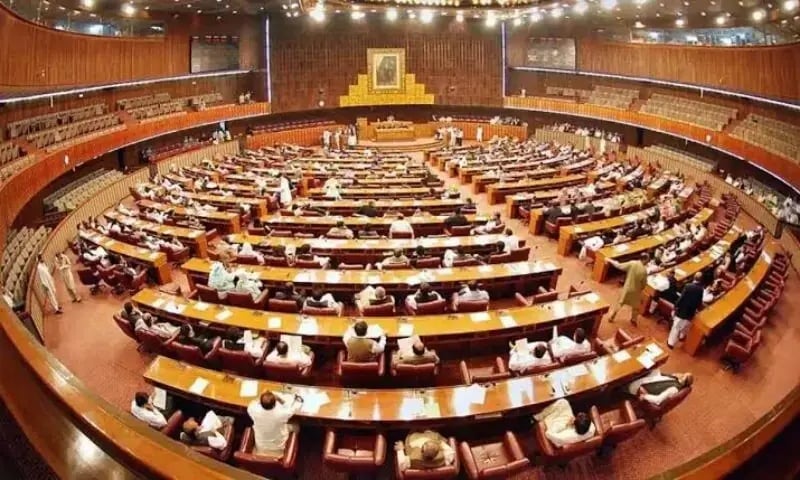
2026 © Helium Trades
Privacy Policy & Disclosure
* Disclaimer: Nothing on this website constitutes investment advice, performance data or any recommendation that any particular security, portfolio of securities, transaction or investment strategy is suitable for any specific person. Helium Trades is not responsible in any way for the accuracy
of any model predictions or price data. Any mention of a particular security and related prediction data is not a recommendation to buy or sell that security. Investments in securities involve the risk of loss. Past performance is no guarantee of future results. Helium Trades is not responsible for any of your investment decisions,
you should consult a financial expert before engaging in any transaction.
Helium Research Assistant

How can I help you today?
Ask any question about this page.


