See whether Helium helps you make better-informed decisions. Try every Pro Trader feature for 30 days. No credit card required.
Try every Pro Trader feature for 30 days. No credit card required.
September 25, 2026 · 0 shares
Balanced wire-style coverage frames an Iranian diplomatic overture as conditional and unresolved, relying on attributed official statements, conflicting Iranian media signals, and neutral background.
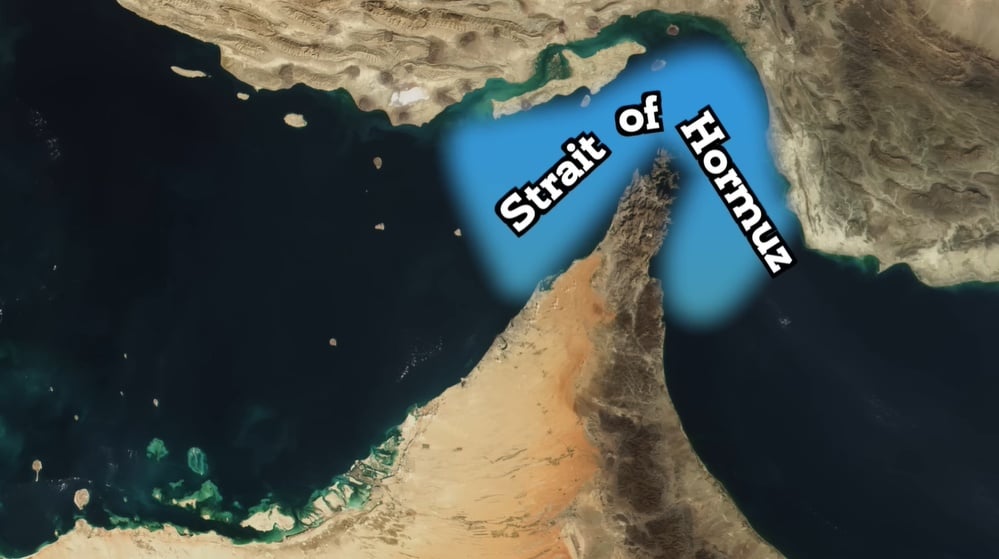
An ongoing US-Iran armed conflict and a closed Strait of Hormuz—a major global oil-shipping chokepoint—are the unstated backdrop for this diplomatic proposal.
Automated analysis; not human reviewed.
Limitations: The supplied text is a short aggregator item with no US official response or primary document, and Iranian media have denied the core report, leaving the proposal's status unresolved; no year is given for the Tuesday date.
·
8 of 55 available dimensions scored; omitted dimensions are not treated as neutral.
·
Verified supporting quotes for 7 of 8 scored dimensions.
Claim: The report describes conflict actions by both Iran and the United States without endorsing either side.
“Ships that refuse to comply are regularly targeted, while the United States sporadically bombs Iranian coastal areas in retaliation.” · exact text match
Why: The sentence pairs Iranian targeting with US strikes, presenting both sides' actions as facts rather than judgment.
Claim: The report's central claim is explicitly attributed to a named official rather than asserted by the publisher.
“Araghchi said he was waiting for a US response to the plan and maintained that China supported the proposal.” · exact text match
Why: The statement is attributed to Araghchi with verbs of saying and maintaining, preserving distance from the claim.
Claim: The report presents conflict events in flat, technical language without dramatic embellishment.
“Iran requires ships to obtain authorisation before passage, citing security and sovereignty reasons.” · exact text match
Why: A contentious policy is described in neutral, administrative wording, with Iran's rationale given.
Claim: The text describes the proposal's provisions without recommending a policy outcome.
“On the seventh day of the truce, Iran would reopen Hormuz.” · exact text match
Why: A conditional outcome is stated descriptively, with no call for readers or policymakers to act.
Claim: The report remains emotionally neutral throughout, using conditional and attributed language.
“If certain conditions are met, the strait will be open within seven days and talks will start.” · not found in supplied text
Why: The quoted conditional is dry and technical, reflecting an unemotional presentation of the development.
Claim: The article names its originating news agency, cites a senior official, and attributes its main quote to named media outlets.
“Japanese news agency Kyodo was the first to report the proposal, citing a senior Iranian official on Tuesday (Sep 22).” · exact text match
Why: Specific sourcing and attribution give the report a visible basis for its central claim.
Claim: The narrative uses causal, evidence-based explanation rather than emotional or speculative reasoning.
“But the deal broke down shortly afterwards when Iran fired on commercial ships in Hormuz that it accused of deviating from its approved route through the waterway.” · exact text match
Why: The breakdown is explained by a specific preceding Iranian action, showing a cause-and-effect framework.
Claim: The report is transparent about disagreement and uncertainty in its sourcing.
“Iranian media, however, denied the Kyodo report, while authorities in Tehran have not clarified their position.” · exact text match
Why: The publisher includes the denial and unresolved official status rather than presenting the proposal as confirmed fact.
The supplied text is a short aggregator item with no US official response or primary document, and Iranian media have denied the core report, leaving the proposal's status unresolved; no year is given for the Tuesday date.
September 26, 2026 · 0 shares
A mostly attributed dispatch on the Hormuz proposal is wrapped in a snarky editorial aside mocking Trump's Truth Social posts and the Murdoch-owned press, shifting the overall tone from reported news to opinionated commentary.
Automated analysis; not human reviewed.
Limitations: The supplied text includes an unexplained final editorial paragraph that may be an aggregator or reader comment rather than the publisher's own words, and the publisher identity is absent, so attribution of that commentary to the publisher is uncertain.
·
7 of 55 available dimensions scored; omitted dimensions are not treated as neutral.
·
Verified supporting quotes for 5 of 7 scored dimensions.
Claim: The closing commentary displays an anti-Trump, anti-Murdoch editorial stance consistent with a left-leaning viewpoint.
“We should be grateful it included the latest zany Trump posts.” · exact text match
“Xi's conversations with Trump must have been very entertaining, at least for the translators.
Giddy, hah hah.”
· verified after text normalization
Why: The mocking references to Trump and the Murdoch-owned WSJ suggest a liberal/anti-Trump viewpoint, though no explicit policy positions are stated.
Claim: The article mixes attributed reporting with subjective editorializing.
“We should be grateful it included the latest zany Trump posts.” · exact text match
“Giddy, hah hah. But he does it on purpose.
What purpose I cannot see.”
· verified after text normalization
Why: The news core uses attributed claims, but the closing paragraph expresses personal judgments and speculative amusement.
Claim: The piece passes along unverified personal web rumor and private speculation.
“It's said on the web that Natalie Harp does the Truth Social posts for Trump.
Google says 'widely reported'.”
· not found in supplied text
“Xi's conversations with Trump must have been very entertaining, at least for the translators.” · exact text match
Why: It relays unnamed web rumor about an aide's role and speculates about closed-door conversations.
Claim: The closing paragraph is strongly opinionated rather than factual.
“We should be grateful it included the latest zany Trump posts.” · exact text match
“But he does it on purpose.
What purpose I cannot see.”
· verified after text normalization
Why: It uses value judgments and mocking rhetorical questions rather than reportorial prose.
Claim: The editorial tone is flippant and mock-amused rather than analytically restrained.
“Giddy, hah hah. But he does it on purpose.
What purpose I cannot see.”
· verified after text normalization
Why: The phrase 'Giddy, hah hah' and the rhetorical question suggest playful mockery rather than serious commentary.
Claim: The central report is well-attributed, but the appended commentary weakens overall credibility.
“However, within hours of his comments The Wall Street Journal reported Trump had rejected the proposal, citing U.S. officials familiar with the matter.” · exact text match
“It's said on the web that Natalie Harp does the Truth Social posts for Trump.
Google says 'widely reported'.”
· not found in supplied text
Why: The main report cites named officials and media sources, while the closing paragraph relies on vague web rumor, creating an uneven credibility profile.
Claim: The article includes speculative conjecture presented as commentary.
“Xi's conversations with Trump must have been very entertaining, at least for the translators.” · exact text match
Why: This sentence imagines unobserved exchanges and their tone without evidence.
The supplied text includes an unexplained final editorial paragraph that may be an aggregator or reader comment rather than the publisher's own words, and the publisher identity is absent, so attribution of that commentary to the publisher is uncertain.
September 26, 2026 · 0 shares
Framing centers on Iran's refusal to make nuclear concessions even as every position is scrupulously attributed to an anonymous official, Reuters, and the IAEA rather than asserted by the publisher.
The report presumes an ongoing US-Iran confrontation in which a previous Iranian proposal to reopen Hormuz and end the war within seven days was rejected by Washington; uranium enriched to 60% is below the roughly 90% generally considered weapons-grade, and the Strait of Hormuz is a major chokepoint for global seaborne oil.
Automated analysis; not human reviewed.
Limitations: The supplied text is a future-dated (September 26, 2026) wire feed snippet that references an unverifiable 2025 attack timeline; the compressed JSON-style feed may omit original punctuation and context.
·
12 of 55 available dimensions scored; omitted dimensions are not treated as neutral.
·
Verified supporting quotes for 1 of 12 scored dimensions.
Claim: The report states attributed positions without evaluative language.
“Iran will make no concessions over its nuclear programme, as a senior Iranian official told Reuters on Friday.” · not found in supplied text
“Western countries have accused Iran of pursuing nuclear weapons, while Tehran denies the allegations.” · not found in supplied text
Why: Each substantive claim is attributed to a source, and the accusation-denial pair is presented symmetrically.
Claim: The headline uses a confrontational frame, but the body remains sober wire reporting.
“Iran rejects nuclear concessions in Hormuz proposal.” · exact text match
Counterevidence:
“The official said the waterway would remain closed until Iran's conditions are fully met.” · not found in supplied text
Why: The headline highlights Iran's refusal, but the body uses neutral, hedged, attributed language with no dramatic imagery or urgency.
Claim: The article describes positions and conditions without recommending any course of action.
“Tehran said it would discuss its nuclear programme only after Washington meets its demands.” · not found in supplied text
“These include ending hostilities, lifting the US naval blockade and releasing frozen Iranian funds.” · not found in supplied text
Why: All content reports what actors demand or state; there is no advice, advocacy, or policy prescription.
Claim: The article is factual and attributed, with only one mild analytical interpolation.
“Therefore, its closure has increased pressure on both sides to reach an agreement.” · not found in supplied text
Why: That single causal inference is the only editorial judgment; the rest is attributed reporting.
Claim: The substance is fully embedded in inter-state political conflict over sanctions, blockade, and nuclear diplomacy.
“Iran rejects nuclear concessions in Hormuz proposal.” · exact text match
“Tehran also wants Washington to waive oil sanctions as part of the proposed arrangement.” · not found in supplied text
Why: The entire reported event is a diplomatic and geopolitical confrontation, making the coverage inherently political.
Claim: Language is unemotional and detached.
“The official said the waterway would remain closed until Iran's conditions are fully met.” · not found in supplied text
Why: The report uses neutral declarative phrasing without charged or emotive vocabulary.
Claim: Visible sourcing, attribution, and hedging support trustworthiness.
“as a senior Iranian official told Reuters on Friday” · not found in supplied text
“The International Atomic Energy Agency estimated Iran had 440.9 kilograms at that level before the 2025 attacks.” · not found in supplied text
Why: Claims are attributed to Reuters, an anonymous senior official, and the IAEA, with hedges such as 'estimated' and 'indicated.'
Claim: Reporting is grounded in attributed statements and institutional estimates rather than speculation.
“The International Atomic Energy Agency estimated Iran had 440.9 kilograms at that level before the 2025 attacks.” · not found in supplied text
Why: The report attributes positions to a named news agency, an anonymous official, and the IAEA, and avoids causal leaps beyond a hedged inference.
Claim: The article relies on empirical measurement and institutional verification.
“Iran has enriched uranium to 60%, well above levels generally needed for civilian purposes.” · not found in supplied text
“The International Atomic Energy Agency estimated Iran had 440.9 kilograms at that level before the 2025 attacks.” · not found in supplied text
Why: Nuclear facts are quantified and sourced to the IAEA rather than asserted mystically or ideologically.
Claim: The report mostly relays statements; the only forward-looking or interpretive element is the inference about pressure.
“Therefore, its closure has increased pressure on both sides to reach an agreement.” · not found in supplied text
Why: No forecasts or predictions appear; the inference about pressure is an interpretation of present effects, not a forecast.
Claim: The report is internally fair: it discloses anonymity, attributes claims, and includes both the accusation and the denial.
“The official spoke anonymously during the United Nations General Assembly in New York.” · not found in supplied text
“Western countries have accused Iran of pursuing nuclear weapons, while Tehran denies the allegations.” · not found in supplied text
Why: Anonymity is flagged, estimates are hedged with 'estimated' and 'indicated,' and both sides of the weapons dispute appear.
Claim: The report includes sufficient context (conditions, stockpile figures, both sides' positions) to interpret the standoff.
“Iran has enriched uranium to 60%, well above levels generally needed for civilian purposes.” · not found in supplied text
“These include ending hostilities, lifting the US naval blockade and releasing frozen Iranian funds.” · not found in supplied text
Why: It integrates the proposal's terms, the nuclear dimension, and the dispute's contested nature without oversimplification.
The supplied text is a future-dated (September 26, 2026) wire feed snippet that references an unverifiable 2025 attack timeline; the compressed JSON-style feed may omit original punctuation and context.
September 26, 2026 · 0 shares
The dispatch is an even-handed wire-style account that leads with Trump's rejection, immediately balances it with Iran's proposal and Araqchi's comments, and attributes private US expectations to The Wall Street Journal's unnamed-official reporting rather than asserting them as established fact.
Automated analysis; not human reviewed.
Limitations: The supplied text is a truncated wire dispatch with duplicated page chrome; details of the WSJ report and the full Iranian initiative were not available, and claims from unnamed officials cannot be independently checked.
·
7 of 55 available dimensions scored; omitted dimensions are not treated as neutral.
·
Verified supporting quotes for 6 of 7 scored dimensions.
Claim: No partisan preference: US and Iranian positions are both reported with attribution.
“Trump said: “I reject their proposal.
… I rejected their deal.”
· exact text match
“Iranian Foreign Minister Abbas Araqchi told reporters at the United Nations on Friday the proposed deal would trigger a seven-day countdown to reopening the strait and a pause in regional fighting.” · exact text match
Why: The text alternates between Trump's statements and Iranian officials' statements without endorsing either side.
Claim: Reporting is objective: statements and events are attributed, and no subjective editorial judgment is offered.
“A US official had said earlier that discussions with Iran through mediators were “positive and constructive”.” · exact text match
“The Wall Street Journal first reported that Trump had rejected the Iranian proposal, citing unnamed US officials.” · exact text match
Why: The report attributes claims to named or identified sources and distinguishes original reporting from secondhand reports.
Claim: The report is non-sensational and avoids emotive or alarmist presentation.
“Conflict has disrupted oil flows, harmed global economy” · exact text match
“Iranian Foreign Minister Abbas Araqchi told reporters at the United Nations on Friday the proposed deal would trigger a seven-day countdown to reopening the strait and a pause in regional fighting.” · exact text match
Why: Even the description of the conflict's impact is delivered in a flat, factual style, and the article does not use outrage or dramatic language.
Claim: The dispatch is descriptive and makes no policy recommendations or calls to action.
“The US has imposed an economic blockade on Iran to put pressure on Tehran to lift its blockade of Hormuz, which has drastically reduced shipping through the strait, even though Trump again asserted that the US had control of the waterway.” · exact text match
“Iran would grant no concessions over its rights, including enriching uranium or shipping its highly enriched uranium out of the country, the official said.” · exact text match
Why: Both quotes explain the state of play and Iranian position without instructing the reader or prescribing a course.
Claim: The report is factual and neutral rather than opinionated.
““If there is seriousness on the US side to come to a deal and reopen the Strait of Hormuz, everything is now prepared,” Araqchi said.” · exact text match
“A US official had said earlier that discussions with Iran through mediators were “positive and constructive”.” · exact text match
Why: The only normative-sounding content appears inside attributed quotes; the publisher itself does not voice policy opinions.
Claim: Sourcing and attribution are transparent and reasonably credible.
“The Wall Street Journal first reported that Trump had rejected the Iranian proposal, citing unnamed US officials.” · exact text match
“A senior Iranian official told Reuters that Iran would show no flexibility over its nuclear programme even if the US accepted its peace deal.” · not found in supplied text
Why: The article names the original reporter of the private Trump account and attributes the Iranian red line to a senior official via Reuters, although some key claims depend on unnamed sources.
Claim: The report is fair and honest in its sourcing, including material that tempers Trump's rejection.
“The Wall Street Journal first reported that Trump had rejected the Iranian proposal, citing unnamed US officials.” · exact text match
“A US official had said earlier that discussions with Iran through mediators were “positive and constructive”.” · exact text match
Why: It identifies the original WSJ report and includes a prior US official's positive characterization, indicating balanced presentation.
The supplied text is a truncated wire dispatch with duplicated page chrome; details of the WSJ report and the full Iranian initiative were not available, and claims from unnamed officials cannot be independently checked.
September 26, 2026 · 0 shares
A terse Middle East brief frames the Hormuz plan as a stalled diplomatic development, using attribution and uncertainty to avoid asserting Trump's rejection as fact.
Automated analysis; not human reviewed.
Limitations: The supplied text is a very short brief without named sources, dates, or background beyond the conflict, limiting bias attribution and verification.
·
5 of 55 available dimensions scored; omitted dimensions are not treated as neutral.
·
Verified supporting quotes for 5 of 5 scored dimensions.
Claim: The report uses attribution and uncertainty markers rather than asserting the rejection as fact.
“though reports indicated that President Donald Trump had rejected the proposal” · exact text match
“The United States had yet to publicly respond on Saturday” · exact text match
Why: These phrases qualify the claim and keep the report detached and factual.
Claim: The brief is written in a restrained, matter-of-fact way without sensational language.
“Iran offered a plan to reopen the strategic Strait of Hormuz” · exact text match
Why: The sentence reports a diplomatic action plainly, with no dramatic or emotionally loaded wording.
Claim: The text describes events and attributed statements without prescribing any course of action.
“new mediation efforts took place this week” · exact text match
“The United States had yet to publicly respond on Saturday” · exact text match
Why: All clauses are declarative and none contain should/ought or policy recommendations.
Claim: The brief is factful and non-evaluative.
“Iran offered a plan to reopen the strategic Strait of Hormuz” · exact text match
Why: The wording reports an action without expressing approval, disapproval, or a viewpoint.
Claim: The text visibly separates reported claims from confirmed facts and notes the absence of a public U.S. response.
“though reports indicated that President Donald Trump had rejected the proposal” · exact text match
“The United States had yet to publicly respond on Saturday” · exact text match
Why: Attribution and uncertainty are explicitly marked, although the underlying reports are unnamed, so credibility is moderate.
The supplied text is a very short brief without named sources, dates, or background beyond the conflict, limiting bias attribution and verification.
September 26, 2026 · 0 shares
Attribution-heavy, wire-style reporting relays Trump's rejection of Iran's Hormuz proposal and the Wall Street Journal's report on possible post-midterm bombing without editorial endorsement.
The Strait of Hormuz is a strategic maritime chokepoint for global oil shipments, so its closure or blockade carries major economic stakes; the reported negotiation follows a mid-June US-Iran memorandum of understanding whose ceasefire collapsed.
Automated analysis; not human reviewed.
Limitations: Analysis is limited to the supplied excerpt, which includes anonymous sourcing and promotional page text; no independent verification of the proposal, blockade, or WSJ report is possible.
·
4 of 55 available dimensions scored; omitted dimensions are not treated as neutral.
·
Verified supporting quotes for 4 of 4 scored dimensions.
Claim: No partisan left-right framing is observable; the publisher relays statements and attributed reports without endorsement or attack.
““They made a proposal but I rejected it,” Trump said as he departed the White House on Saturday.” · exact text match
“Earlier, the Wall Street Journal reported that Trump expects to resume the US bombing campaign against Iran after US midterm elections in early November and is skeptical about Iran’s willingness to meet his demands.” · exact text match
Why: Both the Trump claim and the WSJ report are presented as reported speech with no evaluative adjectives or policy advocacy.
Claim: Reporting is objective in structure: direct quotes, attributed statements, and no first-person or evaluative language.
““They made a proposal but I rejected it,” Trump said as he departed the White House on Saturday.” · exact text match
“Trump declined to answer a question about whether he would resume bombing after the midterms.” · exact text match
Why: The wording ties claims to observable statements and includes the refusal to answer, rather than editorializing.
Claim: The report describes events and statements; it never recommends or advocates a course of action.
“The pact would have been similar to the memorandum of understanding the two countries reached in mid-June, which led to a fragile ceasefire that collapsed weeks later.” · exact text match
Why: No imperative, normative, or prescriptive language appears; even the bombing expectation is attributed to the Wall Street Journal.
Claim: The report provides a verifiable chain of sourcing through a direct quote, a named secondary outlet, and an anonymous source.
“Earlier, the Wall Street Journal reported that Trump expects to resume the US bombing campaign against Iran after US midterm elections in early November and is skeptical about Iran’s willingness to meet his demands.” · exact text match
“US and Iranian negotiators had been exploring a deal that would see Tehran reopen the Strait of Hormuz and Washington lift its blockade of Iranian ports, a person familiar with the matter said.” · exact text match
Why: Multiple layers of attribution are present, but the anonymous source and lack of independent verification cap the score.
Analysis is limited to the supplied excerpt, which includes anonymous sourcing and promotional page text; no independent verification of the proposal, blockade, or WSJ report is possible.
September 26, 2026 · 0 shares
Attribution-heavy, wire-style reporting relays Trump's rejection of Iran's Hormuz proposal and the Wall Street Journal's report on possible post-midterm bombing without editorial endorsement.
The Strait of Hormuz is a strategic maritime chokepoint for global oil shipments, so its closure or blockade carries major economic stakes; the reported negotiation follows a mid-June US-Iran memorandum of understanding whose ceasefire collapsed.
Automated analysis; not human reviewed.
Limitations: Analysis is limited to the supplied excerpt, which includes anonymous sourcing and promotional page text; no independent verification of the proposal, blockade, or WSJ report is possible.
·
4 of 55 available dimensions scored; omitted dimensions are not treated as neutral.
·
Verified supporting quotes for 4 of 4 scored dimensions.
Claim: No partisan left-right framing is observable; the publisher relays statements and attributed reports without endorsement or attack.
““They made a proposal but I rejected it,” Trump said as he departed the White House on Saturday.” · exact text match
“Earlier, the Wall Street Journal reported that Trump expects to resume the US bombing campaign against Iran after US midterm elections in early November and is skeptical about Iran’s willingness to meet his demands.” · exact text match
Why: Both the Trump claim and the WSJ report are presented as reported speech with no evaluative adjectives or policy advocacy.
Claim: Reporting is objective in structure: direct quotes, attributed statements, and no first-person or evaluative language.
““They made a proposal but I rejected it,” Trump said as he departed the White House on Saturday.” · exact text match
“Trump declined to answer a question about whether he would resume bombing after the midterms.” · exact text match
Why: The wording ties claims to observable statements and includes the refusal to answer, rather than editorializing.
Claim: The report describes events and statements; it never recommends or advocates a course of action.
“The pact would have been similar to the memorandum of understanding the two countries reached in mid-June, which led to a fragile ceasefire that collapsed weeks later.” · exact text match
Why: No imperative, normative, or prescriptive language appears; even the bombing expectation is attributed to the Wall Street Journal.
Claim: The report provides a verifiable chain of sourcing through a direct quote, a named secondary outlet, and an anonymous source.
“Earlier, the Wall Street Journal reported that Trump expects to resume the US bombing campaign against Iran after US midterm elections in early November and is skeptical about Iran’s willingness to meet his demands.” · exact text match
“US and Iranian negotiators had been exploring a deal that would see Tehran reopen the Strait of Hormuz and Washington lift its blockade of Iranian ports, a person familiar with the matter said.” · exact text match
Why: Multiple layers of attribution are present, but the anonymous source and lack of independent verification cap the score.
Analysis is limited to the supplied excerpt, which includes anonymous sourcing and promotional page text; no independent verification of the proposal, blockade, or WSJ report is possible.
September 26, 2026 · 0 shares
The dispatch is an even-handed wire-style account that leads with Trump's rejection, immediately balances it with Iran's proposal and Araqchi's comments, and attributes private US expectations to The Wall Street Journal's unnamed-official reporting rather than asserting them as established fact.
Automated analysis; not human reviewed.
Limitations: The supplied text is a truncated wire dispatch with duplicated page chrome; details of the WSJ report and the full Iranian initiative were not available, and claims from unnamed officials cannot be independently checked.
·
7 of 55 available dimensions scored; omitted dimensions are not treated as neutral.
·
Verified supporting quotes for 6 of 7 scored dimensions.
Claim: No partisan preference: US and Iranian positions are both reported with attribution.
“Trump said: “I reject their proposal.
… I rejected their deal.”
· exact text match
“Iranian Foreign Minister Abbas Araqchi told reporters at the United Nations on Friday the proposed deal would trigger a seven-day countdown to reopening the strait and a pause in regional fighting.” · exact text match
Why: The text alternates between Trump's statements and Iranian officials' statements without endorsing either side.
Claim: Reporting is objective: statements and events are attributed, and no subjective editorial judgment is offered.
“A US official had said earlier that discussions with Iran through mediators were “positive and constructive”.” · exact text match
“The Wall Street Journal first reported that Trump had rejected the Iranian proposal, citing unnamed US officials.” · exact text match
Why: The report attributes claims to named or identified sources and distinguishes original reporting from secondhand reports.
Claim: The report is non-sensational and avoids emotive or alarmist presentation.
“Conflict has disrupted oil flows, harmed global economy” · exact text match
“Iranian Foreign Minister Abbas Araqchi told reporters at the United Nations on Friday the proposed deal would trigger a seven-day countdown to reopening the strait and a pause in regional fighting.” · exact text match
Why: Even the description of the conflict's impact is delivered in a flat, factual style, and the article does not use outrage or dramatic language.
Claim: The dispatch is descriptive and makes no policy recommendations or calls to action.
“The US has imposed an economic blockade on Iran to put pressure on Tehran to lift its blockade of Hormuz, which has drastically reduced shipping through the strait, even though Trump again asserted that the US had control of the waterway.” · exact text match
“Iran would grant no concessions over its rights, including enriching uranium or shipping its highly enriched uranium out of the country, the official said.” · exact text match
Why: Both quotes explain the state of play and Iranian position without instructing the reader or prescribing a course.
Claim: The report is factual and neutral rather than opinionated.
““If there is seriousness on the US side to come to a deal and reopen the Strait of Hormuz, everything is now prepared,” Araqchi said.” · exact text match
“A US official had said earlier that discussions with Iran through mediators were “positive and constructive”.” · exact text match
Why: The only normative-sounding content appears inside attributed quotes; the publisher itself does not voice policy opinions.
Claim: Sourcing and attribution are transparent and reasonably credible.
“The Wall Street Journal first reported that Trump had rejected the Iranian proposal, citing unnamed US officials.” · exact text match
“A senior Iranian official told Reuters that Iran would show no flexibility over its nuclear programme even if the US accepted its peace deal.” · not found in supplied text
Why: The article names the original reporter of the private Trump account and attributes the Iranian red line to a senior official via Reuters, although some key claims depend on unnamed sources.
Claim: The report is fair and honest in its sourcing, including material that tempers Trump's rejection.
“The Wall Street Journal first reported that Trump had rejected the Iranian proposal, citing unnamed US officials.” · exact text match
“A US official had said earlier that discussions with Iran through mediators were “positive and constructive”.” · exact text match
Why: It identifies the original WSJ report and includes a prior US official's positive characterization, indicating balanced presentation.
The supplied text is a truncated wire dispatch with duplicated page chrome; details of the WSJ report and the full Iranian initiative were not available, and claims from unnamed officials cannot be independently checked.
September 25, 2026 · 0 shares
Balanced wire-style coverage frames an Iranian diplomatic overture as conditional and unresolved, relying on attributed official statements, conflicting Iranian media signals, and neutral background.
An ongoing US-Iran armed conflict and a closed Strait of Hormuz—a major global oil-shipping chokepoint—are the unstated backdrop for this diplomatic proposal.
Automated analysis; not human reviewed.
Limitations: The supplied text is a short aggregator item with no US official response or primary document, and Iranian media have denied the core report, leaving the proposal's status unresolved; no year is given for the Tuesday date.
·
8 of 55 available dimensions scored; omitted dimensions are not treated as neutral.
·
Verified supporting quotes for 7 of 8 scored dimensions.
Claim: The report describes conflict actions by both Iran and the United States without endorsing either side.
“Ships that refuse to comply are regularly targeted, while the United States sporadically bombs Iranian coastal areas in retaliation.” · exact text match
Why: The sentence pairs Iranian targeting with US strikes, presenting both sides' actions as facts rather than judgment.
Claim: The report's central claim is explicitly attributed to a named official rather than asserted by the publisher.
“Araghchi said he was waiting for a US response to the plan and maintained that China supported the proposal.” · exact text match
Why: The statement is attributed to Araghchi with verbs of saying and maintaining, preserving distance from the claim.
Claim: The report presents conflict events in flat, technical language without dramatic embellishment.
“Iran requires ships to obtain authorisation before passage, citing security and sovereignty reasons.” · exact text match
Why: A contentious policy is described in neutral, administrative wording, with Iran's rationale given.
Claim: The text describes the proposal's provisions without recommending a policy outcome.
“On the seventh day of the truce, Iran would reopen Hormuz.” · exact text match
Why: A conditional outcome is stated descriptively, with no call for readers or policymakers to act.
Claim: The report remains emotionally neutral throughout, using conditional and attributed language.
“If certain conditions are met, the strait will be open within seven days and talks will start.” · not found in supplied text
Why: The quoted conditional is dry and technical, reflecting an unemotional presentation of the development.
Claim: The article names its originating news agency, cites a senior official, and attributes its main quote to named media outlets.
“Japanese news agency Kyodo was the first to report the proposal, citing a senior Iranian official on Tuesday (Sep 22).” · exact text match
Why: Specific sourcing and attribution give the report a visible basis for its central claim.
Claim: The narrative uses causal, evidence-based explanation rather than emotional or speculative reasoning.
“But the deal broke down shortly afterwards when Iran fired on commercial ships in Hormuz that it accused of deviating from its approved route through the waterway.” · exact text match
Why: The breakdown is explained by a specific preceding Iranian action, showing a cause-and-effect framework.
Claim: The report is transparent about disagreement and uncertainty in its sourcing.
“Iranian media, however, denied the Kyodo report, while authorities in Tehran have not clarified their position.” · exact text match
Why: The publisher includes the denial and unresolved official status rather than presenting the proposal as confirmed fact.
The supplied text is a short aggregator item with no US official response or primary document, and Iranian media have denied the core report, leaving the proposal's status unresolved; no year is given for the Tuesday date.
September 26, 2026 · 0 shares
A mostly attributed dispatch on the Hormuz proposal is wrapped in a snarky editorial aside mocking Trump's Truth Social posts and the Murdoch-owned press, shifting the overall tone from reported news to opinionated commentary.
Automated analysis; not human reviewed.
Limitations: The supplied text includes an unexplained final editorial paragraph that may be an aggregator or reader comment rather than the publisher's own words, and the publisher identity is absent, so attribution of that commentary to the publisher is uncertain.
·
7 of 55 available dimensions scored; omitted dimensions are not treated as neutral.
·
Verified supporting quotes for 5 of 7 scored dimensions.
Claim: The closing commentary displays an anti-Trump, anti-Murdoch editorial stance consistent with a left-leaning viewpoint.
“We should be grateful it included the latest zany Trump posts.” · exact text match
“Xi's conversations with Trump must have been very entertaining, at least for the translators.
Giddy, hah hah.”
· verified after text normalization
Why: The mocking references to Trump and the Murdoch-owned WSJ suggest a liberal/anti-Trump viewpoint, though no explicit policy positions are stated.
Claim: The article mixes attributed reporting with subjective editorializing.
“We should be grateful it included the latest zany Trump posts.” · exact text match
“Giddy, hah hah. But he does it on purpose.
What purpose I cannot see.”
· verified after text normalization
Why: The news core uses attributed claims, but the closing paragraph expresses personal judgments and speculative amusement.
Claim: The piece passes along unverified personal web rumor and private speculation.
“It's said on the web that Natalie Harp does the Truth Social posts for Trump.
Google says 'widely reported'.”
· not found in supplied text
“Xi's conversations with Trump must have been very entertaining, at least for the translators.” · exact text match
Why: It relays unnamed web rumor about an aide's role and speculates about closed-door conversations.
Claim: The closing paragraph is strongly opinionated rather than factual.
“We should be grateful it included the latest zany Trump posts.” · exact text match
“But he does it on purpose.
What purpose I cannot see.”
· verified after text normalization
Why: It uses value judgments and mocking rhetorical questions rather than reportorial prose.
Claim: The editorial tone is flippant and mock-amused rather than analytically restrained.
“Giddy, hah hah. But he does it on purpose.
What purpose I cannot see.”
· verified after text normalization
Why: The phrase 'Giddy, hah hah' and the rhetorical question suggest playful mockery rather than serious commentary.
Claim: The central report is well-attributed, but the appended commentary weakens overall credibility.
“However, within hours of his comments The Wall Street Journal reported Trump had rejected the proposal, citing U.S. officials familiar with the matter.” · exact text match
“It's said on the web that Natalie Harp does the Truth Social posts for Trump.
Google says 'widely reported'.”
· not found in supplied text
Why: The main report cites named officials and media sources, while the closing paragraph relies on vague web rumor, creating an uneven credibility profile.
Claim: The article includes speculative conjecture presented as commentary.
“Xi's conversations with Trump must have been very entertaining, at least for the translators.” · exact text match
Why: This sentence imagines unobserved exchanges and their tone without evidence.
The supplied text includes an unexplained final editorial paragraph that may be an aggregator or reader comment rather than the publisher's own words, and the publisher identity is absent, so attribution of that commentary to the publisher is uncertain.
September 27, 2026 · 0 shares
The framing treats Trump's rejection of Iran's Hormuz proposal as an established fact and channels the story through credentialed expert commentary on economic pressure and oil markets.
The Strait of Hormuz is a strategically vital maritime chokepoint for global oil shipments, so its status can affect world energy prices and supply.
Automated analysis; not human reviewed.
Limitations: The supplied text is a brief, promotional segment description with no direct quotes or independent sourcing, so analysis is limited to surface framing.
·
4 of 55 available dimensions scored; omitted dimensions are not treated as neutral.
·
Verified supporting quotes for 4 of 4 scored dimensions.
Claim: The framing is descriptive and even-handed rather than opinionated.
“President Donald Trump’s rejection of Iran’s latest proposal to reopen the Strait of Hormuz and restart negotiations” · exact text match
“They tell hosts David Gura and Christina Ruffini that economic pressure could shape the next phase of diplomacy” · exact text match
Why: The description relays a news event and attributes an analytical view to named guests without evaluative adjectives.
Claim: The wording describes events and expert statements instead of recommending a policy.
“They tell hosts David Gura and Christina Ruffini that economic pressure could shape the next phase of diplomacy” · exact text match
Why: No requirement or recommendation appears; the conditional 'could' is analytic rather than prescriptive.
Claim: The segment relies on credentialed expert titles to establish authority.
“Bloomberg News Middle East reporter Dan Williams” · exact text match
“Bloomberg Intelligence senior commodity strategist Mike McGlone” · exact text match
Why: The description foregrounds institutional and seniority credentials as part of the segment's credibility.
Claim: The presentation emphasizes economic and strategic reasoning.
“economic pressure could shape the next phase of diplomacy” · exact text match
“rising fuel costs and shifting US supply and Chinese demand remain critical factors for oil prices” · exact text match
Why: The publisher highlights market incentives and strategic calculations, giving the segment an analytical, non-emotional shape.
The supplied text is a brief, promotional segment description with no direct quotes or independent sourcing, so analysis is limited to surface framing.
September 25, 2026 · 0 shares
Balanced wire-style coverage frames an Iranian diplomatic overture as conditional and unresolved, relying on attributed official statements, conflicting Iranian media signals, and neutral background.
An ongoing US-Iran armed conflict and a closed Strait of Hormuz—a major global oil-shipping chokepoint—are the unstated backdrop for this diplomatic proposal.
Automated analysis; not human reviewed. Limitations: The supplied text is a short aggregator item with no US official response or primary document, and Iranian media have denied the core report, leaving the proposal's status unresolved; no year is given for the Tuesday date. · 8 of 55 available dimensions scored; omitted dimensions are not treated as neutral. · Verified supporting quotes for 7 of 8 scored dimensions.
Claim: The report describes conflict actions by both Iran and the United States without endorsing either side.
“Ships that refuse to comply are regularly targeted, while the United States sporadically bombs Iranian coastal areas in retaliation.” · exact text match
Why: The sentence pairs Iranian targeting with US strikes, presenting both sides' actions as facts rather than judgment.
Claim: The report's central claim is explicitly attributed to a named official rather than asserted by the publisher.
“Araghchi said he was waiting for a US response to the plan and maintained that China supported the proposal.” · exact text match
Why: The statement is attributed to Araghchi with verbs of saying and maintaining, preserving distance from the claim.
Claim: The report presents conflict events in flat, technical language without dramatic embellishment.
“Iran requires ships to obtain authorisation before passage, citing security and sovereignty reasons.” · exact text match
Why: A contentious policy is described in neutral, administrative wording, with Iran's rationale given.
Claim: The text describes the proposal's provisions without recommending a policy outcome.
“On the seventh day of the truce, Iran would reopen Hormuz.” · exact text match
Why: A conditional outcome is stated descriptively, with no call for readers or policymakers to act.
Claim: The report remains emotionally neutral throughout, using conditional and attributed language.
“If certain conditions are met, the strait will be open within seven days and talks will start.” · not found in supplied text
Why: The quoted conditional is dry and technical, reflecting an unemotional presentation of the development.
Claim: The article names its originating news agency, cites a senior official, and attributes its main quote to named media outlets.
“Japanese news agency Kyodo was the first to report the proposal, citing a senior Iranian official on Tuesday (Sep 22).” · exact text match
Why: Specific sourcing and attribution give the report a visible basis for its central claim.
Claim: The narrative uses causal, evidence-based explanation rather than emotional or speculative reasoning.
“But the deal broke down shortly afterwards when Iran fired on commercial ships in Hormuz that it accused of deviating from its approved route through the waterway.” · exact text match
Why: The breakdown is explained by a specific preceding Iranian action, showing a cause-and-effect framework.
Claim: The report is transparent about disagreement and uncertainty in its sourcing.
“Iranian media, however, denied the Kyodo report, while authorities in Tehran have not clarified their position.” · exact text match
Why: The publisher includes the denial and unresolved official status rather than presenting the proposal as confirmed fact.
The supplied text is a short aggregator item with no US official response or primary document, and Iranian media have denied the core report, leaving the proposal's status unresolved; no year is given for the Tuesday date.
September 26, 2026 · 0 shares
A mostly attributed dispatch on the Hormuz proposal is wrapped in a snarky editorial aside mocking Trump's Truth Social posts and the Murdoch-owned press, shifting the overall tone from reported news to opinionated commentary.
Automated analysis; not human reviewed. Limitations: The supplied text includes an unexplained final editorial paragraph that may be an aggregator or reader comment rather than the publisher's own words, and the publisher identity is absent, so attribution of that commentary to the publisher is uncertain. · 7 of 55 available dimensions scored; omitted dimensions are not treated as neutral. · Verified supporting quotes for 5 of 7 scored dimensions.
Claim: The closing commentary displays an anti-Trump, anti-Murdoch editorial stance consistent with a left-leaning viewpoint.
“We should be grateful it included the latest zany Trump posts.” · exact text match
“Xi's conversations with Trump must have been very entertaining, at least for the translators. Giddy, hah hah.” · verified after text normalization
Why: The mocking references to Trump and the Murdoch-owned WSJ suggest a liberal/anti-Trump viewpoint, though no explicit policy positions are stated.
Claim: The article mixes attributed reporting with subjective editorializing.
“We should be grateful it included the latest zany Trump posts.” · exact text match
“Giddy, hah hah. But he does it on purpose. What purpose I cannot see.” · verified after text normalization
Why: The news core uses attributed claims, but the closing paragraph expresses personal judgments and speculative amusement.
Claim: The piece passes along unverified personal web rumor and private speculation.
“It's said on the web that Natalie Harp does the Truth Social posts for Trump. Google says 'widely reported'.” · not found in supplied text
“Xi's conversations with Trump must have been very entertaining, at least for the translators.” · exact text match
Why: It relays unnamed web rumor about an aide's role and speculates about closed-door conversations.
Claim: The closing paragraph is strongly opinionated rather than factual.
“We should be grateful it included the latest zany Trump posts.” · exact text match
“But he does it on purpose. What purpose I cannot see.” · verified after text normalization
Why: It uses value judgments and mocking rhetorical questions rather than reportorial prose.
Claim: The editorial tone is flippant and mock-amused rather than analytically restrained.
“Giddy, hah hah. But he does it on purpose. What purpose I cannot see.” · verified after text normalization
Why: The phrase 'Giddy, hah hah' and the rhetorical question suggest playful mockery rather than serious commentary.
Claim: The central report is well-attributed, but the appended commentary weakens overall credibility.
“However, within hours of his comments The Wall Street Journal reported Trump had rejected the proposal, citing U.S. officials familiar with the matter.” · exact text match
“It's said on the web that Natalie Harp does the Truth Social posts for Trump. Google says 'widely reported'.” · not found in supplied text
Why: The main report cites named officials and media sources, while the closing paragraph relies on vague web rumor, creating an uneven credibility profile.
Claim: The article includes speculative conjecture presented as commentary.
“Xi's conversations with Trump must have been very entertaining, at least for the translators.” · exact text match
Why: This sentence imagines unobserved exchanges and their tone without evidence.
The supplied text includes an unexplained final editorial paragraph that may be an aggregator or reader comment rather than the publisher's own words, and the publisher identity is absent, so attribution of that commentary to the publisher is uncertain.
September 26, 2026 · 0 shares
The dispatch is an even-handed wire-style account that leads with Trump's rejection, immediately balances it with Iran's proposal and Araqchi's comments, and attributes private US expectations to The Wall Street Journal's unnamed-official reporting rather than asserting them as established fact.
Automated analysis; not human reviewed. Limitations: The supplied text is a truncated wire dispatch with duplicated page chrome; details of the WSJ report and the full Iranian initiative were not available, and claims from unnamed officials cannot be independently checked. · 7 of 55 available dimensions scored; omitted dimensions are not treated as neutral. · Verified supporting quotes for 6 of 7 scored dimensions.
Claim: No partisan preference: US and Iranian positions are both reported with attribution.
“Trump said: “I reject their proposal. … I rejected their deal.” · exact text match
“Iranian Foreign Minister Abbas Araqchi told reporters at the United Nations on Friday the proposed deal would trigger a seven-day countdown to reopening the strait and a pause in regional fighting.” · exact text match
Why: The text alternates between Trump's statements and Iranian officials' statements without endorsing either side.
Claim: Reporting is objective: statements and events are attributed, and no subjective editorial judgment is offered.
“A US official had said earlier that discussions with Iran through mediators were “positive and constructive”.” · exact text match
“The Wall Street Journal first reported that Trump had rejected the Iranian proposal, citing unnamed US officials.” · exact text match
Why: The report attributes claims to named or identified sources and distinguishes original reporting from secondhand reports.
Claim: The report is non-sensational and avoids emotive or alarmist presentation.
“Conflict has disrupted oil flows, harmed global economy” · exact text match
“Iranian Foreign Minister Abbas Araqchi told reporters at the United Nations on Friday the proposed deal would trigger a seven-day countdown to reopening the strait and a pause in regional fighting.” · exact text match
Why: Even the description of the conflict's impact is delivered in a flat, factual style, and the article does not use outrage or dramatic language.
Claim: The dispatch is descriptive and makes no policy recommendations or calls to action.
“The US has imposed an economic blockade on Iran to put pressure on Tehran to lift its blockade of Hormuz, which has drastically reduced shipping through the strait, even though Trump again asserted that the US had control of the waterway.” · exact text match
“Iran would grant no concessions over its rights, including enriching uranium or shipping its highly enriched uranium out of the country, the official said.” · exact text match
Why: Both quotes explain the state of play and Iranian position without instructing the reader or prescribing a course.
Claim: The report is factual and neutral rather than opinionated.
““If there is seriousness on the US side to come to a deal and reopen the Strait of Hormuz, everything is now prepared,” Araqchi said.” · exact text match
“A US official had said earlier that discussions with Iran through mediators were “positive and constructive”.” · exact text match
Why: The only normative-sounding content appears inside attributed quotes; the publisher itself does not voice policy opinions.
Claim: Sourcing and attribution are transparent and reasonably credible.
“The Wall Street Journal first reported that Trump had rejected the Iranian proposal, citing unnamed US officials.” · exact text match
“A senior Iranian official told Reuters that Iran would show no flexibility over its nuclear programme even if the US accepted its peace deal.” · not found in supplied text
Why: The article names the original reporter of the private Trump account and attributes the Iranian red line to a senior official via Reuters, although some key claims depend on unnamed sources.
Claim: The report is fair and honest in its sourcing, including material that tempers Trump's rejection.
“The Wall Street Journal first reported that Trump had rejected the Iranian proposal, citing unnamed US officials.” · exact text match
“A US official had said earlier that discussions with Iran through mediators were “positive and constructive”.” · exact text match
Why: It identifies the original WSJ report and includes a prior US official's positive characterization, indicating balanced presentation.
The supplied text is a truncated wire dispatch with duplicated page chrome; details of the WSJ report and the full Iranian initiative were not available, and claims from unnamed officials cannot be independently checked.
September 26, 2026 · 0 shares
Attribution-heavy, wire-style reporting relays Trump's rejection of Iran's Hormuz proposal and the Wall Street Journal's report on possible post-midterm bombing without editorial endorsement.
The Strait of Hormuz is a strategic maritime chokepoint for global oil shipments, so its closure or blockade carries major economic stakes; the reported negotiation follows a mid-June US-Iran memorandum of understanding whose ceasefire collapsed.
Automated analysis; not human reviewed. Limitations: Analysis is limited to the supplied excerpt, which includes anonymous sourcing and promotional page text; no independent verification of the proposal, blockade, or WSJ report is possible. · 4 of 55 available dimensions scored; omitted dimensions are not treated as neutral. · Verified supporting quotes for 4 of 4 scored dimensions.
Claim: No partisan left-right framing is observable; the publisher relays statements and attributed reports without endorsement or attack.
““They made a proposal but I rejected it,” Trump said as he departed the White House on Saturday.” · exact text match
“Earlier, the Wall Street Journal reported that Trump expects to resume the US bombing campaign against Iran after US midterm elections in early November and is skeptical about Iran’s willingness to meet his demands.” · exact text match
Why: Both the Trump claim and the WSJ report are presented as reported speech with no evaluative adjectives or policy advocacy.
Claim: Reporting is objective in structure: direct quotes, attributed statements, and no first-person or evaluative language.
““They made a proposal but I rejected it,” Trump said as he departed the White House on Saturday.” · exact text match
“Trump declined to answer a question about whether he would resume bombing after the midterms.” · exact text match
Why: The wording ties claims to observable statements and includes the refusal to answer, rather than editorializing.
Claim: The report describes events and statements; it never recommends or advocates a course of action.
“The pact would have been similar to the memorandum of understanding the two countries reached in mid-June, which led to a fragile ceasefire that collapsed weeks later.” · exact text match
Why: No imperative, normative, or prescriptive language appears; even the bombing expectation is attributed to the Wall Street Journal.
Claim: The report provides a verifiable chain of sourcing through a direct quote, a named secondary outlet, and an anonymous source.
“Earlier, the Wall Street Journal reported that Trump expects to resume the US bombing campaign against Iran after US midterm elections in early November and is skeptical about Iran’s willingness to meet his demands.” · exact text match
“US and Iranian negotiators had been exploring a deal that would see Tehran reopen the Strait of Hormuz and Washington lift its blockade of Iranian ports, a person familiar with the matter said.” · exact text match
Why: Multiple layers of attribution are present, but the anonymous source and lack of independent verification cap the score.
Analysis is limited to the supplied excerpt, which includes anonymous sourcing and promotional page text; no independent verification of the proposal, blockade, or WSJ report is possible.
September 26, 2026 · 0 shares
Framing centers on Iran's refusal to make nuclear concessions even as every position is scrupulously attributed to an anonymous official, Reuters, and the IAEA rather than asserted by the publisher.
The report presumes an ongoing US-Iran confrontation in which a previous Iranian proposal to reopen Hormuz and end the war within seven days was rejected by Washington; uranium enriched to 60% is below the roughly 90% generally considered weapons-grade, and the Strait of Hormuz is a major chokepoint for global seaborne oil.
Automated analysis; not human reviewed. Limitations: The supplied text is a future-dated (September 26, 2026) wire feed snippet that references an unverifiable 2025 attack timeline; the compressed JSON-style feed may omit original punctuation and context. · 12 of 55 available dimensions scored; omitted dimensions are not treated as neutral. · Verified supporting quotes for 1 of 12 scored dimensions.
Claim: The report states attributed positions without evaluative language.
“Iran will make no concessions over its nuclear programme, as a senior Iranian official told Reuters on Friday.” · not found in supplied text
“Western countries have accused Iran of pursuing nuclear weapons, while Tehran denies the allegations.” · not found in supplied text
Why: Each substantive claim is attributed to a source, and the accusation-denial pair is presented symmetrically.
Claim: The headline uses a confrontational frame, but the body remains sober wire reporting.
“Iran rejects nuclear concessions in Hormuz proposal.” · exact text match
Counterevidence:
“The official said the waterway would remain closed until Iran's conditions are fully met.” · not found in supplied text
Why: The headline highlights Iran's refusal, but the body uses neutral, hedged, attributed language with no dramatic imagery or urgency.
Claim: The article describes positions and conditions without recommending any course of action.
“Tehran said it would discuss its nuclear programme only after Washington meets its demands.” · not found in supplied text
“These include ending hostilities, lifting the US naval blockade and releasing frozen Iranian funds.” · not found in supplied text
Why: All content reports what actors demand or state; there is no advice, advocacy, or policy prescription.
Claim: The article is factual and attributed, with only one mild analytical interpolation.
“Therefore, its closure has increased pressure on both sides to reach an agreement.” · not found in supplied text
Why: That single causal inference is the only editorial judgment; the rest is attributed reporting.
Claim: The substance is fully embedded in inter-state political conflict over sanctions, blockade, and nuclear diplomacy.
“Iran rejects nuclear concessions in Hormuz proposal.” · exact text match
“Tehran also wants Washington to waive oil sanctions as part of the proposed arrangement.” · not found in supplied text
Why: The entire reported event is a diplomatic and geopolitical confrontation, making the coverage inherently political.
Claim: Language is unemotional and detached.
“The official said the waterway would remain closed until Iran's conditions are fully met.” · not found in supplied text
Why: The report uses neutral declarative phrasing without charged or emotive vocabulary.
Claim: Visible sourcing, attribution, and hedging support trustworthiness.
“as a senior Iranian official told Reuters on Friday” · not found in supplied text
“The International Atomic Energy Agency estimated Iran had 440.9 kilograms at that level before the 2025 attacks.” · not found in supplied text
Why: Claims are attributed to Reuters, an anonymous senior official, and the IAEA, with hedges such as 'estimated' and 'indicated.'
Claim: Reporting is grounded in attributed statements and institutional estimates rather than speculation.
“The International Atomic Energy Agency estimated Iran had 440.9 kilograms at that level before the 2025 attacks.” · not found in supplied text
Why: The report attributes positions to a named news agency, an anonymous official, and the IAEA, and avoids causal leaps beyond a hedged inference.
Claim: The article relies on empirical measurement and institutional verification.
“Iran has enriched uranium to 60%, well above levels generally needed for civilian purposes.” · not found in supplied text
“The International Atomic Energy Agency estimated Iran had 440.9 kilograms at that level before the 2025 attacks.” · not found in supplied text
Why: Nuclear facts are quantified and sourced to the IAEA rather than asserted mystically or ideologically.
Claim: The report mostly relays statements; the only forward-looking or interpretive element is the inference about pressure.
“Therefore, its closure has increased pressure on both sides to reach an agreement.” · not found in supplied text
Why: No forecasts or predictions appear; the inference about pressure is an interpretation of present effects, not a forecast.
Claim: The report is internally fair: it discloses anonymity, attributes claims, and includes both the accusation and the denial.
“The official spoke anonymously during the United Nations General Assembly in New York.” · not found in supplied text
“Western countries have accused Iran of pursuing nuclear weapons, while Tehran denies the allegations.” · not found in supplied text
Why: Anonymity is flagged, estimates are hedged with 'estimated' and 'indicated,' and both sides of the weapons dispute appear.
Claim: The report includes sufficient context (conditions, stockpile figures, both sides' positions) to interpret the standoff.
“Iran has enriched uranium to 60%, well above levels generally needed for civilian purposes.” · not found in supplied text
“These include ending hostilities, lifting the US naval blockade and releasing frozen Iranian funds.” · not found in supplied text
Why: It integrates the proposal's terms, the nuclear dimension, and the dispute's contested nature without oversimplification.
The supplied text is a future-dated (September 26, 2026) wire feed snippet that references an unverifiable 2025 attack timeline; the compressed JSON-style feed may omit original punctuation and context.
Helium Bias
Story Blindspots
September 26, 2026 · 0 shares
Attribution-heavy, wire-style reporting relays Trump's rejection of Iran's Hormuz proposal and the Wall Street Journal's report on possible post-midterm bombing without editorial endorsement.
The Strait of Hormuz is a strategic maritime chokepoint for global oil shipments, so its closure or blockade carries major economic stakes; the reported negotiation follows a mid-June US-Iran memorandum of understanding whose ceasefire collapsed.
Automated analysis; not human reviewed. Limitations: Analysis is limited to the supplied excerpt, which includes anonymous sourcing and promotional page text; no independent verification of the proposal, blockade, or WSJ report is possible. · 4 of 55 available dimensions scored; omitted dimensions are not treated as neutral. · Verified supporting quotes for 4 of 4 scored dimensions.
Claim: No partisan left-right framing is observable; the publisher relays statements and attributed reports without endorsement or attack.
““They made a proposal but I rejected it,” Trump said as he departed the White House on Saturday.” · exact text match
“Earlier, the Wall Street Journal reported that Trump expects to resume the US bombing campaign against Iran after US midterm elections in early November and is skeptical about Iran’s willingness to meet his demands.” · exact text match
Why: Both the Trump claim and the WSJ report are presented as reported speech with no evaluative adjectives or policy advocacy.
Claim: Reporting is objective in structure: direct quotes, attributed statements, and no first-person or evaluative language.
““They made a proposal but I rejected it,” Trump said as he departed the White House on Saturday.” · exact text match
“Trump declined to answer a question about whether he would resume bombing after the midterms.” · exact text match
Why: The wording ties claims to observable statements and includes the refusal to answer, rather than editorializing.
Claim: The report describes events and statements; it never recommends or advocates a course of action.
“The pact would have been similar to the memorandum of understanding the two countries reached in mid-June, which led to a fragile ceasefire that collapsed weeks later.” · exact text match
Why: No imperative, normative, or prescriptive language appears; even the bombing expectation is attributed to the Wall Street Journal.
Claim: The report provides a verifiable chain of sourcing through a direct quote, a named secondary outlet, and an anonymous source.
“Earlier, the Wall Street Journal reported that Trump expects to resume the US bombing campaign against Iran after US midterm elections in early November and is skeptical about Iran’s willingness to meet his demands.” · exact text match
“US and Iranian negotiators had been exploring a deal that would see Tehran reopen the Strait of Hormuz and Washington lift its blockade of Iranian ports, a person familiar with the matter said.” · exact text match
Why: Multiple layers of attribution are present, but the anonymous source and lack of independent verification cap the score.
Analysis is limited to the supplied excerpt, which includes anonymous sourcing and promotional page text; no independent verification of the proposal, blockade, or WSJ report is possible.
September 26, 2026 · 0 shares
The dispatch is an even-handed wire-style account that leads with Trump's rejection, immediately balances it with Iran's proposal and Araqchi's comments, and attributes private US expectations to The Wall Street Journal's unnamed-official reporting rather than asserting them as established fact.
Automated analysis; not human reviewed. Limitations: The supplied text is a truncated wire dispatch with duplicated page chrome; details of the WSJ report and the full Iranian initiative were not available, and claims from unnamed officials cannot be independently checked. · 7 of 55 available dimensions scored; omitted dimensions are not treated as neutral. · Verified supporting quotes for 6 of 7 scored dimensions.
Claim: No partisan preference: US and Iranian positions are both reported with attribution.
“Trump said: “I reject their proposal. … I rejected their deal.” · exact text match
“Iranian Foreign Minister Abbas Araqchi told reporters at the United Nations on Friday the proposed deal would trigger a seven-day countdown to reopening the strait and a pause in regional fighting.” · exact text match
Why: The text alternates between Trump's statements and Iranian officials' statements without endorsing either side.
Claim: Reporting is objective: statements and events are attributed, and no subjective editorial judgment is offered.
“A US official had said earlier that discussions with Iran through mediators were “positive and constructive”.” · exact text match
“The Wall Street Journal first reported that Trump had rejected the Iranian proposal, citing unnamed US officials.” · exact text match
Why: The report attributes claims to named or identified sources and distinguishes original reporting from secondhand reports.
Claim: The report is non-sensational and avoids emotive or alarmist presentation.
“Conflict has disrupted oil flows, harmed global economy” · exact text match
“Iranian Foreign Minister Abbas Araqchi told reporters at the United Nations on Friday the proposed deal would trigger a seven-day countdown to reopening the strait and a pause in regional fighting.” · exact text match
Why: Even the description of the conflict's impact is delivered in a flat, factual style, and the article does not use outrage or dramatic language.
Claim: The dispatch is descriptive and makes no policy recommendations or calls to action.
“The US has imposed an economic blockade on Iran to put pressure on Tehran to lift its blockade of Hormuz, which has drastically reduced shipping through the strait, even though Trump again asserted that the US had control of the waterway.” · exact text match
“Iran would grant no concessions over its rights, including enriching uranium or shipping its highly enriched uranium out of the country, the official said.” · exact text match
Why: Both quotes explain the state of play and Iranian position without instructing the reader or prescribing a course.
Claim: The report is factual and neutral rather than opinionated.
““If there is seriousness on the US side to come to a deal and reopen the Strait of Hormuz, everything is now prepared,” Araqchi said.” · exact text match
“A US official had said earlier that discussions with Iran through mediators were “positive and constructive”.” · exact text match
Why: The only normative-sounding content appears inside attributed quotes; the publisher itself does not voice policy opinions.
Claim: Sourcing and attribution are transparent and reasonably credible.
“The Wall Street Journal first reported that Trump had rejected the Iranian proposal, citing unnamed US officials.” · exact text match
“A senior Iranian official told Reuters that Iran would show no flexibility over its nuclear programme even if the US accepted its peace deal.” · not found in supplied text
Why: The article names the original reporter of the private Trump account and attributes the Iranian red line to a senior official via Reuters, although some key claims depend on unnamed sources.
Claim: The report is fair and honest in its sourcing, including material that tempers Trump's rejection.
“The Wall Street Journal first reported that Trump had rejected the Iranian proposal, citing unnamed US officials.” · exact text match
“A US official had said earlier that discussions with Iran through mediators were “positive and constructive”.” · exact text match
Why: It identifies the original WSJ report and includes a prior US official's positive characterization, indicating balanced presentation.
The supplied text is a truncated wire dispatch with duplicated page chrome; details of the WSJ report and the full Iranian initiative were not available, and claims from unnamed officials cannot be independently checked.
September 25, 2026 · 0 shares
Balanced wire-style coverage frames an Iranian diplomatic overture as conditional and unresolved, relying on attributed official statements, conflicting Iranian media signals, and neutral background.
An ongoing US-Iran armed conflict and a closed Strait of Hormuz—a major global oil-shipping chokepoint—are the unstated backdrop for this diplomatic proposal.
Automated analysis; not human reviewed. Limitations: The supplied text is a short aggregator item with no US official response or primary document, and Iranian media have denied the core report, leaving the proposal's status unresolved; no year is given for the Tuesday date. · 8 of 55 available dimensions scored; omitted dimensions are not treated as neutral. · Verified supporting quotes for 7 of 8 scored dimensions.
Claim: The report describes conflict actions by both Iran and the United States without endorsing either side.
“Ships that refuse to comply are regularly targeted, while the United States sporadically bombs Iranian coastal areas in retaliation.” · exact text match
Why: The sentence pairs Iranian targeting with US strikes, presenting both sides' actions as facts rather than judgment.
Claim: The report's central claim is explicitly attributed to a named official rather than asserted by the publisher.
“Araghchi said he was waiting for a US response to the plan and maintained that China supported the proposal.” · exact text match
Why: The statement is attributed to Araghchi with verbs of saying and maintaining, preserving distance from the claim.
Claim: The report presents conflict events in flat, technical language without dramatic embellishment.
“Iran requires ships to obtain authorisation before passage, citing security and sovereignty reasons.” · exact text match
Why: A contentious policy is described in neutral, administrative wording, with Iran's rationale given.
Claim: The text describes the proposal's provisions without recommending a policy outcome.
“On the seventh day of the truce, Iran would reopen Hormuz.” · exact text match
Why: A conditional outcome is stated descriptively, with no call for readers or policymakers to act.
Claim: The report remains emotionally neutral throughout, using conditional and attributed language.
“If certain conditions are met, the strait will be open within seven days and talks will start.” · not found in supplied text
Why: The quoted conditional is dry and technical, reflecting an unemotional presentation of the development.
Claim: The article names its originating news agency, cites a senior official, and attributes its main quote to named media outlets.
“Japanese news agency Kyodo was the first to report the proposal, citing a senior Iranian official on Tuesday (Sep 22).” · exact text match
Why: Specific sourcing and attribution give the report a visible basis for its central claim.
Claim: The narrative uses causal, evidence-based explanation rather than emotional or speculative reasoning.
“But the deal broke down shortly afterwards when Iran fired on commercial ships in Hormuz that it accused of deviating from its approved route through the waterway.” · exact text match
Why: The breakdown is explained by a specific preceding Iranian action, showing a cause-and-effect framework.
Claim: The report is transparent about disagreement and uncertainty in its sourcing.
“Iranian media, however, denied the Kyodo report, while authorities in Tehran have not clarified their position.” · exact text match
Why: The publisher includes the denial and unresolved official status rather than presenting the proposal as confirmed fact.
The supplied text is a short aggregator item with no US official response or primary document, and Iranian media have denied the core report, leaving the proposal's status unresolved; no year is given for the Tuesday date.
September 26, 2026 · 0 shares
A mostly attributed dispatch on the Hormuz proposal is wrapped in a snarky editorial aside mocking Trump's Truth Social posts and the Murdoch-owned press, shifting the overall tone from reported news to opinionated commentary.
Automated analysis; not human reviewed. Limitations: The supplied text includes an unexplained final editorial paragraph that may be an aggregator or reader comment rather than the publisher's own words, and the publisher identity is absent, so attribution of that commentary to the publisher is uncertain. · 7 of 55 available dimensions scored; omitted dimensions are not treated as neutral. · Verified supporting quotes for 5 of 7 scored dimensions.
Claim: The closing commentary displays an anti-Trump, anti-Murdoch editorial stance consistent with a left-leaning viewpoint.
“We should be grateful it included the latest zany Trump posts.” · exact text match
“Xi's conversations with Trump must have been very entertaining, at least for the translators. Giddy, hah hah.” · verified after text normalization
Why: The mocking references to Trump and the Murdoch-owned WSJ suggest a liberal/anti-Trump viewpoint, though no explicit policy positions are stated.
Claim: The article mixes attributed reporting with subjective editorializing.
“We should be grateful it included the latest zany Trump posts.” · exact text match
“Giddy, hah hah. But he does it on purpose. What purpose I cannot see.” · verified after text normalization
Why: The news core uses attributed claims, but the closing paragraph expresses personal judgments and speculative amusement.
Claim: The piece passes along unverified personal web rumor and private speculation.
“It's said on the web that Natalie Harp does the Truth Social posts for Trump. Google says 'widely reported'.” · not found in supplied text
“Xi's conversations with Trump must have been very entertaining, at least for the translators.” · exact text match
Why: It relays unnamed web rumor about an aide's role and speculates about closed-door conversations.
Claim: The closing paragraph is strongly opinionated rather than factual.
“We should be grateful it included the latest zany Trump posts.” · exact text match
“But he does it on purpose. What purpose I cannot see.” · verified after text normalization
Why: It uses value judgments and mocking rhetorical questions rather than reportorial prose.
Claim: The editorial tone is flippant and mock-amused rather than analytically restrained.
“Giddy, hah hah. But he does it on purpose. What purpose I cannot see.” · verified after text normalization
Why: The phrase 'Giddy, hah hah' and the rhetorical question suggest playful mockery rather than serious commentary.
Claim: The central report is well-attributed, but the appended commentary weakens overall credibility.
“However, within hours of his comments The Wall Street Journal reported Trump had rejected the proposal, citing U.S. officials familiar with the matter.” · exact text match
“It's said on the web that Natalie Harp does the Truth Social posts for Trump. Google says 'widely reported'.” · not found in supplied text
Why: The main report cites named officials and media sources, while the closing paragraph relies on vague web rumor, creating an uneven credibility profile.
Claim: The article includes speculative conjecture presented as commentary.
“Xi's conversations with Trump must have been very entertaining, at least for the translators.” · exact text match
Why: This sentence imagines unobserved exchanges and their tone without evidence.
The supplied text includes an unexplained final editorial paragraph that may be an aggregator or reader comment rather than the publisher's own words, and the publisher identity is absent, so attribution of that commentary to the publisher is uncertain.
September 26, 2026 · 0 shares
A terse Middle East brief frames the Hormuz plan as a stalled diplomatic development, using attribution and uncertainty to avoid asserting Trump's rejection as fact.
Automated analysis; not human reviewed. Limitations: The supplied text is a very short brief without named sources, dates, or background beyond the conflict, limiting bias attribution and verification. · 5 of 55 available dimensions scored; omitted dimensions are not treated as neutral. · Verified supporting quotes for 5 of 5 scored dimensions.
Claim: The report uses attribution and uncertainty markers rather than asserting the rejection as fact.
“though reports indicated that President Donald Trump had rejected the proposal” · exact text match
“The United States had yet to publicly respond on Saturday” · exact text match
Why: These phrases qualify the claim and keep the report detached and factual.
Claim: The brief is written in a restrained, matter-of-fact way without sensational language.
“Iran offered a plan to reopen the strategic Strait of Hormuz” · exact text match
Why: The sentence reports a diplomatic action plainly, with no dramatic or emotionally loaded wording.
Claim: The text describes events and attributed statements without prescribing any course of action.
“new mediation efforts took place this week” · exact text match
“The United States had yet to publicly respond on Saturday” · exact text match
Why: All clauses are declarative and none contain should/ought or policy recommendations.
Claim: The brief is factful and non-evaluative.
“Iran offered a plan to reopen the strategic Strait of Hormuz” · exact text match
Why: The wording reports an action without expressing approval, disapproval, or a viewpoint.
Claim: The text visibly separates reported claims from confirmed facts and notes the absence of a public U.S. response.
“though reports indicated that President Donald Trump had rejected the proposal” · exact text match
“The United States had yet to publicly respond on Saturday” · exact text match
Why: Attribution and uncertainty are explicitly marked, although the underlying reports are unnamed, so credibility is moderate.
The supplied text is a very short brief without named sources, dates, or background beyond the conflict, limiting bias attribution and verification.
September 26, 2026 · 0 shares
The dispatch is an even-handed wire-style account that leads with Trump's rejection, immediately balances it with Iran's proposal and Araqchi's comments, and attributes private US expectations to The Wall Street Journal's unnamed-official reporting rather than asserting them as established fact.
Automated analysis; not human reviewed. Limitations: The supplied text is a truncated wire dispatch with duplicated page chrome; details of the WSJ report and the full Iranian initiative were not available, and claims from unnamed officials cannot be independently checked. · 7 of 55 available dimensions scored; omitted dimensions are not treated as neutral. · Verified supporting quotes for 6 of 7 scored dimensions.
Claim: No partisan preference: US and Iranian positions are both reported with attribution.
“Trump said: “I reject their proposal. … I rejected their deal.” · exact text match
“Iranian Foreign Minister Abbas Araqchi told reporters at the United Nations on Friday the proposed deal would trigger a seven-day countdown to reopening the strait and a pause in regional fighting.” · exact text match
Why: The text alternates between Trump's statements and Iranian officials' statements without endorsing either side.
Claim: Reporting is objective: statements and events are attributed, and no subjective editorial judgment is offered.
“A US official had said earlier that discussions with Iran through mediators were “positive and constructive”.” · exact text match
“The Wall Street Journal first reported that Trump had rejected the Iranian proposal, citing unnamed US officials.” · exact text match
Why: The report attributes claims to named or identified sources and distinguishes original reporting from secondhand reports.
Claim: The report is non-sensational and avoids emotive or alarmist presentation.
“Conflict has disrupted oil flows, harmed global economy” · exact text match
“Iranian Foreign Minister Abbas Araqchi told reporters at the United Nations on Friday the proposed deal would trigger a seven-day countdown to reopening the strait and a pause in regional fighting.” · exact text match
Why: Even the description of the conflict's impact is delivered in a flat, factual style, and the article does not use outrage or dramatic language.
Claim: The dispatch is descriptive and makes no policy recommendations or calls to action.
“The US has imposed an economic blockade on Iran to put pressure on Tehran to lift its blockade of Hormuz, which has drastically reduced shipping through the strait, even though Trump again asserted that the US had control of the waterway.” · exact text match
“Iran would grant no concessions over its rights, including enriching uranium or shipping its highly enriched uranium out of the country, the official said.” · exact text match
Why: Both quotes explain the state of play and Iranian position without instructing the reader or prescribing a course.
Claim: The report is factual and neutral rather than opinionated.
““If there is seriousness on the US side to come to a deal and reopen the Strait of Hormuz, everything is now prepared,” Araqchi said.” · exact text match
“A US official had said earlier that discussions with Iran through mediators were “positive and constructive”.” · exact text match
Why: The only normative-sounding content appears inside attributed quotes; the publisher itself does not voice policy opinions.
Claim: Sourcing and attribution are transparent and reasonably credible.
“The Wall Street Journal first reported that Trump had rejected the Iranian proposal, citing unnamed US officials.” · exact text match
“A senior Iranian official told Reuters that Iran would show no flexibility over its nuclear programme even if the US accepted its peace deal.” · not found in supplied text
Why: The article names the original reporter of the private Trump account and attributes the Iranian red line to a senior official via Reuters, although some key claims depend on unnamed sources.
Claim: The report is fair and honest in its sourcing, including material that tempers Trump's rejection.
“The Wall Street Journal first reported that Trump had rejected the Iranian proposal, citing unnamed US officials.” · exact text match
“A US official had said earlier that discussions with Iran through mediators were “positive and constructive”.” · exact text match
Why: It identifies the original WSJ report and includes a prior US official's positive characterization, indicating balanced presentation.
The supplied text is a truncated wire dispatch with duplicated page chrome; details of the WSJ report and the full Iranian initiative were not available, and claims from unnamed officials cannot be independently checked.
September 25, 2026 · 0 shares
Balanced wire-style coverage frames an Iranian diplomatic overture as conditional and unresolved, relying on attributed official statements, conflicting Iranian media signals, and neutral background.
An ongoing US-Iran armed conflict and a closed Strait of Hormuz—a major global oil-shipping chokepoint—are the unstated backdrop for this diplomatic proposal.
Automated analysis; not human reviewed. Limitations: The supplied text is a short aggregator item with no US official response or primary document, and Iranian media have denied the core report, leaving the proposal's status unresolved; no year is given for the Tuesday date. · 8 of 55 available dimensions scored; omitted dimensions are not treated as neutral. · Verified supporting quotes for 7 of 8 scored dimensions.
Claim: The report describes conflict actions by both Iran and the United States without endorsing either side.
“Ships that refuse to comply are regularly targeted, while the United States sporadically bombs Iranian coastal areas in retaliation.” · exact text match
Why: The sentence pairs Iranian targeting with US strikes, presenting both sides' actions as facts rather than judgment.
Claim: The report's central claim is explicitly attributed to a named official rather than asserted by the publisher.
“Araghchi said he was waiting for a US response to the plan and maintained that China supported the proposal.” · exact text match
Why: The statement is attributed to Araghchi with verbs of saying and maintaining, preserving distance from the claim.
Claim: The report presents conflict events in flat, technical language without dramatic embellishment.
“Iran requires ships to obtain authorisation before passage, citing security and sovereignty reasons.” · exact text match
Why: A contentious policy is described in neutral, administrative wording, with Iran's rationale given.
Claim: The text describes the proposal's provisions without recommending a policy outcome.
“On the seventh day of the truce, Iran would reopen Hormuz.” · exact text match
Why: A conditional outcome is stated descriptively, with no call for readers or policymakers to act.
Claim: The report remains emotionally neutral throughout, using conditional and attributed language.
“If certain conditions are met, the strait will be open within seven days and talks will start.” · not found in supplied text
Why: The quoted conditional is dry and technical, reflecting an unemotional presentation of the development.
Claim: The article names its originating news agency, cites a senior official, and attributes its main quote to named media outlets.
“Japanese news agency Kyodo was the first to report the proposal, citing a senior Iranian official on Tuesday (Sep 22).” · exact text match
Why: Specific sourcing and attribution give the report a visible basis for its central claim.
Claim: The narrative uses causal, evidence-based explanation rather than emotional or speculative reasoning.
“But the deal broke down shortly afterwards when Iran fired on commercial ships in Hormuz that it accused of deviating from its approved route through the waterway.” · exact text match
Why: The breakdown is explained by a specific preceding Iranian action, showing a cause-and-effect framework.
Claim: The report is transparent about disagreement and uncertainty in its sourcing.
“Iranian media, however, denied the Kyodo report, while authorities in Tehran have not clarified their position.” · exact text match
Why: The publisher includes the denial and unresolved official status rather than presenting the proposal as confirmed fact.
The supplied text is a short aggregator item with no US official response or primary document, and Iranian media have denied the core report, leaving the proposal's status unresolved; no year is given for the Tuesday date.
September 26, 2026 · 0 shares
A mostly attributed dispatch on the Hormuz proposal is wrapped in a snarky editorial aside mocking Trump's Truth Social posts and the Murdoch-owned press, shifting the overall tone from reported news to opinionated commentary.
Automated analysis; not human reviewed. Limitations: The supplied text includes an unexplained final editorial paragraph that may be an aggregator or reader comment rather than the publisher's own words, and the publisher identity is absent, so attribution of that commentary to the publisher is uncertain. · 7 of 55 available dimensions scored; omitted dimensions are not treated as neutral. · Verified supporting quotes for 5 of 7 scored dimensions.
Claim: The closing commentary displays an anti-Trump, anti-Murdoch editorial stance consistent with a left-leaning viewpoint.
“We should be grateful it included the latest zany Trump posts.” · exact text match
“Xi's conversations with Trump must have been very entertaining, at least for the translators. Giddy, hah hah.” · verified after text normalization
Why: The mocking references to Trump and the Murdoch-owned WSJ suggest a liberal/anti-Trump viewpoint, though no explicit policy positions are stated.
Claim: The article mixes attributed reporting with subjective editorializing.
“We should be grateful it included the latest zany Trump posts.” · exact text match
“Giddy, hah hah. But he does it on purpose. What purpose I cannot see.” · verified after text normalization
Why: The news core uses attributed claims, but the closing paragraph expresses personal judgments and speculative amusement.
Claim: The piece passes along unverified personal web rumor and private speculation.
“It's said on the web that Natalie Harp does the Truth Social posts for Trump. Google says 'widely reported'.” · not found in supplied text
“Xi's conversations with Trump must have been very entertaining, at least for the translators.” · exact text match
Why: It relays unnamed web rumor about an aide's role and speculates about closed-door conversations.
Claim: The closing paragraph is strongly opinionated rather than factual.
“We should be grateful it included the latest zany Trump posts.” · exact text match
“But he does it on purpose. What purpose I cannot see.” · verified after text normalization
Why: It uses value judgments and mocking rhetorical questions rather than reportorial prose.
Claim: The editorial tone is flippant and mock-amused rather than analytically restrained.
“Giddy, hah hah. But he does it on purpose. What purpose I cannot see.” · verified after text normalization
Why: The phrase 'Giddy, hah hah' and the rhetorical question suggest playful mockery rather than serious commentary.
Claim: The central report is well-attributed, but the appended commentary weakens overall credibility.
“However, within hours of his comments The Wall Street Journal reported Trump had rejected the proposal, citing U.S. officials familiar with the matter.” · exact text match
“It's said on the web that Natalie Harp does the Truth Social posts for Trump. Google says 'widely reported'.” · not found in supplied text
Why: The main report cites named officials and media sources, while the closing paragraph relies on vague web rumor, creating an uneven credibility profile.
Claim: The article includes speculative conjecture presented as commentary.
“Xi's conversations with Trump must have been very entertaining, at least for the translators.” · exact text match
Why: This sentence imagines unobserved exchanges and their tone without evidence.
The supplied text includes an unexplained final editorial paragraph that may be an aggregator or reader comment rather than the publisher's own words, and the publisher identity is absent, so attribution of that commentary to the publisher is uncertain.
September 26, 2026 · 0 shares
Framing centers on Iran's refusal to make nuclear concessions even as every position is scrupulously attributed to an anonymous official, Reuters, and the IAEA rather than asserted by the publisher.
The report presumes an ongoing US-Iran confrontation in which a previous Iranian proposal to reopen Hormuz and end the war within seven days was rejected by Washington; uranium enriched to 60% is below the roughly 90% generally considered weapons-grade, and the Strait of Hormuz is a major chokepoint for global seaborne oil.
Automated analysis; not human reviewed. Limitations: The supplied text is a future-dated (September 26, 2026) wire feed snippet that references an unverifiable 2025 attack timeline; the compressed JSON-style feed may omit original punctuation and context. · 12 of 55 available dimensions scored; omitted dimensions are not treated as neutral. · Verified supporting quotes for 1 of 12 scored dimensions.
Claim: The report states attributed positions without evaluative language.
“Iran will make no concessions over its nuclear programme, as a senior Iranian official told Reuters on Friday.” · not found in supplied text
“Western countries have accused Iran of pursuing nuclear weapons, while Tehran denies the allegations.” · not found in supplied text
Why: Each substantive claim is attributed to a source, and the accusation-denial pair is presented symmetrically.
Claim: The headline uses a confrontational frame, but the body remains sober wire reporting.
“Iran rejects nuclear concessions in Hormuz proposal.” · exact text match
Counterevidence:
“The official said the waterway would remain closed until Iran's conditions are fully met.” · not found in supplied text
Why: The headline highlights Iran's refusal, but the body uses neutral, hedged, attributed language with no dramatic imagery or urgency.
Claim: The article describes positions and conditions without recommending any course of action.
“Tehran said it would discuss its nuclear programme only after Washington meets its demands.” · not found in supplied text
“These include ending hostilities, lifting the US naval blockade and releasing frozen Iranian funds.” · not found in supplied text
Why: All content reports what actors demand or state; there is no advice, advocacy, or policy prescription.
Claim: The article is factual and attributed, with only one mild analytical interpolation.
“Therefore, its closure has increased pressure on both sides to reach an agreement.” · not found in supplied text
Why: That single causal inference is the only editorial judgment; the rest is attributed reporting.
Claim: The substance is fully embedded in inter-state political conflict over sanctions, blockade, and nuclear diplomacy.
“Iran rejects nuclear concessions in Hormuz proposal.” · exact text match
“Tehran also wants Washington to waive oil sanctions as part of the proposed arrangement.” · not found in supplied text
Why: The entire reported event is a diplomatic and geopolitical confrontation, making the coverage inherently political.
Claim: Language is unemotional and detached.
“The official said the waterway would remain closed until Iran's conditions are fully met.” · not found in supplied text
Why: The report uses neutral declarative phrasing without charged or emotive vocabulary.
Claim: Visible sourcing, attribution, and hedging support trustworthiness.
“as a senior Iranian official told Reuters on Friday” · not found in supplied text
“The International Atomic Energy Agency estimated Iran had 440.9 kilograms at that level before the 2025 attacks.” · not found in supplied text
Why: Claims are attributed to Reuters, an anonymous senior official, and the IAEA, with hedges such as 'estimated' and 'indicated.'
Claim: Reporting is grounded in attributed statements and institutional estimates rather than speculation.
“The International Atomic Energy Agency estimated Iran had 440.9 kilograms at that level before the 2025 attacks.” · not found in supplied text
Why: The report attributes positions to a named news agency, an anonymous official, and the IAEA, and avoids causal leaps beyond a hedged inference.
Claim: The article relies on empirical measurement and institutional verification.
“Iran has enriched uranium to 60%, well above levels generally needed for civilian purposes.” · not found in supplied text
“The International Atomic Energy Agency estimated Iran had 440.9 kilograms at that level before the 2025 attacks.” · not found in supplied text
Why: Nuclear facts are quantified and sourced to the IAEA rather than asserted mystically or ideologically.
Claim: The report mostly relays statements; the only forward-looking or interpretive element is the inference about pressure.
“Therefore, its closure has increased pressure on both sides to reach an agreement.” · not found in supplied text
Why: No forecasts or predictions appear; the inference about pressure is an interpretation of present effects, not a forecast.
Claim: The report is internally fair: it discloses anonymity, attributes claims, and includes both the accusation and the denial.
“The official spoke anonymously during the United Nations General Assembly in New York.” · not found in supplied text
“Western countries have accused Iran of pursuing nuclear weapons, while Tehran denies the allegations.” · not found in supplied text
Why: Anonymity is flagged, estimates are hedged with 'estimated' and 'indicated,' and both sides of the weapons dispute appear.
Claim: The report includes sufficient context (conditions, stockpile figures, both sides' positions) to interpret the standoff.
“Iran has enriched uranium to 60%, well above levels generally needed for civilian purposes.” · not found in supplied text
“These include ending hostilities, lifting the US naval blockade and releasing frozen Iranian funds.” · not found in supplied text
Why: It integrates the proposal's terms, the nuclear dimension, and the dispute's contested nature without oversimplification.
The supplied text is a future-dated (September 26, 2026) wire feed snippet that references an unverifiable 2025 attack timeline; the compressed JSON-style feed may omit original punctuation and context.
September 26, 2026 · 0 shares
Attribution-heavy, wire-style reporting relays Trump's rejection of Iran's Hormuz proposal and the Wall Street Journal's report on possible post-midterm bombing without editorial endorsement.
The Strait of Hormuz is a strategic maritime chokepoint for global oil shipments, so its closure or blockade carries major economic stakes; the reported negotiation follows a mid-June US-Iran memorandum of understanding whose ceasefire collapsed.
Automated analysis; not human reviewed. Limitations: Analysis is limited to the supplied excerpt, which includes anonymous sourcing and promotional page text; no independent verification of the proposal, blockade, or WSJ report is possible. · 4 of 55 available dimensions scored; omitted dimensions are not treated as neutral. · Verified supporting quotes for 4 of 4 scored dimensions.
Claim: No partisan left-right framing is observable; the publisher relays statements and attributed reports without endorsement or attack.
““They made a proposal but I rejected it,” Trump said as he departed the White House on Saturday.” · exact text match
“Earlier, the Wall Street Journal reported that Trump expects to resume the US bombing campaign against Iran after US midterm elections in early November and is skeptical about Iran’s willingness to meet his demands.” · exact text match
Why: Both the Trump claim and the WSJ report are presented as reported speech with no evaluative adjectives or policy advocacy.
Claim: Reporting is objective in structure: direct quotes, attributed statements, and no first-person or evaluative language.
““They made a proposal but I rejected it,” Trump said as he departed the White House on Saturday.” · exact text match
“Trump declined to answer a question about whether he would resume bombing after the midterms.” · exact text match
Why: The wording ties claims to observable statements and includes the refusal to answer, rather than editorializing.
Claim: The report describes events and statements; it never recommends or advocates a course of action.
“The pact would have been similar to the memorandum of understanding the two countries reached in mid-June, which led to a fragile ceasefire that collapsed weeks later.” · exact text match
Why: No imperative, normative, or prescriptive language appears; even the bombing expectation is attributed to the Wall Street Journal.
Claim: The report provides a verifiable chain of sourcing through a direct quote, a named secondary outlet, and an anonymous source.
“Earlier, the Wall Street Journal reported that Trump expects to resume the US bombing campaign against Iran after US midterm elections in early November and is skeptical about Iran’s willingness to meet his demands.” · exact text match
“US and Iranian negotiators had been exploring a deal that would see Tehran reopen the Strait of Hormuz and Washington lift its blockade of Iranian ports, a person familiar with the matter said.” · exact text match
Why: Multiple layers of attribution are present, but the anonymous source and lack of independent verification cap the score.
Analysis is limited to the supplied excerpt, which includes anonymous sourcing and promotional page text; no independent verification of the proposal, blockade, or WSJ report is possible.
September 26, 2026 · 0 shares
The dispatch is an even-handed wire-style account that leads with Trump's rejection, immediately balances it with Iran's proposal and Araqchi's comments, and attributes private US expectations to The Wall Street Journal's unnamed-official reporting rather than asserting them as established fact.
Automated analysis; not human reviewed. Limitations: The supplied text is a truncated wire dispatch with duplicated page chrome; details of the WSJ report and the full Iranian initiative were not available, and claims from unnamed officials cannot be independently checked. · 7 of 55 available dimensions scored; omitted dimensions are not treated as neutral. · Verified supporting quotes for 6 of 7 scored dimensions.
Claim: No partisan preference: US and Iranian positions are both reported with attribution.
“Trump said: “I reject their proposal. … I rejected their deal.” · exact text match
“Iranian Foreign Minister Abbas Araqchi told reporters at the United Nations on Friday the proposed deal would trigger a seven-day countdown to reopening the strait and a pause in regional fighting.” · exact text match
Why: The text alternates between Trump's statements and Iranian officials' statements without endorsing either side.
Claim: Reporting is objective: statements and events are attributed, and no subjective editorial judgment is offered.
“A US official had said earlier that discussions with Iran through mediators were “positive and constructive”.” · exact text match
“The Wall Street Journal first reported that Trump had rejected the Iranian proposal, citing unnamed US officials.” · exact text match
Why: The report attributes claims to named or identified sources and distinguishes original reporting from secondhand reports.
Claim: The report is non-sensational and avoids emotive or alarmist presentation.
“Conflict has disrupted oil flows, harmed global economy” · exact text match
“Iranian Foreign Minister Abbas Araqchi told reporters at the United Nations on Friday the proposed deal would trigger a seven-day countdown to reopening the strait and a pause in regional fighting.” · exact text match
Why: Even the description of the conflict's impact is delivered in a flat, factual style, and the article does not use outrage or dramatic language.
Claim: The dispatch is descriptive and makes no policy recommendations or calls to action.
“The US has imposed an economic blockade on Iran to put pressure on Tehran to lift its blockade of Hormuz, which has drastically reduced shipping through the strait, even though Trump again asserted that the US had control of the waterway.” · exact text match
“Iran would grant no concessions over its rights, including enriching uranium or shipping its highly enriched uranium out of the country, the official said.” · exact text match
Why: Both quotes explain the state of play and Iranian position without instructing the reader or prescribing a course.
Claim: The report is factual and neutral rather than opinionated.
““If there is seriousness on the US side to come to a deal and reopen the Strait of Hormuz, everything is now prepared,” Araqchi said.” · exact text match
“A US official had said earlier that discussions with Iran through mediators were “positive and constructive”.” · exact text match
Why: The only normative-sounding content appears inside attributed quotes; the publisher itself does not voice policy opinions.
Claim: Sourcing and attribution are transparent and reasonably credible.
“The Wall Street Journal first reported that Trump had rejected the Iranian proposal, citing unnamed US officials.” · exact text match
“A senior Iranian official told Reuters that Iran would show no flexibility over its nuclear programme even if the US accepted its peace deal.” · not found in supplied text
Why: The article names the original reporter of the private Trump account and attributes the Iranian red line to a senior official via Reuters, although some key claims depend on unnamed sources.
Claim: The report is fair and honest in its sourcing, including material that tempers Trump's rejection.
“The Wall Street Journal first reported that Trump had rejected the Iranian proposal, citing unnamed US officials.” · exact text match
“A US official had said earlier that discussions with Iran through mediators were “positive and constructive”.” · exact text match
Why: It identifies the original WSJ report and includes a prior US official's positive characterization, indicating balanced presentation.
The supplied text is a truncated wire dispatch with duplicated page chrome; details of the WSJ report and the full Iranian initiative were not available, and claims from unnamed officials cannot be independently checked.
September 25, 2026 · 0 shares
Balanced wire-style coverage frames an Iranian diplomatic overture as conditional and unresolved, relying on attributed official statements, conflicting Iranian media signals, and neutral background.
An ongoing US-Iran armed conflict and a closed Strait of Hormuz—a major global oil-shipping chokepoint—are the unstated backdrop for this diplomatic proposal.
Automated analysis; not human reviewed. Limitations: The supplied text is a short aggregator item with no US official response or primary document, and Iranian media have denied the core report, leaving the proposal's status unresolved; no year is given for the Tuesday date. · 8 of 55 available dimensions scored; omitted dimensions are not treated as neutral. · Verified supporting quotes for 7 of 8 scored dimensions.
Claim: The report describes conflict actions by both Iran and the United States without endorsing either side.
“Ships that refuse to comply are regularly targeted, while the United States sporadically bombs Iranian coastal areas in retaliation.” · exact text match
Why: The sentence pairs Iranian targeting with US strikes, presenting both sides' actions as facts rather than judgment.
Claim: The report's central claim is explicitly attributed to a named official rather than asserted by the publisher.
“Araghchi said he was waiting for a US response to the plan and maintained that China supported the proposal.” · exact text match
Why: The statement is attributed to Araghchi with verbs of saying and maintaining, preserving distance from the claim.
Claim: The report presents conflict events in flat, technical language without dramatic embellishment.
“Iran requires ships to obtain authorisation before passage, citing security and sovereignty reasons.” · exact text match
Why: A contentious policy is described in neutral, administrative wording, with Iran's rationale given.
Claim: The text describes the proposal's provisions without recommending a policy outcome.
“On the seventh day of the truce, Iran would reopen Hormuz.” · exact text match
Why: A conditional outcome is stated descriptively, with no call for readers or policymakers to act.
Claim: The report remains emotionally neutral throughout, using conditional and attributed language.
“If certain conditions are met, the strait will be open within seven days and talks will start.” · not found in supplied text
Why: The quoted conditional is dry and technical, reflecting an unemotional presentation of the development.
Claim: The article names its originating news agency, cites a senior official, and attributes its main quote to named media outlets.
“Japanese news agency Kyodo was the first to report the proposal, citing a senior Iranian official on Tuesday (Sep 22).” · exact text match
Why: Specific sourcing and attribution give the report a visible basis for its central claim.
Claim: The narrative uses causal, evidence-based explanation rather than emotional or speculative reasoning.
“But the deal broke down shortly afterwards when Iran fired on commercial ships in Hormuz that it accused of deviating from its approved route through the waterway.” · exact text match
Why: The breakdown is explained by a specific preceding Iranian action, showing a cause-and-effect framework.
Claim: The report is transparent about disagreement and uncertainty in its sourcing.
“Iranian media, however, denied the Kyodo report, while authorities in Tehran have not clarified their position.” · exact text match
Why: The publisher includes the denial and unresolved official status rather than presenting the proposal as confirmed fact.
The supplied text is a short aggregator item with no US official response or primary document, and Iranian media have denied the core report, leaving the proposal's status unresolved; no year is given for the Tuesday date.
September 26, 2026 · 0 shares
A mostly attributed dispatch on the Hormuz proposal is wrapped in a snarky editorial aside mocking Trump's Truth Social posts and the Murdoch-owned press, shifting the overall tone from reported news to opinionated commentary.
Automated analysis; not human reviewed. Limitations: The supplied text includes an unexplained final editorial paragraph that may be an aggregator or reader comment rather than the publisher's own words, and the publisher identity is absent, so attribution of that commentary to the publisher is uncertain. · 7 of 55 available dimensions scored; omitted dimensions are not treated as neutral. · Verified supporting quotes for 5 of 7 scored dimensions.
Claim: The closing commentary displays an anti-Trump, anti-Murdoch editorial stance consistent with a left-leaning viewpoint.
“We should be grateful it included the latest zany Trump posts.” · exact text match
“Xi's conversations with Trump must have been very entertaining, at least for the translators. Giddy, hah hah.” · verified after text normalization
Why: The mocking references to Trump and the Murdoch-owned WSJ suggest a liberal/anti-Trump viewpoint, though no explicit policy positions are stated.
Claim: The article mixes attributed reporting with subjective editorializing.
“We should be grateful it included the latest zany Trump posts.” · exact text match
“Giddy, hah hah. But he does it on purpose. What purpose I cannot see.” · verified after text normalization
Why: The news core uses attributed claims, but the closing paragraph expresses personal judgments and speculative amusement.
Claim: The piece passes along unverified personal web rumor and private speculation.
“It's said on the web that Natalie Harp does the Truth Social posts for Trump. Google says 'widely reported'.” · not found in supplied text
“Xi's conversations with Trump must have been very entertaining, at least for the translators.” · exact text match
Why: It relays unnamed web rumor about an aide's role and speculates about closed-door conversations.
Claim: The closing paragraph is strongly opinionated rather than factual.
“We should be grateful it included the latest zany Trump posts.” · exact text match
“But he does it on purpose. What purpose I cannot see.” · verified after text normalization
Why: It uses value judgments and mocking rhetorical questions rather than reportorial prose.
Claim: The editorial tone is flippant and mock-amused rather than analytically restrained.
“Giddy, hah hah. But he does it on purpose. What purpose I cannot see.” · verified after text normalization
Why: The phrase 'Giddy, hah hah' and the rhetorical question suggest playful mockery rather than serious commentary.
Claim: The central report is well-attributed, but the appended commentary weakens overall credibility.
“However, within hours of his comments The Wall Street Journal reported Trump had rejected the proposal, citing U.S. officials familiar with the matter.” · exact text match
“It's said on the web that Natalie Harp does the Truth Social posts for Trump. Google says 'widely reported'.” · not found in supplied text
Why: The main report cites named officials and media sources, while the closing paragraph relies on vague web rumor, creating an uneven credibility profile.
Claim: The article includes speculative conjecture presented as commentary.
“Xi's conversations with Trump must have been very entertaining, at least for the translators.” · exact text match
Why: This sentence imagines unobserved exchanges and their tone without evidence.
The supplied text includes an unexplained final editorial paragraph that may be an aggregator or reader comment rather than the publisher's own words, and the publisher identity is absent, so attribution of that commentary to the publisher is uncertain.
September 26, 2026 · 0 shares
A terse Middle East brief frames the Hormuz plan as a stalled diplomatic development, using attribution and uncertainty to avoid asserting Trump's rejection as fact.
Automated analysis; not human reviewed.
Limitations: The supplied text is a very short brief without named sources, dates, or background beyond the conflict, limiting bias attribution and verification.
·
5 of 55 available dimensions scored; omitted dimensions are not treated as neutral.
·
Verified supporting quotes for 5 of 5 scored dimensions.
Claim: The report uses attribution and uncertainty markers rather than asserting the rejection as fact.
“though reports indicated that President Donald Trump had rejected the proposal” · exact text match
“The United States had yet to publicly respond on Saturday” · exact text match
Why: These phrases qualify the claim and keep the report detached and factual.
Claim: The brief is written in a restrained, matter-of-fact way without sensational language.
“Iran offered a plan to reopen the strategic Strait of Hormuz” · exact text match
Why: The sentence reports a diplomatic action plainly, with no dramatic or emotionally loaded wording.
Claim: The text describes events and attributed statements without prescribing any course of action.
“new mediation efforts took place this week” · exact text match
“The United States had yet to publicly respond on Saturday” · exact text match
Why: All clauses are declarative and none contain should/ought or policy recommendations.
Claim: The brief is factful and non-evaluative.
“Iran offered a plan to reopen the strategic Strait of Hormuz” · exact text match
Why: The wording reports an action without expressing approval, disapproval, or a viewpoint.
Claim: The text visibly separates reported claims from confirmed facts and notes the absence of a public U.S. response.
“though reports indicated that President Donald Trump had rejected the proposal” · exact text match
“The United States had yet to publicly respond on Saturday” · exact text match
Why: Attribution and uncertainty are explicitly marked, although the underlying reports are unnamed, so credibility is moderate.
The supplied text is a very short brief without named sources, dates, or background beyond the conflict, limiting bias attribution and verification.
September 26, 2026 · 0 shares
A terse Middle East brief frames the Hormuz plan as a stalled diplomatic development, using attribution and uncertainty to avoid asserting Trump's rejection as fact.
Automated analysis; not human reviewed.
Limitations: The supplied text is a very short brief without named sources, dates, or background beyond the conflict, limiting bias attribution and verification.
·
5 of 55 available dimensions scored; omitted dimensions are not treated as neutral.
·
Verified supporting quotes for 5 of 5 scored dimensions.
Claim: The report uses attribution and uncertainty markers rather than asserting the rejection as fact.
“though reports indicated that President Donald Trump had rejected the proposal” · exact text match
“The United States had yet to publicly respond on Saturday” · exact text match
Why: These phrases qualify the claim and keep the report detached and factual.
Claim: The brief is written in a restrained, matter-of-fact way without sensational language.
“Iran offered a plan to reopen the strategic Strait of Hormuz” · exact text match
Why: The sentence reports a diplomatic action plainly, with no dramatic or emotionally loaded wording.
Claim: The text describes events and attributed statements without prescribing any course of action.
“new mediation efforts took place this week” · exact text match
“The United States had yet to publicly respond on Saturday” · exact text match
Why: All clauses are declarative and none contain should/ought or policy recommendations.
Claim: The brief is factful and non-evaluative.
“Iran offered a plan to reopen the strategic Strait of Hormuz” · exact text match
Why: The wording reports an action without expressing approval, disapproval, or a viewpoint.
Claim: The text visibly separates reported claims from confirmed facts and notes the absence of a public U.S. response.
“though reports indicated that President Donald Trump had rejected the proposal” · exact text match
“The United States had yet to publicly respond on Saturday” · exact text match
Why: Attribution and uncertainty are explicitly marked, although the underlying reports are unnamed, so credibility is moderate.
The supplied text is a very short brief without named sources, dates, or background beyond the conflict, limiting bias attribution and verification.
September 26, 2026 · 0 shares
The dispatch is an even-handed wire-style account that leads with Trump's rejection, immediately balances it with Iran's proposal and Araqchi's comments, and attributes private US expectations to The Wall Street Journal's unnamed-official reporting rather than asserting them as established fact.
Automated analysis; not human reviewed.
Limitations: The supplied text is a truncated wire dispatch with duplicated page chrome; details of the WSJ report and the full Iranian initiative were not available, and claims from unnamed officials cannot be independently checked.
·
7 of 55 available dimensions scored; omitted dimensions are not treated as neutral.
·
Verified supporting quotes for 6 of 7 scored dimensions.
Claim: No partisan preference: US and Iranian positions are both reported with attribution.
“Trump said: “I reject their proposal.
… I rejected their deal.”
· exact text match
“Iranian Foreign Minister Abbas Araqchi told reporters at the United Nations on Friday the proposed deal would trigger a seven-day countdown to reopening the strait and a pause in regional fighting.” · exact text match
Why: The text alternates between Trump's statements and Iranian officials' statements without endorsing either side.
Claim: Reporting is objective: statements and events are attributed, and no subjective editorial judgment is offered.
“A US official had said earlier that discussions with Iran through mediators were “positive and constructive”.” · exact text match
“The Wall Street Journal first reported that Trump had rejected the Iranian proposal, citing unnamed US officials.” · exact text match
Why: The report attributes claims to named or identified sources and distinguishes original reporting from secondhand reports.
Claim: The report is non-sensational and avoids emotive or alarmist presentation.
“Conflict has disrupted oil flows, harmed global economy” · exact text match
“Iranian Foreign Minister Abbas Araqchi told reporters at the United Nations on Friday the proposed deal would trigger a seven-day countdown to reopening the strait and a pause in regional fighting.” · exact text match
Why: Even the description of the conflict's impact is delivered in a flat, factual style, and the article does not use outrage or dramatic language.
Claim: The dispatch is descriptive and makes no policy recommendations or calls to action.
“The US has imposed an economic blockade on Iran to put pressure on Tehran to lift its blockade of Hormuz, which has drastically reduced shipping through the strait, even though Trump again asserted that the US had control of the waterway.” · exact text match
“Iran would grant no concessions over its rights, including enriching uranium or shipping its highly enriched uranium out of the country, the official said.” · exact text match
Why: Both quotes explain the state of play and Iranian position without instructing the reader or prescribing a course.
Claim: The report is factual and neutral rather than opinionated.
““If there is seriousness on the US side to come to a deal and reopen the Strait of Hormuz, everything is now prepared,” Araqchi said.” · exact text match
“A US official had said earlier that discussions with Iran through mediators were “positive and constructive”.” · exact text match
Why: The only normative-sounding content appears inside attributed quotes; the publisher itself does not voice policy opinions.
Claim: Sourcing and attribution are transparent and reasonably credible.
“The Wall Street Journal first reported that Trump had rejected the Iranian proposal, citing unnamed US officials.” · exact text match
“A senior Iranian official told Reuters that Iran would show no flexibility over its nuclear programme even if the US accepted its peace deal.” · not found in supplied text
Why: The article names the original reporter of the private Trump account and attributes the Iranian red line to a senior official via Reuters, although some key claims depend on unnamed sources.
Claim: The report is fair and honest in its sourcing, including material that tempers Trump's rejection.
“The Wall Street Journal first reported that Trump had rejected the Iranian proposal, citing unnamed US officials.” · exact text match
“A US official had said earlier that discussions with Iran through mediators were “positive and constructive”.” · exact text match
Why: It identifies the original WSJ report and includes a prior US official's positive characterization, indicating balanced presentation.
The supplied text is a truncated wire dispatch with duplicated page chrome; details of the WSJ report and the full Iranian initiative were not available, and claims from unnamed officials cannot be independently checked.
September 26, 2026 · 0 shares
Attribution-heavy, wire-style reporting relays Trump's rejection of Iran's Hormuz proposal and the Wall Street Journal's report on possible post-midterm bombing without editorial endorsement.
The Strait of Hormuz is a strategic maritime chokepoint for global oil shipments, so its closure or blockade carries major economic stakes; the reported negotiation follows a mid-June US-Iran memorandum of understanding whose ceasefire collapsed.
Automated analysis; not human reviewed.
Limitations: Analysis is limited to the supplied excerpt, which includes anonymous sourcing and promotional page text; no independent verification of the proposal, blockade, or WSJ report is possible.
·
4 of 55 available dimensions scored; omitted dimensions are not treated as neutral.
·
Verified supporting quotes for 4 of 4 scored dimensions.
Claim: No partisan left-right framing is observable; the publisher relays statements and attributed reports without endorsement or attack.
““They made a proposal but I rejected it,” Trump said as he departed the White House on Saturday.” · exact text match
“Earlier, the Wall Street Journal reported that Trump expects to resume the US bombing campaign against Iran after US midterm elections in early November and is skeptical about Iran’s willingness to meet his demands.” · exact text match
Why: Both the Trump claim and the WSJ report are presented as reported speech with no evaluative adjectives or policy advocacy.
Claim: Reporting is objective in structure: direct quotes, attributed statements, and no first-person or evaluative language.
““They made a proposal but I rejected it,” Trump said as he departed the White House on Saturday.” · exact text match
“Trump declined to answer a question about whether he would resume bombing after the midterms.” · exact text match
Why: The wording ties claims to observable statements and includes the refusal to answer, rather than editorializing.
Claim: The report describes events and statements; it never recommends or advocates a course of action.
“The pact would have been similar to the memorandum of understanding the two countries reached in mid-June, which led to a fragile ceasefire that collapsed weeks later.” · exact text match
Why: No imperative, normative, or prescriptive language appears; even the bombing expectation is attributed to the Wall Street Journal.
Claim: The report provides a verifiable chain of sourcing through a direct quote, a named secondary outlet, and an anonymous source.
“Earlier, the Wall Street Journal reported that Trump expects to resume the US bombing campaign against Iran after US midterm elections in early November and is skeptical about Iran’s willingness to meet his demands.” · exact text match
“US and Iranian negotiators had been exploring a deal that would see Tehran reopen the Strait of Hormuz and Washington lift its blockade of Iranian ports, a person familiar with the matter said.” · exact text match
Why: Multiple layers of attribution are present, but the anonymous source and lack of independent verification cap the score.
Analysis is limited to the supplied excerpt, which includes anonymous sourcing and promotional page text; no independent verification of the proposal, blockade, or WSJ report is possible.
September 25, 2026 · 0 shares
Balanced wire-style coverage frames an Iranian diplomatic overture as conditional and unresolved, relying on attributed official statements, conflicting Iranian media signals, and neutral background.
An ongoing US-Iran armed conflict and a closed Strait of Hormuz—a major global oil-shipping chokepoint—are the unstated backdrop for this diplomatic proposal.
Automated analysis; not human reviewed.
Limitations: The supplied text is a short aggregator item with no US official response or primary document, and Iranian media have denied the core report, leaving the proposal's status unresolved; no year is given for the Tuesday date.
·
8 of 55 available dimensions scored; omitted dimensions are not treated as neutral.
·
Verified supporting quotes for 7 of 8 scored dimensions.
Claim: The report describes conflict actions by both Iran and the United States without endorsing either side.
“Ships that refuse to comply are regularly targeted, while the United States sporadically bombs Iranian coastal areas in retaliation.” · exact text match
Why: The sentence pairs Iranian targeting with US strikes, presenting both sides' actions as facts rather than judgment.
Claim: The report's central claim is explicitly attributed to a named official rather than asserted by the publisher.
“Araghchi said he was waiting for a US response to the plan and maintained that China supported the proposal.” · exact text match
Why: The statement is attributed to Araghchi with verbs of saying and maintaining, preserving distance from the claim.
Claim: The report presents conflict events in flat, technical language without dramatic embellishment.
“Iran requires ships to obtain authorisation before passage, citing security and sovereignty reasons.” · exact text match
Why: A contentious policy is described in neutral, administrative wording, with Iran's rationale given.
Claim: The text describes the proposal's provisions without recommending a policy outcome.
“On the seventh day of the truce, Iran would reopen Hormuz.” · exact text match
Why: A conditional outcome is stated descriptively, with no call for readers or policymakers to act.
Claim: The report remains emotionally neutral throughout, using conditional and attributed language.
“If certain conditions are met, the strait will be open within seven days and talks will start.” · not found in supplied text
Why: The quoted conditional is dry and technical, reflecting an unemotional presentation of the development.
Claim: The article names its originating news agency, cites a senior official, and attributes its main quote to named media outlets.
“Japanese news agency Kyodo was the first to report the proposal, citing a senior Iranian official on Tuesday (Sep 22).” · exact text match
Why: Specific sourcing and attribution give the report a visible basis for its central claim.
Claim: The narrative uses causal, evidence-based explanation rather than emotional or speculative reasoning.
“But the deal broke down shortly afterwards when Iran fired on commercial ships in Hormuz that it accused of deviating from its approved route through the waterway.” · exact text match
Why: The breakdown is explained by a specific preceding Iranian action, showing a cause-and-effect framework.
Claim: The report is transparent about disagreement and uncertainty in its sourcing.
“Iranian media, however, denied the Kyodo report, while authorities in Tehran have not clarified their position.” · exact text match
Why: The publisher includes the denial and unresolved official status rather than presenting the proposal as confirmed fact.
The supplied text is a short aggregator item with no US official response or primary document, and Iranian media have denied the core report, leaving the proposal's status unresolved; no year is given for the Tuesday date.
September 27, 2026 · 0 shares
The framing treats Trump's rejection of Iran's Hormuz proposal as an established fact and channels the story through credentialed expert commentary on economic pressure and oil markets.
The Strait of Hormuz is a strategically vital maritime chokepoint for global oil shipments, so its status can affect world energy prices and supply.
Automated analysis; not human reviewed.
Limitations: The supplied text is a brief, promotional segment description with no direct quotes or independent sourcing, so analysis is limited to surface framing.
·
4 of 55 available dimensions scored; omitted dimensions are not treated as neutral.
·
Verified supporting quotes for 4 of 4 scored dimensions.
Claim: The framing is descriptive and even-handed rather than opinionated.
“President Donald Trump’s rejection of Iran’s latest proposal to reopen the Strait of Hormuz and restart negotiations” · exact text match
“They tell hosts David Gura and Christina Ruffini that economic pressure could shape the next phase of diplomacy” · exact text match
Why: The description relays a news event and attributes an analytical view to named guests without evaluative adjectives.
Claim: The wording describes events and expert statements instead of recommending a policy.
“They tell hosts David Gura and Christina Ruffini that economic pressure could shape the next phase of diplomacy” · exact text match
Why: No requirement or recommendation appears; the conditional 'could' is analytic rather than prescriptive.
Claim: The segment relies on credentialed expert titles to establish authority.
“Bloomberg News Middle East reporter Dan Williams” · exact text match
“Bloomberg Intelligence senior commodity strategist Mike McGlone” · exact text match
Why: The description foregrounds institutional and seniority credentials as part of the segment's credibility.
Claim: The presentation emphasizes economic and strategic reasoning.
“economic pressure could shape the next phase of diplomacy” · exact text match
“rising fuel costs and shifting US supply and Chinese demand remain critical factors for oil prices” · exact text match
Why: The publisher highlights market incentives and strategic calculations, giving the segment an analytical, non-emotional shape.
The supplied text is a brief, promotional segment description with no direct quotes or independent sourcing, so analysis is limited to surface framing.
September 26, 2026 · 0 shares
A mostly attributed dispatch on the Hormuz proposal is wrapped in a snarky editorial aside mocking Trump's Truth Social posts and the Murdoch-owned press, shifting the overall tone from reported news to opinionated commentary.
Automated analysis; not human reviewed.
Limitations: The supplied text includes an unexplained final editorial paragraph that may be an aggregator or reader comment rather than the publisher's own words, and the publisher identity is absent, so attribution of that commentary to the publisher is uncertain.
·
7 of 55 available dimensions scored; omitted dimensions are not treated as neutral.
·
Verified supporting quotes for 5 of 7 scored dimensions.
Claim: The closing commentary displays an anti-Trump, anti-Murdoch editorial stance consistent with a left-leaning viewpoint.
“We should be grateful it included the latest zany Trump posts.” · exact text match
“Xi's conversations with Trump must have been very entertaining, at least for the translators.
Giddy, hah hah.”
· verified after text normalization
Why: The mocking references to Trump and the Murdoch-owned WSJ suggest a liberal/anti-Trump viewpoint, though no explicit policy positions are stated.
Claim: The article mixes attributed reporting with subjective editorializing.
“We should be grateful it included the latest zany Trump posts.” · exact text match
“Giddy, hah hah. But he does it on purpose.
What purpose I cannot see.”
· verified after text normalization
Why: The news core uses attributed claims, but the closing paragraph expresses personal judgments and speculative amusement.
Claim: The piece passes along unverified personal web rumor and private speculation.
“It's said on the web that Natalie Harp does the Truth Social posts for Trump.
Google says 'widely reported'.”
· not found in supplied text
“Xi's conversations with Trump must have been very entertaining, at least for the translators.” · exact text match
Why: It relays unnamed web rumor about an aide's role and speculates about closed-door conversations.
Claim: The closing paragraph is strongly opinionated rather than factual.
“We should be grateful it included the latest zany Trump posts.” · exact text match
“But he does it on purpose.
What purpose I cannot see.”
· verified after text normalization
Why: It uses value judgments and mocking rhetorical questions rather than reportorial prose.
Claim: The editorial tone is flippant and mock-amused rather than analytically restrained.
“Giddy, hah hah. But he does it on purpose.
What purpose I cannot see.”
· verified after text normalization
Why: The phrase 'Giddy, hah hah' and the rhetorical question suggest playful mockery rather than serious commentary.
Claim: The central report is well-attributed, but the appended commentary weakens overall credibility.
“However, within hours of his comments The Wall Street Journal reported Trump had rejected the proposal, citing U.S. officials familiar with the matter.” · exact text match
“It's said on the web that Natalie Harp does the Truth Social posts for Trump.
Google says 'widely reported'.”
· not found in supplied text
Why: The main report cites named officials and media sources, while the closing paragraph relies on vague web rumor, creating an uneven credibility profile.
Claim: The article includes speculative conjecture presented as commentary.
“Xi's conversations with Trump must have been very entertaining, at least for the translators.” · exact text match
Why: This sentence imagines unobserved exchanges and their tone without evidence.
The supplied text includes an unexplained final editorial paragraph that may be an aggregator or reader comment rather than the publisher's own words, and the publisher identity is absent, so attribution of that commentary to the publisher is uncertain.
September 26, 2026 · 0 shares
The dispatch is an even-handed wire-style account that leads with Trump's rejection, immediately balances it with Iran's proposal and Araqchi's comments, and attributes private US expectations to The Wall Street Journal's unnamed-official reporting rather than asserting them as established fact.
Automated analysis; not human reviewed.
Limitations: The supplied text is a truncated wire dispatch with duplicated page chrome; details of the WSJ report and the full Iranian initiative were not available, and claims from unnamed officials cannot be independently checked.
·
7 of 55 available dimensions scored; omitted dimensions are not treated as neutral.
·
Verified supporting quotes for 6 of 7 scored dimensions.
Claim: No partisan preference: US and Iranian positions are both reported with attribution.
“Trump said: “I reject their proposal.
… I rejected their deal.”
· exact text match
“Iranian Foreign Minister Abbas Araqchi told reporters at the United Nations on Friday the proposed deal would trigger a seven-day countdown to reopening the strait and a pause in regional fighting.” · exact text match
Why: The text alternates between Trump's statements and Iranian officials' statements without endorsing either side.
Claim: Reporting is objective: statements and events are attributed, and no subjective editorial judgment is offered.
“A US official had said earlier that discussions with Iran through mediators were “positive and constructive”.” · exact text match
“The Wall Street Journal first reported that Trump had rejected the Iranian proposal, citing unnamed US officials.” · exact text match
Why: The report attributes claims to named or identified sources and distinguishes original reporting from secondhand reports.
Claim: The report is non-sensational and avoids emotive or alarmist presentation.
“Conflict has disrupted oil flows, harmed global economy” · exact text match
“Iranian Foreign Minister Abbas Araqchi told reporters at the United Nations on Friday the proposed deal would trigger a seven-day countdown to reopening the strait and a pause in regional fighting.” · exact text match
Why: Even the description of the conflict's impact is delivered in a flat, factual style, and the article does not use outrage or dramatic language.
Claim: The dispatch is descriptive and makes no policy recommendations or calls to action.
“The US has imposed an economic blockade on Iran to put pressure on Tehran to lift its blockade of Hormuz, which has drastically reduced shipping through the strait, even though Trump again asserted that the US had control of the waterway.” · exact text match
“Iran would grant no concessions over its rights, including enriching uranium or shipping its highly enriched uranium out of the country, the official said.” · exact text match
Why: Both quotes explain the state of play and Iranian position without instructing the reader or prescribing a course.
Claim: The report is factual and neutral rather than opinionated.
““If there is seriousness on the US side to come to a deal and reopen the Strait of Hormuz, everything is now prepared,” Araqchi said.” · exact text match
“A US official had said earlier that discussions with Iran through mediators were “positive and constructive”.” · exact text match
Why: The only normative-sounding content appears inside attributed quotes; the publisher itself does not voice policy opinions.
Claim: Sourcing and attribution are transparent and reasonably credible.
“The Wall Street Journal first reported that Trump had rejected the Iranian proposal, citing unnamed US officials.” · exact text match
“A senior Iranian official told Reuters that Iran would show no flexibility over its nuclear programme even if the US accepted its peace deal.” · not found in supplied text
Why: The article names the original reporter of the private Trump account and attributes the Iranian red line to a senior official via Reuters, although some key claims depend on unnamed sources.
Claim: The report is fair and honest in its sourcing, including material that tempers Trump's rejection.
“The Wall Street Journal first reported that Trump had rejected the Iranian proposal, citing unnamed US officials.” · exact text match
“A US official had said earlier that discussions with Iran through mediators were “positive and constructive”.” · exact text match
Why: It identifies the original WSJ report and includes a prior US official's positive characterization, indicating balanced presentation.
The supplied text is a truncated wire dispatch with duplicated page chrome; details of the WSJ report and the full Iranian initiative were not available, and claims from unnamed officials cannot be independently checked.
September 27, 2026 · 0 shares
A sparse, attributed news brief relays the U.S. president's rejection of Iran's Hormuz proposal and his 'losing the war' rationale without independent context or an Iranian response.
The Strait of Hormuz is a strategic waterway between Iran and the Arabian Peninsula and a major transit chokepoint for oil shipments.
Automated analysis; not human reviewed.
Limitations: No publication date, named reporter, or detail about the underlying war was included in the supplied text.
·
4 of 55 available dimensions scored; omitted dimensions are not treated as neutral.
·
Verified supporting quotes for 4 of 4 scored dimensions.
Claim: The report's central sentence states the event as fact and contains no evaluative or opinionated wording.
“US President Donald Trump has rejected an Iranian proposal to reopen the Strait of Hormuz to maritime navigation within a one-week time frame.” · exact text match
Why: The only interpretive element is explicitly attributed to Trump rather than asserted by the publisher.
Claim: The report uses unadorned, non-dramatic language and does not exaggerate the stakes.
“US President Donald Trump has rejected an Iranian proposal to reopen the Strait of Hormuz to maritime navigation within a one-week time frame.” · exact text match
Why: No hyperbolic or emotionally charged wording appears; the attributed war comment is presented as reported speech.
Claim: The report describes what happened and what was said; it does not urge a response or policy.
“US President Donald Trump has rejected an Iranian proposal to reopen the Strait of Hormuz to maritime navigation within a one-week time frame.” · exact text match
Why: The text is confined to reporting an action and an attributed statement, with no call to action or prescription.
Claim: The subject is a U.S. presidential decision in an international conflict, so the report is inherently political.
“US President Donald Trump has rejected an Iranian proposal to reopen the Strait of Hormuz to maritime navigation within a one-week time frame.” · exact text match
Why: The content concerns high-level statecraft and war-related diplomacy.
No publication date, named reporter, or detail about the underlying war was included in the supplied text.
September 25, 2026 · 0 shares
Balanced wire-style coverage frames an Iranian diplomatic overture as conditional and unresolved, relying on attributed official statements, conflicting Iranian media signals, and neutral background.
An ongoing US-Iran armed conflict and a closed Strait of Hormuz—a major global oil-shipping chokepoint—are the unstated backdrop for this diplomatic proposal.
Automated analysis; not human reviewed.
Limitations: The supplied text is a short aggregator item with no US official response or primary document, and Iranian media have denied the core report, leaving the proposal's status unresolved; no year is given for the Tuesday date.
·
8 of 55 available dimensions scored; omitted dimensions are not treated as neutral.
·
Verified supporting quotes for 7 of 8 scored dimensions.
Claim: The report describes conflict actions by both Iran and the United States without endorsing either side.
“Ships that refuse to comply are regularly targeted, while the United States sporadically bombs Iranian coastal areas in retaliation.” · exact text match
Why: The sentence pairs Iranian targeting with US strikes, presenting both sides' actions as facts rather than judgment.
Claim: The report's central claim is explicitly attributed to a named official rather than asserted by the publisher.
“Araghchi said he was waiting for a US response to the plan and maintained that China supported the proposal.” · exact text match
Why: The statement is attributed to Araghchi with verbs of saying and maintaining, preserving distance from the claim.
Claim: The report presents conflict events in flat, technical language without dramatic embellishment.
“Iran requires ships to obtain authorisation before passage, citing security and sovereignty reasons.” · exact text match
Why: A contentious policy is described in neutral, administrative wording, with Iran's rationale given.
Claim: The text describes the proposal's provisions without recommending a policy outcome.
“On the seventh day of the truce, Iran would reopen Hormuz.” · exact text match
Why: A conditional outcome is stated descriptively, with no call for readers or policymakers to act.
Claim: The report remains emotionally neutral throughout, using conditional and attributed language.
“If certain conditions are met, the strait will be open within seven days and talks will start.” · not found in supplied text
Why: The quoted conditional is dry and technical, reflecting an unemotional presentation of the development.
Claim: The article names its originating news agency, cites a senior official, and attributes its main quote to named media outlets.
“Japanese news agency Kyodo was the first to report the proposal, citing a senior Iranian official on Tuesday (Sep 22).” · exact text match
Why: Specific sourcing and attribution give the report a visible basis for its central claim.
Claim: The narrative uses causal, evidence-based explanation rather than emotional or speculative reasoning.
“But the deal broke down shortly afterwards when Iran fired on commercial ships in Hormuz that it accused of deviating from its approved route through the waterway.” · exact text match
Why: The breakdown is explained by a specific preceding Iranian action, showing a cause-and-effect framework.
Claim: The report is transparent about disagreement and uncertainty in its sourcing.
“Iranian media, however, denied the Kyodo report, while authorities in Tehran have not clarified their position.” · exact text match
Why: The publisher includes the denial and unresolved official status rather than presenting the proposal as confirmed fact.
The supplied text is a short aggregator item with no US official response or primary document, and Iranian media have denied the core report, leaving the proposal's status unresolved; no year is given for the Tuesday date.
September 26, 2026 · 0 shares
A mostly attributed dispatch on the Hormuz proposal is wrapped in a snarky editorial aside mocking Trump's Truth Social posts and the Murdoch-owned press, shifting the overall tone from reported news to opinionated commentary.
Automated analysis; not human reviewed.
Limitations: The supplied text includes an unexplained final editorial paragraph that may be an aggregator or reader comment rather than the publisher's own words, and the publisher identity is absent, so attribution of that commentary to the publisher is uncertain.
·
7 of 55 available dimensions scored; omitted dimensions are not treated as neutral.
·
Verified supporting quotes for 5 of 7 scored dimensions.
Claim: The closing commentary displays an anti-Trump, anti-Murdoch editorial stance consistent with a left-leaning viewpoint.
“We should be grateful it included the latest zany Trump posts.” · exact text match
“Xi's conversations with Trump must have been very entertaining, at least for the translators.
Giddy, hah hah.”
· verified after text normalization
Why: The mocking references to Trump and the Murdoch-owned WSJ suggest a liberal/anti-Trump viewpoint, though no explicit policy positions are stated.
Claim: The article mixes attributed reporting with subjective editorializing.
“We should be grateful it included the latest zany Trump posts.” · exact text match
“Giddy, hah hah. But he does it on purpose.
What purpose I cannot see.”
· verified after text normalization
Why: The news core uses attributed claims, but the closing paragraph expresses personal judgments and speculative amusement.
Claim: The piece passes along unverified personal web rumor and private speculation.
“It's said on the web that Natalie Harp does the Truth Social posts for Trump.
Google says 'widely reported'.”
· not found in supplied text
“Xi's conversations with Trump must have been very entertaining, at least for the translators.” · exact text match
Why: It relays unnamed web rumor about an aide's role and speculates about closed-door conversations.
Claim: The closing paragraph is strongly opinionated rather than factual.
“We should be grateful it included the latest zany Trump posts.” · exact text match
“But he does it on purpose.
What purpose I cannot see.”
· verified after text normalization
Why: It uses value judgments and mocking rhetorical questions rather than reportorial prose.
Claim: The editorial tone is flippant and mock-amused rather than analytically restrained.
“Giddy, hah hah. But he does it on purpose.
What purpose I cannot see.”
· verified after text normalization
Why: The phrase 'Giddy, hah hah' and the rhetorical question suggest playful mockery rather than serious commentary.
Claim: The central report is well-attributed, but the appended commentary weakens overall credibility.
“However, within hours of his comments The Wall Street Journal reported Trump had rejected the proposal, citing U.S. officials familiar with the matter.” · exact text match
“It's said on the web that Natalie Harp does the Truth Social posts for Trump.
Google says 'widely reported'.”
· not found in supplied text
Why: The main report cites named officials and media sources, while the closing paragraph relies on vague web rumor, creating an uneven credibility profile.
Claim: The article includes speculative conjecture presented as commentary.
“Xi's conversations with Trump must have been very entertaining, at least for the translators.” · exact text match
Why: This sentence imagines unobserved exchanges and their tone without evidence.
The supplied text includes an unexplained final editorial paragraph that may be an aggregator or reader comment rather than the publisher's own words, and the publisher identity is absent, so attribution of that commentary to the publisher is uncertain.
September 26, 2026 · 0 shares
Framing centers on Iran's refusal to make nuclear concessions even as every position is scrupulously attributed to an anonymous official, Reuters, and the IAEA rather than asserted by the publisher.
The report presumes an ongoing US-Iran confrontation in which a previous Iranian proposal to reopen Hormuz and end the war within seven days was rejected by Washington; uranium enriched to 60% is below the roughly 90% generally considered weapons-grade, and the Strait of Hormuz is a major chokepoint for global seaborne oil.
Automated analysis; not human reviewed.
Limitations: The supplied text is a future-dated (September 26, 2026) wire feed snippet that references an unverifiable 2025 attack timeline; the compressed JSON-style feed may omit original punctuation and context.
·
12 of 55 available dimensions scored; omitted dimensions are not treated as neutral.
·
Verified supporting quotes for 1 of 12 scored dimensions.
Claim: The report states attributed positions without evaluative language.
“Iran will make no concessions over its nuclear programme, as a senior Iranian official told Reuters on Friday.” · not found in supplied text
“Western countries have accused Iran of pursuing nuclear weapons, while Tehran denies the allegations.” · not found in supplied text
Why: Each substantive claim is attributed to a source, and the accusation-denial pair is presented symmetrically.
Claim: The headline uses a confrontational frame, but the body remains sober wire reporting.
“Iran rejects nuclear concessions in Hormuz proposal.” · exact text match
Counterevidence:
“The official said the waterway would remain closed until Iran's conditions are fully met.” · not found in supplied text
Why: The headline highlights Iran's refusal, but the body uses neutral, hedged, attributed language with no dramatic imagery or urgency.
Claim: The article describes positions and conditions without recommending any course of action.
“Tehran said it would discuss its nuclear programme only after Washington meets its demands.” · not found in supplied text
“These include ending hostilities, lifting the US naval blockade and releasing frozen Iranian funds.” · not found in supplied text
Why: All content reports what actors demand or state; there is no advice, advocacy, or policy prescription.
Claim: The article is factual and attributed, with only one mild analytical interpolation.
“Therefore, its closure has increased pressure on both sides to reach an agreement.” · not found in supplied text
Why: That single causal inference is the only editorial judgment; the rest is attributed reporting.
Claim: The substance is fully embedded in inter-state political conflict over sanctions, blockade, and nuclear diplomacy.
“Iran rejects nuclear concessions in Hormuz proposal.” · exact text match
“Tehran also wants Washington to waive oil sanctions as part of the proposed arrangement.” · not found in supplied text
Why: The entire reported event is a diplomatic and geopolitical confrontation, making the coverage inherently political.
Claim: Language is unemotional and detached.
“The official said the waterway would remain closed until Iran's conditions are fully met.” · not found in supplied text
Why: The report uses neutral declarative phrasing without charged or emotive vocabulary.
Claim: Visible sourcing, attribution, and hedging support trustworthiness.
“as a senior Iranian official told Reuters on Friday” · not found in supplied text
“The International Atomic Energy Agency estimated Iran had 440.9 kilograms at that level before the 2025 attacks.” · not found in supplied text
Why: Claims are attributed to Reuters, an anonymous senior official, and the IAEA, with hedges such as 'estimated' and 'indicated.'
Claim: Reporting is grounded in attributed statements and institutional estimates rather than speculation.
“The International Atomic Energy Agency estimated Iran had 440.9 kilograms at that level before the 2025 attacks.” · not found in supplied text
Why: The report attributes positions to a named news agency, an anonymous official, and the IAEA, and avoids causal leaps beyond a hedged inference.
Claim: The article relies on empirical measurement and institutional verification.
“Iran has enriched uranium to 60%, well above levels generally needed for civilian purposes.” · not found in supplied text
“The International Atomic Energy Agency estimated Iran had 440.9 kilograms at that level before the 2025 attacks.” · not found in supplied text
Why: Nuclear facts are quantified and sourced to the IAEA rather than asserted mystically or ideologically.
Claim: The report mostly relays statements; the only forward-looking or interpretive element is the inference about pressure.
“Therefore, its closure has increased pressure on both sides to reach an agreement.” · not found in supplied text
Why: No forecasts or predictions appear; the inference about pressure is an interpretation of present effects, not a forecast.
Claim: The report is internally fair: it discloses anonymity, attributes claims, and includes both the accusation and the denial.
“The official spoke anonymously during the United Nations General Assembly in New York.” · not found in supplied text
“Western countries have accused Iran of pursuing nuclear weapons, while Tehran denies the allegations.” · not found in supplied text
Why: Anonymity is flagged, estimates are hedged with 'estimated' and 'indicated,' and both sides of the weapons dispute appear.
Claim: The report includes sufficient context (conditions, stockpile figures, both sides' positions) to interpret the standoff.
“Iran has enriched uranium to 60%, well above levels generally needed for civilian purposes.” · not found in supplied text
“These include ending hostilities, lifting the US naval blockade and releasing frozen Iranian funds.” · not found in supplied text
Why: It integrates the proposal's terms, the nuclear dimension, and the dispute's contested nature without oversimplification.
The supplied text is a future-dated (September 26, 2026) wire feed snippet that references an unverifiable 2025 attack timeline; the compressed JSON-style feed may omit original punctuation and context.
September 26, 2026 · 0 shares
Attribution-heavy, wire-style reporting relays Trump's rejection of Iran's Hormuz proposal and the Wall Street Journal's report on possible post-midterm bombing without editorial endorsement.
The Strait of Hormuz is a strategic maritime chokepoint for global oil shipments, so its closure or blockade carries major economic stakes; the reported negotiation follows a mid-June US-Iran memorandum of understanding whose ceasefire collapsed.
Automated analysis; not human reviewed.
Limitations: Analysis is limited to the supplied excerpt, which includes anonymous sourcing and promotional page text; no independent verification of the proposal, blockade, or WSJ report is possible.
·
4 of 55 available dimensions scored; omitted dimensions are not treated as neutral.
·
Verified supporting quotes for 4 of 4 scored dimensions.
Claim: No partisan left-right framing is observable; the publisher relays statements and attributed reports without endorsement or attack.
““They made a proposal but I rejected it,” Trump said as he departed the White House on Saturday.” · exact text match
“Earlier, the Wall Street Journal reported that Trump expects to resume the US bombing campaign against Iran after US midterm elections in early November and is skeptical about Iran’s willingness to meet his demands.” · exact text match
Why: Both the Trump claim and the WSJ report are presented as reported speech with no evaluative adjectives or policy advocacy.
Claim: Reporting is objective in structure: direct quotes, attributed statements, and no first-person or evaluative language.
““They made a proposal but I rejected it,” Trump said as he departed the White House on Saturday.” · exact text match
“Trump declined to answer a question about whether he would resume bombing after the midterms.” · exact text match
Why: The wording ties claims to observable statements and includes the refusal to answer, rather than editorializing.
Claim: The report describes events and statements; it never recommends or advocates a course of action.
“The pact would have been similar to the memorandum of understanding the two countries reached in mid-June, which led to a fragile ceasefire that collapsed weeks later.” · exact text match
Why: No imperative, normative, or prescriptive language appears; even the bombing expectation is attributed to the Wall Street Journal.
Claim: The report provides a verifiable chain of sourcing through a direct quote, a named secondary outlet, and an anonymous source.
“Earlier, the Wall Street Journal reported that Trump expects to resume the US bombing campaign against Iran after US midterm elections in early November and is skeptical about Iran’s willingness to meet his demands.” · exact text match
“US and Iranian negotiators had been exploring a deal that would see Tehran reopen the Strait of Hormuz and Washington lift its blockade of Iranian ports, a person familiar with the matter said.” · exact text match
Why: Multiple layers of attribution are present, but the anonymous source and lack of independent verification cap the score.
Analysis is limited to the supplied excerpt, which includes anonymous sourcing and promotional page text; no independent verification of the proposal, blockade, or WSJ report is possible.
September 26, 2026 · 0 shares
The dispatch is an even-handed wire-style account that leads with Trump's rejection, immediately balances it with Iran's proposal and Araqchi's comments, and attributes private US expectations to The Wall Street Journal's unnamed-official reporting rather than asserting them as established fact.
Automated analysis; not human reviewed.
Limitations: The supplied text is a truncated wire dispatch with duplicated page chrome; details of the WSJ report and the full Iranian initiative were not available, and claims from unnamed officials cannot be independently checked.
·
7 of 55 available dimensions scored; omitted dimensions are not treated as neutral.
·
Verified supporting quotes for 6 of 7 scored dimensions.
Claim: No partisan preference: US and Iranian positions are both reported with attribution.
“Trump said: “I reject their proposal.
… I rejected their deal.”
· exact text match
“Iranian Foreign Minister Abbas Araqchi told reporters at the United Nations on Friday the proposed deal would trigger a seven-day countdown to reopening the strait and a pause in regional fighting.” · exact text match
Why: The text alternates between Trump's statements and Iranian officials' statements without endorsing either side.
Claim: Reporting is objective: statements and events are attributed, and no subjective editorial judgment is offered.
“A US official had said earlier that discussions with Iran through mediators were “positive and constructive”.” · exact text match
“The Wall Street Journal first reported that Trump had rejected the Iranian proposal, citing unnamed US officials.” · exact text match
Why: The report attributes claims to named or identified sources and distinguishes original reporting from secondhand reports.
Claim: The report is non-sensational and avoids emotive or alarmist presentation.
“Conflict has disrupted oil flows, harmed global economy” · exact text match
“Iranian Foreign Minister Abbas Araqchi told reporters at the United Nations on Friday the proposed deal would trigger a seven-day countdown to reopening the strait and a pause in regional fighting.” · exact text match
Why: Even the description of the conflict's impact is delivered in a flat, factual style, and the article does not use outrage or dramatic language.
Claim: The dispatch is descriptive and makes no policy recommendations or calls to action.
“The US has imposed an economic blockade on Iran to put pressure on Tehran to lift its blockade of Hormuz, which has drastically reduced shipping through the strait, even though Trump again asserted that the US had control of the waterway.” · exact text match
“Iran would grant no concessions over its rights, including enriching uranium or shipping its highly enriched uranium out of the country, the official said.” · exact text match
Why: Both quotes explain the state of play and Iranian position without instructing the reader or prescribing a course.
Claim: The report is factual and neutral rather than opinionated.
““If there is seriousness on the US side to come to a deal and reopen the Strait of Hormuz, everything is now prepared,” Araqchi said.” · exact text match
“A US official had said earlier that discussions with Iran through mediators were “positive and constructive”.” · exact text match
Why: The only normative-sounding content appears inside attributed quotes; the publisher itself does not voice policy opinions.
Claim: Sourcing and attribution are transparent and reasonably credible.
“The Wall Street Journal first reported that Trump had rejected the Iranian proposal, citing unnamed US officials.” · exact text match
“A senior Iranian official told Reuters that Iran would show no flexibility over its nuclear programme even if the US accepted its peace deal.” · not found in supplied text
Why: The article names the original reporter of the private Trump account and attributes the Iranian red line to a senior official via Reuters, although some key claims depend on unnamed sources.
Claim: The report is fair and honest in its sourcing, including material that tempers Trump's rejection.
“The Wall Street Journal first reported that Trump had rejected the Iranian proposal, citing unnamed US officials.” · exact text match
“A US official had said earlier that discussions with Iran through mediators were “positive and constructive”.” · exact text match
Why: It identifies the original WSJ report and includes a prior US official's positive characterization, indicating balanced presentation.
The supplied text is a truncated wire dispatch with duplicated page chrome; details of the WSJ report and the full Iranian initiative were not available, and claims from unnamed officials cannot be independently checked.
September 26, 2026 · 0 shares
The dispatch is an even-handed wire-style account that leads with Trump's rejection, immediately balances it with Iran's proposal and Araqchi's comments, and attributes private US expectations to The Wall Street Journal's unnamed-official reporting rather than asserting them as established fact.
Automated analysis; not human reviewed. Limitations: The supplied text is a truncated wire dispatch with duplicated page chrome; details of the WSJ report and the full Iranian initiative were not available, and claims from unnamed officials cannot be independently checked. · 7 of 55 available dimensions scored; omitted dimensions are not treated as neutral. · Verified supporting quotes for 6 of 7 scored dimensions.
Claim: No partisan preference: US and Iranian positions are both reported with attribution.
“Trump said: “I reject their proposal. … I rejected their deal.” · exact text match
“Iranian Foreign Minister Abbas Araqchi told reporters at the United Nations on Friday the proposed deal would trigger a seven-day countdown to reopening the strait and a pause in regional fighting.” · exact text match
Why: The text alternates between Trump's statements and Iranian officials' statements without endorsing either side.
Claim: Reporting is objective: statements and events are attributed, and no subjective editorial judgment is offered.
“A US official had said earlier that discussions with Iran through mediators were “positive and constructive”.” · exact text match
“The Wall Street Journal first reported that Trump had rejected the Iranian proposal, citing unnamed US officials.” · exact text match
Why: The report attributes claims to named or identified sources and distinguishes original reporting from secondhand reports.
Claim: The report is non-sensational and avoids emotive or alarmist presentation.
“Conflict has disrupted oil flows, harmed global economy” · exact text match
“Iranian Foreign Minister Abbas Araqchi told reporters at the United Nations on Friday the proposed deal would trigger a seven-day countdown to reopening the strait and a pause in regional fighting.” · exact text match
Why: Even the description of the conflict's impact is delivered in a flat, factual style, and the article does not use outrage or dramatic language.
Claim: The dispatch is descriptive and makes no policy recommendations or calls to action.
“The US has imposed an economic blockade on Iran to put pressure on Tehran to lift its blockade of Hormuz, which has drastically reduced shipping through the strait, even though Trump again asserted that the US had control of the waterway.” · exact text match
“Iran would grant no concessions over its rights, including enriching uranium or shipping its highly enriched uranium out of the country, the official said.” · exact text match
Why: Both quotes explain the state of play and Iranian position without instructing the reader or prescribing a course.
Claim: The report is factual and neutral rather than opinionated.
““If there is seriousness on the US side to come to a deal and reopen the Strait of Hormuz, everything is now prepared,” Araqchi said.” · exact text match
“A US official had said earlier that discussions with Iran through mediators were “positive and constructive”.” · exact text match
Why: The only normative-sounding content appears inside attributed quotes; the publisher itself does not voice policy opinions.
Claim: Sourcing and attribution are transparent and reasonably credible.
“The Wall Street Journal first reported that Trump had rejected the Iranian proposal, citing unnamed US officials.” · exact text match
“A senior Iranian official told Reuters that Iran would show no flexibility over its nuclear programme even if the US accepted its peace deal.” · not found in supplied text
Why: The article names the original reporter of the private Trump account and attributes the Iranian red line to a senior official via Reuters, although some key claims depend on unnamed sources.
Claim: The report is fair and honest in its sourcing, including material that tempers Trump's rejection.
“The Wall Street Journal first reported that Trump had rejected the Iranian proposal, citing unnamed US officials.” · exact text match
“A US official had said earlier that discussions with Iran through mediators were “positive and constructive”.” · exact text match
Why: It identifies the original WSJ report and includes a prior US official's positive characterization, indicating balanced presentation.
The supplied text is a truncated wire dispatch with duplicated page chrome; details of the WSJ report and the full Iranian initiative were not available, and claims from unnamed officials cannot be independently checked.
September 26, 2026 · 0 shares
Framing centers on Iran's refusal to make nuclear concessions even as every position is scrupulously attributed to an anonymous official, Reuters, and the IAEA rather than asserted by the publisher.
The report presumes an ongoing US-Iran confrontation in which a previous Iranian proposal to reopen Hormuz and end the war within seven days was rejected by Washington; uranium enriched to 60% is below the roughly 90% generally considered weapons-grade, and the Strait of Hormuz is a major chokepoint for global seaborne oil.
Automated analysis; not human reviewed. Limitations: The supplied text is a future-dated (September 26, 2026) wire feed snippet that references an unverifiable 2025 attack timeline; the compressed JSON-style feed may omit original punctuation and context. · 12 of 55 available dimensions scored; omitted dimensions are not treated as neutral. · Verified supporting quotes for 1 of 12 scored dimensions.
Claim: The report states attributed positions without evaluative language.
“Iran will make no concessions over its nuclear programme, as a senior Iranian official told Reuters on Friday.” · not found in supplied text
“Western countries have accused Iran of pursuing nuclear weapons, while Tehran denies the allegations.” · not found in supplied text
Why: Each substantive claim is attributed to a source, and the accusation-denial pair is presented symmetrically.
Claim: The headline uses a confrontational frame, but the body remains sober wire reporting.
“Iran rejects nuclear concessions in Hormuz proposal.” · exact text match
Counterevidence:
“The official said the waterway would remain closed until Iran's conditions are fully met.” · not found in supplied text
Why: The headline highlights Iran's refusal, but the body uses neutral, hedged, attributed language with no dramatic imagery or urgency.
Claim: The article describes positions and conditions without recommending any course of action.
“Tehran said it would discuss its nuclear programme only after Washington meets its demands.” · not found in supplied text
“These include ending hostilities, lifting the US naval blockade and releasing frozen Iranian funds.” · not found in supplied text
Why: All content reports what actors demand or state; there is no advice, advocacy, or policy prescription.
Claim: The article is factual and attributed, with only one mild analytical interpolation.
“Therefore, its closure has increased pressure on both sides to reach an agreement.” · not found in supplied text
Why: That single causal inference is the only editorial judgment; the rest is attributed reporting.
Claim: The substance is fully embedded in inter-state political conflict over sanctions, blockade, and nuclear diplomacy.
“Iran rejects nuclear concessions in Hormuz proposal.” · exact text match
“Tehran also wants Washington to waive oil sanctions as part of the proposed arrangement.” · not found in supplied text
Why: The entire reported event is a diplomatic and geopolitical confrontation, making the coverage inherently political.
Claim: Language is unemotional and detached.
“The official said the waterway would remain closed until Iran's conditions are fully met.” · not found in supplied text
Why: The report uses neutral declarative phrasing without charged or emotive vocabulary.
Claim: Visible sourcing, attribution, and hedging support trustworthiness.
“as a senior Iranian official told Reuters on Friday” · not found in supplied text
“The International Atomic Energy Agency estimated Iran had 440.9 kilograms at that level before the 2025 attacks.” · not found in supplied text
Why: Claims are attributed to Reuters, an anonymous senior official, and the IAEA, with hedges such as 'estimated' and 'indicated.'
Claim: Reporting is grounded in attributed statements and institutional estimates rather than speculation.
“The International Atomic Energy Agency estimated Iran had 440.9 kilograms at that level before the 2025 attacks.” · not found in supplied text
Why: The report attributes positions to a named news agency, an anonymous official, and the IAEA, and avoids causal leaps beyond a hedged inference.
Claim: The article relies on empirical measurement and institutional verification.
“Iran has enriched uranium to 60%, well above levels generally needed for civilian purposes.” · not found in supplied text
“The International Atomic Energy Agency estimated Iran had 440.9 kilograms at that level before the 2025 attacks.” · not found in supplied text
Why: Nuclear facts are quantified and sourced to the IAEA rather than asserted mystically or ideologically.
Claim: The report mostly relays statements; the only forward-looking or interpretive element is the inference about pressure.
“Therefore, its closure has increased pressure on both sides to reach an agreement.” · not found in supplied text
Why: No forecasts or predictions appear; the inference about pressure is an interpretation of present effects, not a forecast.
Claim: The report is internally fair: it discloses anonymity, attributes claims, and includes both the accusation and the denial.
“The official spoke anonymously during the United Nations General Assembly in New York.” · not found in supplied text
“Western countries have accused Iran of pursuing nuclear weapons, while Tehran denies the allegations.” · not found in supplied text
Why: Anonymity is flagged, estimates are hedged with 'estimated' and 'indicated,' and both sides of the weapons dispute appear.
Claim: The report includes sufficient context (conditions, stockpile figures, both sides' positions) to interpret the standoff.
“Iran has enriched uranium to 60%, well above levels generally needed for civilian purposes.” · not found in supplied text
“These include ending hostilities, lifting the US naval blockade and releasing frozen Iranian funds.” · not found in supplied text
Why: It integrates the proposal's terms, the nuclear dimension, and the dispute's contested nature without oversimplification.
The supplied text is a future-dated (September 26, 2026) wire feed snippet that references an unverifiable 2025 attack timeline; the compressed JSON-style feed may omit original punctuation and context.
September 26, 2026 · 0 shares
Attribution-heavy, wire-style reporting relays Trump's rejection of Iran's Hormuz proposal and the Wall Street Journal's report on possible post-midterm bombing without editorial endorsement.
The Strait of Hormuz is a strategic maritime chokepoint for global oil shipments, so its closure or blockade carries major economic stakes; the reported negotiation follows a mid-June US-Iran memorandum of understanding whose ceasefire collapsed.
Automated analysis; not human reviewed. Limitations: Analysis is limited to the supplied excerpt, which includes anonymous sourcing and promotional page text; no independent verification of the proposal, blockade, or WSJ report is possible. · 4 of 55 available dimensions scored; omitted dimensions are not treated as neutral. · Verified supporting quotes for 4 of 4 scored dimensions.
Claim: No partisan left-right framing is observable; the publisher relays statements and attributed reports without endorsement or attack.
““They made a proposal but I rejected it,” Trump said as he departed the White House on Saturday.” · exact text match
“Earlier, the Wall Street Journal reported that Trump expects to resume the US bombing campaign against Iran after US midterm elections in early November and is skeptical about Iran’s willingness to meet his demands.” · exact text match
Why: Both the Trump claim and the WSJ report are presented as reported speech with no evaluative adjectives or policy advocacy.
Claim: Reporting is objective in structure: direct quotes, attributed statements, and no first-person or evaluative language.
““They made a proposal but I rejected it,” Trump said as he departed the White House on Saturday.” · exact text match
“Trump declined to answer a question about whether he would resume bombing after the midterms.” · exact text match
Why: The wording ties claims to observable statements and includes the refusal to answer, rather than editorializing.
Claim: The report describes events and statements; it never recommends or advocates a course of action.
“The pact would have been similar to the memorandum of understanding the two countries reached in mid-June, which led to a fragile ceasefire that collapsed weeks later.” · exact text match
Why: No imperative, normative, or prescriptive language appears; even the bombing expectation is attributed to the Wall Street Journal.
Claim: The report provides a verifiable chain of sourcing through a direct quote, a named secondary outlet, and an anonymous source.
“Earlier, the Wall Street Journal reported that Trump expects to resume the US bombing campaign against Iran after US midterm elections in early November and is skeptical about Iran’s willingness to meet his demands.” · exact text match
“US and Iranian negotiators had been exploring a deal that would see Tehran reopen the Strait of Hormuz and Washington lift its blockade of Iranian ports, a person familiar with the matter said.” · exact text match
Why: Multiple layers of attribution are present, but the anonymous source and lack of independent verification cap the score.
Analysis is limited to the supplied excerpt, which includes anonymous sourcing and promotional page text; no independent verification of the proposal, blockade, or WSJ report is possible.
September 25, 2026 · 0 shares
Balanced wire-style coverage frames an Iranian diplomatic overture as conditional and unresolved, relying on attributed official statements, conflicting Iranian media signals, and neutral background.
An ongoing US-Iran armed conflict and a closed Strait of Hormuz—a major global oil-shipping chokepoint—are the unstated backdrop for this diplomatic proposal.
Automated analysis; not human reviewed. Limitations: The supplied text is a short aggregator item with no US official response or primary document, and Iranian media have denied the core report, leaving the proposal's status unresolved; no year is given for the Tuesday date. · 8 of 55 available dimensions scored; omitted dimensions are not treated as neutral. · Verified supporting quotes for 7 of 8 scored dimensions.
Claim: The report describes conflict actions by both Iran and the United States without endorsing either side.
“Ships that refuse to comply are regularly targeted, while the United States sporadically bombs Iranian coastal areas in retaliation.” · exact text match
Why: The sentence pairs Iranian targeting with US strikes, presenting both sides' actions as facts rather than judgment.
Claim: The report's central claim is explicitly attributed to a named official rather than asserted by the publisher.
“Araghchi said he was waiting for a US response to the plan and maintained that China supported the proposal.” · exact text match
Why: The statement is attributed to Araghchi with verbs of saying and maintaining, preserving distance from the claim.
Claim: The report presents conflict events in flat, technical language without dramatic embellishment.
“Iran requires ships to obtain authorisation before passage, citing security and sovereignty reasons.” · exact text match
Why: A contentious policy is described in neutral, administrative wording, with Iran's rationale given.
Claim: The text describes the proposal's provisions without recommending a policy outcome.
“On the seventh day of the truce, Iran would reopen Hormuz.” · exact text match
Why: A conditional outcome is stated descriptively, with no call for readers or policymakers to act.
Claim: The report remains emotionally neutral throughout, using conditional and attributed language.
“If certain conditions are met, the strait will be open within seven days and talks will start.” · not found in supplied text
Why: The quoted conditional is dry and technical, reflecting an unemotional presentation of the development.
Claim: The article names its originating news agency, cites a senior official, and attributes its main quote to named media outlets.
“Japanese news agency Kyodo was the first to report the proposal, citing a senior Iranian official on Tuesday (Sep 22).” · exact text match
Why: Specific sourcing and attribution give the report a visible basis for its central claim.
Claim: The narrative uses causal, evidence-based explanation rather than emotional or speculative reasoning.
“But the deal broke down shortly afterwards when Iran fired on commercial ships in Hormuz that it accused of deviating from its approved route through the waterway.” · exact text match
Why: The breakdown is explained by a specific preceding Iranian action, showing a cause-and-effect framework.
Claim: The report is transparent about disagreement and uncertainty in its sourcing.
“Iranian media, however, denied the Kyodo report, while authorities in Tehran have not clarified their position.” · exact text match
Why: The publisher includes the denial and unresolved official status rather than presenting the proposal as confirmed fact.
The supplied text is a short aggregator item with no US official response or primary document, and Iranian media have denied the core report, leaving the proposal's status unresolved; no year is given for the Tuesday date.
September 26, 2026 · 0 shares
A mostly attributed dispatch on the Hormuz proposal is wrapped in a snarky editorial aside mocking Trump's Truth Social posts and the Murdoch-owned press, shifting the overall tone from reported news to opinionated commentary.
Automated analysis; not human reviewed. Limitations: The supplied text includes an unexplained final editorial paragraph that may be an aggregator or reader comment rather than the publisher's own words, and the publisher identity is absent, so attribution of that commentary to the publisher is uncertain. · 7 of 55 available dimensions scored; omitted dimensions are not treated as neutral. · Verified supporting quotes for 5 of 7 scored dimensions.
Claim: The closing commentary displays an anti-Trump, anti-Murdoch editorial stance consistent with a left-leaning viewpoint.
“We should be grateful it included the latest zany Trump posts.” · exact text match
“Xi's conversations with Trump must have been very entertaining, at least for the translators. Giddy, hah hah.” · verified after text normalization
Why: The mocking references to Trump and the Murdoch-owned WSJ suggest a liberal/anti-Trump viewpoint, though no explicit policy positions are stated.
Claim: The article mixes attributed reporting with subjective editorializing.
“We should be grateful it included the latest zany Trump posts.” · exact text match
“Giddy, hah hah. But he does it on purpose. What purpose I cannot see.” · verified after text normalization
Why: The news core uses attributed claims, but the closing paragraph expresses personal judgments and speculative amusement.
Claim: The piece passes along unverified personal web rumor and private speculation.
“It's said on the web that Natalie Harp does the Truth Social posts for Trump. Google says 'widely reported'.” · not found in supplied text
“Xi's conversations with Trump must have been very entertaining, at least for the translators.” · exact text match
Why: It relays unnamed web rumor about an aide's role and speculates about closed-door conversations.
Claim: The closing paragraph is strongly opinionated rather than factual.
“We should be grateful it included the latest zany Trump posts.” · exact text match
“But he does it on purpose. What purpose I cannot see.” · verified after text normalization
Why: It uses value judgments and mocking rhetorical questions rather than reportorial prose.
Claim: The editorial tone is flippant and mock-amused rather than analytically restrained.
“Giddy, hah hah. But he does it on purpose. What purpose I cannot see.” · verified after text normalization
Why: The phrase 'Giddy, hah hah' and the rhetorical question suggest playful mockery rather than serious commentary.
Claim: The central report is well-attributed, but the appended commentary weakens overall credibility.
“However, within hours of his comments The Wall Street Journal reported Trump had rejected the proposal, citing U.S. officials familiar with the matter.” · exact text match
“It's said on the web that Natalie Harp does the Truth Social posts for Trump. Google says 'widely reported'.” · not found in supplied text
Why: The main report cites named officials and media sources, while the closing paragraph relies on vague web rumor, creating an uneven credibility profile.
Claim: The article includes speculative conjecture presented as commentary.
“Xi's conversations with Trump must have been very entertaining, at least for the translators.” · exact text match
Why: This sentence imagines unobserved exchanges and their tone without evidence.
The supplied text includes an unexplained final editorial paragraph that may be an aggregator or reader comment rather than the publisher's own words, and the publisher identity is absent, so attribution of that commentary to the publisher is uncertain.
September 27, 2026 · 0 shares
The framing treats Trump's rejection of Iran's Hormuz proposal as an established fact and channels the story through credentialed expert commentary on economic pressure and oil markets.
The Strait of Hormuz is a strategically vital maritime chokepoint for global oil shipments, so its status can affect world energy prices and supply.
Automated analysis; not human reviewed. Limitations: The supplied text is a brief, promotional segment description with no direct quotes or independent sourcing, so analysis is limited to surface framing. · 4 of 55 available dimensions scored; omitted dimensions are not treated as neutral. · Verified supporting quotes for 4 of 4 scored dimensions.
Claim: The framing is descriptive and even-handed rather than opinionated.
“President Donald Trump’s rejection of Iran’s latest proposal to reopen the Strait of Hormuz and restart negotiations” · exact text match
“They tell hosts David Gura and Christina Ruffini that economic pressure could shape the next phase of diplomacy” · exact text match
Why: The description relays a news event and attributes an analytical view to named guests without evaluative adjectives.
Claim: The wording describes events and expert statements instead of recommending a policy.
“They tell hosts David Gura and Christina Ruffini that economic pressure could shape the next phase of diplomacy” · exact text match
Why: No requirement or recommendation appears; the conditional 'could' is analytic rather than prescriptive.
Claim: The segment relies on credentialed expert titles to establish authority.
“Bloomberg News Middle East reporter Dan Williams” · exact text match
“Bloomberg Intelligence senior commodity strategist Mike McGlone” · exact text match
Why: The description foregrounds institutional and seniority credentials as part of the segment's credibility.
Claim: The presentation emphasizes economic and strategic reasoning.
“economic pressure could shape the next phase of diplomacy” · exact text match
“rising fuel costs and shifting US supply and Chinese demand remain critical factors for oil prices” · exact text match
Why: The publisher highlights market incentives and strategic calculations, giving the segment an analytical, non-emotional shape.
The supplied text is a brief, promotional segment description with no direct quotes or independent sourcing, so analysis is limited to surface framing.

2026 © Helium Trades
Privacy Policy & Disclosure
* Disclaimer: Nothing on this website constitutes investment advice, performance data or any recommendation that any particular security, portfolio of securities, transaction or investment strategy is suitable for any specific person. Helium Trades is not responsible in any way for the accuracy
of any model predictions or price data. Any mention of a particular security and related prediction data is not a recommendation to buy or sell that security. Investments in securities involve the risk of loss. Past performance is no guarantee of future results. Helium Trades is not responsible for any of your investment decisions,
you should consult a financial expert before engaging in any transaction.
Helium Research Assistant

How can I help you today?
Ask any question about this page.