See whether Helium helps you make better-informed decisions. Try every Pro Trader feature for 30 days. No credit card required.
Try every Pro Trader feature for 30 days. No credit card required.

October 16, 2026 · 0 shares
The report is a restrained, attribution-heavy breaking-news account that relies on official police and government statements without adding partisan or policy framing.
Automated analysis; not human reviewed.
Limitations: The supplied text concatenates the main Oregon school-shooting report with many unrelated snippets, so the analysis is limited to the identifiable shooting article.
·
8 of 55 available dimensions scored; omitted dimensions are not treated as neutral.
·
Verified supporting quotes for 8 of 8 scored dimensions.
Claim: The report is framed objectively through attributed official statements and withheld details rather than subjective commentary.
“according to Krantz” · exact text match
“Police did not release the names of the victims or the shooter.” · exact text match
Why: The quoted phrasing shows attribution to police and restraint about unconfirmed details.
Claim: Coverage is restrained and factual despite the violent subject, avoiding sensational language in the publisher's own voice.
“Bend Police Department Chief Mike Krantz said during a press conference Thursday evening.” · exact text match
“Police did not release the names of the victims or the shooter.” · exact text match
Why: The publisher presents police-sourced details and notes withheld information rather than using dramatic embellishment.
Claim: The article is almost entirely descriptive, recounting events and official statements without prescribing policy.
“Deschutes County Dispatch received reports of an active shooter at 12:59 p.m. local time” · exact text match
“Police did not release the names of the victims or the shooter.” · exact text match
Why: The text reports event chronology and official withholding of information rather than advocating a course of action.
Claim: The publisher's own prose is fact-reporting rather than opinion.
“The suspect then entered the school after shooting through locked doors.” · exact text match
“Police did not release the names of the victims or the shooter.” · exact text match
Why: The prose states actions and official non-disclosure rather than offering the publisher's judgment.
Claim: Key facts are overwhelmingly sourced to official authorities.
“Bend Police Department Chief Mike Krantz said during a press conference Thursday evening.” · exact text match
“FBI Director Kash Patel said the agency was on the scene assisting in the investigation.” · exact text match
Why: The narrative repeatedly relies on named officials for factual claims.
Claim: Visible sourcing and attribution support high credibility in the supplied text.
“Krantz said during a press conference Thursday evening.” · exact text match
“FBI Director Kash Patel said the agency was on the scene assisting in the investigation.” · exact text match
Why: Multiple named official sources and attributed statements are present.
Claim: The report proceeds through a coherent, sourced timeline and avoids irrational or emotive reasoning.
“Law enforcement officers were alerted at 1 p.m. and the school went into lockdown at 1.01 p.m.” · exact text match
“Officers arrived at the scene at 1.02 p.m.” · exact text match
Why: Precise timeline reporting supports a rational, orderly account of events.
Claim: The article shows high integrity by attributing claims and distinguishing what police did not release.
“according to Krantz” · exact text match
“a law enforcement official briefed on the shooting told The Associated Press it was a pump-action shotgun.” · exact text match
Why: Attribution and sourcing transparency indicate fair, honest reporting practices.
The supplied text concatenates the main Oregon school-shooting report with many unrelated snippets, so the analysis is limited to the identifiable shooting article.
October 16, 2026 · 0 shares
The coverage sustains factual restraint by anchoring casualty, suspect, and weapon details to named police and official statements, with minimal political or sensational framing.
Automated analysis; not human reviewed.
Limitations: The supplied text is a fragmented, duplicated live-blog feed with truncated sentences, which limits full assessment of the publisher's complete article framing.
·
6 of 55 available dimensions scored; omitted dimensions are not treated as neutral.
·
Verified supporting quotes for 5 of 6 scored dimensions.
Claim: The report presents the shooting through police and official statements without taking a left-right policy position.
“The victims included three children aged 5, 8 and 11 and one teacher, Bend Police Chief Mike Krantz said.” · exact text match
Why: The passage reports casualties through a named police official without ideological framing or policy advocacy.
Claim: The report is heavily attributed to named police and officials and avoids the publisher's own subjective interpretation.
“The victims included three children aged 5, 8 and 11 and one teacher, Bend Police Chief Mike Krantz said.” · exact text match
Why: Casualty details are directly attributed to a named official, indicating objective reporting rather than subjectivity.
Claim: The coverage states casualties and details in restrained, attributed terms rather than sensational language.
“Four victims, including a teacher and children aged 5, 8 and 11, were killed in a shooting at an elementary school in the US state of Oregon, local police say” · exact text match
Why: The wording is factual and attributed to police, with no embellishment or emotive publisher commentary.
Claim: The report relies on named police officials, official statements, and direct attribution for breaking details.
“The victims included three children aged 5, 8 and 11 and one teacher, Bend Police Chief Mike Krantz said.” · exact text match
Why: Named sourcing and direct attribution support high visible credibility in the supplied text.
Claim: The article uses attributed police chronology and official statements rather than speculation or fallacious reasoning.
“At 12:59 police received a call from a "person in a vehicle who reported being shot at multiple times by a person with a long gun", he says.” · exact text match
Why: The report grounds its account in a specific, attributed timeline rather than unsupported inference.
Claim: The report clearly attributes claims to police and flags information not yet known.
“Police are asked what type of gun the suspect used and how many shots were fired.
Local police chief Mike Kantz said a "long gun" was in the shooting but he could not disclose the exact kind of gun right now.”
· not found in supplied text
Why: The report acknowledges uncertainty about the weapon and avoids presenting unavailable details as known.
The supplied text is a fragmented, duplicated live-blog feed with truncated sentences, which limits full assessment of the publisher's complete article framing.
October 16, 2026 · 0 shares
Gun-policy context is framed through gun-control advocacy and a causal claim that pro-gun lobbying keeps laws loose.
Automated analysis; not human reviewed.
Limitations: No byline is supplied; the text includes engagement boilerplate, and the lobbying causal claim lacks direct attribution.
·
55 of 55 available dimensions scored; omitted dimensions are not treated as neutral.
·
Verified supporting quotes for 16 of 55 scored dimensions.
Claim: Frames gun violence through gun-control advocacy and blames conservative-aligned pro-gun lobbying for loose laws.
“the powerful US pro-gun lobby has given millions of dollars to primarily conservative politicians in a successful bid to keep gun laws loose.” · exact text match
Why: Selects a causal pro-gun-lobby/conservative-politician frame aligned with liberal gun-control narratives.
Claim: Mostly factual but includes a loaded causal characterization of pro-gun lobbying.
“in a successful bid to keep gun laws loose” · exact text match
Why: The phrase 'successful bid' injects evaluative causal framing beyond neutral description.
Claim: Employs emotionally charged victim and fear language amid otherwise factual reporting.
“We are heartbroken.
We are horrified.”
· exact text match
“terrified children” · exact text match
Why: Direct emotional quotes and 'terrified' intensify the tone.
Claim: Presents the shooting and policy response in a grim, pessimistic frame.
“pleas that have resulted in little meaningful change.” · exact text match
Why: Emphasizes failed policy response and tragedy.
Claim: Mostly descriptive but includes calls for gun-control action without balancing policy prescriptions.
“Thursday's shooting was followed by a painfully familiar chorus of calls for action on gun control” · exact text match
Why: Selects prescriptive gun-control appeals as part of the narrative.
Claim: Uses fear-laden quotes about children and living in fear.
“forcing us to live in fear” · not found in supplied text
Why: Fear language is prominent, though quoted.
Claim: Includes evaluative causal judgment about lobbying and gun laws.
“in a successful bid to keep gun laws loose” · exact text match
Why: This is an opinionated causal claim presented without direct attribution.
Claim: Centers the story in US gun-control politics and partisan lobbying.
“primarily conservative politicians” · exact text match
Why: Explicit partisan and policy framing makes the story highly political.
Claim: Reduces complex gun-law outcomes to a single lobby-donation causal mechanism.
“in a successful bid to keep gun laws loose” · exact text match
Why: The causal claim is compressed and monocausal.
Claim: Asserts the lobby's 'successful bid' with certainty despite no direct evidence in the text.
“in a successful bid to keep gun laws loose” · exact text match
Why: Certain causal language exceeds supplied support.
Claim: Frames the event through a gun-control ideological narrative.
“calls for action on gun control” · exact text match
Why: Policy advocacy framing organizes the report.
Claim: Negative emotional language and quotes dominate the aftermath.
“We are heartbroken.
We are horrified.”
· exact text match
“forcing us to live in fear” · not found in supplied text
Why: Strong negative affect.
Claim: Sources major details to named police officials and a named data archive.
“according to the Gun Violence Archive” · exact text match
Why: Named sourcing and direct quotes support credibility.
Claim: Uses attributed official statements and cautious early-stage language alongside factual chronology.
“Krantz stressed that the investigation was in its early stages” · exact text match
Why: Attribution and caution indicate largely rational, evidence-aware reporting.
Claim: Includes speculative causal and policy forecasting about lobbying and gun laws.
“in a successful bid to keep gun laws loose” · exact text match
Why: Causal forecast about political influence.
Claim: Uses loaded descriptors and an unsourced causal claim to steer interpretation.
“powerful US pro-gun lobby” · exact text match
Why: Loaded framing plus material omission of support.
Claim: Attributes key claims to named officials and organizations and flags early investigation uncertainty.
“Krantz stressed that the investigation was in its early stages” · exact text match
Why: Shows fairness and caution through sourcing and uncertainty.
Claim: Blames the pro-gun lobby and conservative politicians for blocked gun control.
“the powerful US pro-gun lobby has given millions of dollars to primarily conservative politicians in a successful bid to keep gun laws loose.” · exact text match
Why: Collective blame is assigned to a lobbying/political group.
No byline is supplied; the text includes engagement boilerplate, and the lobbying causal claim lacks direct attribution.
October 16, 2026 · 0 shares
The report is a restrained, attribution-heavy breaking-news account that relies on official police and government statements without adding partisan or policy framing.
Automated analysis; not human reviewed.
Limitations: The supplied text concatenates the main Oregon school-shooting report with many unrelated snippets, so the analysis is limited to the identifiable shooting article.
·
8 of 55 available dimensions scored; omitted dimensions are not treated as neutral.
·
Verified supporting quotes for 8 of 8 scored dimensions.
Claim: The report is framed objectively through attributed official statements and withheld details rather than subjective commentary.
“according to Krantz” · exact text match
“Police did not release the names of the victims or the shooter.” · exact text match
Why: The quoted phrasing shows attribution to police and restraint about unconfirmed details.
Claim: Coverage is restrained and factual despite the violent subject, avoiding sensational language in the publisher's own voice.
“Bend Police Department Chief Mike Krantz said during a press conference Thursday evening.” · exact text match
“Police did not release the names of the victims or the shooter.” · exact text match
Why: The publisher presents police-sourced details and notes withheld information rather than using dramatic embellishment.
Claim: The article is almost entirely descriptive, recounting events and official statements without prescribing policy.
“Deschutes County Dispatch received reports of an active shooter at 12:59 p.m. local time” · exact text match
“Police did not release the names of the victims or the shooter.” · exact text match
Why: The text reports event chronology and official withholding of information rather than advocating a course of action.
Claim: The publisher's own prose is fact-reporting rather than opinion.
“The suspect then entered the school after shooting through locked doors.” · exact text match
“Police did not release the names of the victims or the shooter.” · exact text match
Why: The prose states actions and official non-disclosure rather than offering the publisher's judgment.
Claim: Key facts are overwhelmingly sourced to official authorities.
“Bend Police Department Chief Mike Krantz said during a press conference Thursday evening.” · exact text match
“FBI Director Kash Patel said the agency was on the scene assisting in the investigation.” · exact text match
Why: The narrative repeatedly relies on named officials for factual claims.
Claim: Visible sourcing and attribution support high credibility in the supplied text.
“Krantz said during a press conference Thursday evening.” · exact text match
“FBI Director Kash Patel said the agency was on the scene assisting in the investigation.” · exact text match
Why: Multiple named official sources and attributed statements are present.
Claim: The report proceeds through a coherent, sourced timeline and avoids irrational or emotive reasoning.
“Law enforcement officers were alerted at 1 p.m. and the school went into lockdown at 1.01 p.m.” · exact text match
“Officers arrived at the scene at 1.02 p.m.” · exact text match
Why: Precise timeline reporting supports a rational, orderly account of events.
Claim: The article shows high integrity by attributing claims and distinguishing what police did not release.
“according to Krantz” · exact text match
“a law enforcement official briefed on the shooting told The Associated Press it was a pump-action shotgun.” · exact text match
Why: Attribution and sourcing transparency indicate fair, honest reporting practices.
The supplied text concatenates the main Oregon school-shooting report with many unrelated snippets, so the analysis is limited to the identifiable shooting article.
October 16, 2026 · 0 shares
The coverage sustains factual restraint by anchoring casualty, suspect, and weapon details to named police and official statements, with minimal political or sensational framing.
Automated analysis; not human reviewed.
Limitations: The supplied text is a fragmented, duplicated live-blog feed with truncated sentences, which limits full assessment of the publisher's complete article framing.
·
6 of 55 available dimensions scored; omitted dimensions are not treated as neutral.
·
Verified supporting quotes for 5 of 6 scored dimensions.
Claim: The report presents the shooting through police and official statements without taking a left-right policy position.
“The victims included three children aged 5, 8 and 11 and one teacher, Bend Police Chief Mike Krantz said.” · exact text match
Why: The passage reports casualties through a named police official without ideological framing or policy advocacy.
Claim: The report is heavily attributed to named police and officials and avoids the publisher's own subjective interpretation.
“The victims included three children aged 5, 8 and 11 and one teacher, Bend Police Chief Mike Krantz said.” · exact text match
Why: Casualty details are directly attributed to a named official, indicating objective reporting rather than subjectivity.
Claim: The coverage states casualties and details in restrained, attributed terms rather than sensational language.
“Four victims, including a teacher and children aged 5, 8 and 11, were killed in a shooting at an elementary school in the US state of Oregon, local police say” · exact text match
Why: The wording is factual and attributed to police, with no embellishment or emotive publisher commentary.
Claim: The report relies on named police officials, official statements, and direct attribution for breaking details.
“The victims included three children aged 5, 8 and 11 and one teacher, Bend Police Chief Mike Krantz said.” · exact text match
Why: Named sourcing and direct attribution support high visible credibility in the supplied text.
Claim: The article uses attributed police chronology and official statements rather than speculation or fallacious reasoning.
“At 12:59 police received a call from a "person in a vehicle who reported being shot at multiple times by a person with a long gun", he says.” · exact text match
Why: The report grounds its account in a specific, attributed timeline rather than unsupported inference.
Claim: The report clearly attributes claims to police and flags information not yet known.
“Police are asked what type of gun the suspect used and how many shots were fired.
Local police chief Mike Kantz said a "long gun" was in the shooting but he could not disclose the exact kind of gun right now.”
· not found in supplied text
Why: The report acknowledges uncertainty about the weapon and avoids presenting unavailable details as known.
The supplied text is a fragmented, duplicated live-blog feed with truncated sentences, which limits full assessment of the publisher's complete article framing.
Restrained, attribution-heavy breaking-news framing foregrounds police sources and explicitly flags preliminary or unresolved details.
Automated analysis; not human reviewed.
Limitations: The supplied text is duplicated and includes scraped boilerplate; casualty figures are preliminary and partly conflicting.
·
13 of 55 available dimensions scored; omitted dimensions are not treated as neutral.
·
Verified supporting quotes for 13 of 13 scored dimensions.
Claim: The report does not frame the shooting in liberal or conservative ideological terms.
“At least four people died in a shooting at an elementary school in Bend, Oregon, on Thursday, police said.” · exact text match
Why: The available text focuses on police-reported facts rather than partisan framing.
Claim: The report does not adopt a populist or elitist stance.
“Bend police spokesperson Sheila Miller earlier confirmed the suspect is dead.” · exact text match
Why: It relies on official statements without populist or elitist rhetoric.
Claim: The report does not advocate libertarian or authoritarian policy responses.
“Authorities received a call about a shot fired into a car outside Silver Rail Elementary at 12:59 p.m. and arrived on scene within minutes.” · exact text match
Why: It describes official response without normative framing about state authority.
Claim: Framing is mostly objective and attributed rather than subjective.
“At least four people died in a shooting at an elementary school in Bend, Oregon, on Thursday, police said.” · exact text match
“according to two law enforcement officials with knowledge of the case” · exact text match
Why: Claims are tied to police and law-enforcement attribution rather than the author's viewpoint.
Claim: The violent event is reported in restrained, factual language without sensational embellishment.
“At least four people died in a shooting at an elementary school in Bend, Oregon, on Thursday, police said.” · exact text match
“Miller said two people were transported to St. Charles Bend hospital following the shooting, and their conditions were not immediately known.” · exact text match
Why: Deaths and injuries are stated factually with medical uncertainty noted, not dramatized.
Claim: The text is descriptive rather than prescriptive.
“Bend police spokesperson Sheila Miller earlier confirmed the suspect is dead.” · exact text match
Why: It reports events and statements without recommending policies or actions.
Claim: The report is non-political and focused on police-reported facts.
“At least four people died in a shooting at an elementary school in Bend, Oregon, on Thursday, police said.” · exact text match
Why: No partisan or policy framing is present in the supplied text.
Claim: Most factual claims are sourced to police or law-enforcement officials.
“Bend Police Chief Mike Krantz was quoted by The Associated Press as saying.” · exact text match
“according to two law enforcement officials with knowledge of the case” · exact text match
Why: The report relies heavily on official sources, though attribution is transparent.
Claim: Sourcing and uncertainty are transparent, though some early details are attributed to anonymous officials.
“Miller said two people were transported to St. Charles Bend hospital following the shooting, and their conditions were not immediately known.” · exact text match
“according to two law enforcement officials with knowledge of the case” · exact text match
Why: Named officials, AP attribution, and uncertainty signals support credibility.
Claim: The text acknowledges uncertainty and avoids definitive conclusions about disputed details.
“It was not immediately clear if it was by police, a bystander or self-inflicted.” · exact text match
“The officials told The Associated Press the death toll was preliminary and could change.” · exact text match
Why: Explicit uncertainty about cause and casualty counts supports a rational, evidence-cautious classification.
Claim: Speculative elements are limited to explicitly labeled preliminary casualty figures.
“The officials told The Associated Press the death toll was preliminary and could change.” · exact text match
Why: Uncertain figures are flagged as preliminary rather than presented as settled forecasting.
Claim: The report avoids overstating and notes ambiguity in official counts.
“It wasn’t clear if the suspect was included among the five.” · exact text match
“The officials told The Associated Press the death toll was preliminary and could change.” · exact text match
Why: Transparent acknowledgment of unresolved details supports high integrity.
Claim: The report distinguishes confirmed facts from unresolved details.
“It was not immediately clear if it was by police, a bystander or self-inflicted.” · exact text match
“The officials told The Associated Press the death toll was preliminary and could change.” · exact text match
Why: Clear sourcing and explicit uncertainty indicate above-average informational quality.
The supplied text is duplicated and includes scraped boilerplate; casualty figures are preliminary and partly conflicting.
October 16, 2026 · 0 shares
The coverage sustains factual restraint by anchoring casualty, suspect, and weapon details to named police and official statements, with minimal political or sensational framing.
Automated analysis; not human reviewed.
Limitations: The supplied text is a fragmented, duplicated live-blog feed with truncated sentences, which limits full assessment of the publisher's complete article framing.
·
6 of 55 available dimensions scored; omitted dimensions are not treated as neutral.
·
Verified supporting quotes for 5 of 6 scored dimensions.
Claim: The report presents the shooting through police and official statements without taking a left-right policy position.
“The victims included three children aged 5, 8 and 11 and one teacher, Bend Police Chief Mike Krantz said.” · exact text match
Why: The passage reports casualties through a named police official without ideological framing or policy advocacy.
Claim: The report is heavily attributed to named police and officials and avoids the publisher's own subjective interpretation.
“The victims included three children aged 5, 8 and 11 and one teacher, Bend Police Chief Mike Krantz said.” · exact text match
Why: Casualty details are directly attributed to a named official, indicating objective reporting rather than subjectivity.
Claim: The coverage states casualties and details in restrained, attributed terms rather than sensational language.
“Four victims, including a teacher and children aged 5, 8 and 11, were killed in a shooting at an elementary school in the US state of Oregon, local police say” · exact text match
Why: The wording is factual and attributed to police, with no embellishment or emotive publisher commentary.
Claim: The report relies on named police officials, official statements, and direct attribution for breaking details.
“The victims included three children aged 5, 8 and 11 and one teacher, Bend Police Chief Mike Krantz said.” · exact text match
Why: Named sourcing and direct attribution support high visible credibility in the supplied text.
Claim: The article uses attributed police chronology and official statements rather than speculation or fallacious reasoning.
“At 12:59 police received a call from a "person in a vehicle who reported being shot at multiple times by a person with a long gun", he says.” · exact text match
Why: The report grounds its account in a specific, attributed timeline rather than unsupported inference.
Claim: The report clearly attributes claims to police and flags information not yet known.
“Police are asked what type of gun the suspect used and how many shots were fired.
Local police chief Mike Kantz said a "long gun" was in the shooting but he could not disclose the exact kind of gun right now.”
· not found in supplied text
Why: The report acknowledges uncertainty about the weapon and avoids presenting unavailable details as known.
The supplied text is a fragmented, duplicated live-blog feed with truncated sentences, which limits full assessment of the publisher's complete article framing.
October 16, 2026 · 0 shares
Gun-policy context is framed through gun-control advocacy and a causal claim that pro-gun lobbying keeps laws loose.
Automated analysis; not human reviewed.
Limitations: No byline is supplied; the text includes engagement boilerplate, and the lobbying causal claim lacks direct attribution.
·
55 of 55 available dimensions scored; omitted dimensions are not treated as neutral.
·
Verified supporting quotes for 16 of 55 scored dimensions.
Claim: Frames gun violence through gun-control advocacy and blames conservative-aligned pro-gun lobbying for loose laws.
“the powerful US pro-gun lobby has given millions of dollars to primarily conservative politicians in a successful bid to keep gun laws loose.” · exact text match
Why: Selects a causal pro-gun-lobby/conservative-politician frame aligned with liberal gun-control narratives.
Claim: Mostly factual but includes a loaded causal characterization of pro-gun lobbying.
“in a successful bid to keep gun laws loose” · exact text match
Why: The phrase 'successful bid' injects evaluative causal framing beyond neutral description.
Claim: Employs emotionally charged victim and fear language amid otherwise factual reporting.
“We are heartbroken.
We are horrified.”
· exact text match
“terrified children” · exact text match
Why: Direct emotional quotes and 'terrified' intensify the tone.
Claim: Presents the shooting and policy response in a grim, pessimistic frame.
“pleas that have resulted in little meaningful change.” · exact text match
Why: Emphasizes failed policy response and tragedy.
Claim: Mostly descriptive but includes calls for gun-control action without balancing policy prescriptions.
“Thursday's shooting was followed by a painfully familiar chorus of calls for action on gun control” · exact text match
Why: Selects prescriptive gun-control appeals as part of the narrative.
Claim: Uses fear-laden quotes about children and living in fear.
“forcing us to live in fear” · not found in supplied text
Why: Fear language is prominent, though quoted.
Claim: Includes evaluative causal judgment about lobbying and gun laws.
“in a successful bid to keep gun laws loose” · exact text match
Why: This is an opinionated causal claim presented without direct attribution.
Claim: Centers the story in US gun-control politics and partisan lobbying.
“primarily conservative politicians” · exact text match
Why: Explicit partisan and policy framing makes the story highly political.
Claim: Reduces complex gun-law outcomes to a single lobby-donation causal mechanism.
“in a successful bid to keep gun laws loose” · exact text match
Why: The causal claim is compressed and monocausal.
Claim: Asserts the lobby's 'successful bid' with certainty despite no direct evidence in the text.
“in a successful bid to keep gun laws loose” · exact text match
Why: Certain causal language exceeds supplied support.
Claim: Frames the event through a gun-control ideological narrative.
“calls for action on gun control” · exact text match
Why: Policy advocacy framing organizes the report.
Claim: Negative emotional language and quotes dominate the aftermath.
“We are heartbroken.
We are horrified.”
· exact text match
“forcing us to live in fear” · not found in supplied text
Why: Strong negative affect.
Claim: Sources major details to named police officials and a named data archive.
“according to the Gun Violence Archive” · exact text match
Why: Named sourcing and direct quotes support credibility.
Claim: Uses attributed official statements and cautious early-stage language alongside factual chronology.
“Krantz stressed that the investigation was in its early stages” · exact text match
Why: Attribution and caution indicate largely rational, evidence-aware reporting.
Claim: Includes speculative causal and policy forecasting about lobbying and gun laws.
“in a successful bid to keep gun laws loose” · exact text match
Why: Causal forecast about political influence.
Claim: Uses loaded descriptors and an unsourced causal claim to steer interpretation.
“powerful US pro-gun lobby” · exact text match
Why: Loaded framing plus material omission of support.
Claim: Attributes key claims to named officials and organizations and flags early investigation uncertainty.
“Krantz stressed that the investigation was in its early stages” · exact text match
Why: Shows fairness and caution through sourcing and uncertainty.
Claim: Blames the pro-gun lobby and conservative politicians for blocked gun control.
“the powerful US pro-gun lobby has given millions of dollars to primarily conservative politicians in a successful bid to keep gun laws loose.” · exact text match
Why: Collective blame is assigned to a lobbying/political group.
No byline is supplied; the text includes engagement boilerplate, and the lobbying causal claim lacks direct attribution.
October 15, 2026 · 0 shares
The report's framing is strongly attributed and restrained, presenting the shooting through police statements and official quotes while flagging preliminary uncertainty.
Automated analysis; not human reviewed.
Limitations: The supplied text duplicates the article and includes unrelated headline links and a truncated quote, which were excluded from analysis.
·
7 of 55 available dimensions scored; omitted dimensions are not treated as neutral.
·
Verified supporting quotes for 7 of 7 scored dimensions.
Claim: The report is framed through attributed police statements and avoids subjective evaluation.
“Mike Krantz, the chief of police of the City of Bend, told reporters.” · exact text match
“Authorities have not yet determined who shot the suspect” · exact text match
Why: Direct attribution and explicit uncertainty indicate objective reporting rather than subjective framing.
Claim: Coverage reports the fatal shooting in restrained, factual language rather than sensational phrasing.
“Officers at the scene located five people who had succumbed to their injuries, including the suspect.” · exact text match
Why: Formal, unembellished wording describes the deaths without sensational emphasis.
Claim: The report describes events and official statements without prescribing policy or actions.
“He said the initial investigation indicates that the shooter forced his way into the school by shooting at locked doors.” · exact text match
Why: The sentence reports investigative detail rather than advocating a response.
Claim: The publisher's own prose is fact-based, with evaluative language confined to quoted officials.
“Officers at the scene located five people who had succumbed to their injuries, including the suspect.” · exact text match
Why: The text presents attributed facts without editorial opinion in the narrator's voice.
Claim: The report uses named officials, direct attribution, and explicit uncertainty about preliminary findings.
“Mike Krantz, the chief of police of the City of Bend, told reporters.” · exact text match
“Authorities have not yet determined who shot the suspect” · exact text match
Why: Named sourcing and caveats support credible reporting in the supplied text.
Claim: The report clearly attributes preliminary information and flags unresolved details.
“Authorities have not yet determined who shot the suspect” · exact text match
“the initial investigation indicates” · exact text match
Why: It distinguishes preliminary findings and avoids presenting uncertain details as settled.
Claim: The report organizes a chaotic event into a clear sequence of attributed facts and official responses.
“Krantz later said that the suspect had been shot by a community member who saw him enter the school, pursued him inside and engaged him.” · exact text match
Why: It structures multiple official updates into a coherent account with attributed details.
The supplied text duplicates the article and includes unrelated headline links and a truncated quote, which were excluded from analysis.
October 16, 2026 · 0 shares
The coverage sustains factual restraint by anchoring casualty, suspect, and weapon details to named police and official statements, with minimal political or sensational framing.
Automated analysis; not human reviewed.
Limitations: The supplied text is a fragmented, duplicated live-blog feed with truncated sentences, which limits full assessment of the publisher's complete article framing.
·
6 of 55 available dimensions scored; omitted dimensions are not treated as neutral.
·
Verified supporting quotes for 5 of 6 scored dimensions.
Claim: The report presents the shooting through police and official statements without taking a left-right policy position.
“The victims included three children aged 5, 8 and 11 and one teacher, Bend Police Chief Mike Krantz said.” · exact text match
Why: The passage reports casualties through a named police official without ideological framing or policy advocacy.
Claim: The report is heavily attributed to named police and officials and avoids the publisher's own subjective interpretation.
“The victims included three children aged 5, 8 and 11 and one teacher, Bend Police Chief Mike Krantz said.” · exact text match
Why: Casualty details are directly attributed to a named official, indicating objective reporting rather than subjectivity.
Claim: The coverage states casualties and details in restrained, attributed terms rather than sensational language.
“Four victims, including a teacher and children aged 5, 8 and 11, were killed in a shooting at an elementary school in the US state of Oregon, local police say” · exact text match
Why: The wording is factual and attributed to police, with no embellishment or emotive publisher commentary.
Claim: The report relies on named police officials, official statements, and direct attribution for breaking details.
“The victims included three children aged 5, 8 and 11 and one teacher, Bend Police Chief Mike Krantz said.” · exact text match
Why: Named sourcing and direct attribution support high visible credibility in the supplied text.
Claim: The article uses attributed police chronology and official statements rather than speculation or fallacious reasoning.
“At 12:59 police received a call from a "person in a vehicle who reported being shot at multiple times by a person with a long gun", he says.” · exact text match
Why: The report grounds its account in a specific, attributed timeline rather than unsupported inference.
Claim: The report clearly attributes claims to police and flags information not yet known.
“Police are asked what type of gun the suspect used and how many shots were fired.
Local police chief Mike Kantz said a "long gun" was in the shooting but he could not disclose the exact kind of gun right now.”
· not found in supplied text
Why: The report acknowledges uncertainty about the weapon and avoids presenting unavailable details as known.
The supplied text is a fragmented, duplicated live-blog feed with truncated sentences, which limits full assessment of the publisher's complete article framing.
October 16, 2026 · 0 shares
Straightforward police-attributed breaking-news reporting; the framing is factual and restrained, with no evident ideological slant.
Automated analysis; not human reviewed.
Limitations: The article text is truncated mid-sentence ('Two others'), limiting completeness of casualty and response details.
·
5 of 55 available dimensions scored; omitted dimensions are not treated as neutral.
·
Verified supporting quotes for 5 of 5 scored dimensions.
Claim: The report does not use ideological or partisan framing.
“Five people are dead, including the suspect” · exact text match
Why: The passage is limited to casualty and official-source details rather than political framing.
Claim: The report is factual and attribution-based rather than subjective commentary.
“police confirmed at a media conference Thursday night” · exact text match
“Bend Police Chief Mike Krantz said three children died at the scene” · exact text match
Why: Casualty details are presented through attributed official statements.
Claim: Wording is restrained and avoids sensational adjectives despite a deadly school shooting.
“police confirmed at a media conference Thursday night” · exact text match
Why: The account uses plain confirmation language rather than emotive or dramatized phrasing.
Claim: The report contains no partisan or policy framing.
“Five people are dead, including the suspect” · exact text match
Why: The passage is a bare casualty report with no political interpretation or advocacy.
Claim: Casualty claims are attributed to named police sources and a media conference.
“police confirmed at a media conference Thursday night” · exact text match
“Bend Police Chief Mike Krantz said” · exact text match
Why: The text identifies official attribution for the reported death toll and victim details.
The article text is truncated mid-sentence ('Two others'), limiting completeness of casualty and response details.
October 15, 2026 · 0 shares
The report's framing is strongly attributed and restrained, presenting the shooting through police statements and official quotes while flagging preliminary uncertainty.
Automated analysis; not human reviewed.
Limitations: The supplied text duplicates the article and includes unrelated headline links and a truncated quote, which were excluded from analysis.
·
7 of 55 available dimensions scored; omitted dimensions are not treated as neutral.
·
Verified supporting quotes for 7 of 7 scored dimensions.
Claim: The report is framed through attributed police statements and avoids subjective evaluation.
“Mike Krantz, the chief of police of the City of Bend, told reporters.” · exact text match
“Authorities have not yet determined who shot the suspect” · exact text match
Why: Direct attribution and explicit uncertainty indicate objective reporting rather than subjective framing.
Claim: Coverage reports the fatal shooting in restrained, factual language rather than sensational phrasing.
“Officers at the scene located five people who had succumbed to their injuries, including the suspect.” · exact text match
Why: Formal, unembellished wording describes the deaths without sensational emphasis.
Claim: The report describes events and official statements without prescribing policy or actions.
“He said the initial investigation indicates that the shooter forced his way into the school by shooting at locked doors.” · exact text match
Why: The sentence reports investigative detail rather than advocating a response.
Claim: The publisher's own prose is fact-based, with evaluative language confined to quoted officials.
“Officers at the scene located five people who had succumbed to their injuries, including the suspect.” · exact text match
Why: The text presents attributed facts without editorial opinion in the narrator's voice.
Claim: The report uses named officials, direct attribution, and explicit uncertainty about preliminary findings.
“Mike Krantz, the chief of police of the City of Bend, told reporters.” · exact text match
“Authorities have not yet determined who shot the suspect” · exact text match
Why: Named sourcing and caveats support credible reporting in the supplied text.
Claim: The report clearly attributes preliminary information and flags unresolved details.
“Authorities have not yet determined who shot the suspect” · exact text match
“the initial investigation indicates” · exact text match
Why: It distinguishes preliminary findings and avoids presenting uncertain details as settled.
Claim: The report organizes a chaotic event into a clear sequence of attributed facts and official responses.
“Krantz later said that the suspect had been shot by a community member who saw him enter the school, pursued him inside and engaged him.” · exact text match
Why: It structures multiple official updates into a coherent account with attributed details.
The supplied text duplicates the article and includes unrelated headline links and a truncated quote, which were excluded from analysis.
Coverage pairs attributed police and witness accounts with prominent Democratic gun-control advocacy, producing a mild pro-gun-control framing while noting the motive is unclear.
Automated analysis; not human reviewed.
Limitations: The supplied text is a scraped, partly duplicated transcript with missing outlet names in several attributions, limiting source clarity.
·
13 of 55 available dimensions scored; omitted dimensions are not treated as neutral.
·
Verified supporting quotes for 13 of 13 scored dimensions.
Claim: The coverage prominently selects Democratic gun-control advocacy and Republican blame.
“Once again we must ask how many schools must be shot up before Republicans agree to act to curb gun violence.” · exact text match
“we need to pass gun safety laws now. Anyone who stands in the way is complicit.” · exact text match
Why: Those quotations are foregrounded without comparable conservative policy voices, giving a mild pro-gun-control lean.
Claim: The report is largely event- and source-centered, relying on official statements and direct witness accounts.
“according to Bend Police Department chief Mike Krantz:” · exact text match
“The shooter’s motive is currently unclear.” · exact text match
Why: Factual assertions are tied to named sources and unresolved questions are acknowledged.
Claim: Dramatic witness quotes about fear and death heighten the emotional impact beyond a dry factual account.
“I’m sure that every teacher at the school thought today is the day that I am going to die” · exact text match
“our kids are getting shredded” · exact text match
Why: The selected quotes use visceral fear and violent imagery.
Claim: The report is built around a high-impact violent event with national reactions and human detail.
“Teen shooter kills 3 children, teacher in Oregon elementary school before being shot by bystander.” · exact text match
Why: The headline and content center on a major, widely consequential news event.
Claim: Coverage mainly describes events and reactions rather than advancing a policy prescription in its own voice.
“Police found five people dead at the scene, Krantz said.” · exact text match
“Here’s a timeline of how the attack unfolded, according to Bend Police Department chief Mike Krantz:” · exact text match
Why: The publisher presents reported events and timelines rather than its own prescriptions.
Claim: The report emphasizes terror and fear through selected witness quotes.
“They were so afraid.
The looks on their faces was really hard to see,”
· exact text match
“I’m sure that every teacher at the school thought today is the day that I am going to die” · exact text match
Why: Fear and mortal dread are foregrounded in the witness testimony.
Claim: Evaluative statements about gun violence are quoted and given prominent placement.
“Gun violence is a stain on our nation.” · exact text match
“it is horrible, it’s disgraceful and it’s got to stop.” · exact text match
Why: These are attributed opinions, but their selection adds evaluative content.
Claim: The report gives substantial space to gun-policy conflict and partisan blame.
“we need to pass gun safety laws now. Anyone who stands in the way is complicit.” · exact text match
“Once again we must ask how many schools must be shot up before Republicans agree to act to curb gun violence.” · exact text match
Why: Political reactions and gun-policy disputes are a major part of the coverage.
Claim: The dominant tone is grief, fear, and shock.
“We are heartbroken.
We are horrified.”
· exact text match
“My heart is absolutely broken today” · exact text match
Why: The coverage repeatedly foregrounds intense negative emotional language.
Claim: Sourcing is mostly transparent, with named officials and explicit uncertainty.
“Police have not yet weighed in on a potential motive.” · exact text match
“The FBI is assisting in the investigation, according to FBI Director Kash Patel.” · exact text match
Why: The report uses named attribution and avoids asserting an unknown motive.
Claim: The report attributes key facts to police and notes unresolved details rather than asserting a motive.
“The shooter’s motive is currently unclear.” · exact text match
“according to Bend Police Department chief Mike Krantz:” · exact text match
Why: The report relies on attributed information and flags uncertainty.
Claim: The report attributes claims to named officials and acknowledges unresolved facts.
“Police have not yet weighed in on a potential motive.” · exact text match
“The FBI is assisting in the investigation, according to FBI Director Kash Patel.” · exact text match
Why: Named attribution and explicit uncertainty indicate fair reporting practices.
Claim: The report organizes facts, timeline, official statements, and context coherently.
“Here’s a timeline of how the attack unfolded, according to Bend Police Department chief Mike Krantz:” · exact text match
Why: The structure supports comprehension through chronology and attributed detail.
The supplied text is a scraped, partly duplicated transcript with missing outlet names in several attributions, limiting source clarity.
October 16, 2026 · 0 shares
The report is a restrained, attribution-heavy breaking-news account that relies on official police and government statements without adding partisan or policy framing.
Automated analysis; not human reviewed.
Limitations: The supplied text concatenates the main Oregon school-shooting report with many unrelated snippets, so the analysis is limited to the identifiable shooting article.
·
8 of 55 available dimensions scored; omitted dimensions are not treated as neutral.
·
Verified supporting quotes for 8 of 8 scored dimensions.
Claim: The report is framed objectively through attributed official statements and withheld details rather than subjective commentary.
“according to Krantz” · exact text match
“Police did not release the names of the victims or the shooter.” · exact text match
Why: The quoted phrasing shows attribution to police and restraint about unconfirmed details.
Claim: Coverage is restrained and factual despite the violent subject, avoiding sensational language in the publisher's own voice.
“Bend Police Department Chief Mike Krantz said during a press conference Thursday evening.” · exact text match
“Police did not release the names of the victims or the shooter.” · exact text match
Why: The publisher presents police-sourced details and notes withheld information rather than using dramatic embellishment.
Claim: The article is almost entirely descriptive, recounting events and official statements without prescribing policy.
“Deschutes County Dispatch received reports of an active shooter at 12:59 p.m. local time” · exact text match
“Police did not release the names of the victims or the shooter.” · exact text match
Why: The text reports event chronology and official withholding of information rather than advocating a course of action.
Claim: The publisher's own prose is fact-reporting rather than opinion.
“The suspect then entered the school after shooting through locked doors.” · exact text match
“Police did not release the names of the victims or the shooter.” · exact text match
Why: The prose states actions and official non-disclosure rather than offering the publisher's judgment.
Claim: Key facts are overwhelmingly sourced to official authorities.
“Bend Police Department Chief Mike Krantz said during a press conference Thursday evening.” · exact text match
“FBI Director Kash Patel said the agency was on the scene assisting in the investigation.” · exact text match
Why: The narrative repeatedly relies on named officials for factual claims.
Claim: Visible sourcing and attribution support high credibility in the supplied text.
“Krantz said during a press conference Thursday evening.” · exact text match
“FBI Director Kash Patel said the agency was on the scene assisting in the investigation.” · exact text match
Why: Multiple named official sources and attributed statements are present.
Claim: The report proceeds through a coherent, sourced timeline and avoids irrational or emotive reasoning.
“Law enforcement officers were alerted at 1 p.m. and the school went into lockdown at 1.01 p.m.” · exact text match
“Officers arrived at the scene at 1.02 p.m.” · exact text match
Why: Precise timeline reporting supports a rational, orderly account of events.
Claim: The article shows high integrity by attributing claims and distinguishing what police did not release.
“according to Krantz” · exact text match
“a law enforcement official briefed on the shooting told The Associated Press it was a pump-action shotgun.” · exact text match
Why: Attribution and sourcing transparency indicate fair, honest reporting practices.
The supplied text concatenates the main Oregon school-shooting report with many unrelated snippets, so the analysis is limited to the identifiable shooting article.
October 15, 2026 · 0 shares
Framing centers the tragedy on child victims while presenting the claim that loose US gun laws, fueled by pro-gun lobby donations to conservative politicians, drive such shootings as stated fact rather than attributed analysis.
The report concerns US gun policy debate, in which school shootings routinely prompt calls for tighter gun laws that have repeatedly failed to produce major federal legislation.
Automated analysis; not human reviewed.
Limitations: The supplied text is duplicated and interleaved with page chrome (games widget, subscription prompts, browser notices), which was excluded; the 2026 date appears only in a photo caption.
·
16 of 55 available dimensions scored; omitted dimensions are not treated as neutral.
·
Verified supporting quotes for 12 of 16 scored dimensions.
Claim: The report's own voice ties US mass shootings to pro-gun lobby spending on conservative politicians and loose gun laws.
“the powerful US pro-gun lobby has given millions of dollars to primarily conservative politicians in a successful bid to keep gun laws loose.” · exact text match
“Thursday's shooting was followed by a painfully familiar chorus of calls for action on gun control, pleas that have resulted in little meaningful change.” · exact text match
Why: Unattributed causal framing aligned with gun-control positions, presented in the publisher's voice rather than as a quoted claim.
Claim: Closing sections shift from factual reporting to evaluative characterization of US gun politics.
“pleas that have resulted in little meaningful change.” · exact text match
Why: Evaluative language about political outcomes introduces subjectivity beyond the reported event.
Claim: Vivid, emotive quotations heighten the dramatic presentation of the shooting.
“They're killing our babies.
Shredding our kids with lead.
Forcing us to live in fear,”
· not found in supplied text
Why: Graphic emotional quotation without added factual content raises sensational tone, though it is attributed.
Claim: The text mostly describes events but closes with implicit advocacy for policy action.
“We cannot keep accepting this as a fact of life.” · exact text match
Why: The prescriptive element is confined to a quoted advocacy group, so it is mild.
Claim: Emotional framing emphasizes horror and fear around the school attack.
“We are heartbroken.
We are horrified.”
· exact text match
“Our hearts are with the terrified children and the families anxiously waiting to hear that their loved ones are safe,” · exact text match
Why: Repeated fear and horror language amplifies alarm beyond bare factual reporting, largely via quotes.
Claim: The publisher states a contested political-causation claim in its own voice without attribution.
“the powerful US pro-gun lobby has given millions of dollars to primarily conservative politicians in a successful bid to keep gun laws loose.” · exact text match
Why: An interpretive causal assertion presented as fact rather than attributed analysis.
Claim: The report frames the shooting within US gun-control politics.
“calls for action on gun control” · exact text match
Why: Substantial political framing and legislative context accompany the crime report.
Claim: Mass shootings are reduced to a lobby-and-donations explanation.
“in a successful bid to keep gun laws loose.” · exact text match
Why: Single-cause framing compresses complex policy causality without caveats.
Claim: A causal motive is asserted with certainty unsupported by the supplied sourcing.
“in a successful bid to keep gun laws loose.” · exact text match
Why: No source is cited for the intent attributed to lobby donations.
Claim: The account relies predominantly on official police and school-district sources.
“Mike Krantz, police chief of Bend, told journalists” · exact text match
Why: Sourcing is largely institutional, though lobbying criticism pulls slightly against establishment framing.
Claim: Tone is overwhelmingly negative, oriented to grief and loss.
“We are heartbroken.
We are horrified.”
· exact text match
“Parents were anxiously waiting at the site near a church” · exact text match
Why: Consistent sorrow and anxiety framing dominates the piece.
Claim: Quantitative context is sourced and definitions disclosed.
“according to the Gun Violence Archive, which defines a mass shooting as four or more people shot.” · exact text match
Why: Named data sources with stated definitions support verifiability.
Claim: The report attributes claims to police officials and notes investigative uncertainty.
“Krantz stressed that the investigation was in its early stages” · exact text match
Why: Explicit hedging on unconfirmed details signals fair, honest reporting practice.
The supplied text is duplicated and interleaved with page chrome (games widget, subscription prompts, browser notices), which was excluded; the 2026 date appears only in a photo caption.
October 16, 2026 · 0 shares
Gun-policy context is framed through gun-control advocacy and a causal claim that pro-gun lobbying keeps laws loose.
Automated analysis; not human reviewed.
Limitations: No byline is supplied; the text includes engagement boilerplate, and the lobbying causal claim lacks direct attribution.
·
55 of 55 available dimensions scored; omitted dimensions are not treated as neutral.
·
Verified supporting quotes for 16 of 55 scored dimensions.
Claim: Frames gun violence through gun-control advocacy and blames conservative-aligned pro-gun lobbying for loose laws.
“the powerful US pro-gun lobby has given millions of dollars to primarily conservative politicians in a successful bid to keep gun laws loose.” · exact text match
Why: Selects a causal pro-gun-lobby/conservative-politician frame aligned with liberal gun-control narratives.
Claim: Mostly factual but includes a loaded causal characterization of pro-gun lobbying.
“in a successful bid to keep gun laws loose” · exact text match
Why: The phrase 'successful bid' injects evaluative causal framing beyond neutral description.
Claim: Employs emotionally charged victim and fear language amid otherwise factual reporting.
“We are heartbroken.
We are horrified.”
· exact text match
“terrified children” · exact text match
Why: Direct emotional quotes and 'terrified' intensify the tone.
Claim: Presents the shooting and policy response in a grim, pessimistic frame.
“pleas that have resulted in little meaningful change.” · exact text match
Why: Emphasizes failed policy response and tragedy.
Claim: Mostly descriptive but includes calls for gun-control action without balancing policy prescriptions.
“Thursday's shooting was followed by a painfully familiar chorus of calls for action on gun control” · exact text match
Why: Selects prescriptive gun-control appeals as part of the narrative.
Claim: Uses fear-laden quotes about children and living in fear.
“forcing us to live in fear” · not found in supplied text
Why: Fear language is prominent, though quoted.
Claim: Includes evaluative causal judgment about lobbying and gun laws.
“in a successful bid to keep gun laws loose” · exact text match
Why: This is an opinionated causal claim presented without direct attribution.
Claim: Centers the story in US gun-control politics and partisan lobbying.
“primarily conservative politicians” · exact text match
Why: Explicit partisan and policy framing makes the story highly political.
Claim: Reduces complex gun-law outcomes to a single lobby-donation causal mechanism.
“in a successful bid to keep gun laws loose” · exact text match
Why: The causal claim is compressed and monocausal.
Claim: Asserts the lobby's 'successful bid' with certainty despite no direct evidence in the text.
“in a successful bid to keep gun laws loose” · exact text match
Why: Certain causal language exceeds supplied support.
Claim: Frames the event through a gun-control ideological narrative.
“calls for action on gun control” · exact text match
Why: Policy advocacy framing organizes the report.
Claim: Negative emotional language and quotes dominate the aftermath.
“We are heartbroken.
We are horrified.”
· exact text match
“forcing us to live in fear” · not found in supplied text
Why: Strong negative affect.
Claim: Sources major details to named police officials and a named data archive.
“according to the Gun Violence Archive” · exact text match
Why: Named sourcing and direct quotes support credibility.
Claim: Uses attributed official statements and cautious early-stage language alongside factual chronology.
“Krantz stressed that the investigation was in its early stages” · exact text match
Why: Attribution and caution indicate largely rational, evidence-aware reporting.
Claim: Includes speculative causal and policy forecasting about lobbying and gun laws.
“in a successful bid to keep gun laws loose” · exact text match
Why: Causal forecast about political influence.
Claim: Uses loaded descriptors and an unsourced causal claim to steer interpretation.
“powerful US pro-gun lobby” · exact text match
Why: Loaded framing plus material omission of support.
Claim: Attributes key claims to named officials and organizations and flags early investigation uncertainty.
“Krantz stressed that the investigation was in its early stages” · exact text match
Why: Shows fairness and caution through sourcing and uncertainty.
Claim: Blames the pro-gun lobby and conservative politicians for blocked gun control.
“the powerful US pro-gun lobby has given millions of dollars to primarily conservative politicians in a successful bid to keep gun laws loose.” · exact text match
Why: Collective blame is assigned to a lobbying/political group.
No byline is supplied; the text includes engagement boilerplate, and the lobbying causal claim lacks direct attribution.
October 15, 2026 · 0 shares
Framing is largely factual and attributed but selects US gun-violence and gun-control context that mildly favors stricter federal restrictions.
Automated analysis; not human reviewed.
Limitations: No byline or publication date is present, so author and timing cannot be verified from the supplied text.
·
14 of 55 available dimensions scored; omitted dimensions are not treated as neutral.
·
Verified supporting quotes for 14 of 14 scored dimensions.
Claim: The article selects gun-control context that mildly aligns with a liberal policy frame after a school shooting.
“Persistent mass shootings in the US have repeatedly heightened public calls for stricter federal gun control measures.” · exact text match
“Despite repeated calls over the years, the US Congress has yet to enact such restrictions.” · exact text match
Why: The selected context emphasizes public demand for stricter gun laws and congressional inaction, a framing more commonly associated with liberal gun-policy positions.
Claim: The article does not clearly adopt either a populist or elitist stance.
“Persistent mass shootings in the US have repeatedly heightened public calls for stricter federal gun control measures.” · exact text match
Why: It contrasts public calls with congressional inaction, but this is not enough to classify a consistent populist or elitist framing.
Claim: The article does not clearly advocate either libertarian or authoritarian policies.
“Despite repeated calls over the years, the US Congress has yet to enact such restrictions.” · exact text match
Why: Mentioning gun-control legislation does not by itself establish an authoritarian or libertarian stance.
Claim: The article mixes attributed police facts with broad characterizing context about US gun violence.
“The United States, where firearms are readily available, is a frequent scene of gun violence” · exact text match
Why: The characterizing clause adds evaluative context beyond the direct police account.
Claim: The tone remains factual and attributed rather than sensational.
“police said” · exact text match
“according to the Gun Violence Archive” · exact text match
Why: The report relies on attribution and factual language rather than sensational phrasing.
Claim: The article is mostly descriptive, with a closing policy context that implicitly signals gun-control legislation as a response.
“Despite repeated calls over the years, the US Congress has yet to enact such restrictions.” · exact text match
Why: The statement describes legislative inaction but is placed as a policy-relevant close after the shooting.
Claim: The report foregrounds a politically contested gun-control frame after the shooting.
“Persistent mass shootings in the US have repeatedly heightened public calls for stricter federal gun control measures.” · exact text match
“Despite repeated calls over the years, the US Congress has yet to enact such restrictions.” · exact text match
Why: The article explicitly discusses federal gun-control calls and congressional inaction, making the report politically salient.
Claim: Broad comparative and causal-sounding statements compress complex gun-violence issues.
“The United States, where firearms are readily available, is a frequent scene of gun violence” · exact text match
Why: The sentence links firearm availability and gun violence in a broad characterization without detailing mechanisms or counterpoints.
Claim: A sweeping comparative claim is stated without a named source in the supplied text.
“It has the highest rate of gun-related deaths among all developed nations.” · exact text match
Why: The claim is stated as settled despite lacking an attributed source in the supplied passage.
Claim: The framing leans on a gun-control policy lens rather than a purely event-focused account.
“Persistent mass shootings in the US have repeatedly heightened public calls for stricter federal gun control measures.” · exact text match
Why: The policy context gives the report an ideological policy dimension beyond the immediate facts of the shooting.
Claim: The article selects grief-laden quotations that heighten the negative emotional tone.
“stunned and heartbroken by this senseless tragedy” · exact text match
“No words can adequately express the grief our community is experiencing.” · exact text match
Why: The quoted language intensifies the sorrowful emotional register of the report.
Claim: Credibility is supported by named police attribution and a named data source, though some broad claims are unsourced.
“Mike Krantz, Chief of Police at the Bend Police Department, told reporters” · exact text match
“according to the Gun Violence Archive” · exact text match
Why: The article uses specific attribution for central facts while also making some broad contextual claims without named sourcing.
Claim: The report is largely factual and attributed rather than irrational or emotive in its own voice.
“Mike Krantz, Chief of Police at the Bend Police Department, told reporters” · exact text match
“according to the Gun Violence Archive” · exact text match
Why: Named police attribution and a named data source support a rational, evidence-oriented presentation.
Claim: Sourcing is transparent and attributed to named officials and a named database.
“Mike Krantz, Chief of Police at the Bend Police Department, told reporters” · exact text match
“according to the Gun Violence Archive” · exact text match
Why: Named police attribution and a named data source show observable fairness and transparency.
No byline or publication date is present, so author and timing cannot be verified from the supplied text.
October 16, 2026 · 0 shares
The report is a restrained, attribution-heavy breaking-news account that relies on official police and government statements without adding partisan or policy framing.
Automated analysis; not human reviewed. Limitations: The supplied text concatenates the main Oregon school-shooting report with many unrelated snippets, so the analysis is limited to the identifiable shooting article. · 8 of 55 available dimensions scored; omitted dimensions are not treated as neutral. · Verified supporting quotes for 8 of 8 scored dimensions.
Claim: The report is framed objectively through attributed official statements and withheld details rather than subjective commentary.
“according to Krantz” · exact text match
“Police did not release the names of the victims or the shooter.” · exact text match
Why: The quoted phrasing shows attribution to police and restraint about unconfirmed details.
Claim: Coverage is restrained and factual despite the violent subject, avoiding sensational language in the publisher's own voice.
“Bend Police Department Chief Mike Krantz said during a press conference Thursday evening.” · exact text match
“Police did not release the names of the victims or the shooter.” · exact text match
Why: The publisher presents police-sourced details and notes withheld information rather than using dramatic embellishment.
Claim: The article is almost entirely descriptive, recounting events and official statements without prescribing policy.
“Deschutes County Dispatch received reports of an active shooter at 12:59 p.m. local time” · exact text match
“Police did not release the names of the victims or the shooter.” · exact text match
Why: The text reports event chronology and official withholding of information rather than advocating a course of action.
Claim: The publisher's own prose is fact-reporting rather than opinion.
“The suspect then entered the school after shooting through locked doors.” · exact text match
“Police did not release the names of the victims or the shooter.” · exact text match
Why: The prose states actions and official non-disclosure rather than offering the publisher's judgment.
Claim: Key facts are overwhelmingly sourced to official authorities.
“Bend Police Department Chief Mike Krantz said during a press conference Thursday evening.” · exact text match
“FBI Director Kash Patel said the agency was on the scene assisting in the investigation.” · exact text match
Why: The narrative repeatedly relies on named officials for factual claims.
Claim: Visible sourcing and attribution support high credibility in the supplied text.
“Krantz said during a press conference Thursday evening.” · exact text match
“FBI Director Kash Patel said the agency was on the scene assisting in the investigation.” · exact text match
Why: Multiple named official sources and attributed statements are present.
Claim: The report proceeds through a coherent, sourced timeline and avoids irrational or emotive reasoning.
“Law enforcement officers were alerted at 1 p.m. and the school went into lockdown at 1.01 p.m.” · exact text match
“Officers arrived at the scene at 1.02 p.m.” · exact text match
Why: Precise timeline reporting supports a rational, orderly account of events.
Claim: The article shows high integrity by attributing claims and distinguishing what police did not release.
“according to Krantz” · exact text match
“a law enforcement official briefed on the shooting told The Associated Press it was a pump-action shotgun.” · exact text match
Why: Attribution and sourcing transparency indicate fair, honest reporting practices.
The supplied text concatenates the main Oregon school-shooting report with many unrelated snippets, so the analysis is limited to the identifiable shooting article.
October 16, 2026 · 0 shares
The coverage sustains factual restraint by anchoring casualty, suspect, and weapon details to named police and official statements, with minimal political or sensational framing.
Automated analysis; not human reviewed. Limitations: The supplied text is a fragmented, duplicated live-blog feed with truncated sentences, which limits full assessment of the publisher's complete article framing. · 6 of 55 available dimensions scored; omitted dimensions are not treated as neutral. · Verified supporting quotes for 5 of 6 scored dimensions.
Claim: The report presents the shooting through police and official statements without taking a left-right policy position.
“The victims included three children aged 5, 8 and 11 and one teacher, Bend Police Chief Mike Krantz said.” · exact text match
Why: The passage reports casualties through a named police official without ideological framing or policy advocacy.
Claim: The report is heavily attributed to named police and officials and avoids the publisher's own subjective interpretation.
“The victims included three children aged 5, 8 and 11 and one teacher, Bend Police Chief Mike Krantz said.” · exact text match
Why: Casualty details are directly attributed to a named official, indicating objective reporting rather than subjectivity.
Claim: The coverage states casualties and details in restrained, attributed terms rather than sensational language.
“Four victims, including a teacher and children aged 5, 8 and 11, were killed in a shooting at an elementary school in the US state of Oregon, local police say” · exact text match
Why: The wording is factual and attributed to police, with no embellishment or emotive publisher commentary.
Claim: The report relies on named police officials, official statements, and direct attribution for breaking details.
“The victims included three children aged 5, 8 and 11 and one teacher, Bend Police Chief Mike Krantz said.” · exact text match
Why: Named sourcing and direct attribution support high visible credibility in the supplied text.
Claim: The article uses attributed police chronology and official statements rather than speculation or fallacious reasoning.
“At 12:59 police received a call from a "person in a vehicle who reported being shot at multiple times by a person with a long gun", he says.” · exact text match
Why: The report grounds its account in a specific, attributed timeline rather than unsupported inference.
Claim: The report clearly attributes claims to police and flags information not yet known.
“Police are asked what type of gun the suspect used and how many shots were fired. Local police chief Mike Kantz said a "long gun" was in the shooting but he could not disclose the exact kind of gun right now.” · not found in supplied text
Why: The report acknowledges uncertainty about the weapon and avoids presenting unavailable details as known.
The supplied text is a fragmented, duplicated live-blog feed with truncated sentences, which limits full assessment of the publisher's complete article framing.
October 15, 2026 · 0 shares
Framing centers the tragedy on child victims while presenting the claim that loose US gun laws, fueled by pro-gun lobby donations to conservative politicians, drive such shootings as stated fact rather than attributed analysis.
The report concerns US gun policy debate, in which school shootings routinely prompt calls for tighter gun laws that have repeatedly failed to produce major federal legislation.
Automated analysis; not human reviewed. Limitations: The supplied text is duplicated and interleaved with page chrome (games widget, subscription prompts, browser notices), which was excluded; the 2026 date appears only in a photo caption. · 16 of 55 available dimensions scored; omitted dimensions are not treated as neutral. · Verified supporting quotes for 12 of 16 scored dimensions.
Claim: The report's own voice ties US mass shootings to pro-gun lobby spending on conservative politicians and loose gun laws.
“the powerful US pro-gun lobby has given millions of dollars to primarily conservative politicians in a successful bid to keep gun laws loose.” · exact text match
“Thursday's shooting was followed by a painfully familiar chorus of calls for action on gun control, pleas that have resulted in little meaningful change.” · exact text match
Why: Unattributed causal framing aligned with gun-control positions, presented in the publisher's voice rather than as a quoted claim.
Claim: Closing sections shift from factual reporting to evaluative characterization of US gun politics.
“pleas that have resulted in little meaningful change.” · exact text match
Why: Evaluative language about political outcomes introduces subjectivity beyond the reported event.
Claim: Vivid, emotive quotations heighten the dramatic presentation of the shooting.
“They're killing our babies. Shredding our kids with lead. Forcing us to live in fear,” · not found in supplied text
Why: Graphic emotional quotation without added factual content raises sensational tone, though it is attributed.
Claim: The text mostly describes events but closes with implicit advocacy for policy action.
“We cannot keep accepting this as a fact of life.” · exact text match
Why: The prescriptive element is confined to a quoted advocacy group, so it is mild.
Claim: Emotional framing emphasizes horror and fear around the school attack.
“We are heartbroken. We are horrified.” · exact text match
“Our hearts are with the terrified children and the families anxiously waiting to hear that their loved ones are safe,” · exact text match
Why: Repeated fear and horror language amplifies alarm beyond bare factual reporting, largely via quotes.
Claim: The publisher states a contested political-causation claim in its own voice without attribution.
“the powerful US pro-gun lobby has given millions of dollars to primarily conservative politicians in a successful bid to keep gun laws loose.” · exact text match
Why: An interpretive causal assertion presented as fact rather than attributed analysis.
Claim: The report frames the shooting within US gun-control politics.
“calls for action on gun control” · exact text match
Why: Substantial political framing and legislative context accompany the crime report.
Claim: Mass shootings are reduced to a lobby-and-donations explanation.
“in a successful bid to keep gun laws loose.” · exact text match
Why: Single-cause framing compresses complex policy causality without caveats.
Claim: A causal motive is asserted with certainty unsupported by the supplied sourcing.
“in a successful bid to keep gun laws loose.” · exact text match
Why: No source is cited for the intent attributed to lobby donations.
Claim: The account relies predominantly on official police and school-district sources.
“Mike Krantz, police chief of Bend, told journalists” · exact text match
Why: Sourcing is largely institutional, though lobbying criticism pulls slightly against establishment framing.
Claim: Tone is overwhelmingly negative, oriented to grief and loss.
“We are heartbroken. We are horrified.” · exact text match
“Parents were anxiously waiting at the site near a church” · exact text match
Why: Consistent sorrow and anxiety framing dominates the piece.
Claim: Quantitative context is sourced and definitions disclosed.
“according to the Gun Violence Archive, which defines a mass shooting as four or more people shot.” · exact text match
Why: Named data sources with stated definitions support verifiability.
Claim: The report attributes claims to police officials and notes investigative uncertainty.
“Krantz stressed that the investigation was in its early stages” · exact text match
Why: Explicit hedging on unconfirmed details signals fair, honest reporting practice.
The supplied text is duplicated and interleaved with page chrome (games widget, subscription prompts, browser notices), which was excluded; the 2026 date appears only in a photo caption.
October 16, 2026 · 0 shares
Gun-policy context is framed through gun-control advocacy and a causal claim that pro-gun lobbying keeps laws loose.
Automated analysis; not human reviewed. Limitations: No byline is supplied; the text includes engagement boilerplate, and the lobbying causal claim lacks direct attribution. · 55 of 55 available dimensions scored; omitted dimensions are not treated as neutral. · Verified supporting quotes for 16 of 55 scored dimensions.
Claim: Frames gun violence through gun-control advocacy and blames conservative-aligned pro-gun lobbying for loose laws.
“the powerful US pro-gun lobby has given millions of dollars to primarily conservative politicians in a successful bid to keep gun laws loose.” · exact text match
Why: Selects a causal pro-gun-lobby/conservative-politician frame aligned with liberal gun-control narratives.
Claim: Mostly factual but includes a loaded causal characterization of pro-gun lobbying.
“in a successful bid to keep gun laws loose” · exact text match
Why: The phrase 'successful bid' injects evaluative causal framing beyond neutral description.
Claim: Employs emotionally charged victim and fear language amid otherwise factual reporting.
“We are heartbroken. We are horrified.” · exact text match
“terrified children” · exact text match
Why: Direct emotional quotes and 'terrified' intensify the tone.
Claim: Presents the shooting and policy response in a grim, pessimistic frame.
“pleas that have resulted in little meaningful change.” · exact text match
Why: Emphasizes failed policy response and tragedy.
Claim: Mostly descriptive but includes calls for gun-control action without balancing policy prescriptions.
“Thursday's shooting was followed by a painfully familiar chorus of calls for action on gun control” · exact text match
Why: Selects prescriptive gun-control appeals as part of the narrative.
Claim: Uses fear-laden quotes about children and living in fear.
“forcing us to live in fear” · not found in supplied text
Why: Fear language is prominent, though quoted.
Claim: Includes evaluative causal judgment about lobbying and gun laws.
“in a successful bid to keep gun laws loose” · exact text match
Why: This is an opinionated causal claim presented without direct attribution.
Claim: Centers the story in US gun-control politics and partisan lobbying.
“primarily conservative politicians” · exact text match
Why: Explicit partisan and policy framing makes the story highly political.
Claim: Reduces complex gun-law outcomes to a single lobby-donation causal mechanism.
“in a successful bid to keep gun laws loose” · exact text match
Why: The causal claim is compressed and monocausal.
Claim: Asserts the lobby's 'successful bid' with certainty despite no direct evidence in the text.
“in a successful bid to keep gun laws loose” · exact text match
Why: Certain causal language exceeds supplied support.
Claim: Frames the event through a gun-control ideological narrative.
“calls for action on gun control” · exact text match
Why: Policy advocacy framing organizes the report.
Claim: Negative emotional language and quotes dominate the aftermath.
“We are heartbroken. We are horrified.” · exact text match
“forcing us to live in fear” · not found in supplied text
Why: Strong negative affect.
Claim: Sources major details to named police officials and a named data archive.
“according to the Gun Violence Archive” · exact text match
Why: Named sourcing and direct quotes support credibility.
Claim: Uses attributed official statements and cautious early-stage language alongside factual chronology.
“Krantz stressed that the investigation was in its early stages” · exact text match
Why: Attribution and caution indicate largely rational, evidence-aware reporting.
Claim: Includes speculative causal and policy forecasting about lobbying and gun laws.
“in a successful bid to keep gun laws loose” · exact text match
Why: Causal forecast about political influence.
Claim: Uses loaded descriptors and an unsourced causal claim to steer interpretation.
“powerful US pro-gun lobby” · exact text match
Why: Loaded framing plus material omission of support.
Claim: Attributes key claims to named officials and organizations and flags early investigation uncertainty.
“Krantz stressed that the investigation was in its early stages” · exact text match
Why: Shows fairness and caution through sourcing and uncertainty.
Claim: Blames the pro-gun lobby and conservative politicians for blocked gun control.
“the powerful US pro-gun lobby has given millions of dollars to primarily conservative politicians in a successful bid to keep gun laws loose.” · exact text match
Why: Collective blame is assigned to a lobbying/political group.
No byline is supplied; the text includes engagement boilerplate, and the lobbying causal claim lacks direct attribution.
October 16, 2026 · 0 shares
The coverage sustains factual restraint by anchoring casualty, suspect, and weapon details to named police and official statements, with minimal political or sensational framing.
Automated analysis; not human reviewed. Limitations: The supplied text is a fragmented, duplicated live-blog feed with truncated sentences, which limits full assessment of the publisher's complete article framing. · 6 of 55 available dimensions scored; omitted dimensions are not treated as neutral. · Verified supporting quotes for 5 of 6 scored dimensions.
Claim: The report presents the shooting through police and official statements without taking a left-right policy position.
“The victims included three children aged 5, 8 and 11 and one teacher, Bend Police Chief Mike Krantz said.” · exact text match
Why: The passage reports casualties through a named police official without ideological framing or policy advocacy.
Claim: The report is heavily attributed to named police and officials and avoids the publisher's own subjective interpretation.
“The victims included three children aged 5, 8 and 11 and one teacher, Bend Police Chief Mike Krantz said.” · exact text match
Why: Casualty details are directly attributed to a named official, indicating objective reporting rather than subjectivity.
Claim: The coverage states casualties and details in restrained, attributed terms rather than sensational language.
“Four victims, including a teacher and children aged 5, 8 and 11, were killed in a shooting at an elementary school in the US state of Oregon, local police say” · exact text match
Why: The wording is factual and attributed to police, with no embellishment or emotive publisher commentary.
Claim: The report relies on named police officials, official statements, and direct attribution for breaking details.
“The victims included three children aged 5, 8 and 11 and one teacher, Bend Police Chief Mike Krantz said.” · exact text match
Why: Named sourcing and direct attribution support high visible credibility in the supplied text.
Claim: The article uses attributed police chronology and official statements rather than speculation or fallacious reasoning.
“At 12:59 police received a call from a "person in a vehicle who reported being shot at multiple times by a person with a long gun", he says.” · exact text match
Why: The report grounds its account in a specific, attributed timeline rather than unsupported inference.
Claim: The report clearly attributes claims to police and flags information not yet known.
“Police are asked what type of gun the suspect used and how many shots were fired. Local police chief Mike Kantz said a "long gun" was in the shooting but he could not disclose the exact kind of gun right now.” · not found in supplied text
Why: The report acknowledges uncertainty about the weapon and avoids presenting unavailable details as known.
The supplied text is a fragmented, duplicated live-blog feed with truncated sentences, which limits full assessment of the publisher's complete article framing.
October 16, 2026 · 0 shares
The report is a restrained, attribution-heavy breaking-news account that relies on official police and government statements without adding partisan or policy framing.
Automated analysis; not human reviewed. Limitations: The supplied text concatenates the main Oregon school-shooting report with many unrelated snippets, so the analysis is limited to the identifiable shooting article. · 8 of 55 available dimensions scored; omitted dimensions are not treated as neutral. · Verified supporting quotes for 8 of 8 scored dimensions.
Claim: The report is framed objectively through attributed official statements and withheld details rather than subjective commentary.
“according to Krantz” · exact text match
“Police did not release the names of the victims or the shooter.” · exact text match
Why: The quoted phrasing shows attribution to police and restraint about unconfirmed details.
Claim: Coverage is restrained and factual despite the violent subject, avoiding sensational language in the publisher's own voice.
“Bend Police Department Chief Mike Krantz said during a press conference Thursday evening.” · exact text match
“Police did not release the names of the victims or the shooter.” · exact text match
Why: The publisher presents police-sourced details and notes withheld information rather than using dramatic embellishment.
Claim: The article is almost entirely descriptive, recounting events and official statements without prescribing policy.
“Deschutes County Dispatch received reports of an active shooter at 12:59 p.m. local time” · exact text match
“Police did not release the names of the victims or the shooter.” · exact text match
Why: The text reports event chronology and official withholding of information rather than advocating a course of action.
Claim: The publisher's own prose is fact-reporting rather than opinion.
“The suspect then entered the school after shooting through locked doors.” · exact text match
“Police did not release the names of the victims or the shooter.” · exact text match
Why: The prose states actions and official non-disclosure rather than offering the publisher's judgment.
Claim: Key facts are overwhelmingly sourced to official authorities.
“Bend Police Department Chief Mike Krantz said during a press conference Thursday evening.” · exact text match
“FBI Director Kash Patel said the agency was on the scene assisting in the investigation.” · exact text match
Why: The narrative repeatedly relies on named officials for factual claims.
Claim: Visible sourcing and attribution support high credibility in the supplied text.
“Krantz said during a press conference Thursday evening.” · exact text match
“FBI Director Kash Patel said the agency was on the scene assisting in the investigation.” · exact text match
Why: Multiple named official sources and attributed statements are present.
Claim: The report proceeds through a coherent, sourced timeline and avoids irrational or emotive reasoning.
“Law enforcement officers were alerted at 1 p.m. and the school went into lockdown at 1.01 p.m.” · exact text match
“Officers arrived at the scene at 1.02 p.m.” · exact text match
Why: Precise timeline reporting supports a rational, orderly account of events.
Claim: The article shows high integrity by attributing claims and distinguishing what police did not release.
“according to Krantz” · exact text match
“a law enforcement official briefed on the shooting told The Associated Press it was a pump-action shotgun.” · exact text match
Why: Attribution and sourcing transparency indicate fair, honest reporting practices.
The supplied text concatenates the main Oregon school-shooting report with many unrelated snippets, so the analysis is limited to the identifiable shooting article.
Restrained, attribution-heavy breaking-news framing foregrounds police sources and explicitly flags preliminary or unresolved details.
Automated analysis; not human reviewed. Limitations: The supplied text is duplicated and includes scraped boilerplate; casualty figures are preliminary and partly conflicting. · 13 of 55 available dimensions scored; omitted dimensions are not treated as neutral. · Verified supporting quotes for 13 of 13 scored dimensions.
Claim: The report does not frame the shooting in liberal or conservative ideological terms.
“At least four people died in a shooting at an elementary school in Bend, Oregon, on Thursday, police said.” · exact text match
Why: The available text focuses on police-reported facts rather than partisan framing.
Claim: The report does not adopt a populist or elitist stance.
“Bend police spokesperson Sheila Miller earlier confirmed the suspect is dead.” · exact text match
Why: It relies on official statements without populist or elitist rhetoric.
Claim: The report does not advocate libertarian or authoritarian policy responses.
“Authorities received a call about a shot fired into a car outside Silver Rail Elementary at 12:59 p.m. and arrived on scene within minutes.” · exact text match
Why: It describes official response without normative framing about state authority.
Claim: Framing is mostly objective and attributed rather than subjective.
“At least four people died in a shooting at an elementary school in Bend, Oregon, on Thursday, police said.” · exact text match
“according to two law enforcement officials with knowledge of the case” · exact text match
Why: Claims are tied to police and law-enforcement attribution rather than the author's viewpoint.
Claim: The violent event is reported in restrained, factual language without sensational embellishment.
“At least four people died in a shooting at an elementary school in Bend, Oregon, on Thursday, police said.” · exact text match
“Miller said two people were transported to St. Charles Bend hospital following the shooting, and their conditions were not immediately known.” · exact text match
Why: Deaths and injuries are stated factually with medical uncertainty noted, not dramatized.
Claim: The text is descriptive rather than prescriptive.
“Bend police spokesperson Sheila Miller earlier confirmed the suspect is dead.” · exact text match
Why: It reports events and statements without recommending policies or actions.
Claim: The report is non-political and focused on police-reported facts.
“At least four people died in a shooting at an elementary school in Bend, Oregon, on Thursday, police said.” · exact text match
Why: No partisan or policy framing is present in the supplied text.
Claim: Most factual claims are sourced to police or law-enforcement officials.
“Bend Police Chief Mike Krantz was quoted by The Associated Press as saying.” · exact text match
“according to two law enforcement officials with knowledge of the case” · exact text match
Why: The report relies heavily on official sources, though attribution is transparent.
Claim: Sourcing and uncertainty are transparent, though some early details are attributed to anonymous officials.
“Miller said two people were transported to St. Charles Bend hospital following the shooting, and their conditions were not immediately known.” · exact text match
“according to two law enforcement officials with knowledge of the case” · exact text match
Why: Named officials, AP attribution, and uncertainty signals support credibility.
Claim: The text acknowledges uncertainty and avoids definitive conclusions about disputed details.
“It was not immediately clear if it was by police, a bystander or self-inflicted.” · exact text match
“The officials told The Associated Press the death toll was preliminary and could change.” · exact text match
Why: Explicit uncertainty about cause and casualty counts supports a rational, evidence-cautious classification.
Claim: Speculative elements are limited to explicitly labeled preliminary casualty figures.
“The officials told The Associated Press the death toll was preliminary and could change.” · exact text match
Why: Uncertain figures are flagged as preliminary rather than presented as settled forecasting.
Claim: The report avoids overstating and notes ambiguity in official counts.
“It wasn’t clear if the suspect was included among the five.” · exact text match
“The officials told The Associated Press the death toll was preliminary and could change.” · exact text match
Why: Transparent acknowledgment of unresolved details supports high integrity.
Claim: The report distinguishes confirmed facts from unresolved details.
“It was not immediately clear if it was by police, a bystander or self-inflicted.” · exact text match
“The officials told The Associated Press the death toll was preliminary and could change.” · exact text match
Why: Clear sourcing and explicit uncertainty indicate above-average informational quality.
The supplied text is duplicated and includes scraped boilerplate; casualty figures are preliminary and partly conflicting.
October 16, 2026 · 0 shares
Straightforward police-attributed breaking-news reporting; the framing is factual and restrained, with no evident ideological slant.
Automated analysis; not human reviewed. Limitations: The article text is truncated mid-sentence ('Two others'), limiting completeness of casualty and response details. · 5 of 55 available dimensions scored; omitted dimensions are not treated as neutral. · Verified supporting quotes for 5 of 5 scored dimensions.
Claim: The report does not use ideological or partisan framing.
“Five people are dead, including the suspect” · exact text match
Why: The passage is limited to casualty and official-source details rather than political framing.
Claim: The report is factual and attribution-based rather than subjective commentary.
“police confirmed at a media conference Thursday night” · exact text match
“Bend Police Chief Mike Krantz said three children died at the scene” · exact text match
Why: Casualty details are presented through attributed official statements.
Claim: Wording is restrained and avoids sensational adjectives despite a deadly school shooting.
“police confirmed at a media conference Thursday night” · exact text match
Why: The account uses plain confirmation language rather than emotive or dramatized phrasing.
Claim: The report contains no partisan or policy framing.
“Five people are dead, including the suspect” · exact text match
Why: The passage is a bare casualty report with no political interpretation or advocacy.
Claim: Casualty claims are attributed to named police sources and a media conference.
“police confirmed at a media conference Thursday night” · exact text match
“Bend Police Chief Mike Krantz said” · exact text match
Why: The text identifies official attribution for the reported death toll and victim details.
The article text is truncated mid-sentence ('Two others'), limiting completeness of casualty and response details.
October 15, 2026 · 0 shares
The report's framing is strongly attributed and restrained, presenting the shooting through police statements and official quotes while flagging preliminary uncertainty.
Automated analysis; not human reviewed. Limitations: The supplied text duplicates the article and includes unrelated headline links and a truncated quote, which were excluded from analysis. · 7 of 55 available dimensions scored; omitted dimensions are not treated as neutral. · Verified supporting quotes for 7 of 7 scored dimensions.
Claim: The report is framed through attributed police statements and avoids subjective evaluation.
“Mike Krantz, the chief of police of the City of Bend, told reporters.” · exact text match
“Authorities have not yet determined who shot the suspect” · exact text match
Why: Direct attribution and explicit uncertainty indicate objective reporting rather than subjective framing.
Claim: Coverage reports the fatal shooting in restrained, factual language rather than sensational phrasing.
“Officers at the scene located five people who had succumbed to their injuries, including the suspect.” · exact text match
Why: Formal, unembellished wording describes the deaths without sensational emphasis.
Claim: The report describes events and official statements without prescribing policy or actions.
“He said the initial investigation indicates that the shooter forced his way into the school by shooting at locked doors.” · exact text match
Why: The sentence reports investigative detail rather than advocating a response.
Claim: The publisher's own prose is fact-based, with evaluative language confined to quoted officials.
“Officers at the scene located five people who had succumbed to their injuries, including the suspect.” · exact text match
Why: The text presents attributed facts without editorial opinion in the narrator's voice.
Claim: The report uses named officials, direct attribution, and explicit uncertainty about preliminary findings.
“Mike Krantz, the chief of police of the City of Bend, told reporters.” · exact text match
“Authorities have not yet determined who shot the suspect” · exact text match
Why: Named sourcing and caveats support credible reporting in the supplied text.
Claim: The report clearly attributes preliminary information and flags unresolved details.
“Authorities have not yet determined who shot the suspect” · exact text match
“the initial investigation indicates” · exact text match
Why: It distinguishes preliminary findings and avoids presenting uncertain details as settled.
Claim: The report organizes a chaotic event into a clear sequence of attributed facts and official responses.
“Krantz later said that the suspect had been shot by a community member who saw him enter the school, pursued him inside and engaged him.” · exact text match
Why: It structures multiple official updates into a coherent account with attributed details.
The supplied text duplicates the article and includes unrelated headline links and a truncated quote, which were excluded from analysis.
October 16, 2026 · 0 shares
The report is a restrained, attribution-heavy breaking-news account that relies on official police and government statements without adding partisan or policy framing.
Automated analysis; not human reviewed. Limitations: The supplied text concatenates the main Oregon school-shooting report with many unrelated snippets, so the analysis is limited to the identifiable shooting article. · 8 of 55 available dimensions scored; omitted dimensions are not treated as neutral. · Verified supporting quotes for 8 of 8 scored dimensions.
Claim: The report is framed objectively through attributed official statements and withheld details rather than subjective commentary.
“according to Krantz” · exact text match
“Police did not release the names of the victims or the shooter.” · exact text match
Why: The quoted phrasing shows attribution to police and restraint about unconfirmed details.
Claim: Coverage is restrained and factual despite the violent subject, avoiding sensational language in the publisher's own voice.
“Bend Police Department Chief Mike Krantz said during a press conference Thursday evening.” · exact text match
“Police did not release the names of the victims or the shooter.” · exact text match
Why: The publisher presents police-sourced details and notes withheld information rather than using dramatic embellishment.
Claim: The article is almost entirely descriptive, recounting events and official statements without prescribing policy.
“Deschutes County Dispatch received reports of an active shooter at 12:59 p.m. local time” · exact text match
“Police did not release the names of the victims or the shooter.” · exact text match
Why: The text reports event chronology and official withholding of information rather than advocating a course of action.
Claim: The publisher's own prose is fact-reporting rather than opinion.
“The suspect then entered the school after shooting through locked doors.” · exact text match
“Police did not release the names of the victims or the shooter.” · exact text match
Why: The prose states actions and official non-disclosure rather than offering the publisher's judgment.
Claim: Key facts are overwhelmingly sourced to official authorities.
“Bend Police Department Chief Mike Krantz said during a press conference Thursday evening.” · exact text match
“FBI Director Kash Patel said the agency was on the scene assisting in the investigation.” · exact text match
Why: The narrative repeatedly relies on named officials for factual claims.
Claim: Visible sourcing and attribution support high credibility in the supplied text.
“Krantz said during a press conference Thursday evening.” · exact text match
“FBI Director Kash Patel said the agency was on the scene assisting in the investigation.” · exact text match
Why: Multiple named official sources and attributed statements are present.
Claim: The report proceeds through a coherent, sourced timeline and avoids irrational or emotive reasoning.
“Law enforcement officers were alerted at 1 p.m. and the school went into lockdown at 1.01 p.m.” · exact text match
“Officers arrived at the scene at 1.02 p.m.” · exact text match
Why: Precise timeline reporting supports a rational, orderly account of events.
Claim: The article shows high integrity by attributing claims and distinguishing what police did not release.
“according to Krantz” · exact text match
“a law enforcement official briefed on the shooting told The Associated Press it was a pump-action shotgun.” · exact text match
Why: Attribution and sourcing transparency indicate fair, honest reporting practices.
The supplied text concatenates the main Oregon school-shooting report with many unrelated snippets, so the analysis is limited to the identifiable shooting article.
October 16, 2026 · 0 shares
Gun-policy context is framed through gun-control advocacy and a causal claim that pro-gun lobbying keeps laws loose.
Automated analysis; not human reviewed. Limitations: No byline is supplied; the text includes engagement boilerplate, and the lobbying causal claim lacks direct attribution. · 55 of 55 available dimensions scored; omitted dimensions are not treated as neutral. · Verified supporting quotes for 16 of 55 scored dimensions.
Claim: Frames gun violence through gun-control advocacy and blames conservative-aligned pro-gun lobbying for loose laws.
“the powerful US pro-gun lobby has given millions of dollars to primarily conservative politicians in a successful bid to keep gun laws loose.” · exact text match
Why: Selects a causal pro-gun-lobby/conservative-politician frame aligned with liberal gun-control narratives.
Claim: Mostly factual but includes a loaded causal characterization of pro-gun lobbying.
“in a successful bid to keep gun laws loose” · exact text match
Why: The phrase 'successful bid' injects evaluative causal framing beyond neutral description.
Claim: Employs emotionally charged victim and fear language amid otherwise factual reporting.
“We are heartbroken. We are horrified.” · exact text match
“terrified children” · exact text match
Why: Direct emotional quotes and 'terrified' intensify the tone.
Claim: Presents the shooting and policy response in a grim, pessimistic frame.
“pleas that have resulted in little meaningful change.” · exact text match
Why: Emphasizes failed policy response and tragedy.
Claim: Mostly descriptive but includes calls for gun-control action without balancing policy prescriptions.
“Thursday's shooting was followed by a painfully familiar chorus of calls for action on gun control” · exact text match
Why: Selects prescriptive gun-control appeals as part of the narrative.
Claim: Uses fear-laden quotes about children and living in fear.
“forcing us to live in fear” · not found in supplied text
Why: Fear language is prominent, though quoted.
Claim: Includes evaluative causal judgment about lobbying and gun laws.
“in a successful bid to keep gun laws loose” · exact text match
Why: This is an opinionated causal claim presented without direct attribution.
Claim: Centers the story in US gun-control politics and partisan lobbying.
“primarily conservative politicians” · exact text match
Why: Explicit partisan and policy framing makes the story highly political.
Claim: Reduces complex gun-law outcomes to a single lobby-donation causal mechanism.
“in a successful bid to keep gun laws loose” · exact text match
Why: The causal claim is compressed and monocausal.
Claim: Asserts the lobby's 'successful bid' with certainty despite no direct evidence in the text.
“in a successful bid to keep gun laws loose” · exact text match
Why: Certain causal language exceeds supplied support.
Claim: Frames the event through a gun-control ideological narrative.
“calls for action on gun control” · exact text match
Why: Policy advocacy framing organizes the report.
Claim: Negative emotional language and quotes dominate the aftermath.
“We are heartbroken. We are horrified.” · exact text match
“forcing us to live in fear” · not found in supplied text
Why: Strong negative affect.
Claim: Sources major details to named police officials and a named data archive.
“according to the Gun Violence Archive” · exact text match
Why: Named sourcing and direct quotes support credibility.
Claim: Uses attributed official statements and cautious early-stage language alongside factual chronology.
“Krantz stressed that the investigation was in its early stages” · exact text match
Why: Attribution and caution indicate largely rational, evidence-aware reporting.
Claim: Includes speculative causal and policy forecasting about lobbying and gun laws.
“in a successful bid to keep gun laws loose” · exact text match
Why: Causal forecast about political influence.
Claim: Uses loaded descriptors and an unsourced causal claim to steer interpretation.
“powerful US pro-gun lobby” · exact text match
Why: Loaded framing plus material omission of support.
Claim: Attributes key claims to named officials and organizations and flags early investigation uncertainty.
“Krantz stressed that the investigation was in its early stages” · exact text match
Why: Shows fairness and caution through sourcing and uncertainty.
Claim: Blames the pro-gun lobby and conservative politicians for blocked gun control.
“the powerful US pro-gun lobby has given millions of dollars to primarily conservative politicians in a successful bid to keep gun laws loose.” · exact text match
Why: Collective blame is assigned to a lobbying/political group.
No byline is supplied; the text includes engagement boilerplate, and the lobbying causal claim lacks direct attribution.
October 15, 2026 · 0 shares
Framing is largely factual and attributed but selects US gun-violence and gun-control context that mildly favors stricter federal restrictions.
Automated analysis; not human reviewed. Limitations: No byline or publication date is present, so author and timing cannot be verified from the supplied text. · 14 of 55 available dimensions scored; omitted dimensions are not treated as neutral. · Verified supporting quotes for 14 of 14 scored dimensions.
Claim: The article selects gun-control context that mildly aligns with a liberal policy frame after a school shooting.
“Persistent mass shootings in the US have repeatedly heightened public calls for stricter federal gun control measures.” · exact text match
“Despite repeated calls over the years, the US Congress has yet to enact such restrictions.” · exact text match
Why: The selected context emphasizes public demand for stricter gun laws and congressional inaction, a framing more commonly associated with liberal gun-policy positions.
Claim: The article does not clearly adopt either a populist or elitist stance.
“Persistent mass shootings in the US have repeatedly heightened public calls for stricter federal gun control measures.” · exact text match
Why: It contrasts public calls with congressional inaction, but this is not enough to classify a consistent populist or elitist framing.
Claim: The article does not clearly advocate either libertarian or authoritarian policies.
“Despite repeated calls over the years, the US Congress has yet to enact such restrictions.” · exact text match
Why: Mentioning gun-control legislation does not by itself establish an authoritarian or libertarian stance.
Claim: The article mixes attributed police facts with broad characterizing context about US gun violence.
“The United States, where firearms are readily available, is a frequent scene of gun violence” · exact text match
Why: The characterizing clause adds evaluative context beyond the direct police account.
Claim: The tone remains factual and attributed rather than sensational.
“police said” · exact text match
“according to the Gun Violence Archive” · exact text match
Why: The report relies on attribution and factual language rather than sensational phrasing.
Claim: The article is mostly descriptive, with a closing policy context that implicitly signals gun-control legislation as a response.
“Despite repeated calls over the years, the US Congress has yet to enact such restrictions.” · exact text match
Why: The statement describes legislative inaction but is placed as a policy-relevant close after the shooting.
Claim: The report foregrounds a politically contested gun-control frame after the shooting.
“Persistent mass shootings in the US have repeatedly heightened public calls for stricter federal gun control measures.” · exact text match
“Despite repeated calls over the years, the US Congress has yet to enact such restrictions.” · exact text match
Why: The article explicitly discusses federal gun-control calls and congressional inaction, making the report politically salient.
Claim: Broad comparative and causal-sounding statements compress complex gun-violence issues.
“The United States, where firearms are readily available, is a frequent scene of gun violence” · exact text match
Why: The sentence links firearm availability and gun violence in a broad characterization without detailing mechanisms or counterpoints.
Claim: A sweeping comparative claim is stated without a named source in the supplied text.
“It has the highest rate of gun-related deaths among all developed nations.” · exact text match
Why: The claim is stated as settled despite lacking an attributed source in the supplied passage.
Claim: The framing leans on a gun-control policy lens rather than a purely event-focused account.
“Persistent mass shootings in the US have repeatedly heightened public calls for stricter federal gun control measures.” · exact text match
Why: The policy context gives the report an ideological policy dimension beyond the immediate facts of the shooting.
Claim: The article selects grief-laden quotations that heighten the negative emotional tone.
“stunned and heartbroken by this senseless tragedy” · exact text match
“No words can adequately express the grief our community is experiencing.” · exact text match
Why: The quoted language intensifies the sorrowful emotional register of the report.
Claim: Credibility is supported by named police attribution and a named data source, though some broad claims are unsourced.
“Mike Krantz, Chief of Police at the Bend Police Department, told reporters” · exact text match
“according to the Gun Violence Archive” · exact text match
Why: The article uses specific attribution for central facts while also making some broad contextual claims without named sourcing.
Claim: The report is largely factual and attributed rather than irrational or emotive in its own voice.
“Mike Krantz, Chief of Police at the Bend Police Department, told reporters” · exact text match
“according to the Gun Violence Archive” · exact text match
Why: Named police attribution and a named data source support a rational, evidence-oriented presentation.
Claim: Sourcing is transparent and attributed to named officials and a named database.
“Mike Krantz, Chief of Police at the Bend Police Department, told reporters” · exact text match
“according to the Gun Violence Archive” · exact text match
Why: Named police attribution and a named data source show observable fairness and transparency.
No byline or publication date is present, so author and timing cannot be verified from the supplied text.
Coverage pairs attributed police and witness accounts with prominent Democratic gun-control advocacy, producing a mild pro-gun-control framing while noting the motive is unclear.
Automated analysis; not human reviewed. Limitations: The supplied text is a scraped, partly duplicated transcript with missing outlet names in several attributions, limiting source clarity. · 13 of 55 available dimensions scored; omitted dimensions are not treated as neutral. · Verified supporting quotes for 13 of 13 scored dimensions.
Claim: The coverage prominently selects Democratic gun-control advocacy and Republican blame.
“Once again we must ask how many schools must be shot up before Republicans agree to act to curb gun violence.” · exact text match
“we need to pass gun safety laws now. Anyone who stands in the way is complicit.” · exact text match
Why: Those quotations are foregrounded without comparable conservative policy voices, giving a mild pro-gun-control lean.
Claim: The report is largely event- and source-centered, relying on official statements and direct witness accounts.
“according to Bend Police Department chief Mike Krantz:” · exact text match
“The shooter’s motive is currently unclear.” · exact text match
Why: Factual assertions are tied to named sources and unresolved questions are acknowledged.
Claim: Dramatic witness quotes about fear and death heighten the emotional impact beyond a dry factual account.
“I’m sure that every teacher at the school thought today is the day that I am going to die” · exact text match
“our kids are getting shredded” · exact text match
Why: The selected quotes use visceral fear and violent imagery.
Claim: The report is built around a high-impact violent event with national reactions and human detail.
“Teen shooter kills 3 children, teacher in Oregon elementary school before being shot by bystander.” · exact text match
Why: The headline and content center on a major, widely consequential news event.
Claim: Coverage mainly describes events and reactions rather than advancing a policy prescription in its own voice.
“Police found five people dead at the scene, Krantz said.” · exact text match
“Here’s a timeline of how the attack unfolded, according to Bend Police Department chief Mike Krantz:” · exact text match
Why: The publisher presents reported events and timelines rather than its own prescriptions.
Claim: The report emphasizes terror and fear through selected witness quotes.
“They were so afraid. The looks on their faces was really hard to see,” · exact text match
“I’m sure that every teacher at the school thought today is the day that I am going to die” · exact text match
Why: Fear and mortal dread are foregrounded in the witness testimony.
Claim: Evaluative statements about gun violence are quoted and given prominent placement.
“Gun violence is a stain on our nation.” · exact text match
“it is horrible, it’s disgraceful and it’s got to stop.” · exact text match
Why: These are attributed opinions, but their selection adds evaluative content.
Claim: The report gives substantial space to gun-policy conflict and partisan blame.
“we need to pass gun safety laws now. Anyone who stands in the way is complicit.” · exact text match
“Once again we must ask how many schools must be shot up before Republicans agree to act to curb gun violence.” · exact text match
Why: Political reactions and gun-policy disputes are a major part of the coverage.
Claim: The dominant tone is grief, fear, and shock.
“We are heartbroken. We are horrified.” · exact text match
“My heart is absolutely broken today” · exact text match
Why: The coverage repeatedly foregrounds intense negative emotional language.
Claim: Sourcing is mostly transparent, with named officials and explicit uncertainty.
“Police have not yet weighed in on a potential motive.” · exact text match
“The FBI is assisting in the investigation, according to FBI Director Kash Patel.” · exact text match
Why: The report uses named attribution and avoids asserting an unknown motive.
Claim: The report attributes key facts to police and notes unresolved details rather than asserting a motive.
“The shooter’s motive is currently unclear.” · exact text match
“according to Bend Police Department chief Mike Krantz:” · exact text match
Why: The report relies on attributed information and flags uncertainty.
Claim: The report attributes claims to named officials and acknowledges unresolved facts.
“Police have not yet weighed in on a potential motive.” · exact text match
“The FBI is assisting in the investigation, according to FBI Director Kash Patel.” · exact text match
Why: Named attribution and explicit uncertainty indicate fair reporting practices.
Claim: The report organizes facts, timeline, official statements, and context coherently.
“Here’s a timeline of how the attack unfolded, according to Bend Police Department chief Mike Krantz:” · exact text match
Why: The structure supports comprehension through chronology and attributed detail.
The supplied text is a scraped, partly duplicated transcript with missing outlet names in several attributions, limiting source clarity.
Helium Bias
Story Blindspots
Coverage pairs attributed police and witness accounts with prominent Democratic gun-control advocacy, producing a mild pro-gun-control framing while noting the motive is unclear.
Automated analysis; not human reviewed. Limitations: The supplied text is a scraped, partly duplicated transcript with missing outlet names in several attributions, limiting source clarity. · 13 of 55 available dimensions scored; omitted dimensions are not treated as neutral. · Verified supporting quotes for 13 of 13 scored dimensions.
Claim: The coverage prominently selects Democratic gun-control advocacy and Republican blame.
“Once again we must ask how many schools must be shot up before Republicans agree to act to curb gun violence.” · exact text match
“we need to pass gun safety laws now. Anyone who stands in the way is complicit.” · exact text match
Why: Those quotations are foregrounded without comparable conservative policy voices, giving a mild pro-gun-control lean.
Claim: The report is largely event- and source-centered, relying on official statements and direct witness accounts.
“according to Bend Police Department chief Mike Krantz:” · exact text match
“The shooter’s motive is currently unclear.” · exact text match
Why: Factual assertions are tied to named sources and unresolved questions are acknowledged.
Claim: Dramatic witness quotes about fear and death heighten the emotional impact beyond a dry factual account.
“I’m sure that every teacher at the school thought today is the day that I am going to die” · exact text match
“our kids are getting shredded” · exact text match
Why: The selected quotes use visceral fear and violent imagery.
Claim: The report is built around a high-impact violent event with national reactions and human detail.
“Teen shooter kills 3 children, teacher in Oregon elementary school before being shot by bystander.” · exact text match
Why: The headline and content center on a major, widely consequential news event.
Claim: Coverage mainly describes events and reactions rather than advancing a policy prescription in its own voice.
“Police found five people dead at the scene, Krantz said.” · exact text match
“Here’s a timeline of how the attack unfolded, according to Bend Police Department chief Mike Krantz:” · exact text match
Why: The publisher presents reported events and timelines rather than its own prescriptions.
Claim: The report emphasizes terror and fear through selected witness quotes.
“They were so afraid. The looks on their faces was really hard to see,” · exact text match
“I’m sure that every teacher at the school thought today is the day that I am going to die” · exact text match
Why: Fear and mortal dread are foregrounded in the witness testimony.
Claim: Evaluative statements about gun violence are quoted and given prominent placement.
“Gun violence is a stain on our nation.” · exact text match
“it is horrible, it’s disgraceful and it’s got to stop.” · exact text match
Why: These are attributed opinions, but their selection adds evaluative content.
Claim: The report gives substantial space to gun-policy conflict and partisan blame.
“we need to pass gun safety laws now. Anyone who stands in the way is complicit.” · exact text match
“Once again we must ask how many schools must be shot up before Republicans agree to act to curb gun violence.” · exact text match
Why: Political reactions and gun-policy disputes are a major part of the coverage.
Claim: The dominant tone is grief, fear, and shock.
“We are heartbroken. We are horrified.” · exact text match
“My heart is absolutely broken today” · exact text match
Why: The coverage repeatedly foregrounds intense negative emotional language.
Claim: Sourcing is mostly transparent, with named officials and explicit uncertainty.
“Police have not yet weighed in on a potential motive.” · exact text match
“The FBI is assisting in the investigation, according to FBI Director Kash Patel.” · exact text match
Why: The report uses named attribution and avoids asserting an unknown motive.
Claim: The report attributes key facts to police and notes unresolved details rather than asserting a motive.
“The shooter’s motive is currently unclear.” · exact text match
“according to Bend Police Department chief Mike Krantz:” · exact text match
Why: The report relies on attributed information and flags uncertainty.
Claim: The report attributes claims to named officials and acknowledges unresolved facts.
“Police have not yet weighed in on a potential motive.” · exact text match
“The FBI is assisting in the investigation, according to FBI Director Kash Patel.” · exact text match
Why: Named attribution and explicit uncertainty indicate fair reporting practices.
Claim: The report organizes facts, timeline, official statements, and context coherently.
“Here’s a timeline of how the attack unfolded, according to Bend Police Department chief Mike Krantz:” · exact text match
Why: The structure supports comprehension through chronology and attributed detail.
The supplied text is a scraped, partly duplicated transcript with missing outlet names in several attributions, limiting source clarity.
October 16, 2026 · 0 shares
The coverage sustains factual restraint by anchoring casualty, suspect, and weapon details to named police and official statements, with minimal political or sensational framing.
Automated analysis; not human reviewed. Limitations: The supplied text is a fragmented, duplicated live-blog feed with truncated sentences, which limits full assessment of the publisher's complete article framing. · 6 of 55 available dimensions scored; omitted dimensions are not treated as neutral. · Verified supporting quotes for 5 of 6 scored dimensions.
Claim: The report presents the shooting through police and official statements without taking a left-right policy position.
“The victims included three children aged 5, 8 and 11 and one teacher, Bend Police Chief Mike Krantz said.” · exact text match
Why: The passage reports casualties through a named police official without ideological framing or policy advocacy.
Claim: The report is heavily attributed to named police and officials and avoids the publisher's own subjective interpretation.
“The victims included three children aged 5, 8 and 11 and one teacher, Bend Police Chief Mike Krantz said.” · exact text match
Why: Casualty details are directly attributed to a named official, indicating objective reporting rather than subjectivity.
Claim: The coverage states casualties and details in restrained, attributed terms rather than sensational language.
“Four victims, including a teacher and children aged 5, 8 and 11, were killed in a shooting at an elementary school in the US state of Oregon, local police say” · exact text match
Why: The wording is factual and attributed to police, with no embellishment or emotive publisher commentary.
Claim: The report relies on named police officials, official statements, and direct attribution for breaking details.
“The victims included three children aged 5, 8 and 11 and one teacher, Bend Police Chief Mike Krantz said.” · exact text match
Why: Named sourcing and direct attribution support high visible credibility in the supplied text.
Claim: The article uses attributed police chronology and official statements rather than speculation or fallacious reasoning.
“At 12:59 police received a call from a "person in a vehicle who reported being shot at multiple times by a person with a long gun", he says.” · exact text match
Why: The report grounds its account in a specific, attributed timeline rather than unsupported inference.
Claim: The report clearly attributes claims to police and flags information not yet known.
“Police are asked what type of gun the suspect used and how many shots were fired. Local police chief Mike Kantz said a "long gun" was in the shooting but he could not disclose the exact kind of gun right now.” · not found in supplied text
Why: The report acknowledges uncertainty about the weapon and avoids presenting unavailable details as known.
The supplied text is a fragmented, duplicated live-blog feed with truncated sentences, which limits full assessment of the publisher's complete article framing.
October 16, 2026 · 0 shares
The coverage sustains factual restraint by anchoring casualty, suspect, and weapon details to named police and official statements, with minimal political or sensational framing.
Automated analysis; not human reviewed. Limitations: The supplied text is a fragmented, duplicated live-blog feed with truncated sentences, which limits full assessment of the publisher's complete article framing. · 6 of 55 available dimensions scored; omitted dimensions are not treated as neutral. · Verified supporting quotes for 5 of 6 scored dimensions.
Claim: The report presents the shooting through police and official statements without taking a left-right policy position.
“The victims included three children aged 5, 8 and 11 and one teacher, Bend Police Chief Mike Krantz said.” · exact text match
Why: The passage reports casualties through a named police official without ideological framing or policy advocacy.
Claim: The report is heavily attributed to named police and officials and avoids the publisher's own subjective interpretation.
“The victims included three children aged 5, 8 and 11 and one teacher, Bend Police Chief Mike Krantz said.” · exact text match
Why: Casualty details are directly attributed to a named official, indicating objective reporting rather than subjectivity.
Claim: The coverage states casualties and details in restrained, attributed terms rather than sensational language.
“Four victims, including a teacher and children aged 5, 8 and 11, were killed in a shooting at an elementary school in the US state of Oregon, local police say” · exact text match
Why: The wording is factual and attributed to police, with no embellishment or emotive publisher commentary.
Claim: The report relies on named police officials, official statements, and direct attribution for breaking details.
“The victims included three children aged 5, 8 and 11 and one teacher, Bend Police Chief Mike Krantz said.” · exact text match
Why: Named sourcing and direct attribution support high visible credibility in the supplied text.
Claim: The article uses attributed police chronology and official statements rather than speculation or fallacious reasoning.
“At 12:59 police received a call from a "person in a vehicle who reported being shot at multiple times by a person with a long gun", he says.” · exact text match
Why: The report grounds its account in a specific, attributed timeline rather than unsupported inference.
Claim: The report clearly attributes claims to police and flags information not yet known.
“Police are asked what type of gun the suspect used and how many shots were fired. Local police chief Mike Kantz said a "long gun" was in the shooting but he could not disclose the exact kind of gun right now.” · not found in supplied text
Why: The report acknowledges uncertainty about the weapon and avoids presenting unavailable details as known.
The supplied text is a fragmented, duplicated live-blog feed with truncated sentences, which limits full assessment of the publisher's complete article framing.
Restrained, attribution-heavy breaking-news framing foregrounds police sources and explicitly flags preliminary or unresolved details.
Automated analysis; not human reviewed. Limitations: The supplied text is duplicated and includes scraped boilerplate; casualty figures are preliminary and partly conflicting. · 13 of 55 available dimensions scored; omitted dimensions are not treated as neutral. · Verified supporting quotes for 13 of 13 scored dimensions.
Claim: The report does not frame the shooting in liberal or conservative ideological terms.
“At least four people died in a shooting at an elementary school in Bend, Oregon, on Thursday, police said.” · exact text match
Why: The available text focuses on police-reported facts rather than partisan framing.
Claim: The report does not adopt a populist or elitist stance.
“Bend police spokesperson Sheila Miller earlier confirmed the suspect is dead.” · exact text match
Why: It relies on official statements without populist or elitist rhetoric.
Claim: The report does not advocate libertarian or authoritarian policy responses.
“Authorities received a call about a shot fired into a car outside Silver Rail Elementary at 12:59 p.m. and arrived on scene within minutes.” · exact text match
Why: It describes official response without normative framing about state authority.
Claim: Framing is mostly objective and attributed rather than subjective.
“At least four people died in a shooting at an elementary school in Bend, Oregon, on Thursday, police said.” · exact text match
“according to two law enforcement officials with knowledge of the case” · exact text match
Why: Claims are tied to police and law-enforcement attribution rather than the author's viewpoint.
Claim: The violent event is reported in restrained, factual language without sensational embellishment.
“At least four people died in a shooting at an elementary school in Bend, Oregon, on Thursday, police said.” · exact text match
“Miller said two people were transported to St. Charles Bend hospital following the shooting, and their conditions were not immediately known.” · exact text match
Why: Deaths and injuries are stated factually with medical uncertainty noted, not dramatized.
Claim: The text is descriptive rather than prescriptive.
“Bend police spokesperson Sheila Miller earlier confirmed the suspect is dead.” · exact text match
Why: It reports events and statements without recommending policies or actions.
Claim: The report is non-political and focused on police-reported facts.
“At least four people died in a shooting at an elementary school in Bend, Oregon, on Thursday, police said.” · exact text match
Why: No partisan or policy framing is present in the supplied text.
Claim: Most factual claims are sourced to police or law-enforcement officials.
“Bend Police Chief Mike Krantz was quoted by The Associated Press as saying.” · exact text match
“according to two law enforcement officials with knowledge of the case” · exact text match
Why: The report relies heavily on official sources, though attribution is transparent.
Claim: Sourcing and uncertainty are transparent, though some early details are attributed to anonymous officials.
“Miller said two people were transported to St. Charles Bend hospital following the shooting, and their conditions were not immediately known.” · exact text match
“according to two law enforcement officials with knowledge of the case” · exact text match
Why: Named officials, AP attribution, and uncertainty signals support credibility.
Claim: The text acknowledges uncertainty and avoids definitive conclusions about disputed details.
“It was not immediately clear if it was by police, a bystander or self-inflicted.” · exact text match
“The officials told The Associated Press the death toll was preliminary and could change.” · exact text match
Why: Explicit uncertainty about cause and casualty counts supports a rational, evidence-cautious classification.
Claim: Speculative elements are limited to explicitly labeled preliminary casualty figures.
“The officials told The Associated Press the death toll was preliminary and could change.” · exact text match
Why: Uncertain figures are flagged as preliminary rather than presented as settled forecasting.
Claim: The report avoids overstating and notes ambiguity in official counts.
“It wasn’t clear if the suspect was included among the five.” · exact text match
“The officials told The Associated Press the death toll was preliminary and could change.” · exact text match
Why: Transparent acknowledgment of unresolved details supports high integrity.
Claim: The report distinguishes confirmed facts from unresolved details.
“It was not immediately clear if it was by police, a bystander or self-inflicted.” · exact text match
“The officials told The Associated Press the death toll was preliminary and could change.” · exact text match
Why: Clear sourcing and explicit uncertainty indicate above-average informational quality.
The supplied text is duplicated and includes scraped boilerplate; casualty figures are preliminary and partly conflicting.
October 15, 2026 · 0 shares
Framing is largely factual and attributed but selects US gun-violence and gun-control context that mildly favors stricter federal restrictions.
Automated analysis; not human reviewed. Limitations: No byline or publication date is present, so author and timing cannot be verified from the supplied text. · 14 of 55 available dimensions scored; omitted dimensions are not treated as neutral. · Verified supporting quotes for 14 of 14 scored dimensions.
Claim: The article selects gun-control context that mildly aligns with a liberal policy frame after a school shooting.
“Persistent mass shootings in the US have repeatedly heightened public calls for stricter federal gun control measures.” · exact text match
“Despite repeated calls over the years, the US Congress has yet to enact such restrictions.” · exact text match
Why: The selected context emphasizes public demand for stricter gun laws and congressional inaction, a framing more commonly associated with liberal gun-policy positions.
Claim: The article does not clearly adopt either a populist or elitist stance.
“Persistent mass shootings in the US have repeatedly heightened public calls for stricter federal gun control measures.” · exact text match
Why: It contrasts public calls with congressional inaction, but this is not enough to classify a consistent populist or elitist framing.
Claim: The article does not clearly advocate either libertarian or authoritarian policies.
“Despite repeated calls over the years, the US Congress has yet to enact such restrictions.” · exact text match
Why: Mentioning gun-control legislation does not by itself establish an authoritarian or libertarian stance.
Claim: The article mixes attributed police facts with broad characterizing context about US gun violence.
“The United States, where firearms are readily available, is a frequent scene of gun violence” · exact text match
Why: The characterizing clause adds evaluative context beyond the direct police account.
Claim: The tone remains factual and attributed rather than sensational.
“police said” · exact text match
“according to the Gun Violence Archive” · exact text match
Why: The report relies on attribution and factual language rather than sensational phrasing.
Claim: The article is mostly descriptive, with a closing policy context that implicitly signals gun-control legislation as a response.
“Despite repeated calls over the years, the US Congress has yet to enact such restrictions.” · exact text match
Why: The statement describes legislative inaction but is placed as a policy-relevant close after the shooting.
Claim: The report foregrounds a politically contested gun-control frame after the shooting.
“Persistent mass shootings in the US have repeatedly heightened public calls for stricter federal gun control measures.” · exact text match
“Despite repeated calls over the years, the US Congress has yet to enact such restrictions.” · exact text match
Why: The article explicitly discusses federal gun-control calls and congressional inaction, making the report politically salient.
Claim: Broad comparative and causal-sounding statements compress complex gun-violence issues.
“The United States, where firearms are readily available, is a frequent scene of gun violence” · exact text match
Why: The sentence links firearm availability and gun violence in a broad characterization without detailing mechanisms or counterpoints.
Claim: A sweeping comparative claim is stated without a named source in the supplied text.
“It has the highest rate of gun-related deaths among all developed nations.” · exact text match
Why: The claim is stated as settled despite lacking an attributed source in the supplied passage.
Claim: The framing leans on a gun-control policy lens rather than a purely event-focused account.
“Persistent mass shootings in the US have repeatedly heightened public calls for stricter federal gun control measures.” · exact text match
Why: The policy context gives the report an ideological policy dimension beyond the immediate facts of the shooting.
Claim: The article selects grief-laden quotations that heighten the negative emotional tone.
“stunned and heartbroken by this senseless tragedy” · exact text match
“No words can adequately express the grief our community is experiencing.” · exact text match
Why: The quoted language intensifies the sorrowful emotional register of the report.
Claim: Credibility is supported by named police attribution and a named data source, though some broad claims are unsourced.
“Mike Krantz, Chief of Police at the Bend Police Department, told reporters” · exact text match
“according to the Gun Violence Archive” · exact text match
Why: The article uses specific attribution for central facts while also making some broad contextual claims without named sourcing.
Claim: The report is largely factual and attributed rather than irrational or emotive in its own voice.
“Mike Krantz, Chief of Police at the Bend Police Department, told reporters” · exact text match
“according to the Gun Violence Archive” · exact text match
Why: Named police attribution and a named data source support a rational, evidence-oriented presentation.
Claim: Sourcing is transparent and attributed to named officials and a named database.
“Mike Krantz, Chief of Police at the Bend Police Department, told reporters” · exact text match
“according to the Gun Violence Archive” · exact text match
Why: Named police attribution and a named data source show observable fairness and transparency.
No byline or publication date is present, so author and timing cannot be verified from the supplied text.
October 16, 2026 · 0 shares
Gun-policy context is framed through gun-control advocacy and a causal claim that pro-gun lobbying keeps laws loose.
Automated analysis; not human reviewed. Limitations: No byline is supplied; the text includes engagement boilerplate, and the lobbying causal claim lacks direct attribution. · 55 of 55 available dimensions scored; omitted dimensions are not treated as neutral. · Verified supporting quotes for 16 of 55 scored dimensions.
Claim: Frames gun violence through gun-control advocacy and blames conservative-aligned pro-gun lobbying for loose laws.
“the powerful US pro-gun lobby has given millions of dollars to primarily conservative politicians in a successful bid to keep gun laws loose.” · exact text match
Why: Selects a causal pro-gun-lobby/conservative-politician frame aligned with liberal gun-control narratives.
Claim: Mostly factual but includes a loaded causal characterization of pro-gun lobbying.
“in a successful bid to keep gun laws loose” · exact text match
Why: The phrase 'successful bid' injects evaluative causal framing beyond neutral description.
Claim: Employs emotionally charged victim and fear language amid otherwise factual reporting.
“We are heartbroken. We are horrified.” · exact text match
“terrified children” · exact text match
Why: Direct emotional quotes and 'terrified' intensify the tone.
Claim: Presents the shooting and policy response in a grim, pessimistic frame.
“pleas that have resulted in little meaningful change.” · exact text match
Why: Emphasizes failed policy response and tragedy.
Claim: Mostly descriptive but includes calls for gun-control action without balancing policy prescriptions.
“Thursday's shooting was followed by a painfully familiar chorus of calls for action on gun control” · exact text match
Why: Selects prescriptive gun-control appeals as part of the narrative.
Claim: Uses fear-laden quotes about children and living in fear.
“forcing us to live in fear” · not found in supplied text
Why: Fear language is prominent, though quoted.
Claim: Includes evaluative causal judgment about lobbying and gun laws.
“in a successful bid to keep gun laws loose” · exact text match
Why: This is an opinionated causal claim presented without direct attribution.
Claim: Centers the story in US gun-control politics and partisan lobbying.
“primarily conservative politicians” · exact text match
Why: Explicit partisan and policy framing makes the story highly political.
Claim: Reduces complex gun-law outcomes to a single lobby-donation causal mechanism.
“in a successful bid to keep gun laws loose” · exact text match
Why: The causal claim is compressed and monocausal.
Claim: Asserts the lobby's 'successful bid' with certainty despite no direct evidence in the text.
“in a successful bid to keep gun laws loose” · exact text match
Why: Certain causal language exceeds supplied support.
Claim: Frames the event through a gun-control ideological narrative.
“calls for action on gun control” · exact text match
Why: Policy advocacy framing organizes the report.
Claim: Negative emotional language and quotes dominate the aftermath.
“We are heartbroken. We are horrified.” · exact text match
“forcing us to live in fear” · not found in supplied text
Why: Strong negative affect.
Claim: Sources major details to named police officials and a named data archive.
“according to the Gun Violence Archive” · exact text match
Why: Named sourcing and direct quotes support credibility.
Claim: Uses attributed official statements and cautious early-stage language alongside factual chronology.
“Krantz stressed that the investigation was in its early stages” · exact text match
Why: Attribution and caution indicate largely rational, evidence-aware reporting.
Claim: Includes speculative causal and policy forecasting about lobbying and gun laws.
“in a successful bid to keep gun laws loose” · exact text match
Why: Causal forecast about political influence.
Claim: Uses loaded descriptors and an unsourced causal claim to steer interpretation.
“powerful US pro-gun lobby” · exact text match
Why: Loaded framing plus material omission of support.
Claim: Attributes key claims to named officials and organizations and flags early investigation uncertainty.
“Krantz stressed that the investigation was in its early stages” · exact text match
Why: Shows fairness and caution through sourcing and uncertainty.
Claim: Blames the pro-gun lobby and conservative politicians for blocked gun control.
“the powerful US pro-gun lobby has given millions of dollars to primarily conservative politicians in a successful bid to keep gun laws loose.” · exact text match
Why: Collective blame is assigned to a lobbying/political group.
No byline is supplied; the text includes engagement boilerplate, and the lobbying causal claim lacks direct attribution.
October 15, 2026 · 0 shares
The report's framing is strongly attributed and restrained, presenting the shooting through police statements and official quotes while flagging preliminary uncertainty.
Automated analysis; not human reviewed. Limitations: The supplied text duplicates the article and includes unrelated headline links and a truncated quote, which were excluded from analysis. · 7 of 55 available dimensions scored; omitted dimensions are not treated as neutral. · Verified supporting quotes for 7 of 7 scored dimensions.
Claim: The report is framed through attributed police statements and avoids subjective evaluation.
“Mike Krantz, the chief of police of the City of Bend, told reporters.” · exact text match
“Authorities have not yet determined who shot the suspect” · exact text match
Why: Direct attribution and explicit uncertainty indicate objective reporting rather than subjective framing.
Claim: Coverage reports the fatal shooting in restrained, factual language rather than sensational phrasing.
“Officers at the scene located five people who had succumbed to their injuries, including the suspect.” · exact text match
Why: Formal, unembellished wording describes the deaths without sensational emphasis.
Claim: The report describes events and official statements without prescribing policy or actions.
“He said the initial investigation indicates that the shooter forced his way into the school by shooting at locked doors.” · exact text match
Why: The sentence reports investigative detail rather than advocating a response.
Claim: The publisher's own prose is fact-based, with evaluative language confined to quoted officials.
“Officers at the scene located five people who had succumbed to their injuries, including the suspect.” · exact text match
Why: The text presents attributed facts without editorial opinion in the narrator's voice.
Claim: The report uses named officials, direct attribution, and explicit uncertainty about preliminary findings.
“Mike Krantz, the chief of police of the City of Bend, told reporters.” · exact text match
“Authorities have not yet determined who shot the suspect” · exact text match
Why: Named sourcing and caveats support credible reporting in the supplied text.
Claim: The report clearly attributes preliminary information and flags unresolved details.
“Authorities have not yet determined who shot the suspect” · exact text match
“the initial investigation indicates” · exact text match
Why: It distinguishes preliminary findings and avoids presenting uncertain details as settled.
Claim: The report organizes a chaotic event into a clear sequence of attributed facts and official responses.
“Krantz later said that the suspect had been shot by a community member who saw him enter the school, pursued him inside and engaged him.” · exact text match
Why: It structures multiple official updates into a coherent account with attributed details.
The supplied text duplicates the article and includes unrelated headline links and a truncated quote, which were excluded from analysis.
Coverage pairs attributed police and witness accounts with prominent Democratic gun-control advocacy, producing a mild pro-gun-control framing while noting the motive is unclear.
Automated analysis; not human reviewed. Limitations: The supplied text is a scraped, partly duplicated transcript with missing outlet names in several attributions, limiting source clarity. · 13 of 55 available dimensions scored; omitted dimensions are not treated as neutral. · Verified supporting quotes for 13 of 13 scored dimensions.
Claim: The coverage prominently selects Democratic gun-control advocacy and Republican blame.
“Once again we must ask how many schools must be shot up before Republicans agree to act to curb gun violence.” · exact text match
“we need to pass gun safety laws now. Anyone who stands in the way is complicit.” · exact text match
Why: Those quotations are foregrounded without comparable conservative policy voices, giving a mild pro-gun-control lean.
Claim: The report is largely event- and source-centered, relying on official statements and direct witness accounts.
“according to Bend Police Department chief Mike Krantz:” · exact text match
“The shooter’s motive is currently unclear.” · exact text match
Why: Factual assertions are tied to named sources and unresolved questions are acknowledged.
Claim: Dramatic witness quotes about fear and death heighten the emotional impact beyond a dry factual account.
“I’m sure that every teacher at the school thought today is the day that I am going to die” · exact text match
“our kids are getting shredded” · exact text match
Why: The selected quotes use visceral fear and violent imagery.
Claim: The report is built around a high-impact violent event with national reactions and human detail.
“Teen shooter kills 3 children, teacher in Oregon elementary school before being shot by bystander.” · exact text match
Why: The headline and content center on a major, widely consequential news event.
Claim: Coverage mainly describes events and reactions rather than advancing a policy prescription in its own voice.
“Police found five people dead at the scene, Krantz said.” · exact text match
“Here’s a timeline of how the attack unfolded, according to Bend Police Department chief Mike Krantz:” · exact text match
Why: The publisher presents reported events and timelines rather than its own prescriptions.
Claim: The report emphasizes terror and fear through selected witness quotes.
“They were so afraid. The looks on their faces was really hard to see,” · exact text match
“I’m sure that every teacher at the school thought today is the day that I am going to die” · exact text match
Why: Fear and mortal dread are foregrounded in the witness testimony.
Claim: Evaluative statements about gun violence are quoted and given prominent placement.
“Gun violence is a stain on our nation.” · exact text match
“it is horrible, it’s disgraceful and it’s got to stop.” · exact text match
Why: These are attributed opinions, but their selection adds evaluative content.
Claim: The report gives substantial space to gun-policy conflict and partisan blame.
“we need to pass gun safety laws now. Anyone who stands in the way is complicit.” · exact text match
“Once again we must ask how many schools must be shot up before Republicans agree to act to curb gun violence.” · exact text match
Why: Political reactions and gun-policy disputes are a major part of the coverage.
Claim: The dominant tone is grief, fear, and shock.
“We are heartbroken. We are horrified.” · exact text match
“My heart is absolutely broken today” · exact text match
Why: The coverage repeatedly foregrounds intense negative emotional language.
Claim: Sourcing is mostly transparent, with named officials and explicit uncertainty.
“Police have not yet weighed in on a potential motive.” · exact text match
“The FBI is assisting in the investigation, according to FBI Director Kash Patel.” · exact text match
Why: The report uses named attribution and avoids asserting an unknown motive.
Claim: The report attributes key facts to police and notes unresolved details rather than asserting a motive.
“The shooter’s motive is currently unclear.” · exact text match
“according to Bend Police Department chief Mike Krantz:” · exact text match
Why: The report relies on attributed information and flags uncertainty.
Claim: The report attributes claims to named officials and acknowledges unresolved facts.
“Police have not yet weighed in on a potential motive.” · exact text match
“The FBI is assisting in the investigation, according to FBI Director Kash Patel.” · exact text match
Why: Named attribution and explicit uncertainty indicate fair reporting practices.
Claim: The report organizes facts, timeline, official statements, and context coherently.
“Here’s a timeline of how the attack unfolded, according to Bend Police Department chief Mike Krantz:” · exact text match
Why: The structure supports comprehension through chronology and attributed detail.
The supplied text is a scraped, partly duplicated transcript with missing outlet names in several attributions, limiting source clarity.
Restrained, attribution-heavy breaking-news framing foregrounds police sources and explicitly flags preliminary or unresolved details.
Automated analysis; not human reviewed. Limitations: The supplied text is duplicated and includes scraped boilerplate; casualty figures are preliminary and partly conflicting. · 13 of 55 available dimensions scored; omitted dimensions are not treated as neutral. · Verified supporting quotes for 13 of 13 scored dimensions.
Claim: The report does not frame the shooting in liberal or conservative ideological terms.
“At least four people died in a shooting at an elementary school in Bend, Oregon, on Thursday, police said.” · exact text match
Why: The available text focuses on police-reported facts rather than partisan framing.
Claim: The report does not adopt a populist or elitist stance.
“Bend police spokesperson Sheila Miller earlier confirmed the suspect is dead.” · exact text match
Why: It relies on official statements without populist or elitist rhetoric.
Claim: The report does not advocate libertarian or authoritarian policy responses.
“Authorities received a call about a shot fired into a car outside Silver Rail Elementary at 12:59 p.m. and arrived on scene within minutes.” · exact text match
Why: It describes official response without normative framing about state authority.
Claim: Framing is mostly objective and attributed rather than subjective.
“At least four people died in a shooting at an elementary school in Bend, Oregon, on Thursday, police said.” · exact text match
“according to two law enforcement officials with knowledge of the case” · exact text match
Why: Claims are tied to police and law-enforcement attribution rather than the author's viewpoint.
Claim: The violent event is reported in restrained, factual language without sensational embellishment.
“At least four people died in a shooting at an elementary school in Bend, Oregon, on Thursday, police said.” · exact text match
“Miller said two people were transported to St. Charles Bend hospital following the shooting, and their conditions were not immediately known.” · exact text match
Why: Deaths and injuries are stated factually with medical uncertainty noted, not dramatized.
Claim: The text is descriptive rather than prescriptive.
“Bend police spokesperson Sheila Miller earlier confirmed the suspect is dead.” · exact text match
Why: It reports events and statements without recommending policies or actions.
Claim: The report is non-political and focused on police-reported facts.
“At least four people died in a shooting at an elementary school in Bend, Oregon, on Thursday, police said.” · exact text match
Why: No partisan or policy framing is present in the supplied text.
Claim: Most factual claims are sourced to police or law-enforcement officials.
“Bend Police Chief Mike Krantz was quoted by The Associated Press as saying.” · exact text match
“according to two law enforcement officials with knowledge of the case” · exact text match
Why: The report relies heavily on official sources, though attribution is transparent.
Claim: Sourcing and uncertainty are transparent, though some early details are attributed to anonymous officials.
“Miller said two people were transported to St. Charles Bend hospital following the shooting, and their conditions were not immediately known.” · exact text match
“according to two law enforcement officials with knowledge of the case” · exact text match
Why: Named officials, AP attribution, and uncertainty signals support credibility.
Claim: The text acknowledges uncertainty and avoids definitive conclusions about disputed details.
“It was not immediately clear if it was by police, a bystander or self-inflicted.” · exact text match
“The officials told The Associated Press the death toll was preliminary and could change.” · exact text match
Why: Explicit uncertainty about cause and casualty counts supports a rational, evidence-cautious classification.
Claim: Speculative elements are limited to explicitly labeled preliminary casualty figures.
“The officials told The Associated Press the death toll was preliminary and could change.” · exact text match
Why: Uncertain figures are flagged as preliminary rather than presented as settled forecasting.
Claim: The report avoids overstating and notes ambiguity in official counts.
“It wasn’t clear if the suspect was included among the five.” · exact text match
“The officials told The Associated Press the death toll was preliminary and could change.” · exact text match
Why: Transparent acknowledgment of unresolved details supports high integrity.
Claim: The report distinguishes confirmed facts from unresolved details.
“It was not immediately clear if it was by police, a bystander or self-inflicted.” · exact text match
“The officials told The Associated Press the death toll was preliminary and could change.” · exact text match
Why: Clear sourcing and explicit uncertainty indicate above-average informational quality.
The supplied text is duplicated and includes scraped boilerplate; casualty figures are preliminary and partly conflicting.
October 16, 2026 · 0 shares
The report is a restrained, attribution-heavy breaking-news account that relies on official police and government statements without adding partisan or policy framing.
Automated analysis; not human reviewed. Limitations: The supplied text concatenates the main Oregon school-shooting report with many unrelated snippets, so the analysis is limited to the identifiable shooting article. · 8 of 55 available dimensions scored; omitted dimensions are not treated as neutral. · Verified supporting quotes for 8 of 8 scored dimensions.
Claim: The report is framed objectively through attributed official statements and withheld details rather than subjective commentary.
“according to Krantz” · exact text match
“Police did not release the names of the victims or the shooter.” · exact text match
Why: The quoted phrasing shows attribution to police and restraint about unconfirmed details.
Claim: Coverage is restrained and factual despite the violent subject, avoiding sensational language in the publisher's own voice.
“Bend Police Department Chief Mike Krantz said during a press conference Thursday evening.” · exact text match
“Police did not release the names of the victims or the shooter.” · exact text match
Why: The publisher presents police-sourced details and notes withheld information rather than using dramatic embellishment.
Claim: The article is almost entirely descriptive, recounting events and official statements without prescribing policy.
“Deschutes County Dispatch received reports of an active shooter at 12:59 p.m. local time” · exact text match
“Police did not release the names of the victims or the shooter.” · exact text match
Why: The text reports event chronology and official withholding of information rather than advocating a course of action.
Claim: The publisher's own prose is fact-reporting rather than opinion.
“The suspect then entered the school after shooting through locked doors.” · exact text match
“Police did not release the names of the victims or the shooter.” · exact text match
Why: The prose states actions and official non-disclosure rather than offering the publisher's judgment.
Claim: Key facts are overwhelmingly sourced to official authorities.
“Bend Police Department Chief Mike Krantz said during a press conference Thursday evening.” · exact text match
“FBI Director Kash Patel said the agency was on the scene assisting in the investigation.” · exact text match
Why: The narrative repeatedly relies on named officials for factual claims.
Claim: Visible sourcing and attribution support high credibility in the supplied text.
“Krantz said during a press conference Thursday evening.” · exact text match
“FBI Director Kash Patel said the agency was on the scene assisting in the investigation.” · exact text match
Why: Multiple named official sources and attributed statements are present.
Claim: The report proceeds through a coherent, sourced timeline and avoids irrational or emotive reasoning.
“Law enforcement officers were alerted at 1 p.m. and the school went into lockdown at 1.01 p.m.” · exact text match
“Officers arrived at the scene at 1.02 p.m.” · exact text match
Why: Precise timeline reporting supports a rational, orderly account of events.
Claim: The article shows high integrity by attributing claims and distinguishing what police did not release.
“according to Krantz” · exact text match
“a law enforcement official briefed on the shooting told The Associated Press it was a pump-action shotgun.” · exact text match
Why: Attribution and sourcing transparency indicate fair, honest reporting practices.
The supplied text concatenates the main Oregon school-shooting report with many unrelated snippets, so the analysis is limited to the identifiable shooting article.
Restrained, attribution-heavy breaking-news framing foregrounds police sources and explicitly flags preliminary or unresolved details.
Automated analysis; not human reviewed. Limitations: The supplied text is duplicated and includes scraped boilerplate; casualty figures are preliminary and partly conflicting. · 13 of 55 available dimensions scored; omitted dimensions are not treated as neutral. · Verified supporting quotes for 13 of 13 scored dimensions.
Claim: The report does not frame the shooting in liberal or conservative ideological terms.
“At least four people died in a shooting at an elementary school in Bend, Oregon, on Thursday, police said.” · exact text match
Why: The available text focuses on police-reported facts rather than partisan framing.
Claim: The report does not adopt a populist or elitist stance.
“Bend police spokesperson Sheila Miller earlier confirmed the suspect is dead.” · exact text match
Why: It relies on official statements without populist or elitist rhetoric.
Claim: The report does not advocate libertarian or authoritarian policy responses.
“Authorities received a call about a shot fired into a car outside Silver Rail Elementary at 12:59 p.m. and arrived on scene within minutes.” · exact text match
Why: It describes official response without normative framing about state authority.
Claim: Framing is mostly objective and attributed rather than subjective.
“At least four people died in a shooting at an elementary school in Bend, Oregon, on Thursday, police said.” · exact text match
“according to two law enforcement officials with knowledge of the case” · exact text match
Why: Claims are tied to police and law-enforcement attribution rather than the author's viewpoint.
Claim: The violent event is reported in restrained, factual language without sensational embellishment.
“At least four people died in a shooting at an elementary school in Bend, Oregon, on Thursday, police said.” · exact text match
“Miller said two people were transported to St. Charles Bend hospital following the shooting, and their conditions were not immediately known.” · exact text match
Why: Deaths and injuries are stated factually with medical uncertainty noted, not dramatized.
Claim: The text is descriptive rather than prescriptive.
“Bend police spokesperson Sheila Miller earlier confirmed the suspect is dead.” · exact text match
Why: It reports events and statements without recommending policies or actions.
Claim: The report is non-political and focused on police-reported facts.
“At least four people died in a shooting at an elementary school in Bend, Oregon, on Thursday, police said.” · exact text match
Why: No partisan or policy framing is present in the supplied text.
Claim: Most factual claims are sourced to police or law-enforcement officials.
“Bend Police Chief Mike Krantz was quoted by The Associated Press as saying.” · exact text match
“according to two law enforcement officials with knowledge of the case” · exact text match
Why: The report relies heavily on official sources, though attribution is transparent.
Claim: Sourcing and uncertainty are transparent, though some early details are attributed to anonymous officials.
“Miller said two people were transported to St. Charles Bend hospital following the shooting, and their conditions were not immediately known.” · exact text match
“according to two law enforcement officials with knowledge of the case” · exact text match
Why: Named officials, AP attribution, and uncertainty signals support credibility.
Claim: The text acknowledges uncertainty and avoids definitive conclusions about disputed details.
“It was not immediately clear if it was by police, a bystander or self-inflicted.” · exact text match
“The officials told The Associated Press the death toll was preliminary and could change.” · exact text match
Why: Explicit uncertainty about cause and casualty counts supports a rational, evidence-cautious classification.
Claim: Speculative elements are limited to explicitly labeled preliminary casualty figures.
“The officials told The Associated Press the death toll was preliminary and could change.” · exact text match
Why: Uncertain figures are flagged as preliminary rather than presented as settled forecasting.
Claim: The report avoids overstating and notes ambiguity in official counts.
“It wasn’t clear if the suspect was included among the five.” · exact text match
“The officials told The Associated Press the death toll was preliminary and could change.” · exact text match
Why: Transparent acknowledgment of unresolved details supports high integrity.
Claim: The report distinguishes confirmed facts from unresolved details.
“It was not immediately clear if it was by police, a bystander or self-inflicted.” · exact text match
“The officials told The Associated Press the death toll was preliminary and could change.” · exact text match
Why: Clear sourcing and explicit uncertainty indicate above-average informational quality.
The supplied text is duplicated and includes scraped boilerplate; casualty figures are preliminary and partly conflicting.
October 16, 2026 · 0 shares
Gun-policy context is framed through gun-control advocacy and a causal claim that pro-gun lobbying keeps laws loose.
Automated analysis; not human reviewed. Limitations: No byline is supplied; the text includes engagement boilerplate, and the lobbying causal claim lacks direct attribution. · 55 of 55 available dimensions scored; omitted dimensions are not treated as neutral. · Verified supporting quotes for 16 of 55 scored dimensions.
Claim: Frames gun violence through gun-control advocacy and blames conservative-aligned pro-gun lobbying for loose laws.
“the powerful US pro-gun lobby has given millions of dollars to primarily conservative politicians in a successful bid to keep gun laws loose.” · exact text match
Why: Selects a causal pro-gun-lobby/conservative-politician frame aligned with liberal gun-control narratives.
Claim: Mostly factual but includes a loaded causal characterization of pro-gun lobbying.
“in a successful bid to keep gun laws loose” · exact text match
Why: The phrase 'successful bid' injects evaluative causal framing beyond neutral description.
Claim: Employs emotionally charged victim and fear language amid otherwise factual reporting.
“We are heartbroken. We are horrified.” · exact text match
“terrified children” · exact text match
Why: Direct emotional quotes and 'terrified' intensify the tone.
Claim: Presents the shooting and policy response in a grim, pessimistic frame.
“pleas that have resulted in little meaningful change.” · exact text match
Why: Emphasizes failed policy response and tragedy.
Claim: Mostly descriptive but includes calls for gun-control action without balancing policy prescriptions.
“Thursday's shooting was followed by a painfully familiar chorus of calls for action on gun control” · exact text match
Why: Selects prescriptive gun-control appeals as part of the narrative.
Claim: Uses fear-laden quotes about children and living in fear.
“forcing us to live in fear” · not found in supplied text
Why: Fear language is prominent, though quoted.
Claim: Includes evaluative causal judgment about lobbying and gun laws.
“in a successful bid to keep gun laws loose” · exact text match
Why: This is an opinionated causal claim presented without direct attribution.
Claim: Centers the story in US gun-control politics and partisan lobbying.
“primarily conservative politicians” · exact text match
Why: Explicit partisan and policy framing makes the story highly political.
Claim: Reduces complex gun-law outcomes to a single lobby-donation causal mechanism.
“in a successful bid to keep gun laws loose” · exact text match
Why: The causal claim is compressed and monocausal.
Claim: Asserts the lobby's 'successful bid' with certainty despite no direct evidence in the text.
“in a successful bid to keep gun laws loose” · exact text match
Why: Certain causal language exceeds supplied support.
Claim: Frames the event through a gun-control ideological narrative.
“calls for action on gun control” · exact text match
Why: Policy advocacy framing organizes the report.
Claim: Negative emotional language and quotes dominate the aftermath.
“We are heartbroken. We are horrified.” · exact text match
“forcing us to live in fear” · not found in supplied text
Why: Strong negative affect.
Claim: Sources major details to named police officials and a named data archive.
“according to the Gun Violence Archive” · exact text match
Why: Named sourcing and direct quotes support credibility.
Claim: Uses attributed official statements and cautious early-stage language alongside factual chronology.
“Krantz stressed that the investigation was in its early stages” · exact text match
Why: Attribution and caution indicate largely rational, evidence-aware reporting.
Claim: Includes speculative causal and policy forecasting about lobbying and gun laws.
“in a successful bid to keep gun laws loose” · exact text match
Why: Causal forecast about political influence.
Claim: Uses loaded descriptors and an unsourced causal claim to steer interpretation.
“powerful US pro-gun lobby” · exact text match
Why: Loaded framing plus material omission of support.
Claim: Attributes key claims to named officials and organizations and flags early investigation uncertainty.
“Krantz stressed that the investigation was in its early stages” · exact text match
Why: Shows fairness and caution through sourcing and uncertainty.
Claim: Blames the pro-gun lobby and conservative politicians for blocked gun control.
“the powerful US pro-gun lobby has given millions of dollars to primarily conservative politicians in a successful bid to keep gun laws loose.” · exact text match
Why: Collective blame is assigned to a lobbying/political group.
No byline is supplied; the text includes engagement boilerplate, and the lobbying causal claim lacks direct attribution.
October 16, 2026 · 0 shares
The coverage sustains factual restraint by anchoring casualty, suspect, and weapon details to named police and official statements, with minimal political or sensational framing.
Automated analysis; not human reviewed. Limitations: The supplied text is a fragmented, duplicated live-blog feed with truncated sentences, which limits full assessment of the publisher's complete article framing. · 6 of 55 available dimensions scored; omitted dimensions are not treated as neutral. · Verified supporting quotes for 5 of 6 scored dimensions.
Claim: The report presents the shooting through police and official statements without taking a left-right policy position.
“The victims included three children aged 5, 8 and 11 and one teacher, Bend Police Chief Mike Krantz said.” · exact text match
Why: The passage reports casualties through a named police official without ideological framing or policy advocacy.
Claim: The report is heavily attributed to named police and officials and avoids the publisher's own subjective interpretation.
“The victims included three children aged 5, 8 and 11 and one teacher, Bend Police Chief Mike Krantz said.” · exact text match
Why: Casualty details are directly attributed to a named official, indicating objective reporting rather than subjectivity.
Claim: The coverage states casualties and details in restrained, attributed terms rather than sensational language.
“Four victims, including a teacher and children aged 5, 8 and 11, were killed in a shooting at an elementary school in the US state of Oregon, local police say” · exact text match
Why: The wording is factual and attributed to police, with no embellishment or emotive publisher commentary.
Claim: The report relies on named police officials, official statements, and direct attribution for breaking details.
“The victims included three children aged 5, 8 and 11 and one teacher, Bend Police Chief Mike Krantz said.” · exact text match
Why: Named sourcing and direct attribution support high visible credibility in the supplied text.
Claim: The article uses attributed police chronology and official statements rather than speculation or fallacious reasoning.
“At 12:59 police received a call from a "person in a vehicle who reported being shot at multiple times by a person with a long gun", he says.” · exact text match
Why: The report grounds its account in a specific, attributed timeline rather than unsupported inference.
Claim: The report clearly attributes claims to police and flags information not yet known.
“Police are asked what type of gun the suspect used and how many shots were fired. Local police chief Mike Kantz said a "long gun" was in the shooting but he could not disclose the exact kind of gun right now.” · not found in supplied text
Why: The report acknowledges uncertainty about the weapon and avoids presenting unavailable details as known.
The supplied text is a fragmented, duplicated live-blog feed with truncated sentences, which limits full assessment of the publisher's complete article framing.
October 16, 2026 · 0 shares
The coverage sustains factual restraint by anchoring casualty, suspect, and weapon details to named police and official statements, with minimal political or sensational framing.
Automated analysis; not human reviewed.
Limitations: The supplied text is a fragmented, duplicated live-blog feed with truncated sentences, which limits full assessment of the publisher's complete article framing.
·
6 of 55 available dimensions scored; omitted dimensions are not treated as neutral.
·
Verified supporting quotes for 5 of 6 scored dimensions.
Claim: The report presents the shooting through police and official statements without taking a left-right policy position.
“The victims included three children aged 5, 8 and 11 and one teacher, Bend Police Chief Mike Krantz said.” · exact text match
Why: The passage reports casualties through a named police official without ideological framing or policy advocacy.
Claim: The report is heavily attributed to named police and officials and avoids the publisher's own subjective interpretation.
“The victims included three children aged 5, 8 and 11 and one teacher, Bend Police Chief Mike Krantz said.” · exact text match
Why: Casualty details are directly attributed to a named official, indicating objective reporting rather than subjectivity.
Claim: The coverage states casualties and details in restrained, attributed terms rather than sensational language.
“Four victims, including a teacher and children aged 5, 8 and 11, were killed in a shooting at an elementary school in the US state of Oregon, local police say” · exact text match
Why: The wording is factual and attributed to police, with no embellishment or emotive publisher commentary.
Claim: The report relies on named police officials, official statements, and direct attribution for breaking details.
“The victims included three children aged 5, 8 and 11 and one teacher, Bend Police Chief Mike Krantz said.” · exact text match
Why: Named sourcing and direct attribution support high visible credibility in the supplied text.
Claim: The article uses attributed police chronology and official statements rather than speculation or fallacious reasoning.
“At 12:59 police received a call from a "person in a vehicle who reported being shot at multiple times by a person with a long gun", he says.” · exact text match
Why: The report grounds its account in a specific, attributed timeline rather than unsupported inference.
Claim: The report clearly attributes claims to police and flags information not yet known.
“Police are asked what type of gun the suspect used and how many shots were fired.
Local police chief Mike Kantz said a "long gun" was in the shooting but he could not disclose the exact kind of gun right now.”
· not found in supplied text
Why: The report acknowledges uncertainty about the weapon and avoids presenting unavailable details as known.
The supplied text is a fragmented, duplicated live-blog feed with truncated sentences, which limits full assessment of the publisher's complete article framing.
October 16, 2026 · 0 shares
Straightforward police-attributed breaking-news reporting; the framing is factual and restrained, with no evident ideological slant.
Automated analysis; not human reviewed.
Limitations: The article text is truncated mid-sentence ('Two others'), limiting completeness of casualty and response details.
·
5 of 55 available dimensions scored; omitted dimensions are not treated as neutral.
·
Verified supporting quotes for 5 of 5 scored dimensions.
Claim: The report does not use ideological or partisan framing.
“Five people are dead, including the suspect” · exact text match
Why: The passage is limited to casualty and official-source details rather than political framing.
Claim: The report is factual and attribution-based rather than subjective commentary.
“police confirmed at a media conference Thursday night” · exact text match
“Bend Police Chief Mike Krantz said three children died at the scene” · exact text match
Why: Casualty details are presented through attributed official statements.
Claim: Wording is restrained and avoids sensational adjectives despite a deadly school shooting.
“police confirmed at a media conference Thursday night” · exact text match
Why: The account uses plain confirmation language rather than emotive or dramatized phrasing.
Claim: The report contains no partisan or policy framing.
“Five people are dead, including the suspect” · exact text match
Why: The passage is a bare casualty report with no political interpretation or advocacy.
Claim: Casualty claims are attributed to named police sources and a media conference.
“police confirmed at a media conference Thursday night” · exact text match
“Bend Police Chief Mike Krantz said” · exact text match
Why: The text identifies official attribution for the reported death toll and victim details.
The article text is truncated mid-sentence ('Two others'), limiting completeness of casualty and response details.
October 16, 2026 · 0 shares
The report is a terse, attribution-based factual account that avoids evaluative, political, or sensational language.
Automated analysis; not human reviewed.
Limitations: The supplied text is only three sentences and attributes key details to unnamed police, limiting confident assessment of sourcing and framing.
·
4 of 55 available dimensions scored; omitted dimensions are not treated as neutral.
·
Verified supporting quotes for 4 of 4 scored dimensions.
Claim: The report presents attributed incident facts without evaluative or opinion language.
“Three children and a teacher were killed, and two others critically wounded, in a shooting at Silver Rail Elementary School in Bend, Oregon.” · exact text match
Why: The sentence reports deaths and injuries as factual details rather than subjective commentary.
Claim: The wording is factual rather than sensational.
“The suspect was shot and killed by a bystander.” · exact text match
Why: The report states the suspect's death plainly without dramatic adjectives or emotive emphasis.
Claim: The report describes events without recommending actions or policies.
“Three children and a teacher were killed, and two others critically wounded, in a shooting at Silver Rail Elementary School in Bend, Oregon.” · exact text match
Why: The text supplies incident details but contains no prescriptions or advocacy.
Claim: The report includes institutional attribution but no named police source or detailed sourcing.
“police say” · exact text match
Why: Attribution to police is visible, but the brevity and unnamed source limit the strength of the credibility signal.
The supplied text is only three sentences and attributes key details to unnamed police, limiting confident assessment of sourcing and framing.
October 16, 2026 · 0 shares
The report is a restrained, attribution-heavy breaking-news account that relies on official police and government statements without adding partisan or policy framing.
Automated analysis; not human reviewed.
Limitations: The supplied text concatenates the main Oregon school-shooting report with many unrelated snippets, so the analysis is limited to the identifiable shooting article.
·
8 of 55 available dimensions scored; omitted dimensions are not treated as neutral.
·
Verified supporting quotes for 8 of 8 scored dimensions.
Claim: The report is framed objectively through attributed official statements and withheld details rather than subjective commentary.
“according to Krantz” · exact text match
“Police did not release the names of the victims or the shooter.” · exact text match
Why: The quoted phrasing shows attribution to police and restraint about unconfirmed details.
Claim: Coverage is restrained and factual despite the violent subject, avoiding sensational language in the publisher's own voice.
“Bend Police Department Chief Mike Krantz said during a press conference Thursday evening.” · exact text match
“Police did not release the names of the victims or the shooter.” · exact text match
Why: The publisher presents police-sourced details and notes withheld information rather than using dramatic embellishment.
Claim: The article is almost entirely descriptive, recounting events and official statements without prescribing policy.
“Deschutes County Dispatch received reports of an active shooter at 12:59 p.m. local time” · exact text match
“Police did not release the names of the victims or the shooter.” · exact text match
Why: The text reports event chronology and official withholding of information rather than advocating a course of action.
Claim: The publisher's own prose is fact-reporting rather than opinion.
“The suspect then entered the school after shooting through locked doors.” · exact text match
“Police did not release the names of the victims or the shooter.” · exact text match
Why: The prose states actions and official non-disclosure rather than offering the publisher's judgment.
Claim: Key facts are overwhelmingly sourced to official authorities.
“Bend Police Department Chief Mike Krantz said during a press conference Thursday evening.” · exact text match
“FBI Director Kash Patel said the agency was on the scene assisting in the investigation.” · exact text match
Why: The narrative repeatedly relies on named officials for factual claims.
Claim: Visible sourcing and attribution support high credibility in the supplied text.
“Krantz said during a press conference Thursday evening.” · exact text match
“FBI Director Kash Patel said the agency was on the scene assisting in the investigation.” · exact text match
Why: Multiple named official sources and attributed statements are present.
Claim: The report proceeds through a coherent, sourced timeline and avoids irrational or emotive reasoning.
“Law enforcement officers were alerted at 1 p.m. and the school went into lockdown at 1.01 p.m.” · exact text match
“Officers arrived at the scene at 1.02 p.m.” · exact text match
Why: Precise timeline reporting supports a rational, orderly account of events.
Claim: The article shows high integrity by attributing claims and distinguishing what police did not release.
“according to Krantz” · exact text match
“a law enforcement official briefed on the shooting told The Associated Press it was a pump-action shotgun.” · exact text match
Why: Attribution and sourcing transparency indicate fair, honest reporting practices.
The supplied text concatenates the main Oregon school-shooting report with many unrelated snippets, so the analysis is limited to the identifiable shooting article.
Restrained, attribution-heavy breaking-news framing foregrounds police sources and explicitly flags preliminary or unresolved details.
Automated analysis; not human reviewed.
Limitations: The supplied text is duplicated and includes scraped boilerplate; casualty figures are preliminary and partly conflicting.
·
13 of 55 available dimensions scored; omitted dimensions are not treated as neutral.
·
Verified supporting quotes for 13 of 13 scored dimensions.
Claim: The report does not frame the shooting in liberal or conservative ideological terms.
“At least four people died in a shooting at an elementary school in Bend, Oregon, on Thursday, police said.” · exact text match
Why: The available text focuses on police-reported facts rather than partisan framing.
Claim: The report does not adopt a populist or elitist stance.
“Bend police spokesperson Sheila Miller earlier confirmed the suspect is dead.” · exact text match
Why: It relies on official statements without populist or elitist rhetoric.
Claim: The report does not advocate libertarian or authoritarian policy responses.
“Authorities received a call about a shot fired into a car outside Silver Rail Elementary at 12:59 p.m. and arrived on scene within minutes.” · exact text match
Why: It describes official response without normative framing about state authority.
Claim: Framing is mostly objective and attributed rather than subjective.
“At least four people died in a shooting at an elementary school in Bend, Oregon, on Thursday, police said.” · exact text match
“according to two law enforcement officials with knowledge of the case” · exact text match
Why: Claims are tied to police and law-enforcement attribution rather than the author's viewpoint.
Claim: The violent event is reported in restrained, factual language without sensational embellishment.
“At least four people died in a shooting at an elementary school in Bend, Oregon, on Thursday, police said.” · exact text match
“Miller said two people were transported to St. Charles Bend hospital following the shooting, and their conditions were not immediately known.” · exact text match
Why: Deaths and injuries are stated factually with medical uncertainty noted, not dramatized.
Claim: The text is descriptive rather than prescriptive.
“Bend police spokesperson Sheila Miller earlier confirmed the suspect is dead.” · exact text match
Why: It reports events and statements without recommending policies or actions.
Claim: The report is non-political and focused on police-reported facts.
“At least four people died in a shooting at an elementary school in Bend, Oregon, on Thursday, police said.” · exact text match
Why: No partisan or policy framing is present in the supplied text.
Claim: Most factual claims are sourced to police or law-enforcement officials.
“Bend Police Chief Mike Krantz was quoted by The Associated Press as saying.” · exact text match
“according to two law enforcement officials with knowledge of the case” · exact text match
Why: The report relies heavily on official sources, though attribution is transparent.
Claim: Sourcing and uncertainty are transparent, though some early details are attributed to anonymous officials.
“Miller said two people were transported to St. Charles Bend hospital following the shooting, and their conditions were not immediately known.” · exact text match
“according to two law enforcement officials with knowledge of the case” · exact text match
Why: Named officials, AP attribution, and uncertainty signals support credibility.
Claim: The text acknowledges uncertainty and avoids definitive conclusions about disputed details.
“It was not immediately clear if it was by police, a bystander or self-inflicted.” · exact text match
“The officials told The Associated Press the death toll was preliminary and could change.” · exact text match
Why: Explicit uncertainty about cause and casualty counts supports a rational, evidence-cautious classification.
Claim: Speculative elements are limited to explicitly labeled preliminary casualty figures.
“The officials told The Associated Press the death toll was preliminary and could change.” · exact text match
Why: Uncertain figures are flagged as preliminary rather than presented as settled forecasting.
Claim: The report avoids overstating and notes ambiguity in official counts.
“It wasn’t clear if the suspect was included among the five.” · exact text match
“The officials told The Associated Press the death toll was preliminary and could change.” · exact text match
Why: Transparent acknowledgment of unresolved details supports high integrity.
Claim: The report distinguishes confirmed facts from unresolved details.
“It was not immediately clear if it was by police, a bystander or self-inflicted.” · exact text match
“The officials told The Associated Press the death toll was preliminary and could change.” · exact text match
Why: Clear sourcing and explicit uncertainty indicate above-average informational quality.
The supplied text is duplicated and includes scraped boilerplate; casualty figures are preliminary and partly conflicting.
October 15, 2026 · 0 shares
Framing is largely factual and attributed but selects US gun-violence and gun-control context that mildly favors stricter federal restrictions.
Automated analysis; not human reviewed.
Limitations: No byline or publication date is present, so author and timing cannot be verified from the supplied text.
·
14 of 55 available dimensions scored; omitted dimensions are not treated as neutral.
·
Verified supporting quotes for 14 of 14 scored dimensions.
Claim: The article selects gun-control context that mildly aligns with a liberal policy frame after a school shooting.
“Persistent mass shootings in the US have repeatedly heightened public calls for stricter federal gun control measures.” · exact text match
“Despite repeated calls over the years, the US Congress has yet to enact such restrictions.” · exact text match
Why: The selected context emphasizes public demand for stricter gun laws and congressional inaction, a framing more commonly associated with liberal gun-policy positions.
Claim: The article does not clearly adopt either a populist or elitist stance.
“Persistent mass shootings in the US have repeatedly heightened public calls for stricter federal gun control measures.” · exact text match
Why: It contrasts public calls with congressional inaction, but this is not enough to classify a consistent populist or elitist framing.
Claim: The article does not clearly advocate either libertarian or authoritarian policies.
“Despite repeated calls over the years, the US Congress has yet to enact such restrictions.” · exact text match
Why: Mentioning gun-control legislation does not by itself establish an authoritarian or libertarian stance.
Claim: The article mixes attributed police facts with broad characterizing context about US gun violence.
“The United States, where firearms are readily available, is a frequent scene of gun violence” · exact text match
Why: The characterizing clause adds evaluative context beyond the direct police account.
Claim: The tone remains factual and attributed rather than sensational.
“police said” · exact text match
“according to the Gun Violence Archive” · exact text match
Why: The report relies on attribution and factual language rather than sensational phrasing.
Claim: The article is mostly descriptive, with a closing policy context that implicitly signals gun-control legislation as a response.
“Despite repeated calls over the years, the US Congress has yet to enact such restrictions.” · exact text match
Why: The statement describes legislative inaction but is placed as a policy-relevant close after the shooting.
Claim: The report foregrounds a politically contested gun-control frame after the shooting.
“Persistent mass shootings in the US have repeatedly heightened public calls for stricter federal gun control measures.” · exact text match
“Despite repeated calls over the years, the US Congress has yet to enact such restrictions.” · exact text match
Why: The article explicitly discusses federal gun-control calls and congressional inaction, making the report politically salient.
Claim: Broad comparative and causal-sounding statements compress complex gun-violence issues.
“The United States, where firearms are readily available, is a frequent scene of gun violence” · exact text match
Why: The sentence links firearm availability and gun violence in a broad characterization without detailing mechanisms or counterpoints.
Claim: A sweeping comparative claim is stated without a named source in the supplied text.
“It has the highest rate of gun-related deaths among all developed nations.” · exact text match
Why: The claim is stated as settled despite lacking an attributed source in the supplied passage.
Claim: The framing leans on a gun-control policy lens rather than a purely event-focused account.
“Persistent mass shootings in the US have repeatedly heightened public calls for stricter federal gun control measures.” · exact text match
Why: The policy context gives the report an ideological policy dimension beyond the immediate facts of the shooting.
Claim: The article selects grief-laden quotations that heighten the negative emotional tone.
“stunned and heartbroken by this senseless tragedy” · exact text match
“No words can adequately express the grief our community is experiencing.” · exact text match
Why: The quoted language intensifies the sorrowful emotional register of the report.
Claim: Credibility is supported by named police attribution and a named data source, though some broad claims are unsourced.
“Mike Krantz, Chief of Police at the Bend Police Department, told reporters” · exact text match
“according to the Gun Violence Archive” · exact text match
Why: The article uses specific attribution for central facts while also making some broad contextual claims without named sourcing.
Claim: The report is largely factual and attributed rather than irrational or emotive in its own voice.
“Mike Krantz, Chief of Police at the Bend Police Department, told reporters” · exact text match
“according to the Gun Violence Archive” · exact text match
Why: Named police attribution and a named data source support a rational, evidence-oriented presentation.
Claim: Sourcing is transparent and attributed to named officials and a named database.
“Mike Krantz, Chief of Police at the Bend Police Department, told reporters” · exact text match
“according to the Gun Violence Archive” · exact text match
Why: Named police attribution and a named data source show observable fairness and transparency.
No byline or publication date is present, so author and timing cannot be verified from the supplied text.
October 16, 2026 · 0 shares
Gun-policy context is framed through gun-control advocacy and a causal claim that pro-gun lobbying keeps laws loose.
Automated analysis; not human reviewed.
Limitations: No byline is supplied; the text includes engagement boilerplate, and the lobbying causal claim lacks direct attribution.
·
55 of 55 available dimensions scored; omitted dimensions are not treated as neutral.
·
Verified supporting quotes for 16 of 55 scored dimensions.
Claim: Frames gun violence through gun-control advocacy and blames conservative-aligned pro-gun lobbying for loose laws.
“the powerful US pro-gun lobby has given millions of dollars to primarily conservative politicians in a successful bid to keep gun laws loose.” · exact text match
Why: Selects a causal pro-gun-lobby/conservative-politician frame aligned with liberal gun-control narratives.
Claim: Mostly factual but includes a loaded causal characterization of pro-gun lobbying.
“in a successful bid to keep gun laws loose” · exact text match
Why: The phrase 'successful bid' injects evaluative causal framing beyond neutral description.
Claim: Employs emotionally charged victim and fear language amid otherwise factual reporting.
“We are heartbroken.
We are horrified.”
· exact text match
“terrified children” · exact text match
Why: Direct emotional quotes and 'terrified' intensify the tone.
Claim: Presents the shooting and policy response in a grim, pessimistic frame.
“pleas that have resulted in little meaningful change.” · exact text match
Why: Emphasizes failed policy response and tragedy.
Claim: Mostly descriptive but includes calls for gun-control action without balancing policy prescriptions.
“Thursday's shooting was followed by a painfully familiar chorus of calls for action on gun control” · exact text match
Why: Selects prescriptive gun-control appeals as part of the narrative.
Claim: Uses fear-laden quotes about children and living in fear.
“forcing us to live in fear” · not found in supplied text
Why: Fear language is prominent, though quoted.
Claim: Includes evaluative causal judgment about lobbying and gun laws.
“in a successful bid to keep gun laws loose” · exact text match
Why: This is an opinionated causal claim presented without direct attribution.
Claim: Centers the story in US gun-control politics and partisan lobbying.
“primarily conservative politicians” · exact text match
Why: Explicit partisan and policy framing makes the story highly political.
Claim: Reduces complex gun-law outcomes to a single lobby-donation causal mechanism.
“in a successful bid to keep gun laws loose” · exact text match
Why: The causal claim is compressed and monocausal.
Claim: Asserts the lobby's 'successful bid' with certainty despite no direct evidence in the text.
“in a successful bid to keep gun laws loose” · exact text match
Why: Certain causal language exceeds supplied support.
Claim: Frames the event through a gun-control ideological narrative.
“calls for action on gun control” · exact text match
Why: Policy advocacy framing organizes the report.
Claim: Negative emotional language and quotes dominate the aftermath.
“We are heartbroken.
We are horrified.”
· exact text match
“forcing us to live in fear” · not found in supplied text
Why: Strong negative affect.
Claim: Sources major details to named police officials and a named data archive.
“according to the Gun Violence Archive” · exact text match
Why: Named sourcing and direct quotes support credibility.
Claim: Uses attributed official statements and cautious early-stage language alongside factual chronology.
“Krantz stressed that the investigation was in its early stages” · exact text match
Why: Attribution and caution indicate largely rational, evidence-aware reporting.
Claim: Includes speculative causal and policy forecasting about lobbying and gun laws.
“in a successful bid to keep gun laws loose” · exact text match
Why: Causal forecast about political influence.
Claim: Uses loaded descriptors and an unsourced causal claim to steer interpretation.
“powerful US pro-gun lobby” · exact text match
Why: Loaded framing plus material omission of support.
Claim: Attributes key claims to named officials and organizations and flags early investigation uncertainty.
“Krantz stressed that the investigation was in its early stages” · exact text match
Why: Shows fairness and caution through sourcing and uncertainty.
Claim: Blames the pro-gun lobby and conservative politicians for blocked gun control.
“the powerful US pro-gun lobby has given millions of dollars to primarily conservative politicians in a successful bid to keep gun laws loose.” · exact text match
Why: Collective blame is assigned to a lobbying/political group.
No byline is supplied; the text includes engagement boilerplate, and the lobbying causal claim lacks direct attribution.
October 15, 2026 · 0 shares
Framing centers the tragedy on child victims while presenting the claim that loose US gun laws, fueled by pro-gun lobby donations to conservative politicians, drive such shootings as stated fact rather than attributed analysis.
The report concerns US gun policy debate, in which school shootings routinely prompt calls for tighter gun laws that have repeatedly failed to produce major federal legislation.
Automated analysis; not human reviewed.
Limitations: The supplied text is duplicated and interleaved with page chrome (games widget, subscription prompts, browser notices), which was excluded; the 2026 date appears only in a photo caption.
·
16 of 55 available dimensions scored; omitted dimensions are not treated as neutral.
·
Verified supporting quotes for 12 of 16 scored dimensions.
Claim: The report's own voice ties US mass shootings to pro-gun lobby spending on conservative politicians and loose gun laws.
“the powerful US pro-gun lobby has given millions of dollars to primarily conservative politicians in a successful bid to keep gun laws loose.” · exact text match
“Thursday's shooting was followed by a painfully familiar chorus of calls for action on gun control, pleas that have resulted in little meaningful change.” · exact text match
Why: Unattributed causal framing aligned with gun-control positions, presented in the publisher's voice rather than as a quoted claim.
Claim: Closing sections shift from factual reporting to evaluative characterization of US gun politics.
“pleas that have resulted in little meaningful change.” · exact text match
Why: Evaluative language about political outcomes introduces subjectivity beyond the reported event.
Claim: Vivid, emotive quotations heighten the dramatic presentation of the shooting.
“They're killing our babies.
Shredding our kids with lead.
Forcing us to live in fear,”
· not found in supplied text
Why: Graphic emotional quotation without added factual content raises sensational tone, though it is attributed.
Claim: The text mostly describes events but closes with implicit advocacy for policy action.
“We cannot keep accepting this as a fact of life.” · exact text match
Why: The prescriptive element is confined to a quoted advocacy group, so it is mild.
Claim: Emotional framing emphasizes horror and fear around the school attack.
“We are heartbroken.
We are horrified.”
· exact text match
“Our hearts are with the terrified children and the families anxiously waiting to hear that their loved ones are safe,” · exact text match
Why: Repeated fear and horror language amplifies alarm beyond bare factual reporting, largely via quotes.
Claim: The publisher states a contested political-causation claim in its own voice without attribution.
“the powerful US pro-gun lobby has given millions of dollars to primarily conservative politicians in a successful bid to keep gun laws loose.” · exact text match
Why: An interpretive causal assertion presented as fact rather than attributed analysis.
Claim: The report frames the shooting within US gun-control politics.
“calls for action on gun control” · exact text match
Why: Substantial political framing and legislative context accompany the crime report.
Claim: Mass shootings are reduced to a lobby-and-donations explanation.
“in a successful bid to keep gun laws loose.” · exact text match
Why: Single-cause framing compresses complex policy causality without caveats.
Claim: A causal motive is asserted with certainty unsupported by the supplied sourcing.
“in a successful bid to keep gun laws loose.” · exact text match
Why: No source is cited for the intent attributed to lobby donations.
Claim: The account relies predominantly on official police and school-district sources.
“Mike Krantz, police chief of Bend, told journalists” · exact text match
Why: Sourcing is largely institutional, though lobbying criticism pulls slightly against establishment framing.
Claim: Tone is overwhelmingly negative, oriented to grief and loss.
“We are heartbroken.
We are horrified.”
· exact text match
“Parents were anxiously waiting at the site near a church” · exact text match
Why: Consistent sorrow and anxiety framing dominates the piece.
Claim: Quantitative context is sourced and definitions disclosed.
“according to the Gun Violence Archive, which defines a mass shooting as four or more people shot.” · exact text match
Why: Named data sources with stated definitions support verifiability.
Claim: The report attributes claims to police officials and notes investigative uncertainty.
“Krantz stressed that the investigation was in its early stages” · exact text match
Why: Explicit hedging on unconfirmed details signals fair, honest reporting practice.
The supplied text is duplicated and interleaved with page chrome (games widget, subscription prompts, browser notices), which was excluded; the 2026 date appears only in a photo caption.
October 16, 2026 · 0 shares
Gun-policy context is framed through gun-control advocacy and a causal claim that pro-gun lobbying keeps laws loose.
Automated analysis; not human reviewed.
Limitations: No byline is supplied; the text includes engagement boilerplate, and the lobbying causal claim lacks direct attribution.
·
55 of 55 available dimensions scored; omitted dimensions are not treated as neutral.
·
Verified supporting quotes for 16 of 55 scored dimensions.
Claim: Frames gun violence through gun-control advocacy and blames conservative-aligned pro-gun lobbying for loose laws.
“the powerful US pro-gun lobby has given millions of dollars to primarily conservative politicians in a successful bid to keep gun laws loose.” · exact text match
Why: Selects a causal pro-gun-lobby/conservative-politician frame aligned with liberal gun-control narratives.
Claim: Mostly factual but includes a loaded causal characterization of pro-gun lobbying.
“in a successful bid to keep gun laws loose” · exact text match
Why: The phrase 'successful bid' injects evaluative causal framing beyond neutral description.
Claim: Employs emotionally charged victim and fear language amid otherwise factual reporting.
“We are heartbroken.
We are horrified.”
· exact text match
“terrified children” · exact text match
Why: Direct emotional quotes and 'terrified' intensify the tone.
Claim: Presents the shooting and policy response in a grim, pessimistic frame.
“pleas that have resulted in little meaningful change.” · exact text match
Why: Emphasizes failed policy response and tragedy.
Claim: Mostly descriptive but includes calls for gun-control action without balancing policy prescriptions.
“Thursday's shooting was followed by a painfully familiar chorus of calls for action on gun control” · exact text match
Why: Selects prescriptive gun-control appeals as part of the narrative.
Claim: Uses fear-laden quotes about children and living in fear.
“forcing us to live in fear” · not found in supplied text
Why: Fear language is prominent, though quoted.
Claim: Includes evaluative causal judgment about lobbying and gun laws.
“in a successful bid to keep gun laws loose” · exact text match
Why: This is an opinionated causal claim presented without direct attribution.
Claim: Centers the story in US gun-control politics and partisan lobbying.
“primarily conservative politicians” · exact text match
Why: Explicit partisan and policy framing makes the story highly political.
Claim: Reduces complex gun-law outcomes to a single lobby-donation causal mechanism.
“in a successful bid to keep gun laws loose” · exact text match
Why: The causal claim is compressed and monocausal.
Claim: Asserts the lobby's 'successful bid' with certainty despite no direct evidence in the text.
“in a successful bid to keep gun laws loose” · exact text match
Why: Certain causal language exceeds supplied support.
Claim: Frames the event through a gun-control ideological narrative.
“calls for action on gun control” · exact text match
Why: Policy advocacy framing organizes the report.
Claim: Negative emotional language and quotes dominate the aftermath.
“We are heartbroken.
We are horrified.”
· exact text match
“forcing us to live in fear” · not found in supplied text
Why: Strong negative affect.
Claim: Sources major details to named police officials and a named data archive.
“according to the Gun Violence Archive” · exact text match
Why: Named sourcing and direct quotes support credibility.
Claim: Uses attributed official statements and cautious early-stage language alongside factual chronology.
“Krantz stressed that the investigation was in its early stages” · exact text match
Why: Attribution and caution indicate largely rational, evidence-aware reporting.
Claim: Includes speculative causal and policy forecasting about lobbying and gun laws.
“in a successful bid to keep gun laws loose” · exact text match
Why: Causal forecast about political influence.
Claim: Uses loaded descriptors and an unsourced causal claim to steer interpretation.
“powerful US pro-gun lobby” · exact text match
Why: Loaded framing plus material omission of support.
Claim: Attributes key claims to named officials and organizations and flags early investigation uncertainty.
“Krantz stressed that the investigation was in its early stages” · exact text match
Why: Shows fairness and caution through sourcing and uncertainty.
Claim: Blames the pro-gun lobby and conservative politicians for blocked gun control.
“the powerful US pro-gun lobby has given millions of dollars to primarily conservative politicians in a successful bid to keep gun laws loose.” · exact text match
Why: Collective blame is assigned to a lobbying/political group.
No byline is supplied; the text includes engagement boilerplate, and the lobbying causal claim lacks direct attribution.
October 15, 2026 · 0 shares
Straight factual incident reporting is paired with a selected Democratic gun-control quote and a brief gun-rights counterpoint, giving the piece a mild political tilt without editorializing.
Automated analysis; not human reviewed.
Limitations: The text is a short aggregated report with scraped caption boilerplate and no byline, so bias scores rely on selection and wording rather than explicit editorial statements.
·
24 of 55 available dimensions scored; omitted dimensions are not treated as neutral.
·
Verified supporting quotes for 19 of 24 scored dimensions.
Claim: Framing tilts slightly liberal by selecting a Democratic senator's gun-control blame of Republicans while giving only a one-line gun-rights counterpoint.
“Once again we must ask how many schools must be shot up before Republicans agree to act to curb gun violence.” · exact text match
Counterevidence:
“Gun rights advocates have argued for arming teachers as a means of defence.” · exact text match
Why: The selected quote advances a partisan gun-control argument, though the article also includes a brief gun-rights view.
Claim: Most claims are attributed to named officials and police rather than subjective commentary.
“according to police” · exact text match
“Bend Police Chief Mike Krantz told a press conference” · exact text match
Why: The report grounds its central facts in police attribution and named official statements.
Claim: The report uses factual casualty figures and official statements rather than sensational prose.
“The deceased at the scene included three children aged five, eight and 11 and one teacher.” · exact text match
Counterevidence:
“We are stunned and heartbroken by this senseless tragedy.” · exact text match
Why: Casualty information is presented as attributed fact, though quoted language adds emotional weight.
Claim: The article reports a high-impact fatal school shooting with official and political reactions.
“Three children and teacher killed after teenager opens fire at Oregon elementary school.” · exact text match
Why: The central event is a fatal school shooting involving children and immediate official response.
Claim: The body is predominantly descriptive, with only a quoted prescriptive political line.
“Officers arriving seconds later found that the suspect, a 16-year-old boy, had been shot dead, possibly by a bystander, according to police.” · exact text match
Counterevidence:
“Once again we must ask how many schools must be shot up before Republicans agree to act to curb gun violence.” · exact text match
Why: It narrates events and official statements rather than prescribing policy, though a quoted senator urges action.
Claim: The lead emphasizes children killed at school, an inherently fear-inducing frame, but stays factual.
“Three children and teacher killed after teenager opens fire at Oregon elementary school.” · exact text match
Why: The headline foregrounds child victims and a school shooting, but the tone remains reportorial.
Claim: The article is mostly factual, with limited opinion conveyed through quotations.
“We are stunned and heartbroken by this senseless tragedy.” · exact text match
Why: Opinion appears mainly inside attributed quotes rather than in the publisher's own voice.
Claim: The report embeds the shooting in US gun-policy partisanship.
“Each shooting revives debates over gun laws in a country where gun rights are protected under the Constitution's Second Amendment.” · exact text match
“Once again we must ask how many schools must be shot up before Republicans agree to act to curb gun violence.” · exact text match
Why: It explicitly discusses gun-law debates and includes a partisan gun-control quote.
Claim: The article relies on official authority for key facts and response details.
“Bend Police Chief Mike Krantz told a press conference” · exact text match
“FBI Director Kash Patel said Portland agents were on the scene and assisting local partners in the investigation.” · exact text match
Why: Institutional officials are the main sources, though this is standard for breaking-news reporting.
Claim: A substantial portion covers emergency, police, school, and reunification responses.
“Emergency services were called to the scene at Silver Rail Elementary School in the city of Bend after reports of gunfire.” · exact text match
“Police then confirmed that the school was secure by checking each classroom” · exact text match
Why: The article details emergency response, securing the school, and family reunification.
Claim: The report emphasizes victims and community grief, though largely through attributed statements.
“We extend our deepest sympathy to the families and to everyone affected by this violence.” · exact text match
Why: Victim sympathy is prominent, but it appears in official quotations rather than publisher advocacy.
Claim: The report generally avoids certainty beyond the supplied evidence, using attribution and qualifiers.
“possibly by a bystander, according to police” · exact text match
Why: Uncertain details are qualified and attributed rather than asserted as certain.
Claim: The report leans mildly toward establishment perspectives by centering police, FBI, school, and elected officials.
“FBI Director Kash Patel said Portland agents were on the scene and assisting local partners in the investigation.” · exact text match
Why: Official institutional voices structure much of the response coverage, though this is standard sourcing.
Claim: The article carries a negative emotional tone through quoted grief and sympathy.
“We are stunned and heartbroken by this senseless tragedy.” · exact text match
“No words can adequately express the grief our community is experiencing.” · exact text match
Why: Quoted school and community language emphasizes grief and heartbreak around the deaths.
Claim: The report relies on named police officials and attributed statements, supporting credibility.
“Bend Police Chief Mike Krantz told a press conference” · exact text match
“according to police” · exact text match
Why: Central facts are attributed to identifiable official sources and direct quotations.
Claim: The report is largely rational and factual, relying on attributed official statements rather than emotional reasoning.
“according to police” · exact text match
Why: Key claims are explicitly attributed to police rather than asserted without support.
Claim: Speculation is minimal and explicitly qualified when present.
“possibly by a bystander, according to police” · exact text match
Why: The only notable uncertainty is attributed to police and marked with 'possibly'.
Claim: Attribution to police and named officials signals fair, honest reporting.
“according to police” · exact text match
“Bend Police Chief Mike Krantz told a press conference” · exact text match
Why: The article clearly attributes central claims to official sources and uses direct quotations.
Claim: The article provides basic context and attributed facts but remains a short breaking-news report.
“School shootings have become a recurring feature of American life, including high-profile attacks such as those at Columbine High School in 1999, Sandy Hook Elementary School in 2012, Marjory Stoneman Douglas High School in 2018, and Robb Elementary School in Uvalde, Texas, in 2022.” · exact text match
Why: It includes historical context, but the report is brief and largely event-focused.
The text is a short aggregated report with scraped caption boilerplate and no byline, so bias scores rely on selection and wording rather than explicit editorial statements.
October 16, 2026 · 0 shares
The report is a terse, attribution-based factual account that avoids evaluative, political, or sensational language.
Automated analysis; not human reviewed.
Limitations: The supplied text is only three sentences and attributes key details to unnamed police, limiting confident assessment of sourcing and framing.
·
4 of 55 available dimensions scored; omitted dimensions are not treated as neutral.
·
Verified supporting quotes for 4 of 4 scored dimensions.
Claim: The report presents attributed incident facts without evaluative or opinion language.
“Three children and a teacher were killed, and two others critically wounded, in a shooting at Silver Rail Elementary School in Bend, Oregon.” · exact text match
Why: The sentence reports deaths and injuries as factual details rather than subjective commentary.
Claim: The wording is factual rather than sensational.
“The suspect was shot and killed by a bystander.” · exact text match
Why: The report states the suspect's death plainly without dramatic adjectives or emotive emphasis.
Claim: The report describes events without recommending actions or policies.
“Three children and a teacher were killed, and two others critically wounded, in a shooting at Silver Rail Elementary School in Bend, Oregon.” · exact text match
Why: The text supplies incident details but contains no prescriptions or advocacy.
Claim: The report includes institutional attribution but no named police source or detailed sourcing.
“police say” · exact text match
Why: Attribution to police is visible, but the brevity and unnamed source limit the strength of the credibility signal.
The supplied text is only three sentences and attributes key details to unnamed police, limiting confident assessment of sourcing and framing.
October 15, 2026 · 0 shares
Framing is largely factual and attributed but selects US gun-violence and gun-control context that mildly favors stricter federal restrictions.
Automated analysis; not human reviewed.
Limitations: No byline or publication date is present, so author and timing cannot be verified from the supplied text.
·
14 of 55 available dimensions scored; omitted dimensions are not treated as neutral.
·
Verified supporting quotes for 14 of 14 scored dimensions.
Claim: The article selects gun-control context that mildly aligns with a liberal policy frame after a school shooting.
“Persistent mass shootings in the US have repeatedly heightened public calls for stricter federal gun control measures.” · exact text match
“Despite repeated calls over the years, the US Congress has yet to enact such restrictions.” · exact text match
Why: The selected context emphasizes public demand for stricter gun laws and congressional inaction, a framing more commonly associated with liberal gun-policy positions.
Claim: The article does not clearly adopt either a populist or elitist stance.
“Persistent mass shootings in the US have repeatedly heightened public calls for stricter federal gun control measures.” · exact text match
Why: It contrasts public calls with congressional inaction, but this is not enough to classify a consistent populist or elitist framing.
Claim: The article does not clearly advocate either libertarian or authoritarian policies.
“Despite repeated calls over the years, the US Congress has yet to enact such restrictions.” · exact text match
Why: Mentioning gun-control legislation does not by itself establish an authoritarian or libertarian stance.
Claim: The article mixes attributed police facts with broad characterizing context about US gun violence.
“The United States, where firearms are readily available, is a frequent scene of gun violence” · exact text match
Why: The characterizing clause adds evaluative context beyond the direct police account.
Claim: The tone remains factual and attributed rather than sensational.
“police said” · exact text match
“according to the Gun Violence Archive” · exact text match
Why: The report relies on attribution and factual language rather than sensational phrasing.
Claim: The article is mostly descriptive, with a closing policy context that implicitly signals gun-control legislation as a response.
“Despite repeated calls over the years, the US Congress has yet to enact such restrictions.” · exact text match
Why: The statement describes legislative inaction but is placed as a policy-relevant close after the shooting.
Claim: The report foregrounds a politically contested gun-control frame after the shooting.
“Persistent mass shootings in the US have repeatedly heightened public calls for stricter federal gun control measures.” · exact text match
“Despite repeated calls over the years, the US Congress has yet to enact such restrictions.” · exact text match
Why: The article explicitly discusses federal gun-control calls and congressional inaction, making the report politically salient.
Claim: Broad comparative and causal-sounding statements compress complex gun-violence issues.
“The United States, where firearms are readily available, is a frequent scene of gun violence” · exact text match
Why: The sentence links firearm availability and gun violence in a broad characterization without detailing mechanisms or counterpoints.
Claim: A sweeping comparative claim is stated without a named source in the supplied text.
“It has the highest rate of gun-related deaths among all developed nations.” · exact text match
Why: The claim is stated as settled despite lacking an attributed source in the supplied passage.
Claim: The framing leans on a gun-control policy lens rather than a purely event-focused account.
“Persistent mass shootings in the US have repeatedly heightened public calls for stricter federal gun control measures.” · exact text match
Why: The policy context gives the report an ideological policy dimension beyond the immediate facts of the shooting.
Claim: The article selects grief-laden quotations that heighten the negative emotional tone.
“stunned and heartbroken by this senseless tragedy” · exact text match
“No words can adequately express the grief our community is experiencing.” · exact text match
Why: The quoted language intensifies the sorrowful emotional register of the report.
Claim: Credibility is supported by named police attribution and a named data source, though some broad claims are unsourced.
“Mike Krantz, Chief of Police at the Bend Police Department, told reporters” · exact text match
“according to the Gun Violence Archive” · exact text match
Why: The article uses specific attribution for central facts while also making some broad contextual claims without named sourcing.
Claim: The report is largely factual and attributed rather than irrational or emotive in its own voice.
“Mike Krantz, Chief of Police at the Bend Police Department, told reporters” · exact text match
“according to the Gun Violence Archive” · exact text match
Why: Named police attribution and a named data source support a rational, evidence-oriented presentation.
Claim: Sourcing is transparent and attributed to named officials and a named database.
“Mike Krantz, Chief of Police at the Bend Police Department, told reporters” · exact text match
“according to the Gun Violence Archive” · exact text match
Why: Named police attribution and a named data source show observable fairness and transparency.
No byline or publication date is present, so author and timing cannot be verified from the supplied text.
October 15, 2026 · 0 shares
The report's framing is strongly attributed and restrained, presenting the shooting through police statements and official quotes while flagging preliminary uncertainty.
Automated analysis; not human reviewed.
Limitations: The supplied text duplicates the article and includes unrelated headline links and a truncated quote, which were excluded from analysis.
·
7 of 55 available dimensions scored; omitted dimensions are not treated as neutral.
·
Verified supporting quotes for 7 of 7 scored dimensions.
Claim: The report is framed through attributed police statements and avoids subjective evaluation.
“Mike Krantz, the chief of police of the City of Bend, told reporters.” · exact text match
“Authorities have not yet determined who shot the suspect” · exact text match
Why: Direct attribution and explicit uncertainty indicate objective reporting rather than subjective framing.
Claim: Coverage reports the fatal shooting in restrained, factual language rather than sensational phrasing.
“Officers at the scene located five people who had succumbed to their injuries, including the suspect.” · exact text match
Why: Formal, unembellished wording describes the deaths without sensational emphasis.
Claim: The report describes events and official statements without prescribing policy or actions.
“He said the initial investigation indicates that the shooter forced his way into the school by shooting at locked doors.” · exact text match
Why: The sentence reports investigative detail rather than advocating a response.
Claim: The publisher's own prose is fact-based, with evaluative language confined to quoted officials.
“Officers at the scene located five people who had succumbed to their injuries, including the suspect.” · exact text match
Why: The text presents attributed facts without editorial opinion in the narrator's voice.
Claim: The report uses named officials, direct attribution, and explicit uncertainty about preliminary findings.
“Mike Krantz, the chief of police of the City of Bend, told reporters.” · exact text match
“Authorities have not yet determined who shot the suspect” · exact text match
Why: Named sourcing and caveats support credible reporting in the supplied text.
Claim: The report clearly attributes preliminary information and flags unresolved details.
“Authorities have not yet determined who shot the suspect” · exact text match
“the initial investigation indicates” · exact text match
Why: It distinguishes preliminary findings and avoids presenting uncertain details as settled.
Claim: The report organizes a chaotic event into a clear sequence of attributed facts and official responses.
“Krantz later said that the suspect had been shot by a community member who saw him enter the school, pursued him inside and engaged him.” · exact text match
Why: It structures multiple official updates into a coherent account with attributed details.
The supplied text duplicates the article and includes unrelated headline links and a truncated quote, which were excluded from analysis.
Restrained, attribution-heavy breaking-news framing foregrounds police sources and explicitly flags preliminary or unresolved details.
Automated analysis; not human reviewed.
Limitations: The supplied text is duplicated and includes scraped boilerplate; casualty figures are preliminary and partly conflicting.
·
13 of 55 available dimensions scored; omitted dimensions are not treated as neutral.
·
Verified supporting quotes for 13 of 13 scored dimensions.
Claim: The report does not frame the shooting in liberal or conservative ideological terms.
“At least four people died in a shooting at an elementary school in Bend, Oregon, on Thursday, police said.” · exact text match
Why: The available text focuses on police-reported facts rather than partisan framing.
Claim: The report does not adopt a populist or elitist stance.
“Bend police spokesperson Sheila Miller earlier confirmed the suspect is dead.” · exact text match
Why: It relies on official statements without populist or elitist rhetoric.
Claim: The report does not advocate libertarian or authoritarian policy responses.
“Authorities received a call about a shot fired into a car outside Silver Rail Elementary at 12:59 p.m. and arrived on scene within minutes.” · exact text match
Why: It describes official response without normative framing about state authority.
Claim: Framing is mostly objective and attributed rather than subjective.
“At least four people died in a shooting at an elementary school in Bend, Oregon, on Thursday, police said.” · exact text match
“according to two law enforcement officials with knowledge of the case” · exact text match
Why: Claims are tied to police and law-enforcement attribution rather than the author's viewpoint.
Claim: The violent event is reported in restrained, factual language without sensational embellishment.
“At least four people died in a shooting at an elementary school in Bend, Oregon, on Thursday, police said.” · exact text match
“Miller said two people were transported to St. Charles Bend hospital following the shooting, and their conditions were not immediately known.” · exact text match
Why: Deaths and injuries are stated factually with medical uncertainty noted, not dramatized.
Claim: The text is descriptive rather than prescriptive.
“Bend police spokesperson Sheila Miller earlier confirmed the suspect is dead.” · exact text match
Why: It reports events and statements without recommending policies or actions.
Claim: The report is non-political and focused on police-reported facts.
“At least four people died in a shooting at an elementary school in Bend, Oregon, on Thursday, police said.” · exact text match
Why: No partisan or policy framing is present in the supplied text.
Claim: Most factual claims are sourced to police or law-enforcement officials.
“Bend Police Chief Mike Krantz was quoted by The Associated Press as saying.” · exact text match
“according to two law enforcement officials with knowledge of the case” · exact text match
Why: The report relies heavily on official sources, though attribution is transparent.
Claim: Sourcing and uncertainty are transparent, though some early details are attributed to anonymous officials.
“Miller said two people were transported to St. Charles Bend hospital following the shooting, and their conditions were not immediately known.” · exact text match
“according to two law enforcement officials with knowledge of the case” · exact text match
Why: Named officials, AP attribution, and uncertainty signals support credibility.
Claim: The text acknowledges uncertainty and avoids definitive conclusions about disputed details.
“It was not immediately clear if it was by police, a bystander or self-inflicted.” · exact text match
“The officials told The Associated Press the death toll was preliminary and could change.” · exact text match
Why: Explicit uncertainty about cause and casualty counts supports a rational, evidence-cautious classification.
Claim: Speculative elements are limited to explicitly labeled preliminary casualty figures.
“The officials told The Associated Press the death toll was preliminary and could change.” · exact text match
Why: Uncertain figures are flagged as preliminary rather than presented as settled forecasting.
Claim: The report avoids overstating and notes ambiguity in official counts.
“It wasn’t clear if the suspect was included among the five.” · exact text match
“The officials told The Associated Press the death toll was preliminary and could change.” · exact text match
Why: Transparent acknowledgment of unresolved details supports high integrity.
Claim: The report distinguishes confirmed facts from unresolved details.
“It was not immediately clear if it was by police, a bystander or self-inflicted.” · exact text match
“The officials told The Associated Press the death toll was preliminary and could change.” · exact text match
Why: Clear sourcing and explicit uncertainty indicate above-average informational quality.
The supplied text is duplicated and includes scraped boilerplate; casualty figures are preliminary and partly conflicting.
October 16, 2026 · 0 shares
The coverage sustains factual restraint by anchoring casualty, suspect, and weapon details to named police and official statements, with minimal political or sensational framing.
Automated analysis; not human reviewed.
Limitations: The supplied text is a fragmented, duplicated live-blog feed with truncated sentences, which limits full assessment of the publisher's complete article framing.
·
6 of 55 available dimensions scored; omitted dimensions are not treated as neutral.
·
Verified supporting quotes for 5 of 6 scored dimensions.
Claim: The report presents the shooting through police and official statements without taking a left-right policy position.
“The victims included three children aged 5, 8 and 11 and one teacher, Bend Police Chief Mike Krantz said.” · exact text match
Why: The passage reports casualties through a named police official without ideological framing or policy advocacy.
Claim: The report is heavily attributed to named police and officials and avoids the publisher's own subjective interpretation.
“The victims included three children aged 5, 8 and 11 and one teacher, Bend Police Chief Mike Krantz said.” · exact text match
Why: Casualty details are directly attributed to a named official, indicating objective reporting rather than subjectivity.
Claim: The coverage states casualties and details in restrained, attributed terms rather than sensational language.
“Four victims, including a teacher and children aged 5, 8 and 11, were killed in a shooting at an elementary school in the US state of Oregon, local police say” · exact text match
Why: The wording is factual and attributed to police, with no embellishment or emotive publisher commentary.
Claim: The report relies on named police officials, official statements, and direct attribution for breaking details.
“The victims included three children aged 5, 8 and 11 and one teacher, Bend Police Chief Mike Krantz said.” · exact text match
Why: Named sourcing and direct attribution support high visible credibility in the supplied text.
Claim: The article uses attributed police chronology and official statements rather than speculation or fallacious reasoning.
“At 12:59 police received a call from a "person in a vehicle who reported being shot at multiple times by a person with a long gun", he says.” · exact text match
Why: The report grounds its account in a specific, attributed timeline rather than unsupported inference.
Claim: The report clearly attributes claims to police and flags information not yet known.
“Police are asked what type of gun the suspect used and how many shots were fired.
Local police chief Mike Kantz said a "long gun" was in the shooting but he could not disclose the exact kind of gun right now.”
· not found in supplied text
Why: The report acknowledges uncertainty about the weapon and avoids presenting unavailable details as known.
The supplied text is a fragmented, duplicated live-blog feed with truncated sentences, which limits full assessment of the publisher's complete article framing.
October 16, 2026 · 0 shares
The coverage sustains factual restraint by anchoring casualty, suspect, and weapon details to named police and official statements, with minimal political or sensational framing.
Automated analysis; not human reviewed. Limitations: The supplied text is a fragmented, duplicated live-blog feed with truncated sentences, which limits full assessment of the publisher's complete article framing. · 6 of 55 available dimensions scored; omitted dimensions are not treated as neutral. · Verified supporting quotes for 5 of 6 scored dimensions.
Claim: The report presents the shooting through police and official statements without taking a left-right policy position.
“The victims included three children aged 5, 8 and 11 and one teacher, Bend Police Chief Mike Krantz said.” · exact text match
Why: The passage reports casualties through a named police official without ideological framing or policy advocacy.
Claim: The report is heavily attributed to named police and officials and avoids the publisher's own subjective interpretation.
“The victims included three children aged 5, 8 and 11 and one teacher, Bend Police Chief Mike Krantz said.” · exact text match
Why: Casualty details are directly attributed to a named official, indicating objective reporting rather than subjectivity.
Claim: The coverage states casualties and details in restrained, attributed terms rather than sensational language.
“Four victims, including a teacher and children aged 5, 8 and 11, were killed in a shooting at an elementary school in the US state of Oregon, local police say” · exact text match
Why: The wording is factual and attributed to police, with no embellishment or emotive publisher commentary.
Claim: The report relies on named police officials, official statements, and direct attribution for breaking details.
“The victims included three children aged 5, 8 and 11 and one teacher, Bend Police Chief Mike Krantz said.” · exact text match
Why: Named sourcing and direct attribution support high visible credibility in the supplied text.
Claim: The article uses attributed police chronology and official statements rather than speculation or fallacious reasoning.
“At 12:59 police received a call from a "person in a vehicle who reported being shot at multiple times by a person with a long gun", he says.” · exact text match
Why: The report grounds its account in a specific, attributed timeline rather than unsupported inference.
Claim: The report clearly attributes claims to police and flags information not yet known.
“Police are asked what type of gun the suspect used and how many shots were fired. Local police chief Mike Kantz said a "long gun" was in the shooting but he could not disclose the exact kind of gun right now.” · not found in supplied text
Why: The report acknowledges uncertainty about the weapon and avoids presenting unavailable details as known.
The supplied text is a fragmented, duplicated live-blog feed with truncated sentences, which limits full assessment of the publisher's complete article framing.
October 16, 2026 · 0 shares
The report is a restrained, attribution-heavy breaking-news account that relies on official police and government statements without adding partisan or policy framing.
Automated analysis; not human reviewed. Limitations: The supplied text concatenates the main Oregon school-shooting report with many unrelated snippets, so the analysis is limited to the identifiable shooting article. · 8 of 55 available dimensions scored; omitted dimensions are not treated as neutral. · Verified supporting quotes for 8 of 8 scored dimensions.
Claim: The report is framed objectively through attributed official statements and withheld details rather than subjective commentary.
“according to Krantz” · exact text match
“Police did not release the names of the victims or the shooter.” · exact text match
Why: The quoted phrasing shows attribution to police and restraint about unconfirmed details.
Claim: Coverage is restrained and factual despite the violent subject, avoiding sensational language in the publisher's own voice.
“Bend Police Department Chief Mike Krantz said during a press conference Thursday evening.” · exact text match
“Police did not release the names of the victims or the shooter.” · exact text match
Why: The publisher presents police-sourced details and notes withheld information rather than using dramatic embellishment.
Claim: The article is almost entirely descriptive, recounting events and official statements without prescribing policy.
“Deschutes County Dispatch received reports of an active shooter at 12:59 p.m. local time” · exact text match
“Police did not release the names of the victims or the shooter.” · exact text match
Why: The text reports event chronology and official withholding of information rather than advocating a course of action.
Claim: The publisher's own prose is fact-reporting rather than opinion.
“The suspect then entered the school after shooting through locked doors.” · exact text match
“Police did not release the names of the victims or the shooter.” · exact text match
Why: The prose states actions and official non-disclosure rather than offering the publisher's judgment.
Claim: Key facts are overwhelmingly sourced to official authorities.
“Bend Police Department Chief Mike Krantz said during a press conference Thursday evening.” · exact text match
“FBI Director Kash Patel said the agency was on the scene assisting in the investigation.” · exact text match
Why: The narrative repeatedly relies on named officials for factual claims.
Claim: Visible sourcing and attribution support high credibility in the supplied text.
“Krantz said during a press conference Thursday evening.” · exact text match
“FBI Director Kash Patel said the agency was on the scene assisting in the investigation.” · exact text match
Why: Multiple named official sources and attributed statements are present.
Claim: The report proceeds through a coherent, sourced timeline and avoids irrational or emotive reasoning.
“Law enforcement officers were alerted at 1 p.m. and the school went into lockdown at 1.01 p.m.” · exact text match
“Officers arrived at the scene at 1.02 p.m.” · exact text match
Why: Precise timeline reporting supports a rational, orderly account of events.
Claim: The article shows high integrity by attributing claims and distinguishing what police did not release.
“according to Krantz” · exact text match
“a law enforcement official briefed on the shooting told The Associated Press it was a pump-action shotgun.” · exact text match
Why: Attribution and sourcing transparency indicate fair, honest reporting practices.
The supplied text concatenates the main Oregon school-shooting report with many unrelated snippets, so the analysis is limited to the identifiable shooting article.
Coverage pairs attributed police and witness accounts with prominent Democratic gun-control advocacy, producing a mild pro-gun-control framing while noting the motive is unclear.
Automated analysis; not human reviewed. Limitations: The supplied text is a scraped, partly duplicated transcript with missing outlet names in several attributions, limiting source clarity. · 13 of 55 available dimensions scored; omitted dimensions are not treated as neutral. · Verified supporting quotes for 13 of 13 scored dimensions.
Claim: The coverage prominently selects Democratic gun-control advocacy and Republican blame.
“Once again we must ask how many schools must be shot up before Republicans agree to act to curb gun violence.” · exact text match
“we need to pass gun safety laws now. Anyone who stands in the way is complicit.” · exact text match
Why: Those quotations are foregrounded without comparable conservative policy voices, giving a mild pro-gun-control lean.
Claim: The report is largely event- and source-centered, relying on official statements and direct witness accounts.
“according to Bend Police Department chief Mike Krantz:” · exact text match
“The shooter’s motive is currently unclear.” · exact text match
Why: Factual assertions are tied to named sources and unresolved questions are acknowledged.
Claim: Dramatic witness quotes about fear and death heighten the emotional impact beyond a dry factual account.
“I’m sure that every teacher at the school thought today is the day that I am going to die” · exact text match
“our kids are getting shredded” · exact text match
Why: The selected quotes use visceral fear and violent imagery.
Claim: The report is built around a high-impact violent event with national reactions and human detail.
“Teen shooter kills 3 children, teacher in Oregon elementary school before being shot by bystander.” · exact text match
Why: The headline and content center on a major, widely consequential news event.
Claim: Coverage mainly describes events and reactions rather than advancing a policy prescription in its own voice.
“Police found five people dead at the scene, Krantz said.” · exact text match
“Here’s a timeline of how the attack unfolded, according to Bend Police Department chief Mike Krantz:” · exact text match
Why: The publisher presents reported events and timelines rather than its own prescriptions.
Claim: The report emphasizes terror and fear through selected witness quotes.
“They were so afraid. The looks on their faces was really hard to see,” · exact text match
“I’m sure that every teacher at the school thought today is the day that I am going to die” · exact text match
Why: Fear and mortal dread are foregrounded in the witness testimony.
Claim: Evaluative statements about gun violence are quoted and given prominent placement.
“Gun violence is a stain on our nation.” · exact text match
“it is horrible, it’s disgraceful and it’s got to stop.” · exact text match
Why: These are attributed opinions, but their selection adds evaluative content.
Claim: The report gives substantial space to gun-policy conflict and partisan blame.
“we need to pass gun safety laws now. Anyone who stands in the way is complicit.” · exact text match
“Once again we must ask how many schools must be shot up before Republicans agree to act to curb gun violence.” · exact text match
Why: Political reactions and gun-policy disputes are a major part of the coverage.
Claim: The dominant tone is grief, fear, and shock.
“We are heartbroken. We are horrified.” · exact text match
“My heart is absolutely broken today” · exact text match
Why: The coverage repeatedly foregrounds intense negative emotional language.
Claim: Sourcing is mostly transparent, with named officials and explicit uncertainty.
“Police have not yet weighed in on a potential motive.” · exact text match
“The FBI is assisting in the investigation, according to FBI Director Kash Patel.” · exact text match
Why: The report uses named attribution and avoids asserting an unknown motive.
Claim: The report attributes key facts to police and notes unresolved details rather than asserting a motive.
“The shooter’s motive is currently unclear.” · exact text match
“according to Bend Police Department chief Mike Krantz:” · exact text match
Why: The report relies on attributed information and flags uncertainty.
Claim: The report attributes claims to named officials and acknowledges unresolved facts.
“Police have not yet weighed in on a potential motive.” · exact text match
“The FBI is assisting in the investigation, according to FBI Director Kash Patel.” · exact text match
Why: Named attribution and explicit uncertainty indicate fair reporting practices.
Claim: The report organizes facts, timeline, official statements, and context coherently.
“Here’s a timeline of how the attack unfolded, according to Bend Police Department chief Mike Krantz:” · exact text match
Why: The structure supports comprehension through chronology and attributed detail.
The supplied text is a scraped, partly duplicated transcript with missing outlet names in several attributions, limiting source clarity.
Restrained, attribution-heavy breaking-news framing foregrounds police sources and explicitly flags preliminary or unresolved details.
Automated analysis; not human reviewed. Limitations: The supplied text is duplicated and includes scraped boilerplate; casualty figures are preliminary and partly conflicting. · 13 of 55 available dimensions scored; omitted dimensions are not treated as neutral. · Verified supporting quotes for 13 of 13 scored dimensions.
Claim: The report does not frame the shooting in liberal or conservative ideological terms.
“At least four people died in a shooting at an elementary school in Bend, Oregon, on Thursday, police said.” · exact text match
Why: The available text focuses on police-reported facts rather than partisan framing.
Claim: The report does not adopt a populist or elitist stance.
“Bend police spokesperson Sheila Miller earlier confirmed the suspect is dead.” · exact text match
Why: It relies on official statements without populist or elitist rhetoric.
Claim: The report does not advocate libertarian or authoritarian policy responses.
“Authorities received a call about a shot fired into a car outside Silver Rail Elementary at 12:59 p.m. and arrived on scene within minutes.” · exact text match
Why: It describes official response without normative framing about state authority.
Claim: Framing is mostly objective and attributed rather than subjective.
“At least four people died in a shooting at an elementary school in Bend, Oregon, on Thursday, police said.” · exact text match
“according to two law enforcement officials with knowledge of the case” · exact text match
Why: Claims are tied to police and law-enforcement attribution rather than the author's viewpoint.
Claim: The violent event is reported in restrained, factual language without sensational embellishment.
“At least four people died in a shooting at an elementary school in Bend, Oregon, on Thursday, police said.” · exact text match
“Miller said two people were transported to St. Charles Bend hospital following the shooting, and their conditions were not immediately known.” · exact text match
Why: Deaths and injuries are stated factually with medical uncertainty noted, not dramatized.
Claim: The text is descriptive rather than prescriptive.
“Bend police spokesperson Sheila Miller earlier confirmed the suspect is dead.” · exact text match
Why: It reports events and statements without recommending policies or actions.
Claim: The report is non-political and focused on police-reported facts.
“At least four people died in a shooting at an elementary school in Bend, Oregon, on Thursday, police said.” · exact text match
Why: No partisan or policy framing is present in the supplied text.
Claim: Most factual claims are sourced to police or law-enforcement officials.
“Bend Police Chief Mike Krantz was quoted by The Associated Press as saying.” · exact text match
“according to two law enforcement officials with knowledge of the case” · exact text match
Why: The report relies heavily on official sources, though attribution is transparent.
Claim: Sourcing and uncertainty are transparent, though some early details are attributed to anonymous officials.
“Miller said two people were transported to St. Charles Bend hospital following the shooting, and their conditions were not immediately known.” · exact text match
“according to two law enforcement officials with knowledge of the case” · exact text match
Why: Named officials, AP attribution, and uncertainty signals support credibility.
Claim: The text acknowledges uncertainty and avoids definitive conclusions about disputed details.
“It was not immediately clear if it was by police, a bystander or self-inflicted.” · exact text match
“The officials told The Associated Press the death toll was preliminary and could change.” · exact text match
Why: Explicit uncertainty about cause and casualty counts supports a rational, evidence-cautious classification.
Claim: Speculative elements are limited to explicitly labeled preliminary casualty figures.
“The officials told The Associated Press the death toll was preliminary and could change.” · exact text match
Why: Uncertain figures are flagged as preliminary rather than presented as settled forecasting.
Claim: The report avoids overstating and notes ambiguity in official counts.
“It wasn’t clear if the suspect was included among the five.” · exact text match
“The officials told The Associated Press the death toll was preliminary and could change.” · exact text match
Why: Transparent acknowledgment of unresolved details supports high integrity.
Claim: The report distinguishes confirmed facts from unresolved details.
“It was not immediately clear if it was by police, a bystander or self-inflicted.” · exact text match
“The officials told The Associated Press the death toll was preliminary and could change.” · exact text match
Why: Clear sourcing and explicit uncertainty indicate above-average informational quality.
The supplied text is duplicated and includes scraped boilerplate; casualty figures are preliminary and partly conflicting.
October 16, 2026 · 0 shares
The coverage sustains factual restraint by anchoring casualty, suspect, and weapon details to named police and official statements, with minimal political or sensational framing.
Automated analysis; not human reviewed. Limitations: The supplied text is a fragmented, duplicated live-blog feed with truncated sentences, which limits full assessment of the publisher's complete article framing. · 6 of 55 available dimensions scored; omitted dimensions are not treated as neutral. · Verified supporting quotes for 5 of 6 scored dimensions.
Claim: The report presents the shooting through police and official statements without taking a left-right policy position.
“The victims included three children aged 5, 8 and 11 and one teacher, Bend Police Chief Mike Krantz said.” · exact text match
Why: The passage reports casualties through a named police official without ideological framing or policy advocacy.
Claim: The report is heavily attributed to named police and officials and avoids the publisher's own subjective interpretation.
“The victims included three children aged 5, 8 and 11 and one teacher, Bend Police Chief Mike Krantz said.” · exact text match
Why: Casualty details are directly attributed to a named official, indicating objective reporting rather than subjectivity.
Claim: The coverage states casualties and details in restrained, attributed terms rather than sensational language.
“Four victims, including a teacher and children aged 5, 8 and 11, were killed in a shooting at an elementary school in the US state of Oregon, local police say” · exact text match
Why: The wording is factual and attributed to police, with no embellishment or emotive publisher commentary.
Claim: The report relies on named police officials, official statements, and direct attribution for breaking details.
“The victims included three children aged 5, 8 and 11 and one teacher, Bend Police Chief Mike Krantz said.” · exact text match
Why: Named sourcing and direct attribution support high visible credibility in the supplied text.
Claim: The article uses attributed police chronology and official statements rather than speculation or fallacious reasoning.
“At 12:59 police received a call from a "person in a vehicle who reported being shot at multiple times by a person with a long gun", he says.” · exact text match
Why: The report grounds its account in a specific, attributed timeline rather than unsupported inference.
Claim: The report clearly attributes claims to police and flags information not yet known.
“Police are asked what type of gun the suspect used and how many shots were fired. Local police chief Mike Kantz said a "long gun" was in the shooting but he could not disclose the exact kind of gun right now.” · not found in supplied text
Why: The report acknowledges uncertainty about the weapon and avoids presenting unavailable details as known.
The supplied text is a fragmented, duplicated live-blog feed with truncated sentences, which limits full assessment of the publisher's complete article framing.
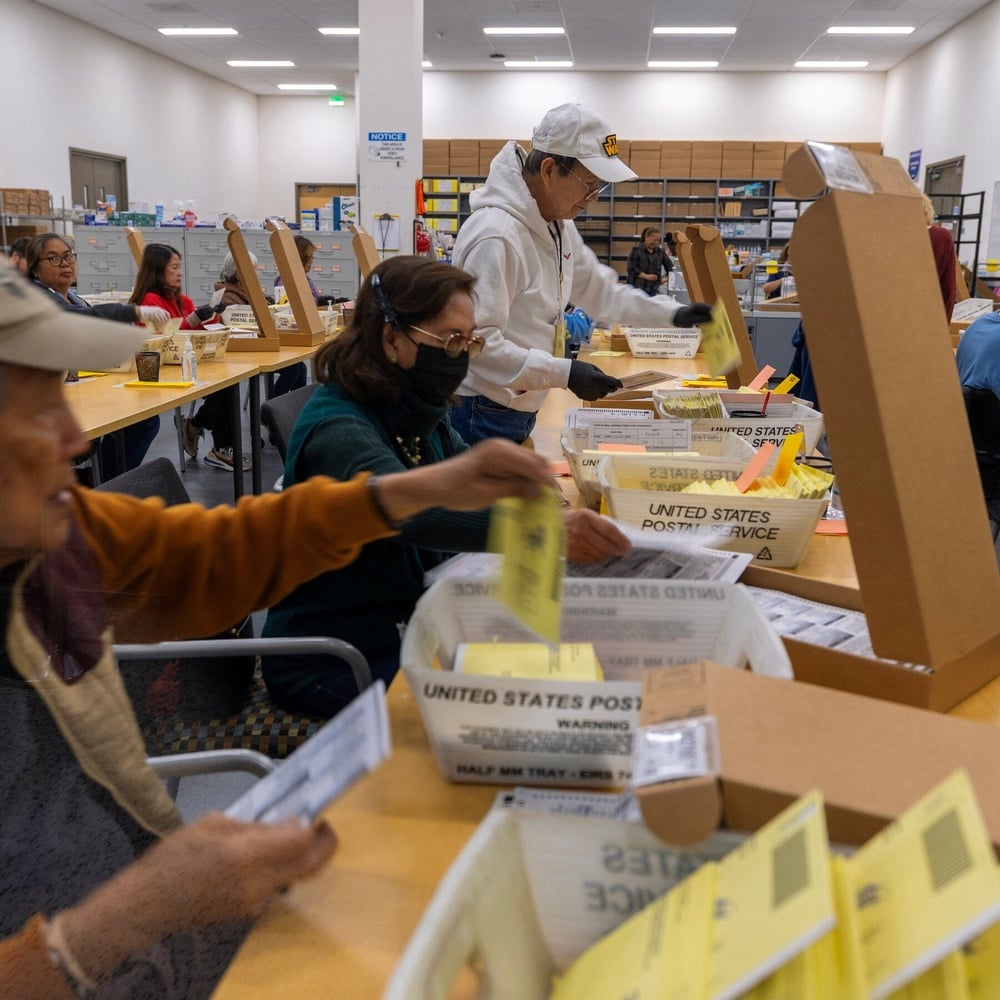


2026 © Helium Trades
Privacy Policy & Disclosure
* Disclaimer: Nothing on this website constitutes investment advice, performance data or any recommendation that any particular security, portfolio of securities, transaction or investment strategy is suitable for any specific person. Helium Trades is not responsible in any way for the accuracy
of any model predictions or price data. Any mention of a particular security and related prediction data is not a recommendation to buy or sell that security. Investments in securities involve the risk of loss. Past performance is no guarantee of future results. Helium Trades is not responsible for any of your investment decisions,
you should consult a financial expert before engaging in any transaction.
Helium Research Assistant

How can I help you today?
Ask any question about this page.


