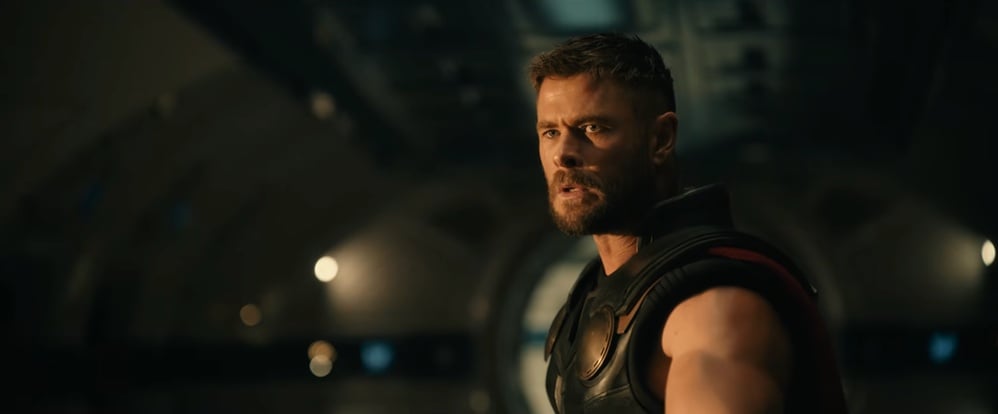
See whether Helium helps you make better-informed decisions. Try every Pro Trader feature for 30 days. No credit card required.
Try every Pro Trader feature for 30 days. No credit card required.
July 20, 2026 · 0 shares
Promotional entertainment coverage uses trailer-focused hype and casting announcements to frame Avengers: Doomsday with minimal critical analysis.
Entertainment report covers the Avengers: Doomsday trailer, detailing Doctor Doom, a cross-universe cast, notable cameos, and release information.
Automated analysis; not human reviewed. Limitations: Concise, case-specific limitations and plausible alternative interpretations.
Ambiguity: promotional framing; no explicit political content.
July 20, 2026 · 0 shares
Promotional, sensational entertainment framing dominates, with subjective casting and scene emphasis, while providing mostly descriptive trailer details and cast notes without political or critical analysis.
An entertainment article summarizing trailer details, cast, and release date for Avengers: Doomsday.
Automated analysis; not human reviewed.
Limitations: Case-specific: entertainment coverage can mix hype with facts; quotes may anchor claims but are not corroborated externally.
·
52 of 52 available dimensions scored; omitted dimensions are not treated as neutral.
·
Verified supporting quotes for 0 of 52 scored dimensions.
Ambiguity: hype vs. neutral reporting; limited quotes.
Promotional, upbeat entertainment coverage that emphasizes cross-franchise star power, speculative blockbuster success, and nostalgia for returning actors, while offering limited critical scrutiny or skepticism.
Entertainment reporting on the Doomsday trailer, its ensemble cast, and speculative release context.
Automated analysis; not human reviewed.
Limitations: Case-specific limitations: relies on promotional language and speculative claims within a short entertainment piece; lacks external sourcing or critical counterpoints; may overstate blockbuster potential.
·
9 of 52 available dimensions scored; omitted dimensions are not treated as neutral.
·
Verified supporting quotes for 6 of 9 scored dimensions.
Claim: The article frames Avengers: Doomsday positively and anticipates blockbuster success.
“The big news here is that this movie is going to have gobs of Marvel heroes.” · exact text match
“In any event, this movie is sure to be a big deal.” · exact text match
“It's likely the final bow for the 2000s-era X-Men, led by Patrick Stewart.” · exact text match
Counterevidence:
“but there isn't any footage of him out of the costume in the trailer.” · exact text match
“despite Iron Man perishing in the last Avengers movie.” · exact text match
Why: Multiple positive framing cues and forward-looking predictions indicate an upbeat stance about the film's significance.
Claim: Describes visuals and cast; not prescribes policy or action.
“This is a comic book team-up movie.” · not found in supplied text
“It's a cavalcade of attractive people in silly costumes.” · exact text match
Why: Language is evocative and descriptive rather than prescriptive.
Claim: Subjective language and evaluative judgments dominate tone.
“The big news here is that this movie is going to have gobs of Marvel heroes.” · exact text match
“It's a cavalcade of attractive people in silly costumes.” · exact text match
Counterevidence:
“The trailer features the X-Men, Thunderbolts and the Fantastic Four, in addition to folks like Thor, Black Panther, Shang-Chi, Loki, Ant-Man and two Captain Americas, among others.” · exact text match
Why: Use of evaluative descriptors signals subjective framing.
Claim: The article asserts certainty about blockbuster status with minimal caveats.
“In any event, this movie is sure to be a big deal.” · exact text match
Counterevidence:
“This is probably due to a misunderstanding in the first act.” · exact text match
Why: Explicit confident language is present but tempered elsewhere with speculative notes.
Claim: Positive affect toward film and cast is prevalent.
“gobs of Marvel heroes” · exact text match
“a cavalcade of attractive people in silly costumes” · exact text match
Why: Positive adjectives and imagery indicate favorable affect.
Claim: Promotional framing and marketing tone overshadow critical analysis.
“The big news here is that this movie is going to have gobs of Marvel heroes.” · exact text match
“It's sure to be a big deal.” · not found in supplied text
“a cavalcade of attractive people in silly costumes” · exact text match
Counterevidence:
“The article includes factual items like cast and dates.” · not found in supplied text
Why: Promotional descriptors and tone indicate marketing-oriented framing.
Claim: Speculation about movie endings and cliffhangers.
“It's likely the final bow for the 2000s-era X-Men, led by Patrick Stewart.” · exact text match
“It could also be the curtain call for Chris Evans.” · exact text match
“so expect some kind of cliffhanger.” · exact text match
Counterevidence:
“The article also provides concrete release dates and cast details.” · not found in supplied text
Why: Predictions about endings and future events are presented as likely possibilities.
Claim: Uses loaded framing and selective emphasis to shape perception.
“gobs of Marvel heroes” · exact text match
“a cavalcade of attractive people in silly costumes” · exact text match
Counterevidence:
“The article also includes factual items like cast and dates.” · not found in supplied text
Why: Loaded descriptors can steer perception, though not conclusively manipulative.
Claim: Article communicates basic trailer info and cast; lacks deep analysis.
“This is a comic book team-up movie.” · not found in supplied text
Counterevidence:
“It's also common knowledge by now that Robert Downey Jr. is returning to the fold...” · not found in supplied text
Why: Primarily descriptive with limited critical analysis.
Promotional tone; lacks independent sourcing; dates may be speculative.
July 20, 2026 · 0 shares
Promotional-leaning entertainment preview that mixes positive framing of a star-packed MCU return with cautious notes on Marvel's recent box-office struggles and a crowded December release landscape.
Entertainment preview describing Avengers: Doomsday trailer, star-studded cast, MCU reset framing, and December release with box-office context and competition.
Automated analysis; not human reviewed.
Limitations: Concise, case-specific limitations and plausible alternative interpretations.
·
46 of 52 available dimensions scored; omitted dimensions are not treated as neutral.
·
Verified supporting quotes for 2 of 46 scored dimensions.
Claim: No explicit political tilt detected; content centers on entertainment quality and box-office context.
““Something’s coming, something we may not be able to deter,” is the first line heard in the new preview which proceeds to bring back multiple characters from various Marvel movies and universes.” · exact text match
“The film arrives at a difficult time for Marvel, once box office champions but now struggling to return to former glories.” · exact text match
Counterevidence:
“There’s also a glimpse of Ian McKellen, returning as Magneto, who recently spoke about the film at the Piazza festival in Rome.
The actor told the audience that “they got me at one point to destroy New Jersey”.
He added that directing duo the Russo brothers “told me to look more furious: make it look as if you hate what you’re destroying.
So I stood there and I shouted: ‘Mar-a-Lago!’””
· exact text match
Why: Content centers on entertainment and box-office with incidental political reference.
Claim: Promotional language coexists with factual context.
“"star-packed Marvel adventure"” · not found in supplied text
“"big-budget big hope"” · not found in supplied text
Counterevidence:
“"Endgame became one of the highest-grossing films of all time"” · not found in supplied text
Why: Promotional adjectives appear with factual data.
Claim: Mix of promotional adjectives and cautious notes suggests mild emotional tilt.
“"star-packed Marvel adventure"” · not found in supplied text
“"big-budget big hope"” · not found in supplied text
Counterevidence:
“"difficult time for Marvel"” · not found in supplied text
Why: Positive descriptors co-exist with caution, indicating mild emotional tilt.
Claim: Contains forecast and showdowns framed as box-office outcomes.
“leading box office pundits to predict a Barbenheimer-style showdown.” · exact text match
“the success or failure of this next superhero extravaganza might well decide the future of the entire franchise.” · exact text match
Counterevidence:
“Endgame became one of the highest-grossing films of all time with a box office total of almost $2.8bn.” · exact text match
Why: Relies on pundit forecasts to frame outcomes rather than presenting firm data.
Claim: Shows awareness of franchise strategy and industry commentary.
“"back to phase zero"” · verified after text normalization
“"Barbenheimer-style showdown"” · not found in supplied text
“"Endgame" has $2.8bn gross.” · not found in supplied text
Counterevidence:
“"the last few years have seen adventures such as Thunderbolts"” · not found in supplied text
Why: Incorporates context and quotes to reflect industry awareness.
Promo framing; limited quotes; unclear year; context gaps.
July 20, 2026 · 0 shares
Promotional, entertainment-focused trailer coverage centering on an ensemble crossover and hype, with minimal political framing and occasional speculative language.
Entertainment-focused preview summarizing the Avengers: Doomsday trailer and its ensemble crossover details, release window, and reactions.
Automated analysis; not human reviewed.
Limitations: Concise, case-specific limitations and plausible alternative interpretations.
·
52 of 52 available dimensions scored; omitted dimensions are not treated as neutral.
·
Verified supporting quotes for 5 of 52 scored dimensions.
Claim: No detectable political leaning; entertainment-focused reporting.
“Marvel has, at long last, released its first proper trailer for Avengers: Doomsday, packed with clips from the movie and showing off a vast range of the heroes who will be appearing on December 18, 2026, when the film reaches theaters.” · exact text match
“What we don’t see is Robert Downey Jr.’s face, and it’s going to be interesting to see how that all plays out when the movie finally arrives.” · exact text match
Why: Content centers on film promotion rather than political claims.
Claim: Subjective commentary coexists with description.
“That’d be my guess.” · exact text match
“Only five months to go!” · exact text match
Why: Subjective expressions accompany descriptive content.
Claim: Mild sensational/promo framing beyond neutral description.
“Two-and-a-half minutes of superheroes proving they're in the Marvel movie” · exact text match
“Only five months to go!” · exact text match
Why: Promotional phrasing adds hype to otherwise descriptive content.
Claim: Presence of authorial speculation beyond verification.
“That’d be my guess.” · exact text match
“Will there be a climactic moment of him de-masking, Darth Vader-like, to gasps from all around as a set-up for next year’s Avengers: Secret Wars? That’d be my guess.” · exact text match
“Only five months to go!” · exact text match
Why: Speculative language appears alongside descriptive trailer content.
Claim: Explicit speculative framing about unmasking and future setup.
“That’d be my guess.” · exact text match
“Will there be a climactic moment of him de-masking, Darth Vader-like, to gasps from all around as a set-up for next year’s Avengers: Secret Wars?” · exact text match
Why: Speculation about future plot elements is present alongside trailer description.
Ambiguities: limited excerpt; evidence gaps; potential misinterpretation.
July 20, 2026 · 0 shares
Promotional, sensational entertainment framing dominates, with subjective casting and scene emphasis, while providing mostly descriptive trailer details and cast notes without political or critical analysis.
An entertainment article summarizing trailer details, cast, and release date for Avengers: Doomsday.
Automated analysis; not human reviewed.
Limitations: Case-specific: entertainment coverage can mix hype with facts; quotes may anchor claims but are not corroborated externally.
·
52 of 52 available dimensions scored; omitted dimensions are not treated as neutral.
·
Verified supporting quotes for 0 of 52 scored dimensions.
Ambiguity: hype vs. neutral reporting; limited quotes.
Promotional, upbeat entertainment coverage that emphasizes cross-franchise star power, speculative blockbuster success, and nostalgia for returning actors, while offering limited critical scrutiny or skepticism.
Entertainment reporting on the Doomsday trailer, its ensemble cast, and speculative release context.
Automated analysis; not human reviewed.
Limitations: Case-specific limitations: relies on promotional language and speculative claims within a short entertainment piece; lacks external sourcing or critical counterpoints; may overstate blockbuster potential.
·
9 of 52 available dimensions scored; omitted dimensions are not treated as neutral.
·
Verified supporting quotes for 6 of 9 scored dimensions.
Claim: The article frames Avengers: Doomsday positively and anticipates blockbuster success.
“The big news here is that this movie is going to have gobs of Marvel heroes.” · exact text match
“In any event, this movie is sure to be a big deal.” · exact text match
“It's likely the final bow for the 2000s-era X-Men, led by Patrick Stewart.” · exact text match
Counterevidence:
“but there isn't any footage of him out of the costume in the trailer.” · exact text match
“despite Iron Man perishing in the last Avengers movie.” · exact text match
Why: Multiple positive framing cues and forward-looking predictions indicate an upbeat stance about the film's significance.
Claim: Describes visuals and cast; not prescribes policy or action.
“This is a comic book team-up movie.” · not found in supplied text
“It's a cavalcade of attractive people in silly costumes.” · exact text match
Why: Language is evocative and descriptive rather than prescriptive.
Claim: Subjective language and evaluative judgments dominate tone.
“The big news here is that this movie is going to have gobs of Marvel heroes.” · exact text match
“It's a cavalcade of attractive people in silly costumes.” · exact text match
Counterevidence:
“The trailer features the X-Men, Thunderbolts and the Fantastic Four, in addition to folks like Thor, Black Panther, Shang-Chi, Loki, Ant-Man and two Captain Americas, among others.” · exact text match
Why: Use of evaluative descriptors signals subjective framing.
Claim: The article asserts certainty about blockbuster status with minimal caveats.
“In any event, this movie is sure to be a big deal.” · exact text match
Counterevidence:
“This is probably due to a misunderstanding in the first act.” · exact text match
Why: Explicit confident language is present but tempered elsewhere with speculative notes.
Claim: Positive affect toward film and cast is prevalent.
“gobs of Marvel heroes” · exact text match
“a cavalcade of attractive people in silly costumes” · exact text match
Why: Positive adjectives and imagery indicate favorable affect.
Claim: Promotional framing and marketing tone overshadow critical analysis.
“The big news here is that this movie is going to have gobs of Marvel heroes.” · exact text match
“It's sure to be a big deal.” · not found in supplied text
“a cavalcade of attractive people in silly costumes” · exact text match
Counterevidence:
“The article includes factual items like cast and dates.” · not found in supplied text
Why: Promotional descriptors and tone indicate marketing-oriented framing.
Claim: Speculation about movie endings and cliffhangers.
“It's likely the final bow for the 2000s-era X-Men, led by Patrick Stewart.” · exact text match
“It could also be the curtain call for Chris Evans.” · exact text match
“so expect some kind of cliffhanger.” · exact text match
Counterevidence:
“The article also provides concrete release dates and cast details.” · not found in supplied text
Why: Predictions about endings and future events are presented as likely possibilities.
Claim: Uses loaded framing and selective emphasis to shape perception.
“gobs of Marvel heroes” · exact text match
“a cavalcade of attractive people in silly costumes” · exact text match
Counterevidence:
“The article also includes factual items like cast and dates.” · not found in supplied text
Why: Loaded descriptors can steer perception, though not conclusively manipulative.
Claim: Article communicates basic trailer info and cast; lacks deep analysis.
“This is a comic book team-up movie.” · not found in supplied text
Counterevidence:
“It's also common knowledge by now that Robert Downey Jr. is returning to the fold...” · not found in supplied text
Why: Primarily descriptive with limited critical analysis.
Promotional tone; lacks independent sourcing; dates may be speculative.
July 20, 2026 · 0 shares
Promotional entertainment coverage uses trailer-focused hype and casting announcements to frame Avengers: Doomsday with minimal critical analysis.
Entertainment report covers the Avengers: Doomsday trailer, detailing Doctor Doom, a cross-universe cast, notable cameos, and release information.
Automated analysis; not human reviewed. Limitations: Concise, case-specific limitations and plausible alternative interpretations.
Ambiguity: promotional framing; no explicit political content.
July 20, 2026 · 0 shares
Promotional-leaning entertainment preview that mixes positive framing of a star-packed MCU return with cautious notes on Marvel's recent box-office struggles and a crowded December release landscape.
Entertainment preview describing Avengers: Doomsday trailer, star-studded cast, MCU reset framing, and December release with box-office context and competition.
Automated analysis; not human reviewed.
Limitations: Concise, case-specific limitations and plausible alternative interpretations.
·
46 of 52 available dimensions scored; omitted dimensions are not treated as neutral.
·
Verified supporting quotes for 2 of 46 scored dimensions.
Claim: No explicit political tilt detected; content centers on entertainment quality and box-office context.
““Something’s coming, something we may not be able to deter,” is the first line heard in the new preview which proceeds to bring back multiple characters from various Marvel movies and universes.” · exact text match
“The film arrives at a difficult time for Marvel, once box office champions but now struggling to return to former glories.” · exact text match
Counterevidence:
“There’s also a glimpse of Ian McKellen, returning as Magneto, who recently spoke about the film at the Piazza festival in Rome.
The actor told the audience that “they got me at one point to destroy New Jersey”.
He added that directing duo the Russo brothers “told me to look more furious: make it look as if you hate what you’re destroying.
So I stood there and I shouted: ‘Mar-a-Lago!’””
· exact text match
Why: Content centers on entertainment and box-office with incidental political reference.
Claim: Promotional language coexists with factual context.
“"star-packed Marvel adventure"” · not found in supplied text
“"big-budget big hope"” · not found in supplied text
Counterevidence:
“"Endgame became one of the highest-grossing films of all time"” · not found in supplied text
Why: Promotional adjectives appear with factual data.
Claim: Mix of promotional adjectives and cautious notes suggests mild emotional tilt.
“"star-packed Marvel adventure"” · not found in supplied text
“"big-budget big hope"” · not found in supplied text
Counterevidence:
“"difficult time for Marvel"” · not found in supplied text
Why: Positive descriptors co-exist with caution, indicating mild emotional tilt.
Claim: Contains forecast and showdowns framed as box-office outcomes.
“leading box office pundits to predict a Barbenheimer-style showdown.” · exact text match
“the success or failure of this next superhero extravaganza might well decide the future of the entire franchise.” · exact text match
Counterevidence:
“Endgame became one of the highest-grossing films of all time with a box office total of almost $2.8bn.” · exact text match
Why: Relies on pundit forecasts to frame outcomes rather than presenting firm data.
Claim: Shows awareness of franchise strategy and industry commentary.
“"back to phase zero"” · verified after text normalization
“"Barbenheimer-style showdown"” · not found in supplied text
“"Endgame" has $2.8bn gross.” · not found in supplied text
Counterevidence:
“"the last few years have seen adventures such as Thunderbolts"” · not found in supplied text
Why: Incorporates context and quotes to reflect industry awareness.
Promo framing; limited quotes; unclear year; context gaps.
July 20, 2026 · 0 shares
Mild subjective promotional framing emphasizes spectacle and nostalgia around Avengers: Doomsday trailer, with hedged language about crossovers and release details.
Entertainment news piece analyzing Avengers: Doomsday trailer and its implications for crossovers and audience hype ahead of Comic-Con.
Automated analysis; not human reviewed.
·
1 of 52 available dimensions scored; omitted dimensions are not treated as neutral.
·
Verified supporting quotes for 0 of 1 scored dimensions.
Uncertain crossovers; limited text.
Promotional, upbeat entertainment coverage that emphasizes cross-franchise star power, speculative blockbuster success, and nostalgia for returning actors, while offering limited critical scrutiny or skepticism.
Entertainment reporting on the Doomsday trailer, its ensemble cast, and speculative release context.
Automated analysis; not human reviewed.
Limitations: Case-specific limitations: relies on promotional language and speculative claims within a short entertainment piece; lacks external sourcing or critical counterpoints; may overstate blockbuster potential.
·
9 of 52 available dimensions scored; omitted dimensions are not treated as neutral.
·
Verified supporting quotes for 6 of 9 scored dimensions.
Claim: The article frames Avengers: Doomsday positively and anticipates blockbuster success.
“The big news here is that this movie is going to have gobs of Marvel heroes.” · exact text match
“In any event, this movie is sure to be a big deal.” · exact text match
“It's likely the final bow for the 2000s-era X-Men, led by Patrick Stewart.” · exact text match
Counterevidence:
“but there isn't any footage of him out of the costume in the trailer.” · exact text match
“despite Iron Man perishing in the last Avengers movie.” · exact text match
Why: Multiple positive framing cues and forward-looking predictions indicate an upbeat stance about the film's significance.
Claim: Describes visuals and cast; not prescribes policy or action.
“This is a comic book team-up movie.” · not found in supplied text
“It's a cavalcade of attractive people in silly costumes.” · exact text match
Why: Language is evocative and descriptive rather than prescriptive.
Claim: Subjective language and evaluative judgments dominate tone.
“The big news here is that this movie is going to have gobs of Marvel heroes.” · exact text match
“It's a cavalcade of attractive people in silly costumes.” · exact text match
Counterevidence:
“The trailer features the X-Men, Thunderbolts and the Fantastic Four, in addition to folks like Thor, Black Panther, Shang-Chi, Loki, Ant-Man and two Captain Americas, among others.” · exact text match
Why: Use of evaluative descriptors signals subjective framing.
Claim: The article asserts certainty about blockbuster status with minimal caveats.
“In any event, this movie is sure to be a big deal.” · exact text match
Counterevidence:
“This is probably due to a misunderstanding in the first act.” · exact text match
Why: Explicit confident language is present but tempered elsewhere with speculative notes.
Claim: Positive affect toward film and cast is prevalent.
“gobs of Marvel heroes” · exact text match
“a cavalcade of attractive people in silly costumes” · exact text match
Why: Positive adjectives and imagery indicate favorable affect.
Claim: Promotional framing and marketing tone overshadow critical analysis.
“The big news here is that this movie is going to have gobs of Marvel heroes.” · exact text match
“It's sure to be a big deal.” · not found in supplied text
“a cavalcade of attractive people in silly costumes” · exact text match
Counterevidence:
“The article includes factual items like cast and dates.” · not found in supplied text
Why: Promotional descriptors and tone indicate marketing-oriented framing.
Claim: Speculation about movie endings and cliffhangers.
“It's likely the final bow for the 2000s-era X-Men, led by Patrick Stewart.” · exact text match
“It could also be the curtain call for Chris Evans.” · exact text match
“so expect some kind of cliffhanger.” · exact text match
Counterevidence:
“The article also provides concrete release dates and cast details.” · not found in supplied text
Why: Predictions about endings and future events are presented as likely possibilities.
Claim: Uses loaded framing and selective emphasis to shape perception.
“gobs of Marvel heroes” · exact text match
“a cavalcade of attractive people in silly costumes” · exact text match
Counterevidence:
“The article also includes factual items like cast and dates.” · not found in supplied text
Why: Loaded descriptors can steer perception, though not conclusively manipulative.
Claim: Article communicates basic trailer info and cast; lacks deep analysis.
“This is a comic book team-up movie.” · not found in supplied text
Counterevidence:
“It's also common knowledge by now that Robert Downey Jr. is returning to the fold...” · not found in supplied text
Why: Primarily descriptive with limited critical analysis.
Promotional tone; lacks independent sourcing; dates may be speculative.
July 20, 2026 · 0 shares
Promotional-leaning entertainment preview that mixes positive framing of a star-packed MCU return with cautious notes on Marvel's recent box-office struggles and a crowded December release landscape.
Entertainment preview describing Avengers: Doomsday trailer, star-studded cast, MCU reset framing, and December release with box-office context and competition.
Automated analysis; not human reviewed.
Limitations: Concise, case-specific limitations and plausible alternative interpretations.
·
46 of 52 available dimensions scored; omitted dimensions are not treated as neutral.
·
Verified supporting quotes for 2 of 46 scored dimensions.
Claim: No explicit political tilt detected; content centers on entertainment quality and box-office context.
““Something’s coming, something we may not be able to deter,” is the first line heard in the new preview which proceeds to bring back multiple characters from various Marvel movies and universes.” · exact text match
“The film arrives at a difficult time for Marvel, once box office champions but now struggling to return to former glories.” · exact text match
Counterevidence:
“There’s also a glimpse of Ian McKellen, returning as Magneto, who recently spoke about the film at the Piazza festival in Rome.
The actor told the audience that “they got me at one point to destroy New Jersey”.
He added that directing duo the Russo brothers “told me to look more furious: make it look as if you hate what you’re destroying.
So I stood there and I shouted: ‘Mar-a-Lago!’””
· exact text match
Why: Content centers on entertainment and box-office with incidental political reference.
Claim: Promotional language coexists with factual context.
“"star-packed Marvel adventure"” · not found in supplied text
“"big-budget big hope"” · not found in supplied text
Counterevidence:
“"Endgame became one of the highest-grossing films of all time"” · not found in supplied text
Why: Promotional adjectives appear with factual data.
Claim: Mix of promotional adjectives and cautious notes suggests mild emotional tilt.
“"star-packed Marvel adventure"” · not found in supplied text
“"big-budget big hope"” · not found in supplied text
Counterevidence:
“"difficult time for Marvel"” · not found in supplied text
Why: Positive descriptors co-exist with caution, indicating mild emotional tilt.
Claim: Contains forecast and showdowns framed as box-office outcomes.
“leading box office pundits to predict a Barbenheimer-style showdown.” · exact text match
“the success or failure of this next superhero extravaganza might well decide the future of the entire franchise.” · exact text match
Counterevidence:
“Endgame became one of the highest-grossing films of all time with a box office total of almost $2.8bn.” · exact text match
Why: Relies on pundit forecasts to frame outcomes rather than presenting firm data.
Claim: Shows awareness of franchise strategy and industry commentary.
“"back to phase zero"” · verified after text normalization
“"Barbenheimer-style showdown"” · not found in supplied text
“"Endgame" has $2.8bn gross.” · not found in supplied text
Counterevidence:
“"the last few years have seen adventures such as Thunderbolts"” · not found in supplied text
Why: Incorporates context and quotes to reflect industry awareness.
Promo framing; limited quotes; unclear year; context gaps.
Entertainment-focused, fan-theory–driven piece that treats speculative Doomsday theories as unconfirmed while using sensational framing in the headline and a cautious tone through explicit disclaimers and quoted responses.
Entertainment coverage of fan theories and speculation surrounding the Avengers: Doomsday trailer
Automated analysis; not human reviewed.
·
7 of 52 available dimensions scored; omitted dimensions are not treated as neutral.
·
Verified supporting quotes for 0 of 7 scored dimensions.
Fan-theory focus; limited official data; quotes may misrepresent intent.
Neutral, hedged entertainment reporting on unverified leaks about Spider-Man's post-credits scene potentially leading to Avengers: Doomsday, citing insider sources while clearly noting nothing is confirmed.
Notebookcheck reports unconfirmed leaks about Spider-Man: Brand New Day, linking post-credits scene to Avengers: Doomsday while noting lack of confirmation.
Automated analysis; not human reviewed.
Limitations: Concise, case-specific limitations and plausible alternative interpretations.
·
11 of 52 available dimensions scored; omitted dimensions are not treated as neutral.
·
Verified supporting quotes for 2 of 11 scored dimensions.
Claim: The article shows no political framing and remains entertainment-focused.
“None of this is confirmed.” · exact text match
“the timing of these leaks could be anything but coincidental.” · exact text match
Why: Explicit disclaimers and absence of political content indicate neutral framing.
Claim: Leak-based speculation about a Doomsday link, tempered by unconfirmed status.
“leaks about its post-credits scene have now shown up, and the details point directly toward Avengers: Doomsday.” · exact text match
“None of this is confirmed.” · exact text match
Why: Leaning on leaks with hedged confirmation signals speculative framing but not strong certainty.
Reliance on leaks; hedged claims; limited verification.
July 20, 2026 · 0 shares
Mild subjective promotional framing emphasizes spectacle and nostalgia around Avengers: Doomsday trailer, with hedged language about crossovers and release details.
Entertainment news piece analyzing Avengers: Doomsday trailer and its implications for crossovers and audience hype ahead of Comic-Con.
Automated analysis; not human reviewed. · 1 of 52 available dimensions scored; omitted dimensions are not treated as neutral. · Verified supporting quotes for 0 of 1 scored dimensions.
Uncertain crossovers; limited text.
July 20, 2026 · 0 shares
Promotional, sensational entertainment framing dominates, with subjective casting and scene emphasis, while providing mostly descriptive trailer details and cast notes without political or critical analysis.
An entertainment article summarizing trailer details, cast, and release date for Avengers: Doomsday.
Automated analysis; not human reviewed. Limitations: Case-specific: entertainment coverage can mix hype with facts; quotes may anchor claims but are not corroborated externally. · 52 of 52 available dimensions scored; omitted dimensions are not treated as neutral. · Verified supporting quotes for 0 of 52 scored dimensions.
Ambiguity: hype vs. neutral reporting; limited quotes.
Promotional, upbeat entertainment coverage that emphasizes cross-franchise star power, speculative blockbuster success, and nostalgia for returning actors, while offering limited critical scrutiny or skepticism.
Entertainment reporting on the Doomsday trailer, its ensemble cast, and speculative release context.
Automated analysis; not human reviewed. Limitations: Case-specific limitations: relies on promotional language and speculative claims within a short entertainment piece; lacks external sourcing or critical counterpoints; may overstate blockbuster potential. · 9 of 52 available dimensions scored; omitted dimensions are not treated as neutral. · Verified supporting quotes for 6 of 9 scored dimensions.
Claim: The article frames Avengers: Doomsday positively and anticipates blockbuster success.
“The big news here is that this movie is going to have gobs of Marvel heroes.” · exact text match
“In any event, this movie is sure to be a big deal.” · exact text match
“It's likely the final bow for the 2000s-era X-Men, led by Patrick Stewart.” · exact text match
Counterevidence:
“but there isn't any footage of him out of the costume in the trailer.” · exact text match
“despite Iron Man perishing in the last Avengers movie.” · exact text match
Why: Multiple positive framing cues and forward-looking predictions indicate an upbeat stance about the film's significance.
Claim: Describes visuals and cast; not prescribes policy or action.
“This is a comic book team-up movie.” · not found in supplied text
“It's a cavalcade of attractive people in silly costumes.” · exact text match
Why: Language is evocative and descriptive rather than prescriptive.
Claim: Subjective language and evaluative judgments dominate tone.
“The big news here is that this movie is going to have gobs of Marvel heroes.” · exact text match
“It's a cavalcade of attractive people in silly costumes.” · exact text match
Counterevidence:
“The trailer features the X-Men, Thunderbolts and the Fantastic Four, in addition to folks like Thor, Black Panther, Shang-Chi, Loki, Ant-Man and two Captain Americas, among others.” · exact text match
Why: Use of evaluative descriptors signals subjective framing.
Claim: The article asserts certainty about blockbuster status with minimal caveats.
“In any event, this movie is sure to be a big deal.” · exact text match
Counterevidence:
“This is probably due to a misunderstanding in the first act.” · exact text match
Why: Explicit confident language is present but tempered elsewhere with speculative notes.
Claim: Positive affect toward film and cast is prevalent.
“gobs of Marvel heroes” · exact text match
“a cavalcade of attractive people in silly costumes” · exact text match
Why: Positive adjectives and imagery indicate favorable affect.
Claim: Promotional framing and marketing tone overshadow critical analysis.
“The big news here is that this movie is going to have gobs of Marvel heroes.” · exact text match
“It's sure to be a big deal.” · not found in supplied text
“a cavalcade of attractive people in silly costumes” · exact text match
Counterevidence:
“The article includes factual items like cast and dates.” · not found in supplied text
Why: Promotional descriptors and tone indicate marketing-oriented framing.
Claim: Speculation about movie endings and cliffhangers.
“It's likely the final bow for the 2000s-era X-Men, led by Patrick Stewart.” · exact text match
“It could also be the curtain call for Chris Evans.” · exact text match
“so expect some kind of cliffhanger.” · exact text match
Counterevidence:
“The article also provides concrete release dates and cast details.” · not found in supplied text
Why: Predictions about endings and future events are presented as likely possibilities.
Claim: Uses loaded framing and selective emphasis to shape perception.
“gobs of Marvel heroes” · exact text match
“a cavalcade of attractive people in silly costumes” · exact text match
Counterevidence:
“The article also includes factual items like cast and dates.” · not found in supplied text
Why: Loaded descriptors can steer perception, though not conclusively manipulative.
Claim: Article communicates basic trailer info and cast; lacks deep analysis.
“This is a comic book team-up movie.” · not found in supplied text
Counterevidence:
“It's also common knowledge by now that Robert Downey Jr. is returning to the fold...” · not found in supplied text
Why: Primarily descriptive with limited critical analysis.
Promotional tone; lacks independent sourcing; dates may be speculative.
July 20, 2026 · 0 shares
Promotional entertainment coverage uses trailer-focused hype and casting announcements to frame Avengers: Doomsday with minimal critical analysis.
Entertainment report covers the Avengers: Doomsday trailer, detailing Doctor Doom, a cross-universe cast, notable cameos, and release information.
Automated analysis; not human reviewed. Limitations: Concise, case-specific limitations and plausible alternative interpretations.
Ambiguity: promotional framing; no explicit political content.
Neutral, hedged entertainment reporting on unverified leaks about Spider-Man's post-credits scene potentially leading to Avengers: Doomsday, citing insider sources while clearly noting nothing is confirmed.
Notebookcheck reports unconfirmed leaks about Spider-Man: Brand New Day, linking post-credits scene to Avengers: Doomsday while noting lack of confirmation.
Automated analysis; not human reviewed. Limitations: Concise, case-specific limitations and plausible alternative interpretations. · 11 of 52 available dimensions scored; omitted dimensions are not treated as neutral. · Verified supporting quotes for 2 of 11 scored dimensions.
Claim: The article shows no political framing and remains entertainment-focused.
“None of this is confirmed.” · exact text match
“the timing of these leaks could be anything but coincidental.” · exact text match
Why: Explicit disclaimers and absence of political content indicate neutral framing.
Claim: Leak-based speculation about a Doomsday link, tempered by unconfirmed status.
“leaks about its post-credits scene have now shown up, and the details point directly toward Avengers: Doomsday.” · exact text match
“None of this is confirmed.” · exact text match
Why: Leaning on leaks with hedged confirmation signals speculative framing but not strong certainty.
Reliance on leaks; hedged claims; limited verification.
MCU reboot framing as a deliberate course-correction
July 20, 2026 · 0 shares
Promotional-leaning entertainment preview that mixes positive framing of a star-packed MCU return with cautious notes on Marvel's recent box-office struggles and a crowded December release landscape.
Entertainment preview describing Avengers: Doomsday trailer, star-studded cast, MCU reset framing, and December release with box-office context and competition.
Automated analysis; not human reviewed. Limitations: Concise, case-specific limitations and plausible alternative interpretations. · 46 of 52 available dimensions scored; omitted dimensions are not treated as neutral. · Verified supporting quotes for 2 of 46 scored dimensions.
Claim: No explicit political tilt detected; content centers on entertainment quality and box-office context.
““Something’s coming, something we may not be able to deter,” is the first line heard in the new preview which proceeds to bring back multiple characters from various Marvel movies and universes.” · exact text match
“The film arrives at a difficult time for Marvel, once box office champions but now struggling to return to former glories.” · exact text match
Counterevidence:
“There’s also a glimpse of Ian McKellen, returning as Magneto, who recently spoke about the film at the Piazza festival in Rome. The actor told the audience that “they got me at one point to destroy New Jersey”. He added that directing duo the Russo brothers “told me to look more furious: make it look as if you hate what you’re destroying. So I stood there and I shouted: ‘Mar-a-Lago!’”” · exact text match
Why: Content centers on entertainment and box-office with incidental political reference.
Claim: Promotional language coexists with factual context.
“"star-packed Marvel adventure"” · not found in supplied text
“"big-budget big hope"” · not found in supplied text
Counterevidence:
“"Endgame became one of the highest-grossing films of all time"” · not found in supplied text
Why: Promotional adjectives appear with factual data.
Claim: Mix of promotional adjectives and cautious notes suggests mild emotional tilt.
“"star-packed Marvel adventure"” · not found in supplied text
“"big-budget big hope"” · not found in supplied text
Counterevidence:
“"difficult time for Marvel"” · not found in supplied text
Why: Positive descriptors co-exist with caution, indicating mild emotional tilt.
Claim: Contains forecast and showdowns framed as box-office outcomes.
“leading box office pundits to predict a Barbenheimer-style showdown.” · exact text match
“the success or failure of this next superhero extravaganza might well decide the future of the entire franchise.” · exact text match
Counterevidence:
“Endgame became one of the highest-grossing films of all time with a box office total of almost $2.8bn.” · exact text match
Why: Relies on pundit forecasts to frame outcomes rather than presenting firm data.
Claim: Shows awareness of franchise strategy and industry commentary.
“"back to phase zero"” · verified after text normalization
“"Barbenheimer-style showdown"” · not found in supplied text
“"Endgame" has $2.8bn gross.” · not found in supplied text
Counterevidence:
“"the last few years have seen adventures such as Thunderbolts"” · not found in supplied text
Why: Incorporates context and quotes to reflect industry awareness.
Promo framing; limited quotes; unclear year; context gaps.
Prominent pro-Marvel framing presents Steve Rogers' return in Avengers: Doomsday as a strategic, nostalgia-driven reboot to stabilize the MCU after the Multiverse Saga, with muted attention to controversy.
Entertainment analysis describing Marvel Studios' revival of Steve Rogers in Avengers: Doomsday as a strategic reset after the Multiverse Saga, with references to Endgame, Doctor Doom, and Sam Wilson's Captain America role.
Automated analysis; not human reviewed. Limitations: Concise, case-specific limitations and plausible alternative interpretations. · 1 of 52 available dimensions scored; omitted dimensions are not treated as neutral. · Verified supporting quotes for 1 of 1 scored dimensions.
Claim: The piece frames Marvel Studios' move to bring back Steve Rogers as a positive, strategic action to steady and elevate the MCU.
“All in all, bringing Steve Rogers back was an attempt from Marvel Studios to steady the ship, reignite the stakes and make sure that Avengers: Doomsday isn't just a sequel to the Multiverse Saga titles but the MCU as a whole.” · exact text match
“As controversial as the reset may have been, an Avengers movie led by Robert Downey Jr, Chris Evans, and Chris Hemsworth just feels right.” · exact text match
Counterevidence:
“The Multiverse Saga has been in as constant a state of flux as the multiverse itself.” · exact text match
“some lacklustre titles in between, and mixed responses to a lot of the properties watered down the Marvel charm.” · exact text match
Why: Direct framing of Marvel's action as a deliberate, stabilizing strategy; occasional acknowledgement of controversy suggests a predominantly pro-corporate orientation rather than balanced critique.
July 20, 2026 · 0 shares
Promotional-leaning entertainment preview that mixes positive framing of a star-packed MCU return with cautious notes on Marvel's recent box-office struggles and a crowded December release landscape.
Entertainment preview describing Avengers: Doomsday trailer, star-studded cast, MCU reset framing, and December release with box-office context and competition.
Automated analysis; not human reviewed. Limitations: Concise, case-specific limitations and plausible alternative interpretations. · 46 of 52 available dimensions scored; omitted dimensions are not treated as neutral. · Verified supporting quotes for 2 of 46 scored dimensions.
Claim: No explicit political tilt detected; content centers on entertainment quality and box-office context.
““Something’s coming, something we may not be able to deter,” is the first line heard in the new preview which proceeds to bring back multiple characters from various Marvel movies and universes.” · exact text match
“The film arrives at a difficult time for Marvel, once box office champions but now struggling to return to former glories.” · exact text match
Counterevidence:
“There’s also a glimpse of Ian McKellen, returning as Magneto, who recently spoke about the film at the Piazza festival in Rome. The actor told the audience that “they got me at one point to destroy New Jersey”. He added that directing duo the Russo brothers “told me to look more furious: make it look as if you hate what you’re destroying. So I stood there and I shouted: ‘Mar-a-Lago!’”” · exact text match
Why: Content centers on entertainment and box-office with incidental political reference.
Claim: Promotional language coexists with factual context.
“"star-packed Marvel adventure"” · not found in supplied text
“"big-budget big hope"” · not found in supplied text
Counterevidence:
“"Endgame became one of the highest-grossing films of all time"” · not found in supplied text
Why: Promotional adjectives appear with factual data.
Claim: Mix of promotional adjectives and cautious notes suggests mild emotional tilt.
“"star-packed Marvel adventure"” · not found in supplied text
“"big-budget big hope"” · not found in supplied text
Counterevidence:
“"difficult time for Marvel"” · not found in supplied text
Why: Positive descriptors co-exist with caution, indicating mild emotional tilt.
Claim: Contains forecast and showdowns framed as box-office outcomes.
“leading box office pundits to predict a Barbenheimer-style showdown.” · exact text match
“the success or failure of this next superhero extravaganza might well decide the future of the entire franchise.” · exact text match
Counterevidence:
“Endgame became one of the highest-grossing films of all time with a box office total of almost $2.8bn.” · exact text match
Why: Relies on pundit forecasts to frame outcomes rather than presenting firm data.
Claim: Shows awareness of franchise strategy and industry commentary.
“"back to phase zero"” · verified after text normalization
“"Barbenheimer-style showdown"” · not found in supplied text
“"Endgame" has $2.8bn gross.” · not found in supplied text
Counterevidence:
“"the last few years have seen adventures such as Thunderbolts"” · not found in supplied text
Why: Incorporates context and quotes to reflect industry awareness.
Promo framing; limited quotes; unclear year; context gaps.
July 20, 2026 · 0 shares
Promotional entertainment coverage uses trailer-focused hype and casting announcements to frame Avengers: Doomsday with minimal critical analysis.
Entertainment report covers the Avengers: Doomsday trailer, detailing Doctor Doom, a cross-universe cast, notable cameos, and release information.
Automated analysis; not human reviewed. Limitations: Concise, case-specific limitations and plausible alternative interpretations.
Ambiguity: promotional framing; no explicit political content.
July 20, 2026 · 0 shares
Promotional-leaning entertainment preview that mixes positive framing of a star-packed MCU return with cautious notes on Marvel's recent box-office struggles and a crowded December release landscape.
Entertainment preview describing Avengers: Doomsday trailer, star-studded cast, MCU reset framing, and December release with box-office context and competition.
Automated analysis; not human reviewed. Limitations: Concise, case-specific limitations and plausible alternative interpretations. · 46 of 52 available dimensions scored; omitted dimensions are not treated as neutral. · Verified supporting quotes for 2 of 46 scored dimensions.
Claim: No explicit political tilt detected; content centers on entertainment quality and box-office context.
““Something’s coming, something we may not be able to deter,” is the first line heard in the new preview which proceeds to bring back multiple characters from various Marvel movies and universes.” · exact text match
“The film arrives at a difficult time for Marvel, once box office champions but now struggling to return to former glories.” · exact text match
Counterevidence:
“There’s also a glimpse of Ian McKellen, returning as Magneto, who recently spoke about the film at the Piazza festival in Rome. The actor told the audience that “they got me at one point to destroy New Jersey”. He added that directing duo the Russo brothers “told me to look more furious: make it look as if you hate what you’re destroying. So I stood there and I shouted: ‘Mar-a-Lago!’”” · exact text match
Why: Content centers on entertainment and box-office with incidental political reference.
Claim: Promotional language coexists with factual context.
“"star-packed Marvel adventure"” · not found in supplied text
“"big-budget big hope"” · not found in supplied text
Counterevidence:
“"Endgame became one of the highest-grossing films of all time"” · not found in supplied text
Why: Promotional adjectives appear with factual data.
Claim: Mix of promotional adjectives and cautious notes suggests mild emotional tilt.
“"star-packed Marvel adventure"” · not found in supplied text
“"big-budget big hope"” · not found in supplied text
Counterevidence:
“"difficult time for Marvel"” · not found in supplied text
Why: Positive descriptors co-exist with caution, indicating mild emotional tilt.
Claim: Contains forecast and showdowns framed as box-office outcomes.
“leading box office pundits to predict a Barbenheimer-style showdown.” · exact text match
“the success or failure of this next superhero extravaganza might well decide the future of the entire franchise.” · exact text match
Counterevidence:
“Endgame became one of the highest-grossing films of all time with a box office total of almost $2.8bn.” · exact text match
Why: Relies on pundit forecasts to frame outcomes rather than presenting firm data.
Claim: Shows awareness of franchise strategy and industry commentary.
“"back to phase zero"” · verified after text normalization
“"Barbenheimer-style showdown"” · not found in supplied text
“"Endgame" has $2.8bn gross.” · not found in supplied text
Counterevidence:
“"the last few years have seen adventures such as Thunderbolts"” · not found in supplied text
Why: Incorporates context and quotes to reflect industry awareness.
Promo framing; limited quotes; unclear year; context gaps.
July 20, 2026 · 0 shares
Promotional entertainment coverage uses trailer-focused hype and casting announcements to frame Avengers: Doomsday with minimal critical analysis.
Entertainment report covers the Avengers: Doomsday trailer, detailing Doctor Doom, a cross-universe cast, notable cameos, and release information.
Automated analysis; not human reviewed. Limitations: Concise, case-specific limitations and plausible alternative interpretations.
Ambiguity: promotional framing; no explicit political content.
Crossover hype vs. franchise fatigue and box-office risk
Enthusiastic, promotional framing with positive language and reliance on official quotes, yielding a noticeable but not extreme opinion bias in coverage of the Avengers: Doomsday trailer.
Entertainment-focused trailer preview for Avengers: Doomsday, emphasizing scale, cameos, and the official synopsis.
Automated analysis; not human reviewed. Limitations: Concise, case-specific limitations and plausible alternative interpretations. · 1 of 52 available dimensions scored; omitted dimensions are not treated as neutral. · Verified supporting quotes for 1 of 1 scored dimensions.
Claim: The report uses overtly positive, promotional language about the trailer and its content, indicating substantial opinion bias.
“The 1st 'Avengers: Doomsday' trailer is here, and it's stuffed to bursting with superheroes” · exact text match
“We're just relieved the tone on display is respectful and serious and not choked with jokes and gags as in the most recent MCU outings.” · exact text match
“It's also fun seeing Rogers display his worthiness by snagging Thor's silver hammer!” · exact text match
Counterevidence:
“"Beloved heroes from three distinct universes will be set on a deadly collision course and face an existential threat unlike anything they've ever encountered," states the official synopsis for the highly-anticipated $400 million tentpole project.” · not found in supplied text
“Opening with a blinding explosion witnessed by Professor X, fans are treated to a cavalcade of nearly everyone in the Marvel Cinematic Universe teaming up to stop a series of multiverse incursions and intentional destructions seemingly orchestrated by the mad monarch of Latveria.” · exact text match
Why: Positive adjectives and explicit opinions (e.g., 'stuffed to bursting,' 'relieved the tone...') indicate opinion-driven framing beyond neutral reporting.
Promotional tone, some extraneous content; possible overemphasis on opinion.
July 20, 2026 · 0 shares
Mild subjective promotional framing emphasizes spectacle and nostalgia around Avengers: Doomsday trailer, with hedged language about crossovers and release details.
Entertainment news piece analyzing Avengers: Doomsday trailer and its implications for crossovers and audience hype ahead of Comic-Con.
Automated analysis; not human reviewed. · 1 of 52 available dimensions scored; omitted dimensions are not treated as neutral. · Verified supporting quotes for 0 of 1 scored dimensions.
Uncertain crossovers; limited text.
July 20, 2026 · 0 shares
Promotional-leaning entertainment preview that mixes positive framing of a star-packed MCU return with cautious notes on Marvel's recent box-office struggles and a crowded December release landscape.
Entertainment preview describing Avengers: Doomsday trailer, star-studded cast, MCU reset framing, and December release with box-office context and competition.
Automated analysis; not human reviewed. Limitations: Concise, case-specific limitations and plausible alternative interpretations. · 46 of 52 available dimensions scored; omitted dimensions are not treated as neutral. · Verified supporting quotes for 2 of 46 scored dimensions.
Claim: No explicit political tilt detected; content centers on entertainment quality and box-office context.
““Something’s coming, something we may not be able to deter,” is the first line heard in the new preview which proceeds to bring back multiple characters from various Marvel movies and universes.” · exact text match
“The film arrives at a difficult time for Marvel, once box office champions but now struggling to return to former glories.” · exact text match
Counterevidence:
“There’s also a glimpse of Ian McKellen, returning as Magneto, who recently spoke about the film at the Piazza festival in Rome. The actor told the audience that “they got me at one point to destroy New Jersey”. He added that directing duo the Russo brothers “told me to look more furious: make it look as if you hate what you’re destroying. So I stood there and I shouted: ‘Mar-a-Lago!’”” · exact text match
Why: Content centers on entertainment and box-office with incidental political reference.
Claim: Promotional language coexists with factual context.
“"star-packed Marvel adventure"” · not found in supplied text
“"big-budget big hope"” · not found in supplied text
Counterevidence:
“"Endgame became one of the highest-grossing films of all time"” · not found in supplied text
Why: Promotional adjectives appear with factual data.
Claim: Mix of promotional adjectives and cautious notes suggests mild emotional tilt.
“"star-packed Marvel adventure"” · not found in supplied text
“"big-budget big hope"” · not found in supplied text
Counterevidence:
“"difficult time for Marvel"” · not found in supplied text
Why: Positive descriptors co-exist with caution, indicating mild emotional tilt.
Claim: Contains forecast and showdowns framed as box-office outcomes.
“leading box office pundits to predict a Barbenheimer-style showdown.” · exact text match
“the success or failure of this next superhero extravaganza might well decide the future of the entire franchise.” · exact text match
Counterevidence:
“Endgame became one of the highest-grossing films of all time with a box office total of almost $2.8bn.” · exact text match
Why: Relies on pundit forecasts to frame outcomes rather than presenting firm data.
Claim: Shows awareness of franchise strategy and industry commentary.
“"back to phase zero"” · verified after text normalization
“"Barbenheimer-style showdown"” · not found in supplied text
“"Endgame" has $2.8bn gross.” · not found in supplied text
Counterevidence:
“"the last few years have seen adventures such as Thunderbolts"” · not found in supplied text
Why: Incorporates context and quotes to reflect industry awareness.
Promo framing; limited quotes; unclear year; context gaps.
July 20, 2026 · 0 shares
Promotional-leaning entertainment preview that mixes positive framing of a star-packed MCU return with cautious notes on Marvel's recent box-office struggles and a crowded December release landscape.
Entertainment preview describing Avengers: Doomsday trailer, star-studded cast, MCU reset framing, and December release with box-office context and competition.
Automated analysis; not human reviewed. Limitations: Concise, case-specific limitations and plausible alternative interpretations. · 46 of 52 available dimensions scored; omitted dimensions are not treated as neutral. · Verified supporting quotes for 2 of 46 scored dimensions.
Claim: No explicit political tilt detected; content centers on entertainment quality and box-office context.
““Something’s coming, something we may not be able to deter,” is the first line heard in the new preview which proceeds to bring back multiple characters from various Marvel movies and universes.” · exact text match
“The film arrives at a difficult time for Marvel, once box office champions but now struggling to return to former glories.” · exact text match
Counterevidence:
“There’s also a glimpse of Ian McKellen, returning as Magneto, who recently spoke about the film at the Piazza festival in Rome. The actor told the audience that “they got me at one point to destroy New Jersey”. He added that directing duo the Russo brothers “told me to look more furious: make it look as if you hate what you’re destroying. So I stood there and I shouted: ‘Mar-a-Lago!’”” · exact text match
Why: Content centers on entertainment and box-office with incidental political reference.
Claim: Promotional language coexists with factual context.
“"star-packed Marvel adventure"” · not found in supplied text
“"big-budget big hope"” · not found in supplied text
Counterevidence:
“"Endgame became one of the highest-grossing films of all time"” · not found in supplied text
Why: Promotional adjectives appear with factual data.
Claim: Mix of promotional adjectives and cautious notes suggests mild emotional tilt.
“"star-packed Marvel adventure"” · not found in supplied text
“"big-budget big hope"” · not found in supplied text
Counterevidence:
“"difficult time for Marvel"” · not found in supplied text
Why: Positive descriptors co-exist with caution, indicating mild emotional tilt.
Claim: Contains forecast and showdowns framed as box-office outcomes.
“leading box office pundits to predict a Barbenheimer-style showdown.” · exact text match
“the success or failure of this next superhero extravaganza might well decide the future of the entire franchise.” · exact text match
Counterevidence:
“Endgame became one of the highest-grossing films of all time with a box office total of almost $2.8bn.” · exact text match
Why: Relies on pundit forecasts to frame outcomes rather than presenting firm data.
Claim: Shows awareness of franchise strategy and industry commentary.
“"back to phase zero"” · verified after text normalization
“"Barbenheimer-style showdown"” · not found in supplied text
“"Endgame" has $2.8bn gross.” · not found in supplied text
Counterevidence:
“"the last few years have seen adventures such as Thunderbolts"” · not found in supplied text
Why: Incorporates context and quotes to reflect industry awareness.
Promo framing; limited quotes; unclear year; context gaps.
July 20, 2026 · 0 shares
An opinionated entertainment piece that largely endorses Marvel and its crossovers while acknowledging fatigue around superhero tentpoles, framing Avengers: Doomsday as a potentially promising chapter within a sprawling franchise, and including an affiliate-disclosure.
Entertainment commentary on Avengers: Doomsday trailer, highlighting crossovers, cast returns, and industry context while including an affiliate-disclosure.
Automated analysis; not human reviewed. Limitations: Case-specific; context limited to the provided excerpt; interpretations may vary with broader coverage. · 52 of 52 available dimensions scored; omitted dimensions are not treated as neutral. · Verified supporting quotes for 5 of 52 scored dimensions.
Claim: No detectable political orientation; focus on entertainment content.
“Marvel Studios surprise-dropped the Avengers: Doomsday trailer.” · not found in supplied text
“the crossovers and 'X-Men' are named as part of the MCU.” · not found in supplied text
Why: Content focuses on entertainment, not politics.
Claim: Contains language that could imply exclusivity (cool kids) but not a sustained elitist stance.
“So let the cool kids enjoy Dune: Part Three—that just means more seats for the rest of us in the next theater over.” · exact text match
Why: A single elitist phrasing without broader elitist framing.
Claim: Shows strong subjective tone with personal opinions.
“Personally, I’m thrilled by what I’m seeing thus far: I’m eager to know how these characters bounce off each other.” · exact text match
“Maybe it isn’t cool to be excited for superhero movies anymore.” · exact text match
Counterevidence:
“As far as the trailer goes, it doesn’t clearly communicate the plot beyond showing the threat of Doctor Doom.” · not found in supplied text
Why: Personal enthusiasm dominates the text with some objective critique.
Claim: Explicitly opinionated framing toward Doomsday and crossovers.
“Personally, I’m thrilled by what I’m seeing thus far.” · not found in supplied text
“I’m hyped for the Fantastic Four to shake hands with Wakanda” · exact text match
“And I still want to know why the hell Doctor Doom has Iron Man’s face.” · exact text match
Counterevidence:
“As far as the trailer goes, it doesn’t clearly communicate the plot.” · not found in supplied text
Why: Explicit evaluative language about the film subjects.
Claim: Broad generalization about industry mood.
“At a time when excitement for superhero tentpoles is at an all-time low.” · not found in supplied text
Counterevidence:
“The piece also notes genuine enthusiasm for some elements of Doomsday.” · not found in supplied text
Why: Generalization not strongly supported by data in the text.
Claim: Certainty about the film’s impact implied by phrases like 'make-or-break moment'.
“Avengers: Doomsday is shaping up to be a make-or-break moment for the Marvel empire.” · exact text match
Counterevidence:
“Fatigue in the industry is acknowledged, which could temper certainty.” · not found in supplied text
Why: Strong language suggests high certainty beyond available data.
Claim: Pro-establishment tilt via emphasis on major franchises.
“Marvel Studios surprise-dropped the trailer.” · not found in supplied text
“the Marvel empire.” · exact text match
Why: Framing around a dominant industry entity implies alignment with established institutions.
Claim: Frequent use of emotional descriptors (thrilled, hyped, excited).
“Personally, I’m thrilled by what I’m seeing thus far.” · not found in supplied text
“I’m excited for my main man Shang-Chi to share space with heavyweights like Thor.” · exact text match
Counterevidence:
“The article also references critical observations about the trailer's clarity.” · not found in supplied text
Why: Positive emotion drives much of the language.
Claim: Moderate credibility based on visible sourcing and disclaimers.
“On Monday, Marvel Studios surprise-dropped the trailer...” · not found in supplied text
“Remember how loud audiences yelled for that moment in Endgame? What a different world we used to inhabit.” · exact text match
Why: References to events and direct quotes support credibility within entertainment media.
Claim: Promotional content through affiliate links and backing.
“We may earn commission from links on this page, but we only recommend products we back.” · exact text match
Why: Explicit promotional language signals potential advertising influence.
Claim: Forecasts future reveals and Marvel’s trajectory.
“audiences may be in for yet more reveals, announcements, and maybe a glimpse regarding Marvel’s future this weekend.” · exact text match
“Infinity Vision is supposed to be.” · not found in supplied text
Counterevidence:
“The article mentions current trailer details, not solely forecasts.” · not found in supplied text
Why: References to future events imply forecasting.
Claim: Editorial integrity signals via disclosures.
“We may earn commission from links on this page, but we only recommend products we back.” · exact text match
Why: Affiliate disclosure is standard editorial practice supporting integrity.
Ambiguities: no audience data; reliance on subjective tone; evidence gaps.
July 20, 2026 · 0 shares
Promotional-leaning entertainment preview that mixes positive framing of a star-packed MCU return with cautious notes on Marvel's recent box-office struggles and a crowded December release landscape.
Entertainment preview describing Avengers: Doomsday trailer, star-studded cast, MCU reset framing, and December release with box-office context and competition.
Automated analysis; not human reviewed. Limitations: Concise, case-specific limitations and plausible alternative interpretations. · 46 of 52 available dimensions scored; omitted dimensions are not treated as neutral. · Verified supporting quotes for 2 of 46 scored dimensions.
Claim: No explicit political tilt detected; content centers on entertainment quality and box-office context.
““Something’s coming, something we may not be able to deter,” is the first line heard in the new preview which proceeds to bring back multiple characters from various Marvel movies and universes.” · exact text match
“The film arrives at a difficult time for Marvel, once box office champions but now struggling to return to former glories.” · exact text match
Counterevidence:
“There’s also a glimpse of Ian McKellen, returning as Magneto, who recently spoke about the film at the Piazza festival in Rome. The actor told the audience that “they got me at one point to destroy New Jersey”. He added that directing duo the Russo brothers “told me to look more furious: make it look as if you hate what you’re destroying. So I stood there and I shouted: ‘Mar-a-Lago!’”” · exact text match
Why: Content centers on entertainment and box-office with incidental political reference.
Claim: Promotional language coexists with factual context.
“"star-packed Marvel adventure"” · not found in supplied text
“"big-budget big hope"” · not found in supplied text
Counterevidence:
“"Endgame became one of the highest-grossing films of all time"” · not found in supplied text
Why: Promotional adjectives appear with factual data.
Claim: Mix of promotional adjectives and cautious notes suggests mild emotional tilt.
“"star-packed Marvel adventure"” · not found in supplied text
“"big-budget big hope"” · not found in supplied text
Counterevidence:
“"difficult time for Marvel"” · not found in supplied text
Why: Positive descriptors co-exist with caution, indicating mild emotional tilt.
Claim: Contains forecast and showdowns framed as box-office outcomes.
“leading box office pundits to predict a Barbenheimer-style showdown.” · exact text match
“the success or failure of this next superhero extravaganza might well decide the future of the entire franchise.” · exact text match
Counterevidence:
“Endgame became one of the highest-grossing films of all time with a box office total of almost $2.8bn.” · exact text match
Why: Relies on pundit forecasts to frame outcomes rather than presenting firm data.
Claim: Shows awareness of franchise strategy and industry commentary.
“"back to phase zero"” · verified after text normalization
“"Barbenheimer-style showdown"” · not found in supplied text
“"Endgame" has $2.8bn gross.” · not found in supplied text
Counterevidence:
“"the last few years have seen adventures such as Thunderbolts"” · not found in supplied text
Why: Incorporates context and quotes to reflect industry awareness.
Promo framing; limited quotes; unclear year; context gaps.
Skeptical reading of “leaks” and trailer inference
Neutral, hedged entertainment reporting on unverified leaks about Spider-Man's post-credits scene potentially leading to Avengers: Doomsday, citing insider sources while clearly noting nothing is confirmed.
Notebookcheck reports unconfirmed leaks about Spider-Man: Brand New Day, linking post-credits scene to Avengers: Doomsday while noting lack of confirmation.
Automated analysis; not human reviewed. Limitations: Concise, case-specific limitations and plausible alternative interpretations. · 11 of 52 available dimensions scored; omitted dimensions are not treated as neutral. · Verified supporting quotes for 2 of 11 scored dimensions.
Claim: The article shows no political framing and remains entertainment-focused.
“None of this is confirmed.” · exact text match
“the timing of these leaks could be anything but coincidental.” · exact text match
Why: Explicit disclaimers and absence of political content indicate neutral framing.
Claim: Leak-based speculation about a Doomsday link, tempered by unconfirmed status.
“leaks about its post-credits scene have now shown up, and the details point directly toward Avengers: Doomsday.” · exact text match
“None of this is confirmed.” · exact text match
Why: Leaning on leaks with hedged confirmation signals speculative framing but not strong certainty.
Reliance on leaks; hedged claims; limited verification.
Entertainment-focused, fan-theory–driven piece that treats speculative Doomsday theories as unconfirmed while using sensational framing in the headline and a cautious tone through explicit disclaimers and quoted responses.
Entertainment coverage of fan theories and speculation surrounding the Avengers: Doomsday trailer
Automated analysis; not human reviewed. · 7 of 52 available dimensions scored; omitted dimensions are not treated as neutral. · Verified supporting quotes for 0 of 7 scored dimensions.
Fan-theory focus; limited official data; quotes may misrepresent intent.
Neutral, hedged entertainment reporting on unverified leaks about Spider-Man's post-credits scene potentially leading to Avengers: Doomsday, citing insider sources while clearly noting nothing is confirmed.
Notebookcheck reports unconfirmed leaks about Spider-Man: Brand New Day, linking post-credits scene to Avengers: Doomsday while noting lack of confirmation.
Automated analysis; not human reviewed. Limitations: Concise, case-specific limitations and plausible alternative interpretations. · 11 of 52 available dimensions scored; omitted dimensions are not treated as neutral. · Verified supporting quotes for 2 of 11 scored dimensions.
Claim: The article shows no political framing and remains entertainment-focused.
“None of this is confirmed.” · exact text match
“the timing of these leaks could be anything but coincidental.” · exact text match
Why: Explicit disclaimers and absence of political content indicate neutral framing.
Claim: Leak-based speculation about a Doomsday link, tempered by unconfirmed status.
“leaks about its post-credits scene have now shown up, and the details point directly toward Avengers: Doomsday.” · exact text match
“None of this is confirmed.” · exact text match
Why: Leaning on leaks with hedged confirmation signals speculative framing but not strong certainty.
Reliance on leaks; hedged claims; limited verification.
Entertainment-focused, fan-theory–driven piece that treats speculative Doomsday theories as unconfirmed while using sensational framing in the headline and a cautious tone through explicit disclaimers and quoted responses.
Entertainment coverage of fan theories and speculation surrounding the Avengers: Doomsday trailer
Automated analysis; not human reviewed. · 7 of 52 available dimensions scored; omitted dimensions are not treated as neutral. · Verified supporting quotes for 0 of 7 scored dimensions.
Fan-theory focus; limited official data; quotes may misrepresent intent.
Helium Bias
July 20, 2026 · 0 shares
Promotional-leaning entertainment preview that mixes positive framing of a star-packed MCU return with cautious notes on Marvel's recent box-office struggles and a crowded December release landscape.
Entertainment preview describing Avengers: Doomsday trailer, star-studded cast, MCU reset framing, and December release with box-office context and competition.
Automated analysis; not human reviewed. Limitations: Concise, case-specific limitations and plausible alternative interpretations. · 46 of 52 available dimensions scored; omitted dimensions are not treated as neutral. · Verified supporting quotes for 2 of 46 scored dimensions.
Claim: No explicit political tilt detected; content centers on entertainment quality and box-office context.
““Something’s coming, something we may not be able to deter,” is the first line heard in the new preview which proceeds to bring back multiple characters from various Marvel movies and universes.” · exact text match
“The film arrives at a difficult time for Marvel, once box office champions but now struggling to return to former glories.” · exact text match
Counterevidence:
“There’s also a glimpse of Ian McKellen, returning as Magneto, who recently spoke about the film at the Piazza festival in Rome. The actor told the audience that “they got me at one point to destroy New Jersey”. He added that directing duo the Russo brothers “told me to look more furious: make it look as if you hate what you’re destroying. So I stood there and I shouted: ‘Mar-a-Lago!’”” · exact text match
Why: Content centers on entertainment and box-office with incidental political reference.
Claim: Promotional language coexists with factual context.
“"star-packed Marvel adventure"” · not found in supplied text
“"big-budget big hope"” · not found in supplied text
Counterevidence:
“"Endgame became one of the highest-grossing films of all time"” · not found in supplied text
Why: Promotional adjectives appear with factual data.
Claim: Mix of promotional adjectives and cautious notes suggests mild emotional tilt.
“"star-packed Marvel adventure"” · not found in supplied text
“"big-budget big hope"” · not found in supplied text
Counterevidence:
“"difficult time for Marvel"” · not found in supplied text
Why: Positive descriptors co-exist with caution, indicating mild emotional tilt.
Claim: Contains forecast and showdowns framed as box-office outcomes.
“leading box office pundits to predict a Barbenheimer-style showdown.” · exact text match
“the success or failure of this next superhero extravaganza might well decide the future of the entire franchise.” · exact text match
Counterevidence:
“Endgame became one of the highest-grossing films of all time with a box office total of almost $2.8bn.” · exact text match
Why: Relies on pundit forecasts to frame outcomes rather than presenting firm data.
Claim: Shows awareness of franchise strategy and industry commentary.
“"back to phase zero"” · verified after text normalization
“"Barbenheimer-style showdown"” · not found in supplied text
“"Endgame" has $2.8bn gross.” · not found in supplied text
Counterevidence:
“"the last few years have seen adventures such as Thunderbolts"” · not found in supplied text
Why: Incorporates context and quotes to reflect industry awareness.
Promo framing; limited quotes; unclear year; context gaps.
July 20, 2026 · 0 shares
Mild subjective promotional framing emphasizes spectacle and nostalgia around Avengers: Doomsday trailer, with hedged language about crossovers and release details.
Entertainment news piece analyzing Avengers: Doomsday trailer and its implications for crossovers and audience hype ahead of Comic-Con.
Automated analysis; not human reviewed. · 1 of 52 available dimensions scored; omitted dimensions are not treated as neutral. · Verified supporting quotes for 0 of 1 scored dimensions.
Uncertain crossovers; limited text.
July 20, 2026 · 0 shares
Promotional entertainment coverage uses trailer-focused hype and casting announcements to frame Avengers: Doomsday with minimal critical analysis.
Entertainment report covers the Avengers: Doomsday trailer, detailing Doctor Doom, a cross-universe cast, notable cameos, and release information.
Automated analysis; not human reviewed. Limitations: Concise, case-specific limitations and plausible alternative interpretations.
Ambiguity: promotional framing; no explicit political content.
Story Blindspots
July 20, 2026 · 0 shares
Promotional entertainment coverage uses trailer-focused hype and casting announcements to frame Avengers: Doomsday with minimal critical analysis.
Entertainment report covers the Avengers: Doomsday trailer, detailing Doctor Doom, a cross-universe cast, notable cameos, and release information.
Automated analysis; not human reviewed. Limitations: Concise, case-specific limitations and plausible alternative interpretations.
Ambiguity: promotional framing; no explicit political content.
July 20, 2026 · 0 shares
Mild subjective promotional framing emphasizes spectacle and nostalgia around Avengers: Doomsday trailer, with hedged language about crossovers and release details.
Entertainment news piece analyzing Avengers: Doomsday trailer and its implications for crossovers and audience hype ahead of Comic-Con.
Automated analysis; not human reviewed. · 1 of 52 available dimensions scored; omitted dimensions are not treated as neutral. · Verified supporting quotes for 0 of 1 scored dimensions.
Uncertain crossovers; limited text.
July 20, 2026 · 0 shares
Promotional, entertainment-focused trailer coverage centering on an ensemble crossover and hype, with minimal political framing and occasional speculative language.
Entertainment-focused preview summarizing the Avengers: Doomsday trailer and its ensemble crossover details, release window, and reactions.
Automated analysis; not human reviewed. Limitations: Concise, case-specific limitations and plausible alternative interpretations. · 52 of 52 available dimensions scored; omitted dimensions are not treated as neutral. · Verified supporting quotes for 5 of 52 scored dimensions.
Claim: No detectable political leaning; entertainment-focused reporting.
“Marvel has, at long last, released its first proper trailer for Avengers: Doomsday, packed with clips from the movie and showing off a vast range of the heroes who will be appearing on December 18, 2026, when the film reaches theaters.” · exact text match
“What we don’t see is Robert Downey Jr.’s face, and it’s going to be interesting to see how that all plays out when the movie finally arrives.” · exact text match
Why: Content centers on film promotion rather than political claims.
Claim: Subjective commentary coexists with description.
“That’d be my guess.” · exact text match
“Only five months to go!” · exact text match
Why: Subjective expressions accompany descriptive content.
Claim: Mild sensational/promo framing beyond neutral description.
“Two-and-a-half minutes of superheroes proving they're in the Marvel movie” · exact text match
“Only five months to go!” · exact text match
Why: Promotional phrasing adds hype to otherwise descriptive content.
Claim: Presence of authorial speculation beyond verification.
“That’d be my guess.” · exact text match
“Will there be a climactic moment of him de-masking, Darth Vader-like, to gasps from all around as a set-up for next year’s Avengers: Secret Wars? That’d be my guess.” · exact text match
“Only five months to go!” · exact text match
Why: Speculative language appears alongside descriptive trailer content.
Claim: Explicit speculative framing about unmasking and future setup.
“That’d be my guess.” · exact text match
“Will there be a climactic moment of him de-masking, Darth Vader-like, to gasps from all around as a set-up for next year’s Avengers: Secret Wars?” · exact text match
Why: Speculation about future plot elements is present alongside trailer description.
Ambiguities: limited excerpt; evidence gaps; potential misinterpretation.
July 20, 2026 · 0 shares
Promotional-leaning entertainment preview that mixes positive framing of a star-packed MCU return with cautious notes on Marvel's recent box-office struggles and a crowded December release landscape.
Entertainment preview describing Avengers: Doomsday trailer, star-studded cast, MCU reset framing, and December release with box-office context and competition.
Automated analysis; not human reviewed. Limitations: Concise, case-specific limitations and plausible alternative interpretations. · 46 of 52 available dimensions scored; omitted dimensions are not treated as neutral. · Verified supporting quotes for 2 of 46 scored dimensions.
Claim: No explicit political tilt detected; content centers on entertainment quality and box-office context.
““Something’s coming, something we may not be able to deter,” is the first line heard in the new preview which proceeds to bring back multiple characters from various Marvel movies and universes.” · exact text match
“The film arrives at a difficult time for Marvel, once box office champions but now struggling to return to former glories.” · exact text match
Counterevidence:
“There’s also a glimpse of Ian McKellen, returning as Magneto, who recently spoke about the film at the Piazza festival in Rome. The actor told the audience that “they got me at one point to destroy New Jersey”. He added that directing duo the Russo brothers “told me to look more furious: make it look as if you hate what you’re destroying. So I stood there and I shouted: ‘Mar-a-Lago!’”” · exact text match
Why: Content centers on entertainment and box-office with incidental political reference.
Claim: Promotional language coexists with factual context.
“"star-packed Marvel adventure"” · not found in supplied text
“"big-budget big hope"” · not found in supplied text
Counterevidence:
“"Endgame became one of the highest-grossing films of all time"” · not found in supplied text
Why: Promotional adjectives appear with factual data.
Claim: Mix of promotional adjectives and cautious notes suggests mild emotional tilt.
“"star-packed Marvel adventure"” · not found in supplied text
“"big-budget big hope"” · not found in supplied text
Counterevidence:
“"difficult time for Marvel"” · not found in supplied text
Why: Positive descriptors co-exist with caution, indicating mild emotional tilt.
Claim: Contains forecast and showdowns framed as box-office outcomes.
“leading box office pundits to predict a Barbenheimer-style showdown.” · exact text match
“the success or failure of this next superhero extravaganza might well decide the future of the entire franchise.” · exact text match
Counterevidence:
“Endgame became one of the highest-grossing films of all time with a box office total of almost $2.8bn.” · exact text match
Why: Relies on pundit forecasts to frame outcomes rather than presenting firm data.
Claim: Shows awareness of franchise strategy and industry commentary.
“"back to phase zero"” · verified after text normalization
“"Barbenheimer-style showdown"” · not found in supplied text
“"Endgame" has $2.8bn gross.” · not found in supplied text
Counterevidence:
“"the last few years have seen adventures such as Thunderbolts"” · not found in supplied text
Why: Incorporates context and quotes to reflect industry awareness.
Promo framing; limited quotes; unclear year; context gaps.
Neutral, hedged entertainment reporting on unverified leaks about Spider-Man's post-credits scene potentially leading to Avengers: Doomsday, citing insider sources while clearly noting nothing is confirmed.
Notebookcheck reports unconfirmed leaks about Spider-Man: Brand New Day, linking post-credits scene to Avengers: Doomsday while noting lack of confirmation.
Automated analysis; not human reviewed. Limitations: Concise, case-specific limitations and plausible alternative interpretations. · 11 of 52 available dimensions scored; omitted dimensions are not treated as neutral. · Verified supporting quotes for 2 of 11 scored dimensions.
Claim: The article shows no political framing and remains entertainment-focused.
“None of this is confirmed.” · exact text match
“the timing of these leaks could be anything but coincidental.” · exact text match
Why: Explicit disclaimers and absence of political content indicate neutral framing.
Claim: Leak-based speculation about a Doomsday link, tempered by unconfirmed status.
“leaks about its post-credits scene have now shown up, and the details point directly toward Avengers: Doomsday.” · exact text match
“None of this is confirmed.” · exact text match
Why: Leaning on leaks with hedged confirmation signals speculative framing but not strong certainty.
Reliance on leaks; hedged claims; limited verification.
Entertainment-focused, fan-theory–driven piece that treats speculative Doomsday theories as unconfirmed while using sensational framing in the headline and a cautious tone through explicit disclaimers and quoted responses.
Entertainment coverage of fan theories and speculation surrounding the Avengers: Doomsday trailer
Automated analysis; not human reviewed. · 7 of 52 available dimensions scored; omitted dimensions are not treated as neutral. · Verified supporting quotes for 0 of 7 scored dimensions.
Fan-theory focus; limited official data; quotes may misrepresent intent.
July 20, 2026 · 0 shares
Mild subjective promotional framing emphasizes spectacle and nostalgia around Avengers: Doomsday trailer, with hedged language about crossovers and release details.
Entertainment news piece analyzing Avengers: Doomsday trailer and its implications for crossovers and audience hype ahead of Comic-Con.
Automated analysis; not human reviewed. · 1 of 52 available dimensions scored; omitted dimensions are not treated as neutral. · Verified supporting quotes for 0 of 1 scored dimensions.
Uncertain crossovers; limited text.
Promotional, upbeat entertainment coverage that emphasizes cross-franchise star power, speculative blockbuster success, and nostalgia for returning actors, while offering limited critical scrutiny or skepticism.
Entertainment reporting on the Doomsday trailer, its ensemble cast, and speculative release context.
Automated analysis; not human reviewed. Limitations: Case-specific limitations: relies on promotional language and speculative claims within a short entertainment piece; lacks external sourcing or critical counterpoints; may overstate blockbuster potential. · 9 of 52 available dimensions scored; omitted dimensions are not treated as neutral. · Verified supporting quotes for 6 of 9 scored dimensions.
Claim: The article frames Avengers: Doomsday positively and anticipates blockbuster success.
“The big news here is that this movie is going to have gobs of Marvel heroes.” · exact text match
“In any event, this movie is sure to be a big deal.” · exact text match
“It's likely the final bow for the 2000s-era X-Men, led by Patrick Stewart.” · exact text match
Counterevidence:
“but there isn't any footage of him out of the costume in the trailer.” · exact text match
“despite Iron Man perishing in the last Avengers movie.” · exact text match
Why: Multiple positive framing cues and forward-looking predictions indicate an upbeat stance about the film's significance.
Claim: Describes visuals and cast; not prescribes policy or action.
“This is a comic book team-up movie.” · not found in supplied text
“It's a cavalcade of attractive people in silly costumes.” · exact text match
Why: Language is evocative and descriptive rather than prescriptive.
Claim: Subjective language and evaluative judgments dominate tone.
“The big news here is that this movie is going to have gobs of Marvel heroes.” · exact text match
“It's a cavalcade of attractive people in silly costumes.” · exact text match
Counterevidence:
“The trailer features the X-Men, Thunderbolts and the Fantastic Four, in addition to folks like Thor, Black Panther, Shang-Chi, Loki, Ant-Man and two Captain Americas, among others.” · exact text match
Why: Use of evaluative descriptors signals subjective framing.
Claim: The article asserts certainty about blockbuster status with minimal caveats.
“In any event, this movie is sure to be a big deal.” · exact text match
Counterevidence:
“This is probably due to a misunderstanding in the first act.” · exact text match
Why: Explicit confident language is present but tempered elsewhere with speculative notes.
Claim: Positive affect toward film and cast is prevalent.
“gobs of Marvel heroes” · exact text match
“a cavalcade of attractive people in silly costumes” · exact text match
Why: Positive adjectives and imagery indicate favorable affect.
Claim: Promotional framing and marketing tone overshadow critical analysis.
“The big news here is that this movie is going to have gobs of Marvel heroes.” · exact text match
“It's sure to be a big deal.” · not found in supplied text
“a cavalcade of attractive people in silly costumes” · exact text match
Counterevidence:
“The article includes factual items like cast and dates.” · not found in supplied text
Why: Promotional descriptors and tone indicate marketing-oriented framing.
Claim: Speculation about movie endings and cliffhangers.
“It's likely the final bow for the 2000s-era X-Men, led by Patrick Stewart.” · exact text match
“It could also be the curtain call for Chris Evans.” · exact text match
“so expect some kind of cliffhanger.” · exact text match
Counterevidence:
“The article also provides concrete release dates and cast details.” · not found in supplied text
Why: Predictions about endings and future events are presented as likely possibilities.
Claim: Uses loaded framing and selective emphasis to shape perception.
“gobs of Marvel heroes” · exact text match
“a cavalcade of attractive people in silly costumes” · exact text match
Counterevidence:
“The article also includes factual items like cast and dates.” · not found in supplied text
Why: Loaded descriptors can steer perception, though not conclusively manipulative.
Claim: Article communicates basic trailer info and cast; lacks deep analysis.
“This is a comic book team-up movie.” · not found in supplied text
Counterevidence:
“It's also common knowledge by now that Robert Downey Jr. is returning to the fold...” · not found in supplied text
Why: Primarily descriptive with limited critical analysis.
Promotional tone; lacks independent sourcing; dates may be speculative.
July 20, 2026 · 0 shares
Promotional entertainment coverage uses trailer-focused hype and casting announcements to frame Avengers: Doomsday with minimal critical analysis.
Entertainment report covers the Avengers: Doomsday trailer, detailing Doctor Doom, a cross-universe cast, notable cameos, and release information.
Automated analysis; not human reviewed. Limitations: Concise, case-specific limitations and plausible alternative interpretations.
Ambiguity: promotional framing; no explicit political content.
Entertainment-focused, fan-theory–driven piece that treats speculative Doomsday theories as unconfirmed while using sensational framing in the headline and a cautious tone through explicit disclaimers and quoted responses.
Entertainment coverage of fan theories and speculation surrounding the Avengers: Doomsday trailer
Automated analysis; not human reviewed. · 7 of 52 available dimensions scored; omitted dimensions are not treated as neutral. · Verified supporting quotes for 0 of 7 scored dimensions.
Fan-theory focus; limited official data; quotes may misrepresent intent.
Neutral, hedged entertainment reporting on unverified leaks about Spider-Man's post-credits scene potentially leading to Avengers: Doomsday, citing insider sources while clearly noting nothing is confirmed.
Notebookcheck reports unconfirmed leaks about Spider-Man: Brand New Day, linking post-credits scene to Avengers: Doomsday while noting lack of confirmation.
Automated analysis; not human reviewed. Limitations: Concise, case-specific limitations and plausible alternative interpretations. · 11 of 52 available dimensions scored; omitted dimensions are not treated as neutral. · Verified supporting quotes for 2 of 11 scored dimensions.
Claim: The article shows no political framing and remains entertainment-focused.
“None of this is confirmed.” · exact text match
“the timing of these leaks could be anything but coincidental.” · exact text match
Why: Explicit disclaimers and absence of political content indicate neutral framing.
Claim: Leak-based speculation about a Doomsday link, tempered by unconfirmed status.
“leaks about its post-credits scene have now shown up, and the details point directly toward Avengers: Doomsday.” · exact text match
“None of this is confirmed.” · exact text match
Why: Leaning on leaks with hedged confirmation signals speculative framing but not strong certainty.
Reliance on leaks; hedged claims; limited verification.
July 20, 2026 · 0 shares
Promotional-leaning entertainment preview that mixes positive framing of a star-packed MCU return with cautious notes on Marvel's recent box-office struggles and a crowded December release landscape.
Entertainment preview describing Avengers: Doomsday trailer, star-studded cast, MCU reset framing, and December release with box-office context and competition.
Automated analysis; not human reviewed. Limitations: Concise, case-specific limitations and plausible alternative interpretations. · 46 of 52 available dimensions scored; omitted dimensions are not treated as neutral. · Verified supporting quotes for 2 of 46 scored dimensions.
Claim: No explicit political tilt detected; content centers on entertainment quality and box-office context.
““Something’s coming, something we may not be able to deter,” is the first line heard in the new preview which proceeds to bring back multiple characters from various Marvel movies and universes.” · exact text match
“The film arrives at a difficult time for Marvel, once box office champions but now struggling to return to former glories.” · exact text match
Counterevidence:
“There’s also a glimpse of Ian McKellen, returning as Magneto, who recently spoke about the film at the Piazza festival in Rome. The actor told the audience that “they got me at one point to destroy New Jersey”. He added that directing duo the Russo brothers “told me to look more furious: make it look as if you hate what you’re destroying. So I stood there and I shouted: ‘Mar-a-Lago!’”” · exact text match
Why: Content centers on entertainment and box-office with incidental political reference.
Claim: Promotional language coexists with factual context.
“"star-packed Marvel adventure"” · not found in supplied text
“"big-budget big hope"” · not found in supplied text
Counterevidence:
“"Endgame became one of the highest-grossing films of all time"” · not found in supplied text
Why: Promotional adjectives appear with factual data.
Claim: Mix of promotional adjectives and cautious notes suggests mild emotional tilt.
“"star-packed Marvel adventure"” · not found in supplied text
“"big-budget big hope"” · not found in supplied text
Counterevidence:
“"difficult time for Marvel"” · not found in supplied text
Why: Positive descriptors co-exist with caution, indicating mild emotional tilt.
Claim: Contains forecast and showdowns framed as box-office outcomes.
“leading box office pundits to predict a Barbenheimer-style showdown.” · exact text match
“the success or failure of this next superhero extravaganza might well decide the future of the entire franchise.” · exact text match
Counterevidence:
“Endgame became one of the highest-grossing films of all time with a box office total of almost $2.8bn.” · exact text match
Why: Relies on pundit forecasts to frame outcomes rather than presenting firm data.
Claim: Shows awareness of franchise strategy and industry commentary.
“"back to phase zero"” · verified after text normalization
“"Barbenheimer-style showdown"” · not found in supplied text
“"Endgame" has $2.8bn gross.” · not found in supplied text
Counterevidence:
“"the last few years have seen adventures such as Thunderbolts"” · not found in supplied text
Why: Incorporates context and quotes to reflect industry awareness.
Promo framing; limited quotes; unclear year; context gaps.
July 20, 2026 · 0 shares
Promotional-leaning entertainment preview that mixes positive framing of a star-packed MCU return with cautious notes on Marvel's recent box-office struggles and a crowded December release landscape.
Entertainment preview describing Avengers: Doomsday trailer, star-studded cast, MCU reset framing, and December release with box-office context and competition.
Automated analysis; not human reviewed. Limitations: Concise, case-specific limitations and plausible alternative interpretations. · 46 of 52 available dimensions scored; omitted dimensions are not treated as neutral. · Verified supporting quotes for 2 of 46 scored dimensions.
Claim: No explicit political tilt detected; content centers on entertainment quality and box-office context.
““Something’s coming, something we may not be able to deter,” is the first line heard in the new preview which proceeds to bring back multiple characters from various Marvel movies and universes.” · exact text match
“The film arrives at a difficult time for Marvel, once box office champions but now struggling to return to former glories.” · exact text match
Counterevidence:
“There’s also a glimpse of Ian McKellen, returning as Magneto, who recently spoke about the film at the Piazza festival in Rome. The actor told the audience that “they got me at one point to destroy New Jersey”. He added that directing duo the Russo brothers “told me to look more furious: make it look as if you hate what you’re destroying. So I stood there and I shouted: ‘Mar-a-Lago!’”” · exact text match
Why: Content centers on entertainment and box-office with incidental political reference.
Claim: Promotional language coexists with factual context.
“"star-packed Marvel adventure"” · not found in supplied text
“"big-budget big hope"” · not found in supplied text
Counterevidence:
“"Endgame became one of the highest-grossing films of all time"” · not found in supplied text
Why: Promotional adjectives appear with factual data.
Claim: Mix of promotional adjectives and cautious notes suggests mild emotional tilt.
“"star-packed Marvel adventure"” · not found in supplied text
“"big-budget big hope"” · not found in supplied text
Counterevidence:
“"difficult time for Marvel"” · not found in supplied text
Why: Positive descriptors co-exist with caution, indicating mild emotional tilt.
Claim: Contains forecast and showdowns framed as box-office outcomes.
“leading box office pundits to predict a Barbenheimer-style showdown.” · exact text match
“the success or failure of this next superhero extravaganza might well decide the future of the entire franchise.” · exact text match
Counterevidence:
“Endgame became one of the highest-grossing films of all time with a box office total of almost $2.8bn.” · exact text match
Why: Relies on pundit forecasts to frame outcomes rather than presenting firm data.
Claim: Shows awareness of franchise strategy and industry commentary.
“"back to phase zero"” · verified after text normalization
“"Barbenheimer-style showdown"” · not found in supplied text
“"Endgame" has $2.8bn gross.” · not found in supplied text
Counterevidence:
“"the last few years have seen adventures such as Thunderbolts"” · not found in supplied text
Why: Incorporates context and quotes to reflect industry awareness.
Promo framing; limited quotes; unclear year; context gaps.
July 20, 2026 · 0 shares
An opinionated entertainment piece that largely endorses Marvel and its crossovers while acknowledging fatigue around superhero tentpoles, framing Avengers: Doomsday as a potentially promising chapter within a sprawling franchise, and including an affiliate-disclosure.
Entertainment commentary on Avengers: Doomsday trailer, highlighting crossovers, cast returns, and industry context while including an affiliate-disclosure.
Automated analysis; not human reviewed. Limitations: Case-specific; context limited to the provided excerpt; interpretations may vary with broader coverage. · 52 of 52 available dimensions scored; omitted dimensions are not treated as neutral. · Verified supporting quotes for 5 of 52 scored dimensions.
Claim: No detectable political orientation; focus on entertainment content.
“Marvel Studios surprise-dropped the Avengers: Doomsday trailer.” · not found in supplied text
“the crossovers and 'X-Men' are named as part of the MCU.” · not found in supplied text
Why: Content focuses on entertainment, not politics.
Claim: Contains language that could imply exclusivity (cool kids) but not a sustained elitist stance.
“So let the cool kids enjoy Dune: Part Three—that just means more seats for the rest of us in the next theater over.” · exact text match
Why: A single elitist phrasing without broader elitist framing.
Claim: Shows strong subjective tone with personal opinions.
“Personally, I’m thrilled by what I’m seeing thus far: I’m eager to know how these characters bounce off each other.” · exact text match
“Maybe it isn’t cool to be excited for superhero movies anymore.” · exact text match
Counterevidence:
“As far as the trailer goes, it doesn’t clearly communicate the plot beyond showing the threat of Doctor Doom.” · not found in supplied text
Why: Personal enthusiasm dominates the text with some objective critique.
Claim: Explicitly opinionated framing toward Doomsday and crossovers.
“Personally, I’m thrilled by what I’m seeing thus far.” · not found in supplied text
“I’m hyped for the Fantastic Four to shake hands with Wakanda” · exact text match
“And I still want to know why the hell Doctor Doom has Iron Man’s face.” · exact text match
Counterevidence:
“As far as the trailer goes, it doesn’t clearly communicate the plot.” · not found in supplied text
Why: Explicit evaluative language about the film subjects.
Claim: Broad generalization about industry mood.
“At a time when excitement for superhero tentpoles is at an all-time low.” · not found in supplied text
Counterevidence:
“The piece also notes genuine enthusiasm for some elements of Doomsday.” · not found in supplied text
Why: Generalization not strongly supported by data in the text.
Claim: Certainty about the film’s impact implied by phrases like 'make-or-break moment'.
“Avengers: Doomsday is shaping up to be a make-or-break moment for the Marvel empire.” · exact text match
Counterevidence:
“Fatigue in the industry is acknowledged, which could temper certainty.” · not found in supplied text
Why: Strong language suggests high certainty beyond available data.
Claim: Pro-establishment tilt via emphasis on major franchises.
“Marvel Studios surprise-dropped the trailer.” · not found in supplied text
“the Marvel empire.” · exact text match
Why: Framing around a dominant industry entity implies alignment with established institutions.
Claim: Frequent use of emotional descriptors (thrilled, hyped, excited).
“Personally, I’m thrilled by what I’m seeing thus far.” · not found in supplied text
“I’m excited for my main man Shang-Chi to share space with heavyweights like Thor.” · exact text match
Counterevidence:
“The article also references critical observations about the trailer's clarity.” · not found in supplied text
Why: Positive emotion drives much of the language.
Claim: Moderate credibility based on visible sourcing and disclaimers.
“On Monday, Marvel Studios surprise-dropped the trailer...” · not found in supplied text
“Remember how loud audiences yelled for that moment in Endgame? What a different world we used to inhabit.” · exact text match
Why: References to events and direct quotes support credibility within entertainment media.
Claim: Promotional content through affiliate links and backing.
“We may earn commission from links on this page, but we only recommend products we back.” · exact text match
Why: Explicit promotional language signals potential advertising influence.
Claim: Forecasts future reveals and Marvel’s trajectory.
“audiences may be in for yet more reveals, announcements, and maybe a glimpse regarding Marvel’s future this weekend.” · exact text match
“Infinity Vision is supposed to be.” · not found in supplied text
Counterevidence:
“The article mentions current trailer details, not solely forecasts.” · not found in supplied text
Why: References to future events imply forecasting.
Claim: Editorial integrity signals via disclosures.
“We may earn commission from links on this page, but we only recommend products we back.” · exact text match
Why: Affiliate disclosure is standard editorial practice supporting integrity.
Ambiguities: no audience data; reliance on subjective tone; evidence gaps.
July 20, 2026 · 0 shares
Mild subjective promotional framing emphasizes spectacle and nostalgia around Avengers: Doomsday trailer, with hedged language about crossovers and release details.
Entertainment news piece analyzing Avengers: Doomsday trailer and its implications for crossovers and audience hype ahead of Comic-Con.
Automated analysis; not human reviewed. · 1 of 52 available dimensions scored; omitted dimensions are not treated as neutral. · Verified supporting quotes for 0 of 1 scored dimensions.
Uncertain crossovers; limited text.
Neutral, hedged entertainment reporting on unverified leaks about Spider-Man's post-credits scene potentially leading to Avengers: Doomsday, citing insider sources while clearly noting nothing is confirmed.
Notebookcheck reports unconfirmed leaks about Spider-Man: Brand New Day, linking post-credits scene to Avengers: Doomsday while noting lack of confirmation.
Automated analysis; not human reviewed. Limitations: Concise, case-specific limitations and plausible alternative interpretations. · 11 of 52 available dimensions scored; omitted dimensions are not treated as neutral. · Verified supporting quotes for 2 of 11 scored dimensions.
Claim: The article shows no political framing and remains entertainment-focused.
“None of this is confirmed.” · exact text match
“the timing of these leaks could be anything but coincidental.” · exact text match
Why: Explicit disclaimers and absence of political content indicate neutral framing.
Claim: Leak-based speculation about a Doomsday link, tempered by unconfirmed status.
“leaks about its post-credits scene have now shown up, and the details point directly toward Avengers: Doomsday.” · exact text match
“None of this is confirmed.” · exact text match
Why: Leaning on leaks with hedged confirmation signals speculative framing but not strong certainty.
Reliance on leaks; hedged claims; limited verification.
Entertainment-focused, fan-theory–driven piece that treats speculative Doomsday theories as unconfirmed while using sensational framing in the headline and a cautious tone through explicit disclaimers and quoted responses.
Entertainment coverage of fan theories and speculation surrounding the Avengers: Doomsday trailer
Automated analysis; not human reviewed. · 7 of 52 available dimensions scored; omitted dimensions are not treated as neutral. · Verified supporting quotes for 0 of 7 scored dimensions.
Fan-theory focus; limited official data; quotes may misrepresent intent.
July 20, 2026 · 0 shares
Mild subjective promotional framing emphasizes spectacle and nostalgia around Avengers: Doomsday trailer, with hedged language about crossovers and release details.
Entertainment news piece analyzing Avengers: Doomsday trailer and its implications for crossovers and audience hype ahead of Comic-Con.
Automated analysis; not human reviewed.
·
1 of 52 available dimensions scored; omitted dimensions are not treated as neutral.
·
Verified supporting quotes for 0 of 1 scored dimensions.
Uncertain crossovers; limited text.
July 20, 2026 · 0 shares
Promotional, entertainment-focused trailer coverage centering on an ensemble crossover and hype, with minimal political framing and occasional speculative language.
Entertainment-focused preview summarizing the Avengers: Doomsday trailer and its ensemble crossover details, release window, and reactions.
Automated analysis; not human reviewed.
Limitations: Concise, case-specific limitations and plausible alternative interpretations.
·
52 of 52 available dimensions scored; omitted dimensions are not treated as neutral.
·
Verified supporting quotes for 5 of 52 scored dimensions.
Claim: No detectable political leaning; entertainment-focused reporting.
“Marvel has, at long last, released its first proper trailer for Avengers: Doomsday, packed with clips from the movie and showing off a vast range of the heroes who will be appearing on December 18, 2026, when the film reaches theaters.” · exact text match
“What we don’t see is Robert Downey Jr.’s face, and it’s going to be interesting to see how that all plays out when the movie finally arrives.” · exact text match
Why: Content centers on film promotion rather than political claims.
Claim: Subjective commentary coexists with description.
“That’d be my guess.” · exact text match
“Only five months to go!” · exact text match
Why: Subjective expressions accompany descriptive content.
Claim: Mild sensational/promo framing beyond neutral description.
“Two-and-a-half minutes of superheroes proving they're in the Marvel movie” · exact text match
“Only five months to go!” · exact text match
Why: Promotional phrasing adds hype to otherwise descriptive content.
Claim: Presence of authorial speculation beyond verification.
“That’d be my guess.” · exact text match
“Will there be a climactic moment of him de-masking, Darth Vader-like, to gasps from all around as a set-up for next year’s Avengers: Secret Wars? That’d be my guess.” · exact text match
“Only five months to go!” · exact text match
Why: Speculative language appears alongside descriptive trailer content.
Claim: Explicit speculative framing about unmasking and future setup.
“That’d be my guess.” · exact text match
“Will there be a climactic moment of him de-masking, Darth Vader-like, to gasps from all around as a set-up for next year’s Avengers: Secret Wars?” · exact text match
Why: Speculation about future plot elements is present alongside trailer description.
Ambiguities: limited excerpt; evidence gaps; potential misinterpretation.
July 20, 2026 · 0 shares
Promotional-leaning entertainment preview that mixes positive framing of a star-packed MCU return with cautious notes on Marvel's recent box-office struggles and a crowded December release landscape.
Entertainment preview describing Avengers: Doomsday trailer, star-studded cast, MCU reset framing, and December release with box-office context and competition.
Automated analysis; not human reviewed.
Limitations: Concise, case-specific limitations and plausible alternative interpretations.
·
46 of 52 available dimensions scored; omitted dimensions are not treated as neutral.
·
Verified supporting quotes for 2 of 46 scored dimensions.
Claim: No explicit political tilt detected; content centers on entertainment quality and box-office context.
““Something’s coming, something we may not be able to deter,” is the first line heard in the new preview which proceeds to bring back multiple characters from various Marvel movies and universes.” · exact text match
“The film arrives at a difficult time for Marvel, once box office champions but now struggling to return to former glories.” · exact text match
Counterevidence:
“There’s also a glimpse of Ian McKellen, returning as Magneto, who recently spoke about the film at the Piazza festival in Rome.
The actor told the audience that “they got me at one point to destroy New Jersey”.
He added that directing duo the Russo brothers “told me to look more furious: make it look as if you hate what you’re destroying.
So I stood there and I shouted: ‘Mar-a-Lago!’””
· exact text match
Why: Content centers on entertainment and box-office with incidental political reference.
Claim: Promotional language coexists with factual context.
“"star-packed Marvel adventure"” · not found in supplied text
“"big-budget big hope"” · not found in supplied text
Counterevidence:
“"Endgame became one of the highest-grossing films of all time"” · not found in supplied text
Why: Promotional adjectives appear with factual data.
Claim: Mix of promotional adjectives and cautious notes suggests mild emotional tilt.
“"star-packed Marvel adventure"” · not found in supplied text
“"big-budget big hope"” · not found in supplied text
Counterevidence:
“"difficult time for Marvel"” · not found in supplied text
Why: Positive descriptors co-exist with caution, indicating mild emotional tilt.
Claim: Contains forecast and showdowns framed as box-office outcomes.
“leading box office pundits to predict a Barbenheimer-style showdown.” · exact text match
“the success or failure of this next superhero extravaganza might well decide the future of the entire franchise.” · exact text match
Counterevidence:
“Endgame became one of the highest-grossing films of all time with a box office total of almost $2.8bn.” · exact text match
Why: Relies on pundit forecasts to frame outcomes rather than presenting firm data.
Claim: Shows awareness of franchise strategy and industry commentary.
“"back to phase zero"” · verified after text normalization
“"Barbenheimer-style showdown"” · not found in supplied text
“"Endgame" has $2.8bn gross.” · not found in supplied text
Counterevidence:
“"the last few years have seen adventures such as Thunderbolts"” · not found in supplied text
Why: Incorporates context and quotes to reflect industry awareness.
Promo framing; limited quotes; unclear year; context gaps.
July 20, 2026 · 0 shares
Promotional, entertainment-focused trailer coverage centering on an ensemble crossover and hype, with minimal political framing and occasional speculative language.
Entertainment-focused preview summarizing the Avengers: Doomsday trailer and its ensemble crossover details, release window, and reactions.
Automated analysis; not human reviewed.
Limitations: Concise, case-specific limitations and plausible alternative interpretations.
·
52 of 52 available dimensions scored; omitted dimensions are not treated as neutral.
·
Verified supporting quotes for 5 of 52 scored dimensions.
Claim: No detectable political leaning; entertainment-focused reporting.
“Marvel has, at long last, released its first proper trailer for Avengers: Doomsday, packed with clips from the movie and showing off a vast range of the heroes who will be appearing on December 18, 2026, when the film reaches theaters.” · exact text match
“What we don’t see is Robert Downey Jr.’s face, and it’s going to be interesting to see how that all plays out when the movie finally arrives.” · exact text match
Why: Content centers on film promotion rather than political claims.
Claim: Subjective commentary coexists with description.
“That’d be my guess.” · exact text match
“Only five months to go!” · exact text match
Why: Subjective expressions accompany descriptive content.
Claim: Mild sensational/promo framing beyond neutral description.
“Two-and-a-half minutes of superheroes proving they're in the Marvel movie” · exact text match
“Only five months to go!” · exact text match
Why: Promotional phrasing adds hype to otherwise descriptive content.
Claim: Presence of authorial speculation beyond verification.
“That’d be my guess.” · exact text match
“Will there be a climactic moment of him de-masking, Darth Vader-like, to gasps from all around as a set-up for next year’s Avengers: Secret Wars? That’d be my guess.” · exact text match
“Only five months to go!” · exact text match
Why: Speculative language appears alongside descriptive trailer content.
Claim: Explicit speculative framing about unmasking and future setup.
“That’d be my guess.” · exact text match
“Will there be a climactic moment of him de-masking, Darth Vader-like, to gasps from all around as a set-up for next year’s Avengers: Secret Wars?” · exact text match
Why: Speculation about future plot elements is present alongside trailer description.
Ambiguities: limited excerpt; evidence gaps; potential misinterpretation.
July 20, 2026 · 0 shares
Promotional, sensational entertainment framing dominates, with subjective casting and scene emphasis, while providing mostly descriptive trailer details and cast notes without political or critical analysis.
An entertainment article summarizing trailer details, cast, and release date for Avengers: Doomsday.
Automated analysis; not human reviewed.
Limitations: Case-specific: entertainment coverage can mix hype with facts; quotes may anchor claims but are not corroborated externally.
·
52 of 52 available dimensions scored; omitted dimensions are not treated as neutral.
·
Verified supporting quotes for 0 of 52 scored dimensions.
Ambiguity: hype vs. neutral reporting; limited quotes.
Promotional, upbeat entertainment coverage that emphasizes cross-franchise star power, speculative blockbuster success, and nostalgia for returning actors, while offering limited critical scrutiny or skepticism.
Entertainment reporting on the Doomsday trailer, its ensemble cast, and speculative release context.
Automated analysis; not human reviewed.
Limitations: Case-specific limitations: relies on promotional language and speculative claims within a short entertainment piece; lacks external sourcing or critical counterpoints; may overstate blockbuster potential.
·
9 of 52 available dimensions scored; omitted dimensions are not treated as neutral.
·
Verified supporting quotes for 6 of 9 scored dimensions.
Claim: The article frames Avengers: Doomsday positively and anticipates blockbuster success.
“The big news here is that this movie is going to have gobs of Marvel heroes.” · exact text match
“In any event, this movie is sure to be a big deal.” · exact text match
“It's likely the final bow for the 2000s-era X-Men, led by Patrick Stewart.” · exact text match
Counterevidence:
“but there isn't any footage of him out of the costume in the trailer.” · exact text match
“despite Iron Man perishing in the last Avengers movie.” · exact text match
Why: Multiple positive framing cues and forward-looking predictions indicate an upbeat stance about the film's significance.
Claim: Describes visuals and cast; not prescribes policy or action.
“This is a comic book team-up movie.” · not found in supplied text
“It's a cavalcade of attractive people in silly costumes.” · exact text match
Why: Language is evocative and descriptive rather than prescriptive.
Claim: Subjective language and evaluative judgments dominate tone.
“The big news here is that this movie is going to have gobs of Marvel heroes.” · exact text match
“It's a cavalcade of attractive people in silly costumes.” · exact text match
Counterevidence:
“The trailer features the X-Men, Thunderbolts and the Fantastic Four, in addition to folks like Thor, Black Panther, Shang-Chi, Loki, Ant-Man and two Captain Americas, among others.” · exact text match
Why: Use of evaluative descriptors signals subjective framing.
Claim: The article asserts certainty about blockbuster status with minimal caveats.
“In any event, this movie is sure to be a big deal.” · exact text match
Counterevidence:
“This is probably due to a misunderstanding in the first act.” · exact text match
Why: Explicit confident language is present but tempered elsewhere with speculative notes.
Claim: Positive affect toward film and cast is prevalent.
“gobs of Marvel heroes” · exact text match
“a cavalcade of attractive people in silly costumes” · exact text match
Why: Positive adjectives and imagery indicate favorable affect.
Claim: Promotional framing and marketing tone overshadow critical analysis.
“The big news here is that this movie is going to have gobs of Marvel heroes.” · exact text match
“It's sure to be a big deal.” · not found in supplied text
“a cavalcade of attractive people in silly costumes” · exact text match
Counterevidence:
“The article includes factual items like cast and dates.” · not found in supplied text
Why: Promotional descriptors and tone indicate marketing-oriented framing.
Claim: Speculation about movie endings and cliffhangers.
“It's likely the final bow for the 2000s-era X-Men, led by Patrick Stewart.” · exact text match
“It could also be the curtain call for Chris Evans.” · exact text match
“so expect some kind of cliffhanger.” · exact text match
Counterevidence:
“The article also provides concrete release dates and cast details.” · not found in supplied text
Why: Predictions about endings and future events are presented as likely possibilities.
Claim: Uses loaded framing and selective emphasis to shape perception.
“gobs of Marvel heroes” · exact text match
“a cavalcade of attractive people in silly costumes” · exact text match
Counterevidence:
“The article also includes factual items like cast and dates.” · not found in supplied text
Why: Loaded descriptors can steer perception, though not conclusively manipulative.
Claim: Article communicates basic trailer info and cast; lacks deep analysis.
“This is a comic book team-up movie.” · not found in supplied text
Counterevidence:
“It's also common knowledge by now that Robert Downey Jr. is returning to the fold...” · not found in supplied text
Why: Primarily descriptive with limited critical analysis.
Promotional tone; lacks independent sourcing; dates may be speculative.
July 20, 2026 · 0 shares
Mild subjective promotional framing emphasizes spectacle and nostalgia around Avengers: Doomsday trailer, with hedged language about crossovers and release details.
Entertainment news piece analyzing Avengers: Doomsday trailer and its implications for crossovers and audience hype ahead of Comic-Con.
Automated analysis; not human reviewed.
·
1 of 52 available dimensions scored; omitted dimensions are not treated as neutral.
·
Verified supporting quotes for 0 of 1 scored dimensions.
Uncertain crossovers; limited text.
July 20, 2026 · 0 shares
Promotional-leaning entertainment preview that mixes positive framing of a star-packed MCU return with cautious notes on Marvel's recent box-office struggles and a crowded December release landscape.
Entertainment preview describing Avengers: Doomsday trailer, star-studded cast, MCU reset framing, and December release with box-office context and competition.
Automated analysis; not human reviewed.
Limitations: Concise, case-specific limitations and plausible alternative interpretations.
·
46 of 52 available dimensions scored; omitted dimensions are not treated as neutral.
·
Verified supporting quotes for 2 of 46 scored dimensions.
Claim: No explicit political tilt detected; content centers on entertainment quality and box-office context.
““Something’s coming, something we may not be able to deter,” is the first line heard in the new preview which proceeds to bring back multiple characters from various Marvel movies and universes.” · exact text match
“The film arrives at a difficult time for Marvel, once box office champions but now struggling to return to former glories.” · exact text match
Counterevidence:
“There’s also a glimpse of Ian McKellen, returning as Magneto, who recently spoke about the film at the Piazza festival in Rome.
The actor told the audience that “they got me at one point to destroy New Jersey”.
He added that directing duo the Russo brothers “told me to look more furious: make it look as if you hate what you’re destroying.
So I stood there and I shouted: ‘Mar-a-Lago!’””
· exact text match
Why: Content centers on entertainment and box-office with incidental political reference.
Claim: Promotional language coexists with factual context.
“"star-packed Marvel adventure"” · not found in supplied text
“"big-budget big hope"” · not found in supplied text
Counterevidence:
“"Endgame became one of the highest-grossing films of all time"” · not found in supplied text
Why: Promotional adjectives appear with factual data.
Claim: Mix of promotional adjectives and cautious notes suggests mild emotional tilt.
“"star-packed Marvel adventure"” · not found in supplied text
“"big-budget big hope"” · not found in supplied text
Counterevidence:
“"difficult time for Marvel"” · not found in supplied text
Why: Positive descriptors co-exist with caution, indicating mild emotional tilt.
Claim: Contains forecast and showdowns framed as box-office outcomes.
“leading box office pundits to predict a Barbenheimer-style showdown.” · exact text match
“the success or failure of this next superhero extravaganza might well decide the future of the entire franchise.” · exact text match
Counterevidence:
“Endgame became one of the highest-grossing films of all time with a box office total of almost $2.8bn.” · exact text match
Why: Relies on pundit forecasts to frame outcomes rather than presenting firm data.
Claim: Shows awareness of franchise strategy and industry commentary.
“"back to phase zero"” · verified after text normalization
“"Barbenheimer-style showdown"” · not found in supplied text
“"Endgame" has $2.8bn gross.” · not found in supplied text
Counterevidence:
“"the last few years have seen adventures such as Thunderbolts"” · not found in supplied text
Why: Incorporates context and quotes to reflect industry awareness.
Promo framing; limited quotes; unclear year; context gaps.
Prominent pro-Marvel framing presents Steve Rogers' return in Avengers: Doomsday as a strategic, nostalgia-driven reboot to stabilize the MCU after the Multiverse Saga, with muted attention to controversy.
Entertainment analysis describing Marvel Studios' revival of Steve Rogers in Avengers: Doomsday as a strategic reset after the Multiverse Saga, with references to Endgame, Doctor Doom, and Sam Wilson's Captain America role.
Automated analysis; not human reviewed.
Limitations: Concise, case-specific limitations and plausible alternative interpretations.
·
1 of 52 available dimensions scored; omitted dimensions are not treated as neutral.
·
Verified supporting quotes for 1 of 1 scored dimensions.
Claim: The piece frames Marvel Studios' move to bring back Steve Rogers as a positive, strategic action to steady and elevate the MCU.
“All in all, bringing Steve Rogers back was an attempt from Marvel Studios to steady the ship, reignite the stakes and make sure that Avengers: Doomsday isn't just a sequel to the Multiverse Saga titles but the MCU as a whole.” · exact text match
“As controversial as the reset may have been, an Avengers movie led by Robert Downey Jr, Chris Evans, and Chris Hemsworth just feels right.” · exact text match
Counterevidence:
“The Multiverse Saga has been in as constant a state of flux as the multiverse itself.” · exact text match
“some lacklustre titles in between, and mixed responses to a lot of the properties watered down the Marvel charm.” · exact text match
Why: Direct framing of Marvel's action as a deliberate, stabilizing strategy; occasional acknowledgement of controversy suggests a predominantly pro-corporate orientation rather than balanced critique.
July 20, 2026 · 0 shares
Promotional-leaning entertainment preview that mixes positive framing of a star-packed MCU return with cautious notes on Marvel's recent box-office struggles and a crowded December release landscape.
Entertainment preview describing Avengers: Doomsday trailer, star-studded cast, MCU reset framing, and December release with box-office context and competition.
Automated analysis; not human reviewed.
Limitations: Concise, case-specific limitations and plausible alternative interpretations.
·
46 of 52 available dimensions scored; omitted dimensions are not treated as neutral.
·
Verified supporting quotes for 2 of 46 scored dimensions.
Claim: No explicit political tilt detected; content centers on entertainment quality and box-office context.
““Something’s coming, something we may not be able to deter,” is the first line heard in the new preview which proceeds to bring back multiple characters from various Marvel movies and universes.” · exact text match
“The film arrives at a difficult time for Marvel, once box office champions but now struggling to return to former glories.” · exact text match
Counterevidence:
“There’s also a glimpse of Ian McKellen, returning as Magneto, who recently spoke about the film at the Piazza festival in Rome.
The actor told the audience that “they got me at one point to destroy New Jersey”.
He added that directing duo the Russo brothers “told me to look more furious: make it look as if you hate what you’re destroying.
So I stood there and I shouted: ‘Mar-a-Lago!’””
· exact text match
Why: Content centers on entertainment and box-office with incidental political reference.
Claim: Promotional language coexists with factual context.
“"star-packed Marvel adventure"” · not found in supplied text
“"big-budget big hope"” · not found in supplied text
Counterevidence:
“"Endgame became one of the highest-grossing films of all time"” · not found in supplied text
Why: Promotional adjectives appear with factual data.
Claim: Mix of promotional adjectives and cautious notes suggests mild emotional tilt.
“"star-packed Marvel adventure"” · not found in supplied text
“"big-budget big hope"” · not found in supplied text
Counterevidence:
“"difficult time for Marvel"” · not found in supplied text
Why: Positive descriptors co-exist with caution, indicating mild emotional tilt.
Claim: Contains forecast and showdowns framed as box-office outcomes.
“leading box office pundits to predict a Barbenheimer-style showdown.” · exact text match
“the success or failure of this next superhero extravaganza might well decide the future of the entire franchise.” · exact text match
Counterevidence:
“Endgame became one of the highest-grossing films of all time with a box office total of almost $2.8bn.” · exact text match
Why: Relies on pundit forecasts to frame outcomes rather than presenting firm data.
Claim: Shows awareness of franchise strategy and industry commentary.
“"back to phase zero"” · verified after text normalization
“"Barbenheimer-style showdown"” · not found in supplied text
“"Endgame" has $2.8bn gross.” · not found in supplied text
Counterevidence:
“"the last few years have seen adventures such as Thunderbolts"” · not found in supplied text
Why: Incorporates context and quotes to reflect industry awareness.
Promo framing; limited quotes; unclear year; context gaps.
July 20, 2026 · 0 shares
An opinionated entertainment piece that largely endorses Marvel and its crossovers while acknowledging fatigue around superhero tentpoles, framing Avengers: Doomsday as a potentially promising chapter within a sprawling franchise, and including an affiliate-disclosure.
Entertainment commentary on Avengers: Doomsday trailer, highlighting crossovers, cast returns, and industry context while including an affiliate-disclosure.
Automated analysis; not human reviewed.
Limitations: Case-specific; context limited to the provided excerpt; interpretations may vary with broader coverage.
·
52 of 52 available dimensions scored; omitted dimensions are not treated as neutral.
·
Verified supporting quotes for 5 of 52 scored dimensions.
Claim: No detectable political orientation; focus on entertainment content.
“Marvel Studios surprise-dropped the Avengers: Doomsday trailer.” · not found in supplied text
“the crossovers and 'X-Men' are named as part of the MCU.” · not found in supplied text
Why: Content focuses on entertainment, not politics.
Claim: Contains language that could imply exclusivity (cool kids) but not a sustained elitist stance.
“So let the cool kids enjoy Dune: Part Three—that just means more seats for the rest of us in the next theater over.” · exact text match
Why: A single elitist phrasing without broader elitist framing.
Claim: Shows strong subjective tone with personal opinions.
“Personally, I’m thrilled by what I’m seeing thus far: I’m eager to know how these characters bounce off each other.” · exact text match
“Maybe it isn’t cool to be excited for superhero movies anymore.” · exact text match
Counterevidence:
“As far as the trailer goes, it doesn’t clearly communicate the plot beyond showing the threat of Doctor Doom.” · not found in supplied text
Why: Personal enthusiasm dominates the text with some objective critique.
Claim: Explicitly opinionated framing toward Doomsday and crossovers.
“Personally, I’m thrilled by what I’m seeing thus far.” · not found in supplied text
“I’m hyped for the Fantastic Four to shake hands with Wakanda” · exact text match
“And I still want to know why the hell Doctor Doom has Iron Man’s face.” · exact text match
Counterevidence:
“As far as the trailer goes, it doesn’t clearly communicate the plot.” · not found in supplied text
Why: Explicit evaluative language about the film subjects.
Claim: Broad generalization about industry mood.
“At a time when excitement for superhero tentpoles is at an all-time low.” · not found in supplied text
Counterevidence:
“The piece also notes genuine enthusiasm for some elements of Doomsday.” · not found in supplied text
Why: Generalization not strongly supported by data in the text.
Claim: Certainty about the film’s impact implied by phrases like 'make-or-break moment'.
“Avengers: Doomsday is shaping up to be a make-or-break moment for the Marvel empire.” · exact text match
Counterevidence:
“Fatigue in the industry is acknowledged, which could temper certainty.” · not found in supplied text
Why: Strong language suggests high certainty beyond available data.
Claim: Pro-establishment tilt via emphasis on major franchises.
“Marvel Studios surprise-dropped the trailer.” · not found in supplied text
“the Marvel empire.” · exact text match
Why: Framing around a dominant industry entity implies alignment with established institutions.
Claim: Frequent use of emotional descriptors (thrilled, hyped, excited).
“Personally, I’m thrilled by what I’m seeing thus far.” · not found in supplied text
“I’m excited for my main man Shang-Chi to share space with heavyweights like Thor.” · exact text match
Counterevidence:
“The article also references critical observations about the trailer's clarity.” · not found in supplied text
Why: Positive emotion drives much of the language.
Claim: Moderate credibility based on visible sourcing and disclaimers.
“On Monday, Marvel Studios surprise-dropped the trailer...” · not found in supplied text
“Remember how loud audiences yelled for that moment in Endgame? What a different world we used to inhabit.” · exact text match
Why: References to events and direct quotes support credibility within entertainment media.
Claim: Promotional content through affiliate links and backing.
“We may earn commission from links on this page, but we only recommend products we back.” · exact text match
Why: Explicit promotional language signals potential advertising influence.
Claim: Forecasts future reveals and Marvel’s trajectory.
“audiences may be in for yet more reveals, announcements, and maybe a glimpse regarding Marvel’s future this weekend.” · exact text match
“Infinity Vision is supposed to be.” · not found in supplied text
Counterevidence:
“The article mentions current trailer details, not solely forecasts.” · not found in supplied text
Why: References to future events imply forecasting.
Claim: Editorial integrity signals via disclosures.
“We may earn commission from links on this page, but we only recommend products we back.” · exact text match
Why: Affiliate disclosure is standard editorial practice supporting integrity.
Ambiguities: no audience data; reliance on subjective tone; evidence gaps.
July 20, 2026 · 0 shares
Mild subjective promotional framing emphasizes spectacle and nostalgia around Avengers: Doomsday trailer, with hedged language about crossovers and release details.
Entertainment news piece analyzing Avengers: Doomsday trailer and its implications for crossovers and audience hype ahead of Comic-Con.
Automated analysis; not human reviewed.
·
1 of 52 available dimensions scored; omitted dimensions are not treated as neutral.
·
Verified supporting quotes for 0 of 1 scored dimensions.
Uncertain crossovers; limited text.
Entertainment-focused, fan-theory–driven piece that treats speculative Doomsday theories as unconfirmed while using sensational framing in the headline and a cautious tone through explicit disclaimers and quoted responses.
Entertainment coverage of fan theories and speculation surrounding the Avengers: Doomsday trailer
Automated analysis; not human reviewed.
·
7 of 52 available dimensions scored; omitted dimensions are not treated as neutral.
·
Verified supporting quotes for 0 of 7 scored dimensions.
Fan-theory focus; limited official data; quotes may misrepresent intent.
Neutral, hedged entertainment reporting on unverified leaks about Spider-Man's post-credits scene potentially leading to Avengers: Doomsday, citing insider sources while clearly noting nothing is confirmed.
Notebookcheck reports unconfirmed leaks about Spider-Man: Brand New Day, linking post-credits scene to Avengers: Doomsday while noting lack of confirmation.
Automated analysis; not human reviewed.
Limitations: Concise, case-specific limitations and plausible alternative interpretations.
·
11 of 52 available dimensions scored; omitted dimensions are not treated as neutral.
·
Verified supporting quotes for 2 of 11 scored dimensions.
Claim: The article shows no political framing and remains entertainment-focused.
“None of this is confirmed.” · exact text match
“the timing of these leaks could be anything but coincidental.” · exact text match
Why: Explicit disclaimers and absence of political content indicate neutral framing.
Claim: Leak-based speculation about a Doomsday link, tempered by unconfirmed status.
“leaks about its post-credits scene have now shown up, and the details point directly toward Avengers: Doomsday.” · exact text match
“None of this is confirmed.” · exact text match
Why: Leaning on leaks with hedged confirmation signals speculative framing but not strong certainty.
Reliance on leaks; hedged claims; limited verification.
Enthusiastic, promotional framing with positive language and reliance on official quotes, yielding a noticeable but not extreme opinion bias in coverage of the Avengers: Doomsday trailer.
Entertainment-focused trailer preview for Avengers: Doomsday, emphasizing scale, cameos, and the official synopsis.
Automated analysis; not human reviewed.
Limitations: Concise, case-specific limitations and plausible alternative interpretations.
·
1 of 52 available dimensions scored; omitted dimensions are not treated as neutral.
·
Verified supporting quotes for 1 of 1 scored dimensions.
Claim: The report uses overtly positive, promotional language about the trailer and its content, indicating substantial opinion bias.
“The 1st 'Avengers: Doomsday' trailer is here, and it's stuffed to bursting with superheroes” · exact text match
“We're just relieved the tone on display is respectful and serious and not choked with jokes and gags as in the most recent MCU outings.” · exact text match
“It's also fun seeing Rogers display his worthiness by snagging Thor's silver hammer!” · exact text match
Counterevidence:
“"Beloved heroes from three distinct universes will be set on a deadly collision course and face an existential threat unlike anything they've ever encountered," states the official synopsis for the highly-anticipated $400 million tentpole project.” · not found in supplied text
“Opening with a blinding explosion witnessed by Professor X, fans are treated to a cavalcade of nearly everyone in the Marvel Cinematic Universe teaming up to stop a series of multiverse incursions and intentional destructions seemingly orchestrated by the mad monarch of Latveria.” · exact text match
Why: Positive adjectives and explicit opinions (e.g., 'stuffed to bursting,' 'relieved the tone...') indicate opinion-driven framing beyond neutral reporting.
Promotional tone, some extraneous content; possible overemphasis on opinion.
July 20, 2026 · 0 shares
Mild subjective promotional framing emphasizes spectacle and nostalgia around Avengers: Doomsday trailer, with hedged language about crossovers and release details.
Entertainment news piece analyzing Avengers: Doomsday trailer and its implications for crossovers and audience hype ahead of Comic-Con.
Automated analysis; not human reviewed.
·
1 of 52 available dimensions scored; omitted dimensions are not treated as neutral.
·
Verified supporting quotes for 0 of 1 scored dimensions.
Uncertain crossovers; limited text.
July 20, 2026 · 0 shares
Promotional, sensational entertainment framing dominates, with subjective casting and scene emphasis, while providing mostly descriptive trailer details and cast notes without political or critical analysis.
An entertainment article summarizing trailer details, cast, and release date for Avengers: Doomsday.
Automated analysis; not human reviewed.
Limitations: Case-specific: entertainment coverage can mix hype with facts; quotes may anchor claims but are not corroborated externally.
·
52 of 52 available dimensions scored; omitted dimensions are not treated as neutral.
·
Verified supporting quotes for 0 of 52 scored dimensions.
Ambiguity: hype vs. neutral reporting; limited quotes.
Promotional, upbeat entertainment coverage that emphasizes cross-franchise star power, speculative blockbuster success, and nostalgia for returning actors, while offering limited critical scrutiny or skepticism.
Entertainment reporting on the Doomsday trailer, its ensemble cast, and speculative release context.
Automated analysis; not human reviewed.
Limitations: Case-specific limitations: relies on promotional language and speculative claims within a short entertainment piece; lacks external sourcing or critical counterpoints; may overstate blockbuster potential.
·
9 of 52 available dimensions scored; omitted dimensions are not treated as neutral.
·
Verified supporting quotes for 6 of 9 scored dimensions.
Claim: The article frames Avengers: Doomsday positively and anticipates blockbuster success.
“The big news here is that this movie is going to have gobs of Marvel heroes.” · exact text match
“In any event, this movie is sure to be a big deal.” · exact text match
“It's likely the final bow for the 2000s-era X-Men, led by Patrick Stewart.” · exact text match
Counterevidence:
“but there isn't any footage of him out of the costume in the trailer.” · exact text match
“despite Iron Man perishing in the last Avengers movie.” · exact text match
Why: Multiple positive framing cues and forward-looking predictions indicate an upbeat stance about the film's significance.
Claim: Describes visuals and cast; not prescribes policy or action.
“This is a comic book team-up movie.” · not found in supplied text
“It's a cavalcade of attractive people in silly costumes.” · exact text match
Why: Language is evocative and descriptive rather than prescriptive.
Claim: Subjective language and evaluative judgments dominate tone.
“The big news here is that this movie is going to have gobs of Marvel heroes.” · exact text match
“It's a cavalcade of attractive people in silly costumes.” · exact text match
Counterevidence:
“The trailer features the X-Men, Thunderbolts and the Fantastic Four, in addition to folks like Thor, Black Panther, Shang-Chi, Loki, Ant-Man and two Captain Americas, among others.” · exact text match
Why: Use of evaluative descriptors signals subjective framing.
Claim: The article asserts certainty about blockbuster status with minimal caveats.
“In any event, this movie is sure to be a big deal.” · exact text match
Counterevidence:
“This is probably due to a misunderstanding in the first act.” · exact text match
Why: Explicit confident language is present but tempered elsewhere with speculative notes.
Claim: Positive affect toward film and cast is prevalent.
“gobs of Marvel heroes” · exact text match
“a cavalcade of attractive people in silly costumes” · exact text match
Why: Positive adjectives and imagery indicate favorable affect.
Claim: Promotional framing and marketing tone overshadow critical analysis.
“The big news here is that this movie is going to have gobs of Marvel heroes.” · exact text match
“It's sure to be a big deal.” · not found in supplied text
“a cavalcade of attractive people in silly costumes” · exact text match
Counterevidence:
“The article includes factual items like cast and dates.” · not found in supplied text
Why: Promotional descriptors and tone indicate marketing-oriented framing.
Claim: Speculation about movie endings and cliffhangers.
“It's likely the final bow for the 2000s-era X-Men, led by Patrick Stewart.” · exact text match
“It could also be the curtain call for Chris Evans.” · exact text match
“so expect some kind of cliffhanger.” · exact text match
Counterevidence:
“The article also provides concrete release dates and cast details.” · not found in supplied text
Why: Predictions about endings and future events are presented as likely possibilities.
Claim: Uses loaded framing and selective emphasis to shape perception.
“gobs of Marvel heroes” · exact text match
“a cavalcade of attractive people in silly costumes” · exact text match
Counterevidence:
“The article also includes factual items like cast and dates.” · not found in supplied text
Why: Loaded descriptors can steer perception, though not conclusively manipulative.
Claim: Article communicates basic trailer info and cast; lacks deep analysis.
“This is a comic book team-up movie.” · not found in supplied text
Counterevidence:
“It's also common knowledge by now that Robert Downey Jr. is returning to the fold...” · not found in supplied text
Why: Primarily descriptive with limited critical analysis.
Promotional tone; lacks independent sourcing; dates may be speculative.
July 20, 2026 · 0 shares
Promotional, entertainment-focused trailer coverage centering on an ensemble crossover and hype, with minimal political framing and occasional speculative language.
Entertainment-focused preview summarizing the Avengers: Doomsday trailer and its ensemble crossover details, release window, and reactions.
Automated analysis; not human reviewed.
Limitations: Concise, case-specific limitations and plausible alternative interpretations.
·
52 of 52 available dimensions scored; omitted dimensions are not treated as neutral.
·
Verified supporting quotes for 5 of 52 scored dimensions.
Claim: No detectable political leaning; entertainment-focused reporting.
“Marvel has, at long last, released its first proper trailer for Avengers: Doomsday, packed with clips from the movie and showing off a vast range of the heroes who will be appearing on December 18, 2026, when the film reaches theaters.” · exact text match
“What we don’t see is Robert Downey Jr.’s face, and it’s going to be interesting to see how that all plays out when the movie finally arrives.” · exact text match
Why: Content centers on film promotion rather than political claims.
Claim: Subjective commentary coexists with description.
“That’d be my guess.” · exact text match
“Only five months to go!” · exact text match
Why: Subjective expressions accompany descriptive content.
Claim: Mild sensational/promo framing beyond neutral description.
“Two-and-a-half minutes of superheroes proving they're in the Marvel movie” · exact text match
“Only five months to go!” · exact text match
Why: Promotional phrasing adds hype to otherwise descriptive content.
Claim: Presence of authorial speculation beyond verification.
“That’d be my guess.” · exact text match
“Will there be a climactic moment of him de-masking, Darth Vader-like, to gasps from all around as a set-up for next year’s Avengers: Secret Wars? That’d be my guess.” · exact text match
“Only five months to go!” · exact text match
Why: Speculative language appears alongside descriptive trailer content.
Claim: Explicit speculative framing about unmasking and future setup.
“That’d be my guess.” · exact text match
“Will there be a climactic moment of him de-masking, Darth Vader-like, to gasps from all around as a set-up for next year’s Avengers: Secret Wars?” · exact text match
Why: Speculation about future plot elements is present alongside trailer description.
Ambiguities: limited excerpt; evidence gaps; potential misinterpretation.
July 20, 2026 · 0 shares
An opinionated entertainment piece that largely endorses Marvel and its crossovers while acknowledging fatigue around superhero tentpoles, framing Avengers: Doomsday as a potentially promising chapter within a sprawling franchise, and including an affiliate-disclosure.
Entertainment commentary on Avengers: Doomsday trailer, highlighting crossovers, cast returns, and industry context while including an affiliate-disclosure.
Automated analysis; not human reviewed.
Limitations: Case-specific; context limited to the provided excerpt; interpretations may vary with broader coverage.
·
52 of 52 available dimensions scored; omitted dimensions are not treated as neutral.
·
Verified supporting quotes for 5 of 52 scored dimensions.
Claim: No detectable political orientation; focus on entertainment content.
“Marvel Studios surprise-dropped the Avengers: Doomsday trailer.” · not found in supplied text
“the crossovers and 'X-Men' are named as part of the MCU.” · not found in supplied text
Why: Content focuses on entertainment, not politics.
Claim: Contains language that could imply exclusivity (cool kids) but not a sustained elitist stance.
“So let the cool kids enjoy Dune: Part Three—that just means more seats for the rest of us in the next theater over.” · exact text match
Why: A single elitist phrasing without broader elitist framing.
Claim: Shows strong subjective tone with personal opinions.
“Personally, I’m thrilled by what I’m seeing thus far: I’m eager to know how these characters bounce off each other.” · exact text match
“Maybe it isn’t cool to be excited for superhero movies anymore.” · exact text match
Counterevidence:
“As far as the trailer goes, it doesn’t clearly communicate the plot beyond showing the threat of Doctor Doom.” · not found in supplied text
Why: Personal enthusiasm dominates the text with some objective critique.
Claim: Explicitly opinionated framing toward Doomsday and crossovers.
“Personally, I’m thrilled by what I’m seeing thus far.” · not found in supplied text
“I’m hyped for the Fantastic Four to shake hands with Wakanda” · exact text match
“And I still want to know why the hell Doctor Doom has Iron Man’s face.” · exact text match
Counterevidence:
“As far as the trailer goes, it doesn’t clearly communicate the plot.” · not found in supplied text
Why: Explicit evaluative language about the film subjects.
Claim: Broad generalization about industry mood.
“At a time when excitement for superhero tentpoles is at an all-time low.” · not found in supplied text
Counterevidence:
“The piece also notes genuine enthusiasm for some elements of Doomsday.” · not found in supplied text
Why: Generalization not strongly supported by data in the text.
Claim: Certainty about the film’s impact implied by phrases like 'make-or-break moment'.
“Avengers: Doomsday is shaping up to be a make-or-break moment for the Marvel empire.” · exact text match
Counterevidence:
“Fatigue in the industry is acknowledged, which could temper certainty.” · not found in supplied text
Why: Strong language suggests high certainty beyond available data.
Claim: Pro-establishment tilt via emphasis on major franchises.
“Marvel Studios surprise-dropped the trailer.” · not found in supplied text
“the Marvel empire.” · exact text match
Why: Framing around a dominant industry entity implies alignment with established institutions.
Claim: Frequent use of emotional descriptors (thrilled, hyped, excited).
“Personally, I’m thrilled by what I’m seeing thus far.” · not found in supplied text
“I’m excited for my main man Shang-Chi to share space with heavyweights like Thor.” · exact text match
Counterevidence:
“The article also references critical observations about the trailer's clarity.” · not found in supplied text
Why: Positive emotion drives much of the language.
Claim: Moderate credibility based on visible sourcing and disclaimers.
“On Monday, Marvel Studios surprise-dropped the trailer...” · not found in supplied text
“Remember how loud audiences yelled for that moment in Endgame? What a different world we used to inhabit.” · exact text match
Why: References to events and direct quotes support credibility within entertainment media.
Claim: Promotional content through affiliate links and backing.
“We may earn commission from links on this page, but we only recommend products we back.” · exact text match
Why: Explicit promotional language signals potential advertising influence.
Claim: Forecasts future reveals and Marvel’s trajectory.
“audiences may be in for yet more reveals, announcements, and maybe a glimpse regarding Marvel’s future this weekend.” · exact text match
“Infinity Vision is supposed to be.” · not found in supplied text
Counterevidence:
“The article mentions current trailer details, not solely forecasts.” · not found in supplied text
Why: References to future events imply forecasting.
Claim: Editorial integrity signals via disclosures.
“We may earn commission from links on this page, but we only recommend products we back.” · exact text match
Why: Affiliate disclosure is standard editorial practice supporting integrity.
Ambiguities: no audience data; reliance on subjective tone; evidence gaps.
July 20, 2026 · 0 shares
Promotional-leaning entertainment preview that mixes positive framing of a star-packed MCU return with cautious notes on Marvel's recent box-office struggles and a crowded December release landscape.
Entertainment preview describing Avengers: Doomsday trailer, star-studded cast, MCU reset framing, and December release with box-office context and competition.
Automated analysis; not human reviewed.
Limitations: Concise, case-specific limitations and plausible alternative interpretations.
·
46 of 52 available dimensions scored; omitted dimensions are not treated as neutral.
·
Verified supporting quotes for 2 of 46 scored dimensions.
Claim: No explicit political tilt detected; content centers on entertainment quality and box-office context.
““Something’s coming, something we may not be able to deter,” is the first line heard in the new preview which proceeds to bring back multiple characters from various Marvel movies and universes.” · exact text match
“The film arrives at a difficult time for Marvel, once box office champions but now struggling to return to former glories.” · exact text match
Counterevidence:
“There’s also a glimpse of Ian McKellen, returning as Magneto, who recently spoke about the film at the Piazza festival in Rome.
The actor told the audience that “they got me at one point to destroy New Jersey”.
He added that directing duo the Russo brothers “told me to look more furious: make it look as if you hate what you’re destroying.
So I stood there and I shouted: ‘Mar-a-Lago!’””
· exact text match
Why: Content centers on entertainment and box-office with incidental political reference.
Claim: Promotional language coexists with factual context.
“"star-packed Marvel adventure"” · not found in supplied text
“"big-budget big hope"” · not found in supplied text
Counterevidence:
“"Endgame became one of the highest-grossing films of all time"” · not found in supplied text
Why: Promotional adjectives appear with factual data.
Claim: Mix of promotional adjectives and cautious notes suggests mild emotional tilt.
“"star-packed Marvel adventure"” · not found in supplied text
“"big-budget big hope"” · not found in supplied text
Counterevidence:
“"difficult time for Marvel"” · not found in supplied text
Why: Positive descriptors co-exist with caution, indicating mild emotional tilt.
Claim: Contains forecast and showdowns framed as box-office outcomes.
“leading box office pundits to predict a Barbenheimer-style showdown.” · exact text match
“the success or failure of this next superhero extravaganza might well decide the future of the entire franchise.” · exact text match
Counterevidence:
“Endgame became one of the highest-grossing films of all time with a box office total of almost $2.8bn.” · exact text match
Why: Relies on pundit forecasts to frame outcomes rather than presenting firm data.
Claim: Shows awareness of franchise strategy and industry commentary.
“"back to phase zero"” · verified after text normalization
“"Barbenheimer-style showdown"” · not found in supplied text
“"Endgame" has $2.8bn gross.” · not found in supplied text
Counterevidence:
“"the last few years have seen adventures such as Thunderbolts"” · not found in supplied text
Why: Incorporates context and quotes to reflect industry awareness.
Promo framing; limited quotes; unclear year; context gaps.
July 20, 2026 · 0 shares
Promotional entertainment coverage uses trailer-focused hype and casting announcements to frame Avengers: Doomsday with minimal critical analysis.
Entertainment report covers the Avengers: Doomsday trailer, detailing Doctor Doom, a cross-universe cast, notable cameos, and release information.
Automated analysis; not human reviewed. Limitations: Concise, case-specific limitations and plausible alternative interpretations.
Ambiguity: promotional framing; no explicit political content.
Prominent pro-Marvel framing presents Steve Rogers' return in Avengers: Doomsday as a strategic, nostalgia-driven reboot to stabilize the MCU after the Multiverse Saga, with muted attention to controversy.
Entertainment analysis describing Marvel Studios' revival of Steve Rogers in Avengers: Doomsday as a strategic reset after the Multiverse Saga, with references to Endgame, Doctor Doom, and Sam Wilson's Captain America role.
Automated analysis; not human reviewed.
Limitations: Concise, case-specific limitations and plausible alternative interpretations.
·
1 of 52 available dimensions scored; omitted dimensions are not treated as neutral.
·
Verified supporting quotes for 1 of 1 scored dimensions.
Claim: The piece frames Marvel Studios' move to bring back Steve Rogers as a positive, strategic action to steady and elevate the MCU.
“All in all, bringing Steve Rogers back was an attempt from Marvel Studios to steady the ship, reignite the stakes and make sure that Avengers: Doomsday isn't just a sequel to the Multiverse Saga titles but the MCU as a whole.” · exact text match
“As controversial as the reset may have been, an Avengers movie led by Robert Downey Jr, Chris Evans, and Chris Hemsworth just feels right.” · exact text match
Counterevidence:
“The Multiverse Saga has been in as constant a state of flux as the multiverse itself.” · exact text match
“some lacklustre titles in between, and mixed responses to a lot of the properties watered down the Marvel charm.” · exact text match
Why: Direct framing of Marvel's action as a deliberate, stabilizing strategy; occasional acknowledgement of controversy suggests a predominantly pro-corporate orientation rather than balanced critique.
July 20, 2026 · 0 shares
Promotional-leaning entertainment preview that mixes positive framing of a star-packed MCU return with cautious notes on Marvel's recent box-office struggles and a crowded December release landscape.
Entertainment preview describing Avengers: Doomsday trailer, star-studded cast, MCU reset framing, and December release with box-office context and competition.
Automated analysis; not human reviewed. Limitations: Concise, case-specific limitations and plausible alternative interpretations. · 46 of 52 available dimensions scored; omitted dimensions are not treated as neutral. · Verified supporting quotes for 2 of 46 scored dimensions.
Claim: No explicit political tilt detected; content centers on entertainment quality and box-office context.
““Something’s coming, something we may not be able to deter,” is the first line heard in the new preview which proceeds to bring back multiple characters from various Marvel movies and universes.” · exact text match
“The film arrives at a difficult time for Marvel, once box office champions but now struggling to return to former glories.” · exact text match
Counterevidence:
“There’s also a glimpse of Ian McKellen, returning as Magneto, who recently spoke about the film at the Piazza festival in Rome. The actor told the audience that “they got me at one point to destroy New Jersey”. He added that directing duo the Russo brothers “told me to look more furious: make it look as if you hate what you’re destroying. So I stood there and I shouted: ‘Mar-a-Lago!’”” · exact text match
Why: Content centers on entertainment and box-office with incidental political reference.
Claim: Promotional language coexists with factual context.
“"star-packed Marvel adventure"” · not found in supplied text
“"big-budget big hope"” · not found in supplied text
Counterevidence:
“"Endgame became one of the highest-grossing films of all time"” · not found in supplied text
Why: Promotional adjectives appear with factual data.
Claim: Mix of promotional adjectives and cautious notes suggests mild emotional tilt.
“"star-packed Marvel adventure"” · not found in supplied text
“"big-budget big hope"” · not found in supplied text
Counterevidence:
“"difficult time for Marvel"” · not found in supplied text
Why: Positive descriptors co-exist with caution, indicating mild emotional tilt.
Claim: Contains forecast and showdowns framed as box-office outcomes.
“leading box office pundits to predict a Barbenheimer-style showdown.” · exact text match
“the success or failure of this next superhero extravaganza might well decide the future of the entire franchise.” · exact text match
Counterevidence:
“Endgame became one of the highest-grossing films of all time with a box office total of almost $2.8bn.” · exact text match
Why: Relies on pundit forecasts to frame outcomes rather than presenting firm data.
Claim: Shows awareness of franchise strategy and industry commentary.
“"back to phase zero"” · verified after text normalization
“"Barbenheimer-style showdown"” · not found in supplied text
“"Endgame" has $2.8bn gross.” · not found in supplied text
Counterevidence:
“"the last few years have seen adventures such as Thunderbolts"” · not found in supplied text
Why: Incorporates context and quotes to reflect industry awareness.
Promo framing; limited quotes; unclear year; context gaps.
July 20, 2026 · 0 shares
Mild subjective promotional framing emphasizes spectacle and nostalgia around Avengers: Doomsday trailer, with hedged language about crossovers and release details.
Entertainment news piece analyzing Avengers: Doomsday trailer and its implications for crossovers and audience hype ahead of Comic-Con.
Automated analysis; not human reviewed. · 1 of 52 available dimensions scored; omitted dimensions are not treated as neutral. · Verified supporting quotes for 0 of 1 scored dimensions.
Uncertain crossovers; limited text.
July 20, 2026 · 0 shares
Promotional-leaning entertainment preview that mixes positive framing of a star-packed MCU return with cautious notes on Marvel's recent box-office struggles and a crowded December release landscape.
Entertainment preview describing Avengers: Doomsday trailer, star-studded cast, MCU reset framing, and December release with box-office context and competition.
Automated analysis; not human reviewed. Limitations: Concise, case-specific limitations and plausible alternative interpretations. · 46 of 52 available dimensions scored; omitted dimensions are not treated as neutral. · Verified supporting quotes for 2 of 46 scored dimensions.
Claim: No explicit political tilt detected; content centers on entertainment quality and box-office context.
““Something’s coming, something we may not be able to deter,” is the first line heard in the new preview which proceeds to bring back multiple characters from various Marvel movies and universes.” · exact text match
“The film arrives at a difficult time for Marvel, once box office champions but now struggling to return to former glories.” · exact text match
Counterevidence:
“There’s also a glimpse of Ian McKellen, returning as Magneto, who recently spoke about the film at the Piazza festival in Rome. The actor told the audience that “they got me at one point to destroy New Jersey”. He added that directing duo the Russo brothers “told me to look more furious: make it look as if you hate what you’re destroying. So I stood there and I shouted: ‘Mar-a-Lago!’”” · exact text match
Why: Content centers on entertainment and box-office with incidental political reference.
Claim: Promotional language coexists with factual context.
“"star-packed Marvel adventure"” · not found in supplied text
“"big-budget big hope"” · not found in supplied text
Counterevidence:
“"Endgame became one of the highest-grossing films of all time"” · not found in supplied text
Why: Promotional adjectives appear with factual data.
Claim: Mix of promotional adjectives and cautious notes suggests mild emotional tilt.
“"star-packed Marvel adventure"” · not found in supplied text
“"big-budget big hope"” · not found in supplied text
Counterevidence:
“"difficult time for Marvel"” · not found in supplied text
Why: Positive descriptors co-exist with caution, indicating mild emotional tilt.
Claim: Contains forecast and showdowns framed as box-office outcomes.
“leading box office pundits to predict a Barbenheimer-style showdown.” · exact text match
“the success or failure of this next superhero extravaganza might well decide the future of the entire franchise.” · exact text match
Counterevidence:
“Endgame became one of the highest-grossing films of all time with a box office total of almost $2.8bn.” · exact text match
Why: Relies on pundit forecasts to frame outcomes rather than presenting firm data.
Claim: Shows awareness of franchise strategy and industry commentary.
“"back to phase zero"” · verified after text normalization
“"Barbenheimer-style showdown"” · not found in supplied text
“"Endgame" has $2.8bn gross.” · not found in supplied text
Counterevidence:
“"the last few years have seen adventures such as Thunderbolts"” · not found in supplied text
Why: Incorporates context and quotes to reflect industry awareness.
Promo framing; limited quotes; unclear year; context gaps.
July 20, 2026 · 0 shares
Mild subjective promotional framing emphasizes spectacle and nostalgia around Avengers: Doomsday trailer, with hedged language about crossovers and release details.
Entertainment news piece analyzing Avengers: Doomsday trailer and its implications for crossovers and audience hype ahead of Comic-Con.
Automated analysis; not human reviewed. · 1 of 52 available dimensions scored; omitted dimensions are not treated as neutral. · Verified supporting quotes for 0 of 1 scored dimensions.
Uncertain crossovers; limited text.
July 20, 2026 · 0 shares
Promotional-leaning entertainment preview that mixes positive framing of a star-packed MCU return with cautious notes on Marvel's recent box-office struggles and a crowded December release landscape.
Entertainment preview describing Avengers: Doomsday trailer, star-studded cast, MCU reset framing, and December release with box-office context and competition.
Automated analysis; not human reviewed. Limitations: Concise, case-specific limitations and plausible alternative interpretations. · 46 of 52 available dimensions scored; omitted dimensions are not treated as neutral. · Verified supporting quotes for 2 of 46 scored dimensions.
Claim: No explicit political tilt detected; content centers on entertainment quality and box-office context.
““Something’s coming, something we may not be able to deter,” is the first line heard in the new preview which proceeds to bring back multiple characters from various Marvel movies and universes.” · exact text match
“The film arrives at a difficult time for Marvel, once box office champions but now struggling to return to former glories.” · exact text match
Counterevidence:
“There’s also a glimpse of Ian McKellen, returning as Magneto, who recently spoke about the film at the Piazza festival in Rome. The actor told the audience that “they got me at one point to destroy New Jersey”. He added that directing duo the Russo brothers “told me to look more furious: make it look as if you hate what you’re destroying. So I stood there and I shouted: ‘Mar-a-Lago!’”” · exact text match
Why: Content centers on entertainment and box-office with incidental political reference.
Claim: Promotional language coexists with factual context.
“"star-packed Marvel adventure"” · not found in supplied text
“"big-budget big hope"” · not found in supplied text
Counterevidence:
“"Endgame became one of the highest-grossing films of all time"” · not found in supplied text
Why: Promotional adjectives appear with factual data.
Claim: Mix of promotional adjectives and cautious notes suggests mild emotional tilt.
“"star-packed Marvel adventure"” · not found in supplied text
“"big-budget big hope"” · not found in supplied text
Counterevidence:
“"difficult time for Marvel"” · not found in supplied text
Why: Positive descriptors co-exist with caution, indicating mild emotional tilt.
Claim: Contains forecast and showdowns framed as box-office outcomes.
“leading box office pundits to predict a Barbenheimer-style showdown.” · exact text match
“the success or failure of this next superhero extravaganza might well decide the future of the entire franchise.” · exact text match
Counterevidence:
“Endgame became one of the highest-grossing films of all time with a box office total of almost $2.8bn.” · exact text match
Why: Relies on pundit forecasts to frame outcomes rather than presenting firm data.
Claim: Shows awareness of franchise strategy and industry commentary.
“"back to phase zero"” · verified after text normalization
“"Barbenheimer-style showdown"” · not found in supplied text
“"Endgame" has $2.8bn gross.” · not found in supplied text
Counterevidence:
“"the last few years have seen adventures such as Thunderbolts"” · not found in supplied text
Why: Incorporates context and quotes to reflect industry awareness.
Promo framing; limited quotes; unclear year; context gaps.

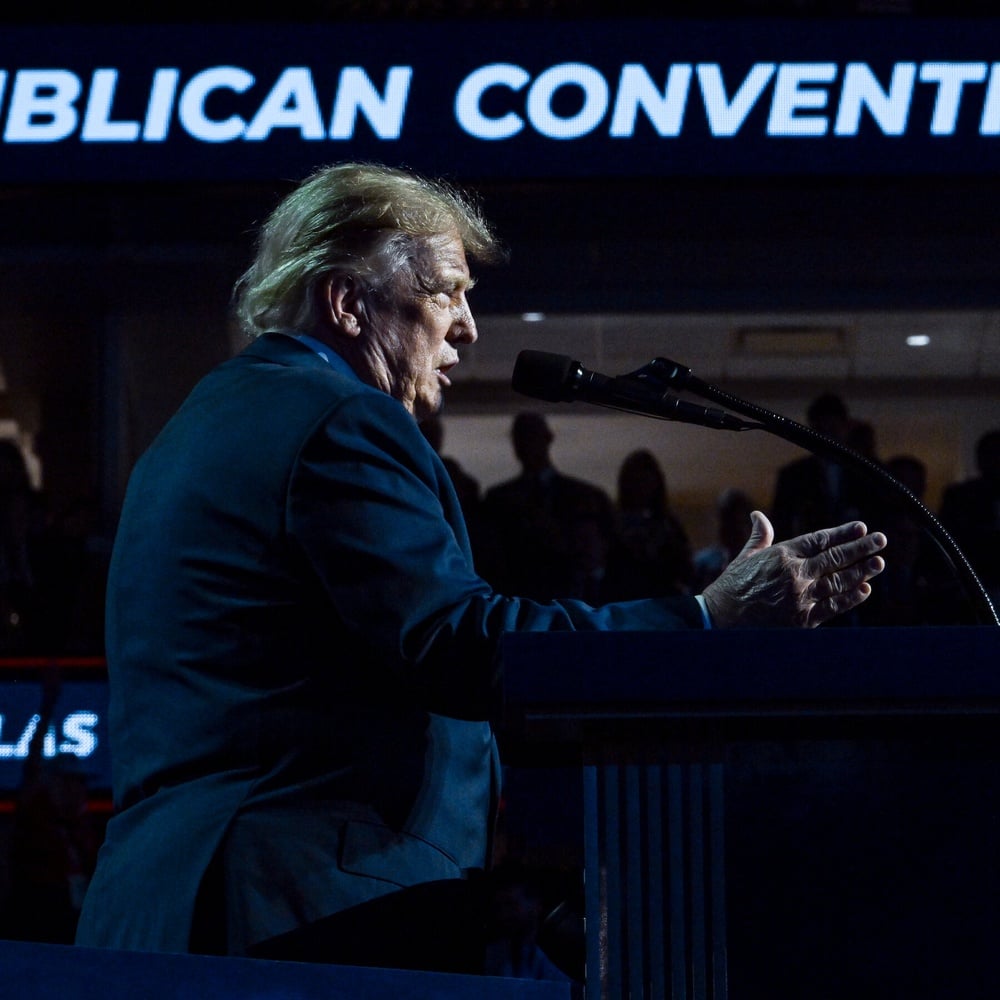

2026 © Helium Trades
Privacy Policy & Disclosure
* Disclaimer: Nothing on this website constitutes investment advice, performance data or any recommendation that any particular security, portfolio of securities, transaction or investment strategy is suitable for any specific person. Helium Trades is not responsible in any way for the accuracy
of any model predictions or price data. Any mention of a particular security and related prediction data is not a recommendation to buy or sell that security. Investments in securities involve the risk of loss. Past performance is no guarantee of future results. Helium Trades is not responsible for any of your investment decisions,
you should consult a financial expert before engaging in any transaction.
Helium Research Assistant

How can I help you today?
Ask any question about this page.