See whether Helium helps you make better-informed decisions. Try every Pro Trader feature for 30 days. No credit card required.
Try every Pro Trader feature for 30 days. No credit card required.

August 04, 2026 · 0 shares
Straightforward reporting of a diplomatic statement without evaluative language or implied stance.
Automated analysis; not human reviewed.
·
2 of 53 available dimensions scored; omitted dimensions are not treated as neutral.
·
Verified supporting quotes for 2 of 2 scored dimensions.
Claim: Article is neutral in tone, reporting factual statement without subjective language.
“Rubio: Progress made to reopen Strait of Hormuz” · exact text match
“Marco Rubio, US Secretary of State, said there has been progress in negotiations to reopen the Strait of Hormuz.” · exact text match
Why: The article uses no evaluative adjectives or opinionated phrasing.
Claim: Article covers a political topic involving US Secretary of State and international negotiations.
“Rubio: Progress made to reopen Strait of Hormuz” · exact text match
“Marco Rubio, US Secretary of State, said there has been progress in negotiations to reopen the Strait of Hormuz.” · exact text match
Why: The subject matter is explicitly about US foreign policy and diplomatic relations.
August 04, 2026 · 0 shares
Uses attributed sourcing from multiple sides to neutrally report diplomatic progress and disagreements over reopening the Strait of Hormuz.
Automated analysis; not human reviewed.
Limitations: The article is a short AP wire report; limited depth for some bias dimensions.
·
5 of 53 available dimensions scored; omitted dimensions are not treated as neutral.
·
Verified supporting quotes for 1 of 5 scored dimensions.
Claim: The article reports facts with attribution and no subjective editorializing.
“two regional officials told The Associated Press” · exact text match
“A U.S. official familiar with the negotiations said” · exact text match
Why: The article consistently attributes claims to named or anonymous officials, presenting multiple viewpoints without evaluative language.
Claim: The article contains no opinionated statements; it reports facts and attributed claims.
“Iran and Oman have made progress toward a deal to reopen the Strait of Hormuz, a potential breakthrough that could help wind down the war in the Middle East, regional officials said Tuesday.” · not found in supplied text
Why: The entire article is built on attributed statements from officials and direct quotes from Trump, Rubio, Bessent, and others, with no editorial commentary.
Claim: The article is highly credible due to its extensive attribution and use of multiple official sources.
“U.S. Secretary of State Marco Rubio, speaking to reporters at the State Department, said...” · not found in supplied text
“Treasury Secretary Scott Bessent told CNBC that...” · not found in supplied text
Why: The article cites named officials (Rubio, Bessent, Baghaei) and anonymous sources from different sides, providing a verifiable basis for the reported developments.
Claim: The article presents information in a measured, factual tone without emotional or irrational appeals.
“Iran and Oman have made progress toward a deal to reopen the Strait of Hormuz, a potential breakthrough that could help wind down the war in the Middle East, regional officials said Tuesday.” · not found in supplied text
Why: The lead sentence is factual and attributes the assessment to officials, avoiding hyperbole or speculative framing.
Claim: The article demonstrates high integrity through transparent sourcing and attribution.
“They spoke on condition of anonymity to discuss the sensitive negotiations unfolding behind closed doors.” · not found in supplied text
“A U.S. official familiar with the negotiations said that any “temporary” routes established through the strait would not involve approvals by Iran or charges.” · exact text match
Why: The article transparently notes the condition of anonymity and attributes claims to multiple sources, including named officials, which supports honesty and fairness in reporting.
The article is a short AP wire report; limited depth for some bias dimensions.
August 05, 2026 · 0 shares
Balanced, attribution-heavy reporting on diplomatic negotiations with no evident editorial slant.
Automated analysis; not human reviewed.
·
4 of 53 available dimensions scored; omitted dimensions are not treated as neutral.
·
Verified supporting quotes for 4 of 4 scored dimensions.
Claim: The article presents facts with attribution and no subjective opinion.
““It could happen.
Tomorrow or the next day,” he said, speaking on Tuesday evening California time”
· exact text match
Why: Direct quotes and attribution show factual reporting without editorializing.
Claim: The article reports events with factual language and no sensational framing.
“Oil prices eased on hopes of progress for a deal” · exact text match
Why: Calm wording without dramatic or exaggerated terms.
Claim: The article sources statements from named officials and uses AP as a credible wire service.
“U.S. Secretary of State Marco Rubio confirmed progress” · exact text match
“Iranian Foreign Ministry spokesman Esmail Baghaei said” · exact text match
Why: Clear attribution to named officials and the Associated Press adds credibility.
Claim: Article fairly presents multiple perspectives without apparent bias.
“The Trump administration has previously ruled out any deal that would give Iran control over the strait” · exact text match
“Iran has denied it is negotiating with the U.S., saying the talks are only with Oman.” · exact text match
Why: Includes both U.S. and Iranian positions, showing balanced reporting.
August 04, 2026 · 0 shares
Uses attributed sourcing from multiple sides to neutrally report diplomatic progress and disagreements over reopening the Strait of Hormuz.
Automated analysis; not human reviewed.
Limitations: The article is a short AP wire report; limited depth for some bias dimensions.
·
5 of 53 available dimensions scored; omitted dimensions are not treated as neutral.
·
Verified supporting quotes for 1 of 5 scored dimensions.
Claim: The article reports facts with attribution and no subjective editorializing.
“two regional officials told The Associated Press” · exact text match
“A U.S. official familiar with the negotiations said” · exact text match
Why: The article consistently attributes claims to named or anonymous officials, presenting multiple viewpoints without evaluative language.
Claim: The article contains no opinionated statements; it reports facts and attributed claims.
“Iran and Oman have made progress toward a deal to reopen the Strait of Hormuz, a potential breakthrough that could help wind down the war in the Middle East, regional officials said Tuesday.” · not found in supplied text
Why: The entire article is built on attributed statements from officials and direct quotes from Trump, Rubio, Bessent, and others, with no editorial commentary.
Claim: The article is highly credible due to its extensive attribution and use of multiple official sources.
“U.S. Secretary of State Marco Rubio, speaking to reporters at the State Department, said...” · not found in supplied text
“Treasury Secretary Scott Bessent told CNBC that...” · not found in supplied text
Why: The article cites named officials (Rubio, Bessent, Baghaei) and anonymous sources from different sides, providing a verifiable basis for the reported developments.
Claim: The article presents information in a measured, factual tone without emotional or irrational appeals.
“Iran and Oman have made progress toward a deal to reopen the Strait of Hormuz, a potential breakthrough that could help wind down the war in the Middle East, regional officials said Tuesday.” · not found in supplied text
Why: The lead sentence is factual and attributes the assessment to officials, avoiding hyperbole or speculative framing.
Claim: The article demonstrates high integrity through transparent sourcing and attribution.
“They spoke on condition of anonymity to discuss the sensitive negotiations unfolding behind closed doors.” · not found in supplied text
“A U.S. official familiar with the negotiations said that any “temporary” routes established through the strait would not involve approvals by Iran or charges.” · exact text match
Why: The article transparently notes the condition of anonymity and attributes claims to multiple sources, including named officials, which supports honesty and fairness in reporting.
The article is a short AP wire report; limited depth for some bias dimensions.
August 05, 2026 · 0 shares
Balanced, attribution-heavy reporting on diplomatic negotiations with no evident editorial slant.
Automated analysis; not human reviewed.
·
4 of 53 available dimensions scored; omitted dimensions are not treated as neutral.
·
Verified supporting quotes for 4 of 4 scored dimensions.
Claim: The article presents facts with attribution and no subjective opinion.
““It could happen.
Tomorrow or the next day,” he said, speaking on Tuesday evening California time”
· exact text match
Why: Direct quotes and attribution show factual reporting without editorializing.
Claim: The article reports events with factual language and no sensational framing.
“Oil prices eased on hopes of progress for a deal” · exact text match
Why: Calm wording without dramatic or exaggerated terms.
Claim: The article sources statements from named officials and uses AP as a credible wire service.
“U.S. Secretary of State Marco Rubio confirmed progress” · exact text match
“Iranian Foreign Ministry spokesman Esmail Baghaei said” · exact text match
Why: Clear attribution to named officials and the Associated Press adds credibility.
Claim: Article fairly presents multiple perspectives without apparent bias.
“The Trump administration has previously ruled out any deal that would give Iran control over the strait” · exact text match
“Iran has denied it is negotiating with the U.S., saying the talks are only with Oman.” · exact text match
Why: Includes both U.S. and Iranian positions, showing balanced reporting.
August 04, 2026 · 0 shares
Uses attributed sourcing from multiple sides to neutrally report diplomatic progress and disagreements over reopening the Strait of Hormuz.
Automated analysis; not human reviewed.
Limitations: The article is a short AP wire report; limited depth for some bias dimensions.
·
5 of 53 available dimensions scored; omitted dimensions are not treated as neutral.
·
Verified supporting quotes for 1 of 5 scored dimensions.
Claim: The article reports facts with attribution and no subjective editorializing.
“two regional officials told The Associated Press” · exact text match
“A U.S. official familiar with the negotiations said” · exact text match
Why: The article consistently attributes claims to named or anonymous officials, presenting multiple viewpoints without evaluative language.
Claim: The article contains no opinionated statements; it reports facts and attributed claims.
“Iran and Oman have made progress toward a deal to reopen the Strait of Hormuz, a potential breakthrough that could help wind down the war in the Middle East, regional officials said Tuesday.” · not found in supplied text
Why: The entire article is built on attributed statements from officials and direct quotes from Trump, Rubio, Bessent, and others, with no editorial commentary.
Claim: The article is highly credible due to its extensive attribution and use of multiple official sources.
“U.S. Secretary of State Marco Rubio, speaking to reporters at the State Department, said...” · not found in supplied text
“Treasury Secretary Scott Bessent told CNBC that...” · not found in supplied text
Why: The article cites named officials (Rubio, Bessent, Baghaei) and anonymous sources from different sides, providing a verifiable basis for the reported developments.
Claim: The article presents information in a measured, factual tone without emotional or irrational appeals.
“Iran and Oman have made progress toward a deal to reopen the Strait of Hormuz, a potential breakthrough that could help wind down the war in the Middle East, regional officials said Tuesday.” · not found in supplied text
Why: The lead sentence is factual and attributes the assessment to officials, avoiding hyperbole or speculative framing.
Claim: The article demonstrates high integrity through transparent sourcing and attribution.
“They spoke on condition of anonymity to discuss the sensitive negotiations unfolding behind closed doors.” · not found in supplied text
“A U.S. official familiar with the negotiations said that any “temporary” routes established through the strait would not involve approvals by Iran or charges.” · exact text match
Why: The article transparently notes the condition of anonymity and attributes claims to multiple sources, including named officials, which supports honesty and fairness in reporting.
The article is a short AP wire report; limited depth for some bias dimensions.
August 05, 2026 · 0 shares
Reports oil price drop on hopes of Strait of Hormuz reopening, balanced with caution and Iranian denial.
The Strait of Hormuz is a critical chokepoint for global oil shipments; the US-Iran conflict began in late February and has disrupted shipping.
Automated analysis; not human reviewed.
Limitations: Input is from BBC, known for centrist reporting, but analysis limited to this article text.
·
6 of 53 available dimensions scored; omitted dimensions are not treated as neutral.
·
Verified supporting quotes for 4 of 6 scored dimensions.
Claim: Reporting is neutral across political spectrum.
“"There's been progress made in those talks, but not finality yet. We're hoping that will happen very shortly," he told reporters at the State Department.” · not found in supplied text
“Iran has said it is not negotiating with the US - and has no plans to do so - and is instead talking to Oman.” · exact text match
Why: Includes both US official optimism and Iranian denial, no editorial slant.
Claim: Reporting is objective with attributed quotes and factual data.
“Oil prices fell to a three-week low on Tuesday as senior US officials raised hopes of a deal with Iran to reopen the key Strait of Hormuz waterway.” · exact text match
“The cost of a barrel of Brent crude, the global benchmark for oil prices, fell by almost 5% to under $80 (£60) on the news of supply disruptions potentially being eased.” · exact text match
Why: Presents market data and official statements without subjective language.
Claim: No sensational language used.
“The route had become a crucial alternative since Iran blocked the strait, but it has become increasingly dangerous, with a spate of attacks on vessels reported in the past week.” · exact text match
Why: Describes danger factually, without exaggeration, and attributes threat levels to analysts.
Claim: Neutral on market direction, reports both price drop and volatility.
“But the failure of previous negotiations in recent months to de-escalate the conflict between the US and Iran has led to a volatile oil market, with drivers ultimately being hit by higher fuel prices at the pumps.” · exact text match
Why: Acknowledges past failures and volatility, not pushing a bullish or bearish narrative.
Claim: High credibility due to named sources, attributed quotes, and data.
“"There's been progress made in those talks, but not finality yet. We're hoping that will happen very shortly," he told reporters at the State Department.” · not found in supplied text
“A spokesman for Iran's foreign ministry said that talks with Oman, a mediator in negotiations, on a new mechanism for vessels going through the Strait, had been positive.” · exact text match
Why: Direct quotes from US and Iranian officials, named analysts, and data from AAA, RAC.
Claim: Reporting is rational and evidence-based.
“But the failure of previous negotiations in recent months to de-escalate the conflict between the US and Iran has led to a volatile oil market, with drivers ultimately being hit by higher fuel prices at the pumps.” · exact text match
Why: Acknowledges history of failed talks, providing context for current volatility.
Input is from BBC, known for centrist reporting, but analysis limited to this article text.
August 03, 2026 · 0 shares
Relays Iranian spokesperson's framing of Strait closure as caused by US-Israeli aggression alongside Trump's negotiation claims without independent verification or counterpoint.
Automated analysis; not human reviewed. Limitations: The article is very brief and from TASS, a state-controlled agency; analysis is limited to the supplied text without external context.
The article is very brief and from TASS, a state-controlled agency; analysis is limited to the supplied text without external context.
The report frames the market rally as driven by a hopeful diplomatic development from a Trump administration official, presenting the possibility of a deal positively without critical sourcing or counterpoints.
August 05, 2026 · 0 shares
Frames the stock market rally and oil price movements as tied to diplomatic progress on the Strait of Hormuz, while characterizing the conflict as a 'US-Israel war on Iran' and juxtaposing US and Iranian official statements, with additional headlines critical of oil companies and pro-Israel lobbying.
Automated analysis; not human reviewed.
Limitations: The supplied text includes multiple unrelated headlines that may amplify a critical stance, but the main article body is factual and balanced.
Confidence in liberal bias score reduced due to mixture of content.
·
7 of 53 available dimensions scored; omitted dimensions are not treated as neutral.
·
Verified supporting quotes for 1 of 7 scored dimensions.
Claim: Publisher frames the conflict as a 'US-Israel war on Iran' and includes headlines critical of oil companies and pro-Israel lobbying, indicating a liberal editorial stance.
“before the start of the US-Israel war on Iran in late February” · exact text match
“Why are oil companies posting record profits amid Iran war disruption?” · exact text match
“Abdul El-Sayed wins Michigan Democratic primary for Senate in blow to AIPAC” · exact text match
Why: The main article uses the phrase 'US-Israel war on Iran' which characterizes the conflict as an aggressive act by US and Israel.
Additional headlines criticize oil profits and celebrate a defeat for pro-Israel AIPAC, aligning with liberal viewpoints.
Claim: The main article is largely objective, relying on specific data and attributed statements, but proximity to editorial headlines reduces overall objectivity.
“Palantir Technologies ... second-quarter revenue of $1.94bn” · not found in supplied text
“US Secretary of State Marco Rubio said ... 'happen very shortly'” · not found in supplied text
“Iran’s Ministry of Foreign Affairs spokesperson, Esmaeil Baghaei, said talks ... have been 'positive'” · not found in supplied text
Why: The main body uses precise numbers and direct quotes from multiple officials.
However, the page includes opinionated headlines that reflect a subjective editorial slant.
Claim: The main article is factual and not sensational, though some headlines contain dramatic language.
“The S&P 500 ... surged 1.8 percent on Tuesday to top 7,700 for the first time” · not found in supplied text
“Maritime traffic in the Gulf has been severely constrained ... Just nine vessels transited the critical waterway on Sunday” · not found in supplied text
Why: The article reports concrete numbers and events without exaggeration.
'Surged' and 'critical' are moderate journalistic terms, not sensational.
Headlines like 'blow to AIPAC' are more dramatic but not part of the main article.
Claim: The article contains noteworthy market milestones and geopolitical developments that hold reader interest.
“The S&P 500 ... surged 1.8 percent on Tuesday to top 7,700 for the first time” · not found in supplied text
“Palantir Technologies ... shares soaring 29.5 percent” · not found in supplied text
“Just nine vessels transited the critical waterway on Sunday” · exact text match
Why: Record high indices, a 29.5% stock surge, and a dramatic drop in strait traffic are inherently interesting to readers following markets or geopolitics.
Claim: The article is centrally about geopolitical events and their market impact, making it highly political.
“The US stock market has hit an all-time high amid growing hopes for a deal to reopen the Strait of Hormuz and a flurry of bumper corporate earnings.” · exact text match
“The rally came as US and Iranian officials touted progress in talks between Iran and Oman aimed at restoring shipping in the strait.” · not found in supplied text
Why: The entire report revolves around the war, diplomatic talks, and market reactions, all inherently political subjects.
Claim: The article is credible due to specific, attributable data and named sources.
“Palantir Technologies ... second-quarter revenue of $1.94bn” · not found in supplied text
“Brent futures for October delivery stood at $79.98 per barrel” · exact text match
“US Central Command said ... 'over the past three months, US forces have assisted more than 1,000 vessels'” · not found in supplied text
Why: The article cites exact market figures, revenue, oil prices, and named officials from both US and Iran, providing a basis for verification.
Claim: The article includes attributed speculation about the timing of a deal.
“US Treasury Secretary Scott Bessent said ... an agreement on the strait could be reached as soon as Tuesday or Wednesday” · not found in supplied text
Why: Bessent's statement is a forecast about future events, presented as a possibility.
The article does not present it as fact but as an official's expectation.
The supplied text includes multiple unrelated headlines that may amplify a critical stance, but the main article body is factual and balanced.
Confidence in liberal bias score reduced due to mixture of content.
August 05, 2026 · 0 shares
Reports oil price drop on hopes of Strait of Hormuz reopening, balanced with caution and Iranian denial.
The Strait of Hormuz is a critical chokepoint for global oil shipments; the US-Iran conflict began in late February and has disrupted shipping.
Automated analysis; not human reviewed.
Limitations: Input is from BBC, known for centrist reporting, but analysis limited to this article text.
·
6 of 53 available dimensions scored; omitted dimensions are not treated as neutral.
·
Verified supporting quotes for 4 of 6 scored dimensions.
Claim: Reporting is neutral across political spectrum.
“"There's been progress made in those talks, but not finality yet. We're hoping that will happen very shortly," he told reporters at the State Department.” · not found in supplied text
“Iran has said it is not negotiating with the US - and has no plans to do so - and is instead talking to Oman.” · exact text match
Why: Includes both US official optimism and Iranian denial, no editorial slant.
Claim: Reporting is objective with attributed quotes and factual data.
“Oil prices fell to a three-week low on Tuesday as senior US officials raised hopes of a deal with Iran to reopen the key Strait of Hormuz waterway.” · exact text match
“The cost of a barrel of Brent crude, the global benchmark for oil prices, fell by almost 5% to under $80 (£60) on the news of supply disruptions potentially being eased.” · exact text match
Why: Presents market data and official statements without subjective language.
Claim: No sensational language used.
“The route had become a crucial alternative since Iran blocked the strait, but it has become increasingly dangerous, with a spate of attacks on vessels reported in the past week.” · exact text match
Why: Describes danger factually, without exaggeration, and attributes threat levels to analysts.
Claim: Neutral on market direction, reports both price drop and volatility.
“But the failure of previous negotiations in recent months to de-escalate the conflict between the US and Iran has led to a volatile oil market, with drivers ultimately being hit by higher fuel prices at the pumps.” · exact text match
Why: Acknowledges past failures and volatility, not pushing a bullish or bearish narrative.
Claim: High credibility due to named sources, attributed quotes, and data.
“"There's been progress made in those talks, but not finality yet. We're hoping that will happen very shortly," he told reporters at the State Department.” · not found in supplied text
“A spokesman for Iran's foreign ministry said that talks with Oman, a mediator in negotiations, on a new mechanism for vessels going through the Strait, had been positive.” · exact text match
Why: Direct quotes from US and Iranian officials, named analysts, and data from AAA, RAC.
Claim: Reporting is rational and evidence-based.
“But the failure of previous negotiations in recent months to de-escalate the conflict between the US and Iran has led to a volatile oil market, with drivers ultimately being hit by higher fuel prices at the pumps.” · exact text match
Why: Acknowledges history of failed talks, providing context for current volatility.
Input is from BBC, known for centrist reporting, but analysis limited to this article text.
August 05, 2026 · 0 shares
Frames the stock market rally and oil price movements as tied to diplomatic progress on the Strait of Hormuz, while characterizing the conflict as a 'US-Israel war on Iran' and juxtaposing US and Iranian official statements, with additional headlines critical of oil companies and pro-Israel lobbying.
Automated analysis; not human reviewed.
Limitations: The supplied text includes multiple unrelated headlines that may amplify a critical stance, but the main article body is factual and balanced.
Confidence in liberal bias score reduced due to mixture of content.
·
7 of 53 available dimensions scored; omitted dimensions are not treated as neutral.
·
Verified supporting quotes for 1 of 7 scored dimensions.
Claim: Publisher frames the conflict as a 'US-Israel war on Iran' and includes headlines critical of oil companies and pro-Israel lobbying, indicating a liberal editorial stance.
“before the start of the US-Israel war on Iran in late February” · exact text match
“Why are oil companies posting record profits amid Iran war disruption?” · exact text match
“Abdul El-Sayed wins Michigan Democratic primary for Senate in blow to AIPAC” · exact text match
Why: The main article uses the phrase 'US-Israel war on Iran' which characterizes the conflict as an aggressive act by US and Israel.
Additional headlines criticize oil profits and celebrate a defeat for pro-Israel AIPAC, aligning with liberal viewpoints.
Claim: The main article is largely objective, relying on specific data and attributed statements, but proximity to editorial headlines reduces overall objectivity.
“Palantir Technologies ... second-quarter revenue of $1.94bn” · not found in supplied text
“US Secretary of State Marco Rubio said ... 'happen very shortly'” · not found in supplied text
“Iran’s Ministry of Foreign Affairs spokesperson, Esmaeil Baghaei, said talks ... have been 'positive'” · not found in supplied text
Why: The main body uses precise numbers and direct quotes from multiple officials.
However, the page includes opinionated headlines that reflect a subjective editorial slant.
Claim: The main article is factual and not sensational, though some headlines contain dramatic language.
“The S&P 500 ... surged 1.8 percent on Tuesday to top 7,700 for the first time” · not found in supplied text
“Maritime traffic in the Gulf has been severely constrained ... Just nine vessels transited the critical waterway on Sunday” · not found in supplied text
Why: The article reports concrete numbers and events without exaggeration.
'Surged' and 'critical' are moderate journalistic terms, not sensational.
Headlines like 'blow to AIPAC' are more dramatic but not part of the main article.
Claim: The article contains noteworthy market milestones and geopolitical developments that hold reader interest.
“The S&P 500 ... surged 1.8 percent on Tuesday to top 7,700 for the first time” · not found in supplied text
“Palantir Technologies ... shares soaring 29.5 percent” · not found in supplied text
“Just nine vessels transited the critical waterway on Sunday” · exact text match
Why: Record high indices, a 29.5% stock surge, and a dramatic drop in strait traffic are inherently interesting to readers following markets or geopolitics.
Claim: The article is centrally about geopolitical events and their market impact, making it highly political.
“The US stock market has hit an all-time high amid growing hopes for a deal to reopen the Strait of Hormuz and a flurry of bumper corporate earnings.” · exact text match
“The rally came as US and Iranian officials touted progress in talks between Iran and Oman aimed at restoring shipping in the strait.” · not found in supplied text
Why: The entire report revolves around the war, diplomatic talks, and market reactions, all inherently political subjects.
Claim: The article is credible due to specific, attributable data and named sources.
“Palantir Technologies ... second-quarter revenue of $1.94bn” · not found in supplied text
“Brent futures for October delivery stood at $79.98 per barrel” · exact text match
“US Central Command said ... 'over the past three months, US forces have assisted more than 1,000 vessels'” · not found in supplied text
Why: The article cites exact market figures, revenue, oil prices, and named officials from both US and Iran, providing a basis for verification.
Claim: The article includes attributed speculation about the timing of a deal.
“US Treasury Secretary Scott Bessent said ... an agreement on the strait could be reached as soon as Tuesday or Wednesday” · not found in supplied text
Why: Bessent's statement is a forecast about future events, presented as a possibility.
The article does not present it as fact but as an official's expectation.
The supplied text includes multiple unrelated headlines that may amplify a critical stance, but the main article body is factual and balanced.
Confidence in liberal bias score reduced due to mixture of content.
August 04, 2026 · 0 shares
Straightforward reporting of a diplomatic statement without evaluative language or implied stance.
Automated analysis; not human reviewed. · 2 of 53 available dimensions scored; omitted dimensions are not treated as neutral. · Verified supporting quotes for 2 of 2 scored dimensions.
Claim: Article is neutral in tone, reporting factual statement without subjective language.
“Rubio: Progress made to reopen Strait of Hormuz” · exact text match
“Marco Rubio, US Secretary of State, said there has been progress in negotiations to reopen the Strait of Hormuz.” · exact text match
Why: The article uses no evaluative adjectives or opinionated phrasing.
Claim: Article covers a political topic involving US Secretary of State and international negotiations.
“Rubio: Progress made to reopen Strait of Hormuz” · exact text match
“Marco Rubio, US Secretary of State, said there has been progress in negotiations to reopen the Strait of Hormuz.” · exact text match
Why: The subject matter is explicitly about US foreign policy and diplomatic relations.
August 04, 2026 · 0 shares
Uses attributed sourcing from multiple sides to neutrally report diplomatic progress and disagreements over reopening the Strait of Hormuz.
Automated analysis; not human reviewed. Limitations: The article is a short AP wire report; limited depth for some bias dimensions. · 5 of 53 available dimensions scored; omitted dimensions are not treated as neutral. · Verified supporting quotes for 1 of 5 scored dimensions.
Claim: The article reports facts with attribution and no subjective editorializing.
“two regional officials told The Associated Press” · exact text match
“A U.S. official familiar with the negotiations said” · exact text match
Why: The article consistently attributes claims to named or anonymous officials, presenting multiple viewpoints without evaluative language.
Claim: The article contains no opinionated statements; it reports facts and attributed claims.
“Iran and Oman have made progress toward a deal to reopen the Strait of Hormuz, a potential breakthrough that could help wind down the war in the Middle East, regional officials said Tuesday.” · not found in supplied text
Why: The entire article is built on attributed statements from officials and direct quotes from Trump, Rubio, Bessent, and others, with no editorial commentary.
Claim: The article is highly credible due to its extensive attribution and use of multiple official sources.
“U.S. Secretary of State Marco Rubio, speaking to reporters at the State Department, said...” · not found in supplied text
“Treasury Secretary Scott Bessent told CNBC that...” · not found in supplied text
Why: The article cites named officials (Rubio, Bessent, Baghaei) and anonymous sources from different sides, providing a verifiable basis for the reported developments.
Claim: The article presents information in a measured, factual tone without emotional or irrational appeals.
“Iran and Oman have made progress toward a deal to reopen the Strait of Hormuz, a potential breakthrough that could help wind down the war in the Middle East, regional officials said Tuesday.” · not found in supplied text
Why: The lead sentence is factual and attributes the assessment to officials, avoiding hyperbole or speculative framing.
Claim: The article demonstrates high integrity through transparent sourcing and attribution.
“They spoke on condition of anonymity to discuss the sensitive negotiations unfolding behind closed doors.” · not found in supplied text
“A U.S. official familiar with the negotiations said that any “temporary” routes established through the strait would not involve approvals by Iran or charges.” · exact text match
Why: The article transparently notes the condition of anonymity and attributes claims to multiple sources, including named officials, which supports honesty and fairness in reporting.
The article is a short AP wire report; limited depth for some bias dimensions.
August 05, 2026 · 0 shares
Reports oil price drop on hopes of Strait of Hormuz reopening, balanced with caution and Iranian denial.
The Strait of Hormuz is a critical chokepoint for global oil shipments; the US-Iran conflict began in late February and has disrupted shipping.
Automated analysis; not human reviewed. Limitations: Input is from BBC, known for centrist reporting, but analysis limited to this article text. · 6 of 53 available dimensions scored; omitted dimensions are not treated as neutral. · Verified supporting quotes for 4 of 6 scored dimensions.
Claim: Reporting is neutral across political spectrum.
“"There's been progress made in those talks, but not finality yet. We're hoping that will happen very shortly," he told reporters at the State Department.” · not found in supplied text
“Iran has said it is not negotiating with the US - and has no plans to do so - and is instead talking to Oman.” · exact text match
Why: Includes both US official optimism and Iranian denial, no editorial slant.
Claim: Reporting is objective with attributed quotes and factual data.
“Oil prices fell to a three-week low on Tuesday as senior US officials raised hopes of a deal with Iran to reopen the key Strait of Hormuz waterway.” · exact text match
“The cost of a barrel of Brent crude, the global benchmark for oil prices, fell by almost 5% to under $80 (£60) on the news of supply disruptions potentially being eased.” · exact text match
Why: Presents market data and official statements without subjective language.
Claim: No sensational language used.
“The route had become a crucial alternative since Iran blocked the strait, but it has become increasingly dangerous, with a spate of attacks on vessels reported in the past week.” · exact text match
Why: Describes danger factually, without exaggeration, and attributes threat levels to analysts.
Claim: Neutral on market direction, reports both price drop and volatility.
“But the failure of previous negotiations in recent months to de-escalate the conflict between the US and Iran has led to a volatile oil market, with drivers ultimately being hit by higher fuel prices at the pumps.” · exact text match
Why: Acknowledges past failures and volatility, not pushing a bullish or bearish narrative.
Claim: High credibility due to named sources, attributed quotes, and data.
“"There's been progress made in those talks, but not finality yet. We're hoping that will happen very shortly," he told reporters at the State Department.” · not found in supplied text
“A spokesman for Iran's foreign ministry said that talks with Oman, a mediator in negotiations, on a new mechanism for vessels going through the Strait, had been positive.” · exact text match
Why: Direct quotes from US and Iranian officials, named analysts, and data from AAA, RAC.
Claim: Reporting is rational and evidence-based.
“But the failure of previous negotiations in recent months to de-escalate the conflict between the US and Iran has led to a volatile oil market, with drivers ultimately being hit by higher fuel prices at the pumps.” · exact text match
Why: Acknowledges history of failed talks, providing context for current volatility.
Input is from BBC, known for centrist reporting, but analysis limited to this article text.
August 03, 2026 · 0 shares
Relays Iranian spokesperson's framing of Strait closure as caused by US-Israeli aggression alongside Trump's negotiation claims without independent verification or counterpoint.
Automated analysis; not human reviewed. Limitations: The article is very brief and from TASS, a state-controlled agency; analysis is limited to the supplied text without external context.
The article is very brief and from TASS, a state-controlled agency; analysis is limited to the supplied text without external context.
The report frames the market rally as driven by a hopeful diplomatic development from a Trump administration official, presenting the possibility of a deal positively without critical sourcing or counterpoints.
August 05, 2026 · 0 shares
Frames the stock market rally and oil price movements as tied to diplomatic progress on the Strait of Hormuz, while characterizing the conflict as a 'US-Israel war on Iran' and juxtaposing US and Iranian official statements, with additional headlines critical of oil companies and pro-Israel lobbying.
Automated analysis; not human reviewed. Limitations: The supplied text includes multiple unrelated headlines that may amplify a critical stance, but the main article body is factual and balanced. Confidence in liberal bias score reduced due to mixture of content. · 7 of 53 available dimensions scored; omitted dimensions are not treated as neutral. · Verified supporting quotes for 1 of 7 scored dimensions.
Claim: Publisher frames the conflict as a 'US-Israel war on Iran' and includes headlines critical of oil companies and pro-Israel lobbying, indicating a liberal editorial stance.
“before the start of the US-Israel war on Iran in late February” · exact text match
“Why are oil companies posting record profits amid Iran war disruption?” · exact text match
“Abdul El-Sayed wins Michigan Democratic primary for Senate in blow to AIPAC” · exact text match
Why: The main article uses the phrase 'US-Israel war on Iran' which characterizes the conflict as an aggressive act by US and Israel. Additional headlines criticize oil profits and celebrate a defeat for pro-Israel AIPAC, aligning with liberal viewpoints.
Claim: The main article is largely objective, relying on specific data and attributed statements, but proximity to editorial headlines reduces overall objectivity.
“Palantir Technologies ... second-quarter revenue of $1.94bn” · not found in supplied text
“US Secretary of State Marco Rubio said ... 'happen very shortly'” · not found in supplied text
“Iran’s Ministry of Foreign Affairs spokesperson, Esmaeil Baghaei, said talks ... have been 'positive'” · not found in supplied text
Why: The main body uses precise numbers and direct quotes from multiple officials. However, the page includes opinionated headlines that reflect a subjective editorial slant.
Claim: The main article is factual and not sensational, though some headlines contain dramatic language.
“The S&P 500 ... surged 1.8 percent on Tuesday to top 7,700 for the first time” · not found in supplied text
“Maritime traffic in the Gulf has been severely constrained ... Just nine vessels transited the critical waterway on Sunday” · not found in supplied text
Why: The article reports concrete numbers and events without exaggeration. 'Surged' and 'critical' are moderate journalistic terms, not sensational. Headlines like 'blow to AIPAC' are more dramatic but not part of the main article.
Claim: The article contains noteworthy market milestones and geopolitical developments that hold reader interest.
“The S&P 500 ... surged 1.8 percent on Tuesday to top 7,700 for the first time” · not found in supplied text
“Palantir Technologies ... shares soaring 29.5 percent” · not found in supplied text
“Just nine vessels transited the critical waterway on Sunday” · exact text match
Why: Record high indices, a 29.5% stock surge, and a dramatic drop in strait traffic are inherently interesting to readers following markets or geopolitics.
Claim: The article is centrally about geopolitical events and their market impact, making it highly political.
“The US stock market has hit an all-time high amid growing hopes for a deal to reopen the Strait of Hormuz and a flurry of bumper corporate earnings.” · exact text match
“The rally came as US and Iranian officials touted progress in talks between Iran and Oman aimed at restoring shipping in the strait.” · not found in supplied text
Why: The entire report revolves around the war, diplomatic talks, and market reactions, all inherently political subjects.
Claim: The article is credible due to specific, attributable data and named sources.
“Palantir Technologies ... second-quarter revenue of $1.94bn” · not found in supplied text
“Brent futures for October delivery stood at $79.98 per barrel” · exact text match
“US Central Command said ... 'over the past three months, US forces have assisted more than 1,000 vessels'” · not found in supplied text
Why: The article cites exact market figures, revenue, oil prices, and named officials from both US and Iran, providing a basis for verification.
Claim: The article includes attributed speculation about the timing of a deal.
“US Treasury Secretary Scott Bessent said ... an agreement on the strait could be reached as soon as Tuesday or Wednesday” · not found in supplied text
Why: Bessent's statement is a forecast about future events, presented as a possibility. The article does not present it as fact but as an official's expectation.
The supplied text includes multiple unrelated headlines that may amplify a critical stance, but the main article body is factual and balanced. Confidence in liberal bias score reduced due to mixture of content.
August 05, 2026 · 0 shares
Balanced, attribution-heavy reporting on diplomatic negotiations with no evident editorial slant.
Automated analysis; not human reviewed. · 4 of 53 available dimensions scored; omitted dimensions are not treated as neutral. · Verified supporting quotes for 4 of 4 scored dimensions.
Claim: The article presents facts with attribution and no subjective opinion.
““It could happen. Tomorrow or the next day,” he said, speaking on Tuesday evening California time” · exact text match
Why: Direct quotes and attribution show factual reporting without editorializing.
Claim: The article reports events with factual language and no sensational framing.
“Oil prices eased on hopes of progress for a deal” · exact text match
Why: Calm wording without dramatic or exaggerated terms.
Claim: The article sources statements from named officials and uses AP as a credible wire service.
“U.S. Secretary of State Marco Rubio confirmed progress” · exact text match
“Iranian Foreign Ministry spokesman Esmail Baghaei said” · exact text match
Why: Clear attribution to named officials and the Associated Press adds credibility.
Claim: Article fairly presents multiple perspectives without apparent bias.
“The Trump administration has previously ruled out any deal that would give Iran control over the strait” · exact text match
“Iran has denied it is negotiating with the U.S., saying the talks are only with Oman.” · exact text match
Why: Includes both U.S. and Iranian positions, showing balanced reporting.
August 04, 2026 · 0 shares
Uses attributed sourcing from multiple sides to neutrally report diplomatic progress and disagreements over reopening the Strait of Hormuz.
Automated analysis; not human reviewed. Limitations: The article is a short AP wire report; limited depth for some bias dimensions. · 5 of 53 available dimensions scored; omitted dimensions are not treated as neutral. · Verified supporting quotes for 1 of 5 scored dimensions.
Claim: The article reports facts with attribution and no subjective editorializing.
“two regional officials told The Associated Press” · exact text match
“A U.S. official familiar with the negotiations said” · exact text match
Why: The article consistently attributes claims to named or anonymous officials, presenting multiple viewpoints without evaluative language.
Claim: The article contains no opinionated statements; it reports facts and attributed claims.
“Iran and Oman have made progress toward a deal to reopen the Strait of Hormuz, a potential breakthrough that could help wind down the war in the Middle East, regional officials said Tuesday.” · not found in supplied text
Why: The entire article is built on attributed statements from officials and direct quotes from Trump, Rubio, Bessent, and others, with no editorial commentary.
Claim: The article is highly credible due to its extensive attribution and use of multiple official sources.
“U.S. Secretary of State Marco Rubio, speaking to reporters at the State Department, said...” · not found in supplied text
“Treasury Secretary Scott Bessent told CNBC that...” · not found in supplied text
Why: The article cites named officials (Rubio, Bessent, Baghaei) and anonymous sources from different sides, providing a verifiable basis for the reported developments.
Claim: The article presents information in a measured, factual tone without emotional or irrational appeals.
“Iran and Oman have made progress toward a deal to reopen the Strait of Hormuz, a potential breakthrough that could help wind down the war in the Middle East, regional officials said Tuesday.” · not found in supplied text
Why: The lead sentence is factual and attributes the assessment to officials, avoiding hyperbole or speculative framing.
Claim: The article demonstrates high integrity through transparent sourcing and attribution.
“They spoke on condition of anonymity to discuss the sensitive negotiations unfolding behind closed doors.” · not found in supplied text
“A U.S. official familiar with the negotiations said that any “temporary” routes established through the strait would not involve approvals by Iran or charges.” · exact text match
Why: The article transparently notes the condition of anonymity and attributes claims to multiple sources, including named officials, which supports honesty and fairness in reporting.
The article is a short AP wire report; limited depth for some bias dimensions.
Helium Bias
Story Blindspots
August 04, 2026 · 0 shares
Straightforward reporting of a diplomatic statement without evaluative language or implied stance.
Automated analysis; not human reviewed. · 2 of 53 available dimensions scored; omitted dimensions are not treated as neutral. · Verified supporting quotes for 2 of 2 scored dimensions.
Claim: Article is neutral in tone, reporting factual statement without subjective language.
“Rubio: Progress made to reopen Strait of Hormuz” · exact text match
“Marco Rubio, US Secretary of State, said there has been progress in negotiations to reopen the Strait of Hormuz.” · exact text match
Why: The article uses no evaluative adjectives or opinionated phrasing.
Claim: Article covers a political topic involving US Secretary of State and international negotiations.
“Rubio: Progress made to reopen Strait of Hormuz” · exact text match
“Marco Rubio, US Secretary of State, said there has been progress in negotiations to reopen the Strait of Hormuz.” · exact text match
Why: The subject matter is explicitly about US foreign policy and diplomatic relations.
August 04, 2026 · 0 shares
Uses attributed sourcing from multiple sides to neutrally report diplomatic progress and disagreements over reopening the Strait of Hormuz.
Automated analysis; not human reviewed. Limitations: The article is a short AP wire report; limited depth for some bias dimensions. · 5 of 53 available dimensions scored; omitted dimensions are not treated as neutral. · Verified supporting quotes for 1 of 5 scored dimensions.
Claim: The article reports facts with attribution and no subjective editorializing.
“two regional officials told The Associated Press” · exact text match
“A U.S. official familiar with the negotiations said” · exact text match
Why: The article consistently attributes claims to named or anonymous officials, presenting multiple viewpoints without evaluative language.
Claim: The article contains no opinionated statements; it reports facts and attributed claims.
“Iran and Oman have made progress toward a deal to reopen the Strait of Hormuz, a potential breakthrough that could help wind down the war in the Middle East, regional officials said Tuesday.” · not found in supplied text
Why: The entire article is built on attributed statements from officials and direct quotes from Trump, Rubio, Bessent, and others, with no editorial commentary.
Claim: The article is highly credible due to its extensive attribution and use of multiple official sources.
“U.S. Secretary of State Marco Rubio, speaking to reporters at the State Department, said...” · not found in supplied text
“Treasury Secretary Scott Bessent told CNBC that...” · not found in supplied text
Why: The article cites named officials (Rubio, Bessent, Baghaei) and anonymous sources from different sides, providing a verifiable basis for the reported developments.
Claim: The article presents information in a measured, factual tone without emotional or irrational appeals.
“Iran and Oman have made progress toward a deal to reopen the Strait of Hormuz, a potential breakthrough that could help wind down the war in the Middle East, regional officials said Tuesday.” · not found in supplied text
Why: The lead sentence is factual and attributes the assessment to officials, avoiding hyperbole or speculative framing.
Claim: The article demonstrates high integrity through transparent sourcing and attribution.
“They spoke on condition of anonymity to discuss the sensitive negotiations unfolding behind closed doors.” · not found in supplied text
“A U.S. official familiar with the negotiations said that any “temporary” routes established through the strait would not involve approvals by Iran or charges.” · exact text match
Why: The article transparently notes the condition of anonymity and attributes claims to multiple sources, including named officials, which supports honesty and fairness in reporting.
The article is a short AP wire report; limited depth for some bias dimensions.
August 05, 2026 · 0 shares
Frames the stock market rally and oil price movements as tied to diplomatic progress on the Strait of Hormuz, while characterizing the conflict as a 'US-Israel war on Iran' and juxtaposing US and Iranian official statements, with additional headlines critical of oil companies and pro-Israel lobbying.
Automated analysis; not human reviewed. Limitations: The supplied text includes multiple unrelated headlines that may amplify a critical stance, but the main article body is factual and balanced. Confidence in liberal bias score reduced due to mixture of content. · 7 of 53 available dimensions scored; omitted dimensions are not treated as neutral. · Verified supporting quotes for 1 of 7 scored dimensions.
Claim: Publisher frames the conflict as a 'US-Israel war on Iran' and includes headlines critical of oil companies and pro-Israel lobbying, indicating a liberal editorial stance.
“before the start of the US-Israel war on Iran in late February” · exact text match
“Why are oil companies posting record profits amid Iran war disruption?” · exact text match
“Abdul El-Sayed wins Michigan Democratic primary for Senate in blow to AIPAC” · exact text match
Why: The main article uses the phrase 'US-Israel war on Iran' which characterizes the conflict as an aggressive act by US and Israel. Additional headlines criticize oil profits and celebrate a defeat for pro-Israel AIPAC, aligning with liberal viewpoints.
Claim: The main article is largely objective, relying on specific data and attributed statements, but proximity to editorial headlines reduces overall objectivity.
“Palantir Technologies ... second-quarter revenue of $1.94bn” · not found in supplied text
“US Secretary of State Marco Rubio said ... 'happen very shortly'” · not found in supplied text
“Iran’s Ministry of Foreign Affairs spokesperson, Esmaeil Baghaei, said talks ... have been 'positive'” · not found in supplied text
Why: The main body uses precise numbers and direct quotes from multiple officials. However, the page includes opinionated headlines that reflect a subjective editorial slant.
Claim: The main article is factual and not sensational, though some headlines contain dramatic language.
“The S&P 500 ... surged 1.8 percent on Tuesday to top 7,700 for the first time” · not found in supplied text
“Maritime traffic in the Gulf has been severely constrained ... Just nine vessels transited the critical waterway on Sunday” · not found in supplied text
Why: The article reports concrete numbers and events without exaggeration. 'Surged' and 'critical' are moderate journalistic terms, not sensational. Headlines like 'blow to AIPAC' are more dramatic but not part of the main article.
Claim: The article contains noteworthy market milestones and geopolitical developments that hold reader interest.
“The S&P 500 ... surged 1.8 percent on Tuesday to top 7,700 for the first time” · not found in supplied text
“Palantir Technologies ... shares soaring 29.5 percent” · not found in supplied text
“Just nine vessels transited the critical waterway on Sunday” · exact text match
Why: Record high indices, a 29.5% stock surge, and a dramatic drop in strait traffic are inherently interesting to readers following markets or geopolitics.
Claim: The article is centrally about geopolitical events and their market impact, making it highly political.
“The US stock market has hit an all-time high amid growing hopes for a deal to reopen the Strait of Hormuz and a flurry of bumper corporate earnings.” · exact text match
“The rally came as US and Iranian officials touted progress in talks between Iran and Oman aimed at restoring shipping in the strait.” · not found in supplied text
Why: The entire report revolves around the war, diplomatic talks, and market reactions, all inherently political subjects.
Claim: The article is credible due to specific, attributable data and named sources.
“Palantir Technologies ... second-quarter revenue of $1.94bn” · not found in supplied text
“Brent futures for October delivery stood at $79.98 per barrel” · exact text match
“US Central Command said ... 'over the past three months, US forces have assisted more than 1,000 vessels'” · not found in supplied text
Why: The article cites exact market figures, revenue, oil prices, and named officials from both US and Iran, providing a basis for verification.
Claim: The article includes attributed speculation about the timing of a deal.
“US Treasury Secretary Scott Bessent said ... an agreement on the strait could be reached as soon as Tuesday or Wednesday” · not found in supplied text
Why: Bessent's statement is a forecast about future events, presented as a possibility. The article does not present it as fact but as an official's expectation.
The supplied text includes multiple unrelated headlines that may amplify a critical stance, but the main article body is factual and balanced. Confidence in liberal bias score reduced due to mixture of content.
The report frames the market rally as driven by a hopeful diplomatic development from a Trump administration official, presenting the possibility of a deal positively without critical sourcing or counterpoints.
August 05, 2026 · 0 shares
Reports oil price drop on hopes of Strait of Hormuz reopening, balanced with caution and Iranian denial.
The Strait of Hormuz is a critical chokepoint for global oil shipments; the US-Iran conflict began in late February and has disrupted shipping.
Automated analysis; not human reviewed. Limitations: Input is from BBC, known for centrist reporting, but analysis limited to this article text. · 6 of 53 available dimensions scored; omitted dimensions are not treated as neutral. · Verified supporting quotes for 4 of 6 scored dimensions.
Claim: Reporting is neutral across political spectrum.
“"There's been progress made in those talks, but not finality yet. We're hoping that will happen very shortly," he told reporters at the State Department.” · not found in supplied text
“Iran has said it is not negotiating with the US - and has no plans to do so - and is instead talking to Oman.” · exact text match
Why: Includes both US official optimism and Iranian denial, no editorial slant.
Claim: Reporting is objective with attributed quotes and factual data.
“Oil prices fell to a three-week low on Tuesday as senior US officials raised hopes of a deal with Iran to reopen the key Strait of Hormuz waterway.” · exact text match
“The cost of a barrel of Brent crude, the global benchmark for oil prices, fell by almost 5% to under $80 (£60) on the news of supply disruptions potentially being eased.” · exact text match
Why: Presents market data and official statements without subjective language.
Claim: No sensational language used.
“The route had become a crucial alternative since Iran blocked the strait, but it has become increasingly dangerous, with a spate of attacks on vessels reported in the past week.” · exact text match
Why: Describes danger factually, without exaggeration, and attributes threat levels to analysts.
Claim: Neutral on market direction, reports both price drop and volatility.
“But the failure of previous negotiations in recent months to de-escalate the conflict between the US and Iran has led to a volatile oil market, with drivers ultimately being hit by higher fuel prices at the pumps.” · exact text match
Why: Acknowledges past failures and volatility, not pushing a bullish or bearish narrative.
Claim: High credibility due to named sources, attributed quotes, and data.
“"There's been progress made in those talks, but not finality yet. We're hoping that will happen very shortly," he told reporters at the State Department.” · not found in supplied text
“A spokesman for Iran's foreign ministry said that talks with Oman, a mediator in negotiations, on a new mechanism for vessels going through the Strait, had been positive.” · exact text match
Why: Direct quotes from US and Iranian officials, named analysts, and data from AAA, RAC.
Claim: Reporting is rational and evidence-based.
“But the failure of previous negotiations in recent months to de-escalate the conflict between the US and Iran has led to a volatile oil market, with drivers ultimately being hit by higher fuel prices at the pumps.” · exact text match
Why: Acknowledges history of failed talks, providing context for current volatility.
Input is from BBC, known for centrist reporting, but analysis limited to this article text.
The report frames the market rally as driven by a hopeful diplomatic development from a Trump administration official, presenting the possibility of a deal positively without critical sourcing or counterpoints.
August 05, 2026 · 0 shares
Frames the stock market rally and oil price movements as tied to diplomatic progress on the Strait of Hormuz, while characterizing the conflict as a 'US-Israel war on Iran' and juxtaposing US and Iranian official statements, with additional headlines critical of oil companies and pro-Israel lobbying.
Automated analysis; not human reviewed. Limitations: The supplied text includes multiple unrelated headlines that may amplify a critical stance, but the main article body is factual and balanced. Confidence in liberal bias score reduced due to mixture of content. · 7 of 53 available dimensions scored; omitted dimensions are not treated as neutral. · Verified supporting quotes for 1 of 7 scored dimensions.
Claim: Publisher frames the conflict as a 'US-Israel war on Iran' and includes headlines critical of oil companies and pro-Israel lobbying, indicating a liberal editorial stance.
“before the start of the US-Israel war on Iran in late February” · exact text match
“Why are oil companies posting record profits amid Iran war disruption?” · exact text match
“Abdul El-Sayed wins Michigan Democratic primary for Senate in blow to AIPAC” · exact text match
Why: The main article uses the phrase 'US-Israel war on Iran' which characterizes the conflict as an aggressive act by US and Israel. Additional headlines criticize oil profits and celebrate a defeat for pro-Israel AIPAC, aligning with liberal viewpoints.
Claim: The main article is largely objective, relying on specific data and attributed statements, but proximity to editorial headlines reduces overall objectivity.
“Palantir Technologies ... second-quarter revenue of $1.94bn” · not found in supplied text
“US Secretary of State Marco Rubio said ... 'happen very shortly'” · not found in supplied text
“Iran’s Ministry of Foreign Affairs spokesperson, Esmaeil Baghaei, said talks ... have been 'positive'” · not found in supplied text
Why: The main body uses precise numbers and direct quotes from multiple officials. However, the page includes opinionated headlines that reflect a subjective editorial slant.
Claim: The main article is factual and not sensational, though some headlines contain dramatic language.
“The S&P 500 ... surged 1.8 percent on Tuesday to top 7,700 for the first time” · not found in supplied text
“Maritime traffic in the Gulf has been severely constrained ... Just nine vessels transited the critical waterway on Sunday” · not found in supplied text
Why: The article reports concrete numbers and events without exaggeration. 'Surged' and 'critical' are moderate journalistic terms, not sensational. Headlines like 'blow to AIPAC' are more dramatic but not part of the main article.
Claim: The article contains noteworthy market milestones and geopolitical developments that hold reader interest.
“The S&P 500 ... surged 1.8 percent on Tuesday to top 7,700 for the first time” · not found in supplied text
“Palantir Technologies ... shares soaring 29.5 percent” · not found in supplied text
“Just nine vessels transited the critical waterway on Sunday” · exact text match
Why: Record high indices, a 29.5% stock surge, and a dramatic drop in strait traffic are inherently interesting to readers following markets or geopolitics.
Claim: The article is centrally about geopolitical events and their market impact, making it highly political.
“The US stock market has hit an all-time high amid growing hopes for a deal to reopen the Strait of Hormuz and a flurry of bumper corporate earnings.” · exact text match
“The rally came as US and Iranian officials touted progress in talks between Iran and Oman aimed at restoring shipping in the strait.” · not found in supplied text
Why: The entire report revolves around the war, diplomatic talks, and market reactions, all inherently political subjects.
Claim: The article is credible due to specific, attributable data and named sources.
“Palantir Technologies ... second-quarter revenue of $1.94bn” · not found in supplied text
“Brent futures for October delivery stood at $79.98 per barrel” · exact text match
“US Central Command said ... 'over the past three months, US forces have assisted more than 1,000 vessels'” · not found in supplied text
Why: The article cites exact market figures, revenue, oil prices, and named officials from both US and Iran, providing a basis for verification.
Claim: The article includes attributed speculation about the timing of a deal.
“US Treasury Secretary Scott Bessent said ... an agreement on the strait could be reached as soon as Tuesday or Wednesday” · not found in supplied text
Why: Bessent's statement is a forecast about future events, presented as a possibility. The article does not present it as fact but as an official's expectation.
The supplied text includes multiple unrelated headlines that may amplify a critical stance, but the main article body is factual and balanced. Confidence in liberal bias score reduced due to mixture of content.
August 05, 2026 · 0 shares
Frames the stock market rally and oil price movements as tied to diplomatic progress on the Strait of Hormuz, while characterizing the conflict as a 'US-Israel war on Iran' and juxtaposing US and Iranian official statements, with additional headlines critical of oil companies and pro-Israel lobbying.
Automated analysis; not human reviewed. Limitations: The supplied text includes multiple unrelated headlines that may amplify a critical stance, but the main article body is factual and balanced. Confidence in liberal bias score reduced due to mixture of content. · 7 of 53 available dimensions scored; omitted dimensions are not treated as neutral. · Verified supporting quotes for 1 of 7 scored dimensions.
Claim: Publisher frames the conflict as a 'US-Israel war on Iran' and includes headlines critical of oil companies and pro-Israel lobbying, indicating a liberal editorial stance.
“before the start of the US-Israel war on Iran in late February” · exact text match
“Why are oil companies posting record profits amid Iran war disruption?” · exact text match
“Abdul El-Sayed wins Michigan Democratic primary for Senate in blow to AIPAC” · exact text match
Why: The main article uses the phrase 'US-Israel war on Iran' which characterizes the conflict as an aggressive act by US and Israel. Additional headlines criticize oil profits and celebrate a defeat for pro-Israel AIPAC, aligning with liberal viewpoints.
Claim: The main article is largely objective, relying on specific data and attributed statements, but proximity to editorial headlines reduces overall objectivity.
“Palantir Technologies ... second-quarter revenue of $1.94bn” · not found in supplied text
“US Secretary of State Marco Rubio said ... 'happen very shortly'” · not found in supplied text
“Iran’s Ministry of Foreign Affairs spokesperson, Esmaeil Baghaei, said talks ... have been 'positive'” · not found in supplied text
Why: The main body uses precise numbers and direct quotes from multiple officials. However, the page includes opinionated headlines that reflect a subjective editorial slant.
Claim: The main article is factual and not sensational, though some headlines contain dramatic language.
“The S&P 500 ... surged 1.8 percent on Tuesday to top 7,700 for the first time” · not found in supplied text
“Maritime traffic in the Gulf has been severely constrained ... Just nine vessels transited the critical waterway on Sunday” · not found in supplied text
Why: The article reports concrete numbers and events without exaggeration. 'Surged' and 'critical' are moderate journalistic terms, not sensational. Headlines like 'blow to AIPAC' are more dramatic but not part of the main article.
Claim: The article contains noteworthy market milestones and geopolitical developments that hold reader interest.
“The S&P 500 ... surged 1.8 percent on Tuesday to top 7,700 for the first time” · not found in supplied text
“Palantir Technologies ... shares soaring 29.5 percent” · not found in supplied text
“Just nine vessels transited the critical waterway on Sunday” · exact text match
Why: Record high indices, a 29.5% stock surge, and a dramatic drop in strait traffic are inherently interesting to readers following markets or geopolitics.
Claim: The article is centrally about geopolitical events and their market impact, making it highly political.
“The US stock market has hit an all-time high amid growing hopes for a deal to reopen the Strait of Hormuz and a flurry of bumper corporate earnings.” · exact text match
“The rally came as US and Iranian officials touted progress in talks between Iran and Oman aimed at restoring shipping in the strait.” · not found in supplied text
Why: The entire report revolves around the war, diplomatic talks, and market reactions, all inherently political subjects.
Claim: The article is credible due to specific, attributable data and named sources.
“Palantir Technologies ... second-quarter revenue of $1.94bn” · not found in supplied text
“Brent futures for October delivery stood at $79.98 per barrel” · exact text match
“US Central Command said ... 'over the past three months, US forces have assisted more than 1,000 vessels'” · not found in supplied text
Why: The article cites exact market figures, revenue, oil prices, and named officials from both US and Iran, providing a basis for verification.
Claim: The article includes attributed speculation about the timing of a deal.
“US Treasury Secretary Scott Bessent said ... an agreement on the strait could be reached as soon as Tuesday or Wednesday” · not found in supplied text
Why: Bessent's statement is a forecast about future events, presented as a possibility. The article does not present it as fact but as an official's expectation.
The supplied text includes multiple unrelated headlines that may amplify a critical stance, but the main article body is factual and balanced. Confidence in liberal bias score reduced due to mixture of content.
August 04, 2026 · 0 shares
Straightforward reporting of a diplomatic statement without evaluative language or implied stance.
Automated analysis; not human reviewed. · 2 of 53 available dimensions scored; omitted dimensions are not treated as neutral. · Verified supporting quotes for 2 of 2 scored dimensions.
Claim: Article is neutral in tone, reporting factual statement without subjective language.
“Rubio: Progress made to reopen Strait of Hormuz” · exact text match
“Marco Rubio, US Secretary of State, said there has been progress in negotiations to reopen the Strait of Hormuz.” · exact text match
Why: The article uses no evaluative adjectives or opinionated phrasing.
Claim: Article covers a political topic involving US Secretary of State and international negotiations.
“Rubio: Progress made to reopen Strait of Hormuz” · exact text match
“Marco Rubio, US Secretary of State, said there has been progress in negotiations to reopen the Strait of Hormuz.” · exact text match
Why: The subject matter is explicitly about US foreign policy and diplomatic relations.
August 04, 2026 · 0 shares
Uses attributed sourcing from multiple sides to neutrally report diplomatic progress and disagreements over reopening the Strait of Hormuz.
Automated analysis; not human reviewed. Limitations: The article is a short AP wire report; limited depth for some bias dimensions. · 5 of 53 available dimensions scored; omitted dimensions are not treated as neutral. · Verified supporting quotes for 1 of 5 scored dimensions.
Claim: The article reports facts with attribution and no subjective editorializing.
“two regional officials told The Associated Press” · exact text match
“A U.S. official familiar with the negotiations said” · exact text match
Why: The article consistently attributes claims to named or anonymous officials, presenting multiple viewpoints without evaluative language.
Claim: The article contains no opinionated statements; it reports facts and attributed claims.
“Iran and Oman have made progress toward a deal to reopen the Strait of Hormuz, a potential breakthrough that could help wind down the war in the Middle East, regional officials said Tuesday.” · not found in supplied text
Why: The entire article is built on attributed statements from officials and direct quotes from Trump, Rubio, Bessent, and others, with no editorial commentary.
Claim: The article is highly credible due to its extensive attribution and use of multiple official sources.
“U.S. Secretary of State Marco Rubio, speaking to reporters at the State Department, said...” · not found in supplied text
“Treasury Secretary Scott Bessent told CNBC that...” · not found in supplied text
Why: The article cites named officials (Rubio, Bessent, Baghaei) and anonymous sources from different sides, providing a verifiable basis for the reported developments.
Claim: The article presents information in a measured, factual tone without emotional or irrational appeals.
“Iran and Oman have made progress toward a deal to reopen the Strait of Hormuz, a potential breakthrough that could help wind down the war in the Middle East, regional officials said Tuesday.” · not found in supplied text
Why: The lead sentence is factual and attributes the assessment to officials, avoiding hyperbole or speculative framing.
Claim: The article demonstrates high integrity through transparent sourcing and attribution.
“They spoke on condition of anonymity to discuss the sensitive negotiations unfolding behind closed doors.” · not found in supplied text
“A U.S. official familiar with the negotiations said that any “temporary” routes established through the strait would not involve approvals by Iran or charges.” · exact text match
Why: The article transparently notes the condition of anonymity and attributes claims to multiple sources, including named officials, which supports honesty and fairness in reporting.
The article is a short AP wire report; limited depth for some bias dimensions.
August 05, 2026 · 0 shares
Balanced, attribution-heavy reporting on diplomatic negotiations with no evident editorial slant.
Automated analysis; not human reviewed.
·
4 of 53 available dimensions scored; omitted dimensions are not treated as neutral.
·
Verified supporting quotes for 4 of 4 scored dimensions.
Claim: The article presents facts with attribution and no subjective opinion.
““It could happen.
Tomorrow or the next day,” he said, speaking on Tuesday evening California time”
· exact text match
Why: Direct quotes and attribution show factual reporting without editorializing.
Claim: The article reports events with factual language and no sensational framing.
“Oil prices eased on hopes of progress for a deal” · exact text match
Why: Calm wording without dramatic or exaggerated terms.
Claim: The article sources statements from named officials and uses AP as a credible wire service.
“U.S. Secretary of State Marco Rubio confirmed progress” · exact text match
“Iranian Foreign Ministry spokesman Esmail Baghaei said” · exact text match
Why: Clear attribution to named officials and the Associated Press adds credibility.
Claim: Article fairly presents multiple perspectives without apparent bias.
“The Trump administration has previously ruled out any deal that would give Iran control over the strait” · exact text match
“Iran has denied it is negotiating with the U.S., saying the talks are only with Oman.” · exact text match
Why: Includes both U.S. and Iranian positions, showing balanced reporting.
August 04, 2026 · 0 shares
Uses attributed sourcing from multiple sides to neutrally report diplomatic progress and disagreements over reopening the Strait of Hormuz.
Automated analysis; not human reviewed.
Limitations: The article is a short AP wire report; limited depth for some bias dimensions.
·
5 of 53 available dimensions scored; omitted dimensions are not treated as neutral.
·
Verified supporting quotes for 1 of 5 scored dimensions.
Claim: The article reports facts with attribution and no subjective editorializing.
“two regional officials told The Associated Press” · exact text match
“A U.S. official familiar with the negotiations said” · exact text match
Why: The article consistently attributes claims to named or anonymous officials, presenting multiple viewpoints without evaluative language.
Claim: The article contains no opinionated statements; it reports facts and attributed claims.
“Iran and Oman have made progress toward a deal to reopen the Strait of Hormuz, a potential breakthrough that could help wind down the war in the Middle East, regional officials said Tuesday.” · not found in supplied text
Why: The entire article is built on attributed statements from officials and direct quotes from Trump, Rubio, Bessent, and others, with no editorial commentary.
Claim: The article is highly credible due to its extensive attribution and use of multiple official sources.
“U.S. Secretary of State Marco Rubio, speaking to reporters at the State Department, said...” · not found in supplied text
“Treasury Secretary Scott Bessent told CNBC that...” · not found in supplied text
Why: The article cites named officials (Rubio, Bessent, Baghaei) and anonymous sources from different sides, providing a verifiable basis for the reported developments.
Claim: The article presents information in a measured, factual tone without emotional or irrational appeals.
“Iran and Oman have made progress toward a deal to reopen the Strait of Hormuz, a potential breakthrough that could help wind down the war in the Middle East, regional officials said Tuesday.” · not found in supplied text
Why: The lead sentence is factual and attributes the assessment to officials, avoiding hyperbole or speculative framing.
Claim: The article demonstrates high integrity through transparent sourcing and attribution.
“They spoke on condition of anonymity to discuss the sensitive negotiations unfolding behind closed doors.” · not found in supplied text
“A U.S. official familiar with the negotiations said that any “temporary” routes established through the strait would not involve approvals by Iran or charges.” · exact text match
Why: The article transparently notes the condition of anonymity and attributes claims to multiple sources, including named officials, which supports honesty and fairness in reporting.
The article is a short AP wire report; limited depth for some bias dimensions.
August 05, 2026 · 0 shares
Reports oil price drop on hopes of Strait of Hormuz reopening, balanced with caution and Iranian denial.
The Strait of Hormuz is a critical chokepoint for global oil shipments; the US-Iran conflict began in late February and has disrupted shipping.
Automated analysis; not human reviewed.
Limitations: Input is from BBC, known for centrist reporting, but analysis limited to this article text.
·
6 of 53 available dimensions scored; omitted dimensions are not treated as neutral.
·
Verified supporting quotes for 4 of 6 scored dimensions.
Claim: Reporting is neutral across political spectrum.
“"There's been progress made in those talks, but not finality yet. We're hoping that will happen very shortly," he told reporters at the State Department.” · not found in supplied text
“Iran has said it is not negotiating with the US - and has no plans to do so - and is instead talking to Oman.” · exact text match
Why: Includes both US official optimism and Iranian denial, no editorial slant.
Claim: Reporting is objective with attributed quotes and factual data.
“Oil prices fell to a three-week low on Tuesday as senior US officials raised hopes of a deal with Iran to reopen the key Strait of Hormuz waterway.” · exact text match
“The cost of a barrel of Brent crude, the global benchmark for oil prices, fell by almost 5% to under $80 (£60) on the news of supply disruptions potentially being eased.” · exact text match
Why: Presents market data and official statements without subjective language.
Claim: No sensational language used.
“The route had become a crucial alternative since Iran blocked the strait, but it has become increasingly dangerous, with a spate of attacks on vessels reported in the past week.” · exact text match
Why: Describes danger factually, without exaggeration, and attributes threat levels to analysts.
Claim: Neutral on market direction, reports both price drop and volatility.
“But the failure of previous negotiations in recent months to de-escalate the conflict between the US and Iran has led to a volatile oil market, with drivers ultimately being hit by higher fuel prices at the pumps.” · exact text match
Why: Acknowledges past failures and volatility, not pushing a bullish or bearish narrative.
Claim: High credibility due to named sources, attributed quotes, and data.
“"There's been progress made in those talks, but not finality yet. We're hoping that will happen very shortly," he told reporters at the State Department.” · not found in supplied text
“A spokesman for Iran's foreign ministry said that talks with Oman, a mediator in negotiations, on a new mechanism for vessels going through the Strait, had been positive.” · exact text match
Why: Direct quotes from US and Iranian officials, named analysts, and data from AAA, RAC.
Claim: Reporting is rational and evidence-based.
“But the failure of previous negotiations in recent months to de-escalate the conflict between the US and Iran has led to a volatile oil market, with drivers ultimately being hit by higher fuel prices at the pumps.” · exact text match
Why: Acknowledges history of failed talks, providing context for current volatility.
Input is from BBC, known for centrist reporting, but analysis limited to this article text.
August 05, 2026 · 0 shares
Frames the stock market rally and oil price movements as tied to diplomatic progress on the Strait of Hormuz, while characterizing the conflict as a 'US-Israel war on Iran' and juxtaposing US and Iranian official statements, with additional headlines critical of oil companies and pro-Israel lobbying.
Automated analysis; not human reviewed.
Limitations: The supplied text includes multiple unrelated headlines that may amplify a critical stance, but the main article body is factual and balanced.
Confidence in liberal bias score reduced due to mixture of content.
·
7 of 53 available dimensions scored; omitted dimensions are not treated as neutral.
·
Verified supporting quotes for 1 of 7 scored dimensions.
Claim: Publisher frames the conflict as a 'US-Israel war on Iran' and includes headlines critical of oil companies and pro-Israel lobbying, indicating a liberal editorial stance.
“before the start of the US-Israel war on Iran in late February” · exact text match
“Why are oil companies posting record profits amid Iran war disruption?” · exact text match
“Abdul El-Sayed wins Michigan Democratic primary for Senate in blow to AIPAC” · exact text match
Why: The main article uses the phrase 'US-Israel war on Iran' which characterizes the conflict as an aggressive act by US and Israel.
Additional headlines criticize oil profits and celebrate a defeat for pro-Israel AIPAC, aligning with liberal viewpoints.
Claim: The main article is largely objective, relying on specific data and attributed statements, but proximity to editorial headlines reduces overall objectivity.
“Palantir Technologies ... second-quarter revenue of $1.94bn” · not found in supplied text
“US Secretary of State Marco Rubio said ... 'happen very shortly'” · not found in supplied text
“Iran’s Ministry of Foreign Affairs spokesperson, Esmaeil Baghaei, said talks ... have been 'positive'” · not found in supplied text
Why: The main body uses precise numbers and direct quotes from multiple officials.
However, the page includes opinionated headlines that reflect a subjective editorial slant.
Claim: The main article is factual and not sensational, though some headlines contain dramatic language.
“The S&P 500 ... surged 1.8 percent on Tuesday to top 7,700 for the first time” · not found in supplied text
“Maritime traffic in the Gulf has been severely constrained ... Just nine vessels transited the critical waterway on Sunday” · not found in supplied text
Why: The article reports concrete numbers and events without exaggeration.
'Surged' and 'critical' are moderate journalistic terms, not sensational.
Headlines like 'blow to AIPAC' are more dramatic but not part of the main article.
Claim: The article contains noteworthy market milestones and geopolitical developments that hold reader interest.
“The S&P 500 ... surged 1.8 percent on Tuesday to top 7,700 for the first time” · not found in supplied text
“Palantir Technologies ... shares soaring 29.5 percent” · not found in supplied text
“Just nine vessels transited the critical waterway on Sunday” · exact text match
Why: Record high indices, a 29.5% stock surge, and a dramatic drop in strait traffic are inherently interesting to readers following markets or geopolitics.
Claim: The article is centrally about geopolitical events and their market impact, making it highly political.
“The US stock market has hit an all-time high amid growing hopes for a deal to reopen the Strait of Hormuz and a flurry of bumper corporate earnings.” · exact text match
“The rally came as US and Iranian officials touted progress in talks between Iran and Oman aimed at restoring shipping in the strait.” · not found in supplied text
Why: The entire report revolves around the war, diplomatic talks, and market reactions, all inherently political subjects.
Claim: The article is credible due to specific, attributable data and named sources.
“Palantir Technologies ... second-quarter revenue of $1.94bn” · not found in supplied text
“Brent futures for October delivery stood at $79.98 per barrel” · exact text match
“US Central Command said ... 'over the past three months, US forces have assisted more than 1,000 vessels'” · not found in supplied text
Why: The article cites exact market figures, revenue, oil prices, and named officials from both US and Iran, providing a basis for verification.
Claim: The article includes attributed speculation about the timing of a deal.
“US Treasury Secretary Scott Bessent said ... an agreement on the strait could be reached as soon as Tuesday or Wednesday” · not found in supplied text
Why: Bessent's statement is a forecast about future events, presented as a possibility.
The article does not present it as fact but as an official's expectation.
The supplied text includes multiple unrelated headlines that may amplify a critical stance, but the main article body is factual and balanced.
Confidence in liberal bias score reduced due to mixture of content.
August 03, 2026 · 0 shares
Frames Trump's claim as false and humiliating using subjective, sensational language.
Automated analysis; not human reviewed.
Limitations: Article content is extremely short (headline and subheading only), limiting confidence in bias assessments.
·
4 of 52 available dimensions scored; omitted dimensions are not treated as neutral.
·
Verified supporting quotes for 4 of 4 scored dimensions.
Claim: The article portrays Trump negatively, indicating a liberal-leaning framing.
“Trump humiliated after Tehran denies his claim of new peace talks” · exact text match
Why: The word 'humiliated' is a strong negative evaluation of Trump, aligning with anti-conservative sentiment.
Claim: The article uses subjective editorial language rather than neutral reporting.
“Trump humiliated after Tehran denies his claim of new peace talks” · exact text match
Why: 'Humiliated' is an evaluative term that injects the writer's judgment, making the framing subjective.
Claim: The article is heavily focused on geopolitical conflict between Iran and the US.
“Iran hits back at Trump over claims of new talks to reopen Strait of Hormuz” · exact text match
Why: The subject matter directly involves international relations and political tensions, making it inherently political.
Claim: The article conveys a negative emotional tone toward Trump.
“Trump humiliated after Tehran denies his claim of new peace talks” · exact text match
Why: 'Humiliated' evokes negative emotion, indicating a negative emotional framing.
Article content is extremely short (headline and subheading only), limiting confidence in bias assessments.
August 03, 2026 · 0 shares
Relays Iranian spokesperson's framing of Strait closure as caused by US-Israeli aggression alongside Trump's negotiation claims without independent verification or counterpoint.
Automated analysis; not human reviewed. Limitations: The article is very brief and from TASS, a state-controlled agency; analysis is limited to the supplied text without external context.
The article is very brief and from TASS, a state-controlled agency; analysis is limited to the supplied text without external context.
The report frames the market rally as driven by a hopeful diplomatic development from a Trump administration official, presenting the possibility of a deal positively without critical sourcing or counterpoints.
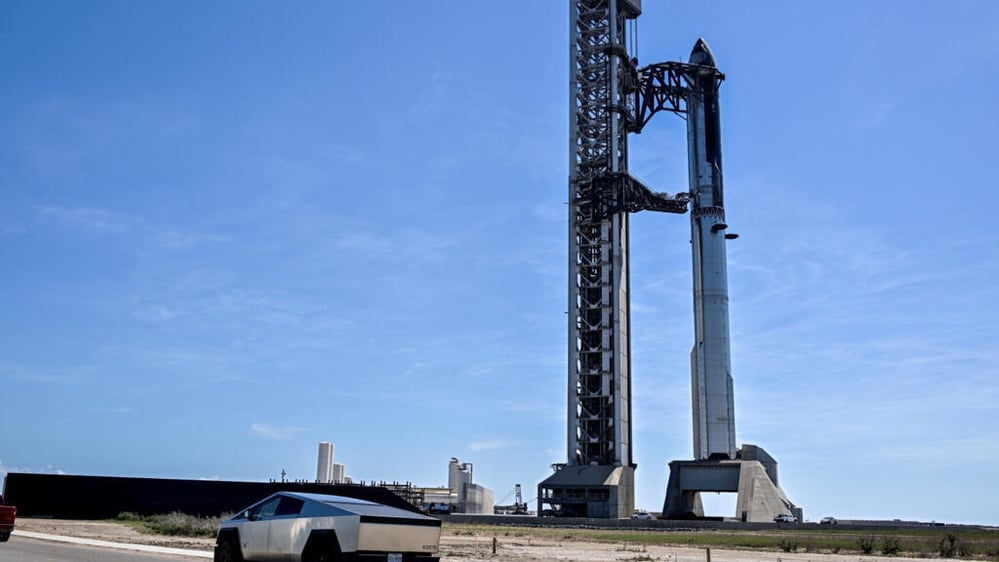
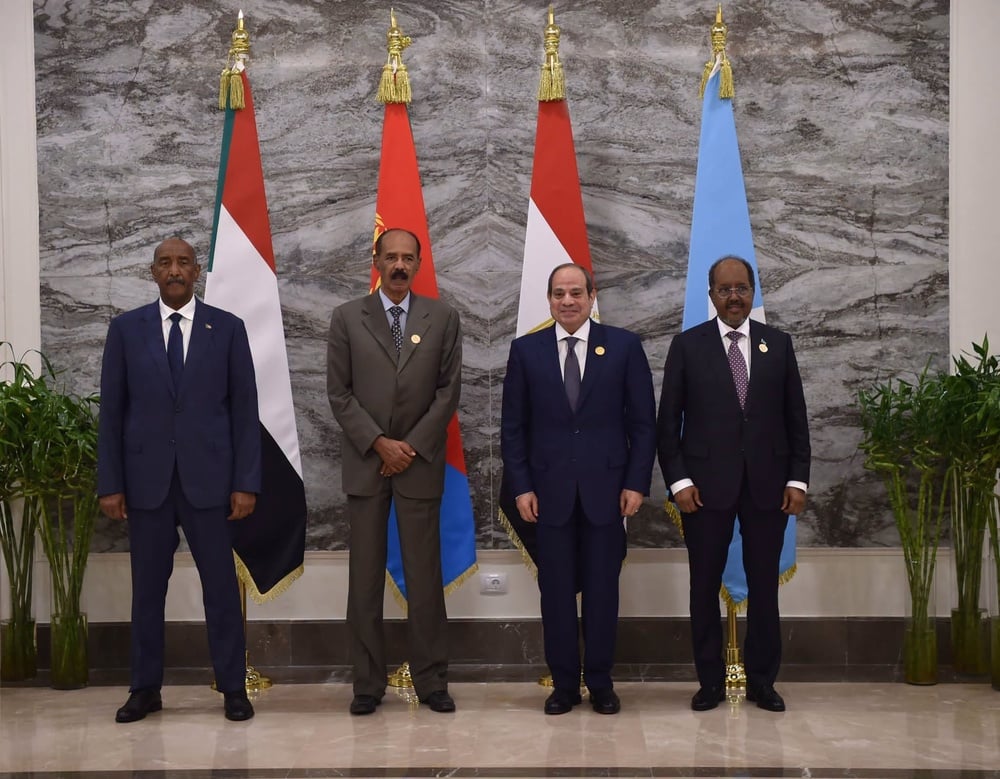

2026 © Helium Trades
Privacy Policy & Disclosure
* Disclaimer: Nothing on this website constitutes investment advice, performance data or any recommendation that any particular security, portfolio of securities, transaction or investment strategy is suitable for any specific person. Helium Trades is not responsible in any way for the accuracy
of any model predictions or price data. Any mention of a particular security and related prediction data is not a recommendation to buy or sell that security. Investments in securities involve the risk of loss. Past performance is no guarantee of future results. Helium Trades is not responsible for any of your investment decisions,
you should consult a financial expert before engaging in any transaction.
Helium Research Assistant

How can I help you today?
Ask any question about this page.


