See whether Helium helps you make better-informed decisions. Try every Pro Trader feature for 30 days. No credit card required.
Try every Pro Trader feature for 30 days. No credit card required.
October 14, 2026 · 0 shares
The report leads with a Ukrainian official denial while foregrounding Russian strikes on Ukrainian energy infrastructure and omitting Moscow’s account.
Automated analysis; not human reviewed.
Limitations: Only a short Ukrainian-official account is supplied; the absence of Russian comment and independent verification limits assessments of balance and factual completeness.
·
9 of 55 available dimensions scored; omitted dimensions are not treated as neutral.
·
Verified supporting quotes for 9 of 9 scored dimensions.
Claim: The report uses a restrained headline and specific military figures rather than sensational language.
“Ukraine denies attacking two Russian oil refineries during energy truce.” · exact text match
Counterevidence:
“The Russians spread fake news about supposedly two oil refineries being attacked.” · exact text match
Why: Plain framing and precise figures reduce sensationalism, though the quoted language is sharp.
Claim: The report describes official statements and military events without advocating a policy.
“Zelensky stated that the Ukrainian Armed Forces had received the appropriate orders following the U.S. president’s announcement.” · exact text match
Why: The text is predominantly event-reporting rather than prescriptive.
Claim: The report centers on a U.S.-brokered truce announcement, Ukrainian presidential decisions, and military strikes between Russia and Ukraine.
“Trump announced that an energy truce in the war between Russia and Ukraine would supposedly take effect on Sunday.” · exact text match
“On October 14, Zelensky reported that overnight, Russian forces had launched 39 ballistic missiles and more than 120 attack drones and loitering munitions against energy facilities and critical infrastructure in Kyiv, the surrounding region, and Kharkiv.” · exact text match
Why: Explicit state-level diplomacy and warfare make the report centrally political.
Claim: Claims about the refinery attack and truce are grounded in named Ukrainian presidential authority.
“Dmytro Lytvyn, an adviser to the President of Ukraine on communications, told journalists, according to Ukrinform.” · exact text match
Why: Official status is the main warrant offered for the denial.
Claim: The article emphasizes Russian attacks on Ukrainian energy infrastructure in its closing context.
“On October 14, Zelensky reported that overnight, Russian forces had launched 39 ballistic missiles and more than 120 attack drones and loitering munitions against energy facilities and critical infrastructure in Kyiv, the surrounding region, and Kharkiv.” · exact text match
Why: The selection highlights Ukraine as the target of strikes, though the report is factual.
Claim: The account is built primarily on senior Ukrainian government officials as sources.
“Dmytro Lytvyn, an adviser to the President of Ukraine on communications, told journalists, according to Ukrinform.” · exact text match
“President Volodymyr Zelensky said he had been unaware of such an arrangement but confirmed Ukraine’s readiness to observe a truce if Russia also halted attacks on Ukrainian energy infrastructure.” · exact text match
Why: Official-source reliance tilts the report toward an establishment perspective.
Claim: Russian claims about refinery strikes are dismissed through a quoted official while Russian strikes are reported from the Ukrainian side without a Russian response.
“The Russians spread fake news about supposedly two oil refineries being attacked.” · exact text match
“On October 14, Zelensky reported that overnight, Russian forces had launched 39 ballistic missiles and more than 120 attack drones and loitering munitions against energy facilities and critical infrastructure in Kyiv, the surrounding region, and Kharkiv.” · exact text match
Why: Asymmetric sourcing and selection give one side’s account more credence.
Claim: Named Ukrainian officials and a news agency are cited, but independent verification and Russian response are absent.
“Dmytro Lytvyn, an adviser to the President of Ukraine on communications, told journalists, according to Ukrinform.” · exact text match
Why: Attribution supports credibility, while one-sided sourcing limits it.
Claim: Quotes and official sources are clearly attributed, though the account is one-sided.
“Asked whether Ukrainian forces had struck Russian oil refineries during the past 24 hours, Lytvyn replied: “No. The Russians spread fake news about supposedly two oil refineries being attacked.” · exact text match
Why: Transparent attribution supports integrity, but omission of other perspectives tempers the assessment.
Only a short Ukrainian-official account is supplied; the absence of Russian comment and independent verification limits assessments of balance and factual completeness.
October 11, 2026 · 0 shares
The outlet amplifies Zelensky's framing of Russia as solely responsible and unwilling to de-escalate, without quoting Russian officials or independent sources.
Russia's full-scale invasion of Ukraine has continued since February 2022, with both sides conducting long-range strikes on energy and industrial infrastructure; Ukrainian forces have run an interdiction campaign against Russian refineries.
Automated analysis; not human reviewed.
Limitations: Analysis relies solely on a single-source aggregation with heavy dependence on Zelensky statements; no independent verification or Russian-side response is present.
·
24 of 55 available dimensions scored; omitted dimensions are not treated as neutral.
·
Verified supporting quotes for 3 of 24 scored dimensions.
Claim: The outlet frames the war as Russia's sole aggression while highlighting US pressure on Ukraine, aligning with pro-Ukraine Western positioning.
“Zelensky emphasized that Russia bears sole responsibility for the war in Europe” · exact text match
Why: Adopts a pro-Ukraine, anti-Russia framing typical of Western liberal-internationalist coverage.
Claim: Heavy emphasis on Ukrainian civilian deaths and destruction frames Ukraine as victim without balancing Russian civilian impact.
“the final death toll rising to 23, including four children” · exact text match
Why: Foregrounds Ukrainian suffering in a way that casts the population as pure victim.
Claim: The article presents Zelensky's and Western official positions uncritically within established institutional narratives.
“US officials have urged Ukraine to unilaterally halt drone strikes on Russian refining capacity to mitigate pressure on international fuel benchmarks” · exact text match
Why: Defers to official government accounts without independent challenge.
Analysis relies solely on a single-source aggregation with heavy dependence on Zelensky statements; no independent verification or Russian-side response is present.
October 11, 2026 · 0 shares
The report is a brief, attribution-heavy news item that presents Zelensky's conditional offer and his response to Trump without evaluative language.
Automated analysis; not human reviewed.
Limitations: The supplied text is a very short wire-style report with limited context and no named author or independent sourcing.
·
12 of 55 available dimensions scored; omitted dimensions are not treated as neutral.
·
Verified supporting quotes for 12 of 12 scored dimensions.
Claim: The report avoids left-right ideological framing.
“Ukrainian President Volodymyr Zelensky on Sunday said Kyiv was ready to halt strikes Russian oil refineries if Moscow stopped attacks on Ukrainian energy infrastructure.” · exact text match
Why: The statement is attributed to Zelensky and presents a diplomatic condition without partisan labels or ideological characterizations.
Claim: The populist-sounding quote is attributed to Zelensky rather than advanced by the publisher.
“Zelensky also pushed back on US President Donald Trump's comments made Saturday evening calling for Ukraine to elect a new leader by saying, "It's up to our people".” · exact text match
Why: The article reports Zelensky's words as a quote, not as the publisher's own populist or elitist stance.
Claim: The article neither advocates coercive authority nor libertarian limits.
“Zelensky also pushed back on US President Donald Trump's comments made Saturday evening calling for Ukraine to elect a new leader by saying, "It's up to our people".” · exact text match
Why: It reports political statements without endorsing either authoritarian or libertarian governance positions.
Claim: The article is predominantly attribution-based and avoids subjective commentary.
“Ukrainian President Volodymyr Zelensky on Sunday said Kyiv was ready to halt strikes Russian oil refineries if Moscow stopped attacks on Ukrainian energy infrastructure.” · exact text match
Why: The use of direct attribution and absence of evaluative adjectives supports an objective framing.
Claim: The headline and text are straightforward and lack sensational language.
“Ukraine says ready to halt refinery strikes if Moscow stops energy attacks.” · exact text match
Why: The headline states a conditional offer plainly without hyperbole or emotional triggers.
Claim: The text is purely descriptive and does not prescribe policy.
“Ukrainian President Volodymyr Zelensky on Sunday said Kyiv was ready to halt strikes Russian oil refineries if Moscow stopped attacks on Ukrainian energy infrastructure.” · exact text match
Why: It reports what was said without urging action or offering recommendations.
Claim: The subject is international politics and war diplomacy.
“Ukrainian President Volodymyr Zelensky on Sunday said Kyiv was ready to halt strikes Russian oil refineries if Moscow stopped attacks on Ukrainian energy infrastructure.” · exact text match
Why: The report centers on a political leader, war-related strikes, and a U.S. presidential comment.
Claim: The report compresses a complex diplomatic and military exchange into a brief conditional statement without context.
“Ukraine says ready to halt refinery strikes if Moscow stops energy attacks.” · exact text match
Why: The short headline and article omit details about the war, prior strikes, and diplomatic context, simplifying the situation.
Claim: The tone is factual and unemotional.
“Ukrainian President Volodymyr Zelensky on Sunday said Kyiv was ready to halt strikes Russian oil refineries if Moscow stopped attacks on Ukrainian energy infrastructure.” · exact text match
Why: The language is neutral and reports statements without emotional coloring.
Claim: The article attributes statements to named officials but provides no independent sourcing or verification.
“Ukrainian President Volodymyr Zelensky on Sunday said Kyiv was ready to halt strikes Russian oil refineries if Moscow stopped attacks on Ukrainian energy infrastructure.” · exact text match
Why: Named attribution supports credibility, but lack of independent sourcing limits it.
Claim: The report presents a conditional proposal and attributed statements without logical fallacies or emotive reasoning.
“Ukrainian President Volodymyr Zelensky on Sunday said Kyiv was ready to halt strikes Russian oil refineries if Moscow stopped attacks on Ukrainian energy infrastructure.” · exact text match
Why: The conditional structure and direct attribution indicate rational reporting rather than irrational framing.
Claim: The article fairly attributes the pushback to Zelensky and quotes him directly without distortion.
“Zelensky also pushed back on US President Donald Trump's comments made Saturday evening calling for Ukraine to elect a new leader by saying, "It's up to our people".” · exact text match
Why: Direct quotation and clear attribution indicate fair, honest reporting signals.
The supplied text is a very short wire-style report with limited context and no named author or independent sourcing.
October 11, 2026 · 0 shares
The outlet amplifies Zelensky's framing of Russia as solely responsible and unwilling to de-escalate, without quoting Russian officials or independent sources.
Russia's full-scale invasion of Ukraine has continued since February 2022, with both sides conducting long-range strikes on energy and industrial infrastructure; Ukrainian forces have run an interdiction campaign against Russian refineries.
Automated analysis; not human reviewed.
Limitations: Analysis relies solely on a single-source aggregation with heavy dependence on Zelensky statements; no independent verification or Russian-side response is present.
·
24 of 55 available dimensions scored; omitted dimensions are not treated as neutral.
·
Verified supporting quotes for 3 of 24 scored dimensions.
Claim: The outlet frames the war as Russia's sole aggression while highlighting US pressure on Ukraine, aligning with pro-Ukraine Western positioning.
“Zelensky emphasized that Russia bears sole responsibility for the war in Europe” · exact text match
Why: Adopts a pro-Ukraine, anti-Russia framing typical of Western liberal-internationalist coverage.
Claim: Heavy emphasis on Ukrainian civilian deaths and destruction frames Ukraine as victim without balancing Russian civilian impact.
“the final death toll rising to 23, including four children” · exact text match
Why: Foregrounds Ukrainian suffering in a way that casts the population as pure victim.
Claim: The article presents Zelensky's and Western official positions uncritically within established institutional narratives.
“US officials have urged Ukraine to unilaterally halt drone strikes on Russian refining capacity to mitigate pressure on international fuel benchmarks” · exact text match
Why: Defers to official government accounts without independent challenge.
Analysis relies solely on a single-source aggregation with heavy dependence on Zelensky statements; no independent verification or Russian-side response is present.
October 14, 2026 · 0 shares
The report leads with a Ukrainian official denial while foregrounding Russian strikes on Ukrainian energy infrastructure and omitting Moscow’s account.
Automated analysis; not human reviewed.
Limitations: Only a short Ukrainian-official account is supplied; the absence of Russian comment and independent verification limits assessments of balance and factual completeness.
·
9 of 55 available dimensions scored; omitted dimensions are not treated as neutral.
·
Verified supporting quotes for 9 of 9 scored dimensions.
Claim: The report uses a restrained headline and specific military figures rather than sensational language.
“Ukraine denies attacking two Russian oil refineries during energy truce.” · exact text match
Counterevidence:
“The Russians spread fake news about supposedly two oil refineries being attacked.” · exact text match
Why: Plain framing and precise figures reduce sensationalism, though the quoted language is sharp.
Claim: The report describes official statements and military events without advocating a policy.
“Zelensky stated that the Ukrainian Armed Forces had received the appropriate orders following the U.S. president’s announcement.” · exact text match
Why: The text is predominantly event-reporting rather than prescriptive.
Claim: The report centers on a U.S.-brokered truce announcement, Ukrainian presidential decisions, and military strikes between Russia and Ukraine.
“Trump announced that an energy truce in the war between Russia and Ukraine would supposedly take effect on Sunday.” · exact text match
“On October 14, Zelensky reported that overnight, Russian forces had launched 39 ballistic missiles and more than 120 attack drones and loitering munitions against energy facilities and critical infrastructure in Kyiv, the surrounding region, and Kharkiv.” · exact text match
Why: Explicit state-level diplomacy and warfare make the report centrally political.
Claim: Claims about the refinery attack and truce are grounded in named Ukrainian presidential authority.
“Dmytro Lytvyn, an adviser to the President of Ukraine on communications, told journalists, according to Ukrinform.” · exact text match
Why: Official status is the main warrant offered for the denial.
Claim: The article emphasizes Russian attacks on Ukrainian energy infrastructure in its closing context.
“On October 14, Zelensky reported that overnight, Russian forces had launched 39 ballistic missiles and more than 120 attack drones and loitering munitions against energy facilities and critical infrastructure in Kyiv, the surrounding region, and Kharkiv.” · exact text match
Why: The selection highlights Ukraine as the target of strikes, though the report is factual.
Claim: The account is built primarily on senior Ukrainian government officials as sources.
“Dmytro Lytvyn, an adviser to the President of Ukraine on communications, told journalists, according to Ukrinform.” · exact text match
“President Volodymyr Zelensky said he had been unaware of such an arrangement but confirmed Ukraine’s readiness to observe a truce if Russia also halted attacks on Ukrainian energy infrastructure.” · exact text match
Why: Official-source reliance tilts the report toward an establishment perspective.
Claim: Russian claims about refinery strikes are dismissed through a quoted official while Russian strikes are reported from the Ukrainian side without a Russian response.
“The Russians spread fake news about supposedly two oil refineries being attacked.” · exact text match
“On October 14, Zelensky reported that overnight, Russian forces had launched 39 ballistic missiles and more than 120 attack drones and loitering munitions against energy facilities and critical infrastructure in Kyiv, the surrounding region, and Kharkiv.” · exact text match
Why: Asymmetric sourcing and selection give one side’s account more credence.
Claim: Named Ukrainian officials and a news agency are cited, but independent verification and Russian response are absent.
“Dmytro Lytvyn, an adviser to the President of Ukraine on communications, told journalists, according to Ukrinform.” · exact text match
Why: Attribution supports credibility, while one-sided sourcing limits it.
Claim: Quotes and official sources are clearly attributed, though the account is one-sided.
“Asked whether Ukrainian forces had struck Russian oil refineries during the past 24 hours, Lytvyn replied: “No. The Russians spread fake news about supposedly two oil refineries being attacked.” · exact text match
Why: Transparent attribution supports integrity, but omission of other perspectives tempers the assessment.
Only a short Ukrainian-official account is supplied; the absence of Russian comment and independent verification limits assessments of balance and factual completeness.
October 15, 2026 · 0 shares
The report largely attributes competing claims to Russian, Ukrainian, US, and SpaceX figures, preserving official denials and uncertainty rather than asserting independent verification.
Automated analysis; not human reviewed.
Limitations: The supplied text is mostly attributed reporting on an ongoing war, so operational effects and the accuracy of official claims cannot be independently verified from the article alone.
·
7 of 55 available dimensions scored; omitted dimensions are not treated as neutral.
·
Verified supporting quotes for 7 of 7 scored dimensions.
Claim: The report attributes contested military and diplomatic claims to named actors rather than asserting them as established facts.
““The Kyiv regime attempted a large-scale attack on an oil refinery in Ryazan,” Moscow’s defence ministry said in a statement on Thursday” · exact text match
“Zelenskyy also alleged that Ukraine’s access to SpaceX’s satellite internet service was restricted” · exact text match
Why: Attribution to the Russian ministry and Ukrainian president with 'alleged' supports objective framing.
Claim: The report uses measured, factual wording rather than sensational language in its own voice.
“Moscow’s defence ministry said in a statement on Thursday, adding that a “fire broke out after drone debris fell onto the refinery site.”” · exact text match
“Ukraine said it suspended attacks on Russian energy sites for several days after Trump’s announcement.” · exact text match
Why: The publisher reports events through official statements without hyperbolic descriptors.
Claim: The report describes actions, statements, and conditions without prescribing a policy course in its own voice.
“Zelenskyy said he would be willing to pause strikes on Russian energy sites again, but only if the US supplied Ukraine with crucial Patriot interceptors.” · exact text match
“Dutch Prime Minister Rob Jetten has called on EU leaders to “step up” their game to ensure Ukraine wins the war against Russia.” · exact text match
Why: Prescriptive statements are quoted from officials; the article itself remains descriptive.
Claim: The report centers on political and geopolitical conflict among national leaders.
“Zelenskyy is due to meet European leaders in Brussels on Thursday as he pushes for tougher sanctions on Moscow and faster delivery of support from the European Union.” · exact text match
“Trump has denied that the US has stopped sharing intelligence with Ukraine.” · exact text match
Why: Focus on leaders, sanctions, intelligence sharing, and war diplomacy indicates high political content.
Claim: Sourcing is attributed to named officials and actors, with uncertainty and denials preserved.
“Moscow’s defence ministry said in a statement on Thursday” · exact text match
“Zelenskyy also alleged that Ukraine’s access to SpaceX’s satellite internet service was restricted” · exact text match
Why: Attribution and use of 'alleged' support credibility.
Claim: The report separates attributed claims from established facts and includes opposing official statements.
“Zelenskyy also alleged that Ukraine’s access to SpaceX’s satellite internet service was restricted” · exact text match
“Trump has denied that the US has stopped sharing intelligence with Ukraine.” · exact text match
Why: Use of 'alleged' and inclusion of a denial show rational, evidence-bound reporting rather than assertion.
Claim: The report includes official denials and multiple sides, indicating fair and transparent reporting.
“Trump has denied that the US has stopped sharing intelligence with Ukraine.” · exact text match
“Ukraine said it suspended attacks on Russian energy sites for several days after Trump’s announcement.” · exact text match
Why: Inclusion of a denial and attribution to Ukraine and Russia supports high integrity.
The supplied text is mostly attributed reporting on an ongoing war, so operational effects and the accuracy of official claims cannot be independently verified from the article alone.
October 15, 2026 · 0 shares
Attribution-heavy wire-style reporting foregrounds Zelenskiy's grievance narrative about US intelligence and Starlink restrictions and adds unattributed framing that Trump's peace efforts have made no progress, while still carrying Trump's denial and Russian military claims.
Automated analysis; not human reviewed.
Limitations: The supplied text does not identify the publisher, and its line crediting UK pledges to 'UK Prime Minister Andy Burnham' appears anomalous, so that attribution cannot be verified from the input.
·
16 of 55 available dimensions scored; omitted dimensions are not treated as neutral.
·
Verified supporting quotes for 16 of 16 scored dimensions.
Claim: Publisher-voice lines characterize Trump's war diplomacy negatively beyond attributed quotes.
“US efforts under Trump to end the war have made no progress.” · exact text match
“Trump made a deal with Russian President Vladimir Putin to import Russian diesel, despite international efforts to sanction Russia for its invasion and diplomatically isolate Putin.” · exact text match
Counterevidence:
“Trump has said the US has not stopped sharing intelligence with Ukraine.” · exact text match
Why: Two unattributed critical characterizations of Trump tilt the framing toward the liberal end of the US axis, though carried rebuttals keep the lean mild.
Claim: Reporting is predominantly attributed, with a few unattributed evaluative assertions.
“Ukrainian air defences stopped 536 Russian drones, the Ukrainian Air Force said, but impacts were recorded at 31 locations.” · exact text match
“US efforts under Trump to end the war have made no progress.” · exact text match
Why: Attribution to named institutions dominates, but publisher-voice evaluations such as the 'no progress' line introduce subjectivity.
Claim: Wording stays in a measured news register with only mildly dramatic framing.
“as Kyiv's relations with the US teeter” · exact text match
“The strike could further complicate Kyiv's relations with US President Donald Trump, which have soured again in recent days.” · exact text match
Why: Verbs like 'teeter' and 'soured' color the diplomatic narrative without exaggerating the underlying events.
Claim: Framing emphasizes deterioration, failure, and loss.
“US efforts under Trump to end the war have made no progress.” · exact text match
“amid deepening tensions with Washington” · exact text match
Why: Selection and phrasing foreground worsening relations and failed diplomacy, with no countervailing positive development.
Claim: A resumed strike campaign colliding with a dispute between allies is substantively newsworthy.
“Ukrainian drones have attacked a refinery in Russia's Ryazan region, hours after Ukrainian President Volodymyr Zelenskiy said that a brief truce spurned by Moscow was over amid deepening tensions with Washington” · exact text match
Why: The combination of military escalation and a diplomatic rupture gives the report above-average interest.
Claim: The report describes events without advocating any policy.
“The drone strike early on Thursday started a fire at the refinery about 300km southeast of Moscow, Russia's defence ministry and Ryazan governor Pavel Malkov said.” · exact text match
Why: The content is factual event reporting; no prescriptions or calls to action appear.
Claim: Publisher-voice evaluations are sparse but present.
“US efforts under Trump to end the war have made no progress.” · exact text match
“The absence of Western intelligence leaves Ukraine more vulnerable to Russian ballistic missiles.” · exact text match
Why: Most assertions are attributed; these unattributed evaluative lines add a mild opinion element.
Claim: The report is centered on heads of state, diplomacy, and wartime policy.
“The strike could further complicate Kyiv's relations with US President Donald Trump, which have soured again in recent days.” · exact text match
“Zelenskiy was due in Brussels for talks with European Union leaders attending a summit.” · exact text match
Why: Nearly all content concerns state leaders, alliances, sanctions, and war policy, making the report highly political.
Claim: Publisher-voice lines present Ukraine as harmed by allied restrictions.
“The absence of Western intelligence leaves Ukraine more vulnerable to Russian ballistic missiles.” · exact text match
“The Starlink speed limits choked Ukrainian efforts to defend itself and hit back against Russia, Kyiv officials said.” · exact text match
Counterevidence:
“Trump has said the US has not stopped sharing intelligence with Ukraine.” · exact text match
Why: Harm to Ukraine from the restrictions is asserted as fact beyond Kyiv's quoted complaints, mildly framing Ukraine as a victim, though the US denial is also carried.
Claim: A sweeping assessment of US diplomacy is asserted without attribution or support.
“US efforts under Trump to end the war have made no progress.” · exact text match
Why: The unqualified, unattributed claim exceeds what the supplied text itself establishes.
Claim: The publisher's own voice stays factual and unemotional despite charged subject matter.
“The drone strike early on Thursday started a fire at the refinery about 300km southeast of Moscow, Russia's defence ministry and Ryazan governor Pavel Malkov said.” · exact text match
Why: The restrained, attributed register amid war and betrayal content supports measured neutrality on the emotional dimension.
Claim: Dense attribution to named and institutional sources with explained anonymity.
“A senior Ukrainian official who spoke on condition of anonymity because he was not authorised to speak publicly confirmed that Ukraine had hit the refinery.” · exact text match
“Russia's defence ministry said air defences downed 166 Ukrainian drones overnight.” · exact text match
Why: Multiple named officials on both sides, explained anonymity, and hedged wording support above-average visible credibility, tempered by a few unattributed claims.
Claim: Key claims are sourced and hedged rather than flatly asserted.
“A senior Ukrainian official who spoke on condition of anonymity because he was not authorised to speak publicly confirmed that Ukraine had hit the refinery.” · exact text match
“Zelenskiy was outraged by Russia's continuing aerial bombardment of his country's energy infrastructure in apparent defiance of Trump's demand on Sunday for both sides to halt those attacks.” · exact text match
Why: Explained anonymous sourcing and hedged wording ('apparent defiance') reflect a measured, evidence-bound epistemic approach.
Claim: A few hedged forward-looking statements accompany the retrospective reporting.
“The strike could further complicate Kyiv's relations with US President Donald Trump” · exact text match
“Amid fears the Trump administration might be withdrawing support for Ukraine” · exact text match
Why: Hedged projections ('could', 'might') are the report's main speculative elements.
Claim: Anonymity is explained and both sides' claims are carried.
“A senior Ukrainian official who spoke on condition of anonymity because he was not authorised to speak publicly confirmed that Ukraine had hit the refinery.” · exact text match
“Trump has said the US has not stopped sharing intelligence with Ukraine.” · exact text match
Why: Explaining the basis for anonymity and including the US rebuttal are visible fairness and honesty signals.
Claim: Multi-source reporting with precise figures and a coherent timeline shows solid craft.
“Ukrainian air defences stopped 536 Russian drones, the Ukrainian Air Force said, but impacts were recorded at 31 locations.” · exact text match
“Three people were killed and six others injured after the Kirovohrad region of central Ukraine came under a Russian drone attack lasting more than 10 hours, Ukraine's emergency services said on Thursday.” · exact text match
Why: Precise attributed figures and clear sequencing reflect competent, if routine, newsroom work.
The supplied text does not identify the publisher, and its line crediting UK pledges to 'UK Prime Minister Andy Burnham' appears anomalous, so that attribution cannot be verified from the input.
October 15, 2026 · 0 shares
Attribution-heavy wire-style reporting foregrounds Zelenskiy's grievance narrative about US intelligence and Starlink restrictions and adds unattributed framing that Trump's peace efforts have made no progress, while still carrying Trump's denial and Russian military claims.
Automated analysis; not human reviewed.
Limitations: The supplied text does not identify the publisher, and its line crediting UK pledges to 'UK Prime Minister Andy Burnham' appears anomalous, so that attribution cannot be verified from the input.
·
16 of 55 available dimensions scored; omitted dimensions are not treated as neutral.
·
Verified supporting quotes for 16 of 16 scored dimensions.
Claim: Publisher-voice lines characterize Trump's war diplomacy negatively beyond attributed quotes.
“US efforts under Trump to end the war have made no progress.” · exact text match
“Trump made a deal with Russian President Vladimir Putin to import Russian diesel, despite international efforts to sanction Russia for its invasion and diplomatically isolate Putin.” · exact text match
Counterevidence:
“Trump has said the US has not stopped sharing intelligence with Ukraine.” · exact text match
Why: Two unattributed critical characterizations of Trump tilt the framing toward the liberal end of the US axis, though carried rebuttals keep the lean mild.
Claim: Reporting is predominantly attributed, with a few unattributed evaluative assertions.
“Ukrainian air defences stopped 536 Russian drones, the Ukrainian Air Force said, but impacts were recorded at 31 locations.” · exact text match
“US efforts under Trump to end the war have made no progress.” · exact text match
Why: Attribution to named institutions dominates, but publisher-voice evaluations such as the 'no progress' line introduce subjectivity.
Claim: Wording stays in a measured news register with only mildly dramatic framing.
“as Kyiv's relations with the US teeter” · exact text match
“The strike could further complicate Kyiv's relations with US President Donald Trump, which have soured again in recent days.” · exact text match
Why: Verbs like 'teeter' and 'soured' color the diplomatic narrative without exaggerating the underlying events.
Claim: Framing emphasizes deterioration, failure, and loss.
“US efforts under Trump to end the war have made no progress.” · exact text match
“amid deepening tensions with Washington” · exact text match
Why: Selection and phrasing foreground worsening relations and failed diplomacy, with no countervailing positive development.
Claim: A resumed strike campaign colliding with a dispute between allies is substantively newsworthy.
“Ukrainian drones have attacked a refinery in Russia's Ryazan region, hours after Ukrainian President Volodymyr Zelenskiy said that a brief truce spurned by Moscow was over amid deepening tensions with Washington” · exact text match
Why: The combination of military escalation and a diplomatic rupture gives the report above-average interest.
Claim: The report describes events without advocating any policy.
“The drone strike early on Thursday started a fire at the refinery about 300km southeast of Moscow, Russia's defence ministry and Ryazan governor Pavel Malkov said.” · exact text match
Why: The content is factual event reporting; no prescriptions or calls to action appear.
Claim: Publisher-voice evaluations are sparse but present.
“US efforts under Trump to end the war have made no progress.” · exact text match
“The absence of Western intelligence leaves Ukraine more vulnerable to Russian ballistic missiles.” · exact text match
Why: Most assertions are attributed; these unattributed evaluative lines add a mild opinion element.
Claim: The report is centered on heads of state, diplomacy, and wartime policy.
“The strike could further complicate Kyiv's relations with US President Donald Trump, which have soured again in recent days.” · exact text match
“Zelenskiy was due in Brussels for talks with European Union leaders attending a summit.” · exact text match
Why: Nearly all content concerns state leaders, alliances, sanctions, and war policy, making the report highly political.
Claim: Publisher-voice lines present Ukraine as harmed by allied restrictions.
“The absence of Western intelligence leaves Ukraine more vulnerable to Russian ballistic missiles.” · exact text match
“The Starlink speed limits choked Ukrainian efforts to defend itself and hit back against Russia, Kyiv officials said.” · exact text match
Counterevidence:
“Trump has said the US has not stopped sharing intelligence with Ukraine.” · exact text match
Why: Harm to Ukraine from the restrictions is asserted as fact beyond Kyiv's quoted complaints, mildly framing Ukraine as a victim, though the US denial is also carried.
Claim: A sweeping assessment of US diplomacy is asserted without attribution or support.
“US efforts under Trump to end the war have made no progress.” · exact text match
Why: The unqualified, unattributed claim exceeds what the supplied text itself establishes.
Claim: The publisher's own voice stays factual and unemotional despite charged subject matter.
“The drone strike early on Thursday started a fire at the refinery about 300km southeast of Moscow, Russia's defence ministry and Ryazan governor Pavel Malkov said.” · exact text match
Why: The restrained, attributed register amid war and betrayal content supports measured neutrality on the emotional dimension.
Claim: Dense attribution to named and institutional sources with explained anonymity.
“A senior Ukrainian official who spoke on condition of anonymity because he was not authorised to speak publicly confirmed that Ukraine had hit the refinery.” · exact text match
“Russia's defence ministry said air defences downed 166 Ukrainian drones overnight.” · exact text match
Why: Multiple named officials on both sides, explained anonymity, and hedged wording support above-average visible credibility, tempered by a few unattributed claims.
Claim: Key claims are sourced and hedged rather than flatly asserted.
“A senior Ukrainian official who spoke on condition of anonymity because he was not authorised to speak publicly confirmed that Ukraine had hit the refinery.” · exact text match
“Zelenskiy was outraged by Russia's continuing aerial bombardment of his country's energy infrastructure in apparent defiance of Trump's demand on Sunday for both sides to halt those attacks.” · exact text match
Why: Explained anonymous sourcing and hedged wording ('apparent defiance') reflect a measured, evidence-bound epistemic approach.
Claim: A few hedged forward-looking statements accompany the retrospective reporting.
“The strike could further complicate Kyiv's relations with US President Donald Trump” · exact text match
“Amid fears the Trump administration might be withdrawing support for Ukraine” · exact text match
Why: Hedged projections ('could', 'might') are the report's main speculative elements.
Claim: Anonymity is explained and both sides' claims are carried.
“A senior Ukrainian official who spoke on condition of anonymity because he was not authorised to speak publicly confirmed that Ukraine had hit the refinery.” · exact text match
“Trump has said the US has not stopped sharing intelligence with Ukraine.” · exact text match
Why: Explaining the basis for anonymity and including the US rebuttal are visible fairness and honesty signals.
Claim: Multi-source reporting with precise figures and a coherent timeline shows solid craft.
“Ukrainian air defences stopped 536 Russian drones, the Ukrainian Air Force said, but impacts were recorded at 31 locations.” · exact text match
“Three people were killed and six others injured after the Kirovohrad region of central Ukraine came under a Russian drone attack lasting more than 10 hours, Ukraine's emergency services said on Thursday.” · exact text match
Why: Precise attributed figures and clear sequencing reflect competent, if routine, newsroom work.
The supplied text does not identify the publisher, and its line crediting UK pledges to 'UK Prime Minister Andy Burnham' appears anomalous, so that attribution cannot be verified from the input.
October 15, 2026 · 0 shares
The report largely attributes competing claims to Russian, Ukrainian, US, and SpaceX figures, preserving official denials and uncertainty rather than asserting independent verification.
Automated analysis; not human reviewed.
Limitations: The supplied text is mostly attributed reporting on an ongoing war, so operational effects and the accuracy of official claims cannot be independently verified from the article alone.
·
7 of 55 available dimensions scored; omitted dimensions are not treated as neutral.
·
Verified supporting quotes for 7 of 7 scored dimensions.
Claim: The report attributes contested military and diplomatic claims to named actors rather than asserting them as established facts.
““The Kyiv regime attempted a large-scale attack on an oil refinery in Ryazan,” Moscow’s defence ministry said in a statement on Thursday” · exact text match
“Zelenskyy also alleged that Ukraine’s access to SpaceX’s satellite internet service was restricted” · exact text match
Why: Attribution to the Russian ministry and Ukrainian president with 'alleged' supports objective framing.
Claim: The report uses measured, factual wording rather than sensational language in its own voice.
“Moscow’s defence ministry said in a statement on Thursday, adding that a “fire broke out after drone debris fell onto the refinery site.”” · exact text match
“Ukraine said it suspended attacks on Russian energy sites for several days after Trump’s announcement.” · exact text match
Why: The publisher reports events through official statements without hyperbolic descriptors.
Claim: The report describes actions, statements, and conditions without prescribing a policy course in its own voice.
“Zelenskyy said he would be willing to pause strikes on Russian energy sites again, but only if the US supplied Ukraine with crucial Patriot interceptors.” · exact text match
“Dutch Prime Minister Rob Jetten has called on EU leaders to “step up” their game to ensure Ukraine wins the war against Russia.” · exact text match
Why: Prescriptive statements are quoted from officials; the article itself remains descriptive.
Claim: The report centers on political and geopolitical conflict among national leaders.
“Zelenskyy is due to meet European leaders in Brussels on Thursday as he pushes for tougher sanctions on Moscow and faster delivery of support from the European Union.” · exact text match
“Trump has denied that the US has stopped sharing intelligence with Ukraine.” · exact text match
Why: Focus on leaders, sanctions, intelligence sharing, and war diplomacy indicates high political content.
Claim: Sourcing is attributed to named officials and actors, with uncertainty and denials preserved.
“Moscow’s defence ministry said in a statement on Thursday” · exact text match
“Zelenskyy also alleged that Ukraine’s access to SpaceX’s satellite internet service was restricted” · exact text match
Why: Attribution and use of 'alleged' support credibility.
Claim: The report separates attributed claims from established facts and includes opposing official statements.
“Zelenskyy also alleged that Ukraine’s access to SpaceX’s satellite internet service was restricted” · exact text match
“Trump has denied that the US has stopped sharing intelligence with Ukraine.” · exact text match
Why: Use of 'alleged' and inclusion of a denial show rational, evidence-bound reporting rather than assertion.
Claim: The report includes official denials and multiple sides, indicating fair and transparent reporting.
“Trump has denied that the US has stopped sharing intelligence with Ukraine.” · exact text match
“Ukraine said it suspended attacks on Russian energy sites for several days after Trump’s announcement.” · exact text match
Why: Inclusion of a denial and attribution to Ukraine and Russia supports high integrity.
The supplied text is mostly attributed reporting on an ongoing war, so operational effects and the accuracy of official claims cannot be independently verified from the article alone.
The headline attributes the resumption of attacks to Ukrainian action and characterizes Russia as having 'spurned' a brief truce, with no supporting detail beyond officials' statements.
Automated analysis; not human reviewed.
Limitations: The supplied text contains only a headline and repeated promotional footer; no body text is available, so most bias dimensions cannot be assessed.
·
2 of 55 available dimensions scored; omitted dimensions are not treated as neutral.
·
Verified supporting quotes for 2 of 2 scored dimensions.
Claim: The headline describes a reported event without advocating for any policy or action.
“Ukraine resumes attacks on Russian oil refineries, Moscow and Kyiv officials say, after brief truce spurned by Russia..” · exact text match
Why: The text states what happened and attributes it to officials; it contains no prescriptive language or calls to action.
Claim: The article's sole subject is a political-military conflict between states.
“Ukraine resumes attacks on Russian oil refineries, Moscow and Kyiv officials say, after brief truce spurned by Russia..” · exact text match
Why: The headline reports a military action and truce breakdown between Russia and Ukraine, making the content inherently political.
The supplied text contains only a headline and repeated promotional footer; no body text is available, so most bias dimensions cannot be assessed.
The headline frames Ukraine as the party that 'abandons' a truce and 'attacks' a Russian oil refinery while foregrounding Zelenskyy's emotional claim of betrayal by Trump, without sourcing or contextual detail.
Automated analysis; not human reviewed.
Limitations: Only a headline/snippet is supplied; no article body, sourcing, or full context is available.
·
5 of 55 available dimensions scored; omitted dimensions are not treated as neutral.
·
Verified supporting quotes for 5 of 5 scored dimensions.
Claim: The framing is moderately subjective, using emotional and evaluative language.
“Zelenskyy says he feels betrayed by Trump” · exact text match
“Ukraine abandons truce” · exact text match
Why: The phrase 'feels betrayed' reports a subjective emotional state and 'abandons truce' implies fault.
Claim: The headline uses sensational, dramatic wording.
“Ukraine abandons truce and attacks Russian oil refinery” · exact text match
Why: The active verbs 'abandons' and 'attacks' create a dramatic escalation frame.
Claim: The headline includes an attributed subjective feeling as a central element.
“Zelenskyy says he feels betrayed by Trump” · exact text match
Why: The statement is an opinion/feeling, albeit attributed to Zelenskyy.
Claim: The headline is highly political.
“Ukraine abandons truce and attacks Russian oil refinery as Zelenskyy says he feels betrayed by Trump.” · exact text match
Why: The entire headline concerns the Ukraine war, Zelenskyy, and Trump.
Claim: The headline has a negative emotional tone.
“Zelenskyy says he feels betrayed by Trump” · exact text match
Why: Betrayal language is emotionally charged and negative.
Only a headline/snippet is supplied; no article body, sourcing, or full context is available.
October 14, 2026 · 0 shares
The report leads with a Ukrainian official denial while foregrounding Russian strikes on Ukrainian energy infrastructure and omitting Moscow’s account.
Automated analysis; not human reviewed.
Limitations: Only a short Ukrainian-official account is supplied; the absence of Russian comment and independent verification limits assessments of balance and factual completeness.
·
9 of 55 available dimensions scored; omitted dimensions are not treated as neutral.
·
Verified supporting quotes for 9 of 9 scored dimensions.
Claim: The report uses a restrained headline and specific military figures rather than sensational language.
“Ukraine denies attacking two Russian oil refineries during energy truce.” · exact text match
Counterevidence:
“The Russians spread fake news about supposedly two oil refineries being attacked.” · exact text match
Why: Plain framing and precise figures reduce sensationalism, though the quoted language is sharp.
Claim: The report describes official statements and military events without advocating a policy.
“Zelensky stated that the Ukrainian Armed Forces had received the appropriate orders following the U.S. president’s announcement.” · exact text match
Why: The text is predominantly event-reporting rather than prescriptive.
Claim: The report centers on a U.S.-brokered truce announcement, Ukrainian presidential decisions, and military strikes between Russia and Ukraine.
“Trump announced that an energy truce in the war between Russia and Ukraine would supposedly take effect on Sunday.” · exact text match
“On October 14, Zelensky reported that overnight, Russian forces had launched 39 ballistic missiles and more than 120 attack drones and loitering munitions against energy facilities and critical infrastructure in Kyiv, the surrounding region, and Kharkiv.” · exact text match
Why: Explicit state-level diplomacy and warfare make the report centrally political.
Claim: Claims about the refinery attack and truce are grounded in named Ukrainian presidential authority.
“Dmytro Lytvyn, an adviser to the President of Ukraine on communications, told journalists, according to Ukrinform.” · exact text match
Why: Official status is the main warrant offered for the denial.
Claim: The article emphasizes Russian attacks on Ukrainian energy infrastructure in its closing context.
“On October 14, Zelensky reported that overnight, Russian forces had launched 39 ballistic missiles and more than 120 attack drones and loitering munitions against energy facilities and critical infrastructure in Kyiv, the surrounding region, and Kharkiv.” · exact text match
Why: The selection highlights Ukraine as the target of strikes, though the report is factual.
Claim: The account is built primarily on senior Ukrainian government officials as sources.
“Dmytro Lytvyn, an adviser to the President of Ukraine on communications, told journalists, according to Ukrinform.” · exact text match
“President Volodymyr Zelensky said he had been unaware of such an arrangement but confirmed Ukraine’s readiness to observe a truce if Russia also halted attacks on Ukrainian energy infrastructure.” · exact text match
Why: Official-source reliance tilts the report toward an establishment perspective.
Claim: Russian claims about refinery strikes are dismissed through a quoted official while Russian strikes are reported from the Ukrainian side without a Russian response.
“The Russians spread fake news about supposedly two oil refineries being attacked.” · exact text match
“On October 14, Zelensky reported that overnight, Russian forces had launched 39 ballistic missiles and more than 120 attack drones and loitering munitions against energy facilities and critical infrastructure in Kyiv, the surrounding region, and Kharkiv.” · exact text match
Why: Asymmetric sourcing and selection give one side’s account more credence.
Claim: Named Ukrainian officials and a news agency are cited, but independent verification and Russian response are absent.
“Dmytro Lytvyn, an adviser to the President of Ukraine on communications, told journalists, according to Ukrinform.” · exact text match
Why: Attribution supports credibility, while one-sided sourcing limits it.
Claim: Quotes and official sources are clearly attributed, though the account is one-sided.
“Asked whether Ukrainian forces had struck Russian oil refineries during the past 24 hours, Lytvyn replied: “No. The Russians spread fake news about supposedly two oil refineries being attacked.” · exact text match
Why: Transparent attribution supports integrity, but omission of other perspectives tempers the assessment.
Only a short Ukrainian-official account is supplied; the absence of Russian comment and independent verification limits assessments of balance and factual completeness.
October 15, 2026 · 0 shares
Attribution-heavy wire-style reporting foregrounds Zelenskiy's grievance narrative about US intelligence and Starlink restrictions and adds unattributed framing that Trump's peace efforts have made no progress, while still carrying Trump's denial and Russian military claims.
Automated analysis; not human reviewed.
Limitations: The supplied text does not identify the publisher, and its line crediting UK pledges to 'UK Prime Minister Andy Burnham' appears anomalous, so that attribution cannot be verified from the input.
·
16 of 55 available dimensions scored; omitted dimensions are not treated as neutral.
·
Verified supporting quotes for 16 of 16 scored dimensions.
Claim: Publisher-voice lines characterize Trump's war diplomacy negatively beyond attributed quotes.
“US efforts under Trump to end the war have made no progress.” · exact text match
“Trump made a deal with Russian President Vladimir Putin to import Russian diesel, despite international efforts to sanction Russia for its invasion and diplomatically isolate Putin.” · exact text match
Counterevidence:
“Trump has said the US has not stopped sharing intelligence with Ukraine.” · exact text match
Why: Two unattributed critical characterizations of Trump tilt the framing toward the liberal end of the US axis, though carried rebuttals keep the lean mild.
Claim: Reporting is predominantly attributed, with a few unattributed evaluative assertions.
“Ukrainian air defences stopped 536 Russian drones, the Ukrainian Air Force said, but impacts were recorded at 31 locations.” · exact text match
“US efforts under Trump to end the war have made no progress.” · exact text match
Why: Attribution to named institutions dominates, but publisher-voice evaluations such as the 'no progress' line introduce subjectivity.
Claim: Wording stays in a measured news register with only mildly dramatic framing.
“as Kyiv's relations with the US teeter” · exact text match
“The strike could further complicate Kyiv's relations with US President Donald Trump, which have soured again in recent days.” · exact text match
Why: Verbs like 'teeter' and 'soured' color the diplomatic narrative without exaggerating the underlying events.
Claim: Framing emphasizes deterioration, failure, and loss.
“US efforts under Trump to end the war have made no progress.” · exact text match
“amid deepening tensions with Washington” · exact text match
Why: Selection and phrasing foreground worsening relations and failed diplomacy, with no countervailing positive development.
Claim: A resumed strike campaign colliding with a dispute between allies is substantively newsworthy.
“Ukrainian drones have attacked a refinery in Russia's Ryazan region, hours after Ukrainian President Volodymyr Zelenskiy said that a brief truce spurned by Moscow was over amid deepening tensions with Washington” · exact text match
Why: The combination of military escalation and a diplomatic rupture gives the report above-average interest.
Claim: The report describes events without advocating any policy.
“The drone strike early on Thursday started a fire at the refinery about 300km southeast of Moscow, Russia's defence ministry and Ryazan governor Pavel Malkov said.” · exact text match
Why: The content is factual event reporting; no prescriptions or calls to action appear.
Claim: Publisher-voice evaluations are sparse but present.
“US efforts under Trump to end the war have made no progress.” · exact text match
“The absence of Western intelligence leaves Ukraine more vulnerable to Russian ballistic missiles.” · exact text match
Why: Most assertions are attributed; these unattributed evaluative lines add a mild opinion element.
Claim: The report is centered on heads of state, diplomacy, and wartime policy.
“The strike could further complicate Kyiv's relations with US President Donald Trump, which have soured again in recent days.” · exact text match
“Zelenskiy was due in Brussels for talks with European Union leaders attending a summit.” · exact text match
Why: Nearly all content concerns state leaders, alliances, sanctions, and war policy, making the report highly political.
Claim: Publisher-voice lines present Ukraine as harmed by allied restrictions.
“The absence of Western intelligence leaves Ukraine more vulnerable to Russian ballistic missiles.” · exact text match
“The Starlink speed limits choked Ukrainian efforts to defend itself and hit back against Russia, Kyiv officials said.” · exact text match
Counterevidence:
“Trump has said the US has not stopped sharing intelligence with Ukraine.” · exact text match
Why: Harm to Ukraine from the restrictions is asserted as fact beyond Kyiv's quoted complaints, mildly framing Ukraine as a victim, though the US denial is also carried.
Claim: A sweeping assessment of US diplomacy is asserted without attribution or support.
“US efforts under Trump to end the war have made no progress.” · exact text match
Why: The unqualified, unattributed claim exceeds what the supplied text itself establishes.
Claim: The publisher's own voice stays factual and unemotional despite charged subject matter.
“The drone strike early on Thursday started a fire at the refinery about 300km southeast of Moscow, Russia's defence ministry and Ryazan governor Pavel Malkov said.” · exact text match
Why: The restrained, attributed register amid war and betrayal content supports measured neutrality on the emotional dimension.
Claim: Dense attribution to named and institutional sources with explained anonymity.
“A senior Ukrainian official who spoke on condition of anonymity because he was not authorised to speak publicly confirmed that Ukraine had hit the refinery.” · exact text match
“Russia's defence ministry said air defences downed 166 Ukrainian drones overnight.” · exact text match
Why: Multiple named officials on both sides, explained anonymity, and hedged wording support above-average visible credibility, tempered by a few unattributed claims.
Claim: Key claims are sourced and hedged rather than flatly asserted.
“A senior Ukrainian official who spoke on condition of anonymity because he was not authorised to speak publicly confirmed that Ukraine had hit the refinery.” · exact text match
“Zelenskiy was outraged by Russia's continuing aerial bombardment of his country's energy infrastructure in apparent defiance of Trump's demand on Sunday for both sides to halt those attacks.” · exact text match
Why: Explained anonymous sourcing and hedged wording ('apparent defiance') reflect a measured, evidence-bound epistemic approach.
Claim: A few hedged forward-looking statements accompany the retrospective reporting.
“The strike could further complicate Kyiv's relations with US President Donald Trump” · exact text match
“Amid fears the Trump administration might be withdrawing support for Ukraine” · exact text match
Why: Hedged projections ('could', 'might') are the report's main speculative elements.
Claim: Anonymity is explained and both sides' claims are carried.
“A senior Ukrainian official who spoke on condition of anonymity because he was not authorised to speak publicly confirmed that Ukraine had hit the refinery.” · exact text match
“Trump has said the US has not stopped sharing intelligence with Ukraine.” · exact text match
Why: Explaining the basis for anonymity and including the US rebuttal are visible fairness and honesty signals.
Claim: Multi-source reporting with precise figures and a coherent timeline shows solid craft.
“Ukrainian air defences stopped 536 Russian drones, the Ukrainian Air Force said, but impacts were recorded at 31 locations.” · exact text match
“Three people were killed and six others injured after the Kirovohrad region of central Ukraine came under a Russian drone attack lasting more than 10 hours, Ukraine's emergency services said on Thursday.” · exact text match
Why: Precise attributed figures and clear sequencing reflect competent, if routine, newsroom work.
The supplied text does not identify the publisher, and its line crediting UK pledges to 'UK Prime Minister Andy Burnham' appears anomalous, so that attribution cannot be verified from the input.
October 15, 2026 · 0 shares
Attribution-heavy wire-style reporting foregrounds Zelenskiy's grievance narrative about US intelligence and Starlink restrictions and adds unattributed framing that Trump's peace efforts have made no progress, while still carrying Trump's denial and Russian military claims.
Automated analysis; not human reviewed.
Limitations: The supplied text does not identify the publisher, and its line crediting UK pledges to 'UK Prime Minister Andy Burnham' appears anomalous, so that attribution cannot be verified from the input.
·
16 of 55 available dimensions scored; omitted dimensions are not treated as neutral.
·
Verified supporting quotes for 16 of 16 scored dimensions.
Claim: Publisher-voice lines characterize Trump's war diplomacy negatively beyond attributed quotes.
“US efforts under Trump to end the war have made no progress.” · exact text match
“Trump made a deal with Russian President Vladimir Putin to import Russian diesel, despite international efforts to sanction Russia for its invasion and diplomatically isolate Putin.” · exact text match
Counterevidence:
“Trump has said the US has not stopped sharing intelligence with Ukraine.” · exact text match
Why: Two unattributed critical characterizations of Trump tilt the framing toward the liberal end of the US axis, though carried rebuttals keep the lean mild.
Claim: Reporting is predominantly attributed, with a few unattributed evaluative assertions.
“Ukrainian air defences stopped 536 Russian drones, the Ukrainian Air Force said, but impacts were recorded at 31 locations.” · exact text match
“US efforts under Trump to end the war have made no progress.” · exact text match
Why: Attribution to named institutions dominates, but publisher-voice evaluations such as the 'no progress' line introduce subjectivity.
Claim: Wording stays in a measured news register with only mildly dramatic framing.
“as Kyiv's relations with the US teeter” · exact text match
“The strike could further complicate Kyiv's relations with US President Donald Trump, which have soured again in recent days.” · exact text match
Why: Verbs like 'teeter' and 'soured' color the diplomatic narrative without exaggerating the underlying events.
Claim: Framing emphasizes deterioration, failure, and loss.
“US efforts under Trump to end the war have made no progress.” · exact text match
“amid deepening tensions with Washington” · exact text match
Why: Selection and phrasing foreground worsening relations and failed diplomacy, with no countervailing positive development.
Claim: A resumed strike campaign colliding with a dispute between allies is substantively newsworthy.
“Ukrainian drones have attacked a refinery in Russia's Ryazan region, hours after Ukrainian President Volodymyr Zelenskiy said that a brief truce spurned by Moscow was over amid deepening tensions with Washington” · exact text match
Why: The combination of military escalation and a diplomatic rupture gives the report above-average interest.
Claim: The report describes events without advocating any policy.
“The drone strike early on Thursday started a fire at the refinery about 300km southeast of Moscow, Russia's defence ministry and Ryazan governor Pavel Malkov said.” · exact text match
Why: The content is factual event reporting; no prescriptions or calls to action appear.
Claim: Publisher-voice evaluations are sparse but present.
“US efforts under Trump to end the war have made no progress.” · exact text match
“The absence of Western intelligence leaves Ukraine more vulnerable to Russian ballistic missiles.” · exact text match
Why: Most assertions are attributed; these unattributed evaluative lines add a mild opinion element.
Claim: The report is centered on heads of state, diplomacy, and wartime policy.
“The strike could further complicate Kyiv's relations with US President Donald Trump, which have soured again in recent days.” · exact text match
“Zelenskiy was due in Brussels for talks with European Union leaders attending a summit.” · exact text match
Why: Nearly all content concerns state leaders, alliances, sanctions, and war policy, making the report highly political.
Claim: Publisher-voice lines present Ukraine as harmed by allied restrictions.
“The absence of Western intelligence leaves Ukraine more vulnerable to Russian ballistic missiles.” · exact text match
“The Starlink speed limits choked Ukrainian efforts to defend itself and hit back against Russia, Kyiv officials said.” · exact text match
Counterevidence:
“Trump has said the US has not stopped sharing intelligence with Ukraine.” · exact text match
Why: Harm to Ukraine from the restrictions is asserted as fact beyond Kyiv's quoted complaints, mildly framing Ukraine as a victim, though the US denial is also carried.
Claim: A sweeping assessment of US diplomacy is asserted without attribution or support.
“US efforts under Trump to end the war have made no progress.” · exact text match
Why: The unqualified, unattributed claim exceeds what the supplied text itself establishes.
Claim: The publisher's own voice stays factual and unemotional despite charged subject matter.
“The drone strike early on Thursday started a fire at the refinery about 300km southeast of Moscow, Russia's defence ministry and Ryazan governor Pavel Malkov said.” · exact text match
Why: The restrained, attributed register amid war and betrayal content supports measured neutrality on the emotional dimension.
Claim: Dense attribution to named and institutional sources with explained anonymity.
“A senior Ukrainian official who spoke on condition of anonymity because he was not authorised to speak publicly confirmed that Ukraine had hit the refinery.” · exact text match
“Russia's defence ministry said air defences downed 166 Ukrainian drones overnight.” · exact text match
Why: Multiple named officials on both sides, explained anonymity, and hedged wording support above-average visible credibility, tempered by a few unattributed claims.
Claim: Key claims are sourced and hedged rather than flatly asserted.
“A senior Ukrainian official who spoke on condition of anonymity because he was not authorised to speak publicly confirmed that Ukraine had hit the refinery.” · exact text match
“Zelenskiy was outraged by Russia's continuing aerial bombardment of his country's energy infrastructure in apparent defiance of Trump's demand on Sunday for both sides to halt those attacks.” · exact text match
Why: Explained anonymous sourcing and hedged wording ('apparent defiance') reflect a measured, evidence-bound epistemic approach.
Claim: A few hedged forward-looking statements accompany the retrospective reporting.
“The strike could further complicate Kyiv's relations with US President Donald Trump” · exact text match
“Amid fears the Trump administration might be withdrawing support for Ukraine” · exact text match
Why: Hedged projections ('could', 'might') are the report's main speculative elements.
Claim: Anonymity is explained and both sides' claims are carried.
“A senior Ukrainian official who spoke on condition of anonymity because he was not authorised to speak publicly confirmed that Ukraine had hit the refinery.” · exact text match
“Trump has said the US has not stopped sharing intelligence with Ukraine.” · exact text match
Why: Explaining the basis for anonymity and including the US rebuttal are visible fairness and honesty signals.
Claim: Multi-source reporting with precise figures and a coherent timeline shows solid craft.
“Ukrainian air defences stopped 536 Russian drones, the Ukrainian Air Force said, but impacts were recorded at 31 locations.” · exact text match
“Three people were killed and six others injured after the Kirovohrad region of central Ukraine came under a Russian drone attack lasting more than 10 hours, Ukraine's emergency services said on Thursday.” · exact text match
Why: Precise attributed figures and clear sequencing reflect competent, if routine, newsroom work.
The supplied text does not identify the publisher, and its line crediting UK pledges to 'UK Prime Minister Andy Burnham' appears anomalous, so that attribution cannot be verified from the input.
October 11, 2026 · 0 shares
The report is a brief, attribution-heavy news item that presents Zelensky's conditional offer and his response to Trump without evaluative language.
Automated analysis; not human reviewed.
Limitations: The supplied text is a very short wire-style report with limited context and no named author or independent sourcing.
·
12 of 55 available dimensions scored; omitted dimensions are not treated as neutral.
·
Verified supporting quotes for 12 of 12 scored dimensions.
Claim: The report avoids left-right ideological framing.
“Ukrainian President Volodymyr Zelensky on Sunday said Kyiv was ready to halt strikes Russian oil refineries if Moscow stopped attacks on Ukrainian energy infrastructure.” · exact text match
Why: The statement is attributed to Zelensky and presents a diplomatic condition without partisan labels or ideological characterizations.
Claim: The populist-sounding quote is attributed to Zelensky rather than advanced by the publisher.
“Zelensky also pushed back on US President Donald Trump's comments made Saturday evening calling for Ukraine to elect a new leader by saying, "It's up to our people".” · exact text match
Why: The article reports Zelensky's words as a quote, not as the publisher's own populist or elitist stance.
Claim: The article neither advocates coercive authority nor libertarian limits.
“Zelensky also pushed back on US President Donald Trump's comments made Saturday evening calling for Ukraine to elect a new leader by saying, "It's up to our people".” · exact text match
Why: It reports political statements without endorsing either authoritarian or libertarian governance positions.
Claim: The article is predominantly attribution-based and avoids subjective commentary.
“Ukrainian President Volodymyr Zelensky on Sunday said Kyiv was ready to halt strikes Russian oil refineries if Moscow stopped attacks on Ukrainian energy infrastructure.” · exact text match
Why: The use of direct attribution and absence of evaluative adjectives supports an objective framing.
Claim: The headline and text are straightforward and lack sensational language.
“Ukraine says ready to halt refinery strikes if Moscow stops energy attacks.” · exact text match
Why: The headline states a conditional offer plainly without hyperbole or emotional triggers.
Claim: The text is purely descriptive and does not prescribe policy.
“Ukrainian President Volodymyr Zelensky on Sunday said Kyiv was ready to halt strikes Russian oil refineries if Moscow stopped attacks on Ukrainian energy infrastructure.” · exact text match
Why: It reports what was said without urging action or offering recommendations.
Claim: The subject is international politics and war diplomacy.
“Ukrainian President Volodymyr Zelensky on Sunday said Kyiv was ready to halt strikes Russian oil refineries if Moscow stopped attacks on Ukrainian energy infrastructure.” · exact text match
Why: The report centers on a political leader, war-related strikes, and a U.S. presidential comment.
Claim: The report compresses a complex diplomatic and military exchange into a brief conditional statement without context.
“Ukraine says ready to halt refinery strikes if Moscow stops energy attacks.” · exact text match
Why: The short headline and article omit details about the war, prior strikes, and diplomatic context, simplifying the situation.
Claim: The tone is factual and unemotional.
“Ukrainian President Volodymyr Zelensky on Sunday said Kyiv was ready to halt strikes Russian oil refineries if Moscow stopped attacks on Ukrainian energy infrastructure.” · exact text match
Why: The language is neutral and reports statements without emotional coloring.
Claim: The article attributes statements to named officials but provides no independent sourcing or verification.
“Ukrainian President Volodymyr Zelensky on Sunday said Kyiv was ready to halt strikes Russian oil refineries if Moscow stopped attacks on Ukrainian energy infrastructure.” · exact text match
Why: Named attribution supports credibility, but lack of independent sourcing limits it.
Claim: The report presents a conditional proposal and attributed statements without logical fallacies or emotive reasoning.
“Ukrainian President Volodymyr Zelensky on Sunday said Kyiv was ready to halt strikes Russian oil refineries if Moscow stopped attacks on Ukrainian energy infrastructure.” · exact text match
Why: The conditional structure and direct attribution indicate rational reporting rather than irrational framing.
Claim: The article fairly attributes the pushback to Zelensky and quotes him directly without distortion.
“Zelensky also pushed back on US President Donald Trump's comments made Saturday evening calling for Ukraine to elect a new leader by saying, "It's up to our people".” · exact text match
Why: Direct quotation and clear attribution indicate fair, honest reporting signals.
The supplied text is a very short wire-style report with limited context and no named author or independent sourcing.
October 15, 2026 · 0 shares
The report largely attributes competing claims to Russian, Ukrainian, US, and SpaceX figures, preserving official denials and uncertainty rather than asserting independent verification.
Automated analysis; not human reviewed.
Limitations: The supplied text is mostly attributed reporting on an ongoing war, so operational effects and the accuracy of official claims cannot be independently verified from the article alone.
·
7 of 55 available dimensions scored; omitted dimensions are not treated as neutral.
·
Verified supporting quotes for 7 of 7 scored dimensions.
Claim: The report attributes contested military and diplomatic claims to named actors rather than asserting them as established facts.
““The Kyiv regime attempted a large-scale attack on an oil refinery in Ryazan,” Moscow’s defence ministry said in a statement on Thursday” · exact text match
“Zelenskyy also alleged that Ukraine’s access to SpaceX’s satellite internet service was restricted” · exact text match
Why: Attribution to the Russian ministry and Ukrainian president with 'alleged' supports objective framing.
Claim: The report uses measured, factual wording rather than sensational language in its own voice.
“Moscow’s defence ministry said in a statement on Thursday, adding that a “fire broke out after drone debris fell onto the refinery site.”” · exact text match
“Ukraine said it suspended attacks on Russian energy sites for several days after Trump’s announcement.” · exact text match
Why: The publisher reports events through official statements without hyperbolic descriptors.
Claim: The report describes actions, statements, and conditions without prescribing a policy course in its own voice.
“Zelenskyy said he would be willing to pause strikes on Russian energy sites again, but only if the US supplied Ukraine with crucial Patriot interceptors.” · exact text match
“Dutch Prime Minister Rob Jetten has called on EU leaders to “step up” their game to ensure Ukraine wins the war against Russia.” · exact text match
Why: Prescriptive statements are quoted from officials; the article itself remains descriptive.
Claim: The report centers on political and geopolitical conflict among national leaders.
“Zelenskyy is due to meet European leaders in Brussels on Thursday as he pushes for tougher sanctions on Moscow and faster delivery of support from the European Union.” · exact text match
“Trump has denied that the US has stopped sharing intelligence with Ukraine.” · exact text match
Why: Focus on leaders, sanctions, intelligence sharing, and war diplomacy indicates high political content.
Claim: Sourcing is attributed to named officials and actors, with uncertainty and denials preserved.
“Moscow’s defence ministry said in a statement on Thursday” · exact text match
“Zelenskyy also alleged that Ukraine’s access to SpaceX’s satellite internet service was restricted” · exact text match
Why: Attribution and use of 'alleged' support credibility.
Claim: The report separates attributed claims from established facts and includes opposing official statements.
“Zelenskyy also alleged that Ukraine’s access to SpaceX’s satellite internet service was restricted” · exact text match
“Trump has denied that the US has stopped sharing intelligence with Ukraine.” · exact text match
Why: Use of 'alleged' and inclusion of a denial show rational, evidence-bound reporting rather than assertion.
Claim: The report includes official denials and multiple sides, indicating fair and transparent reporting.
“Trump has denied that the US has stopped sharing intelligence with Ukraine.” · exact text match
“Ukraine said it suspended attacks on Russian energy sites for several days after Trump’s announcement.” · exact text match
Why: Inclusion of a denial and attribution to Ukraine and Russia supports high integrity.
The supplied text is mostly attributed reporting on an ongoing war, so operational effects and the accuracy of official claims cannot be independently verified from the article alone.
October 15, 2026 · 0 shares
Attribution-heavy wire-style reporting foregrounds Zelenskiy's grievance narrative about US intelligence and Starlink restrictions and adds unattributed framing that Trump's peace efforts have made no progress, while still carrying Trump's denial and Russian military claims.
Automated analysis; not human reviewed. Limitations: The supplied text does not identify the publisher, and its line crediting UK pledges to 'UK Prime Minister Andy Burnham' appears anomalous, so that attribution cannot be verified from the input. · 16 of 55 available dimensions scored; omitted dimensions are not treated as neutral. · Verified supporting quotes for 16 of 16 scored dimensions.
Claim: Publisher-voice lines characterize Trump's war diplomacy negatively beyond attributed quotes.
“US efforts under Trump to end the war have made no progress.” · exact text match
“Trump made a deal with Russian President Vladimir Putin to import Russian diesel, despite international efforts to sanction Russia for its invasion and diplomatically isolate Putin.” · exact text match
Counterevidence:
“Trump has said the US has not stopped sharing intelligence with Ukraine.” · exact text match
Why: Two unattributed critical characterizations of Trump tilt the framing toward the liberal end of the US axis, though carried rebuttals keep the lean mild.
Claim: Reporting is predominantly attributed, with a few unattributed evaluative assertions.
“Ukrainian air defences stopped 536 Russian drones, the Ukrainian Air Force said, but impacts were recorded at 31 locations.” · exact text match
“US efforts under Trump to end the war have made no progress.” · exact text match
Why: Attribution to named institutions dominates, but publisher-voice evaluations such as the 'no progress' line introduce subjectivity.
Claim: Wording stays in a measured news register with only mildly dramatic framing.
“as Kyiv's relations with the US teeter” · exact text match
“The strike could further complicate Kyiv's relations with US President Donald Trump, which have soured again in recent days.” · exact text match
Why: Verbs like 'teeter' and 'soured' color the diplomatic narrative without exaggerating the underlying events.
Claim: Framing emphasizes deterioration, failure, and loss.
“US efforts under Trump to end the war have made no progress.” · exact text match
“amid deepening tensions with Washington” · exact text match
Why: Selection and phrasing foreground worsening relations and failed diplomacy, with no countervailing positive development.
Claim: A resumed strike campaign colliding with a dispute between allies is substantively newsworthy.
“Ukrainian drones have attacked a refinery in Russia's Ryazan region, hours after Ukrainian President Volodymyr Zelenskiy said that a brief truce spurned by Moscow was over amid deepening tensions with Washington” · exact text match
Why: The combination of military escalation and a diplomatic rupture gives the report above-average interest.
Claim: The report describes events without advocating any policy.
“The drone strike early on Thursday started a fire at the refinery about 300km southeast of Moscow, Russia's defence ministry and Ryazan governor Pavel Malkov said.” · exact text match
Why: The content is factual event reporting; no prescriptions or calls to action appear.
Claim: Publisher-voice evaluations are sparse but present.
“US efforts under Trump to end the war have made no progress.” · exact text match
“The absence of Western intelligence leaves Ukraine more vulnerable to Russian ballistic missiles.” · exact text match
Why: Most assertions are attributed; these unattributed evaluative lines add a mild opinion element.
Claim: The report is centered on heads of state, diplomacy, and wartime policy.
“The strike could further complicate Kyiv's relations with US President Donald Trump, which have soured again in recent days.” · exact text match
“Zelenskiy was due in Brussels for talks with European Union leaders attending a summit.” · exact text match
Why: Nearly all content concerns state leaders, alliances, sanctions, and war policy, making the report highly political.
Claim: Publisher-voice lines present Ukraine as harmed by allied restrictions.
“The absence of Western intelligence leaves Ukraine more vulnerable to Russian ballistic missiles.” · exact text match
“The Starlink speed limits choked Ukrainian efforts to defend itself and hit back against Russia, Kyiv officials said.” · exact text match
Counterevidence:
“Trump has said the US has not stopped sharing intelligence with Ukraine.” · exact text match
Why: Harm to Ukraine from the restrictions is asserted as fact beyond Kyiv's quoted complaints, mildly framing Ukraine as a victim, though the US denial is also carried.
Claim: A sweeping assessment of US diplomacy is asserted without attribution or support.
“US efforts under Trump to end the war have made no progress.” · exact text match
Why: The unqualified, unattributed claim exceeds what the supplied text itself establishes.
Claim: The publisher's own voice stays factual and unemotional despite charged subject matter.
“The drone strike early on Thursday started a fire at the refinery about 300km southeast of Moscow, Russia's defence ministry and Ryazan governor Pavel Malkov said.” · exact text match
Why: The restrained, attributed register amid war and betrayal content supports measured neutrality on the emotional dimension.
Claim: Dense attribution to named and institutional sources with explained anonymity.
“A senior Ukrainian official who spoke on condition of anonymity because he was not authorised to speak publicly confirmed that Ukraine had hit the refinery.” · exact text match
“Russia's defence ministry said air defences downed 166 Ukrainian drones overnight.” · exact text match
Why: Multiple named officials on both sides, explained anonymity, and hedged wording support above-average visible credibility, tempered by a few unattributed claims.
Claim: Key claims are sourced and hedged rather than flatly asserted.
“A senior Ukrainian official who spoke on condition of anonymity because he was not authorised to speak publicly confirmed that Ukraine had hit the refinery.” · exact text match
“Zelenskiy was outraged by Russia's continuing aerial bombardment of his country's energy infrastructure in apparent defiance of Trump's demand on Sunday for both sides to halt those attacks.” · exact text match
Why: Explained anonymous sourcing and hedged wording ('apparent defiance') reflect a measured, evidence-bound epistemic approach.
Claim: A few hedged forward-looking statements accompany the retrospective reporting.
“The strike could further complicate Kyiv's relations with US President Donald Trump” · exact text match
“Amid fears the Trump administration might be withdrawing support for Ukraine” · exact text match
Why: Hedged projections ('could', 'might') are the report's main speculative elements.
Claim: Anonymity is explained and both sides' claims are carried.
“A senior Ukrainian official who spoke on condition of anonymity because he was not authorised to speak publicly confirmed that Ukraine had hit the refinery.” · exact text match
“Trump has said the US has not stopped sharing intelligence with Ukraine.” · exact text match
Why: Explaining the basis for anonymity and including the US rebuttal are visible fairness and honesty signals.
Claim: Multi-source reporting with precise figures and a coherent timeline shows solid craft.
“Ukrainian air defences stopped 536 Russian drones, the Ukrainian Air Force said, but impacts were recorded at 31 locations.” · exact text match
“Three people were killed and six others injured after the Kirovohrad region of central Ukraine came under a Russian drone attack lasting more than 10 hours, Ukraine's emergency services said on Thursday.” · exact text match
Why: Precise attributed figures and clear sequencing reflect competent, if routine, newsroom work.
The supplied text does not identify the publisher, and its line crediting UK pledges to 'UK Prime Minister Andy Burnham' appears anomalous, so that attribution cannot be verified from the input.
October 15, 2026 · 0 shares
The report largely attributes competing claims to Russian, Ukrainian, US, and SpaceX figures, preserving official denials and uncertainty rather than asserting independent verification.
Automated analysis; not human reviewed. Limitations: The supplied text is mostly attributed reporting on an ongoing war, so operational effects and the accuracy of official claims cannot be independently verified from the article alone. · 7 of 55 available dimensions scored; omitted dimensions are not treated as neutral. · Verified supporting quotes for 7 of 7 scored dimensions.
Claim: The report attributes contested military and diplomatic claims to named actors rather than asserting them as established facts.
““The Kyiv regime attempted a large-scale attack on an oil refinery in Ryazan,” Moscow’s defence ministry said in a statement on Thursday” · exact text match
“Zelenskyy also alleged that Ukraine’s access to SpaceX’s satellite internet service was restricted” · exact text match
Why: Attribution to the Russian ministry and Ukrainian president with 'alleged' supports objective framing.
Claim: The report uses measured, factual wording rather than sensational language in its own voice.
“Moscow’s defence ministry said in a statement on Thursday, adding that a “fire broke out after drone debris fell onto the refinery site.”” · exact text match
“Ukraine said it suspended attacks on Russian energy sites for several days after Trump’s announcement.” · exact text match
Why: The publisher reports events through official statements without hyperbolic descriptors.
Claim: The report describes actions, statements, and conditions without prescribing a policy course in its own voice.
“Zelenskyy said he would be willing to pause strikes on Russian energy sites again, but only if the US supplied Ukraine with crucial Patriot interceptors.” · exact text match
“Dutch Prime Minister Rob Jetten has called on EU leaders to “step up” their game to ensure Ukraine wins the war against Russia.” · exact text match
Why: Prescriptive statements are quoted from officials; the article itself remains descriptive.
Claim: The report centers on political and geopolitical conflict among national leaders.
“Zelenskyy is due to meet European leaders in Brussels on Thursday as he pushes for tougher sanctions on Moscow and faster delivery of support from the European Union.” · exact text match
“Trump has denied that the US has stopped sharing intelligence with Ukraine.” · exact text match
Why: Focus on leaders, sanctions, intelligence sharing, and war diplomacy indicates high political content.
Claim: Sourcing is attributed to named officials and actors, with uncertainty and denials preserved.
“Moscow’s defence ministry said in a statement on Thursday” · exact text match
“Zelenskyy also alleged that Ukraine’s access to SpaceX’s satellite internet service was restricted” · exact text match
Why: Attribution and use of 'alleged' support credibility.
Claim: The report separates attributed claims from established facts and includes opposing official statements.
“Zelenskyy also alleged that Ukraine’s access to SpaceX’s satellite internet service was restricted” · exact text match
“Trump has denied that the US has stopped sharing intelligence with Ukraine.” · exact text match
Why: Use of 'alleged' and inclusion of a denial show rational, evidence-bound reporting rather than assertion.
Claim: The report includes official denials and multiple sides, indicating fair and transparent reporting.
“Trump has denied that the US has stopped sharing intelligence with Ukraine.” · exact text match
“Ukraine said it suspended attacks on Russian energy sites for several days after Trump’s announcement.” · exact text match
Why: Inclusion of a denial and attribution to Ukraine and Russia supports high integrity.
The supplied text is mostly attributed reporting on an ongoing war, so operational effects and the accuracy of official claims cannot be independently verified from the article alone.
The headline attributes the resumption of attacks to Ukrainian action and characterizes Russia as having 'spurned' a brief truce, with no supporting detail beyond officials' statements.
Automated analysis; not human reviewed. Limitations: The supplied text contains only a headline and repeated promotional footer; no body text is available, so most bias dimensions cannot be assessed. · 2 of 55 available dimensions scored; omitted dimensions are not treated as neutral. · Verified supporting quotes for 2 of 2 scored dimensions.
Claim: The headline describes a reported event without advocating for any policy or action.
“Ukraine resumes attacks on Russian oil refineries, Moscow and Kyiv officials say, after brief truce spurned by Russia..” · exact text match
Why: The text states what happened and attributes it to officials; it contains no prescriptive language or calls to action.
Claim: The article's sole subject is a political-military conflict between states.
“Ukraine resumes attacks on Russian oil refineries, Moscow and Kyiv officials say, after brief truce spurned by Russia..” · exact text match
Why: The headline reports a military action and truce breakdown between Russia and Ukraine, making the content inherently political.
The supplied text contains only a headline and repeated promotional footer; no body text is available, so most bias dimensions cannot be assessed.
October 11, 2026 · 0 shares
The report is a brief, attribution-heavy news item that presents Zelensky's conditional offer and his response to Trump without evaluative language.
Automated analysis; not human reviewed. Limitations: The supplied text is a very short wire-style report with limited context and no named author or independent sourcing. · 12 of 55 available dimensions scored; omitted dimensions are not treated as neutral. · Verified supporting quotes for 12 of 12 scored dimensions.
Claim: The report avoids left-right ideological framing.
“Ukrainian President Volodymyr Zelensky on Sunday said Kyiv was ready to halt strikes Russian oil refineries if Moscow stopped attacks on Ukrainian energy infrastructure.” · exact text match
Why: The statement is attributed to Zelensky and presents a diplomatic condition without partisan labels or ideological characterizations.
Claim: The populist-sounding quote is attributed to Zelensky rather than advanced by the publisher.
“Zelensky also pushed back on US President Donald Trump's comments made Saturday evening calling for Ukraine to elect a new leader by saying, "It's up to our people".” · exact text match
Why: The article reports Zelensky's words as a quote, not as the publisher's own populist or elitist stance.
Claim: The article neither advocates coercive authority nor libertarian limits.
“Zelensky also pushed back on US President Donald Trump's comments made Saturday evening calling for Ukraine to elect a new leader by saying, "It's up to our people".” · exact text match
Why: It reports political statements without endorsing either authoritarian or libertarian governance positions.
Claim: The article is predominantly attribution-based and avoids subjective commentary.
“Ukrainian President Volodymyr Zelensky on Sunday said Kyiv was ready to halt strikes Russian oil refineries if Moscow stopped attacks on Ukrainian energy infrastructure.” · exact text match
Why: The use of direct attribution and absence of evaluative adjectives supports an objective framing.
Claim: The headline and text are straightforward and lack sensational language.
“Ukraine says ready to halt refinery strikes if Moscow stops energy attacks.” · exact text match
Why: The headline states a conditional offer plainly without hyperbole or emotional triggers.
Claim: The text is purely descriptive and does not prescribe policy.
“Ukrainian President Volodymyr Zelensky on Sunday said Kyiv was ready to halt strikes Russian oil refineries if Moscow stopped attacks on Ukrainian energy infrastructure.” · exact text match
Why: It reports what was said without urging action or offering recommendations.
Claim: The subject is international politics and war diplomacy.
“Ukrainian President Volodymyr Zelensky on Sunday said Kyiv was ready to halt strikes Russian oil refineries if Moscow stopped attacks on Ukrainian energy infrastructure.” · exact text match
Why: The report centers on a political leader, war-related strikes, and a U.S. presidential comment.
Claim: The report compresses a complex diplomatic and military exchange into a brief conditional statement without context.
“Ukraine says ready to halt refinery strikes if Moscow stops energy attacks.” · exact text match
Why: The short headline and article omit details about the war, prior strikes, and diplomatic context, simplifying the situation.
Claim: The tone is factual and unemotional.
“Ukrainian President Volodymyr Zelensky on Sunday said Kyiv was ready to halt strikes Russian oil refineries if Moscow stopped attacks on Ukrainian energy infrastructure.” · exact text match
Why: The language is neutral and reports statements without emotional coloring.
Claim: The article attributes statements to named officials but provides no independent sourcing or verification.
“Ukrainian President Volodymyr Zelensky on Sunday said Kyiv was ready to halt strikes Russian oil refineries if Moscow stopped attacks on Ukrainian energy infrastructure.” · exact text match
Why: Named attribution supports credibility, but lack of independent sourcing limits it.
Claim: The report presents a conditional proposal and attributed statements without logical fallacies or emotive reasoning.
“Ukrainian President Volodymyr Zelensky on Sunday said Kyiv was ready to halt strikes Russian oil refineries if Moscow stopped attacks on Ukrainian energy infrastructure.” · exact text match
Why: The conditional structure and direct attribution indicate rational reporting rather than irrational framing.
Claim: The article fairly attributes the pushback to Zelensky and quotes him directly without distortion.
“Zelensky also pushed back on US President Donald Trump's comments made Saturday evening calling for Ukraine to elect a new leader by saying, "It's up to our people".” · exact text match
Why: Direct quotation and clear attribution indicate fair, honest reporting signals.
The supplied text is a very short wire-style report with limited context and no named author or independent sourcing.
October 11, 2026 · 0 shares
The outlet amplifies Zelensky's framing of Russia as solely responsible and unwilling to de-escalate, without quoting Russian officials or independent sources.
Russia's full-scale invasion of Ukraine has continued since February 2022, with both sides conducting long-range strikes on energy and industrial infrastructure; Ukrainian forces have run an interdiction campaign against Russian refineries.
Automated analysis; not human reviewed. Limitations: Analysis relies solely on a single-source aggregation with heavy dependence on Zelensky statements; no independent verification or Russian-side response is present. · 24 of 55 available dimensions scored; omitted dimensions are not treated as neutral. · Verified supporting quotes for 3 of 24 scored dimensions.
Claim: The outlet frames the war as Russia's sole aggression while highlighting US pressure on Ukraine, aligning with pro-Ukraine Western positioning.
“Zelensky emphasized that Russia bears sole responsibility for the war in Europe” · exact text match
Why: Adopts a pro-Ukraine, anti-Russia framing typical of Western liberal-internationalist coverage.
Claim: Heavy emphasis on Ukrainian civilian deaths and destruction frames Ukraine as victim without balancing Russian civilian impact.
“the final death toll rising to 23, including four children” · exact text match
Why: Foregrounds Ukrainian suffering in a way that casts the population as pure victim.
Claim: The article presents Zelensky's and Western official positions uncritically within established institutional narratives.
“US officials have urged Ukraine to unilaterally halt drone strikes on Russian refining capacity to mitigate pressure on international fuel benchmarks” · exact text match
Why: Defers to official government accounts without independent challenge.
Analysis relies solely on a single-source aggregation with heavy dependence on Zelensky statements; no independent verification or Russian-side response is present.
Kyiv/Western-aligned framing
October 15, 2026 · 0 shares
Attribution-heavy wire-style reporting foregrounds Zelenskiy's grievance narrative about US intelligence and Starlink restrictions and adds unattributed framing that Trump's peace efforts have made no progress, while still carrying Trump's denial and Russian military claims.
Automated analysis; not human reviewed. Limitations: The supplied text does not identify the publisher, and its line crediting UK pledges to 'UK Prime Minister Andy Burnham' appears anomalous, so that attribution cannot be verified from the input. · 16 of 55 available dimensions scored; omitted dimensions are not treated as neutral. · Verified supporting quotes for 16 of 16 scored dimensions.
Claim: Publisher-voice lines characterize Trump's war diplomacy negatively beyond attributed quotes.
“US efforts under Trump to end the war have made no progress.” · exact text match
“Trump made a deal with Russian President Vladimir Putin to import Russian diesel, despite international efforts to sanction Russia for its invasion and diplomatically isolate Putin.” · exact text match
Counterevidence:
“Trump has said the US has not stopped sharing intelligence with Ukraine.” · exact text match
Why: Two unattributed critical characterizations of Trump tilt the framing toward the liberal end of the US axis, though carried rebuttals keep the lean mild.
Claim: Reporting is predominantly attributed, with a few unattributed evaluative assertions.
“Ukrainian air defences stopped 536 Russian drones, the Ukrainian Air Force said, but impacts were recorded at 31 locations.” · exact text match
“US efforts under Trump to end the war have made no progress.” · exact text match
Why: Attribution to named institutions dominates, but publisher-voice evaluations such as the 'no progress' line introduce subjectivity.
Claim: Wording stays in a measured news register with only mildly dramatic framing.
“as Kyiv's relations with the US teeter” · exact text match
“The strike could further complicate Kyiv's relations with US President Donald Trump, which have soured again in recent days.” · exact text match
Why: Verbs like 'teeter' and 'soured' color the diplomatic narrative without exaggerating the underlying events.
Claim: Framing emphasizes deterioration, failure, and loss.
“US efforts under Trump to end the war have made no progress.” · exact text match
“amid deepening tensions with Washington” · exact text match
Why: Selection and phrasing foreground worsening relations and failed diplomacy, with no countervailing positive development.
Claim: A resumed strike campaign colliding with a dispute between allies is substantively newsworthy.
“Ukrainian drones have attacked a refinery in Russia's Ryazan region, hours after Ukrainian President Volodymyr Zelenskiy said that a brief truce spurned by Moscow was over amid deepening tensions with Washington” · exact text match
Why: The combination of military escalation and a diplomatic rupture gives the report above-average interest.
Claim: The report describes events without advocating any policy.
“The drone strike early on Thursday started a fire at the refinery about 300km southeast of Moscow, Russia's defence ministry and Ryazan governor Pavel Malkov said.” · exact text match
Why: The content is factual event reporting; no prescriptions or calls to action appear.
Claim: Publisher-voice evaluations are sparse but present.
“US efforts under Trump to end the war have made no progress.” · exact text match
“The absence of Western intelligence leaves Ukraine more vulnerable to Russian ballistic missiles.” · exact text match
Why: Most assertions are attributed; these unattributed evaluative lines add a mild opinion element.
Claim: The report is centered on heads of state, diplomacy, and wartime policy.
“The strike could further complicate Kyiv's relations with US President Donald Trump, which have soured again in recent days.” · exact text match
“Zelenskiy was due in Brussels for talks with European Union leaders attending a summit.” · exact text match
Why: Nearly all content concerns state leaders, alliances, sanctions, and war policy, making the report highly political.
Claim: Publisher-voice lines present Ukraine as harmed by allied restrictions.
“The absence of Western intelligence leaves Ukraine more vulnerable to Russian ballistic missiles.” · exact text match
“The Starlink speed limits choked Ukrainian efforts to defend itself and hit back against Russia, Kyiv officials said.” · exact text match
Counterevidence:
“Trump has said the US has not stopped sharing intelligence with Ukraine.” · exact text match
Why: Harm to Ukraine from the restrictions is asserted as fact beyond Kyiv's quoted complaints, mildly framing Ukraine as a victim, though the US denial is also carried.
Claim: A sweeping assessment of US diplomacy is asserted without attribution or support.
“US efforts under Trump to end the war have made no progress.” · exact text match
Why: The unqualified, unattributed claim exceeds what the supplied text itself establishes.
Claim: The publisher's own voice stays factual and unemotional despite charged subject matter.
“The drone strike early on Thursday started a fire at the refinery about 300km southeast of Moscow, Russia's defence ministry and Ryazan governor Pavel Malkov said.” · exact text match
Why: The restrained, attributed register amid war and betrayal content supports measured neutrality on the emotional dimension.
Claim: Dense attribution to named and institutional sources with explained anonymity.
“A senior Ukrainian official who spoke on condition of anonymity because he was not authorised to speak publicly confirmed that Ukraine had hit the refinery.” · exact text match
“Russia's defence ministry said air defences downed 166 Ukrainian drones overnight.” · exact text match
Why: Multiple named officials on both sides, explained anonymity, and hedged wording support above-average visible credibility, tempered by a few unattributed claims.
Claim: Key claims are sourced and hedged rather than flatly asserted.
“A senior Ukrainian official who spoke on condition of anonymity because he was not authorised to speak publicly confirmed that Ukraine had hit the refinery.” · exact text match
“Zelenskiy was outraged by Russia's continuing aerial bombardment of his country's energy infrastructure in apparent defiance of Trump's demand on Sunday for both sides to halt those attacks.” · exact text match
Why: Explained anonymous sourcing and hedged wording ('apparent defiance') reflect a measured, evidence-bound epistemic approach.
Claim: A few hedged forward-looking statements accompany the retrospective reporting.
“The strike could further complicate Kyiv's relations with US President Donald Trump” · exact text match
“Amid fears the Trump administration might be withdrawing support for Ukraine” · exact text match
Why: Hedged projections ('could', 'might') are the report's main speculative elements.
Claim: Anonymity is explained and both sides' claims are carried.
“A senior Ukrainian official who spoke on condition of anonymity because he was not authorised to speak publicly confirmed that Ukraine had hit the refinery.” · exact text match
“Trump has said the US has not stopped sharing intelligence with Ukraine.” · exact text match
Why: Explaining the basis for anonymity and including the US rebuttal are visible fairness and honesty signals.
Claim: Multi-source reporting with precise figures and a coherent timeline shows solid craft.
“Ukrainian air defences stopped 536 Russian drones, the Ukrainian Air Force said, but impacts were recorded at 31 locations.” · exact text match
“Three people were killed and six others injured after the Kirovohrad region of central Ukraine came under a Russian drone attack lasting more than 10 hours, Ukraine's emergency services said on Thursday.” · exact text match
Why: Precise attributed figures and clear sequencing reflect competent, if routine, newsroom work.
The supplied text does not identify the publisher, and its line crediting UK pledges to 'UK Prime Minister Andy Burnham' appears anomalous, so that attribution cannot be verified from the input.
The headline attributes the resumption of attacks to Ukrainian action and characterizes Russia as having 'spurned' a brief truce, with no supporting detail beyond officials' statements.
Automated analysis; not human reviewed. Limitations: The supplied text contains only a headline and repeated promotional footer; no body text is available, so most bias dimensions cannot be assessed. · 2 of 55 available dimensions scored; omitted dimensions are not treated as neutral. · Verified supporting quotes for 2 of 2 scored dimensions.
Claim: The headline describes a reported event without advocating for any policy or action.
“Ukraine resumes attacks on Russian oil refineries, Moscow and Kyiv officials say, after brief truce spurned by Russia..” · exact text match
Why: The text states what happened and attributes it to officials; it contains no prescriptive language or calls to action.
Claim: The article's sole subject is a political-military conflict between states.
“Ukraine resumes attacks on Russian oil refineries, Moscow and Kyiv officials say, after brief truce spurned by Russia..” · exact text match
Why: The headline reports a military action and truce breakdown between Russia and Ukraine, making the content inherently political.
The supplied text contains only a headline and repeated promotional footer; no body text is available, so most bias dimensions cannot be assessed.
October 15, 2026 · 0 shares
The report largely attributes competing claims to Russian, Ukrainian, US, and SpaceX figures, preserving official denials and uncertainty rather than asserting independent verification.
Automated analysis; not human reviewed. Limitations: The supplied text is mostly attributed reporting on an ongoing war, so operational effects and the accuracy of official claims cannot be independently verified from the article alone. · 7 of 55 available dimensions scored; omitted dimensions are not treated as neutral. · Verified supporting quotes for 7 of 7 scored dimensions.
Claim: The report attributes contested military and diplomatic claims to named actors rather than asserting them as established facts.
““The Kyiv regime attempted a large-scale attack on an oil refinery in Ryazan,” Moscow’s defence ministry said in a statement on Thursday” · exact text match
“Zelenskyy also alleged that Ukraine’s access to SpaceX’s satellite internet service was restricted” · exact text match
Why: Attribution to the Russian ministry and Ukrainian president with 'alleged' supports objective framing.
Claim: The report uses measured, factual wording rather than sensational language in its own voice.
“Moscow’s defence ministry said in a statement on Thursday, adding that a “fire broke out after drone debris fell onto the refinery site.”” · exact text match
“Ukraine said it suspended attacks on Russian energy sites for several days after Trump’s announcement.” · exact text match
Why: The publisher reports events through official statements without hyperbolic descriptors.
Claim: The report describes actions, statements, and conditions without prescribing a policy course in its own voice.
“Zelenskyy said he would be willing to pause strikes on Russian energy sites again, but only if the US supplied Ukraine with crucial Patriot interceptors.” · exact text match
“Dutch Prime Minister Rob Jetten has called on EU leaders to “step up” their game to ensure Ukraine wins the war against Russia.” · exact text match
Why: Prescriptive statements are quoted from officials; the article itself remains descriptive.
Claim: The report centers on political and geopolitical conflict among national leaders.
“Zelenskyy is due to meet European leaders in Brussels on Thursday as he pushes for tougher sanctions on Moscow and faster delivery of support from the European Union.” · exact text match
“Trump has denied that the US has stopped sharing intelligence with Ukraine.” · exact text match
Why: Focus on leaders, sanctions, intelligence sharing, and war diplomacy indicates high political content.
Claim: Sourcing is attributed to named officials and actors, with uncertainty and denials preserved.
“Moscow’s defence ministry said in a statement on Thursday” · exact text match
“Zelenskyy also alleged that Ukraine’s access to SpaceX’s satellite internet service was restricted” · exact text match
Why: Attribution and use of 'alleged' support credibility.
Claim: The report separates attributed claims from established facts and includes opposing official statements.
“Zelenskyy also alleged that Ukraine’s access to SpaceX’s satellite internet service was restricted” · exact text match
“Trump has denied that the US has stopped sharing intelligence with Ukraine.” · exact text match
Why: Use of 'alleged' and inclusion of a denial show rational, evidence-bound reporting rather than assertion.
Claim: The report includes official denials and multiple sides, indicating fair and transparent reporting.
“Trump has denied that the US has stopped sharing intelligence with Ukraine.” · exact text match
“Ukraine said it suspended attacks on Russian energy sites for several days after Trump’s announcement.” · exact text match
Why: Inclusion of a denial and attribution to Ukraine and Russia supports high integrity.
The supplied text is mostly attributed reporting on an ongoing war, so operational effects and the accuracy of official claims cannot be independently verified from the article alone.
October 15, 2026 · 0 shares
Attribution-heavy wire-style reporting foregrounds Zelenskiy's grievance narrative about US intelligence and Starlink restrictions and adds unattributed framing that Trump's peace efforts have made no progress, while still carrying Trump's denial and Russian military claims.
Automated analysis; not human reviewed. Limitations: The supplied text does not identify the publisher, and its line crediting UK pledges to 'UK Prime Minister Andy Burnham' appears anomalous, so that attribution cannot be verified from the input. · 16 of 55 available dimensions scored; omitted dimensions are not treated as neutral. · Verified supporting quotes for 16 of 16 scored dimensions.
Claim: Publisher-voice lines characterize Trump's war diplomacy negatively beyond attributed quotes.
“US efforts under Trump to end the war have made no progress.” · exact text match
“Trump made a deal with Russian President Vladimir Putin to import Russian diesel, despite international efforts to sanction Russia for its invasion and diplomatically isolate Putin.” · exact text match
Counterevidence:
“Trump has said the US has not stopped sharing intelligence with Ukraine.” · exact text match
Why: Two unattributed critical characterizations of Trump tilt the framing toward the liberal end of the US axis, though carried rebuttals keep the lean mild.
Claim: Reporting is predominantly attributed, with a few unattributed evaluative assertions.
“Ukrainian air defences stopped 536 Russian drones, the Ukrainian Air Force said, but impacts were recorded at 31 locations.” · exact text match
“US efforts under Trump to end the war have made no progress.” · exact text match
Why: Attribution to named institutions dominates, but publisher-voice evaluations such as the 'no progress' line introduce subjectivity.
Claim: Wording stays in a measured news register with only mildly dramatic framing.
“as Kyiv's relations with the US teeter” · exact text match
“The strike could further complicate Kyiv's relations with US President Donald Trump, which have soured again in recent days.” · exact text match
Why: Verbs like 'teeter' and 'soured' color the diplomatic narrative without exaggerating the underlying events.
Claim: Framing emphasizes deterioration, failure, and loss.
“US efforts under Trump to end the war have made no progress.” · exact text match
“amid deepening tensions with Washington” · exact text match
Why: Selection and phrasing foreground worsening relations and failed diplomacy, with no countervailing positive development.
Claim: A resumed strike campaign colliding with a dispute between allies is substantively newsworthy.
“Ukrainian drones have attacked a refinery in Russia's Ryazan region, hours after Ukrainian President Volodymyr Zelenskiy said that a brief truce spurned by Moscow was over amid deepening tensions with Washington” · exact text match
Why: The combination of military escalation and a diplomatic rupture gives the report above-average interest.
Claim: The report describes events without advocating any policy.
“The drone strike early on Thursday started a fire at the refinery about 300km southeast of Moscow, Russia's defence ministry and Ryazan governor Pavel Malkov said.” · exact text match
Why: The content is factual event reporting; no prescriptions or calls to action appear.
Claim: Publisher-voice evaluations are sparse but present.
“US efforts under Trump to end the war have made no progress.” · exact text match
“The absence of Western intelligence leaves Ukraine more vulnerable to Russian ballistic missiles.” · exact text match
Why: Most assertions are attributed; these unattributed evaluative lines add a mild opinion element.
Claim: The report is centered on heads of state, diplomacy, and wartime policy.
“The strike could further complicate Kyiv's relations with US President Donald Trump, which have soured again in recent days.” · exact text match
“Zelenskiy was due in Brussels for talks with European Union leaders attending a summit.” · exact text match
Why: Nearly all content concerns state leaders, alliances, sanctions, and war policy, making the report highly political.
Claim: Publisher-voice lines present Ukraine as harmed by allied restrictions.
“The absence of Western intelligence leaves Ukraine more vulnerable to Russian ballistic missiles.” · exact text match
“The Starlink speed limits choked Ukrainian efforts to defend itself and hit back against Russia, Kyiv officials said.” · exact text match
Counterevidence:
“Trump has said the US has not stopped sharing intelligence with Ukraine.” · exact text match
Why: Harm to Ukraine from the restrictions is asserted as fact beyond Kyiv's quoted complaints, mildly framing Ukraine as a victim, though the US denial is also carried.
Claim: A sweeping assessment of US diplomacy is asserted without attribution or support.
“US efforts under Trump to end the war have made no progress.” · exact text match
Why: The unqualified, unattributed claim exceeds what the supplied text itself establishes.
Claim: The publisher's own voice stays factual and unemotional despite charged subject matter.
“The drone strike early on Thursday started a fire at the refinery about 300km southeast of Moscow, Russia's defence ministry and Ryazan governor Pavel Malkov said.” · exact text match
Why: The restrained, attributed register amid war and betrayal content supports measured neutrality on the emotional dimension.
Claim: Dense attribution to named and institutional sources with explained anonymity.
“A senior Ukrainian official who spoke on condition of anonymity because he was not authorised to speak publicly confirmed that Ukraine had hit the refinery.” · exact text match
“Russia's defence ministry said air defences downed 166 Ukrainian drones overnight.” · exact text match
Why: Multiple named officials on both sides, explained anonymity, and hedged wording support above-average visible credibility, tempered by a few unattributed claims.
Claim: Key claims are sourced and hedged rather than flatly asserted.
“A senior Ukrainian official who spoke on condition of anonymity because he was not authorised to speak publicly confirmed that Ukraine had hit the refinery.” · exact text match
“Zelenskiy was outraged by Russia's continuing aerial bombardment of his country's energy infrastructure in apparent defiance of Trump's demand on Sunday for both sides to halt those attacks.” · exact text match
Why: Explained anonymous sourcing and hedged wording ('apparent defiance') reflect a measured, evidence-bound epistemic approach.
Claim: A few hedged forward-looking statements accompany the retrospective reporting.
“The strike could further complicate Kyiv's relations with US President Donald Trump” · exact text match
“Amid fears the Trump administration might be withdrawing support for Ukraine” · exact text match
Why: Hedged projections ('could', 'might') are the report's main speculative elements.
Claim: Anonymity is explained and both sides' claims are carried.
“A senior Ukrainian official who spoke on condition of anonymity because he was not authorised to speak publicly confirmed that Ukraine had hit the refinery.” · exact text match
“Trump has said the US has not stopped sharing intelligence with Ukraine.” · exact text match
Why: Explaining the basis for anonymity and including the US rebuttal are visible fairness and honesty signals.
Claim: Multi-source reporting with precise figures and a coherent timeline shows solid craft.
“Ukrainian air defences stopped 536 Russian drones, the Ukrainian Air Force said, but impacts were recorded at 31 locations.” · exact text match
“Three people were killed and six others injured after the Kirovohrad region of central Ukraine came under a Russian drone attack lasting more than 10 hours, Ukraine's emergency services said on Thursday.” · exact text match
Why: Precise attributed figures and clear sequencing reflect competent, if routine, newsroom work.
The supplied text does not identify the publisher, and its line crediting UK pledges to 'UK Prime Minister Andy Burnham' appears anomalous, so that attribution cannot be verified from the input.
October 15, 2026 · 0 shares
Attribution-heavy wire-style reporting foregrounds Zelenskiy's grievance narrative about US intelligence and Starlink restrictions and adds unattributed framing that Trump's peace efforts have made no progress, while still carrying Trump's denial and Russian military claims.
Automated analysis; not human reviewed. Limitations: The supplied text does not identify the publisher, and its line crediting UK pledges to 'UK Prime Minister Andy Burnham' appears anomalous, so that attribution cannot be verified from the input. · 16 of 55 available dimensions scored; omitted dimensions are not treated as neutral. · Verified supporting quotes for 16 of 16 scored dimensions.
Claim: Publisher-voice lines characterize Trump's war diplomacy negatively beyond attributed quotes.
“US efforts under Trump to end the war have made no progress.” · exact text match
“Trump made a deal with Russian President Vladimir Putin to import Russian diesel, despite international efforts to sanction Russia for its invasion and diplomatically isolate Putin.” · exact text match
Counterevidence:
“Trump has said the US has not stopped sharing intelligence with Ukraine.” · exact text match
Why: Two unattributed critical characterizations of Trump tilt the framing toward the liberal end of the US axis, though carried rebuttals keep the lean mild.
Claim: Reporting is predominantly attributed, with a few unattributed evaluative assertions.
“Ukrainian air defences stopped 536 Russian drones, the Ukrainian Air Force said, but impacts were recorded at 31 locations.” · exact text match
“US efforts under Trump to end the war have made no progress.” · exact text match
Why: Attribution to named institutions dominates, but publisher-voice evaluations such as the 'no progress' line introduce subjectivity.
Claim: Wording stays in a measured news register with only mildly dramatic framing.
“as Kyiv's relations with the US teeter” · exact text match
“The strike could further complicate Kyiv's relations with US President Donald Trump, which have soured again in recent days.” · exact text match
Why: Verbs like 'teeter' and 'soured' color the diplomatic narrative without exaggerating the underlying events.
Claim: Framing emphasizes deterioration, failure, and loss.
“US efforts under Trump to end the war have made no progress.” · exact text match
“amid deepening tensions with Washington” · exact text match
Why: Selection and phrasing foreground worsening relations and failed diplomacy, with no countervailing positive development.
Claim: A resumed strike campaign colliding with a dispute between allies is substantively newsworthy.
“Ukrainian drones have attacked a refinery in Russia's Ryazan region, hours after Ukrainian President Volodymyr Zelenskiy said that a brief truce spurned by Moscow was over amid deepening tensions with Washington” · exact text match
Why: The combination of military escalation and a diplomatic rupture gives the report above-average interest.
Claim: The report describes events without advocating any policy.
“The drone strike early on Thursday started a fire at the refinery about 300km southeast of Moscow, Russia's defence ministry and Ryazan governor Pavel Malkov said.” · exact text match
Why: The content is factual event reporting; no prescriptions or calls to action appear.
Claim: Publisher-voice evaluations are sparse but present.
“US efforts under Trump to end the war have made no progress.” · exact text match
“The absence of Western intelligence leaves Ukraine more vulnerable to Russian ballistic missiles.” · exact text match
Why: Most assertions are attributed; these unattributed evaluative lines add a mild opinion element.
Claim: The report is centered on heads of state, diplomacy, and wartime policy.
“The strike could further complicate Kyiv's relations with US President Donald Trump, which have soured again in recent days.” · exact text match
“Zelenskiy was due in Brussels for talks with European Union leaders attending a summit.” · exact text match
Why: Nearly all content concerns state leaders, alliances, sanctions, and war policy, making the report highly political.
Claim: Publisher-voice lines present Ukraine as harmed by allied restrictions.
“The absence of Western intelligence leaves Ukraine more vulnerable to Russian ballistic missiles.” · exact text match
“The Starlink speed limits choked Ukrainian efforts to defend itself and hit back against Russia, Kyiv officials said.” · exact text match
Counterevidence:
“Trump has said the US has not stopped sharing intelligence with Ukraine.” · exact text match
Why: Harm to Ukraine from the restrictions is asserted as fact beyond Kyiv's quoted complaints, mildly framing Ukraine as a victim, though the US denial is also carried.
Claim: A sweeping assessment of US diplomacy is asserted without attribution or support.
“US efforts under Trump to end the war have made no progress.” · exact text match
Why: The unqualified, unattributed claim exceeds what the supplied text itself establishes.
Claim: The publisher's own voice stays factual and unemotional despite charged subject matter.
“The drone strike early on Thursday started a fire at the refinery about 300km southeast of Moscow, Russia's defence ministry and Ryazan governor Pavel Malkov said.” · exact text match
Why: The restrained, attributed register amid war and betrayal content supports measured neutrality on the emotional dimension.
Claim: Dense attribution to named and institutional sources with explained anonymity.
“A senior Ukrainian official who spoke on condition of anonymity because he was not authorised to speak publicly confirmed that Ukraine had hit the refinery.” · exact text match
“Russia's defence ministry said air defences downed 166 Ukrainian drones overnight.” · exact text match
Why: Multiple named officials on both sides, explained anonymity, and hedged wording support above-average visible credibility, tempered by a few unattributed claims.
Claim: Key claims are sourced and hedged rather than flatly asserted.
“A senior Ukrainian official who spoke on condition of anonymity because he was not authorised to speak publicly confirmed that Ukraine had hit the refinery.” · exact text match
“Zelenskiy was outraged by Russia's continuing aerial bombardment of his country's energy infrastructure in apparent defiance of Trump's demand on Sunday for both sides to halt those attacks.” · exact text match
Why: Explained anonymous sourcing and hedged wording ('apparent defiance') reflect a measured, evidence-bound epistemic approach.
Claim: A few hedged forward-looking statements accompany the retrospective reporting.
“The strike could further complicate Kyiv's relations with US President Donald Trump” · exact text match
“Amid fears the Trump administration might be withdrawing support for Ukraine” · exact text match
Why: Hedged projections ('could', 'might') are the report's main speculative elements.
Claim: Anonymity is explained and both sides' claims are carried.
“A senior Ukrainian official who spoke on condition of anonymity because he was not authorised to speak publicly confirmed that Ukraine had hit the refinery.” · exact text match
“Trump has said the US has not stopped sharing intelligence with Ukraine.” · exact text match
Why: Explaining the basis for anonymity and including the US rebuttal are visible fairness and honesty signals.
Claim: Multi-source reporting with precise figures and a coherent timeline shows solid craft.
“Ukrainian air defences stopped 536 Russian drones, the Ukrainian Air Force said, but impacts were recorded at 31 locations.” · exact text match
“Three people were killed and six others injured after the Kirovohrad region of central Ukraine came under a Russian drone attack lasting more than 10 hours, Ukraine's emergency services said on Thursday.” · exact text match
Why: Precise attributed figures and clear sequencing reflect competent, if routine, newsroom work.
The supplied text does not identify the publisher, and its line crediting UK pledges to 'UK Prime Minister Andy Burnham' appears anomalous, so that attribution cannot be verified from the input.
The headline frames Ukraine as the party that 'abandons' a truce and 'attacks' a Russian oil refinery while foregrounding Zelenskyy's emotional claim of betrayal by Trump, without sourcing or contextual detail.
Automated analysis; not human reviewed. Limitations: Only a headline/snippet is supplied; no article body, sourcing, or full context is available. · 5 of 55 available dimensions scored; omitted dimensions are not treated as neutral. · Verified supporting quotes for 5 of 5 scored dimensions.
Claim: The framing is moderately subjective, using emotional and evaluative language.
“Zelenskyy says he feels betrayed by Trump” · exact text match
“Ukraine abandons truce” · exact text match
Why: The phrase 'feels betrayed' reports a subjective emotional state and 'abandons truce' implies fault.
Claim: The headline uses sensational, dramatic wording.
“Ukraine abandons truce and attacks Russian oil refinery” · exact text match
Why: The active verbs 'abandons' and 'attacks' create a dramatic escalation frame.
Claim: The headline includes an attributed subjective feeling as a central element.
“Zelenskyy says he feels betrayed by Trump” · exact text match
Why: The statement is an opinion/feeling, albeit attributed to Zelenskyy.
Claim: The headline is highly political.
“Ukraine abandons truce and attacks Russian oil refinery as Zelenskyy says he feels betrayed by Trump.” · exact text match
Why: The entire headline concerns the Ukraine war, Zelenskyy, and Trump.
Claim: The headline has a negative emotional tone.
“Zelenskyy says he feels betrayed by Trump” · exact text match
Why: Betrayal language is emotionally charged and negative.
Only a headline/snippet is supplied; no article body, sourcing, or full context is available.
October 15, 2026 · 0 shares
Attribution-heavy wire-style reporting foregrounds Zelenskiy's grievance narrative about US intelligence and Starlink restrictions and adds unattributed framing that Trump's peace efforts have made no progress, while still carrying Trump's denial and Russian military claims.
Automated analysis; not human reviewed. Limitations: The supplied text does not identify the publisher, and its line crediting UK pledges to 'UK Prime Minister Andy Burnham' appears anomalous, so that attribution cannot be verified from the input. · 16 of 55 available dimensions scored; omitted dimensions are not treated as neutral. · Verified supporting quotes for 16 of 16 scored dimensions.
Claim: Publisher-voice lines characterize Trump's war diplomacy negatively beyond attributed quotes.
“US efforts under Trump to end the war have made no progress.” · exact text match
“Trump made a deal with Russian President Vladimir Putin to import Russian diesel, despite international efforts to sanction Russia for its invasion and diplomatically isolate Putin.” · exact text match
Counterevidence:
“Trump has said the US has not stopped sharing intelligence with Ukraine.” · exact text match
Why: Two unattributed critical characterizations of Trump tilt the framing toward the liberal end of the US axis, though carried rebuttals keep the lean mild.
Claim: Reporting is predominantly attributed, with a few unattributed evaluative assertions.
“Ukrainian air defences stopped 536 Russian drones, the Ukrainian Air Force said, but impacts were recorded at 31 locations.” · exact text match
“US efforts under Trump to end the war have made no progress.” · exact text match
Why: Attribution to named institutions dominates, but publisher-voice evaluations such as the 'no progress' line introduce subjectivity.
Claim: Wording stays in a measured news register with only mildly dramatic framing.
“as Kyiv's relations with the US teeter” · exact text match
“The strike could further complicate Kyiv's relations with US President Donald Trump, which have soured again in recent days.” · exact text match
Why: Verbs like 'teeter' and 'soured' color the diplomatic narrative without exaggerating the underlying events.
Claim: Framing emphasizes deterioration, failure, and loss.
“US efforts under Trump to end the war have made no progress.” · exact text match
“amid deepening tensions with Washington” · exact text match
Why: Selection and phrasing foreground worsening relations and failed diplomacy, with no countervailing positive development.
Claim: A resumed strike campaign colliding with a dispute between allies is substantively newsworthy.
“Ukrainian drones have attacked a refinery in Russia's Ryazan region, hours after Ukrainian President Volodymyr Zelenskiy said that a brief truce spurned by Moscow was over amid deepening tensions with Washington” · exact text match
Why: The combination of military escalation and a diplomatic rupture gives the report above-average interest.
Claim: The report describes events without advocating any policy.
“The drone strike early on Thursday started a fire at the refinery about 300km southeast of Moscow, Russia's defence ministry and Ryazan governor Pavel Malkov said.” · exact text match
Why: The content is factual event reporting; no prescriptions or calls to action appear.
Claim: Publisher-voice evaluations are sparse but present.
“US efforts under Trump to end the war have made no progress.” · exact text match
“The absence of Western intelligence leaves Ukraine more vulnerable to Russian ballistic missiles.” · exact text match
Why: Most assertions are attributed; these unattributed evaluative lines add a mild opinion element.
Claim: The report is centered on heads of state, diplomacy, and wartime policy.
“The strike could further complicate Kyiv's relations with US President Donald Trump, which have soured again in recent days.” · exact text match
“Zelenskiy was due in Brussels for talks with European Union leaders attending a summit.” · exact text match
Why: Nearly all content concerns state leaders, alliances, sanctions, and war policy, making the report highly political.
Claim: Publisher-voice lines present Ukraine as harmed by allied restrictions.
“The absence of Western intelligence leaves Ukraine more vulnerable to Russian ballistic missiles.” · exact text match
“The Starlink speed limits choked Ukrainian efforts to defend itself and hit back against Russia, Kyiv officials said.” · exact text match
Counterevidence:
“Trump has said the US has not stopped sharing intelligence with Ukraine.” · exact text match
Why: Harm to Ukraine from the restrictions is asserted as fact beyond Kyiv's quoted complaints, mildly framing Ukraine as a victim, though the US denial is also carried.
Claim: A sweeping assessment of US diplomacy is asserted without attribution or support.
“US efforts under Trump to end the war have made no progress.” · exact text match
Why: The unqualified, unattributed claim exceeds what the supplied text itself establishes.
Claim: The publisher's own voice stays factual and unemotional despite charged subject matter.
“The drone strike early on Thursday started a fire at the refinery about 300km southeast of Moscow, Russia's defence ministry and Ryazan governor Pavel Malkov said.” · exact text match
Why: The restrained, attributed register amid war and betrayal content supports measured neutrality on the emotional dimension.
Claim: Dense attribution to named and institutional sources with explained anonymity.
“A senior Ukrainian official who spoke on condition of anonymity because he was not authorised to speak publicly confirmed that Ukraine had hit the refinery.” · exact text match
“Russia's defence ministry said air defences downed 166 Ukrainian drones overnight.” · exact text match
Why: Multiple named officials on both sides, explained anonymity, and hedged wording support above-average visible credibility, tempered by a few unattributed claims.
Claim: Key claims are sourced and hedged rather than flatly asserted.
“A senior Ukrainian official who spoke on condition of anonymity because he was not authorised to speak publicly confirmed that Ukraine had hit the refinery.” · exact text match
“Zelenskiy was outraged by Russia's continuing aerial bombardment of his country's energy infrastructure in apparent defiance of Trump's demand on Sunday for both sides to halt those attacks.” · exact text match
Why: Explained anonymous sourcing and hedged wording ('apparent defiance') reflect a measured, evidence-bound epistemic approach.
Claim: A few hedged forward-looking statements accompany the retrospective reporting.
“The strike could further complicate Kyiv's relations with US President Donald Trump” · exact text match
“Amid fears the Trump administration might be withdrawing support for Ukraine” · exact text match
Why: Hedged projections ('could', 'might') are the report's main speculative elements.
Claim: Anonymity is explained and both sides' claims are carried.
“A senior Ukrainian official who spoke on condition of anonymity because he was not authorised to speak publicly confirmed that Ukraine had hit the refinery.” · exact text match
“Trump has said the US has not stopped sharing intelligence with Ukraine.” · exact text match
Why: Explaining the basis for anonymity and including the US rebuttal are visible fairness and honesty signals.
Claim: Multi-source reporting with precise figures and a coherent timeline shows solid craft.
“Ukrainian air defences stopped 536 Russian drones, the Ukrainian Air Force said, but impacts were recorded at 31 locations.” · exact text match
“Three people were killed and six others injured after the Kirovohrad region of central Ukraine came under a Russian drone attack lasting more than 10 hours, Ukraine's emergency services said on Thursday.” · exact text match
Why: Precise attributed figures and clear sequencing reflect competent, if routine, newsroom work.
The supplied text does not identify the publisher, and its line crediting UK pledges to 'UK Prime Minister Andy Burnham' appears anomalous, so that attribution cannot be verified from the input.
October 15, 2026 · 0 shares
The report largely attributes competing claims to Russian, Ukrainian, US, and SpaceX figures, preserving official denials and uncertainty rather than asserting independent verification.
Automated analysis; not human reviewed. Limitations: The supplied text is mostly attributed reporting on an ongoing war, so operational effects and the accuracy of official claims cannot be independently verified from the article alone. · 7 of 55 available dimensions scored; omitted dimensions are not treated as neutral. · Verified supporting quotes for 7 of 7 scored dimensions.
Claim: The report attributes contested military and diplomatic claims to named actors rather than asserting them as established facts.
““The Kyiv regime attempted a large-scale attack on an oil refinery in Ryazan,” Moscow’s defence ministry said in a statement on Thursday” · exact text match
“Zelenskyy also alleged that Ukraine’s access to SpaceX’s satellite internet service was restricted” · exact text match
Why: Attribution to the Russian ministry and Ukrainian president with 'alleged' supports objective framing.
Claim: The report uses measured, factual wording rather than sensational language in its own voice.
“Moscow’s defence ministry said in a statement on Thursday, adding that a “fire broke out after drone debris fell onto the refinery site.”” · exact text match
“Ukraine said it suspended attacks on Russian energy sites for several days after Trump’s announcement.” · exact text match
Why: The publisher reports events through official statements without hyperbolic descriptors.
Claim: The report describes actions, statements, and conditions without prescribing a policy course in its own voice.
“Zelenskyy said he would be willing to pause strikes on Russian energy sites again, but only if the US supplied Ukraine with crucial Patriot interceptors.” · exact text match
“Dutch Prime Minister Rob Jetten has called on EU leaders to “step up” their game to ensure Ukraine wins the war against Russia.” · exact text match
Why: Prescriptive statements are quoted from officials; the article itself remains descriptive.
Claim: The report centers on political and geopolitical conflict among national leaders.
“Zelenskyy is due to meet European leaders in Brussels on Thursday as he pushes for tougher sanctions on Moscow and faster delivery of support from the European Union.” · exact text match
“Trump has denied that the US has stopped sharing intelligence with Ukraine.” · exact text match
Why: Focus on leaders, sanctions, intelligence sharing, and war diplomacy indicates high political content.
Claim: Sourcing is attributed to named officials and actors, with uncertainty and denials preserved.
“Moscow’s defence ministry said in a statement on Thursday” · exact text match
“Zelenskyy also alleged that Ukraine’s access to SpaceX’s satellite internet service was restricted” · exact text match
Why: Attribution and use of 'alleged' support credibility.
Claim: The report separates attributed claims from established facts and includes opposing official statements.
“Zelenskyy also alleged that Ukraine’s access to SpaceX’s satellite internet service was restricted” · exact text match
“Trump has denied that the US has stopped sharing intelligence with Ukraine.” · exact text match
Why: Use of 'alleged' and inclusion of a denial show rational, evidence-bound reporting rather than assertion.
Claim: The report includes official denials and multiple sides, indicating fair and transparent reporting.
“Trump has denied that the US has stopped sharing intelligence with Ukraine.” · exact text match
“Ukraine said it suspended attacks on Russian energy sites for several days after Trump’s announcement.” · exact text match
Why: Inclusion of a denial and attribution to Ukraine and Russia supports high integrity.
The supplied text is mostly attributed reporting on an ongoing war, so operational effects and the accuracy of official claims cannot be independently verified from the article alone.
Trump administration / US realist framing
October 15, 2026 · 0 shares
The report largely attributes competing claims to Russian, Ukrainian, US, and SpaceX figures, preserving official denials and uncertainty rather than asserting independent verification.
Automated analysis; not human reviewed. Limitations: The supplied text is mostly attributed reporting on an ongoing war, so operational effects and the accuracy of official claims cannot be independently verified from the article alone. · 7 of 55 available dimensions scored; omitted dimensions are not treated as neutral. · Verified supporting quotes for 7 of 7 scored dimensions.
Claim: The report attributes contested military and diplomatic claims to named actors rather than asserting them as established facts.
““The Kyiv regime attempted a large-scale attack on an oil refinery in Ryazan,” Moscow’s defence ministry said in a statement on Thursday” · exact text match
“Zelenskyy also alleged that Ukraine’s access to SpaceX’s satellite internet service was restricted” · exact text match
Why: Attribution to the Russian ministry and Ukrainian president with 'alleged' supports objective framing.
Claim: The report uses measured, factual wording rather than sensational language in its own voice.
“Moscow’s defence ministry said in a statement on Thursday, adding that a “fire broke out after drone debris fell onto the refinery site.”” · exact text match
“Ukraine said it suspended attacks on Russian energy sites for several days after Trump’s announcement.” · exact text match
Why: The publisher reports events through official statements without hyperbolic descriptors.
Claim: The report describes actions, statements, and conditions without prescribing a policy course in its own voice.
“Zelenskyy said he would be willing to pause strikes on Russian energy sites again, but only if the US supplied Ukraine with crucial Patriot interceptors.” · exact text match
“Dutch Prime Minister Rob Jetten has called on EU leaders to “step up” their game to ensure Ukraine wins the war against Russia.” · exact text match
Why: Prescriptive statements are quoted from officials; the article itself remains descriptive.
Claim: The report centers on political and geopolitical conflict among national leaders.
“Zelenskyy is due to meet European leaders in Brussels on Thursday as he pushes for tougher sanctions on Moscow and faster delivery of support from the European Union.” · exact text match
“Trump has denied that the US has stopped sharing intelligence with Ukraine.” · exact text match
Why: Focus on leaders, sanctions, intelligence sharing, and war diplomacy indicates high political content.
Claim: Sourcing is attributed to named officials and actors, with uncertainty and denials preserved.
“Moscow’s defence ministry said in a statement on Thursday” · exact text match
“Zelenskyy also alleged that Ukraine’s access to SpaceX’s satellite internet service was restricted” · exact text match
Why: Attribution and use of 'alleged' support credibility.
Claim: The report separates attributed claims from established facts and includes opposing official statements.
“Zelenskyy also alleged that Ukraine’s access to SpaceX’s satellite internet service was restricted” · exact text match
“Trump has denied that the US has stopped sharing intelligence with Ukraine.” · exact text match
Why: Use of 'alleged' and inclusion of a denial show rational, evidence-bound reporting rather than assertion.
Claim: The report includes official denials and multiple sides, indicating fair and transparent reporting.
“Trump has denied that the US has stopped sharing intelligence with Ukraine.” · exact text match
“Ukraine said it suspended attacks on Russian energy sites for several days after Trump’s announcement.” · exact text match
Why: Inclusion of a denial and attribution to Ukraine and Russia supports high integrity.
The supplied text is mostly attributed reporting on an ongoing war, so operational effects and the accuracy of official claims cannot be independently verified from the article alone.
October 15, 2026 · 0 shares
The report largely attributes competing claims to Russian, Ukrainian, US, and SpaceX figures, preserving official denials and uncertainty rather than asserting independent verification.
Automated analysis; not human reviewed. Limitations: The supplied text is mostly attributed reporting on an ongoing war, so operational effects and the accuracy of official claims cannot be independently verified from the article alone. · 7 of 55 available dimensions scored; omitted dimensions are not treated as neutral. · Verified supporting quotes for 7 of 7 scored dimensions.
Claim: The report attributes contested military and diplomatic claims to named actors rather than asserting them as established facts.
““The Kyiv regime attempted a large-scale attack on an oil refinery in Ryazan,” Moscow’s defence ministry said in a statement on Thursday” · exact text match
“Zelenskyy also alleged that Ukraine’s access to SpaceX’s satellite internet service was restricted” · exact text match
Why: Attribution to the Russian ministry and Ukrainian president with 'alleged' supports objective framing.
Claim: The report uses measured, factual wording rather than sensational language in its own voice.
“Moscow’s defence ministry said in a statement on Thursday, adding that a “fire broke out after drone debris fell onto the refinery site.”” · exact text match
“Ukraine said it suspended attacks on Russian energy sites for several days after Trump’s announcement.” · exact text match
Why: The publisher reports events through official statements without hyperbolic descriptors.
Claim: The report describes actions, statements, and conditions without prescribing a policy course in its own voice.
“Zelenskyy said he would be willing to pause strikes on Russian energy sites again, but only if the US supplied Ukraine with crucial Patriot interceptors.” · exact text match
“Dutch Prime Minister Rob Jetten has called on EU leaders to “step up” their game to ensure Ukraine wins the war against Russia.” · exact text match
Why: Prescriptive statements are quoted from officials; the article itself remains descriptive.
Claim: The report centers on political and geopolitical conflict among national leaders.
“Zelenskyy is due to meet European leaders in Brussels on Thursday as he pushes for tougher sanctions on Moscow and faster delivery of support from the European Union.” · exact text match
“Trump has denied that the US has stopped sharing intelligence with Ukraine.” · exact text match
Why: Focus on leaders, sanctions, intelligence sharing, and war diplomacy indicates high political content.
Claim: Sourcing is attributed to named officials and actors, with uncertainty and denials preserved.
“Moscow’s defence ministry said in a statement on Thursday” · exact text match
“Zelenskyy also alleged that Ukraine’s access to SpaceX’s satellite internet service was restricted” · exact text match
Why: Attribution and use of 'alleged' support credibility.
Claim: The report separates attributed claims from established facts and includes opposing official statements.
“Zelenskyy also alleged that Ukraine’s access to SpaceX’s satellite internet service was restricted” · exact text match
“Trump has denied that the US has stopped sharing intelligence with Ukraine.” · exact text match
Why: Use of 'alleged' and inclusion of a denial show rational, evidence-bound reporting rather than assertion.
Claim: The report includes official denials and multiple sides, indicating fair and transparent reporting.
“Trump has denied that the US has stopped sharing intelligence with Ukraine.” · exact text match
“Ukraine said it suspended attacks on Russian energy sites for several days after Trump’s announcement.” · exact text match
Why: Inclusion of a denial and attribution to Ukraine and Russia supports high integrity.
The supplied text is mostly attributed reporting on an ongoing war, so operational effects and the accuracy of official claims cannot be independently verified from the article alone.
October 15, 2026 · 0 shares
Attribution-heavy wire-style reporting foregrounds Zelenskiy's grievance narrative about US intelligence and Starlink restrictions and adds unattributed framing that Trump's peace efforts have made no progress, while still carrying Trump's denial and Russian military claims.
Automated analysis; not human reviewed. Limitations: The supplied text does not identify the publisher, and its line crediting UK pledges to 'UK Prime Minister Andy Burnham' appears anomalous, so that attribution cannot be verified from the input. · 16 of 55 available dimensions scored; omitted dimensions are not treated as neutral. · Verified supporting quotes for 16 of 16 scored dimensions.
Claim: Publisher-voice lines characterize Trump's war diplomacy negatively beyond attributed quotes.
“US efforts under Trump to end the war have made no progress.” · exact text match
“Trump made a deal with Russian President Vladimir Putin to import Russian diesel, despite international efforts to sanction Russia for its invasion and diplomatically isolate Putin.” · exact text match
Counterevidence:
“Trump has said the US has not stopped sharing intelligence with Ukraine.” · exact text match
Why: Two unattributed critical characterizations of Trump tilt the framing toward the liberal end of the US axis, though carried rebuttals keep the lean mild.
Claim: Reporting is predominantly attributed, with a few unattributed evaluative assertions.
“Ukrainian air defences stopped 536 Russian drones, the Ukrainian Air Force said, but impacts were recorded at 31 locations.” · exact text match
“US efforts under Trump to end the war have made no progress.” · exact text match
Why: Attribution to named institutions dominates, but publisher-voice evaluations such as the 'no progress' line introduce subjectivity.
Claim: Wording stays in a measured news register with only mildly dramatic framing.
“as Kyiv's relations with the US teeter” · exact text match
“The strike could further complicate Kyiv's relations with US President Donald Trump, which have soured again in recent days.” · exact text match
Why: Verbs like 'teeter' and 'soured' color the diplomatic narrative without exaggerating the underlying events.
Claim: Framing emphasizes deterioration, failure, and loss.
“US efforts under Trump to end the war have made no progress.” · exact text match
“amid deepening tensions with Washington” · exact text match
Why: Selection and phrasing foreground worsening relations and failed diplomacy, with no countervailing positive development.
Claim: A resumed strike campaign colliding with a dispute between allies is substantively newsworthy.
“Ukrainian drones have attacked a refinery in Russia's Ryazan region, hours after Ukrainian President Volodymyr Zelenskiy said that a brief truce spurned by Moscow was over amid deepening tensions with Washington” · exact text match
Why: The combination of military escalation and a diplomatic rupture gives the report above-average interest.
Claim: The report describes events without advocating any policy.
“The drone strike early on Thursday started a fire at the refinery about 300km southeast of Moscow, Russia's defence ministry and Ryazan governor Pavel Malkov said.” · exact text match
Why: The content is factual event reporting; no prescriptions or calls to action appear.
Claim: Publisher-voice evaluations are sparse but present.
“US efforts under Trump to end the war have made no progress.” · exact text match
“The absence of Western intelligence leaves Ukraine more vulnerable to Russian ballistic missiles.” · exact text match
Why: Most assertions are attributed; these unattributed evaluative lines add a mild opinion element.
Claim: The report is centered on heads of state, diplomacy, and wartime policy.
“The strike could further complicate Kyiv's relations with US President Donald Trump, which have soured again in recent days.” · exact text match
“Zelenskiy was due in Brussels for talks with European Union leaders attending a summit.” · exact text match
Why: Nearly all content concerns state leaders, alliances, sanctions, and war policy, making the report highly political.
Claim: Publisher-voice lines present Ukraine as harmed by allied restrictions.
“The absence of Western intelligence leaves Ukraine more vulnerable to Russian ballistic missiles.” · exact text match
“The Starlink speed limits choked Ukrainian efforts to defend itself and hit back against Russia, Kyiv officials said.” · exact text match
Counterevidence:
“Trump has said the US has not stopped sharing intelligence with Ukraine.” · exact text match
Why: Harm to Ukraine from the restrictions is asserted as fact beyond Kyiv's quoted complaints, mildly framing Ukraine as a victim, though the US denial is also carried.
Claim: A sweeping assessment of US diplomacy is asserted without attribution or support.
“US efforts under Trump to end the war have made no progress.” · exact text match
Why: The unqualified, unattributed claim exceeds what the supplied text itself establishes.
Claim: The publisher's own voice stays factual and unemotional despite charged subject matter.
“The drone strike early on Thursday started a fire at the refinery about 300km southeast of Moscow, Russia's defence ministry and Ryazan governor Pavel Malkov said.” · exact text match
Why: The restrained, attributed register amid war and betrayal content supports measured neutrality on the emotional dimension.
Claim: Dense attribution to named and institutional sources with explained anonymity.
“A senior Ukrainian official who spoke on condition of anonymity because he was not authorised to speak publicly confirmed that Ukraine had hit the refinery.” · exact text match
“Russia's defence ministry said air defences downed 166 Ukrainian drones overnight.” · exact text match
Why: Multiple named officials on both sides, explained anonymity, and hedged wording support above-average visible credibility, tempered by a few unattributed claims.
Claim: Key claims are sourced and hedged rather than flatly asserted.
“A senior Ukrainian official who spoke on condition of anonymity because he was not authorised to speak publicly confirmed that Ukraine had hit the refinery.” · exact text match
“Zelenskiy was outraged by Russia's continuing aerial bombardment of his country's energy infrastructure in apparent defiance of Trump's demand on Sunday for both sides to halt those attacks.” · exact text match
Why: Explained anonymous sourcing and hedged wording ('apparent defiance') reflect a measured, evidence-bound epistemic approach.
Claim: A few hedged forward-looking statements accompany the retrospective reporting.
“The strike could further complicate Kyiv's relations with US President Donald Trump” · exact text match
“Amid fears the Trump administration might be withdrawing support for Ukraine” · exact text match
Why: Hedged projections ('could', 'might') are the report's main speculative elements.
Claim: Anonymity is explained and both sides' claims are carried.
“A senior Ukrainian official who spoke on condition of anonymity because he was not authorised to speak publicly confirmed that Ukraine had hit the refinery.” · exact text match
“Trump has said the US has not stopped sharing intelligence with Ukraine.” · exact text match
Why: Explaining the basis for anonymity and including the US rebuttal are visible fairness and honesty signals.
Claim: Multi-source reporting with precise figures and a coherent timeline shows solid craft.
“Ukrainian air defences stopped 536 Russian drones, the Ukrainian Air Force said, but impacts were recorded at 31 locations.” · exact text match
“Three people were killed and six others injured after the Kirovohrad region of central Ukraine came under a Russian drone attack lasting more than 10 hours, Ukraine's emergency services said on Thursday.” · exact text match
Why: Precise attributed figures and clear sequencing reflect competent, if routine, newsroom work.
The supplied text does not identify the publisher, and its line crediting UK pledges to 'UK Prime Minister Andy Burnham' appears anomalous, so that attribution cannot be verified from the input.
October 11, 2026 · 0 shares
The report is a brief, attribution-heavy news item that presents Zelensky's conditional offer and his response to Trump without evaluative language.
Automated analysis; not human reviewed. Limitations: The supplied text is a very short wire-style report with limited context and no named author or independent sourcing. · 12 of 55 available dimensions scored; omitted dimensions are not treated as neutral. · Verified supporting quotes for 12 of 12 scored dimensions.
Claim: The report avoids left-right ideological framing.
“Ukrainian President Volodymyr Zelensky on Sunday said Kyiv was ready to halt strikes Russian oil refineries if Moscow stopped attacks on Ukrainian energy infrastructure.” · exact text match
Why: The statement is attributed to Zelensky and presents a diplomatic condition without partisan labels or ideological characterizations.
Claim: The populist-sounding quote is attributed to Zelensky rather than advanced by the publisher.
“Zelensky also pushed back on US President Donald Trump's comments made Saturday evening calling for Ukraine to elect a new leader by saying, "It's up to our people".” · exact text match
Why: The article reports Zelensky's words as a quote, not as the publisher's own populist or elitist stance.
Claim: The article neither advocates coercive authority nor libertarian limits.
“Zelensky also pushed back on US President Donald Trump's comments made Saturday evening calling for Ukraine to elect a new leader by saying, "It's up to our people".” · exact text match
Why: It reports political statements without endorsing either authoritarian or libertarian governance positions.
Claim: The article is predominantly attribution-based and avoids subjective commentary.
“Ukrainian President Volodymyr Zelensky on Sunday said Kyiv was ready to halt strikes Russian oil refineries if Moscow stopped attacks on Ukrainian energy infrastructure.” · exact text match
Why: The use of direct attribution and absence of evaluative adjectives supports an objective framing.
Claim: The headline and text are straightforward and lack sensational language.
“Ukraine says ready to halt refinery strikes if Moscow stops energy attacks.” · exact text match
Why: The headline states a conditional offer plainly without hyperbole or emotional triggers.
Claim: The text is purely descriptive and does not prescribe policy.
“Ukrainian President Volodymyr Zelensky on Sunday said Kyiv was ready to halt strikes Russian oil refineries if Moscow stopped attacks on Ukrainian energy infrastructure.” · exact text match
Why: It reports what was said without urging action or offering recommendations.
Claim: The subject is international politics and war diplomacy.
“Ukrainian President Volodymyr Zelensky on Sunday said Kyiv was ready to halt strikes Russian oil refineries if Moscow stopped attacks on Ukrainian energy infrastructure.” · exact text match
Why: The report centers on a political leader, war-related strikes, and a U.S. presidential comment.
Claim: The report compresses a complex diplomatic and military exchange into a brief conditional statement without context.
“Ukraine says ready to halt refinery strikes if Moscow stops energy attacks.” · exact text match
Why: The short headline and article omit details about the war, prior strikes, and diplomatic context, simplifying the situation.
Claim: The tone is factual and unemotional.
“Ukrainian President Volodymyr Zelensky on Sunday said Kyiv was ready to halt strikes Russian oil refineries if Moscow stopped attacks on Ukrainian energy infrastructure.” · exact text match
Why: The language is neutral and reports statements without emotional coloring.
Claim: The article attributes statements to named officials but provides no independent sourcing or verification.
“Ukrainian President Volodymyr Zelensky on Sunday said Kyiv was ready to halt strikes Russian oil refineries if Moscow stopped attacks on Ukrainian energy infrastructure.” · exact text match
Why: Named attribution supports credibility, but lack of independent sourcing limits it.
Claim: The report presents a conditional proposal and attributed statements without logical fallacies or emotive reasoning.
“Ukrainian President Volodymyr Zelensky on Sunday said Kyiv was ready to halt strikes Russian oil refineries if Moscow stopped attacks on Ukrainian energy infrastructure.” · exact text match
Why: The conditional structure and direct attribution indicate rational reporting rather than irrational framing.
Claim: The article fairly attributes the pushback to Zelensky and quotes him directly without distortion.
“Zelensky also pushed back on US President Donald Trump's comments made Saturday evening calling for Ukraine to elect a new leader by saying, "It's up to our people".” · exact text match
Why: Direct quotation and clear attribution indicate fair, honest reporting signals.
The supplied text is a very short wire-style report with limited context and no named author or independent sourcing.
October 15, 2026 · 0 shares
The report largely attributes competing claims to Russian, Ukrainian, US, and SpaceX figures, preserving official denials and uncertainty rather than asserting independent verification.
Automated analysis; not human reviewed. Limitations: The supplied text is mostly attributed reporting on an ongoing war, so operational effects and the accuracy of official claims cannot be independently verified from the article alone. · 7 of 55 available dimensions scored; omitted dimensions are not treated as neutral. · Verified supporting quotes for 7 of 7 scored dimensions.
Claim: The report attributes contested military and diplomatic claims to named actors rather than asserting them as established facts.
““The Kyiv regime attempted a large-scale attack on an oil refinery in Ryazan,” Moscow’s defence ministry said in a statement on Thursday” · exact text match
“Zelenskyy also alleged that Ukraine’s access to SpaceX’s satellite internet service was restricted” · exact text match
Why: Attribution to the Russian ministry and Ukrainian president with 'alleged' supports objective framing.
Claim: The report uses measured, factual wording rather than sensational language in its own voice.
“Moscow’s defence ministry said in a statement on Thursday, adding that a “fire broke out after drone debris fell onto the refinery site.”” · exact text match
“Ukraine said it suspended attacks on Russian energy sites for several days after Trump’s announcement.” · exact text match
Why: The publisher reports events through official statements without hyperbolic descriptors.
Claim: The report describes actions, statements, and conditions without prescribing a policy course in its own voice.
“Zelenskyy said he would be willing to pause strikes on Russian energy sites again, but only if the US supplied Ukraine with crucial Patriot interceptors.” · exact text match
“Dutch Prime Minister Rob Jetten has called on EU leaders to “step up” their game to ensure Ukraine wins the war against Russia.” · exact text match
Why: Prescriptive statements are quoted from officials; the article itself remains descriptive.
Claim: The report centers on political and geopolitical conflict among national leaders.
“Zelenskyy is due to meet European leaders in Brussels on Thursday as he pushes for tougher sanctions on Moscow and faster delivery of support from the European Union.” · exact text match
“Trump has denied that the US has stopped sharing intelligence with Ukraine.” · exact text match
Why: Focus on leaders, sanctions, intelligence sharing, and war diplomacy indicates high political content.
Claim: Sourcing is attributed to named officials and actors, with uncertainty and denials preserved.
“Moscow’s defence ministry said in a statement on Thursday” · exact text match
“Zelenskyy also alleged that Ukraine’s access to SpaceX’s satellite internet service was restricted” · exact text match
Why: Attribution and use of 'alleged' support credibility.
Claim: The report separates attributed claims from established facts and includes opposing official statements.
“Zelenskyy also alleged that Ukraine’s access to SpaceX’s satellite internet service was restricted” · exact text match
“Trump has denied that the US has stopped sharing intelligence with Ukraine.” · exact text match
Why: Use of 'alleged' and inclusion of a denial show rational, evidence-bound reporting rather than assertion.
Claim: The report includes official denials and multiple sides, indicating fair and transparent reporting.
“Trump has denied that the US has stopped sharing intelligence with Ukraine.” · exact text match
“Ukraine said it suspended attacks on Russian energy sites for several days after Trump’s announcement.” · exact text match
Why: Inclusion of a denial and attribution to Ukraine and Russia supports high integrity.
The supplied text is mostly attributed reporting on an ongoing war, so operational effects and the accuracy of official claims cannot be independently verified from the article alone.
Russian framing
October 15, 2026 · 0 shares
The report largely attributes competing claims to Russian, Ukrainian, US, and SpaceX figures, preserving official denials and uncertainty rather than asserting independent verification.
Automated analysis; not human reviewed. Limitations: The supplied text is mostly attributed reporting on an ongoing war, so operational effects and the accuracy of official claims cannot be independently verified from the article alone. · 7 of 55 available dimensions scored; omitted dimensions are not treated as neutral. · Verified supporting quotes for 7 of 7 scored dimensions.
Claim: The report attributes contested military and diplomatic claims to named actors rather than asserting them as established facts.
““The Kyiv regime attempted a large-scale attack on an oil refinery in Ryazan,” Moscow’s defence ministry said in a statement on Thursday” · exact text match
“Zelenskyy also alleged that Ukraine’s access to SpaceX’s satellite internet service was restricted” · exact text match
Why: Attribution to the Russian ministry and Ukrainian president with 'alleged' supports objective framing.
Claim: The report uses measured, factual wording rather than sensational language in its own voice.
“Moscow’s defence ministry said in a statement on Thursday, adding that a “fire broke out after drone debris fell onto the refinery site.”” · exact text match
“Ukraine said it suspended attacks on Russian energy sites for several days after Trump’s announcement.” · exact text match
Why: The publisher reports events through official statements without hyperbolic descriptors.
Claim: The report describes actions, statements, and conditions without prescribing a policy course in its own voice.
“Zelenskyy said he would be willing to pause strikes on Russian energy sites again, but only if the US supplied Ukraine with crucial Patriot interceptors.” · exact text match
“Dutch Prime Minister Rob Jetten has called on EU leaders to “step up” their game to ensure Ukraine wins the war against Russia.” · exact text match
Why: Prescriptive statements are quoted from officials; the article itself remains descriptive.
Claim: The report centers on political and geopolitical conflict among national leaders.
“Zelenskyy is due to meet European leaders in Brussels on Thursday as he pushes for tougher sanctions on Moscow and faster delivery of support from the European Union.” · exact text match
“Trump has denied that the US has stopped sharing intelligence with Ukraine.” · exact text match
Why: Focus on leaders, sanctions, intelligence sharing, and war diplomacy indicates high political content.
Claim: Sourcing is attributed to named officials and actors, with uncertainty and denials preserved.
“Moscow’s defence ministry said in a statement on Thursday” · exact text match
“Zelenskyy also alleged that Ukraine’s access to SpaceX’s satellite internet service was restricted” · exact text match
Why: Attribution and use of 'alleged' support credibility.
Claim: The report separates attributed claims from established facts and includes opposing official statements.
“Zelenskyy also alleged that Ukraine’s access to SpaceX’s satellite internet service was restricted” · exact text match
“Trump has denied that the US has stopped sharing intelligence with Ukraine.” · exact text match
Why: Use of 'alleged' and inclusion of a denial show rational, evidence-bound reporting rather than assertion.
Claim: The report includes official denials and multiple sides, indicating fair and transparent reporting.
“Trump has denied that the US has stopped sharing intelligence with Ukraine.” · exact text match
“Ukraine said it suspended attacks on Russian energy sites for several days after Trump’s announcement.” · exact text match
Why: Inclusion of a denial and attribution to Ukraine and Russia supports high integrity.
The supplied text is mostly attributed reporting on an ongoing war, so operational effects and the accuracy of official claims cannot be independently verified from the article alone.
October 15, 2026 · 0 shares
Attribution-heavy wire-style reporting foregrounds Zelenskiy's grievance narrative about US intelligence and Starlink restrictions and adds unattributed framing that Trump's peace efforts have made no progress, while still carrying Trump's denial and Russian military claims.
Automated analysis; not human reviewed. Limitations: The supplied text does not identify the publisher, and its line crediting UK pledges to 'UK Prime Minister Andy Burnham' appears anomalous, so that attribution cannot be verified from the input. · 16 of 55 available dimensions scored; omitted dimensions are not treated as neutral. · Verified supporting quotes for 16 of 16 scored dimensions.
Claim: Publisher-voice lines characterize Trump's war diplomacy negatively beyond attributed quotes.
“US efforts under Trump to end the war have made no progress.” · exact text match
“Trump made a deal with Russian President Vladimir Putin to import Russian diesel, despite international efforts to sanction Russia for its invasion and diplomatically isolate Putin.” · exact text match
Counterevidence:
“Trump has said the US has not stopped sharing intelligence with Ukraine.” · exact text match
Why: Two unattributed critical characterizations of Trump tilt the framing toward the liberal end of the US axis, though carried rebuttals keep the lean mild.
Claim: Reporting is predominantly attributed, with a few unattributed evaluative assertions.
“Ukrainian air defences stopped 536 Russian drones, the Ukrainian Air Force said, but impacts were recorded at 31 locations.” · exact text match
“US efforts under Trump to end the war have made no progress.” · exact text match
Why: Attribution to named institutions dominates, but publisher-voice evaluations such as the 'no progress' line introduce subjectivity.
Claim: Wording stays in a measured news register with only mildly dramatic framing.
“as Kyiv's relations with the US teeter” · exact text match
“The strike could further complicate Kyiv's relations with US President Donald Trump, which have soured again in recent days.” · exact text match
Why: Verbs like 'teeter' and 'soured' color the diplomatic narrative without exaggerating the underlying events.
Claim: Framing emphasizes deterioration, failure, and loss.
“US efforts under Trump to end the war have made no progress.” · exact text match
“amid deepening tensions with Washington” · exact text match
Why: Selection and phrasing foreground worsening relations and failed diplomacy, with no countervailing positive development.
Claim: A resumed strike campaign colliding with a dispute between allies is substantively newsworthy.
“Ukrainian drones have attacked a refinery in Russia's Ryazan region, hours after Ukrainian President Volodymyr Zelenskiy said that a brief truce spurned by Moscow was over amid deepening tensions with Washington” · exact text match
Why: The combination of military escalation and a diplomatic rupture gives the report above-average interest.
Claim: The report describes events without advocating any policy.
“The drone strike early on Thursday started a fire at the refinery about 300km southeast of Moscow, Russia's defence ministry and Ryazan governor Pavel Malkov said.” · exact text match
Why: The content is factual event reporting; no prescriptions or calls to action appear.
Claim: Publisher-voice evaluations are sparse but present.
“US efforts under Trump to end the war have made no progress.” · exact text match
“The absence of Western intelligence leaves Ukraine more vulnerable to Russian ballistic missiles.” · exact text match
Why: Most assertions are attributed; these unattributed evaluative lines add a mild opinion element.
Claim: The report is centered on heads of state, diplomacy, and wartime policy.
“The strike could further complicate Kyiv's relations with US President Donald Trump, which have soured again in recent days.” · exact text match
“Zelenskiy was due in Brussels for talks with European Union leaders attending a summit.” · exact text match
Why: Nearly all content concerns state leaders, alliances, sanctions, and war policy, making the report highly political.
Claim: Publisher-voice lines present Ukraine as harmed by allied restrictions.
“The absence of Western intelligence leaves Ukraine more vulnerable to Russian ballistic missiles.” · exact text match
“The Starlink speed limits choked Ukrainian efforts to defend itself and hit back against Russia, Kyiv officials said.” · exact text match
Counterevidence:
“Trump has said the US has not stopped sharing intelligence with Ukraine.” · exact text match
Why: Harm to Ukraine from the restrictions is asserted as fact beyond Kyiv's quoted complaints, mildly framing Ukraine as a victim, though the US denial is also carried.
Claim: A sweeping assessment of US diplomacy is asserted without attribution or support.
“US efforts under Trump to end the war have made no progress.” · exact text match
Why: The unqualified, unattributed claim exceeds what the supplied text itself establishes.
Claim: The publisher's own voice stays factual and unemotional despite charged subject matter.
“The drone strike early on Thursday started a fire at the refinery about 300km southeast of Moscow, Russia's defence ministry and Ryazan governor Pavel Malkov said.” · exact text match
Why: The restrained, attributed register amid war and betrayal content supports measured neutrality on the emotional dimension.
Claim: Dense attribution to named and institutional sources with explained anonymity.
“A senior Ukrainian official who spoke on condition of anonymity because he was not authorised to speak publicly confirmed that Ukraine had hit the refinery.” · exact text match
“Russia's defence ministry said air defences downed 166 Ukrainian drones overnight.” · exact text match
Why: Multiple named officials on both sides, explained anonymity, and hedged wording support above-average visible credibility, tempered by a few unattributed claims.
Claim: Key claims are sourced and hedged rather than flatly asserted.
“A senior Ukrainian official who spoke on condition of anonymity because he was not authorised to speak publicly confirmed that Ukraine had hit the refinery.” · exact text match
“Zelenskiy was outraged by Russia's continuing aerial bombardment of his country's energy infrastructure in apparent defiance of Trump's demand on Sunday for both sides to halt those attacks.” · exact text match
Why: Explained anonymous sourcing and hedged wording ('apparent defiance') reflect a measured, evidence-bound epistemic approach.
Claim: A few hedged forward-looking statements accompany the retrospective reporting.
“The strike could further complicate Kyiv's relations with US President Donald Trump” · exact text match
“Amid fears the Trump administration might be withdrawing support for Ukraine” · exact text match
Why: Hedged projections ('could', 'might') are the report's main speculative elements.
Claim: Anonymity is explained and both sides' claims are carried.
“A senior Ukrainian official who spoke on condition of anonymity because he was not authorised to speak publicly confirmed that Ukraine had hit the refinery.” · exact text match
“Trump has said the US has not stopped sharing intelligence with Ukraine.” · exact text match
Why: Explaining the basis for anonymity and including the US rebuttal are visible fairness and honesty signals.
Claim: Multi-source reporting with precise figures and a coherent timeline shows solid craft.
“Ukrainian air defences stopped 536 Russian drones, the Ukrainian Air Force said, but impacts were recorded at 31 locations.” · exact text match
“Three people were killed and six others injured after the Kirovohrad region of central Ukraine came under a Russian drone attack lasting more than 10 hours, Ukraine's emergency services said on Thursday.” · exact text match
Why: Precise attributed figures and clear sequencing reflect competent, if routine, newsroom work.
The supplied text does not identify the publisher, and its line crediting UK pledges to 'UK Prime Minister Andy Burnham' appears anomalous, so that attribution cannot be verified from the input.
October 14, 2026 · 0 shares
The report leads with a Ukrainian official denial while foregrounding Russian strikes on Ukrainian energy infrastructure and omitting Moscow’s account.
Automated analysis; not human reviewed. Limitations: Only a short Ukrainian-official account is supplied; the absence of Russian comment and independent verification limits assessments of balance and factual completeness. · 9 of 55 available dimensions scored; omitted dimensions are not treated as neutral. · Verified supporting quotes for 9 of 9 scored dimensions.
Claim: The report uses a restrained headline and specific military figures rather than sensational language.
“Ukraine denies attacking two Russian oil refineries during energy truce.” · exact text match
Counterevidence:
“The Russians spread fake news about supposedly two oil refineries being attacked.” · exact text match
Why: Plain framing and precise figures reduce sensationalism, though the quoted language is sharp.
Claim: The report describes official statements and military events without advocating a policy.
“Zelensky stated that the Ukrainian Armed Forces had received the appropriate orders following the U.S. president’s announcement.” · exact text match
Why: The text is predominantly event-reporting rather than prescriptive.
Claim: The report centers on a U.S.-brokered truce announcement, Ukrainian presidential decisions, and military strikes between Russia and Ukraine.
“Trump announced that an energy truce in the war between Russia and Ukraine would supposedly take effect on Sunday.” · exact text match
“On October 14, Zelensky reported that overnight, Russian forces had launched 39 ballistic missiles and more than 120 attack drones and loitering munitions against energy facilities and critical infrastructure in Kyiv, the surrounding region, and Kharkiv.” · exact text match
Why: Explicit state-level diplomacy and warfare make the report centrally political.
Claim: Claims about the refinery attack and truce are grounded in named Ukrainian presidential authority.
“Dmytro Lytvyn, an adviser to the President of Ukraine on communications, told journalists, according to Ukrinform.” · exact text match
Why: Official status is the main warrant offered for the denial.
Claim: The article emphasizes Russian attacks on Ukrainian energy infrastructure in its closing context.
“On October 14, Zelensky reported that overnight, Russian forces had launched 39 ballistic missiles and more than 120 attack drones and loitering munitions against energy facilities and critical infrastructure in Kyiv, the surrounding region, and Kharkiv.” · exact text match
Why: The selection highlights Ukraine as the target of strikes, though the report is factual.
Claim: The account is built primarily on senior Ukrainian government officials as sources.
“Dmytro Lytvyn, an adviser to the President of Ukraine on communications, told journalists, according to Ukrinform.” · exact text match
“President Volodymyr Zelensky said he had been unaware of such an arrangement but confirmed Ukraine’s readiness to observe a truce if Russia also halted attacks on Ukrainian energy infrastructure.” · exact text match
Why: Official-source reliance tilts the report toward an establishment perspective.
Claim: Russian claims about refinery strikes are dismissed through a quoted official while Russian strikes are reported from the Ukrainian side without a Russian response.
“The Russians spread fake news about supposedly two oil refineries being attacked.” · exact text match
“On October 14, Zelensky reported that overnight, Russian forces had launched 39 ballistic missiles and more than 120 attack drones and loitering munitions against energy facilities and critical infrastructure in Kyiv, the surrounding region, and Kharkiv.” · exact text match
Why: Asymmetric sourcing and selection give one side’s account more credence.
Claim: Named Ukrainian officials and a news agency are cited, but independent verification and Russian response are absent.
“Dmytro Lytvyn, an adviser to the President of Ukraine on communications, told journalists, according to Ukrinform.” · exact text match
Why: Attribution supports credibility, while one-sided sourcing limits it.
Claim: Quotes and official sources are clearly attributed, though the account is one-sided.
“Asked whether Ukrainian forces had struck Russian oil refineries during the past 24 hours, Lytvyn replied: “No. The Russians spread fake news about supposedly two oil refineries being attacked.” · exact text match
Why: Transparent attribution supports integrity, but omission of other perspectives tempers the assessment.
Only a short Ukrainian-official account is supplied; the absence of Russian comment and independent verification limits assessments of balance and factual completeness.
Helium Bias
Story Blindspots
October 14, 2026 · 0 shares
The report leads with a Ukrainian official denial while foregrounding Russian strikes on Ukrainian energy infrastructure and omitting Moscow’s account.
Automated analysis; not human reviewed. Limitations: Only a short Ukrainian-official account is supplied; the absence of Russian comment and independent verification limits assessments of balance and factual completeness. · 9 of 55 available dimensions scored; omitted dimensions are not treated as neutral. · Verified supporting quotes for 9 of 9 scored dimensions.
Claim: The report uses a restrained headline and specific military figures rather than sensational language.
“Ukraine denies attacking two Russian oil refineries during energy truce.” · exact text match
Counterevidence:
“The Russians spread fake news about supposedly two oil refineries being attacked.” · exact text match
Why: Plain framing and precise figures reduce sensationalism, though the quoted language is sharp.
Claim: The report describes official statements and military events without advocating a policy.
“Zelensky stated that the Ukrainian Armed Forces had received the appropriate orders following the U.S. president’s announcement.” · exact text match
Why: The text is predominantly event-reporting rather than prescriptive.
Claim: The report centers on a U.S.-brokered truce announcement, Ukrainian presidential decisions, and military strikes between Russia and Ukraine.
“Trump announced that an energy truce in the war between Russia and Ukraine would supposedly take effect on Sunday.” · exact text match
“On October 14, Zelensky reported that overnight, Russian forces had launched 39 ballistic missiles and more than 120 attack drones and loitering munitions against energy facilities and critical infrastructure in Kyiv, the surrounding region, and Kharkiv.” · exact text match
Why: Explicit state-level diplomacy and warfare make the report centrally political.
Claim: Claims about the refinery attack and truce are grounded in named Ukrainian presidential authority.
“Dmytro Lytvyn, an adviser to the President of Ukraine on communications, told journalists, according to Ukrinform.” · exact text match
Why: Official status is the main warrant offered for the denial.
Claim: The article emphasizes Russian attacks on Ukrainian energy infrastructure in its closing context.
“On October 14, Zelensky reported that overnight, Russian forces had launched 39 ballistic missiles and more than 120 attack drones and loitering munitions against energy facilities and critical infrastructure in Kyiv, the surrounding region, and Kharkiv.” · exact text match
Why: The selection highlights Ukraine as the target of strikes, though the report is factual.
Claim: The account is built primarily on senior Ukrainian government officials as sources.
“Dmytro Lytvyn, an adviser to the President of Ukraine on communications, told journalists, according to Ukrinform.” · exact text match
“President Volodymyr Zelensky said he had been unaware of such an arrangement but confirmed Ukraine’s readiness to observe a truce if Russia also halted attacks on Ukrainian energy infrastructure.” · exact text match
Why: Official-source reliance tilts the report toward an establishment perspective.
Claim: Russian claims about refinery strikes are dismissed through a quoted official while Russian strikes are reported from the Ukrainian side without a Russian response.
“The Russians spread fake news about supposedly two oil refineries being attacked.” · exact text match
“On October 14, Zelensky reported that overnight, Russian forces had launched 39 ballistic missiles and more than 120 attack drones and loitering munitions against energy facilities and critical infrastructure in Kyiv, the surrounding region, and Kharkiv.” · exact text match
Why: Asymmetric sourcing and selection give one side’s account more credence.
Claim: Named Ukrainian officials and a news agency are cited, but independent verification and Russian response are absent.
“Dmytro Lytvyn, an adviser to the President of Ukraine on communications, told journalists, according to Ukrinform.” · exact text match
Why: Attribution supports credibility, while one-sided sourcing limits it.
Claim: Quotes and official sources are clearly attributed, though the account is one-sided.
“Asked whether Ukrainian forces had struck Russian oil refineries during the past 24 hours, Lytvyn replied: “No. The Russians spread fake news about supposedly two oil refineries being attacked.” · exact text match
Why: Transparent attribution supports integrity, but omission of other perspectives tempers the assessment.
Only a short Ukrainian-official account is supplied; the absence of Russian comment and independent verification limits assessments of balance and factual completeness.
October 15, 2026 · 0 shares
Attribution-heavy wire-style reporting foregrounds Zelenskiy's grievance narrative about US intelligence and Starlink restrictions and adds unattributed framing that Trump's peace efforts have made no progress, while still carrying Trump's denial and Russian military claims.
Automated analysis; not human reviewed. Limitations: The supplied text does not identify the publisher, and its line crediting UK pledges to 'UK Prime Minister Andy Burnham' appears anomalous, so that attribution cannot be verified from the input. · 16 of 55 available dimensions scored; omitted dimensions are not treated as neutral. · Verified supporting quotes for 16 of 16 scored dimensions.
Claim: Publisher-voice lines characterize Trump's war diplomacy negatively beyond attributed quotes.
“US efforts under Trump to end the war have made no progress.” · exact text match
“Trump made a deal with Russian President Vladimir Putin to import Russian diesel, despite international efforts to sanction Russia for its invasion and diplomatically isolate Putin.” · exact text match
Counterevidence:
“Trump has said the US has not stopped sharing intelligence with Ukraine.” · exact text match
Why: Two unattributed critical characterizations of Trump tilt the framing toward the liberal end of the US axis, though carried rebuttals keep the lean mild.
Claim: Reporting is predominantly attributed, with a few unattributed evaluative assertions.
“Ukrainian air defences stopped 536 Russian drones, the Ukrainian Air Force said, but impacts were recorded at 31 locations.” · exact text match
“US efforts under Trump to end the war have made no progress.” · exact text match
Why: Attribution to named institutions dominates, but publisher-voice evaluations such as the 'no progress' line introduce subjectivity.
Claim: Wording stays in a measured news register with only mildly dramatic framing.
“as Kyiv's relations with the US teeter” · exact text match
“The strike could further complicate Kyiv's relations with US President Donald Trump, which have soured again in recent days.” · exact text match
Why: Verbs like 'teeter' and 'soured' color the diplomatic narrative without exaggerating the underlying events.
Claim: Framing emphasizes deterioration, failure, and loss.
“US efforts under Trump to end the war have made no progress.” · exact text match
“amid deepening tensions with Washington” · exact text match
Why: Selection and phrasing foreground worsening relations and failed diplomacy, with no countervailing positive development.
Claim: A resumed strike campaign colliding with a dispute between allies is substantively newsworthy.
“Ukrainian drones have attacked a refinery in Russia's Ryazan region, hours after Ukrainian President Volodymyr Zelenskiy said that a brief truce spurned by Moscow was over amid deepening tensions with Washington” · exact text match
Why: The combination of military escalation and a diplomatic rupture gives the report above-average interest.
Claim: The report describes events without advocating any policy.
“The drone strike early on Thursday started a fire at the refinery about 300km southeast of Moscow, Russia's defence ministry and Ryazan governor Pavel Malkov said.” · exact text match
Why: The content is factual event reporting; no prescriptions or calls to action appear.
Claim: Publisher-voice evaluations are sparse but present.
“US efforts under Trump to end the war have made no progress.” · exact text match
“The absence of Western intelligence leaves Ukraine more vulnerable to Russian ballistic missiles.” · exact text match
Why: Most assertions are attributed; these unattributed evaluative lines add a mild opinion element.
Claim: The report is centered on heads of state, diplomacy, and wartime policy.
“The strike could further complicate Kyiv's relations with US President Donald Trump, which have soured again in recent days.” · exact text match
“Zelenskiy was due in Brussels for talks with European Union leaders attending a summit.” · exact text match
Why: Nearly all content concerns state leaders, alliances, sanctions, and war policy, making the report highly political.
Claim: Publisher-voice lines present Ukraine as harmed by allied restrictions.
“The absence of Western intelligence leaves Ukraine more vulnerable to Russian ballistic missiles.” · exact text match
“The Starlink speed limits choked Ukrainian efforts to defend itself and hit back against Russia, Kyiv officials said.” · exact text match
Counterevidence:
“Trump has said the US has not stopped sharing intelligence with Ukraine.” · exact text match
Why: Harm to Ukraine from the restrictions is asserted as fact beyond Kyiv's quoted complaints, mildly framing Ukraine as a victim, though the US denial is also carried.
Claim: A sweeping assessment of US diplomacy is asserted without attribution or support.
“US efforts under Trump to end the war have made no progress.” · exact text match
Why: The unqualified, unattributed claim exceeds what the supplied text itself establishes.
Claim: The publisher's own voice stays factual and unemotional despite charged subject matter.
“The drone strike early on Thursday started a fire at the refinery about 300km southeast of Moscow, Russia's defence ministry and Ryazan governor Pavel Malkov said.” · exact text match
Why: The restrained, attributed register amid war and betrayal content supports measured neutrality on the emotional dimension.
Claim: Dense attribution to named and institutional sources with explained anonymity.
“A senior Ukrainian official who spoke on condition of anonymity because he was not authorised to speak publicly confirmed that Ukraine had hit the refinery.” · exact text match
“Russia's defence ministry said air defences downed 166 Ukrainian drones overnight.” · exact text match
Why: Multiple named officials on both sides, explained anonymity, and hedged wording support above-average visible credibility, tempered by a few unattributed claims.
Claim: Key claims are sourced and hedged rather than flatly asserted.
“A senior Ukrainian official who spoke on condition of anonymity because he was not authorised to speak publicly confirmed that Ukraine had hit the refinery.” · exact text match
“Zelenskiy was outraged by Russia's continuing aerial bombardment of his country's energy infrastructure in apparent defiance of Trump's demand on Sunday for both sides to halt those attacks.” · exact text match
Why: Explained anonymous sourcing and hedged wording ('apparent defiance') reflect a measured, evidence-bound epistemic approach.
Claim: A few hedged forward-looking statements accompany the retrospective reporting.
“The strike could further complicate Kyiv's relations with US President Donald Trump” · exact text match
“Amid fears the Trump administration might be withdrawing support for Ukraine” · exact text match
Why: Hedged projections ('could', 'might') are the report's main speculative elements.
Claim: Anonymity is explained and both sides' claims are carried.
“A senior Ukrainian official who spoke on condition of anonymity because he was not authorised to speak publicly confirmed that Ukraine had hit the refinery.” · exact text match
“Trump has said the US has not stopped sharing intelligence with Ukraine.” · exact text match
Why: Explaining the basis for anonymity and including the US rebuttal are visible fairness and honesty signals.
Claim: Multi-source reporting with precise figures and a coherent timeline shows solid craft.
“Ukrainian air defences stopped 536 Russian drones, the Ukrainian Air Force said, but impacts were recorded at 31 locations.” · exact text match
“Three people were killed and six others injured after the Kirovohrad region of central Ukraine came under a Russian drone attack lasting more than 10 hours, Ukraine's emergency services said on Thursday.” · exact text match
Why: Precise attributed figures and clear sequencing reflect competent, if routine, newsroom work.
The supplied text does not identify the publisher, and its line crediting UK pledges to 'UK Prime Minister Andy Burnham' appears anomalous, so that attribution cannot be verified from the input.
October 15, 2026 · 0 shares
The report largely attributes competing claims to Russian, Ukrainian, US, and SpaceX figures, preserving official denials and uncertainty rather than asserting independent verification.
Automated analysis; not human reviewed. Limitations: The supplied text is mostly attributed reporting on an ongoing war, so operational effects and the accuracy of official claims cannot be independently verified from the article alone. · 7 of 55 available dimensions scored; omitted dimensions are not treated as neutral. · Verified supporting quotes for 7 of 7 scored dimensions.
Claim: The report attributes contested military and diplomatic claims to named actors rather than asserting them as established facts.
““The Kyiv regime attempted a large-scale attack on an oil refinery in Ryazan,” Moscow’s defence ministry said in a statement on Thursday” · exact text match
“Zelenskyy also alleged that Ukraine’s access to SpaceX’s satellite internet service was restricted” · exact text match
Why: Attribution to the Russian ministry and Ukrainian president with 'alleged' supports objective framing.
Claim: The report uses measured, factual wording rather than sensational language in its own voice.
“Moscow’s defence ministry said in a statement on Thursday, adding that a “fire broke out after drone debris fell onto the refinery site.”” · exact text match
“Ukraine said it suspended attacks on Russian energy sites for several days after Trump’s announcement.” · exact text match
Why: The publisher reports events through official statements without hyperbolic descriptors.
Claim: The report describes actions, statements, and conditions without prescribing a policy course in its own voice.
“Zelenskyy said he would be willing to pause strikes on Russian energy sites again, but only if the US supplied Ukraine with crucial Patriot interceptors.” · exact text match
“Dutch Prime Minister Rob Jetten has called on EU leaders to “step up” their game to ensure Ukraine wins the war against Russia.” · exact text match
Why: Prescriptive statements are quoted from officials; the article itself remains descriptive.
Claim: The report centers on political and geopolitical conflict among national leaders.
“Zelenskyy is due to meet European leaders in Brussels on Thursday as he pushes for tougher sanctions on Moscow and faster delivery of support from the European Union.” · exact text match
“Trump has denied that the US has stopped sharing intelligence with Ukraine.” · exact text match
Why: Focus on leaders, sanctions, intelligence sharing, and war diplomacy indicates high political content.
Claim: Sourcing is attributed to named officials and actors, with uncertainty and denials preserved.
“Moscow’s defence ministry said in a statement on Thursday” · exact text match
“Zelenskyy also alleged that Ukraine’s access to SpaceX’s satellite internet service was restricted” · exact text match
Why: Attribution and use of 'alleged' support credibility.
Claim: The report separates attributed claims from established facts and includes opposing official statements.
“Zelenskyy also alleged that Ukraine’s access to SpaceX’s satellite internet service was restricted” · exact text match
“Trump has denied that the US has stopped sharing intelligence with Ukraine.” · exact text match
Why: Use of 'alleged' and inclusion of a denial show rational, evidence-bound reporting rather than assertion.
Claim: The report includes official denials and multiple sides, indicating fair and transparent reporting.
“Trump has denied that the US has stopped sharing intelligence with Ukraine.” · exact text match
“Ukraine said it suspended attacks on Russian energy sites for several days after Trump’s announcement.” · exact text match
Why: Inclusion of a denial and attribution to Ukraine and Russia supports high integrity.
The supplied text is mostly attributed reporting on an ongoing war, so operational effects and the accuracy of official claims cannot be independently verified from the article alone.
October 15, 2026 · 0 shares
Attribution-heavy wire-style reporting foregrounds Zelenskiy's grievance narrative about US intelligence and Starlink restrictions and adds unattributed framing that Trump's peace efforts have made no progress, while still carrying Trump's denial and Russian military claims.
Automated analysis; not human reviewed. Limitations: The supplied text does not identify the publisher, and its line crediting UK pledges to 'UK Prime Minister Andy Burnham' appears anomalous, so that attribution cannot be verified from the input. · 16 of 55 available dimensions scored; omitted dimensions are not treated as neutral. · Verified supporting quotes for 16 of 16 scored dimensions.
Claim: Publisher-voice lines characterize Trump's war diplomacy negatively beyond attributed quotes.
“US efforts under Trump to end the war have made no progress.” · exact text match
“Trump made a deal with Russian President Vladimir Putin to import Russian diesel, despite international efforts to sanction Russia for its invasion and diplomatically isolate Putin.” · exact text match
Counterevidence:
“Trump has said the US has not stopped sharing intelligence with Ukraine.” · exact text match
Why: Two unattributed critical characterizations of Trump tilt the framing toward the liberal end of the US axis, though carried rebuttals keep the lean mild.
Claim: Reporting is predominantly attributed, with a few unattributed evaluative assertions.
“Ukrainian air defences stopped 536 Russian drones, the Ukrainian Air Force said, but impacts were recorded at 31 locations.” · exact text match
“US efforts under Trump to end the war have made no progress.” · exact text match
Why: Attribution to named institutions dominates, but publisher-voice evaluations such as the 'no progress' line introduce subjectivity.
Claim: Wording stays in a measured news register with only mildly dramatic framing.
“as Kyiv's relations with the US teeter” · exact text match
“The strike could further complicate Kyiv's relations with US President Donald Trump, which have soured again in recent days.” · exact text match
Why: Verbs like 'teeter' and 'soured' color the diplomatic narrative without exaggerating the underlying events.
Claim: Framing emphasizes deterioration, failure, and loss.
“US efforts under Trump to end the war have made no progress.” · exact text match
“amid deepening tensions with Washington” · exact text match
Why: Selection and phrasing foreground worsening relations and failed diplomacy, with no countervailing positive development.
Claim: A resumed strike campaign colliding with a dispute between allies is substantively newsworthy.
“Ukrainian drones have attacked a refinery in Russia's Ryazan region, hours after Ukrainian President Volodymyr Zelenskiy said that a brief truce spurned by Moscow was over amid deepening tensions with Washington” · exact text match
Why: The combination of military escalation and a diplomatic rupture gives the report above-average interest.
Claim: The report describes events without advocating any policy.
“The drone strike early on Thursday started a fire at the refinery about 300km southeast of Moscow, Russia's defence ministry and Ryazan governor Pavel Malkov said.” · exact text match
Why: The content is factual event reporting; no prescriptions or calls to action appear.
Claim: Publisher-voice evaluations are sparse but present.
“US efforts under Trump to end the war have made no progress.” · exact text match
“The absence of Western intelligence leaves Ukraine more vulnerable to Russian ballistic missiles.” · exact text match
Why: Most assertions are attributed; these unattributed evaluative lines add a mild opinion element.
Claim: The report is centered on heads of state, diplomacy, and wartime policy.
“The strike could further complicate Kyiv's relations with US President Donald Trump, which have soured again in recent days.” · exact text match
“Zelenskiy was due in Brussels for talks with European Union leaders attending a summit.” · exact text match
Why: Nearly all content concerns state leaders, alliances, sanctions, and war policy, making the report highly political.
Claim: Publisher-voice lines present Ukraine as harmed by allied restrictions.
“The absence of Western intelligence leaves Ukraine more vulnerable to Russian ballistic missiles.” · exact text match
“The Starlink speed limits choked Ukrainian efforts to defend itself and hit back against Russia, Kyiv officials said.” · exact text match
Counterevidence:
“Trump has said the US has not stopped sharing intelligence with Ukraine.” · exact text match
Why: Harm to Ukraine from the restrictions is asserted as fact beyond Kyiv's quoted complaints, mildly framing Ukraine as a victim, though the US denial is also carried.
Claim: A sweeping assessment of US diplomacy is asserted without attribution or support.
“US efforts under Trump to end the war have made no progress.” · exact text match
Why: The unqualified, unattributed claim exceeds what the supplied text itself establishes.
Claim: The publisher's own voice stays factual and unemotional despite charged subject matter.
“The drone strike early on Thursday started a fire at the refinery about 300km southeast of Moscow, Russia's defence ministry and Ryazan governor Pavel Malkov said.” · exact text match
Why: The restrained, attributed register amid war and betrayal content supports measured neutrality on the emotional dimension.
Claim: Dense attribution to named and institutional sources with explained anonymity.
“A senior Ukrainian official who spoke on condition of anonymity because he was not authorised to speak publicly confirmed that Ukraine had hit the refinery.” · exact text match
“Russia's defence ministry said air defences downed 166 Ukrainian drones overnight.” · exact text match
Why: Multiple named officials on both sides, explained anonymity, and hedged wording support above-average visible credibility, tempered by a few unattributed claims.
Claim: Key claims are sourced and hedged rather than flatly asserted.
“A senior Ukrainian official who spoke on condition of anonymity because he was not authorised to speak publicly confirmed that Ukraine had hit the refinery.” · exact text match
“Zelenskiy was outraged by Russia's continuing aerial bombardment of his country's energy infrastructure in apparent defiance of Trump's demand on Sunday for both sides to halt those attacks.” · exact text match
Why: Explained anonymous sourcing and hedged wording ('apparent defiance') reflect a measured, evidence-bound epistemic approach.
Claim: A few hedged forward-looking statements accompany the retrospective reporting.
“The strike could further complicate Kyiv's relations with US President Donald Trump” · exact text match
“Amid fears the Trump administration might be withdrawing support for Ukraine” · exact text match
Why: Hedged projections ('could', 'might') are the report's main speculative elements.
Claim: Anonymity is explained and both sides' claims are carried.
“A senior Ukrainian official who spoke on condition of anonymity because he was not authorised to speak publicly confirmed that Ukraine had hit the refinery.” · exact text match
“Trump has said the US has not stopped sharing intelligence with Ukraine.” · exact text match
Why: Explaining the basis for anonymity and including the US rebuttal are visible fairness and honesty signals.
Claim: Multi-source reporting with precise figures and a coherent timeline shows solid craft.
“Ukrainian air defences stopped 536 Russian drones, the Ukrainian Air Force said, but impacts were recorded at 31 locations.” · exact text match
“Three people were killed and six others injured after the Kirovohrad region of central Ukraine came under a Russian drone attack lasting more than 10 hours, Ukraine's emergency services said on Thursday.” · exact text match
Why: Precise attributed figures and clear sequencing reflect competent, if routine, newsroom work.
The supplied text does not identify the publisher, and its line crediting UK pledges to 'UK Prime Minister Andy Burnham' appears anomalous, so that attribution cannot be verified from the input.
The headline attributes the resumption of attacks to Ukrainian action and characterizes Russia as having 'spurned' a brief truce, with no supporting detail beyond officials' statements.
Automated analysis; not human reviewed. Limitations: The supplied text contains only a headline and repeated promotional footer; no body text is available, so most bias dimensions cannot be assessed. · 2 of 55 available dimensions scored; omitted dimensions are not treated as neutral. · Verified supporting quotes for 2 of 2 scored dimensions.
Claim: The headline describes a reported event without advocating for any policy or action.
“Ukraine resumes attacks on Russian oil refineries, Moscow and Kyiv officials say, after brief truce spurned by Russia..” · exact text match
Why: The text states what happened and attributes it to officials; it contains no prescriptive language or calls to action.
Claim: The article's sole subject is a political-military conflict between states.
“Ukraine resumes attacks on Russian oil refineries, Moscow and Kyiv officials say, after brief truce spurned by Russia..” · exact text match
Why: The headline reports a military action and truce breakdown between Russia and Ukraine, making the content inherently political.
The supplied text contains only a headline and repeated promotional footer; no body text is available, so most bias dimensions cannot be assessed.
October 15, 2026 · 0 shares
The report largely attributes competing claims to Russian, Ukrainian, US, and SpaceX figures, preserving official denials and uncertainty rather than asserting independent verification.
Automated analysis; not human reviewed. Limitations: The supplied text is mostly attributed reporting on an ongoing war, so operational effects and the accuracy of official claims cannot be independently verified from the article alone. · 7 of 55 available dimensions scored; omitted dimensions are not treated as neutral. · Verified supporting quotes for 7 of 7 scored dimensions.
Claim: The report attributes contested military and diplomatic claims to named actors rather than asserting them as established facts.
““The Kyiv regime attempted a large-scale attack on an oil refinery in Ryazan,” Moscow’s defence ministry said in a statement on Thursday” · exact text match
“Zelenskyy also alleged that Ukraine’s access to SpaceX’s satellite internet service was restricted” · exact text match
Why: Attribution to the Russian ministry and Ukrainian president with 'alleged' supports objective framing.
Claim: The report uses measured, factual wording rather than sensational language in its own voice.
“Moscow’s defence ministry said in a statement on Thursday, adding that a “fire broke out after drone debris fell onto the refinery site.”” · exact text match
“Ukraine said it suspended attacks on Russian energy sites for several days after Trump’s announcement.” · exact text match
Why: The publisher reports events through official statements without hyperbolic descriptors.
Claim: The report describes actions, statements, and conditions without prescribing a policy course in its own voice.
“Zelenskyy said he would be willing to pause strikes on Russian energy sites again, but only if the US supplied Ukraine with crucial Patriot interceptors.” · exact text match
“Dutch Prime Minister Rob Jetten has called on EU leaders to “step up” their game to ensure Ukraine wins the war against Russia.” · exact text match
Why: Prescriptive statements are quoted from officials; the article itself remains descriptive.
Claim: The report centers on political and geopolitical conflict among national leaders.
“Zelenskyy is due to meet European leaders in Brussels on Thursday as he pushes for tougher sanctions on Moscow and faster delivery of support from the European Union.” · exact text match
“Trump has denied that the US has stopped sharing intelligence with Ukraine.” · exact text match
Why: Focus on leaders, sanctions, intelligence sharing, and war diplomacy indicates high political content.
Claim: Sourcing is attributed to named officials and actors, with uncertainty and denials preserved.
“Moscow’s defence ministry said in a statement on Thursday” · exact text match
“Zelenskyy also alleged that Ukraine’s access to SpaceX’s satellite internet service was restricted” · exact text match
Why: Attribution and use of 'alleged' support credibility.
Claim: The report separates attributed claims from established facts and includes opposing official statements.
“Zelenskyy also alleged that Ukraine’s access to SpaceX’s satellite internet service was restricted” · exact text match
“Trump has denied that the US has stopped sharing intelligence with Ukraine.” · exact text match
Why: Use of 'alleged' and inclusion of a denial show rational, evidence-bound reporting rather than assertion.
Claim: The report includes official denials and multiple sides, indicating fair and transparent reporting.
“Trump has denied that the US has stopped sharing intelligence with Ukraine.” · exact text match
“Ukraine said it suspended attacks on Russian energy sites for several days after Trump’s announcement.” · exact text match
Why: Inclusion of a denial and attribution to Ukraine and Russia supports high integrity.
The supplied text is mostly attributed reporting on an ongoing war, so operational effects and the accuracy of official claims cannot be independently verified from the article alone.
October 15, 2026 · 0 shares
Attribution-heavy wire-style reporting foregrounds Zelenskiy's grievance narrative about US intelligence and Starlink restrictions and adds unattributed framing that Trump's peace efforts have made no progress, while still carrying Trump's denial and Russian military claims.
Automated analysis; not human reviewed. Limitations: The supplied text does not identify the publisher, and its line crediting UK pledges to 'UK Prime Minister Andy Burnham' appears anomalous, so that attribution cannot be verified from the input. · 16 of 55 available dimensions scored; omitted dimensions are not treated as neutral. · Verified supporting quotes for 16 of 16 scored dimensions.
Claim: Publisher-voice lines characterize Trump's war diplomacy negatively beyond attributed quotes.
“US efforts under Trump to end the war have made no progress.” · exact text match
“Trump made a deal with Russian President Vladimir Putin to import Russian diesel, despite international efforts to sanction Russia for its invasion and diplomatically isolate Putin.” · exact text match
Counterevidence:
“Trump has said the US has not stopped sharing intelligence with Ukraine.” · exact text match
Why: Two unattributed critical characterizations of Trump tilt the framing toward the liberal end of the US axis, though carried rebuttals keep the lean mild.
Claim: Reporting is predominantly attributed, with a few unattributed evaluative assertions.
“Ukrainian air defences stopped 536 Russian drones, the Ukrainian Air Force said, but impacts were recorded at 31 locations.” · exact text match
“US efforts under Trump to end the war have made no progress.” · exact text match
Why: Attribution to named institutions dominates, but publisher-voice evaluations such as the 'no progress' line introduce subjectivity.
Claim: Wording stays in a measured news register with only mildly dramatic framing.
“as Kyiv's relations with the US teeter” · exact text match
“The strike could further complicate Kyiv's relations with US President Donald Trump, which have soured again in recent days.” · exact text match
Why: Verbs like 'teeter' and 'soured' color the diplomatic narrative without exaggerating the underlying events.
Claim: Framing emphasizes deterioration, failure, and loss.
“US efforts under Trump to end the war have made no progress.” · exact text match
“amid deepening tensions with Washington” · exact text match
Why: Selection and phrasing foreground worsening relations and failed diplomacy, with no countervailing positive development.
Claim: A resumed strike campaign colliding with a dispute between allies is substantively newsworthy.
“Ukrainian drones have attacked a refinery in Russia's Ryazan region, hours after Ukrainian President Volodymyr Zelenskiy said that a brief truce spurned by Moscow was over amid deepening tensions with Washington” · exact text match
Why: The combination of military escalation and a diplomatic rupture gives the report above-average interest.
Claim: The report describes events without advocating any policy.
“The drone strike early on Thursday started a fire at the refinery about 300km southeast of Moscow, Russia's defence ministry and Ryazan governor Pavel Malkov said.” · exact text match
Why: The content is factual event reporting; no prescriptions or calls to action appear.
Claim: Publisher-voice evaluations are sparse but present.
“US efforts under Trump to end the war have made no progress.” · exact text match
“The absence of Western intelligence leaves Ukraine more vulnerable to Russian ballistic missiles.” · exact text match
Why: Most assertions are attributed; these unattributed evaluative lines add a mild opinion element.
Claim: The report is centered on heads of state, diplomacy, and wartime policy.
“The strike could further complicate Kyiv's relations with US President Donald Trump, which have soured again in recent days.” · exact text match
“Zelenskiy was due in Brussels for talks with European Union leaders attending a summit.” · exact text match
Why: Nearly all content concerns state leaders, alliances, sanctions, and war policy, making the report highly political.
Claim: Publisher-voice lines present Ukraine as harmed by allied restrictions.
“The absence of Western intelligence leaves Ukraine more vulnerable to Russian ballistic missiles.” · exact text match
“The Starlink speed limits choked Ukrainian efforts to defend itself and hit back against Russia, Kyiv officials said.” · exact text match
Counterevidence:
“Trump has said the US has not stopped sharing intelligence with Ukraine.” · exact text match
Why: Harm to Ukraine from the restrictions is asserted as fact beyond Kyiv's quoted complaints, mildly framing Ukraine as a victim, though the US denial is also carried.
Claim: A sweeping assessment of US diplomacy is asserted without attribution or support.
“US efforts under Trump to end the war have made no progress.” · exact text match
Why: The unqualified, unattributed claim exceeds what the supplied text itself establishes.
Claim: The publisher's own voice stays factual and unemotional despite charged subject matter.
“The drone strike early on Thursday started a fire at the refinery about 300km southeast of Moscow, Russia's defence ministry and Ryazan governor Pavel Malkov said.” · exact text match
Why: The restrained, attributed register amid war and betrayal content supports measured neutrality on the emotional dimension.
Claim: Dense attribution to named and institutional sources with explained anonymity.
“A senior Ukrainian official who spoke on condition of anonymity because he was not authorised to speak publicly confirmed that Ukraine had hit the refinery.” · exact text match
“Russia's defence ministry said air defences downed 166 Ukrainian drones overnight.” · exact text match
Why: Multiple named officials on both sides, explained anonymity, and hedged wording support above-average visible credibility, tempered by a few unattributed claims.
Claim: Key claims are sourced and hedged rather than flatly asserted.
“A senior Ukrainian official who spoke on condition of anonymity because he was not authorised to speak publicly confirmed that Ukraine had hit the refinery.” · exact text match
“Zelenskiy was outraged by Russia's continuing aerial bombardment of his country's energy infrastructure in apparent defiance of Trump's demand on Sunday for both sides to halt those attacks.” · exact text match
Why: Explained anonymous sourcing and hedged wording ('apparent defiance') reflect a measured, evidence-bound epistemic approach.
Claim: A few hedged forward-looking statements accompany the retrospective reporting.
“The strike could further complicate Kyiv's relations with US President Donald Trump” · exact text match
“Amid fears the Trump administration might be withdrawing support for Ukraine” · exact text match
Why: Hedged projections ('could', 'might') are the report's main speculative elements.
Claim: Anonymity is explained and both sides' claims are carried.
“A senior Ukrainian official who spoke on condition of anonymity because he was not authorised to speak publicly confirmed that Ukraine had hit the refinery.” · exact text match
“Trump has said the US has not stopped sharing intelligence with Ukraine.” · exact text match
Why: Explaining the basis for anonymity and including the US rebuttal are visible fairness and honesty signals.
Claim: Multi-source reporting with precise figures and a coherent timeline shows solid craft.
“Ukrainian air defences stopped 536 Russian drones, the Ukrainian Air Force said, but impacts were recorded at 31 locations.” · exact text match
“Three people were killed and six others injured after the Kirovohrad region of central Ukraine came under a Russian drone attack lasting more than 10 hours, Ukraine's emergency services said on Thursday.” · exact text match
Why: Precise attributed figures and clear sequencing reflect competent, if routine, newsroom work.
The supplied text does not identify the publisher, and its line crediting UK pledges to 'UK Prime Minister Andy Burnham' appears anomalous, so that attribution cannot be verified from the input.
The headline frames Ukraine as the party that 'abandons' a truce and 'attacks' a Russian oil refinery while foregrounding Zelenskyy's emotional claim of betrayal by Trump, without sourcing or contextual detail.
Automated analysis; not human reviewed. Limitations: Only a headline/snippet is supplied; no article body, sourcing, or full context is available. · 5 of 55 available dimensions scored; omitted dimensions are not treated as neutral. · Verified supporting quotes for 5 of 5 scored dimensions.
Claim: The framing is moderately subjective, using emotional and evaluative language.
“Zelenskyy says he feels betrayed by Trump” · exact text match
“Ukraine abandons truce” · exact text match
Why: The phrase 'feels betrayed' reports a subjective emotional state and 'abandons truce' implies fault.
Claim: The headline uses sensational, dramatic wording.
“Ukraine abandons truce and attacks Russian oil refinery” · exact text match
Why: The active verbs 'abandons' and 'attacks' create a dramatic escalation frame.
Claim: The headline includes an attributed subjective feeling as a central element.
“Zelenskyy says he feels betrayed by Trump” · exact text match
Why: The statement is an opinion/feeling, albeit attributed to Zelenskyy.
Claim: The headline is highly political.
“Ukraine abandons truce and attacks Russian oil refinery as Zelenskyy says he feels betrayed by Trump.” · exact text match
Why: The entire headline concerns the Ukraine war, Zelenskyy, and Trump.
Claim: The headline has a negative emotional tone.
“Zelenskyy says he feels betrayed by Trump” · exact text match
Why: Betrayal language is emotionally charged and negative.
Only a headline/snippet is supplied; no article body, sourcing, or full context is available.
October 15, 2026 · 0 shares
Attribution-heavy wire-style reporting foregrounds Zelenskiy's grievance narrative about US intelligence and Starlink restrictions and adds unattributed framing that Trump's peace efforts have made no progress, while still carrying Trump's denial and Russian military claims.
Automated analysis; not human reviewed.
Limitations: The supplied text does not identify the publisher, and its line crediting UK pledges to 'UK Prime Minister Andy Burnham' appears anomalous, so that attribution cannot be verified from the input.
·
16 of 55 available dimensions scored; omitted dimensions are not treated as neutral.
·
Verified supporting quotes for 16 of 16 scored dimensions.
Claim: Publisher-voice lines characterize Trump's war diplomacy negatively beyond attributed quotes.
“US efforts under Trump to end the war have made no progress.” · exact text match
“Trump made a deal with Russian President Vladimir Putin to import Russian diesel, despite international efforts to sanction Russia for its invasion and diplomatically isolate Putin.” · exact text match
Counterevidence:
“Trump has said the US has not stopped sharing intelligence with Ukraine.” · exact text match
Why: Two unattributed critical characterizations of Trump tilt the framing toward the liberal end of the US axis, though carried rebuttals keep the lean mild.
Claim: Reporting is predominantly attributed, with a few unattributed evaluative assertions.
“Ukrainian air defences stopped 536 Russian drones, the Ukrainian Air Force said, but impacts were recorded at 31 locations.” · exact text match
“US efforts under Trump to end the war have made no progress.” · exact text match
Why: Attribution to named institutions dominates, but publisher-voice evaluations such as the 'no progress' line introduce subjectivity.
Claim: Wording stays in a measured news register with only mildly dramatic framing.
“as Kyiv's relations with the US teeter” · exact text match
“The strike could further complicate Kyiv's relations with US President Donald Trump, which have soured again in recent days.” · exact text match
Why: Verbs like 'teeter' and 'soured' color the diplomatic narrative without exaggerating the underlying events.
Claim: Framing emphasizes deterioration, failure, and loss.
“US efforts under Trump to end the war have made no progress.” · exact text match
“amid deepening tensions with Washington” · exact text match
Why: Selection and phrasing foreground worsening relations and failed diplomacy, with no countervailing positive development.
Claim: A resumed strike campaign colliding with a dispute between allies is substantively newsworthy.
“Ukrainian drones have attacked a refinery in Russia's Ryazan region, hours after Ukrainian President Volodymyr Zelenskiy said that a brief truce spurned by Moscow was over amid deepening tensions with Washington” · exact text match
Why: The combination of military escalation and a diplomatic rupture gives the report above-average interest.
Claim: The report describes events without advocating any policy.
“The drone strike early on Thursday started a fire at the refinery about 300km southeast of Moscow, Russia's defence ministry and Ryazan governor Pavel Malkov said.” · exact text match
Why: The content is factual event reporting; no prescriptions or calls to action appear.
Claim: Publisher-voice evaluations are sparse but present.
“US efforts under Trump to end the war have made no progress.” · exact text match
“The absence of Western intelligence leaves Ukraine more vulnerable to Russian ballistic missiles.” · exact text match
Why: Most assertions are attributed; these unattributed evaluative lines add a mild opinion element.
Claim: The report is centered on heads of state, diplomacy, and wartime policy.
“The strike could further complicate Kyiv's relations with US President Donald Trump, which have soured again in recent days.” · exact text match
“Zelenskiy was due in Brussels for talks with European Union leaders attending a summit.” · exact text match
Why: Nearly all content concerns state leaders, alliances, sanctions, and war policy, making the report highly political.
Claim: Publisher-voice lines present Ukraine as harmed by allied restrictions.
“The absence of Western intelligence leaves Ukraine more vulnerable to Russian ballistic missiles.” · exact text match
“The Starlink speed limits choked Ukrainian efforts to defend itself and hit back against Russia, Kyiv officials said.” · exact text match
Counterevidence:
“Trump has said the US has not stopped sharing intelligence with Ukraine.” · exact text match
Why: Harm to Ukraine from the restrictions is asserted as fact beyond Kyiv's quoted complaints, mildly framing Ukraine as a victim, though the US denial is also carried.
Claim: A sweeping assessment of US diplomacy is asserted without attribution or support.
“US efforts under Trump to end the war have made no progress.” · exact text match
Why: The unqualified, unattributed claim exceeds what the supplied text itself establishes.
Claim: The publisher's own voice stays factual and unemotional despite charged subject matter.
“The drone strike early on Thursday started a fire at the refinery about 300km southeast of Moscow, Russia's defence ministry and Ryazan governor Pavel Malkov said.” · exact text match
Why: The restrained, attributed register amid war and betrayal content supports measured neutrality on the emotional dimension.
Claim: Dense attribution to named and institutional sources with explained anonymity.
“A senior Ukrainian official who spoke on condition of anonymity because he was not authorised to speak publicly confirmed that Ukraine had hit the refinery.” · exact text match
“Russia's defence ministry said air defences downed 166 Ukrainian drones overnight.” · exact text match
Why: Multiple named officials on both sides, explained anonymity, and hedged wording support above-average visible credibility, tempered by a few unattributed claims.
Claim: Key claims are sourced and hedged rather than flatly asserted.
“A senior Ukrainian official who spoke on condition of anonymity because he was not authorised to speak publicly confirmed that Ukraine had hit the refinery.” · exact text match
“Zelenskiy was outraged by Russia's continuing aerial bombardment of his country's energy infrastructure in apparent defiance of Trump's demand on Sunday for both sides to halt those attacks.” · exact text match
Why: Explained anonymous sourcing and hedged wording ('apparent defiance') reflect a measured, evidence-bound epistemic approach.
Claim: A few hedged forward-looking statements accompany the retrospective reporting.
“The strike could further complicate Kyiv's relations with US President Donald Trump” · exact text match
“Amid fears the Trump administration might be withdrawing support for Ukraine” · exact text match
Why: Hedged projections ('could', 'might') are the report's main speculative elements.
Claim: Anonymity is explained and both sides' claims are carried.
“A senior Ukrainian official who spoke on condition of anonymity because he was not authorised to speak publicly confirmed that Ukraine had hit the refinery.” · exact text match
“Trump has said the US has not stopped sharing intelligence with Ukraine.” · exact text match
Why: Explaining the basis for anonymity and including the US rebuttal are visible fairness and honesty signals.
Claim: Multi-source reporting with precise figures and a coherent timeline shows solid craft.
“Ukrainian air defences stopped 536 Russian drones, the Ukrainian Air Force said, but impacts were recorded at 31 locations.” · exact text match
“Three people were killed and six others injured after the Kirovohrad region of central Ukraine came under a Russian drone attack lasting more than 10 hours, Ukraine's emergency services said on Thursday.” · exact text match
Why: Precise attributed figures and clear sequencing reflect competent, if routine, newsroom work.
The supplied text does not identify the publisher, and its line crediting UK pledges to 'UK Prime Minister Andy Burnham' appears anomalous, so that attribution cannot be verified from the input.
October 15, 2026 · 0 shares
Attribution-heavy wire-style reporting foregrounds Zelenskiy's grievance narrative about US intelligence and Starlink restrictions and adds unattributed framing that Trump's peace efforts have made no progress, while still carrying Trump's denial and Russian military claims.
Automated analysis; not human reviewed.
Limitations: The supplied text does not identify the publisher, and its line crediting UK pledges to 'UK Prime Minister Andy Burnham' appears anomalous, so that attribution cannot be verified from the input.
·
16 of 55 available dimensions scored; omitted dimensions are not treated as neutral.
·
Verified supporting quotes for 16 of 16 scored dimensions.
Claim: Publisher-voice lines characterize Trump's war diplomacy negatively beyond attributed quotes.
“US efforts under Trump to end the war have made no progress.” · exact text match
“Trump made a deal with Russian President Vladimir Putin to import Russian diesel, despite international efforts to sanction Russia for its invasion and diplomatically isolate Putin.” · exact text match
Counterevidence:
“Trump has said the US has not stopped sharing intelligence with Ukraine.” · exact text match
Why: Two unattributed critical characterizations of Trump tilt the framing toward the liberal end of the US axis, though carried rebuttals keep the lean mild.
Claim: Reporting is predominantly attributed, with a few unattributed evaluative assertions.
“Ukrainian air defences stopped 536 Russian drones, the Ukrainian Air Force said, but impacts were recorded at 31 locations.” · exact text match
“US efforts under Trump to end the war have made no progress.” · exact text match
Why: Attribution to named institutions dominates, but publisher-voice evaluations such as the 'no progress' line introduce subjectivity.
Claim: Wording stays in a measured news register with only mildly dramatic framing.
“as Kyiv's relations with the US teeter” · exact text match
“The strike could further complicate Kyiv's relations with US President Donald Trump, which have soured again in recent days.” · exact text match
Why: Verbs like 'teeter' and 'soured' color the diplomatic narrative without exaggerating the underlying events.
Claim: Framing emphasizes deterioration, failure, and loss.
“US efforts under Trump to end the war have made no progress.” · exact text match
“amid deepening tensions with Washington” · exact text match
Why: Selection and phrasing foreground worsening relations and failed diplomacy, with no countervailing positive development.
Claim: A resumed strike campaign colliding with a dispute between allies is substantively newsworthy.
“Ukrainian drones have attacked a refinery in Russia's Ryazan region, hours after Ukrainian President Volodymyr Zelenskiy said that a brief truce spurned by Moscow was over amid deepening tensions with Washington” · exact text match
Why: The combination of military escalation and a diplomatic rupture gives the report above-average interest.
Claim: The report describes events without advocating any policy.
“The drone strike early on Thursday started a fire at the refinery about 300km southeast of Moscow, Russia's defence ministry and Ryazan governor Pavel Malkov said.” · exact text match
Why: The content is factual event reporting; no prescriptions or calls to action appear.
Claim: Publisher-voice evaluations are sparse but present.
“US efforts under Trump to end the war have made no progress.” · exact text match
“The absence of Western intelligence leaves Ukraine more vulnerable to Russian ballistic missiles.” · exact text match
Why: Most assertions are attributed; these unattributed evaluative lines add a mild opinion element.
Claim: The report is centered on heads of state, diplomacy, and wartime policy.
“The strike could further complicate Kyiv's relations with US President Donald Trump, which have soured again in recent days.” · exact text match
“Zelenskiy was due in Brussels for talks with European Union leaders attending a summit.” · exact text match
Why: Nearly all content concerns state leaders, alliances, sanctions, and war policy, making the report highly political.
Claim: Publisher-voice lines present Ukraine as harmed by allied restrictions.
“The absence of Western intelligence leaves Ukraine more vulnerable to Russian ballistic missiles.” · exact text match
“The Starlink speed limits choked Ukrainian efforts to defend itself and hit back against Russia, Kyiv officials said.” · exact text match
Counterevidence:
“Trump has said the US has not stopped sharing intelligence with Ukraine.” · exact text match
Why: Harm to Ukraine from the restrictions is asserted as fact beyond Kyiv's quoted complaints, mildly framing Ukraine as a victim, though the US denial is also carried.
Claim: A sweeping assessment of US diplomacy is asserted without attribution or support.
“US efforts under Trump to end the war have made no progress.” · exact text match
Why: The unqualified, unattributed claim exceeds what the supplied text itself establishes.
Claim: The publisher's own voice stays factual and unemotional despite charged subject matter.
“The drone strike early on Thursday started a fire at the refinery about 300km southeast of Moscow, Russia's defence ministry and Ryazan governor Pavel Malkov said.” · exact text match
Why: The restrained, attributed register amid war and betrayal content supports measured neutrality on the emotional dimension.
Claim: Dense attribution to named and institutional sources with explained anonymity.
“A senior Ukrainian official who spoke on condition of anonymity because he was not authorised to speak publicly confirmed that Ukraine had hit the refinery.” · exact text match
“Russia's defence ministry said air defences downed 166 Ukrainian drones overnight.” · exact text match
Why: Multiple named officials on both sides, explained anonymity, and hedged wording support above-average visible credibility, tempered by a few unattributed claims.
Claim: Key claims are sourced and hedged rather than flatly asserted.
“A senior Ukrainian official who spoke on condition of anonymity because he was not authorised to speak publicly confirmed that Ukraine had hit the refinery.” · exact text match
“Zelenskiy was outraged by Russia's continuing aerial bombardment of his country's energy infrastructure in apparent defiance of Trump's demand on Sunday for both sides to halt those attacks.” · exact text match
Why: Explained anonymous sourcing and hedged wording ('apparent defiance') reflect a measured, evidence-bound epistemic approach.
Claim: A few hedged forward-looking statements accompany the retrospective reporting.
“The strike could further complicate Kyiv's relations with US President Donald Trump” · exact text match
“Amid fears the Trump administration might be withdrawing support for Ukraine” · exact text match
Why: Hedged projections ('could', 'might') are the report's main speculative elements.
Claim: Anonymity is explained and both sides' claims are carried.
“A senior Ukrainian official who spoke on condition of anonymity because he was not authorised to speak publicly confirmed that Ukraine had hit the refinery.” · exact text match
“Trump has said the US has not stopped sharing intelligence with Ukraine.” · exact text match
Why: Explaining the basis for anonymity and including the US rebuttal are visible fairness and honesty signals.
Claim: Multi-source reporting with precise figures and a coherent timeline shows solid craft.
“Ukrainian air defences stopped 536 Russian drones, the Ukrainian Air Force said, but impacts were recorded at 31 locations.” · exact text match
“Three people were killed and six others injured after the Kirovohrad region of central Ukraine came under a Russian drone attack lasting more than 10 hours, Ukraine's emergency services said on Thursday.” · exact text match
Why: Precise attributed figures and clear sequencing reflect competent, if routine, newsroom work.
The supplied text does not identify the publisher, and its line crediting UK pledges to 'UK Prime Minister Andy Burnham' appears anomalous, so that attribution cannot be verified from the input.
October 15, 2026 · 0 shares
The report largely attributes competing claims to Russian, Ukrainian, US, and SpaceX figures, preserving official denials and uncertainty rather than asserting independent verification.
Automated analysis; not human reviewed.
Limitations: The supplied text is mostly attributed reporting on an ongoing war, so operational effects and the accuracy of official claims cannot be independently verified from the article alone.
·
7 of 55 available dimensions scored; omitted dimensions are not treated as neutral.
·
Verified supporting quotes for 7 of 7 scored dimensions.
Claim: The report attributes contested military and diplomatic claims to named actors rather than asserting them as established facts.
““The Kyiv regime attempted a large-scale attack on an oil refinery in Ryazan,” Moscow’s defence ministry said in a statement on Thursday” · exact text match
“Zelenskyy also alleged that Ukraine’s access to SpaceX’s satellite internet service was restricted” · exact text match
Why: Attribution to the Russian ministry and Ukrainian president with 'alleged' supports objective framing.
Claim: The report uses measured, factual wording rather than sensational language in its own voice.
“Moscow’s defence ministry said in a statement on Thursday, adding that a “fire broke out after drone debris fell onto the refinery site.”” · exact text match
“Ukraine said it suspended attacks on Russian energy sites for several days after Trump’s announcement.” · exact text match
Why: The publisher reports events through official statements without hyperbolic descriptors.
Claim: The report describes actions, statements, and conditions without prescribing a policy course in its own voice.
“Zelenskyy said he would be willing to pause strikes on Russian energy sites again, but only if the US supplied Ukraine with crucial Patriot interceptors.” · exact text match
“Dutch Prime Minister Rob Jetten has called on EU leaders to “step up” their game to ensure Ukraine wins the war against Russia.” · exact text match
Why: Prescriptive statements are quoted from officials; the article itself remains descriptive.
Claim: The report centers on political and geopolitical conflict among national leaders.
“Zelenskyy is due to meet European leaders in Brussels on Thursday as he pushes for tougher sanctions on Moscow and faster delivery of support from the European Union.” · exact text match
“Trump has denied that the US has stopped sharing intelligence with Ukraine.” · exact text match
Why: Focus on leaders, sanctions, intelligence sharing, and war diplomacy indicates high political content.
Claim: Sourcing is attributed to named officials and actors, with uncertainty and denials preserved.
“Moscow’s defence ministry said in a statement on Thursday” · exact text match
“Zelenskyy also alleged that Ukraine’s access to SpaceX’s satellite internet service was restricted” · exact text match
Why: Attribution and use of 'alleged' support credibility.
Claim: The report separates attributed claims from established facts and includes opposing official statements.
“Zelenskyy also alleged that Ukraine’s access to SpaceX’s satellite internet service was restricted” · exact text match
“Trump has denied that the US has stopped sharing intelligence with Ukraine.” · exact text match
Why: Use of 'alleged' and inclusion of a denial show rational, evidence-bound reporting rather than assertion.
Claim: The report includes official denials and multiple sides, indicating fair and transparent reporting.
“Trump has denied that the US has stopped sharing intelligence with Ukraine.” · exact text match
“Ukraine said it suspended attacks on Russian energy sites for several days after Trump’s announcement.” · exact text match
Why: Inclusion of a denial and attribution to Ukraine and Russia supports high integrity.
The supplied text is mostly attributed reporting on an ongoing war, so operational effects and the accuracy of official claims cannot be independently verified from the article alone.
The headline attributes the resumption of attacks to Ukrainian action and characterizes Russia as having 'spurned' a brief truce, with no supporting detail beyond officials' statements.
Automated analysis; not human reviewed.
Limitations: The supplied text contains only a headline and repeated promotional footer; no body text is available, so most bias dimensions cannot be assessed.
·
2 of 55 available dimensions scored; omitted dimensions are not treated as neutral.
·
Verified supporting quotes for 2 of 2 scored dimensions.
Claim: The headline describes a reported event without advocating for any policy or action.
“Ukraine resumes attacks on Russian oil refineries, Moscow and Kyiv officials say, after brief truce spurned by Russia..” · exact text match
Why: The text states what happened and attributes it to officials; it contains no prescriptive language or calls to action.
Claim: The article's sole subject is a political-military conflict between states.
“Ukraine resumes attacks on Russian oil refineries, Moscow and Kyiv officials say, after brief truce spurned by Russia..” · exact text match
Why: The headline reports a military action and truce breakdown between Russia and Ukraine, making the content inherently political.
The supplied text contains only a headline and repeated promotional footer; no body text is available, so most bias dimensions cannot be assessed.
October 14, 2026 · 0 shares
The report leads with a Ukrainian official denial while foregrounding Russian strikes on Ukrainian energy infrastructure and omitting Moscow’s account.
Automated analysis; not human reviewed.
Limitations: Only a short Ukrainian-official account is supplied; the absence of Russian comment and independent verification limits assessments of balance and factual completeness.
·
9 of 55 available dimensions scored; omitted dimensions are not treated as neutral.
·
Verified supporting quotes for 9 of 9 scored dimensions.
Claim: The report uses a restrained headline and specific military figures rather than sensational language.
“Ukraine denies attacking two Russian oil refineries during energy truce.” · exact text match
Counterevidence:
“The Russians spread fake news about supposedly two oil refineries being attacked.” · exact text match
Why: Plain framing and precise figures reduce sensationalism, though the quoted language is sharp.
Claim: The report describes official statements and military events without advocating a policy.
“Zelensky stated that the Ukrainian Armed Forces had received the appropriate orders following the U.S. president’s announcement.” · exact text match
Why: The text is predominantly event-reporting rather than prescriptive.
Claim: The report centers on a U.S.-brokered truce announcement, Ukrainian presidential decisions, and military strikes between Russia and Ukraine.
“Trump announced that an energy truce in the war between Russia and Ukraine would supposedly take effect on Sunday.” · exact text match
“On October 14, Zelensky reported that overnight, Russian forces had launched 39 ballistic missiles and more than 120 attack drones and loitering munitions against energy facilities and critical infrastructure in Kyiv, the surrounding region, and Kharkiv.” · exact text match
Why: Explicit state-level diplomacy and warfare make the report centrally political.
Claim: Claims about the refinery attack and truce are grounded in named Ukrainian presidential authority.
“Dmytro Lytvyn, an adviser to the President of Ukraine on communications, told journalists, according to Ukrinform.” · exact text match
Why: Official status is the main warrant offered for the denial.
Claim: The article emphasizes Russian attacks on Ukrainian energy infrastructure in its closing context.
“On October 14, Zelensky reported that overnight, Russian forces had launched 39 ballistic missiles and more than 120 attack drones and loitering munitions against energy facilities and critical infrastructure in Kyiv, the surrounding region, and Kharkiv.” · exact text match
Why: The selection highlights Ukraine as the target of strikes, though the report is factual.
Claim: The account is built primarily on senior Ukrainian government officials as sources.
“Dmytro Lytvyn, an adviser to the President of Ukraine on communications, told journalists, according to Ukrinform.” · exact text match
“President Volodymyr Zelensky said he had been unaware of such an arrangement but confirmed Ukraine’s readiness to observe a truce if Russia also halted attacks on Ukrainian energy infrastructure.” · exact text match
Why: Official-source reliance tilts the report toward an establishment perspective.
Claim: Russian claims about refinery strikes are dismissed through a quoted official while Russian strikes are reported from the Ukrainian side without a Russian response.
“The Russians spread fake news about supposedly two oil refineries being attacked.” · exact text match
“On October 14, Zelensky reported that overnight, Russian forces had launched 39 ballistic missiles and more than 120 attack drones and loitering munitions against energy facilities and critical infrastructure in Kyiv, the surrounding region, and Kharkiv.” · exact text match
Why: Asymmetric sourcing and selection give one side’s account more credence.
Claim: Named Ukrainian officials and a news agency are cited, but independent verification and Russian response are absent.
“Dmytro Lytvyn, an adviser to the President of Ukraine on communications, told journalists, according to Ukrinform.” · exact text match
Why: Attribution supports credibility, while one-sided sourcing limits it.
Claim: Quotes and official sources are clearly attributed, though the account is one-sided.
“Asked whether Ukrainian forces had struck Russian oil refineries during the past 24 hours, Lytvyn replied: “No. The Russians spread fake news about supposedly two oil refineries being attacked.” · exact text match
Why: Transparent attribution supports integrity, but omission of other perspectives tempers the assessment.
Only a short Ukrainian-official account is supplied; the absence of Russian comment and independent verification limits assessments of balance and factual completeness.
October 15, 2026 · 0 shares
The report largely attributes competing claims to Russian, Ukrainian, US, and SpaceX figures, preserving official denials and uncertainty rather than asserting independent verification.
Automated analysis; not human reviewed.
Limitations: The supplied text is mostly attributed reporting on an ongoing war, so operational effects and the accuracy of official claims cannot be independently verified from the article alone.
·
7 of 55 available dimensions scored; omitted dimensions are not treated as neutral.
·
Verified supporting quotes for 7 of 7 scored dimensions.
Claim: The report attributes contested military and diplomatic claims to named actors rather than asserting them as established facts.
““The Kyiv regime attempted a large-scale attack on an oil refinery in Ryazan,” Moscow’s defence ministry said in a statement on Thursday” · exact text match
“Zelenskyy also alleged that Ukraine’s access to SpaceX’s satellite internet service was restricted” · exact text match
Why: Attribution to the Russian ministry and Ukrainian president with 'alleged' supports objective framing.
Claim: The report uses measured, factual wording rather than sensational language in its own voice.
“Moscow’s defence ministry said in a statement on Thursday, adding that a “fire broke out after drone debris fell onto the refinery site.”” · exact text match
“Ukraine said it suspended attacks on Russian energy sites for several days after Trump’s announcement.” · exact text match
Why: The publisher reports events through official statements without hyperbolic descriptors.
Claim: The report describes actions, statements, and conditions without prescribing a policy course in its own voice.
“Zelenskyy said he would be willing to pause strikes on Russian energy sites again, but only if the US supplied Ukraine with crucial Patriot interceptors.” · exact text match
“Dutch Prime Minister Rob Jetten has called on EU leaders to “step up” their game to ensure Ukraine wins the war against Russia.” · exact text match
Why: Prescriptive statements are quoted from officials; the article itself remains descriptive.
Claim: The report centers on political and geopolitical conflict among national leaders.
“Zelenskyy is due to meet European leaders in Brussels on Thursday as he pushes for tougher sanctions on Moscow and faster delivery of support from the European Union.” · exact text match
“Trump has denied that the US has stopped sharing intelligence with Ukraine.” · exact text match
Why: Focus on leaders, sanctions, intelligence sharing, and war diplomacy indicates high political content.
Claim: Sourcing is attributed to named officials and actors, with uncertainty and denials preserved.
“Moscow’s defence ministry said in a statement on Thursday” · exact text match
“Zelenskyy also alleged that Ukraine’s access to SpaceX’s satellite internet service was restricted” · exact text match
Why: Attribution and use of 'alleged' support credibility.
Claim: The report separates attributed claims from established facts and includes opposing official statements.
“Zelenskyy also alleged that Ukraine’s access to SpaceX’s satellite internet service was restricted” · exact text match
“Trump has denied that the US has stopped sharing intelligence with Ukraine.” · exact text match
Why: Use of 'alleged' and inclusion of a denial show rational, evidence-bound reporting rather than assertion.
Claim: The report includes official denials and multiple sides, indicating fair and transparent reporting.
“Trump has denied that the US has stopped sharing intelligence with Ukraine.” · exact text match
“Ukraine said it suspended attacks on Russian energy sites for several days after Trump’s announcement.” · exact text match
Why: Inclusion of a denial and attribution to Ukraine and Russia supports high integrity.
The supplied text is mostly attributed reporting on an ongoing war, so operational effects and the accuracy of official claims cannot be independently verified from the article alone.
October 15, 2026 · 0 shares
Attribution-heavy wire-style reporting foregrounds Zelenskiy's grievance narrative about US intelligence and Starlink restrictions and adds unattributed framing that Trump's peace efforts have made no progress, while still carrying Trump's denial and Russian military claims.
Automated analysis; not human reviewed.
Limitations: The supplied text does not identify the publisher, and its line crediting UK pledges to 'UK Prime Minister Andy Burnham' appears anomalous, so that attribution cannot be verified from the input.
·
16 of 55 available dimensions scored; omitted dimensions are not treated as neutral.
·
Verified supporting quotes for 16 of 16 scored dimensions.
Claim: Publisher-voice lines characterize Trump's war diplomacy negatively beyond attributed quotes.
“US efforts under Trump to end the war have made no progress.” · exact text match
“Trump made a deal with Russian President Vladimir Putin to import Russian diesel, despite international efforts to sanction Russia for its invasion and diplomatically isolate Putin.” · exact text match
Counterevidence:
“Trump has said the US has not stopped sharing intelligence with Ukraine.” · exact text match
Why: Two unattributed critical characterizations of Trump tilt the framing toward the liberal end of the US axis, though carried rebuttals keep the lean mild.
Claim: Reporting is predominantly attributed, with a few unattributed evaluative assertions.
“Ukrainian air defences stopped 536 Russian drones, the Ukrainian Air Force said, but impacts were recorded at 31 locations.” · exact text match
“US efforts under Trump to end the war have made no progress.” · exact text match
Why: Attribution to named institutions dominates, but publisher-voice evaluations such as the 'no progress' line introduce subjectivity.
Claim: Wording stays in a measured news register with only mildly dramatic framing.
“as Kyiv's relations with the US teeter” · exact text match
“The strike could further complicate Kyiv's relations with US President Donald Trump, which have soured again in recent days.” · exact text match
Why: Verbs like 'teeter' and 'soured' color the diplomatic narrative without exaggerating the underlying events.
Claim: Framing emphasizes deterioration, failure, and loss.
“US efforts under Trump to end the war have made no progress.” · exact text match
“amid deepening tensions with Washington” · exact text match
Why: Selection and phrasing foreground worsening relations and failed diplomacy, with no countervailing positive development.
Claim: A resumed strike campaign colliding with a dispute between allies is substantively newsworthy.
“Ukrainian drones have attacked a refinery in Russia's Ryazan region, hours after Ukrainian President Volodymyr Zelenskiy said that a brief truce spurned by Moscow was over amid deepening tensions with Washington” · exact text match
Why: The combination of military escalation and a diplomatic rupture gives the report above-average interest.
Claim: The report describes events without advocating any policy.
“The drone strike early on Thursday started a fire at the refinery about 300km southeast of Moscow, Russia's defence ministry and Ryazan governor Pavel Malkov said.” · exact text match
Why: The content is factual event reporting; no prescriptions or calls to action appear.
Claim: Publisher-voice evaluations are sparse but present.
“US efforts under Trump to end the war have made no progress.” · exact text match
“The absence of Western intelligence leaves Ukraine more vulnerable to Russian ballistic missiles.” · exact text match
Why: Most assertions are attributed; these unattributed evaluative lines add a mild opinion element.
Claim: The report is centered on heads of state, diplomacy, and wartime policy.
“The strike could further complicate Kyiv's relations with US President Donald Trump, which have soured again in recent days.” · exact text match
“Zelenskiy was due in Brussels for talks with European Union leaders attending a summit.” · exact text match
Why: Nearly all content concerns state leaders, alliances, sanctions, and war policy, making the report highly political.
Claim: Publisher-voice lines present Ukraine as harmed by allied restrictions.
“The absence of Western intelligence leaves Ukraine more vulnerable to Russian ballistic missiles.” · exact text match
“The Starlink speed limits choked Ukrainian efforts to defend itself and hit back against Russia, Kyiv officials said.” · exact text match
Counterevidence:
“Trump has said the US has not stopped sharing intelligence with Ukraine.” · exact text match
Why: Harm to Ukraine from the restrictions is asserted as fact beyond Kyiv's quoted complaints, mildly framing Ukraine as a victim, though the US denial is also carried.
Claim: A sweeping assessment of US diplomacy is asserted without attribution or support.
“US efforts under Trump to end the war have made no progress.” · exact text match
Why: The unqualified, unattributed claim exceeds what the supplied text itself establishes.
Claim: The publisher's own voice stays factual and unemotional despite charged subject matter.
“The drone strike early on Thursday started a fire at the refinery about 300km southeast of Moscow, Russia's defence ministry and Ryazan governor Pavel Malkov said.” · exact text match
Why: The restrained, attributed register amid war and betrayal content supports measured neutrality on the emotional dimension.
Claim: Dense attribution to named and institutional sources with explained anonymity.
“A senior Ukrainian official who spoke on condition of anonymity because he was not authorised to speak publicly confirmed that Ukraine had hit the refinery.” · exact text match
“Russia's defence ministry said air defences downed 166 Ukrainian drones overnight.” · exact text match
Why: Multiple named officials on both sides, explained anonymity, and hedged wording support above-average visible credibility, tempered by a few unattributed claims.
Claim: Key claims are sourced and hedged rather than flatly asserted.
“A senior Ukrainian official who spoke on condition of anonymity because he was not authorised to speak publicly confirmed that Ukraine had hit the refinery.” · exact text match
“Zelenskiy was outraged by Russia's continuing aerial bombardment of his country's energy infrastructure in apparent defiance of Trump's demand on Sunday for both sides to halt those attacks.” · exact text match
Why: Explained anonymous sourcing and hedged wording ('apparent defiance') reflect a measured, evidence-bound epistemic approach.
Claim: A few hedged forward-looking statements accompany the retrospective reporting.
“The strike could further complicate Kyiv's relations with US President Donald Trump” · exact text match
“Amid fears the Trump administration might be withdrawing support for Ukraine” · exact text match
Why: Hedged projections ('could', 'might') are the report's main speculative elements.
Claim: Anonymity is explained and both sides' claims are carried.
“A senior Ukrainian official who spoke on condition of anonymity because he was not authorised to speak publicly confirmed that Ukraine had hit the refinery.” · exact text match
“Trump has said the US has not stopped sharing intelligence with Ukraine.” · exact text match
Why: Explaining the basis for anonymity and including the US rebuttal are visible fairness and honesty signals.
Claim: Multi-source reporting with precise figures and a coherent timeline shows solid craft.
“Ukrainian air defences stopped 536 Russian drones, the Ukrainian Air Force said, but impacts were recorded at 31 locations.” · exact text match
“Three people were killed and six others injured after the Kirovohrad region of central Ukraine came under a Russian drone attack lasting more than 10 hours, Ukraine's emergency services said on Thursday.” · exact text match
Why: Precise attributed figures and clear sequencing reflect competent, if routine, newsroom work.
The supplied text does not identify the publisher, and its line crediting UK pledges to 'UK Prime Minister Andy Burnham' appears anomalous, so that attribution cannot be verified from the input.
October 11, 2026 · 0 shares
The report is a brief, attribution-heavy news item that presents Zelensky's conditional offer and his response to Trump without evaluative language.
Automated analysis; not human reviewed.
Limitations: The supplied text is a very short wire-style report with limited context and no named author or independent sourcing.
·
12 of 55 available dimensions scored; omitted dimensions are not treated as neutral.
·
Verified supporting quotes for 12 of 12 scored dimensions.
Claim: The report avoids left-right ideological framing.
“Ukrainian President Volodymyr Zelensky on Sunday said Kyiv was ready to halt strikes Russian oil refineries if Moscow stopped attacks on Ukrainian energy infrastructure.” · exact text match
Why: The statement is attributed to Zelensky and presents a diplomatic condition without partisan labels or ideological characterizations.
Claim: The populist-sounding quote is attributed to Zelensky rather than advanced by the publisher.
“Zelensky also pushed back on US President Donald Trump's comments made Saturday evening calling for Ukraine to elect a new leader by saying, "It's up to our people".” · exact text match
Why: The article reports Zelensky's words as a quote, not as the publisher's own populist or elitist stance.
Claim: The article neither advocates coercive authority nor libertarian limits.
“Zelensky also pushed back on US President Donald Trump's comments made Saturday evening calling for Ukraine to elect a new leader by saying, "It's up to our people".” · exact text match
Why: It reports political statements without endorsing either authoritarian or libertarian governance positions.
Claim: The article is predominantly attribution-based and avoids subjective commentary.
“Ukrainian President Volodymyr Zelensky on Sunday said Kyiv was ready to halt strikes Russian oil refineries if Moscow stopped attacks on Ukrainian energy infrastructure.” · exact text match
Why: The use of direct attribution and absence of evaluative adjectives supports an objective framing.
Claim: The headline and text are straightforward and lack sensational language.
“Ukraine says ready to halt refinery strikes if Moscow stops energy attacks.” · exact text match
Why: The headline states a conditional offer plainly without hyperbole or emotional triggers.
Claim: The text is purely descriptive and does not prescribe policy.
“Ukrainian President Volodymyr Zelensky on Sunday said Kyiv was ready to halt strikes Russian oil refineries if Moscow stopped attacks on Ukrainian energy infrastructure.” · exact text match
Why: It reports what was said without urging action or offering recommendations.
Claim: The subject is international politics and war diplomacy.
“Ukrainian President Volodymyr Zelensky on Sunday said Kyiv was ready to halt strikes Russian oil refineries if Moscow stopped attacks on Ukrainian energy infrastructure.” · exact text match
Why: The report centers on a political leader, war-related strikes, and a U.S. presidential comment.
Claim: The report compresses a complex diplomatic and military exchange into a brief conditional statement without context.
“Ukraine says ready to halt refinery strikes if Moscow stops energy attacks.” · exact text match
Why: The short headline and article omit details about the war, prior strikes, and diplomatic context, simplifying the situation.
Claim: The tone is factual and unemotional.
“Ukrainian President Volodymyr Zelensky on Sunday said Kyiv was ready to halt strikes Russian oil refineries if Moscow stopped attacks on Ukrainian energy infrastructure.” · exact text match
Why: The language is neutral and reports statements without emotional coloring.
Claim: The article attributes statements to named officials but provides no independent sourcing or verification.
“Ukrainian President Volodymyr Zelensky on Sunday said Kyiv was ready to halt strikes Russian oil refineries if Moscow stopped attacks on Ukrainian energy infrastructure.” · exact text match
Why: Named attribution supports credibility, but lack of independent sourcing limits it.
Claim: The report presents a conditional proposal and attributed statements without logical fallacies or emotive reasoning.
“Ukrainian President Volodymyr Zelensky on Sunday said Kyiv was ready to halt strikes Russian oil refineries if Moscow stopped attacks on Ukrainian energy infrastructure.” · exact text match
Why: The conditional structure and direct attribution indicate rational reporting rather than irrational framing.
Claim: The article fairly attributes the pushback to Zelensky and quotes him directly without distortion.
“Zelensky also pushed back on US President Donald Trump's comments made Saturday evening calling for Ukraine to elect a new leader by saying, "It's up to our people".” · exact text match
Why: Direct quotation and clear attribution indicate fair, honest reporting signals.
The supplied text is a very short wire-style report with limited context and no named author or independent sourcing.
October 11, 2026 · 0 shares
The outlet amplifies Zelensky's framing of Russia as solely responsible and unwilling to de-escalate, without quoting Russian officials or independent sources.
Russia's full-scale invasion of Ukraine has continued since February 2022, with both sides conducting long-range strikes on energy and industrial infrastructure; Ukrainian forces have run an interdiction campaign against Russian refineries.
Automated analysis; not human reviewed.
Limitations: Analysis relies solely on a single-source aggregation with heavy dependence on Zelensky statements; no independent verification or Russian-side response is present.
·
24 of 55 available dimensions scored; omitted dimensions are not treated as neutral.
·
Verified supporting quotes for 3 of 24 scored dimensions.
Claim: The outlet frames the war as Russia's sole aggression while highlighting US pressure on Ukraine, aligning with pro-Ukraine Western positioning.
“Zelensky emphasized that Russia bears sole responsibility for the war in Europe” · exact text match
Why: Adopts a pro-Ukraine, anti-Russia framing typical of Western liberal-internationalist coverage.
Claim: Heavy emphasis on Ukrainian civilian deaths and destruction frames Ukraine as victim without balancing Russian civilian impact.
“the final death toll rising to 23, including four children” · exact text match
Why: Foregrounds Ukrainian suffering in a way that casts the population as pure victim.
Claim: The article presents Zelensky's and Western official positions uncritically within established institutional narratives.
“US officials have urged Ukraine to unilaterally halt drone strikes on Russian refining capacity to mitigate pressure on international fuel benchmarks” · exact text match
Why: Defers to official government accounts without independent challenge.
Analysis relies solely on a single-source aggregation with heavy dependence on Zelensky statements; no independent verification or Russian-side response is present.
October 11, 2026 · 0 shares
The report is a brief, attribution-heavy news item that presents Zelensky's conditional offer and his response to Trump without evaluative language.
Automated analysis; not human reviewed.
Limitations: The supplied text is a very short wire-style report with limited context and no named author or independent sourcing.
·
12 of 55 available dimensions scored; omitted dimensions are not treated as neutral.
·
Verified supporting quotes for 12 of 12 scored dimensions.
Claim: The report avoids left-right ideological framing.
“Ukrainian President Volodymyr Zelensky on Sunday said Kyiv was ready to halt strikes Russian oil refineries if Moscow stopped attacks on Ukrainian energy infrastructure.” · exact text match
Why: The statement is attributed to Zelensky and presents a diplomatic condition without partisan labels or ideological characterizations.
Claim: The populist-sounding quote is attributed to Zelensky rather than advanced by the publisher.
“Zelensky also pushed back on US President Donald Trump's comments made Saturday evening calling for Ukraine to elect a new leader by saying, "It's up to our people".” · exact text match
Why: The article reports Zelensky's words as a quote, not as the publisher's own populist or elitist stance.
Claim: The article neither advocates coercive authority nor libertarian limits.
“Zelensky also pushed back on US President Donald Trump's comments made Saturday evening calling for Ukraine to elect a new leader by saying, "It's up to our people".” · exact text match
Why: It reports political statements without endorsing either authoritarian or libertarian governance positions.
Claim: The article is predominantly attribution-based and avoids subjective commentary.
“Ukrainian President Volodymyr Zelensky on Sunday said Kyiv was ready to halt strikes Russian oil refineries if Moscow stopped attacks on Ukrainian energy infrastructure.” · exact text match
Why: The use of direct attribution and absence of evaluative adjectives supports an objective framing.
Claim: The headline and text are straightforward and lack sensational language.
“Ukraine says ready to halt refinery strikes if Moscow stops energy attacks.” · exact text match
Why: The headline states a conditional offer plainly without hyperbole or emotional triggers.
Claim: The text is purely descriptive and does not prescribe policy.
“Ukrainian President Volodymyr Zelensky on Sunday said Kyiv was ready to halt strikes Russian oil refineries if Moscow stopped attacks on Ukrainian energy infrastructure.” · exact text match
Why: It reports what was said without urging action or offering recommendations.
Claim: The subject is international politics and war diplomacy.
“Ukrainian President Volodymyr Zelensky on Sunday said Kyiv was ready to halt strikes Russian oil refineries if Moscow stopped attacks on Ukrainian energy infrastructure.” · exact text match
Why: The report centers on a political leader, war-related strikes, and a U.S. presidential comment.
Claim: The report compresses a complex diplomatic and military exchange into a brief conditional statement without context.
“Ukraine says ready to halt refinery strikes if Moscow stops energy attacks.” · exact text match
Why: The short headline and article omit details about the war, prior strikes, and diplomatic context, simplifying the situation.
Claim: The tone is factual and unemotional.
“Ukrainian President Volodymyr Zelensky on Sunday said Kyiv was ready to halt strikes Russian oil refineries if Moscow stopped attacks on Ukrainian energy infrastructure.” · exact text match
Why: The language is neutral and reports statements without emotional coloring.
Claim: The article attributes statements to named officials but provides no independent sourcing or verification.
“Ukrainian President Volodymyr Zelensky on Sunday said Kyiv was ready to halt strikes Russian oil refineries if Moscow stopped attacks on Ukrainian energy infrastructure.” · exact text match
Why: Named attribution supports credibility, but lack of independent sourcing limits it.
Claim: The report presents a conditional proposal and attributed statements without logical fallacies or emotive reasoning.
“Ukrainian President Volodymyr Zelensky on Sunday said Kyiv was ready to halt strikes Russian oil refineries if Moscow stopped attacks on Ukrainian energy infrastructure.” · exact text match
Why: The conditional structure and direct attribution indicate rational reporting rather than irrational framing.
Claim: The article fairly attributes the pushback to Zelensky and quotes him directly without distortion.
“Zelensky also pushed back on US President Donald Trump's comments made Saturday evening calling for Ukraine to elect a new leader by saying, "It's up to our people".” · exact text match
Why: Direct quotation and clear attribution indicate fair, honest reporting signals.
The supplied text is a very short wire-style report with limited context and no named author or independent sourcing.
October 14, 2026 · 0 shares
The report leads with a Ukrainian official denial while foregrounding Russian strikes on Ukrainian energy infrastructure and omitting Moscow’s account.
Automated analysis; not human reviewed.
Limitations: Only a short Ukrainian-official account is supplied; the absence of Russian comment and independent verification limits assessments of balance and factual completeness.
·
9 of 55 available dimensions scored; omitted dimensions are not treated as neutral.
·
Verified supporting quotes for 9 of 9 scored dimensions.
Claim: The report uses a restrained headline and specific military figures rather than sensational language.
“Ukraine denies attacking two Russian oil refineries during energy truce.” · exact text match
Counterevidence:
“The Russians spread fake news about supposedly two oil refineries being attacked.” · exact text match
Why: Plain framing and precise figures reduce sensationalism, though the quoted language is sharp.
Claim: The report describes official statements and military events without advocating a policy.
“Zelensky stated that the Ukrainian Armed Forces had received the appropriate orders following the U.S. president’s announcement.” · exact text match
Why: The text is predominantly event-reporting rather than prescriptive.
Claim: The report centers on a U.S.-brokered truce announcement, Ukrainian presidential decisions, and military strikes between Russia and Ukraine.
“Trump announced that an energy truce in the war between Russia and Ukraine would supposedly take effect on Sunday.” · exact text match
“On October 14, Zelensky reported that overnight, Russian forces had launched 39 ballistic missiles and more than 120 attack drones and loitering munitions against energy facilities and critical infrastructure in Kyiv, the surrounding region, and Kharkiv.” · exact text match
Why: Explicit state-level diplomacy and warfare make the report centrally political.
Claim: Claims about the refinery attack and truce are grounded in named Ukrainian presidential authority.
“Dmytro Lytvyn, an adviser to the President of Ukraine on communications, told journalists, according to Ukrinform.” · exact text match
Why: Official status is the main warrant offered for the denial.
Claim: The article emphasizes Russian attacks on Ukrainian energy infrastructure in its closing context.
“On October 14, Zelensky reported that overnight, Russian forces had launched 39 ballistic missiles and more than 120 attack drones and loitering munitions against energy facilities and critical infrastructure in Kyiv, the surrounding region, and Kharkiv.” · exact text match
Why: The selection highlights Ukraine as the target of strikes, though the report is factual.
Claim: The account is built primarily on senior Ukrainian government officials as sources.
“Dmytro Lytvyn, an adviser to the President of Ukraine on communications, told journalists, according to Ukrinform.” · exact text match
“President Volodymyr Zelensky said he had been unaware of such an arrangement but confirmed Ukraine’s readiness to observe a truce if Russia also halted attacks on Ukrainian energy infrastructure.” · exact text match
Why: Official-source reliance tilts the report toward an establishment perspective.
Claim: Russian claims about refinery strikes are dismissed through a quoted official while Russian strikes are reported from the Ukrainian side without a Russian response.
“The Russians spread fake news about supposedly two oil refineries being attacked.” · exact text match
“On October 14, Zelensky reported that overnight, Russian forces had launched 39 ballistic missiles and more than 120 attack drones and loitering munitions against energy facilities and critical infrastructure in Kyiv, the surrounding region, and Kharkiv.” · exact text match
Why: Asymmetric sourcing and selection give one side’s account more credence.
Claim: Named Ukrainian officials and a news agency are cited, but independent verification and Russian response are absent.
“Dmytro Lytvyn, an adviser to the President of Ukraine on communications, told journalists, according to Ukrinform.” · exact text match
Why: Attribution supports credibility, while one-sided sourcing limits it.
Claim: Quotes and official sources are clearly attributed, though the account is one-sided.
“Asked whether Ukrainian forces had struck Russian oil refineries during the past 24 hours, Lytvyn replied: “No. The Russians spread fake news about supposedly two oil refineries being attacked.” · exact text match
Why: Transparent attribution supports integrity, but omission of other perspectives tempers the assessment.
Only a short Ukrainian-official account is supplied; the absence of Russian comment and independent verification limits assessments of balance and factual completeness.
October 15, 2026 · 0 shares
Attribution-heavy wire-style reporting foregrounds Zelenskiy's grievance narrative about US intelligence and Starlink restrictions and adds unattributed framing that Trump's peace efforts have made no progress, while still carrying Trump's denial and Russian military claims.
Automated analysis; not human reviewed.
Limitations: The supplied text does not identify the publisher, and its line crediting UK pledges to 'UK Prime Minister Andy Burnham' appears anomalous, so that attribution cannot be verified from the input.
·
16 of 55 available dimensions scored; omitted dimensions are not treated as neutral.
·
Verified supporting quotes for 16 of 16 scored dimensions.
Claim: Publisher-voice lines characterize Trump's war diplomacy negatively beyond attributed quotes.
“US efforts under Trump to end the war have made no progress.” · exact text match
“Trump made a deal with Russian President Vladimir Putin to import Russian diesel, despite international efforts to sanction Russia for its invasion and diplomatically isolate Putin.” · exact text match
Counterevidence:
“Trump has said the US has not stopped sharing intelligence with Ukraine.” · exact text match
Why: Two unattributed critical characterizations of Trump tilt the framing toward the liberal end of the US axis, though carried rebuttals keep the lean mild.
Claim: Reporting is predominantly attributed, with a few unattributed evaluative assertions.
“Ukrainian air defences stopped 536 Russian drones, the Ukrainian Air Force said, but impacts were recorded at 31 locations.” · exact text match
“US efforts under Trump to end the war have made no progress.” · exact text match
Why: Attribution to named institutions dominates, but publisher-voice evaluations such as the 'no progress' line introduce subjectivity.
Claim: Wording stays in a measured news register with only mildly dramatic framing.
“as Kyiv's relations with the US teeter” · exact text match
“The strike could further complicate Kyiv's relations with US President Donald Trump, which have soured again in recent days.” · exact text match
Why: Verbs like 'teeter' and 'soured' color the diplomatic narrative without exaggerating the underlying events.
Claim: Framing emphasizes deterioration, failure, and loss.
“US efforts under Trump to end the war have made no progress.” · exact text match
“amid deepening tensions with Washington” · exact text match
Why: Selection and phrasing foreground worsening relations and failed diplomacy, with no countervailing positive development.
Claim: A resumed strike campaign colliding with a dispute between allies is substantively newsworthy.
“Ukrainian drones have attacked a refinery in Russia's Ryazan region, hours after Ukrainian President Volodymyr Zelenskiy said that a brief truce spurned by Moscow was over amid deepening tensions with Washington” · exact text match
Why: The combination of military escalation and a diplomatic rupture gives the report above-average interest.
Claim: The report describes events without advocating any policy.
“The drone strike early on Thursday started a fire at the refinery about 300km southeast of Moscow, Russia's defence ministry and Ryazan governor Pavel Malkov said.” · exact text match
Why: The content is factual event reporting; no prescriptions or calls to action appear.
Claim: Publisher-voice evaluations are sparse but present.
“US efforts under Trump to end the war have made no progress.” · exact text match
“The absence of Western intelligence leaves Ukraine more vulnerable to Russian ballistic missiles.” · exact text match
Why: Most assertions are attributed; these unattributed evaluative lines add a mild opinion element.
Claim: The report is centered on heads of state, diplomacy, and wartime policy.
“The strike could further complicate Kyiv's relations with US President Donald Trump, which have soured again in recent days.” · exact text match
“Zelenskiy was due in Brussels for talks with European Union leaders attending a summit.” · exact text match
Why: Nearly all content concerns state leaders, alliances, sanctions, and war policy, making the report highly political.
Claim: Publisher-voice lines present Ukraine as harmed by allied restrictions.
“The absence of Western intelligence leaves Ukraine more vulnerable to Russian ballistic missiles.” · exact text match
“The Starlink speed limits choked Ukrainian efforts to defend itself and hit back against Russia, Kyiv officials said.” · exact text match
Counterevidence:
“Trump has said the US has not stopped sharing intelligence with Ukraine.” · exact text match
Why: Harm to Ukraine from the restrictions is asserted as fact beyond Kyiv's quoted complaints, mildly framing Ukraine as a victim, though the US denial is also carried.
Claim: A sweeping assessment of US diplomacy is asserted without attribution or support.
“US efforts under Trump to end the war have made no progress.” · exact text match
Why: The unqualified, unattributed claim exceeds what the supplied text itself establishes.
Claim: The publisher's own voice stays factual and unemotional despite charged subject matter.
“The drone strike early on Thursday started a fire at the refinery about 300km southeast of Moscow, Russia's defence ministry and Ryazan governor Pavel Malkov said.” · exact text match
Why: The restrained, attributed register amid war and betrayal content supports measured neutrality on the emotional dimension.
Claim: Dense attribution to named and institutional sources with explained anonymity.
“A senior Ukrainian official who spoke on condition of anonymity because he was not authorised to speak publicly confirmed that Ukraine had hit the refinery.” · exact text match
“Russia's defence ministry said air defences downed 166 Ukrainian drones overnight.” · exact text match
Why: Multiple named officials on both sides, explained anonymity, and hedged wording support above-average visible credibility, tempered by a few unattributed claims.
Claim: Key claims are sourced and hedged rather than flatly asserted.
“A senior Ukrainian official who spoke on condition of anonymity because he was not authorised to speak publicly confirmed that Ukraine had hit the refinery.” · exact text match
“Zelenskiy was outraged by Russia's continuing aerial bombardment of his country's energy infrastructure in apparent defiance of Trump's demand on Sunday for both sides to halt those attacks.” · exact text match
Why: Explained anonymous sourcing and hedged wording ('apparent defiance') reflect a measured, evidence-bound epistemic approach.
Claim: A few hedged forward-looking statements accompany the retrospective reporting.
“The strike could further complicate Kyiv's relations with US President Donald Trump” · exact text match
“Amid fears the Trump administration might be withdrawing support for Ukraine” · exact text match
Why: Hedged projections ('could', 'might') are the report's main speculative elements.
Claim: Anonymity is explained and both sides' claims are carried.
“A senior Ukrainian official who spoke on condition of anonymity because he was not authorised to speak publicly confirmed that Ukraine had hit the refinery.” · exact text match
“Trump has said the US has not stopped sharing intelligence with Ukraine.” · exact text match
Why: Explaining the basis for anonymity and including the US rebuttal are visible fairness and honesty signals.
Claim: Multi-source reporting with precise figures and a coherent timeline shows solid craft.
“Ukrainian air defences stopped 536 Russian drones, the Ukrainian Air Force said, but impacts were recorded at 31 locations.” · exact text match
“Three people were killed and six others injured after the Kirovohrad region of central Ukraine came under a Russian drone attack lasting more than 10 hours, Ukraine's emergency services said on Thursday.” · exact text match
Why: Precise attributed figures and clear sequencing reflect competent, if routine, newsroom work.
The supplied text does not identify the publisher, and its line crediting UK pledges to 'UK Prime Minister Andy Burnham' appears anomalous, so that attribution cannot be verified from the input.
October 14, 2026 · 0 shares
The report leads with a Ukrainian official denial while foregrounding Russian strikes on Ukrainian energy infrastructure and omitting Moscow’s account.
Automated analysis; not human reviewed.
Limitations: Only a short Ukrainian-official account is supplied; the absence of Russian comment and independent verification limits assessments of balance and factual completeness.
·
9 of 55 available dimensions scored; omitted dimensions are not treated as neutral.
·
Verified supporting quotes for 9 of 9 scored dimensions.
Claim: The report uses a restrained headline and specific military figures rather than sensational language.
“Ukraine denies attacking two Russian oil refineries during energy truce.” · exact text match
Counterevidence:
“The Russians spread fake news about supposedly two oil refineries being attacked.” · exact text match
Why: Plain framing and precise figures reduce sensationalism, though the quoted language is sharp.
Claim: The report describes official statements and military events without advocating a policy.
“Zelensky stated that the Ukrainian Armed Forces had received the appropriate orders following the U.S. president’s announcement.” · exact text match
Why: The text is predominantly event-reporting rather than prescriptive.
Claim: The report centers on a U.S.-brokered truce announcement, Ukrainian presidential decisions, and military strikes between Russia and Ukraine.
“Trump announced that an energy truce in the war between Russia and Ukraine would supposedly take effect on Sunday.” · exact text match
“On October 14, Zelensky reported that overnight, Russian forces had launched 39 ballistic missiles and more than 120 attack drones and loitering munitions against energy facilities and critical infrastructure in Kyiv, the surrounding region, and Kharkiv.” · exact text match
Why: Explicit state-level diplomacy and warfare make the report centrally political.
Claim: Claims about the refinery attack and truce are grounded in named Ukrainian presidential authority.
“Dmytro Lytvyn, an adviser to the President of Ukraine on communications, told journalists, according to Ukrinform.” · exact text match
Why: Official status is the main warrant offered for the denial.
Claim: The article emphasizes Russian attacks on Ukrainian energy infrastructure in its closing context.
“On October 14, Zelensky reported that overnight, Russian forces had launched 39 ballistic missiles and more than 120 attack drones and loitering munitions against energy facilities and critical infrastructure in Kyiv, the surrounding region, and Kharkiv.” · exact text match
Why: The selection highlights Ukraine as the target of strikes, though the report is factual.
Claim: The account is built primarily on senior Ukrainian government officials as sources.
“Dmytro Lytvyn, an adviser to the President of Ukraine on communications, told journalists, according to Ukrinform.” · exact text match
“President Volodymyr Zelensky said he had been unaware of such an arrangement but confirmed Ukraine’s readiness to observe a truce if Russia also halted attacks on Ukrainian energy infrastructure.” · exact text match
Why: Official-source reliance tilts the report toward an establishment perspective.
Claim: Russian claims about refinery strikes are dismissed through a quoted official while Russian strikes are reported from the Ukrainian side without a Russian response.
“The Russians spread fake news about supposedly two oil refineries being attacked.” · exact text match
“On October 14, Zelensky reported that overnight, Russian forces had launched 39 ballistic missiles and more than 120 attack drones and loitering munitions against energy facilities and critical infrastructure in Kyiv, the surrounding region, and Kharkiv.” · exact text match
Why: Asymmetric sourcing and selection give one side’s account more credence.
Claim: Named Ukrainian officials and a news agency are cited, but independent verification and Russian response are absent.
“Dmytro Lytvyn, an adviser to the President of Ukraine on communications, told journalists, according to Ukrinform.” · exact text match
Why: Attribution supports credibility, while one-sided sourcing limits it.
Claim: Quotes and official sources are clearly attributed, though the account is one-sided.
“Asked whether Ukrainian forces had struck Russian oil refineries during the past 24 hours, Lytvyn replied: “No. The Russians spread fake news about supposedly two oil refineries being attacked.” · exact text match
Why: Transparent attribution supports integrity, but omission of other perspectives tempers the assessment.
Only a short Ukrainian-official account is supplied; the absence of Russian comment and independent verification limits assessments of balance and factual completeness.
The headline frames Ukraine as the party that 'abandons' a truce and 'attacks' a Russian oil refinery while foregrounding Zelenskyy's emotional claim of betrayal by Trump, without sourcing or contextual detail.
Automated analysis; not human reviewed.
Limitations: Only a headline/snippet is supplied; no article body, sourcing, or full context is available.
·
5 of 55 available dimensions scored; omitted dimensions are not treated as neutral.
·
Verified supporting quotes for 5 of 5 scored dimensions.
Claim: The framing is moderately subjective, using emotional and evaluative language.
“Zelenskyy says he feels betrayed by Trump” · exact text match
“Ukraine abandons truce” · exact text match
Why: The phrase 'feels betrayed' reports a subjective emotional state and 'abandons truce' implies fault.
Claim: The headline uses sensational, dramatic wording.
“Ukraine abandons truce and attacks Russian oil refinery” · exact text match
Why: The active verbs 'abandons' and 'attacks' create a dramatic escalation frame.
Claim: The headline includes an attributed subjective feeling as a central element.
“Zelenskyy says he feels betrayed by Trump” · exact text match
Why: The statement is an opinion/feeling, albeit attributed to Zelenskyy.
Claim: The headline is highly political.
“Ukraine abandons truce and attacks Russian oil refinery as Zelenskyy says he feels betrayed by Trump.” · exact text match
Why: The entire headline concerns the Ukraine war, Zelenskyy, and Trump.
Claim: The headline has a negative emotional tone.
“Zelenskyy says he feels betrayed by Trump” · exact text match
Why: Betrayal language is emotionally charged and negative.
Only a headline/snippet is supplied; no article body, sourcing, or full context is available.
October 15, 2026 · 0 shares
The report largely attributes competing claims to Russian, Ukrainian, US, and SpaceX figures, preserving official denials and uncertainty rather than asserting independent verification.
Automated analysis; not human reviewed. Limitations: The supplied text is mostly attributed reporting on an ongoing war, so operational effects and the accuracy of official claims cannot be independently verified from the article alone. · 7 of 55 available dimensions scored; omitted dimensions are not treated as neutral. · Verified supporting quotes for 7 of 7 scored dimensions.
Claim: The report attributes contested military and diplomatic claims to named actors rather than asserting them as established facts.
““The Kyiv regime attempted a large-scale attack on an oil refinery in Ryazan,” Moscow’s defence ministry said in a statement on Thursday” · exact text match
“Zelenskyy also alleged that Ukraine’s access to SpaceX’s satellite internet service was restricted” · exact text match
Why: Attribution to the Russian ministry and Ukrainian president with 'alleged' supports objective framing.
Claim: The report uses measured, factual wording rather than sensational language in its own voice.
“Moscow’s defence ministry said in a statement on Thursday, adding that a “fire broke out after drone debris fell onto the refinery site.”” · exact text match
“Ukraine said it suspended attacks on Russian energy sites for several days after Trump’s announcement.” · exact text match
Why: The publisher reports events through official statements without hyperbolic descriptors.
Claim: The report describes actions, statements, and conditions without prescribing a policy course in its own voice.
“Zelenskyy said he would be willing to pause strikes on Russian energy sites again, but only if the US supplied Ukraine with crucial Patriot interceptors.” · exact text match
“Dutch Prime Minister Rob Jetten has called on EU leaders to “step up” their game to ensure Ukraine wins the war against Russia.” · exact text match
Why: Prescriptive statements are quoted from officials; the article itself remains descriptive.
Claim: The report centers on political and geopolitical conflict among national leaders.
“Zelenskyy is due to meet European leaders in Brussels on Thursday as he pushes for tougher sanctions on Moscow and faster delivery of support from the European Union.” · exact text match
“Trump has denied that the US has stopped sharing intelligence with Ukraine.” · exact text match
Why: Focus on leaders, sanctions, intelligence sharing, and war diplomacy indicates high political content.
Claim: Sourcing is attributed to named officials and actors, with uncertainty and denials preserved.
“Moscow’s defence ministry said in a statement on Thursday” · exact text match
“Zelenskyy also alleged that Ukraine’s access to SpaceX’s satellite internet service was restricted” · exact text match
Why: Attribution and use of 'alleged' support credibility.
Claim: The report separates attributed claims from established facts and includes opposing official statements.
“Zelenskyy also alleged that Ukraine’s access to SpaceX’s satellite internet service was restricted” · exact text match
“Trump has denied that the US has stopped sharing intelligence with Ukraine.” · exact text match
Why: Use of 'alleged' and inclusion of a denial show rational, evidence-bound reporting rather than assertion.
Claim: The report includes official denials and multiple sides, indicating fair and transparent reporting.
“Trump has denied that the US has stopped sharing intelligence with Ukraine.” · exact text match
“Ukraine said it suspended attacks on Russian energy sites for several days after Trump’s announcement.” · exact text match
Why: Inclusion of a denial and attribution to Ukraine and Russia supports high integrity.
The supplied text is mostly attributed reporting on an ongoing war, so operational effects and the accuracy of official claims cannot be independently verified from the article alone.
The headline frames Ukraine as the party that 'abandons' a truce and 'attacks' a Russian oil refinery while foregrounding Zelenskyy's emotional claim of betrayal by Trump, without sourcing or contextual detail.
Automated analysis; not human reviewed. Limitations: Only a headline/snippet is supplied; no article body, sourcing, or full context is available. · 5 of 55 available dimensions scored; omitted dimensions are not treated as neutral. · Verified supporting quotes for 5 of 5 scored dimensions.
Claim: The framing is moderately subjective, using emotional and evaluative language.
“Zelenskyy says he feels betrayed by Trump” · exact text match
“Ukraine abandons truce” · exact text match
Why: The phrase 'feels betrayed' reports a subjective emotional state and 'abandons truce' implies fault.
Claim: The headline uses sensational, dramatic wording.
“Ukraine abandons truce and attacks Russian oil refinery” · exact text match
Why: The active verbs 'abandons' and 'attacks' create a dramatic escalation frame.
Claim: The headline includes an attributed subjective feeling as a central element.
“Zelenskyy says he feels betrayed by Trump” · exact text match
Why: The statement is an opinion/feeling, albeit attributed to Zelenskyy.
Claim: The headline is highly political.
“Ukraine abandons truce and attacks Russian oil refinery as Zelenskyy says he feels betrayed by Trump.” · exact text match
Why: The entire headline concerns the Ukraine war, Zelenskyy, and Trump.
Claim: The headline has a negative emotional tone.
“Zelenskyy says he feels betrayed by Trump” · exact text match
Why: Betrayal language is emotionally charged and negative.
Only a headline/snippet is supplied; no article body, sourcing, or full context is available.
The headline attributes the resumption of attacks to Ukrainian action and characterizes Russia as having 'spurned' a brief truce, with no supporting detail beyond officials' statements.
Automated analysis; not human reviewed. Limitations: The supplied text contains only a headline and repeated promotional footer; no body text is available, so most bias dimensions cannot be assessed. · 2 of 55 available dimensions scored; omitted dimensions are not treated as neutral. · Verified supporting quotes for 2 of 2 scored dimensions.
Claim: The headline describes a reported event without advocating for any policy or action.
“Ukraine resumes attacks on Russian oil refineries, Moscow and Kyiv officials say, after brief truce spurned by Russia..” · exact text match
Why: The text states what happened and attributes it to officials; it contains no prescriptive language or calls to action.
Claim: The article's sole subject is a political-military conflict between states.
“Ukraine resumes attacks on Russian oil refineries, Moscow and Kyiv officials say, after brief truce spurned by Russia..” · exact text match
Why: The headline reports a military action and truce breakdown between Russia and Ukraine, making the content inherently political.
The supplied text contains only a headline and repeated promotional footer; no body text is available, so most bias dimensions cannot be assessed.
October 15, 2026 · 0 shares
Attribution-heavy wire-style reporting foregrounds Zelenskiy's grievance narrative about US intelligence and Starlink restrictions and adds unattributed framing that Trump's peace efforts have made no progress, while still carrying Trump's denial and Russian military claims.
Automated analysis; not human reviewed. Limitations: The supplied text does not identify the publisher, and its line crediting UK pledges to 'UK Prime Minister Andy Burnham' appears anomalous, so that attribution cannot be verified from the input. · 16 of 55 available dimensions scored; omitted dimensions are not treated as neutral. · Verified supporting quotes for 16 of 16 scored dimensions.
Claim: Publisher-voice lines characterize Trump's war diplomacy negatively beyond attributed quotes.
“US efforts under Trump to end the war have made no progress.” · exact text match
“Trump made a deal with Russian President Vladimir Putin to import Russian diesel, despite international efforts to sanction Russia for its invasion and diplomatically isolate Putin.” · exact text match
Counterevidence:
“Trump has said the US has not stopped sharing intelligence with Ukraine.” · exact text match
Why: Two unattributed critical characterizations of Trump tilt the framing toward the liberal end of the US axis, though carried rebuttals keep the lean mild.
Claim: Reporting is predominantly attributed, with a few unattributed evaluative assertions.
“Ukrainian air defences stopped 536 Russian drones, the Ukrainian Air Force said, but impacts were recorded at 31 locations.” · exact text match
“US efforts under Trump to end the war have made no progress.” · exact text match
Why: Attribution to named institutions dominates, but publisher-voice evaluations such as the 'no progress' line introduce subjectivity.
Claim: Wording stays in a measured news register with only mildly dramatic framing.
“as Kyiv's relations with the US teeter” · exact text match
“The strike could further complicate Kyiv's relations with US President Donald Trump, which have soured again in recent days.” · exact text match
Why: Verbs like 'teeter' and 'soured' color the diplomatic narrative without exaggerating the underlying events.
Claim: Framing emphasizes deterioration, failure, and loss.
“US efforts under Trump to end the war have made no progress.” · exact text match
“amid deepening tensions with Washington” · exact text match
Why: Selection and phrasing foreground worsening relations and failed diplomacy, with no countervailing positive development.
Claim: A resumed strike campaign colliding with a dispute between allies is substantively newsworthy.
“Ukrainian drones have attacked a refinery in Russia's Ryazan region, hours after Ukrainian President Volodymyr Zelenskiy said that a brief truce spurned by Moscow was over amid deepening tensions with Washington” · exact text match
Why: The combination of military escalation and a diplomatic rupture gives the report above-average interest.
Claim: The report describes events without advocating any policy.
“The drone strike early on Thursday started a fire at the refinery about 300km southeast of Moscow, Russia's defence ministry and Ryazan governor Pavel Malkov said.” · exact text match
Why: The content is factual event reporting; no prescriptions or calls to action appear.
Claim: Publisher-voice evaluations are sparse but present.
“US efforts under Trump to end the war have made no progress.” · exact text match
“The absence of Western intelligence leaves Ukraine more vulnerable to Russian ballistic missiles.” · exact text match
Why: Most assertions are attributed; these unattributed evaluative lines add a mild opinion element.
Claim: The report is centered on heads of state, diplomacy, and wartime policy.
“The strike could further complicate Kyiv's relations with US President Donald Trump, which have soured again in recent days.” · exact text match
“Zelenskiy was due in Brussels for talks with European Union leaders attending a summit.” · exact text match
Why: Nearly all content concerns state leaders, alliances, sanctions, and war policy, making the report highly political.
Claim: Publisher-voice lines present Ukraine as harmed by allied restrictions.
“The absence of Western intelligence leaves Ukraine more vulnerable to Russian ballistic missiles.” · exact text match
“The Starlink speed limits choked Ukrainian efforts to defend itself and hit back against Russia, Kyiv officials said.” · exact text match
Counterevidence:
“Trump has said the US has not stopped sharing intelligence with Ukraine.” · exact text match
Why: Harm to Ukraine from the restrictions is asserted as fact beyond Kyiv's quoted complaints, mildly framing Ukraine as a victim, though the US denial is also carried.
Claim: A sweeping assessment of US diplomacy is asserted without attribution or support.
“US efforts under Trump to end the war have made no progress.” · exact text match
Why: The unqualified, unattributed claim exceeds what the supplied text itself establishes.
Claim: The publisher's own voice stays factual and unemotional despite charged subject matter.
“The drone strike early on Thursday started a fire at the refinery about 300km southeast of Moscow, Russia's defence ministry and Ryazan governor Pavel Malkov said.” · exact text match
Why: The restrained, attributed register amid war and betrayal content supports measured neutrality on the emotional dimension.
Claim: Dense attribution to named and institutional sources with explained anonymity.
“A senior Ukrainian official who spoke on condition of anonymity because he was not authorised to speak publicly confirmed that Ukraine had hit the refinery.” · exact text match
“Russia's defence ministry said air defences downed 166 Ukrainian drones overnight.” · exact text match
Why: Multiple named officials on both sides, explained anonymity, and hedged wording support above-average visible credibility, tempered by a few unattributed claims.
Claim: Key claims are sourced and hedged rather than flatly asserted.
“A senior Ukrainian official who spoke on condition of anonymity because he was not authorised to speak publicly confirmed that Ukraine had hit the refinery.” · exact text match
“Zelenskiy was outraged by Russia's continuing aerial bombardment of his country's energy infrastructure in apparent defiance of Trump's demand on Sunday for both sides to halt those attacks.” · exact text match
Why: Explained anonymous sourcing and hedged wording ('apparent defiance') reflect a measured, evidence-bound epistemic approach.
Claim: A few hedged forward-looking statements accompany the retrospective reporting.
“The strike could further complicate Kyiv's relations with US President Donald Trump” · exact text match
“Amid fears the Trump administration might be withdrawing support for Ukraine” · exact text match
Why: Hedged projections ('could', 'might') are the report's main speculative elements.
Claim: Anonymity is explained and both sides' claims are carried.
“A senior Ukrainian official who spoke on condition of anonymity because he was not authorised to speak publicly confirmed that Ukraine had hit the refinery.” · exact text match
“Trump has said the US has not stopped sharing intelligence with Ukraine.” · exact text match
Why: Explaining the basis for anonymity and including the US rebuttal are visible fairness and honesty signals.
Claim: Multi-source reporting with precise figures and a coherent timeline shows solid craft.
“Ukrainian air defences stopped 536 Russian drones, the Ukrainian Air Force said, but impacts were recorded at 31 locations.” · exact text match
“Three people were killed and six others injured after the Kirovohrad region of central Ukraine came under a Russian drone attack lasting more than 10 hours, Ukraine's emergency services said on Thursday.” · exact text match
Why: Precise attributed figures and clear sequencing reflect competent, if routine, newsroom work.
The supplied text does not identify the publisher, and its line crediting UK pledges to 'UK Prime Minister Andy Burnham' appears anomalous, so that attribution cannot be verified from the input.
October 11, 2026 · 0 shares
The outlet amplifies Zelensky's framing of Russia as solely responsible and unwilling to de-escalate, without quoting Russian officials or independent sources.
Russia's full-scale invasion of Ukraine has continued since February 2022, with both sides conducting long-range strikes on energy and industrial infrastructure; Ukrainian forces have run an interdiction campaign against Russian refineries.
Automated analysis; not human reviewed. Limitations: Analysis relies solely on a single-source aggregation with heavy dependence on Zelensky statements; no independent verification or Russian-side response is present. · 24 of 55 available dimensions scored; omitted dimensions are not treated as neutral. · Verified supporting quotes for 3 of 24 scored dimensions.
Claim: The outlet frames the war as Russia's sole aggression while highlighting US pressure on Ukraine, aligning with pro-Ukraine Western positioning.
“Zelensky emphasized that Russia bears sole responsibility for the war in Europe” · exact text match
Why: Adopts a pro-Ukraine, anti-Russia framing typical of Western liberal-internationalist coverage.
Claim: Heavy emphasis on Ukrainian civilian deaths and destruction frames Ukraine as victim without balancing Russian civilian impact.
“the final death toll rising to 23, including four children” · exact text match
Why: Foregrounds Ukrainian suffering in a way that casts the population as pure victim.
Claim: The article presents Zelensky's and Western official positions uncritically within established institutional narratives.
“US officials have urged Ukraine to unilaterally halt drone strikes on Russian refining capacity to mitigate pressure on international fuel benchmarks” · exact text match
Why: Defers to official government accounts without independent challenge.
Analysis relies solely on a single-source aggregation with heavy dependence on Zelensky statements; no independent verification or Russian-side response is present.
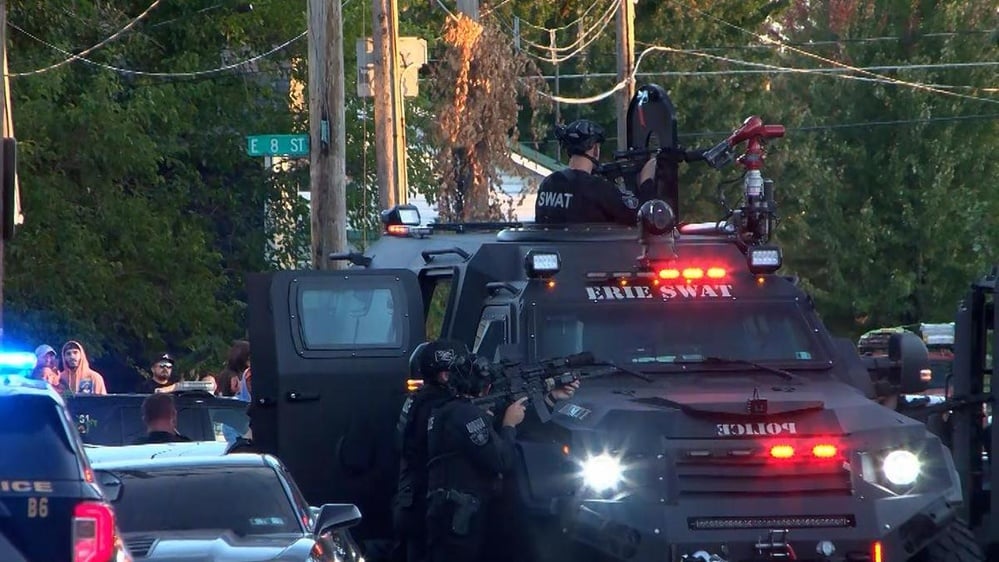
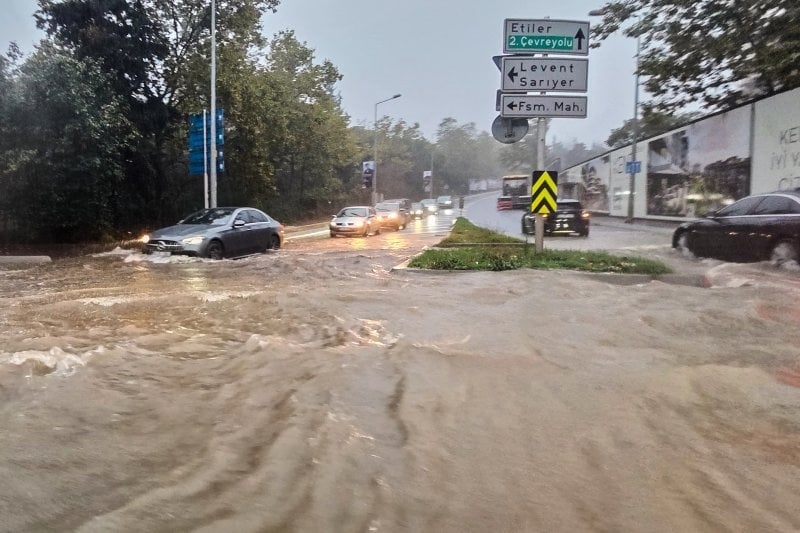
2026 © Helium Trades
Privacy Policy & Disclosure
* Disclaimer: Nothing on this website constitutes investment advice, performance data or any recommendation that any particular security, portfolio of securities, transaction or investment strategy is suitable for any specific person. Helium Trades is not responsible in any way for the accuracy
of any model predictions or price data. Any mention of a particular security and related prediction data is not a recommendation to buy or sell that security. Investments in securities involve the risk of loss. Past performance is no guarantee of future results. Helium Trades is not responsible for any of your investment decisions,
you should consult a financial expert before engaging in any transaction.
Helium Research Assistant

How can I help you today?
Ask any question about this page.


