See whether Helium helps you make better-informed decisions. Try every Pro Trader feature for 30 days. No credit card required.
Try every Pro Trader feature for 30 days. No credit card required.
September 12, 2026 · 0 shares
Presents the Saudi pipeline attack as an episode in a war launched by the United States and Israel against Iran, coupling attributed official reports with unhedged claims that the conflict is pushing oil and fuel prices to records.
Yemen's Houthi movement has fought a Saudi-led coalition backing Yemen's government in a civil war since 2015; the Strait of Hormuz and Bab al-Mandab are strategic chokepoints for global oil trade.
Automated analysis; not human reviewed.
Limitations: Only the short core report was assessed; surrounding promotional sidebars and repeated modules were disregarded.
·
5 of 54 available dimensions scored; omitted dimensions are not treated as neutral.
·
Verified supporting quotes for 4 of 5 scored dimensions.
Claim: Presents a contested geopolitical characterization as established fact.
“This latest attack adds another layer to the series of incidents in the war launched by the United States and Israel against Iran in February, which has pushed oil and fuel prices to new record highs.” · exact text match
Why: Most developments are attributed to officials, but the claim that the US and Israel launched a war against Iran is stated without sourcing, making the report partly interpretive.
Claim: Emphasizes negative market and security consequences.
“This latest incident risks driving oil and fuel prices even higher.” · exact text match
“This latest attack adds another layer to the series of incidents in the war launched by the United States and Israel against Iran in February, which has pushed oil and fuel prices to new record highs.” · exact text match
Why: The article's framing centers on escalation, damage, shutdown, record prices, and future risk without noting mitigating or positive developments.
Claim: Treats the cause and scope of the regional conflict as settled.
“the war launched by the United States and Israel against Iran in February” · exact text match
Why: The phrase presents a causal and aggressive-war narrative as fact without hedging or attribution.
Claim: Relies on attributed official statements while including an unattributed assertion about the conflict's origin.
“A statement from the Saudi foreign ministry referred to a fire near Medina, said to have caused "human and material damage".” · not found in supplied text
Counterevidence:
“This latest attack adds another layer to the series of incidents in the war launched by the United States and Israel against Iran in February, which has pushed oil and fuel prices to new record highs.” · exact text match
Why: Attribution to Saudi, Iraqi, GCC, and Houthi sources supports credibility, but the unqualified war-origin claim and limited named detail temper it.
Claim: Projects future oil and fuel price increases from the attack.
“This latest incident risks driving oil and fuel prices even higher.” · exact text match
Why: The sentence is an explicit conditional forecast about future prices, not a reported fact.
Only the short core report was assessed; surrounding promotional sidebars and repeated modules were disregarded.
September 12, 2026 · 0 shares
Reporting on the Saudi pipeline attack uses attributed statements and neutral language to present a balanced account of the incident and its regional context.
Automated analysis; not human reviewed.
·
53 of 54 available dimensions scored; omitted dimensions are not treated as neutral.
·
Verified supporting quotes for 4 of 53 scored dimensions.
Claim: No ideological leaning toward liberal or conservative positions is evident.
“The incident comes amid a major advance by the Iranian-backed Houthi rebels in Yemen, putting more pressure on global oil shipping routes.” · not found in supplied text
Why: The framing is factual and does not take a partisan stance on political ideology.
Claim: No populist or elitist framing is present.
“Saudi Arabia has chosen not to retaliate at this stage, its foreign ministry says, following a call from Iraq's prime minister.” · exact text match
Why: The article focuses on state-level actions without appealing to populist sentiment or elite privilege.
Claim: The article maintains objectivity by attributing statements and data to explicit sources.
“Saudi Arabia has chosen not to retaliate at this stage, its foreign ministry says, following a call from Iraq's prime minister.” · exact text match
“The pipeline has been moving 4% to 5% of global oil supply, news agency Reuters has reported, citing ship tracking companies and analysts.” · exact text match
Why: Frequent use of attribution phrases ('says', 'reported') demonstrates a fact-based, non-editorial approach.
Claim: The article does not express a bullish or bearish outlook on oil markets.
“The pipeline has been moving 4% to 5% of global oil supply, news agency Reuters has reported.” · not found in supplied text
Why: It reports the pipeline's share without commenting on price direction or investor sentiment.
Claim: The article avoids explicit optimism or pessimism about the situation.
“The developments have squeezed [...] can now feel them” · not found in supplied text
Why: The incomplete sentence suggests a neutral observation without emotional valuation.
Claim: The article describes events and statements without offering recommendations.
“Saudi Arabia shuts key oil pipeline after drone attack launched from Iraq.” · exact text match
“Iraq removes a military commander and opens investigations into the attack that came from an area bordering Iran.” · exact text match
Why: Verbs are declarative and neutral; no imperative or prescriptive language.
Claim: The article does not advocate for military action or restraint.
“Saudi Arabia has chosen not to retaliate at this stage, its foreign ministry says.” · not found in supplied text
Why: It reports the decision without endorsing it, neither pushing for escalation nor de-escalation.
Claim: The article reports both Saudi and Houthi perspectives without endorsing either.
“Saudi Arabia has chosen not to retaliate at this stage, its foreign ministry says.” · not found in supplied text
“The group claims it has control of the Bab al-Mandab Strait... though it says maritime navigation is 'safe for all companies except for Saudi vessels'.” · not found in supplied text
Why: Both sides' positions are presented directly, maintaining balance.
Claim: The article maintains a neutral emotional tone.
“Saudi Arabia has chosen not to retaliate at this stage, its foreign ministry says.” · not found in supplied text
Why: No loaded emotional words appear; statements are flat and factual.
Claim: The article demonstrates credibility through explicit sourcing and balanced reporting.
“The pipeline has been moving 4% to 5% of global oil supply, news agency Reuters has reported, citing ship tracking companies and analysts.” · exact text match
Why: Citing a recognized news agency and multiple analysts strengthens the factual basis.
Claim: The article presents analysis without emotional or speculative excess.
“The incident comes amid a major advance by the Iranian-backed Houthi rebels in Yemen, putting more pressure on global oil shipping routes.” · not found in supplied text
“The group claims it has control of the Bab al-Mandab Strait, though it says maritime navigation is 'safe for all companies except for Saudi vessels'.” · not found in supplied text
Why: The language is measured, uses qualifiers like 'claims' and 'according to', and avoids charged terms.
Claim: The article shows care in attributing claims and using cautious language.
“The group claims it has control of the Bab al-Mandab Strait... though it says maritime navigation is 'safe for all companies except for Saudi vessels'.” · not found in supplied text
Why: Use of 'claims' and 'says' signals that statements are reported, not endorsed, indicating honesty in reporting.
September 11, 2026 · 0 shares
The report frames the pipeline attack as a serious threat to regional energy security, prominently featuring Gulf states' condemnations and Saudi Arabia's decision to hold off retaliation.
Automated analysis; not human reviewed.
Limitations: The provided article text is truncated at the beginning, so some context is missing, but the analysis uses the available text.
·
1 of 54 available dimensions scored; omitted dimensions are not treated as neutral.
·
Verified supporting quotes for 1 of 1 scored dimensions.
Claim: The article consistently attributes statements to named officials and gives specific details, supporting trustworthiness.
“GCC Secretary-General Jasem Mohamed Al-Budaiwi condemned the attack “in the strongest terms,”” · exact text match
“Iraqi Prime Minister Ali Al-Zaidi” · exact text match
Why: The article names specific officials and quotes them directly, and it includes concrete details about the pipeline and casualties, which are strong indicators of credible sourcing and reporting practice.
The provided article text is truncated at the beginning, so some context is missing, but the analysis uses the available text.
September 13, 2026 · 0 shares
A geopolitical oil-supply event is used as a lead-in for a stock alert, with hedged valuation language and a cautiously mixed recommendation.
Automated analysis; not human reviewed.
Limitations: The supplied text combines a geopolitical news item and an unrelated SMCI stock alert with no stated connection, so overall framing judgments span two distinct subjects.
·
9 of 54 available dimensions scored; omitted dimensions are not treated as neutral.
·
Verified supporting quotes for 8 of 9 scored dimensions.
Claim: The stock analysis is interpretive rather than strictly factual.
“This low P/S ratio suggests that the market may be pricing in lower future growth expectations, especially given that SMCI is currently unprofitable and cash-flow-negative.” · exact text match
Why: Attributable news reporting is offset by analytical inferences in the SMCI section using verbs like 'suggests' and 'indicates.'
Claim: The SMCI assessment balances positive signals with cautionary caveats.
“While SMCI shows strong growth potential and a solid GF Score™, its low Price-to-Sales ratio and cash-flow-negative status suggest that traditional earnings metrics may not apply.” · not found in supplied text
Why: The sentence pairs growth and profitability positives with cash-flow and valuation limitations, avoiding a one-sided stance.
Claim: The text moves from description to explicit investor guidance.
“suggesting that investors should proceed with caution.” · exact text match
“Investors should consider the implications of insider activity and the overall market sentiment before making decisions.” · exact text match
Why: Direct 'should' statements direct investor behavior.
Claim: The report presents analytical judgments about valuation and investor confidence.
“This low P/S ratio suggests that the market may be pricing in lower future growth expectations, especially given that SMCI is currently unprofitable and cash-flow-negative.” · exact text match
“This trend indicates a strong level of confidence among institutional investors.” · exact text match
Why: Interpretive conclusions are drawn from data using 'suggests' and 'indicates,' not raw facts alone.
Claim: The pipeline portion is attributed and hedged, while financial metrics are presented without external sourcing.
“The Saudi Energy Ministry reported injuries and damage to facilities due to the assaults” · exact text match
“drone attacks believed to have originated from Iraq's Maysan province” · exact text match
Why: Official attribution and an explicit uncertainty hedge support the news section; proprietary financial data lacks independent sourcing.
Claim: The report directs readers to GuruFocus proprietary pages and invites engagement.
“For more details, visit the GF Value™ page.” · exact text match
“For a complete analysis, visit the SMCI stock page.” · exact text match
Why: Repeated direct calls to visit platform pages market GuruFocus products within the stock alert.
Claim: Conditional statements project possible oil-supply and market-pricing outcomes.
“which could lead to supply disruptions and impact global oil prices.” · exact text match
“This low P/S ratio suggests that the market may be pricing in lower future growth expectations, especially given that SMCI is currently unprofitable and cash-flow-negative.” · exact text match
Why: 'Could' and 'may' are used to frame future possibilities.
Claim: The text says it was generated using automated technology.
“This stock alert was generated using automated technology and GuruFocus financial data to provide readers with timely and accurate market reporting.” · exact text match
Why: Direct disclosure of automated generation is a strong machine-authorship indicator, though editorial review is also disclosed.
Claim: The text discloses its automated origin and warns about the reliability of its own metric.
“this figure should be viewed as a directional warning rather than a precise target.” · exact text match
“This content was reviewed by GuruFocus editorial team prior to publication.” · exact text match
Why: The caveat about GF Value and the editorial-review disclosure are visible honesty signals, though the promotional structure limits the score.
The supplied text combines a geopolitical news item and an unrelated SMCI stock alert with no stated connection, so overall framing judgments span two distinct subjects.
September 12, 2026 · 0 shares
Frames Saudi Arabia as exposed and pressured, emphasizing vulnerability and targeting in the U.S.-Iran conflict.
Automated analysis; not human reviewed.
Limitations: The supplied text is a short excerpt with appended reader comments and site boilerplate; the original publication date and attacker attribution are absent.
·
3 of 54 available dimensions scored; omitted dimensions are not treated as neutral.
·
Verified supporting quotes for 3 of 3 scored dimensions.
Claim: The report mixes factual reporting with interpretive judgments about Saudi vulnerability.
“"Riyadh in difficult position"” · exact text match
“exposing a massive vulnerability in a critical export route” · exact text match
Why: The headline and framing language characterize the situation as difficult and vulnerable rather than simply reporting the shutdown.
Claim: The report frames the pipeline closure negatively, emphasizing pressure and exposure.
“"Riyadh in difficult position"” · exact text match
“The closure puts new pressure on Saudi oil exports as the pipeline designed to bypass the Hormuz chokepoint becomes a target.” · exact text match
Why: The chosen language portrays Saudi Arabia as disadvantaged and under pressure, a pessimistic framing.
Claim: The report inserts editorial opinion through headline and interpretive language.
“"Riyadh in difficult position"” · exact text match
“exposing a massive vulnerability in a critical export route” · exact text match
Why: These are judgments about significance and position, not attributed facts, raising the opinion content.
The supplied text is a short excerpt with appended reader comments and site boilerplate; the original publication date and attacker attribution are absent.
September 12, 2026 · 0 shares
Presents the Saudi pipeline attack as an episode in a war launched by the United States and Israel against Iran, coupling attributed official reports with unhedged claims that the conflict is pushing oil and fuel prices to records.
Yemen's Houthi movement has fought a Saudi-led coalition backing Yemen's government in a civil war since 2015; the Strait of Hormuz and Bab al-Mandab are strategic chokepoints for global oil trade.
Automated analysis; not human reviewed.
Limitations: Only the short core report was assessed; surrounding promotional sidebars and repeated modules were disregarded.
·
5 of 54 available dimensions scored; omitted dimensions are not treated as neutral.
·
Verified supporting quotes for 4 of 5 scored dimensions.
Claim: Presents a contested geopolitical characterization as established fact.
“This latest attack adds another layer to the series of incidents in the war launched by the United States and Israel against Iran in February, which has pushed oil and fuel prices to new record highs.” · exact text match
Why: Most developments are attributed to officials, but the claim that the US and Israel launched a war against Iran is stated without sourcing, making the report partly interpretive.
Claim: Emphasizes negative market and security consequences.
“This latest incident risks driving oil and fuel prices even higher.” · exact text match
“This latest attack adds another layer to the series of incidents in the war launched by the United States and Israel against Iran in February, which has pushed oil and fuel prices to new record highs.” · exact text match
Why: The article's framing centers on escalation, damage, shutdown, record prices, and future risk without noting mitigating or positive developments.
Claim: Treats the cause and scope of the regional conflict as settled.
“the war launched by the United States and Israel against Iran in February” · exact text match
Why: The phrase presents a causal and aggressive-war narrative as fact without hedging or attribution.
Claim: Relies on attributed official statements while including an unattributed assertion about the conflict's origin.
“A statement from the Saudi foreign ministry referred to a fire near Medina, said to have caused "human and material damage".” · not found in supplied text
Counterevidence:
“This latest attack adds another layer to the series of incidents in the war launched by the United States and Israel against Iran in February, which has pushed oil and fuel prices to new record highs.” · exact text match
Why: Attribution to Saudi, Iraqi, GCC, and Houthi sources supports credibility, but the unqualified war-origin claim and limited named detail temper it.
Claim: Projects future oil and fuel price increases from the attack.
“This latest incident risks driving oil and fuel prices even higher.” · exact text match
Why: The sentence is an explicit conditional forecast about future prices, not a reported fact.
Only the short core report was assessed; surrounding promotional sidebars and repeated modules were disregarded.
September 13, 2026 · 0 shares
A geopolitical oil-supply event is used as a lead-in for a stock alert, with hedged valuation language and a cautiously mixed recommendation.
Automated analysis; not human reviewed.
Limitations: The supplied text combines a geopolitical news item and an unrelated SMCI stock alert with no stated connection, so overall framing judgments span two distinct subjects.
·
9 of 54 available dimensions scored; omitted dimensions are not treated as neutral.
·
Verified supporting quotes for 8 of 9 scored dimensions.
Claim: The stock analysis is interpretive rather than strictly factual.
“This low P/S ratio suggests that the market may be pricing in lower future growth expectations, especially given that SMCI is currently unprofitable and cash-flow-negative.” · exact text match
Why: Attributable news reporting is offset by analytical inferences in the SMCI section using verbs like 'suggests' and 'indicates.'
Claim: The SMCI assessment balances positive signals with cautionary caveats.
“While SMCI shows strong growth potential and a solid GF Score™, its low Price-to-Sales ratio and cash-flow-negative status suggest that traditional earnings metrics may not apply.” · not found in supplied text
Why: The sentence pairs growth and profitability positives with cash-flow and valuation limitations, avoiding a one-sided stance.
Claim: The text moves from description to explicit investor guidance.
“suggesting that investors should proceed with caution.” · exact text match
“Investors should consider the implications of insider activity and the overall market sentiment before making decisions.” · exact text match
Why: Direct 'should' statements direct investor behavior.
Claim: The report presents analytical judgments about valuation and investor confidence.
“This low P/S ratio suggests that the market may be pricing in lower future growth expectations, especially given that SMCI is currently unprofitable and cash-flow-negative.” · exact text match
“This trend indicates a strong level of confidence among institutional investors.” · exact text match
Why: Interpretive conclusions are drawn from data using 'suggests' and 'indicates,' not raw facts alone.
Claim: The pipeline portion is attributed and hedged, while financial metrics are presented without external sourcing.
“The Saudi Energy Ministry reported injuries and damage to facilities due to the assaults” · exact text match
“drone attacks believed to have originated from Iraq's Maysan province” · exact text match
Why: Official attribution and an explicit uncertainty hedge support the news section; proprietary financial data lacks independent sourcing.
Claim: The report directs readers to GuruFocus proprietary pages and invites engagement.
“For more details, visit the GF Value™ page.” · exact text match
“For a complete analysis, visit the SMCI stock page.” · exact text match
Why: Repeated direct calls to visit platform pages market GuruFocus products within the stock alert.
Claim: Conditional statements project possible oil-supply and market-pricing outcomes.
“which could lead to supply disruptions and impact global oil prices.” · exact text match
“This low P/S ratio suggests that the market may be pricing in lower future growth expectations, especially given that SMCI is currently unprofitable and cash-flow-negative.” · exact text match
Why: 'Could' and 'may' are used to frame future possibilities.
Claim: The text says it was generated using automated technology.
“This stock alert was generated using automated technology and GuruFocus financial data to provide readers with timely and accurate market reporting.” · exact text match
Why: Direct disclosure of automated generation is a strong machine-authorship indicator, though editorial review is also disclosed.
Claim: The text discloses its automated origin and warns about the reliability of its own metric.
“this figure should be viewed as a directional warning rather than a precise target.” · exact text match
“This content was reviewed by GuruFocus editorial team prior to publication.” · exact text match
Why: The caveat about GF Value and the editorial-review disclosure are visible honesty signals, though the promotional structure limits the score.
The supplied text combines a geopolitical news item and an unrelated SMCI stock alert with no stated connection, so overall framing judgments span two distinct subjects.
September 15, 2026 · 0 shares
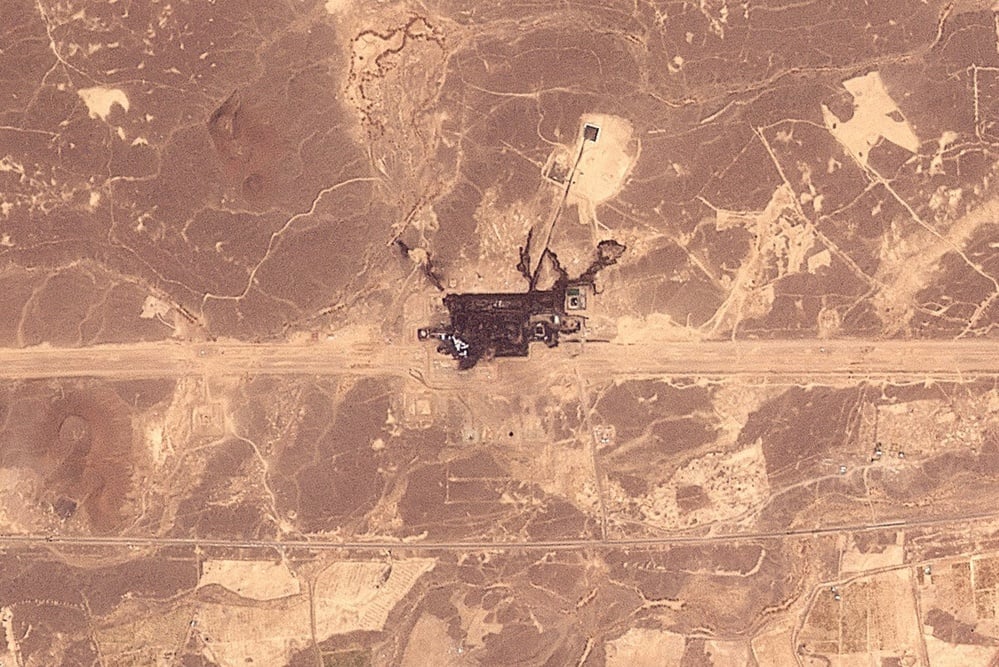
Framing is evidence-led and cautionary, relying on satellite imagery and attributed expert and official statements without endorsing any belligerent.
Automated analysis; not human reviewed.
Limitations: The supplied text is fragmented and includes unrelated headlines, so the analysis is limited to the identifiable BBC Verify oil-pipeline report and may miss context from omitted portions.
·
3 of 54 available dimensions scored; omitted dimensions are not treated as neutral.
·
Verified supporting quotes for 1 of 3 scored dimensions.
Claim: The publisher stays descriptive, anchoring core assertions to satellite imagery and attributed expert statements.
“Satellite imagery shows a key oil pipeline in Saudi Arabia has been badly damaged after a strike last week, which experts have told BBC Verify could take more than a month to repair and force oil prices even higher.” · exact text match
Why: The main damage assertion is tied to imagery and the repair and supply projections are attributed to experts, not presented as the publisher's own certainty.
Claim: A neutral, attributional stance is maintained toward a politically fraught conflict.
“The Saudi-led anti-Houthi military coalition of Arab states said on Tuesday it would respond "firmly" to attacks by the Houthis.” · not found in supplied text
Why: The coalition's response is placed in reported speech and 'firmly' is quoted, so the publisher does not adopt the coalition's framing as its own.
Claim: Visible sourcing, attribution, and hedging support high credibility.
“Experts from trade intelligence firm Kpler said the pipeline's closure could reduce oil supplies by as much as 3.6 million barrels per day.” · not found in supplied text
“New satellite images captured on Monday show damage to Saudi Arabia's King Khalid Air Base near Khamis Mushait which the Houthis said they had targeted with ballistic missiles and drones last week.” · not found in supplied text
Why: The report names a specific expert source, cites satellite imagery, and uses modal and attributed language such as 'could', 'appear', and 'said', indicating verification and uncertainty rather than bare assertion.
The supplied text is fragmented and includes unrelated headlines, so the analysis is limited to the identifiable BBC Verify oil-pipeline report and may miss context from omitted portions.
September 14, 2026 · 0 shares
Reporting frames the drone-damaged Saudi east-west pipeline as an imminent global supply threat, foregrounding warnings about export stocks running out, oil-price gains, and fading diplomatic hopes while attributing damage and repair estimates to unnamed sources.
Automated analysis; not human reviewed.
Limitations: The supplied text is truncated and contains malformed fragments, so some context and exact wording are incomplete; classification is based only on visible coherent passages.
·
2 of 54 available dimensions scored; omitted dimensions are not treated as neutral.
·
Verified supporting quotes for 0 of 2 scored dimensions.
Claim: Visible sourcing, attribution, hedging, and disclosure of non-response support a credible report.
“Sources that spoke to Reuters gave varying estimates, with one saying the damage could take up to six weeks to repair, while another said it could be fixed sooner and could resume pumping partially while repairs are ongoing.” · not found in supplied text
“Saudi Arabia’s government media office and energy ministry did not immediately respond to requests for comment.” · exact text match
Why: The text attributes claims to sources, acknowledges varying estimates, and records official non-response, all of which support reliability.
Claim: The article prominently includes forward-looking forecasts about supply loss and repair timelines.
“Saudi Arabia will run out of oil stocks for export if it doesn’t restart a drone-damaged major pipeline to the Red Sea within days, leading to the loss of up to 4% of global supply, Saudi oil buyers and traders said.” · not found in supplied text
“one saying the damage could take up to six weeks to repair, while another said it could be fixed sooner and could resume pumping partially while repairs are ongoing.” · not found in supplied text
Why: The central claim is a conditional forecast attributed to anonymous sources, and repair timelines are estimates rather than confirmed outcomes.
The supplied text is truncated and contains malformed fragments, so some context and exact wording are incomplete; classification is based only on visible coherent passages.
September 12, 2026 · 0 shares
Reporting on the Saudi pipeline attack uses attributed statements and neutral language to present a balanced account of the incident and its regional context.
Automated analysis; not human reviewed.
·
53 of 54 available dimensions scored; omitted dimensions are not treated as neutral.
·
Verified supporting quotes for 4 of 53 scored dimensions.
Claim: No ideological leaning toward liberal or conservative positions is evident.
“The incident comes amid a major advance by the Iranian-backed Houthi rebels in Yemen, putting more pressure on global oil shipping routes.” · not found in supplied text
Why: The framing is factual and does not take a partisan stance on political ideology.
Claim: No populist or elitist framing is present.
“Saudi Arabia has chosen not to retaliate at this stage, its foreign ministry says, following a call from Iraq's prime minister.” · exact text match
Why: The article focuses on state-level actions without appealing to populist sentiment or elite privilege.
Claim: The article maintains objectivity by attributing statements and data to explicit sources.
“Saudi Arabia has chosen not to retaliate at this stage, its foreign ministry says, following a call from Iraq's prime minister.” · exact text match
“The pipeline has been moving 4% to 5% of global oil supply, news agency Reuters has reported, citing ship tracking companies and analysts.” · exact text match
Why: Frequent use of attribution phrases ('says', 'reported') demonstrates a fact-based, non-editorial approach.
Claim: The article does not express a bullish or bearish outlook on oil markets.
“The pipeline has been moving 4% to 5% of global oil supply, news agency Reuters has reported.” · not found in supplied text
Why: It reports the pipeline's share without commenting on price direction or investor sentiment.
Claim: The article avoids explicit optimism or pessimism about the situation.
“The developments have squeezed [...] can now feel them” · not found in supplied text
Why: The incomplete sentence suggests a neutral observation without emotional valuation.
Claim: The article describes events and statements without offering recommendations.
“Saudi Arabia shuts key oil pipeline after drone attack launched from Iraq.” · exact text match
“Iraq removes a military commander and opens investigations into the attack that came from an area bordering Iran.” · exact text match
Why: Verbs are declarative and neutral; no imperative or prescriptive language.
Claim: The article does not advocate for military action or restraint.
“Saudi Arabia has chosen not to retaliate at this stage, its foreign ministry says.” · not found in supplied text
Why: It reports the decision without endorsing it, neither pushing for escalation nor de-escalation.
Claim: The article reports both Saudi and Houthi perspectives without endorsing either.
“Saudi Arabia has chosen not to retaliate at this stage, its foreign ministry says.” · not found in supplied text
“The group claims it has control of the Bab al-Mandab Strait... though it says maritime navigation is 'safe for all companies except for Saudi vessels'.” · not found in supplied text
Why: Both sides' positions are presented directly, maintaining balance.
Claim: The article maintains a neutral emotional tone.
“Saudi Arabia has chosen not to retaliate at this stage, its foreign ministry says.” · not found in supplied text
Why: No loaded emotional words appear; statements are flat and factual.
Claim: The article demonstrates credibility through explicit sourcing and balanced reporting.
“The pipeline has been moving 4% to 5% of global oil supply, news agency Reuters has reported, citing ship tracking companies and analysts.” · exact text match
Why: Citing a recognized news agency and multiple analysts strengthens the factual basis.
Claim: The article presents analysis without emotional or speculative excess.
“The incident comes amid a major advance by the Iranian-backed Houthi rebels in Yemen, putting more pressure on global oil shipping routes.” · not found in supplied text
“The group claims it has control of the Bab al-Mandab Strait, though it says maritime navigation is 'safe for all companies except for Saudi vessels'.” · not found in supplied text
Why: The language is measured, uses qualifiers like 'claims' and 'according to', and avoids charged terms.
Claim: The article shows care in attributing claims and using cautious language.
“The group claims it has control of the Bab al-Mandab Strait... though it says maritime navigation is 'safe for all companies except for Saudi vessels'.” · not found in supplied text
Why: Use of 'claims' and 'says' signals that statements are reported, not endorsed, indicating honesty in reporting.
September 14, 2026 · 0 shares
Reporting frames the drone-damaged Saudi east-west pipeline as an imminent global supply threat, foregrounding warnings about export stocks running out, oil-price gains, and fading diplomatic hopes while attributing damage and repair estimates to unnamed sources.
Automated analysis; not human reviewed.
Limitations: The supplied text is truncated and contains malformed fragments, so some context and exact wording are incomplete; classification is based only on visible coherent passages.
·
2 of 54 available dimensions scored; omitted dimensions are not treated as neutral.
·
Verified supporting quotes for 0 of 2 scored dimensions.
Claim: Visible sourcing, attribution, hedging, and disclosure of non-response support a credible report.
“Sources that spoke to Reuters gave varying estimates, with one saying the damage could take up to six weeks to repair, while another said it could be fixed sooner and could resume pumping partially while repairs are ongoing.” · not found in supplied text
“Saudi Arabia’s government media office and energy ministry did not immediately respond to requests for comment.” · exact text match
Why: The text attributes claims to sources, acknowledges varying estimates, and records official non-response, all of which support reliability.
Claim: The article prominently includes forward-looking forecasts about supply loss and repair timelines.
“Saudi Arabia will run out of oil stocks for export if it doesn’t restart a drone-damaged major pipeline to the Red Sea within days, leading to the loss of up to 4% of global supply, Saudi oil buyers and traders said.” · not found in supplied text
“one saying the damage could take up to six weeks to repair, while another said it could be fixed sooner and could resume pumping partially while repairs are ongoing.” · not found in supplied text
Why: The central claim is a conditional forecast attributed to anonymous sources, and repair timelines are estimates rather than confirmed outcomes.
The supplied text is truncated and contains malformed fragments, so some context and exact wording are incomplete; classification is based only on visible coherent passages.
September 14, 2026 · 0 shares
Framing treats the Saudi pipeline shutdown as a grave and spreading oil-supply crisis, using war metaphors and alarm-driven headline language while still attributing key facts to officials and traders.
Automated analysis; not human reviewed.
Limitations: The supplied text is truncated at multiple points, so the full article, named speakers, and exact event timeline were unavailable; that limits verification of causation and source identity.
·
8 of 54 available dimensions scored; omitted dimensions are not treated as neutral.
·
Verified supporting quotes for 8 of 8 scored dimensions.
Claim: The publisher wraps attributed facts in subjective threat language.
“threatening to remove another major source of crude from a global market whose wartime buffers are already shrinking” · exact text match
“New attacks in Hormuz and Saudi test nerves as war's spread worsens oil disruption” · exact text match
Why: Words like 'threatening' and 'test nerves' are interpretive and emotional rather than neutral description.
Claim: The presentation uses dramatic conflict metaphors and alarm words.
“New attacks in Hormuz and Saudi test nerves as war's spread worsens oil disruption” · exact text match
“Combined with the Houthi Bab el-Mandeb blitzkrieg, this gravely imperils what had been the most consequential bypass route, underscoring our ultimate view that there is no substitute for the reopening of Hormuz” · exact text match
Why: 'Test nerves,' 'blitzkrieg,' and 'gravely imperils' are sensational framing choices in the headline and selected quote.
Claim: The report frames the shutdown as a downward supply-security trend with no adequate alternative.
“threatening to remove another major source of crude from a global market whose wartime buffers are already shrinking” · exact text match
“there is no substitute for the reopening of Hormuz” · exact text match
Why: The lead emphasizes shrinking buffers and the selected quote rules out a substitute, producing a pessimistic overall outlook.
Claim: The text is designed to evoke alarm about war-driven supply disruption.
“New attacks in Hormuz and Saudi test nerves as war's spread worsens oil disruption” · exact text match
“gravely imperils what had been the most consequential bypass route” · exact text match
Why: 'Test nerves' and 'gravely imperils' directly invoke fear.
Claim: A strong strategic opinion is embedded in the news text and the lead editorializes.
“there is no substitute for the reopening of Hormuz” · exact text match
“wartime buffers are already shrinking” · exact text match
Why: The first is an explicit judgment; the second adds an interpretive claim to factual reporting.
Claim: The story is framed as a geopolitical war story rather than a purely commercial oil story.
“New attacks in Hormuz and Saudi test nerves as war's spread worsens oil disruption” · exact text match
“Houthi Bab el-Mandeb blitzkrieg” · exact text match
Why: The headline and quote place the outage inside an active conflict with named actors and 'war's spread.'
Claim: The report shows multiple attributed sources and hedging.
“Two regional officials told the Associated Press on Monday that the pipeline would probably remain largely out of service for several weeks while the damage is repaired.” · exact text match
“Saudi oil buyers and traders told Reuters on Sunday that inventories at the Red Sea port of Yanbu could sustain exports for only five to seven days without the pipeline, potentially putting up to 4% of global crude supply at risk.” · exact text match
Why: Claims are attributed to named agencies and role categories, with qualifiers like 'probably' and 'could' signaling uncertainty.
Claim: The article contains sourced forward-looking estimates about outage duration and export capacity.
“the pipeline would probably remain largely out of service for several weeks while the damage is repaired” · exact text match
“inventories at the Red Sea port of Yanbu could sustain exports for only five to seven days without the pipeline, potentially putting up to 4% of global crude supply at risk” · exact text match
Why: These statements project future outcomes rather than report settled facts, even though attributed to officials and traders.
The supplied text is truncated at multiple points, so the full article, named speakers, and exact event timeline were unavailable; that limits verification of causation and source identity.
September 14, 2026 · 0 shares
Reporting frames the drone-damaged Saudi east-west pipeline as an imminent global supply threat, foregrounding warnings about export stocks running out, oil-price gains, and fading diplomatic hopes while attributing damage and repair estimates to unnamed sources.
Automated analysis; not human reviewed.
Limitations: The supplied text is truncated and contains malformed fragments, so some context and exact wording are incomplete; classification is based only on visible coherent passages.
·
2 of 54 available dimensions scored; omitted dimensions are not treated as neutral.
·
Verified supporting quotes for 0 of 2 scored dimensions.
Claim: Visible sourcing, attribution, hedging, and disclosure of non-response support a credible report.
“Sources that spoke to Reuters gave varying estimates, with one saying the damage could take up to six weeks to repair, while another said it could be fixed sooner and could resume pumping partially while repairs are ongoing.” · not found in supplied text
“Saudi Arabia’s government media office and energy ministry did not immediately respond to requests for comment.” · exact text match
Why: The text attributes claims to sources, acknowledges varying estimates, and records official non-response, all of which support reliability.
Claim: The article prominently includes forward-looking forecasts about supply loss and repair timelines.
“Saudi Arabia will run out of oil stocks for export if it doesn’t restart a drone-damaged major pipeline to the Red Sea within days, leading to the loss of up to 4% of global supply, Saudi oil buyers and traders said.” · not found in supplied text
“one saying the damage could take up to six weeks to repair, while another said it could be fixed sooner and could resume pumping partially while repairs are ongoing.” · not found in supplied text
Why: The central claim is a conditional forecast attributed to anonymous sources, and repair timelines are estimates rather than confirmed outcomes.
The supplied text is truncated and contains malformed fragments, so some context and exact wording are incomplete; classification is based only on visible coherent passages.
September 15, 2026 · 0 shares
Framing is evidence-led and cautionary, relying on satellite imagery and attributed expert and official statements without endorsing any belligerent.
Automated analysis; not human reviewed.
Limitations: The supplied text is fragmented and includes unrelated headlines, so the analysis is limited to the identifiable BBC Verify oil-pipeline report and may miss context from omitted portions.
·
3 of 54 available dimensions scored; omitted dimensions are not treated as neutral.
·
Verified supporting quotes for 1 of 3 scored dimensions.
Claim: The publisher stays descriptive, anchoring core assertions to satellite imagery and attributed expert statements.
“Satellite imagery shows a key oil pipeline in Saudi Arabia has been badly damaged after a strike last week, which experts have told BBC Verify could take more than a month to repair and force oil prices even higher.” · exact text match
Why: The main damage assertion is tied to imagery and the repair and supply projections are attributed to experts, not presented as the publisher's own certainty.
Claim: A neutral, attributional stance is maintained toward a politically fraught conflict.
“The Saudi-led anti-Houthi military coalition of Arab states said on Tuesday it would respond "firmly" to attacks by the Houthis.” · not found in supplied text
Why: The coalition's response is placed in reported speech and 'firmly' is quoted, so the publisher does not adopt the coalition's framing as its own.
Claim: Visible sourcing, attribution, and hedging support high credibility.
“Experts from trade intelligence firm Kpler said the pipeline's closure could reduce oil supplies by as much as 3.6 million barrels per day.” · not found in supplied text
“New satellite images captured on Monday show damage to Saudi Arabia's King Khalid Air Base near Khamis Mushait which the Houthis said they had targeted with ballistic missiles and drones last week.” · not found in supplied text
Why: The report names a specific expert source, cites satellite imagery, and uses modal and attributed language such as 'could', 'appear', and 'said', indicating verification and uncertainty rather than bare assertion.
The supplied text is fragmented and includes unrelated headlines, so the analysis is limited to the identifiable BBC Verify oil-pipeline report and may miss context from omitted portions.
September 12, 2026 · 0 shares
Reporting on the Saudi pipeline attack uses attributed statements and neutral language to present a balanced account of the incident and its regional context.
Automated analysis; not human reviewed.
·
53 of 54 available dimensions scored; omitted dimensions are not treated as neutral.
·
Verified supporting quotes for 4 of 53 scored dimensions.
Claim: No ideological leaning toward liberal or conservative positions is evident.
“The incident comes amid a major advance by the Iranian-backed Houthi rebels in Yemen, putting more pressure on global oil shipping routes.” · not found in supplied text
Why: The framing is factual and does not take a partisan stance on political ideology.
Claim: No populist or elitist framing is present.
“Saudi Arabia has chosen not to retaliate at this stage, its foreign ministry says, following a call from Iraq's prime minister.” · exact text match
Why: The article focuses on state-level actions without appealing to populist sentiment or elite privilege.
Claim: The article maintains objectivity by attributing statements and data to explicit sources.
“Saudi Arabia has chosen not to retaliate at this stage, its foreign ministry says, following a call from Iraq's prime minister.” · exact text match
“The pipeline has been moving 4% to 5% of global oil supply, news agency Reuters has reported, citing ship tracking companies and analysts.” · exact text match
Why: Frequent use of attribution phrases ('says', 'reported') demonstrates a fact-based, non-editorial approach.
Claim: The article does not express a bullish or bearish outlook on oil markets.
“The pipeline has been moving 4% to 5% of global oil supply, news agency Reuters has reported.” · not found in supplied text
Why: It reports the pipeline's share without commenting on price direction or investor sentiment.
Claim: The article avoids explicit optimism or pessimism about the situation.
“The developments have squeezed [...] can now feel them” · not found in supplied text
Why: The incomplete sentence suggests a neutral observation without emotional valuation.
Claim: The article describes events and statements without offering recommendations.
“Saudi Arabia shuts key oil pipeline after drone attack launched from Iraq.” · exact text match
“Iraq removes a military commander and opens investigations into the attack that came from an area bordering Iran.” · exact text match
Why: Verbs are declarative and neutral; no imperative or prescriptive language.
Claim: The article does not advocate for military action or restraint.
“Saudi Arabia has chosen not to retaliate at this stage, its foreign ministry says.” · not found in supplied text
Why: It reports the decision without endorsing it, neither pushing for escalation nor de-escalation.
Claim: The article reports both Saudi and Houthi perspectives without endorsing either.
“Saudi Arabia has chosen not to retaliate at this stage, its foreign ministry says.” · not found in supplied text
“The group claims it has control of the Bab al-Mandab Strait... though it says maritime navigation is 'safe for all companies except for Saudi vessels'.” · not found in supplied text
Why: Both sides' positions are presented directly, maintaining balance.
Claim: The article maintains a neutral emotional tone.
“Saudi Arabia has chosen not to retaliate at this stage, its foreign ministry says.” · not found in supplied text
Why: No loaded emotional words appear; statements are flat and factual.
Claim: The article demonstrates credibility through explicit sourcing and balanced reporting.
“The pipeline has been moving 4% to 5% of global oil supply, news agency Reuters has reported, citing ship tracking companies and analysts.” · exact text match
Why: Citing a recognized news agency and multiple analysts strengthens the factual basis.
Claim: The article presents analysis without emotional or speculative excess.
“The incident comes amid a major advance by the Iranian-backed Houthi rebels in Yemen, putting more pressure on global oil shipping routes.” · not found in supplied text
“The group claims it has control of the Bab al-Mandab Strait, though it says maritime navigation is 'safe for all companies except for Saudi vessels'.” · not found in supplied text
Why: The language is measured, uses qualifiers like 'claims' and 'according to', and avoids charged terms.
Claim: The article shows care in attributing claims and using cautious language.
“The group claims it has control of the Bab al-Mandab Strait... though it says maritime navigation is 'safe for all companies except for Saudi vessels'.” · not found in supplied text
Why: Use of 'claims' and 'says' signals that statements are reported, not endorsed, indicating honesty in reporting.
September 11, 2026 · 0 shares
The report frames the pipeline attack as a serious threat to regional energy security, prominently featuring Gulf states' condemnations and Saudi Arabia's decision to hold off retaliation.
Automated analysis; not human reviewed.
Limitations: The provided article text is truncated at the beginning, so some context is missing, but the analysis uses the available text.
·
1 of 54 available dimensions scored; omitted dimensions are not treated as neutral.
·
Verified supporting quotes for 1 of 1 scored dimensions.
Claim: The article consistently attributes statements to named officials and gives specific details, supporting trustworthiness.
“GCC Secretary-General Jasem Mohamed Al-Budaiwi condemned the attack “in the strongest terms,”” · exact text match
“Iraqi Prime Minister Ali Al-Zaidi” · exact text match
Why: The article names specific officials and quotes them directly, and it includes concrete details about the pipeline and casualties, which are strong indicators of credible sourcing and reporting practice.
The provided article text is truncated at the beginning, so some context is missing, but the analysis uses the available text.
September 12, 2026 · 0 shares
Presents the Saudi pipeline attack as an episode in a war launched by the United States and Israel against Iran, coupling attributed official reports with unhedged claims that the conflict is pushing oil and fuel prices to records.
Yemen's Houthi movement has fought a Saudi-led coalition backing Yemen's government in a civil war since 2015; the Strait of Hormuz and Bab al-Mandab are strategic chokepoints for global oil trade.
Automated analysis; not human reviewed.
Limitations: Only the short core report was assessed; surrounding promotional sidebars and repeated modules were disregarded.
·
5 of 54 available dimensions scored; omitted dimensions are not treated as neutral.
·
Verified supporting quotes for 4 of 5 scored dimensions.
Claim: Presents a contested geopolitical characterization as established fact.
“This latest attack adds another layer to the series of incidents in the war launched by the United States and Israel against Iran in February, which has pushed oil and fuel prices to new record highs.” · exact text match
Why: Most developments are attributed to officials, but the claim that the US and Israel launched a war against Iran is stated without sourcing, making the report partly interpretive.
Claim: Emphasizes negative market and security consequences.
“This latest incident risks driving oil and fuel prices even higher.” · exact text match
“This latest attack adds another layer to the series of incidents in the war launched by the United States and Israel against Iran in February, which has pushed oil and fuel prices to new record highs.” · exact text match
Why: The article's framing centers on escalation, damage, shutdown, record prices, and future risk without noting mitigating or positive developments.
Claim: Treats the cause and scope of the regional conflict as settled.
“the war launched by the United States and Israel against Iran in February” · exact text match
Why: The phrase presents a causal and aggressive-war narrative as fact without hedging or attribution.
Claim: Relies on attributed official statements while including an unattributed assertion about the conflict's origin.
“A statement from the Saudi foreign ministry referred to a fire near Medina, said to have caused "human and material damage".” · not found in supplied text
Counterevidence:
“This latest attack adds another layer to the series of incidents in the war launched by the United States and Israel against Iran in February, which has pushed oil and fuel prices to new record highs.” · exact text match
Why: Attribution to Saudi, Iraqi, GCC, and Houthi sources supports credibility, but the unqualified war-origin claim and limited named detail temper it.
Claim: Projects future oil and fuel price increases from the attack.
“This latest incident risks driving oil and fuel prices even higher.” · exact text match
Why: The sentence is an explicit conditional forecast about future prices, not a reported fact.
Only the short core report was assessed; surrounding promotional sidebars and repeated modules were disregarded.
September 11, 2026 · 0 shares
The report frames the pipeline attack as a serious threat to regional energy security, prominently featuring Gulf states' condemnations and Saudi Arabia's decision to hold off retaliation.
Automated analysis; not human reviewed.
Limitations: The provided article text is truncated at the beginning, so some context is missing, but the analysis uses the available text.
·
1 of 54 available dimensions scored; omitted dimensions are not treated as neutral.
·
Verified supporting quotes for 1 of 1 scored dimensions.
Claim: The article consistently attributes statements to named officials and gives specific details, supporting trustworthiness.
“GCC Secretary-General Jasem Mohamed Al-Budaiwi condemned the attack “in the strongest terms,”” · exact text match
“Iraqi Prime Minister Ali Al-Zaidi” · exact text match
Why: The article names specific officials and quotes them directly, and it includes concrete details about the pipeline and casualties, which are strong indicators of credible sourcing and reporting practice.
The provided article text is truncated at the beginning, so some context is missing, but the analysis uses the available text.
September 14, 2026 · 0 shares
Reporting frames the drone-damaged Saudi east-west pipeline as an imminent global supply threat, foregrounding warnings about export stocks running out, oil-price gains, and fading diplomatic hopes while attributing damage and repair estimates to unnamed sources.
Automated analysis; not human reviewed.
Limitations: The supplied text is truncated and contains malformed fragments, so some context and exact wording are incomplete; classification is based only on visible coherent passages.
·
2 of 54 available dimensions scored; omitted dimensions are not treated as neutral.
·
Verified supporting quotes for 0 of 2 scored dimensions.
Claim: Visible sourcing, attribution, hedging, and disclosure of non-response support a credible report.
“Sources that spoke to Reuters gave varying estimates, with one saying the damage could take up to six weeks to repair, while another said it could be fixed sooner and could resume pumping partially while repairs are ongoing.” · not found in supplied text
“Saudi Arabia’s government media office and energy ministry did not immediately respond to requests for comment.” · exact text match
Why: The text attributes claims to sources, acknowledges varying estimates, and records official non-response, all of which support reliability.
Claim: The article prominently includes forward-looking forecasts about supply loss and repair timelines.
“Saudi Arabia will run out of oil stocks for export if it doesn’t restart a drone-damaged major pipeline to the Red Sea within days, leading to the loss of up to 4% of global supply, Saudi oil buyers and traders said.” · not found in supplied text
“one saying the damage could take up to six weeks to repair, while another said it could be fixed sooner and could resume pumping partially while repairs are ongoing.” · not found in supplied text
Why: The central claim is a conditional forecast attributed to anonymous sources, and repair timelines are estimates rather than confirmed outcomes.
The supplied text is truncated and contains malformed fragments, so some context and exact wording are incomplete; classification is based only on visible coherent passages.
September 12, 2026 · 0 shares
Presents the Saudi pipeline attack as an episode in a war launched by the United States and Israel against Iran, coupling attributed official reports with unhedged claims that the conflict is pushing oil and fuel prices to records.
Yemen's Houthi movement has fought a Saudi-led coalition backing Yemen's government in a civil war since 2015; the Strait of Hormuz and Bab al-Mandab are strategic chokepoints for global oil trade.
Automated analysis; not human reviewed.
Limitations: Only the short core report was assessed; surrounding promotional sidebars and repeated modules were disregarded.
·
5 of 54 available dimensions scored; omitted dimensions are not treated as neutral.
·
Verified supporting quotes for 4 of 5 scored dimensions.
Claim: Presents a contested geopolitical characterization as established fact.
“This latest attack adds another layer to the series of incidents in the war launched by the United States and Israel against Iran in February, which has pushed oil and fuel prices to new record highs.” · exact text match
Why: Most developments are attributed to officials, but the claim that the US and Israel launched a war against Iran is stated without sourcing, making the report partly interpretive.
Claim: Emphasizes negative market and security consequences.
“This latest incident risks driving oil and fuel prices even higher.” · exact text match
“This latest attack adds another layer to the series of incidents in the war launched by the United States and Israel against Iran in February, which has pushed oil and fuel prices to new record highs.” · exact text match
Why: The article's framing centers on escalation, damage, shutdown, record prices, and future risk without noting mitigating or positive developments.
Claim: Treats the cause and scope of the regional conflict as settled.
“the war launched by the United States and Israel against Iran in February” · exact text match
Why: The phrase presents a causal and aggressive-war narrative as fact without hedging or attribution.
Claim: Relies on attributed official statements while including an unattributed assertion about the conflict's origin.
“A statement from the Saudi foreign ministry referred to a fire near Medina, said to have caused "human and material damage".” · not found in supplied text
Counterevidence:
“This latest attack adds another layer to the series of incidents in the war launched by the United States and Israel against Iran in February, which has pushed oil and fuel prices to new record highs.” · exact text match
Why: Attribution to Saudi, Iraqi, GCC, and Houthi sources supports credibility, but the unqualified war-origin claim and limited named detail temper it.
Claim: Projects future oil and fuel price increases from the attack.
“This latest incident risks driving oil and fuel prices even higher.” · exact text match
Why: The sentence is an explicit conditional forecast about future prices, not a reported fact.
Only the short core report was assessed; surrounding promotional sidebars and repeated modules were disregarded.
September 15, 2026 · 0 shares
Framing is evidence-led and cautionary, relying on satellite imagery and attributed expert and official statements without endorsing any belligerent.
Automated analysis; not human reviewed.
Limitations: The supplied text is fragmented and includes unrelated headlines, so the analysis is limited to the identifiable BBC Verify oil-pipeline report and may miss context from omitted portions.
·
3 of 54 available dimensions scored; omitted dimensions are not treated as neutral.
·
Verified supporting quotes for 1 of 3 scored dimensions.
Claim: The publisher stays descriptive, anchoring core assertions to satellite imagery and attributed expert statements.
“Satellite imagery shows a key oil pipeline in Saudi Arabia has been badly damaged after a strike last week, which experts have told BBC Verify could take more than a month to repair and force oil prices even higher.” · exact text match
Why: The main damage assertion is tied to imagery and the repair and supply projections are attributed to experts, not presented as the publisher's own certainty.
Claim: A neutral, attributional stance is maintained toward a politically fraught conflict.
“The Saudi-led anti-Houthi military coalition of Arab states said on Tuesday it would respond "firmly" to attacks by the Houthis.” · not found in supplied text
Why: The coalition's response is placed in reported speech and 'firmly' is quoted, so the publisher does not adopt the coalition's framing as its own.
Claim: Visible sourcing, attribution, and hedging support high credibility.
“Experts from trade intelligence firm Kpler said the pipeline's closure could reduce oil supplies by as much as 3.6 million barrels per day.” · not found in supplied text
“New satellite images captured on Monday show damage to Saudi Arabia's King Khalid Air Base near Khamis Mushait which the Houthis said they had targeted with ballistic missiles and drones last week.” · not found in supplied text
Why: The report names a specific expert source, cites satellite imagery, and uses modal and attributed language such as 'could', 'appear', and 'said', indicating verification and uncertainty rather than bare assertion.
The supplied text is fragmented and includes unrelated headlines, so the analysis is limited to the identifiable BBC Verify oil-pipeline report and may miss context from omitted portions.
September 12, 2026 · 0 shares
Reporting on the Saudi pipeline attack uses attributed statements and neutral language to present a balanced account of the incident and its regional context.
Automated analysis; not human reviewed.
·
53 of 54 available dimensions scored; omitted dimensions are not treated as neutral.
·
Verified supporting quotes for 4 of 53 scored dimensions.
Claim: No ideological leaning toward liberal or conservative positions is evident.
“The incident comes amid a major advance by the Iranian-backed Houthi rebels in Yemen, putting more pressure on global oil shipping routes.” · not found in supplied text
Why: The framing is factual and does not take a partisan stance on political ideology.
Claim: No populist or elitist framing is present.
“Saudi Arabia has chosen not to retaliate at this stage, its foreign ministry says, following a call from Iraq's prime minister.” · exact text match
Why: The article focuses on state-level actions without appealing to populist sentiment or elite privilege.
Claim: The article maintains objectivity by attributing statements and data to explicit sources.
“Saudi Arabia has chosen not to retaliate at this stage, its foreign ministry says, following a call from Iraq's prime minister.” · exact text match
“The pipeline has been moving 4% to 5% of global oil supply, news agency Reuters has reported, citing ship tracking companies and analysts.” · exact text match
Why: Frequent use of attribution phrases ('says', 'reported') demonstrates a fact-based, non-editorial approach.
Claim: The article does not express a bullish or bearish outlook on oil markets.
“The pipeline has been moving 4% to 5% of global oil supply, news agency Reuters has reported.” · not found in supplied text
Why: It reports the pipeline's share without commenting on price direction or investor sentiment.
Claim: The article avoids explicit optimism or pessimism about the situation.
“The developments have squeezed [...] can now feel them” · not found in supplied text
Why: The incomplete sentence suggests a neutral observation without emotional valuation.
Claim: The article describes events and statements without offering recommendations.
“Saudi Arabia shuts key oil pipeline after drone attack launched from Iraq.” · exact text match
“Iraq removes a military commander and opens investigations into the attack that came from an area bordering Iran.” · exact text match
Why: Verbs are declarative and neutral; no imperative or prescriptive language.
Claim: The article does not advocate for military action or restraint.
“Saudi Arabia has chosen not to retaliate at this stage, its foreign ministry says.” · not found in supplied text
Why: It reports the decision without endorsing it, neither pushing for escalation nor de-escalation.
Claim: The article reports both Saudi and Houthi perspectives without endorsing either.
“Saudi Arabia has chosen not to retaliate at this stage, its foreign ministry says.” · not found in supplied text
“The group claims it has control of the Bab al-Mandab Strait... though it says maritime navigation is 'safe for all companies except for Saudi vessels'.” · not found in supplied text
Why: Both sides' positions are presented directly, maintaining balance.
Claim: The article maintains a neutral emotional tone.
“Saudi Arabia has chosen not to retaliate at this stage, its foreign ministry says.” · not found in supplied text
Why: No loaded emotional words appear; statements are flat and factual.
Claim: The article demonstrates credibility through explicit sourcing and balanced reporting.
“The pipeline has been moving 4% to 5% of global oil supply, news agency Reuters has reported, citing ship tracking companies and analysts.” · exact text match
Why: Citing a recognized news agency and multiple analysts strengthens the factual basis.
Claim: The article presents analysis without emotional or speculative excess.
“The incident comes amid a major advance by the Iranian-backed Houthi rebels in Yemen, putting more pressure on global oil shipping routes.” · not found in supplied text
“The group claims it has control of the Bab al-Mandab Strait, though it says maritime navigation is 'safe for all companies except for Saudi vessels'.” · not found in supplied text
Why: The language is measured, uses qualifiers like 'claims' and 'according to', and avoids charged terms.
Claim: The article shows care in attributing claims and using cautious language.
“The group claims it has control of the Bab al-Mandab Strait... though it says maritime navigation is 'safe for all companies except for Saudi vessels'.” · not found in supplied text
Why: Use of 'claims' and 'says' signals that statements are reported, not endorsed, indicating honesty in reporting.
September 11, 2026 · 0 shares
The report frames the pipeline attack as a serious threat to regional energy security, prominently featuring Gulf states' condemnations and Saudi Arabia's decision to hold off retaliation.
Automated analysis; not human reviewed. Limitations: The provided article text is truncated at the beginning, so some context is missing, but the analysis uses the available text. · 1 of 54 available dimensions scored; omitted dimensions are not treated as neutral. · Verified supporting quotes for 1 of 1 scored dimensions.
Claim: The article consistently attributes statements to named officials and gives specific details, supporting trustworthiness.
“GCC Secretary-General Jasem Mohamed Al-Budaiwi condemned the attack “in the strongest terms,”” · exact text match
“Iraqi Prime Minister Ali Al-Zaidi” · exact text match
Why: The article names specific officials and quotes them directly, and it includes concrete details about the pipeline and casualties, which are strong indicators of credible sourcing and reporting practice.
The provided article text is truncated at the beginning, so some context is missing, but the analysis uses the available text.
September 12, 2026 · 0 shares
Presents the Saudi pipeline attack as an episode in a war launched by the United States and Israel against Iran, coupling attributed official reports with unhedged claims that the conflict is pushing oil and fuel prices to records.
Yemen's Houthi movement has fought a Saudi-led coalition backing Yemen's government in a civil war since 2015; the Strait of Hormuz and Bab al-Mandab are strategic chokepoints for global oil trade.
Automated analysis; not human reviewed. Limitations: Only the short core report was assessed; surrounding promotional sidebars and repeated modules were disregarded. · 5 of 54 available dimensions scored; omitted dimensions are not treated as neutral. · Verified supporting quotes for 4 of 5 scored dimensions.
Claim: Presents a contested geopolitical characterization as established fact.
“This latest attack adds another layer to the series of incidents in the war launched by the United States and Israel against Iran in February, which has pushed oil and fuel prices to new record highs.” · exact text match
Why: Most developments are attributed to officials, but the claim that the US and Israel launched a war against Iran is stated without sourcing, making the report partly interpretive.
Claim: Emphasizes negative market and security consequences.
“This latest incident risks driving oil and fuel prices even higher.” · exact text match
“This latest attack adds another layer to the series of incidents in the war launched by the United States and Israel against Iran in February, which has pushed oil and fuel prices to new record highs.” · exact text match
Why: The article's framing centers on escalation, damage, shutdown, record prices, and future risk without noting mitigating or positive developments.
Claim: Treats the cause and scope of the regional conflict as settled.
“the war launched by the United States and Israel against Iran in February” · exact text match
Why: The phrase presents a causal and aggressive-war narrative as fact without hedging or attribution.
Claim: Relies on attributed official statements while including an unattributed assertion about the conflict's origin.
“A statement from the Saudi foreign ministry referred to a fire near Medina, said to have caused "human and material damage".” · not found in supplied text
Counterevidence:
“This latest attack adds another layer to the series of incidents in the war launched by the United States and Israel against Iran in February, which has pushed oil and fuel prices to new record highs.” · exact text match
Why: Attribution to Saudi, Iraqi, GCC, and Houthi sources supports credibility, but the unqualified war-origin claim and limited named detail temper it.
Claim: Projects future oil and fuel price increases from the attack.
“This latest incident risks driving oil and fuel prices even higher.” · exact text match
Why: The sentence is an explicit conditional forecast about future prices, not a reported fact.
Only the short core report was assessed; surrounding promotional sidebars and repeated modules were disregarded.
September 12, 2026 · 0 shares
Frames Saudi Arabia as exposed and pressured, emphasizing vulnerability and targeting in the U.S.-Iran conflict.
Automated analysis; not human reviewed. Limitations: The supplied text is a short excerpt with appended reader comments and site boilerplate; the original publication date and attacker attribution are absent. · 3 of 54 available dimensions scored; omitted dimensions are not treated as neutral. · Verified supporting quotes for 3 of 3 scored dimensions.
Claim: The report mixes factual reporting with interpretive judgments about Saudi vulnerability.
“"Riyadh in difficult position"” · exact text match
“exposing a massive vulnerability in a critical export route” · exact text match
Why: The headline and framing language characterize the situation as difficult and vulnerable rather than simply reporting the shutdown.
Claim: The report frames the pipeline closure negatively, emphasizing pressure and exposure.
“"Riyadh in difficult position"” · exact text match
“The closure puts new pressure on Saudi oil exports as the pipeline designed to bypass the Hormuz chokepoint becomes a target.” · exact text match
Why: The chosen language portrays Saudi Arabia as disadvantaged and under pressure, a pessimistic framing.
Claim: The report inserts editorial opinion through headline and interpretive language.
“"Riyadh in difficult position"” · exact text match
“exposing a massive vulnerability in a critical export route” · exact text match
Why: These are judgments about significance and position, not attributed facts, raising the opinion content.
The supplied text is a short excerpt with appended reader comments and site boilerplate; the original publication date and attacker attribution are absent.
September 13, 2026 · 0 shares
A geopolitical oil-supply event is used as a lead-in for a stock alert, with hedged valuation language and a cautiously mixed recommendation.
Automated analysis; not human reviewed. Limitations: The supplied text combines a geopolitical news item and an unrelated SMCI stock alert with no stated connection, so overall framing judgments span two distinct subjects. · 9 of 54 available dimensions scored; omitted dimensions are not treated as neutral. · Verified supporting quotes for 8 of 9 scored dimensions.
Claim: The stock analysis is interpretive rather than strictly factual.
“This low P/S ratio suggests that the market may be pricing in lower future growth expectations, especially given that SMCI is currently unprofitable and cash-flow-negative.” · exact text match
Why: Attributable news reporting is offset by analytical inferences in the SMCI section using verbs like 'suggests' and 'indicates.'
Claim: The SMCI assessment balances positive signals with cautionary caveats.
“While SMCI shows strong growth potential and a solid GF Score™, its low Price-to-Sales ratio and cash-flow-negative status suggest that traditional earnings metrics may not apply.” · not found in supplied text
Why: The sentence pairs growth and profitability positives with cash-flow and valuation limitations, avoiding a one-sided stance.
Claim: The text moves from description to explicit investor guidance.
“suggesting that investors should proceed with caution.” · exact text match
“Investors should consider the implications of insider activity and the overall market sentiment before making decisions.” · exact text match
Why: Direct 'should' statements direct investor behavior.
Claim: The report presents analytical judgments about valuation and investor confidence.
“This low P/S ratio suggests that the market may be pricing in lower future growth expectations, especially given that SMCI is currently unprofitable and cash-flow-negative.” · exact text match
“This trend indicates a strong level of confidence among institutional investors.” · exact text match
Why: Interpretive conclusions are drawn from data using 'suggests' and 'indicates,' not raw facts alone.
Claim: The pipeline portion is attributed and hedged, while financial metrics are presented without external sourcing.
“The Saudi Energy Ministry reported injuries and damage to facilities due to the assaults” · exact text match
“drone attacks believed to have originated from Iraq's Maysan province” · exact text match
Why: Official attribution and an explicit uncertainty hedge support the news section; proprietary financial data lacks independent sourcing.
Claim: The report directs readers to GuruFocus proprietary pages and invites engagement.
“For more details, visit the GF Value™ page.” · exact text match
“For a complete analysis, visit the SMCI stock page.” · exact text match
Why: Repeated direct calls to visit platform pages market GuruFocus products within the stock alert.
Claim: Conditional statements project possible oil-supply and market-pricing outcomes.
“which could lead to supply disruptions and impact global oil prices.” · exact text match
“This low P/S ratio suggests that the market may be pricing in lower future growth expectations, especially given that SMCI is currently unprofitable and cash-flow-negative.” · exact text match
Why: 'Could' and 'may' are used to frame future possibilities.
Claim: The text says it was generated using automated technology.
“This stock alert was generated using automated technology and GuruFocus financial data to provide readers with timely and accurate market reporting.” · exact text match
Why: Direct disclosure of automated generation is a strong machine-authorship indicator, though editorial review is also disclosed.
Claim: The text discloses its automated origin and warns about the reliability of its own metric.
“this figure should be viewed as a directional warning rather than a precise target.” · exact text match
“This content was reviewed by GuruFocus editorial team prior to publication.” · exact text match
Why: The caveat about GF Value and the editorial-review disclosure are visible honesty signals, though the promotional structure limits the score.
The supplied text combines a geopolitical news item and an unrelated SMCI stock alert with no stated connection, so overall framing judgments span two distinct subjects.
September 14, 2026 · 0 shares
Reporting frames the drone-damaged Saudi east-west pipeline as an imminent global supply threat, foregrounding warnings about export stocks running out, oil-price gains, and fading diplomatic hopes while attributing damage and repair estimates to unnamed sources.
Automated analysis; not human reviewed. Limitations: The supplied text is truncated and contains malformed fragments, so some context and exact wording are incomplete; classification is based only on visible coherent passages. · 2 of 54 available dimensions scored; omitted dimensions are not treated as neutral. · Verified supporting quotes for 0 of 2 scored dimensions.
Claim: Visible sourcing, attribution, hedging, and disclosure of non-response support a credible report.
“Sources that spoke to Reuters gave varying estimates, with one saying the damage could take up to six weeks to repair, while another said it could be fixed sooner and could resume pumping partially while repairs are ongoing.” · not found in supplied text
“Saudi Arabia’s government media office and energy ministry did not immediately respond to requests for comment.” · exact text match
Why: The text attributes claims to sources, acknowledges varying estimates, and records official non-response, all of which support reliability.
Claim: The article prominently includes forward-looking forecasts about supply loss and repair timelines.
“Saudi Arabia will run out of oil stocks for export if it doesn’t restart a drone-damaged major pipeline to the Red Sea within days, leading to the loss of up to 4% of global supply, Saudi oil buyers and traders said.” · not found in supplied text
“one saying the damage could take up to six weeks to repair, while another said it could be fixed sooner and could resume pumping partially while repairs are ongoing.” · not found in supplied text
Why: The central claim is a conditional forecast attributed to anonymous sources, and repair timelines are estimates rather than confirmed outcomes.
The supplied text is truncated and contains malformed fragments, so some context and exact wording are incomplete; classification is based only on visible coherent passages.
September 15, 2026 · 0 shares
Framing is evidence-led and cautionary, relying on satellite imagery and attributed expert and official statements without endorsing any belligerent.
Automated analysis; not human reviewed. Limitations: The supplied text is fragmented and includes unrelated headlines, so the analysis is limited to the identifiable BBC Verify oil-pipeline report and may miss context from omitted portions. · 3 of 54 available dimensions scored; omitted dimensions are not treated as neutral. · Verified supporting quotes for 1 of 3 scored dimensions.
Claim: The publisher stays descriptive, anchoring core assertions to satellite imagery and attributed expert statements.
“Satellite imagery shows a key oil pipeline in Saudi Arabia has been badly damaged after a strike last week, which experts have told BBC Verify could take more than a month to repair and force oil prices even higher.” · exact text match
Why: The main damage assertion is tied to imagery and the repair and supply projections are attributed to experts, not presented as the publisher's own certainty.
Claim: A neutral, attributional stance is maintained toward a politically fraught conflict.
“The Saudi-led anti-Houthi military coalition of Arab states said on Tuesday it would respond "firmly" to attacks by the Houthis.” · not found in supplied text
Why: The coalition's response is placed in reported speech and 'firmly' is quoted, so the publisher does not adopt the coalition's framing as its own.
Claim: Visible sourcing, attribution, and hedging support high credibility.
“Experts from trade intelligence firm Kpler said the pipeline's closure could reduce oil supplies by as much as 3.6 million barrels per day.” · not found in supplied text
“New satellite images captured on Monday show damage to Saudi Arabia's King Khalid Air Base near Khamis Mushait which the Houthis said they had targeted with ballistic missiles and drones last week.” · not found in supplied text
Why: The report names a specific expert source, cites satellite imagery, and uses modal and attributed language such as 'could', 'appear', and 'said', indicating verification and uncertainty rather than bare assertion.
The supplied text is fragmented and includes unrelated headlines, so the analysis is limited to the identifiable BBC Verify oil-pipeline report and may miss context from omitted portions.
September 12, 2026 · 0 shares
Reporting on the Saudi pipeline attack uses attributed statements and neutral language to present a balanced account of the incident and its regional context.
Automated analysis; not human reviewed. · 53 of 54 available dimensions scored; omitted dimensions are not treated as neutral. · Verified supporting quotes for 4 of 53 scored dimensions.
Claim: No ideological leaning toward liberal or conservative positions is evident.
“The incident comes amid a major advance by the Iranian-backed Houthi rebels in Yemen, putting more pressure on global oil shipping routes.” · not found in supplied text
Why: The framing is factual and does not take a partisan stance on political ideology.
Claim: No populist or elitist framing is present.
“Saudi Arabia has chosen not to retaliate at this stage, its foreign ministry says, following a call from Iraq's prime minister.” · exact text match
Why: The article focuses on state-level actions without appealing to populist sentiment or elite privilege.
Claim: The article maintains objectivity by attributing statements and data to explicit sources.
“Saudi Arabia has chosen not to retaliate at this stage, its foreign ministry says, following a call from Iraq's prime minister.” · exact text match
“The pipeline has been moving 4% to 5% of global oil supply, news agency Reuters has reported, citing ship tracking companies and analysts.” · exact text match
Why: Frequent use of attribution phrases ('says', 'reported') demonstrates a fact-based, non-editorial approach.
Claim: The article does not express a bullish or bearish outlook on oil markets.
“The pipeline has been moving 4% to 5% of global oil supply, news agency Reuters has reported.” · not found in supplied text
Why: It reports the pipeline's share without commenting on price direction or investor sentiment.
Claim: The article avoids explicit optimism or pessimism about the situation.
“The developments have squeezed [...] can now feel them” · not found in supplied text
Why: The incomplete sentence suggests a neutral observation without emotional valuation.
Claim: The article describes events and statements without offering recommendations.
“Saudi Arabia shuts key oil pipeline after drone attack launched from Iraq.” · exact text match
“Iraq removes a military commander and opens investigations into the attack that came from an area bordering Iran.” · exact text match
Why: Verbs are declarative and neutral; no imperative or prescriptive language.
Claim: The article does not advocate for military action or restraint.
“Saudi Arabia has chosen not to retaliate at this stage, its foreign ministry says.” · not found in supplied text
Why: It reports the decision without endorsing it, neither pushing for escalation nor de-escalation.
Claim: The article reports both Saudi and Houthi perspectives without endorsing either.
“Saudi Arabia has chosen not to retaliate at this stage, its foreign ministry says.” · not found in supplied text
“The group claims it has control of the Bab al-Mandab Strait... though it says maritime navigation is 'safe for all companies except for Saudi vessels'.” · not found in supplied text
Why: Both sides' positions are presented directly, maintaining balance.
Claim: The article maintains a neutral emotional tone.
“Saudi Arabia has chosen not to retaliate at this stage, its foreign ministry says.” · not found in supplied text
Why: No loaded emotional words appear; statements are flat and factual.
Claim: The article demonstrates credibility through explicit sourcing and balanced reporting.
“The pipeline has been moving 4% to 5% of global oil supply, news agency Reuters has reported, citing ship tracking companies and analysts.” · exact text match
Why: Citing a recognized news agency and multiple analysts strengthens the factual basis.
Claim: The article presents analysis without emotional or speculative excess.
“The incident comes amid a major advance by the Iranian-backed Houthi rebels in Yemen, putting more pressure on global oil shipping routes.” · not found in supplied text
“The group claims it has control of the Bab al-Mandab Strait, though it says maritime navigation is 'safe for all companies except for Saudi vessels'.” · not found in supplied text
Why: The language is measured, uses qualifiers like 'claims' and 'according to', and avoids charged terms.
Claim: The article shows care in attributing claims and using cautious language.
“The group claims it has control of the Bab al-Mandab Strait... though it says maritime navigation is 'safe for all companies except for Saudi vessels'.” · not found in supplied text
Why: Use of 'claims' and 'says' signals that statements are reported, not endorsed, indicating honesty in reporting.
September 14, 2026 · 0 shares
Framing treats the Saudi pipeline shutdown as a grave and spreading oil-supply crisis, using war metaphors and alarm-driven headline language while still attributing key facts to officials and traders.
Automated analysis; not human reviewed. Limitations: The supplied text is truncated at multiple points, so the full article, named speakers, and exact event timeline were unavailable; that limits verification of causation and source identity. · 8 of 54 available dimensions scored; omitted dimensions are not treated as neutral. · Verified supporting quotes for 8 of 8 scored dimensions.
Claim: The publisher wraps attributed facts in subjective threat language.
“threatening to remove another major source of crude from a global market whose wartime buffers are already shrinking” · exact text match
“New attacks in Hormuz and Saudi test nerves as war's spread worsens oil disruption” · exact text match
Why: Words like 'threatening' and 'test nerves' are interpretive and emotional rather than neutral description.
Claim: The presentation uses dramatic conflict metaphors and alarm words.
“New attacks in Hormuz and Saudi test nerves as war's spread worsens oil disruption” · exact text match
“Combined with the Houthi Bab el-Mandeb blitzkrieg, this gravely imperils what had been the most consequential bypass route, underscoring our ultimate view that there is no substitute for the reopening of Hormuz” · exact text match
Why: 'Test nerves,' 'blitzkrieg,' and 'gravely imperils' are sensational framing choices in the headline and selected quote.
Claim: The report frames the shutdown as a downward supply-security trend with no adequate alternative.
“threatening to remove another major source of crude from a global market whose wartime buffers are already shrinking” · exact text match
“there is no substitute for the reopening of Hormuz” · exact text match
Why: The lead emphasizes shrinking buffers and the selected quote rules out a substitute, producing a pessimistic overall outlook.
Claim: The text is designed to evoke alarm about war-driven supply disruption.
“New attacks in Hormuz and Saudi test nerves as war's spread worsens oil disruption” · exact text match
“gravely imperils what had been the most consequential bypass route” · exact text match
Why: 'Test nerves' and 'gravely imperils' directly invoke fear.
Claim: A strong strategic opinion is embedded in the news text and the lead editorializes.
“there is no substitute for the reopening of Hormuz” · exact text match
“wartime buffers are already shrinking” · exact text match
Why: The first is an explicit judgment; the second adds an interpretive claim to factual reporting.
Claim: The story is framed as a geopolitical war story rather than a purely commercial oil story.
“New attacks in Hormuz and Saudi test nerves as war's spread worsens oil disruption” · exact text match
“Houthi Bab el-Mandeb blitzkrieg” · exact text match
Why: The headline and quote place the outage inside an active conflict with named actors and 'war's spread.'
Claim: The report shows multiple attributed sources and hedging.
“Two regional officials told the Associated Press on Monday that the pipeline would probably remain largely out of service for several weeks while the damage is repaired.” · exact text match
“Saudi oil buyers and traders told Reuters on Sunday that inventories at the Red Sea port of Yanbu could sustain exports for only five to seven days without the pipeline, potentially putting up to 4% of global crude supply at risk.” · exact text match
Why: Claims are attributed to named agencies and role categories, with qualifiers like 'probably' and 'could' signaling uncertainty.
Claim: The article contains sourced forward-looking estimates about outage duration and export capacity.
“the pipeline would probably remain largely out of service for several weeks while the damage is repaired” · exact text match
“inventories at the Red Sea port of Yanbu could sustain exports for only five to seven days without the pipeline, potentially putting up to 4% of global crude supply at risk” · exact text match
Why: These statements project future outcomes rather than report settled facts, even though attributed to officials and traders.
The supplied text is truncated at multiple points, so the full article, named speakers, and exact event timeline were unavailable; that limits verification of causation and source identity.
September 14, 2026 · 0 shares
Reporting frames the drone-damaged Saudi east-west pipeline as an imminent global supply threat, foregrounding warnings about export stocks running out, oil-price gains, and fading diplomatic hopes while attributing damage and repair estimates to unnamed sources.
Automated analysis; not human reviewed. Limitations: The supplied text is truncated and contains malformed fragments, so some context and exact wording are incomplete; classification is based only on visible coherent passages. · 2 of 54 available dimensions scored; omitted dimensions are not treated as neutral. · Verified supporting quotes for 0 of 2 scored dimensions.
Claim: Visible sourcing, attribution, hedging, and disclosure of non-response support a credible report.
“Sources that spoke to Reuters gave varying estimates, with one saying the damage could take up to six weeks to repair, while another said it could be fixed sooner and could resume pumping partially while repairs are ongoing.” · not found in supplied text
“Saudi Arabia’s government media office and energy ministry did not immediately respond to requests for comment.” · exact text match
Why: The text attributes claims to sources, acknowledges varying estimates, and records official non-response, all of which support reliability.
Claim: The article prominently includes forward-looking forecasts about supply loss and repair timelines.
“Saudi Arabia will run out of oil stocks for export if it doesn’t restart a drone-damaged major pipeline to the Red Sea within days, leading to the loss of up to 4% of global supply, Saudi oil buyers and traders said.” · not found in supplied text
“one saying the damage could take up to six weeks to repair, while another said it could be fixed sooner and could resume pumping partially while repairs are ongoing.” · not found in supplied text
Why: The central claim is a conditional forecast attributed to anonymous sources, and repair timelines are estimates rather than confirmed outcomes.
The supplied text is truncated and contains malformed fragments, so some context and exact wording are incomplete; classification is based only on visible coherent passages.
September 14, 2026 · 0 shares
Reporting frames the drone-damaged Saudi east-west pipeline as an imminent global supply threat, foregrounding warnings about export stocks running out, oil-price gains, and fading diplomatic hopes while attributing damage and repair estimates to unnamed sources.
Automated analysis; not human reviewed. Limitations: The supplied text is truncated and contains malformed fragments, so some context and exact wording are incomplete; classification is based only on visible coherent passages. · 2 of 54 available dimensions scored; omitted dimensions are not treated as neutral. · Verified supporting quotes for 0 of 2 scored dimensions.
Claim: Visible sourcing, attribution, hedging, and disclosure of non-response support a credible report.
“Sources that spoke to Reuters gave varying estimates, with one saying the damage could take up to six weeks to repair, while another said it could be fixed sooner and could resume pumping partially while repairs are ongoing.” · not found in supplied text
“Saudi Arabia’s government media office and energy ministry did not immediately respond to requests for comment.” · exact text match
Why: The text attributes claims to sources, acknowledges varying estimates, and records official non-response, all of which support reliability.
Claim: The article prominently includes forward-looking forecasts about supply loss and repair timelines.
“Saudi Arabia will run out of oil stocks for export if it doesn’t restart a drone-damaged major pipeline to the Red Sea within days, leading to the loss of up to 4% of global supply, Saudi oil buyers and traders said.” · not found in supplied text
“one saying the damage could take up to six weeks to repair, while another said it could be fixed sooner and could resume pumping partially while repairs are ongoing.” · not found in supplied text
Why: The central claim is a conditional forecast attributed to anonymous sources, and repair timelines are estimates rather than confirmed outcomes.
The supplied text is truncated and contains malformed fragments, so some context and exact wording are incomplete; classification is based only on visible coherent passages.
September 15, 2026 · 0 shares
Framing is evidence-led and cautionary, relying on satellite imagery and attributed expert and official statements without endorsing any belligerent.
Automated analysis; not human reviewed. Limitations: The supplied text is fragmented and includes unrelated headlines, so the analysis is limited to the identifiable BBC Verify oil-pipeline report and may miss context from omitted portions. · 3 of 54 available dimensions scored; omitted dimensions are not treated as neutral. · Verified supporting quotes for 1 of 3 scored dimensions.
Claim: The publisher stays descriptive, anchoring core assertions to satellite imagery and attributed expert statements.
“Satellite imagery shows a key oil pipeline in Saudi Arabia has been badly damaged after a strike last week, which experts have told BBC Verify could take more than a month to repair and force oil prices even higher.” · exact text match
Why: The main damage assertion is tied to imagery and the repair and supply projections are attributed to experts, not presented as the publisher's own certainty.
Claim: A neutral, attributional stance is maintained toward a politically fraught conflict.
“The Saudi-led anti-Houthi military coalition of Arab states said on Tuesday it would respond "firmly" to attacks by the Houthis.” · not found in supplied text
Why: The coalition's response is placed in reported speech and 'firmly' is quoted, so the publisher does not adopt the coalition's framing as its own.
Claim: Visible sourcing, attribution, and hedging support high credibility.
“Experts from trade intelligence firm Kpler said the pipeline's closure could reduce oil supplies by as much as 3.6 million barrels per day.” · not found in supplied text
“New satellite images captured on Monday show damage to Saudi Arabia's King Khalid Air Base near Khamis Mushait which the Houthis said they had targeted with ballistic missiles and drones last week.” · not found in supplied text
Why: The report names a specific expert source, cites satellite imagery, and uses modal and attributed language such as 'could', 'appear', and 'said', indicating verification and uncertainty rather than bare assertion.
The supplied text is fragmented and includes unrelated headlines, so the analysis is limited to the identifiable BBC Verify oil-pipeline report and may miss context from omitted portions.
September 12, 2026 · 0 shares
Reporting on the Saudi pipeline attack uses attributed statements and neutral language to present a balanced account of the incident and its regional context.
Automated analysis; not human reviewed. · 53 of 54 available dimensions scored; omitted dimensions are not treated as neutral. · Verified supporting quotes for 4 of 53 scored dimensions.
Claim: No ideological leaning toward liberal or conservative positions is evident.
“The incident comes amid a major advance by the Iranian-backed Houthi rebels in Yemen, putting more pressure on global oil shipping routes.” · not found in supplied text
Why: The framing is factual and does not take a partisan stance on political ideology.
Claim: No populist or elitist framing is present.
“Saudi Arabia has chosen not to retaliate at this stage, its foreign ministry says, following a call from Iraq's prime minister.” · exact text match
Why: The article focuses on state-level actions without appealing to populist sentiment or elite privilege.
Claim: The article maintains objectivity by attributing statements and data to explicit sources.
“Saudi Arabia has chosen not to retaliate at this stage, its foreign ministry says, following a call from Iraq's prime minister.” · exact text match
“The pipeline has been moving 4% to 5% of global oil supply, news agency Reuters has reported, citing ship tracking companies and analysts.” · exact text match
Why: Frequent use of attribution phrases ('says', 'reported') demonstrates a fact-based, non-editorial approach.
Claim: The article does not express a bullish or bearish outlook on oil markets.
“The pipeline has been moving 4% to 5% of global oil supply, news agency Reuters has reported.” · not found in supplied text
Why: It reports the pipeline's share without commenting on price direction or investor sentiment.
Claim: The article avoids explicit optimism or pessimism about the situation.
“The developments have squeezed [...] can now feel them” · not found in supplied text
Why: The incomplete sentence suggests a neutral observation without emotional valuation.
Claim: The article describes events and statements without offering recommendations.
“Saudi Arabia shuts key oil pipeline after drone attack launched from Iraq.” · exact text match
“Iraq removes a military commander and opens investigations into the attack that came from an area bordering Iran.” · exact text match
Why: Verbs are declarative and neutral; no imperative or prescriptive language.
Claim: The article does not advocate for military action or restraint.
“Saudi Arabia has chosen not to retaliate at this stage, its foreign ministry says.” · not found in supplied text
Why: It reports the decision without endorsing it, neither pushing for escalation nor de-escalation.
Claim: The article reports both Saudi and Houthi perspectives without endorsing either.
“Saudi Arabia has chosen not to retaliate at this stage, its foreign ministry says.” · not found in supplied text
“The group claims it has control of the Bab al-Mandab Strait... though it says maritime navigation is 'safe for all companies except for Saudi vessels'.” · not found in supplied text
Why: Both sides' positions are presented directly, maintaining balance.
Claim: The article maintains a neutral emotional tone.
“Saudi Arabia has chosen not to retaliate at this stage, its foreign ministry says.” · not found in supplied text
Why: No loaded emotional words appear; statements are flat and factual.
Claim: The article demonstrates credibility through explicit sourcing and balanced reporting.
“The pipeline has been moving 4% to 5% of global oil supply, news agency Reuters has reported, citing ship tracking companies and analysts.” · exact text match
Why: Citing a recognized news agency and multiple analysts strengthens the factual basis.
Claim: The article presents analysis without emotional or speculative excess.
“The incident comes amid a major advance by the Iranian-backed Houthi rebels in Yemen, putting more pressure on global oil shipping routes.” · not found in supplied text
“The group claims it has control of the Bab al-Mandab Strait, though it says maritime navigation is 'safe for all companies except for Saudi vessels'.” · not found in supplied text
Why: The language is measured, uses qualifiers like 'claims' and 'according to', and avoids charged terms.
Claim: The article shows care in attributing claims and using cautious language.
“The group claims it has control of the Bab al-Mandab Strait... though it says maritime navigation is 'safe for all companies except for Saudi vessels'.” · not found in supplied text
Why: Use of 'claims' and 'says' signals that statements are reported, not endorsed, indicating honesty in reporting.
September 12, 2026 · 0 shares
Presents the Saudi pipeline attack as an episode in a war launched by the United States and Israel against Iran, coupling attributed official reports with unhedged claims that the conflict is pushing oil and fuel prices to records.
Yemen's Houthi movement has fought a Saudi-led coalition backing Yemen's government in a civil war since 2015; the Strait of Hormuz and Bab al-Mandab are strategic chokepoints for global oil trade.
Automated analysis; not human reviewed. Limitations: Only the short core report was assessed; surrounding promotional sidebars and repeated modules were disregarded. · 5 of 54 available dimensions scored; omitted dimensions are not treated as neutral. · Verified supporting quotes for 4 of 5 scored dimensions.
Claim: Presents a contested geopolitical characterization as established fact.
“This latest attack adds another layer to the series of incidents in the war launched by the United States and Israel against Iran in February, which has pushed oil and fuel prices to new record highs.” · exact text match
Why: Most developments are attributed to officials, but the claim that the US and Israel launched a war against Iran is stated without sourcing, making the report partly interpretive.
Claim: Emphasizes negative market and security consequences.
“This latest incident risks driving oil and fuel prices even higher.” · exact text match
“This latest attack adds another layer to the series of incidents in the war launched by the United States and Israel against Iran in February, which has pushed oil and fuel prices to new record highs.” · exact text match
Why: The article's framing centers on escalation, damage, shutdown, record prices, and future risk without noting mitigating or positive developments.
Claim: Treats the cause and scope of the regional conflict as settled.
“the war launched by the United States and Israel against Iran in February” · exact text match
Why: The phrase presents a causal and aggressive-war narrative as fact without hedging or attribution.
Claim: Relies on attributed official statements while including an unattributed assertion about the conflict's origin.
“A statement from the Saudi foreign ministry referred to a fire near Medina, said to have caused "human and material damage".” · not found in supplied text
Counterevidence:
“This latest attack adds another layer to the series of incidents in the war launched by the United States and Israel against Iran in February, which has pushed oil and fuel prices to new record highs.” · exact text match
Why: Attribution to Saudi, Iraqi, GCC, and Houthi sources supports credibility, but the unqualified war-origin claim and limited named detail temper it.
Claim: Projects future oil and fuel price increases from the attack.
“This latest incident risks driving oil and fuel prices even higher.” · exact text match
Why: The sentence is an explicit conditional forecast about future prices, not a reported fact.
Only the short core report was assessed; surrounding promotional sidebars and repeated modules were disregarded.
September 11, 2026 · 0 shares
The report frames the pipeline attack as a serious threat to regional energy security, prominently featuring Gulf states' condemnations and Saudi Arabia's decision to hold off retaliation.
Automated analysis; not human reviewed. Limitations: The provided article text is truncated at the beginning, so some context is missing, but the analysis uses the available text. · 1 of 54 available dimensions scored; omitted dimensions are not treated as neutral. · Verified supporting quotes for 1 of 1 scored dimensions.
Claim: The article consistently attributes statements to named officials and gives specific details, supporting trustworthiness.
“GCC Secretary-General Jasem Mohamed Al-Budaiwi condemned the attack “in the strongest terms,”” · exact text match
“Iraqi Prime Minister Ali Al-Zaidi” · exact text match
Why: The article names specific officials and quotes them directly, and it includes concrete details about the pipeline and casualties, which are strong indicators of credible sourcing and reporting practice.
The provided article text is truncated at the beginning, so some context is missing, but the analysis uses the available text.
September 11, 2026 · 0 shares
The report frames the pipeline attack as a serious threat to regional energy security, prominently featuring Gulf states' condemnations and Saudi Arabia's decision to hold off retaliation.
Automated analysis; not human reviewed. Limitations: The provided article text is truncated at the beginning, so some context is missing, but the analysis uses the available text. · 1 of 54 available dimensions scored; omitted dimensions are not treated as neutral. · Verified supporting quotes for 1 of 1 scored dimensions.
Claim: The article consistently attributes statements to named officials and gives specific details, supporting trustworthiness.
“GCC Secretary-General Jasem Mohamed Al-Budaiwi condemned the attack “in the strongest terms,”” · exact text match
“Iraqi Prime Minister Ali Al-Zaidi” · exact text match
Why: The article names specific officials and quotes them directly, and it includes concrete details about the pipeline and casualties, which are strong indicators of credible sourcing and reporting practice.
The provided article text is truncated at the beginning, so some context is missing, but the analysis uses the available text.
September 12, 2026 · 0 shares
Presents the Saudi pipeline attack as an episode in a war launched by the United States and Israel against Iran, coupling attributed official reports with unhedged claims that the conflict is pushing oil and fuel prices to records.
Yemen's Houthi movement has fought a Saudi-led coalition backing Yemen's government in a civil war since 2015; the Strait of Hormuz and Bab al-Mandab are strategic chokepoints for global oil trade.
Automated analysis; not human reviewed. Limitations: Only the short core report was assessed; surrounding promotional sidebars and repeated modules were disregarded. · 5 of 54 available dimensions scored; omitted dimensions are not treated as neutral. · Verified supporting quotes for 4 of 5 scored dimensions.
Claim: Presents a contested geopolitical characterization as established fact.
“This latest attack adds another layer to the series of incidents in the war launched by the United States and Israel against Iran in February, which has pushed oil and fuel prices to new record highs.” · exact text match
Why: Most developments are attributed to officials, but the claim that the US and Israel launched a war against Iran is stated without sourcing, making the report partly interpretive.
Claim: Emphasizes negative market and security consequences.
“This latest incident risks driving oil and fuel prices even higher.” · exact text match
“This latest attack adds another layer to the series of incidents in the war launched by the United States and Israel against Iran in February, which has pushed oil and fuel prices to new record highs.” · exact text match
Why: The article's framing centers on escalation, damage, shutdown, record prices, and future risk without noting mitigating or positive developments.
Claim: Treats the cause and scope of the regional conflict as settled.
“the war launched by the United States and Israel against Iran in February” · exact text match
Why: The phrase presents a causal and aggressive-war narrative as fact without hedging or attribution.
Claim: Relies on attributed official statements while including an unattributed assertion about the conflict's origin.
“A statement from the Saudi foreign ministry referred to a fire near Medina, said to have caused "human and material damage".” · not found in supplied text
Counterevidence:
“This latest attack adds another layer to the series of incidents in the war launched by the United States and Israel against Iran in February, which has pushed oil and fuel prices to new record highs.” · exact text match
Why: Attribution to Saudi, Iraqi, GCC, and Houthi sources supports credibility, but the unqualified war-origin claim and limited named detail temper it.
Claim: Projects future oil and fuel price increases from the attack.
“This latest incident risks driving oil and fuel prices even higher.” · exact text match
Why: The sentence is an explicit conditional forecast about future prices, not a reported fact.
Only the short core report was assessed; surrounding promotional sidebars and repeated modules were disregarded.
September 15, 2026 · 0 shares
Framing is evidence-led and cautionary, relying on satellite imagery and attributed expert and official statements without endorsing any belligerent.
Automated analysis; not human reviewed. Limitations: The supplied text is fragmented and includes unrelated headlines, so the analysis is limited to the identifiable BBC Verify oil-pipeline report and may miss context from omitted portions. · 3 of 54 available dimensions scored; omitted dimensions are not treated as neutral. · Verified supporting quotes for 1 of 3 scored dimensions.
Claim: The publisher stays descriptive, anchoring core assertions to satellite imagery and attributed expert statements.
“Satellite imagery shows a key oil pipeline in Saudi Arabia has been badly damaged after a strike last week, which experts have told BBC Verify could take more than a month to repair and force oil prices even higher.” · exact text match
Why: The main damage assertion is tied to imagery and the repair and supply projections are attributed to experts, not presented as the publisher's own certainty.
Claim: A neutral, attributional stance is maintained toward a politically fraught conflict.
“The Saudi-led anti-Houthi military coalition of Arab states said on Tuesday it would respond "firmly" to attacks by the Houthis.” · not found in supplied text
Why: The coalition's response is placed in reported speech and 'firmly' is quoted, so the publisher does not adopt the coalition's framing as its own.
Claim: Visible sourcing, attribution, and hedging support high credibility.
“Experts from trade intelligence firm Kpler said the pipeline's closure could reduce oil supplies by as much as 3.6 million barrels per day.” · not found in supplied text
“New satellite images captured on Monday show damage to Saudi Arabia's King Khalid Air Base near Khamis Mushait which the Houthis said they had targeted with ballistic missiles and drones last week.” · not found in supplied text
Why: The report names a specific expert source, cites satellite imagery, and uses modal and attributed language such as 'could', 'appear', and 'said', indicating verification and uncertainty rather than bare assertion.
The supplied text is fragmented and includes unrelated headlines, so the analysis is limited to the identifiable BBC Verify oil-pipeline report and may miss context from omitted portions.
September 14, 2026 · 0 shares
Reporting frames the drone-damaged Saudi east-west pipeline as an imminent global supply threat, foregrounding warnings about export stocks running out, oil-price gains, and fading diplomatic hopes while attributing damage and repair estimates to unnamed sources.
Automated analysis; not human reviewed. Limitations: The supplied text is truncated and contains malformed fragments, so some context and exact wording are incomplete; classification is based only on visible coherent passages. · 2 of 54 available dimensions scored; omitted dimensions are not treated as neutral. · Verified supporting quotes for 0 of 2 scored dimensions.
Claim: Visible sourcing, attribution, hedging, and disclosure of non-response support a credible report.
“Sources that spoke to Reuters gave varying estimates, with one saying the damage could take up to six weeks to repair, while another said it could be fixed sooner and could resume pumping partially while repairs are ongoing.” · not found in supplied text
“Saudi Arabia’s government media office and energy ministry did not immediately respond to requests for comment.” · exact text match
Why: The text attributes claims to sources, acknowledges varying estimates, and records official non-response, all of which support reliability.
Claim: The article prominently includes forward-looking forecasts about supply loss and repair timelines.
“Saudi Arabia will run out of oil stocks for export if it doesn’t restart a drone-damaged major pipeline to the Red Sea within days, leading to the loss of up to 4% of global supply, Saudi oil buyers and traders said.” · not found in supplied text
“one saying the damage could take up to six weeks to repair, while another said it could be fixed sooner and could resume pumping partially while repairs are ongoing.” · not found in supplied text
Why: The central claim is a conditional forecast attributed to anonymous sources, and repair timelines are estimates rather than confirmed outcomes.
The supplied text is truncated and contains malformed fragments, so some context and exact wording are incomplete; classification is based only on visible coherent passages.
September 12, 2026 · 0 shares
Reporting on the Saudi pipeline attack uses attributed statements and neutral language to present a balanced account of the incident and its regional context.
Automated analysis; not human reviewed. · 53 of 54 available dimensions scored; omitted dimensions are not treated as neutral. · Verified supporting quotes for 4 of 53 scored dimensions.
Claim: No ideological leaning toward liberal or conservative positions is evident.
“The incident comes amid a major advance by the Iranian-backed Houthi rebels in Yemen, putting more pressure on global oil shipping routes.” · not found in supplied text
Why: The framing is factual and does not take a partisan stance on political ideology.
Claim: No populist or elitist framing is present.
“Saudi Arabia has chosen not to retaliate at this stage, its foreign ministry says, following a call from Iraq's prime minister.” · exact text match
Why: The article focuses on state-level actions without appealing to populist sentiment or elite privilege.
Claim: The article maintains objectivity by attributing statements and data to explicit sources.
“Saudi Arabia has chosen not to retaliate at this stage, its foreign ministry says, following a call from Iraq's prime minister.” · exact text match
“The pipeline has been moving 4% to 5% of global oil supply, news agency Reuters has reported, citing ship tracking companies and analysts.” · exact text match
Why: Frequent use of attribution phrases ('says', 'reported') demonstrates a fact-based, non-editorial approach.
Claim: The article does not express a bullish or bearish outlook on oil markets.
“The pipeline has been moving 4% to 5% of global oil supply, news agency Reuters has reported.” · not found in supplied text
Why: It reports the pipeline's share without commenting on price direction or investor sentiment.
Claim: The article avoids explicit optimism or pessimism about the situation.
“The developments have squeezed [...] can now feel them” · not found in supplied text
Why: The incomplete sentence suggests a neutral observation without emotional valuation.
Claim: The article describes events and statements without offering recommendations.
“Saudi Arabia shuts key oil pipeline after drone attack launched from Iraq.” · exact text match
“Iraq removes a military commander and opens investigations into the attack that came from an area bordering Iran.” · exact text match
Why: Verbs are declarative and neutral; no imperative or prescriptive language.
Claim: The article does not advocate for military action or restraint.
“Saudi Arabia has chosen not to retaliate at this stage, its foreign ministry says.” · not found in supplied text
Why: It reports the decision without endorsing it, neither pushing for escalation nor de-escalation.
Claim: The article reports both Saudi and Houthi perspectives without endorsing either.
“Saudi Arabia has chosen not to retaliate at this stage, its foreign ministry says.” · not found in supplied text
“The group claims it has control of the Bab al-Mandab Strait... though it says maritime navigation is 'safe for all companies except for Saudi vessels'.” · not found in supplied text
Why: Both sides' positions are presented directly, maintaining balance.
Claim: The article maintains a neutral emotional tone.
“Saudi Arabia has chosen not to retaliate at this stage, its foreign ministry says.” · not found in supplied text
Why: No loaded emotional words appear; statements are flat and factual.
Claim: The article demonstrates credibility through explicit sourcing and balanced reporting.
“The pipeline has been moving 4% to 5% of global oil supply, news agency Reuters has reported, citing ship tracking companies and analysts.” · exact text match
Why: Citing a recognized news agency and multiple analysts strengthens the factual basis.
Claim: The article presents analysis without emotional or speculative excess.
“The incident comes amid a major advance by the Iranian-backed Houthi rebels in Yemen, putting more pressure on global oil shipping routes.” · not found in supplied text
“The group claims it has control of the Bab al-Mandab Strait, though it says maritime navigation is 'safe for all companies except for Saudi vessels'.” · not found in supplied text
Why: The language is measured, uses qualifiers like 'claims' and 'according to', and avoids charged terms.
Claim: The article shows care in attributing claims and using cautious language.
“The group claims it has control of the Bab al-Mandab Strait... though it says maritime navigation is 'safe for all companies except for Saudi vessels'.” · not found in supplied text
Why: Use of 'claims' and 'says' signals that statements are reported, not endorsed, indicating honesty in reporting.
Helium Bias
September 15, 2026 · 0 shares
Framing is evidence-led and cautionary, relying on satellite imagery and attributed expert and official statements without endorsing any belligerent.
Automated analysis; not human reviewed. Limitations: The supplied text is fragmented and includes unrelated headlines, so the analysis is limited to the identifiable BBC Verify oil-pipeline report and may miss context from omitted portions. · 3 of 54 available dimensions scored; omitted dimensions are not treated as neutral. · Verified supporting quotes for 1 of 3 scored dimensions.
Claim: The publisher stays descriptive, anchoring core assertions to satellite imagery and attributed expert statements.
“Satellite imagery shows a key oil pipeline in Saudi Arabia has been badly damaged after a strike last week, which experts have told BBC Verify could take more than a month to repair and force oil prices even higher.” · exact text match
Why: The main damage assertion is tied to imagery and the repair and supply projections are attributed to experts, not presented as the publisher's own certainty.
Claim: A neutral, attributional stance is maintained toward a politically fraught conflict.
“The Saudi-led anti-Houthi military coalition of Arab states said on Tuesday it would respond "firmly" to attacks by the Houthis.” · not found in supplied text
Why: The coalition's response is placed in reported speech and 'firmly' is quoted, so the publisher does not adopt the coalition's framing as its own.
Claim: Visible sourcing, attribution, and hedging support high credibility.
“Experts from trade intelligence firm Kpler said the pipeline's closure could reduce oil supplies by as much as 3.6 million barrels per day.” · not found in supplied text
“New satellite images captured on Monday show damage to Saudi Arabia's King Khalid Air Base near Khamis Mushait which the Houthis said they had targeted with ballistic missiles and drones last week.” · not found in supplied text
Why: The report names a specific expert source, cites satellite imagery, and uses modal and attributed language such as 'could', 'appear', and 'said', indicating verification and uncertainty rather than bare assertion.
The supplied text is fragmented and includes unrelated headlines, so the analysis is limited to the identifiable BBC Verify oil-pipeline report and may miss context from omitted portions.
September 14, 2026 · 0 shares
Reporting frames the drone-damaged Saudi east-west pipeline as an imminent global supply threat, foregrounding warnings about export stocks running out, oil-price gains, and fading diplomatic hopes while attributing damage and repair estimates to unnamed sources.
Automated analysis; not human reviewed. Limitations: The supplied text is truncated and contains malformed fragments, so some context and exact wording are incomplete; classification is based only on visible coherent passages. · 2 of 54 available dimensions scored; omitted dimensions are not treated as neutral. · Verified supporting quotes for 0 of 2 scored dimensions.
Claim: Visible sourcing, attribution, hedging, and disclosure of non-response support a credible report.
“Sources that spoke to Reuters gave varying estimates, with one saying the damage could take up to six weeks to repair, while another said it could be fixed sooner and could resume pumping partially while repairs are ongoing.” · not found in supplied text
“Saudi Arabia’s government media office and energy ministry did not immediately respond to requests for comment.” · exact text match
Why: The text attributes claims to sources, acknowledges varying estimates, and records official non-response, all of which support reliability.
Claim: The article prominently includes forward-looking forecasts about supply loss and repair timelines.
“Saudi Arabia will run out of oil stocks for export if it doesn’t restart a drone-damaged major pipeline to the Red Sea within days, leading to the loss of up to 4% of global supply, Saudi oil buyers and traders said.” · not found in supplied text
“one saying the damage could take up to six weeks to repair, while another said it could be fixed sooner and could resume pumping partially while repairs are ongoing.” · not found in supplied text
Why: The central claim is a conditional forecast attributed to anonymous sources, and repair timelines are estimates rather than confirmed outcomes.
The supplied text is truncated and contains malformed fragments, so some context and exact wording are incomplete; classification is based only on visible coherent passages.
Story Blindspots
September 14, 2026 · 0 shares
Reporting frames the drone-damaged Saudi east-west pipeline as an imminent global supply threat, foregrounding warnings about export stocks running out, oil-price gains, and fading diplomatic hopes while attributing damage and repair estimates to unnamed sources.
Automated analysis; not human reviewed. Limitations: The supplied text is truncated and contains malformed fragments, so some context and exact wording are incomplete; classification is based only on visible coherent passages. · 2 of 54 available dimensions scored; omitted dimensions are not treated as neutral. · Verified supporting quotes for 0 of 2 scored dimensions.
Claim: Visible sourcing, attribution, hedging, and disclosure of non-response support a credible report.
“Sources that spoke to Reuters gave varying estimates, with one saying the damage could take up to six weeks to repair, while another said it could be fixed sooner and could resume pumping partially while repairs are ongoing.” · not found in supplied text
“Saudi Arabia’s government media office and energy ministry did not immediately respond to requests for comment.” · exact text match
Why: The text attributes claims to sources, acknowledges varying estimates, and records official non-response, all of which support reliability.
Claim: The article prominently includes forward-looking forecasts about supply loss and repair timelines.
“Saudi Arabia will run out of oil stocks for export if it doesn’t restart a drone-damaged major pipeline to the Red Sea within days, leading to the loss of up to 4% of global supply, Saudi oil buyers and traders said.” · not found in supplied text
“one saying the damage could take up to six weeks to repair, while another said it could be fixed sooner and could resume pumping partially while repairs are ongoing.” · not found in supplied text
Why: The central claim is a conditional forecast attributed to anonymous sources, and repair timelines are estimates rather than confirmed outcomes.
The supplied text is truncated and contains malformed fragments, so some context and exact wording are incomplete; classification is based only on visible coherent passages.
September 12, 2026 · 0 shares
Reporting on the Saudi pipeline attack uses attributed statements and neutral language to present a balanced account of the incident and its regional context.
Automated analysis; not human reviewed. · 53 of 54 available dimensions scored; omitted dimensions are not treated as neutral. · Verified supporting quotes for 4 of 53 scored dimensions.
Claim: No ideological leaning toward liberal or conservative positions is evident.
“The incident comes amid a major advance by the Iranian-backed Houthi rebels in Yemen, putting more pressure on global oil shipping routes.” · not found in supplied text
Why: The framing is factual and does not take a partisan stance on political ideology.
Claim: No populist or elitist framing is present.
“Saudi Arabia has chosen not to retaliate at this stage, its foreign ministry says, following a call from Iraq's prime minister.” · exact text match
Why: The article focuses on state-level actions without appealing to populist sentiment or elite privilege.
Claim: The article maintains objectivity by attributing statements and data to explicit sources.
“Saudi Arabia has chosen not to retaliate at this stage, its foreign ministry says, following a call from Iraq's prime minister.” · exact text match
“The pipeline has been moving 4% to 5% of global oil supply, news agency Reuters has reported, citing ship tracking companies and analysts.” · exact text match
Why: Frequent use of attribution phrases ('says', 'reported') demonstrates a fact-based, non-editorial approach.
Claim: The article does not express a bullish or bearish outlook on oil markets.
“The pipeline has been moving 4% to 5% of global oil supply, news agency Reuters has reported.” · not found in supplied text
Why: It reports the pipeline's share without commenting on price direction or investor sentiment.
Claim: The article avoids explicit optimism or pessimism about the situation.
“The developments have squeezed [...] can now feel them” · not found in supplied text
Why: The incomplete sentence suggests a neutral observation without emotional valuation.
Claim: The article describes events and statements without offering recommendations.
“Saudi Arabia shuts key oil pipeline after drone attack launched from Iraq.” · exact text match
“Iraq removes a military commander and opens investigations into the attack that came from an area bordering Iran.” · exact text match
Why: Verbs are declarative and neutral; no imperative or prescriptive language.
Claim: The article does not advocate for military action or restraint.
“Saudi Arabia has chosen not to retaliate at this stage, its foreign ministry says.” · not found in supplied text
Why: It reports the decision without endorsing it, neither pushing for escalation nor de-escalation.
Claim: The article reports both Saudi and Houthi perspectives without endorsing either.
“Saudi Arabia has chosen not to retaliate at this stage, its foreign ministry says.” · not found in supplied text
“The group claims it has control of the Bab al-Mandab Strait... though it says maritime navigation is 'safe for all companies except for Saudi vessels'.” · not found in supplied text
Why: Both sides' positions are presented directly, maintaining balance.
Claim: The article maintains a neutral emotional tone.
“Saudi Arabia has chosen not to retaliate at this stage, its foreign ministry says.” · not found in supplied text
Why: No loaded emotional words appear; statements are flat and factual.
Claim: The article demonstrates credibility through explicit sourcing and balanced reporting.
“The pipeline has been moving 4% to 5% of global oil supply, news agency Reuters has reported, citing ship tracking companies and analysts.” · exact text match
Why: Citing a recognized news agency and multiple analysts strengthens the factual basis.
Claim: The article presents analysis without emotional or speculative excess.
“The incident comes amid a major advance by the Iranian-backed Houthi rebels in Yemen, putting more pressure on global oil shipping routes.” · not found in supplied text
“The group claims it has control of the Bab al-Mandab Strait, though it says maritime navigation is 'safe for all companies except for Saudi vessels'.” · not found in supplied text
Why: The language is measured, uses qualifiers like 'claims' and 'according to', and avoids charged terms.
Claim: The article shows care in attributing claims and using cautious language.
“The group claims it has control of the Bab al-Mandab Strait... though it says maritime navigation is 'safe for all companies except for Saudi vessels'.” · not found in supplied text
Why: Use of 'claims' and 'says' signals that statements are reported, not endorsed, indicating honesty in reporting.
September 12, 2026 · 0 shares
Presents the Saudi pipeline attack as an episode in a war launched by the United States and Israel against Iran, coupling attributed official reports with unhedged claims that the conflict is pushing oil and fuel prices to records.
Yemen's Houthi movement has fought a Saudi-led coalition backing Yemen's government in a civil war since 2015; the Strait of Hormuz and Bab al-Mandab are strategic chokepoints for global oil trade.
Automated analysis; not human reviewed. Limitations: Only the short core report was assessed; surrounding promotional sidebars and repeated modules were disregarded. · 5 of 54 available dimensions scored; omitted dimensions are not treated as neutral. · Verified supporting quotes for 4 of 5 scored dimensions.
Claim: Presents a contested geopolitical characterization as established fact.
“This latest attack adds another layer to the series of incidents in the war launched by the United States and Israel against Iran in February, which has pushed oil and fuel prices to new record highs.” · exact text match
Why: Most developments are attributed to officials, but the claim that the US and Israel launched a war against Iran is stated without sourcing, making the report partly interpretive.
Claim: Emphasizes negative market and security consequences.
“This latest incident risks driving oil and fuel prices even higher.” · exact text match
“This latest attack adds another layer to the series of incidents in the war launched by the United States and Israel against Iran in February, which has pushed oil and fuel prices to new record highs.” · exact text match
Why: The article's framing centers on escalation, damage, shutdown, record prices, and future risk without noting mitigating or positive developments.
Claim: Treats the cause and scope of the regional conflict as settled.
“the war launched by the United States and Israel against Iran in February” · exact text match
Why: The phrase presents a causal and aggressive-war narrative as fact without hedging or attribution.
Claim: Relies on attributed official statements while including an unattributed assertion about the conflict's origin.
“A statement from the Saudi foreign ministry referred to a fire near Medina, said to have caused "human and material damage".” · not found in supplied text
Counterevidence:
“This latest attack adds another layer to the series of incidents in the war launched by the United States and Israel against Iran in February, which has pushed oil and fuel prices to new record highs.” · exact text match
Why: Attribution to Saudi, Iraqi, GCC, and Houthi sources supports credibility, but the unqualified war-origin claim and limited named detail temper it.
Claim: Projects future oil and fuel price increases from the attack.
“This latest incident risks driving oil and fuel prices even higher.” · exact text match
Why: The sentence is an explicit conditional forecast about future prices, not a reported fact.
Only the short core report was assessed; surrounding promotional sidebars and repeated modules were disregarded.
September 12, 2026 · 0 shares
Frames Saudi Arabia as exposed and pressured, emphasizing vulnerability and targeting in the U.S.-Iran conflict.
Automated analysis; not human reviewed. Limitations: The supplied text is a short excerpt with appended reader comments and site boilerplate; the original publication date and attacker attribution are absent. · 3 of 54 available dimensions scored; omitted dimensions are not treated as neutral. · Verified supporting quotes for 3 of 3 scored dimensions.
Claim: The report mixes factual reporting with interpretive judgments about Saudi vulnerability.
“"Riyadh in difficult position"” · exact text match
“exposing a massive vulnerability in a critical export route” · exact text match
Why: The headline and framing language characterize the situation as difficult and vulnerable rather than simply reporting the shutdown.
Claim: The report frames the pipeline closure negatively, emphasizing pressure and exposure.
“"Riyadh in difficult position"” · exact text match
“The closure puts new pressure on Saudi oil exports as the pipeline designed to bypass the Hormuz chokepoint becomes a target.” · exact text match
Why: The chosen language portrays Saudi Arabia as disadvantaged and under pressure, a pessimistic framing.
Claim: The report inserts editorial opinion through headline and interpretive language.
“"Riyadh in difficult position"” · exact text match
“exposing a massive vulnerability in a critical export route” · exact text match
Why: These are judgments about significance and position, not attributed facts, raising the opinion content.
The supplied text is a short excerpt with appended reader comments and site boilerplate; the original publication date and attacker attribution are absent.
September 12, 2026 · 0 shares
Presents the Saudi pipeline attack as an episode in a war launched by the United States and Israel against Iran, coupling attributed official reports with unhedged claims that the conflict is pushing oil and fuel prices to records.
Yemen's Houthi movement has fought a Saudi-led coalition backing Yemen's government in a civil war since 2015; the Strait of Hormuz and Bab al-Mandab are strategic chokepoints for global oil trade.
Automated analysis; not human reviewed. Limitations: Only the short core report was assessed; surrounding promotional sidebars and repeated modules were disregarded. · 5 of 54 available dimensions scored; omitted dimensions are not treated as neutral. · Verified supporting quotes for 4 of 5 scored dimensions.
Claim: Presents a contested geopolitical characterization as established fact.
“This latest attack adds another layer to the series of incidents in the war launched by the United States and Israel against Iran in February, which has pushed oil and fuel prices to new record highs.” · exact text match
Why: Most developments are attributed to officials, but the claim that the US and Israel launched a war against Iran is stated without sourcing, making the report partly interpretive.
Claim: Emphasizes negative market and security consequences.
“This latest incident risks driving oil and fuel prices even higher.” · exact text match
“This latest attack adds another layer to the series of incidents in the war launched by the United States and Israel against Iran in February, which has pushed oil and fuel prices to new record highs.” · exact text match
Why: The article's framing centers on escalation, damage, shutdown, record prices, and future risk without noting mitigating or positive developments.
Claim: Treats the cause and scope of the regional conflict as settled.
“the war launched by the United States and Israel against Iran in February” · exact text match
Why: The phrase presents a causal and aggressive-war narrative as fact without hedging or attribution.
Claim: Relies on attributed official statements while including an unattributed assertion about the conflict's origin.
“A statement from the Saudi foreign ministry referred to a fire near Medina, said to have caused "human and material damage".” · not found in supplied text
Counterevidence:
“This latest attack adds another layer to the series of incidents in the war launched by the United States and Israel against Iran in February, which has pushed oil and fuel prices to new record highs.” · exact text match
Why: Attribution to Saudi, Iraqi, GCC, and Houthi sources supports credibility, but the unqualified war-origin claim and limited named detail temper it.
Claim: Projects future oil and fuel price increases from the attack.
“This latest incident risks driving oil and fuel prices even higher.” · exact text match
Why: The sentence is an explicit conditional forecast about future prices, not a reported fact.
Only the short core report was assessed; surrounding promotional sidebars and repeated modules were disregarded.
September 14, 2026 · 0 shares
Framing treats the Saudi pipeline shutdown as a grave and spreading oil-supply crisis, using war metaphors and alarm-driven headline language while still attributing key facts to officials and traders.
Automated analysis; not human reviewed. Limitations: The supplied text is truncated at multiple points, so the full article, named speakers, and exact event timeline were unavailable; that limits verification of causation and source identity. · 8 of 54 available dimensions scored; omitted dimensions are not treated as neutral. · Verified supporting quotes for 8 of 8 scored dimensions.
Claim: The publisher wraps attributed facts in subjective threat language.
“threatening to remove another major source of crude from a global market whose wartime buffers are already shrinking” · exact text match
“New attacks in Hormuz and Saudi test nerves as war's spread worsens oil disruption” · exact text match
Why: Words like 'threatening' and 'test nerves' are interpretive and emotional rather than neutral description.
Claim: The presentation uses dramatic conflict metaphors and alarm words.
“New attacks in Hormuz and Saudi test nerves as war's spread worsens oil disruption” · exact text match
“Combined with the Houthi Bab el-Mandeb blitzkrieg, this gravely imperils what had been the most consequential bypass route, underscoring our ultimate view that there is no substitute for the reopening of Hormuz” · exact text match
Why: 'Test nerves,' 'blitzkrieg,' and 'gravely imperils' are sensational framing choices in the headline and selected quote.
Claim: The report frames the shutdown as a downward supply-security trend with no adequate alternative.
“threatening to remove another major source of crude from a global market whose wartime buffers are already shrinking” · exact text match
“there is no substitute for the reopening of Hormuz” · exact text match
Why: The lead emphasizes shrinking buffers and the selected quote rules out a substitute, producing a pessimistic overall outlook.
Claim: The text is designed to evoke alarm about war-driven supply disruption.
“New attacks in Hormuz and Saudi test nerves as war's spread worsens oil disruption” · exact text match
“gravely imperils what had been the most consequential bypass route” · exact text match
Why: 'Test nerves' and 'gravely imperils' directly invoke fear.
Claim: A strong strategic opinion is embedded in the news text and the lead editorializes.
“there is no substitute for the reopening of Hormuz” · exact text match
“wartime buffers are already shrinking” · exact text match
Why: The first is an explicit judgment; the second adds an interpretive claim to factual reporting.
Claim: The story is framed as a geopolitical war story rather than a purely commercial oil story.
“New attacks in Hormuz and Saudi test nerves as war's spread worsens oil disruption” · exact text match
“Houthi Bab el-Mandeb blitzkrieg” · exact text match
Why: The headline and quote place the outage inside an active conflict with named actors and 'war's spread.'
Claim: The report shows multiple attributed sources and hedging.
“Two regional officials told the Associated Press on Monday that the pipeline would probably remain largely out of service for several weeks while the damage is repaired.” · exact text match
“Saudi oil buyers and traders told Reuters on Sunday that inventories at the Red Sea port of Yanbu could sustain exports for only five to seven days without the pipeline, potentially putting up to 4% of global crude supply at risk.” · exact text match
Why: Claims are attributed to named agencies and role categories, with qualifiers like 'probably' and 'could' signaling uncertainty.
Claim: The article contains sourced forward-looking estimates about outage duration and export capacity.
“the pipeline would probably remain largely out of service for several weeks while the damage is repaired” · exact text match
“inventories at the Red Sea port of Yanbu could sustain exports for only five to seven days without the pipeline, potentially putting up to 4% of global crude supply at risk” · exact text match
Why: These statements project future outcomes rather than report settled facts, even though attributed to officials and traders.
The supplied text is truncated at multiple points, so the full article, named speakers, and exact event timeline were unavailable; that limits verification of causation and source identity.
September 14, 2026 · 0 shares
Reporting frames the drone-damaged Saudi east-west pipeline as an imminent global supply threat, foregrounding warnings about export stocks running out, oil-price gains, and fading diplomatic hopes while attributing damage and repair estimates to unnamed sources.
Automated analysis; not human reviewed. Limitations: The supplied text is truncated and contains malformed fragments, so some context and exact wording are incomplete; classification is based only on visible coherent passages. · 2 of 54 available dimensions scored; omitted dimensions are not treated as neutral. · Verified supporting quotes for 0 of 2 scored dimensions.
Claim: Visible sourcing, attribution, hedging, and disclosure of non-response support a credible report.
“Sources that spoke to Reuters gave varying estimates, with one saying the damage could take up to six weeks to repair, while another said it could be fixed sooner and could resume pumping partially while repairs are ongoing.” · not found in supplied text
“Saudi Arabia’s government media office and energy ministry did not immediately respond to requests for comment.” · exact text match
Why: The text attributes claims to sources, acknowledges varying estimates, and records official non-response, all of which support reliability.
Claim: The article prominently includes forward-looking forecasts about supply loss and repair timelines.
“Saudi Arabia will run out of oil stocks for export if it doesn’t restart a drone-damaged major pipeline to the Red Sea within days, leading to the loss of up to 4% of global supply, Saudi oil buyers and traders said.” · not found in supplied text
“one saying the damage could take up to six weeks to repair, while another said it could be fixed sooner and could resume pumping partially while repairs are ongoing.” · not found in supplied text
Why: The central claim is a conditional forecast attributed to anonymous sources, and repair timelines are estimates rather than confirmed outcomes.
The supplied text is truncated and contains malformed fragments, so some context and exact wording are incomplete; classification is based only on visible coherent passages.
September 12, 2026 · 0 shares
Frames Saudi Arabia as exposed and pressured, emphasizing vulnerability and targeting in the U.S.-Iran conflict.
Automated analysis; not human reviewed. Limitations: The supplied text is a short excerpt with appended reader comments and site boilerplate; the original publication date and attacker attribution are absent. · 3 of 54 available dimensions scored; omitted dimensions are not treated as neutral. · Verified supporting quotes for 3 of 3 scored dimensions.
Claim: The report mixes factual reporting with interpretive judgments about Saudi vulnerability.
“"Riyadh in difficult position"” · exact text match
“exposing a massive vulnerability in a critical export route” · exact text match
Why: The headline and framing language characterize the situation as difficult and vulnerable rather than simply reporting the shutdown.
Claim: The report frames the pipeline closure negatively, emphasizing pressure and exposure.
“"Riyadh in difficult position"” · exact text match
“The closure puts new pressure on Saudi oil exports as the pipeline designed to bypass the Hormuz chokepoint becomes a target.” · exact text match
Why: The chosen language portrays Saudi Arabia as disadvantaged and under pressure, a pessimistic framing.
Claim: The report inserts editorial opinion through headline and interpretive language.
“"Riyadh in difficult position"” · exact text match
“exposing a massive vulnerability in a critical export route” · exact text match
Why: These are judgments about significance and position, not attributed facts, raising the opinion content.
The supplied text is a short excerpt with appended reader comments and site boilerplate; the original publication date and attacker attribution are absent.
September 13, 2026 · 0 shares
A geopolitical oil-supply event is used as a lead-in for a stock alert, with hedged valuation language and a cautiously mixed recommendation.
Automated analysis; not human reviewed. Limitations: The supplied text combines a geopolitical news item and an unrelated SMCI stock alert with no stated connection, so overall framing judgments span two distinct subjects. · 9 of 54 available dimensions scored; omitted dimensions are not treated as neutral. · Verified supporting quotes for 8 of 9 scored dimensions.
Claim: The stock analysis is interpretive rather than strictly factual.
“This low P/S ratio suggests that the market may be pricing in lower future growth expectations, especially given that SMCI is currently unprofitable and cash-flow-negative.” · exact text match
Why: Attributable news reporting is offset by analytical inferences in the SMCI section using verbs like 'suggests' and 'indicates.'
Claim: The SMCI assessment balances positive signals with cautionary caveats.
“While SMCI shows strong growth potential and a solid GF Score™, its low Price-to-Sales ratio and cash-flow-negative status suggest that traditional earnings metrics may not apply.” · not found in supplied text
Why: The sentence pairs growth and profitability positives with cash-flow and valuation limitations, avoiding a one-sided stance.
Claim: The text moves from description to explicit investor guidance.
“suggesting that investors should proceed with caution.” · exact text match
“Investors should consider the implications of insider activity and the overall market sentiment before making decisions.” · exact text match
Why: Direct 'should' statements direct investor behavior.
Claim: The report presents analytical judgments about valuation and investor confidence.
“This low P/S ratio suggests that the market may be pricing in lower future growth expectations, especially given that SMCI is currently unprofitable and cash-flow-negative.” · exact text match
“This trend indicates a strong level of confidence among institutional investors.” · exact text match
Why: Interpretive conclusions are drawn from data using 'suggests' and 'indicates,' not raw facts alone.
Claim: The pipeline portion is attributed and hedged, while financial metrics are presented without external sourcing.
“The Saudi Energy Ministry reported injuries and damage to facilities due to the assaults” · exact text match
“drone attacks believed to have originated from Iraq's Maysan province” · exact text match
Why: Official attribution and an explicit uncertainty hedge support the news section; proprietary financial data lacks independent sourcing.
Claim: The report directs readers to GuruFocus proprietary pages and invites engagement.
“For more details, visit the GF Value™ page.” · exact text match
“For a complete analysis, visit the SMCI stock page.” · exact text match
Why: Repeated direct calls to visit platform pages market GuruFocus products within the stock alert.
Claim: Conditional statements project possible oil-supply and market-pricing outcomes.
“which could lead to supply disruptions and impact global oil prices.” · exact text match
“This low P/S ratio suggests that the market may be pricing in lower future growth expectations, especially given that SMCI is currently unprofitable and cash-flow-negative.” · exact text match
Why: 'Could' and 'may' are used to frame future possibilities.
Claim: The text says it was generated using automated technology.
“This stock alert was generated using automated technology and GuruFocus financial data to provide readers with timely and accurate market reporting.” · exact text match
Why: Direct disclosure of automated generation is a strong machine-authorship indicator, though editorial review is also disclosed.
Claim: The text discloses its automated origin and warns about the reliability of its own metric.
“this figure should be viewed as a directional warning rather than a precise target.” · exact text match
“This content was reviewed by GuruFocus editorial team prior to publication.” · exact text match
Why: The caveat about GF Value and the editorial-review disclosure are visible honesty signals, though the promotional structure limits the score.
The supplied text combines a geopolitical news item and an unrelated SMCI stock alert with no stated connection, so overall framing judgments span two distinct subjects.
September 15, 2026 · 0 shares
Framing is evidence-led and cautionary, relying on satellite imagery and attributed expert and official statements without endorsing any belligerent.
Automated analysis; not human reviewed. Limitations: The supplied text is fragmented and includes unrelated headlines, so the analysis is limited to the identifiable BBC Verify oil-pipeline report and may miss context from omitted portions. · 3 of 54 available dimensions scored; omitted dimensions are not treated as neutral. · Verified supporting quotes for 1 of 3 scored dimensions.
Claim: The publisher stays descriptive, anchoring core assertions to satellite imagery and attributed expert statements.
“Satellite imagery shows a key oil pipeline in Saudi Arabia has been badly damaged after a strike last week, which experts have told BBC Verify could take more than a month to repair and force oil prices even higher.” · exact text match
Why: The main damage assertion is tied to imagery and the repair and supply projections are attributed to experts, not presented as the publisher's own certainty.
Claim: A neutral, attributional stance is maintained toward a politically fraught conflict.
“The Saudi-led anti-Houthi military coalition of Arab states said on Tuesday it would respond "firmly" to attacks by the Houthis.” · not found in supplied text
Why: The coalition's response is placed in reported speech and 'firmly' is quoted, so the publisher does not adopt the coalition's framing as its own.
Claim: Visible sourcing, attribution, and hedging support high credibility.
“Experts from trade intelligence firm Kpler said the pipeline's closure could reduce oil supplies by as much as 3.6 million barrels per day.” · not found in supplied text
“New satellite images captured on Monday show damage to Saudi Arabia's King Khalid Air Base near Khamis Mushait which the Houthis said they had targeted with ballistic missiles and drones last week.” · not found in supplied text
Why: The report names a specific expert source, cites satellite imagery, and uses modal and attributed language such as 'could', 'appear', and 'said', indicating verification and uncertainty rather than bare assertion.
The supplied text is fragmented and includes unrelated headlines, so the analysis is limited to the identifiable BBC Verify oil-pipeline report and may miss context from omitted portions.
September 12, 2026 · 0 shares
Reporting on the Saudi pipeline attack uses attributed statements and neutral language to present a balanced account of the incident and its regional context.
Automated analysis; not human reviewed. · 53 of 54 available dimensions scored; omitted dimensions are not treated as neutral. · Verified supporting quotes for 4 of 53 scored dimensions.
Claim: No ideological leaning toward liberal or conservative positions is evident.
“The incident comes amid a major advance by the Iranian-backed Houthi rebels in Yemen, putting more pressure on global oil shipping routes.” · not found in supplied text
Why: The framing is factual and does not take a partisan stance on political ideology.
Claim: No populist or elitist framing is present.
“Saudi Arabia has chosen not to retaliate at this stage, its foreign ministry says, following a call from Iraq's prime minister.” · exact text match
Why: The article focuses on state-level actions without appealing to populist sentiment or elite privilege.
Claim: The article maintains objectivity by attributing statements and data to explicit sources.
“Saudi Arabia has chosen not to retaliate at this stage, its foreign ministry says, following a call from Iraq's prime minister.” · exact text match
“The pipeline has been moving 4% to 5% of global oil supply, news agency Reuters has reported, citing ship tracking companies and analysts.” · exact text match
Why: Frequent use of attribution phrases ('says', 'reported') demonstrates a fact-based, non-editorial approach.
Claim: The article does not express a bullish or bearish outlook on oil markets.
“The pipeline has been moving 4% to 5% of global oil supply, news agency Reuters has reported.” · not found in supplied text
Why: It reports the pipeline's share without commenting on price direction or investor sentiment.
Claim: The article avoids explicit optimism or pessimism about the situation.
“The developments have squeezed [...] can now feel them” · not found in supplied text
Why: The incomplete sentence suggests a neutral observation without emotional valuation.
Claim: The article describes events and statements without offering recommendations.
“Saudi Arabia shuts key oil pipeline after drone attack launched from Iraq.” · exact text match
“Iraq removes a military commander and opens investigations into the attack that came from an area bordering Iran.” · exact text match
Why: Verbs are declarative and neutral; no imperative or prescriptive language.
Claim: The article does not advocate for military action or restraint.
“Saudi Arabia has chosen not to retaliate at this stage, its foreign ministry says.” · not found in supplied text
Why: It reports the decision without endorsing it, neither pushing for escalation nor de-escalation.
Claim: The article reports both Saudi and Houthi perspectives without endorsing either.
“Saudi Arabia has chosen not to retaliate at this stage, its foreign ministry says.” · not found in supplied text
“The group claims it has control of the Bab al-Mandab Strait... though it says maritime navigation is 'safe for all companies except for Saudi vessels'.” · not found in supplied text
Why: Both sides' positions are presented directly, maintaining balance.
Claim: The article maintains a neutral emotional tone.
“Saudi Arabia has chosen not to retaliate at this stage, its foreign ministry says.” · not found in supplied text
Why: No loaded emotional words appear; statements are flat and factual.
Claim: The article demonstrates credibility through explicit sourcing and balanced reporting.
“The pipeline has been moving 4% to 5% of global oil supply, news agency Reuters has reported, citing ship tracking companies and analysts.” · exact text match
Why: Citing a recognized news agency and multiple analysts strengthens the factual basis.
Claim: The article presents analysis without emotional or speculative excess.
“The incident comes amid a major advance by the Iranian-backed Houthi rebels in Yemen, putting more pressure on global oil shipping routes.” · not found in supplied text
“The group claims it has control of the Bab al-Mandab Strait, though it says maritime navigation is 'safe for all companies except for Saudi vessels'.” · not found in supplied text
Why: The language is measured, uses qualifiers like 'claims' and 'according to', and avoids charged terms.
Claim: The article shows care in attributing claims and using cautious language.
“The group claims it has control of the Bab al-Mandab Strait... though it says maritime navigation is 'safe for all companies except for Saudi vessels'.” · not found in supplied text
Why: Use of 'claims' and 'says' signals that statements are reported, not endorsed, indicating honesty in reporting.
September 14, 2026 · 0 shares
Reporting frames the drone-damaged Saudi east-west pipeline as an imminent global supply threat, foregrounding warnings about export stocks running out, oil-price gains, and fading diplomatic hopes while attributing damage and repair estimates to unnamed sources.
Automated analysis; not human reviewed. Limitations: The supplied text is truncated and contains malformed fragments, so some context and exact wording are incomplete; classification is based only on visible coherent passages. · 2 of 54 available dimensions scored; omitted dimensions are not treated as neutral. · Verified supporting quotes for 0 of 2 scored dimensions.
Claim: Visible sourcing, attribution, hedging, and disclosure of non-response support a credible report.
“Sources that spoke to Reuters gave varying estimates, with one saying the damage could take up to six weeks to repair, while another said it could be fixed sooner and could resume pumping partially while repairs are ongoing.” · not found in supplied text
“Saudi Arabia’s government media office and energy ministry did not immediately respond to requests for comment.” · exact text match
Why: The text attributes claims to sources, acknowledges varying estimates, and records official non-response, all of which support reliability.
Claim: The article prominently includes forward-looking forecasts about supply loss and repair timelines.
“Saudi Arabia will run out of oil stocks for export if it doesn’t restart a drone-damaged major pipeline to the Red Sea within days, leading to the loss of up to 4% of global supply, Saudi oil buyers and traders said.” · not found in supplied text
“one saying the damage could take up to six weeks to repair, while another said it could be fixed sooner and could resume pumping partially while repairs are ongoing.” · not found in supplied text
Why: The central claim is a conditional forecast attributed to anonymous sources, and repair timelines are estimates rather than confirmed outcomes.
The supplied text is truncated and contains malformed fragments, so some context and exact wording are incomplete; classification is based only on visible coherent passages.
September 14, 2026 · 0 shares
Framing treats the Saudi pipeline shutdown as a grave and spreading oil-supply crisis, using war metaphors and alarm-driven headline language while still attributing key facts to officials and traders.
Automated analysis; not human reviewed. Limitations: The supplied text is truncated at multiple points, so the full article, named speakers, and exact event timeline were unavailable; that limits verification of causation and source identity. · 8 of 54 available dimensions scored; omitted dimensions are not treated as neutral. · Verified supporting quotes for 8 of 8 scored dimensions.
Claim: The publisher wraps attributed facts in subjective threat language.
“threatening to remove another major source of crude from a global market whose wartime buffers are already shrinking” · exact text match
“New attacks in Hormuz and Saudi test nerves as war's spread worsens oil disruption” · exact text match
Why: Words like 'threatening' and 'test nerves' are interpretive and emotional rather than neutral description.
Claim: The presentation uses dramatic conflict metaphors and alarm words.
“New attacks in Hormuz and Saudi test nerves as war's spread worsens oil disruption” · exact text match
“Combined with the Houthi Bab el-Mandeb blitzkrieg, this gravely imperils what had been the most consequential bypass route, underscoring our ultimate view that there is no substitute for the reopening of Hormuz” · exact text match
Why: 'Test nerves,' 'blitzkrieg,' and 'gravely imperils' are sensational framing choices in the headline and selected quote.
Claim: The report frames the shutdown as a downward supply-security trend with no adequate alternative.
“threatening to remove another major source of crude from a global market whose wartime buffers are already shrinking” · exact text match
“there is no substitute for the reopening of Hormuz” · exact text match
Why: The lead emphasizes shrinking buffers and the selected quote rules out a substitute, producing a pessimistic overall outlook.
Claim: The text is designed to evoke alarm about war-driven supply disruption.
“New attacks in Hormuz and Saudi test nerves as war's spread worsens oil disruption” · exact text match
“gravely imperils what had been the most consequential bypass route” · exact text match
Why: 'Test nerves' and 'gravely imperils' directly invoke fear.
Claim: A strong strategic opinion is embedded in the news text and the lead editorializes.
“there is no substitute for the reopening of Hormuz” · exact text match
“wartime buffers are already shrinking” · exact text match
Why: The first is an explicit judgment; the second adds an interpretive claim to factual reporting.
Claim: The story is framed as a geopolitical war story rather than a purely commercial oil story.
“New attacks in Hormuz and Saudi test nerves as war's spread worsens oil disruption” · exact text match
“Houthi Bab el-Mandeb blitzkrieg” · exact text match
Why: The headline and quote place the outage inside an active conflict with named actors and 'war's spread.'
Claim: The report shows multiple attributed sources and hedging.
“Two regional officials told the Associated Press on Monday that the pipeline would probably remain largely out of service for several weeks while the damage is repaired.” · exact text match
“Saudi oil buyers and traders told Reuters on Sunday that inventories at the Red Sea port of Yanbu could sustain exports for only five to seven days without the pipeline, potentially putting up to 4% of global crude supply at risk.” · exact text match
Why: Claims are attributed to named agencies and role categories, with qualifiers like 'probably' and 'could' signaling uncertainty.
Claim: The article contains sourced forward-looking estimates about outage duration and export capacity.
“the pipeline would probably remain largely out of service for several weeks while the damage is repaired” · exact text match
“inventories at the Red Sea port of Yanbu could sustain exports for only five to seven days without the pipeline, potentially putting up to 4% of global crude supply at risk” · exact text match
Why: These statements project future outcomes rather than report settled facts, even though attributed to officials and traders.
The supplied text is truncated at multiple points, so the full article, named speakers, and exact event timeline were unavailable; that limits verification of causation and source identity.
September 13, 2026 · 0 shares
A geopolitical oil-supply event is used as a lead-in for a stock alert, with hedged valuation language and a cautiously mixed recommendation.
Automated analysis; not human reviewed. Limitations: The supplied text combines a geopolitical news item and an unrelated SMCI stock alert with no stated connection, so overall framing judgments span two distinct subjects. · 9 of 54 available dimensions scored; omitted dimensions are not treated as neutral. · Verified supporting quotes for 8 of 9 scored dimensions.
Claim: The stock analysis is interpretive rather than strictly factual.
“This low P/S ratio suggests that the market may be pricing in lower future growth expectations, especially given that SMCI is currently unprofitable and cash-flow-negative.” · exact text match
Why: Attributable news reporting is offset by analytical inferences in the SMCI section using verbs like 'suggests' and 'indicates.'
Claim: The SMCI assessment balances positive signals with cautionary caveats.
“While SMCI shows strong growth potential and a solid GF Score™, its low Price-to-Sales ratio and cash-flow-negative status suggest that traditional earnings metrics may not apply.” · not found in supplied text
Why: The sentence pairs growth and profitability positives with cash-flow and valuation limitations, avoiding a one-sided stance.
Claim: The text moves from description to explicit investor guidance.
“suggesting that investors should proceed with caution.” · exact text match
“Investors should consider the implications of insider activity and the overall market sentiment before making decisions.” · exact text match
Why: Direct 'should' statements direct investor behavior.
Claim: The report presents analytical judgments about valuation and investor confidence.
“This low P/S ratio suggests that the market may be pricing in lower future growth expectations, especially given that SMCI is currently unprofitable and cash-flow-negative.” · exact text match
“This trend indicates a strong level of confidence among institutional investors.” · exact text match
Why: Interpretive conclusions are drawn from data using 'suggests' and 'indicates,' not raw facts alone.
Claim: The pipeline portion is attributed and hedged, while financial metrics are presented without external sourcing.
“The Saudi Energy Ministry reported injuries and damage to facilities due to the assaults” · exact text match
“drone attacks believed to have originated from Iraq's Maysan province” · exact text match
Why: Official attribution and an explicit uncertainty hedge support the news section; proprietary financial data lacks independent sourcing.
Claim: The report directs readers to GuruFocus proprietary pages and invites engagement.
“For more details, visit the GF Value™ page.” · exact text match
“For a complete analysis, visit the SMCI stock page.” · exact text match
Why: Repeated direct calls to visit platform pages market GuruFocus products within the stock alert.
Claim: Conditional statements project possible oil-supply and market-pricing outcomes.
“which could lead to supply disruptions and impact global oil prices.” · exact text match
“This low P/S ratio suggests that the market may be pricing in lower future growth expectations, especially given that SMCI is currently unprofitable and cash-flow-negative.” · exact text match
Why: 'Could' and 'may' are used to frame future possibilities.
Claim: The text says it was generated using automated technology.
“This stock alert was generated using automated technology and GuruFocus financial data to provide readers with timely and accurate market reporting.” · exact text match
Why: Direct disclosure of automated generation is a strong machine-authorship indicator, though editorial review is also disclosed.
Claim: The text discloses its automated origin and warns about the reliability of its own metric.
“this figure should be viewed as a directional warning rather than a precise target.” · exact text match
“This content was reviewed by GuruFocus editorial team prior to publication.” · exact text match
Why: The caveat about GF Value and the editorial-review disclosure are visible honesty signals, though the promotional structure limits the score.
The supplied text combines a geopolitical news item and an unrelated SMCI stock alert with no stated connection, so overall framing judgments span two distinct subjects.
September 14, 2026 · 0 shares
Reporting frames the drone-damaged Saudi east-west pipeline as an imminent global supply threat, foregrounding warnings about export stocks running out, oil-price gains, and fading diplomatic hopes while attributing damage and repair estimates to unnamed sources.
Automated analysis; not human reviewed. Limitations: The supplied text is truncated and contains malformed fragments, so some context and exact wording are incomplete; classification is based only on visible coherent passages. · 2 of 54 available dimensions scored; omitted dimensions are not treated as neutral. · Verified supporting quotes for 0 of 2 scored dimensions.
Claim: Visible sourcing, attribution, hedging, and disclosure of non-response support a credible report.
“Sources that spoke to Reuters gave varying estimates, with one saying the damage could take up to six weeks to repair, while another said it could be fixed sooner and could resume pumping partially while repairs are ongoing.” · not found in supplied text
“Saudi Arabia’s government media office and energy ministry did not immediately respond to requests for comment.” · exact text match
Why: The text attributes claims to sources, acknowledges varying estimates, and records official non-response, all of which support reliability.
Claim: The article prominently includes forward-looking forecasts about supply loss and repair timelines.
“Saudi Arabia will run out of oil stocks for export if it doesn’t restart a drone-damaged major pipeline to the Red Sea within days, leading to the loss of up to 4% of global supply, Saudi oil buyers and traders said.” · not found in supplied text
“one saying the damage could take up to six weeks to repair, while another said it could be fixed sooner and could resume pumping partially while repairs are ongoing.” · not found in supplied text
Why: The central claim is a conditional forecast attributed to anonymous sources, and repair timelines are estimates rather than confirmed outcomes.
The supplied text is truncated and contains malformed fragments, so some context and exact wording are incomplete; classification is based only on visible coherent passages.
September 12, 2026 · 0 shares
Reporting on the Saudi pipeline attack uses attributed statements and neutral language to present a balanced account of the incident and its regional context.
Automated analysis; not human reviewed. · 53 of 54 available dimensions scored; omitted dimensions are not treated as neutral. · Verified supporting quotes for 4 of 53 scored dimensions.
Claim: No ideological leaning toward liberal or conservative positions is evident.
“The incident comes amid a major advance by the Iranian-backed Houthi rebels in Yemen, putting more pressure on global oil shipping routes.” · not found in supplied text
Why: The framing is factual and does not take a partisan stance on political ideology.
Claim: No populist or elitist framing is present.
“Saudi Arabia has chosen not to retaliate at this stage, its foreign ministry says, following a call from Iraq's prime minister.” · exact text match
Why: The article focuses on state-level actions without appealing to populist sentiment or elite privilege.
Claim: The article maintains objectivity by attributing statements and data to explicit sources.
“Saudi Arabia has chosen not to retaliate at this stage, its foreign ministry says, following a call from Iraq's prime minister.” · exact text match
“The pipeline has been moving 4% to 5% of global oil supply, news agency Reuters has reported, citing ship tracking companies and analysts.” · exact text match
Why: Frequent use of attribution phrases ('says', 'reported') demonstrates a fact-based, non-editorial approach.
Claim: The article does not express a bullish or bearish outlook on oil markets.
“The pipeline has been moving 4% to 5% of global oil supply, news agency Reuters has reported.” · not found in supplied text
Why: It reports the pipeline's share without commenting on price direction or investor sentiment.
Claim: The article avoids explicit optimism or pessimism about the situation.
“The developments have squeezed [...] can now feel them” · not found in supplied text
Why: The incomplete sentence suggests a neutral observation without emotional valuation.
Claim: The article describes events and statements without offering recommendations.
“Saudi Arabia shuts key oil pipeline after drone attack launched from Iraq.” · exact text match
“Iraq removes a military commander and opens investigations into the attack that came from an area bordering Iran.” · exact text match
Why: Verbs are declarative and neutral; no imperative or prescriptive language.
Claim: The article does not advocate for military action or restraint.
“Saudi Arabia has chosen not to retaliate at this stage, its foreign ministry says.” · not found in supplied text
Why: It reports the decision without endorsing it, neither pushing for escalation nor de-escalation.
Claim: The article reports both Saudi and Houthi perspectives without endorsing either.
“Saudi Arabia has chosen not to retaliate at this stage, its foreign ministry says.” · not found in supplied text
“The group claims it has control of the Bab al-Mandab Strait... though it says maritime navigation is 'safe for all companies except for Saudi vessels'.” · not found in supplied text
Why: Both sides' positions are presented directly, maintaining balance.
Claim: The article maintains a neutral emotional tone.
“Saudi Arabia has chosen not to retaliate at this stage, its foreign ministry says.” · not found in supplied text
Why: No loaded emotional words appear; statements are flat and factual.
Claim: The article demonstrates credibility through explicit sourcing and balanced reporting.
“The pipeline has been moving 4% to 5% of global oil supply, news agency Reuters has reported, citing ship tracking companies and analysts.” · exact text match
Why: Citing a recognized news agency and multiple analysts strengthens the factual basis.
Claim: The article presents analysis without emotional or speculative excess.
“The incident comes amid a major advance by the Iranian-backed Houthi rebels in Yemen, putting more pressure on global oil shipping routes.” · not found in supplied text
“The group claims it has control of the Bab al-Mandab Strait, though it says maritime navigation is 'safe for all companies except for Saudi vessels'.” · not found in supplied text
Why: The language is measured, uses qualifiers like 'claims' and 'according to', and avoids charged terms.
Claim: The article shows care in attributing claims and using cautious language.
“The group claims it has control of the Bab al-Mandab Strait... though it says maritime navigation is 'safe for all companies except for Saudi vessels'.” · not found in supplied text
Why: Use of 'claims' and 'says' signals that statements are reported, not endorsed, indicating honesty in reporting.
September 12, 2026 · 0 shares
Reporting on the Saudi pipeline attack uses attributed statements and neutral language to present a balanced account of the incident and its regional context.
Automated analysis; not human reviewed. · 53 of 54 available dimensions scored; omitted dimensions are not treated as neutral. · Verified supporting quotes for 4 of 53 scored dimensions.
Claim: No ideological leaning toward liberal or conservative positions is evident.
“The incident comes amid a major advance by the Iranian-backed Houthi rebels in Yemen, putting more pressure on global oil shipping routes.” · not found in supplied text
Why: The framing is factual and does not take a partisan stance on political ideology.
Claim: No populist or elitist framing is present.
“Saudi Arabia has chosen not to retaliate at this stage, its foreign ministry says, following a call from Iraq's prime minister.” · exact text match
Why: The article focuses on state-level actions without appealing to populist sentiment or elite privilege.
Claim: The article maintains objectivity by attributing statements and data to explicit sources.
“Saudi Arabia has chosen not to retaliate at this stage, its foreign ministry says, following a call from Iraq's prime minister.” · exact text match
“The pipeline has been moving 4% to 5% of global oil supply, news agency Reuters has reported, citing ship tracking companies and analysts.” · exact text match
Why: Frequent use of attribution phrases ('says', 'reported') demonstrates a fact-based, non-editorial approach.
Claim: The article does not express a bullish or bearish outlook on oil markets.
“The pipeline has been moving 4% to 5% of global oil supply, news agency Reuters has reported.” · not found in supplied text
Why: It reports the pipeline's share without commenting on price direction or investor sentiment.
Claim: The article avoids explicit optimism or pessimism about the situation.
“The developments have squeezed [...] can now feel them” · not found in supplied text
Why: The incomplete sentence suggests a neutral observation without emotional valuation.
Claim: The article describes events and statements without offering recommendations.
“Saudi Arabia shuts key oil pipeline after drone attack launched from Iraq.” · exact text match
“Iraq removes a military commander and opens investigations into the attack that came from an area bordering Iran.” · exact text match
Why: Verbs are declarative and neutral; no imperative or prescriptive language.
Claim: The article does not advocate for military action or restraint.
“Saudi Arabia has chosen not to retaliate at this stage, its foreign ministry says.” · not found in supplied text
Why: It reports the decision without endorsing it, neither pushing for escalation nor de-escalation.
Claim: The article reports both Saudi and Houthi perspectives without endorsing either.
“Saudi Arabia has chosen not to retaliate at this stage, its foreign ministry says.” · not found in supplied text
“The group claims it has control of the Bab al-Mandab Strait... though it says maritime navigation is 'safe for all companies except for Saudi vessels'.” · not found in supplied text
Why: Both sides' positions are presented directly, maintaining balance.
Claim: The article maintains a neutral emotional tone.
“Saudi Arabia has chosen not to retaliate at this stage, its foreign ministry says.” · not found in supplied text
Why: No loaded emotional words appear; statements are flat and factual.
Claim: The article demonstrates credibility through explicit sourcing and balanced reporting.
“The pipeline has been moving 4% to 5% of global oil supply, news agency Reuters has reported, citing ship tracking companies and analysts.” · exact text match
Why: Citing a recognized news agency and multiple analysts strengthens the factual basis.
Claim: The article presents analysis without emotional or speculative excess.
“The incident comes amid a major advance by the Iranian-backed Houthi rebels in Yemen, putting more pressure on global oil shipping routes.” · not found in supplied text
“The group claims it has control of the Bab al-Mandab Strait, though it says maritime navigation is 'safe for all companies except for Saudi vessels'.” · not found in supplied text
Why: The language is measured, uses qualifiers like 'claims' and 'according to', and avoids charged terms.
Claim: The article shows care in attributing claims and using cautious language.
“The group claims it has control of the Bab al-Mandab Strait... though it says maritime navigation is 'safe for all companies except for Saudi vessels'.” · not found in supplied text
Why: Use of 'claims' and 'says' signals that statements are reported, not endorsed, indicating honesty in reporting.
September 12, 2026 · 0 shares
Presents the Saudi pipeline attack as an episode in a war launched by the United States and Israel against Iran, coupling attributed official reports with unhedged claims that the conflict is pushing oil and fuel prices to records.
Yemen's Houthi movement has fought a Saudi-led coalition backing Yemen's government in a civil war since 2015; the Strait of Hormuz and Bab al-Mandab are strategic chokepoints for global oil trade.
Automated analysis; not human reviewed. Limitations: Only the short core report was assessed; surrounding promotional sidebars and repeated modules were disregarded. · 5 of 54 available dimensions scored; omitted dimensions are not treated as neutral. · Verified supporting quotes for 4 of 5 scored dimensions.
Claim: Presents a contested geopolitical characterization as established fact.
“This latest attack adds another layer to the series of incidents in the war launched by the United States and Israel against Iran in February, which has pushed oil and fuel prices to new record highs.” · exact text match
Why: Most developments are attributed to officials, but the claim that the US and Israel launched a war against Iran is stated without sourcing, making the report partly interpretive.
Claim: Emphasizes negative market and security consequences.
“This latest incident risks driving oil and fuel prices even higher.” · exact text match
“This latest attack adds another layer to the series of incidents in the war launched by the United States and Israel against Iran in February, which has pushed oil and fuel prices to new record highs.” · exact text match
Why: The article's framing centers on escalation, damage, shutdown, record prices, and future risk without noting mitigating or positive developments.
Claim: Treats the cause and scope of the regional conflict as settled.
“the war launched by the United States and Israel against Iran in February” · exact text match
Why: The phrase presents a causal and aggressive-war narrative as fact without hedging or attribution.
Claim: Relies on attributed official statements while including an unattributed assertion about the conflict's origin.
“A statement from the Saudi foreign ministry referred to a fire near Medina, said to have caused "human and material damage".” · not found in supplied text
Counterevidence:
“This latest attack adds another layer to the series of incidents in the war launched by the United States and Israel against Iran in February, which has pushed oil and fuel prices to new record highs.” · exact text match
Why: Attribution to Saudi, Iraqi, GCC, and Houthi sources supports credibility, but the unqualified war-origin claim and limited named detail temper it.
Claim: Projects future oil and fuel price increases from the attack.
“This latest incident risks driving oil and fuel prices even higher.” · exact text match
Why: The sentence is an explicit conditional forecast about future prices, not a reported fact.
Only the short core report was assessed; surrounding promotional sidebars and repeated modules were disregarded.
September 11, 2026 · 0 shares
The report frames the pipeline attack as a serious threat to regional energy security, prominently featuring Gulf states' condemnations and Saudi Arabia's decision to hold off retaliation.
Automated analysis; not human reviewed. Limitations: The provided article text is truncated at the beginning, so some context is missing, but the analysis uses the available text. · 1 of 54 available dimensions scored; omitted dimensions are not treated as neutral. · Verified supporting quotes for 1 of 1 scored dimensions.
Claim: The article consistently attributes statements to named officials and gives specific details, supporting trustworthiness.
“GCC Secretary-General Jasem Mohamed Al-Budaiwi condemned the attack “in the strongest terms,”” · exact text match
“Iraqi Prime Minister Ali Al-Zaidi” · exact text match
Why: The article names specific officials and quotes them directly, and it includes concrete details about the pipeline and casualties, which are strong indicators of credible sourcing and reporting practice.
The provided article text is truncated at the beginning, so some context is missing, but the analysis uses the available text.
September 11, 2026 · 0 shares
The report frames the pipeline attack as a serious threat to regional energy security, prominently featuring Gulf states' condemnations and Saudi Arabia's decision to hold off retaliation.
Automated analysis; not human reviewed. Limitations: The provided article text is truncated at the beginning, so some context is missing, but the analysis uses the available text. · 1 of 54 available dimensions scored; omitted dimensions are not treated as neutral. · Verified supporting quotes for 1 of 1 scored dimensions.
Claim: The article consistently attributes statements to named officials and gives specific details, supporting trustworthiness.
“GCC Secretary-General Jasem Mohamed Al-Budaiwi condemned the attack “in the strongest terms,”” · exact text match
“Iraqi Prime Minister Ali Al-Zaidi” · exact text match
Why: The article names specific officials and quotes them directly, and it includes concrete details about the pipeline and casualties, which are strong indicators of credible sourcing and reporting practice.
The provided article text is truncated at the beginning, so some context is missing, but the analysis uses the available text.
September 11, 2026 · 0 shares
The report frames the pipeline attack as a serious threat to regional energy security, prominently featuring Gulf states' condemnations and Saudi Arabia's decision to hold off retaliation.
Automated analysis; not human reviewed. Limitations: The provided article text is truncated at the beginning, so some context is missing, but the analysis uses the available text. · 1 of 54 available dimensions scored; omitted dimensions are not treated as neutral. · Verified supporting quotes for 1 of 1 scored dimensions.
Claim: The article consistently attributes statements to named officials and gives specific details, supporting trustworthiness.
“GCC Secretary-General Jasem Mohamed Al-Budaiwi condemned the attack “in the strongest terms,”” · exact text match
“Iraqi Prime Minister Ali Al-Zaidi” · exact text match
Why: The article names specific officials and quotes them directly, and it includes concrete details about the pipeline and casualties, which are strong indicators of credible sourcing and reporting practice.
The provided article text is truncated at the beginning, so some context is missing, but the analysis uses the available text.
September 15, 2026 · 0 shares
Framing is evidence-led and cautionary, relying on satellite imagery and attributed expert and official statements without endorsing any belligerent.
Automated analysis; not human reviewed. Limitations: The supplied text is fragmented and includes unrelated headlines, so the analysis is limited to the identifiable BBC Verify oil-pipeline report and may miss context from omitted portions. · 3 of 54 available dimensions scored; omitted dimensions are not treated as neutral. · Verified supporting quotes for 1 of 3 scored dimensions.
Claim: The publisher stays descriptive, anchoring core assertions to satellite imagery and attributed expert statements.
“Satellite imagery shows a key oil pipeline in Saudi Arabia has been badly damaged after a strike last week, which experts have told BBC Verify could take more than a month to repair and force oil prices even higher.” · exact text match
Why: The main damage assertion is tied to imagery and the repair and supply projections are attributed to experts, not presented as the publisher's own certainty.
Claim: A neutral, attributional stance is maintained toward a politically fraught conflict.
“The Saudi-led anti-Houthi military coalition of Arab states said on Tuesday it would respond "firmly" to attacks by the Houthis.” · not found in supplied text
Why: The coalition's response is placed in reported speech and 'firmly' is quoted, so the publisher does not adopt the coalition's framing as its own.
Claim: Visible sourcing, attribution, and hedging support high credibility.
“Experts from trade intelligence firm Kpler said the pipeline's closure could reduce oil supplies by as much as 3.6 million barrels per day.” · not found in supplied text
“New satellite images captured on Monday show damage to Saudi Arabia's King Khalid Air Base near Khamis Mushait which the Houthis said they had targeted with ballistic missiles and drones last week.” · not found in supplied text
Why: The report names a specific expert source, cites satellite imagery, and uses modal and attributed language such as 'could', 'appear', and 'said', indicating verification and uncertainty rather than bare assertion.
The supplied text is fragmented and includes unrelated headlines, so the analysis is limited to the identifiable BBC Verify oil-pipeline report and may miss context from omitted portions.
September 14, 2026 · 0 shares
Reporting frames the drone-damaged Saudi east-west pipeline as an imminent global supply threat, foregrounding warnings about export stocks running out, oil-price gains, and fading diplomatic hopes while attributing damage and repair estimates to unnamed sources.
Automated analysis; not human reviewed. Limitations: The supplied text is truncated and contains malformed fragments, so some context and exact wording are incomplete; classification is based only on visible coherent passages. · 2 of 54 available dimensions scored; omitted dimensions are not treated as neutral. · Verified supporting quotes for 0 of 2 scored dimensions.
Claim: Visible sourcing, attribution, hedging, and disclosure of non-response support a credible report.
“Sources that spoke to Reuters gave varying estimates, with one saying the damage could take up to six weeks to repair, while another said it could be fixed sooner and could resume pumping partially while repairs are ongoing.” · not found in supplied text
“Saudi Arabia’s government media office and energy ministry did not immediately respond to requests for comment.” · exact text match
Why: The text attributes claims to sources, acknowledges varying estimates, and records official non-response, all of which support reliability.
Claim: The article prominently includes forward-looking forecasts about supply loss and repair timelines.
“Saudi Arabia will run out of oil stocks for export if it doesn’t restart a drone-damaged major pipeline to the Red Sea within days, leading to the loss of up to 4% of global supply, Saudi oil buyers and traders said.” · not found in supplied text
“one saying the damage could take up to six weeks to repair, while another said it could be fixed sooner and could resume pumping partially while repairs are ongoing.” · not found in supplied text
Why: The central claim is a conditional forecast attributed to anonymous sources, and repair timelines are estimates rather than confirmed outcomes.
The supplied text is truncated and contains malformed fragments, so some context and exact wording are incomplete; classification is based only on visible coherent passages.
September 15, 2026 · 0 shares
Framing is evidence-led and cautionary, relying on satellite imagery and attributed expert and official statements without endorsing any belligerent.
Automated analysis; not human reviewed. Limitations: The supplied text is fragmented and includes unrelated headlines, so the analysis is limited to the identifiable BBC Verify oil-pipeline report and may miss context from omitted portions. · 3 of 54 available dimensions scored; omitted dimensions are not treated as neutral. · Verified supporting quotes for 1 of 3 scored dimensions.
Claim: The publisher stays descriptive, anchoring core assertions to satellite imagery and attributed expert statements.
“Satellite imagery shows a key oil pipeline in Saudi Arabia has been badly damaged after a strike last week, which experts have told BBC Verify could take more than a month to repair and force oil prices even higher.” · exact text match
Why: The main damage assertion is tied to imagery and the repair and supply projections are attributed to experts, not presented as the publisher's own certainty.
Claim: A neutral, attributional stance is maintained toward a politically fraught conflict.
“The Saudi-led anti-Houthi military coalition of Arab states said on Tuesday it would respond "firmly" to attacks by the Houthis.” · not found in supplied text
Why: The coalition's response is placed in reported speech and 'firmly' is quoted, so the publisher does not adopt the coalition's framing as its own.
Claim: Visible sourcing, attribution, and hedging support high credibility.
“Experts from trade intelligence firm Kpler said the pipeline's closure could reduce oil supplies by as much as 3.6 million barrels per day.” · not found in supplied text
“New satellite images captured on Monday show damage to Saudi Arabia's King Khalid Air Base near Khamis Mushait which the Houthis said they had targeted with ballistic missiles and drones last week.” · not found in supplied text
Why: The report names a specific expert source, cites satellite imagery, and uses modal and attributed language such as 'could', 'appear', and 'said', indicating verification and uncertainty rather than bare assertion.
The supplied text is fragmented and includes unrelated headlines, so the analysis is limited to the identifiable BBC Verify oil-pipeline report and may miss context from omitted portions.
September 12, 2026 · 0 shares
Presents the Saudi pipeline attack as an episode in a war launched by the United States and Israel against Iran, coupling attributed official reports with unhedged claims that the conflict is pushing oil and fuel prices to records.
Yemen's Houthi movement has fought a Saudi-led coalition backing Yemen's government in a civil war since 2015; the Strait of Hormuz and Bab al-Mandab are strategic chokepoints for global oil trade.
Automated analysis; not human reviewed. Limitations: Only the short core report was assessed; surrounding promotional sidebars and repeated modules were disregarded. · 5 of 54 available dimensions scored; omitted dimensions are not treated as neutral. · Verified supporting quotes for 4 of 5 scored dimensions.
Claim: Presents a contested geopolitical characterization as established fact.
“This latest attack adds another layer to the series of incidents in the war launched by the United States and Israel against Iran in February, which has pushed oil and fuel prices to new record highs.” · exact text match
Why: Most developments are attributed to officials, but the claim that the US and Israel launched a war against Iran is stated without sourcing, making the report partly interpretive.
Claim: Emphasizes negative market and security consequences.
“This latest incident risks driving oil and fuel prices even higher.” · exact text match
“This latest attack adds another layer to the series of incidents in the war launched by the United States and Israel against Iran in February, which has pushed oil and fuel prices to new record highs.” · exact text match
Why: The article's framing centers on escalation, damage, shutdown, record prices, and future risk without noting mitigating or positive developments.
Claim: Treats the cause and scope of the regional conflict as settled.
“the war launched by the United States and Israel against Iran in February” · exact text match
Why: The phrase presents a causal and aggressive-war narrative as fact without hedging or attribution.
Claim: Relies on attributed official statements while including an unattributed assertion about the conflict's origin.
“A statement from the Saudi foreign ministry referred to a fire near Medina, said to have caused "human and material damage".” · not found in supplied text
Counterevidence:
“This latest attack adds another layer to the series of incidents in the war launched by the United States and Israel against Iran in February, which has pushed oil and fuel prices to new record highs.” · exact text match
Why: Attribution to Saudi, Iraqi, GCC, and Houthi sources supports credibility, but the unqualified war-origin claim and limited named detail temper it.
Claim: Projects future oil and fuel price increases from the attack.
“This latest incident risks driving oil and fuel prices even higher.” · exact text match
Why: The sentence is an explicit conditional forecast about future prices, not a reported fact.
Only the short core report was assessed; surrounding promotional sidebars and repeated modules were disregarded.
September 14, 2026 · 0 shares
Reporting frames the drone-damaged Saudi east-west pipeline as an imminent global supply threat, foregrounding warnings about export stocks running out, oil-price gains, and fading diplomatic hopes while attributing damage and repair estimates to unnamed sources.
Automated analysis; not human reviewed. Limitations: The supplied text is truncated and contains malformed fragments, so some context and exact wording are incomplete; classification is based only on visible coherent passages. · 2 of 54 available dimensions scored; omitted dimensions are not treated as neutral. · Verified supporting quotes for 0 of 2 scored dimensions.
Claim: Visible sourcing, attribution, hedging, and disclosure of non-response support a credible report.
“Sources that spoke to Reuters gave varying estimates, with one saying the damage could take up to six weeks to repair, while another said it could be fixed sooner and could resume pumping partially while repairs are ongoing.” · not found in supplied text
“Saudi Arabia’s government media office and energy ministry did not immediately respond to requests for comment.” · exact text match
Why: The text attributes claims to sources, acknowledges varying estimates, and records official non-response, all of which support reliability.
Claim: The article prominently includes forward-looking forecasts about supply loss and repair timelines.
“Saudi Arabia will run out of oil stocks for export if it doesn’t restart a drone-damaged major pipeline to the Red Sea within days, leading to the loss of up to 4% of global supply, Saudi oil buyers and traders said.” · not found in supplied text
“one saying the damage could take up to six weeks to repair, while another said it could be fixed sooner and could resume pumping partially while repairs are ongoing.” · not found in supplied text
Why: The central claim is a conditional forecast attributed to anonymous sources, and repair timelines are estimates rather than confirmed outcomes.
The supplied text is truncated and contains malformed fragments, so some context and exact wording are incomplete; classification is based only on visible coherent passages.
September 11, 2026 · 0 shares
The report frames the pipeline attack as a serious threat to regional energy security, prominently featuring Gulf states' condemnations and Saudi Arabia's decision to hold off retaliation.
Automated analysis; not human reviewed.
Limitations: The provided article text is truncated at the beginning, so some context is missing, but the analysis uses the available text.
·
1 of 54 available dimensions scored; omitted dimensions are not treated as neutral.
·
Verified supporting quotes for 1 of 1 scored dimensions.
Claim: The article consistently attributes statements to named officials and gives specific details, supporting trustworthiness.
“GCC Secretary-General Jasem Mohamed Al-Budaiwi condemned the attack “in the strongest terms,”” · exact text match
“Iraqi Prime Minister Ali Al-Zaidi” · exact text match
Why: The article names specific officials and quotes them directly, and it includes concrete details about the pipeline and casualties, which are strong indicators of credible sourcing and reporting practice.
The provided article text is truncated at the beginning, so some context is missing, but the analysis uses the available text.
September 11, 2026 · 0 shares
The report frames the pipeline attack as a serious threat to regional energy security, prominently featuring Gulf states' condemnations and Saudi Arabia's decision to hold off retaliation.
Automated analysis; not human reviewed.
Limitations: The provided article text is truncated at the beginning, so some context is missing, but the analysis uses the available text.
·
1 of 54 available dimensions scored; omitted dimensions are not treated as neutral.
·
Verified supporting quotes for 1 of 1 scored dimensions.
Claim: The article consistently attributes statements to named officials and gives specific details, supporting trustworthiness.
“GCC Secretary-General Jasem Mohamed Al-Budaiwi condemned the attack “in the strongest terms,”” · exact text match
“Iraqi Prime Minister Ali Al-Zaidi” · exact text match
Why: The article names specific officials and quotes them directly, and it includes concrete details about the pipeline and casualties, which are strong indicators of credible sourcing and reporting practice.
The provided article text is truncated at the beginning, so some context is missing, but the analysis uses the available text.
September 12, 2026 · 0 shares
Reporting on the Saudi pipeline attack uses attributed statements and neutral language to present a balanced account of the incident and its regional context.
Automated analysis; not human reviewed.
·
53 of 54 available dimensions scored; omitted dimensions are not treated as neutral.
·
Verified supporting quotes for 4 of 53 scored dimensions.
Claim: No ideological leaning toward liberal or conservative positions is evident.
“The incident comes amid a major advance by the Iranian-backed Houthi rebels in Yemen, putting more pressure on global oil shipping routes.” · not found in supplied text
Why: The framing is factual and does not take a partisan stance on political ideology.
Claim: No populist or elitist framing is present.
“Saudi Arabia has chosen not to retaliate at this stage, its foreign ministry says, following a call from Iraq's prime minister.” · exact text match
Why: The article focuses on state-level actions without appealing to populist sentiment or elite privilege.
Claim: The article maintains objectivity by attributing statements and data to explicit sources.
“Saudi Arabia has chosen not to retaliate at this stage, its foreign ministry says, following a call from Iraq's prime minister.” · exact text match
“The pipeline has been moving 4% to 5% of global oil supply, news agency Reuters has reported, citing ship tracking companies and analysts.” · exact text match
Why: Frequent use of attribution phrases ('says', 'reported') demonstrates a fact-based, non-editorial approach.
Claim: The article does not express a bullish or bearish outlook on oil markets.
“The pipeline has been moving 4% to 5% of global oil supply, news agency Reuters has reported.” · not found in supplied text
Why: It reports the pipeline's share without commenting on price direction or investor sentiment.
Claim: The article avoids explicit optimism or pessimism about the situation.
“The developments have squeezed [...] can now feel them” · not found in supplied text
Why: The incomplete sentence suggests a neutral observation without emotional valuation.
Claim: The article describes events and statements without offering recommendations.
“Saudi Arabia shuts key oil pipeline after drone attack launched from Iraq.” · exact text match
“Iraq removes a military commander and opens investigations into the attack that came from an area bordering Iran.” · exact text match
Why: Verbs are declarative and neutral; no imperative or prescriptive language.
Claim: The article does not advocate for military action or restraint.
“Saudi Arabia has chosen not to retaliate at this stage, its foreign ministry says.” · not found in supplied text
Why: It reports the decision without endorsing it, neither pushing for escalation nor de-escalation.
Claim: The article reports both Saudi and Houthi perspectives without endorsing either.
“Saudi Arabia has chosen not to retaliate at this stage, its foreign ministry says.” · not found in supplied text
“The group claims it has control of the Bab al-Mandab Strait... though it says maritime navigation is 'safe for all companies except for Saudi vessels'.” · not found in supplied text
Why: Both sides' positions are presented directly, maintaining balance.
Claim: The article maintains a neutral emotional tone.
“Saudi Arabia has chosen not to retaliate at this stage, its foreign ministry says.” · not found in supplied text
Why: No loaded emotional words appear; statements are flat and factual.
Claim: The article demonstrates credibility through explicit sourcing and balanced reporting.
“The pipeline has been moving 4% to 5% of global oil supply, news agency Reuters has reported, citing ship tracking companies and analysts.” · exact text match
Why: Citing a recognized news agency and multiple analysts strengthens the factual basis.
Claim: The article presents analysis without emotional or speculative excess.
“The incident comes amid a major advance by the Iranian-backed Houthi rebels in Yemen, putting more pressure on global oil shipping routes.” · not found in supplied text
“The group claims it has control of the Bab al-Mandab Strait, though it says maritime navigation is 'safe for all companies except for Saudi vessels'.” · not found in supplied text
Why: The language is measured, uses qualifiers like 'claims' and 'according to', and avoids charged terms.
Claim: The article shows care in attributing claims and using cautious language.
“The group claims it has control of the Bab al-Mandab Strait... though it says maritime navigation is 'safe for all companies except for Saudi vessels'.” · not found in supplied text
Why: Use of 'claims' and 'says' signals that statements are reported, not endorsed, indicating honesty in reporting.
September 15, 2026 · 0 shares
Framing is evidence-led and cautionary, relying on satellite imagery and attributed expert and official statements without endorsing any belligerent.
Automated analysis; not human reviewed.
Limitations: The supplied text is fragmented and includes unrelated headlines, so the analysis is limited to the identifiable BBC Verify oil-pipeline report and may miss context from omitted portions.
·
3 of 54 available dimensions scored; omitted dimensions are not treated as neutral.
·
Verified supporting quotes for 1 of 3 scored dimensions.
Claim: The publisher stays descriptive, anchoring core assertions to satellite imagery and attributed expert statements.
“Satellite imagery shows a key oil pipeline in Saudi Arabia has been badly damaged after a strike last week, which experts have told BBC Verify could take more than a month to repair and force oil prices even higher.” · exact text match
Why: The main damage assertion is tied to imagery and the repair and supply projections are attributed to experts, not presented as the publisher's own certainty.
Claim: A neutral, attributional stance is maintained toward a politically fraught conflict.
“The Saudi-led anti-Houthi military coalition of Arab states said on Tuesday it would respond "firmly" to attacks by the Houthis.” · not found in supplied text
Why: The coalition's response is placed in reported speech and 'firmly' is quoted, so the publisher does not adopt the coalition's framing as its own.
Claim: Visible sourcing, attribution, and hedging support high credibility.
“Experts from trade intelligence firm Kpler said the pipeline's closure could reduce oil supplies by as much as 3.6 million barrels per day.” · not found in supplied text
“New satellite images captured on Monday show damage to Saudi Arabia's King Khalid Air Base near Khamis Mushait which the Houthis said they had targeted with ballistic missiles and drones last week.” · not found in supplied text
Why: The report names a specific expert source, cites satellite imagery, and uses modal and attributed language such as 'could', 'appear', and 'said', indicating verification and uncertainty rather than bare assertion.
The supplied text is fragmented and includes unrelated headlines, so the analysis is limited to the identifiable BBC Verify oil-pipeline report and may miss context from omitted portions.
September 14, 2026 · 0 shares
Reporting frames the drone-damaged Saudi east-west pipeline as an imminent global supply threat, foregrounding warnings about export stocks running out, oil-price gains, and fading diplomatic hopes while attributing damage and repair estimates to unnamed sources.
Automated analysis; not human reviewed.
Limitations: The supplied text is truncated and contains malformed fragments, so some context and exact wording are incomplete; classification is based only on visible coherent passages.
·
2 of 54 available dimensions scored; omitted dimensions are not treated as neutral.
·
Verified supporting quotes for 0 of 2 scored dimensions.
Claim: Visible sourcing, attribution, hedging, and disclosure of non-response support a credible report.
“Sources that spoke to Reuters gave varying estimates, with one saying the damage could take up to six weeks to repair, while another said it could be fixed sooner and could resume pumping partially while repairs are ongoing.” · not found in supplied text
“Saudi Arabia’s government media office and energy ministry did not immediately respond to requests for comment.” · exact text match
Why: The text attributes claims to sources, acknowledges varying estimates, and records official non-response, all of which support reliability.
Claim: The article prominently includes forward-looking forecasts about supply loss and repair timelines.
“Saudi Arabia will run out of oil stocks for export if it doesn’t restart a drone-damaged major pipeline to the Red Sea within days, leading to the loss of up to 4% of global supply, Saudi oil buyers and traders said.” · not found in supplied text
“one saying the damage could take up to six weeks to repair, while another said it could be fixed sooner and could resume pumping partially while repairs are ongoing.” · not found in supplied text
Why: The central claim is a conditional forecast attributed to anonymous sources, and repair timelines are estimates rather than confirmed outcomes.
The supplied text is truncated and contains malformed fragments, so some context and exact wording are incomplete; classification is based only on visible coherent passages.
September 14, 2026 · 0 shares
Framing treats the Saudi pipeline shutdown as a grave and spreading oil-supply crisis, using war metaphors and alarm-driven headline language while still attributing key facts to officials and traders.
Automated analysis; not human reviewed.
Limitations: The supplied text is truncated at multiple points, so the full article, named speakers, and exact event timeline were unavailable; that limits verification of causation and source identity.
·
8 of 54 available dimensions scored; omitted dimensions are not treated as neutral.
·
Verified supporting quotes for 8 of 8 scored dimensions.
Claim: The publisher wraps attributed facts in subjective threat language.
“threatening to remove another major source of crude from a global market whose wartime buffers are already shrinking” · exact text match
“New attacks in Hormuz and Saudi test nerves as war's spread worsens oil disruption” · exact text match
Why: Words like 'threatening' and 'test nerves' are interpretive and emotional rather than neutral description.
Claim: The presentation uses dramatic conflict metaphors and alarm words.
“New attacks in Hormuz and Saudi test nerves as war's spread worsens oil disruption” · exact text match
“Combined with the Houthi Bab el-Mandeb blitzkrieg, this gravely imperils what had been the most consequential bypass route, underscoring our ultimate view that there is no substitute for the reopening of Hormuz” · exact text match
Why: 'Test nerves,' 'blitzkrieg,' and 'gravely imperils' are sensational framing choices in the headline and selected quote.
Claim: The report frames the shutdown as a downward supply-security trend with no adequate alternative.
“threatening to remove another major source of crude from a global market whose wartime buffers are already shrinking” · exact text match
“there is no substitute for the reopening of Hormuz” · exact text match
Why: The lead emphasizes shrinking buffers and the selected quote rules out a substitute, producing a pessimistic overall outlook.
Claim: The text is designed to evoke alarm about war-driven supply disruption.
“New attacks in Hormuz and Saudi test nerves as war's spread worsens oil disruption” · exact text match
“gravely imperils what had been the most consequential bypass route” · exact text match
Why: 'Test nerves' and 'gravely imperils' directly invoke fear.
Claim: A strong strategic opinion is embedded in the news text and the lead editorializes.
“there is no substitute for the reopening of Hormuz” · exact text match
“wartime buffers are already shrinking” · exact text match
Why: The first is an explicit judgment; the second adds an interpretive claim to factual reporting.
Claim: The story is framed as a geopolitical war story rather than a purely commercial oil story.
“New attacks in Hormuz and Saudi test nerves as war's spread worsens oil disruption” · exact text match
“Houthi Bab el-Mandeb blitzkrieg” · exact text match
Why: The headline and quote place the outage inside an active conflict with named actors and 'war's spread.'
Claim: The report shows multiple attributed sources and hedging.
“Two regional officials told the Associated Press on Monday that the pipeline would probably remain largely out of service for several weeks while the damage is repaired.” · exact text match
“Saudi oil buyers and traders told Reuters on Sunday that inventories at the Red Sea port of Yanbu could sustain exports for only five to seven days without the pipeline, potentially putting up to 4% of global crude supply at risk.” · exact text match
Why: Claims are attributed to named agencies and role categories, with qualifiers like 'probably' and 'could' signaling uncertainty.
Claim: The article contains sourced forward-looking estimates about outage duration and export capacity.
“the pipeline would probably remain largely out of service for several weeks while the damage is repaired” · exact text match
“inventories at the Red Sea port of Yanbu could sustain exports for only five to seven days without the pipeline, potentially putting up to 4% of global crude supply at risk” · exact text match
Why: These statements project future outcomes rather than report settled facts, even though attributed to officials and traders.
The supplied text is truncated at multiple points, so the full article, named speakers, and exact event timeline were unavailable; that limits verification of causation and source identity.
September 12, 2026 · 0 shares
Frames Saudi Arabia as exposed and pressured, emphasizing vulnerability and targeting in the U.S.-Iran conflict.
Automated analysis; not human reviewed.
Limitations: The supplied text is a short excerpt with appended reader comments and site boilerplate; the original publication date and attacker attribution are absent.
·
3 of 54 available dimensions scored; omitted dimensions are not treated as neutral.
·
Verified supporting quotes for 3 of 3 scored dimensions.
Claim: The report mixes factual reporting with interpretive judgments about Saudi vulnerability.
“"Riyadh in difficult position"” · exact text match
“exposing a massive vulnerability in a critical export route” · exact text match
Why: The headline and framing language characterize the situation as difficult and vulnerable rather than simply reporting the shutdown.
Claim: The report frames the pipeline closure negatively, emphasizing pressure and exposure.
“"Riyadh in difficult position"” · exact text match
“The closure puts new pressure on Saudi oil exports as the pipeline designed to bypass the Hormuz chokepoint becomes a target.” · exact text match
Why: The chosen language portrays Saudi Arabia as disadvantaged and under pressure, a pessimistic framing.
Claim: The report inserts editorial opinion through headline and interpretive language.
“"Riyadh in difficult position"” · exact text match
“exposing a massive vulnerability in a critical export route” · exact text match
Why: These are judgments about significance and position, not attributed facts, raising the opinion content.
The supplied text is a short excerpt with appended reader comments and site boilerplate; the original publication date and attacker attribution are absent.
September 12, 2026 · 0 shares
Presents the Saudi pipeline attack as an episode in a war launched by the United States and Israel against Iran, coupling attributed official reports with unhedged claims that the conflict is pushing oil and fuel prices to records.
Yemen's Houthi movement has fought a Saudi-led coalition backing Yemen's government in a civil war since 2015; the Strait of Hormuz and Bab al-Mandab are strategic chokepoints for global oil trade.
Automated analysis; not human reviewed.
Limitations: Only the short core report was assessed; surrounding promotional sidebars and repeated modules were disregarded.
·
5 of 54 available dimensions scored; omitted dimensions are not treated as neutral.
·
Verified supporting quotes for 4 of 5 scored dimensions.
Claim: Presents a contested geopolitical characterization as established fact.
“This latest attack adds another layer to the series of incidents in the war launched by the United States and Israel against Iran in February, which has pushed oil and fuel prices to new record highs.” · exact text match
Why: Most developments are attributed to officials, but the claim that the US and Israel launched a war against Iran is stated without sourcing, making the report partly interpretive.
Claim: Emphasizes negative market and security consequences.
“This latest incident risks driving oil and fuel prices even higher.” · exact text match
“This latest attack adds another layer to the series of incidents in the war launched by the United States and Israel against Iran in February, which has pushed oil and fuel prices to new record highs.” · exact text match
Why: The article's framing centers on escalation, damage, shutdown, record prices, and future risk without noting mitigating or positive developments.
Claim: Treats the cause and scope of the regional conflict as settled.
“the war launched by the United States and Israel against Iran in February” · exact text match
Why: The phrase presents a causal and aggressive-war narrative as fact without hedging or attribution.
Claim: Relies on attributed official statements while including an unattributed assertion about the conflict's origin.
“A statement from the Saudi foreign ministry referred to a fire near Medina, said to have caused "human and material damage".” · not found in supplied text
Counterevidence:
“This latest attack adds another layer to the series of incidents in the war launched by the United States and Israel against Iran in February, which has pushed oil and fuel prices to new record highs.” · exact text match
Why: Attribution to Saudi, Iraqi, GCC, and Houthi sources supports credibility, but the unqualified war-origin claim and limited named detail temper it.
Claim: Projects future oil and fuel price increases from the attack.
“This latest incident risks driving oil and fuel prices even higher.” · exact text match
Why: The sentence is an explicit conditional forecast about future prices, not a reported fact.
Only the short core report was assessed; surrounding promotional sidebars and repeated modules were disregarded.
September 12, 2026 · 0 shares
Article content was unavailable; no framing could be analyzed.
Automated analysis; not human reviewed. Limitations: Truncated fragment provides insufficient text for bias classification.
Truncated fragment provides insufficient text for bias classification.
September 13, 2026 · 0 shares
A geopolitical oil-supply event is used as a lead-in for a stock alert, with hedged valuation language and a cautiously mixed recommendation.
Automated analysis; not human reviewed.
Limitations: The supplied text combines a geopolitical news item and an unrelated SMCI stock alert with no stated connection, so overall framing judgments span two distinct subjects.
·
9 of 54 available dimensions scored; omitted dimensions are not treated as neutral.
·
Verified supporting quotes for 8 of 9 scored dimensions.
Claim: The stock analysis is interpretive rather than strictly factual.
“This low P/S ratio suggests that the market may be pricing in lower future growth expectations, especially given that SMCI is currently unprofitable and cash-flow-negative.” · exact text match
Why: Attributable news reporting is offset by analytical inferences in the SMCI section using verbs like 'suggests' and 'indicates.'
Claim: The SMCI assessment balances positive signals with cautionary caveats.
“While SMCI shows strong growth potential and a solid GF Score™, its low Price-to-Sales ratio and cash-flow-negative status suggest that traditional earnings metrics may not apply.” · not found in supplied text
Why: The sentence pairs growth and profitability positives with cash-flow and valuation limitations, avoiding a one-sided stance.
Claim: The text moves from description to explicit investor guidance.
“suggesting that investors should proceed with caution.” · exact text match
“Investors should consider the implications of insider activity and the overall market sentiment before making decisions.” · exact text match
Why: Direct 'should' statements direct investor behavior.
Claim: The report presents analytical judgments about valuation and investor confidence.
“This low P/S ratio suggests that the market may be pricing in lower future growth expectations, especially given that SMCI is currently unprofitable and cash-flow-negative.” · exact text match
“This trend indicates a strong level of confidence among institutional investors.” · exact text match
Why: Interpretive conclusions are drawn from data using 'suggests' and 'indicates,' not raw facts alone.
Claim: The pipeline portion is attributed and hedged, while financial metrics are presented without external sourcing.
“The Saudi Energy Ministry reported injuries and damage to facilities due to the assaults” · exact text match
“drone attacks believed to have originated from Iraq's Maysan province” · exact text match
Why: Official attribution and an explicit uncertainty hedge support the news section; proprietary financial data lacks independent sourcing.
Claim: The report directs readers to GuruFocus proprietary pages and invites engagement.
“For more details, visit the GF Value™ page.” · exact text match
“For a complete analysis, visit the SMCI stock page.” · exact text match
Why: Repeated direct calls to visit platform pages market GuruFocus products within the stock alert.
Claim: Conditional statements project possible oil-supply and market-pricing outcomes.
“which could lead to supply disruptions and impact global oil prices.” · exact text match
“This low P/S ratio suggests that the market may be pricing in lower future growth expectations, especially given that SMCI is currently unprofitable and cash-flow-negative.” · exact text match
Why: 'Could' and 'may' are used to frame future possibilities.
Claim: The text says it was generated using automated technology.
“This stock alert was generated using automated technology and GuruFocus financial data to provide readers with timely and accurate market reporting.” · exact text match
Why: Direct disclosure of automated generation is a strong machine-authorship indicator, though editorial review is also disclosed.
Claim: The text discloses its automated origin and warns about the reliability of its own metric.
“this figure should be viewed as a directional warning rather than a precise target.” · exact text match
“This content was reviewed by GuruFocus editorial team prior to publication.” · exact text match
Why: The caveat about GF Value and the editorial-review disclosure are visible honesty signals, though the promotional structure limits the score.
The supplied text combines a geopolitical news item and an unrelated SMCI stock alert with no stated connection, so overall framing judgments span two distinct subjects.
September 12, 2026 · 0 shares
Frames Saudi Arabia as exposed and pressured, emphasizing vulnerability and targeting in the U.S.-Iran conflict.
Automated analysis; not human reviewed.
Limitations: The supplied text is a short excerpt with appended reader comments and site boilerplate; the original publication date and attacker attribution are absent.
·
3 of 54 available dimensions scored; omitted dimensions are not treated as neutral.
·
Verified supporting quotes for 3 of 3 scored dimensions.
Claim: The report mixes factual reporting with interpretive judgments about Saudi vulnerability.
“"Riyadh in difficult position"” · exact text match
“exposing a massive vulnerability in a critical export route” · exact text match
Why: The headline and framing language characterize the situation as difficult and vulnerable rather than simply reporting the shutdown.
Claim: The report frames the pipeline closure negatively, emphasizing pressure and exposure.
“"Riyadh in difficult position"” · exact text match
“The closure puts new pressure on Saudi oil exports as the pipeline designed to bypass the Hormuz chokepoint becomes a target.” · exact text match
Why: The chosen language portrays Saudi Arabia as disadvantaged and under pressure, a pessimistic framing.
Claim: The report inserts editorial opinion through headline and interpretive language.
“"Riyadh in difficult position"” · exact text match
“exposing a massive vulnerability in a critical export route” · exact text match
Why: These are judgments about significance and position, not attributed facts, raising the opinion content.
The supplied text is a short excerpt with appended reader comments and site boilerplate; the original publication date and attacker attribution are absent.
September 14, 2026 · 0 shares
Reporting frames the drone-damaged Saudi east-west pipeline as an imminent global supply threat, foregrounding warnings about export stocks running out, oil-price gains, and fading diplomatic hopes while attributing damage and repair estimates to unnamed sources.
Automated analysis; not human reviewed.
Limitations: The supplied text is truncated and contains malformed fragments, so some context and exact wording are incomplete; classification is based only on visible coherent passages.
·
2 of 54 available dimensions scored; omitted dimensions are not treated as neutral.
·
Verified supporting quotes for 0 of 2 scored dimensions.
Claim: Visible sourcing, attribution, hedging, and disclosure of non-response support a credible report.
“Sources that spoke to Reuters gave varying estimates, with one saying the damage could take up to six weeks to repair, while another said it could be fixed sooner and could resume pumping partially while repairs are ongoing.” · not found in supplied text
“Saudi Arabia’s government media office and energy ministry did not immediately respond to requests for comment.” · exact text match
Why: The text attributes claims to sources, acknowledges varying estimates, and records official non-response, all of which support reliability.
Claim: The article prominently includes forward-looking forecasts about supply loss and repair timelines.
“Saudi Arabia will run out of oil stocks for export if it doesn’t restart a drone-damaged major pipeline to the Red Sea within days, leading to the loss of up to 4% of global supply, Saudi oil buyers and traders said.” · not found in supplied text
“one saying the damage could take up to six weeks to repair, while another said it could be fixed sooner and could resume pumping partially while repairs are ongoing.” · not found in supplied text
Why: The central claim is a conditional forecast attributed to anonymous sources, and repair timelines are estimates rather than confirmed outcomes.
The supplied text is truncated and contains malformed fragments, so some context and exact wording are incomplete; classification is based only on visible coherent passages.
September 14, 2026 · 0 shares
Reporting frames the drone-damaged Saudi east-west pipeline as an imminent global supply threat, foregrounding warnings about export stocks running out, oil-price gains, and fading diplomatic hopes while attributing damage and repair estimates to unnamed sources.
Automated analysis; not human reviewed.
Limitations: The supplied text is truncated and contains malformed fragments, so some context and exact wording are incomplete; classification is based only on visible coherent passages.
·
2 of 54 available dimensions scored; omitted dimensions are not treated as neutral.
·
Verified supporting quotes for 0 of 2 scored dimensions.
Claim: Visible sourcing, attribution, hedging, and disclosure of non-response support a credible report.
“Sources that spoke to Reuters gave varying estimates, with one saying the damage could take up to six weeks to repair, while another said it could be fixed sooner and could resume pumping partially while repairs are ongoing.” · not found in supplied text
“Saudi Arabia’s government media office and energy ministry did not immediately respond to requests for comment.” · exact text match
Why: The text attributes claims to sources, acknowledges varying estimates, and records official non-response, all of which support reliability.
Claim: The article prominently includes forward-looking forecasts about supply loss and repair timelines.
“Saudi Arabia will run out of oil stocks for export if it doesn’t restart a drone-damaged major pipeline to the Red Sea within days, leading to the loss of up to 4% of global supply, Saudi oil buyers and traders said.” · not found in supplied text
“one saying the damage could take up to six weeks to repair, while another said it could be fixed sooner and could resume pumping partially while repairs are ongoing.” · not found in supplied text
Why: The central claim is a conditional forecast attributed to anonymous sources, and repair timelines are estimates rather than confirmed outcomes.
The supplied text is truncated and contains malformed fragments, so some context and exact wording are incomplete; classification is based only on visible coherent passages.
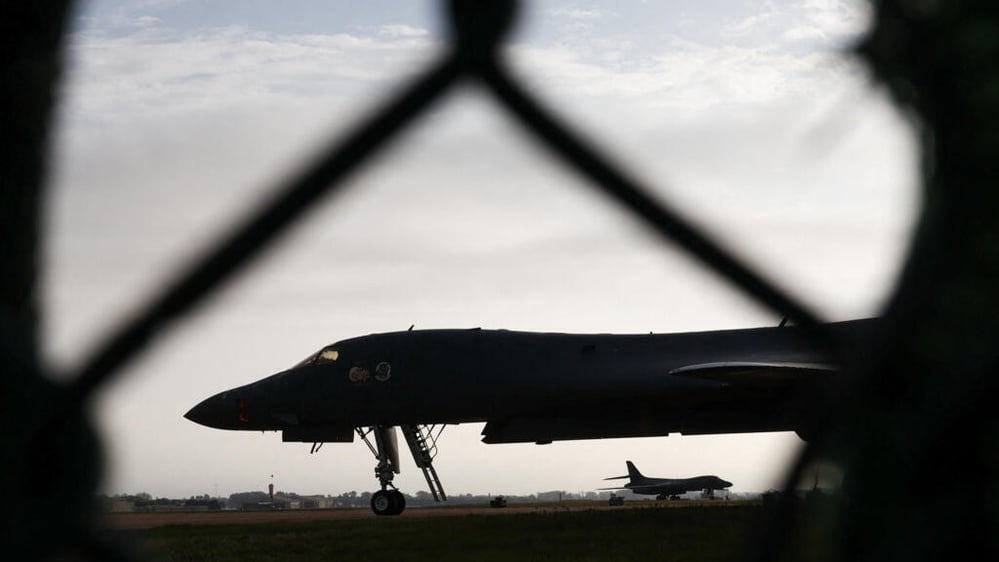
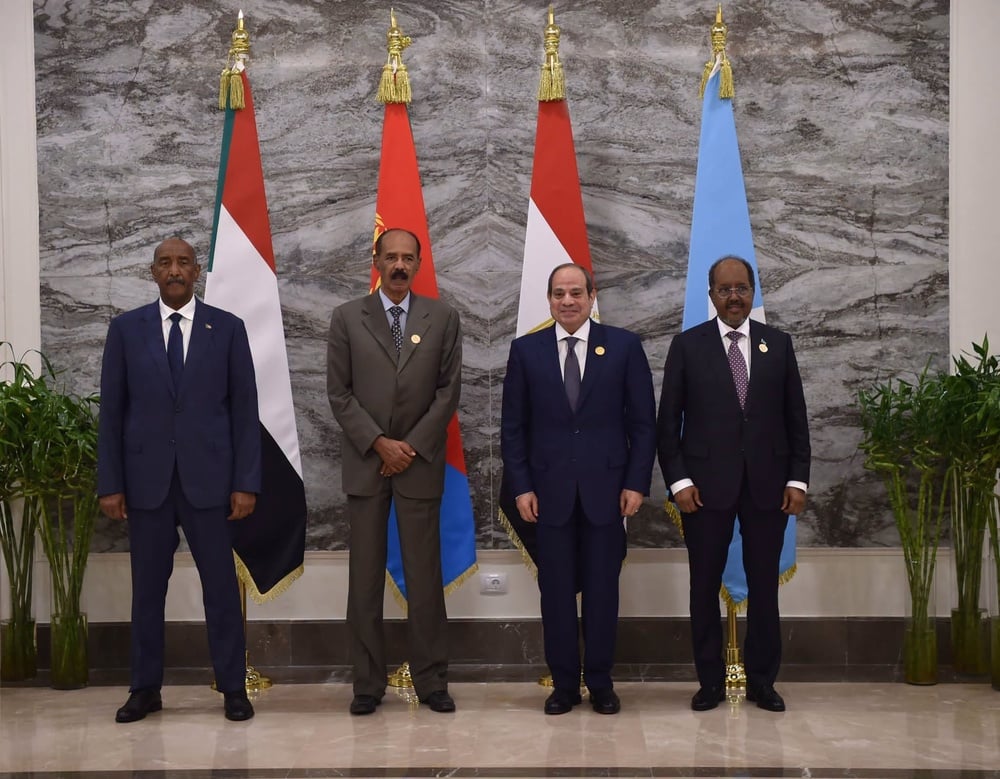

2026 © Helium Trades
Privacy Policy & Disclosure
* Disclaimer: Nothing on this website constitutes investment advice, performance data or any recommendation that any particular security, portfolio of securities, transaction or investment strategy is suitable for any specific person. Helium Trades is not responsible in any way for the accuracy
of any model predictions or price data. Any mention of a particular security and related prediction data is not a recommendation to buy or sell that security. Investments in securities involve the risk of loss. Past performance is no guarantee of future results. Helium Trades is not responsible for any of your investment decisions,
you should consult a financial expert before engaging in any transaction.
Helium Research Assistant

How can I help you today?
Ask any question about this page.


