See whether Helium helps you make better-informed decisions. Try every Pro Trader feature for 30 days. No credit card required.
Try every Pro Trader feature for 30 days. No credit card required.
July 18, 2026 · 0 shares
Neutral, fact-focused casualty report on an Iranian missile strike at Muwaffaq Salti Air Base in Jordan, citing official sources and social-media imagery with minimal interpretation.
Brief war casualty report noting Iranian missiles hitting a U.S.-hosted base in Jordan, casualty figures, and a CENTCOM statement with social-media imagery.
Automated analysis; not human reviewed.
Limitations: Concise, case-specific limitations and plausible alternative interpretations.
·
51 of 52 available dimensions scored; omitted dimensions are not treated as neutral.
·
Verified supporting quotes for 0 of 51 scored dimensions.
Date/year unclear; casualty counts evolving; relies on CENTCOM quotes; limited sourcing.
July 18, 2026 · 0 shares
Fact-focused, source-centered reporting that relies on CENTCOM statements and casualty tallies with limited critical framing, presenting events as a straightforward episode within the broader U.S.-Iran conflict.
Describes casualty figures and ongoing hostilities following Iranian attacks on Muwaffaq Salti Air Base in Jordan, with CENTCOM statements and broader U.S.-Iran conflict context.
Automated analysis; not human reviewed.
Limitations: Based on single article; potential alternative interpretations exist; relies on official sources; site label suggests a conservative-leaning outlet.
·
21 of 52 available dimensions scored; omitted dimensions are not treated as neutral.
·
Verified supporting quotes for 3 of 21 scored dimensions.
Claim: Relying heavily on official U.S. military sources and casualty tallies; limited critical analysis.
“"On July 17, two U.S. service members in Jordan were killed in action as U.S. Central Command (CENTCOM) and partner forces defended against Iranian ballistic missile and drone attacks.
Additionally, one service member is currently missing," U.S. Central Command (CENTCOM) confirmed in a statement.”
· verified after text normalization
“"Out of respect for the families, CENTCOM will withhold additional information, including the identities of the fallen warriors, until 24 hours after the next of kin have been notified," the statement added.” · verified after text normalization
Counterevidence:
“"Iranian forces claimed responsibility for the attacks and stated that additional military operations would continue as the ceasefire between the two sides has effectively broken down."” · not found in supplied text
“"The broader conflict originated with coordinated U.S. and Israeli military operations against Iranian targets that began on February 28."” · not found in supplied text
Why: Heavy reliance on official sources, with some broader context.
Claim: No explicit editorialization; article uses facts and official statements.
“"On July 17, two U.S. service members in Jordan were killed in action as U.S. Central Command (CENTCOM) and partner forces defended against Iranian ballistic missile and drone attacks."” · not found in supplied text
“"The attacks targeted Muwaffaq Salti Air Base, a facility used by Jordanian and U.S. coalition forces."” · not found in supplied text
“"That agreement largely held, with sporadic flare-ups of hostilities in-between, until the two sides signed a memorandum of understanding (MoU) last month."” · not found in supplied text
Counterevidence:
“"President Donald Trump stated that he viewed the agreement as effectively “over” while speaking with NATO leaders in Turkey earlier this month, while the Iranian regime announced that it was formally backing out of the agreement on Saturday morning."” · not found in supplied text
Why: Descriptive language with official sources and minimal opinion.
Claim: Describes U.S. military actions as ongoing; potential future operations, suggesting hawkish tilt.
“"CENTCOM carried out additional strikes earlier in the day Saturday, while additional military operations are expected to continue."” · exact text match
Counterevidence:
“"Talks have largely broken down as of this report, however, as the U.S. has launched multiple attacks against Iranian targets in response to attacks on commercial vessels in the Strait of Hormuz."” · not found in supplied text
“"The agreement, which was brokered with the help of Pakistan and other regional partners, established a 60-day window for further negotiations in order to extend the ceasefire."” · not found in supplied text
Why: Notes ongoing strikes and possible future operations alongside negotiation context.
Claim: Includes references to political actors and policy actions but remains descriptive overall.
“"President Donald Trump stated that he viewed the agreement as effectively 'over' while speaking with NATO leaders in Turkey earlier this month, while the Iranian regime announced that it was formally backing out of the agreement on Saturday morning."” · not found in supplied text
“"That agreement largely held, with sporadic flare-ups of hostilities in-between, until the two sides signed a memorandum of understanding (MoU) last month.
The agreement, which was brokered with the help of Pakistan and other regional partners, established a 60-day window for further negotiations in order to extend the ceasefire."”
· exact text match
Counterevidence:
“"The attacks targeted Muwaffaq Salti Air Base, a facility used by Jordanian and U.S. coalition forces."” · not found in supplied text
Why: Mentions political actors and policy frames but does not advocate.
Claim: Reliance on CENTCOM as a primary source could reflect appeal to authority.
“"On July 17, two U.S. service members in Jordan were killed in action as U.S. Central Command (CENTCOM) and partner forces defended against Iranian ballistic missile and drone attacks.
Additionally, one service member is currently missing," U.S. Central Command (CENTCOM) confirmed in a statement.”
· verified after text normalization
“"Out of respect for the families, CENTCOM will withhold additional information, including the identities of the fallen warriors, until 24 hours after the next of kin have been notified," the statement added.” · verified after text normalization
Counterevidence:
“"Iranian forces claimed responsibility for the attacks and stated that additional military operations would continue as the ceasefire between the two sides has effectively broken down."” · not found in supplied text
Why: Primary sourcing from military authorities; contextual statements present.
Claim: Relies on official sources and policy context; frames via established actors and agreements.
“"The Pentagon has confirmed..."” · not found in supplied text
“"On July 17, two U.S. service members in Jordan were killed in action as U.S. Central Command (CENTCOM) and partner forces defended against Iranian ballistic missile and drone attacks."” · not found in supplied text
Counterevidence:
“"Iranian forces claimed responsibility for the attacks..."” · not found in supplied text
“"The broader conflict originated with coordinated U.S. and Israeli military operations against Iranian targets that began on February 28."” · not found in supplied text
Why: Primarily uses official voices; contextual political claims present but not central.
Site-lean; limited critical angles; relies on CENTCOM quotes.
Neutral, source-based reporting anchored to CENTCOM statements with minimal interpretation, though promotional and unrelated headlines on the page suggest broader editorial framing by a conservative outlet.
Concise, factual, balanced context for the article in one sentence.
Automated analysis; not human reviewed.
Limitations: Concise, case-specific limitations and plausible alternative interpretations.
·
52 of 52 available dimensions scored; omitted dimensions are not treated as neutral.
·
Verified supporting quotes for 0 of 52 scored dimensions.
Claim: 0 indicates neutrality; the reporting relies on official statements and quotes with minimal interpretation.
“"The United States Central Command said Saturday that two American service members were killed in Jordan this week and one service member is missing in action."” · exact text match
“"Out of respect for the families, CENTCOM will withhold additional information, including the identities of the fallen warriors, until 24 hours after the next of kin have been notified," CENTCOM said.” · not found in supplied text
“"The identities of the fallen and missing service members have not been disclosed."” · not found in supplied text
Counterevidence:
“The page includes promotional content such as newsletter prompts; editorial headlines clutter the layout.” · not found in supplied text
Why: Neutral framing is supported by official statements; promotional content may distract but does not show a clear stance.
Ambiguity and embedded headlines may shift interpretation.
July 18, 2026 · 0 shares
Escalation-focused, multi-source reporting foregrounds alarm about a possible wider conflict while incorporating official statements from CENTCOM, GCC, and Iranian leadership, and interspersing sensational headlines and unrelated content that broadens the framing.
Concise, factful context for the article: casualty data and escalation narrative with official statements from CENTCOM, GCC, and Iranian leadership, plus accompanying headlines and non-military content.
Automated analysis; not human reviewed.
Limitations: Concise, case-specific limitations and plausible alternative interpretations.
·
9 of 52 available dimensions scored; omitted dimensions are not treated as neutral.
·
Verified supporting quotes for 4 of 9 scored dimensions.
Claim: The article uses alarm-oriented language and normative framing around escalation
“Observers have watched escalating attacks between Iranian and US forces with growing alarm, warning that people across the region would suffer from a return to war.” · exact text match
“The head of the Gulf Cooperation Council (GCC) slammed recent Iranian attacks on Jordan, Kuwait, and Bahrain as a war crime and highly dangerous escalation, saying that the strikes included the targeting of civilian infrastructure.” · not found in supplied text
Counterevidence:
“Legal experts have said such attacks by both sides violate international law.” · exact text match
“Two US service members killed and four evacuated are presented as factual reports rather than editorializing.” · not found in supplied text
Why: Subjective framing is present but anchored in quotes and official statements rather than editorial voice.
Claim: Occasional sensational framing appears through invasion-related questions and war-contrast phrases
“What could a US ground invasion of Iran look like?” · exact text match
“Air strikes intensify raising fear of an all-out war.” · exact text match
Counterevidence:
“Core reporting includes verifiable casualty counts and official statements.” · not found in supplied text
Why: Sensational questions and phrases exist but are not the article's sole framing.
Claim: The piece emphasizes fear of a broader conflict
“prompting alarm about return to full-scale war across the region” · exact text match
“Observers have watched escalating attacks between Iranian and US forces with growing alarm” · exact text match
“raising fear of an all-out war” · exact text match
Counterevidence:
“CENTCOM withholding information to respect families” · not found in supplied text
“Casualty reporting is presented factually.” · not found in supplied text
Why: Fear language is present but balanced by official reporting practices.
Claim: There is limited editorial stance; emphasis on quotes maintains neutrality
“war crime terminology appears in a GCC quote” · not found in supplied text
Counterevidence:
“The presence of normative terms in quotes reflects external views rather than the article’s stance.” · not found in supplied text
Why: Editorial stance is not the article's; quotes carry external opinions.
Claim: Emotional framing arises via escalation and fear language
“alarm about return to full-scale war” · exact text match
“fear of an all-out war” · exact text match
Counterevidence:
“Reporting includes neutral data such as casualty counts and official statements.” · not found in supplied text
Why: Emotional language is present but contextualized by reporting.
Claim: Credibility is moderate due to diverse sourcing and presented data
“CENTCOM statements about casualties” · not found in supplied text
“GCC statement” · not found in supplied text
“Iranian leader reaction” · not found in supplied text
Counterevidence:
“Inclusion of unrelated headlines that may dilute focus” · not found in supplied text
Why: Sourcing from official statements and diverse actors lends credibility, but stray content reduces focus.
Claim: The article presents questions about future invasion and outcomes
“What could a US ground invasion of Iran look like?” · exact text match
“Can the US and Iran reach a lasting deal to end the conflict?” · exact text match
Counterevidence:
“These are questions, not conclusions about policy.” · not found in supplied text
Why: Speculation is framed as questions rather than assertions.
Claim: The piece shows synthesis of multiple viewpoints
“CENTCOM casualty figures” · not found in supplied text
“GCC statement” · not found in supplied text
“Iranian leader reaction” · not found in supplied text
Counterevidence:
“Some content is sensational or unrelated, potentially reducing clarity.” · not found in supplied text
Why: Sourcing is varied; analytical depth is moderate.
July 18, 2026 · 0 shares
Framing leans conservative with pro-U.S. wartime emphasis, anti-left rhetoric, and embedded promotional content that biases interpretation of the Iran–U.S. conflict.
Concise, factful, accurate, balanced context for the article in one sentence.
Automated analysis; not human reviewed.
Limitations: Concise, case-specific limitations and plausible alternative interpretations.
·
13 of 52 available dimensions scored; omitted dimensions are not treated as neutral.
·
Verified supporting quotes for 7 of 13 scored dimensions.
Claim: Conservative-leaning framing evidenced by pro-U.S. messaging and anti-left rhetoric within the article.
“Godspeed, heroes.
Their sacrifice only stiffens our resolve.”
· exact text match
“Today, even with President Trump’s victory, leftist elites have their tentacles in every aspect of our government.” · exact text match
Counterevidence:
“Reuters could not independently verify the reports.” · exact text match
“EU and Gulf states called on Iran to halt all attacks and interference with maritime navigation.” · not found in supplied text
Why: Direct pro-U.S./anti-left framing is present alongside standard sourcing disclaimers.
Claim: Left-wing elite conspiratorial framing appears (populist-leaning rhetoric).
“Now that the American enemy is seeking to escalate the conflict thereby incurring even heavier costs and further humiliation, it should know that the noble nation of Iran and the Resistance Front have unforgettable lessons in store for it.” · not found in supplied text
“the Left’s NGO apparatus pursues its woke agenda, maneuvering like an octopus by circumventing Congress and entrenching its interests in the federal government.” · exact text match
Counterevidence:
“Reuters could not independently verify the reports.” · exact text match
Why: Explicit anti-left elite framing with conspiratorial language.
Claim: Subjective framing evident through partisan phrases.
“leftist elites have their tentacles in every aspect of our government.” · exact text match
Counterevidence:
“Reuters could not independently verify the reports.” · exact text match
Why: Use of overt ideological phrasing alongside neutral specifics.
Claim: Hawkish emphasis via escalation language and costs of conflict.
“seventh straight night of U.S. strikes” · exact text match
“Now that the American enemy is seeking to escalate the conflict thereby incurring even heavier costs and further humiliation.” · not found in supplied text
Counterevidence:
“EU and Gulf states called on Iran to halt all attacks.” · not found in supplied text
Why: Escalation framing and emphasis on costs signals hawkish orientation.
Claim: Promotional content appears within the article text.
“Read the first chapter of The Woketopus right now for FREE” · exact text match
“The depends on the support of readers like you.” · verified after text normalization
Counterevidence:
“Not all content is promotional.” · not found in supplied text
Why: Multiple promotional items present in text.
Claim: Explicit anti-left ideological framing through phrases about left-wing groups.
“Left’s NGO apparatus pursues its woke agenda” · exact text match
“leftist elites have their tentacles in every aspect of our government” · exact text match
Counterevidence:
“EU/Gulf statements and neutral reporting on events.” · not found in supplied text
Why: Direct ideological framing toward left-wing actors.
Claim: Use of evocative language to influence perception.
“unforgettable lessons in store for it” · exact text match
“Godspeed, heroes” · exact text match
Counterevidence:
“Casualty figures and official statements provide factual context.” · not found in supplied text
Why: Emotional phrasing complements factual reporting.
Claim: Credibility is mixed due to credible sourcing and promotional content.
“Reporting by David Ljunggren, Enas Alashray and Hatem Maher; writing by Stephen Coates, Gareth Jones, Aidan Lewis and Michael Martina; editing by Sam Holmes, Alison Williams, Ros Russell, Rod Nickel” · exact text match
“Reuters could not independently verify the reports.” · exact text match
Counterevidence:
“Embedded promotional content may undermine perceived credibility.” · not found in supplied text
Why: Sourcing credibility contrasted with promotional material.
Claim: Rational reporting tempered by sensational or promotional content.
“Reuters could not independently verify the reports.” · exact text match
“The U.S. Central Command said the two deaths occurred on Friday and that a third U.S. service member was missing in action.” · not found in supplied text
Counterevidence:
“Promotional content occasionally interrupts presentation, potentially biasing reception.” · not found in supplied text
Why: Fact-based reporting coexists with sensational/ad content.
Claim: Embedded promotional material signals advertising orientation.
“Read the first chapter of The Woketopus right now for FREE” · exact text match
“The depends on the support of readers like you.” · verified after text normalization
Counterevidence:
“Core reporting includes standard Reuters attribution and sourcing.” · not found in supplied text
Why: Direct promotional content interwoven with reporting.
July 16, 2026 · 0 shares
IRGC-affiliated hawkish narrative framing the United States and Zionists as aggressors, justifying retaliation with inflammatory, unverified casualty claims and dehumanizing language, reflecting a pro-establishment, militaristic stance.
IRGC-affiliated release describes Nasr 2 missile strikes against U.S. bases in Jordan, framing the United States and Zionists as aggressors and urging retaliation.
Automated analysis; not human reviewed.
Limitations: Relies on IRGC statements; lacks independent verification; language is propagandistic and likely lacks balanced counterpoints.
·
1 of 52 available dimensions scored; omitted dimensions are not treated as neutral.
·
Verified supporting quotes for 0 of 1 scored dimensions.
Claim: The piece frames the U.S. and Israel-aligned actors as criminals and justifies aggressive retaliation.
“Last night, the American army in a clear aggression using air bases located in Jordan, targeted various parts of Iran, including the area of a children's cancer hospital, so that 121 children with cancer have been evacuated.” · not found in supplied text
“This is not the first American crime using bases located in Jordan.” · exact text match
“Brave people of Jordan, you have experienced the crimes of America and the Zionists more closely than any other nation.
Do not allow the holy land of Jordan, which is the footstep of the prophets, to be used for these crimes against children.
Strike at America's interests with all your might and cleanse your land of the filth of the American occupiers.”
· exact text match
Why: Emotionally charged, dehumanizing, and prescriptive framing signals a hawkish, authoritarian bias rather than neutral, evidence-based reporting.
Ambiguity: relies on IRGC statements; lacks independent corroboration.
July 18, 2026 · 0 shares
Neutral, fact-focused casualty report on an Iranian missile strike at Muwaffaq Salti Air Base in Jordan, citing official sources and social-media imagery with minimal interpretation.
Brief war casualty report noting Iranian missiles hitting a U.S.-hosted base in Jordan, casualty figures, and a CENTCOM statement with social-media imagery.
Automated analysis; not human reviewed.
Limitations: Concise, case-specific limitations and plausible alternative interpretations.
·
51 of 52 available dimensions scored; omitted dimensions are not treated as neutral.
·
Verified supporting quotes for 0 of 51 scored dimensions.
Date/year unclear; casualty counts evolving; relies on CENTCOM quotes; limited sourcing.
The report frames Arrow as exceptionally capable and strategically central to Israel's defense, emphasizing high performance and production acceleration while noting limited transparency around production figures.
A concise briefing on Arrow's deployment, performance against Iranian missiles, ongoing development, production considerations, and export context, with official quotes.
Automated analysis; not human reviewed.
·
1 of 52 available dimensions scored; omitted dimensions are not treated as neutral.
·
Verified supporting quotes for 0 of 1 scored dimensions.
Claim: The article frames Arrow with a strongly positive stance, emphasizing performance and strategic value.
“Arrow has battled hundreds of Iranian ballistic missiles, and the defensive system has been credited with an interception rate of over 90% during the two most recent clashes in June 2025 and this spring.” · exact text match
“"very satisfied with the performance of the Arrow 3," Patel said in a recent interview.
He called it the "most advanced and capable system" globally, particularly in interceptions in outer space.”
· not found in supplied text
“There is an added element of sensitivity, he said, because Arrow 3 is "one of the most strategic systems in Israel."” · not found in supplied text
Counterevidence:
“While Israel has faced a heavy Iranian missile fire, officials have denied reports that the country is low on interceptors.” · exact text match
“Israel is expediting production with "imaginary numbers right now," Patel said, though he declined to discuss specific numbers.” · not found in supplied text
Why: Positive performance claims and high intercept rates indicate favorable framing toward Arrow, tempered by production- and quantity-uncertainty notes.
Bottom ad blocks; production numbers undisclosed; reliance on Patel; possible pro-Arrow tilt.
The piece presents a data-driven, defense-focused framing of Israel's interceptor modernization, citing official statements and historical incidents while acknowledging global demand, with occasional advertising copy that may slightly undermine perceived reliability.
Defense-focused report on Israel's plan to ramp up Arrow interceptors, lessons from Iran's missile attacks, and global demand for ballistic missile defense systems, including US-Israel collaboration.
Automated analysis; not human reviewed. Limitations: Concise, case-specific limitations and plausible alternative interpretations.
Ads content may degrade perceived reliability; no clear ideological tilt detected.
Descriptive, evidence-based coverage outlines Iran's missile-protection technologies—underground bases, hardened silos, mobile TELs, deception, and air defenses—citing satellite imagery, Iranian state media footage, and external analysts with cautious language about effectiveness and no explicit endorsement or condemnation.
Technology-focused analysis of Iran's ballistic missile protection strategies, including underground facilities, mobile launchers, deception, and air defenses.
Limited exposure to sensitive defense topics; ~0.6 confidence in analysis.
July 18, 2026 · 0 shares
Framing leans conservative with pro-U.S. wartime emphasis, anti-left rhetoric, and embedded promotional content that biases interpretation of the Iran–U.S. conflict.
Concise, factful, accurate, balanced context for the article in one sentence.
Automated analysis; not human reviewed.
Limitations: Concise, case-specific limitations and plausible alternative interpretations.
·
13 of 52 available dimensions scored; omitted dimensions are not treated as neutral.
·
Verified supporting quotes for 7 of 13 scored dimensions.
Claim: Conservative-leaning framing evidenced by pro-U.S. messaging and anti-left rhetoric within the article.
“Godspeed, heroes.
Their sacrifice only stiffens our resolve.”
· exact text match
“Today, even with President Trump’s victory, leftist elites have their tentacles in every aspect of our government.” · exact text match
Counterevidence:
“Reuters could not independently verify the reports.” · exact text match
“EU and Gulf states called on Iran to halt all attacks and interference with maritime navigation.” · not found in supplied text
Why: Direct pro-U.S./anti-left framing is present alongside standard sourcing disclaimers.
Claim: Left-wing elite conspiratorial framing appears (populist-leaning rhetoric).
“Now that the American enemy is seeking to escalate the conflict thereby incurring even heavier costs and further humiliation, it should know that the noble nation of Iran and the Resistance Front have unforgettable lessons in store for it.” · not found in supplied text
“the Left’s NGO apparatus pursues its woke agenda, maneuvering like an octopus by circumventing Congress and entrenching its interests in the federal government.” · exact text match
Counterevidence:
“Reuters could not independently verify the reports.” · exact text match
Why: Explicit anti-left elite framing with conspiratorial language.
Claim: Subjective framing evident through partisan phrases.
“leftist elites have their tentacles in every aspect of our government.” · exact text match
Counterevidence:
“Reuters could not independently verify the reports.” · exact text match
Why: Use of overt ideological phrasing alongside neutral specifics.
Claim: Hawkish emphasis via escalation language and costs of conflict.
“seventh straight night of U.S. strikes” · exact text match
“Now that the American enemy is seeking to escalate the conflict thereby incurring even heavier costs and further humiliation.” · not found in supplied text
Counterevidence:
“EU and Gulf states called on Iran to halt all attacks.” · not found in supplied text
Why: Escalation framing and emphasis on costs signals hawkish orientation.
Claim: Promotional content appears within the article text.
“Read the first chapter of The Woketopus right now for FREE” · exact text match
“The depends on the support of readers like you.” · verified after text normalization
Counterevidence:
“Not all content is promotional.” · not found in supplied text
Why: Multiple promotional items present in text.
Claim: Explicit anti-left ideological framing through phrases about left-wing groups.
“Left’s NGO apparatus pursues its woke agenda” · exact text match
“leftist elites have their tentacles in every aspect of our government” · exact text match
Counterevidence:
“EU/Gulf statements and neutral reporting on events.” · not found in supplied text
Why: Direct ideological framing toward left-wing actors.
Claim: Use of evocative language to influence perception.
“unforgettable lessons in store for it” · exact text match
“Godspeed, heroes” · exact text match
Counterevidence:
“Casualty figures and official statements provide factual context.” · not found in supplied text
Why: Emotional phrasing complements factual reporting.
Claim: Credibility is mixed due to credible sourcing and promotional content.
“Reporting by David Ljunggren, Enas Alashray and Hatem Maher; writing by Stephen Coates, Gareth Jones, Aidan Lewis and Michael Martina; editing by Sam Holmes, Alison Williams, Ros Russell, Rod Nickel” · exact text match
“Reuters could not independently verify the reports.” · exact text match
Counterevidence:
“Embedded promotional content may undermine perceived credibility.” · not found in supplied text
Why: Sourcing credibility contrasted with promotional material.
Claim: Rational reporting tempered by sensational or promotional content.
“Reuters could not independently verify the reports.” · exact text match
“The U.S. Central Command said the two deaths occurred on Friday and that a third U.S. service member was missing in action.” · not found in supplied text
Counterevidence:
“Promotional content occasionally interrupts presentation, potentially biasing reception.” · not found in supplied text
Why: Fact-based reporting coexists with sensational/ad content.
Claim: Embedded promotional material signals advertising orientation.
“Read the first chapter of The Woketopus right now for FREE” · exact text match
“The depends on the support of readers like you.” · verified after text normalization
Counterevidence:
“Core reporting includes standard Reuters attribution and sourcing.” · not found in supplied text
Why: Direct promotional content interwoven with reporting.
July 18, 2026 · 0 shares
Neutral, fact-focused casualty report on an Iranian missile strike at Muwaffaq Salti Air Base in Jordan, citing official sources and social-media imagery with minimal interpretation.
Brief war casualty report noting Iranian missiles hitting a U.S.-hosted base in Jordan, casualty figures, and a CENTCOM statement with social-media imagery.
Automated analysis; not human reviewed. Limitations: Concise, case-specific limitations and plausible alternative interpretations. · 51 of 52 available dimensions scored; omitted dimensions are not treated as neutral. · Verified supporting quotes for 0 of 51 scored dimensions.
Date/year unclear; casualty counts evolving; relies on CENTCOM quotes; limited sourcing.
July 18, 2026 · 0 shares
Fact-focused, source-centered reporting that relies on CENTCOM statements and casualty tallies with limited critical framing, presenting events as a straightforward episode within the broader U.S.-Iran conflict.
Describes casualty figures and ongoing hostilities following Iranian attacks on Muwaffaq Salti Air Base in Jordan, with CENTCOM statements and broader U.S.-Iran conflict context.
Automated analysis; not human reviewed. Limitations: Based on single article; potential alternative interpretations exist; relies on official sources; site label suggests a conservative-leaning outlet. · 21 of 52 available dimensions scored; omitted dimensions are not treated as neutral. · Verified supporting quotes for 3 of 21 scored dimensions.
Claim: Relying heavily on official U.S. military sources and casualty tallies; limited critical analysis.
“"On July 17, two U.S. service members in Jordan were killed in action as U.S. Central Command (CENTCOM) and partner forces defended against Iranian ballistic missile and drone attacks. Additionally, one service member is currently missing," U.S. Central Command (CENTCOM) confirmed in a statement.” · verified after text normalization
“"Out of respect for the families, CENTCOM will withhold additional information, including the identities of the fallen warriors, until 24 hours after the next of kin have been notified," the statement added.” · verified after text normalization
Counterevidence:
“"Iranian forces claimed responsibility for the attacks and stated that additional military operations would continue as the ceasefire between the two sides has effectively broken down."” · not found in supplied text
“"The broader conflict originated with coordinated U.S. and Israeli military operations against Iranian targets that began on February 28."” · not found in supplied text
Why: Heavy reliance on official sources, with some broader context.
Claim: No explicit editorialization; article uses facts and official statements.
“"On July 17, two U.S. service members in Jordan were killed in action as U.S. Central Command (CENTCOM) and partner forces defended against Iranian ballistic missile and drone attacks."” · not found in supplied text
“"The attacks targeted Muwaffaq Salti Air Base, a facility used by Jordanian and U.S. coalition forces."” · not found in supplied text
“"That agreement largely held, with sporadic flare-ups of hostilities in-between, until the two sides signed a memorandum of understanding (MoU) last month."” · not found in supplied text
Counterevidence:
“"President Donald Trump stated that he viewed the agreement as effectively “over” while speaking with NATO leaders in Turkey earlier this month, while the Iranian regime announced that it was formally backing out of the agreement on Saturday morning."” · not found in supplied text
Why: Descriptive language with official sources and minimal opinion.
Claim: Describes U.S. military actions as ongoing; potential future operations, suggesting hawkish tilt.
“"CENTCOM carried out additional strikes earlier in the day Saturday, while additional military operations are expected to continue."” · exact text match
Counterevidence:
“"Talks have largely broken down as of this report, however, as the U.S. has launched multiple attacks against Iranian targets in response to attacks on commercial vessels in the Strait of Hormuz."” · not found in supplied text
“"The agreement, which was brokered with the help of Pakistan and other regional partners, established a 60-day window for further negotiations in order to extend the ceasefire."” · not found in supplied text
Why: Notes ongoing strikes and possible future operations alongside negotiation context.
Claim: Includes references to political actors and policy actions but remains descriptive overall.
“"President Donald Trump stated that he viewed the agreement as effectively 'over' while speaking with NATO leaders in Turkey earlier this month, while the Iranian regime announced that it was formally backing out of the agreement on Saturday morning."” · not found in supplied text
“"That agreement largely held, with sporadic flare-ups of hostilities in-between, until the two sides signed a memorandum of understanding (MoU) last month. The agreement, which was brokered with the help of Pakistan and other regional partners, established a 60-day window for further negotiations in order to extend the ceasefire."” · exact text match
Counterevidence:
“"The attacks targeted Muwaffaq Salti Air Base, a facility used by Jordanian and U.S. coalition forces."” · not found in supplied text
Why: Mentions political actors and policy frames but does not advocate.
Claim: Reliance on CENTCOM as a primary source could reflect appeal to authority.
“"On July 17, two U.S. service members in Jordan were killed in action as U.S. Central Command (CENTCOM) and partner forces defended against Iranian ballistic missile and drone attacks. Additionally, one service member is currently missing," U.S. Central Command (CENTCOM) confirmed in a statement.” · verified after text normalization
“"Out of respect for the families, CENTCOM will withhold additional information, including the identities of the fallen warriors, until 24 hours after the next of kin have been notified," the statement added.” · verified after text normalization
Counterevidence:
“"Iranian forces claimed responsibility for the attacks and stated that additional military operations would continue as the ceasefire between the two sides has effectively broken down."” · not found in supplied text
Why: Primary sourcing from military authorities; contextual statements present.
Claim: Relies on official sources and policy context; frames via established actors and agreements.
“"The Pentagon has confirmed..."” · not found in supplied text
“"On July 17, two U.S. service members in Jordan were killed in action as U.S. Central Command (CENTCOM) and partner forces defended against Iranian ballistic missile and drone attacks."” · not found in supplied text
Counterevidence:
“"Iranian forces claimed responsibility for the attacks..."” · not found in supplied text
“"The broader conflict originated with coordinated U.S. and Israeli military operations against Iranian targets that began on February 28."” · not found in supplied text
Why: Primarily uses official voices; contextual political claims present but not central.
Site-lean; limited critical angles; relies on CENTCOM quotes.
Neutral, source-based reporting anchored to CENTCOM statements with minimal interpretation, though promotional and unrelated headlines on the page suggest broader editorial framing by a conservative outlet.
Concise, factual, balanced context for the article in one sentence.
Automated analysis; not human reviewed. Limitations: Concise, case-specific limitations and plausible alternative interpretations. · 52 of 52 available dimensions scored; omitted dimensions are not treated as neutral. · Verified supporting quotes for 0 of 52 scored dimensions.
Claim: 0 indicates neutrality; the reporting relies on official statements and quotes with minimal interpretation.
“"The United States Central Command said Saturday that two American service members were killed in Jordan this week and one service member is missing in action."” · exact text match
“"Out of respect for the families, CENTCOM will withhold additional information, including the identities of the fallen warriors, until 24 hours after the next of kin have been notified," CENTCOM said.” · not found in supplied text
“"The identities of the fallen and missing service members have not been disclosed."” · not found in supplied text
Counterevidence:
“The page includes promotional content such as newsletter prompts; editorial headlines clutter the layout.” · not found in supplied text
Why: Neutral framing is supported by official statements; promotional content may distract but does not show a clear stance.
Ambiguity and embedded headlines may shift interpretation.
July 16, 2026 · 0 shares
IRGC-affiliated hawkish narrative framing the United States and Zionists as aggressors, justifying retaliation with inflammatory, unverified casualty claims and dehumanizing language, reflecting a pro-establishment, militaristic stance.
IRGC-affiliated release describes Nasr 2 missile strikes against U.S. bases in Jordan, framing the United States and Zionists as aggressors and urging retaliation.
Automated analysis; not human reviewed. Limitations: Relies on IRGC statements; lacks independent verification; language is propagandistic and likely lacks balanced counterpoints. · 1 of 52 available dimensions scored; omitted dimensions are not treated as neutral. · Verified supporting quotes for 0 of 1 scored dimensions.
Claim: The piece frames the U.S. and Israel-aligned actors as criminals and justifies aggressive retaliation.
“Last night, the American army in a clear aggression using air bases located in Jordan, targeted various parts of Iran, including the area of a children's cancer hospital, so that 121 children with cancer have been evacuated.” · not found in supplied text
“This is not the first American crime using bases located in Jordan.” · exact text match
“Brave people of Jordan, you have experienced the crimes of America and the Zionists more closely than any other nation. Do not allow the holy land of Jordan, which is the footstep of the prophets, to be used for these crimes against children. Strike at America's interests with all your might and cleanse your land of the filth of the American occupiers.” · exact text match
Why: Emotionally charged, dehumanizing, and prescriptive framing signals a hawkish, authoritarian bias rather than neutral, evidence-based reporting.
Ambiguity: relies on IRGC statements; lacks independent corroboration.
July 18, 2026 · 0 shares
Neutral, fact-focused casualty report on an Iranian missile strike at Muwaffaq Salti Air Base in Jordan, citing official sources and social-media imagery with minimal interpretation.
Brief war casualty report noting Iranian missiles hitting a U.S.-hosted base in Jordan, casualty figures, and a CENTCOM statement with social-media imagery.
Automated analysis; not human reviewed. Limitations: Concise, case-specific limitations and plausible alternative interpretations. · 51 of 52 available dimensions scored; omitted dimensions are not treated as neutral. · Verified supporting quotes for 0 of 51 scored dimensions.
Date/year unclear; casualty counts evolving; relies on CENTCOM quotes; limited sourcing.
Story Blindspots
July 16, 2026 · 0 shares
IRGC-affiliated hawkish narrative framing the United States and Zionists as aggressors, justifying retaliation with inflammatory, unverified casualty claims and dehumanizing language, reflecting a pro-establishment, militaristic stance.
IRGC-affiliated release describes Nasr 2 missile strikes against U.S. bases in Jordan, framing the United States and Zionists as aggressors and urging retaliation.
Automated analysis; not human reviewed. Limitations: Relies on IRGC statements; lacks independent verification; language is propagandistic and likely lacks balanced counterpoints. · 1 of 52 available dimensions scored; omitted dimensions are not treated as neutral. · Verified supporting quotes for 0 of 1 scored dimensions.
Claim: The piece frames the U.S. and Israel-aligned actors as criminals and justifies aggressive retaliation.
“Last night, the American army in a clear aggression using air bases located in Jordan, targeted various parts of Iran, including the area of a children's cancer hospital, so that 121 children with cancer have been evacuated.” · not found in supplied text
“This is not the first American crime using bases located in Jordan.” · exact text match
“Brave people of Jordan, you have experienced the crimes of America and the Zionists more closely than any other nation. Do not allow the holy land of Jordan, which is the footstep of the prophets, to be used for these crimes against children. Strike at America's interests with all your might and cleanse your land of the filth of the American occupiers.” · exact text match
Why: Emotionally charged, dehumanizing, and prescriptive framing signals a hawkish, authoritarian bias rather than neutral, evidence-based reporting.
Ambiguity: relies on IRGC statements; lacks independent corroboration.
July 18, 2026 · 0 shares
Neutral, fact-focused casualty report on an Iranian missile strike at Muwaffaq Salti Air Base in Jordan, citing official sources and social-media imagery with minimal interpretation.
Brief war casualty report noting Iranian missiles hitting a U.S.-hosted base in Jordan, casualty figures, and a CENTCOM statement with social-media imagery.
Automated analysis; not human reviewed. Limitations: Concise, case-specific limitations and plausible alternative interpretations. · 51 of 52 available dimensions scored; omitted dimensions are not treated as neutral. · Verified supporting quotes for 0 of 51 scored dimensions.
Date/year unclear; casualty counts evolving; relies on CENTCOM quotes; limited sourcing.
July 18, 2026 · 0 shares
Fact-focused, source-centered reporting that relies on CENTCOM statements and casualty tallies with limited critical framing, presenting events as a straightforward episode within the broader U.S.-Iran conflict.
Describes casualty figures and ongoing hostilities following Iranian attacks on Muwaffaq Salti Air Base in Jordan, with CENTCOM statements and broader U.S.-Iran conflict context.
Automated analysis; not human reviewed. Limitations: Based on single article; potential alternative interpretations exist; relies on official sources; site label suggests a conservative-leaning outlet. · 21 of 52 available dimensions scored; omitted dimensions are not treated as neutral. · Verified supporting quotes for 3 of 21 scored dimensions.
Claim: Relying heavily on official U.S. military sources and casualty tallies; limited critical analysis.
“"On July 17, two U.S. service members in Jordan were killed in action as U.S. Central Command (CENTCOM) and partner forces defended against Iranian ballistic missile and drone attacks. Additionally, one service member is currently missing," U.S. Central Command (CENTCOM) confirmed in a statement.” · verified after text normalization
“"Out of respect for the families, CENTCOM will withhold additional information, including the identities of the fallen warriors, until 24 hours after the next of kin have been notified," the statement added.” · verified after text normalization
Counterevidence:
“"Iranian forces claimed responsibility for the attacks and stated that additional military operations would continue as the ceasefire between the two sides has effectively broken down."” · not found in supplied text
“"The broader conflict originated with coordinated U.S. and Israeli military operations against Iranian targets that began on February 28."” · not found in supplied text
Why: Heavy reliance on official sources, with some broader context.
Claim: No explicit editorialization; article uses facts and official statements.
“"On July 17, two U.S. service members in Jordan were killed in action as U.S. Central Command (CENTCOM) and partner forces defended against Iranian ballistic missile and drone attacks."” · not found in supplied text
“"The attacks targeted Muwaffaq Salti Air Base, a facility used by Jordanian and U.S. coalition forces."” · not found in supplied text
“"That agreement largely held, with sporadic flare-ups of hostilities in-between, until the two sides signed a memorandum of understanding (MoU) last month."” · not found in supplied text
Counterevidence:
“"President Donald Trump stated that he viewed the agreement as effectively “over” while speaking with NATO leaders in Turkey earlier this month, while the Iranian regime announced that it was formally backing out of the agreement on Saturday morning."” · not found in supplied text
Why: Descriptive language with official sources and minimal opinion.
Claim: Describes U.S. military actions as ongoing; potential future operations, suggesting hawkish tilt.
“"CENTCOM carried out additional strikes earlier in the day Saturday, while additional military operations are expected to continue."” · exact text match
Counterevidence:
“"Talks have largely broken down as of this report, however, as the U.S. has launched multiple attacks against Iranian targets in response to attacks on commercial vessels in the Strait of Hormuz."” · not found in supplied text
“"The agreement, which was brokered with the help of Pakistan and other regional partners, established a 60-day window for further negotiations in order to extend the ceasefire."” · not found in supplied text
Why: Notes ongoing strikes and possible future operations alongside negotiation context.
Claim: Includes references to political actors and policy actions but remains descriptive overall.
“"President Donald Trump stated that he viewed the agreement as effectively 'over' while speaking with NATO leaders in Turkey earlier this month, while the Iranian regime announced that it was formally backing out of the agreement on Saturday morning."” · not found in supplied text
“"That agreement largely held, with sporadic flare-ups of hostilities in-between, until the two sides signed a memorandum of understanding (MoU) last month. The agreement, which was brokered with the help of Pakistan and other regional partners, established a 60-day window for further negotiations in order to extend the ceasefire."” · exact text match
Counterevidence:
“"The attacks targeted Muwaffaq Salti Air Base, a facility used by Jordanian and U.S. coalition forces."” · not found in supplied text
Why: Mentions political actors and policy frames but does not advocate.
Claim: Reliance on CENTCOM as a primary source could reflect appeal to authority.
“"On July 17, two U.S. service members in Jordan were killed in action as U.S. Central Command (CENTCOM) and partner forces defended against Iranian ballistic missile and drone attacks. Additionally, one service member is currently missing," U.S. Central Command (CENTCOM) confirmed in a statement.” · verified after text normalization
“"Out of respect for the families, CENTCOM will withhold additional information, including the identities of the fallen warriors, until 24 hours after the next of kin have been notified," the statement added.” · verified after text normalization
Counterevidence:
“"Iranian forces claimed responsibility for the attacks and stated that additional military operations would continue as the ceasefire between the two sides has effectively broken down."” · not found in supplied text
Why: Primary sourcing from military authorities; contextual statements present.
Claim: Relies on official sources and policy context; frames via established actors and agreements.
“"The Pentagon has confirmed..."” · not found in supplied text
“"On July 17, two U.S. service members in Jordan were killed in action as U.S. Central Command (CENTCOM) and partner forces defended against Iranian ballistic missile and drone attacks."” · not found in supplied text
Counterevidence:
“"Iranian forces claimed responsibility for the attacks..."” · not found in supplied text
“"The broader conflict originated with coordinated U.S. and Israeli military operations against Iranian targets that began on February 28."” · not found in supplied text
Why: Primarily uses official voices; contextual political claims present but not central.
Site-lean; limited critical angles; relies on CENTCOM quotes.
July 18, 2026 · 0 shares
Neutral, fact-focused casualty report on an Iranian missile strike at Muwaffaq Salti Air Base in Jordan, citing official sources and social-media imagery with minimal interpretation.
Brief war casualty report noting Iranian missiles hitting a U.S.-hosted base in Jordan, casualty figures, and a CENTCOM statement with social-media imagery.
Automated analysis; not human reviewed. Limitations: Concise, case-specific limitations and plausible alternative interpretations. · 51 of 52 available dimensions scored; omitted dimensions are not treated as neutral. · Verified supporting quotes for 0 of 51 scored dimensions.
Date/year unclear; casualty counts evolving; relies on CENTCOM quotes; limited sourcing.
July 18, 2026 · 0 shares
Neutral, fact-focused casualty report on an Iranian missile strike at Muwaffaq Salti Air Base in Jordan, citing official sources and social-media imagery with minimal interpretation.
Brief war casualty report noting Iranian missiles hitting a U.S.-hosted base in Jordan, casualty figures, and a CENTCOM statement with social-media imagery.
Automated analysis; not human reviewed. Limitations: Concise, case-specific limitations and plausible alternative interpretations. · 51 of 52 available dimensions scored; omitted dimensions are not treated as neutral. · Verified supporting quotes for 0 of 51 scored dimensions.
Date/year unclear; casualty counts evolving; relies on CENTCOM quotes; limited sourcing.
July 16, 2026 · 0 shares
IRGC-affiliated hawkish narrative framing the United States and Zionists as aggressors, justifying retaliation with inflammatory, unverified casualty claims and dehumanizing language, reflecting a pro-establishment, militaristic stance.
IRGC-affiliated release describes Nasr 2 missile strikes against U.S. bases in Jordan, framing the United States and Zionists as aggressors and urging retaliation.
Automated analysis; not human reviewed. Limitations: Relies on IRGC statements; lacks independent verification; language is propagandistic and likely lacks balanced counterpoints. · 1 of 52 available dimensions scored; omitted dimensions are not treated as neutral. · Verified supporting quotes for 0 of 1 scored dimensions.
Claim: The piece frames the U.S. and Israel-aligned actors as criminals and justifies aggressive retaliation.
“Last night, the American army in a clear aggression using air bases located in Jordan, targeted various parts of Iran, including the area of a children's cancer hospital, so that 121 children with cancer have been evacuated.” · not found in supplied text
“This is not the first American crime using bases located in Jordan.” · exact text match
“Brave people of Jordan, you have experienced the crimes of America and the Zionists more closely than any other nation. Do not allow the holy land of Jordan, which is the footstep of the prophets, to be used for these crimes against children. Strike at America's interests with all your might and cleanse your land of the filth of the American occupiers.” · exact text match
Why: Emotionally charged, dehumanizing, and prescriptive framing signals a hawkish, authoritarian bias rather than neutral, evidence-based reporting.
Ambiguity: relies on IRGC statements; lacks independent corroboration.
The report frames Arrow as exceptionally capable and strategically central to Israel's defense, emphasizing high performance and production acceleration while noting limited transparency around production figures.
A concise briefing on Arrow's deployment, performance against Iranian missiles, ongoing development, production considerations, and export context, with official quotes.
Automated analysis; not human reviewed. · 1 of 52 available dimensions scored; omitted dimensions are not treated as neutral. · Verified supporting quotes for 0 of 1 scored dimensions.
Claim: The article frames Arrow with a strongly positive stance, emphasizing performance and strategic value.
“Arrow has battled hundreds of Iranian ballistic missiles, and the defensive system has been credited with an interception rate of over 90% during the two most recent clashes in June 2025 and this spring.” · exact text match
“"very satisfied with the performance of the Arrow 3," Patel said in a recent interview. He called it the "most advanced and capable system" globally, particularly in interceptions in outer space.” · not found in supplied text
“There is an added element of sensitivity, he said, because Arrow 3 is "one of the most strategic systems in Israel."” · not found in supplied text
Counterevidence:
“While Israel has faced a heavy Iranian missile fire, officials have denied reports that the country is low on interceptors.” · exact text match
“Israel is expediting production with "imaginary numbers right now," Patel said, though he declined to discuss specific numbers.” · not found in supplied text
Why: Positive performance claims and high intercept rates indicate favorable framing toward Arrow, tempered by production- and quantity-uncertainty notes.
Bottom ad blocks; production numbers undisclosed; reliance on Patel; possible pro-Arrow tilt.
The piece presents a data-driven, defense-focused framing of Israel's interceptor modernization, citing official statements and historical incidents while acknowledging global demand, with occasional advertising copy that may slightly undermine perceived reliability.
Defense-focused report on Israel's plan to ramp up Arrow interceptors, lessons from Iran's missile attacks, and global demand for ballistic missile defense systems, including US-Israel collaboration.
Automated analysis; not human reviewed. Limitations: Concise, case-specific limitations and plausible alternative interpretations.
Ads content may degrade perceived reliability; no clear ideological tilt detected.
Descriptive, evidence-based coverage outlines Iran's missile-protection technologies—underground bases, hardened silos, mobile TELs, deception, and air defenses—citing satellite imagery, Iranian state media footage, and external analysts with cautious language about effectiveness and no explicit endorsement or condemnation.
Technology-focused analysis of Iran's ballistic missile protection strategies, including underground facilities, mobile launchers, deception, and air defenses.
Limited exposure to sensitive defense topics; ~0.6 confidence in analysis.
The report frames Arrow as exceptionally capable and strategically central to Israel's defense, emphasizing high performance and production acceleration while noting limited transparency around production figures.
A concise briefing on Arrow's deployment, performance against Iranian missiles, ongoing development, production considerations, and export context, with official quotes.
Automated analysis; not human reviewed. · 1 of 52 available dimensions scored; omitted dimensions are not treated as neutral. · Verified supporting quotes for 0 of 1 scored dimensions.
Claim: The article frames Arrow with a strongly positive stance, emphasizing performance and strategic value.
“Arrow has battled hundreds of Iranian ballistic missiles, and the defensive system has been credited with an interception rate of over 90% during the two most recent clashes in June 2025 and this spring.” · exact text match
“"very satisfied with the performance of the Arrow 3," Patel said in a recent interview. He called it the "most advanced and capable system" globally, particularly in interceptions in outer space.” · not found in supplied text
“There is an added element of sensitivity, he said, because Arrow 3 is "one of the most strategic systems in Israel."” · not found in supplied text
Counterevidence:
“While Israel has faced a heavy Iranian missile fire, officials have denied reports that the country is low on interceptors.” · exact text match
“Israel is expediting production with "imaginary numbers right now," Patel said, though he declined to discuss specific numbers.” · not found in supplied text
Why: Positive performance claims and high intercept rates indicate favorable framing toward Arrow, tempered by production- and quantity-uncertainty notes.
Bottom ad blocks; production numbers undisclosed; reliance on Patel; possible pro-Arrow tilt.
Descriptive, evidence-based coverage outlines Iran's missile-protection technologies—underground bases, hardened silos, mobile TELs, deception, and air defenses—citing satellite imagery, Iranian state media footage, and external analysts with cautious language about effectiveness and no explicit endorsement or condemnation.
Technology-focused analysis of Iran's ballistic missile protection strategies, including underground facilities, mobile launchers, deception, and air defenses.
Limited exposure to sensitive defense topics; ~0.6 confidence in analysis.
July 18, 2026 · 0 shares
A neutral, event-focused report relying on official briefings with minimal interpretation and no critique of policy.
Brief direct report attributing casualty details to U.S. Central Command about an Iranian missile-and-drone attack in Jordan.
Automated analysis; not human reviewed. Limitations: Concise, case-specific limitations and plausible alternative interpretations.
Date unclear; relies on CENTCOM; no independent confirmation.
July 18, 2026 · 0 shares
Neutral, fact-focused casualty report on an Iranian missile strike at Muwaffaq Salti Air Base in Jordan, citing official sources and social-media imagery with minimal interpretation.
Brief war casualty report noting Iranian missiles hitting a U.S.-hosted base in Jordan, casualty figures, and a CENTCOM statement with social-media imagery.
Automated analysis; not human reviewed.
Limitations: Concise, case-specific limitations and plausible alternative interpretations.
·
51 of 52 available dimensions scored; omitted dimensions are not treated as neutral.
·
Verified supporting quotes for 0 of 51 scored dimensions.
Date/year unclear; casualty counts evolving; relies on CENTCOM quotes; limited sourcing.
July 18, 2026 · 0 shares
Fact-focused, source-centered reporting that relies on CENTCOM statements and casualty tallies with limited critical framing, presenting events as a straightforward episode within the broader U.S.-Iran conflict.
Describes casualty figures and ongoing hostilities following Iranian attacks on Muwaffaq Salti Air Base in Jordan, with CENTCOM statements and broader U.S.-Iran conflict context.
Automated analysis; not human reviewed.
Limitations: Based on single article; potential alternative interpretations exist; relies on official sources; site label suggests a conservative-leaning outlet.
·
21 of 52 available dimensions scored; omitted dimensions are not treated as neutral.
·
Verified supporting quotes for 3 of 21 scored dimensions.
Claim: Relying heavily on official U.S. military sources and casualty tallies; limited critical analysis.
“"On July 17, two U.S. service members in Jordan were killed in action as U.S. Central Command (CENTCOM) and partner forces defended against Iranian ballistic missile and drone attacks.
Additionally, one service member is currently missing," U.S. Central Command (CENTCOM) confirmed in a statement.”
· verified after text normalization
“"Out of respect for the families, CENTCOM will withhold additional information, including the identities of the fallen warriors, until 24 hours after the next of kin have been notified," the statement added.” · verified after text normalization
Counterevidence:
“"Iranian forces claimed responsibility for the attacks and stated that additional military operations would continue as the ceasefire between the two sides has effectively broken down."” · not found in supplied text
“"The broader conflict originated with coordinated U.S. and Israeli military operations against Iranian targets that began on February 28."” · not found in supplied text
Why: Heavy reliance on official sources, with some broader context.
Claim: No explicit editorialization; article uses facts and official statements.
“"On July 17, two U.S. service members in Jordan were killed in action as U.S. Central Command (CENTCOM) and partner forces defended against Iranian ballistic missile and drone attacks."” · not found in supplied text
“"The attacks targeted Muwaffaq Salti Air Base, a facility used by Jordanian and U.S. coalition forces."” · not found in supplied text
“"That agreement largely held, with sporadic flare-ups of hostilities in-between, until the two sides signed a memorandum of understanding (MoU) last month."” · not found in supplied text
Counterevidence:
“"President Donald Trump stated that he viewed the agreement as effectively “over” while speaking with NATO leaders in Turkey earlier this month, while the Iranian regime announced that it was formally backing out of the agreement on Saturday morning."” · not found in supplied text
Why: Descriptive language with official sources and minimal opinion.
Claim: Describes U.S. military actions as ongoing; potential future operations, suggesting hawkish tilt.
“"CENTCOM carried out additional strikes earlier in the day Saturday, while additional military operations are expected to continue."” · exact text match
Counterevidence:
“"Talks have largely broken down as of this report, however, as the U.S. has launched multiple attacks against Iranian targets in response to attacks on commercial vessels in the Strait of Hormuz."” · not found in supplied text
“"The agreement, which was brokered with the help of Pakistan and other regional partners, established a 60-day window for further negotiations in order to extend the ceasefire."” · not found in supplied text
Why: Notes ongoing strikes and possible future operations alongside negotiation context.
Claim: Includes references to political actors and policy actions but remains descriptive overall.
“"President Donald Trump stated that he viewed the agreement as effectively 'over' while speaking with NATO leaders in Turkey earlier this month, while the Iranian regime announced that it was formally backing out of the agreement on Saturday morning."” · not found in supplied text
“"That agreement largely held, with sporadic flare-ups of hostilities in-between, until the two sides signed a memorandum of understanding (MoU) last month.
The agreement, which was brokered with the help of Pakistan and other regional partners, established a 60-day window for further negotiations in order to extend the ceasefire."”
· exact text match
Counterevidence:
“"The attacks targeted Muwaffaq Salti Air Base, a facility used by Jordanian and U.S. coalition forces."” · not found in supplied text
Why: Mentions political actors and policy frames but does not advocate.
Claim: Reliance on CENTCOM as a primary source could reflect appeal to authority.
“"On July 17, two U.S. service members in Jordan were killed in action as U.S. Central Command (CENTCOM) and partner forces defended against Iranian ballistic missile and drone attacks.
Additionally, one service member is currently missing," U.S. Central Command (CENTCOM) confirmed in a statement.”
· verified after text normalization
“"Out of respect for the families, CENTCOM will withhold additional information, including the identities of the fallen warriors, until 24 hours after the next of kin have been notified," the statement added.” · verified after text normalization
Counterevidence:
“"Iranian forces claimed responsibility for the attacks and stated that additional military operations would continue as the ceasefire between the two sides has effectively broken down."” · not found in supplied text
Why: Primary sourcing from military authorities; contextual statements present.
Claim: Relies on official sources and policy context; frames via established actors and agreements.
“"The Pentagon has confirmed..."” · not found in supplied text
“"On July 17, two U.S. service members in Jordan were killed in action as U.S. Central Command (CENTCOM) and partner forces defended against Iranian ballistic missile and drone attacks."” · not found in supplied text
Counterevidence:
“"Iranian forces claimed responsibility for the attacks..."” · not found in supplied text
“"The broader conflict originated with coordinated U.S. and Israeli military operations against Iranian targets that began on February 28."” · not found in supplied text
Why: Primarily uses official voices; contextual political claims present but not central.
Site-lean; limited critical angles; relies on CENTCOM quotes.
Neutral, source-based reporting anchored to CENTCOM statements with minimal interpretation, though promotional and unrelated headlines on the page suggest broader editorial framing by a conservative outlet.
Concise, factual, balanced context for the article in one sentence.
Automated analysis; not human reviewed.
Limitations: Concise, case-specific limitations and plausible alternative interpretations.
·
52 of 52 available dimensions scored; omitted dimensions are not treated as neutral.
·
Verified supporting quotes for 0 of 52 scored dimensions.
Claim: 0 indicates neutrality; the reporting relies on official statements and quotes with minimal interpretation.
“"The United States Central Command said Saturday that two American service members were killed in Jordan this week and one service member is missing in action."” · exact text match
“"Out of respect for the families, CENTCOM will withhold additional information, including the identities of the fallen warriors, until 24 hours after the next of kin have been notified," CENTCOM said.” · not found in supplied text
“"The identities of the fallen and missing service members have not been disclosed."” · not found in supplied text
Counterevidence:
“The page includes promotional content such as newsletter prompts; editorial headlines clutter the layout.” · not found in supplied text
Why: Neutral framing is supported by official statements; promotional content may distract but does not show a clear stance.
Ambiguity and embedded headlines may shift interpretation.
July 18, 2026 · 0 shares
Escalation-focused, multi-source reporting foregrounds alarm about a possible wider conflict while incorporating official statements from CENTCOM, GCC, and Iranian leadership, and interspersing sensational headlines and unrelated content that broadens the framing.
Concise, factful context for the article: casualty data and escalation narrative with official statements from CENTCOM, GCC, and Iranian leadership, plus accompanying headlines and non-military content.
Automated analysis; not human reviewed.
Limitations: Concise, case-specific limitations and plausible alternative interpretations.
·
9 of 52 available dimensions scored; omitted dimensions are not treated as neutral.
·
Verified supporting quotes for 4 of 9 scored dimensions.
Claim: The article uses alarm-oriented language and normative framing around escalation
“Observers have watched escalating attacks between Iranian and US forces with growing alarm, warning that people across the region would suffer from a return to war.” · exact text match
“The head of the Gulf Cooperation Council (GCC) slammed recent Iranian attacks on Jordan, Kuwait, and Bahrain as a war crime and highly dangerous escalation, saying that the strikes included the targeting of civilian infrastructure.” · not found in supplied text
Counterevidence:
“Legal experts have said such attacks by both sides violate international law.” · exact text match
“Two US service members killed and four evacuated are presented as factual reports rather than editorializing.” · not found in supplied text
Why: Subjective framing is present but anchored in quotes and official statements rather than editorial voice.
Claim: Occasional sensational framing appears through invasion-related questions and war-contrast phrases
“What could a US ground invasion of Iran look like?” · exact text match
“Air strikes intensify raising fear of an all-out war.” · exact text match
Counterevidence:
“Core reporting includes verifiable casualty counts and official statements.” · not found in supplied text
Why: Sensational questions and phrases exist but are not the article's sole framing.
Claim: The piece emphasizes fear of a broader conflict
“prompting alarm about return to full-scale war across the region” · exact text match
“Observers have watched escalating attacks between Iranian and US forces with growing alarm” · exact text match
“raising fear of an all-out war” · exact text match
Counterevidence:
“CENTCOM withholding information to respect families” · not found in supplied text
“Casualty reporting is presented factually.” · not found in supplied text
Why: Fear language is present but balanced by official reporting practices.
Claim: There is limited editorial stance; emphasis on quotes maintains neutrality
“war crime terminology appears in a GCC quote” · not found in supplied text
Counterevidence:
“The presence of normative terms in quotes reflects external views rather than the article’s stance.” · not found in supplied text
Why: Editorial stance is not the article's; quotes carry external opinions.
Claim: Emotional framing arises via escalation and fear language
“alarm about return to full-scale war” · exact text match
“fear of an all-out war” · exact text match
Counterevidence:
“Reporting includes neutral data such as casualty counts and official statements.” · not found in supplied text
Why: Emotional language is present but contextualized by reporting.
Claim: Credibility is moderate due to diverse sourcing and presented data
“CENTCOM statements about casualties” · not found in supplied text
“GCC statement” · not found in supplied text
“Iranian leader reaction” · not found in supplied text
Counterevidence:
“Inclusion of unrelated headlines that may dilute focus” · not found in supplied text
Why: Sourcing from official statements and diverse actors lends credibility, but stray content reduces focus.
Claim: The article presents questions about future invasion and outcomes
“What could a US ground invasion of Iran look like?” · exact text match
“Can the US and Iran reach a lasting deal to end the conflict?” · exact text match
Counterevidence:
“These are questions, not conclusions about policy.” · not found in supplied text
Why: Speculation is framed as questions rather than assertions.
Claim: The piece shows synthesis of multiple viewpoints
“CENTCOM casualty figures” · not found in supplied text
“GCC statement” · not found in supplied text
“Iranian leader reaction” · not found in supplied text
Counterevidence:
“Some content is sensational or unrelated, potentially reducing clarity.” · not found in supplied text
Why: Sourcing is varied; analytical depth is moderate.
July 18, 2026 · 0 shares
Framing leans conservative with pro-U.S. wartime emphasis, anti-left rhetoric, and embedded promotional content that biases interpretation of the Iran–U.S. conflict.
Concise, factful, accurate, balanced context for the article in one sentence.
Automated analysis; not human reviewed.
Limitations: Concise, case-specific limitations and plausible alternative interpretations.
·
13 of 52 available dimensions scored; omitted dimensions are not treated as neutral.
·
Verified supporting quotes for 7 of 13 scored dimensions.
Claim: Conservative-leaning framing evidenced by pro-U.S. messaging and anti-left rhetoric within the article.
“Godspeed, heroes.
Their sacrifice only stiffens our resolve.”
· exact text match
“Today, even with President Trump’s victory, leftist elites have their tentacles in every aspect of our government.” · exact text match
Counterevidence:
“Reuters could not independently verify the reports.” · exact text match
“EU and Gulf states called on Iran to halt all attacks and interference with maritime navigation.” · not found in supplied text
Why: Direct pro-U.S./anti-left framing is present alongside standard sourcing disclaimers.
Claim: Left-wing elite conspiratorial framing appears (populist-leaning rhetoric).
“Now that the American enemy is seeking to escalate the conflict thereby incurring even heavier costs and further humiliation, it should know that the noble nation of Iran and the Resistance Front have unforgettable lessons in store for it.” · not found in supplied text
“the Left’s NGO apparatus pursues its woke agenda, maneuvering like an octopus by circumventing Congress and entrenching its interests in the federal government.” · exact text match
Counterevidence:
“Reuters could not independently verify the reports.” · exact text match
Why: Explicit anti-left elite framing with conspiratorial language.
Claim: Subjective framing evident through partisan phrases.
“leftist elites have their tentacles in every aspect of our government.” · exact text match
Counterevidence:
“Reuters could not independently verify the reports.” · exact text match
Why: Use of overt ideological phrasing alongside neutral specifics.
Claim: Hawkish emphasis via escalation language and costs of conflict.
“seventh straight night of U.S. strikes” · exact text match
“Now that the American enemy is seeking to escalate the conflict thereby incurring even heavier costs and further humiliation.” · not found in supplied text
Counterevidence:
“EU and Gulf states called on Iran to halt all attacks.” · not found in supplied text
Why: Escalation framing and emphasis on costs signals hawkish orientation.
Claim: Promotional content appears within the article text.
“Read the first chapter of The Woketopus right now for FREE” · exact text match
“The depends on the support of readers like you.” · verified after text normalization
Counterevidence:
“Not all content is promotional.” · not found in supplied text
Why: Multiple promotional items present in text.
Claim: Explicit anti-left ideological framing through phrases about left-wing groups.
“Left’s NGO apparatus pursues its woke agenda” · exact text match
“leftist elites have their tentacles in every aspect of our government” · exact text match
Counterevidence:
“EU/Gulf statements and neutral reporting on events.” · not found in supplied text
Why: Direct ideological framing toward left-wing actors.
Claim: Use of evocative language to influence perception.
“unforgettable lessons in store for it” · exact text match
“Godspeed, heroes” · exact text match
Counterevidence:
“Casualty figures and official statements provide factual context.” · not found in supplied text
Why: Emotional phrasing complements factual reporting.
Claim: Credibility is mixed due to credible sourcing and promotional content.
“Reporting by David Ljunggren, Enas Alashray and Hatem Maher; writing by Stephen Coates, Gareth Jones, Aidan Lewis and Michael Martina; editing by Sam Holmes, Alison Williams, Ros Russell, Rod Nickel” · exact text match
“Reuters could not independently verify the reports.” · exact text match
Counterevidence:
“Embedded promotional content may undermine perceived credibility.” · not found in supplied text
Why: Sourcing credibility contrasted with promotional material.
Claim: Rational reporting tempered by sensational or promotional content.
“Reuters could not independently verify the reports.” · exact text match
“The U.S. Central Command said the two deaths occurred on Friday and that a third U.S. service member was missing in action.” · not found in supplied text
Counterevidence:
“Promotional content occasionally interrupts presentation, potentially biasing reception.” · not found in supplied text
Why: Fact-based reporting coexists with sensational/ad content.
Claim: Embedded promotional material signals advertising orientation.
“Read the first chapter of The Woketopus right now for FREE” · exact text match
“The depends on the support of readers like you.” · verified after text normalization
Counterevidence:
“Core reporting includes standard Reuters attribution and sourcing.” · not found in supplied text
Why: Direct promotional content interwoven with reporting.
July 16, 2026 · 0 shares
IRGC-affiliated hawkish narrative framing the United States and Zionists as aggressors, justifying retaliation with inflammatory, unverified casualty claims and dehumanizing language, reflecting a pro-establishment, militaristic stance.
IRGC-affiliated release describes Nasr 2 missile strikes against U.S. bases in Jordan, framing the United States and Zionists as aggressors and urging retaliation.
Automated analysis; not human reviewed.
Limitations: Relies on IRGC statements; lacks independent verification; language is propagandistic and likely lacks balanced counterpoints.
·
1 of 52 available dimensions scored; omitted dimensions are not treated as neutral.
·
Verified supporting quotes for 0 of 1 scored dimensions.
Claim: The piece frames the U.S. and Israel-aligned actors as criminals and justifies aggressive retaliation.
“Last night, the American army in a clear aggression using air bases located in Jordan, targeted various parts of Iran, including the area of a children's cancer hospital, so that 121 children with cancer have been evacuated.” · not found in supplied text
“This is not the first American crime using bases located in Jordan.” · exact text match
“Brave people of Jordan, you have experienced the crimes of America and the Zionists more closely than any other nation.
Do not allow the holy land of Jordan, which is the footstep of the prophets, to be used for these crimes against children.
Strike at America's interests with all your might and cleanse your land of the filth of the American occupiers.”
· exact text match
Why: Emotionally charged, dehumanizing, and prescriptive framing signals a hawkish, authoritarian bias rather than neutral, evidence-based reporting.
Ambiguity: relies on IRGC statements; lacks independent corroboration.
July 18, 2026 · 0 shares
Neutral, fact-focused casualty report on an Iranian missile strike at Muwaffaq Salti Air Base in Jordan, citing official sources and social-media imagery with minimal interpretation.
Brief war casualty report noting Iranian missiles hitting a U.S.-hosted base in Jordan, casualty figures, and a CENTCOM statement with social-media imagery.
Automated analysis; not human reviewed.
Limitations: Concise, case-specific limitations and plausible alternative interpretations.
·
51 of 52 available dimensions scored; omitted dimensions are not treated as neutral.
·
Verified supporting quotes for 0 of 51 scored dimensions.
Date/year unclear; casualty counts evolving; relies on CENTCOM quotes; limited sourcing.
The report frames Arrow as exceptionally capable and strategically central to Israel's defense, emphasizing high performance and production acceleration while noting limited transparency around production figures.
A concise briefing on Arrow's deployment, performance against Iranian missiles, ongoing development, production considerations, and export context, with official quotes.
Automated analysis; not human reviewed.
·
1 of 52 available dimensions scored; omitted dimensions are not treated as neutral.
·
Verified supporting quotes for 0 of 1 scored dimensions.
Claim: The article frames Arrow with a strongly positive stance, emphasizing performance and strategic value.
“Arrow has battled hundreds of Iranian ballistic missiles, and the defensive system has been credited with an interception rate of over 90% during the two most recent clashes in June 2025 and this spring.” · exact text match
“"very satisfied with the performance of the Arrow 3," Patel said in a recent interview.
He called it the "most advanced and capable system" globally, particularly in interceptions in outer space.”
· not found in supplied text
“There is an added element of sensitivity, he said, because Arrow 3 is "one of the most strategic systems in Israel."” · not found in supplied text
Counterevidence:
“While Israel has faced a heavy Iranian missile fire, officials have denied reports that the country is low on interceptors.” · exact text match
“Israel is expediting production with "imaginary numbers right now," Patel said, though he declined to discuss specific numbers.” · not found in supplied text
Why: Positive performance claims and high intercept rates indicate favorable framing toward Arrow, tempered by production- and quantity-uncertainty notes.
Bottom ad blocks; production numbers undisclosed; reliance on Patel; possible pro-Arrow tilt.
The piece presents a data-driven, defense-focused framing of Israel's interceptor modernization, citing official statements and historical incidents while acknowledging global demand, with occasional advertising copy that may slightly undermine perceived reliability.
Defense-focused report on Israel's plan to ramp up Arrow interceptors, lessons from Iran's missile attacks, and global demand for ballistic missile defense systems, including US-Israel collaboration.
Automated analysis; not human reviewed. Limitations: Concise, case-specific limitations and plausible alternative interpretations.
Ads content may degrade perceived reliability; no clear ideological tilt detected.
Descriptive, evidence-based coverage outlines Iran's missile-protection technologies—underground bases, hardened silos, mobile TELs, deception, and air defenses—citing satellite imagery, Iranian state media footage, and external analysts with cautious language about effectiveness and no explicit endorsement or condemnation.
Technology-focused analysis of Iran's ballistic missile protection strategies, including underground facilities, mobile launchers, deception, and air defenses.
Limited exposure to sensitive defense topics; ~0.6 confidence in analysis.
July 18, 2026 · 0 shares
Escalation-focused, multi-source reporting foregrounds alarm about a possible wider conflict while incorporating official statements from CENTCOM, GCC, and Iranian leadership, and interspersing sensational headlines and unrelated content that broadens the framing.
Concise, factful context for the article: casualty data and escalation narrative with official statements from CENTCOM, GCC, and Iranian leadership, plus accompanying headlines and non-military content.
Automated analysis; not human reviewed.
Limitations: Concise, case-specific limitations and plausible alternative interpretations.
·
9 of 52 available dimensions scored; omitted dimensions are not treated as neutral.
·
Verified supporting quotes for 4 of 9 scored dimensions.
Claim: The article uses alarm-oriented language and normative framing around escalation
“Observers have watched escalating attacks between Iranian and US forces with growing alarm, warning that people across the region would suffer from a return to war.” · exact text match
“The head of the Gulf Cooperation Council (GCC) slammed recent Iranian attacks on Jordan, Kuwait, and Bahrain as a war crime and highly dangerous escalation, saying that the strikes included the targeting of civilian infrastructure.” · not found in supplied text
Counterevidence:
“Legal experts have said such attacks by both sides violate international law.” · exact text match
“Two US service members killed and four evacuated are presented as factual reports rather than editorializing.” · not found in supplied text
Why: Subjective framing is present but anchored in quotes and official statements rather than editorial voice.
Claim: Occasional sensational framing appears through invasion-related questions and war-contrast phrases
“What could a US ground invasion of Iran look like?” · exact text match
“Air strikes intensify raising fear of an all-out war.” · exact text match
Counterevidence:
“Core reporting includes verifiable casualty counts and official statements.” · not found in supplied text
Why: Sensational questions and phrases exist but are not the article's sole framing.
Claim: The piece emphasizes fear of a broader conflict
“prompting alarm about return to full-scale war across the region” · exact text match
“Observers have watched escalating attacks between Iranian and US forces with growing alarm” · exact text match
“raising fear of an all-out war” · exact text match
Counterevidence:
“CENTCOM withholding information to respect families” · not found in supplied text
“Casualty reporting is presented factually.” · not found in supplied text
Why: Fear language is present but balanced by official reporting practices.
Claim: There is limited editorial stance; emphasis on quotes maintains neutrality
“war crime terminology appears in a GCC quote” · not found in supplied text
Counterevidence:
“The presence of normative terms in quotes reflects external views rather than the article’s stance.” · not found in supplied text
Why: Editorial stance is not the article's; quotes carry external opinions.
Claim: Emotional framing arises via escalation and fear language
“alarm about return to full-scale war” · exact text match
“fear of an all-out war” · exact text match
Counterevidence:
“Reporting includes neutral data such as casualty counts and official statements.” · not found in supplied text
Why: Emotional language is present but contextualized by reporting.
Claim: Credibility is moderate due to diverse sourcing and presented data
“CENTCOM statements about casualties” · not found in supplied text
“GCC statement” · not found in supplied text
“Iranian leader reaction” · not found in supplied text
Counterevidence:
“Inclusion of unrelated headlines that may dilute focus” · not found in supplied text
Why: Sourcing from official statements and diverse actors lends credibility, but stray content reduces focus.
Claim: The article presents questions about future invasion and outcomes
“What could a US ground invasion of Iran look like?” · exact text match
“Can the US and Iran reach a lasting deal to end the conflict?” · exact text match
Counterevidence:
“These are questions, not conclusions about policy.” · not found in supplied text
Why: Speculation is framed as questions rather than assertions.
Claim: The piece shows synthesis of multiple viewpoints
“CENTCOM casualty figures” · not found in supplied text
“GCC statement” · not found in supplied text
“Iranian leader reaction” · not found in supplied text
Counterevidence:
“Some content is sensational or unrelated, potentially reducing clarity.” · not found in supplied text
Why: Sourcing is varied; analytical depth is moderate.
July 18, 2026 · 0 shares
Framing leans conservative with pro-U.S. wartime emphasis, anti-left rhetoric, and embedded promotional content that biases interpretation of the Iran–U.S. conflict.
Concise, factful, accurate, balanced context for the article in one sentence.
Automated analysis; not human reviewed.
Limitations: Concise, case-specific limitations and plausible alternative interpretations.
·
13 of 52 available dimensions scored; omitted dimensions are not treated as neutral.
·
Verified supporting quotes for 7 of 13 scored dimensions.
Claim: Conservative-leaning framing evidenced by pro-U.S. messaging and anti-left rhetoric within the article.
“Godspeed, heroes.
Their sacrifice only stiffens our resolve.”
· exact text match
“Today, even with President Trump’s victory, leftist elites have their tentacles in every aspect of our government.” · exact text match
Counterevidence:
“Reuters could not independently verify the reports.” · exact text match
“EU and Gulf states called on Iran to halt all attacks and interference with maritime navigation.” · not found in supplied text
Why: Direct pro-U.S./anti-left framing is present alongside standard sourcing disclaimers.
Claim: Left-wing elite conspiratorial framing appears (populist-leaning rhetoric).
“Now that the American enemy is seeking to escalate the conflict thereby incurring even heavier costs and further humiliation, it should know that the noble nation of Iran and the Resistance Front have unforgettable lessons in store for it.” · not found in supplied text
“the Left’s NGO apparatus pursues its woke agenda, maneuvering like an octopus by circumventing Congress and entrenching its interests in the federal government.” · exact text match
Counterevidence:
“Reuters could not independently verify the reports.” · exact text match
Why: Explicit anti-left elite framing with conspiratorial language.
Claim: Subjective framing evident through partisan phrases.
“leftist elites have their tentacles in every aspect of our government.” · exact text match
Counterevidence:
“Reuters could not independently verify the reports.” · exact text match
Why: Use of overt ideological phrasing alongside neutral specifics.
Claim: Hawkish emphasis via escalation language and costs of conflict.
“seventh straight night of U.S. strikes” · exact text match
“Now that the American enemy is seeking to escalate the conflict thereby incurring even heavier costs and further humiliation.” · not found in supplied text
Counterevidence:
“EU and Gulf states called on Iran to halt all attacks.” · not found in supplied text
Why: Escalation framing and emphasis on costs signals hawkish orientation.
Claim: Promotional content appears within the article text.
“Read the first chapter of The Woketopus right now for FREE” · exact text match
“The depends on the support of readers like you.” · verified after text normalization
Counterevidence:
“Not all content is promotional.” · not found in supplied text
Why: Multiple promotional items present in text.
Claim: Explicit anti-left ideological framing through phrases about left-wing groups.
“Left’s NGO apparatus pursues its woke agenda” · exact text match
“leftist elites have their tentacles in every aspect of our government” · exact text match
Counterevidence:
“EU/Gulf statements and neutral reporting on events.” · not found in supplied text
Why: Direct ideological framing toward left-wing actors.
Claim: Use of evocative language to influence perception.
“unforgettable lessons in store for it” · exact text match
“Godspeed, heroes” · exact text match
Counterevidence:
“Casualty figures and official statements provide factual context.” · not found in supplied text
Why: Emotional phrasing complements factual reporting.
Claim: Credibility is mixed due to credible sourcing and promotional content.
“Reporting by David Ljunggren, Enas Alashray and Hatem Maher; writing by Stephen Coates, Gareth Jones, Aidan Lewis and Michael Martina; editing by Sam Holmes, Alison Williams, Ros Russell, Rod Nickel” · exact text match
“Reuters could not independently verify the reports.” · exact text match
Counterevidence:
“Embedded promotional content may undermine perceived credibility.” · not found in supplied text
Why: Sourcing credibility contrasted with promotional material.
Claim: Rational reporting tempered by sensational or promotional content.
“Reuters could not independently verify the reports.” · exact text match
“The U.S. Central Command said the two deaths occurred on Friday and that a third U.S. service member was missing in action.” · not found in supplied text
Counterevidence:
“Promotional content occasionally interrupts presentation, potentially biasing reception.” · not found in supplied text
Why: Fact-based reporting coexists with sensational/ad content.
Claim: Embedded promotional material signals advertising orientation.
“Read the first chapter of The Woketopus right now for FREE” · exact text match
“The depends on the support of readers like you.” · verified after text normalization
Counterevidence:
“Core reporting includes standard Reuters attribution and sourcing.” · not found in supplied text
Why: Direct promotional content interwoven with reporting.
July 18, 2026 · 0 shares
Escalation-focused, multi-source reporting foregrounds alarm about a possible wider conflict while incorporating official statements from CENTCOM, GCC, and Iranian leadership, and interspersing sensational headlines and unrelated content that broadens the framing.
Concise, factful context for the article: casualty data and escalation narrative with official statements from CENTCOM, GCC, and Iranian leadership, plus accompanying headlines and non-military content.
Automated analysis; not human reviewed.
Limitations: Concise, case-specific limitations and plausible alternative interpretations.
·
9 of 52 available dimensions scored; omitted dimensions are not treated as neutral.
·
Verified supporting quotes for 4 of 9 scored dimensions.
Claim: The article uses alarm-oriented language and normative framing around escalation
“Observers have watched escalating attacks between Iranian and US forces with growing alarm, warning that people across the region would suffer from a return to war.” · exact text match
“The head of the Gulf Cooperation Council (GCC) slammed recent Iranian attacks on Jordan, Kuwait, and Bahrain as a war crime and highly dangerous escalation, saying that the strikes included the targeting of civilian infrastructure.” · not found in supplied text
Counterevidence:
“Legal experts have said such attacks by both sides violate international law.” · exact text match
“Two US service members killed and four evacuated are presented as factual reports rather than editorializing.” · not found in supplied text
Why: Subjective framing is present but anchored in quotes and official statements rather than editorial voice.
Claim: Occasional sensational framing appears through invasion-related questions and war-contrast phrases
“What could a US ground invasion of Iran look like?” · exact text match
“Air strikes intensify raising fear of an all-out war.” · exact text match
Counterevidence:
“Core reporting includes verifiable casualty counts and official statements.” · not found in supplied text
Why: Sensational questions and phrases exist but are not the article's sole framing.
Claim: The piece emphasizes fear of a broader conflict
“prompting alarm about return to full-scale war across the region” · exact text match
“Observers have watched escalating attacks between Iranian and US forces with growing alarm” · exact text match
“raising fear of an all-out war” · exact text match
Counterevidence:
“CENTCOM withholding information to respect families” · not found in supplied text
“Casualty reporting is presented factually.” · not found in supplied text
Why: Fear language is present but balanced by official reporting practices.
Claim: There is limited editorial stance; emphasis on quotes maintains neutrality
“war crime terminology appears in a GCC quote” · not found in supplied text
Counterevidence:
“The presence of normative terms in quotes reflects external views rather than the article’s stance.” · not found in supplied text
Why: Editorial stance is not the article's; quotes carry external opinions.
Claim: Emotional framing arises via escalation and fear language
“alarm about return to full-scale war” · exact text match
“fear of an all-out war” · exact text match
Counterevidence:
“Reporting includes neutral data such as casualty counts and official statements.” · not found in supplied text
Why: Emotional language is present but contextualized by reporting.
Claim: Credibility is moderate due to diverse sourcing and presented data
“CENTCOM statements about casualties” · not found in supplied text
“GCC statement” · not found in supplied text
“Iranian leader reaction” · not found in supplied text
Counterevidence:
“Inclusion of unrelated headlines that may dilute focus” · not found in supplied text
Why: Sourcing from official statements and diverse actors lends credibility, but stray content reduces focus.
Claim: The article presents questions about future invasion and outcomes
“What could a US ground invasion of Iran look like?” · exact text match
“Can the US and Iran reach a lasting deal to end the conflict?” · exact text match
Counterevidence:
“These are questions, not conclusions about policy.” · not found in supplied text
Why: Speculation is framed as questions rather than assertions.
Claim: The piece shows synthesis of multiple viewpoints
“CENTCOM casualty figures” · not found in supplied text
“GCC statement” · not found in supplied text
“Iranian leader reaction” · not found in supplied text
Counterevidence:
“Some content is sensational or unrelated, potentially reducing clarity.” · not found in supplied text
Why: Sourcing is varied; analytical depth is moderate.
July 18, 2026 · 0 shares
Framing leans conservative with pro-U.S. wartime emphasis, anti-left rhetoric, and embedded promotional content that biases interpretation of the Iran–U.S. conflict.
Concise, factful, accurate, balanced context for the article in one sentence.
Automated analysis; not human reviewed.
Limitations: Concise, case-specific limitations and plausible alternative interpretations.
·
13 of 52 available dimensions scored; omitted dimensions are not treated as neutral.
·
Verified supporting quotes for 7 of 13 scored dimensions.
Claim: Conservative-leaning framing evidenced by pro-U.S. messaging and anti-left rhetoric within the article.
“Godspeed, heroes.
Their sacrifice only stiffens our resolve.”
· exact text match
“Today, even with President Trump’s victory, leftist elites have their tentacles in every aspect of our government.” · exact text match
Counterevidence:
“Reuters could not independently verify the reports.” · exact text match
“EU and Gulf states called on Iran to halt all attacks and interference with maritime navigation.” · not found in supplied text
Why: Direct pro-U.S./anti-left framing is present alongside standard sourcing disclaimers.
Claim: Left-wing elite conspiratorial framing appears (populist-leaning rhetoric).
“Now that the American enemy is seeking to escalate the conflict thereby incurring even heavier costs and further humiliation, it should know that the noble nation of Iran and the Resistance Front have unforgettable lessons in store for it.” · not found in supplied text
“the Left’s NGO apparatus pursues its woke agenda, maneuvering like an octopus by circumventing Congress and entrenching its interests in the federal government.” · exact text match
Counterevidence:
“Reuters could not independently verify the reports.” · exact text match
Why: Explicit anti-left elite framing with conspiratorial language.
Claim: Subjective framing evident through partisan phrases.
“leftist elites have their tentacles in every aspect of our government.” · exact text match
Counterevidence:
“Reuters could not independently verify the reports.” · exact text match
Why: Use of overt ideological phrasing alongside neutral specifics.
Claim: Hawkish emphasis via escalation language and costs of conflict.
“seventh straight night of U.S. strikes” · exact text match
“Now that the American enemy is seeking to escalate the conflict thereby incurring even heavier costs and further humiliation.” · not found in supplied text
Counterevidence:
“EU and Gulf states called on Iran to halt all attacks.” · not found in supplied text
Why: Escalation framing and emphasis on costs signals hawkish orientation.
Claim: Promotional content appears within the article text.
“Read the first chapter of The Woketopus right now for FREE” · exact text match
“The depends on the support of readers like you.” · verified after text normalization
Counterevidence:
“Not all content is promotional.” · not found in supplied text
Why: Multiple promotional items present in text.
Claim: Explicit anti-left ideological framing through phrases about left-wing groups.
“Left’s NGO apparatus pursues its woke agenda” · exact text match
“leftist elites have their tentacles in every aspect of our government” · exact text match
Counterevidence:
“EU/Gulf statements and neutral reporting on events.” · not found in supplied text
Why: Direct ideological framing toward left-wing actors.
Claim: Use of evocative language to influence perception.
“unforgettable lessons in store for it” · exact text match
“Godspeed, heroes” · exact text match
Counterevidence:
“Casualty figures and official statements provide factual context.” · not found in supplied text
Why: Emotional phrasing complements factual reporting.
Claim: Credibility is mixed due to credible sourcing and promotional content.
“Reporting by David Ljunggren, Enas Alashray and Hatem Maher; writing by Stephen Coates, Gareth Jones, Aidan Lewis and Michael Martina; editing by Sam Holmes, Alison Williams, Ros Russell, Rod Nickel” · exact text match
“Reuters could not independently verify the reports.” · exact text match
Counterevidence:
“Embedded promotional content may undermine perceived credibility.” · not found in supplied text
Why: Sourcing credibility contrasted with promotional material.
Claim: Rational reporting tempered by sensational or promotional content.
“Reuters could not independently verify the reports.” · exact text match
“The U.S. Central Command said the two deaths occurred on Friday and that a third U.S. service member was missing in action.” · not found in supplied text
Counterevidence:
“Promotional content occasionally interrupts presentation, potentially biasing reception.” · not found in supplied text
Why: Fact-based reporting coexists with sensational/ad content.
Claim: Embedded promotional material signals advertising orientation.
“Read the first chapter of The Woketopus right now for FREE” · exact text match
“The depends on the support of readers like you.” · verified after text normalization
Counterevidence:
“Core reporting includes standard Reuters attribution and sourcing.” · not found in supplied text
Why: Direct promotional content interwoven with reporting.
July 18, 2026 · 0 shares
Neutral, fact-focused casualty report on an Iranian missile strike at Muwaffaq Salti Air Base in Jordan, citing official sources and social-media imagery with minimal interpretation.
Brief war casualty report noting Iranian missiles hitting a U.S.-hosted base in Jordan, casualty figures, and a CENTCOM statement with social-media imagery.
Automated analysis; not human reviewed. Limitations: Concise, case-specific limitations and plausible alternative interpretations. · 51 of 52 available dimensions scored; omitted dimensions are not treated as neutral. · Verified supporting quotes for 0 of 51 scored dimensions.
Date/year unclear; casualty counts evolving; relies on CENTCOM quotes; limited sourcing.
July 18, 2026 · 0 shares
Fact-focused, source-centered reporting that relies on CENTCOM statements and casualty tallies with limited critical framing, presenting events as a straightforward episode within the broader U.S.-Iran conflict.
Describes casualty figures and ongoing hostilities following Iranian attacks on Muwaffaq Salti Air Base in Jordan, with CENTCOM statements and broader U.S.-Iran conflict context.
Automated analysis; not human reviewed. Limitations: Based on single article; potential alternative interpretations exist; relies on official sources; site label suggests a conservative-leaning outlet. · 21 of 52 available dimensions scored; omitted dimensions are not treated as neutral. · Verified supporting quotes for 3 of 21 scored dimensions.
Claim: Relying heavily on official U.S. military sources and casualty tallies; limited critical analysis.
“"On July 17, two U.S. service members in Jordan were killed in action as U.S. Central Command (CENTCOM) and partner forces defended against Iranian ballistic missile and drone attacks. Additionally, one service member is currently missing," U.S. Central Command (CENTCOM) confirmed in a statement.” · verified after text normalization
“"Out of respect for the families, CENTCOM will withhold additional information, including the identities of the fallen warriors, until 24 hours after the next of kin have been notified," the statement added.” · verified after text normalization
Counterevidence:
“"Iranian forces claimed responsibility for the attacks and stated that additional military operations would continue as the ceasefire between the two sides has effectively broken down."” · not found in supplied text
“"The broader conflict originated with coordinated U.S. and Israeli military operations against Iranian targets that began on February 28."” · not found in supplied text
Why: Heavy reliance on official sources, with some broader context.
Claim: No explicit editorialization; article uses facts and official statements.
“"On July 17, two U.S. service members in Jordan were killed in action as U.S. Central Command (CENTCOM) and partner forces defended against Iranian ballistic missile and drone attacks."” · not found in supplied text
“"The attacks targeted Muwaffaq Salti Air Base, a facility used by Jordanian and U.S. coalition forces."” · not found in supplied text
“"That agreement largely held, with sporadic flare-ups of hostilities in-between, until the two sides signed a memorandum of understanding (MoU) last month."” · not found in supplied text
Counterevidence:
“"President Donald Trump stated that he viewed the agreement as effectively “over” while speaking with NATO leaders in Turkey earlier this month, while the Iranian regime announced that it was formally backing out of the agreement on Saturday morning."” · not found in supplied text
Why: Descriptive language with official sources and minimal opinion.
Claim: Describes U.S. military actions as ongoing; potential future operations, suggesting hawkish tilt.
“"CENTCOM carried out additional strikes earlier in the day Saturday, while additional military operations are expected to continue."” · exact text match
Counterevidence:
“"Talks have largely broken down as of this report, however, as the U.S. has launched multiple attacks against Iranian targets in response to attacks on commercial vessels in the Strait of Hormuz."” · not found in supplied text
“"The agreement, which was brokered with the help of Pakistan and other regional partners, established a 60-day window for further negotiations in order to extend the ceasefire."” · not found in supplied text
Why: Notes ongoing strikes and possible future operations alongside negotiation context.
Claim: Includes references to political actors and policy actions but remains descriptive overall.
“"President Donald Trump stated that he viewed the agreement as effectively 'over' while speaking with NATO leaders in Turkey earlier this month, while the Iranian regime announced that it was formally backing out of the agreement on Saturday morning."” · not found in supplied text
“"That agreement largely held, with sporadic flare-ups of hostilities in-between, until the two sides signed a memorandum of understanding (MoU) last month. The agreement, which was brokered with the help of Pakistan and other regional partners, established a 60-day window for further negotiations in order to extend the ceasefire."” · exact text match
Counterevidence:
“"The attacks targeted Muwaffaq Salti Air Base, a facility used by Jordanian and U.S. coalition forces."” · not found in supplied text
Why: Mentions political actors and policy frames but does not advocate.
Claim: Reliance on CENTCOM as a primary source could reflect appeal to authority.
“"On July 17, two U.S. service members in Jordan were killed in action as U.S. Central Command (CENTCOM) and partner forces defended against Iranian ballistic missile and drone attacks. Additionally, one service member is currently missing," U.S. Central Command (CENTCOM) confirmed in a statement.” · verified after text normalization
“"Out of respect for the families, CENTCOM will withhold additional information, including the identities of the fallen warriors, until 24 hours after the next of kin have been notified," the statement added.” · verified after text normalization
Counterevidence:
“"Iranian forces claimed responsibility for the attacks and stated that additional military operations would continue as the ceasefire between the two sides has effectively broken down."” · not found in supplied text
Why: Primary sourcing from military authorities; contextual statements present.
Claim: Relies on official sources and policy context; frames via established actors and agreements.
“"The Pentagon has confirmed..."” · not found in supplied text
“"On July 17, two U.S. service members in Jordan were killed in action as U.S. Central Command (CENTCOM) and partner forces defended against Iranian ballistic missile and drone attacks."” · not found in supplied text
Counterevidence:
“"Iranian forces claimed responsibility for the attacks..."” · not found in supplied text
“"The broader conflict originated with coordinated U.S. and Israeli military operations against Iranian targets that began on February 28."” · not found in supplied text
Why: Primarily uses official voices; contextual political claims present but not central.
Site-lean; limited critical angles; relies on CENTCOM quotes.
The report frames Arrow as exceptionally capable and strategically central to Israel's defense, emphasizing high performance and production acceleration while noting limited transparency around production figures.
A concise briefing on Arrow's deployment, performance against Iranian missiles, ongoing development, production considerations, and export context, with official quotes.
Automated analysis; not human reviewed. · 1 of 52 available dimensions scored; omitted dimensions are not treated as neutral. · Verified supporting quotes for 0 of 1 scored dimensions.
Claim: The article frames Arrow with a strongly positive stance, emphasizing performance and strategic value.
“Arrow has battled hundreds of Iranian ballistic missiles, and the defensive system has been credited with an interception rate of over 90% during the two most recent clashes in June 2025 and this spring.” · exact text match
“"very satisfied with the performance of the Arrow 3," Patel said in a recent interview. He called it the "most advanced and capable system" globally, particularly in interceptions in outer space.” · not found in supplied text
“There is an added element of sensitivity, he said, because Arrow 3 is "one of the most strategic systems in Israel."” · not found in supplied text
Counterevidence:
“While Israel has faced a heavy Iranian missile fire, officials have denied reports that the country is low on interceptors.” · exact text match
“Israel is expediting production with "imaginary numbers right now," Patel said, though he declined to discuss specific numbers.” · not found in supplied text
Why: Positive performance claims and high intercept rates indicate favorable framing toward Arrow, tempered by production- and quantity-uncertainty notes.
Bottom ad blocks; production numbers undisclosed; reliance on Patel; possible pro-Arrow tilt.
Descriptive, evidence-based coverage outlines Iran's missile-protection technologies—underground bases, hardened silos, mobile TELs, deception, and air defenses—citing satellite imagery, Iranian state media footage, and external analysts with cautious language about effectiveness and no explicit endorsement or condemnation.
Technology-focused analysis of Iran's ballistic missile protection strategies, including underground facilities, mobile launchers, deception, and air defenses.
Limited exposure to sensitive defense topics; ~0.6 confidence in analysis.
July 16, 2026 · 0 shares
IRGC-affiliated hawkish narrative framing the United States and Zionists as aggressors, justifying retaliation with inflammatory, unverified casualty claims and dehumanizing language, reflecting a pro-establishment, militaristic stance.
IRGC-affiliated release describes Nasr 2 missile strikes against U.S. bases in Jordan, framing the United States and Zionists as aggressors and urging retaliation.
Automated analysis; not human reviewed. Limitations: Relies on IRGC statements; lacks independent verification; language is propagandistic and likely lacks balanced counterpoints. · 1 of 52 available dimensions scored; omitted dimensions are not treated as neutral. · Verified supporting quotes for 0 of 1 scored dimensions.
Claim: The piece frames the U.S. and Israel-aligned actors as criminals and justifies aggressive retaliation.
“Last night, the American army in a clear aggression using air bases located in Jordan, targeted various parts of Iran, including the area of a children's cancer hospital, so that 121 children with cancer have been evacuated.” · not found in supplied text
“This is not the first American crime using bases located in Jordan.” · exact text match
“Brave people of Jordan, you have experienced the crimes of America and the Zionists more closely than any other nation. Do not allow the holy land of Jordan, which is the footstep of the prophets, to be used for these crimes against children. Strike at America's interests with all your might and cleanse your land of the filth of the American occupiers.” · exact text match
Why: Emotionally charged, dehumanizing, and prescriptive framing signals a hawkish, authoritarian bias rather than neutral, evidence-based reporting.
Ambiguity: relies on IRGC statements; lacks independent corroboration.
July 18, 2026 · 0 shares
Neutral, fact-focused casualty report on an Iranian missile strike at Muwaffaq Salti Air Base in Jordan, citing official sources and social-media imagery with minimal interpretation.
Brief war casualty report noting Iranian missiles hitting a U.S.-hosted base in Jordan, casualty figures, and a CENTCOM statement with social-media imagery.
Automated analysis; not human reviewed. Limitations: Concise, case-specific limitations and plausible alternative interpretations. · 51 of 52 available dimensions scored; omitted dimensions are not treated as neutral. · Verified supporting quotes for 0 of 51 scored dimensions.
Date/year unclear; casualty counts evolving; relies on CENTCOM quotes; limited sourcing.
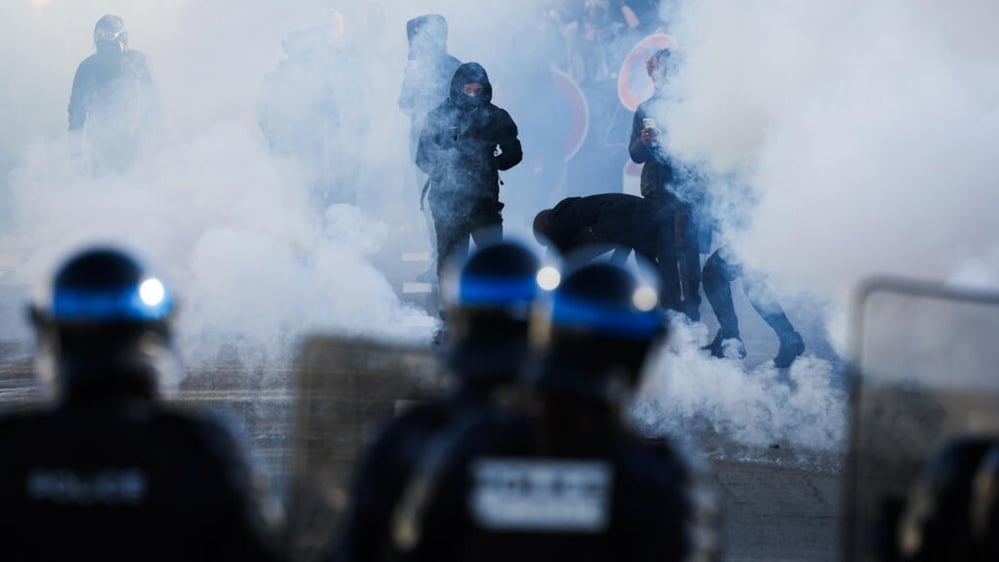
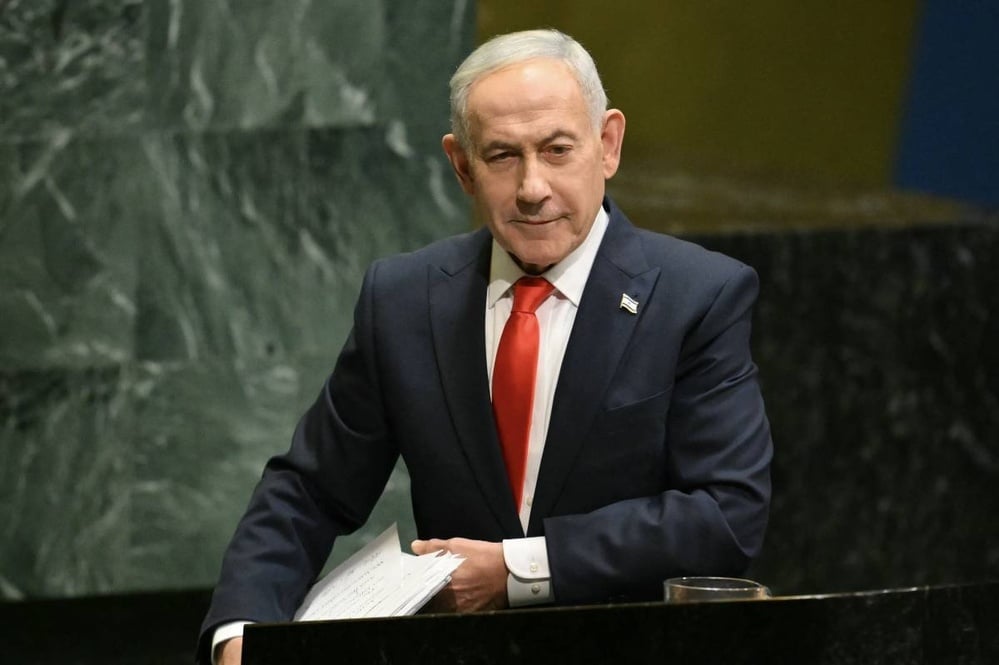
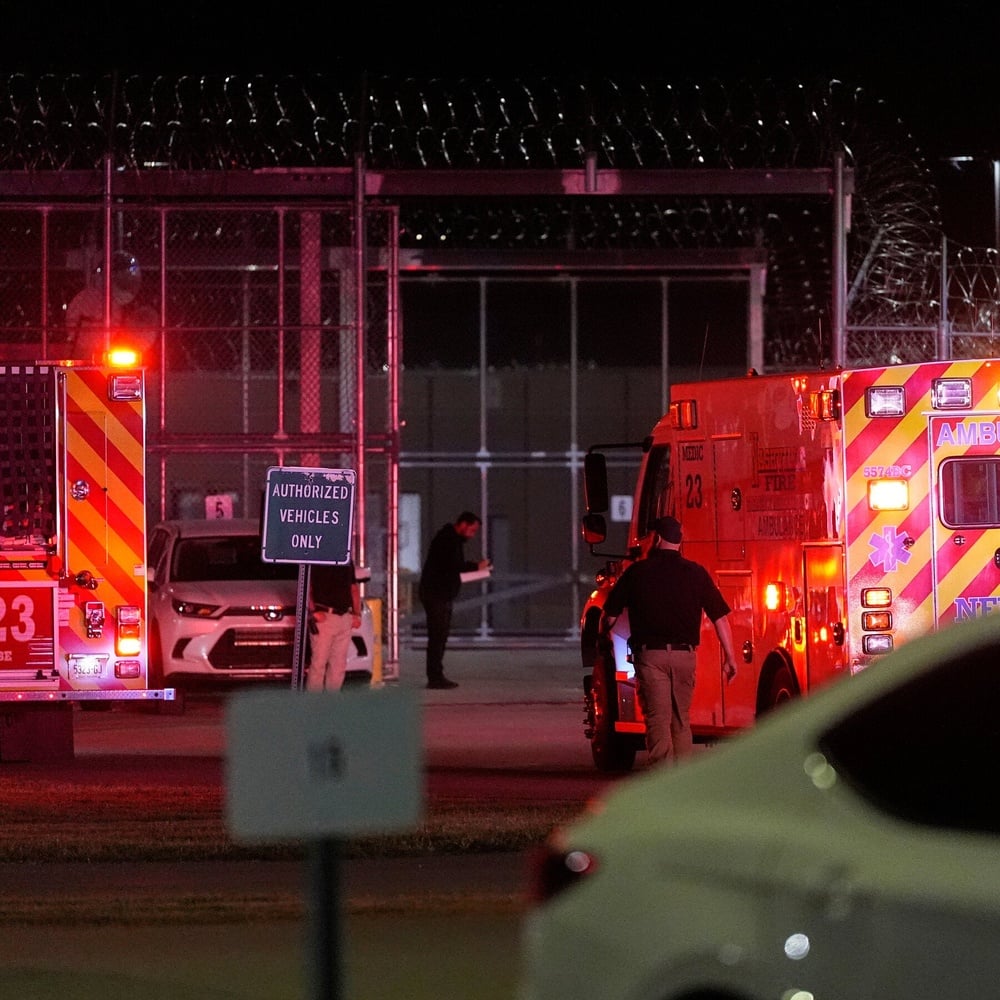
2026 © Helium Trades
Privacy Policy & Disclosure
* Disclaimer: Nothing on this website constitutes investment advice, performance data or any recommendation that any particular security, portfolio of securities, transaction or investment strategy is suitable for any specific person. Helium Trades is not responsible in any way for the accuracy
of any model predictions or price data. Any mention of a particular security and related prediction data is not a recommendation to buy or sell that security. Investments in securities involve the risk of loss. Past performance is no guarantee of future results. Helium Trades is not responsible for any of your investment decisions,
you should consult a financial expert before engaging in any transaction.
Helium Research Assistant

How can I help you today?
Ask any question about this page.