See whether Helium helps you make better-informed decisions. Try every Pro Trader feature for 30 days. No credit card required.
Try every Pro Trader feature for 30 days. No credit card required.
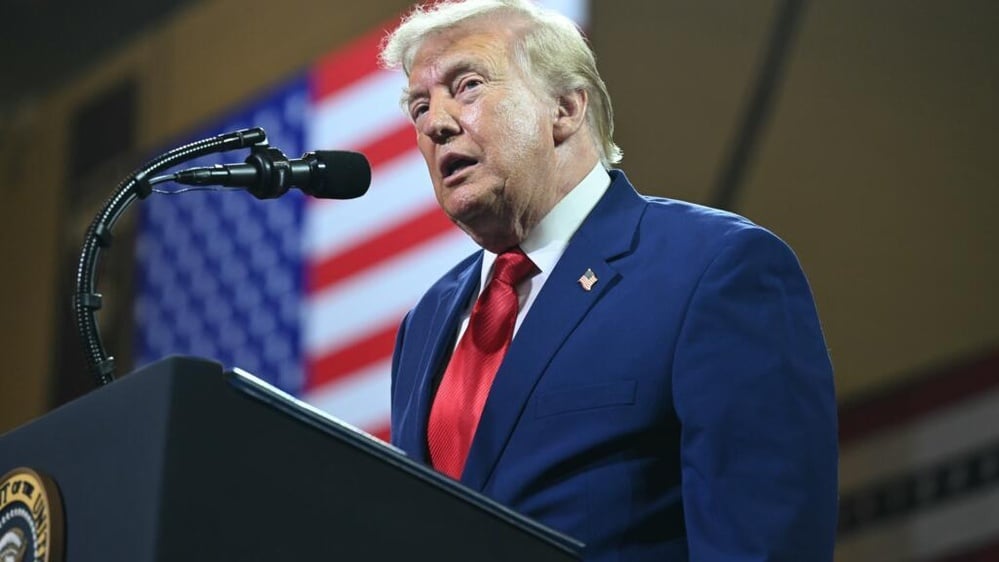
Framing the tariff move as a government-led response to forced-labour concerns, the report foregrounds White House justification and presents the duties as replacing earlier measures.
Context: U.S. tariff policy changes tied to forced-labour concerns, with a Supreme Court ruling affecting earlier measures.
Automated analysis; not human reviewed. Limitations: Based on a short excerpt; framing may differ in full article; context is limited.
Limited excerpt; framing may vary with full article.
July 24, 2026 · 0 shares
BBC frames US tariffs as a human-rights-based enforcement measure, foregrounding official justification while noting legal questions, economic costs, and international pushback.
The piece reports on US-imposed tariffs on about 60 trading partners over forced-labour concerns, including legal decisions, official justification, and expected reactions.
Automated analysis; not human reviewed. Limitations: Concise, case-specific limitations and plausible alternative interpretations.
Dates ambiguous; scope and framing may vary.
July 23, 2026 · 0 shares
Publisher framing foregrounds official US claims that tariffs address forced-labour abuses and human rights, while noting critics who say the allegations may be a pretext for protectionist aims.
Background: The action is part of the US Section 301 tariff program addressing forced-labour concerns and supply-chain integrity, with a related expiration of the earlier 10% levy.
Automated analysis; not human reviewed.
Limitations: Concise, case-specific limitations and plausible alternative interpretations.
·
49 of 52 available dimensions scored; omitted dimensions are not treated as neutral.
·
Verified supporting quotes for 0 of 49 scored dimensions.
Limited excerpt; country-count and timing may be uncertain.
July 24, 2026 · 0 shares
BBC frames US tariffs as a human-rights-based enforcement measure, foregrounding official justification while noting legal questions, economic costs, and international pushback.
The piece reports on US-imposed tariffs on about 60 trading partners over forced-labour concerns, including legal decisions, official justification, and expected reactions.
Automated analysis; not human reviewed. Limitations: Concise, case-specific limitations and plausible alternative interpretations.
Dates ambiguous; scope and framing may vary.
The piece frames tariff action as a contested move justified by forced-labour concerns while foregrounding critics who question the forced-labour rationale and warn of political and legal ramifications.
The piece frames the tariff action as a forced-labour response while highlighting critics' skepticism about the motive and potential legal and USMCA implications.
Automated analysis; not human reviewed.
Limitations: Based on the article text only; may not reflect broader editorial policy or external context.
·
1 of 52 available dimensions scored; omitted dimensions are not treated as neutral.
·
Verified supporting quotes for 0 of 1 scored dimensions.
Ambiguities in March year; missing exact date; reliance on quotes could shape interpretation.
July 23, 2026 · 0 shares
Publisher framing foregrounds official US claims that tariffs address forced-labour abuses and human rights, while noting critics who say the allegations may be a pretext for protectionist aims.
Background: The action is part of the US Section 301 tariff program addressing forced-labour concerns and supply-chain integrity, with a related expiration of the earlier 10% levy.
Automated analysis; not human reviewed.
Limitations: Concise, case-specific limitations and plausible alternative interpretations.
·
49 of 52 available dimensions scored; omitted dimensions are not treated as neutral.
·
Verified supporting quotes for 0 of 49 scored dimensions.
Limited excerpt; country-count and timing may be uncertain.
July 23, 2026 · 0 shares
Tariffs are presented as a legitimate enforcement tool against forced labor, foregrounding official justification alongside critical voices to yield a cautious, policy-focused narrative.
Tariffs described as enforcement action under Section 301 against forced-labor goods, with ILO data and mixed expert reactions.
Automated analysis; not human reviewed.
·
20 of 52 available dimensions scored; omitted dimensions are not treated as neutral.
·
Verified supporting quotes for 0 of 20 scored dimensions.
Framing the tariff move as a government-led response to forced-labour concerns, the report foregrounds White House justification and presents the duties as replacing earlier measures.
Context: U.S. tariff policy changes tied to forced-labour concerns, with a Supreme Court ruling affecting earlier measures.
Automated analysis; not human reviewed. Limitations: Based on a short excerpt; framing may differ in full article; context is limited.
Limited excerpt; framing may vary with full article.
July 24, 2026 · 0 shares
BBC frames US tariffs as a human-rights-based enforcement measure, foregrounding official justification while noting legal questions, economic costs, and international pushback.
The piece reports on US-imposed tariffs on about 60 trading partners over forced-labour concerns, including legal decisions, official justification, and expected reactions.
Automated analysis; not human reviewed. Limitations: Concise, case-specific limitations and plausible alternative interpretations.
Dates ambiguous; scope and framing may vary.
The piece frames tariff action as a contested move justified by forced-labour concerns while foregrounding critics who question the forced-labour rationale and warn of political and legal ramifications.
The piece frames the tariff action as a forced-labour response while highlighting critics' skepticism about the motive and potential legal and USMCA implications.
Automated analysis; not human reviewed.
Limitations: Based on the article text only; may not reflect broader editorial policy or external context.
·
1 of 52 available dimensions scored; omitted dimensions are not treated as neutral.
·
Verified supporting quotes for 0 of 1 scored dimensions.
Ambiguities in March year; missing exact date; reliance on quotes could shape interpretation.
July 24, 2026 · 0 shares
BBC frames US tariffs as a human-rights-based enforcement measure, foregrounding official justification while noting legal questions, economic costs, and international pushback.
The piece reports on US-imposed tariffs on about 60 trading partners over forced-labour concerns, including legal decisions, official justification, and expected reactions.
Automated analysis; not human reviewed. Limitations: Concise, case-specific limitations and plausible alternative interpretations.
Dates ambiguous; scope and framing may vary.
July 23, 2026 · 0 shares
Tariffs are presented as a legitimate enforcement tool against forced labor, foregrounding official justification alongside critical voices to yield a cautious, policy-focused narrative.
Tariffs described as enforcement action under Section 301 against forced-labor goods, with ILO data and mixed expert reactions.
Automated analysis; not human reviewed.
·
20 of 52 available dimensions scored; omitted dimensions are not treated as neutral.
·
Verified supporting quotes for 0 of 20 scored dimensions.
The piece frames tariff action as a contested move justified by forced-labour concerns while foregrounding critics who question the forced-labour rationale and warn of political and legal ramifications.
The piece frames the tariff action as a forced-labour response while highlighting critics' skepticism about the motive and potential legal and USMCA implications.
Automated analysis; not human reviewed.
Limitations: Based on the article text only; may not reflect broader editorial policy or external context.
·
1 of 52 available dimensions scored; omitted dimensions are not treated as neutral.
·
Verified supporting quotes for 0 of 1 scored dimensions.
Ambiguities in March year; missing exact date; reliance on quotes could shape interpretation.
July 23, 2026 · 0 shares
Publisher framing foregrounds official US claims that tariffs address forced-labour abuses and human rights, while noting critics who say the allegations may be a pretext for protectionist aims.
Background: The action is part of the US Section 301 tariff program addressing forced-labour concerns and supply-chain integrity, with a related expiration of the earlier 10% levy.
Automated analysis; not human reviewed.
Limitations: Concise, case-specific limitations and plausible alternative interpretations.
·
49 of 52 available dimensions scored; omitted dimensions are not treated as neutral.
·
Verified supporting quotes for 0 of 49 scored dimensions.
Limited excerpt; country-count and timing may be uncertain.
July 23, 2026 · 0 shares
Publisher framing foregrounds official US claims that tariffs address forced-labour abuses and human rights, while noting critics who say the allegations may be a pretext for protectionist aims.
Background: The action is part of the US Section 301 tariff program addressing forced-labour concerns and supply-chain integrity, with a related expiration of the earlier 10% levy.
Automated analysis; not human reviewed. Limitations: Concise, case-specific limitations and plausible alternative interpretations. · 49 of 52 available dimensions scored; omitted dimensions are not treated as neutral. · Verified supporting quotes for 0 of 49 scored dimensions.
Limited excerpt; country-count and timing may be uncertain.
July 24, 2026 · 0 shares
BBC frames US tariffs as a human-rights-based enforcement measure, foregrounding official justification while noting legal questions, economic costs, and international pushback.
The piece reports on US-imposed tariffs on about 60 trading partners over forced-labour concerns, including legal decisions, official justification, and expected reactions.
Automated analysis; not human reviewed. Limitations: Concise, case-specific limitations and plausible alternative interpretations.
Dates ambiguous; scope and framing may vary.
The piece frames tariff action as a contested move justified by forced-labour concerns while foregrounding critics who question the forced-labour rationale and warn of political and legal ramifications.
The piece frames the tariff action as a forced-labour response while highlighting critics' skepticism about the motive and potential legal and USMCA implications.
Automated analysis; not human reviewed. Limitations: Based on the article text only; may not reflect broader editorial policy or external context. · 1 of 52 available dimensions scored; omitted dimensions are not treated as neutral. · Verified supporting quotes for 0 of 1 scored dimensions.
Ambiguities in March year; missing exact date; reliance on quotes could shape interpretation.
July 23, 2026 · 0 shares
Publisher framing foregrounds official US claims that tariffs address forced-labour abuses and human rights, while noting critics who say the allegations may be a pretext for protectionist aims.
Background: The action is part of the US Section 301 tariff program addressing forced-labour concerns and supply-chain integrity, with a related expiration of the earlier 10% levy.
Automated analysis; not human reviewed. Limitations: Concise, case-specific limitations and plausible alternative interpretations. · 49 of 52 available dimensions scored; omitted dimensions are not treated as neutral. · Verified supporting quotes for 0 of 49 scored dimensions.
Limited excerpt; country-count and timing may be uncertain.
July 24, 2026 · 0 shares
BBC frames US tariffs as a human-rights-based enforcement measure, foregrounding official justification while noting legal questions, economic costs, and international pushback.
The piece reports on US-imposed tariffs on about 60 trading partners over forced-labour concerns, including legal decisions, official justification, and expected reactions.
Automated analysis; not human reviewed. Limitations: Concise, case-specific limitations and plausible alternative interpretations.
Dates ambiguous; scope and framing may vary.
Administration and human-rights enforcement
July 24, 2026 · 0 shares
BBC frames US tariffs as a human-rights-based enforcement measure, foregrounding official justification while noting legal questions, economic costs, and international pushback.
The piece reports on US-imposed tariffs on about 60 trading partners over forced-labour concerns, including legal decisions, official justification, and expected reactions.
Automated analysis; not human reviewed. Limitations: Concise, case-specific limitations and plausible alternative interpretations.
Dates ambiguous; scope and framing may vary.
July 23, 2026 · 0 shares
Tariffs are presented as a legitimate enforcement tool against forced labor, foregrounding official justification alongside critical voices to yield a cautious, policy-focused narrative.
Tariffs described as enforcement action under Section 301 against forced-labor goods, with ILO data and mixed expert reactions.
Automated analysis; not human reviewed. · 20 of 52 available dimensions scored; omitted dimensions are not treated as neutral. · Verified supporting quotes for 0 of 20 scored dimensions.
The piece frames tariff action as a contested move justified by forced-labour concerns while foregrounding critics who question the forced-labour rationale and warn of political and legal ramifications.
The piece frames the tariff action as a forced-labour response while highlighting critics' skepticism about the motive and potential legal and USMCA implications.
Automated analysis; not human reviewed. Limitations: Based on the article text only; may not reflect broader editorial policy or external context. · 1 of 52 available dimensions scored; omitted dimensions are not treated as neutral. · Verified supporting quotes for 0 of 1 scored dimensions.
Ambiguities in March year; missing exact date; reliance on quotes could shape interpretation.
July 23, 2026 · 0 shares
Publisher framing foregrounds official US claims that tariffs address forced-labour abuses and human rights, while noting critics who say the allegations may be a pretext for protectionist aims.
Background: The action is part of the US Section 301 tariff program addressing forced-labour concerns and supply-chain integrity, with a related expiration of the earlier 10% levy.
Automated analysis; not human reviewed. Limitations: Concise, case-specific limitations and plausible alternative interpretations. · 49 of 52 available dimensions scored; omitted dimensions are not treated as neutral. · Verified supporting quotes for 0 of 49 scored dimensions.
Limited excerpt; country-count and timing may be uncertain.
Trading partners, firms, and consumers
The piece frames tariff action as a contested move justified by forced-labour concerns while foregrounding critics who question the forced-labour rationale and warn of political and legal ramifications.
The piece frames the tariff action as a forced-labour response while highlighting critics' skepticism about the motive and potential legal and USMCA implications.
Automated analysis; not human reviewed. Limitations: Based on the article text only; may not reflect broader editorial policy or external context. · 1 of 52 available dimensions scored; omitted dimensions are not treated as neutral. · Verified supporting quotes for 0 of 1 scored dimensions.
Ambiguities in March year; missing exact date; reliance on quotes could shape interpretation.
The piece frames tariff action as a contested move justified by forced-labour concerns while foregrounding critics who question the forced-labour rationale and warn of political and legal ramifications.
The piece frames the tariff action as a forced-labour response while highlighting critics' skepticism about the motive and potential legal and USMCA implications.
Automated analysis; not human reviewed. Limitations: Based on the article text only; may not reflect broader editorial policy or external context. · 1 of 52 available dimensions scored; omitted dimensions are not treated as neutral. · Verified supporting quotes for 0 of 1 scored dimensions.
Ambiguities in March year; missing exact date; reliance on quotes could shape interpretation.
July 23, 2026 · 0 shares
Tariffs are presented as a legitimate enforcement tool against forced labor, foregrounding official justification alongside critical voices to yield a cautious, policy-focused narrative.
Tariffs described as enforcement action under Section 301 against forced-labor goods, with ILO data and mixed expert reactions.
Automated analysis; not human reviewed. · 20 of 52 available dimensions scored; omitted dimensions are not treated as neutral. · Verified supporting quotes for 0 of 20 scored dimensions.
The piece frames tariff action as a contested move justified by forced-labour concerns while foregrounding critics who question the forced-labour rationale and warn of political and legal ramifications.
The piece frames the tariff action as a forced-labour response while highlighting critics' skepticism about the motive and potential legal and USMCA implications.
Automated analysis; not human reviewed. Limitations: Based on the article text only; may not reflect broader editorial policy or external context. · 1 of 52 available dimensions scored; omitted dimensions are not treated as neutral. · Verified supporting quotes for 0 of 1 scored dimensions.
Ambiguities in March year; missing exact date; reliance on quotes could shape interpretation.
Helium Bias
Framing the tariff move as a government-led response to forced-labour concerns, the report foregrounds White House justification and presents the duties as replacing earlier measures.
Context: U.S. tariff policy changes tied to forced-labour concerns, with a Supreme Court ruling affecting earlier measures.
Automated analysis; not human reviewed. Limitations: Based on a short excerpt; framing may differ in full article; context is limited.
Limited excerpt; framing may vary with full article.
Framing the tariff move as a government-led response to forced-labour concerns, the report foregrounds White House justification and presents the duties as replacing earlier measures.
Context: U.S. tariff policy changes tied to forced-labour concerns, with a Supreme Court ruling affecting earlier measures.
Automated analysis; not human reviewed. Limitations: Based on a short excerpt; framing may differ in full article; context is limited.
Limited excerpt; framing may vary with full article.
Story Blindspots
The piece frames tariff action as a contested move justified by forced-labour concerns while foregrounding critics who question the forced-labour rationale and warn of political and legal ramifications.
The piece frames the tariff action as a forced-labour response while highlighting critics' skepticism about the motive and potential legal and USMCA implications.
Automated analysis; not human reviewed. Limitations: Based on the article text only; may not reflect broader editorial policy or external context. · 1 of 52 available dimensions scored; omitted dimensions are not treated as neutral. · Verified supporting quotes for 0 of 1 scored dimensions.
Ambiguities in March year; missing exact date; reliance on quotes could shape interpretation.
July 24, 2026 · 0 shares
BBC frames US tariffs as a human-rights-based enforcement measure, foregrounding official justification while noting legal questions, economic costs, and international pushback.
The piece reports on US-imposed tariffs on about 60 trading partners over forced-labour concerns, including legal decisions, official justification, and expected reactions.
Automated analysis; not human reviewed. Limitations: Concise, case-specific limitations and plausible alternative interpretations.
Dates ambiguous; scope and framing may vary.
July 23, 2026 · 0 shares
Tariffs are presented as a legitimate enforcement tool against forced labor, foregrounding official justification alongside critical voices to yield a cautious, policy-focused narrative.
Tariffs described as enforcement action under Section 301 against forced-labor goods, with ILO data and mixed expert reactions.
Automated analysis; not human reviewed. · 20 of 52 available dimensions scored; omitted dimensions are not treated as neutral. · Verified supporting quotes for 0 of 20 scored dimensions.
The piece frames tariff action as a contested move justified by forced-labour concerns while foregrounding critics who question the forced-labour rationale and warn of political and legal ramifications.
The piece frames the tariff action as a forced-labour response while highlighting critics' skepticism about the motive and potential legal and USMCA implications.
Automated analysis; not human reviewed. Limitations: Based on the article text only; may not reflect broader editorial policy or external context. · 1 of 52 available dimensions scored; omitted dimensions are not treated as neutral. · Verified supporting quotes for 0 of 1 scored dimensions.
Ambiguities in March year; missing exact date; reliance on quotes could shape interpretation.
July 24, 2026 · 0 shares
BBC frames US tariffs as a human-rights-based enforcement measure, foregrounding official justification while noting legal questions, economic costs, and international pushback.
The piece reports on US-imposed tariffs on about 60 trading partners over forced-labour concerns, including legal decisions, official justification, and expected reactions.
Automated analysis; not human reviewed. Limitations: Concise, case-specific limitations and plausible alternative interpretations.
Dates ambiguous; scope and framing may vary.
July 23, 2026 · 0 shares
Tariffs are presented as a legitimate enforcement tool against forced labor, foregrounding official justification alongside critical voices to yield a cautious, policy-focused narrative.
Tariffs described as enforcement action under Section 301 against forced-labor goods, with ILO data and mixed expert reactions.
Automated analysis; not human reviewed. · 20 of 52 available dimensions scored; omitted dimensions are not treated as neutral. · Verified supporting quotes for 0 of 20 scored dimensions.
July 23, 2026 · 0 shares
Publisher frames US tariff actions as a Trump-led, protective expansion of duties on 60 countries, foregrounding a forced-labour probe and presenting a Supreme Court ruling against blanket levies as justification.
The piece ties US tariff actions to a forced-labour probe and cites a Supreme Court ruling on blanket levies, framing policy as a Trump-led enforcement move.
Automated analysis; not human reviewed. Limitations: Headline-only text; lack of full article limits interpretation; quotes may reflect only framing in headline. · 1 of 52 available dimensions scored; omitted dimensions are not treated as neutral. · Verified supporting quotes for 1 of 1 scored dimensions.
Claim: The publisher frames tariffs as a protective, conservative policy.
“US hits 60 countries with new duties” · exact text match
“Donald Trump rebuilds tariff wall” · exact text match
“Administration pins measures on forced labour probe” · exact text match
Why: Loaded framing attributes a pro-market, protectionist stance to Trump-era tariff actions.
Ambiguity due to fragment; limited text—context uncertain.
July 23, 2026 · 0 shares
Publisher frames U.S. tariff actions as aggressive protectionism by describing them as a 'tariff wall' and tying new duties to a forced-labour probe after a Supreme Court ruling, signaling a skeptical yet context-aware framing of administration policy.
The report describes U.S. tariff actions affecting 60 countries, framed around a forced-labour probe and a Supreme Court decision on blanket levies.
Automated analysis; not human reviewed. Limitations: Based on headline and brief excerpt; lacks full article context; may miss nuance. · 6 of 52 available dimensions scored; omitted dimensions are not treated as neutral. · Verified supporting quotes for 4 of 6 scored dimensions.
Claim: A slight liberal tilt is inferred from loaded framing and emphasis on legal constraints.
“rebuilds tariff wall” · exact text match
“60 countries with new duties” · exact text match
Counterevidence:
“Administration pins measures on forced labour probe” · exact text match
“Supreme Court struck down blanket levies” · exact text match
Why: Loaded metaphor and emphasis on legal constraints suggest ideological leanings.
Claim: Subjectivity introduced via metaphorical framing ('tariff wall').
“rebuilds tariff wall” · exact text match
Counterevidence:
“Administration pins measures on forced labour probe” · exact text match
“Supreme Court struck down blanket levies” · exact text match
Why: Metaphor signals subjectivity alongside facts.
Claim: Frame leans hawkish by portraying tariff actions as aggressive policy.
“rebuilds tariff wall” · exact text match
Counterevidence:
“Administration pins measures on forced labour probe” · exact text match
“Supreme Court struck down blanket levies” · exact text match
Why: Loaded phrasing implies assertive stance.
Claim: Content emphasizes official actors and a court decision, aligning with establishment narratives.
“Trump administration” · not found in supplied text
“Supreme Court struck down blanket levies” · exact text match
Why: References to official institutions imply establishment framing.
Claim: Loaded framing suggests deliberate framing to shape reader perception.
“rebuilds tariff wall” · exact text match
“60 countries with new duties” · exact text match
Counterevidence:
“Administration pins measures on forced labour probe” · exact text match
“Supreme Court struck down blanket levies” · exact text match
Why: Selective wording signals potential manipulation.
Publisher framing foregrounds Trump's tariff move as punitive and adversarial, using loaded terms such as slaps and tax attack and tying it to a Supreme Court defeat to cast the policy as aggressive.
The article frames U.S. tariff actions as part of a broader international effort prompted by a five-month probe into forced labour, affecting 60 countries at rates of 10–12.5%.
Automated analysis; not human reviewed. · 1 of 52 available dimensions scored; omitted dimensions are not treated as neutral. · Verified supporting quotes for 1 of 1 scored dimensions.
Claim: The piece frames the tariff as punitive and negative toward the policy move.
“Donald Trump slaps 10% tariff on UK as he launches new tax attack after losing Supreme Court fight.” · exact text match
“The US President has hit 60 countries with between 10 and 12.5 per cent taxes following a five-month probe into forced labour practices by trading partners.” · exact text match
Why: Loaded verbs ('slaps', 'tax attack') and framing after a Supreme Court defeat indicate a critical stance toward the tariff action.
Framing the tariff move as a government-led response to forced-labour concerns, the report foregrounds White House justification and presents the duties as replacing earlier measures.
Context: U.S. tariff policy changes tied to forced-labour concerns, with a Supreme Court ruling affecting earlier measures.
Automated analysis; not human reviewed. Limitations: Based on a short excerpt; framing may differ in full article; context is limited.
Limited excerpt; framing may vary with full article.
July 24, 2026 · 0 shares
BBC frames US tariffs as a human-rights-based enforcement measure, foregrounding official justification while noting legal questions, economic costs, and international pushback.
The piece reports on US-imposed tariffs on about 60 trading partners over forced-labour concerns, including legal decisions, official justification, and expected reactions.
Automated analysis; not human reviewed. Limitations: Concise, case-specific limitations and plausible alternative interpretations.
Dates ambiguous; scope and framing may vary.
July 23, 2026 · 0 shares
Tariffs are presented as a legitimate enforcement tool against forced labor, foregrounding official justification alongside critical voices to yield a cautious, policy-focused narrative.
Tariffs described as enforcement action under Section 301 against forced-labor goods, with ILO data and mixed expert reactions.
Automated analysis; not human reviewed. · 20 of 52 available dimensions scored; omitted dimensions are not treated as neutral. · Verified supporting quotes for 0 of 20 scored dimensions.
July 23, 2026 · 0 shares
Publisher framing foregrounds official US claims that tariffs address forced-labour abuses and human rights, while noting critics who say the allegations may be a pretext for protectionist aims.
Background: The action is part of the US Section 301 tariff program addressing forced-labour concerns and supply-chain integrity, with a related expiration of the earlier 10% levy.
Automated analysis; not human reviewed. Limitations: Concise, case-specific limitations and plausible alternative interpretations. · 49 of 52 available dimensions scored; omitted dimensions are not treated as neutral. · Verified supporting quotes for 0 of 49 scored dimensions.
Limited excerpt; country-count and timing may be uncertain.
July 24, 2026 · 0 shares
BBC frames US tariffs as a human-rights-based enforcement measure, foregrounding official justification while noting legal questions, economic costs, and international pushback.
The piece reports on US-imposed tariffs on about 60 trading partners over forced-labour concerns, including legal decisions, official justification, and expected reactions.
Automated analysis; not human reviewed. Limitations: Concise, case-specific limitations and plausible alternative interpretations.
Dates ambiguous; scope and framing may vary.
The piece frames tariff action as a contested move justified by forced-labour concerns while foregrounding critics who question the forced-labour rationale and warn of political and legal ramifications.
The piece frames the tariff action as a forced-labour response while highlighting critics' skepticism about the motive and potential legal and USMCA implications.
Automated analysis; not human reviewed. Limitations: Based on the article text only; may not reflect broader editorial policy or external context. · 1 of 52 available dimensions scored; omitted dimensions are not treated as neutral. · Verified supporting quotes for 0 of 1 scored dimensions.
Ambiguities in March year; missing exact date; reliance on quotes could shape interpretation.
The piece frames tariff action as a contested move justified by forced-labour concerns while foregrounding critics who question the forced-labour rationale and warn of political and legal ramifications.
The piece frames the tariff action as a forced-labour response while highlighting critics' skepticism about the motive and potential legal and USMCA implications.
Automated analysis; not human reviewed. Limitations: Based on the article text only; may not reflect broader editorial policy or external context. · 1 of 52 available dimensions scored; omitted dimensions are not treated as neutral. · Verified supporting quotes for 0 of 1 scored dimensions.
Ambiguities in March year; missing exact date; reliance on quotes could shape interpretation.
July 24, 2026 · 0 shares
BBC frames US tariffs as a human-rights-based enforcement measure, foregrounding official justification while noting legal questions, economic costs, and international pushback.
The piece reports on US-imposed tariffs on about 60 trading partners over forced-labour concerns, including legal decisions, official justification, and expected reactions.
Automated analysis; not human reviewed. Limitations: Concise, case-specific limitations and plausible alternative interpretations.
Dates ambiguous; scope and framing may vary.
July 23, 2026 · 0 shares
Tariffs are presented as a legitimate enforcement tool against forced labor, foregrounding official justification alongside critical voices to yield a cautious, policy-focused narrative.
Tariffs described as enforcement action under Section 301 against forced-labor goods, with ILO data and mixed expert reactions.
Automated analysis; not human reviewed. · 20 of 52 available dimensions scored; omitted dimensions are not treated as neutral. · Verified supporting quotes for 0 of 20 scored dimensions.
Framing the tariff move as a government-led response to forced-labour concerns, the report foregrounds White House justification and presents the duties as replacing earlier measures.
Context: U.S. tariff policy changes tied to forced-labour concerns, with a Supreme Court ruling affecting earlier measures.
Automated analysis; not human reviewed. Limitations: Based on a short excerpt; framing may differ in full article; context is limited.
Limited excerpt; framing may vary with full article.
July 24, 2026 · 0 shares
BBC frames US tariffs as a human-rights-based enforcement measure, foregrounding official justification while noting legal questions, economic costs, and international pushback.
The piece reports on US-imposed tariffs on about 60 trading partners over forced-labour concerns, including legal decisions, official justification, and expected reactions.
Automated analysis; not human reviewed. Limitations: Concise, case-specific limitations and plausible alternative interpretations.
Dates ambiguous; scope and framing may vary.
The piece frames tariff action as a contested move justified by forced-labour concerns while foregrounding critics who question the forced-labour rationale and warn of political and legal ramifications.
The piece frames the tariff action as a forced-labour response while highlighting critics' skepticism about the motive and potential legal and USMCA implications.
Automated analysis; not human reviewed. Limitations: Based on the article text only; may not reflect broader editorial policy or external context. · 1 of 52 available dimensions scored; omitted dimensions are not treated as neutral. · Verified supporting quotes for 0 of 1 scored dimensions.
Ambiguities in March year; missing exact date; reliance on quotes could shape interpretation.
July 24, 2026 · 0 shares
BBC frames US tariffs as a human-rights-based enforcement measure, foregrounding official justification while noting legal questions, economic costs, and international pushback.
The piece reports on US-imposed tariffs on about 60 trading partners over forced-labour concerns, including legal decisions, official justification, and expected reactions.
Automated analysis; not human reviewed. Limitations: Concise, case-specific limitations and plausible alternative interpretations.
Dates ambiguous; scope and framing may vary.
The piece frames tariff action as a contested move justified by forced-labour concerns while foregrounding critics who question the forced-labour rationale and warn of political and legal ramifications.
The piece frames the tariff action as a forced-labour response while highlighting critics' skepticism about the motive and potential legal and USMCA implications.
Automated analysis; not human reviewed. Limitations: Based on the article text only; may not reflect broader editorial policy or external context. · 1 of 52 available dimensions scored; omitted dimensions are not treated as neutral. · Verified supporting quotes for 0 of 1 scored dimensions.
Ambiguities in March year; missing exact date; reliance on quotes could shape interpretation.
July 23, 2026 · 0 shares
Publisher framing foregrounds official US claims that tariffs address forced-labour abuses and human rights, while noting critics who say the allegations may be a pretext for protectionist aims.
Background: The action is part of the US Section 301 tariff program addressing forced-labour concerns and supply-chain integrity, with a related expiration of the earlier 10% levy.
Automated analysis; not human reviewed. Limitations: Concise, case-specific limitations and plausible alternative interpretations. · 49 of 52 available dimensions scored; omitted dimensions are not treated as neutral. · Verified supporting quotes for 0 of 49 scored dimensions.
Limited excerpt; country-count and timing may be uncertain.
July 24, 2026 · 0 shares
BBC frames US tariffs as a human-rights-based enforcement measure, foregrounding official justification while noting legal questions, economic costs, and international pushback.
The piece reports on US-imposed tariffs on about 60 trading partners over forced-labour concerns, including legal decisions, official justification, and expected reactions.
Automated analysis; not human reviewed. Limitations: Concise, case-specific limitations and plausible alternative interpretations.
Dates ambiguous; scope and framing may vary.
The piece frames tariff action as a contested move justified by forced-labour concerns while foregrounding critics who question the forced-labour rationale and warn of political and legal ramifications.
The piece frames the tariff action as a forced-labour response while highlighting critics' skepticism about the motive and potential legal and USMCA implications.
Automated analysis; not human reviewed.
Limitations: Based on the article text only; may not reflect broader editorial policy or external context.
·
1 of 52 available dimensions scored; omitted dimensions are not treated as neutral.
·
Verified supporting quotes for 0 of 1 scored dimensions.
Ambiguities in March year; missing exact date; reliance on quotes could shape interpretation.
July 23, 2026 · 0 shares
Publisher framing foregrounds official US claims that tariffs address forced-labour abuses and human rights, while noting critics who say the allegations may be a pretext for protectionist aims.
Background: The action is part of the US Section 301 tariff program addressing forced-labour concerns and supply-chain integrity, with a related expiration of the earlier 10% levy.
Automated analysis; not human reviewed.
Limitations: Concise, case-specific limitations and plausible alternative interpretations.
·
49 of 52 available dimensions scored; omitted dimensions are not treated as neutral.
·
Verified supporting quotes for 0 of 49 scored dimensions.
Limited excerpt; country-count and timing may be uncertain.
July 24, 2026 · 0 shares
BBC frames US tariffs as a human-rights-based enforcement measure, foregrounding official justification while noting legal questions, economic costs, and international pushback.
The piece reports on US-imposed tariffs on about 60 trading partners over forced-labour concerns, including legal decisions, official justification, and expected reactions.
Automated analysis; not human reviewed. Limitations: Concise, case-specific limitations and plausible alternative interpretations.
Dates ambiguous; scope and framing may vary.
July 23, 2026 · 0 shares
Tariffs are presented as a legitimate enforcement tool against forced labor, foregrounding official justification alongside critical voices to yield a cautious, policy-focused narrative.
Tariffs described as enforcement action under Section 301 against forced-labor goods, with ILO data and mixed expert reactions.
Automated analysis; not human reviewed.
·
20 of 52 available dimensions scored; omitted dimensions are not treated as neutral.
·
Verified supporting quotes for 0 of 20 scored dimensions.
The piece frames tariff action as a contested move justified by forced-labour concerns while foregrounding critics who question the forced-labour rationale and warn of political and legal ramifications.
The piece frames the tariff action as a forced-labour response while highlighting critics' skepticism about the motive and potential legal and USMCA implications.
Automated analysis; not human reviewed.
Limitations: Based on the article text only; may not reflect broader editorial policy or external context.
·
1 of 52 available dimensions scored; omitted dimensions are not treated as neutral.
·
Verified supporting quotes for 0 of 1 scored dimensions.
Ambiguities in March year; missing exact date; reliance on quotes could shape interpretation.
July 23, 2026 · 0 shares
Publisher framing foregrounds official US claims that tariffs address forced-labour abuses and human rights, while noting critics who say the allegations may be a pretext for protectionist aims.
Background: The action is part of the US Section 301 tariff program addressing forced-labour concerns and supply-chain integrity, with a related expiration of the earlier 10% levy.
Automated analysis; not human reviewed.
Limitations: Concise, case-specific limitations and plausible alternative interpretations.
·
49 of 52 available dimensions scored; omitted dimensions are not treated as neutral.
·
Verified supporting quotes for 0 of 49 scored dimensions.
Limited excerpt; country-count and timing may be uncertain.
July 23, 2026 · 0 shares
Publisher frames US tariff actions as a Trump-led, protective expansion of duties on 60 countries, foregrounding a forced-labour probe and presenting a Supreme Court ruling against blanket levies as justification.
The piece ties US tariff actions to a forced-labour probe and cites a Supreme Court ruling on blanket levies, framing policy as a Trump-led enforcement move.
Automated analysis; not human reviewed.
Limitations: Headline-only text; lack of full article limits interpretation; quotes may reflect only framing in headline.
·
1 of 52 available dimensions scored; omitted dimensions are not treated as neutral.
·
Verified supporting quotes for 1 of 1 scored dimensions.
Claim: The publisher frames tariffs as a protective, conservative policy.
“US hits 60 countries with new duties” · exact text match
“Donald Trump rebuilds tariff wall” · exact text match
“Administration pins measures on forced labour probe” · exact text match
Why: Loaded framing attributes a pro-market, protectionist stance to Trump-era tariff actions.
Ambiguity due to fragment; limited text—context uncertain.
July 23, 2026 · 0 shares
Publisher frames U.S. tariff actions as aggressive protectionism by describing them as a 'tariff wall' and tying new duties to a forced-labour probe after a Supreme Court ruling, signaling a skeptical yet context-aware framing of administration policy.
The report describes U.S. tariff actions affecting 60 countries, framed around a forced-labour probe and a Supreme Court decision on blanket levies.
Automated analysis; not human reviewed.
Limitations: Based on headline and brief excerpt; lacks full article context; may miss nuance.
·
6 of 52 available dimensions scored; omitted dimensions are not treated as neutral.
·
Verified supporting quotes for 4 of 6 scored dimensions.
Claim: A slight liberal tilt is inferred from loaded framing and emphasis on legal constraints.
“rebuilds tariff wall” · exact text match
“60 countries with new duties” · exact text match
Counterevidence:
“Administration pins measures on forced labour probe” · exact text match
“Supreme Court struck down blanket levies” · exact text match
Why: Loaded metaphor and emphasis on legal constraints suggest ideological leanings.
Claim: Subjectivity introduced via metaphorical framing ('tariff wall').
“rebuilds tariff wall” · exact text match
Counterevidence:
“Administration pins measures on forced labour probe” · exact text match
“Supreme Court struck down blanket levies” · exact text match
Why: Metaphor signals subjectivity alongside facts.
Claim: Frame leans hawkish by portraying tariff actions as aggressive policy.
“rebuilds tariff wall” · exact text match
Counterevidence:
“Administration pins measures on forced labour probe” · exact text match
“Supreme Court struck down blanket levies” · exact text match
Why: Loaded phrasing implies assertive stance.
Claim: Content emphasizes official actors and a court decision, aligning with establishment narratives.
“Trump administration” · not found in supplied text
“Supreme Court struck down blanket levies” · exact text match
Why: References to official institutions imply establishment framing.
Claim: Loaded framing suggests deliberate framing to shape reader perception.
“rebuilds tariff wall” · exact text match
“60 countries with new duties” · exact text match
Counterevidence:
“Administration pins measures on forced labour probe” · exact text match
“Supreme Court struck down blanket levies” · exact text match
Why: Selective wording signals potential manipulation.
July 23, 2026 · 0 shares
Tariffs are presented as a legitimate enforcement tool against forced labor, foregrounding official justification alongside critical voices to yield a cautious, policy-focused narrative.
Tariffs described as enforcement action under Section 301 against forced-labor goods, with ILO data and mixed expert reactions.
Automated analysis; not human reviewed.
·
20 of 52 available dimensions scored; omitted dimensions are not treated as neutral.
·
Verified supporting quotes for 0 of 20 scored dimensions.
Publisher framing foregrounds Trump's tariff move as punitive and adversarial, using loaded terms such as slaps and tax attack and tying it to a Supreme Court defeat to cast the policy as aggressive.
The article frames U.S. tariff actions as part of a broader international effort prompted by a five-month probe into forced labour, affecting 60 countries at rates of 10–12.5%.
Automated analysis; not human reviewed.
·
1 of 52 available dimensions scored; omitted dimensions are not treated as neutral.
·
Verified supporting quotes for 1 of 1 scored dimensions.
Claim: The piece frames the tariff as punitive and negative toward the policy move.
“Donald Trump slaps 10% tariff on UK as he launches new tax attack after losing Supreme Court fight.” · exact text match
“The US President has hit 60 countries with between 10 and 12.5 per cent taxes following a five-month probe into forced labour practices by trading partners.” · exact text match
Why: Loaded verbs ('slaps', 'tax attack') and framing after a Supreme Court defeat indicate a critical stance toward the tariff action.
Framing the tariff move as a government-led response to forced-labour concerns, the report foregrounds White House justification and presents the duties as replacing earlier measures.
Context: U.S. tariff policy changes tied to forced-labour concerns, with a Supreme Court ruling affecting earlier measures.
Automated analysis; not human reviewed. Limitations: Based on a short excerpt; framing may differ in full article; context is limited.
Limited excerpt; framing may vary with full article.
Framing the tariff move as a government-led response to forced-labour concerns, the report foregrounds White House justification and presents the duties as replacing earlier measures.
Context: U.S. tariff policy changes tied to forced-labour concerns, with a Supreme Court ruling affecting earlier measures.
Automated analysis; not human reviewed. Limitations: Based on a short excerpt; framing may differ in full article; context is limited.
Limited excerpt; framing may vary with full article.
The piece frames tariff action as a contested move justified by forced-labour concerns while foregrounding critics who question the forced-labour rationale and warn of political and legal ramifications.
The piece frames the tariff action as a forced-labour response while highlighting critics' skepticism about the motive and potential legal and USMCA implications.
Automated analysis; not human reviewed. Limitations: Based on the article text only; may not reflect broader editorial policy or external context. · 1 of 52 available dimensions scored; omitted dimensions are not treated as neutral. · Verified supporting quotes for 0 of 1 scored dimensions.
Ambiguities in March year; missing exact date; reliance on quotes could shape interpretation.
July 24, 2026 · 0 shares
BBC frames US tariffs as a human-rights-based enforcement measure, foregrounding official justification while noting legal questions, economic costs, and international pushback.
The piece reports on US-imposed tariffs on about 60 trading partners over forced-labour concerns, including legal decisions, official justification, and expected reactions.
Automated analysis; not human reviewed. Limitations: Concise, case-specific limitations and plausible alternative interpretations.
Dates ambiguous; scope and framing may vary.
July 23, 2026 · 0 shares
Tariffs are presented as a legitimate enforcement tool against forced labor, foregrounding official justification alongside critical voices to yield a cautious, policy-focused narrative.
Tariffs described as enforcement action under Section 301 against forced-labor goods, with ILO data and mixed expert reactions.
Automated analysis; not human reviewed. · 20 of 52 available dimensions scored; omitted dimensions are not treated as neutral. · Verified supporting quotes for 0 of 20 scored dimensions.
2026 © Helium Trades
Privacy Policy & Disclosure
* Disclaimer: Nothing on this website constitutes investment advice, performance data or any recommendation that any particular security, portfolio of securities, transaction or investment strategy is suitable for any specific person. Helium Trades is not responsible in any way for the accuracy
of any model predictions or price data. Any mention of a particular security and related prediction data is not a recommendation to buy or sell that security. Investments in securities involve the risk of loss. Past performance is no guarantee of future results. Helium Trades is not responsible for any of your investment decisions,
you should consult a financial expert before engaging in any transaction.
Helium Research Assistant

How can I help you today?
Ask any question about this page.


