See whether Helium helps you make better-informed decisions. Try every Pro Trader feature for 30 days. No credit card required.
Try every Pro Trader feature for 30 days. No credit card required.
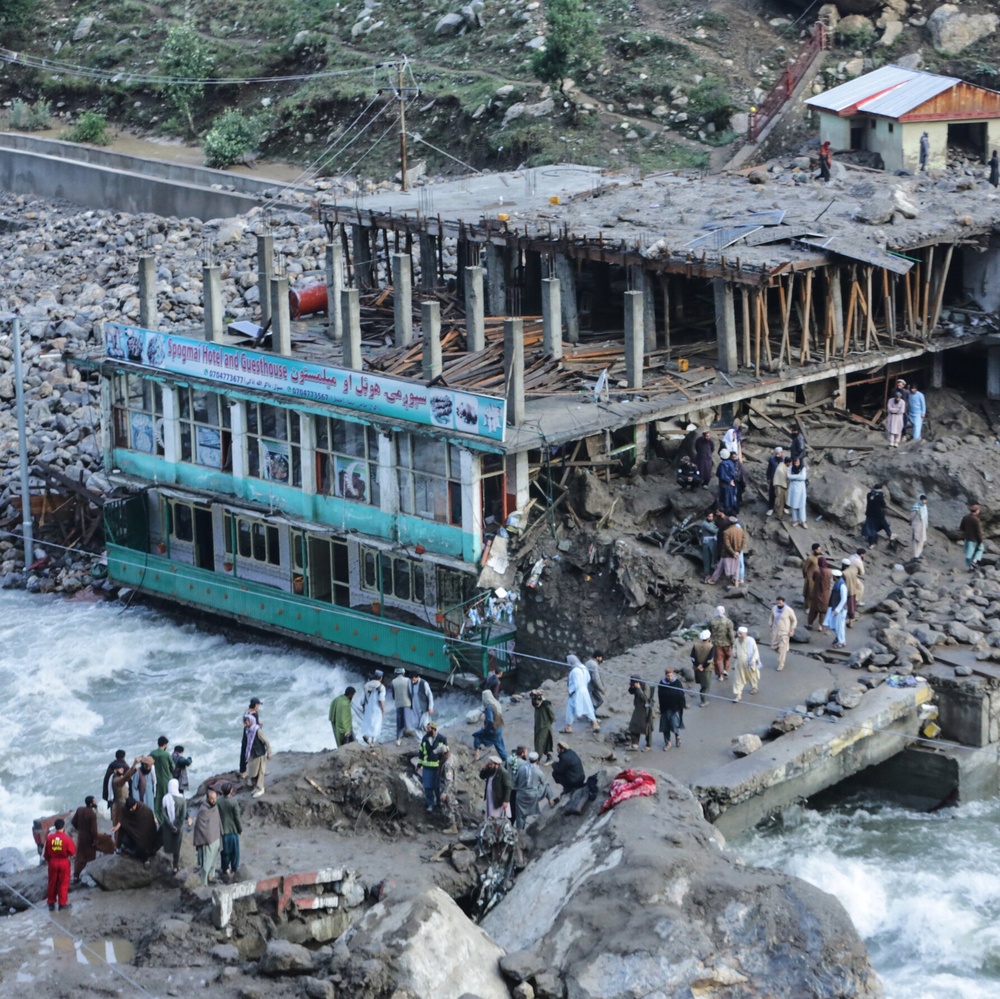
Neutral, source-limited report relying on Taliban authorities for casualty figures while contextualizing the disaster within Afghanistan's climate vulnerability and deforestation factors.
News brief on flash floods in northeastern Afghanistan with casualty figures, missing persons, injuries, official response, and a note on climate vulnerability and deforestation.
Automated analysis; not human reviewed. Limitations: Concise, case-specific limitations and plausible alternative interpretations.
Ambiguity: relies on Taliban authorities; no independent verification.
July 21, 2026 · 0 shares
Broad, neutral multi-topic digest with no detectable ideological framing; humanitarian and political headlines are presented with straightforward, non-persuasive wording and no advocacy.
An international news digest combining a humanitarian disaster report from Afghanistan with political headlines from Lebanon, India, Greece, the United Kingdom, and Israel.
Automated analysis; not human reviewed.
Limitations: Concise, case-specific limitations and plausible alternative interpretations.
·
5 of 52 available dimensions scored; omitted dimensions are not treated as neutral.
·
Verified supporting quotes for 5 of 5 scored dimensions.
Claim: No detectable lean toward liberal or conservative framing.
“Rescuers search for flood survivors in Afghanistan.” · exact text match
“At least 23 people have been killed and dozens are still missing as officials warn of more heavy rain and a rising death toll.” · exact text match
“Trump says he’s open to talks with Hezbollah, vows to help Lebanon” · exact text match
Why: Headlines span humanitarian and political topics without an obvious ideological tilt.
Claim: Coverage does not appear to favor a political party or ideology.
“Trump says he’s open to talks with Hezbollah, vows to help Lebanon” · exact text match
“UK PM Burnham: ‘We need to be a cost-of-living government’” · exact text match
“Israel has ‘no interest’ in joining US war on Iran, says Smotrich” · exact text match
Why: Multiple political actors across different countries are referenced without endorsement.
Claim: The digest presents straightforward, factual headlines with little editorializing.
“Rescuers search for flood survivors in Afghanistan.” · exact text match
“At least 23 people have been killed and dozens are still missing as officials warn of more heavy rain and a rising death toll.” · exact text match
Why: Tone is factual; lack of sourcing details reduces verifiability.
Claim: Reporting maintains consistency and avoids cherry-picking lines.
“Rescuers search for flood survivors in Afghanistan.” · exact text match
“Greek-American tourists stabbed near the Acropolis” · exact text match
Why: Evidence shows diversity of topics; no clear selection bias evident in snippets.
Claim: Not endorsing or glamorizing terrorism; mentions of Hezbollah and war context are contextual.
“Trump says he’s open to talks with Hezbollah, vows to help Lebanon” · exact text match
“Israel has ‘no interest’ in joining US war on Iran, says Smotrich” · exact text match
Why: Contextual references without advocacy.
Ambiguity in scope; multiple headlines blur editorial stance; limited context.
July 21, 2026 · 0 shares
Disaster reporting uses plain, factual language with minimal context and shows no evident ideological framing, suggesting neutral coverage.
A concise disaster report noting flash floods in Nuristan, Afghanistan, with fatalities and missing persons.
Automated analysis; not human reviewed. Limitations: Concise, case-specific limitations and plausible alternative interpretations.
Data is sparse; date and precise location are unspecified.
July 20, 2026 · 0 shares
Neutral, fact-focused reporting relying on official statements about a fatal Utah flash flood, with no evident editorializing or advocacy.
Concise, factful report of a fatal flash flood affecting a Utah family near Bicknell; cites official sources and a GoFundMe page; includes timing details and the survivor.
Automated analysis; not human reviewed.
Limitations: Ambiguities: daughter unnamed; date not specified; unrelated content appended to article; limited detail beyond quoted statements.
·
52 of 52 available dimensions scored; omitted dimensions are not treated as neutral.
·
Verified supporting quotes for 1 of 52 scored dimensions.
Claim: No ideological tilt; relies on official statements.
“according to law enforcement officials” · exact text match
“"It is believed the family fell victim to flooding caused by heavy rains," the Wayne County Sheriff's Office said in a statement, which did not name those who were killed.” · not found in supplied text
“"We are absolutely heartbroken by the death of Captain Spencer Long and his family," the fire department said.
"Our thoughts are with his family, friends, and colleagues during this difficult time."”
· not found in supplied text
Why: Official-sourced wording dominates; no editorial framing evident.
Claim: Neutral presentation with quoted statements; few evaluative adjectives.
“"We are absolutely heartbroken" (quote by the fire department, a quote of emotion)” · not found in supplied text
“"The fundraising effort also says that the couple had a daughter whose 'life has forever been changed in an instant'.” · not found in supplied text
Why: Emotional language is contained to quotes; the rest remains factual.
Claim: No political content; no policy critique or advocacy.
“"Utah family killed in flash flooding" and quotes from sheriff's office and fire department; no policy or political discussion.” · not found in supplied text
Why: Factual tragedy report without political framing.
Claim: Slight tilt toward official framing through sheriff and fire department statements.
“Wayne County Sheriff's Office said in a statement” · exact text match
“Provo Fire & Rescue announced the death in a statement” · not found in supplied text
Why: Attribution to authorities present but not heavily normative.
Claim: High credibility due to use of official sources and direct quotes.
“"It is believed the family fell victim to flooding caused by heavy rains," the Wayne County Sheriff's Office said in a statement, which did not name those who were killed.” · not found in supplied text
“"We are absolutely heartbroken by the death of Captain Spencer Long and his family," the fire department said.” · not found in supplied text
“A GoFundMe page appears to connect the sheriff's statement with the fire department.” · not found in supplied text
Counterevidence:
“The GoFundMe page is described as appearing to connect the sheriff's statement with the fire department.” · not found in supplied text
Why: Multiple official quotes and named sources support credibility; some linking language is contextual.
Claim: Fair and transparent sourcing; quotes attributed to named organizations.
“Wayne County Sheriff's Office said in a statement” · exact text match
“Provo Fire & Rescue, which announced the death of Captain Spencer Long in a statement of its own.” · exact text match
Why: Sourcing is explicit and attributed; no evident copying or misrepresentation.
Daughter unnamed; date unspecified; unrelated link clutter in article
Neutral, evidence-based reportage relies on official statements and a fundraising page, avoids partisan framing, and centers on verifiable details and the human impact of a Utah flash-flood tragedy.
News report about a Utah flash flood that killed a fire captain and his family, with one survivor, citing official statements and a GoFundMe fundraiser.
Automated analysis; not human reviewed.
Limitations: Concise, case-specific limitations and plausible alternative interpretations.
·
49 of 52 available dimensions scored; omitted dimensions are not treated as neutral.
·
Verified supporting quotes for 0 of 49 scored dimensions.
Claim: The report maintains neutral political framing and does not advocate ideology.
“"It is believed the family fell victim to flooding caused by heavy rains," the sheriff's office said in a news release.” · not found in supplied text
“"We are absolutely heartbroken by the death of Captain Spencer Long and his family.
Our thoughts are with his family, friends, and colleagues during this difficult time," officials with the fire department wrote.”
· not found in supplied text
Counterevidence:
“"Our Provo Fire family is heartbroken to lose Captain Spencer Long, his wife Katrina, and their three sons Reid, Thayne and Gage due to a devastating flash flood Thursday evening," the fundraise page reads.” · not found in supplied text
“"In an instant, their daughter Lydia lost the people she loved most and is now facing an unimaginable future without them."” · not found in supplied text
Why: Official statements and fundraising page quotes imply a neutral, non-partisan tone, with no policy or ideological framing.
Limited sources; lacks broader context; only quotes from authorities and GoFundMe.
July 19, 2026 · 0 shares
Source-based, cautious reporting relying on official statements yields a neutral, credible portrayal of a family tragedy.
Five family members, including Provo fire captain Spencer Long and his wife Katrina, and their three sons, were killed by a flash flood near Bicknell, Utah; authorities attributed heavy rains; a daughter survived; statements were issued by official sources and a GoFundMe page was created.
Automated analysis; not human reviewed. Limitations: Case-specific limitations and plausible alternative interpretations.
Survivor unnamed; reliance on official sources; limited context; no explicit editorializing.
Neutral, event-focused disaster reporting with reliance on official sources and quotes, and minimal interpretive framing or advocacy.
Flash floods in West Virginia from heavy rainfall trigger a statewide emergency with National Guard deployments, extensive rescues, road closures, and warnings, while officials report no deaths or missing persons as of Wednesday.
Ambiguity from embedded content and time-bound updates; evidence limited to a disaster-response framing.
Neutral, data-driven weather-risk reporting with quantified threats and official warnings; no evident ideological or sensational framing.
A weather forecast for the Northeast and Mid-Atlantic warns of a potential flash flood threat on Tuesday, with a level 3/5 risk, possible heavy rainfall rates and flood watches issued along the I-95 corridor.
Automated analysis; not human reviewed.
Limitations: Case-specific; weather hazard content with some non-weather items in source text; limited context for broader editorial stance.
·
47 of 52 available dimensions scored; omitted dimensions are not treated as neutral.
·
Verified supporting quotes for 0 of 47 scored dimensions.
Text mixes weather hazards with unrelated items; limited context.
Weather-focused update relies on official weather data and city safety advisories, presenting rainfall totals and flood-watch details in neutral language; embedded non-weather quotes are editorial noise but do not alter core, institutionally grounded reporting bias.
A weather update about NYC-area storms and flood risk using official forecasts and safety guidance.
Automated analysis; not human reviewed.
Limitations: Concise, case-specific limitations and plausible alternative interpretations.
·
52 of 52 available dimensions scored; omitted dimensions are not treated as neutral.
·
Verified supporting quotes for 1 of 52 scored dimensions.
Claim: The article's weather-focused reporting shows no tilt toward liberal or conservative ideologies and relies on official weather data.
“Two to four inches of rain fell by early afternoon Saturday, with up to an inch an hour expected, according to the National Weather Service.” · exact text match
“"The flooding could be locally significant, which could lead to disruption to transportation, basement flooding, and water rescues," the National Weather Service in New York said.” · exact text match
Counterevidence:
“"The world is a dangerous place.
Not because of people who are evil, but because of the people who don't do anything about it."”
· exact text match
“"The Trump administration's decision to reinstate a naval blockade in the world's most critical oil chokepoint, coupled with the unprecedented..."” · exact text match
Why: Official data support neutrality; embedded political quotes introduce potential bias signals.
extraneous quotes/noise in article_text may affect neutrality
Neutral weather update relying on official hazard language and a named forecast anchor, with no evident ideological framing beyond standard hazard terminology.
A brief weather report notes storms causing flash flooding across the Northeast, citing the National Weather Service warning as a dangerous and life-threatening situation and noting Rob Marciano as the forecast presenter.
Automated analysis; not human reviewed.
Limitations: Concise, case-specific limitations and plausible alternative interpretations.
·
52 of 52 available dimensions scored; omitted dimensions are not treated as neutral.
·
Verified supporting quotes for 0 of 52 scored dimensions.
Text is brief; lacks broader context or dissent; evidence limited.
Neutral, risk-focused weather reporting emphasizes potential impacts and forecast specifics with minimal normative framing.
A weather forecast report describing a multi-day severe storm event affecting the Mid-Atlantic region, with risk estimates, threat levels, and forecasted impacts.
Automated analysis; not human reviewed. Limitations: Concise, case-specific limitations and plausible alternative interpretations.
July 18, 2026 · 0 shares
Balanced, evidence‑based coverage emphasizes preparedness, warnings, and climate context in the July floods while avoiding partisan framing or sensationalism.
Texas Tribune compares last year’s and this year’s July floods across Texas, highlighting improved warnings, tools, and preparedness, and noting climate-science context and state reforms.
Automated analysis; not human reviewed.
Limitations: Concise, case-specific limitations and plausible alternative interpretations.
·
2 of 52 available dimensions scored; omitted dimensions are not treated as neutral.
·
Verified supporting quotes for 0 of 2 scored dimensions.
Neutral, source-limited report relying on Taliban authorities for casualty figures while contextualizing the disaster within Afghanistan's climate vulnerability and deforestation factors.
News brief on flash floods in northeastern Afghanistan with casualty figures, missing persons, injuries, official response, and a note on climate vulnerability and deforestation.
Automated analysis; not human reviewed. Limitations: Concise, case-specific limitations and plausible alternative interpretations.
Ambiguity: relies on Taliban authorities; no independent verification.
July 21, 2026 · 0 shares
Broad, neutral multi-topic digest with no detectable ideological framing; humanitarian and political headlines are presented with straightforward, non-persuasive wording and no advocacy.
An international news digest combining a humanitarian disaster report from Afghanistan with political headlines from Lebanon, India, Greece, the United Kingdom, and Israel.
Automated analysis; not human reviewed.
Limitations: Concise, case-specific limitations and plausible alternative interpretations.
·
5 of 52 available dimensions scored; omitted dimensions are not treated as neutral.
·
Verified supporting quotes for 5 of 5 scored dimensions.
Claim: No detectable lean toward liberal or conservative framing.
“Rescuers search for flood survivors in Afghanistan.” · exact text match
“At least 23 people have been killed and dozens are still missing as officials warn of more heavy rain and a rising death toll.” · exact text match
“Trump says he’s open to talks with Hezbollah, vows to help Lebanon” · exact text match
Why: Headlines span humanitarian and political topics without an obvious ideological tilt.
Claim: Coverage does not appear to favor a political party or ideology.
“Trump says he’s open to talks with Hezbollah, vows to help Lebanon” · exact text match
“UK PM Burnham: ‘We need to be a cost-of-living government’” · exact text match
“Israel has ‘no interest’ in joining US war on Iran, says Smotrich” · exact text match
Why: Multiple political actors across different countries are referenced without endorsement.
Claim: The digest presents straightforward, factual headlines with little editorializing.
“Rescuers search for flood survivors in Afghanistan.” · exact text match
“At least 23 people have been killed and dozens are still missing as officials warn of more heavy rain and a rising death toll.” · exact text match
Why: Tone is factual; lack of sourcing details reduces verifiability.
Claim: Reporting maintains consistency and avoids cherry-picking lines.
“Rescuers search for flood survivors in Afghanistan.” · exact text match
“Greek-American tourists stabbed near the Acropolis” · exact text match
Why: Evidence shows diversity of topics; no clear selection bias evident in snippets.
Claim: Not endorsing or glamorizing terrorism; mentions of Hezbollah and war context are contextual.
“Trump says he’s open to talks with Hezbollah, vows to help Lebanon” · exact text match
“Israel has ‘no interest’ in joining US war on Iran, says Smotrich” · exact text match
Why: Contextual references without advocacy.
Ambiguity in scope; multiple headlines blur editorial stance; limited context.
Neutral, source-limited report relying on Taliban authorities for casualty figures while contextualizing the disaster within Afghanistan's climate vulnerability and deforestation factors.
News brief on flash floods in northeastern Afghanistan with casualty figures, missing persons, injuries, official response, and a note on climate vulnerability and deforestation.
Automated analysis; not human reviewed. Limitations: Concise, case-specific limitations and plausible alternative interpretations.
Ambiguity: relies on Taliban authorities; no independent verification.
July 21, 2026 · 0 shares
Broad, neutral multi-topic digest with no detectable ideological framing; humanitarian and political headlines are presented with straightforward, non-persuasive wording and no advocacy.
An international news digest combining a humanitarian disaster report from Afghanistan with political headlines from Lebanon, India, Greece, the United Kingdom, and Israel.
Automated analysis; not human reviewed. Limitations: Concise, case-specific limitations and plausible alternative interpretations. · 5 of 52 available dimensions scored; omitted dimensions are not treated as neutral. · Verified supporting quotes for 5 of 5 scored dimensions.
Claim: No detectable lean toward liberal or conservative framing.
“Rescuers search for flood survivors in Afghanistan.” · exact text match
“At least 23 people have been killed and dozens are still missing as officials warn of more heavy rain and a rising death toll.” · exact text match
“Trump says he’s open to talks with Hezbollah, vows to help Lebanon” · exact text match
Why: Headlines span humanitarian and political topics without an obvious ideological tilt.
Claim: Coverage does not appear to favor a political party or ideology.
“Trump says he’s open to talks with Hezbollah, vows to help Lebanon” · exact text match
“UK PM Burnham: ‘We need to be a cost-of-living government’” · exact text match
“Israel has ‘no interest’ in joining US war on Iran, says Smotrich” · exact text match
Why: Multiple political actors across different countries are referenced without endorsement.
Claim: The digest presents straightforward, factual headlines with little editorializing.
“Rescuers search for flood survivors in Afghanistan.” · exact text match
“At least 23 people have been killed and dozens are still missing as officials warn of more heavy rain and a rising death toll.” · exact text match
Why: Tone is factual; lack of sourcing details reduces verifiability.
Claim: Reporting maintains consistency and avoids cherry-picking lines.
“Rescuers search for flood survivors in Afghanistan.” · exact text match
“Greek-American tourists stabbed near the Acropolis” · exact text match
Why: Evidence shows diversity of topics; no clear selection bias evident in snippets.
Claim: Not endorsing or glamorizing terrorism; mentions of Hezbollah and war context are contextual.
“Trump says he’s open to talks with Hezbollah, vows to help Lebanon” · exact text match
“Israel has ‘no interest’ in joining US war on Iran, says Smotrich” · exact text match
Why: Contextual references without advocacy.
Ambiguity in scope; multiple headlines blur editorial stance; limited context.
July 21, 2026 · 0 shares
Disaster reporting uses plain, factual language with minimal context and shows no evident ideological framing, suggesting neutral coverage.
A concise disaster report noting flash floods in Nuristan, Afghanistan, with fatalities and missing persons.
Automated analysis; not human reviewed. Limitations: Concise, case-specific limitations and plausible alternative interpretations.
Data is sparse; date and precise location are unspecified.
Neutral, event-focused disaster reporting with reliance on official sources and quotes, and minimal interpretive framing or advocacy.
Flash floods in West Virginia from heavy rainfall trigger a statewide emergency with National Guard deployments, extensive rescues, road closures, and warnings, while officials report no deaths or missing persons as of Wednesday.
Ambiguity from embedded content and time-bound updates; evidence limited to a disaster-response framing.
Data-driven local reporting that largely presents neutral, evidence-based information about a flash flood, using FEMA zone data and river-flow measurements, with mild sensational framing in the headline and resident quotes for emotional context.
Beaver County, Utah, coverage describes a state of emergency, potential FEMA involvement, and flood-zone designations, supported by historic flood-map data and real-time river-flow measurements.
Automated analysis; not human reviewed. Limitations: Concise, case-specific limitations and plausible alternative interpretations. · 5 of 52 available dimensions scored; omitted dimensions are not treated as neutral. · Verified supporting quotes for 4 of 5 scored dimensions.
Claim: Headline framing includes sensational language around the flood size.
“Beaver, FEMA, Flood Zones, and the staggering size of the flash flood in perspective” · exact text match
Counterevidence:
“The flood maps are used to guide insurance decisions.” · exact text match
“Data from a river monitoring station shows just how quickly conditions changed over the weekend.” · exact text match
Why: Headline uses 'staggering' to dramatize the event, but body supports with data.
Claim: Elements that could evoke reader fear are present.
“'Don't come higher!'” · exact text match
“residents recall terror of rising floodwaters” · exact text match
Counterevidence:
“The flood maps are used to guide insurance decisions.” · exact text match
Why: Fear language in quotes but not emphasized by the overall piece.
Claim: Emotional language present via resident quotes.
“'Don't come higher!' Beaver residents recall terror of rising floodwaters that damaged neighborhood” · exact text match
Counterevidence:
“The sudden surge meant the narrow Beaver riverbed was overwhelmed almost instantly” · exact text match
Why: Resident fear language adds emotion but is limited to quotes.
Claim: Reporting relies on official sources and measured data.
“The Federal Emergency Management Agency is not currently involved, but that could change as the emergency declaration moves through the process.” · exact text match
“Data from a river monitoring station shows just how quickly conditions changed over the weekend.” · exact text match
Counterevidence:
“Beaver flood map drawn in 1977” · not found in supplied text
Why: Official sources and measurements strengthen credibility; older data is a caveat.
Claim: The article uses data and quantitative comparisons.
“Zone A properties a 1% annual flood probability, and a 25% chance over a 30-year mortgage.” · not found in supplied text
“3,950 cubic feet per second through the monitoring station.” · not found in supplied text
Counterevidence:
“According to a FEMA flood map drawn in 1977” · exact text match
Why: Quantitative data supports data-driven reporting; older map is a limitation.
1977 map accuracy; FEMA involvement uncertain; limited context.
July 18, 2026 · 0 shares
Balanced, evidence‑based coverage emphasizes preparedness, warnings, and climate context in the July floods while avoiding partisan framing or sensationalism.
Texas Tribune compares last year’s and this year’s July floods across Texas, highlighting improved warnings, tools, and preparedness, and noting climate-science context and state reforms.
Automated analysis; not human reviewed. Limitations: Concise, case-specific limitations and plausible alternative interpretations. · 2 of 52 available dimensions scored; omitted dimensions are not treated as neutral. · Verified supporting quotes for 0 of 2 scored dimensions.
Helium Bias
Data-driven local reporting that largely presents neutral, evidence-based information about a flash flood, using FEMA zone data and river-flow measurements, with mild sensational framing in the headline and resident quotes for emotional context.
Beaver County, Utah, coverage describes a state of emergency, potential FEMA involvement, and flood-zone designations, supported by historic flood-map data and real-time river-flow measurements.
Automated analysis; not human reviewed. Limitations: Concise, case-specific limitations and plausible alternative interpretations. · 5 of 52 available dimensions scored; omitted dimensions are not treated as neutral. · Verified supporting quotes for 4 of 5 scored dimensions.
Claim: Headline framing includes sensational language around the flood size.
“Beaver, FEMA, Flood Zones, and the staggering size of the flash flood in perspective” · exact text match
Counterevidence:
“The flood maps are used to guide insurance decisions.” · exact text match
“Data from a river monitoring station shows just how quickly conditions changed over the weekend.” · exact text match
Why: Headline uses 'staggering' to dramatize the event, but body supports with data.
Claim: Elements that could evoke reader fear are present.
“'Don't come higher!'” · exact text match
“residents recall terror of rising floodwaters” · exact text match
Counterevidence:
“The flood maps are used to guide insurance decisions.” · exact text match
Why: Fear language in quotes but not emphasized by the overall piece.
Claim: Emotional language present via resident quotes.
“'Don't come higher!' Beaver residents recall terror of rising floodwaters that damaged neighborhood” · exact text match
Counterevidence:
“The sudden surge meant the narrow Beaver riverbed was overwhelmed almost instantly” · exact text match
Why: Resident fear language adds emotion but is limited to quotes.
Claim: Reporting relies on official sources and measured data.
“The Federal Emergency Management Agency is not currently involved, but that could change as the emergency declaration moves through the process.” · exact text match
“Data from a river monitoring station shows just how quickly conditions changed over the weekend.” · exact text match
Counterevidence:
“Beaver flood map drawn in 1977” · not found in supplied text
Why: Official sources and measurements strengthen credibility; older data is a caveat.
Claim: The article uses data and quantitative comparisons.
“Zone A properties a 1% annual flood probability, and a 25% chance over a 30-year mortgage.” · not found in supplied text
“3,950 cubic feet per second through the monitoring station.” · not found in supplied text
Counterevidence:
“According to a FEMA flood map drawn in 1977” · exact text match
Why: Quantitative data supports data-driven reporting; older map is a limitation.
1977 map accuracy; FEMA involvement uncertain; limited context.
Neutral, event-focused disaster reporting with reliance on official sources and quotes, and minimal interpretive framing or advocacy.
Flash floods in West Virginia from heavy rainfall trigger a statewide emergency with National Guard deployments, extensive rescues, road closures, and warnings, while officials report no deaths or missing persons as of Wednesday.
Ambiguity from embedded content and time-bound updates; evidence limited to a disaster-response framing.
Neutral, event-focused weather reporting with no evident political or ideological framing.
Reporting on weather-related disruptions surrounding the World Cup final in New York City, including rainfall, temperature projections, and air-quality concerns.
Automated analysis; not human reviewed. Limitations: Concise, case-specific limitations and plausible alternative interpretations. · 47 of 52 available dimensions scored; omitted dimensions are not treated as neutral. · Verified supporting quotes for 1 of 47 scored dimensions.
Claim: The article presents neutral, fact-based weather-event reporting with direct quotes and statistics.
“Flash flooding hits New York as storms batter city hours before World Cup final.” · exact text match
“Spain and Argentina were forced to postpone training the night before the final as thunderstorms hit the city, drenching the city in 52.6mm of rain overnight.” · exact text match
“Temperatures in the city had hit 23C by 9am EST and will only get hotter, with a beating sun helping to dry out the playing surface at the New York/New Jersey Stadium. Temperatures of 27C are expected by kick-off.” · exact text match
Counterevidence:
“To use the search feature, we need your consent to load Google Custom Search, which may use cookies or similar technologies.” · exact text match
“This content is provided by Exco Player and may use cookies or similar technologies. Please click 'Allow and Continue' below to load the content.” · exact text match
Why: Direct event data and quotes indicate neutral reporting; cookie prompts are non-editorial.
Cookie-banner presence; minimal editorial tilt; data-driven reading
Neutral, data-driven weather-risk reporting with quantified threats and official warnings; no evident ideological or sensational framing.
A weather forecast for the Northeast and Mid-Atlantic warns of a potential flash flood threat on Tuesday, with a level 3/5 risk, possible heavy rainfall rates and flood watches issued along the I-95 corridor.
Automated analysis; not human reviewed. Limitations: Case-specific; weather hazard content with some non-weather items in source text; limited context for broader editorial stance. · 47 of 52 available dimensions scored; omitted dimensions are not treated as neutral. · Verified supporting quotes for 0 of 47 scored dimensions.
Text mixes weather hazards with unrelated items; limited context.
Weather-focused update relies on official weather data and city safety advisories, presenting rainfall totals and flood-watch details in neutral language; embedded non-weather quotes are editorial noise but do not alter core, institutionally grounded reporting bias.
A weather update about NYC-area storms and flood risk using official forecasts and safety guidance.
Automated analysis; not human reviewed. Limitations: Concise, case-specific limitations and plausible alternative interpretations. · 52 of 52 available dimensions scored; omitted dimensions are not treated as neutral. · Verified supporting quotes for 1 of 52 scored dimensions.
Claim: The article's weather-focused reporting shows no tilt toward liberal or conservative ideologies and relies on official weather data.
“Two to four inches of rain fell by early afternoon Saturday, with up to an inch an hour expected, according to the National Weather Service.” · exact text match
“"The flooding could be locally significant, which could lead to disruption to transportation, basement flooding, and water rescues," the National Weather Service in New York said.” · exact text match
Counterevidence:
“"The world is a dangerous place. Not because of people who are evil, but because of the people who don't do anything about it."” · exact text match
“"The Trump administration's decision to reinstate a naval blockade in the world's most critical oil chokepoint, coupled with the unprecedented..."” · exact text match
Why: Official data support neutrality; embedded political quotes introduce potential bias signals.
extraneous quotes/noise in article_text may affect neutrality
Neutral weather update relying on official hazard language and a named forecast anchor, with no evident ideological framing beyond standard hazard terminology.
A brief weather report notes storms causing flash flooding across the Northeast, citing the National Weather Service warning as a dangerous and life-threatening situation and noting Rob Marciano as the forecast presenter.
Automated analysis; not human reviewed. Limitations: Concise, case-specific limitations and plausible alternative interpretations. · 52 of 52 available dimensions scored; omitted dimensions are not treated as neutral. · Verified supporting quotes for 0 of 52 scored dimensions.
Text is brief; lacks broader context or dissent; evidence limited.
July 21, 2026 · 0 shares
Disaster reporting uses plain, factual language with minimal context and shows no evident ideological framing, suggesting neutral coverage.
A concise disaster report noting flash floods in Nuristan, Afghanistan, with fatalities and missing persons.
Automated analysis; not human reviewed. Limitations: Concise, case-specific limitations and plausible alternative interpretations.
Data is sparse; date and precise location are unspecified.
July 21, 2026 · 0 shares
Reporting presents the tragedy with a fact-focused tone, drawing on official statements and fundraising narratives while avoiding evident editorial framing or political spin.
Tragic flash flood at Sunglow Campground near Bicknell, Utah claims five lives from a single family; authorities attribute the deaths to heavy rains and a fundraising effort supports the surviving daughter.
Automated analysis; not human reviewed. Limitations: Concise, case-specific limitations and plausible alternative interpretations. · 1 of 52 available dimensions scored; omitted dimensions are not treated as neutral. · Verified supporting quotes for 1 of 1 scored dimensions.
Claim: Neutral framing with no evident ideological tilt.
“The bodies of five family members have been recovered from a southern Utah canyon after heavy rains triggered flash floods on Friday, according to local authorities.” · exact text match
“It is believed the family fell victim to flooding caused by heavy rains,” the sheriff’s office stated in a news release.” · exact text match
“We are absolutely heartbroken by the death of Captain Spencer Long and his family. Our thoughts are with his family, friends, and colleagues during this difficult time. Out of respect for the family and the ongoing official process, we will not be commenting further at this time.” · exact text match
Why: Direct quotes from official sources indicate reporting of facts with minimal editorializing.
Ambiguities: promo lines in article_text may color tone; limited quotes.
Neutral, source-limited report relying on Taliban authorities for casualty figures while contextualizing the disaster within Afghanistan's climate vulnerability and deforestation factors.
News brief on flash floods in northeastern Afghanistan with casualty figures, missing persons, injuries, official response, and a note on climate vulnerability and deforestation.
Automated analysis; not human reviewed. Limitations: Concise, case-specific limitations and plausible alternative interpretations.
Ambiguity: relies on Taliban authorities; no independent verification.
July 18, 2026 · 0 shares
Balanced, evidence‑based coverage emphasizes preparedness, warnings, and climate context in the July floods while avoiding partisan framing or sensationalism.
Texas Tribune compares last year’s and this year’s July floods across Texas, highlighting improved warnings, tools, and preparedness, and noting climate-science context and state reforms.
Automated analysis; not human reviewed. Limitations: Concise, case-specific limitations and plausible alternative interpretations. · 2 of 52 available dimensions scored; omitted dimensions are not treated as neutral. · Verified supporting quotes for 0 of 2 scored dimensions.
Neutral, risk-focused weather reporting emphasizes potential impacts and forecast specifics with minimal normative framing.
A weather forecast report describing a multi-day severe storm event affecting the Mid-Atlantic region, with risk estimates, threat levels, and forecasted impacts.
Automated analysis; not human reviewed. Limitations: Concise, case-specific limitations and plausible alternative interpretations.
July 21, 2026 · 0 shares
Broad, neutral multi-topic digest with no detectable ideological framing; humanitarian and political headlines are presented with straightforward, non-persuasive wording and no advocacy.
An international news digest combining a humanitarian disaster report from Afghanistan with political headlines from Lebanon, India, Greece, the United Kingdom, and Israel.
Automated analysis; not human reviewed. Limitations: Concise, case-specific limitations and plausible alternative interpretations. · 5 of 52 available dimensions scored; omitted dimensions are not treated as neutral. · Verified supporting quotes for 5 of 5 scored dimensions.
Claim: No detectable lean toward liberal or conservative framing.
“Rescuers search for flood survivors in Afghanistan.” · exact text match
“At least 23 people have been killed and dozens are still missing as officials warn of more heavy rain and a rising death toll.” · exact text match
“Trump says he’s open to talks with Hezbollah, vows to help Lebanon” · exact text match
Why: Headlines span humanitarian and political topics without an obvious ideological tilt.
Claim: Coverage does not appear to favor a political party or ideology.
“Trump says he’s open to talks with Hezbollah, vows to help Lebanon” · exact text match
“UK PM Burnham: ‘We need to be a cost-of-living government’” · exact text match
“Israel has ‘no interest’ in joining US war on Iran, says Smotrich” · exact text match
Why: Multiple political actors across different countries are referenced without endorsement.
Claim: The digest presents straightforward, factual headlines with little editorializing.
“Rescuers search for flood survivors in Afghanistan.” · exact text match
“At least 23 people have been killed and dozens are still missing as officials warn of more heavy rain and a rising death toll.” · exact text match
Why: Tone is factual; lack of sourcing details reduces verifiability.
Claim: Reporting maintains consistency and avoids cherry-picking lines.
“Rescuers search for flood survivors in Afghanistan.” · exact text match
“Greek-American tourists stabbed near the Acropolis” · exact text match
Why: Evidence shows diversity of topics; no clear selection bias evident in snippets.
Claim: Not endorsing or glamorizing terrorism; mentions of Hezbollah and war context are contextual.
“Trump says he’s open to talks with Hezbollah, vows to help Lebanon” · exact text match
“Israel has ‘no interest’ in joining US war on Iran, says Smotrich” · exact text match
Why: Contextual references without advocacy.
Ambiguity in scope; multiple headlines blur editorial stance; limited context.
Story Blindspots
Data-driven local reporting that largely presents neutral, evidence-based information about a flash flood, using FEMA zone data and river-flow measurements, with mild sensational framing in the headline and resident quotes for emotional context.
Beaver County, Utah, coverage describes a state of emergency, potential FEMA involvement, and flood-zone designations, supported by historic flood-map data and real-time river-flow measurements.
Automated analysis; not human reviewed. Limitations: Concise, case-specific limitations and plausible alternative interpretations. · 5 of 52 available dimensions scored; omitted dimensions are not treated as neutral. · Verified supporting quotes for 4 of 5 scored dimensions.
Claim: Headline framing includes sensational language around the flood size.
“Beaver, FEMA, Flood Zones, and the staggering size of the flash flood in perspective” · exact text match
Counterevidence:
“The flood maps are used to guide insurance decisions.” · exact text match
“Data from a river monitoring station shows just how quickly conditions changed over the weekend.” · exact text match
Why: Headline uses 'staggering' to dramatize the event, but body supports with data.
Claim: Elements that could evoke reader fear are present.
“'Don't come higher!'” · exact text match
“residents recall terror of rising floodwaters” · exact text match
Counterevidence:
“The flood maps are used to guide insurance decisions.” · exact text match
Why: Fear language in quotes but not emphasized by the overall piece.
Claim: Emotional language present via resident quotes.
“'Don't come higher!' Beaver residents recall terror of rising floodwaters that damaged neighborhood” · exact text match
Counterevidence:
“The sudden surge meant the narrow Beaver riverbed was overwhelmed almost instantly” · exact text match
Why: Resident fear language adds emotion but is limited to quotes.
Claim: Reporting relies on official sources and measured data.
“The Federal Emergency Management Agency is not currently involved, but that could change as the emergency declaration moves through the process.” · exact text match
“Data from a river monitoring station shows just how quickly conditions changed over the weekend.” · exact text match
Counterevidence:
“Beaver flood map drawn in 1977” · not found in supplied text
Why: Official sources and measurements strengthen credibility; older data is a caveat.
Claim: The article uses data and quantitative comparisons.
“Zone A properties a 1% annual flood probability, and a 25% chance over a 30-year mortgage.” · not found in supplied text
“3,950 cubic feet per second through the monitoring station.” · not found in supplied text
Counterevidence:
“According to a FEMA flood map drawn in 1977” · exact text match
Why: Quantitative data supports data-driven reporting; older map is a limitation.
1977 map accuracy; FEMA involvement uncertain; limited context.
Neutral, event-focused disaster reporting with reliance on official sources and quotes, and minimal interpretive framing or advocacy.
Flash floods in West Virginia from heavy rainfall trigger a statewide emergency with National Guard deployments, extensive rescues, road closures, and warnings, while officials report no deaths or missing persons as of Wednesday.
Ambiguity from embedded content and time-bound updates; evidence limited to a disaster-response framing.
Neutral, data-driven weather-risk reporting with quantified threats and official warnings; no evident ideological or sensational framing.
A weather forecast for the Northeast and Mid-Atlantic warns of a potential flash flood threat on Tuesday, with a level 3/5 risk, possible heavy rainfall rates and flood watches issued along the I-95 corridor.
Automated analysis; not human reviewed. Limitations: Case-specific; weather hazard content with some non-weather items in source text; limited context for broader editorial stance. · 47 of 52 available dimensions scored; omitted dimensions are not treated as neutral. · Verified supporting quotes for 0 of 47 scored dimensions.
Text mixes weather hazards with unrelated items; limited context.
Weather-focused update relies on official weather data and city safety advisories, presenting rainfall totals and flood-watch details in neutral language; embedded non-weather quotes are editorial noise but do not alter core, institutionally grounded reporting bias.
A weather update about NYC-area storms and flood risk using official forecasts and safety guidance.
Automated analysis; not human reviewed. Limitations: Concise, case-specific limitations and plausible alternative interpretations. · 52 of 52 available dimensions scored; omitted dimensions are not treated as neutral. · Verified supporting quotes for 1 of 52 scored dimensions.
Claim: The article's weather-focused reporting shows no tilt toward liberal or conservative ideologies and relies on official weather data.
“Two to four inches of rain fell by early afternoon Saturday, with up to an inch an hour expected, according to the National Weather Service.” · exact text match
“"The flooding could be locally significant, which could lead to disruption to transportation, basement flooding, and water rescues," the National Weather Service in New York said.” · exact text match
Counterevidence:
“"The world is a dangerous place. Not because of people who are evil, but because of the people who don't do anything about it."” · exact text match
“"The Trump administration's decision to reinstate a naval blockade in the world's most critical oil chokepoint, coupled with the unprecedented..."” · exact text match
Why: Official data support neutrality; embedded political quotes introduce potential bias signals.
extraneous quotes/noise in article_text may affect neutrality
July 18, 2026 · 0 shares
Balanced, evidence‑based coverage emphasizes preparedness, warnings, and climate context in the July floods while avoiding partisan framing or sensationalism.
Texas Tribune compares last year’s and this year’s July floods across Texas, highlighting improved warnings, tools, and preparedness, and noting climate-science context and state reforms.
Automated analysis; not human reviewed. Limitations: Concise, case-specific limitations and plausible alternative interpretations. · 2 of 52 available dimensions scored; omitted dimensions are not treated as neutral. · Verified supporting quotes for 0 of 2 scored dimensions.
Neutral, source-limited report relying on Taliban authorities for casualty figures while contextualizing the disaster within Afghanistan's climate vulnerability and deforestation factors.
News brief on flash floods in northeastern Afghanistan with casualty figures, missing persons, injuries, official response, and a note on climate vulnerability and deforestation.
Automated analysis; not human reviewed. Limitations: Concise, case-specific limitations and plausible alternative interpretations.
Ambiguity: relies on Taliban authorities; no independent verification.
July 18, 2026 · 0 shares
Balanced, evidence‑based coverage emphasizes preparedness, warnings, and climate context in the July floods while avoiding partisan framing or sensationalism.
Texas Tribune compares last year’s and this year’s July floods across Texas, highlighting improved warnings, tools, and preparedness, and noting climate-science context and state reforms.
Automated analysis; not human reviewed. Limitations: Concise, case-specific limitations and plausible alternative interpretations. · 2 of 52 available dimensions scored; omitted dimensions are not treated as neutral. · Verified supporting quotes for 0 of 2 scored dimensions.
Neutral, event-focused disaster reporting with reliance on official sources and quotes, and minimal interpretive framing or advocacy.
Flash floods in West Virginia from heavy rainfall trigger a statewide emergency with National Guard deployments, extensive rescues, road closures, and warnings, while officials report no deaths or missing persons as of Wednesday.
Ambiguity from embedded content and time-bound updates; evidence limited to a disaster-response framing.
Neutral, data-driven weather-risk reporting with quantified threats and official warnings; no evident ideological or sensational framing.
A weather forecast for the Northeast and Mid-Atlantic warns of a potential flash flood threat on Tuesday, with a level 3/5 risk, possible heavy rainfall rates and flood watches issued along the I-95 corridor.
Automated analysis; not human reviewed. Limitations: Case-specific; weather hazard content with some non-weather items in source text; limited context for broader editorial stance. · 47 of 52 available dimensions scored; omitted dimensions are not treated as neutral. · Verified supporting quotes for 0 of 47 scored dimensions.
Text mixes weather hazards with unrelated items; limited context.
Neutral weather update relying on official hazard language and a named forecast anchor, with no evident ideological framing beyond standard hazard terminology.
A brief weather report notes storms causing flash flooding across the Northeast, citing the National Weather Service warning as a dangerous and life-threatening situation and noting Rob Marciano as the forecast presenter.
Automated analysis; not human reviewed. Limitations: Concise, case-specific limitations and plausible alternative interpretations. · 52 of 52 available dimensions scored; omitted dimensions are not treated as neutral. · Verified supporting quotes for 0 of 52 scored dimensions.
Text is brief; lacks broader context or dissent; evidence limited.
Neutral, source-limited report relying on Taliban authorities for casualty figures while contextualizing the disaster within Afghanistan's climate vulnerability and deforestation factors.
News brief on flash floods in northeastern Afghanistan with casualty figures, missing persons, injuries, official response, and a note on climate vulnerability and deforestation.
Automated analysis; not human reviewed. Limitations: Concise, case-specific limitations and plausible alternative interpretations.
Ambiguity: relies on Taliban authorities; no independent verification.
July 18, 2026 · 0 shares
Balanced, evidence‑based coverage emphasizes preparedness, warnings, and climate context in the July floods while avoiding partisan framing or sensationalism.
Texas Tribune compares last year’s and this year’s July floods across Texas, highlighting improved warnings, tools, and preparedness, and noting climate-science context and state reforms.
Automated analysis; not human reviewed. Limitations: Concise, case-specific limitations and plausible alternative interpretations. · 2 of 52 available dimensions scored; omitted dimensions are not treated as neutral. · Verified supporting quotes for 0 of 2 scored dimensions.
July 21, 2026 · 0 shares
Broad, neutral multi-topic digest with no detectable ideological framing; humanitarian and political headlines are presented with straightforward, non-persuasive wording and no advocacy.
An international news digest combining a humanitarian disaster report from Afghanistan with political headlines from Lebanon, India, Greece, the United Kingdom, and Israel.
Automated analysis; not human reviewed. Limitations: Concise, case-specific limitations and plausible alternative interpretations. · 5 of 52 available dimensions scored; omitted dimensions are not treated as neutral. · Verified supporting quotes for 5 of 5 scored dimensions.
Claim: No detectable lean toward liberal or conservative framing.
“Rescuers search for flood survivors in Afghanistan.” · exact text match
“At least 23 people have been killed and dozens are still missing as officials warn of more heavy rain and a rising death toll.” · exact text match
“Trump says he’s open to talks with Hezbollah, vows to help Lebanon” · exact text match
Why: Headlines span humanitarian and political topics without an obvious ideological tilt.
Claim: Coverage does not appear to favor a political party or ideology.
“Trump says he’s open to talks with Hezbollah, vows to help Lebanon” · exact text match
“UK PM Burnham: ‘We need to be a cost-of-living government’” · exact text match
“Israel has ‘no interest’ in joining US war on Iran, says Smotrich” · exact text match
Why: Multiple political actors across different countries are referenced without endorsement.
Claim: The digest presents straightforward, factual headlines with little editorializing.
“Rescuers search for flood survivors in Afghanistan.” · exact text match
“At least 23 people have been killed and dozens are still missing as officials warn of more heavy rain and a rising death toll.” · exact text match
Why: Tone is factual; lack of sourcing details reduces verifiability.
Claim: Reporting maintains consistency and avoids cherry-picking lines.
“Rescuers search for flood survivors in Afghanistan.” · exact text match
“Greek-American tourists stabbed near the Acropolis” · exact text match
Why: Evidence shows diversity of topics; no clear selection bias evident in snippets.
Claim: Not endorsing or glamorizing terrorism; mentions of Hezbollah and war context are contextual.
“Trump says he’s open to talks with Hezbollah, vows to help Lebanon” · exact text match
“Israel has ‘no interest’ in joining US war on Iran, says Smotrich” · exact text match
Why: Contextual references without advocacy.
Ambiguity in scope; multiple headlines blur editorial stance; limited context.
Neutral, event-focused disaster reporting with reliance on official sources and quotes, and minimal interpretive framing or advocacy.
Flash floods in West Virginia from heavy rainfall trigger a statewide emergency with National Guard deployments, extensive rescues, road closures, and warnings, while officials report no deaths or missing persons as of Wednesday.
Ambiguity from embedded content and time-bound updates; evidence limited to a disaster-response framing.
July 18, 2026 · 0 shares
Balanced, evidence‑based coverage emphasizes preparedness, warnings, and climate context in the July floods while avoiding partisan framing or sensationalism.
Texas Tribune compares last year’s and this year’s July floods across Texas, highlighting improved warnings, tools, and preparedness, and noting climate-science context and state reforms.
Automated analysis; not human reviewed. Limitations: Concise, case-specific limitations and plausible alternative interpretations. · 2 of 52 available dimensions scored; omitted dimensions are not treated as neutral. · Verified supporting quotes for 0 of 2 scored dimensions.
Neutral, source-limited report relying on Taliban authorities for casualty figures while contextualizing the disaster within Afghanistan's climate vulnerability and deforestation factors.
News brief on flash floods in northeastern Afghanistan with casualty figures, missing persons, injuries, official response, and a note on climate vulnerability and deforestation.
Automated analysis; not human reviewed. Limitations: Concise, case-specific limitations and plausible alternative interpretations.
Ambiguity: relies on Taliban authorities; no independent verification.
July 21, 2026 · 0 shares
Broad, neutral multi-topic digest with no detectable ideological framing; humanitarian and political headlines are presented with straightforward, non-persuasive wording and no advocacy.
An international news digest combining a humanitarian disaster report from Afghanistan with political headlines from Lebanon, India, Greece, the United Kingdom, and Israel.
Automated analysis; not human reviewed. Limitations: Concise, case-specific limitations and plausible alternative interpretations. · 5 of 52 available dimensions scored; omitted dimensions are not treated as neutral. · Verified supporting quotes for 5 of 5 scored dimensions.
Claim: No detectable lean toward liberal or conservative framing.
“Rescuers search for flood survivors in Afghanistan.” · exact text match
“At least 23 people have been killed and dozens are still missing as officials warn of more heavy rain and a rising death toll.” · exact text match
“Trump says he’s open to talks with Hezbollah, vows to help Lebanon” · exact text match
Why: Headlines span humanitarian and political topics without an obvious ideological tilt.
Claim: Coverage does not appear to favor a political party or ideology.
“Trump says he’s open to talks with Hezbollah, vows to help Lebanon” · exact text match
“UK PM Burnham: ‘We need to be a cost-of-living government’” · exact text match
“Israel has ‘no interest’ in joining US war on Iran, says Smotrich” · exact text match
Why: Multiple political actors across different countries are referenced without endorsement.
Claim: The digest presents straightforward, factual headlines with little editorializing.
“Rescuers search for flood survivors in Afghanistan.” · exact text match
“At least 23 people have been killed and dozens are still missing as officials warn of more heavy rain and a rising death toll.” · exact text match
Why: Tone is factual; lack of sourcing details reduces verifiability.
Claim: Reporting maintains consistency and avoids cherry-picking lines.
“Rescuers search for flood survivors in Afghanistan.” · exact text match
“Greek-American tourists stabbed near the Acropolis” · exact text match
Why: Evidence shows diversity of topics; no clear selection bias evident in snippets.
Claim: Not endorsing or glamorizing terrorism; mentions of Hezbollah and war context are contextual.
“Trump says he’s open to talks with Hezbollah, vows to help Lebanon” · exact text match
“Israel has ‘no interest’ in joining US war on Iran, says Smotrich” · exact text match
Why: Contextual references without advocacy.
Ambiguity in scope; multiple headlines blur editorial stance; limited context.
July 21, 2026 · 0 shares
Disaster reporting uses plain, factual language with minimal context and shows no evident ideological framing, suggesting neutral coverage.
A concise disaster report noting flash floods in Nuristan, Afghanistan, with fatalities and missing persons.
Automated analysis; not human reviewed. Limitations: Concise, case-specific limitations and plausible alternative interpretations.
Data is sparse; date and precise location are unspecified.
July 19, 2026 · 0 shares
Neutral, attribution-based tragedy reporting with official-source citations and GoFundMe context, offering incidental background about Katrina Long's local roles and minimal editorial framing.
Tragic flood incident in southern Utah with official statements and social-media context, plus background on Katrina Long's local roles.
Daughter unnamed; GoFundMe link uncertain; incident linkage uncertain.
Neutral, source-limited report relying on Taliban authorities for casualty figures while contextualizing the disaster within Afghanistan's climate vulnerability and deforestation factors.
News brief on flash floods in northeastern Afghanistan with casualty figures, missing persons, injuries, official response, and a note on climate vulnerability and deforestation.
Automated analysis; not human reviewed. Limitations: Concise, case-specific limitations and plausible alternative interpretations.
Ambiguity: relies on Taliban authorities; no independent verification.
July 21, 2026 · 0 shares
Broad, neutral multi-topic digest with no detectable ideological framing; humanitarian and political headlines are presented with straightforward, non-persuasive wording and no advocacy.
An international news digest combining a humanitarian disaster report from Afghanistan with political headlines from Lebanon, India, Greece, the United Kingdom, and Israel.
Automated analysis; not human reviewed. Limitations: Concise, case-specific limitations and plausible alternative interpretations. · 5 of 52 available dimensions scored; omitted dimensions are not treated as neutral. · Verified supporting quotes for 5 of 5 scored dimensions.
Claim: No detectable lean toward liberal or conservative framing.
“Rescuers search for flood survivors in Afghanistan.” · exact text match
“At least 23 people have been killed and dozens are still missing as officials warn of more heavy rain and a rising death toll.” · exact text match
“Trump says he’s open to talks with Hezbollah, vows to help Lebanon” · exact text match
Why: Headlines span humanitarian and political topics without an obvious ideological tilt.
Claim: Coverage does not appear to favor a political party or ideology.
“Trump says he’s open to talks with Hezbollah, vows to help Lebanon” · exact text match
“UK PM Burnham: ‘We need to be a cost-of-living government’” · exact text match
“Israel has ‘no interest’ in joining US war on Iran, says Smotrich” · exact text match
Why: Multiple political actors across different countries are referenced without endorsement.
Claim: The digest presents straightforward, factual headlines with little editorializing.
“Rescuers search for flood survivors in Afghanistan.” · exact text match
“At least 23 people have been killed and dozens are still missing as officials warn of more heavy rain and a rising death toll.” · exact text match
Why: Tone is factual; lack of sourcing details reduces verifiability.
Claim: Reporting maintains consistency and avoids cherry-picking lines.
“Rescuers search for flood survivors in Afghanistan.” · exact text match
“Greek-American tourists stabbed near the Acropolis” · exact text match
Why: Evidence shows diversity of topics; no clear selection bias evident in snippets.
Claim: Not endorsing or glamorizing terrorism; mentions of Hezbollah and war context are contextual.
“Trump says he’s open to talks with Hezbollah, vows to help Lebanon” · exact text match
“Israel has ‘no interest’ in joining US war on Iran, says Smotrich” · exact text match
Why: Contextual references without advocacy.
Ambiguity in scope; multiple headlines blur editorial stance; limited context.
July 21, 2026 · 0 shares
Broad, neutral multi-topic digest with no detectable ideological framing; humanitarian and political headlines are presented with straightforward, non-persuasive wording and no advocacy.
An international news digest combining a humanitarian disaster report from Afghanistan with political headlines from Lebanon, India, Greece, the United Kingdom, and Israel.
Automated analysis; not human reviewed.
Limitations: Concise, case-specific limitations and plausible alternative interpretations.
·
5 of 52 available dimensions scored; omitted dimensions are not treated as neutral.
·
Verified supporting quotes for 5 of 5 scored dimensions.
Claim: No detectable lean toward liberal or conservative framing.
“Rescuers search for flood survivors in Afghanistan.” · exact text match
“At least 23 people have been killed and dozens are still missing as officials warn of more heavy rain and a rising death toll.” · exact text match
“Trump says he’s open to talks with Hezbollah, vows to help Lebanon” · exact text match
Why: Headlines span humanitarian and political topics without an obvious ideological tilt.
Claim: Coverage does not appear to favor a political party or ideology.
“Trump says he’s open to talks with Hezbollah, vows to help Lebanon” · exact text match
“UK PM Burnham: ‘We need to be a cost-of-living government’” · exact text match
“Israel has ‘no interest’ in joining US war on Iran, says Smotrich” · exact text match
Why: Multiple political actors across different countries are referenced without endorsement.
Claim: The digest presents straightforward, factual headlines with little editorializing.
“Rescuers search for flood survivors in Afghanistan.” · exact text match
“At least 23 people have been killed and dozens are still missing as officials warn of more heavy rain and a rising death toll.” · exact text match
Why: Tone is factual; lack of sourcing details reduces verifiability.
Claim: Reporting maintains consistency and avoids cherry-picking lines.
“Rescuers search for flood survivors in Afghanistan.” · exact text match
“Greek-American tourists stabbed near the Acropolis” · exact text match
Why: Evidence shows diversity of topics; no clear selection bias evident in snippets.
Claim: Not endorsing or glamorizing terrorism; mentions of Hezbollah and war context are contextual.
“Trump says he’s open to talks with Hezbollah, vows to help Lebanon” · exact text match
“Israel has ‘no interest’ in joining US war on Iran, says Smotrich” · exact text match
Why: Contextual references without advocacy.
Ambiguity in scope; multiple headlines blur editorial stance; limited context.
Neutral, source-limited report relying on Taliban authorities for casualty figures while contextualizing the disaster within Afghanistan's climate vulnerability and deforestation factors.
News brief on flash floods in northeastern Afghanistan with casualty figures, missing persons, injuries, official response, and a note on climate vulnerability and deforestation.
Automated analysis; not human reviewed. Limitations: Concise, case-specific limitations and plausible alternative interpretations.
Ambiguity: relies on Taliban authorities; no independent verification.
July 21, 2026 · 0 shares
Disaster reporting uses plain, factual language with minimal context and shows no evident ideological framing, suggesting neutral coverage.
A concise disaster report noting flash floods in Nuristan, Afghanistan, with fatalities and missing persons.
Automated analysis; not human reviewed. Limitations: Concise, case-specific limitations and plausible alternative interpretations.
Data is sparse; date and precise location are unspecified.
Neutral, source-limited report relying on Taliban authorities for casualty figures while contextualizing the disaster within Afghanistan's climate vulnerability and deforestation factors.
News brief on flash floods in northeastern Afghanistan with casualty figures, missing persons, injuries, official response, and a note on climate vulnerability and deforestation.
Automated analysis; not human reviewed. Limitations: Concise, case-specific limitations and plausible alternative interpretations.
Ambiguity: relies on Taliban authorities; no independent verification.
Neutral weather update relying on official hazard language and a named forecast anchor, with no evident ideological framing beyond standard hazard terminology.
A brief weather report notes storms causing flash flooding across the Northeast, citing the National Weather Service warning as a dangerous and life-threatening situation and noting Rob Marciano as the forecast presenter.
Automated analysis; not human reviewed.
Limitations: Concise, case-specific limitations and plausible alternative interpretations.
·
52 of 52 available dimensions scored; omitted dimensions are not treated as neutral.
·
Verified supporting quotes for 0 of 52 scored dimensions.
Text is brief; lacks broader context or dissent; evidence limited.
Neutral, data-driven weather-risk reporting with quantified threats and official warnings; no evident ideological or sensational framing.
A weather forecast for the Northeast and Mid-Atlantic warns of a potential flash flood threat on Tuesday, with a level 3/5 risk, possible heavy rainfall rates and flood watches issued along the I-95 corridor.
Automated analysis; not human reviewed.
Limitations: Case-specific; weather hazard content with some non-weather items in source text; limited context for broader editorial stance.
·
47 of 52 available dimensions scored; omitted dimensions are not treated as neutral.
·
Verified supporting quotes for 0 of 47 scored dimensions.
Text mixes weather hazards with unrelated items; limited context.
Neutral, risk-focused weather reporting emphasizes potential impacts and forecast specifics with minimal normative framing.
A weather forecast report describing a multi-day severe storm event affecting the Mid-Atlantic region, with risk estimates, threat levels, and forecasted impacts.
Automated analysis; not human reviewed. Limitations: Concise, case-specific limitations and plausible alternative interpretations.
Neutral, event-focused disaster reporting with reliance on official sources and quotes, and minimal interpretive framing or advocacy.
Flash floods in West Virginia from heavy rainfall trigger a statewide emergency with National Guard deployments, extensive rescues, road closures, and warnings, while officials report no deaths or missing persons as of Wednesday.
Ambiguity from embedded content and time-bound updates; evidence limited to a disaster-response framing.
July 18, 2026 · 0 shares
Balanced, evidence‑based coverage emphasizes preparedness, warnings, and climate context in the July floods while avoiding partisan framing or sensationalism.
Texas Tribune compares last year’s and this year’s July floods across Texas, highlighting improved warnings, tools, and preparedness, and noting climate-science context and state reforms.
Automated analysis; not human reviewed.
Limitations: Concise, case-specific limitations and plausible alternative interpretations.
·
2 of 52 available dimensions scored; omitted dimensions are not treated as neutral.
·
Verified supporting quotes for 0 of 2 scored dimensions.
July 18, 2026 · 0 shares
Balanced, evidence‑based coverage emphasizes preparedness, warnings, and climate context in the July floods while avoiding partisan framing or sensationalism.
Texas Tribune compares last year’s and this year’s July floods across Texas, highlighting improved warnings, tools, and preparedness, and noting climate-science context and state reforms.
Automated analysis; not human reviewed.
Limitations: Concise, case-specific limitations and plausible alternative interpretations.
·
2 of 52 available dimensions scored; omitted dimensions are not treated as neutral.
·
Verified supporting quotes for 0 of 2 scored dimensions.
July 20, 2026 · 0 shares
Neutral, fact-focused reporting relying on official statements about a fatal Utah flash flood, with no evident editorializing or advocacy.
Concise, factful report of a fatal flash flood affecting a Utah family near Bicknell; cites official sources and a GoFundMe page; includes timing details and the survivor.
Automated analysis; not human reviewed.
Limitations: Ambiguities: daughter unnamed; date not specified; unrelated content appended to article; limited detail beyond quoted statements.
·
52 of 52 available dimensions scored; omitted dimensions are not treated as neutral.
·
Verified supporting quotes for 1 of 52 scored dimensions.
Claim: No ideological tilt; relies on official statements.
“according to law enforcement officials” · exact text match
“"It is believed the family fell victim to flooding caused by heavy rains," the Wayne County Sheriff's Office said in a statement, which did not name those who were killed.” · not found in supplied text
“"We are absolutely heartbroken by the death of Captain Spencer Long and his family," the fire department said.
"Our thoughts are with his family, friends, and colleagues during this difficult time."”
· not found in supplied text
Why: Official-sourced wording dominates; no editorial framing evident.
Claim: Neutral presentation with quoted statements; few evaluative adjectives.
“"We are absolutely heartbroken" (quote by the fire department, a quote of emotion)” · not found in supplied text
“"The fundraising effort also says that the couple had a daughter whose 'life has forever been changed in an instant'.” · not found in supplied text
Why: Emotional language is contained to quotes; the rest remains factual.
Claim: No political content; no policy critique or advocacy.
“"Utah family killed in flash flooding" and quotes from sheriff's office and fire department; no policy or political discussion.” · not found in supplied text
Why: Factual tragedy report without political framing.
Claim: Slight tilt toward official framing through sheriff and fire department statements.
“Wayne County Sheriff's Office said in a statement” · exact text match
“Provo Fire & Rescue announced the death in a statement” · not found in supplied text
Why: Attribution to authorities present but not heavily normative.
Claim: High credibility due to use of official sources and direct quotes.
“"It is believed the family fell victim to flooding caused by heavy rains," the Wayne County Sheriff's Office said in a statement, which did not name those who were killed.” · not found in supplied text
“"We are absolutely heartbroken by the death of Captain Spencer Long and his family," the fire department said.” · not found in supplied text
“A GoFundMe page appears to connect the sheriff's statement with the fire department.” · not found in supplied text
Counterevidence:
“The GoFundMe page is described as appearing to connect the sheriff's statement with the fire department.” · not found in supplied text
Why: Multiple official quotes and named sources support credibility; some linking language is contextual.
Claim: Fair and transparent sourcing; quotes attributed to named organizations.
“Wayne County Sheriff's Office said in a statement” · exact text match
“Provo Fire & Rescue, which announced the death of Captain Spencer Long in a statement of its own.” · exact text match
Why: Sourcing is explicit and attributed; no evident copying or misrepresentation.
Daughter unnamed; date unspecified; unrelated link clutter in article
Neutral, evidence-based reportage relies on official statements and a fundraising page, avoids partisan framing, and centers on verifiable details and the human impact of a Utah flash-flood tragedy.
News report about a Utah flash flood that killed a fire captain and his family, with one survivor, citing official statements and a GoFundMe fundraiser.
Automated analysis; not human reviewed.
Limitations: Concise, case-specific limitations and plausible alternative interpretations.
·
49 of 52 available dimensions scored; omitted dimensions are not treated as neutral.
·
Verified supporting quotes for 0 of 49 scored dimensions.
Claim: The report maintains neutral political framing and does not advocate ideology.
“"It is believed the family fell victim to flooding caused by heavy rains," the sheriff's office said in a news release.” · not found in supplied text
“"We are absolutely heartbroken by the death of Captain Spencer Long and his family.
Our thoughts are with his family, friends, and colleagues during this difficult time," officials with the fire department wrote.”
· not found in supplied text
Counterevidence:
“"Our Provo Fire family is heartbroken to lose Captain Spencer Long, his wife Katrina, and their three sons Reid, Thayne and Gage due to a devastating flash flood Thursday evening," the fundraise page reads.” · not found in supplied text
“"In an instant, their daughter Lydia lost the people she loved most and is now facing an unimaginable future without them."” · not found in supplied text
Why: Official statements and fundraising page quotes imply a neutral, non-partisan tone, with no policy or ideological framing.
Limited sources; lacks broader context; only quotes from authorities and GoFundMe.
July 19, 2026 · 0 shares
Neutral, attribution-based tragedy reporting with official-source citations and GoFundMe context, offering incidental background about Katrina Long's local roles and minimal editorial framing.
Tragic flood incident in southern Utah with official statements and social-media context, plus background on Katrina Long's local roles.
Daughter unnamed; GoFundMe link uncertain; incident linkage uncertain.
July 19, 2026 · 0 shares
Source-based, cautious reporting relying on official statements yields a neutral, credible portrayal of a family tragedy.
Five family members, including Provo fire captain Spencer Long and his wife Katrina, and their three sons, were killed by a flash flood near Bicknell, Utah; authorities attributed heavy rains; a daughter survived; statements were issued by official sources and a GoFundMe page was created.
Automated analysis; not human reviewed. Limitations: Case-specific limitations and plausible alternative interpretations.
Survivor unnamed; reliance on official sources; limited context; no explicit editorializing.
Data-driven local reporting that largely presents neutral, evidence-based information about a flash flood, using FEMA zone data and river-flow measurements, with mild sensational framing in the headline and resident quotes for emotional context.
Beaver County, Utah, coverage describes a state of emergency, potential FEMA involvement, and flood-zone designations, supported by historic flood-map data and real-time river-flow measurements.
Automated analysis; not human reviewed.
Limitations: Concise, case-specific limitations and plausible alternative interpretations.
·
5 of 52 available dimensions scored; omitted dimensions are not treated as neutral.
·
Verified supporting quotes for 4 of 5 scored dimensions.
Claim: Headline framing includes sensational language around the flood size.
“Beaver, FEMA, Flood Zones, and the staggering size of the flash flood in perspective” · exact text match
Counterevidence:
“The flood maps are used to guide insurance decisions.” · exact text match
“Data from a river monitoring station shows just how quickly conditions changed over the weekend.” · exact text match
Why: Headline uses 'staggering' to dramatize the event, but body supports with data.
Claim: Elements that could evoke reader fear are present.
“'Don't come higher!'” · exact text match
“residents recall terror of rising floodwaters” · exact text match
Counterevidence:
“The flood maps are used to guide insurance decisions.” · exact text match
Why: Fear language in quotes but not emphasized by the overall piece.
Claim: Emotional language present via resident quotes.
“'Don't come higher!' Beaver residents recall terror of rising floodwaters that damaged neighborhood” · exact text match
Counterevidence:
“The sudden surge meant the narrow Beaver riverbed was overwhelmed almost instantly” · exact text match
Why: Resident fear language adds emotion but is limited to quotes.
Claim: Reporting relies on official sources and measured data.
“The Federal Emergency Management Agency is not currently involved, but that could change as the emergency declaration moves through the process.” · exact text match
“Data from a river monitoring station shows just how quickly conditions changed over the weekend.” · exact text match
Counterevidence:
“Beaver flood map drawn in 1977” · not found in supplied text
Why: Official sources and measurements strengthen credibility; older data is a caveat.
Claim: The article uses data and quantitative comparisons.
“Zone A properties a 1% annual flood probability, and a 25% chance over a 30-year mortgage.” · not found in supplied text
“3,950 cubic feet per second through the monitoring station.” · not found in supplied text
Counterevidence:
“According to a FEMA flood map drawn in 1977” · exact text match
Why: Quantitative data supports data-driven reporting; older map is a limitation.
1977 map accuracy; FEMA involvement uncertain; limited context.
Data-driven local reporting that largely presents neutral, evidence-based information about a flash flood, using FEMA zone data and river-flow measurements, with mild sensational framing in the headline and resident quotes for emotional context.
Beaver County, Utah, coverage describes a state of emergency, potential FEMA involvement, and flood-zone designations, supported by historic flood-map data and real-time river-flow measurements.
Automated analysis; not human reviewed.
Limitations: Concise, case-specific limitations and plausible alternative interpretations.
·
5 of 52 available dimensions scored; omitted dimensions are not treated as neutral.
·
Verified supporting quotes for 4 of 5 scored dimensions.
Claim: Headline framing includes sensational language around the flood size.
“Beaver, FEMA, Flood Zones, and the staggering size of the flash flood in perspective” · exact text match
Counterevidence:
“The flood maps are used to guide insurance decisions.” · exact text match
“Data from a river monitoring station shows just how quickly conditions changed over the weekend.” · exact text match
Why: Headline uses 'staggering' to dramatize the event, but body supports with data.
Claim: Elements that could evoke reader fear are present.
“'Don't come higher!'” · exact text match
“residents recall terror of rising floodwaters” · exact text match
Counterevidence:
“The flood maps are used to guide insurance decisions.” · exact text match
Why: Fear language in quotes but not emphasized by the overall piece.
Claim: Emotional language present via resident quotes.
“'Don't come higher!' Beaver residents recall terror of rising floodwaters that damaged neighborhood” · exact text match
Counterevidence:
“The sudden surge meant the narrow Beaver riverbed was overwhelmed almost instantly” · exact text match
Why: Resident fear language adds emotion but is limited to quotes.
Claim: Reporting relies on official sources and measured data.
“The Federal Emergency Management Agency is not currently involved, but that could change as the emergency declaration moves through the process.” · exact text match
“Data from a river monitoring station shows just how quickly conditions changed over the weekend.” · exact text match
Counterevidence:
“Beaver flood map drawn in 1977” · not found in supplied text
Why: Official sources and measurements strengthen credibility; older data is a caveat.
Claim: The article uses data and quantitative comparisons.
“Zone A properties a 1% annual flood probability, and a 25% chance over a 30-year mortgage.” · not found in supplied text
“3,950 cubic feet per second through the monitoring station.” · not found in supplied text
Counterevidence:
“According to a FEMA flood map drawn in 1977” · exact text match
Why: Quantitative data supports data-driven reporting; older map is a limitation.
1977 map accuracy; FEMA involvement uncertain; limited context.
Neutral, data-driven weather-risk reporting with quantified threats and official warnings; no evident ideological or sensational framing.
A weather forecast for the Northeast and Mid-Atlantic warns of a potential flash flood threat on Tuesday, with a level 3/5 risk, possible heavy rainfall rates and flood watches issued along the I-95 corridor.
Automated analysis; not human reviewed.
Limitations: Case-specific; weather hazard content with some non-weather items in source text; limited context for broader editorial stance.
·
47 of 52 available dimensions scored; omitted dimensions are not treated as neutral.
·
Verified supporting quotes for 0 of 47 scored dimensions.
Text mixes weather hazards with unrelated items; limited context.
Neutral, source-limited report relying on Taliban authorities for casualty figures while contextualizing the disaster within Afghanistan's climate vulnerability and deforestation factors.
News brief on flash floods in northeastern Afghanistan with casualty figures, missing persons, injuries, official response, and a note on climate vulnerability and deforestation.
Automated analysis; not human reviewed. Limitations: Concise, case-specific limitations and plausible alternative interpretations.
Ambiguity: relies on Taliban authorities; no independent verification.
July 18, 2026 · 0 shares
Balanced, evidence‑based coverage emphasizes preparedness, warnings, and climate context in the July floods while avoiding partisan framing or sensationalism.
Texas Tribune compares last year’s and this year’s July floods across Texas, highlighting improved warnings, tools, and preparedness, and noting climate-science context and state reforms.
Automated analysis; not human reviewed.
Limitations: Concise, case-specific limitations and plausible alternative interpretations.
·
2 of 52 available dimensions scored; omitted dimensions are not treated as neutral.
·
Verified supporting quotes for 0 of 2 scored dimensions.
July 20, 2026 · 0 shares
Neutral, fact-focused reporting relying on official statements about a fatal Utah flash flood, with no evident editorializing or advocacy.
Concise, factful report of a fatal flash flood affecting a Utah family near Bicknell; cites official sources and a GoFundMe page; includes timing details and the survivor.
Automated analysis; not human reviewed. Limitations: Ambiguities: daughter unnamed; date not specified; unrelated content appended to article; limited detail beyond quoted statements. · 52 of 52 available dimensions scored; omitted dimensions are not treated as neutral. · Verified supporting quotes for 1 of 52 scored dimensions.
Claim: No ideological tilt; relies on official statements.
“according to law enforcement officials” · exact text match
“"It is believed the family fell victim to flooding caused by heavy rains," the Wayne County Sheriff's Office said in a statement, which did not name those who were killed.” · not found in supplied text
“"We are absolutely heartbroken by the death of Captain Spencer Long and his family," the fire department said. "Our thoughts are with his family, friends, and colleagues during this difficult time."” · not found in supplied text
Why: Official-sourced wording dominates; no editorial framing evident.
Claim: Neutral presentation with quoted statements; few evaluative adjectives.
“"We are absolutely heartbroken" (quote by the fire department, a quote of emotion)” · not found in supplied text
“"The fundraising effort also says that the couple had a daughter whose 'life has forever been changed in an instant'.” · not found in supplied text
Why: Emotional language is contained to quotes; the rest remains factual.
Claim: No political content; no policy critique or advocacy.
“"Utah family killed in flash flooding" and quotes from sheriff's office and fire department; no policy or political discussion.” · not found in supplied text
Why: Factual tragedy report without political framing.
Claim: Slight tilt toward official framing through sheriff and fire department statements.
“Wayne County Sheriff's Office said in a statement” · exact text match
“Provo Fire & Rescue announced the death in a statement” · not found in supplied text
Why: Attribution to authorities present but not heavily normative.
Claim: High credibility due to use of official sources and direct quotes.
“"It is believed the family fell victim to flooding caused by heavy rains," the Wayne County Sheriff's Office said in a statement, which did not name those who were killed.” · not found in supplied text
“"We are absolutely heartbroken by the death of Captain Spencer Long and his family," the fire department said.” · not found in supplied text
“A GoFundMe page appears to connect the sheriff's statement with the fire department.” · not found in supplied text
Counterevidence:
“The GoFundMe page is described as appearing to connect the sheriff's statement with the fire department.” · not found in supplied text
Why: Multiple official quotes and named sources support credibility; some linking language is contextual.
Claim: Fair and transparent sourcing; quotes attributed to named organizations.
“Wayne County Sheriff's Office said in a statement” · exact text match
“Provo Fire & Rescue, which announced the death of Captain Spencer Long in a statement of its own.” · exact text match
Why: Sourcing is explicit and attributed; no evident copying or misrepresentation.
Daughter unnamed; date unspecified; unrelated link clutter in article
Neutral, event-focused disaster reporting with reliance on official sources and quotes, and minimal interpretive framing or advocacy.
Flash floods in West Virginia from heavy rainfall trigger a statewide emergency with National Guard deployments, extensive rescues, road closures, and warnings, while officials report no deaths or missing persons as of Wednesday.
Ambiguity from embedded content and time-bound updates; evidence limited to a disaster-response framing.
Neutral, source-limited report relying on Taliban authorities for casualty figures while contextualizing the disaster within Afghanistan's climate vulnerability and deforestation factors.
News brief on flash floods in northeastern Afghanistan with casualty figures, missing persons, injuries, official response, and a note on climate vulnerability and deforestation.
Automated analysis; not human reviewed. Limitations: Concise, case-specific limitations and plausible alternative interpretations.
Ambiguity: relies on Taliban authorities; no independent verification.
July 18, 2026 · 0 shares
Balanced, evidence‑based coverage emphasizes preparedness, warnings, and climate context in the July floods while avoiding partisan framing or sensationalism.
Texas Tribune compares last year’s and this year’s July floods across Texas, highlighting improved warnings, tools, and preparedness, and noting climate-science context and state reforms.
Automated analysis; not human reviewed. Limitations: Concise, case-specific limitations and plausible alternative interpretations. · 2 of 52 available dimensions scored; omitted dimensions are not treated as neutral. · Verified supporting quotes for 0 of 2 scored dimensions.
July 21, 2026 · 0 shares
Broad, neutral multi-topic digest with no detectable ideological framing; humanitarian and political headlines are presented with straightforward, non-persuasive wording and no advocacy.
An international news digest combining a humanitarian disaster report from Afghanistan with political headlines from Lebanon, India, Greece, the United Kingdom, and Israel.
Automated analysis; not human reviewed. Limitations: Concise, case-specific limitations and plausible alternative interpretations. · 5 of 52 available dimensions scored; omitted dimensions are not treated as neutral. · Verified supporting quotes for 5 of 5 scored dimensions.
Claim: No detectable lean toward liberal or conservative framing.
“Rescuers search for flood survivors in Afghanistan.” · exact text match
“At least 23 people have been killed and dozens are still missing as officials warn of more heavy rain and a rising death toll.” · exact text match
“Trump says he’s open to talks with Hezbollah, vows to help Lebanon” · exact text match
Why: Headlines span humanitarian and political topics without an obvious ideological tilt.
Claim: Coverage does not appear to favor a political party or ideology.
“Trump says he’s open to talks with Hezbollah, vows to help Lebanon” · exact text match
“UK PM Burnham: ‘We need to be a cost-of-living government’” · exact text match
“Israel has ‘no interest’ in joining US war on Iran, says Smotrich” · exact text match
Why: Multiple political actors across different countries are referenced without endorsement.
Claim: The digest presents straightforward, factual headlines with little editorializing.
“Rescuers search for flood survivors in Afghanistan.” · exact text match
“At least 23 people have been killed and dozens are still missing as officials warn of more heavy rain and a rising death toll.” · exact text match
Why: Tone is factual; lack of sourcing details reduces verifiability.
Claim: Reporting maintains consistency and avoids cherry-picking lines.
“Rescuers search for flood survivors in Afghanistan.” · exact text match
“Greek-American tourists stabbed near the Acropolis” · exact text match
Why: Evidence shows diversity of topics; no clear selection bias evident in snippets.
Claim: Not endorsing or glamorizing terrorism; mentions of Hezbollah and war context are contextual.
“Trump says he’s open to talks with Hezbollah, vows to help Lebanon” · exact text match
“Israel has ‘no interest’ in joining US war on Iran, says Smotrich” · exact text match
Why: Contextual references without advocacy.
Ambiguity in scope; multiple headlines blur editorial stance; limited context.

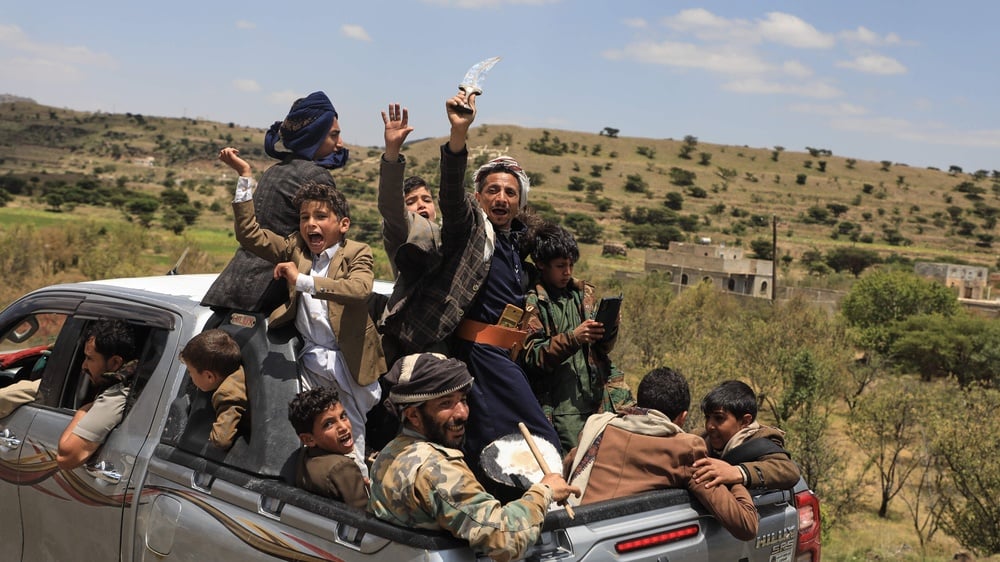
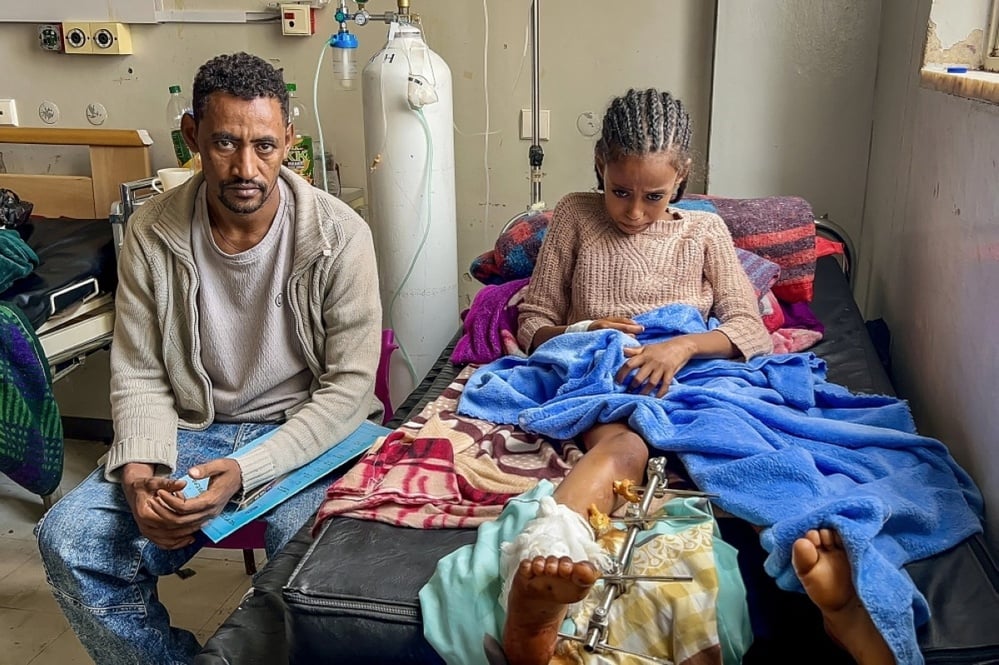
2026 © Helium Trades
Privacy Policy & Disclosure
* Disclaimer: Nothing on this website constitutes investment advice, performance data or any recommendation that any particular security, portfolio of securities, transaction or investment strategy is suitable for any specific person. Helium Trades is not responsible in any way for the accuracy
of any model predictions or price data. Any mention of a particular security and related prediction data is not a recommendation to buy or sell that security. Investments in securities involve the risk of loss. Past performance is no guarantee of future results. Helium Trades is not responsible for any of your investment decisions,
you should consult a financial expert before engaging in any transaction.
Helium Research Assistant

How can I help you today?
Ask any question about this page.


