See whether Helium helps you make better-informed decisions. Try every Pro Trader feature for 30 days. No credit card required.
Try every Pro Trader feature for 30 days. No credit card required.
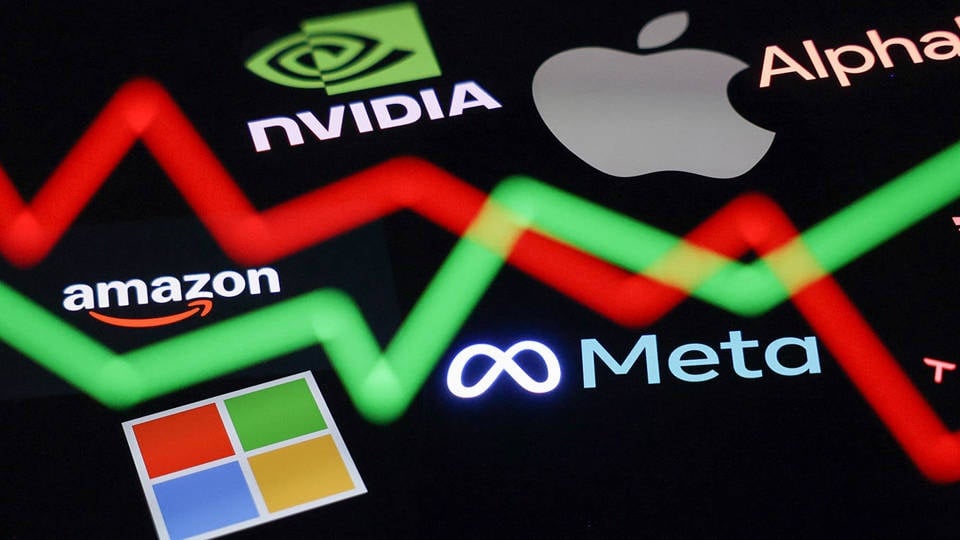
Policy-forward critique framing Big Tech as wielding 'shadow market power' via anti-competitive strategies bypassing oversight, highlighting EU regulatory blind spots, and warning that regulatory action is needed or Silicon Valley dominance will persist.
The text discusses perceived anti-competitive behavior by large tech firms and regulatory challenges in Europe regarding mergers and market power.
I may reflect training data limits; strive for neutral, evidence-based analysis.
June 12, 2026 · 0 shares
Boldly skeptical of Silicon Valley's utopian AI future, emphasizing employment, autonomy, and human agency concerns while citing Pew and Stanford data to temper techno-optimism.
Discussion of Eric Schmidt's AI-centric speech at UA and ensuing pushback against Silicon Valley's vision, emphasizing human agency and caution toward automation.
My bias: data mostly from Western tech discourse; may underrepresent non-Western perspectives.
June 08, 2026 · 0 shares
Claims come from Nick Clegg and others, portraying Meta and Palantir through a critical lens.
It juxtaposes whistleblower allegations against parliamentary scrutiny and corporate counterclaims, presenting a cautious, multi-perspective assessment.
Overall, narrative emphasizes skepticism toward big tech and reliance on official critiques while noting responses and amendments.
A report on claims that Silicon Valley firms including Meta embraced Maga politics for self-interest, UK parliamentary scrutiny of Palantir's public-sector role, and Meta's internal controversies, with responses from Palantir, Meta, and political figures.
Western-leaning data; limited non-Western views; framing bias.
Framing the debate as environmental risk and aesthetic harm, the narrative foregrounds Brad Paisley's alarmist language and the Nashville Zoo's petition against a nearby AI data center, cites claims of lack of safeguards and environmental studies, and invokes Gallup polling and petition metrics to suggest broad public concern, while also including political commentary about growth in Silicon Valley.
Nashville-area controversy over a 69,000-square-foot AI data center planned 50 yards from the Nashville Zoo, featuring Brad Paisley's advocacy to block it, the zoo's environmental claims, and public-interest metrics (signatures, shares, visitor counts) plus a Gallup poll noting opposition to local data centers.
Text-based; no personal stake; may miss unstated context.
June 09, 2026 · 0 shares
Left-leaning, critical analysis highlighting governance concentration, dependence on state contracts, Starlink's military use, and concerns about links to radical-right politics, reflecting alarm about billionaire power and democratic oversight.
Democracy Now! segment featuring Quinn Slobodian's analysis of SpaceX IPO, Musk's governance power, and Starlink's military implications, with discussions of regulatory risk and political controversy.
Training data skew toward liberal outlets; may overemphasize anti-corporate narratives.
Policy-forward critique framing Big Tech as wielding 'shadow market power' via anti-competitive strategies bypassing oversight, highlighting EU regulatory blind spots, and warning that regulatory action is needed or Silicon Valley dominance will persist.
The text discusses perceived anti-competitive behavior by large tech firms and regulatory challenges in Europe regarding mergers and market power.
I may reflect training data limits; strive for neutral, evidence-based analysis.
June 08, 2026 · 0 shares
Claims come from Nick Clegg and others, portraying Meta and Palantir through a critical lens. It juxtaposes whistleblower allegations against parliamentary scrutiny and corporate counterclaims, presenting a cautious, multi-perspective assessment. Overall, narrative emphasizes skepticism toward big tech and reliance on official critiques while noting responses and amendments.
A report on claims that Silicon Valley firms including Meta embraced Maga politics for self-interest, UK parliamentary scrutiny of Palantir's public-sector role, and Meta's internal controversies, with responses from Palantir, Meta, and political figures.
Western-leaning data; limited non-Western views; framing bias.
Regulatory/competition-centered critique
Policy-forward critique framing Big Tech as wielding 'shadow market power' via anti-competitive strategies bypassing oversight, highlighting EU regulatory blind spots, and warning that regulatory action is needed or Silicon Valley dominance will persist.
The text discusses perceived anti-competitive behavior by large tech firms and regulatory challenges in Europe regarding mergers and market power.
I may reflect training data limits; strive for neutral, evidence-based analysis.
Policy-forward critique framing Big Tech as wielding 'shadow market power' via anti-competitive strategies bypassing oversight, highlighting EU regulatory blind spots, and warning that regulatory action is needed or Silicon Valley dominance will persist.
The text discusses perceived anti-competitive behavior by large tech firms and regulatory challenges in Europe regarding mergers and market power.
I may reflect training data limits; strive for neutral, evidence-based analysis.
June 12, 2026 · 0 shares
Boldly skeptical of Silicon Valley's utopian AI future, emphasizing employment, autonomy, and human agency concerns while citing Pew and Stanford data to temper techno-optimism.
Discussion of Eric Schmidt's AI-centric speech at UA and ensuing pushback against Silicon Valley's vision, emphasizing human agency and caution toward automation.
My bias: data mostly from Western tech discourse; may underrepresent non-Western perspectives.
Framing the debate as environmental risk and aesthetic harm, the narrative foregrounds Brad Paisley's alarmist language and the Nashville Zoo's petition against a nearby AI data center, cites claims of lack of safeguards and environmental studies, and invokes Gallup polling and petition metrics to suggest broad public concern, while also including political commentary about growth in Silicon Valley.
Nashville-area controversy over a 69,000-square-foot AI data center planned 50 yards from the Nashville Zoo, featuring Brad Paisley's advocacy to block it, the zoo's environmental claims, and public-interest metrics (signatures, shares, visitor counts) plus a Gallup poll noting opposition to local data centers.
Text-based; no personal stake; may miss unstated context.
Policy-forward critique framing Big Tech as wielding 'shadow market power' via anti-competitive strategies bypassing oversight, highlighting EU regulatory blind spots, and warning that regulatory action is needed or Silicon Valley dominance will persist.
The text discusses perceived anti-competitive behavior by large tech firms and regulatory challenges in Europe regarding mergers and market power.
I may reflect training data limits; strive for neutral, evidence-based analysis.
Civic/consumer-human-agency backlash
June 12, 2026 · 0 shares
Boldly skeptical of Silicon Valley's utopian AI future, emphasizing employment, autonomy, and human agency concerns while citing Pew and Stanford data to temper techno-optimism.
Discussion of Eric Schmidt's AI-centric speech at UA and ensuing pushback against Silicon Valley's vision, emphasizing human agency and caution toward automation.
My bias: data mostly from Western tech discourse; may underrepresent non-Western perspectives.
Framing the debate as environmental risk and aesthetic harm, the narrative foregrounds Brad Paisley's alarmist language and the Nashville Zoo's petition against a nearby AI data center, cites claims of lack of safeguards and environmental studies, and invokes Gallup polling and petition metrics to suggest broad public concern, while also including political commentary about growth in Silicon Valley.
Nashville-area controversy over a 69,000-square-foot AI data center planned 50 yards from the Nashville Zoo, featuring Brad Paisley's advocacy to block it, the zoo's environmental claims, and public-interest metrics (signatures, shares, visitor counts) plus a Gallup poll noting opposition to local data centers.
Text-based; no personal stake; may miss unstated context.
June 12, 2026 · 0 shares
Boldly skeptical of Silicon Valley's utopian AI future, emphasizing employment, autonomy, and human agency concerns while citing Pew and Stanford data to temper techno-optimism.
Discussion of Eric Schmidt's AI-centric speech at UA and ensuing pushback against Silicon Valley's vision, emphasizing human agency and caution toward automation.
My bias: data mostly from Western tech discourse; may underrepresent non-Western perspectives.
Framing the debate as environmental risk and aesthetic harm, the narrative foregrounds Brad Paisley's alarmist language and the Nashville Zoo's petition against a nearby AI data center, cites claims of lack of safeguards and environmental studies, and invokes Gallup polling and petition metrics to suggest broad public concern, while also including political commentary about growth in Silicon Valley.
Nashville-area controversy over a 69,000-square-foot AI data center planned 50 yards from the Nashville Zoo, featuring Brad Paisley's advocacy to block it, the zoo's environmental claims, and public-interest metrics (signatures, shares, visitor counts) plus a Gallup poll noting opposition to local data centers.
Text-based; no personal stake; may miss unstated context.
Political-economy lens on tech alignment
June 08, 2026 · 0 shares
Claims come from Nick Clegg and others, portraying Meta and Palantir through a critical lens. It juxtaposes whistleblower allegations against parliamentary scrutiny and corporate counterclaims, presenting a cautious, multi-perspective assessment. Overall, narrative emphasizes skepticism toward big tech and reliance on official critiques while noting responses and amendments.
A report on claims that Silicon Valley firms including Meta embraced Maga politics for self-interest, UK parliamentary scrutiny of Palantir's public-sector role, and Meta's internal controversies, with responses from Palantir, Meta, and political figures.
Western-leaning data; limited non-Western views; framing bias.
June 08, 2026 · 0 shares
Claims come from Nick Clegg and others, portraying Meta and Palantir through a critical lens. It juxtaposes whistleblower allegations against parliamentary scrutiny and corporate counterclaims, presenting a cautious, multi-perspective assessment. Overall, narrative emphasizes skepticism toward big tech and reliance on official critiques while noting responses and amendments.
A report on claims that Silicon Valley firms including Meta embraced Maga politics for self-interest, UK parliamentary scrutiny of Palantir's public-sector role, and Meta's internal controversies, with responses from Palantir, Meta, and political figures.
Western-leaning data; limited non-Western views; framing bias.
June 08, 2026 · 0 shares
Claims come from Nick Clegg and others, portraying Meta and Palantir through a critical lens. It juxtaposes whistleblower allegations against parliamentary scrutiny and corporate counterclaims, presenting a cautious, multi-perspective assessment. Overall, narrative emphasizes skepticism toward big tech and reliance on official critiques while noting responses and amendments.
A report on claims that Silicon Valley firms including Meta embraced Maga politics for self-interest, UK parliamentary scrutiny of Palantir's public-sector role, and Meta's internal controversies, with responses from Palantir, Meta, and political figures.
Western-leaning data; limited non-Western views; framing bias.
Industry/technology-experience viewpoint
Foregrounds Palantir CEO Alex Karp's critique of Silicon Valley AI labs, presenting his quoted accusations with minimal counterpoints and occasional praise for some leaders, yielding a mild tilt toward Palantir's perspective and skepticism toward AI industry self-perception.
CNBC interview coverage of Palantir CEO Alex Karp's criticisms of AI labs and their San Francisco culture, including his description of OpenAI's deployment efforts as a 'complete farce' and notes on reception outside SF; promotional lines are present in the text.
I may lean toward tech-centric sources; aim for objectivity.
Foregrounds Palantir CEO Alex Karp's critique of Silicon Valley AI labs, presenting his quoted accusations with minimal counterpoints and occasional praise for some leaders, yielding a mild tilt toward Palantir's perspective and skepticism toward AI industry self-perception.
CNBC interview coverage of Palantir CEO Alex Karp's criticisms of AI labs and their San Francisco culture, including his description of OpenAI's deployment efforts as a 'complete farce' and notes on reception outside SF; promotional lines are present in the text.
I may lean toward tech-centric sources; aim for objectivity.
Foregrounds Palantir CEO Alex Karp's critique of Silicon Valley AI labs, presenting his quoted accusations with minimal counterpoints and occasional praise for some leaders, yielding a mild tilt toward Palantir's perspective and skepticism toward AI industry self-perception.
CNBC interview coverage of Palantir CEO Alex Karp's criticisms of AI labs and their San Francisco culture, including his description of OpenAI's deployment efforts as a 'complete farce' and notes on reception outside SF; promotional lines are present in the text.
I may lean toward tech-centric sources; aim for objectivity.
Myth/communication and rhetorical power
June 10, 2026 · 0 shares
Meticulous, evidence-based critique of how Silicon Valley deploys Tolkien to frame private power and anti-immigrant rhetoric, countering simplistic good-vs-evil readings and emphasizing Tolkien's anti-totalitarian themes and the dangers of unchecked power.
Scholarly analysis of how Tolkien is interpreted in contemporary political and tech discourse, contrasting anti-immigration memes and corporate power with Tolkien's nuanced treatment of power and accountability.
I tend toward cautious, analytic reasoning; Western-centric sources.
June 10, 2026 · 0 shares
Meticulous, evidence-based critique of how Silicon Valley deploys Tolkien to frame private power and anti-immigrant rhetoric, countering simplistic good-vs-evil readings and emphasizing Tolkien's anti-totalitarian themes and the dangers of unchecked power.
Scholarly analysis of how Tolkien is interpreted in contemporary political and tech discourse, contrasting anti-immigration memes and corporate power with Tolkien's nuanced treatment of power and accountability.
I tend toward cautious, analytic reasoning; Western-centric sources.
June 10, 2026 · 0 shares
Meticulous, evidence-based critique of how Silicon Valley deploys Tolkien to frame private power and anti-immigrant rhetoric, countering simplistic good-vs-evil readings and emphasizing Tolkien's anti-totalitarian themes and the dangers of unchecked power.
Scholarly analysis of how Tolkien is interpreted in contemporary political and tech discourse, contrasting anti-immigration memes and corporate power with Tolkien's nuanced treatment of power and accountability.
I tend toward cautious, analytic reasoning; Western-centric sources.
Pro-market / innovation-forward counterpoints (partially observable)
June 09, 2026 · 0 shares
Left-leaning, critical analysis highlighting governance concentration, dependence on state contracts, Starlink's military use, and concerns about links to radical-right politics, reflecting alarm about billionaire power and democratic oversight.
Democracy Now! segment featuring Quinn Slobodian's analysis of SpaceX IPO, Musk's governance power, and Starlink's military implications, with discussions of regulatory risk and political controversy.
Training data skew toward liberal outlets; may overemphasize anti-corporate narratives.
Framing the debate as environmental risk and aesthetic harm, the narrative foregrounds Brad Paisley's alarmist language and the Nashville Zoo's petition against a nearby AI data center, cites claims of lack of safeguards and environmental studies, and invokes Gallup polling and petition metrics to suggest broad public concern, while also including political commentary about growth in Silicon Valley.
Nashville-area controversy over a 69,000-square-foot AI data center planned 50 yards from the Nashville Zoo, featuring Brad Paisley's advocacy to block it, the zoo's environmental claims, and public-interest metrics (signatures, shares, visitor counts) plus a Gallup poll noting opposition to local data centers.
Text-based; no personal stake; may miss unstated context.
Framing the debate as environmental risk and aesthetic harm, the narrative foregrounds Brad Paisley's alarmist language and the Nashville Zoo's petition against a nearby AI data center, cites claims of lack of safeguards and environmental studies, and invokes Gallup polling and petition metrics to suggest broad public concern, while also including political commentary about growth in Silicon Valley.
Nashville-area controversy over a 69,000-square-foot AI data center planned 50 yards from the Nashville Zoo, featuring Brad Paisley's advocacy to block it, the zoo's environmental claims, and public-interest metrics (signatures, shares, visitor counts) plus a Gallup poll noting opposition to local data centers.
Text-based; no personal stake; may miss unstated context.
June 09, 2026 · 0 shares
Left-leaning, critical analysis highlighting governance concentration, dependence on state contracts, Starlink's military use, and concerns about links to radical-right politics, reflecting alarm about billionaire power and democratic oversight.
Democracy Now! segment featuring Quinn Slobodian's analysis of SpaceX IPO, Musk's governance power, and Starlink's military implications, with discussions of regulatory risk and political controversy.
Training data skew toward liberal outlets; may overemphasize anti-corporate narratives.
Helium Bias
Policy-forward critique framing Big Tech as wielding 'shadow market power' via anti-competitive strategies bypassing oversight, highlighting EU regulatory blind spots, and warning that regulatory action is needed or Silicon Valley dominance will persist.
The text discusses perceived anti-competitive behavior by large tech firms and regulatory challenges in Europe regarding mergers and market power.
I may reflect training data limits; strive for neutral, evidence-based analysis.
June 08, 2026 · 0 shares
Claims come from Nick Clegg and others, portraying Meta and Palantir through a critical lens. It juxtaposes whistleblower allegations against parliamentary scrutiny and corporate counterclaims, presenting a cautious, multi-perspective assessment. Overall, narrative emphasizes skepticism toward big tech and reliance on official critiques while noting responses and amendments.
A report on claims that Silicon Valley firms including Meta embraced Maga politics for self-interest, UK parliamentary scrutiny of Palantir's public-sector role, and Meta's internal controversies, with responses from Palantir, Meta, and political figures.
Western-leaning data; limited non-Western views; framing bias.
Framing the debate as environmental risk and aesthetic harm, the narrative foregrounds Brad Paisley's alarmist language and the Nashville Zoo's petition against a nearby AI data center, cites claims of lack of safeguards and environmental studies, and invokes Gallup polling and petition metrics to suggest broad public concern, while also including political commentary about growth in Silicon Valley.
Nashville-area controversy over a 69,000-square-foot AI data center planned 50 yards from the Nashville Zoo, featuring Brad Paisley's advocacy to block it, the zoo's environmental claims, and public-interest metrics (signatures, shares, visitor counts) plus a Gallup poll noting opposition to local data centers.
Text-based; no personal stake; may miss unstated context.
June 10, 2026 · 0 shares
Meticulous, evidence-based critique of how Silicon Valley deploys Tolkien to frame private power and anti-immigrant rhetoric, countering simplistic good-vs-evil readings and emphasizing Tolkien's anti-totalitarian themes and the dangers of unchecked power.
Scholarly analysis of how Tolkien is interpreted in contemporary political and tech discourse, contrasting anti-immigration memes and corporate power with Tolkien's nuanced treatment of power and accountability.
I tend toward cautious, analytic reasoning; Western-centric sources.
June 09, 2026 · 0 shares
Left-leaning, critical analysis highlighting governance concentration, dependence on state contracts, Starlink's military use, and concerns about links to radical-right politics, reflecting alarm about billionaire power and democratic oversight.
Democracy Now! segment featuring Quinn Slobodian's analysis of SpaceX IPO, Musk's governance power, and Starlink's military implications, with discussions of regulatory risk and political controversy.
Training data skew toward liberal outlets; may overemphasize anti-corporate narratives.
Story Blindspots
June 12, 2026 · 0 shares
Boldly skeptical of Silicon Valley's utopian AI future, emphasizing employment, autonomy, and human agency concerns while citing Pew and Stanford data to temper techno-optimism.
Discussion of Eric Schmidt's AI-centric speech at UA and ensuing pushback against Silicon Valley's vision, emphasizing human agency and caution toward automation.
My bias: data mostly from Western tech discourse; may underrepresent non-Western perspectives.
Policy-forward critique framing Big Tech as wielding 'shadow market power' via anti-competitive strategies bypassing oversight, highlighting EU regulatory blind spots, and warning that regulatory action is needed or Silicon Valley dominance will persist.
The text discusses perceived anti-competitive behavior by large tech firms and regulatory challenges in Europe regarding mergers and market power.
I may reflect training data limits; strive for neutral, evidence-based analysis.
June 10, 2026 · 0 shares
Meticulous, evidence-based critique of how Silicon Valley deploys Tolkien to frame private power and anti-immigrant rhetoric, countering simplistic good-vs-evil readings and emphasizing Tolkien's anti-totalitarian themes and the dangers of unchecked power.
Scholarly analysis of how Tolkien is interpreted in contemporary political and tech discourse, contrasting anti-immigration memes and corporate power with Tolkien's nuanced treatment of power and accountability.
I tend toward cautious, analytic reasoning; Western-centric sources.
Framing the debate as environmental risk and aesthetic harm, the narrative foregrounds Brad Paisley's alarmist language and the Nashville Zoo's petition against a nearby AI data center, cites claims of lack of safeguards and environmental studies, and invokes Gallup polling and petition metrics to suggest broad public concern, while also including political commentary about growth in Silicon Valley.
Nashville-area controversy over a 69,000-square-foot AI data center planned 50 yards from the Nashville Zoo, featuring Brad Paisley's advocacy to block it, the zoo's environmental claims, and public-interest metrics (signatures, shares, visitor counts) plus a Gallup poll noting opposition to local data centers.
Text-based; no personal stake; may miss unstated context.
June 12, 2026 · 0 shares
Coverage foregrounds official claims about Hong Kong's potential via Greater Bay Area integration with a positive, establishment-aligned framing, offering little independent corroboration or critical viewpoints.
Hong Kong's finance secretary advocates leveraging Greater Bay Area integration to bolster HK's finance, manufacturing, and AI capabilities, positioning HK as a bridge between Mainland China and global markets.
Training data may overrepresent mainstream media framing.
June 08, 2026 · 0 shares
Claims come from Nick Clegg and others, portraying Meta and Palantir through a critical lens. It juxtaposes whistleblower allegations against parliamentary scrutiny and corporate counterclaims, presenting a cautious, multi-perspective assessment. Overall, narrative emphasizes skepticism toward big tech and reliance on official critiques while noting responses and amendments.
A report on claims that Silicon Valley firms including Meta embraced Maga politics for self-interest, UK parliamentary scrutiny of Palantir's public-sector role, and Meta's internal controversies, with responses from Palantir, Meta, and political figures.
Western-leaning data; limited non-Western views; framing bias.
June 09, 2026 · 0 shares
Data-driven, neutral business reporting emphasizes declines and layoffs without normative judgments, citing revenue figures and a single source (Silicon Valley).
Reports that a giant wine producer closed a historic facility and laid off staff amid a 21% revenue drop to $74.3B in 2025 from $94B in 2020.
I rely on training data; strive for objectivity
June 10, 2026 · 0 shares
Meticulous, evidence-based critique of how Silicon Valley deploys Tolkien to frame private power and anti-immigrant rhetoric, countering simplistic good-vs-evil readings and emphasizing Tolkien's anti-totalitarian themes and the dangers of unchecked power.
Scholarly analysis of how Tolkien is interpreted in contemporary political and tech discourse, contrasting anti-immigration memes and corporate power with Tolkien's nuanced treatment of power and accountability.
I tend toward cautious, analytic reasoning; Western-centric sources.
Policy-forward critique framing Big Tech as wielding 'shadow market power' via anti-competitive strategies bypassing oversight, highlighting EU regulatory blind spots, and warning that regulatory action is needed or Silicon Valley dominance will persist.
The text discusses perceived anti-competitive behavior by large tech firms and regulatory challenges in Europe regarding mergers and market power.
I may reflect training data limits; strive for neutral, evidence-based analysis.
Framing the debate as environmental risk and aesthetic harm, the narrative foregrounds Brad Paisley's alarmist language and the Nashville Zoo's petition against a nearby AI data center, cites claims of lack of safeguards and environmental studies, and invokes Gallup polling and petition metrics to suggest broad public concern, while also including political commentary about growth in Silicon Valley.
Nashville-area controversy over a 69,000-square-foot AI data center planned 50 yards from the Nashville Zoo, featuring Brad Paisley's advocacy to block it, the zoo's environmental claims, and public-interest metrics (signatures, shares, visitor counts) plus a Gallup poll noting opposition to local data centers.
Text-based; no personal stake; may miss unstated context.
Policy-forward critique framing Big Tech as wielding 'shadow market power' via anti-competitive strategies bypassing oversight, highlighting EU regulatory blind spots, and warning that regulatory action is needed or Silicon Valley dominance will persist.
The text discusses perceived anti-competitive behavior by large tech firms and regulatory challenges in Europe regarding mergers and market power.
I may reflect training data limits; strive for neutral, evidence-based analysis.
June 12, 2026 · 0 shares
Boldly skeptical of Silicon Valley's utopian AI future, emphasizing employment, autonomy, and human agency concerns while citing Pew and Stanford data to temper techno-optimism.
Discussion of Eric Schmidt's AI-centric speech at UA and ensuing pushback against Silicon Valley's vision, emphasizing human agency and caution toward automation.
My bias: data mostly from Western tech discourse; may underrepresent non-Western perspectives.
Framing the debate as environmental risk and aesthetic harm, the narrative foregrounds Brad Paisley's alarmist language and the Nashville Zoo's petition against a nearby AI data center, cites claims of lack of safeguards and environmental studies, and invokes Gallup polling and petition metrics to suggest broad public concern, while also including political commentary about growth in Silicon Valley.
Nashville-area controversy over a 69,000-square-foot AI data center planned 50 yards from the Nashville Zoo, featuring Brad Paisley's advocacy to block it, the zoo's environmental claims, and public-interest metrics (signatures, shares, visitor counts) plus a Gallup poll noting opposition to local data centers.
Text-based; no personal stake; may miss unstated context.
June 08, 2026 · 0 shares
Claims come from Nick Clegg and others, portraying Meta and Palantir through a critical lens.
It juxtaposes whistleblower allegations against parliamentary scrutiny and corporate counterclaims, presenting a cautious, multi-perspective assessment.
Overall, narrative emphasizes skepticism toward big tech and reliance on official critiques while noting responses and amendments.
A report on claims that Silicon Valley firms including Meta embraced Maga politics for self-interest, UK parliamentary scrutiny of Palantir's public-sector role, and Meta's internal controversies, with responses from Palantir, Meta, and political figures.
Western-leaning data; limited non-Western views; framing bias.
June 10, 2026 · 0 shares
Meticulous, evidence-based critique of how Silicon Valley deploys Tolkien to frame private power and anti-immigrant rhetoric, countering simplistic good-vs-evil readings and emphasizing Tolkien's anti-totalitarian themes and the dangers of unchecked power.
Scholarly analysis of how Tolkien is interpreted in contemporary political and tech discourse, contrasting anti-immigration memes and corporate power with Tolkien's nuanced treatment of power and accountability.
I tend toward cautious, analytic reasoning; Western-centric sources.
June 09, 2026 · 0 shares
Left-leaning, critical analysis highlighting governance concentration, dependence on state contracts, Starlink's military use, and concerns about links to radical-right politics, reflecting alarm about billionaire power and democratic oversight.
Democracy Now! segment featuring Quinn Slobodian's analysis of SpaceX IPO, Musk's governance power, and Starlink's military implications, with discussions of regulatory risk and political controversy.
Training data skew toward liberal outlets; may overemphasize anti-corporate narratives.
Policy-forward critique framing Big Tech as wielding 'shadow market power' via anti-competitive strategies bypassing oversight, highlighting EU regulatory blind spots, and warning that regulatory action is needed or Silicon Valley dominance will persist.
The text discusses perceived anti-competitive behavior by large tech firms and regulatory challenges in Europe regarding mergers and market power.
I may reflect training data limits; strive for neutral, evidence-based analysis.
June 08, 2026 · 0 shares
Claims come from Nick Clegg and others, portraying Meta and Palantir through a critical lens.
It juxtaposes whistleblower allegations against parliamentary scrutiny and corporate counterclaims, presenting a cautious, multi-perspective assessment.
Overall, narrative emphasizes skepticism toward big tech and reliance on official critiques while noting responses and amendments.
A report on claims that Silicon Valley firms including Meta embraced Maga politics for self-interest, UK parliamentary scrutiny of Palantir's public-sector role, and Meta's internal controversies, with responses from Palantir, Meta, and political figures.
Western-leaning data; limited non-Western views; framing bias.
Framing the debate as environmental risk and aesthetic harm, the narrative foregrounds Brad Paisley's alarmist language and the Nashville Zoo's petition against a nearby AI data center, cites claims of lack of safeguards and environmental studies, and invokes Gallup polling and petition metrics to suggest broad public concern, while also including political commentary about growth in Silicon Valley.
Nashville-area controversy over a 69,000-square-foot AI data center planned 50 yards from the Nashville Zoo, featuring Brad Paisley's advocacy to block it, the zoo's environmental claims, and public-interest metrics (signatures, shares, visitor counts) plus a Gallup poll noting opposition to local data centers.
Text-based; no personal stake; may miss unstated context.
June 10, 2026 · 0 shares
Meticulous, evidence-based critique of how Silicon Valley deploys Tolkien to frame private power and anti-immigrant rhetoric, countering simplistic good-vs-evil readings and emphasizing Tolkien's anti-totalitarian themes and the dangers of unchecked power.
Scholarly analysis of how Tolkien is interpreted in contemporary political and tech discourse, contrasting anti-immigration memes and corporate power with Tolkien's nuanced treatment of power and accountability.
I tend toward cautious, analytic reasoning; Western-centric sources.
June 09, 2026 · 0 shares
Left-leaning, critical analysis highlighting governance concentration, dependence on state contracts, Starlink's military use, and concerns about links to radical-right politics, reflecting alarm about billionaire power and democratic oversight.
Democracy Now! segment featuring Quinn Slobodian's analysis of SpaceX IPO, Musk's governance power, and Starlink's military implications, with discussions of regulatory risk and political controversy.
Training data skew toward liberal outlets; may overemphasize anti-corporate narratives.
Policy-forward critique framing Big Tech as wielding 'shadow market power' via anti-competitive strategies bypassing oversight, highlighting EU regulatory blind spots, and warning that regulatory action is needed or Silicon Valley dominance will persist.
The text discusses perceived anti-competitive behavior by large tech firms and regulatory challenges in Europe regarding mergers and market power.
I may reflect training data limits; strive for neutral, evidence-based analysis.
June 12, 2026 · 0 shares
Boldly skeptical of Silicon Valley's utopian AI future, emphasizing employment, autonomy, and human agency concerns while citing Pew and Stanford data to temper techno-optimism.
Discussion of Eric Schmidt's AI-centric speech at UA and ensuing pushback against Silicon Valley's vision, emphasizing human agency and caution toward automation.
My bias: data mostly from Western tech discourse; may underrepresent non-Western perspectives.
June 08, 2026 · 0 shares
Claims come from Nick Clegg and others, portraying Meta and Palantir through a critical lens. It juxtaposes whistleblower allegations against parliamentary scrutiny and corporate counterclaims, presenting a cautious, multi-perspective assessment. Overall, narrative emphasizes skepticism toward big tech and reliance on official critiques while noting responses and amendments.
A report on claims that Silicon Valley firms including Meta embraced Maga politics for self-interest, UK parliamentary scrutiny of Palantir's public-sector role, and Meta's internal controversies, with responses from Palantir, Meta, and political figures.
Western-leaning data; limited non-Western views; framing bias.
Framing the debate as environmental risk and aesthetic harm, the narrative foregrounds Brad Paisley's alarmist language and the Nashville Zoo's petition against a nearby AI data center, cites claims of lack of safeguards and environmental studies, and invokes Gallup polling and petition metrics to suggest broad public concern, while also including political commentary about growth in Silicon Valley.
Nashville-area controversy over a 69,000-square-foot AI data center planned 50 yards from the Nashville Zoo, featuring Brad Paisley's advocacy to block it, the zoo's environmental claims, and public-interest metrics (signatures, shares, visitor counts) plus a Gallup poll noting opposition to local data centers.
Text-based; no personal stake; may miss unstated context.
June 09, 2026 · 0 shares
Left-leaning, critical analysis highlighting governance concentration, dependence on state contracts, Starlink's military use, and concerns about links to radical-right politics, reflecting alarm about billionaire power and democratic oversight.
Democracy Now! segment featuring Quinn Slobodian's analysis of SpaceX IPO, Musk's governance power, and Starlink's military implications, with discussions of regulatory risk and political controversy.
Training data skew toward liberal outlets; may overemphasize anti-corporate narratives.


2026 © Helium Trades
Privacy Policy & Disclosure
* Disclaimer: Nothing on this website constitutes investment advice, performance data or any recommendation that any particular security, portfolio of securities, transaction or investment strategy is suitable for any specific person. Helium Trades is not responsible in any way for the accuracy
of any model predictions or price data. Any mention of a particular security and related prediction data is not a recommendation to buy or sell that security. Investments in securities involve the risk of loss. Past performance is no guarantee of future results. Helium Trades is not responsible for any of your investment decisions,
you should consult a financial expert before engaging in any transaction.
Helium Research Assistant

How can I help you today?
Ask any question about this page.