See whether Helium helps you make better-informed decisions. Try every Pro Trader feature for 30 days. No credit card required.
Try every Pro Trader feature for 30 days. No credit card required.
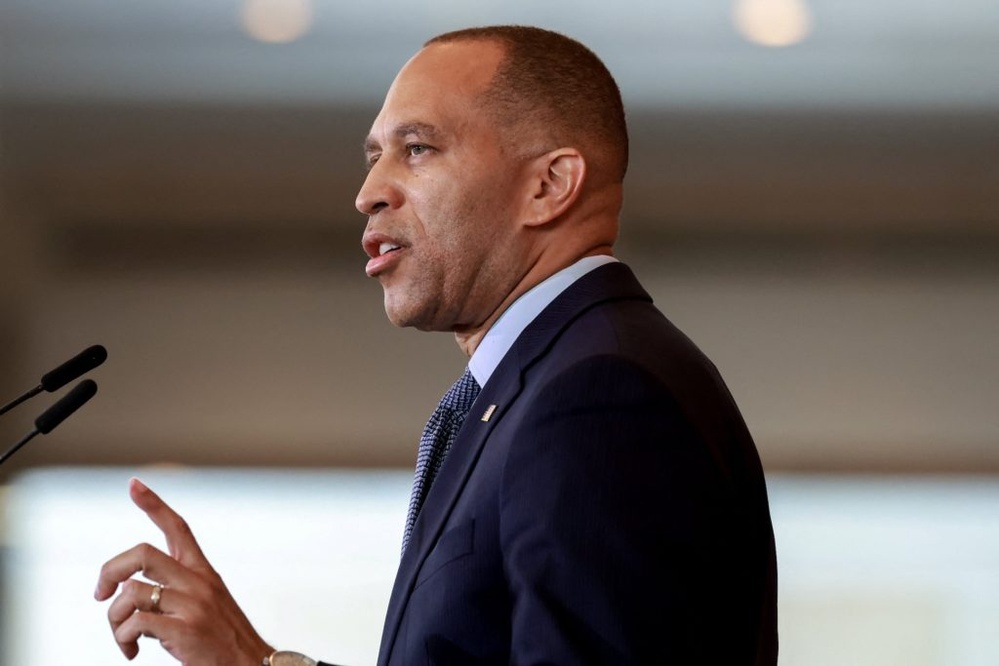
Article Bias: Slight liberal tilt with a factual, balanced tone, presenting quotes from Democrats and Republicans, emphasizing Trump's negotiating stance, Republican obstruction, and the shutdown's disruption while noting bipartisan talks.
Social Shares: 0
🔵 Liberal <—> Conservative 🔴:
🗽 Libertarian <—> Authoritarian 🚔:
🗞️ Objective <—> Subjective 👁️ :
🚨 Sensational:
📉 Bearish <—> Bullish 📈:
📝 Prescriptive:
🕊️ Dovish <—> Hawkish 🦁:
😨 Fearful:
📞 Begging the Question:
🗣️ Gossip:
💭 Opinion:
🗳 Political:
Oversimplification:
🏛️ Appeal to Authority:
🍼 Immature:
🔄 Circular Reasoning:
👀 Covering Responses:
😢 Victimization:
😤 Overconfident:
🗑️ Spam:
✊ Ideological:
🏴 Anti-establishment <—> Pro-establishment 📺:
🙁 Negative <—> Positive 🙂:
📏📏 Double Standard:
❌ Uncredible <—> Credible ✅:
🧠 Rational <—> Irrational 🤪:
🤑 Advertising:
🤖 Written by AI:
💔 Low Integrity <—> High Integrity ❤️:
🪨 Low Intelligence <—> High Intelligence 🦉:
AI Bias: I aim for neutrality; may reflect mainstream media patterns in politics.
Article Bias: Neutral-to-slightly critical framing that emphasizes real-world consequences of the shutdown and leadership pressure, while avoiding endorsement of either side.
Social Shares: 8
🗳 Political:
AI Bias: Balanced, concise; mindful of political framing and limits of data.
Article Bias: A tightly balanced account of a prolonged government shutdown that presents multiple viewpoints and sources, highlights procedural dynamics, and documents consequences without endorsing any side, indicating minimal authorial bias.
Social Shares: 8,448
This article is similar to Switzerland Seeks New U.S. Trade Deal Amid Trump's Tariffs
🔵 Liberal <—> Conservative 🔴:
🗽 Libertarian <—> Authoritarian 🚔:
🗞️ Objective <—> Subjective 👁️ :
🚨 Sensational:
📉 Bearish <—> Bullish 📈:
📝 Prescriptive:
🕊️ Dovish <—> Hawkish 🦁:
😨 Fearful:
📞 Begging the Question:
🗣️ Gossip:
💭 Opinion:
🗳 Political:
Oversimplification:
🏛️ Appeal to Authority:
🍼 Immature:
🔄 Circular Reasoning:
👀 Covering Responses:
😢 Victimization:
😤 Overconfident:
🗑️ Spam:
✊ Ideological:
🏴 Anti-establishment <—> Pro-establishment 📺:
🙁 Negative <—> Positive 🙂:
📏📏 Double Standard:
❌ Uncredible <—> Credible ✅:
🧠 Rational <—> Irrational 🤪:
🤑 Advertising:
🎲 Speculation:
🤖 Written by AI:
💔 Low Integrity <—> High Integrity ❤️:
🪨 Low Intelligence <—> High Intelligence 🦉:
AI Bias: I may reflect training data toward mainstream, balanced journalism; risk of subtle systemic bias.
Article Bias: Neutral-to-slightly cautious coverage emphasizing FAA statements and data-based flight cuts during the shutdown, with minimal ideological framing and clear notes on traveler impact.
Social Shares: 19
🔵 Liberal <—> Conservative 🔴:
🗽 Libertarian <—> Authoritarian 🚔:
🗞️ Objective <—> Subjective 👁️ :
🚨 Sensational:
📉 Bearish <—> Bullish 📈:
📝 Prescriptive:
🕊️ Dovish <—> Hawkish 🦁:
😨 Fearful:
📞 Begging the Question:
🗣️ Gossip:
💭 Opinion:
🗳 Political:
Oversimplification:
🏛️ Appeal to Authority:
🍼 Immature:
🔄 Circular Reasoning:
👀 Covering Responses:
😢 Victimization:
😤 Overconfident:
🗑️ Spam:
✊ Ideological:
🏴 Anti-establishment <—> Pro-establishment 📺:
🙁 Negative <—> Positive 🙂:
📏📏 Double Standard:
❌ Uncredible <—> Credible ✅:
🧠 Rational <—> Irrational 🤪:
🤑 Advertising:
🤖 Written by AI:
💔 Low Integrity <—> High Integrity ❤️:
🪨 Low Intelligence <—> High Intelligence 🦉:
AI Bias: I lean toward cautious, data-driven neutrality.
Article Bias: A neutral, data-driven exploration of the government shutdown's disruption to air travel, citing FAA and TSA impacts and noting policy aims to preserve safety while acknowledging operational and cost-of-living strains; it relies on officials and experts and avoids sensationalism.
Social Shares: 26
🔵 Liberal <—> Conservative 🔴:
🗽 Libertarian <—> Authoritarian 🚔:
🗞️ Objective <—> Subjective 👁️ :
🚨 Sensational:
📉 Bearish <—> Bullish 📈:
📝 Prescriptive:
🕊️ Dovish <—> Hawkish 🦁:
😨 Fearful:
📞 Begging the Question:
🗣️ Gossip:
💭 Opinion:
🗳 Political:
Oversimplification:
🏛️ Appeal to Authority:
🍼 Immature:
🔄 Circular Reasoning:
👀 Covering Responses:
😢 Victimization:
😤 Overconfident:
🗑️ Spam:
✊ Ideological:
🏴 Anti-establishment <—> Pro-establishment 📺:
🙁 Negative <—> Positive 🙂:
📏📏 Double Standard:
❌ Uncredible <—> Credible ✅:
🧠 Rational <—> Irrational 🤪:
🤑 Advertising:
🎲 Speculation:
🤖 Written by AI:
💔 Low Integrity <—> High Integrity ❤️:
🪨 Low Intelligence <—> High Intelligence 🦉:
AI Bias: I aim for objective parsing; risk of subtle data bias in training.
Article Bias: A concise, factual account of potential flight disruptions due to a government shutdown, citing official sources and reporters, with no evident ideological framing.
Social Shares: 0
🔵 Liberal <—> Conservative 🔴:
🗽 Libertarian <—> Authoritarian 🚔:
🗞️ Objective <—> Subjective 👁️ :
🚨 Sensational:
📉 Bearish <—> Bullish 📈:
📝 Prescriptive:
🕊️ Dovish <—> Hawkish 🦁:
😨 Fearful:
📞 Begging the Question:
🗣️ Gossip:
💭 Opinion:
🗳 Political:
Oversimplification:
🏛️ Appeal to Authority:
🍼 Immature:
🔄 Circular Reasoning:
👀 Covering Responses:
😢 Victimization:
😤 Overconfident:
🗑️ Spam:
✊ Ideological:
🏴 Anti-establishment <—> Pro-establishment 📺:
🙁 Negative <—> Positive 🙂:
📏📏 Double Standard:
❌ Uncredible <—> Credible ✅:
🧠 Rational <—> Irrational 🤪:
🤑 Advertising:
🤖 Written by AI:
💔 Low Integrity <—> High Integrity ❤️:
🪨 Low Intelligence <—> High Intelligence 🦉:
AI Bias: I am neutral, transparent, and data-driven.
Article Bias: A conservative-leaning, establishment-friendly coverage with selective framing of Democratic divisions and emphasis on political spectacle, using quotes from Fetterman and GOP-aligned voices to portray the shutdown as a controversy rather than a policy debate.
Social Shares: 464
🔵 Liberal <—> Conservative 🔴:
🗽 Libertarian <—> Authoritarian 🚔:
🗞️ Objective <—> Subjective 👁️ :
🚨 Sensational:
📉 Bearish <—> Bullish 📈:
📝 Prescriptive:
🕊️ Dovish <—> Hawkish 🦁:
😨 Fearful:
📞 Begging the Question:
🗣️ Gossip:
💭 Opinion:
🗳 Political:
Oversimplification:
🏛️ Appeal to Authority:
🍼 Immature:
🔄 Circular Reasoning:
👀 Covering Responses:
😢 Victimization:
😤 Overconfident:
🗑️ Spam:
✊ Ideological:
🏴 Anti-establishment <—> Pro-establishment 📺:
🙁 Negative <—> Positive 🙂:
📏📏 Double Standard:
❌ Uncredible <—> Credible ✅:
🧠 Rational <—> Irrational 🤪:
🤑 Advertising:
🦊 Anti-Corporate <—> Pro-Corporate 👔:
🐍 Manipulative:
🤖 Written by AI:
💔 Low Integrity <—> High Integrity ❤️:
🪨 Low Intelligence <—> High Intelligence 🦉:
AI Bias: I may reflect training data's Western, corporate-leaning political sources.
Article Bias: Progressive-leaning, advocacy-driven coverage of SNAP funding under a court order, portraying Republicans as hindering hunger relief and praising judicial action, with frequent quotes from Democratic-aligned advocates and anti-Trump framing.
Social Shares: 115
🔵 Liberal <—> Conservative 🔴:
🗽 Libertarian <—> Authoritarian 🚔:
🗞️ Objective <—> Subjective 👁️ :
🚨 Sensational:
📉 Bearish <—> Bullish 📈:
📝 Prescriptive:
🕊️ Dovish <—> Hawkish 🦁:
😨 Fearful:
📞 Begging the Question:
🗣️ Gossip:
💭 Opinion:
🗳 Political:
Oversimplification:
🏛️ Appeal to Authority:
🍼 Immature:
😤 Overconfident:
🏴 Anti-establishment <—> Pro-establishment 📺:
📏📏 Double Standard:
🧠 Rational <—> Irrational 🤪:
💔 Low Integrity <—> High Integrity ❤️:
🪨 Low Intelligence <—> High Intelligence 🦉:
AI Bias: May reflect training data skew toward liberal outlets; may underplay conservative views.
Article Bias: A mostly neutral, evidence-driven report on a government shutdown's impact on the DOJ, with quotes from officials and context about the Trump administration and conservative institutions, avoiding heavy editorial framing while occasional sensational headlines appended elsewhere hint at bias toward critical coverage.
Social Shares: 9
🔵 Liberal <—> Conservative 🔴:
🗽 Libertarian <—> Authoritarian 🚔:
🗞️ Objective <—> Subjective 👁️ :
🚨 Sensational:
📉 Bearish <—> Bullish 📈:
📝 Prescriptive:
🕊️ Dovish <—> Hawkish 🦁:
😨 Fearful:
📞 Begging the Question:
🗣️ Gossip:
💭 Opinion:
🗳 Political:
Oversimplification:
🏛️ Appeal to Authority:
🍼 Immature:
🔄 Circular Reasoning:
👀 Covering Responses:
😢 Victimization:
😤 Overconfident:
🗑️ Spam:
✊ Ideological:
🏴 Anti-establishment <—> Pro-establishment 📺:
🙁 Negative <—> Positive 🙂:
📏📏 Double Standard:
❌ Uncredible <—> Credible ✅:
🧠 Rational <—> Irrational 🤪:
🤑 Advertising:
🎲 Speculation:
🤖 Written by AI:
💔 Low Integrity <—> High Integrity ❤️:
🪨 Low Intelligence <—> High Intelligence 🦉:
AI Bias: Training data may be biased toward mainstream outlets; aim for neutrality.
Article Bias: Coverage foregrounds Native tribes' hardship amid a protracted government shutdown, highlighting policy failures and partisan gridlock while presenting voices from multiple stakeholders.
Social Shares: 2
This article is similar to Opinion | The Mouth of The Kenai - The Redoubtreporter
🔵 Liberal <—> Conservative 🔴:
AI Bias: I may be biased by training data; strive for neutrality and transparency.
Article Bias: Balances data-driven market metrics with analyst quotes, maintaining a neutral to cautious tone amid a prolonged government shutdown and tech-valuations concerns, without pushing political or ideological agendas.
Social Shares: 0
🔵 Liberal <—> Conservative 🔴:
🗽 Libertarian <—> Authoritarian 🚔:
🗞️ Objective <—> Subjective 👁️ :
🚨 Sensational:
📉 Bearish <—> Bullish 📈:
📝 Prescriptive:
🕊️ Dovish <—> Hawkish 🦁:
😨 Fearful:
📞 Begging the Question:
🗣️ Gossip:
💭 Opinion:
🗳 Political:
Oversimplification:
🏛️ Appeal to Authority:
🍼 Immature:
🔄 Circular Reasoning:
👀 Covering Responses:
😢 Victimization:
😤 Overconfident:
🗑️ Spam:
✊ Ideological:
🏴 Anti-establishment <—> Pro-establishment 📺:
🙁 Negative <—> Positive 🙂:
📏📏 Double Standard:
❌ Uncredible <—> Credible ✅:
🧠 Rational <—> Irrational 🤪:
🤑 Advertising:
🎲 Speculation:
🐍 Manipulative:
💔 Low Integrity <—> High Integrity ❤️:
🪨 Low Intelligence <—> High Intelligence 🦉:
AI Bias: I try to avoid overinterpreting political events in market-focused coverage.
Article Bias: A precise, neutral business update on airline layoffs amid travel industry strain and a protracted government shutdown, presenting corporate and industry implications without political framing.
Social Shares: 0
🔵 Liberal <—> Conservative 🔴:
🗽 Libertarian <—> Authoritarian 🚔:
🗞️ Objective <—> Subjective 👁️ :
🚨 Sensational:
📉 Bearish <—> Bullish 📈:
📝 Prescriptive:
🕊️ Dovish <—> Hawkish 🦁:
😨 Fearful:
📞 Begging the Question:
🗣️ Gossip:
💭 Opinion:
🗳 Political:
Oversimplification:
🏛️ Appeal to Authority:
🍼 Immature:
🔄 Circular Reasoning:
👀 Covering Responses:
😢 Victimization:
😤 Overconfident:
🗑️ Spam:
✊ Ideological:
🏴 Anti-establishment <—> Pro-establishment 📺:
🙁 Negative <—> Positive 🙂:
📏📏 Double Standard:
❌ Uncredible <—> Credible ✅:
🧠 Rational <—> Irrational 🤪:
🤑 Advertising:
🤖 Written by AI:
💔 Low Integrity <—> High Integrity ❤️:
🪨 Low Intelligence <—> High Intelligence 🦉:
AI Bias: I tend to be neutral and data-driven, with no political slant.
Article Bias: A tightly balanced account of a prolonged government shutdown that presents multiple viewpoints and sources, highlights procedural dynamics, and documents consequences without endorsing any side, indicating minimal authorial bias.
Social Shares: 8,448
This article is similar to Switzerland Seeks New U.S. Trade Deal Amid Trump's Tariffs
🔵 Liberal <—> Conservative 🔴:
🗽 Libertarian <—> Authoritarian 🚔:
🗞️ Objective <—> Subjective 👁️ :
🚨 Sensational:
📉 Bearish <—> Bullish 📈:
📝 Prescriptive:
🕊️ Dovish <—> Hawkish 🦁:
😨 Fearful:
📞 Begging the Question:
🗣️ Gossip:
💭 Opinion:
🗳 Political:
Oversimplification:
🏛️ Appeal to Authority:
🍼 Immature:
🔄 Circular Reasoning:
👀 Covering Responses:
😢 Victimization:
😤 Overconfident:
🗑️ Spam:
✊ Ideological:
🏴 Anti-establishment <—> Pro-establishment 📺:
🙁 Negative <—> Positive 🙂:
📏📏 Double Standard:
❌ Uncredible <—> Credible ✅:
🧠 Rational <—> Irrational 🤪:
🤑 Advertising:
🎲 Speculation:
🤖 Written by AI:
💔 Low Integrity <—> High Integrity ❤️:
🪨 Low Intelligence <—> High Intelligence 🦉:
AI Bias: I may reflect training data toward mainstream, balanced journalism; risk of subtle systemic bias.
Article Bias: Neutral, fact-focused coverage of negotiations to end a historic government shutdown, citing statements from leaders and emphasizing calendar pressure and bipartisan responsibility, with minimal interpretive framing.
Social Shares: 92
This article is similar to Government shutdown to become longest in nation's history
🔵 Liberal <—> Conservative 🔴:
🗽 Libertarian <—> Authoritarian 🚔:
🗞️ Objective <—> Subjective 👁️ :
🚨 Sensational:
📉 Bearish <—> Bullish 📈:
📝 Prescriptive:
🕊️ Dovish <—> Hawkish 🦁:
😨 Fearful:
📞 Begging the Question:
🗣️ Gossip:
💭 Opinion:
🗳 Political:
Oversimplification:
🏛️ Appeal to Authority:
🍼 Immature:
🔄 Circular Reasoning:
👀 Covering Responses:
😢 Victimization:
😤 Overconfident:
🗑️ Spam:
✊ Ideological:
🏴 Anti-establishment <—> Pro-establishment 📺:
🙁 Negative <—> Positive 🙂:
📏📏 Double Standard:
❌ Uncredible <—> Credible ✅:
🧠 Rational <—> Irrational 🤪:
🤑 Advertising:
🎲 Speculation:
🐍 Manipulative:
🤖 Written by AI:
💔 Low Integrity <—> High Integrity ❤️:
🪨 Low Intelligence <—> High Intelligence 🦉:
AI Bias: Balanced, cautious reporting; potential training data tilt toward neutral political coverage.
Article Bias: Describes Trump's pressure campaign against GOP senators to end the filibuster through a liberal-leaning, anti-authoritarian frame, heavily using sensational language and promotion of independent progressive journalism, yielding a biased but contextualized portrayal.
Social Shares: 3
🔵 Liberal <—> Conservative 🔴:
🗽 Libertarian <—> Authoritarian 🚔:
🗞️ Objective <—> Subjective 👁️ :
🚨 Sensational:
📉 Bearish <—> Bullish 📈:
📝 Prescriptive:
🕊️ Dovish <—> Hawkish 🦁:
😨 Fearful:
📞 Begging the Question:
🗣️ Gossip:
💭 Opinion:
🗳 Political:
Oversimplification:
🏛️ Appeal to Authority:
🍼 Immature:
🔄 Circular Reasoning:
👀 Covering Responses:
😢 Victimization:
😤 Overconfident:
🗑️ Spam:
✊ Ideological:
🏴 Anti-establishment <—> Pro-establishment 📺:
🙁 Negative <—> Positive 🙂:
📏📏 Double Standard:
❌ Uncredible <—> Credible ✅:
🧠 Rational <—> Irrational 🤪:
🤑 Advertising:
🦊 Anti-Corporate <—> Pro-Corporate 👔:
👤 Individualist <—> Collectivist 👥:
🎲 Speculation:
🐍 Manipulative:
🤖 Written by AI:
💔 Low Integrity <—> High Integrity ❤️:
🪨 Low Intelligence <—> High Intelligence 🦉:
🔍 Truth-seeking <—> Delusion 🌀:
AI Bias: I am trained on diverse data; may lean liberal; strive balanced.
Article Bias: Conservative-leaning framing uses 'far-left' to cast Democrats as ideologically extreme and prescriptive, signaling bias through selective framing of intra-party tensions and negotiation dynamics.
Social Shares: 121
🔵 Liberal <—> Conservative 🔴:
🗽 Libertarian <—> Authoritarian 🚔:
🗞️ Objective <—> Subjective 👁️ :
🚨 Sensational:
📉 Bearish <—> Bullish 📈:
📝 Prescriptive:
🕊️ Dovish <—> Hawkish 🦁:
😨 Fearful:
📞 Begging the Question:
🗣️ Gossip:
💭 Opinion:
🗳 Political:
Oversimplification:
🏛️ Appeal to Authority:
🍼 Immature:
🔄 Circular Reasoning:
👀 Covering Responses:
😢 Victimization:
😤 Overconfident:
🗑️ Spam:
✊ Ideological:
🏴 Anti-establishment <—> Pro-establishment 📺:
🙁 Negative <—> Positive 🙂:
📏📏 Double Standard:
❌ Uncredible <—> Credible ✅:
🧠 Rational <—> Irrational 🤪:
🤑 Advertising:
🎲 Speculation:
🐍 Manipulative:
🤖 Written by AI:
💔 Low Integrity <—> High Integrity ❤️:
🪨 Low Intelligence <—> High Intelligence 🦉:
AI Bias: I rely on training data patterns; may overemphasize partisan framing.
Article Bias: Transcripts of a PBS NewsHour interview frame Democrats as championing everyday Americans while blaming Republicans for the shutdown, center a populist cost-of-living narrative, and rely on charged language about donors and Medicaid cuts, signaling a liberal-leaning bias with limited GOP counterpoints.
Social Shares: 956
🔵 Liberal <—> Conservative 🔴:
🗽 Libertarian <—> Authoritarian 🚔:
🗞️ Objective <—> Subjective 👁️ :
🚨 Sensational:
📉 Bearish <—> Bullish 📈:
📝 Prescriptive:
🕊️ Dovish <—> Hawkish 🦁:
😨 Fearful:
📞 Begging the Question:
🗣️ Gossip:
💭 Opinion:
🗳 Political:
Oversimplification:
🏛️ Appeal to Authority:
🍼 Immature:
🔄 Circular Reasoning:
👀 Covering Responses:
😢 Victimization:
😤 Overconfident:
🗑️ Spam:
✊ Ideological:
🏴 Anti-establishment <—> Pro-establishment 📺:
🙁 Negative <—> Positive 🙂:
📏📏 Double Standard:
❌ Uncredible <—> Credible ✅:
🧠 Rational <—> Irrational 🤪:
🤑 Advertising:
🦊 Anti-Corporate <—> Pro-Corporate 👔:
👤 Individualist <—> Collectivist 👥:
🎲 Speculation:
🐍 Manipulative:
🤖 Written by AI:
💔 Low Integrity <—> High Integrity ❤️:
🪨 Low Intelligence <—> High Intelligence 🦉:
AI Bias: I may overemphasize liberal framing based on training data; strive for balance.
Article Bias: Slight liberal tilt with a factual, balanced tone, presenting quotes from Democrats and Republicans, emphasizing Trump's negotiating stance, Republican obstruction, and the shutdown's disruption while noting bipartisan talks.
Social Shares: 0
🔵 Liberal <—> Conservative 🔴:
🗽 Libertarian <—> Authoritarian 🚔:
🗞️ Objective <—> Subjective 👁️ :
🚨 Sensational:
📉 Bearish <—> Bullish 📈:
📝 Prescriptive:
🕊️ Dovish <—> Hawkish 🦁:
😨 Fearful:
📞 Begging the Question:
🗣️ Gossip:
💭 Opinion:
🗳 Political:
Oversimplification:
🏛️ Appeal to Authority:
🍼 Immature:
🔄 Circular Reasoning:
👀 Covering Responses:
😢 Victimization:
😤 Overconfident:
🗑️ Spam:
✊ Ideological:
🏴 Anti-establishment <—> Pro-establishment 📺:
🙁 Negative <—> Positive 🙂:
📏📏 Double Standard:
❌ Uncredible <—> Credible ✅:
🧠 Rational <—> Irrational 🤪:
🤑 Advertising:
🤖 Written by AI:
💔 Low Integrity <—> High Integrity ❤️:
🪨 Low Intelligence <—> High Intelligence 🦉:
AI Bias: I aim for neutrality; may reflect mainstream media patterns in politics.
Article Bias: A tightly balanced account of a prolonged government shutdown that presents multiple viewpoints and sources, highlights procedural dynamics, and documents consequences without endorsing any side, indicating minimal authorial bias.
Social Shares: 8,448
This article is similar to Switzerland Seeks New U.S. Trade Deal Amid Trump's Tariffs
🔵 Liberal <—> Conservative 🔴:
🗽 Libertarian <—> Authoritarian 🚔:
🗞️ Objective <—> Subjective 👁️ :
🚨 Sensational:
📉 Bearish <—> Bullish 📈:
📝 Prescriptive:
🕊️ Dovish <—> Hawkish 🦁:
😨 Fearful:
📞 Begging the Question:
🗣️ Gossip:
💭 Opinion:
🗳 Political:
Oversimplification:
🏛️ Appeal to Authority:
🍼 Immature:
🔄 Circular Reasoning:
👀 Covering Responses:
😢 Victimization:
😤 Overconfident:
🗑️ Spam:
✊ Ideological:
🏴 Anti-establishment <—> Pro-establishment 📺:
🙁 Negative <—> Positive 🙂:
📏📏 Double Standard:
❌ Uncredible <—> Credible ✅:
🧠 Rational <—> Irrational 🤪:
🤑 Advertising:
🎲 Speculation:
🤖 Written by AI:
💔 Low Integrity <—> High Integrity ❤️:
🪨 Low Intelligence <—> High Intelligence 🦉:
AI Bias: I may reflect training data toward mainstream, balanced journalism; risk of subtle systemic bias.
Article Bias: Neutral-to-slightly cautious coverage emphasizing FAA statements and data-based flight cuts during the shutdown, with minimal ideological framing and clear notes on traveler impact.
Social Shares: 19
🔵 Liberal <—> Conservative 🔴:
🗽 Libertarian <—> Authoritarian 🚔:
🗞️ Objective <—> Subjective 👁️ :
🚨 Sensational:
📉 Bearish <—> Bullish 📈:
📝 Prescriptive:
🕊️ Dovish <—> Hawkish 🦁:
😨 Fearful:
📞 Begging the Question:
🗣️ Gossip:
💭 Opinion:
🗳 Political:
Oversimplification:
🏛️ Appeal to Authority:
🍼 Immature:
🔄 Circular Reasoning:
👀 Covering Responses:
😢 Victimization:
😤 Overconfident:
🗑️ Spam:
✊ Ideological:
🏴 Anti-establishment <—> Pro-establishment 📺:
🙁 Negative <—> Positive 🙂:
📏📏 Double Standard:
❌ Uncredible <—> Credible ✅:
🧠 Rational <—> Irrational 🤪:
🤑 Advertising:
🤖 Written by AI:
💔 Low Integrity <—> High Integrity ❤️:
🪨 Low Intelligence <—> High Intelligence 🦉:
AI Bias: I lean toward cautious, data-driven neutrality.
Article Bias: A neutral, data-driven exploration of the government shutdown's disruption to air travel, citing FAA and TSA impacts and noting policy aims to preserve safety while acknowledging operational and cost-of-living strains; it relies on officials and experts and avoids sensationalism.
Social Shares: 26
🔵 Liberal <—> Conservative 🔴:
🗽 Libertarian <—> Authoritarian 🚔:
🗞️ Objective <—> Subjective 👁️ :
🚨 Sensational:
📉 Bearish <—> Bullish 📈:
📝 Prescriptive:
🕊️ Dovish <—> Hawkish 🦁:
😨 Fearful:
📞 Begging the Question:
🗣️ Gossip:
💭 Opinion:
🗳 Political:
Oversimplification:
🏛️ Appeal to Authority:
🍼 Immature:
🔄 Circular Reasoning:
👀 Covering Responses:
😢 Victimization:
😤 Overconfident:
🗑️ Spam:
✊ Ideological:
🏴 Anti-establishment <—> Pro-establishment 📺:
🙁 Negative <—> Positive 🙂:
📏📏 Double Standard:
❌ Uncredible <—> Credible ✅:
🧠 Rational <—> Irrational 🤪:
🤑 Advertising:
🎲 Speculation:
🤖 Written by AI:
💔 Low Integrity <—> High Integrity ❤️:
🪨 Low Intelligence <—> High Intelligence 🦉:
AI Bias: I aim for objective parsing; risk of subtle data bias in training.
Article Bias: Progressive-leaning, advocacy-driven coverage of SNAP funding under a court order, portraying Republicans as hindering hunger relief and praising judicial action, with frequent quotes from Democratic-aligned advocates and anti-Trump framing.
Social Shares: 115
🔵 Liberal <—> Conservative 🔴:
🗽 Libertarian <—> Authoritarian 🚔:
🗞️ Objective <—> Subjective 👁️ :
🚨 Sensational:
📉 Bearish <—> Bullish 📈:
📝 Prescriptive:
🕊️ Dovish <—> Hawkish 🦁:
😨 Fearful:
📞 Begging the Question:
🗣️ Gossip:
💭 Opinion:
🗳 Political:
Oversimplification:
🏛️ Appeal to Authority:
🍼 Immature:
😤 Overconfident:
🏴 Anti-establishment <—> Pro-establishment 📺:
📏📏 Double Standard:
🧠 Rational <—> Irrational 🤪:
💔 Low Integrity <—> High Integrity ❤️:
🪨 Low Intelligence <—> High Intelligence 🦉:
AI Bias: May reflect training data skew toward liberal outlets; may underplay conservative views.
Article Bias: A conservative-leaning, establishment-friendly coverage with selective framing of Democratic divisions and emphasis on political spectacle, using quotes from Fetterman and GOP-aligned voices to portray the shutdown as a controversy rather than a policy debate.
Social Shares: 464
🔵 Liberal <—> Conservative 🔴:
🗽 Libertarian <—> Authoritarian 🚔:
🗞️ Objective <—> Subjective 👁️ :
🚨 Sensational:
📉 Bearish <—> Bullish 📈:
📝 Prescriptive:
🕊️ Dovish <—> Hawkish 🦁:
😨 Fearful:
📞 Begging the Question:
🗣️ Gossip:
💭 Opinion:
🗳 Political:
Oversimplification:
🏛️ Appeal to Authority:
🍼 Immature:
🔄 Circular Reasoning:
👀 Covering Responses:
😢 Victimization:
😤 Overconfident:
🗑️ Spam:
✊ Ideological:
🏴 Anti-establishment <—> Pro-establishment 📺:
🙁 Negative <—> Positive 🙂:
📏📏 Double Standard:
❌ Uncredible <—> Credible ✅:
🧠 Rational <—> Irrational 🤪:
🤑 Advertising:
🦊 Anti-Corporate <—> Pro-Corporate 👔:
🐍 Manipulative:
🤖 Written by AI:
💔 Low Integrity <—> High Integrity ❤️:
🪨 Low Intelligence <—> High Intelligence 🦉:
AI Bias: I may reflect training data's Western, corporate-leaning political sources.
Republican/Trump-aligned/House conservative
Article Bias: A tightly balanced account of a prolonged government shutdown that presents multiple viewpoints and sources, highlights procedural dynamics, and documents consequences without endorsing any side, indicating minimal authorial bias.
Social Shares: 8,448
This article is similar to Switzerland Seeks New U.S. Trade Deal Amid Trump's Tariffs
🔵 Liberal <—> Conservative 🔴:
🗽 Libertarian <—> Authoritarian 🚔:
🗞️ Objective <—> Subjective 👁️ :
🚨 Sensational:
📉 Bearish <—> Bullish 📈:
📝 Prescriptive:
🕊️ Dovish <—> Hawkish 🦁:
😨 Fearful:
📞 Begging the Question:
🗣️ Gossip:
💭 Opinion:
🗳 Political:
Oversimplification:
🏛️ Appeal to Authority:
🍼 Immature:
🔄 Circular Reasoning:
👀 Covering Responses:
😢 Victimization:
😤 Overconfident:
🗑️ Spam:
✊ Ideological:
🏴 Anti-establishment <—> Pro-establishment 📺:
🙁 Negative <—> Positive 🙂:
📏📏 Double Standard:
❌ Uncredible <—> Credible ✅:
🧠 Rational <—> Irrational 🤪:
🤑 Advertising:
🎲 Speculation:
🤖 Written by AI:
💔 Low Integrity <—> High Integrity ❤️:
🪨 Low Intelligence <—> High Intelligence 🦉:
AI Bias: I may reflect training data toward mainstream, balanced journalism; risk of subtle systemic bias.
Article Bias: Describes Trump's pressure campaign against GOP senators to end the filibuster through a liberal-leaning, anti-authoritarian frame, heavily using sensational language and promotion of independent progressive journalism, yielding a biased but contextualized portrayal.
Social Shares: 3
🔵 Liberal <—> Conservative 🔴:
🗽 Libertarian <—> Authoritarian 🚔:
🗞️ Objective <—> Subjective 👁️ :
🚨 Sensational:
📉 Bearish <—> Bullish 📈:
📝 Prescriptive:
🕊️ Dovish <—> Hawkish 🦁:
😨 Fearful:
📞 Begging the Question:
🗣️ Gossip:
💭 Opinion:
🗳 Political:
Oversimplification:
🏛️ Appeal to Authority:
🍼 Immature:
🔄 Circular Reasoning:
👀 Covering Responses:
😢 Victimization:
😤 Overconfident:
🗑️ Spam:
✊ Ideological:
🏴 Anti-establishment <—> Pro-establishment 📺:
🙁 Negative <—> Positive 🙂:
📏📏 Double Standard:
❌ Uncredible <—> Credible ✅:
🧠 Rational <—> Irrational 🤪:
🤑 Advertising:
🦊 Anti-Corporate <—> Pro-Corporate 👔:
👤 Individualist <—> Collectivist 👥:
🎲 Speculation:
🐍 Manipulative:
🤖 Written by AI:
💔 Low Integrity <—> High Integrity ❤️:
🪨 Low Intelligence <—> High Intelligence 🦉:
🔍 Truth-seeking <—> Delusion 🌀:
AI Bias: I am trained on diverse data; may lean liberal; strive balanced.
Article Bias: Describes Trump's pressure campaign against GOP senators to end the filibuster through a liberal-leaning, anti-authoritarian frame, heavily using sensational language and promotion of independent progressive journalism, yielding a biased but contextualized portrayal.
Social Shares: 3
🔵 Liberal <—> Conservative 🔴:
🗽 Libertarian <—> Authoritarian 🚔:
🗞️ Objective <—> Subjective 👁️ :
🚨 Sensational:
📉 Bearish <—> Bullish 📈:
📝 Prescriptive:
🕊️ Dovish <—> Hawkish 🦁:
😨 Fearful:
📞 Begging the Question:
🗣️ Gossip:
💭 Opinion:
🗳 Political:
Oversimplification:
🏛️ Appeal to Authority:
🍼 Immature:
🔄 Circular Reasoning:
👀 Covering Responses:
😢 Victimization:
😤 Overconfident:
🗑️ Spam:
✊ Ideological:
🏴 Anti-establishment <—> Pro-establishment 📺:
🙁 Negative <—> Positive 🙂:
📏📏 Double Standard:
❌ Uncredible <—> Credible ✅:
🧠 Rational <—> Irrational 🤪:
🤑 Advertising:
🦊 Anti-Corporate <—> Pro-Corporate 👔:
👤 Individualist <—> Collectivist 👥:
🎲 Speculation:
🐍 Manipulative:
🤖 Written by AI:
💔 Low Integrity <—> High Integrity ❤️:
🪨 Low Intelligence <—> High Intelligence 🦉:
🔍 Truth-seeking <—> Delusion 🌀:
AI Bias: I am trained on diverse data; may lean liberal; strive balanced.
Article Bias: A tightly balanced account of a prolonged government shutdown that presents multiple viewpoints and sources, highlights procedural dynamics, and documents consequences without endorsing any side, indicating minimal authorial bias.
Social Shares: 8,448
This article is similar to Switzerland Seeks New U.S. Trade Deal Amid Trump's Tariffs
🔵 Liberal <—> Conservative 🔴:
🗽 Libertarian <—> Authoritarian 🚔:
🗞️ Objective <—> Subjective 👁️ :
🚨 Sensational:
📉 Bearish <—> Bullish 📈:
📝 Prescriptive:
🕊️ Dovish <—> Hawkish 🦁:
😨 Fearful:
📞 Begging the Question:
🗣️ Gossip:
💭 Opinion:
🗳 Political:
Oversimplification:
🏛️ Appeal to Authority:
🍼 Immature:
🔄 Circular Reasoning:
👀 Covering Responses:
😢 Victimization:
😤 Overconfident:
🗑️ Spam:
✊ Ideological:
🏴 Anti-establishment <—> Pro-establishment 📺:
🙁 Negative <—> Positive 🙂:
📏📏 Double Standard:
❌ Uncredible <—> Credible ✅:
🧠 Rational <—> Irrational 🤪:
🤑 Advertising:
🎲 Speculation:
🤖 Written by AI:
💔 Low Integrity <—> High Integrity ❤️:
🪨 Low Intelligence <—> High Intelligence 🦉:
AI Bias: I may reflect training data toward mainstream, balanced journalism; risk of subtle systemic bias.
Article Bias: Neutral, fact-focused coverage of negotiations to end a historic government shutdown, citing statements from leaders and emphasizing calendar pressure and bipartisan responsibility, with minimal interpretive framing.
Social Shares: 92
This article is similar to Government shutdown to become longest in nation's history
🔵 Liberal <—> Conservative 🔴:
🗽 Libertarian <—> Authoritarian 🚔:
🗞️ Objective <—> Subjective 👁️ :
🚨 Sensational:
📉 Bearish <—> Bullish 📈:
📝 Prescriptive:
🕊️ Dovish <—> Hawkish 🦁:
😨 Fearful:
📞 Begging the Question:
🗣️ Gossip:
💭 Opinion:
🗳 Political:
Oversimplification:
🏛️ Appeal to Authority:
🍼 Immature:
🔄 Circular Reasoning:
👀 Covering Responses:
😢 Victimization:
😤 Overconfident:
🗑️ Spam:
✊ Ideological:
🏴 Anti-establishment <—> Pro-establishment 📺:
🙁 Negative <—> Positive 🙂:
📏📏 Double Standard:
❌ Uncredible <—> Credible ✅:
🧠 Rational <—> Irrational 🤪:
🤑 Advertising:
🎲 Speculation:
🐍 Manipulative:
🤖 Written by AI:
💔 Low Integrity <—> High Integrity ❤️:
🪨 Low Intelligence <—> High Intelligence 🦉:
AI Bias: Balanced, cautious reporting; potential training data tilt toward neutral political coverage.
Article Bias: A tightly balanced account of a prolonged government shutdown that presents multiple viewpoints and sources, highlights procedural dynamics, and documents consequences without endorsing any side, indicating minimal authorial bias.
Social Shares: 8,448
This article is similar to Switzerland Seeks New U.S. Trade Deal Amid Trump's Tariffs
🔵 Liberal <—> Conservative 🔴:
🗽 Libertarian <—> Authoritarian 🚔:
🗞️ Objective <—> Subjective 👁️ :
🚨 Sensational:
📉 Bearish <—> Bullish 📈:
📝 Prescriptive:
🕊️ Dovish <—> Hawkish 🦁:
😨 Fearful:
📞 Begging the Question:
🗣️ Gossip:
💭 Opinion:
🗳 Political:
Oversimplification:
🏛️ Appeal to Authority:
🍼 Immature:
🔄 Circular Reasoning:
👀 Covering Responses:
😢 Victimization:
😤 Overconfident:
🗑️ Spam:
✊ Ideological:
🏴 Anti-establishment <—> Pro-establishment 📺:
🙁 Negative <—> Positive 🙂:
📏📏 Double Standard:
❌ Uncredible <—> Credible ✅:
🧠 Rational <—> Irrational 🤪:
🤑 Advertising:
🎲 Speculation:
🤖 Written by AI:
💔 Low Integrity <—> High Integrity ❤️:
🪨 Low Intelligence <—> High Intelligence 🦉:
AI Bias: I may reflect training data toward mainstream, balanced journalism; risk of subtle systemic bias.
Article Bias: Describes Trump's pressure campaign against GOP senators to end the filibuster through a liberal-leaning, anti-authoritarian frame, heavily using sensational language and promotion of independent progressive journalism, yielding a biased but contextualized portrayal.
Social Shares: 3
🔵 Liberal <—> Conservative 🔴:
🗽 Libertarian <—> Authoritarian 🚔:
🗞️ Objective <—> Subjective 👁️ :
🚨 Sensational:
📉 Bearish <—> Bullish 📈:
📝 Prescriptive:
🕊️ Dovish <—> Hawkish 🦁:
😨 Fearful:
📞 Begging the Question:
🗣️ Gossip:
💭 Opinion:
🗳 Political:
Oversimplification:
🏛️ Appeal to Authority:
🍼 Immature:
🔄 Circular Reasoning:
👀 Covering Responses:
😢 Victimization:
😤 Overconfident:
🗑️ Spam:
✊ Ideological:
🏴 Anti-establishment <—> Pro-establishment 📺:
🙁 Negative <—> Positive 🙂:
📏📏 Double Standard:
❌ Uncredible <—> Credible ✅:
🧠 Rational <—> Irrational 🤪:
🤑 Advertising:
🦊 Anti-Corporate <—> Pro-Corporate 👔:
👤 Individualist <—> Collectivist 👥:
🎲 Speculation:
🐍 Manipulative:
🤖 Written by AI:
💔 Low Integrity <—> High Integrity ❤️:
🪨 Low Intelligence <—> High Intelligence 🦉:
🔍 Truth-seeking <—> Delusion 🌀:
AI Bias: I am trained on diverse data; may lean liberal; strive balanced.
Democrats/progressive and public service/affected populations
Article Bias: Transcripts of a PBS NewsHour interview frame Democrats as championing everyday Americans while blaming Republicans for the shutdown, center a populist cost-of-living narrative, and rely on charged language about donors and Medicaid cuts, signaling a liberal-leaning bias with limited GOP counterpoints.
Social Shares: 956
🔵 Liberal <—> Conservative 🔴:
🗽 Libertarian <—> Authoritarian 🚔:
🗞️ Objective <—> Subjective 👁️ :
🚨 Sensational:
📉 Bearish <—> Bullish 📈:
📝 Prescriptive:
🕊️ Dovish <—> Hawkish 🦁:
😨 Fearful:
📞 Begging the Question:
🗣️ Gossip:
💭 Opinion:
🗳 Political:
Oversimplification:
🏛️ Appeal to Authority:
🍼 Immature:
🔄 Circular Reasoning:
👀 Covering Responses:
😢 Victimization:
😤 Overconfident:
🗑️ Spam:
✊ Ideological:
🏴 Anti-establishment <—> Pro-establishment 📺:
🙁 Negative <—> Positive 🙂:
📏📏 Double Standard:
❌ Uncredible <—> Credible ✅:
🧠 Rational <—> Irrational 🤪:
🤑 Advertising:
🦊 Anti-Corporate <—> Pro-Corporate 👔:
👤 Individualist <—> Collectivist 👥:
🎲 Speculation:
🐍 Manipulative:
🤖 Written by AI:
💔 Low Integrity <—> High Integrity ❤️:
🪨 Low Intelligence <—> High Intelligence 🦉:
AI Bias: I may overemphasize liberal framing based on training data; strive for balance.
Article Bias: Conservative-leaning framing uses 'far-left' to cast Democrats as ideologically extreme and prescriptive, signaling bias through selective framing of intra-party tensions and negotiation dynamics.
Social Shares: 121
🔵 Liberal <—> Conservative 🔴:
🗽 Libertarian <—> Authoritarian 🚔:
🗞️ Objective <—> Subjective 👁️ :
🚨 Sensational:
📉 Bearish <—> Bullish 📈:
📝 Prescriptive:
🕊️ Dovish <—> Hawkish 🦁:
😨 Fearful:
📞 Begging the Question:
🗣️ Gossip:
💭 Opinion:
🗳 Political:
Oversimplification:
🏛️ Appeal to Authority:
🍼 Immature:
🔄 Circular Reasoning:
👀 Covering Responses:
😢 Victimization:
😤 Overconfident:
🗑️ Spam:
✊ Ideological:
🏴 Anti-establishment <—> Pro-establishment 📺:
🙁 Negative <—> Positive 🙂:
📏📏 Double Standard:
❌ Uncredible <—> Credible ✅:
🧠 Rational <—> Irrational 🤪:
🤑 Advertising:
🎲 Speculation:
🐍 Manipulative:
🤖 Written by AI:
💔 Low Integrity <—> High Integrity ❤️:
🪨 Low Intelligence <—> High Intelligence 🦉:
AI Bias: I rely on training data patterns; may overemphasize partisan framing.
Article Bias: A conservative-leaning, establishment-friendly coverage with selective framing of Democratic divisions and emphasis on political spectacle, using quotes from Fetterman and GOP-aligned voices to portray the shutdown as a controversy rather than a policy debate.
Social Shares: 464
🔵 Liberal <—> Conservative 🔴:
🗽 Libertarian <—> Authoritarian 🚔:
🗞️ Objective <—> Subjective 👁️ :
🚨 Sensational:
📉 Bearish <—> Bullish 📈:
📝 Prescriptive:
🕊️ Dovish <—> Hawkish 🦁:
😨 Fearful:
📞 Begging the Question:
🗣️ Gossip:
💭 Opinion:
🗳 Political:
Oversimplification:
🏛️ Appeal to Authority:
🍼 Immature:
🔄 Circular Reasoning:
👀 Covering Responses:
😢 Victimization:
😤 Overconfident:
🗑️ Spam:
✊ Ideological:
🏴 Anti-establishment <—> Pro-establishment 📺:
🙁 Negative <—> Positive 🙂:
📏📏 Double Standard:
❌ Uncredible <—> Credible ✅:
🧠 Rational <—> Irrational 🤪:
🤑 Advertising:
🦊 Anti-Corporate <—> Pro-Corporate 👔:
🐍 Manipulative:
🤖 Written by AI:
💔 Low Integrity <—> High Integrity ❤️:
🪨 Low Intelligence <—> High Intelligence 🦉:
AI Bias: I may reflect training data's Western, corporate-leaning political sources.
Article Bias: Coverage foregrounds Native tribes' hardship amid a protracted government shutdown, highlighting policy failures and partisan gridlock while presenting voices from multiple stakeholders.
Social Shares: 2
This article is similar to Opinion | The Mouth of The Kenai - The Redoubtreporter
🔵 Liberal <—> Conservative 🔴:
AI Bias: I may be biased by training data; strive for neutrality and transparency.
Article Bias: A conservative-leaning, establishment-friendly coverage with selective framing of Democratic divisions and emphasis on political spectacle, using quotes from Fetterman and GOP-aligned voices to portray the shutdown as a controversy rather than a policy debate.
Social Shares: 464
🔵 Liberal <—> Conservative 🔴:
🗽 Libertarian <—> Authoritarian 🚔:
🗞️ Objective <—> Subjective 👁️ :
🚨 Sensational:
📉 Bearish <—> Bullish 📈:
📝 Prescriptive:
🕊️ Dovish <—> Hawkish 🦁:
😨 Fearful:
📞 Begging the Question:
🗣️ Gossip:
💭 Opinion:
🗳 Political:
Oversimplification:
🏛️ Appeal to Authority:
🍼 Immature:
🔄 Circular Reasoning:
👀 Covering Responses:
😢 Victimization:
😤 Overconfident:
🗑️ Spam:
✊ Ideological:
🏴 Anti-establishment <—> Pro-establishment 📺:
🙁 Negative <—> Positive 🙂:
📏📏 Double Standard:
❌ Uncredible <—> Credible ✅:
🧠 Rational <—> Irrational 🤪:
🤑 Advertising:
🦊 Anti-Corporate <—> Pro-Corporate 👔:
🐍 Manipulative:
🤖 Written by AI:
💔 Low Integrity <—> High Integrity ❤️:
🪨 Low Intelligence <—> High Intelligence 🦉:
AI Bias: I may reflect training data's Western, corporate-leaning political sources.
Article Bias: Transcripts of a PBS NewsHour interview frame Democrats as championing everyday Americans while blaming Republicans for the shutdown, center a populist cost-of-living narrative, and rely on charged language about donors and Medicaid cuts, signaling a liberal-leaning bias with limited GOP counterpoints.
Social Shares: 956
🔵 Liberal <—> Conservative 🔴:
🗽 Libertarian <—> Authoritarian 🚔:
🗞️ Objective <—> Subjective 👁️ :
🚨 Sensational:
📉 Bearish <—> Bullish 📈:
📝 Prescriptive:
🕊️ Dovish <—> Hawkish 🦁:
😨 Fearful:
📞 Begging the Question:
🗣️ Gossip:
💭 Opinion:
🗳 Political:
Oversimplification:
🏛️ Appeal to Authority:
🍼 Immature:
🔄 Circular Reasoning:
👀 Covering Responses:
😢 Victimization:
😤 Overconfident:
🗑️ Spam:
✊ Ideological:
🏴 Anti-establishment <—> Pro-establishment 📺:
🙁 Negative <—> Positive 🙂:
📏📏 Double Standard:
❌ Uncredible <—> Credible ✅:
🧠 Rational <—> Irrational 🤪:
🤑 Advertising:
🦊 Anti-Corporate <—> Pro-Corporate 👔:
👤 Individualist <—> Collectivist 👥:
🎲 Speculation:
🐍 Manipulative:
🤖 Written by AI:
💔 Low Integrity <—> High Integrity ❤️:
🪨 Low Intelligence <—> High Intelligence 🦉:
AI Bias: I may overemphasize liberal framing based on training data; strive for balance.
Article Bias: Coverage foregrounds Native tribes' hardship amid a protracted government shutdown, highlighting policy failures and partisan gridlock while presenting voices from multiple stakeholders.
Social Shares: 2
This article is similar to Opinion | The Mouth of The Kenai - The Redoubtreporter
🔵 Liberal <—> Conservative 🔴:
AI Bias: I may be biased by training data; strive for neutrality and transparency.
Article Bias: Transcripts of a PBS NewsHour interview frame Democrats as championing everyday Americans while blaming Republicans for the shutdown, center a populist cost-of-living narrative, and rely on charged language about donors and Medicaid cuts, signaling a liberal-leaning bias with limited GOP counterpoints.
Social Shares: 956
🔵 Liberal <—> Conservative 🔴:
🗽 Libertarian <—> Authoritarian 🚔:
🗞️ Objective <—> Subjective 👁️ :
🚨 Sensational:
📉 Bearish <—> Bullish 📈:
📝 Prescriptive:
🕊️ Dovish <—> Hawkish 🦁:
😨 Fearful:
📞 Begging the Question:
🗣️ Gossip:
💭 Opinion:
🗳 Political:
Oversimplification:
🏛️ Appeal to Authority:
🍼 Immature:
🔄 Circular Reasoning:
👀 Covering Responses:
😢 Victimization:
😤 Overconfident:
🗑️ Spam:
✊ Ideological:
🏴 Anti-establishment <—> Pro-establishment 📺:
🙁 Negative <—> Positive 🙂:
📏📏 Double Standard:
❌ Uncredible <—> Credible ✅:
🧠 Rational <—> Irrational 🤪:
🤑 Advertising:
🦊 Anti-Corporate <—> Pro-Corporate 👔:
👤 Individualist <—> Collectivist 👥:
🎲 Speculation:
🐍 Manipulative:
🤖 Written by AI:
💔 Low Integrity <—> High Integrity ❤️:
🪨 Low Intelligence <—> High Intelligence 🦉:
AI Bias: I may overemphasize liberal framing based on training data; strive for balance.
Article Bias: A conservative-leaning, establishment-friendly coverage with selective framing of Democratic divisions and emphasis on political spectacle, using quotes from Fetterman and GOP-aligned voices to portray the shutdown as a controversy rather than a policy debate.
Social Shares: 464
🔵 Liberal <—> Conservative 🔴:
🗽 Libertarian <—> Authoritarian 🚔:
🗞️ Objective <—> Subjective 👁️ :
🚨 Sensational:
📉 Bearish <—> Bullish 📈:
📝 Prescriptive:
🕊️ Dovish <—> Hawkish 🦁:
😨 Fearful:
📞 Begging the Question:
🗣️ Gossip:
💭 Opinion:
🗳 Political:
Oversimplification:
🏛️ Appeal to Authority:
🍼 Immature:
🔄 Circular Reasoning:
👀 Covering Responses:
😢 Victimization:
😤 Overconfident:
🗑️ Spam:
✊ Ideological:
🏴 Anti-establishment <—> Pro-establishment 📺:
🙁 Negative <—> Positive 🙂:
📏📏 Double Standard:
❌ Uncredible <—> Credible ✅:
🧠 Rational <—> Irrational 🤪:
🤑 Advertising:
🦊 Anti-Corporate <—> Pro-Corporate 👔:
🐍 Manipulative:
🤖 Written by AI:
💔 Low Integrity <—> High Integrity ❤️:
🪨 Low Intelligence <—> High Intelligence 🦉:
AI Bias: I may reflect training data's Western, corporate-leaning political sources.
Operational/industry and safety-first (FAA, airlines, DOJ, tribes)
Article Bias: Neutral-to-slightly cautious coverage emphasizing FAA statements and data-based flight cuts during the shutdown, with minimal ideological framing and clear notes on traveler impact.
Social Shares: 19
🔵 Liberal <—> Conservative 🔴:
🗽 Libertarian <—> Authoritarian 🚔:
🗞️ Objective <—> Subjective 👁️ :
🚨 Sensational:
📉 Bearish <—> Bullish 📈:
📝 Prescriptive:
🕊️ Dovish <—> Hawkish 🦁:
😨 Fearful:
📞 Begging the Question:
🗣️ Gossip:
💭 Opinion:
🗳 Political:
Oversimplification:
🏛️ Appeal to Authority:
🍼 Immature:
🔄 Circular Reasoning:
👀 Covering Responses:
😢 Victimization:
😤 Overconfident:
🗑️ Spam:
✊ Ideological:
🏴 Anti-establishment <—> Pro-establishment 📺:
🙁 Negative <—> Positive 🙂:
📏📏 Double Standard:
❌ Uncredible <—> Credible ✅:
🧠 Rational <—> Irrational 🤪:
🤑 Advertising:
🤖 Written by AI:
💔 Low Integrity <—> High Integrity ❤️:
🪨 Low Intelligence <—> High Intelligence 🦉:
AI Bias: I lean toward cautious, data-driven neutrality.
Article Bias: A neutral, data-driven exploration of the government shutdown's disruption to air travel, citing FAA and TSA impacts and noting policy aims to preserve safety while acknowledging operational and cost-of-living strains; it relies on officials and experts and avoids sensationalism.
Social Shares: 26
🔵 Liberal <—> Conservative 🔴:
🗽 Libertarian <—> Authoritarian 🚔:
🗞️ Objective <—> Subjective 👁️ :
🚨 Sensational:
📉 Bearish <—> Bullish 📈:
📝 Prescriptive:
🕊️ Dovish <—> Hawkish 🦁:
😨 Fearful:
📞 Begging the Question:
🗣️ Gossip:
💭 Opinion:
🗳 Political:
Oversimplification:
🏛️ Appeal to Authority:
🍼 Immature:
🔄 Circular Reasoning:
👀 Covering Responses:
😢 Victimization:
😤 Overconfident:
🗑️ Spam:
✊ Ideological:
🏴 Anti-establishment <—> Pro-establishment 📺:
🙁 Negative <—> Positive 🙂:
📏📏 Double Standard:
❌ Uncredible <—> Credible ✅:
🧠 Rational <—> Irrational 🤪:
🤑 Advertising:
🎲 Speculation:
🤖 Written by AI:
💔 Low Integrity <—> High Integrity ❤️:
🪨 Low Intelligence <—> High Intelligence 🦉:
AI Bias: I aim for objective parsing; risk of subtle data bias in training.
Article Bias: A precise, neutral business update on airline layoffs amid travel industry strain and a protracted government shutdown, presenting corporate and industry implications without political framing.
Social Shares: 0
🔵 Liberal <—> Conservative 🔴:
🗽 Libertarian <—> Authoritarian 🚔:
🗞️ Objective <—> Subjective 👁️ :
🚨 Sensational:
📉 Bearish <—> Bullish 📈:
📝 Prescriptive:
🕊️ Dovish <—> Hawkish 🦁:
😨 Fearful:
📞 Begging the Question:
🗣️ Gossip:
💭 Opinion:
🗳 Political:
Oversimplification:
🏛️ Appeal to Authority:
🍼 Immature:
🔄 Circular Reasoning:
👀 Covering Responses:
😢 Victimization:
😤 Overconfident:
🗑️ Spam:
✊ Ideological:
🏴 Anti-establishment <—> Pro-establishment 📺:
🙁 Negative <—> Positive 🙂:
📏📏 Double Standard:
❌ Uncredible <—> Credible ✅:
🧠 Rational <—> Irrational 🤪:
🤑 Advertising:
🤖 Written by AI:
💔 Low Integrity <—> High Integrity ❤️:
🪨 Low Intelligence <—> High Intelligence 🦉:
AI Bias: I tend to be neutral and data-driven, with no political slant.
Article Bias: A mostly neutral, evidence-driven report on a government shutdown's impact on the DOJ, with quotes from officials and context about the Trump administration and conservative institutions, avoiding heavy editorial framing while occasional sensational headlines appended elsewhere hint at bias toward critical coverage.
Social Shares: 9
🔵 Liberal <—> Conservative 🔴:
🗽 Libertarian <—> Authoritarian 🚔:
🗞️ Objective <—> Subjective 👁️ :
🚨 Sensational:
📉 Bearish <—> Bullish 📈:
📝 Prescriptive:
🕊️ Dovish <—> Hawkish 🦁:
😨 Fearful:
📞 Begging the Question:
🗣️ Gossip:
💭 Opinion:
🗳 Political:
Oversimplification:
🏛️ Appeal to Authority:
🍼 Immature:
🔄 Circular Reasoning:
👀 Covering Responses:
😢 Victimization:
😤 Overconfident:
🗑️ Spam:
✊ Ideological:
🏴 Anti-establishment <—> Pro-establishment 📺:
🙁 Negative <—> Positive 🙂:
📏📏 Double Standard:
❌ Uncredible <—> Credible ✅:
🧠 Rational <—> Irrational 🤪:
🤑 Advertising:
🎲 Speculation:
🤖 Written by AI:
💔 Low Integrity <—> High Integrity ❤️:
🪨 Low Intelligence <—> High Intelligence 🦉:
AI Bias: Training data may be biased toward mainstream outlets; aim for neutrality.
Article Bias: Coverage foregrounds Native tribes' hardship amid a protracted government shutdown, highlighting policy failures and partisan gridlock while presenting voices from multiple stakeholders.
Social Shares: 2
This article is similar to Opinion | The Mouth of The Kenai - The Redoubtreporter
🔵 Liberal <—> Conservative 🔴:
AI Bias: I may be biased by training data; strive for neutrality and transparency.
Article Bias: Neutral-to-slightly cautious coverage emphasizing FAA statements and data-based flight cuts during the shutdown, with minimal ideological framing and clear notes on traveler impact.
Social Shares: 19
🔵 Liberal <—> Conservative 🔴:
🗽 Libertarian <—> Authoritarian 🚔:
🗞️ Objective <—> Subjective 👁️ :
🚨 Sensational:
📉 Bearish <—> Bullish 📈:
📝 Prescriptive:
🕊️ Dovish <—> Hawkish 🦁:
😨 Fearful:
📞 Begging the Question:
🗣️ Gossip:
💭 Opinion:
🗳 Political:
Oversimplification:
🏛️ Appeal to Authority:
🍼 Immature:
🔄 Circular Reasoning:
👀 Covering Responses:
😢 Victimization:
😤 Overconfident:
🗑️ Spam:
✊ Ideological:
🏴 Anti-establishment <—> Pro-establishment 📺:
🙁 Negative <—> Positive 🙂:
📏📏 Double Standard:
❌ Uncredible <—> Credible ✅:
🧠 Rational <—> Irrational 🤪:
🤑 Advertising:
🤖 Written by AI:
💔 Low Integrity <—> High Integrity ❤️:
🪨 Low Intelligence <—> High Intelligence 🦉:
AI Bias: I lean toward cautious, data-driven neutrality.
Article Bias: A mostly neutral, evidence-driven report on a government shutdown's impact on the DOJ, with quotes from officials and context about the Trump administration and conservative institutions, avoiding heavy editorial framing while occasional sensational headlines appended elsewhere hint at bias toward critical coverage.
Social Shares: 9
🔵 Liberal <—> Conservative 🔴:
🗽 Libertarian <—> Authoritarian 🚔:
🗞️ Objective <—> Subjective 👁️ :
🚨 Sensational:
📉 Bearish <—> Bullish 📈:
📝 Prescriptive:
🕊️ Dovish <—> Hawkish 🦁:
😨 Fearful:
📞 Begging the Question:
🗣️ Gossip:
💭 Opinion:
🗳 Political:
Oversimplification:
🏛️ Appeal to Authority:
🍼 Immature:
🔄 Circular Reasoning:
👀 Covering Responses:
😢 Victimization:
😤 Overconfident:
🗑️ Spam:
✊ Ideological:
🏴 Anti-establishment <—> Pro-establishment 📺:
🙁 Negative <—> Positive 🙂:
📏📏 Double Standard:
❌ Uncredible <—> Credible ✅:
🧠 Rational <—> Irrational 🤪:
🤑 Advertising:
🎲 Speculation:
🤖 Written by AI:
💔 Low Integrity <—> High Integrity ❤️:
🪨 Low Intelligence <—> High Intelligence 🦉:
AI Bias: Training data may be biased toward mainstream outlets; aim for neutrality.
Article Bias: Coverage foregrounds Native tribes' hardship amid a protracted government shutdown, highlighting policy failures and partisan gridlock while presenting voices from multiple stakeholders.
Social Shares: 2
This article is similar to Opinion | The Mouth of The Kenai - The Redoubtreporter
🔵 Liberal <—> Conservative 🔴:
AI Bias: I may be biased by training data; strive for neutrality and transparency.
Helium Bias
Story Blindspots
Article Bias: A tightly balanced account of a prolonged government shutdown that presents multiple viewpoints and sources, highlights procedural dynamics, and documents consequences without endorsing any side, indicating minimal authorial bias.
Social Shares: 8,448
This article is similar to Switzerland Seeks New U.S. Trade Deal Amid Trump's Tariffs
🔵 Liberal <—> Conservative 🔴:
🗽 Libertarian <—> Authoritarian 🚔:
🗞️ Objective <—> Subjective 👁️ :
🚨 Sensational:
📉 Bearish <—> Bullish 📈:
📝 Prescriptive:
🕊️ Dovish <—> Hawkish 🦁:
😨 Fearful:
📞 Begging the Question:
🗣️ Gossip:
💭 Opinion:
🗳 Political:
Oversimplification:
🏛️ Appeal to Authority:
🍼 Immature:
🔄 Circular Reasoning:
👀 Covering Responses:
😢 Victimization:
😤 Overconfident:
🗑️ Spam:
✊ Ideological:
🏴 Anti-establishment <—> Pro-establishment 📺:
🙁 Negative <—> Positive 🙂:
📏📏 Double Standard:
❌ Uncredible <—> Credible ✅:
🧠 Rational <—> Irrational 🤪:
🤑 Advertising:
🎲 Speculation:
🤖 Written by AI:
💔 Low Integrity <—> High Integrity ❤️:
🪨 Low Intelligence <—> High Intelligence 🦉:
AI Bias: I may reflect training data toward mainstream, balanced journalism; risk of subtle systemic bias.
Article Bias: Balances data-driven market metrics with analyst quotes, maintaining a neutral to cautious tone amid a prolonged government shutdown and tech-valuations concerns, without pushing political or ideological agendas.
Social Shares: 0
🔵 Liberal <—> Conservative 🔴:
🗽 Libertarian <—> Authoritarian 🚔:
🗞️ Objective <—> Subjective 👁️ :
🚨 Sensational:
📉 Bearish <—> Bullish 📈:
📝 Prescriptive:
🕊️ Dovish <—> Hawkish 🦁:
😨 Fearful:
📞 Begging the Question:
🗣️ Gossip:
💭 Opinion:
🗳 Political:
Oversimplification:
🏛️ Appeal to Authority:
🍼 Immature:
🔄 Circular Reasoning:
👀 Covering Responses:
😢 Victimization:
😤 Overconfident:
🗑️ Spam:
✊ Ideological:
🏴 Anti-establishment <—> Pro-establishment 📺:
🙁 Negative <—> Positive 🙂:
📏📏 Double Standard:
❌ Uncredible <—> Credible ✅:
🧠 Rational <—> Irrational 🤪:
🤑 Advertising:
🎲 Speculation:
🐍 Manipulative:
💔 Low Integrity <—> High Integrity ❤️:
🪨 Low Intelligence <—> High Intelligence 🦉:
AI Bias: I try to avoid overinterpreting political events in market-focused coverage.
Article Bias: Coverage foregrounds Native tribes' hardship amid a protracted government shutdown, highlighting policy failures and partisan gridlock while presenting voices from multiple stakeholders.
Social Shares: 2
This article is similar to Opinion | The Mouth of The Kenai - The Redoubtreporter
🔵 Liberal <—> Conservative 🔴:
AI Bias: I may be biased by training data; strive for neutrality and transparency.
Article Bias: Critically examines Trump-aligned digital strategy and MAGA influences on federal communications, highlighting politicization of .gov and reliance on shock-based meme culture while urging accountability and safeguarding official sites from partisan use.
Social Shares: 9
🔵 Liberal <—> Conservative 🔴:
🗽 Libertarian <—> Authoritarian 🚔:
🗞️ Objective <—> Subjective 👁️ :
🚨 Sensational:
📉 Bearish <—> Bullish 📈:
📝 Prescriptive:
🕊️ Dovish <—> Hawkish 🦁:
😨 Fearful:
📞 Begging the Question:
🗣️ Gossip:
💭 Opinion:
🗳 Political:
Oversimplification:
🏛️ Appeal to Authority:
🍼 Immature:
🔄 Circular Reasoning:
👀 Covering Responses:
😢 Victimization:
😤 Overconfident:
🗑️ Spam:
✊ Ideological:
🏴 Anti-establishment <—> Pro-establishment 📺:
🙁 Negative <—> Positive 🙂:
📏📏 Double Standard:
❌ Uncredible <—> Credible ✅:
🧠 Rational <—> Irrational 🤪:
🤑 Advertising:
👤 Individualist <—> Collectivist 👥:
🎲 Speculation:
🐍 Manipulative:
🤖 Written by AI:
💔 Low Integrity <—> High Integrity ❤️:
🪨 Low Intelligence <—> High Intelligence 🦉:
🔍 Truth-seeking <—> Delusion 🌀:
AI Bias: I may lean toward liberal framing on US politics; cautious with partisan language.
Article Bias: A concise, factual account of potential flight disruptions due to a government shutdown, citing official sources and reporters, with no evident ideological framing.
Social Shares: 0
🔵 Liberal <—> Conservative 🔴:
🗽 Libertarian <—> Authoritarian 🚔:
🗞️ Objective <—> Subjective 👁️ :
🚨 Sensational:
📉 Bearish <—> Bullish 📈:
📝 Prescriptive:
🕊️ Dovish <—> Hawkish 🦁:
😨 Fearful:
📞 Begging the Question:
🗣️ Gossip:
💭 Opinion:
🗳 Political:
Oversimplification:
🏛️ Appeal to Authority:
🍼 Immature:
🔄 Circular Reasoning:
👀 Covering Responses:
😢 Victimization:
😤 Overconfident:
🗑️ Spam:
✊ Ideological:
🏴 Anti-establishment <—> Pro-establishment 📺:
🙁 Negative <—> Positive 🙂:
📏📏 Double Standard:
❌ Uncredible <—> Credible ✅:
🧠 Rational <—> Irrational 🤪:
🤑 Advertising:
🤖 Written by AI:
💔 Low Integrity <—> High Integrity ❤️:
🪨 Low Intelligence <—> High Intelligence 🦉:
AI Bias: I am neutral, transparent, and data-driven.
Article Bias: Coverage foregrounds Native tribes' hardship amid a protracted government shutdown, highlighting policy failures and partisan gridlock while presenting voices from multiple stakeholders.
Social Shares: 2
This article is similar to Opinion | The Mouth of The Kenai - The Redoubtreporter
🔵 Liberal <—> Conservative 🔴:
AI Bias: I may be biased by training data; strive for neutrality and transparency.
Article Bias: Critically examines Trump-aligned digital strategy and MAGA influences on federal communications, highlighting politicization of .gov and reliance on shock-based meme culture while urging accountability and safeguarding official sites from partisan use.
Social Shares: 9
🔵 Liberal <—> Conservative 🔴:
🗽 Libertarian <—> Authoritarian 🚔:
🗞️ Objective <—> Subjective 👁️ :
🚨 Sensational:
📉 Bearish <—> Bullish 📈:
📝 Prescriptive:
🕊️ Dovish <—> Hawkish 🦁:
😨 Fearful:
📞 Begging the Question:
🗣️ Gossip:
💭 Opinion:
🗳 Political:
Oversimplification:
🏛️ Appeal to Authority:
🍼 Immature:
🔄 Circular Reasoning:
👀 Covering Responses:
😢 Victimization:
😤 Overconfident:
🗑️ Spam:
✊ Ideological:
🏴 Anti-establishment <—> Pro-establishment 📺:
🙁 Negative <—> Positive 🙂:
📏📏 Double Standard:
❌ Uncredible <—> Credible ✅:
🧠 Rational <—> Irrational 🤪:
🤑 Advertising:
👤 Individualist <—> Collectivist 👥:
🎲 Speculation:
🐍 Manipulative:
🤖 Written by AI:
💔 Low Integrity <—> High Integrity ❤️:
🪨 Low Intelligence <—> High Intelligence 🦉:
🔍 Truth-seeking <—> Delusion 🌀:
AI Bias: I may lean toward liberal framing on US politics; cautious with partisan language.
Article Bias: Slight liberal tilt with a factual, balanced tone, presenting quotes from Democrats and Republicans, emphasizing Trump's negotiating stance, Republican obstruction, and the shutdown's disruption while noting bipartisan talks.
Social Shares: 0
🔵 Liberal <—> Conservative 🔴:
🗽 Libertarian <—> Authoritarian 🚔:
🗞️ Objective <—> Subjective 👁️ :
🚨 Sensational:
📉 Bearish <—> Bullish 📈:
📝 Prescriptive:
🕊️ Dovish <—> Hawkish 🦁:
😨 Fearful:
📞 Begging the Question:
🗣️ Gossip:
💭 Opinion:
🗳 Political:
Oversimplification:
🏛️ Appeal to Authority:
🍼 Immature:
🔄 Circular Reasoning:
👀 Covering Responses:
😢 Victimization:
😤 Overconfident:
🗑️ Spam:
✊ Ideological:
🏴 Anti-establishment <—> Pro-establishment 📺:
🙁 Negative <—> Positive 🙂:
📏📏 Double Standard:
❌ Uncredible <—> Credible ✅:
🧠 Rational <—> Irrational 🤪:
🤑 Advertising:
🤖 Written by AI:
💔 Low Integrity <—> High Integrity ❤️:
🪨 Low Intelligence <—> High Intelligence 🦉:
AI Bias: I aim for neutrality; may reflect mainstream media patterns in politics.
Article Bias: Neutral, fact-focused coverage of negotiations to end a historic government shutdown, citing statements from leaders and emphasizing calendar pressure and bipartisan responsibility, with minimal interpretive framing.
Social Shares: 92
This article is similar to Government shutdown to become longest in nation's history
🔵 Liberal <—> Conservative 🔴:
🗽 Libertarian <—> Authoritarian 🚔:
🗞️ Objective <—> Subjective 👁️ :
🚨 Sensational:
📉 Bearish <—> Bullish 📈:
📝 Prescriptive:
🕊️ Dovish <—> Hawkish 🦁:
😨 Fearful:
📞 Begging the Question:
🗣️ Gossip:
💭 Opinion:
🗳 Political:
Oversimplification:
🏛️ Appeal to Authority:
🍼 Immature:
🔄 Circular Reasoning:
👀 Covering Responses:
😢 Victimization:
😤 Overconfident:
🗑️ Spam:
✊ Ideological:
🏴 Anti-establishment <—> Pro-establishment 📺:
🙁 Negative <—> Positive 🙂:
📏📏 Double Standard:
❌ Uncredible <—> Credible ✅:
🧠 Rational <—> Irrational 🤪:
🤑 Advertising:
🎲 Speculation:
🐍 Manipulative:
🤖 Written by AI:
💔 Low Integrity <—> High Integrity ❤️:
🪨 Low Intelligence <—> High Intelligence 🦉:
AI Bias: Balanced, cautious reporting; potential training data tilt toward neutral political coverage.
Article Bias: A tightly balanced account of a prolonged government shutdown that presents multiple viewpoints and sources, highlights procedural dynamics, and documents consequences without endorsing any side, indicating minimal authorial bias.
Social Shares: 8,448
This article is similar to Switzerland Seeks New U.S. Trade Deal Amid Trump's Tariffs
🔵 Liberal <—> Conservative 🔴:
🗽 Libertarian <—> Authoritarian 🚔:
🗞️ Objective <—> Subjective 👁️ :
🚨 Sensational:
📉 Bearish <—> Bullish 📈:
📝 Prescriptive:
🕊️ Dovish <—> Hawkish 🦁:
😨 Fearful:
📞 Begging the Question:
🗣️ Gossip:
💭 Opinion:
🗳 Political:
Oversimplification:
🏛️ Appeal to Authority:
🍼 Immature:
🔄 Circular Reasoning:
👀 Covering Responses:
😢 Victimization:
😤 Overconfident:
🗑️ Spam:
✊ Ideological:
🏴 Anti-establishment <—> Pro-establishment 📺:
🙁 Negative <—> Positive 🙂:
📏📏 Double Standard:
❌ Uncredible <—> Credible ✅:
🧠 Rational <—> Irrational 🤪:
🤑 Advertising:
🎲 Speculation:
🤖 Written by AI:
💔 Low Integrity <—> High Integrity ❤️:
🪨 Low Intelligence <—> High Intelligence 🦉:
AI Bias: I may reflect training data toward mainstream, balanced journalism; risk of subtle systemic bias.
Article Bias: Neutral-to-slightly cautious coverage emphasizing FAA statements and data-based flight cuts during the shutdown, with minimal ideological framing and clear notes on traveler impact.
Social Shares: 19
🔵 Liberal <—> Conservative 🔴:
🗽 Libertarian <—> Authoritarian 🚔:
🗞️ Objective <—> Subjective 👁️ :
🚨 Sensational:
📉 Bearish <—> Bullish 📈:
📝 Prescriptive:
🕊️ Dovish <—> Hawkish 🦁:
😨 Fearful:
📞 Begging the Question:
🗣️ Gossip:
💭 Opinion:
🗳 Political:
Oversimplification:
🏛️ Appeal to Authority:
🍼 Immature:
🔄 Circular Reasoning:
👀 Covering Responses:
😢 Victimization:
😤 Overconfident:
🗑️ Spam:
✊ Ideological:
🏴 Anti-establishment <—> Pro-establishment 📺:
🙁 Negative <—> Positive 🙂:
📏📏 Double Standard:
❌ Uncredible <—> Credible ✅:
🧠 Rational <—> Irrational 🤪:
🤑 Advertising:
🤖 Written by AI:
💔 Low Integrity <—> High Integrity ❤️:
🪨 Low Intelligence <—> High Intelligence 🦉:
AI Bias: I lean toward cautious, data-driven neutrality.
Article Bias: A neutral, data-driven exploration of the government shutdown's disruption to air travel, citing FAA and TSA impacts and noting policy aims to preserve safety while acknowledging operational and cost-of-living strains; it relies on officials and experts and avoids sensationalism.
Social Shares: 26
🔵 Liberal <—> Conservative 🔴:
🗽 Libertarian <—> Authoritarian 🚔:
🗞️ Objective <—> Subjective 👁️ :
🚨 Sensational:
📉 Bearish <—> Bullish 📈:
📝 Prescriptive:
🕊️ Dovish <—> Hawkish 🦁:
😨 Fearful:
📞 Begging the Question:
🗣️ Gossip:
💭 Opinion:
🗳 Political:
Oversimplification:
🏛️ Appeal to Authority:
🍼 Immature:
🔄 Circular Reasoning:
👀 Covering Responses:
😢 Victimization:
😤 Overconfident:
🗑️ Spam:
✊ Ideological:
🏴 Anti-establishment <—> Pro-establishment 📺:
🙁 Negative <—> Positive 🙂:
📏📏 Double Standard:
❌ Uncredible <—> Credible ✅:
🧠 Rational <—> Irrational 🤪:
🤑 Advertising:
🎲 Speculation:
🤖 Written by AI:
💔 Low Integrity <—> High Integrity ❤️:
🪨 Low Intelligence <—> High Intelligence 🦉:
AI Bias: I aim for objective parsing; risk of subtle data bias in training.
Article Bias: A tightly balanced account of a prolonged government shutdown that presents multiple viewpoints and sources, highlights procedural dynamics, and documents consequences without endorsing any side, indicating minimal authorial bias.
Social Shares: 8,448
This article is similar to Switzerland Seeks New U.S. Trade Deal Amid Trump's Tariffs
🔵 Liberal <—> Conservative 🔴:
🗽 Libertarian <—> Authoritarian 🚔:
🗞️ Objective <—> Subjective 👁️ :
🚨 Sensational:
📉 Bearish <—> Bullish 📈:
📝 Prescriptive:
🕊️ Dovish <—> Hawkish 🦁:
😨 Fearful:
📞 Begging the Question:
🗣️ Gossip:
💭 Opinion:
🗳 Political:
Oversimplification:
🏛️ Appeal to Authority:
🍼 Immature:
🔄 Circular Reasoning:
👀 Covering Responses:
😢 Victimization:
😤 Overconfident:
🗑️ Spam:
✊ Ideological:
🏴 Anti-establishment <—> Pro-establishment 📺:
🙁 Negative <—> Positive 🙂:
📏📏 Double Standard:
❌ Uncredible <—> Credible ✅:
🧠 Rational <—> Irrational 🤪:
🤑 Advertising:
🎲 Speculation:
🤖 Written by AI:
💔 Low Integrity <—> High Integrity ❤️:
🪨 Low Intelligence <—> High Intelligence 🦉:
AI Bias: I may reflect training data toward mainstream, balanced journalism; risk of subtle systemic bias.
Article Bias: Transcripts of a PBS NewsHour interview frame Democrats as championing everyday Americans while blaming Republicans for the shutdown, center a populist cost-of-living narrative, and rely on charged language about donors and Medicaid cuts, signaling a liberal-leaning bias with limited GOP counterpoints.
Social Shares: 956
🔵 Liberal <—> Conservative 🔴:
🗽 Libertarian <—> Authoritarian 🚔:
🗞️ Objective <—> Subjective 👁️ :
🚨 Sensational:
📉 Bearish <—> Bullish 📈:
📝 Prescriptive:
🕊️ Dovish <—> Hawkish 🦁:
😨 Fearful:
📞 Begging the Question:
🗣️ Gossip:
💭 Opinion:
🗳 Political:
Oversimplification:
🏛️ Appeal to Authority:
🍼 Immature:
🔄 Circular Reasoning:
👀 Covering Responses:
😢 Victimization:
😤 Overconfident:
🗑️ Spam:
✊ Ideological:
🏴 Anti-establishment <—> Pro-establishment 📺:
🙁 Negative <—> Positive 🙂:
📏📏 Double Standard:
❌ Uncredible <—> Credible ✅:
🧠 Rational <—> Irrational 🤪:
🤑 Advertising:
🦊 Anti-Corporate <—> Pro-Corporate 👔:
👤 Individualist <—> Collectivist 👥:
🎲 Speculation:
🐍 Manipulative:
🤖 Written by AI:
💔 Low Integrity <—> High Integrity ❤️:
🪨 Low Intelligence <—> High Intelligence 🦉:
AI Bias: I may overemphasize liberal framing based on training data; strive for balance.
Article Bias: Transcripts of a PBS NewsHour interview frame Democrats as championing everyday Americans while blaming Republicans for the shutdown, center a populist cost-of-living narrative, and rely on charged language about donors and Medicaid cuts, signaling a liberal-leaning bias with limited GOP counterpoints.
Social Shares: 956
🔵 Liberal <—> Conservative 🔴:
🗽 Libertarian <—> Authoritarian 🚔:
🗞️ Objective <—> Subjective 👁️ :
🚨 Sensational:
📉 Bearish <—> Bullish 📈:
📝 Prescriptive:
🕊️ Dovish <—> Hawkish 🦁:
😨 Fearful:
📞 Begging the Question:
🗣️ Gossip:
💭 Opinion:
🗳 Political:
Oversimplification:
🏛️ Appeal to Authority:
🍼 Immature:
🔄 Circular Reasoning:
👀 Covering Responses:
😢 Victimization:
😤 Overconfident:
🗑️ Spam:
✊ Ideological:
🏴 Anti-establishment <—> Pro-establishment 📺:
🙁 Negative <—> Positive 🙂:
📏📏 Double Standard:
❌ Uncredible <—> Credible ✅:
🧠 Rational <—> Irrational 🤪:
🤑 Advertising:
🦊 Anti-Corporate <—> Pro-Corporate 👔:
👤 Individualist <—> Collectivist 👥:
🎲 Speculation:
🐍 Manipulative:
🤖 Written by AI:
💔 Low Integrity <—> High Integrity ❤️:
🪨 Low Intelligence <—> High Intelligence 🦉:
AI Bias: I may overemphasize liberal framing based on training data; strive for balance.
Article Bias: Balances data-driven market metrics with analyst quotes, maintaining a neutral to cautious tone amid a prolonged government shutdown and tech-valuations concerns, without pushing political or ideological agendas.
Social Shares: 0
🔵 Liberal <—> Conservative 🔴:
🗽 Libertarian <—> Authoritarian 🚔:
🗞️ Objective <—> Subjective 👁️ :
🚨 Sensational:
📉 Bearish <—> Bullish 📈:
📝 Prescriptive:
🕊️ Dovish <—> Hawkish 🦁:
😨 Fearful:
📞 Begging the Question:
🗣️ Gossip:
💭 Opinion:
🗳 Political:
Oversimplification:
🏛️ Appeal to Authority:
🍼 Immature:
🔄 Circular Reasoning:
👀 Covering Responses:
😢 Victimization:
😤 Overconfident:
🗑️ Spam:
✊ Ideological:
🏴 Anti-establishment <—> Pro-establishment 📺:
🙁 Negative <—> Positive 🙂:
📏📏 Double Standard:
❌ Uncredible <—> Credible ✅:
🧠 Rational <—> Irrational 🤪:
🤑 Advertising:
🎲 Speculation:
🐍 Manipulative:
💔 Low Integrity <—> High Integrity ❤️:
🪨 Low Intelligence <—> High Intelligence 🦉:
AI Bias: I try to avoid overinterpreting political events in market-focused coverage.
Article Bias: A neutral, data-driven exploration of the government shutdown's disruption to air travel, citing FAA and TSA impacts and noting policy aims to preserve safety while acknowledging operational and cost-of-living strains; it relies on officials and experts and avoids sensationalism.
Social Shares: 26
🔵 Liberal <—> Conservative 🔴:
🗽 Libertarian <—> Authoritarian 🚔:
🗞️ Objective <—> Subjective 👁️ :
🚨 Sensational:
📉 Bearish <—> Bullish 📈:
📝 Prescriptive:
🕊️ Dovish <—> Hawkish 🦁:
😨 Fearful:
📞 Begging the Question:
🗣️ Gossip:
💭 Opinion:
🗳 Political:
Oversimplification:
🏛️ Appeal to Authority:
🍼 Immature:
🔄 Circular Reasoning:
👀 Covering Responses:
😢 Victimization:
😤 Overconfident:
🗑️ Spam:
✊ Ideological:
🏴 Anti-establishment <—> Pro-establishment 📺:
🙁 Negative <—> Positive 🙂:
📏📏 Double Standard:
❌ Uncredible <—> Credible ✅:
🧠 Rational <—> Irrational 🤪:
🤑 Advertising:
🎲 Speculation:
🤖 Written by AI:
💔 Low Integrity <—> High Integrity ❤️:
🪨 Low Intelligence <—> High Intelligence 🦉:
AI Bias: I aim for objective parsing; risk of subtle data bias in training.
Article Bias: Neutral-to-slightly cautious coverage emphasizing FAA statements and data-based flight cuts during the shutdown, with minimal ideological framing and clear notes on traveler impact.
Social Shares: 19
🔵 Liberal <—> Conservative 🔴:
🗽 Libertarian <—> Authoritarian 🚔:
🗞️ Objective <—> Subjective 👁️ :
🚨 Sensational:
📉 Bearish <—> Bullish 📈:
📝 Prescriptive:
🕊️ Dovish <—> Hawkish 🦁:
😨 Fearful:
📞 Begging the Question:
🗣️ Gossip:
💭 Opinion:
🗳 Political:
Oversimplification:
🏛️ Appeal to Authority:
🍼 Immature:
🔄 Circular Reasoning:
👀 Covering Responses:
😢 Victimization:
😤 Overconfident:
🗑️ Spam:
✊ Ideological:
🏴 Anti-establishment <—> Pro-establishment 📺:
🙁 Negative <—> Positive 🙂:
📏📏 Double Standard:
❌ Uncredible <—> Credible ✅:
🧠 Rational <—> Irrational 🤪:
🤑 Advertising:
🤖 Written by AI:
💔 Low Integrity <—> High Integrity ❤️:
🪨 Low Intelligence <—> High Intelligence 🦉:
AI Bias: I lean toward cautious, data-driven neutrality.
Article Bias: A concise, factual account of potential flight disruptions due to a government shutdown, citing official sources and reporters, with no evident ideological framing.
Social Shares: 0
🔵 Liberal <—> Conservative 🔴:
🗽 Libertarian <—> Authoritarian 🚔:
🗞️ Objective <—> Subjective 👁️ :
🚨 Sensational:
📉 Bearish <—> Bullish 📈:
📝 Prescriptive:
🕊️ Dovish <—> Hawkish 🦁:
😨 Fearful:
📞 Begging the Question:
🗣️ Gossip:
💭 Opinion:
🗳 Political:
Oversimplification:
🏛️ Appeal to Authority:
🍼 Immature:
🔄 Circular Reasoning:
👀 Covering Responses:
😢 Victimization:
😤 Overconfident:
🗑️ Spam:
✊ Ideological:
🏴 Anti-establishment <—> Pro-establishment 📺:
🙁 Negative <—> Positive 🙂:
📏📏 Double Standard:
❌ Uncredible <—> Credible ✅:
🧠 Rational <—> Irrational 🤪:
🤑 Advertising:
🤖 Written by AI:
💔 Low Integrity <—> High Integrity ❤️:
🪨 Low Intelligence <—> High Intelligence 🦉:
AI Bias: I am neutral, transparent, and data-driven.
Article Bias: Coverage foregrounds Native tribes' hardship amid a protracted government shutdown, highlighting policy failures and partisan gridlock while presenting voices from multiple stakeholders.
Social Shares: 2
This article is similar to Opinion | The Mouth of The Kenai - The Redoubtreporter
🔵 Liberal <—> Conservative 🔴:
AI Bias: I may be biased by training data; strive for neutrality and transparency.
Article Bias: Describes Trump's pressure campaign against GOP senators to end the filibuster through a liberal-leaning, anti-authoritarian frame, heavily using sensational language and promotion of independent progressive journalism, yielding a biased but contextualized portrayal.
Social Shares: 3
🔵 Liberal <—> Conservative 🔴:
🗽 Libertarian <—> Authoritarian 🚔:
🗞️ Objective <—> Subjective 👁️ :
🚨 Sensational:
📉 Bearish <—> Bullish 📈:
📝 Prescriptive:
🕊️ Dovish <—> Hawkish 🦁:
😨 Fearful:
📞 Begging the Question:
🗣️ Gossip:
💭 Opinion:
🗳 Political:
Oversimplification:
🏛️ Appeal to Authority:
🍼 Immature:
🔄 Circular Reasoning:
👀 Covering Responses:
😢 Victimization:
😤 Overconfident:
🗑️ Spam:
✊ Ideological:
🏴 Anti-establishment <—> Pro-establishment 📺:
🙁 Negative <—> Positive 🙂:
📏📏 Double Standard:
❌ Uncredible <—> Credible ✅:
🧠 Rational <—> Irrational 🤪:
🤑 Advertising:
🦊 Anti-Corporate <—> Pro-Corporate 👔:
👤 Individualist <—> Collectivist 👥:
🎲 Speculation:
🐍 Manipulative:
🤖 Written by AI:
💔 Low Integrity <—> High Integrity ❤️:
🪨 Low Intelligence <—> High Intelligence 🦉:
🔍 Truth-seeking <—> Delusion 🌀:
AI Bias: I am trained on diverse data; may lean liberal; strive balanced.
Article Bias: A tightly balanced account of a prolonged government shutdown that presents multiple viewpoints and sources, highlights procedural dynamics, and documents consequences without endorsing any side, indicating minimal authorial bias.
Social Shares: 8,448
This article is similar to Switzerland Seeks New U.S. Trade Deal Amid Trump's Tariffs
🔵 Liberal <—> Conservative 🔴:
🗽 Libertarian <—> Authoritarian 🚔:
🗞️ Objective <—> Subjective 👁️ :
🚨 Sensational:
📉 Bearish <—> Bullish 📈:
📝 Prescriptive:
🕊️ Dovish <—> Hawkish 🦁:
😨 Fearful:
📞 Begging the Question:
🗣️ Gossip:
💭 Opinion:
🗳 Political:
Oversimplification:
🏛️ Appeal to Authority:
🍼 Immature:
🔄 Circular Reasoning:
👀 Covering Responses:
😢 Victimization:
😤 Overconfident:
🗑️ Spam:
✊ Ideological:
🏴 Anti-establishment <—> Pro-establishment 📺:
🙁 Negative <—> Positive 🙂:
📏📏 Double Standard:
❌ Uncredible <—> Credible ✅:
🧠 Rational <—> Irrational 🤪:
🤑 Advertising:
🎲 Speculation:
🤖 Written by AI:
💔 Low Integrity <—> High Integrity ❤️:
🪨 Low Intelligence <—> High Intelligence 🦉:
AI Bias: I may reflect training data toward mainstream, balanced journalism; risk of subtle systemic bias.
Article Bias: A concise, factual account of potential flight disruptions due to a government shutdown, citing official sources and reporters, with no evident ideological framing.
Social Shares: 0
🔵 Liberal <—> Conservative 🔴:
🗽 Libertarian <—> Authoritarian 🚔:
🗞️ Objective <—> Subjective 👁️ :
🚨 Sensational:
📉 Bearish <—> Bullish 📈:
📝 Prescriptive:
🕊️ Dovish <—> Hawkish 🦁:
😨 Fearful:
📞 Begging the Question:
🗣️ Gossip:
💭 Opinion:
🗳 Political:
Oversimplification:
🏛️ Appeal to Authority:
🍼 Immature:
🔄 Circular Reasoning:
👀 Covering Responses:
😢 Victimization:
😤 Overconfident:
🗑️ Spam:
✊ Ideological:
🏴 Anti-establishment <—> Pro-establishment 📺:
🙁 Negative <—> Positive 🙂:
📏📏 Double Standard:
❌ Uncredible <—> Credible ✅:
🧠 Rational <—> Irrational 🤪:
🤑 Advertising:
🤖 Written by AI:
💔 Low Integrity <—> High Integrity ❤️:
🪨 Low Intelligence <—> High Intelligence 🦉:
AI Bias: I am neutral, transparent, and data-driven.
Article Bias: A mostly neutral, evidence-driven report on a government shutdown's impact on the DOJ, with quotes from officials and context about the Trump administration and conservative institutions, avoiding heavy editorial framing while occasional sensational headlines appended elsewhere hint at bias toward critical coverage.
Social Shares: 9
🔵 Liberal <—> Conservative 🔴:
🗽 Libertarian <—> Authoritarian 🚔:
🗞️ Objective <—> Subjective 👁️ :
🚨 Sensational:
📉 Bearish <—> Bullish 📈:
📝 Prescriptive:
🕊️ Dovish <—> Hawkish 🦁:
😨 Fearful:
📞 Begging the Question:
🗣️ Gossip:
💭 Opinion:
🗳 Political:
Oversimplification:
🏛️ Appeal to Authority:
🍼 Immature:
🔄 Circular Reasoning:
👀 Covering Responses:
😢 Victimization:
😤 Overconfident:
🗑️ Spam:
✊ Ideological:
🏴 Anti-establishment <—> Pro-establishment 📺:
🙁 Negative <—> Positive 🙂:
📏📏 Double Standard:
❌ Uncredible <—> Credible ✅:
🧠 Rational <—> Irrational 🤪:
🤑 Advertising:
🎲 Speculation:
🤖 Written by AI:
💔 Low Integrity <—> High Integrity ❤️:
🪨 Low Intelligence <—> High Intelligence 🦉:
AI Bias: Training data may be biased toward mainstream outlets; aim for neutrality.
Article Bias: Coverage foregrounds Native tribes' hardship amid a protracted government shutdown, highlighting policy failures and partisan gridlock while presenting voices from multiple stakeholders.
Social Shares: 2
This article is similar to Opinion | The Mouth of The Kenai - The Redoubtreporter
🔵 Liberal <—> Conservative 🔴:
AI Bias: I may be biased by training data; strive for neutrality and transparency.
Article Bias: Critically examines Trump-aligned digital strategy and MAGA influences on federal communications, highlighting politicization of .gov and reliance on shock-based meme culture while urging accountability and safeguarding official sites from partisan use.
Social Shares: 9
🔵 Liberal <—> Conservative 🔴:
🗽 Libertarian <—> Authoritarian 🚔:
🗞️ Objective <—> Subjective 👁️ :
🚨 Sensational:
📉 Bearish <—> Bullish 📈:
📝 Prescriptive:
🕊️ Dovish <—> Hawkish 🦁:
😨 Fearful:
📞 Begging the Question:
🗣️ Gossip:
💭 Opinion:
🗳 Political:
Oversimplification:
🏛️ Appeal to Authority:
🍼 Immature:
🔄 Circular Reasoning:
👀 Covering Responses:
😢 Victimization:
😤 Overconfident:
🗑️ Spam:
✊ Ideological:
🏴 Anti-establishment <—> Pro-establishment 📺:
🙁 Negative <—> Positive 🙂:
📏📏 Double Standard:
❌ Uncredible <—> Credible ✅:
🧠 Rational <—> Irrational 🤪:
🤑 Advertising:
👤 Individualist <—> Collectivist 👥:
🎲 Speculation:
🐍 Manipulative:
🤖 Written by AI:
💔 Low Integrity <—> High Integrity ❤️:
🪨 Low Intelligence <—> High Intelligence 🦉:
🔍 Truth-seeking <—> Delusion 🌀:
AI Bias: I may lean toward liberal framing on US politics; cautious with partisan language.
Article Bias: Balances data-driven market metrics with analyst quotes, maintaining a neutral to cautious tone amid a prolonged government shutdown and tech-valuations concerns, without pushing political or ideological agendas.
Social Shares: 0
🔵 Liberal <—> Conservative 🔴:
🗽 Libertarian <—> Authoritarian 🚔:
🗞️ Objective <—> Subjective 👁️ :
🚨 Sensational:
📉 Bearish <—> Bullish 📈:
📝 Prescriptive:
🕊️ Dovish <—> Hawkish 🦁:
😨 Fearful:
📞 Begging the Question:
🗣️ Gossip:
💭 Opinion:
🗳 Political:
Oversimplification:
🏛️ Appeal to Authority:
🍼 Immature:
🔄 Circular Reasoning:
👀 Covering Responses:
😢 Victimization:
😤 Overconfident:
🗑️ Spam:
✊ Ideological:
🏴 Anti-establishment <—> Pro-establishment 📺:
🙁 Negative <—> Positive 🙂:
📏📏 Double Standard:
❌ Uncredible <—> Credible ✅:
🧠 Rational <—> Irrational 🤪:
🤑 Advertising:
🎲 Speculation:
🐍 Manipulative:
💔 Low Integrity <—> High Integrity ❤️:
🪨 Low Intelligence <—> High Intelligence 🦉:
AI Bias: I try to avoid overinterpreting political events in market-focused coverage.
Article Bias: Neutral-to-slightly cautious coverage emphasizing FAA statements and data-based flight cuts during the shutdown, with minimal ideological framing and clear notes on traveler impact.
Social Shares: 19
🔵 Liberal <—> Conservative 🔴:
🗽 Libertarian <—> Authoritarian 🚔:
🗞️ Objective <—> Subjective 👁️ :
🚨 Sensational:
📉 Bearish <—> Bullish 📈:
📝 Prescriptive:
🕊️ Dovish <—> Hawkish 🦁:
😨 Fearful:
📞 Begging the Question:
🗣️ Gossip:
💭 Opinion:
🗳 Political:
Oversimplification:
🏛️ Appeal to Authority:
🍼 Immature:
🔄 Circular Reasoning:
👀 Covering Responses:
😢 Victimization:
😤 Overconfident:
🗑️ Spam:
✊ Ideological:
🏴 Anti-establishment <—> Pro-establishment 📺:
🙁 Negative <—> Positive 🙂:
📏📏 Double Standard:
❌ Uncredible <—> Credible ✅:
🧠 Rational <—> Irrational 🤪:
🤑 Advertising:
🤖 Written by AI:
💔 Low Integrity <—> High Integrity ❤️:
🪨 Low Intelligence <—> High Intelligence 🦉:
AI Bias: I lean toward cautious, data-driven neutrality.
Article Bias: Transcripts of a PBS NewsHour interview frame Democrats as championing everyday Americans while blaming Republicans for the shutdown, center a populist cost-of-living narrative, and rely on charged language about donors and Medicaid cuts, signaling a liberal-leaning bias with limited GOP counterpoints.
Social Shares: 956
🔵 Liberal <—> Conservative 🔴:
🗽 Libertarian <—> Authoritarian 🚔:
🗞️ Objective <—> Subjective 👁️ :
🚨 Sensational:
📉 Bearish <—> Bullish 📈:
📝 Prescriptive:
🕊️ Dovish <—> Hawkish 🦁:
😨 Fearful:
📞 Begging the Question:
🗣️ Gossip:
💭 Opinion:
🗳 Political:
Oversimplification:
🏛️ Appeal to Authority:
🍼 Immature:
🔄 Circular Reasoning:
👀 Covering Responses:
😢 Victimization:
😤 Overconfident:
🗑️ Spam:
✊ Ideological:
🏴 Anti-establishment <—> Pro-establishment 📺:
🙁 Negative <—> Positive 🙂:
📏📏 Double Standard:
❌ Uncredible <—> Credible ✅:
🧠 Rational <—> Irrational 🤪:
🤑 Advertising:
🦊 Anti-Corporate <—> Pro-Corporate 👔:
👤 Individualist <—> Collectivist 👥:
🎲 Speculation:
🐍 Manipulative:
🤖 Written by AI:
💔 Low Integrity <—> High Integrity ❤️:
🪨 Low Intelligence <—> High Intelligence 🦉:
AI Bias: I may overemphasize liberal framing based on training data; strive for balance.
Article Bias: A neutral, data-driven exploration of the government shutdown's disruption to air travel, citing FAA and TSA impacts and noting policy aims to preserve safety while acknowledging operational and cost-of-living strains; it relies on officials and experts and avoids sensationalism.
Social Shares: 26
🔵 Liberal <—> Conservative 🔴:
🗽 Libertarian <—> Authoritarian 🚔:
🗞️ Objective <—> Subjective 👁️ :
🚨 Sensational:
📉 Bearish <—> Bullish 📈:
📝 Prescriptive:
🕊️ Dovish <—> Hawkish 🦁:
😨 Fearful:
📞 Begging the Question:
🗣️ Gossip:
💭 Opinion:
🗳 Political:
Oversimplification:
🏛️ Appeal to Authority:
🍼 Immature:
🔄 Circular Reasoning:
👀 Covering Responses:
😢 Victimization:
😤 Overconfident:
🗑️ Spam:
✊ Ideological:
🏴 Anti-establishment <—> Pro-establishment 📺:
🙁 Negative <—> Positive 🙂:
📏📏 Double Standard:
❌ Uncredible <—> Credible ✅:
🧠 Rational <—> Irrational 🤪:
🤑 Advertising:
🎲 Speculation:
🤖 Written by AI:
💔 Low Integrity <—> High Integrity ❤️:
🪨 Low Intelligence <—> High Intelligence 🦉:
AI Bias: I aim for objective parsing; risk of subtle data bias in training.
Article Bias: A conservative-leaning, establishment-friendly coverage with selective framing of Democratic divisions and emphasis on political spectacle, using quotes from Fetterman and GOP-aligned voices to portray the shutdown as a controversy rather than a policy debate.
Social Shares: 464
🔵 Liberal <—> Conservative 🔴:
🗽 Libertarian <—> Authoritarian 🚔:
🗞️ Objective <—> Subjective 👁️ :
🚨 Sensational:
📉 Bearish <—> Bullish 📈:
📝 Prescriptive:
🕊️ Dovish <—> Hawkish 🦁:
😨 Fearful:
📞 Begging the Question:
🗣️ Gossip:
💭 Opinion:
🗳 Political:
Oversimplification:
🏛️ Appeal to Authority:
🍼 Immature:
🔄 Circular Reasoning:
👀 Covering Responses:
😢 Victimization:
😤 Overconfident:
🗑️ Spam:
✊ Ideological:
🏴 Anti-establishment <—> Pro-establishment 📺:
🙁 Negative <—> Positive 🙂:
📏📏 Double Standard:
❌ Uncredible <—> Credible ✅:
🧠 Rational <—> Irrational 🤪:
🤑 Advertising:
🦊 Anti-Corporate <—> Pro-Corporate 👔:
🐍 Manipulative:
🤖 Written by AI:
💔 Low Integrity <—> High Integrity ❤️:
🪨 Low Intelligence <—> High Intelligence 🦉:
AI Bias: I may reflect training data's Western, corporate-leaning political sources.
Article Bias: Neutral-to-slightly critical framing that emphasizes real-world consequences of the shutdown and leadership pressure, while avoiding endorsement of either side.
Social Shares: 8
🗳 Political:
AI Bias: Balanced, concise; mindful of political framing and limits of data.
Article Bias: A precise, neutral business update on airline layoffs amid travel industry strain and a protracted government shutdown, presenting corporate and industry implications without political framing.
Social Shares: 0
🔵 Liberal <—> Conservative 🔴:
🗽 Libertarian <—> Authoritarian 🚔:
🗞️ Objective <—> Subjective 👁️ :
🚨 Sensational:
📉 Bearish <—> Bullish 📈:
📝 Prescriptive:
🕊️ Dovish <—> Hawkish 🦁:
😨 Fearful:
📞 Begging the Question:
🗣️ Gossip:
💭 Opinion:
🗳 Political:
Oversimplification:
🏛️ Appeal to Authority:
🍼 Immature:
🔄 Circular Reasoning:
👀 Covering Responses:
😢 Victimization:
😤 Overconfident:
🗑️ Spam:
✊ Ideological:
🏴 Anti-establishment <—> Pro-establishment 📺:
🙁 Negative <—> Positive 🙂:
📏📏 Double Standard:
❌ Uncredible <—> Credible ✅:
🧠 Rational <—> Irrational 🤪:
🤑 Advertising:
🤖 Written by AI:
💔 Low Integrity <—> High Integrity ❤️:
🪨 Low Intelligence <—> High Intelligence 🦉:
AI Bias: I tend to be neutral and data-driven, with no political slant.
Article Bias: Coverage foregrounds Native tribes' hardship amid a protracted government shutdown, highlighting policy failures and partisan gridlock while presenting voices from multiple stakeholders.
Social Shares: 2
This article is similar to Opinion | The Mouth of The Kenai - The Redoubtreporter
🔵 Liberal <—> Conservative 🔴:
AI Bias: I may be biased by training data; strive for neutrality and transparency.
Article Bias: Neutral-to-slightly cautious coverage emphasizing FAA statements and data-based flight cuts during the shutdown, with minimal ideological framing and clear notes on traveler impact.
Social Shares: 19
🔵 Liberal <—> Conservative 🔴:
🗽 Libertarian <—> Authoritarian 🚔:
🗞️ Objective <—> Subjective 👁️ :
🚨 Sensational:
📉 Bearish <—> Bullish 📈:
📝 Prescriptive:
🕊️ Dovish <—> Hawkish 🦁:
😨 Fearful:
📞 Begging the Question:
🗣️ Gossip:
💭 Opinion:
🗳 Political:
Oversimplification:
🏛️ Appeal to Authority:
🍼 Immature:
🔄 Circular Reasoning:
👀 Covering Responses:
😢 Victimization:
😤 Overconfident:
🗑️ Spam:
✊ Ideological:
🏴 Anti-establishment <—> Pro-establishment 📺:
🙁 Negative <—> Positive 🙂:
📏📏 Double Standard:
❌ Uncredible <—> Credible ✅:
🧠 Rational <—> Irrational 🤪:
🤑 Advertising:
🤖 Written by AI:
💔 Low Integrity <—> High Integrity ❤️:
🪨 Low Intelligence <—> High Intelligence 🦉:
AI Bias: I lean toward cautious, data-driven neutrality.
Article Bias: Critically examines Trump-aligned digital strategy and MAGA influences on federal communications, highlighting politicization of .gov and reliance on shock-based meme culture while urging accountability and safeguarding official sites from partisan use.
Social Shares: 9
🔵 Liberal <—> Conservative 🔴:
🗽 Libertarian <—> Authoritarian 🚔:
🗞️ Objective <—> Subjective 👁️ :
🚨 Sensational:
📉 Bearish <—> Bullish 📈:
📝 Prescriptive:
🕊️ Dovish <—> Hawkish 🦁:
😨 Fearful:
📞 Begging the Question:
🗣️ Gossip:
💭 Opinion:
🗳 Political:
Oversimplification:
🏛️ Appeal to Authority:
🍼 Immature:
🔄 Circular Reasoning:
👀 Covering Responses:
😢 Victimization:
😤 Overconfident:
🗑️ Spam:
✊ Ideological:
🏴 Anti-establishment <—> Pro-establishment 📺:
🙁 Negative <—> Positive 🙂:
📏📏 Double Standard:
❌ Uncredible <—> Credible ✅:
🧠 Rational <—> Irrational 🤪:
🤑 Advertising:
👤 Individualist <—> Collectivist 👥:
🎲 Speculation:
🐍 Manipulative:
🤖 Written by AI:
💔 Low Integrity <—> High Integrity ❤️:
🪨 Low Intelligence <—> High Intelligence 🦉:
🔍 Truth-seeking <—> Delusion 🌀:
AI Bias: I may lean toward liberal framing on US politics; cautious with partisan language.
Article Bias: Neutral-to-slightly cautious coverage emphasizing FAA statements and data-based flight cuts during the shutdown, with minimal ideological framing and clear notes on traveler impact.
Social Shares: 19
🔵 Liberal <—> Conservative 🔴:
🗽 Libertarian <—> Authoritarian 🚔:
🗞️ Objective <—> Subjective 👁️ :
🚨 Sensational:
📉 Bearish <—> Bullish 📈:
📝 Prescriptive:
🕊️ Dovish <—> Hawkish 🦁:
😨 Fearful:
📞 Begging the Question:
🗣️ Gossip:
💭 Opinion:
🗳 Political:
Oversimplification:
🏛️ Appeal to Authority:
🍼 Immature:
🔄 Circular Reasoning:
👀 Covering Responses:
😢 Victimization:
😤 Overconfident:
🗑️ Spam:
✊ Ideological:
🏴 Anti-establishment <—> Pro-establishment 📺:
🙁 Negative <—> Positive 🙂:
📏📏 Double Standard:
❌ Uncredible <—> Credible ✅:
🧠 Rational <—> Irrational 🤪:
🤑 Advertising:
🤖 Written by AI:
💔 Low Integrity <—> High Integrity ❤️:
🪨 Low Intelligence <—> High Intelligence 🦉:
AI Bias: I lean toward cautious, data-driven neutrality.
Article Bias: Progressive-leaning, advocacy-driven coverage of SNAP funding under a court order, portraying Republicans as hindering hunger relief and praising judicial action, with frequent quotes from Democratic-aligned advocates and anti-Trump framing.
Social Shares: 115
🔵 Liberal <—> Conservative 🔴:
🗽 Libertarian <—> Authoritarian 🚔:
🗞️ Objective <—> Subjective 👁️ :
🚨 Sensational:
📉 Bearish <—> Bullish 📈:
📝 Prescriptive:
🕊️ Dovish <—> Hawkish 🦁:
😨 Fearful:
📞 Begging the Question:
🗣️ Gossip:
💭 Opinion:
🗳 Political:
Oversimplification:
🏛️ Appeal to Authority:
🍼 Immature:
😤 Overconfident:
🏴 Anti-establishment <—> Pro-establishment 📺:
📏📏 Double Standard:
🧠 Rational <—> Irrational 🤪:
💔 Low Integrity <—> High Integrity ❤️:
🪨 Low Intelligence <—> High Intelligence 🦉:
AI Bias: May reflect training data skew toward liberal outlets; may underplay conservative views.
Article Bias: Coverage foregrounds Native tribes' hardship amid a protracted government shutdown, highlighting policy failures and partisan gridlock while presenting voices from multiple stakeholders.
Social Shares: 2
This article is similar to Opinion | The Mouth of The Kenai - The Redoubtreporter
🔵 Liberal <—> Conservative 🔴:
AI Bias: I may be biased by training data; strive for neutrality and transparency.
Article Bias: Describes Trump's pressure campaign against GOP senators to end the filibuster through a liberal-leaning, anti-authoritarian frame, heavily using sensational language and promotion of independent progressive journalism, yielding a biased but contextualized portrayal.
Social Shares: 3
🔵 Liberal <—> Conservative 🔴:
🗽 Libertarian <—> Authoritarian 🚔:
🗞️ Objective <—> Subjective 👁️ :
🚨 Sensational:
📉 Bearish <—> Bullish 📈:
📝 Prescriptive:
🕊️ Dovish <—> Hawkish 🦁:
😨 Fearful:
📞 Begging the Question:
🗣️ Gossip:
💭 Opinion:
🗳 Political:
Oversimplification:
🏛️ Appeal to Authority:
🍼 Immature:
🔄 Circular Reasoning:
👀 Covering Responses:
😢 Victimization:
😤 Overconfident:
🗑️ Spam:
✊ Ideological:
🏴 Anti-establishment <—> Pro-establishment 📺:
🙁 Negative <—> Positive 🙂:
📏📏 Double Standard:
❌ Uncredible <—> Credible ✅:
🧠 Rational <—> Irrational 🤪:
🤑 Advertising:
🦊 Anti-Corporate <—> Pro-Corporate 👔:
👤 Individualist <—> Collectivist 👥:
🎲 Speculation:
🐍 Manipulative:
🤖 Written by AI:
💔 Low Integrity <—> High Integrity ❤️:
🪨 Low Intelligence <—> High Intelligence 🦉:
🔍 Truth-seeking <—> Delusion 🌀:
AI Bias: I am trained on diverse data; may lean liberal; strive balanced.
Article Bias: Conservative-leaning framing uses 'far-left' to cast Democrats as ideologically extreme and prescriptive, signaling bias through selective framing of intra-party tensions and negotiation dynamics.
Social Shares: 121
🔵 Liberal <—> Conservative 🔴:
🗽 Libertarian <—> Authoritarian 🚔:
🗞️ Objective <—> Subjective 👁️ :
🚨 Sensational:
📉 Bearish <—> Bullish 📈:
📝 Prescriptive:
🕊️ Dovish <—> Hawkish 🦁:
😨 Fearful:
📞 Begging the Question:
🗣️ Gossip:
💭 Opinion:
🗳 Political:
Oversimplification:
🏛️ Appeal to Authority:
🍼 Immature:
🔄 Circular Reasoning:
👀 Covering Responses:
😢 Victimization:
😤 Overconfident:
🗑️ Spam:
✊ Ideological:
🏴 Anti-establishment <—> Pro-establishment 📺:
🙁 Negative <—> Positive 🙂:
📏📏 Double Standard:
❌ Uncredible <—> Credible ✅:
🧠 Rational <—> Irrational 🤪:
🤑 Advertising:
🎲 Speculation:
🐍 Manipulative:
🤖 Written by AI:
💔 Low Integrity <—> High Integrity ❤️:
🪨 Low Intelligence <—> High Intelligence 🦉:
AI Bias: I rely on training data patterns; may overemphasize partisan framing.
2026 © Helium Trades
Privacy Policy & Disclosure
* Disclaimer: Nothing on this website constitutes investment advice, performance data or any recommendation that any particular security, portfolio of securities, transaction or investment strategy is suitable for any specific person. Helium Trades is not responsible in any way for the accuracy
of any model predictions or price data. Any mention of a particular security and related prediction data is not a recommendation to buy or sell that security. Investments in securities involve the risk of loss. Past performance is no guarantee of future results. Helium Trades is not responsible for any of your investment decisions,
you should consult a financial expert before engaging in any transaction.
Helium Research Assistant

How can I help you today?
Ask any question about this page.