See whether Helium helps you make better-informed decisions. Try every Pro Trader feature for 30 days. No credit card required.
Try every Pro Trader feature for 30 days. No credit card required.
July 20, 2026 · 0 shares
Loaded coverage from a watchdog outlet portrays the donors as wealthy elites leveraging political access, using normative language about democracy to frame large cryptocurrency donations to Trump's MAGA Inc. as evidence of corrosive influence, while citing verifiable FEC records to ground its critique.
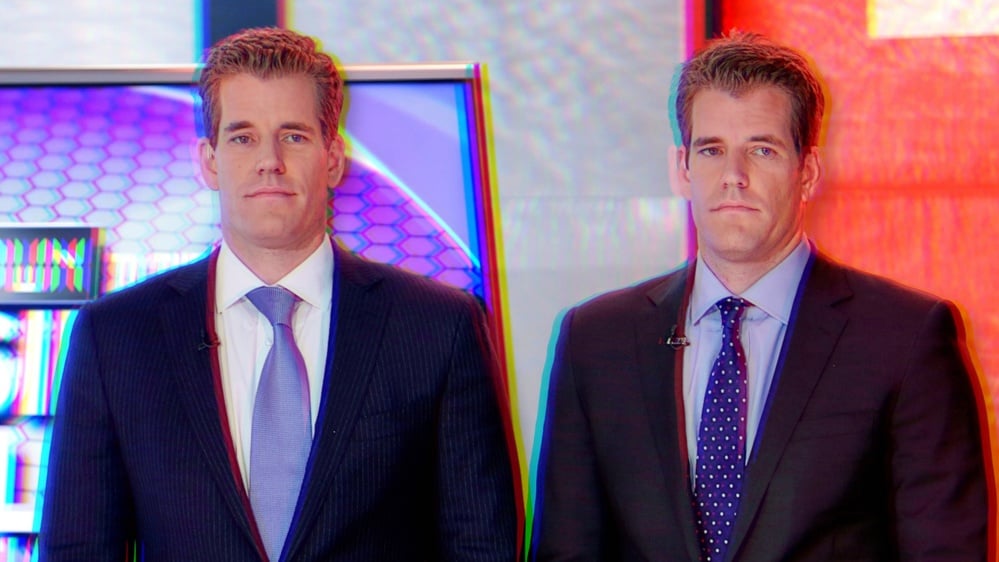
The Lever reports on a $10 million Bitcoin donation to MAGA Inc. by Cameron and Tyler Winklevoss after a regulatory action against Gemini, citing FEC records and a watchdog’s critique of donor influence in politics.
Automated analysis; not human reviewed.
Limitations: Case-specific; limited quotes; potential alternative explanations exist; not exhaustive of all perspectives.
·
52 of 52 available dimensions scored; omitted dimensions are not treated as neutral.
·
Verified supporting quotes for 6 of 52 scored dimensions.
Claim: Framing donors as wealthy elites whose money undermines democracy.
“Nothing says thank you after a favorable regulatory or enforcement action like massive super PAC contributions,” · exact text match
“It's a threat to our democracy when wealthy megadonors and special interests can buy access and influence, get favorable results, and then invest even larger sums hoping for even more favorable treatment.” · exact text match
“Showering politicians with campaign cash after favorable treatment perpetuates a cycle of cynicism.” · exact text match
Counterevidence:
“According to new Federal Election Commission records reviewed by The Lever.” · not found in supplied text
“MAGA Inc. disclosed the donations on Monday in its monthly report for June.” · exact text match
Why: Loaded language frames donors as elite and democracy-threateners, signaling a left-leaning framing.
Claim: Donors are depicted as wealthy elites and a threat to democracy through their influence.
“Nothing says thank you after a favorable regulatory or enforcement action like massive super PAC contributions,” · exact text match
“It's a threat to our democracy when wealthy megadonors and special interests can buy access and influence, get favorable results, and then invest even larger sums hoping for even more favorable treatment.” · exact text match
Counterevidence:
“FEC data grounds the reporting; it documents donation amounts and recipients.” · not found in supplied text
Why: The language casts donors as elites; data context provides neutral grounding but does not negate framing.
Claim: The piece uses normative language to express a view on donor influence.
“It's a threat to our democracy when wealthy megadonors and special interests can buy access and influence, get favorable results, and then invest even larger sums hoping for even more favorable treatment.” · exact text match
Counterevidence:
“FEC records and specific donation figures provide empirical grounding for the narrative.” · not found in supplied text
Why: Value-laden judgments coexist with verifiable data, indicating subjective framing.
Claim: The piece moves from description to normative prescription about donor influence.
“threat to our democracy” · exact text match
“perpetuates a cycle of cynicism” · exact text match
Counterevidence:
“utilizes concrete data (FEC records) to ground claims.” · not found in supplied text
Why: The presence of normative conclusions alongside factual data indicates prescriptive bias.
Claim: The article communicates normative judgments about donor influence.
“Nothing says thank you after a favorable regulatory or enforcement action like massive super PAC contributions,” · exact text match
“It's a threat to our democracy when wealthy megadonors and special interests can buy access and influence, get favorable results, and then invest even larger sums hoping for even more favorable treatment.” · exact text match
Counterevidence:
“The article also provides documented donation details (FEC data) that readers can verify.” · not found in supplied text
Why: Editorial tone is reinforced by direct quotes asserting a normative interpretation of donor influence.
Claim: The article demonstrates political leaning against donor influence in politics.
“The donations were made to MAGA Inc., a super PAC that supports Trump, and which has served as a central hub for donations from those hoping to curry favor with the president.” · not found in supplied text
““Nothing says thank you after a favorable regulatory or enforcement action like massive super PAC contributions,” said Michael Beckel...” · not found in supplied text
““It's a threat to our democracy when wealthy megadonors and special interests can buy access and influence...” · not found in supplied text
Counterevidence:
“Records from FEC support the factual basis of donations; the article cites these records.” · not found in supplied text
Why: Critique of donor influence signals political stance and biases toward campaigns and regulation.
Claim: The reporting aligns with progressive critiques of money in politics.
“The Lever frames donor influence as corrosive to democracy and highlights cynicism around large donations.” · not found in supplied text
Counterevidence:
“FEC data presented grounds the narrative in verifiable facts.” · not found in supplied text
Why: Narrative emphasizes anti-donor ideology while citing verifiable records.
Claim: The report uses official records and a watchdog quote to support its claims.
“according to new Federal Election Commission records reviewed by The Lever” · exact text match
“The new donations were made to MAGA Inc., a super PAC that supports Trump, and which has served as a central hub for donations from those hoping to curry favor with the president.” · exact text match
Counterevidence:
“The article includes promotional content (subscription pitches) that could color perception.” · not found in supplied text
Why: Utilizes verifiable data sources (FEC records) and external critique, indicating effort toward fairness, but presentation could influence readers.
Year not specified; left-leaning framing; limited corroboration.
July 20, 2026 · 0 shares
Loaded coverage from a watchdog outlet portrays the donors as wealthy elites leveraging political access, using normative language about democracy to frame large cryptocurrency donations to Trump's MAGA Inc. as evidence of corrosive influence, while citing verifiable FEC records to ground its critique.
The Lever reports on a $10 million Bitcoin donation to MAGA Inc. by Cameron and Tyler Winklevoss after a regulatory action against Gemini, citing FEC records and a watchdog’s critique of donor influence in politics.
Automated analysis; not human reviewed.
Limitations: Case-specific; limited quotes; potential alternative explanations exist; not exhaustive of all perspectives.
·
52 of 52 available dimensions scored; omitted dimensions are not treated as neutral.
·
Verified supporting quotes for 6 of 52 scored dimensions.
Claim: Framing donors as wealthy elites whose money undermines democracy.
“Nothing says thank you after a favorable regulatory or enforcement action like massive super PAC contributions,” · exact text match
“It's a threat to our democracy when wealthy megadonors and special interests can buy access and influence, get favorable results, and then invest even larger sums hoping for even more favorable treatment.” · exact text match
“Showering politicians with campaign cash after favorable treatment perpetuates a cycle of cynicism.” · exact text match
Counterevidence:
“According to new Federal Election Commission records reviewed by The Lever.” · not found in supplied text
“MAGA Inc. disclosed the donations on Monday in its monthly report for June.” · exact text match
Why: Loaded language frames donors as elite and democracy-threateners, signaling a left-leaning framing.
Claim: Donors are depicted as wealthy elites and a threat to democracy through their influence.
“Nothing says thank you after a favorable regulatory or enforcement action like massive super PAC contributions,” · exact text match
“It's a threat to our democracy when wealthy megadonors and special interests can buy access and influence, get favorable results, and then invest even larger sums hoping for even more favorable treatment.” · exact text match
Counterevidence:
“FEC data grounds the reporting; it documents donation amounts and recipients.” · not found in supplied text
Why: The language casts donors as elites; data context provides neutral grounding but does not negate framing.
Claim: The piece uses normative language to express a view on donor influence.
“It's a threat to our democracy when wealthy megadonors and special interests can buy access and influence, get favorable results, and then invest even larger sums hoping for even more favorable treatment.” · exact text match
Counterevidence:
“FEC records and specific donation figures provide empirical grounding for the narrative.” · not found in supplied text
Why: Value-laden judgments coexist with verifiable data, indicating subjective framing.
Claim: The piece moves from description to normative prescription about donor influence.
“threat to our democracy” · exact text match
“perpetuates a cycle of cynicism” · exact text match
Counterevidence:
“utilizes concrete data (FEC records) to ground claims.” · not found in supplied text
Why: The presence of normative conclusions alongside factual data indicates prescriptive bias.
Claim: The article communicates normative judgments about donor influence.
“Nothing says thank you after a favorable regulatory or enforcement action like massive super PAC contributions,” · exact text match
“It's a threat to our democracy when wealthy megadonors and special interests can buy access and influence, get favorable results, and then invest even larger sums hoping for even more favorable treatment.” · exact text match
Counterevidence:
“The article also provides documented donation details (FEC data) that readers can verify.” · not found in supplied text
Why: Editorial tone is reinforced by direct quotes asserting a normative interpretation of donor influence.
Claim: The article demonstrates political leaning against donor influence in politics.
“The donations were made to MAGA Inc., a super PAC that supports Trump, and which has served as a central hub for donations from those hoping to curry favor with the president.” · not found in supplied text
““Nothing says thank you after a favorable regulatory or enforcement action like massive super PAC contributions,” said Michael Beckel...” · not found in supplied text
““It's a threat to our democracy when wealthy megadonors and special interests can buy access and influence...” · not found in supplied text
Counterevidence:
“Records from FEC support the factual basis of donations; the article cites these records.” · not found in supplied text
Why: Critique of donor influence signals political stance and biases toward campaigns and regulation.
Claim: The reporting aligns with progressive critiques of money in politics.
“The Lever frames donor influence as corrosive to democracy and highlights cynicism around large donations.” · not found in supplied text
Counterevidence:
“FEC data presented grounds the narrative in verifiable facts.” · not found in supplied text
Why: Narrative emphasizes anti-donor ideology while citing verifiable records.
Claim: The report uses official records and a watchdog quote to support its claims.
“according to new Federal Election Commission records reviewed by The Lever” · exact text match
“The new donations were made to MAGA Inc., a super PAC that supports Trump, and which has served as a central hub for donations from those hoping to curry favor with the president.” · exact text match
Counterevidence:
“The article includes promotional content (subscription pitches) that could color perception.” · not found in supplied text
Why: Utilizes verifiable data sources (FEC records) and external critique, indicating effort toward fairness, but presentation could influence readers.
Year not specified; left-leaning framing; limited corroboration.
July 24, 2026 · 0 shares
Publisher framing casts Laura Loomer's Kyiv visit and Zelenskyy's Trump-facing outreach as a watershed political pivot, foregrounding a reversal by a right-wing influencer and signaling a shift in U.S. posture toward Ukraine.
The report foregrounds Loomer’s visit to Ukraine, Zelenskyy’s dealings with Trump, and perceived shifts in U.S. stance toward Kyiv amid ongoing Russian aggression.
Automated analysis; not human reviewed.
Limitations: Analysis is constrained to the provided text; interpretation depends on which quotes and framing elements are emphasized, and alternative readings (e.g., strictly neutral reporting) could yield different bias assessments.
·
12 of 52 available dimensions scored; omitted dimensions are not treated as neutral.
·
Verified supporting quotes for 10 of 12 scored dimensions.
Claim: The article frames Loomer and her actions within a conservative, right-wing context by labeling her as a 'Rightwing provocateur' and a 'Maga' influencer, and by highlighting a perceived shift in U.S. hostility toward Ukraine.
“Rightwing provocateur meets Volodymyr Zelenskyy, who says he expects to meet Donald Trump in Washington next week” · exact text match
“Volodymyr Zelenskyy will meet Donald Trump in Washington next week, according to the rightwing US influencer Laura Loomer, amid signs the White House’s traditional hostility towards Ukraine is beginning to crumble.” · exact text match
Counterevidence:
“Loomer’s reversal is framed alongside other conservative figures who critique Kyiv, such as Tucker Carlson, indicating internal conservative disagreements rather than unidirectional alignment.” · not found in supplied text
Why: The framing relies on labeling Loomer as 'rightwing' and 'Maga,' and on noting her influence and a shift in U.S. hostility to Kyiv, which supports a conservative-leaning framing while also acknowledging countervoices within the same ideological space.
Claim: The article blends evaluative language with reporting, signaling a subjective framing of Loomer’s actions as courageous and consequential.
“It takes courage to come to Ukraine and not be deterred by Russian propaganda or air raid sirens.
Thank you, Laura.”
· exact text match
Counterevidence:
“Loomer’s prior skepticism toward Kyiv is acknowledged, illustrating tension between subjective framing and past positions.” · not found in supplied text
Why: The use of praise for Loomer and emphasis on courage introduces subjectivity into otherwise event-based reporting.
Claim: The article uses dramatic language and high-stakes framing to portray the Loomer–Zelensky interaction as newsworthy beyond routine diplomacy.
“historic moment” · exact text match
“stunning about-turn” · exact text match
“Just experienced my first air raid in Ukraine” · exact text match
Counterevidence:
“Mention of verifiable outcomes (White House confirmation, scheduled meeting) provides grounding in concrete events.” · not found in supplied text
Why: Dramatic descriptors accompany factual elements, signaling enhanced sensational framing.
Claim: The piece emphasizes punitive, sanctions-oriented language toward Russia (and Iran), suggesting a hawkish stance toward geopolitical adversaries.
“Russia is funding Iran and providing them with explosives to murder US soldiers as Iran has called for President Trump’s assassination” · exact text match
“The United States needs to break Russia’s economy until they submit to peace.” · exact text match
Counterevidence:
“The article also notes Loomer previously criticized Ukraine, indicating not all framing is uniformly hawkish.” · not found in supplied text
Why: Sanctions and economic pressure language alongside fatalistic assessments align with hawkish framing on adversaries.
Claim: War-related violence and air raids are foregrounded, shaping a fearful frame around the conflict.
“Just experienced my first air raid in Ukraine.
Sirens blaring.
This is every day for every Ukrainian”
· exact text match
Counterevidence:
“Casualty figures are provided, but the reporting remains centered on ongoing conflict rather than sensational fear-mongering.” · not found in supplied text
Why: War-related danger is highlighted, contributing to a fear-oriented framing without overgeneralization.
Claim: The reporting embeds evaluative judgments about Loomer’s reversal and Zelenskyy’s engagement, shaping reader perception beyond neutral recounting.
“remarkable move” · exact text match
“stunning about-turn” · exact text match
“historic moment” · exact text match
Counterevidence:
“There are direct quotes and official confirmations that anchor some claims in verifiable events.” · not found in supplied text
Why: Editorial descriptors accompany factual updates, nudging interpretation toward a particular political frame.
Claim: The article orients around contentious political dynamics (Maga base, Trump–Ukraine ties, U.S. sanctions policy) that carry partisan implications.
“Rightwing provocateur” · exact text match
“Maga movement” · exact text match
“Truth Social” · exact text match
Counterevidence:
“Zelenskyy’s office and Ukrainian officials praise Loomer’s presence, showing cross-ideological engagement.” · not found in supplied text
Why: The recurring emphasis on conservative political actors and ideologies signals a political framing aligned with partisan debates.
Claim: The piece distills complex shifts in U.S. Ukraine policy into a single perceived pivot around Loomer’s visit and a Trump meeting.
“signs the White House’s traditional hostility towards Ukraine is beginning to crumble” · exact text match
“a public break with Russian narratives and propaganda by part of the Maga movement” · exact text match
Counterevidence:
“The reporting includes multiple corroborating elements (White House confirmation, Vatican moment, etc.).” · not found in supplied text
Why: Some framing condenses nuanced policy dynamics into a simpler narrative of shift; corroboration mitigates but does not eliminate simplification.
Claim: The coverage occasionally uses playful or colloquial phrasing about dramatic political events.
“stunning about-turn” · exact text match
“historic moment” · exact text match
Counterevidence:
“The piece also provides substantial factual anchors (dates, locations, casualties).” · not found in supplied text
Why: Occasional informal phrasing signals lighter framing but is balanced by concrete details.
Claim: The narrative asserts a notable policy shift and predictability about future developments based on limited signals.
“amid signs the White House’s traditional hostility towards Ukraine is beginning to crumble” · exact text match
“the White House later confirmed that the two leaders were scheduled to meet on Tuesday” · not found in supplied text
Counterevidence:
“official confirmations are presented, but long-term policy trajectories remain uncertain.” · not found in supplied text
Why: Grounds claims on specific signals and confirmations, while acknowledging uncertainty in broader policy shifts.
Claim: The piece uses vivid, sensational descriptors (historic moment, stunning about-turn) to describe political events, suggesting a less-than-purely analytical framing.
“a remarkable move” · exact text match
“a stunning about-turn” · exact text match
“historic moment” · exact text match
Counterevidence:
“The article also presents direct quotes and official confirmations (White House meeting) that ground the narrative in verifiable events.” · not found in supplied text
Why: Dramatic phrasing accompanies straightforward reporting, indicating a mix of narrative framing with factual elements.
Publisher frames Laura Loomer's Ukraine trip as a loaded 'Jewish apology tour,' foregrounding identity and a strategic pivot amid intra-right debates over Ukraine and Israel.
The article frames Loomer's visit within intra-right debates over Israel and Ukraine policy and highlights her Jewish identity as a frame for pivot.
Automated analysis; not human reviewed.
·
2 of 52 available dimensions scored; omitted dimensions are not treated as neutral.
·
Verified supporting quotes for 0 of 2 scored dimensions.
Claim: The publisher applies negative, critical framing of Loomer as a controversial right-wing actor amid intra-right debates, signaling a mild liberal-leaning slant.
“"MAGA influencer Laura Loomer mounts Jewish apology tour in Ukraine, meeting with Zelensky and rabbi"” · not found in supplied text
“"Loomer’s Jewish Ukraine tour comes as the American right is splintering, largely between pro- and anti-Israel factions"” · not found in supplied text
“"Loomer has also used inflammatory rhetoric toward Muslims, calling on Trump to pass “a Muslim Ban”"” · not found in supplied text
Counterevidence:
“"Zelensky, who has long enjoyed largely unqualified support among Democrats and liberal Americans, praised Loomer’s visit and change of heart."” · not found in supplied text
“"Loomer apologized for past assertions"” · not found in supplied text
Why: Loaded labeling and framing terms indicate editorial framing rather than neutral reporting.
Claim: Loaded language and a 'Jewish apology tour' label indicate prescriptive framing designed to judge Loomer’s actions.
“"Jewish apology tour"” · not found in supplied text
“"the axis of evil is moving fast"” · not found in supplied text
Counterevidence:
“"Loomer apologized for past assertions"” · not found in supplied text
“"Zelensky praised Loomer’s visit"” · not found in supplied text
Why: Consistent use of evaluative phrasing signals prescriptive framing.
Ambiguities in framing; some quotes may be selectively highlighted.
Controversial claim about foreign influence on a domestic political base is presented using selective anecdotes and quotes, framed without corroborating evidence.
A report describes allegations that a former Trump campaign manager is leading an Israeli-influenced operation aimed at the MAGA base, tied to reactions around a U.S.-Iran ceasefire.
Automated analysis; not human reviewed. Limitations: Concise, case-specific limitations and plausible alternative interpretations.
Ambiguity about data sufficiency; limited corroboration.
July 22, 2026 · 0 shares
Strong liberal-leaning, pro-establishment framing critiques Trump’s deployment of personal lawyers into DOJ and the judiciary as a norm-violating power grab, emphasizes constitutional restraints and institutional independence, and casts MAGA-loyalist influence as a grave threat to checks on presidential power.
Critical examination of Trump’s approach to placing his former personal lawyers in top DOJ and judiciary positions, highlighting concerns about norm-breaking, potential weaponization of federal power, and threats to institutional checks.
Automated analysis; not human reviewed.
·
1 of 52 available dimensions scored; omitted dimensions are not treated as neutral.
·
Verified supporting quotes for 0 of 1 scored dimensions.
Strong liberal-leaning framing; limited counterpoint evidence; context may reflect editorial stance.
Publisher framing curates pro-Candeub endorsements from MAGA influencers and GOP officials, foregrounding qualifications while positioning opposition to DEI/ESG and censorship as a conservative stance.
Nomination to head the DOJ Antitrust Division framed around conservative endorsements and opposition to DEI/ESG, highlighting bios and allies.
Automated analysis; not human reviewed.
Limitations: Only analyzes quoted material; may overstate overall consensus without broader sourcing.
·
1 of 52 available dimensions scored; omitted dimensions are not treated as neutral.
·
Verified supporting quotes for 0 of 1 scored dimensions.
Ambiguity: relies on conservative voices; lack of neutral sources.
Conspiratorial narratives around Kirk's killing are framed as harmful to MAGA, highlighting internal fragmentation, media responses, and incentives behind conspiracy-content, while condemning antisemitic rhetoric and stressing credibility of the official narrative and legal process.
Political analysis of Charlie Kirk's killing, MAGA conspiracy theories, and reactions within conservative media.
Automated analysis; not human reviewed.
Limitations: Concise, case-specific limitations and plausible alternative interpretations.
·
1 of 52 available dimensions scored; omitted dimensions are not treated as neutral.
·
Verified supporting quotes for 0 of 1 scored dimensions.
Claim: Framing frames MAGA conspiracies as harmful and highlights fragmentation within the movement.
“But the MAGA movement should know by now that these conspiracy theories were inevitable.” · exact text match
“Owens’ antisemitic conspiracy theories actively make the conservative movement look worse.” · exact text match
“The conservative movement fragmented after Kirk’s death, divided by a host of wild conspiracy theories over the 'real story' behind the killing.” · not found in supplied text
Counterevidence:
“Fox News, for example, ran segments addressing the conspiracy theories.” · exact text match
“The National Review’s editorial board published a summary of the 'damning case' against Robinson.” · not found in supplied text
Why: Framing emphasizes fragmentation and negative consequences of conspiracies, signaling a liberal-leaning stance toward conservative narratives.
Potential left-leaning framing; limited source variety; avoid overinterpretation.
July 20, 2026 · 0 shares
Loaded coverage from a watchdog outlet portrays the donors as wealthy elites leveraging political access, using normative language about democracy to frame large cryptocurrency donations to Trump's MAGA Inc. as evidence of corrosive influence, while citing verifiable FEC records to ground its critique.
The Lever reports on a $10 million Bitcoin donation to MAGA Inc. by Cameron and Tyler Winklevoss after a regulatory action against Gemini, citing FEC records and a watchdog’s critique of donor influence in politics.
Automated analysis; not human reviewed. Limitations: Case-specific; limited quotes; potential alternative explanations exist; not exhaustive of all perspectives. · 52 of 52 available dimensions scored; omitted dimensions are not treated as neutral. · Verified supporting quotes for 6 of 52 scored dimensions.
Claim: Framing donors as wealthy elites whose money undermines democracy.
“Nothing says thank you after a favorable regulatory or enforcement action like massive super PAC contributions,” · exact text match
“It's a threat to our democracy when wealthy megadonors and special interests can buy access and influence, get favorable results, and then invest even larger sums hoping for even more favorable treatment.” · exact text match
“Showering politicians with campaign cash after favorable treatment perpetuates a cycle of cynicism.” · exact text match
Counterevidence:
“According to new Federal Election Commission records reviewed by The Lever.” · not found in supplied text
“MAGA Inc. disclosed the donations on Monday in its monthly report for June.” · exact text match
Why: Loaded language frames donors as elite and democracy-threateners, signaling a left-leaning framing.
Claim: Donors are depicted as wealthy elites and a threat to democracy through their influence.
“Nothing says thank you after a favorable regulatory or enforcement action like massive super PAC contributions,” · exact text match
“It's a threat to our democracy when wealthy megadonors and special interests can buy access and influence, get favorable results, and then invest even larger sums hoping for even more favorable treatment.” · exact text match
Counterevidence:
“FEC data grounds the reporting; it documents donation amounts and recipients.” · not found in supplied text
Why: The language casts donors as elites; data context provides neutral grounding but does not negate framing.
Claim: The piece uses normative language to express a view on donor influence.
“It's a threat to our democracy when wealthy megadonors and special interests can buy access and influence, get favorable results, and then invest even larger sums hoping for even more favorable treatment.” · exact text match
Counterevidence:
“FEC records and specific donation figures provide empirical grounding for the narrative.” · not found in supplied text
Why: Value-laden judgments coexist with verifiable data, indicating subjective framing.
Claim: The piece moves from description to normative prescription about donor influence.
“threat to our democracy” · exact text match
“perpetuates a cycle of cynicism” · exact text match
Counterevidence:
“utilizes concrete data (FEC records) to ground claims.” · not found in supplied text
Why: The presence of normative conclusions alongside factual data indicates prescriptive bias.
Claim: The article communicates normative judgments about donor influence.
“Nothing says thank you after a favorable regulatory or enforcement action like massive super PAC contributions,” · exact text match
“It's a threat to our democracy when wealthy megadonors and special interests can buy access and influence, get favorable results, and then invest even larger sums hoping for even more favorable treatment.” · exact text match
Counterevidence:
“The article also provides documented donation details (FEC data) that readers can verify.” · not found in supplied text
Why: Editorial tone is reinforced by direct quotes asserting a normative interpretation of donor influence.
Claim: The article demonstrates political leaning against donor influence in politics.
“The donations were made to MAGA Inc., a super PAC that supports Trump, and which has served as a central hub for donations from those hoping to curry favor with the president.” · not found in supplied text
““Nothing says thank you after a favorable regulatory or enforcement action like massive super PAC contributions,” said Michael Beckel...” · not found in supplied text
““It's a threat to our democracy when wealthy megadonors and special interests can buy access and influence...” · not found in supplied text
Counterevidence:
“Records from FEC support the factual basis of donations; the article cites these records.” · not found in supplied text
Why: Critique of donor influence signals political stance and biases toward campaigns and regulation.
Claim: The reporting aligns with progressive critiques of money in politics.
“The Lever frames donor influence as corrosive to democracy and highlights cynicism around large donations.” · not found in supplied text
Counterevidence:
“FEC data presented grounds the narrative in verifiable facts.” · not found in supplied text
Why: Narrative emphasizes anti-donor ideology while citing verifiable records.
Claim: The report uses official records and a watchdog quote to support its claims.
“according to new Federal Election Commission records reviewed by The Lever” · exact text match
“The new donations were made to MAGA Inc., a super PAC that supports Trump, and which has served as a central hub for donations from those hoping to curry favor with the president.” · exact text match
Counterevidence:
“The article includes promotional content (subscription pitches) that could color perception.” · not found in supplied text
Why: Utilizes verifiable data sources (FEC records) and external critique, indicating effort toward fairness, but presentation could influence readers.
Year not specified; left-leaning framing; limited corroboration.
July 20, 2026 · 0 shares
Loaded coverage from a watchdog outlet portrays the donors as wealthy elites leveraging political access, using normative language about democracy to frame large cryptocurrency donations to Trump's MAGA Inc. as evidence of corrosive influence, while citing verifiable FEC records to ground its critique.
The Lever reports on a $10 million Bitcoin donation to MAGA Inc. by Cameron and Tyler Winklevoss after a regulatory action against Gemini, citing FEC records and a watchdog’s critique of donor influence in politics.
Automated analysis; not human reviewed. Limitations: Case-specific; limited quotes; potential alternative explanations exist; not exhaustive of all perspectives. · 52 of 52 available dimensions scored; omitted dimensions are not treated as neutral. · Verified supporting quotes for 6 of 52 scored dimensions.
Claim: Framing donors as wealthy elites whose money undermines democracy.
“Nothing says thank you after a favorable regulatory or enforcement action like massive super PAC contributions,” · exact text match
“It's a threat to our democracy when wealthy megadonors and special interests can buy access and influence, get favorable results, and then invest even larger sums hoping for even more favorable treatment.” · exact text match
“Showering politicians with campaign cash after favorable treatment perpetuates a cycle of cynicism.” · exact text match
Counterevidence:
“According to new Federal Election Commission records reviewed by The Lever.” · not found in supplied text
“MAGA Inc. disclosed the donations on Monday in its monthly report for June.” · exact text match
Why: Loaded language frames donors as elite and democracy-threateners, signaling a left-leaning framing.
Claim: Donors are depicted as wealthy elites and a threat to democracy through their influence.
“Nothing says thank you after a favorable regulatory or enforcement action like massive super PAC contributions,” · exact text match
“It's a threat to our democracy when wealthy megadonors and special interests can buy access and influence, get favorable results, and then invest even larger sums hoping for even more favorable treatment.” · exact text match
Counterevidence:
“FEC data grounds the reporting; it documents donation amounts and recipients.” · not found in supplied text
Why: The language casts donors as elites; data context provides neutral grounding but does not negate framing.
Claim: The piece uses normative language to express a view on donor influence.
“It's a threat to our democracy when wealthy megadonors and special interests can buy access and influence, get favorable results, and then invest even larger sums hoping for even more favorable treatment.” · exact text match
Counterevidence:
“FEC records and specific donation figures provide empirical grounding for the narrative.” · not found in supplied text
Why: Value-laden judgments coexist with verifiable data, indicating subjective framing.
Claim: The piece moves from description to normative prescription about donor influence.
“threat to our democracy” · exact text match
“perpetuates a cycle of cynicism” · exact text match
Counterevidence:
“utilizes concrete data (FEC records) to ground claims.” · not found in supplied text
Why: The presence of normative conclusions alongside factual data indicates prescriptive bias.
Claim: The article communicates normative judgments about donor influence.
“Nothing says thank you after a favorable regulatory or enforcement action like massive super PAC contributions,” · exact text match
“It's a threat to our democracy when wealthy megadonors and special interests can buy access and influence, get favorable results, and then invest even larger sums hoping for even more favorable treatment.” · exact text match
Counterevidence:
“The article also provides documented donation details (FEC data) that readers can verify.” · not found in supplied text
Why: Editorial tone is reinforced by direct quotes asserting a normative interpretation of donor influence.
Claim: The article demonstrates political leaning against donor influence in politics.
“The donations were made to MAGA Inc., a super PAC that supports Trump, and which has served as a central hub for donations from those hoping to curry favor with the president.” · not found in supplied text
““Nothing says thank you after a favorable regulatory or enforcement action like massive super PAC contributions,” said Michael Beckel...” · not found in supplied text
““It's a threat to our democracy when wealthy megadonors and special interests can buy access and influence...” · not found in supplied text
Counterevidence:
“Records from FEC support the factual basis of donations; the article cites these records.” · not found in supplied text
Why: Critique of donor influence signals political stance and biases toward campaigns and regulation.
Claim: The reporting aligns with progressive critiques of money in politics.
“The Lever frames donor influence as corrosive to democracy and highlights cynicism around large donations.” · not found in supplied text
Counterevidence:
“FEC data presented grounds the narrative in verifiable facts.” · not found in supplied text
Why: Narrative emphasizes anti-donor ideology while citing verifiable records.
Claim: The report uses official records and a watchdog quote to support its claims.
“according to new Federal Election Commission records reviewed by The Lever” · exact text match
“The new donations were made to MAGA Inc., a super PAC that supports Trump, and which has served as a central hub for donations from those hoping to curry favor with the president.” · exact text match
Counterevidence:
“The article includes promotional content (subscription pitches) that could color perception.” · not found in supplied text
Why: Utilizes verifiable data sources (FEC records) and external critique, indicating effort toward fairness, but presentation could influence readers.
Year not specified; left-leaning framing; limited corroboration.
Publisher frames Laura Loomer's Ukraine trip as a loaded 'Jewish apology tour,' foregrounding identity and a strategic pivot amid intra-right debates over Ukraine and Israel.
The article frames Loomer's visit within intra-right debates over Israel and Ukraine policy and highlights her Jewish identity as a frame for pivot.
Automated analysis; not human reviewed. · 2 of 52 available dimensions scored; omitted dimensions are not treated as neutral. · Verified supporting quotes for 0 of 2 scored dimensions.
Claim: The publisher applies negative, critical framing of Loomer as a controversial right-wing actor amid intra-right debates, signaling a mild liberal-leaning slant.
“"MAGA influencer Laura Loomer mounts Jewish apology tour in Ukraine, meeting with Zelensky and rabbi"” · not found in supplied text
“"Loomer’s Jewish Ukraine tour comes as the American right is splintering, largely between pro- and anti-Israel factions"” · not found in supplied text
“"Loomer has also used inflammatory rhetoric toward Muslims, calling on Trump to pass “a Muslim Ban”"” · not found in supplied text
Counterevidence:
“"Zelensky, who has long enjoyed largely unqualified support among Democrats and liberal Americans, praised Loomer’s visit and change of heart."” · not found in supplied text
“"Loomer apologized for past assertions"” · not found in supplied text
Why: Loaded labeling and framing terms indicate editorial framing rather than neutral reporting.
Claim: Loaded language and a 'Jewish apology tour' label indicate prescriptive framing designed to judge Loomer’s actions.
“"Jewish apology tour"” · not found in supplied text
“"the axis of evil is moving fast"” · not found in supplied text
Counterevidence:
“"Loomer apologized for past assertions"” · not found in supplied text
“"Zelensky praised Loomer’s visit"” · not found in supplied text
Why: Consistent use of evaluative phrasing signals prescriptive framing.
Ambiguities in framing; some quotes may be selectively highlighted.
July 24, 2026 · 0 shares
Publisher framing casts Laura Loomer's Kyiv visit and Zelenskyy's Trump-facing outreach as a watershed political pivot, foregrounding a reversal by a right-wing influencer and signaling a shift in U.S. posture toward Ukraine.
The report foregrounds Loomer’s visit to Ukraine, Zelenskyy’s dealings with Trump, and perceived shifts in U.S. stance toward Kyiv amid ongoing Russian aggression.
Automated analysis; not human reviewed. Limitations: Analysis is constrained to the provided text; interpretation depends on which quotes and framing elements are emphasized, and alternative readings (e.g., strictly neutral reporting) could yield different bias assessments. · 12 of 52 available dimensions scored; omitted dimensions are not treated as neutral. · Verified supporting quotes for 10 of 12 scored dimensions.
Claim: The article frames Loomer and her actions within a conservative, right-wing context by labeling her as a 'Rightwing provocateur' and a 'Maga' influencer, and by highlighting a perceived shift in U.S. hostility toward Ukraine.
“Rightwing provocateur meets Volodymyr Zelenskyy, who says he expects to meet Donald Trump in Washington next week” · exact text match
“Volodymyr Zelenskyy will meet Donald Trump in Washington next week, according to the rightwing US influencer Laura Loomer, amid signs the White House’s traditional hostility towards Ukraine is beginning to crumble.” · exact text match
Counterevidence:
“Loomer’s reversal is framed alongside other conservative figures who critique Kyiv, such as Tucker Carlson, indicating internal conservative disagreements rather than unidirectional alignment.” · not found in supplied text
Why: The framing relies on labeling Loomer as 'rightwing' and 'Maga,' and on noting her influence and a shift in U.S. hostility to Kyiv, which supports a conservative-leaning framing while also acknowledging countervoices within the same ideological space.
Claim: The article blends evaluative language with reporting, signaling a subjective framing of Loomer’s actions as courageous and consequential.
“It takes courage to come to Ukraine and not be deterred by Russian propaganda or air raid sirens. Thank you, Laura.” · exact text match
Counterevidence:
“Loomer’s prior skepticism toward Kyiv is acknowledged, illustrating tension between subjective framing and past positions.” · not found in supplied text
Why: The use of praise for Loomer and emphasis on courage introduces subjectivity into otherwise event-based reporting.
Claim: The article uses dramatic language and high-stakes framing to portray the Loomer–Zelensky interaction as newsworthy beyond routine diplomacy.
“historic moment” · exact text match
“stunning about-turn” · exact text match
“Just experienced my first air raid in Ukraine” · exact text match
Counterevidence:
“Mention of verifiable outcomes (White House confirmation, scheduled meeting) provides grounding in concrete events.” · not found in supplied text
Why: Dramatic descriptors accompany factual elements, signaling enhanced sensational framing.
Claim: The piece emphasizes punitive, sanctions-oriented language toward Russia (and Iran), suggesting a hawkish stance toward geopolitical adversaries.
“Russia is funding Iran and providing them with explosives to murder US soldiers as Iran has called for President Trump’s assassination” · exact text match
“The United States needs to break Russia’s economy until they submit to peace.” · exact text match
Counterevidence:
“The article also notes Loomer previously criticized Ukraine, indicating not all framing is uniformly hawkish.” · not found in supplied text
Why: Sanctions and economic pressure language alongside fatalistic assessments align with hawkish framing on adversaries.
Claim: War-related violence and air raids are foregrounded, shaping a fearful frame around the conflict.
“Just experienced my first air raid in Ukraine. Sirens blaring. This is every day for every Ukrainian” · exact text match
Counterevidence:
“Casualty figures are provided, but the reporting remains centered on ongoing conflict rather than sensational fear-mongering.” · not found in supplied text
Why: War-related danger is highlighted, contributing to a fear-oriented framing without overgeneralization.
Claim: The reporting embeds evaluative judgments about Loomer’s reversal and Zelenskyy’s engagement, shaping reader perception beyond neutral recounting.
“remarkable move” · exact text match
“stunning about-turn” · exact text match
“historic moment” · exact text match
Counterevidence:
“There are direct quotes and official confirmations that anchor some claims in verifiable events.” · not found in supplied text
Why: Editorial descriptors accompany factual updates, nudging interpretation toward a particular political frame.
Claim: The article orients around contentious political dynamics (Maga base, Trump–Ukraine ties, U.S. sanctions policy) that carry partisan implications.
“Rightwing provocateur” · exact text match
“Maga movement” · exact text match
“Truth Social” · exact text match
Counterevidence:
“Zelenskyy’s office and Ukrainian officials praise Loomer’s presence, showing cross-ideological engagement.” · not found in supplied text
Why: The recurring emphasis on conservative political actors and ideologies signals a political framing aligned with partisan debates.
Claim: The piece distills complex shifts in U.S. Ukraine policy into a single perceived pivot around Loomer’s visit and a Trump meeting.
“signs the White House’s traditional hostility towards Ukraine is beginning to crumble” · exact text match
“a public break with Russian narratives and propaganda by part of the Maga movement” · exact text match
Counterevidence:
“The reporting includes multiple corroborating elements (White House confirmation, Vatican moment, etc.).” · not found in supplied text
Why: Some framing condenses nuanced policy dynamics into a simpler narrative of shift; corroboration mitigates but does not eliminate simplification.
Claim: The coverage occasionally uses playful or colloquial phrasing about dramatic political events.
“stunning about-turn” · exact text match
“historic moment” · exact text match
Counterevidence:
“The piece also provides substantial factual anchors (dates, locations, casualties).” · not found in supplied text
Why: Occasional informal phrasing signals lighter framing but is balanced by concrete details.
Claim: The narrative asserts a notable policy shift and predictability about future developments based on limited signals.
“amid signs the White House’s traditional hostility towards Ukraine is beginning to crumble” · exact text match
“the White House later confirmed that the two leaders were scheduled to meet on Tuesday” · not found in supplied text
Counterevidence:
“official confirmations are presented, but long-term policy trajectories remain uncertain.” · not found in supplied text
Why: Grounds claims on specific signals and confirmations, while acknowledging uncertainty in broader policy shifts.
Claim: The piece uses vivid, sensational descriptors (historic moment, stunning about-turn) to describe political events, suggesting a less-than-purely analytical framing.
“a remarkable move” · exact text match
“a stunning about-turn” · exact text match
“historic moment” · exact text match
Counterevidence:
“The article also presents direct quotes and official confirmations (White House meeting) that ground the narrative in verifiable events.” · not found in supplied text
Why: Dramatic phrasing accompanies straightforward reporting, indicating a mix of narrative framing with factual elements.
Publisher framing curates pro-Candeub endorsements from MAGA influencers and GOP officials, foregrounding qualifications while positioning opposition to DEI/ESG and censorship as a conservative stance.
Nomination to head the DOJ Antitrust Division framed around conservative endorsements and opposition to DEI/ESG, highlighting bios and allies.
Automated analysis; not human reviewed. Limitations: Only analyzes quoted material; may overstate overall consensus without broader sourcing. · 1 of 52 available dimensions scored; omitted dimensions are not treated as neutral. · Verified supporting quotes for 0 of 1 scored dimensions.
Ambiguity: relies on conservative voices; lack of neutral sources.
July 22, 2026 · 0 shares
Strong liberal-leaning, pro-establishment framing critiques Trump’s deployment of personal lawyers into DOJ and the judiciary as a norm-violating power grab, emphasizes constitutional restraints and institutional independence, and casts MAGA-loyalist influence as a grave threat to checks on presidential power.
Critical examination of Trump’s approach to placing his former personal lawyers in top DOJ and judiciary positions, highlighting concerns about norm-breaking, potential weaponization of federal power, and threats to institutional checks.
Automated analysis; not human reviewed. · 1 of 52 available dimensions scored; omitted dimensions are not treated as neutral. · Verified supporting quotes for 0 of 1 scored dimensions.
Strong liberal-leaning framing; limited counterpoint evidence; context may reflect editorial stance.
Controversial claim about foreign influence on a domestic political base is presented using selective anecdotes and quotes, framed without corroborating evidence.
A report describes allegations that a former Trump campaign manager is leading an Israeli-influenced operation aimed at the MAGA base, tied to reactions around a U.S.-Iran ceasefire.
Automated analysis; not human reviewed. Limitations: Concise, case-specific limitations and plausible alternative interpretations.
Ambiguity about data sufficiency; limited corroboration.
Conspiratorial narratives around Kirk's killing are framed as harmful to MAGA, highlighting internal fragmentation, media responses, and incentives behind conspiracy-content, while condemning antisemitic rhetoric and stressing credibility of the official narrative and legal process.
Political analysis of Charlie Kirk's killing, MAGA conspiracy theories, and reactions within conservative media.
Automated analysis; not human reviewed. Limitations: Concise, case-specific limitations and plausible alternative interpretations. · 1 of 52 available dimensions scored; omitted dimensions are not treated as neutral. · Verified supporting quotes for 0 of 1 scored dimensions.
Claim: Framing frames MAGA conspiracies as harmful and highlights fragmentation within the movement.
“But the MAGA movement should know by now that these conspiracy theories were inevitable.” · exact text match
“Owens’ antisemitic conspiracy theories actively make the conservative movement look worse.” · exact text match
“The conservative movement fragmented after Kirk’s death, divided by a host of wild conspiracy theories over the 'real story' behind the killing.” · not found in supplied text
Counterevidence:
“Fox News, for example, ran segments addressing the conspiracy theories.” · exact text match
“The National Review’s editorial board published a summary of the 'damning case' against Robinson.” · not found in supplied text
Why: Framing emphasizes fragmentation and negative consequences of conspiracies, signaling a liberal-leaning stance toward conservative narratives.
Potential left-leaning framing; limited source variety; avoid overinterpretation.
Helium Bias
Story Blindspots
July 20, 2026 · 0 shares
Loaded coverage from a watchdog outlet portrays the donors as wealthy elites leveraging political access, using normative language about democracy to frame large cryptocurrency donations to Trump's MAGA Inc. as evidence of corrosive influence, while citing verifiable FEC records to ground its critique.
The Lever reports on a $10 million Bitcoin donation to MAGA Inc. by Cameron and Tyler Winklevoss after a regulatory action against Gemini, citing FEC records and a watchdog’s critique of donor influence in politics.
Automated analysis; not human reviewed. Limitations: Case-specific; limited quotes; potential alternative explanations exist; not exhaustive of all perspectives. · 52 of 52 available dimensions scored; omitted dimensions are not treated as neutral. · Verified supporting quotes for 6 of 52 scored dimensions.
Claim: Framing donors as wealthy elites whose money undermines democracy.
“Nothing says thank you after a favorable regulatory or enforcement action like massive super PAC contributions,” · exact text match
“It's a threat to our democracy when wealthy megadonors and special interests can buy access and influence, get favorable results, and then invest even larger sums hoping for even more favorable treatment.” · exact text match
“Showering politicians with campaign cash after favorable treatment perpetuates a cycle of cynicism.” · exact text match
Counterevidence:
“According to new Federal Election Commission records reviewed by The Lever.” · not found in supplied text
“MAGA Inc. disclosed the donations on Monday in its monthly report for June.” · exact text match
Why: Loaded language frames donors as elite and democracy-threateners, signaling a left-leaning framing.
Claim: Donors are depicted as wealthy elites and a threat to democracy through their influence.
“Nothing says thank you after a favorable regulatory or enforcement action like massive super PAC contributions,” · exact text match
“It's a threat to our democracy when wealthy megadonors and special interests can buy access and influence, get favorable results, and then invest even larger sums hoping for even more favorable treatment.” · exact text match
Counterevidence:
“FEC data grounds the reporting; it documents donation amounts and recipients.” · not found in supplied text
Why: The language casts donors as elites; data context provides neutral grounding but does not negate framing.
Claim: The piece uses normative language to express a view on donor influence.
“It's a threat to our democracy when wealthy megadonors and special interests can buy access and influence, get favorable results, and then invest even larger sums hoping for even more favorable treatment.” · exact text match
Counterevidence:
“FEC records and specific donation figures provide empirical grounding for the narrative.” · not found in supplied text
Why: Value-laden judgments coexist with verifiable data, indicating subjective framing.
Claim: The piece moves from description to normative prescription about donor influence.
“threat to our democracy” · exact text match
“perpetuates a cycle of cynicism” · exact text match
Counterevidence:
“utilizes concrete data (FEC records) to ground claims.” · not found in supplied text
Why: The presence of normative conclusions alongside factual data indicates prescriptive bias.
Claim: The article communicates normative judgments about donor influence.
“Nothing says thank you after a favorable regulatory or enforcement action like massive super PAC contributions,” · exact text match
“It's a threat to our democracy when wealthy megadonors and special interests can buy access and influence, get favorable results, and then invest even larger sums hoping for even more favorable treatment.” · exact text match
Counterevidence:
“The article also provides documented donation details (FEC data) that readers can verify.” · not found in supplied text
Why: Editorial tone is reinforced by direct quotes asserting a normative interpretation of donor influence.
Claim: The article demonstrates political leaning against donor influence in politics.
“The donations were made to MAGA Inc., a super PAC that supports Trump, and which has served as a central hub for donations from those hoping to curry favor with the president.” · not found in supplied text
““Nothing says thank you after a favorable regulatory or enforcement action like massive super PAC contributions,” said Michael Beckel...” · not found in supplied text
““It's a threat to our democracy when wealthy megadonors and special interests can buy access and influence...” · not found in supplied text
Counterevidence:
“Records from FEC support the factual basis of donations; the article cites these records.” · not found in supplied text
Why: Critique of donor influence signals political stance and biases toward campaigns and regulation.
Claim: The reporting aligns with progressive critiques of money in politics.
“The Lever frames donor influence as corrosive to democracy and highlights cynicism around large donations.” · not found in supplied text
Counterevidence:
“FEC data presented grounds the narrative in verifiable facts.” · not found in supplied text
Why: Narrative emphasizes anti-donor ideology while citing verifiable records.
Claim: The report uses official records and a watchdog quote to support its claims.
“according to new Federal Election Commission records reviewed by The Lever” · exact text match
“The new donations were made to MAGA Inc., a super PAC that supports Trump, and which has served as a central hub for donations from those hoping to curry favor with the president.” · exact text match
Counterevidence:
“The article includes promotional content (subscription pitches) that could color perception.” · not found in supplied text
Why: Utilizes verifiable data sources (FEC records) and external critique, indicating effort toward fairness, but presentation could influence readers.
Year not specified; left-leaning framing; limited corroboration.
Controversial claim about foreign influence on a domestic political base is presented using selective anecdotes and quotes, framed without corroborating evidence.
A report describes allegations that a former Trump campaign manager is leading an Israeli-influenced operation aimed at the MAGA base, tied to reactions around a U.S.-Iran ceasefire.
Automated analysis; not human reviewed. Limitations: Concise, case-specific limitations and plausible alternative interpretations.
Ambiguity about data sufficiency; limited corroboration.
Conspiratorial narratives around Kirk's killing are framed as harmful to MAGA, highlighting internal fragmentation, media responses, and incentives behind conspiracy-content, while condemning antisemitic rhetoric and stressing credibility of the official narrative and legal process.
Political analysis of Charlie Kirk's killing, MAGA conspiracy theories, and reactions within conservative media.
Automated analysis; not human reviewed. Limitations: Concise, case-specific limitations and plausible alternative interpretations. · 1 of 52 available dimensions scored; omitted dimensions are not treated as neutral. · Verified supporting quotes for 0 of 1 scored dimensions.
Claim: Framing frames MAGA conspiracies as harmful and highlights fragmentation within the movement.
“But the MAGA movement should know by now that these conspiracy theories were inevitable.” · exact text match
“Owens’ antisemitic conspiracy theories actively make the conservative movement look worse.” · exact text match
“The conservative movement fragmented after Kirk’s death, divided by a host of wild conspiracy theories over the 'real story' behind the killing.” · not found in supplied text
Counterevidence:
“Fox News, for example, ran segments addressing the conspiracy theories.” · exact text match
“The National Review’s editorial board published a summary of the 'damning case' against Robinson.” · not found in supplied text
Why: Framing emphasizes fragmentation and negative consequences of conspiracies, signaling a liberal-leaning stance toward conservative narratives.
Potential left-leaning framing; limited source variety; avoid overinterpretation.
Publisher framing curates pro-Candeub endorsements from MAGA influencers and GOP officials, foregrounding qualifications while positioning opposition to DEI/ESG and censorship as a conservative stance.
Nomination to head the DOJ Antitrust Division framed around conservative endorsements and opposition to DEI/ESG, highlighting bios and allies.
Automated analysis; not human reviewed. Limitations: Only analyzes quoted material; may overstate overall consensus without broader sourcing. · 1 of 52 available dimensions scored; omitted dimensions are not treated as neutral. · Verified supporting quotes for 0 of 1 scored dimensions.
Ambiguity: relies on conservative voices; lack of neutral sources.
July 24, 2026 · 0 shares
Publisher framing casts Laura Loomer's Kyiv visit and Zelenskyy's Trump-facing outreach as a watershed political pivot, foregrounding a reversal by a right-wing influencer and signaling a shift in U.S. posture toward Ukraine.
The report foregrounds Loomer’s visit to Ukraine, Zelenskyy’s dealings with Trump, and perceived shifts in U.S. stance toward Kyiv amid ongoing Russian aggression.
Automated analysis; not human reviewed. Limitations: Analysis is constrained to the provided text; interpretation depends on which quotes and framing elements are emphasized, and alternative readings (e.g., strictly neutral reporting) could yield different bias assessments. · 12 of 52 available dimensions scored; omitted dimensions are not treated as neutral. · Verified supporting quotes for 10 of 12 scored dimensions.
Claim: The article frames Loomer and her actions within a conservative, right-wing context by labeling her as a 'Rightwing provocateur' and a 'Maga' influencer, and by highlighting a perceived shift in U.S. hostility toward Ukraine.
“Rightwing provocateur meets Volodymyr Zelenskyy, who says he expects to meet Donald Trump in Washington next week” · exact text match
“Volodymyr Zelenskyy will meet Donald Trump in Washington next week, according to the rightwing US influencer Laura Loomer, amid signs the White House’s traditional hostility towards Ukraine is beginning to crumble.” · exact text match
Counterevidence:
“Loomer’s reversal is framed alongside other conservative figures who critique Kyiv, such as Tucker Carlson, indicating internal conservative disagreements rather than unidirectional alignment.” · not found in supplied text
Why: The framing relies on labeling Loomer as 'rightwing' and 'Maga,' and on noting her influence and a shift in U.S. hostility to Kyiv, which supports a conservative-leaning framing while also acknowledging countervoices within the same ideological space.
Claim: The article blends evaluative language with reporting, signaling a subjective framing of Loomer’s actions as courageous and consequential.
“It takes courage to come to Ukraine and not be deterred by Russian propaganda or air raid sirens. Thank you, Laura.” · exact text match
Counterevidence:
“Loomer’s prior skepticism toward Kyiv is acknowledged, illustrating tension between subjective framing and past positions.” · not found in supplied text
Why: The use of praise for Loomer and emphasis on courage introduces subjectivity into otherwise event-based reporting.
Claim: The article uses dramatic language and high-stakes framing to portray the Loomer–Zelensky interaction as newsworthy beyond routine diplomacy.
“historic moment” · exact text match
“stunning about-turn” · exact text match
“Just experienced my first air raid in Ukraine” · exact text match
Counterevidence:
“Mention of verifiable outcomes (White House confirmation, scheduled meeting) provides grounding in concrete events.” · not found in supplied text
Why: Dramatic descriptors accompany factual elements, signaling enhanced sensational framing.
Claim: The piece emphasizes punitive, sanctions-oriented language toward Russia (and Iran), suggesting a hawkish stance toward geopolitical adversaries.
“Russia is funding Iran and providing them with explosives to murder US soldiers as Iran has called for President Trump’s assassination” · exact text match
“The United States needs to break Russia’s economy until they submit to peace.” · exact text match
Counterevidence:
“The article also notes Loomer previously criticized Ukraine, indicating not all framing is uniformly hawkish.” · not found in supplied text
Why: Sanctions and economic pressure language alongside fatalistic assessments align with hawkish framing on adversaries.
Claim: War-related violence and air raids are foregrounded, shaping a fearful frame around the conflict.
“Just experienced my first air raid in Ukraine. Sirens blaring. This is every day for every Ukrainian” · exact text match
Counterevidence:
“Casualty figures are provided, but the reporting remains centered on ongoing conflict rather than sensational fear-mongering.” · not found in supplied text
Why: War-related danger is highlighted, contributing to a fear-oriented framing without overgeneralization.
Claim: The reporting embeds evaluative judgments about Loomer’s reversal and Zelenskyy’s engagement, shaping reader perception beyond neutral recounting.
“remarkable move” · exact text match
“stunning about-turn” · exact text match
“historic moment” · exact text match
Counterevidence:
“There are direct quotes and official confirmations that anchor some claims in verifiable events.” · not found in supplied text
Why: Editorial descriptors accompany factual updates, nudging interpretation toward a particular political frame.
Claim: The article orients around contentious political dynamics (Maga base, Trump–Ukraine ties, U.S. sanctions policy) that carry partisan implications.
“Rightwing provocateur” · exact text match
“Maga movement” · exact text match
“Truth Social” · exact text match
Counterevidence:
“Zelenskyy’s office and Ukrainian officials praise Loomer’s presence, showing cross-ideological engagement.” · not found in supplied text
Why: The recurring emphasis on conservative political actors and ideologies signals a political framing aligned with partisan debates.
Claim: The piece distills complex shifts in U.S. Ukraine policy into a single perceived pivot around Loomer’s visit and a Trump meeting.
“signs the White House’s traditional hostility towards Ukraine is beginning to crumble” · exact text match
“a public break with Russian narratives and propaganda by part of the Maga movement” · exact text match
Counterevidence:
“The reporting includes multiple corroborating elements (White House confirmation, Vatican moment, etc.).” · not found in supplied text
Why: Some framing condenses nuanced policy dynamics into a simpler narrative of shift; corroboration mitigates but does not eliminate simplification.
Claim: The coverage occasionally uses playful or colloquial phrasing about dramatic political events.
“stunning about-turn” · exact text match
“historic moment” · exact text match
Counterevidence:
“The piece also provides substantial factual anchors (dates, locations, casualties).” · not found in supplied text
Why: Occasional informal phrasing signals lighter framing but is balanced by concrete details.
Claim: The narrative asserts a notable policy shift and predictability about future developments based on limited signals.
“amid signs the White House’s traditional hostility towards Ukraine is beginning to crumble” · exact text match
“the White House later confirmed that the two leaders were scheduled to meet on Tuesday” · not found in supplied text
Counterevidence:
“official confirmations are presented, but long-term policy trajectories remain uncertain.” · not found in supplied text
Why: Grounds claims on specific signals and confirmations, while acknowledging uncertainty in broader policy shifts.
Claim: The piece uses vivid, sensational descriptors (historic moment, stunning about-turn) to describe political events, suggesting a less-than-purely analytical framing.
“a remarkable move” · exact text match
“a stunning about-turn” · exact text match
“historic moment” · exact text match
Counterevidence:
“The article also presents direct quotes and official confirmations (White House meeting) that ground the narrative in verifiable events.” · not found in supplied text
Why: Dramatic phrasing accompanies straightforward reporting, indicating a mix of narrative framing with factual elements.
July 22, 2026 · 0 shares
Strong liberal-leaning, pro-establishment framing critiques Trump’s deployment of personal lawyers into DOJ and the judiciary as a norm-violating power grab, emphasizes constitutional restraints and institutional independence, and casts MAGA-loyalist influence as a grave threat to checks on presidential power.
Critical examination of Trump’s approach to placing his former personal lawyers in top DOJ and judiciary positions, highlighting concerns about norm-breaking, potential weaponization of federal power, and threats to institutional checks.
Automated analysis; not human reviewed. · 1 of 52 available dimensions scored; omitted dimensions are not treated as neutral. · Verified supporting quotes for 0 of 1 scored dimensions.
Strong liberal-leaning framing; limited counterpoint evidence; context may reflect editorial stance.
July 20, 2026 · 0 shares
Loaded coverage from a watchdog outlet portrays the donors as wealthy elites leveraging political access, using normative language about democracy to frame large cryptocurrency donations to Trump's MAGA Inc. as evidence of corrosive influence, while citing verifiable FEC records to ground its critique.
The Lever reports on a $10 million Bitcoin donation to MAGA Inc. by Cameron and Tyler Winklevoss after a regulatory action against Gemini, citing FEC records and a watchdog’s critique of donor influence in politics.
Automated analysis; not human reviewed. Limitations: Case-specific; limited quotes; potential alternative explanations exist; not exhaustive of all perspectives. · 52 of 52 available dimensions scored; omitted dimensions are not treated as neutral. · Verified supporting quotes for 6 of 52 scored dimensions.
Claim: Framing donors as wealthy elites whose money undermines democracy.
“Nothing says thank you after a favorable regulatory or enforcement action like massive super PAC contributions,” · exact text match
“It's a threat to our democracy when wealthy megadonors and special interests can buy access and influence, get favorable results, and then invest even larger sums hoping for even more favorable treatment.” · exact text match
“Showering politicians with campaign cash after favorable treatment perpetuates a cycle of cynicism.” · exact text match
Counterevidence:
“According to new Federal Election Commission records reviewed by The Lever.” · not found in supplied text
“MAGA Inc. disclosed the donations on Monday in its monthly report for June.” · exact text match
Why: Loaded language frames donors as elite and democracy-threateners, signaling a left-leaning framing.
Claim: Donors are depicted as wealthy elites and a threat to democracy through their influence.
“Nothing says thank you after a favorable regulatory or enforcement action like massive super PAC contributions,” · exact text match
“It's a threat to our democracy when wealthy megadonors and special interests can buy access and influence, get favorable results, and then invest even larger sums hoping for even more favorable treatment.” · exact text match
Counterevidence:
“FEC data grounds the reporting; it documents donation amounts and recipients.” · not found in supplied text
Why: The language casts donors as elites; data context provides neutral grounding but does not negate framing.
Claim: The piece uses normative language to express a view on donor influence.
“It's a threat to our democracy when wealthy megadonors and special interests can buy access and influence, get favorable results, and then invest even larger sums hoping for even more favorable treatment.” · exact text match
Counterevidence:
“FEC records and specific donation figures provide empirical grounding for the narrative.” · not found in supplied text
Why: Value-laden judgments coexist with verifiable data, indicating subjective framing.
Claim: The piece moves from description to normative prescription about donor influence.
“threat to our democracy” · exact text match
“perpetuates a cycle of cynicism” · exact text match
Counterevidence:
“utilizes concrete data (FEC records) to ground claims.” · not found in supplied text
Why: The presence of normative conclusions alongside factual data indicates prescriptive bias.
Claim: The article communicates normative judgments about donor influence.
“Nothing says thank you after a favorable regulatory or enforcement action like massive super PAC contributions,” · exact text match
“It's a threat to our democracy when wealthy megadonors and special interests can buy access and influence, get favorable results, and then invest even larger sums hoping for even more favorable treatment.” · exact text match
Counterevidence:
“The article also provides documented donation details (FEC data) that readers can verify.” · not found in supplied text
Why: Editorial tone is reinforced by direct quotes asserting a normative interpretation of donor influence.
Claim: The article demonstrates political leaning against donor influence in politics.
“The donations were made to MAGA Inc., a super PAC that supports Trump, and which has served as a central hub for donations from those hoping to curry favor with the president.” · not found in supplied text
““Nothing says thank you after a favorable regulatory or enforcement action like massive super PAC contributions,” said Michael Beckel...” · not found in supplied text
““It's a threat to our democracy when wealthy megadonors and special interests can buy access and influence...” · not found in supplied text
Counterevidence:
“Records from FEC support the factual basis of donations; the article cites these records.” · not found in supplied text
Why: Critique of donor influence signals political stance and biases toward campaigns and regulation.
Claim: The reporting aligns with progressive critiques of money in politics.
“The Lever frames donor influence as corrosive to democracy and highlights cynicism around large donations.” · not found in supplied text
Counterevidence:
“FEC data presented grounds the narrative in verifiable facts.” · not found in supplied text
Why: Narrative emphasizes anti-donor ideology while citing verifiable records.
Claim: The report uses official records and a watchdog quote to support its claims.
“according to new Federal Election Commission records reviewed by The Lever” · exact text match
“The new donations were made to MAGA Inc., a super PAC that supports Trump, and which has served as a central hub for donations from those hoping to curry favor with the president.” · exact text match
Counterevidence:
“The article includes promotional content (subscription pitches) that could color perception.” · not found in supplied text
Why: Utilizes verifiable data sources (FEC records) and external critique, indicating effort toward fairness, but presentation could influence readers.
Year not specified; left-leaning framing; limited corroboration.
July 20, 2026 · 0 shares
Loaded coverage from a watchdog outlet portrays the donors as wealthy elites leveraging political access, using normative language about democracy to frame large cryptocurrency donations to Trump's MAGA Inc. as evidence of corrosive influence, while citing verifiable FEC records to ground its critique.
The Lever reports on a $10 million Bitcoin donation to MAGA Inc. by Cameron and Tyler Winklevoss after a regulatory action against Gemini, citing FEC records and a watchdog’s critique of donor influence in politics.
Automated analysis; not human reviewed. Limitations: Case-specific; limited quotes; potential alternative explanations exist; not exhaustive of all perspectives. · 52 of 52 available dimensions scored; omitted dimensions are not treated as neutral. · Verified supporting quotes for 6 of 52 scored dimensions.
Claim: Framing donors as wealthy elites whose money undermines democracy.
“Nothing says thank you after a favorable regulatory or enforcement action like massive super PAC contributions,” · exact text match
“It's a threat to our democracy when wealthy megadonors and special interests can buy access and influence, get favorable results, and then invest even larger sums hoping for even more favorable treatment.” · exact text match
“Showering politicians with campaign cash after favorable treatment perpetuates a cycle of cynicism.” · exact text match
Counterevidence:
“According to new Federal Election Commission records reviewed by The Lever.” · not found in supplied text
“MAGA Inc. disclosed the donations on Monday in its monthly report for June.” · exact text match
Why: Loaded language frames donors as elite and democracy-threateners, signaling a left-leaning framing.
Claim: Donors are depicted as wealthy elites and a threat to democracy through their influence.
“Nothing says thank you after a favorable regulatory or enforcement action like massive super PAC contributions,” · exact text match
“It's a threat to our democracy when wealthy megadonors and special interests can buy access and influence, get favorable results, and then invest even larger sums hoping for even more favorable treatment.” · exact text match
Counterevidence:
“FEC data grounds the reporting; it documents donation amounts and recipients.” · not found in supplied text
Why: The language casts donors as elites; data context provides neutral grounding but does not negate framing.
Claim: The piece uses normative language to express a view on donor influence.
“It's a threat to our democracy when wealthy megadonors and special interests can buy access and influence, get favorable results, and then invest even larger sums hoping for even more favorable treatment.” · exact text match
Counterevidence:
“FEC records and specific donation figures provide empirical grounding for the narrative.” · not found in supplied text
Why: Value-laden judgments coexist with verifiable data, indicating subjective framing.
Claim: The piece moves from description to normative prescription about donor influence.
“threat to our democracy” · exact text match
“perpetuates a cycle of cynicism” · exact text match
Counterevidence:
“utilizes concrete data (FEC records) to ground claims.” · not found in supplied text
Why: The presence of normative conclusions alongside factual data indicates prescriptive bias.
Claim: The article communicates normative judgments about donor influence.
“Nothing says thank you after a favorable regulatory or enforcement action like massive super PAC contributions,” · exact text match
“It's a threat to our democracy when wealthy megadonors and special interests can buy access and influence, get favorable results, and then invest even larger sums hoping for even more favorable treatment.” · exact text match
Counterevidence:
“The article also provides documented donation details (FEC data) that readers can verify.” · not found in supplied text
Why: Editorial tone is reinforced by direct quotes asserting a normative interpretation of donor influence.
Claim: The article demonstrates political leaning against donor influence in politics.
“The donations were made to MAGA Inc., a super PAC that supports Trump, and which has served as a central hub for donations from those hoping to curry favor with the president.” · not found in supplied text
““Nothing says thank you after a favorable regulatory or enforcement action like massive super PAC contributions,” said Michael Beckel...” · not found in supplied text
““It's a threat to our democracy when wealthy megadonors and special interests can buy access and influence...” · not found in supplied text
Counterevidence:
“Records from FEC support the factual basis of donations; the article cites these records.” · not found in supplied text
Why: Critique of donor influence signals political stance and biases toward campaigns and regulation.
Claim: The reporting aligns with progressive critiques of money in politics.
“The Lever frames donor influence as corrosive to democracy and highlights cynicism around large donations.” · not found in supplied text
Counterevidence:
“FEC data presented grounds the narrative in verifiable facts.” · not found in supplied text
Why: Narrative emphasizes anti-donor ideology while citing verifiable records.
Claim: The report uses official records and a watchdog quote to support its claims.
“according to new Federal Election Commission records reviewed by The Lever” · exact text match
“The new donations were made to MAGA Inc., a super PAC that supports Trump, and which has served as a central hub for donations from those hoping to curry favor with the president.” · exact text match
Counterevidence:
“The article includes promotional content (subscription pitches) that could color perception.” · not found in supplied text
Why: Utilizes verifiable data sources (FEC records) and external critique, indicating effort toward fairness, but presentation could influence readers.
Year not specified; left-leaning framing; limited corroboration.
July 24, 2026 · 0 shares
Publisher framing casts Laura Loomer's Kyiv visit and Zelenskyy's Trump-facing outreach as a watershed political pivot, foregrounding a reversal by a right-wing influencer and signaling a shift in U.S. posture toward Ukraine.
The report foregrounds Loomer’s visit to Ukraine, Zelenskyy’s dealings with Trump, and perceived shifts in U.S. stance toward Kyiv amid ongoing Russian aggression.
Automated analysis; not human reviewed. Limitations: Analysis is constrained to the provided text; interpretation depends on which quotes and framing elements are emphasized, and alternative readings (e.g., strictly neutral reporting) could yield different bias assessments. · 12 of 52 available dimensions scored; omitted dimensions are not treated as neutral. · Verified supporting quotes for 10 of 12 scored dimensions.
Claim: The article frames Loomer and her actions within a conservative, right-wing context by labeling her as a 'Rightwing provocateur' and a 'Maga' influencer, and by highlighting a perceived shift in U.S. hostility toward Ukraine.
“Rightwing provocateur meets Volodymyr Zelenskyy, who says he expects to meet Donald Trump in Washington next week” · exact text match
“Volodymyr Zelenskyy will meet Donald Trump in Washington next week, according to the rightwing US influencer Laura Loomer, amid signs the White House’s traditional hostility towards Ukraine is beginning to crumble.” · exact text match
Counterevidence:
“Loomer’s reversal is framed alongside other conservative figures who critique Kyiv, such as Tucker Carlson, indicating internal conservative disagreements rather than unidirectional alignment.” · not found in supplied text
Why: The framing relies on labeling Loomer as 'rightwing' and 'Maga,' and on noting her influence and a shift in U.S. hostility to Kyiv, which supports a conservative-leaning framing while also acknowledging countervoices within the same ideological space.
Claim: The article blends evaluative language with reporting, signaling a subjective framing of Loomer’s actions as courageous and consequential.
“It takes courage to come to Ukraine and not be deterred by Russian propaganda or air raid sirens. Thank you, Laura.” · exact text match
Counterevidence:
“Loomer’s prior skepticism toward Kyiv is acknowledged, illustrating tension between subjective framing and past positions.” · not found in supplied text
Why: The use of praise for Loomer and emphasis on courage introduces subjectivity into otherwise event-based reporting.
Claim: The article uses dramatic language and high-stakes framing to portray the Loomer–Zelensky interaction as newsworthy beyond routine diplomacy.
“historic moment” · exact text match
“stunning about-turn” · exact text match
“Just experienced my first air raid in Ukraine” · exact text match
Counterevidence:
“Mention of verifiable outcomes (White House confirmation, scheduled meeting) provides grounding in concrete events.” · not found in supplied text
Why: Dramatic descriptors accompany factual elements, signaling enhanced sensational framing.
Claim: The piece emphasizes punitive, sanctions-oriented language toward Russia (and Iran), suggesting a hawkish stance toward geopolitical adversaries.
“Russia is funding Iran and providing them with explosives to murder US soldiers as Iran has called for President Trump’s assassination” · exact text match
“The United States needs to break Russia’s economy until they submit to peace.” · exact text match
Counterevidence:
“The article also notes Loomer previously criticized Ukraine, indicating not all framing is uniformly hawkish.” · not found in supplied text
Why: Sanctions and economic pressure language alongside fatalistic assessments align with hawkish framing on adversaries.
Claim: War-related violence and air raids are foregrounded, shaping a fearful frame around the conflict.
“Just experienced my first air raid in Ukraine. Sirens blaring. This is every day for every Ukrainian” · exact text match
Counterevidence:
“Casualty figures are provided, but the reporting remains centered on ongoing conflict rather than sensational fear-mongering.” · not found in supplied text
Why: War-related danger is highlighted, contributing to a fear-oriented framing without overgeneralization.
Claim: The reporting embeds evaluative judgments about Loomer’s reversal and Zelenskyy’s engagement, shaping reader perception beyond neutral recounting.
“remarkable move” · exact text match
“stunning about-turn” · exact text match
“historic moment” · exact text match
Counterevidence:
“There are direct quotes and official confirmations that anchor some claims in verifiable events.” · not found in supplied text
Why: Editorial descriptors accompany factual updates, nudging interpretation toward a particular political frame.
Claim: The article orients around contentious political dynamics (Maga base, Trump–Ukraine ties, U.S. sanctions policy) that carry partisan implications.
“Rightwing provocateur” · exact text match
“Maga movement” · exact text match
“Truth Social” · exact text match
Counterevidence:
“Zelenskyy’s office and Ukrainian officials praise Loomer’s presence, showing cross-ideological engagement.” · not found in supplied text
Why: The recurring emphasis on conservative political actors and ideologies signals a political framing aligned with partisan debates.
Claim: The piece distills complex shifts in U.S. Ukraine policy into a single perceived pivot around Loomer’s visit and a Trump meeting.
“signs the White House’s traditional hostility towards Ukraine is beginning to crumble” · exact text match
“a public break with Russian narratives and propaganda by part of the Maga movement” · exact text match
Counterevidence:
“The reporting includes multiple corroborating elements (White House confirmation, Vatican moment, etc.).” · not found in supplied text
Why: Some framing condenses nuanced policy dynamics into a simpler narrative of shift; corroboration mitigates but does not eliminate simplification.
Claim: The coverage occasionally uses playful or colloquial phrasing about dramatic political events.
“stunning about-turn” · exact text match
“historic moment” · exact text match
Counterevidence:
“The piece also provides substantial factual anchors (dates, locations, casualties).” · not found in supplied text
Why: Occasional informal phrasing signals lighter framing but is balanced by concrete details.
Claim: The narrative asserts a notable policy shift and predictability about future developments based on limited signals.
“amid signs the White House’s traditional hostility towards Ukraine is beginning to crumble” · exact text match
“the White House later confirmed that the two leaders were scheduled to meet on Tuesday” · not found in supplied text
Counterevidence:
“official confirmations are presented, but long-term policy trajectories remain uncertain.” · not found in supplied text
Why: Grounds claims on specific signals and confirmations, while acknowledging uncertainty in broader policy shifts.
Claim: The piece uses vivid, sensational descriptors (historic moment, stunning about-turn) to describe political events, suggesting a less-than-purely analytical framing.
“a remarkable move” · exact text match
“a stunning about-turn” · exact text match
“historic moment” · exact text match
Counterevidence:
“The article also presents direct quotes and official confirmations (White House meeting) that ground the narrative in verifiable events.” · not found in supplied text
Why: Dramatic phrasing accompanies straightforward reporting, indicating a mix of narrative framing with factual elements.
Publisher frames Laura Loomer's Ukraine trip as a loaded 'Jewish apology tour,' foregrounding identity and a strategic pivot amid intra-right debates over Ukraine and Israel.
The article frames Loomer's visit within intra-right debates over Israel and Ukraine policy and highlights her Jewish identity as a frame for pivot.
Automated analysis; not human reviewed. · 2 of 52 available dimensions scored; omitted dimensions are not treated as neutral. · Verified supporting quotes for 0 of 2 scored dimensions.
Claim: The publisher applies negative, critical framing of Loomer as a controversial right-wing actor amid intra-right debates, signaling a mild liberal-leaning slant.
“"MAGA influencer Laura Loomer mounts Jewish apology tour in Ukraine, meeting with Zelensky and rabbi"” · not found in supplied text
“"Loomer’s Jewish Ukraine tour comes as the American right is splintering, largely between pro- and anti-Israel factions"” · not found in supplied text
“"Loomer has also used inflammatory rhetoric toward Muslims, calling on Trump to pass “a Muslim Ban”"” · not found in supplied text
Counterevidence:
“"Zelensky, who has long enjoyed largely unqualified support among Democrats and liberal Americans, praised Loomer’s visit and change of heart."” · not found in supplied text
“"Loomer apologized for past assertions"” · not found in supplied text
Why: Loaded labeling and framing terms indicate editorial framing rather than neutral reporting.
Claim: Loaded language and a 'Jewish apology tour' label indicate prescriptive framing designed to judge Loomer’s actions.
“"Jewish apology tour"” · not found in supplied text
“"the axis of evil is moving fast"” · not found in supplied text
Counterevidence:
“"Loomer apologized for past assertions"” · not found in supplied text
“"Zelensky praised Loomer’s visit"” · not found in supplied text
Why: Consistent use of evaluative phrasing signals prescriptive framing.
Ambiguities in framing; some quotes may be selectively highlighted.
July 24, 2026 · 0 shares
Publisher framing casts Laura Loomer's Kyiv visit and Zelenskyy's Trump-facing outreach as a watershed political pivot, foregrounding a reversal by a right-wing influencer and signaling a shift in U.S. posture toward Ukraine.
The report foregrounds Loomer’s visit to Ukraine, Zelenskyy’s dealings with Trump, and perceived shifts in U.S. stance toward Kyiv amid ongoing Russian aggression.
Automated analysis; not human reviewed. Limitations: Analysis is constrained to the provided text; interpretation depends on which quotes and framing elements are emphasized, and alternative readings (e.g., strictly neutral reporting) could yield different bias assessments. · 12 of 52 available dimensions scored; omitted dimensions are not treated as neutral. · Verified supporting quotes for 10 of 12 scored dimensions.
Claim: The article frames Loomer and her actions within a conservative, right-wing context by labeling her as a 'Rightwing provocateur' and a 'Maga' influencer, and by highlighting a perceived shift in U.S. hostility toward Ukraine.
“Rightwing provocateur meets Volodymyr Zelenskyy, who says he expects to meet Donald Trump in Washington next week” · exact text match
“Volodymyr Zelenskyy will meet Donald Trump in Washington next week, according to the rightwing US influencer Laura Loomer, amid signs the White House’s traditional hostility towards Ukraine is beginning to crumble.” · exact text match
Counterevidence:
“Loomer’s reversal is framed alongside other conservative figures who critique Kyiv, such as Tucker Carlson, indicating internal conservative disagreements rather than unidirectional alignment.” · not found in supplied text
Why: The framing relies on labeling Loomer as 'rightwing' and 'Maga,' and on noting her influence and a shift in U.S. hostility to Kyiv, which supports a conservative-leaning framing while also acknowledging countervoices within the same ideological space.
Claim: The article blends evaluative language with reporting, signaling a subjective framing of Loomer’s actions as courageous and consequential.
“It takes courage to come to Ukraine and not be deterred by Russian propaganda or air raid sirens. Thank you, Laura.” · exact text match
Counterevidence:
“Loomer’s prior skepticism toward Kyiv is acknowledged, illustrating tension between subjective framing and past positions.” · not found in supplied text
Why: The use of praise for Loomer and emphasis on courage introduces subjectivity into otherwise event-based reporting.
Claim: The article uses dramatic language and high-stakes framing to portray the Loomer–Zelensky interaction as newsworthy beyond routine diplomacy.
“historic moment” · exact text match
“stunning about-turn” · exact text match
“Just experienced my first air raid in Ukraine” · exact text match
Counterevidence:
“Mention of verifiable outcomes (White House confirmation, scheduled meeting) provides grounding in concrete events.” · not found in supplied text
Why: Dramatic descriptors accompany factual elements, signaling enhanced sensational framing.
Claim: The piece emphasizes punitive, sanctions-oriented language toward Russia (and Iran), suggesting a hawkish stance toward geopolitical adversaries.
“Russia is funding Iran and providing them with explosives to murder US soldiers as Iran has called for President Trump’s assassination” · exact text match
“The United States needs to break Russia’s economy until they submit to peace.” · exact text match
Counterevidence:
“The article also notes Loomer previously criticized Ukraine, indicating not all framing is uniformly hawkish.” · not found in supplied text
Why: Sanctions and economic pressure language alongside fatalistic assessments align with hawkish framing on adversaries.
Claim: War-related violence and air raids are foregrounded, shaping a fearful frame around the conflict.
“Just experienced my first air raid in Ukraine. Sirens blaring. This is every day for every Ukrainian” · exact text match
Counterevidence:
“Casualty figures are provided, but the reporting remains centered on ongoing conflict rather than sensational fear-mongering.” · not found in supplied text
Why: War-related danger is highlighted, contributing to a fear-oriented framing without overgeneralization.
Claim: The reporting embeds evaluative judgments about Loomer’s reversal and Zelenskyy’s engagement, shaping reader perception beyond neutral recounting.
“remarkable move” · exact text match
“stunning about-turn” · exact text match
“historic moment” · exact text match
Counterevidence:
“There are direct quotes and official confirmations that anchor some claims in verifiable events.” · not found in supplied text
Why: Editorial descriptors accompany factual updates, nudging interpretation toward a particular political frame.
Claim: The article orients around contentious political dynamics (Maga base, Trump–Ukraine ties, U.S. sanctions policy) that carry partisan implications.
“Rightwing provocateur” · exact text match
“Maga movement” · exact text match
“Truth Social” · exact text match
Counterevidence:
“Zelenskyy’s office and Ukrainian officials praise Loomer’s presence, showing cross-ideological engagement.” · not found in supplied text
Why: The recurring emphasis on conservative political actors and ideologies signals a political framing aligned with partisan debates.
Claim: The piece distills complex shifts in U.S. Ukraine policy into a single perceived pivot around Loomer’s visit and a Trump meeting.
“signs the White House’s traditional hostility towards Ukraine is beginning to crumble” · exact text match
“a public break with Russian narratives and propaganda by part of the Maga movement” · exact text match
Counterevidence:
“The reporting includes multiple corroborating elements (White House confirmation, Vatican moment, etc.).” · not found in supplied text
Why: Some framing condenses nuanced policy dynamics into a simpler narrative of shift; corroboration mitigates but does not eliminate simplification.
Claim: The coverage occasionally uses playful or colloquial phrasing about dramatic political events.
“stunning about-turn” · exact text match
“historic moment” · exact text match
Counterevidence:
“The piece also provides substantial factual anchors (dates, locations, casualties).” · not found in supplied text
Why: Occasional informal phrasing signals lighter framing but is balanced by concrete details.
Claim: The narrative asserts a notable policy shift and predictability about future developments based on limited signals.
“amid signs the White House’s traditional hostility towards Ukraine is beginning to crumble” · exact text match
“the White House later confirmed that the two leaders were scheduled to meet on Tuesday” · not found in supplied text
Counterevidence:
“official confirmations are presented, but long-term policy trajectories remain uncertain.” · not found in supplied text
Why: Grounds claims on specific signals and confirmations, while acknowledging uncertainty in broader policy shifts.
Claim: The piece uses vivid, sensational descriptors (historic moment, stunning about-turn) to describe political events, suggesting a less-than-purely analytical framing.
“a remarkable move” · exact text match
“a stunning about-turn” · exact text match
“historic moment” · exact text match
Counterevidence:
“The article also presents direct quotes and official confirmations (White House meeting) that ground the narrative in verifiable events.” · not found in supplied text
Why: Dramatic phrasing accompanies straightforward reporting, indicating a mix of narrative framing with factual elements.
Conspiratorial narratives around Kirk's killing are framed as harmful to MAGA, highlighting internal fragmentation, media responses, and incentives behind conspiracy-content, while condemning antisemitic rhetoric and stressing credibility of the official narrative and legal process.
Political analysis of Charlie Kirk's killing, MAGA conspiracy theories, and reactions within conservative media.
Automated analysis; not human reviewed. Limitations: Concise, case-specific limitations and plausible alternative interpretations. · 1 of 52 available dimensions scored; omitted dimensions are not treated as neutral. · Verified supporting quotes for 0 of 1 scored dimensions.
Claim: Framing frames MAGA conspiracies as harmful and highlights fragmentation within the movement.
“But the MAGA movement should know by now that these conspiracy theories were inevitable.” · exact text match
“Owens’ antisemitic conspiracy theories actively make the conservative movement look worse.” · exact text match
“The conservative movement fragmented after Kirk’s death, divided by a host of wild conspiracy theories over the 'real story' behind the killing.” · not found in supplied text
Counterevidence:
“Fox News, for example, ran segments addressing the conspiracy theories.” · exact text match
“The National Review’s editorial board published a summary of the 'damning case' against Robinson.” · not found in supplied text
Why: Framing emphasizes fragmentation and negative consequences of conspiracies, signaling a liberal-leaning stance toward conservative narratives.
Potential left-leaning framing; limited source variety; avoid overinterpretation.
Controversial claim about foreign influence on a domestic political base is presented using selective anecdotes and quotes, framed without corroborating evidence.
A report describes allegations that a former Trump campaign manager is leading an Israeli-influenced operation aimed at the MAGA base, tied to reactions around a U.S.-Iran ceasefire.
Automated analysis; not human reviewed. Limitations: Concise, case-specific limitations and plausible alternative interpretations.
Ambiguity about data sufficiency; limited corroboration.
Controversial claim about foreign influence on a domestic political base is presented using selective anecdotes and quotes, framed without corroborating evidence.
A report describes allegations that a former Trump campaign manager is leading an Israeli-influenced operation aimed at the MAGA base, tied to reactions around a U.S.-Iran ceasefire.
Automated analysis; not human reviewed. Limitations: Concise, case-specific limitations and plausible alternative interpretations.
Ambiguity about data sufficiency; limited corroboration.
July 22, 2026 · 0 shares
Strong liberal-leaning, pro-establishment framing critiques Trump’s deployment of personal lawyers into DOJ and the judiciary as a norm-violating power grab, emphasizes constitutional restraints and institutional independence, and casts MAGA-loyalist influence as a grave threat to checks on presidential power.
Critical examination of Trump’s approach to placing his former personal lawyers in top DOJ and judiciary positions, highlighting concerns about norm-breaking, potential weaponization of federal power, and threats to institutional checks.
Automated analysis; not human reviewed.
·
1 of 52 available dimensions scored; omitted dimensions are not treated as neutral.
·
Verified supporting quotes for 0 of 1 scored dimensions.
Strong liberal-leaning framing; limited counterpoint evidence; context may reflect editorial stance.
Publisher framing curates pro-Candeub endorsements from MAGA influencers and GOP officials, foregrounding qualifications while positioning opposition to DEI/ESG and censorship as a conservative stance.
Nomination to head the DOJ Antitrust Division framed around conservative endorsements and opposition to DEI/ESG, highlighting bios and allies.
Automated analysis; not human reviewed.
Limitations: Only analyzes quoted material; may overstate overall consensus without broader sourcing.
·
1 of 52 available dimensions scored; omitted dimensions are not treated as neutral.
·
Verified supporting quotes for 0 of 1 scored dimensions.
Ambiguity: relies on conservative voices; lack of neutral sources.
July 20, 2026 · 0 shares
Loaded coverage from a watchdog outlet portrays the donors as wealthy elites leveraging political access, using normative language about democracy to frame large cryptocurrency donations to Trump's MAGA Inc. as evidence of corrosive influence, while citing verifiable FEC records to ground its critique.
The Lever reports on a $10 million Bitcoin donation to MAGA Inc. by Cameron and Tyler Winklevoss after a regulatory action against Gemini, citing FEC records and a watchdog’s critique of donor influence in politics.
Automated analysis; not human reviewed.
Limitations: Case-specific; limited quotes; potential alternative explanations exist; not exhaustive of all perspectives.
·
52 of 52 available dimensions scored; omitted dimensions are not treated as neutral.
·
Verified supporting quotes for 6 of 52 scored dimensions.
Claim: Framing donors as wealthy elites whose money undermines democracy.
“Nothing says thank you after a favorable regulatory or enforcement action like massive super PAC contributions,” · exact text match
“It's a threat to our democracy when wealthy megadonors and special interests can buy access and influence, get favorable results, and then invest even larger sums hoping for even more favorable treatment.” · exact text match
“Showering politicians with campaign cash after favorable treatment perpetuates a cycle of cynicism.” · exact text match
Counterevidence:
“According to new Federal Election Commission records reviewed by The Lever.” · not found in supplied text
“MAGA Inc. disclosed the donations on Monday in its monthly report for June.” · exact text match
Why: Loaded language frames donors as elite and democracy-threateners, signaling a left-leaning framing.
Claim: Donors are depicted as wealthy elites and a threat to democracy through their influence.
“Nothing says thank you after a favorable regulatory or enforcement action like massive super PAC contributions,” · exact text match
“It's a threat to our democracy when wealthy megadonors and special interests can buy access and influence, get favorable results, and then invest even larger sums hoping for even more favorable treatment.” · exact text match
Counterevidence:
“FEC data grounds the reporting; it documents donation amounts and recipients.” · not found in supplied text
Why: The language casts donors as elites; data context provides neutral grounding but does not negate framing.
Claim: The piece uses normative language to express a view on donor influence.
“It's a threat to our democracy when wealthy megadonors and special interests can buy access and influence, get favorable results, and then invest even larger sums hoping for even more favorable treatment.” · exact text match
Counterevidence:
“FEC records and specific donation figures provide empirical grounding for the narrative.” · not found in supplied text
Why: Value-laden judgments coexist with verifiable data, indicating subjective framing.
Claim: The piece moves from description to normative prescription about donor influence.
“threat to our democracy” · exact text match
“perpetuates a cycle of cynicism” · exact text match
Counterevidence:
“utilizes concrete data (FEC records) to ground claims.” · not found in supplied text
Why: The presence of normative conclusions alongside factual data indicates prescriptive bias.
Claim: The article communicates normative judgments about donor influence.
“Nothing says thank you after a favorable regulatory or enforcement action like massive super PAC contributions,” · exact text match
“It's a threat to our democracy when wealthy megadonors and special interests can buy access and influence, get favorable results, and then invest even larger sums hoping for even more favorable treatment.” · exact text match
Counterevidence:
“The article also provides documented donation details (FEC data) that readers can verify.” · not found in supplied text
Why: Editorial tone is reinforced by direct quotes asserting a normative interpretation of donor influence.
Claim: The article demonstrates political leaning against donor influence in politics.
“The donations were made to MAGA Inc., a super PAC that supports Trump, and which has served as a central hub for donations from those hoping to curry favor with the president.” · not found in supplied text
““Nothing says thank you after a favorable regulatory or enforcement action like massive super PAC contributions,” said Michael Beckel...” · not found in supplied text
““It's a threat to our democracy when wealthy megadonors and special interests can buy access and influence...” · not found in supplied text
Counterevidence:
“Records from FEC support the factual basis of donations; the article cites these records.” · not found in supplied text
Why: Critique of donor influence signals political stance and biases toward campaigns and regulation.
Claim: The reporting aligns with progressive critiques of money in politics.
“The Lever frames donor influence as corrosive to democracy and highlights cynicism around large donations.” · not found in supplied text
Counterevidence:
“FEC data presented grounds the narrative in verifiable facts.” · not found in supplied text
Why: Narrative emphasizes anti-donor ideology while citing verifiable records.
Claim: The report uses official records and a watchdog quote to support its claims.
“according to new Federal Election Commission records reviewed by The Lever” · exact text match
“The new donations were made to MAGA Inc., a super PAC that supports Trump, and which has served as a central hub for donations from those hoping to curry favor with the president.” · exact text match
Counterevidence:
“The article includes promotional content (subscription pitches) that could color perception.” · not found in supplied text
Why: Utilizes verifiable data sources (FEC records) and external critique, indicating effort toward fairness, but presentation could influence readers.
Year not specified; left-leaning framing; limited corroboration.
July 20, 2026 · 0 shares
Loaded coverage from a watchdog outlet portrays the donors as wealthy elites leveraging political access, using normative language about democracy to frame large cryptocurrency donations to Trump's MAGA Inc. as evidence of corrosive influence, while citing verifiable FEC records to ground its critique.
The Lever reports on a $10 million Bitcoin donation to MAGA Inc. by Cameron and Tyler Winklevoss after a regulatory action against Gemini, citing FEC records and a watchdog’s critique of donor influence in politics.
Automated analysis; not human reviewed.
Limitations: Case-specific; limited quotes; potential alternative explanations exist; not exhaustive of all perspectives.
·
52 of 52 available dimensions scored; omitted dimensions are not treated as neutral.
·
Verified supporting quotes for 6 of 52 scored dimensions.
Claim: Framing donors as wealthy elites whose money undermines democracy.
“Nothing says thank you after a favorable regulatory or enforcement action like massive super PAC contributions,” · exact text match
“It's a threat to our democracy when wealthy megadonors and special interests can buy access and influence, get favorable results, and then invest even larger sums hoping for even more favorable treatment.” · exact text match
“Showering politicians with campaign cash after favorable treatment perpetuates a cycle of cynicism.” · exact text match
Counterevidence:
“According to new Federal Election Commission records reviewed by The Lever.” · not found in supplied text
“MAGA Inc. disclosed the donations on Monday in its monthly report for June.” · exact text match
Why: Loaded language frames donors as elite and democracy-threateners, signaling a left-leaning framing.
Claim: Donors are depicted as wealthy elites and a threat to democracy through their influence.
“Nothing says thank you after a favorable regulatory or enforcement action like massive super PAC contributions,” · exact text match
“It's a threat to our democracy when wealthy megadonors and special interests can buy access and influence, get favorable results, and then invest even larger sums hoping for even more favorable treatment.” · exact text match
Counterevidence:
“FEC data grounds the reporting; it documents donation amounts and recipients.” · not found in supplied text
Why: The language casts donors as elites; data context provides neutral grounding but does not negate framing.
Claim: The piece uses normative language to express a view on donor influence.
“It's a threat to our democracy when wealthy megadonors and special interests can buy access and influence, get favorable results, and then invest even larger sums hoping for even more favorable treatment.” · exact text match
Counterevidence:
“FEC records and specific donation figures provide empirical grounding for the narrative.” · not found in supplied text
Why: Value-laden judgments coexist with verifiable data, indicating subjective framing.
Claim: The piece moves from description to normative prescription about donor influence.
“threat to our democracy” · exact text match
“perpetuates a cycle of cynicism” · exact text match
Counterevidence:
“utilizes concrete data (FEC records) to ground claims.” · not found in supplied text
Why: The presence of normative conclusions alongside factual data indicates prescriptive bias.
Claim: The article communicates normative judgments about donor influence.
“Nothing says thank you after a favorable regulatory or enforcement action like massive super PAC contributions,” · exact text match
“It's a threat to our democracy when wealthy megadonors and special interests can buy access and influence, get favorable results, and then invest even larger sums hoping for even more favorable treatment.” · exact text match
Counterevidence:
“The article also provides documented donation details (FEC data) that readers can verify.” · not found in supplied text
Why: Editorial tone is reinforced by direct quotes asserting a normative interpretation of donor influence.
Claim: The article demonstrates political leaning against donor influence in politics.
“The donations were made to MAGA Inc., a super PAC that supports Trump, and which has served as a central hub for donations from those hoping to curry favor with the president.” · not found in supplied text
““Nothing says thank you after a favorable regulatory or enforcement action like massive super PAC contributions,” said Michael Beckel...” · not found in supplied text
““It's a threat to our democracy when wealthy megadonors and special interests can buy access and influence...” · not found in supplied text
Counterevidence:
“Records from FEC support the factual basis of donations; the article cites these records.” · not found in supplied text
Why: Critique of donor influence signals political stance and biases toward campaigns and regulation.
Claim: The reporting aligns with progressive critiques of money in politics.
“The Lever frames donor influence as corrosive to democracy and highlights cynicism around large donations.” · not found in supplied text
Counterevidence:
“FEC data presented grounds the narrative in verifiable facts.” · not found in supplied text
Why: Narrative emphasizes anti-donor ideology while citing verifiable records.
Claim: The report uses official records and a watchdog quote to support its claims.
“according to new Federal Election Commission records reviewed by The Lever” · exact text match
“The new donations were made to MAGA Inc., a super PAC that supports Trump, and which has served as a central hub for donations from those hoping to curry favor with the president.” · exact text match
Counterevidence:
“The article includes promotional content (subscription pitches) that could color perception.” · not found in supplied text
Why: Utilizes verifiable data sources (FEC records) and external critique, indicating effort toward fairness, but presentation could influence readers.
Year not specified; left-leaning framing; limited corroboration.
Publisher frames Laura Loomer's Ukraine trip as a loaded 'Jewish apology tour,' foregrounding identity and a strategic pivot amid intra-right debates over Ukraine and Israel.
The article frames Loomer's visit within intra-right debates over Israel and Ukraine policy and highlights her Jewish identity as a frame for pivot.
Automated analysis; not human reviewed.
·
2 of 52 available dimensions scored; omitted dimensions are not treated as neutral.
·
Verified supporting quotes for 0 of 2 scored dimensions.
Claim: The publisher applies negative, critical framing of Loomer as a controversial right-wing actor amid intra-right debates, signaling a mild liberal-leaning slant.
“"MAGA influencer Laura Loomer mounts Jewish apology tour in Ukraine, meeting with Zelensky and rabbi"” · not found in supplied text
“"Loomer’s Jewish Ukraine tour comes as the American right is splintering, largely between pro- and anti-Israel factions"” · not found in supplied text
“"Loomer has also used inflammatory rhetoric toward Muslims, calling on Trump to pass “a Muslim Ban”"” · not found in supplied text
Counterevidence:
“"Zelensky, who has long enjoyed largely unqualified support among Democrats and liberal Americans, praised Loomer’s visit and change of heart."” · not found in supplied text
“"Loomer apologized for past assertions"” · not found in supplied text
Why: Loaded labeling and framing terms indicate editorial framing rather than neutral reporting.
Claim: Loaded language and a 'Jewish apology tour' label indicate prescriptive framing designed to judge Loomer’s actions.
“"Jewish apology tour"” · not found in supplied text
“"the axis of evil is moving fast"” · not found in supplied text
Counterevidence:
“"Loomer apologized for past assertions"” · not found in supplied text
“"Zelensky praised Loomer’s visit"” · not found in supplied text
Why: Consistent use of evaluative phrasing signals prescriptive framing.
Ambiguities in framing; some quotes may be selectively highlighted.
July 24, 2026 · 0 shares
Publisher framing casts Laura Loomer's Kyiv visit and Zelenskyy's Trump-facing outreach as a watershed political pivot, foregrounding a reversal by a right-wing influencer and signaling a shift in U.S. posture toward Ukraine.
The report foregrounds Loomer’s visit to Ukraine, Zelenskyy’s dealings with Trump, and perceived shifts in U.S. stance toward Kyiv amid ongoing Russian aggression.
Automated analysis; not human reviewed.
Limitations: Analysis is constrained to the provided text; interpretation depends on which quotes and framing elements are emphasized, and alternative readings (e.g., strictly neutral reporting) could yield different bias assessments.
·
12 of 52 available dimensions scored; omitted dimensions are not treated as neutral.
·
Verified supporting quotes for 10 of 12 scored dimensions.
Claim: The article frames Loomer and her actions within a conservative, right-wing context by labeling her as a 'Rightwing provocateur' and a 'Maga' influencer, and by highlighting a perceived shift in U.S. hostility toward Ukraine.
“Rightwing provocateur meets Volodymyr Zelenskyy, who says he expects to meet Donald Trump in Washington next week” · exact text match
“Volodymyr Zelenskyy will meet Donald Trump in Washington next week, according to the rightwing US influencer Laura Loomer, amid signs the White House’s traditional hostility towards Ukraine is beginning to crumble.” · exact text match
Counterevidence:
“Loomer’s reversal is framed alongside other conservative figures who critique Kyiv, such as Tucker Carlson, indicating internal conservative disagreements rather than unidirectional alignment.” · not found in supplied text
Why: The framing relies on labeling Loomer as 'rightwing' and 'Maga,' and on noting her influence and a shift in U.S. hostility to Kyiv, which supports a conservative-leaning framing while also acknowledging countervoices within the same ideological space.
Claim: The article blends evaluative language with reporting, signaling a subjective framing of Loomer’s actions as courageous and consequential.
“It takes courage to come to Ukraine and not be deterred by Russian propaganda or air raid sirens.
Thank you, Laura.”
· exact text match
Counterevidence:
“Loomer’s prior skepticism toward Kyiv is acknowledged, illustrating tension between subjective framing and past positions.” · not found in supplied text
Why: The use of praise for Loomer and emphasis on courage introduces subjectivity into otherwise event-based reporting.
Claim: The article uses dramatic language and high-stakes framing to portray the Loomer–Zelensky interaction as newsworthy beyond routine diplomacy.
“historic moment” · exact text match
“stunning about-turn” · exact text match
“Just experienced my first air raid in Ukraine” · exact text match
Counterevidence:
“Mention of verifiable outcomes (White House confirmation, scheduled meeting) provides grounding in concrete events.” · not found in supplied text
Why: Dramatic descriptors accompany factual elements, signaling enhanced sensational framing.
Claim: The piece emphasizes punitive, sanctions-oriented language toward Russia (and Iran), suggesting a hawkish stance toward geopolitical adversaries.
“Russia is funding Iran and providing them with explosives to murder US soldiers as Iran has called for President Trump’s assassination” · exact text match
“The United States needs to break Russia’s economy until they submit to peace.” · exact text match
Counterevidence:
“The article also notes Loomer previously criticized Ukraine, indicating not all framing is uniformly hawkish.” · not found in supplied text
Why: Sanctions and economic pressure language alongside fatalistic assessments align with hawkish framing on adversaries.
Claim: War-related violence and air raids are foregrounded, shaping a fearful frame around the conflict.
“Just experienced my first air raid in Ukraine.
Sirens blaring.
This is every day for every Ukrainian”
· exact text match
Counterevidence:
“Casualty figures are provided, but the reporting remains centered on ongoing conflict rather than sensational fear-mongering.” · not found in supplied text
Why: War-related danger is highlighted, contributing to a fear-oriented framing without overgeneralization.
Claim: The reporting embeds evaluative judgments about Loomer’s reversal and Zelenskyy’s engagement, shaping reader perception beyond neutral recounting.
“remarkable move” · exact text match
“stunning about-turn” · exact text match
“historic moment” · exact text match
Counterevidence:
“There are direct quotes and official confirmations that anchor some claims in verifiable events.” · not found in supplied text
Why: Editorial descriptors accompany factual updates, nudging interpretation toward a particular political frame.
Claim: The article orients around contentious political dynamics (Maga base, Trump–Ukraine ties, U.S. sanctions policy) that carry partisan implications.
“Rightwing provocateur” · exact text match
“Maga movement” · exact text match
“Truth Social” · exact text match
Counterevidence:
“Zelenskyy’s office and Ukrainian officials praise Loomer’s presence, showing cross-ideological engagement.” · not found in supplied text
Why: The recurring emphasis on conservative political actors and ideologies signals a political framing aligned with partisan debates.
Claim: The piece distills complex shifts in U.S. Ukraine policy into a single perceived pivot around Loomer’s visit and a Trump meeting.
“signs the White House’s traditional hostility towards Ukraine is beginning to crumble” · exact text match
“a public break with Russian narratives and propaganda by part of the Maga movement” · exact text match
Counterevidence:
“The reporting includes multiple corroborating elements (White House confirmation, Vatican moment, etc.).” · not found in supplied text
Why: Some framing condenses nuanced policy dynamics into a simpler narrative of shift; corroboration mitigates but does not eliminate simplification.
Claim: The coverage occasionally uses playful or colloquial phrasing about dramatic political events.
“stunning about-turn” · exact text match
“historic moment” · exact text match
Counterevidence:
“The piece also provides substantial factual anchors (dates, locations, casualties).” · not found in supplied text
Why: Occasional informal phrasing signals lighter framing but is balanced by concrete details.
Claim: The narrative asserts a notable policy shift and predictability about future developments based on limited signals.
“amid signs the White House’s traditional hostility towards Ukraine is beginning to crumble” · exact text match
“the White House later confirmed that the two leaders were scheduled to meet on Tuesday” · not found in supplied text
Counterevidence:
“official confirmations are presented, but long-term policy trajectories remain uncertain.” · not found in supplied text
Why: Grounds claims on specific signals and confirmations, while acknowledging uncertainty in broader policy shifts.
Claim: The piece uses vivid, sensational descriptors (historic moment, stunning about-turn) to describe political events, suggesting a less-than-purely analytical framing.
“a remarkable move” · exact text match
“a stunning about-turn” · exact text match
“historic moment” · exact text match
Counterevidence:
“The article also presents direct quotes and official confirmations (White House meeting) that ground the narrative in verifiable events.” · not found in supplied text
Why: Dramatic phrasing accompanies straightforward reporting, indicating a mix of narrative framing with factual elements.
Framing emphasizes a sensational rumor tied to a far-right influencer and media amplification, foregrounding Zelensky's denial while situating the claim within a Western-Russian propaganda milieu.
The report centers on a rumor about Zelensky and Macron amplified by right-wing media, Zelensky’s denial, and Loomer’s shifting stance amid Western-Russian propaganda dynamics.
Automated analysis; not human reviewed.
Limitations: Based solely on the excerpt provided; broader publication practices are not assessed.
·
1 of 52 available dimensions scored; omitted dimensions are not treated as neutral.
·
Verified supporting quotes for 0 of 1 scored dimensions.
Controversial claim about foreign influence on a domestic political base is presented using selective anecdotes and quotes, framed without corroborating evidence.
A report describes allegations that a former Trump campaign manager is leading an Israeli-influenced operation aimed at the MAGA base, tied to reactions around a U.S.-Iran ceasefire.
Automated analysis; not human reviewed. Limitations: Concise, case-specific limitations and plausible alternative interpretations.
Ambiguity about data sufficiency; limited corroboration.
Conspiratorial narratives around Kirk's killing are framed as harmful to MAGA, highlighting internal fragmentation, media responses, and incentives behind conspiracy-content, while condemning antisemitic rhetoric and stressing credibility of the official narrative and legal process.
Political analysis of Charlie Kirk's killing, MAGA conspiracy theories, and reactions within conservative media.
Automated analysis; not human reviewed.
Limitations: Concise, case-specific limitations and plausible alternative interpretations.
·
1 of 52 available dimensions scored; omitted dimensions are not treated as neutral.
·
Verified supporting quotes for 0 of 1 scored dimensions.
Claim: Framing frames MAGA conspiracies as harmful and highlights fragmentation within the movement.
“But the MAGA movement should know by now that these conspiracy theories were inevitable.” · exact text match
“Owens’ antisemitic conspiracy theories actively make the conservative movement look worse.” · exact text match
“The conservative movement fragmented after Kirk’s death, divided by a host of wild conspiracy theories over the 'real story' behind the killing.” · not found in supplied text
Counterevidence:
“Fox News, for example, ran segments addressing the conspiracy theories.” · exact text match
“The National Review’s editorial board published a summary of the 'damning case' against Robinson.” · not found in supplied text
Why: Framing emphasizes fragmentation and negative consequences of conspiracies, signaling a liberal-leaning stance toward conservative narratives.
Potential left-leaning framing; limited source variety; avoid overinterpretation.
July 20, 2026 · 0 shares
Loaded coverage from a watchdog outlet portrays the donors as wealthy elites leveraging political access, using normative language about democracy to frame large cryptocurrency donations to Trump's MAGA Inc. as evidence of corrosive influence, while citing verifiable FEC records to ground its critique.
The Lever reports on a $10 million Bitcoin donation to MAGA Inc. by Cameron and Tyler Winklevoss after a regulatory action against Gemini, citing FEC records and a watchdog’s critique of donor influence in politics.
Automated analysis; not human reviewed. Limitations: Case-specific; limited quotes; potential alternative explanations exist; not exhaustive of all perspectives. · 52 of 52 available dimensions scored; omitted dimensions are not treated as neutral. · Verified supporting quotes for 6 of 52 scored dimensions.
Claim: Framing donors as wealthy elites whose money undermines democracy.
“Nothing says thank you after a favorable regulatory or enforcement action like massive super PAC contributions,” · exact text match
“It's a threat to our democracy when wealthy megadonors and special interests can buy access and influence, get favorable results, and then invest even larger sums hoping for even more favorable treatment.” · exact text match
“Showering politicians with campaign cash after favorable treatment perpetuates a cycle of cynicism.” · exact text match
Counterevidence:
“According to new Federal Election Commission records reviewed by The Lever.” · not found in supplied text
“MAGA Inc. disclosed the donations on Monday in its monthly report for June.” · exact text match
Why: Loaded language frames donors as elite and democracy-threateners, signaling a left-leaning framing.
Claim: Donors are depicted as wealthy elites and a threat to democracy through their influence.
“Nothing says thank you after a favorable regulatory or enforcement action like massive super PAC contributions,” · exact text match
“It's a threat to our democracy when wealthy megadonors and special interests can buy access and influence, get favorable results, and then invest even larger sums hoping for even more favorable treatment.” · exact text match
Counterevidence:
“FEC data grounds the reporting; it documents donation amounts and recipients.” · not found in supplied text
Why: The language casts donors as elites; data context provides neutral grounding but does not negate framing.
Claim: The piece uses normative language to express a view on donor influence.
“It's a threat to our democracy when wealthy megadonors and special interests can buy access and influence, get favorable results, and then invest even larger sums hoping for even more favorable treatment.” · exact text match
Counterevidence:
“FEC records and specific donation figures provide empirical grounding for the narrative.” · not found in supplied text
Why: Value-laden judgments coexist with verifiable data, indicating subjective framing.
Claim: The piece moves from description to normative prescription about donor influence.
“threat to our democracy” · exact text match
“perpetuates a cycle of cynicism” · exact text match
Counterevidence:
“utilizes concrete data (FEC records) to ground claims.” · not found in supplied text
Why: The presence of normative conclusions alongside factual data indicates prescriptive bias.
Claim: The article communicates normative judgments about donor influence.
“Nothing says thank you after a favorable regulatory or enforcement action like massive super PAC contributions,” · exact text match
“It's a threat to our democracy when wealthy megadonors and special interests can buy access and influence, get favorable results, and then invest even larger sums hoping for even more favorable treatment.” · exact text match
Counterevidence:
“The article also provides documented donation details (FEC data) that readers can verify.” · not found in supplied text
Why: Editorial tone is reinforced by direct quotes asserting a normative interpretation of donor influence.
Claim: The article demonstrates political leaning against donor influence in politics.
“The donations were made to MAGA Inc., a super PAC that supports Trump, and which has served as a central hub for donations from those hoping to curry favor with the president.” · not found in supplied text
““Nothing says thank you after a favorable regulatory or enforcement action like massive super PAC contributions,” said Michael Beckel...” · not found in supplied text
““It's a threat to our democracy when wealthy megadonors and special interests can buy access and influence...” · not found in supplied text
Counterevidence:
“Records from FEC support the factual basis of donations; the article cites these records.” · not found in supplied text
Why: Critique of donor influence signals political stance and biases toward campaigns and regulation.
Claim: The reporting aligns with progressive critiques of money in politics.
“The Lever frames donor influence as corrosive to democracy and highlights cynicism around large donations.” · not found in supplied text
Counterevidence:
“FEC data presented grounds the narrative in verifiable facts.” · not found in supplied text
Why: Narrative emphasizes anti-donor ideology while citing verifiable records.
Claim: The report uses official records and a watchdog quote to support its claims.
“according to new Federal Election Commission records reviewed by The Lever” · exact text match
“The new donations were made to MAGA Inc., a super PAC that supports Trump, and which has served as a central hub for donations from those hoping to curry favor with the president.” · exact text match
Counterevidence:
“The article includes promotional content (subscription pitches) that could color perception.” · not found in supplied text
Why: Utilizes verifiable data sources (FEC records) and external critique, indicating effort toward fairness, but presentation could influence readers.
Year not specified; left-leaning framing; limited corroboration.
July 24, 2026 · 0 shares
Publisher framing casts Laura Loomer's Kyiv visit and Zelenskyy's Trump-facing outreach as a watershed political pivot, foregrounding a reversal by a right-wing influencer and signaling a shift in U.S. posture toward Ukraine.
The report foregrounds Loomer’s visit to Ukraine, Zelenskyy’s dealings with Trump, and perceived shifts in U.S. stance toward Kyiv amid ongoing Russian aggression.
Automated analysis; not human reviewed. Limitations: Analysis is constrained to the provided text; interpretation depends on which quotes and framing elements are emphasized, and alternative readings (e.g., strictly neutral reporting) could yield different bias assessments. · 12 of 52 available dimensions scored; omitted dimensions are not treated as neutral. · Verified supporting quotes for 10 of 12 scored dimensions.
Claim: The article frames Loomer and her actions within a conservative, right-wing context by labeling her as a 'Rightwing provocateur' and a 'Maga' influencer, and by highlighting a perceived shift in U.S. hostility toward Ukraine.
“Rightwing provocateur meets Volodymyr Zelenskyy, who says he expects to meet Donald Trump in Washington next week” · exact text match
“Volodymyr Zelenskyy will meet Donald Trump in Washington next week, according to the rightwing US influencer Laura Loomer, amid signs the White House’s traditional hostility towards Ukraine is beginning to crumble.” · exact text match
Counterevidence:
“Loomer’s reversal is framed alongside other conservative figures who critique Kyiv, such as Tucker Carlson, indicating internal conservative disagreements rather than unidirectional alignment.” · not found in supplied text
Why: The framing relies on labeling Loomer as 'rightwing' and 'Maga,' and on noting her influence and a shift in U.S. hostility to Kyiv, which supports a conservative-leaning framing while also acknowledging countervoices within the same ideological space.
Claim: The article blends evaluative language with reporting, signaling a subjective framing of Loomer’s actions as courageous and consequential.
“It takes courage to come to Ukraine and not be deterred by Russian propaganda or air raid sirens. Thank you, Laura.” · exact text match
Counterevidence:
“Loomer’s prior skepticism toward Kyiv is acknowledged, illustrating tension between subjective framing and past positions.” · not found in supplied text
Why: The use of praise for Loomer and emphasis on courage introduces subjectivity into otherwise event-based reporting.
Claim: The article uses dramatic language and high-stakes framing to portray the Loomer–Zelensky interaction as newsworthy beyond routine diplomacy.
“historic moment” · exact text match
“stunning about-turn” · exact text match
“Just experienced my first air raid in Ukraine” · exact text match
Counterevidence:
“Mention of verifiable outcomes (White House confirmation, scheduled meeting) provides grounding in concrete events.” · not found in supplied text
Why: Dramatic descriptors accompany factual elements, signaling enhanced sensational framing.
Claim: The piece emphasizes punitive, sanctions-oriented language toward Russia (and Iran), suggesting a hawkish stance toward geopolitical adversaries.
“Russia is funding Iran and providing them with explosives to murder US soldiers as Iran has called for President Trump’s assassination” · exact text match
“The United States needs to break Russia’s economy until they submit to peace.” · exact text match
Counterevidence:
“The article also notes Loomer previously criticized Ukraine, indicating not all framing is uniformly hawkish.” · not found in supplied text
Why: Sanctions and economic pressure language alongside fatalistic assessments align with hawkish framing on adversaries.
Claim: War-related violence and air raids are foregrounded, shaping a fearful frame around the conflict.
“Just experienced my first air raid in Ukraine. Sirens blaring. This is every day for every Ukrainian” · exact text match
Counterevidence:
“Casualty figures are provided, but the reporting remains centered on ongoing conflict rather than sensational fear-mongering.” · not found in supplied text
Why: War-related danger is highlighted, contributing to a fear-oriented framing without overgeneralization.
Claim: The reporting embeds evaluative judgments about Loomer’s reversal and Zelenskyy’s engagement, shaping reader perception beyond neutral recounting.
“remarkable move” · exact text match
“stunning about-turn” · exact text match
“historic moment” · exact text match
Counterevidence:
“There are direct quotes and official confirmations that anchor some claims in verifiable events.” · not found in supplied text
Why: Editorial descriptors accompany factual updates, nudging interpretation toward a particular political frame.
Claim: The article orients around contentious political dynamics (Maga base, Trump–Ukraine ties, U.S. sanctions policy) that carry partisan implications.
“Rightwing provocateur” · exact text match
“Maga movement” · exact text match
“Truth Social” · exact text match
Counterevidence:
“Zelenskyy’s office and Ukrainian officials praise Loomer’s presence, showing cross-ideological engagement.” · not found in supplied text
Why: The recurring emphasis on conservative political actors and ideologies signals a political framing aligned with partisan debates.
Claim: The piece distills complex shifts in U.S. Ukraine policy into a single perceived pivot around Loomer’s visit and a Trump meeting.
“signs the White House’s traditional hostility towards Ukraine is beginning to crumble” · exact text match
“a public break with Russian narratives and propaganda by part of the Maga movement” · exact text match
Counterevidence:
“The reporting includes multiple corroborating elements (White House confirmation, Vatican moment, etc.).” · not found in supplied text
Why: Some framing condenses nuanced policy dynamics into a simpler narrative of shift; corroboration mitigates but does not eliminate simplification.
Claim: The coverage occasionally uses playful or colloquial phrasing about dramatic political events.
“stunning about-turn” · exact text match
“historic moment” · exact text match
Counterevidence:
“The piece also provides substantial factual anchors (dates, locations, casualties).” · not found in supplied text
Why: Occasional informal phrasing signals lighter framing but is balanced by concrete details.
Claim: The narrative asserts a notable policy shift and predictability about future developments based on limited signals.
“amid signs the White House’s traditional hostility towards Ukraine is beginning to crumble” · exact text match
“the White House later confirmed that the two leaders were scheduled to meet on Tuesday” · not found in supplied text
Counterevidence:
“official confirmations are presented, but long-term policy trajectories remain uncertain.” · not found in supplied text
Why: Grounds claims on specific signals and confirmations, while acknowledging uncertainty in broader policy shifts.
Claim: The piece uses vivid, sensational descriptors (historic moment, stunning about-turn) to describe political events, suggesting a less-than-purely analytical framing.
“a remarkable move” · exact text match
“a stunning about-turn” · exact text match
“historic moment” · exact text match
Counterevidence:
“The article also presents direct quotes and official confirmations (White House meeting) that ground the narrative in verifiable events.” · not found in supplied text
Why: Dramatic phrasing accompanies straightforward reporting, indicating a mix of narrative framing with factual elements.
July 22, 2026 · 0 shares
Strong liberal-leaning, pro-establishment framing critiques Trump’s deployment of personal lawyers into DOJ and the judiciary as a norm-violating power grab, emphasizes constitutional restraints and institutional independence, and casts MAGA-loyalist influence as a grave threat to checks on presidential power.
Critical examination of Trump’s approach to placing his former personal lawyers in top DOJ and judiciary positions, highlighting concerns about norm-breaking, potential weaponization of federal power, and threats to institutional checks.
Automated analysis; not human reviewed. · 1 of 52 available dimensions scored; omitted dimensions are not treated as neutral. · Verified supporting quotes for 0 of 1 scored dimensions.
Strong liberal-leaning framing; limited counterpoint evidence; context may reflect editorial stance.
Controversial claim about foreign influence on a domestic political base is presented using selective anecdotes and quotes, framed without corroborating evidence.
A report describes allegations that a former Trump campaign manager is leading an Israeli-influenced operation aimed at the MAGA base, tied to reactions around a U.S.-Iran ceasefire.
Automated analysis; not human reviewed. Limitations: Concise, case-specific limitations and plausible alternative interpretations.
Ambiguity about data sufficiency; limited corroboration.
Conspiratorial narratives around Kirk's killing are framed as harmful to MAGA, highlighting internal fragmentation, media responses, and incentives behind conspiracy-content, while condemning antisemitic rhetoric and stressing credibility of the official narrative and legal process.
Political analysis of Charlie Kirk's killing, MAGA conspiracy theories, and reactions within conservative media.
Automated analysis; not human reviewed. Limitations: Concise, case-specific limitations and plausible alternative interpretations. · 1 of 52 available dimensions scored; omitted dimensions are not treated as neutral. · Verified supporting quotes for 0 of 1 scored dimensions.
Claim: Framing frames MAGA conspiracies as harmful and highlights fragmentation within the movement.
“But the MAGA movement should know by now that these conspiracy theories were inevitable.” · exact text match
“Owens’ antisemitic conspiracy theories actively make the conservative movement look worse.” · exact text match
“The conservative movement fragmented after Kirk’s death, divided by a host of wild conspiracy theories over the 'real story' behind the killing.” · not found in supplied text
Counterevidence:
“Fox News, for example, ran segments addressing the conspiracy theories.” · exact text match
“The National Review’s editorial board published a summary of the 'damning case' against Robinson.” · not found in supplied text
Why: Framing emphasizes fragmentation and negative consequences of conspiracies, signaling a liberal-leaning stance toward conservative narratives.
Potential left-leaning framing; limited source variety; avoid overinterpretation.
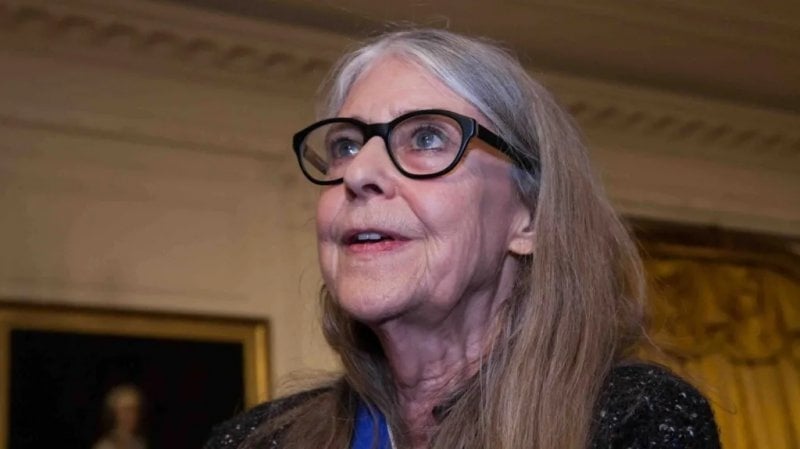


2026 © Helium Trades
Privacy Policy & Disclosure
* Disclaimer: Nothing on this website constitutes investment advice, performance data or any recommendation that any particular security, portfolio of securities, transaction or investment strategy is suitable for any specific person. Helium Trades is not responsible in any way for the accuracy
of any model predictions or price data. Any mention of a particular security and related prediction data is not a recommendation to buy or sell that security. Investments in securities involve the risk of loss. Past performance is no guarantee of future results. Helium Trades is not responsible for any of your investment decisions,
you should consult a financial expert before engaging in any transaction.
Helium Research Assistant

How can I help you today?
Ask any question about this page.


